

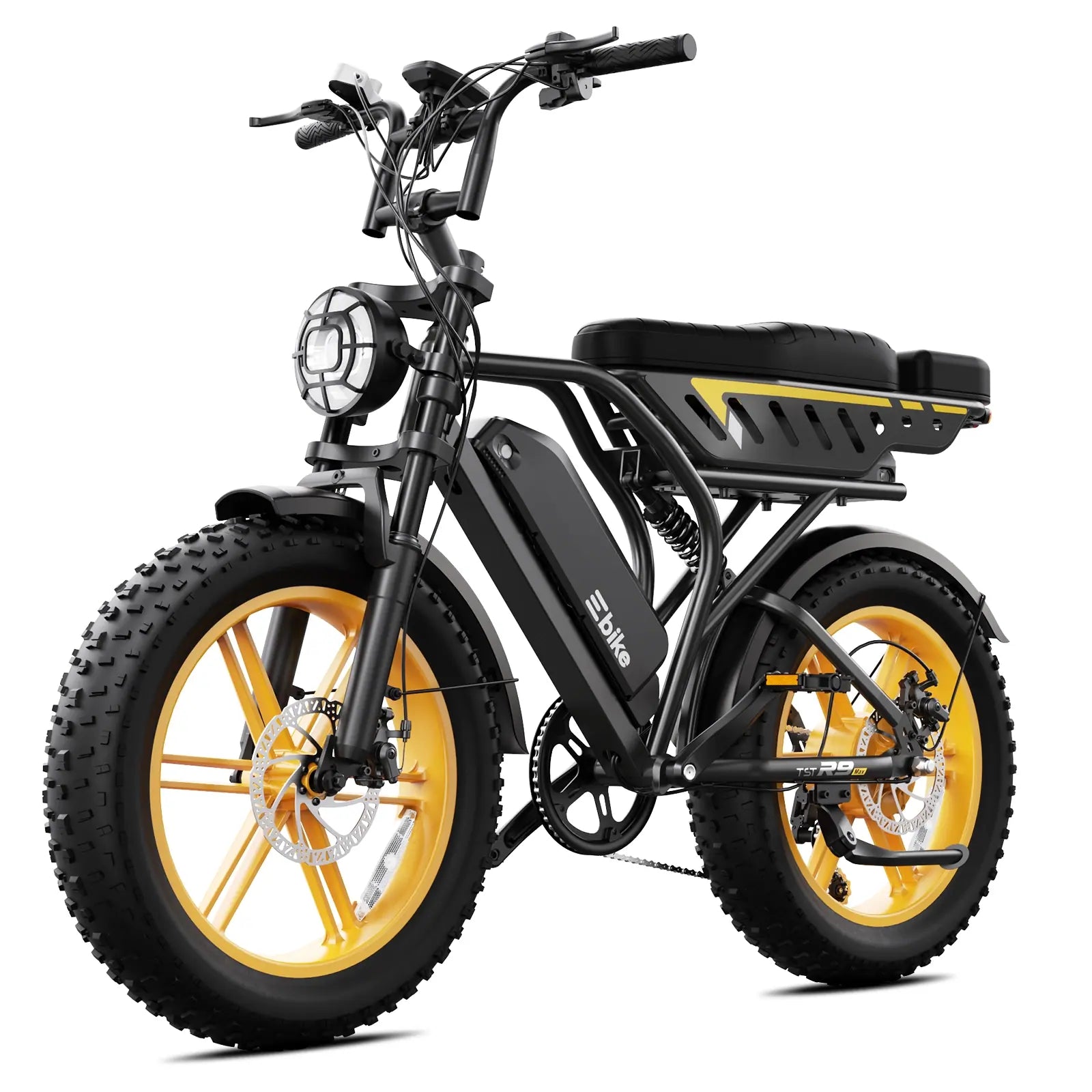
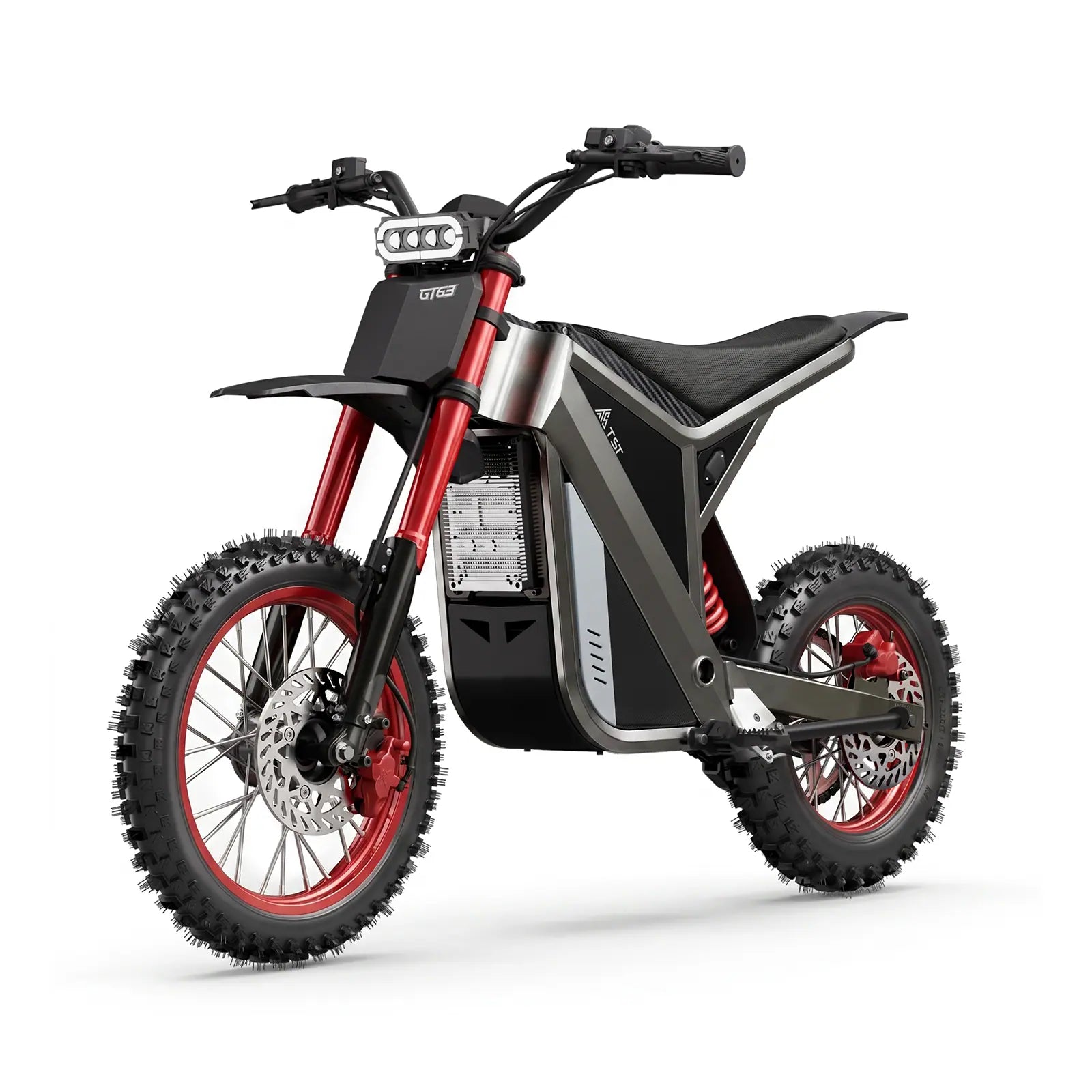









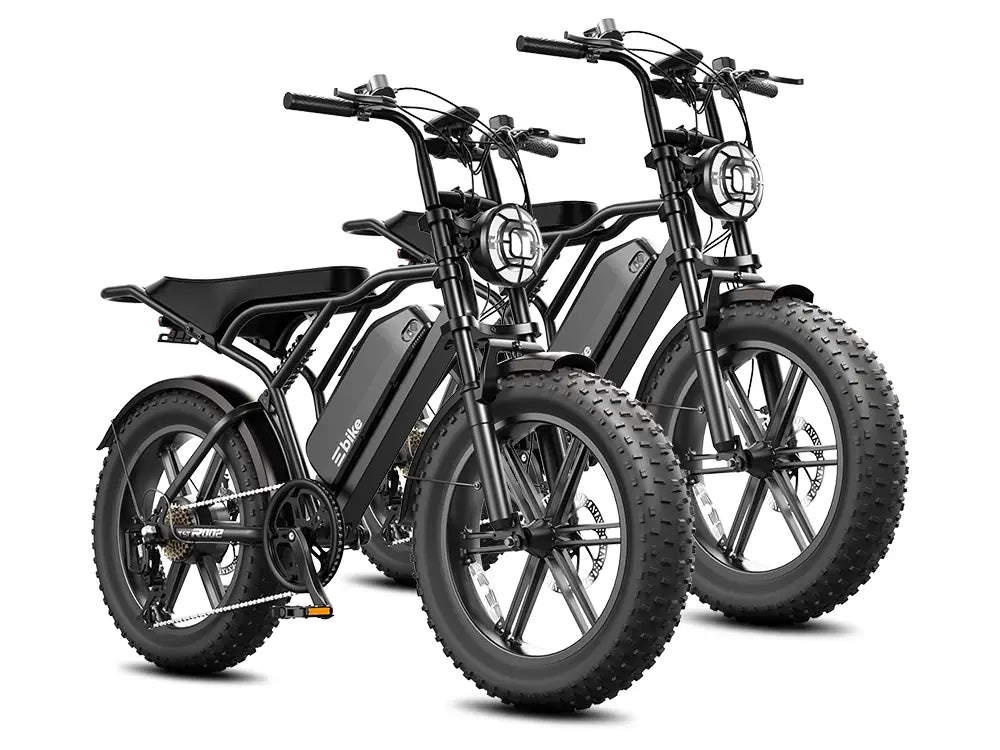
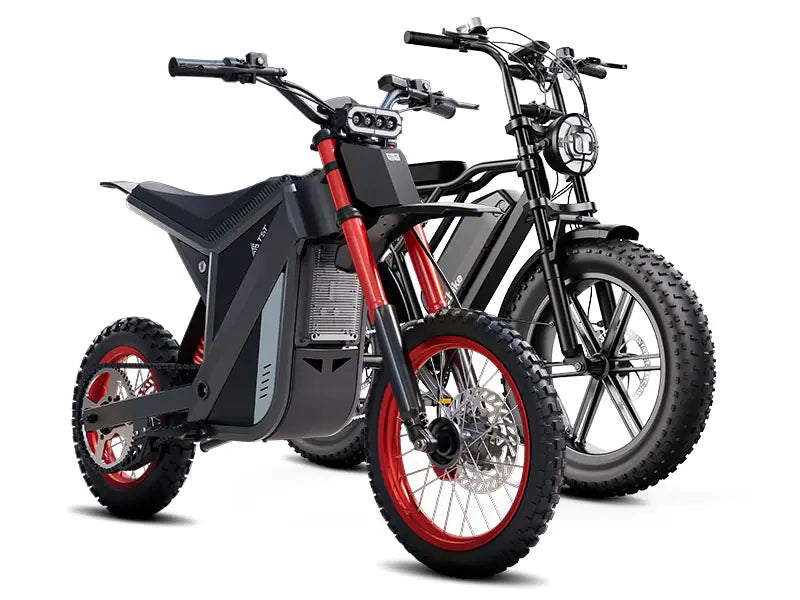

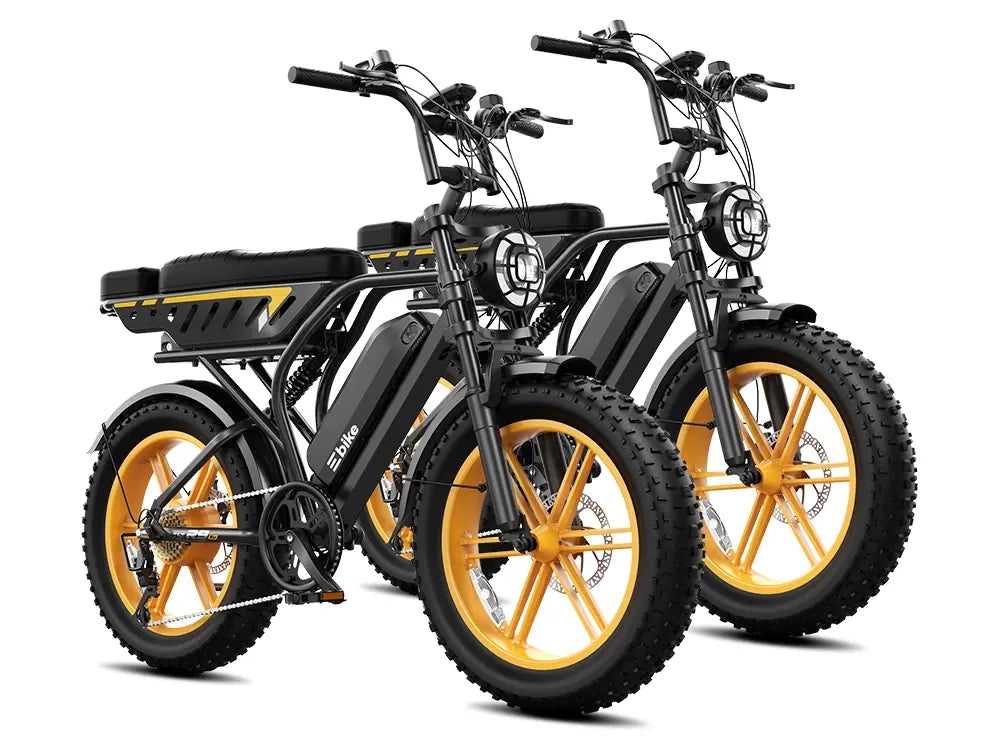

Moped style e-bikes are street legal in most US states if they comply with Class 1-3 e-bike classifications**: pedals, <750W motor, throttle or pedal-assist up to 20-28 mph, and required safety features like lights and brakes. Exceeding these (e.g., >750W, no pedals) classifies them as mopeds or motorcycles, requiring DMV registration, licenses, and insurance. Always verify local laws.**
What Are Moped Style E Bikes?
Moped style e-bikes mimic classic mopeds or scooters with step-through frames, wide seats, fat tires, and motorcycle-like aesthetics but retain bicycle pedals and electric motors for assisted riding. They blend urban style with practical commuting power.
These designs appeal to riders seeking a bold look without full motorcycle commitments. Unlike true mopeds, compliant models prioritize e-bike regulations for easier legality. TST EBike offers versatile options like 26-inch rugged models for off-road and 27-inch commuters.
What Makes an E-Bike Street Legal?
Street-legal e-bikes meet federal and state standards: operable pedals, motors under 750W continuous, speed caps at 20 mph (Class 2 throttle) or 28 mph (Class 3 pedal-assist), and features like brakes, lights, reflectors, and horns. No license needed for compliant classes.
Detailed compliance ensures access to bike lanes and paths. Federal CPSC guidelines set the baseline, but states add nuances like helmet rules. TST EBike builds models adhering to these specs.
How Do Moped Style E Bikes Fit E-Bike Classes?
Moped style e-bikes fit Class 2 or 3 if powered under 750W with pedals and speed limits. Their throttle-equipped designs excel in Class 2 for effortless urban rides, while pedal-assist Class 3 suits longer hauls up to 28 mph.
These bikes leverage hub or mid-drive motors for torque on hills. TST EBike's high-power yet compliant builds, founded in 2017 California, deliver cost-effective performance for diverse terrains—26-inch for sand/snow, 27-inch for commuting. Non-compliant high-power versions risk reclassification.
Which States Allow Moped Style E Bikes on Roads?
Most states (30+) adopt the three-class system; e.g., California, Texas, Florida permit Classes 1-2 freely on bike lanes, Class 3 on roads with age limits. New York mandates helmets under 16; Arizona has no adult helmet rule. Check DOT sites.
Variations include Wyoming off-road only for overpowered models and Georgia path bans for Class 3. TST EBike, with warehouses in California and sales in 10+ countries, ensures models suit multi-state use via global compliance standards.
Do Moped Style E Bikes Require a License or Registration?
No license for Class 1-3 e-bikes under 750W/28 mph in most states, but exceeding triggers moped rules: DMV registration, plates, insurance, and possibly a motorcycle license. New Jersey tightened youth rules in 2026.
Age minimums (16+) apply in places like California for Class 3. TST EBike focuses on Class-compliant designs to avoid hassles, letting riders skip bureaucracy while enjoying powerful, affordable rides from their 20+ offline stores.
Why Choose TST EBike for Street-Legal Moped Style Models?
TST EBike delivers high-power, cost-effective moped style e-bikes built on consumer feedback since 2017. Their 26-inch models conquer rough terrains like snow and sand, while 27-inch excel in commuting and mountain biking— all prioritizing street legality.
TST EBike Expert Views
"At TST EBike, we've transformed transportation since founding TST GRP LLC in California. Our moped style e-bikes meet Class 2/3 standards with <750W motors, ensuring street legality across states. The 26-inch wheels tackle snow and sand effortlessly, while 27-inch models suit daily commutes. We prioritize consumer-driven designs for safe, powerful rides. With warehouses here and sales in 10+ countries, plus 20+ stores, we're passionate about enjoyable cycling without legal worries."
— TST EBike Engineering Lead
What Safety Features Ensure Street Legality?
Required: front/rear lights, reflectors, brakes (disc preferred), mirrors (some states), horns. Hydraulic brakes and LED lights boost visibility; torque sensors provide natural assist.
These prevent reclassification. TST EBike integrates all, enhancing commuter safety on busy roads.
Can You Modify Moped Style E Bikes for Legality?
Yes, add pedals, limit speed to 28 mph, cap power at 750W, and install safety gear—but mods void warranties and risk fines if undetected. Professional tuning ensures compliance.
Consult experts like TST EBike for safe upgrades.
Where Are Moped Style E Bikes Banned or Restricted?
Banned as EMDs in places like Hong Kong on roads/paths; New Jersey restricts youth. US cities may ban sidewalks. Rural states expand access.
Verify locally.
How to Check If Your Moped Style E Bike Is Legal?
Review specs: pedals? <750W? Speed cap? Safety features? Cross-check state DOT or PeopleForBikes.org. Test ride under limits.
TST EBike labels clarify classes.
Summary
Moped style e-bikes shine legally under Class 1-3 rules: <750W, pedals, 20-28 mph max. Verify state laws, equip safety features, and choose compliant brands like TST EBike for hassle-free riding. Avoid mods;Actionable: Check your DOT today, test a 27-inch commuter model, and ride confidently.
FAQs
Are moped style e-bikes faster than regular bikes?
Yes, up to 28 mph legally vs. 15-20 mph pedaling, ideal for commutes.
Do I need insurance for Class 2 e-bikes?
No federally, but some states require for higher classes; check locally.
What's the best moped style for beginners?
Class 2 throttle models with 20 mph caps for easy control.
Can moped style e-bikes go on highways?
No, speed limits exclude them; stick to bike lanes/roads.

Leave a comment
This site is protected by hCaptcha and the hCaptcha Privacy Policy and Terms of Service apply.