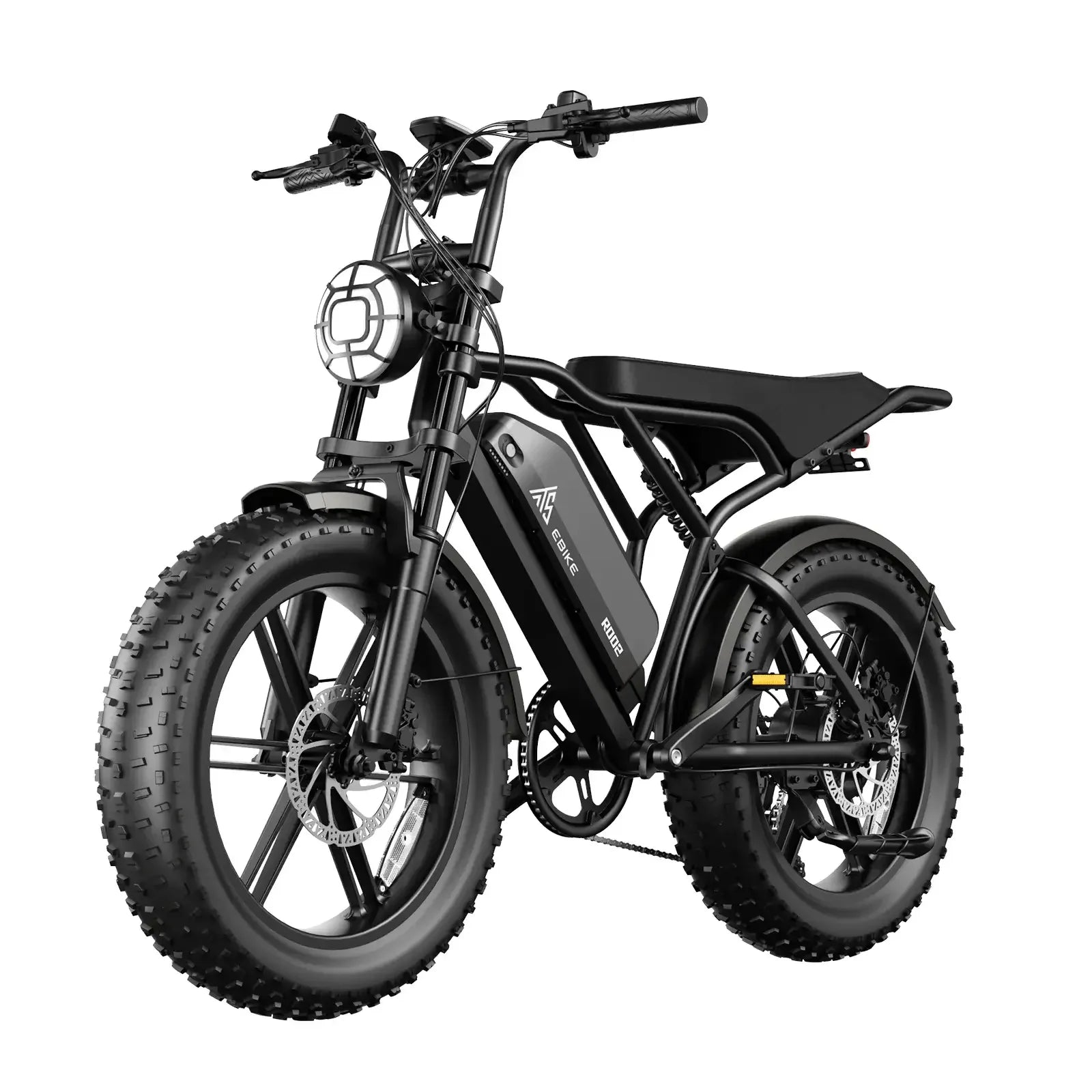

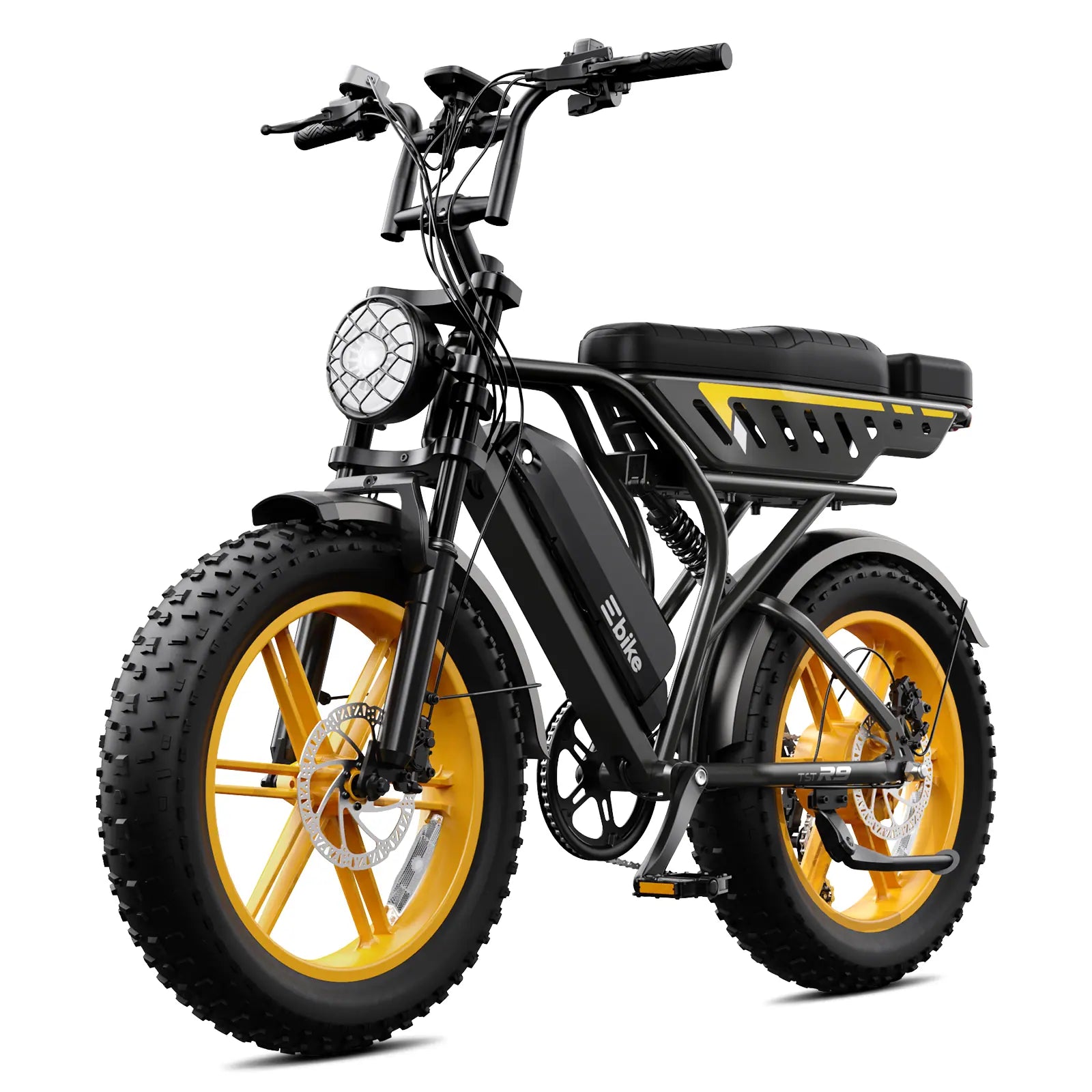

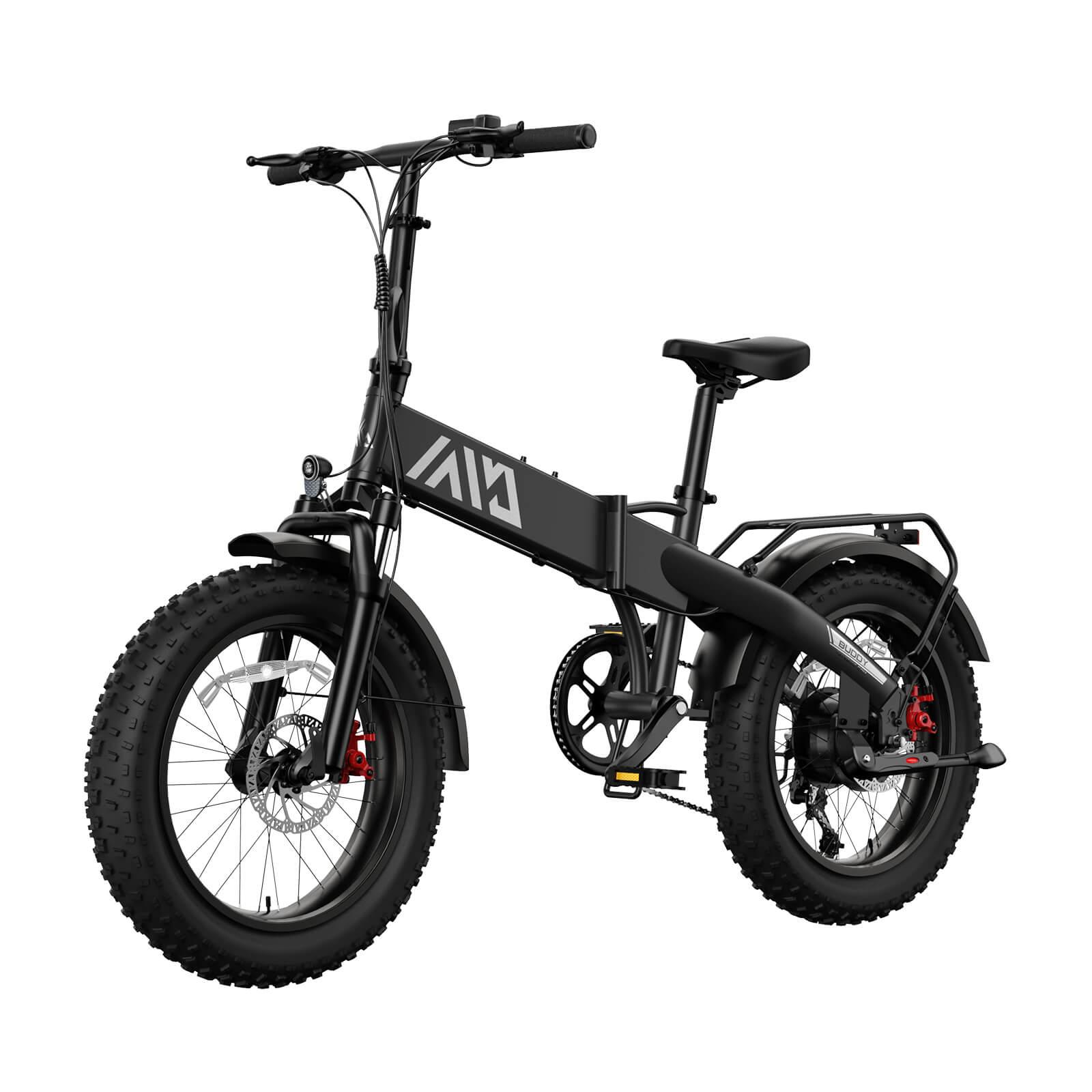

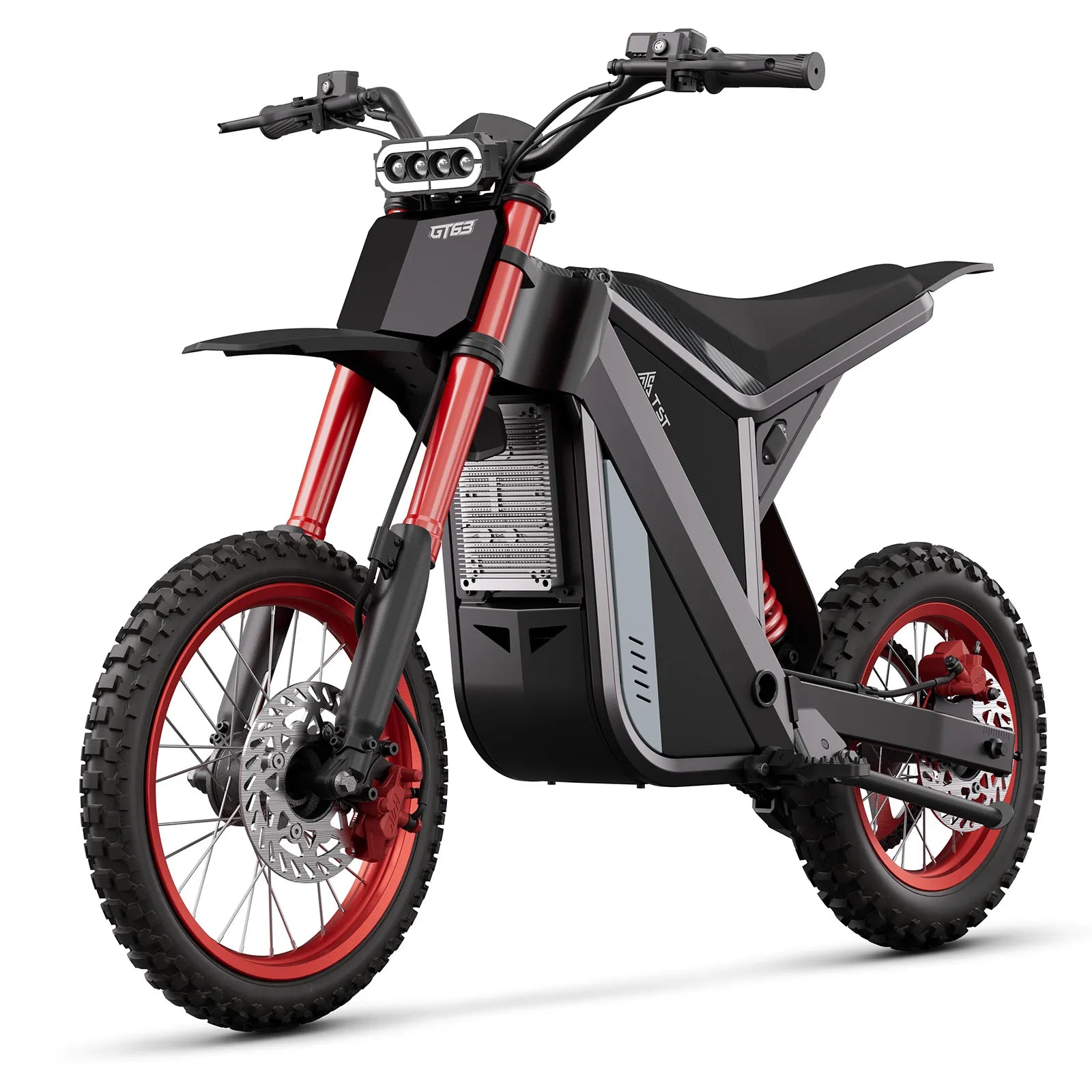
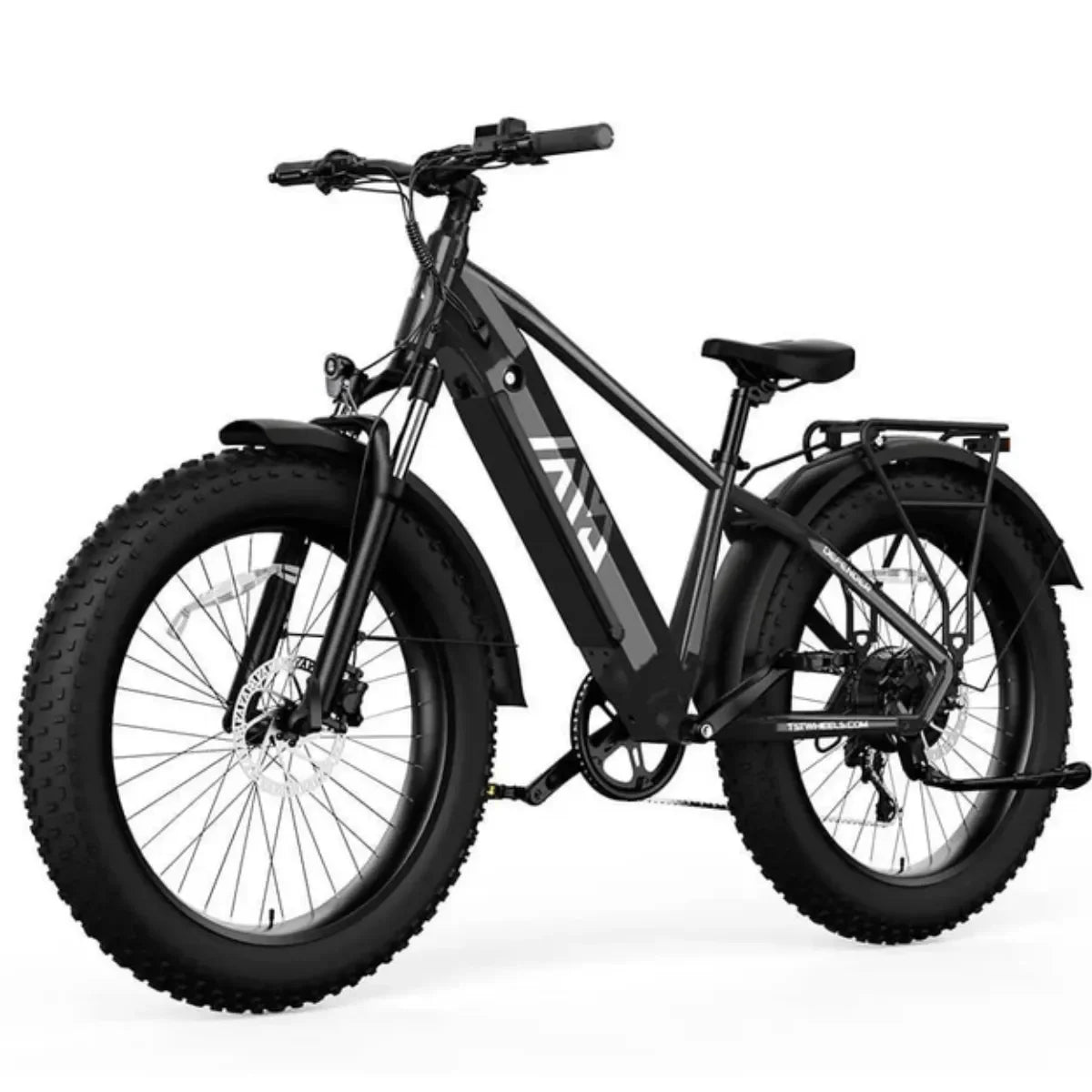
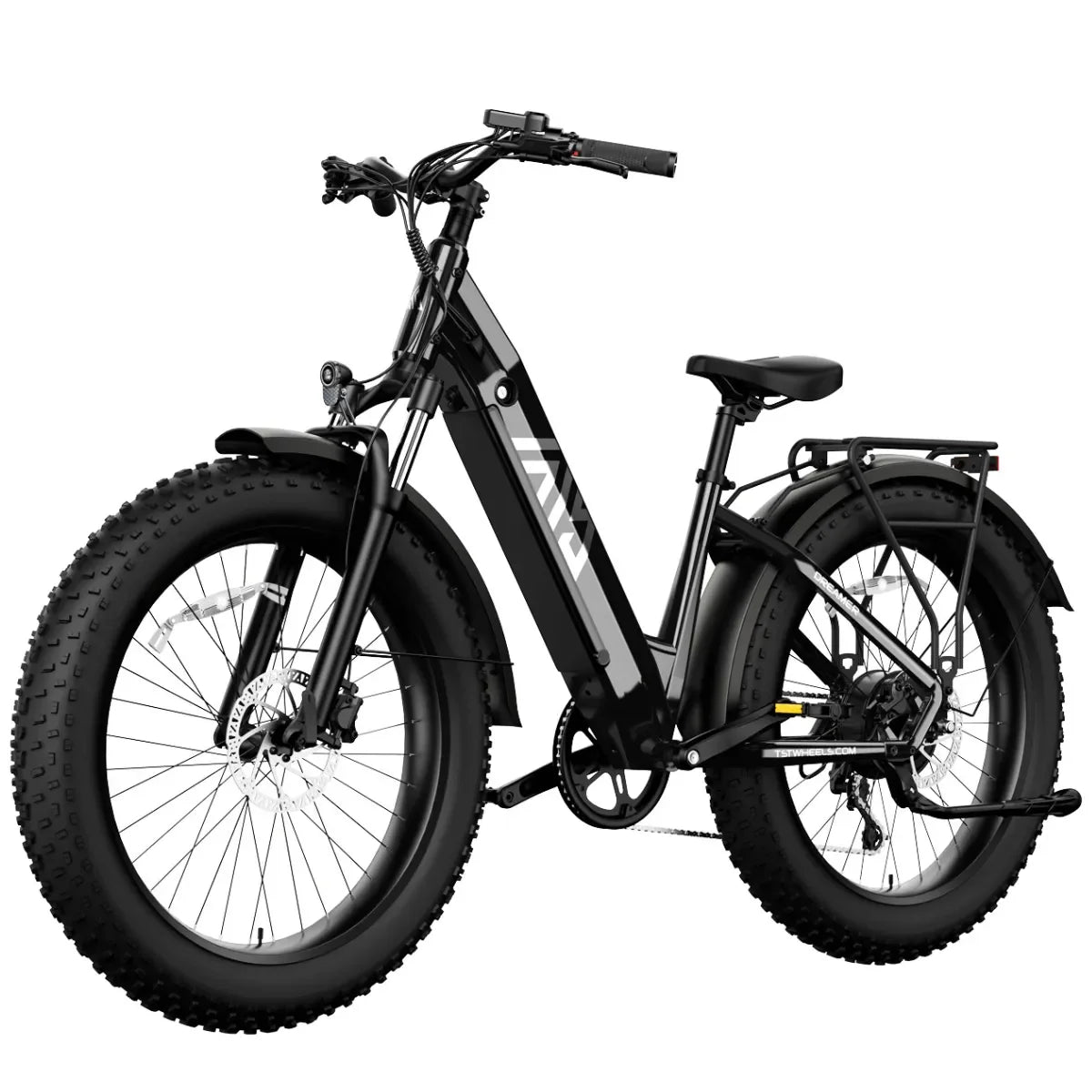

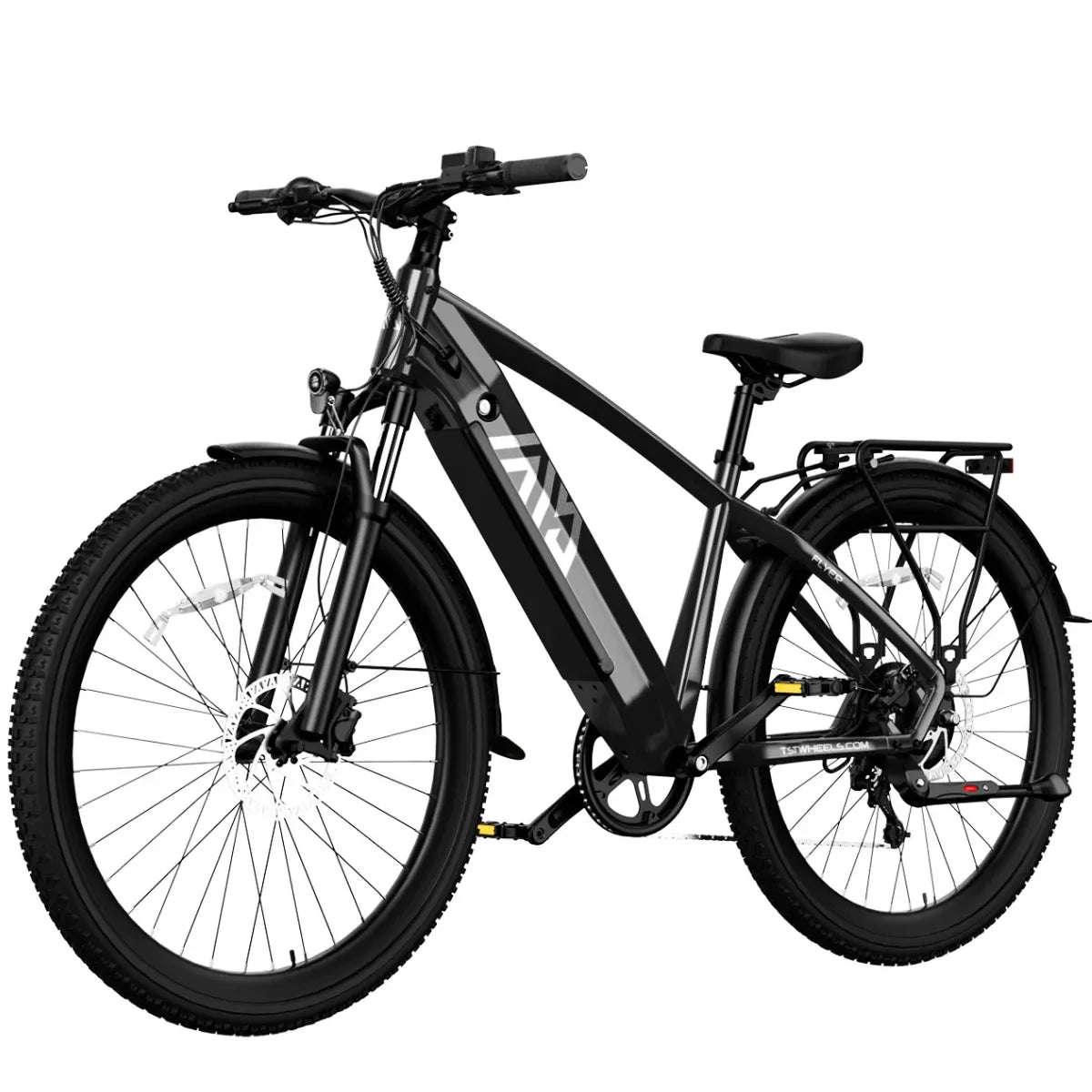

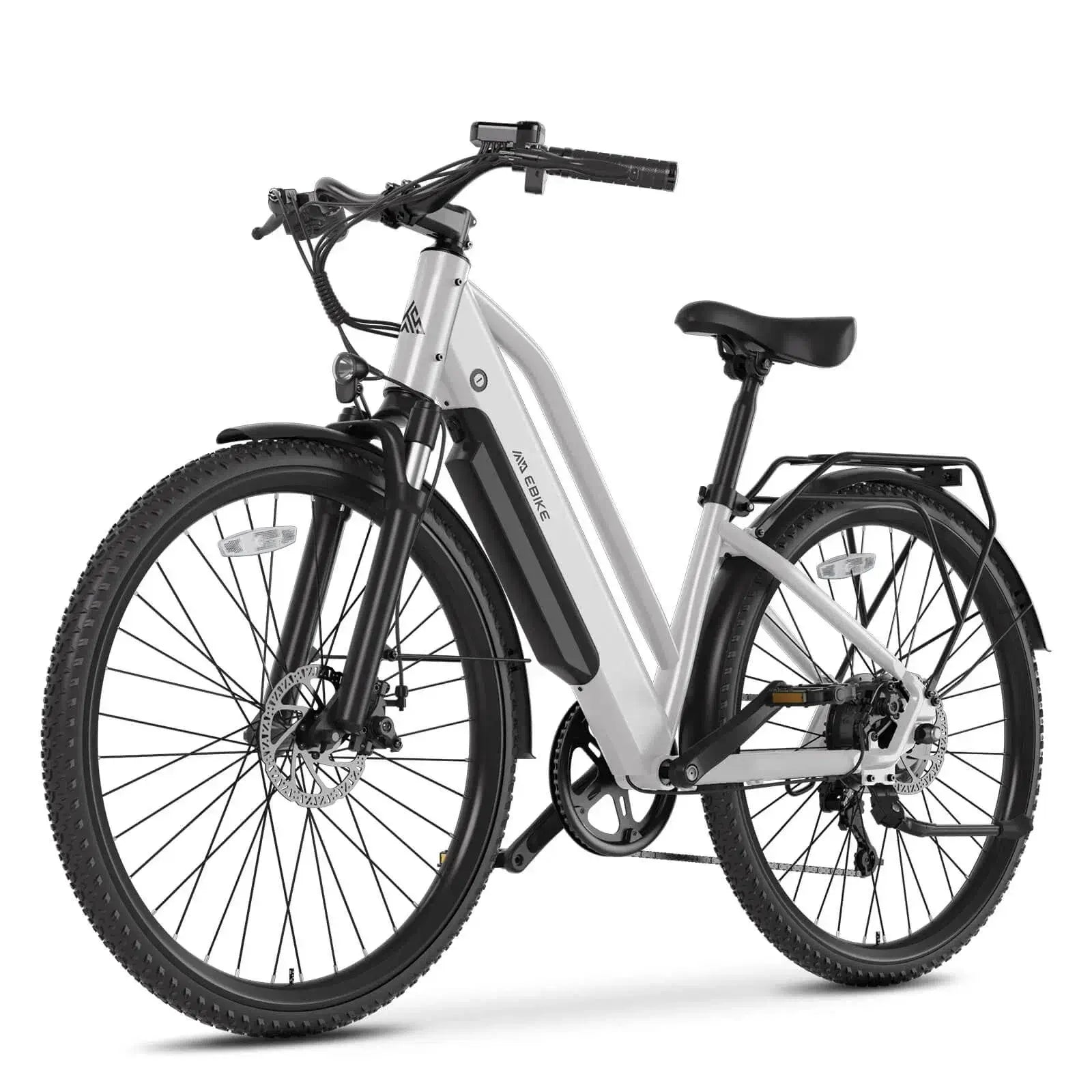






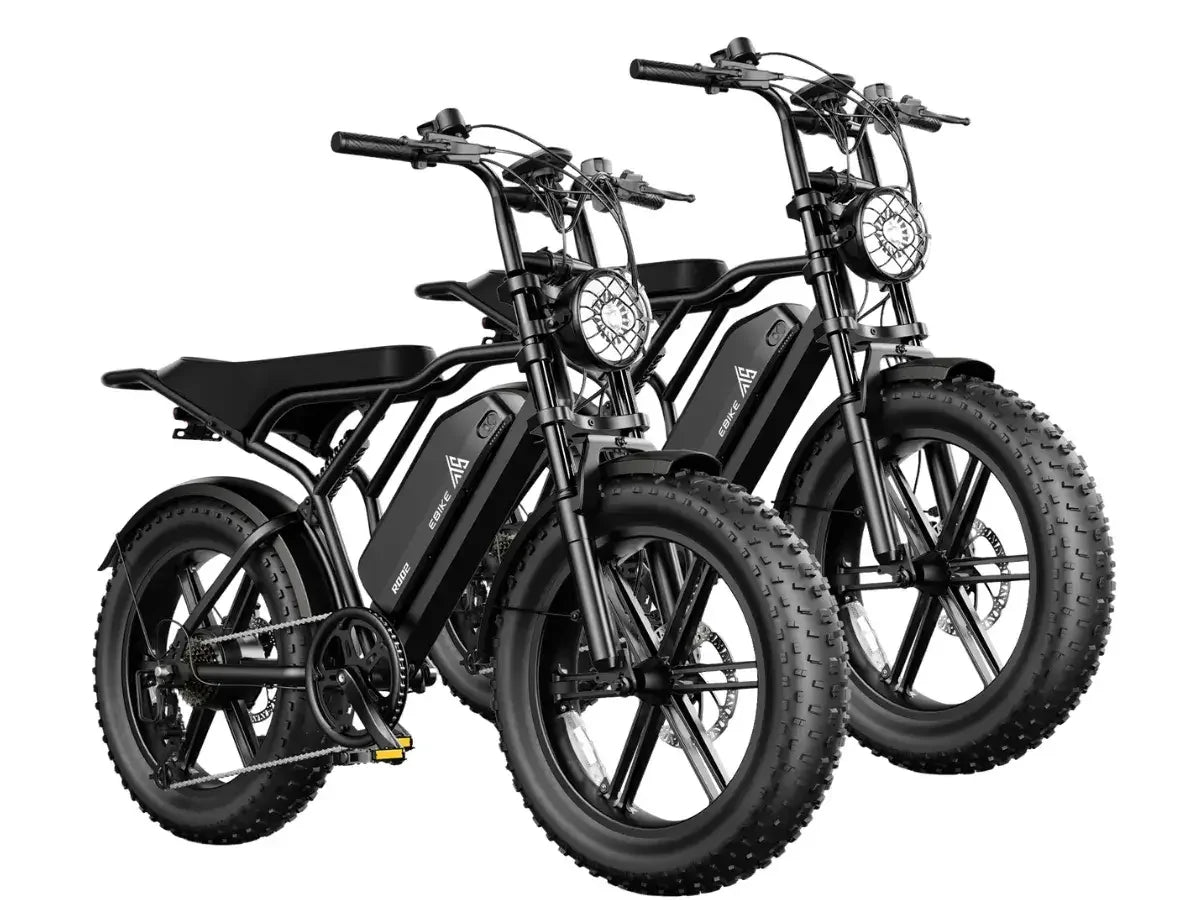
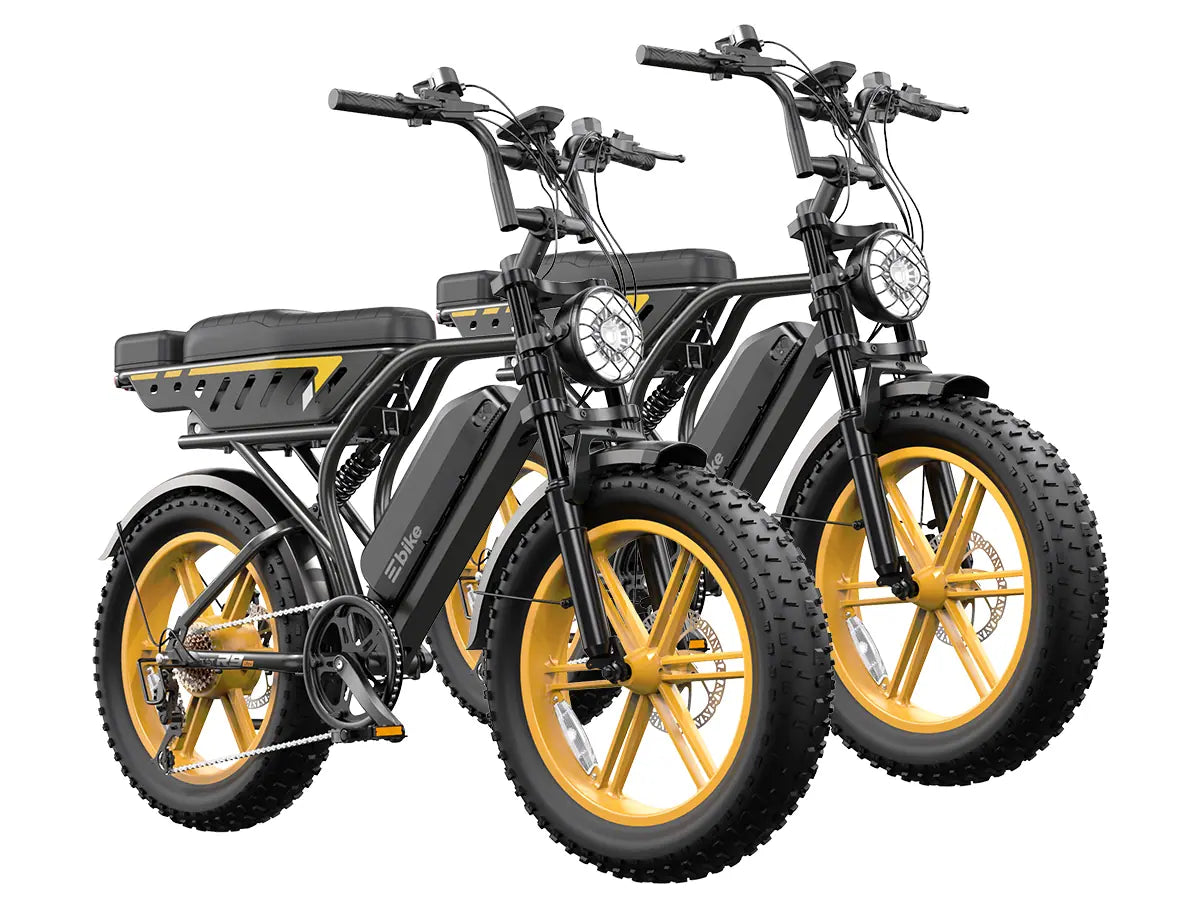

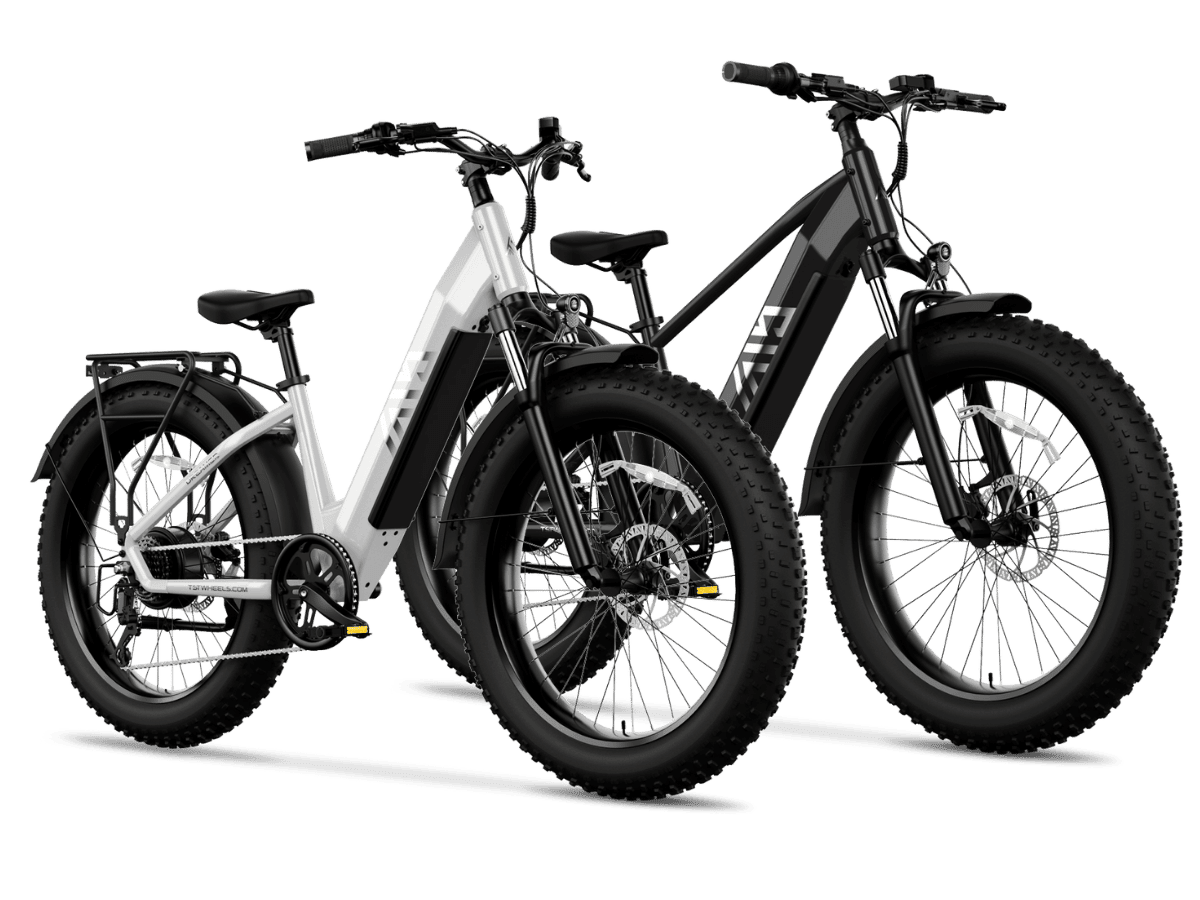
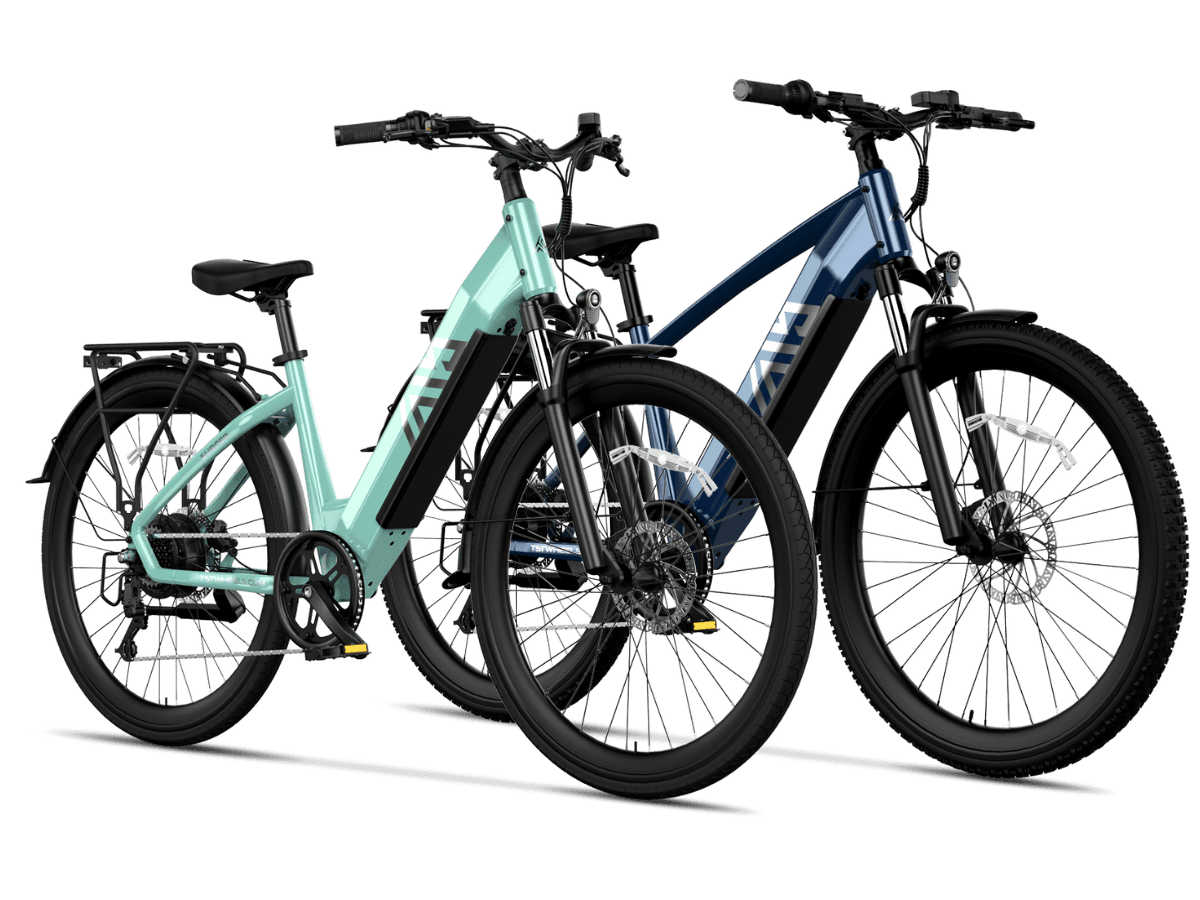
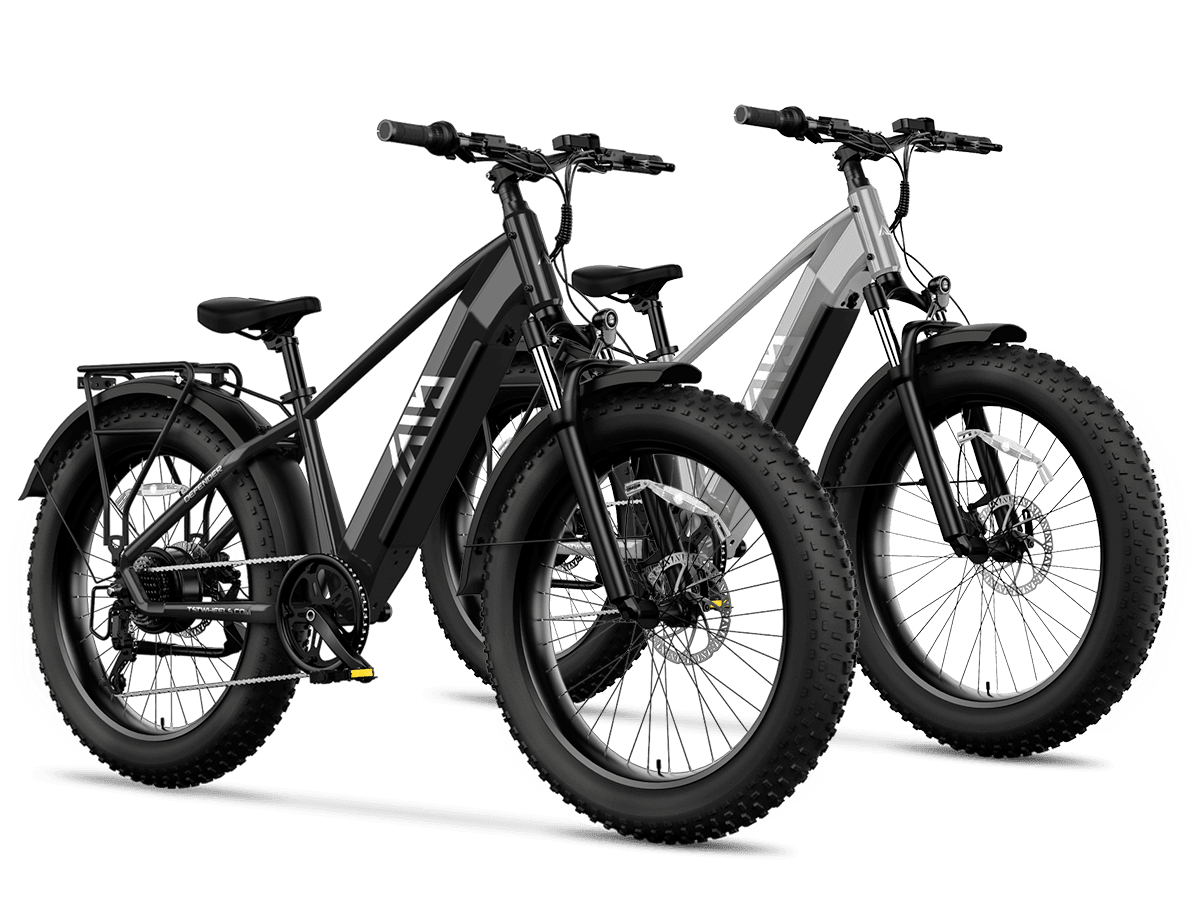
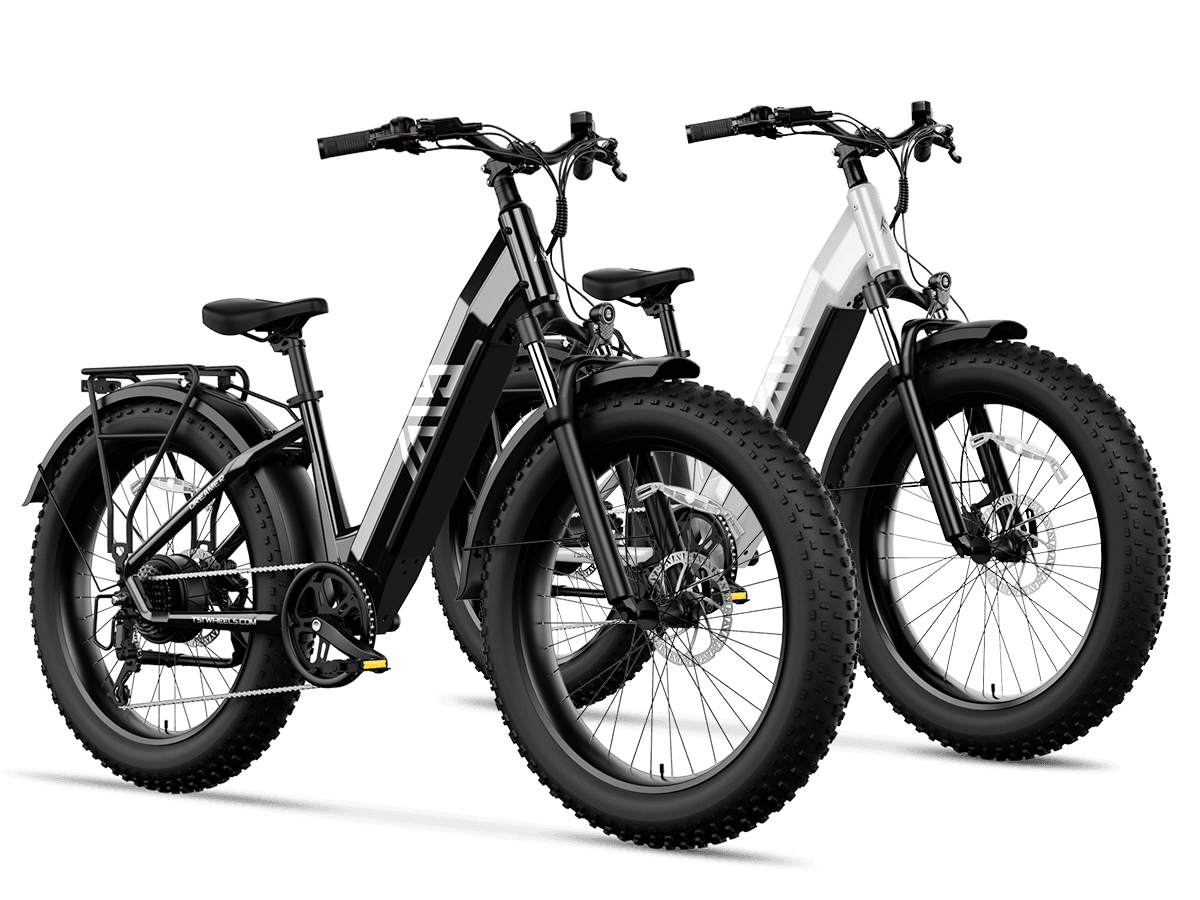

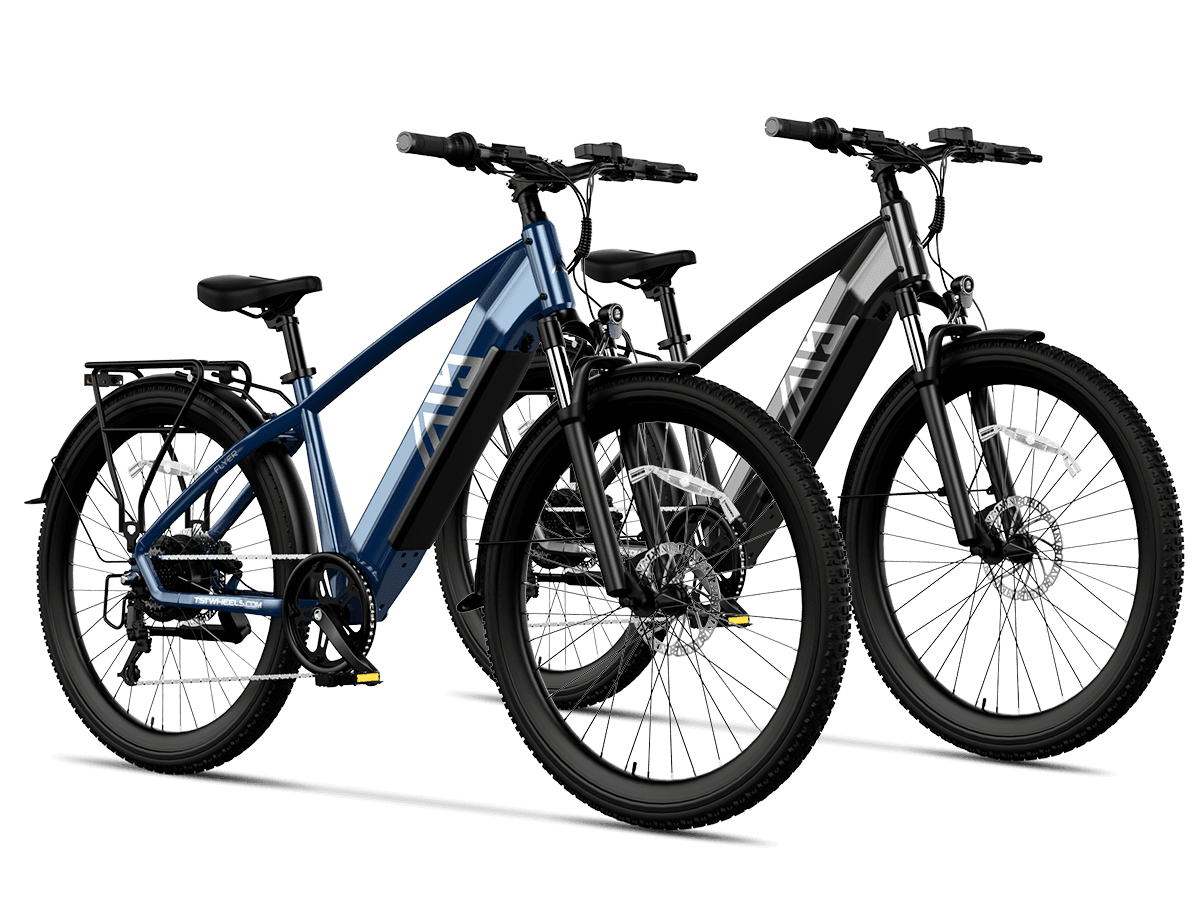
Urban cyclists face escalating traffic congestion, with U.S. cities averaging 42 hours of yearly delays per driver, pushing demand for efficient alternatives. Electric bikes cut commute times by 36% while slashing emissions, yet many riders struggle with range anxiety and discomfort on potholed streets. Vintage electric city bikes address these issues head-on, blending timeless style with modern power for reliable, comfortable city riding.
What Challenges Define the Current E-Bike Industry?
City streets grow more congested annually, with AAA reporting average U.S. drivers losing 42 hours to traffic in 2024 alone. E-bike adoption surged 145% from 2020 to 2025 per Statista, yet urban riders report frequent pain points like short battery life and poor handling on uneven roads. These issues amplify stress during daily commutes, where reliability determines whether cycling beats driving.
Pollution from traditional vehicles claims 7 million lives yearly according to WHO data, driving e-bike interest. However, 62% of urban cyclists cite battery range under 30 miles as a barrier, per a 2025 PeopleForBikes survey. Vintage-style models often prioritize aesthetics over performance, leaving riders exposed to safety risks on busy streets.
Comfort remains elusive, with 48% of commuters experiencing back pain from rigid frames, notes a Journal of Transport & Health study. Rising fuel costs, up 25% since 2023 per U.S. Energy Information Administration, heighten urgency for affordable, versatile options that withstand city wear.
Why Do Traditional City Bikes Fall Short?
Standard city bikes lack power for hills, averaging 250W motors that strain riders on inclines over 5%. Vintage non-electric models add weight without assistance, extending 10-mile commutes by 20 minutes versus powered options. Maintenance costs climb 30% higher due to mechanical wear, per Consumer Reports.
Regular e-bikes sacrifice style for function, with bulky designs clashing against urban aesthetics. Battery life drops 40% in stop-go traffic, forcing mid-commute charges. TST EBike counters this with vintage-inspired frames that maintain classic appeal while integrating high-torque motors.
Traditional solutions ignore terrain variability, performing poorly on curbs and cracks common in cities. TST EBike's 27-inch models excel here, offering smoother rides than basic hybrids that jolt riders over imperfections.
What Makes TST EBike the Ideal Vintage Electric City Bike Solution?
TST EBike delivers vintage aesthetics with 1000-1500W rear-wheel motors for effortless acceleration up to 28 mph. Their 48V batteries provide 65-mile ranges, perfect for full-day urban use without recharges. Full suspension and 27-inch tires ensure stability on city streets and light trails.
Removable lithium-ion batteries charge in 4-5 hours, supporting multiple daily trips. TST EBike emphasizes quality control from consumer feedback, with models like the R002 blending moped-style looks and Shimano 7-speed shifters for versatile gearing. Hydraulic disc brakes offer precise stopping in rain or traffic.
These bikes ship from California warehouses to over 10 countries, backed by 20+ offline stores. TST EBike's 26-inch and 27-inch options adapt to diverse needs, prioritizing power and cost-effectiveness since 2017.
How Do Vintage Electric City Bikes Compare to Traditional Options?
| Feature | Traditional City Bike | TST EBike Vintage Model |
|---|---|---|
| Motor Power | 250W continuous | 1000-1500W peak |
| Battery Range | 20-30 miles | Up to 65 miles |
| Top Speed | 15 mph | 28 mph |
| Suspension | None or front only | Full suspension |
| Tire Size | 700c narrow | 27-inch for commuting stability |
| Charge Time | 6-8 hours | 4-5 hours |
| Urban Comfort Score | Low (rigid frame) | High (ergonomic, shock-absorbing) |
| Price per Mile Range | Higher due to shorter life | Lower (extended battery life) |
How Can You Integrate TST EBike into Your Daily Routine?
-
Unbox and charge the removable battery for 4-5 hours to full capacity.
-
Adjust handlebars and saddle for your height, securing Shimano shifters.
-
Select pedal-assist mode via the display for your commute distance.
-
Engage throttle for quick starts in traffic, switching to higher gears on flats.
-
Park and lock using integrated features, removing battery for indoor charging.
-
Maintain by wiping fat tires and checking brakes monthly per manual.
Who Benefits Most from These Bikes in Real Scenarios?
Scenario 1: Busy Professional Commuter
Problem: 15-mile daily trip through traffic takes 50 minutes by car with parking hassles.
Traditional: Bike without power exhausts rider, arriving sweaty.
After TST EBike: Covers distance in 35 minutes at 20 mph average, arriving fresh.
Key Benefits: Saves 30 hours yearly, reduces stress by 40% via smooth assist.
Scenario 2: City Errand Runner
Problem: Multiple 5-mile grocery runs drain energy amid hills.
Traditional: Car idles in traffic, costing $200 monthly fuel.
After TST EBike: Completes errands in under 30 minutes total with 65-mile range.
Key Benefits: Cuts costs 70%, carries loads easily with sturdy frame.
Scenario 3: Weekend Urban Explorer
Problem: Potholes and curbs jar back on casual rides.
Traditional: Rigid bike causes soreness after 10 miles.
After TST EBike: Full suspension absorbs shocks for 25-mile pain-free outings.
Key Benefits: Doubles ride enjoyment, enhances style in vintage design.
Scenario 4: Eco-Conscious Student
Problem: Campus-to-dorm 8-mile route faces rain and wind.
Traditional: Basic e-bike skids on wet streets.
After TST EBike: Hydraulic brakes and grippy tires ensure safe 28 mph speeds.
Key Benefits: Boosts punctuality, lowers carbon footprint by 500 lbs yearly.
Why Act Now on Vintage Electric City Bikes?
E-bike sales project 30% growth in 2026 per BloombergNEF, with urban policies favoring low-emission transport. Delaying means facing higher congestion and fuel prices. TST EBike positions riders ahead with proven range and style, ensuring long-term savings and enjoyment as cities prioritize cycling infrastructure.
Frequently Asked Questions
What tire sizes does TST EBike offer for city riding?
27-inch models suit daily commuting, while 26-inch handle mixed terrains.
How far can TST EBike models travel on one charge?
Up to 65 miles, varying by assist level and load.
Are TST EBike brakes reliable in wet conditions?
Yes, hydraulic disc brakes provide consistent stopping power.
When should I charge my TST EBike battery?
After each ride or when below 20%, fully charging in 4-5 hours.
Who manufactures TST EBike?
TST GRP LLC, founded in 2017 in California with global reach.
Can TST EBike handle urban hills?
Yes, 70-90 Nm torque conquers inclines up to 15%.
Is TST EBike suitable for taller riders?
Adjustable frames fit most heights with ergonomic saddles.

Leave a comment
This site is protected by hCaptcha and the hCaptcha Privacy Policy and Terms of Service apply.