


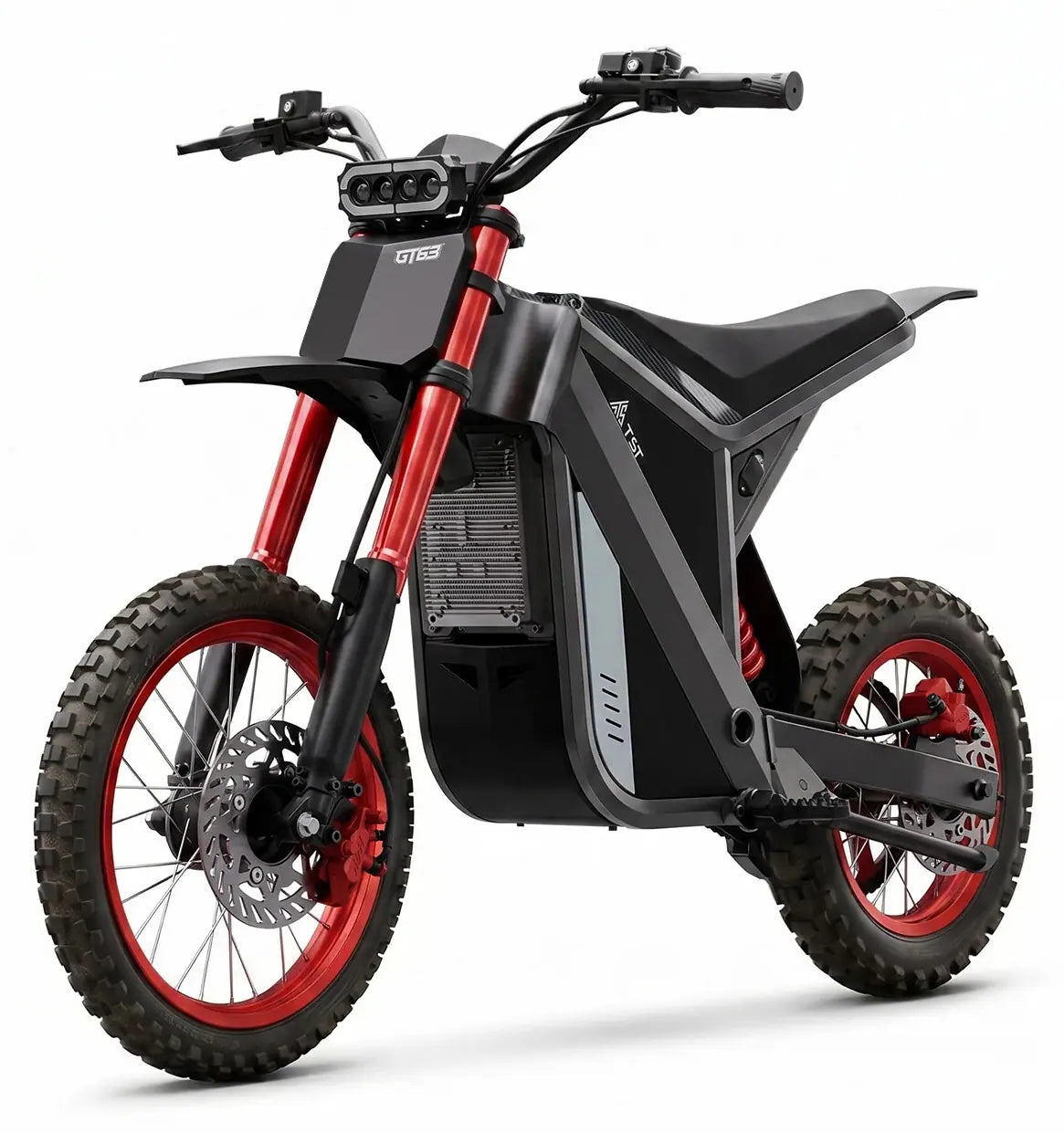

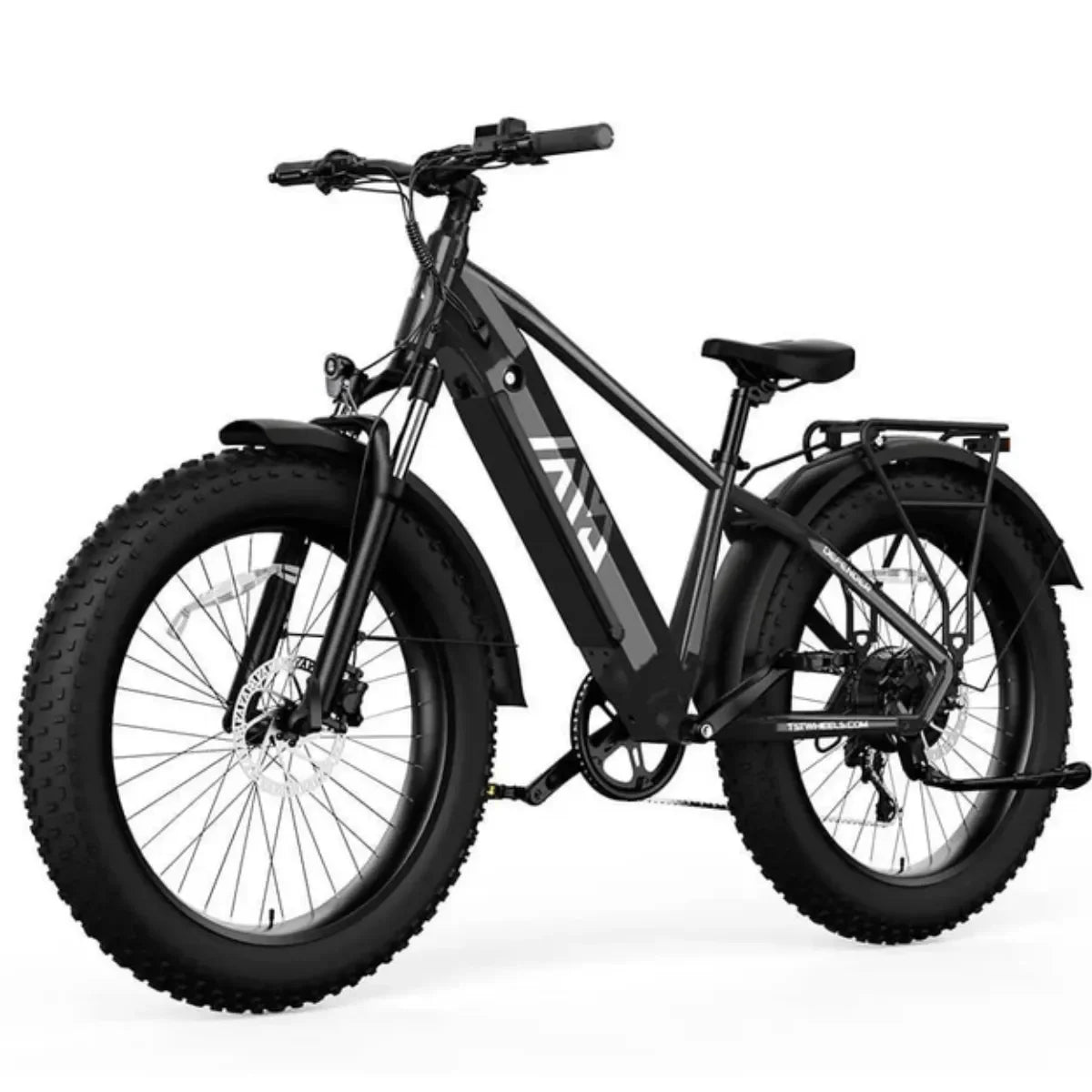
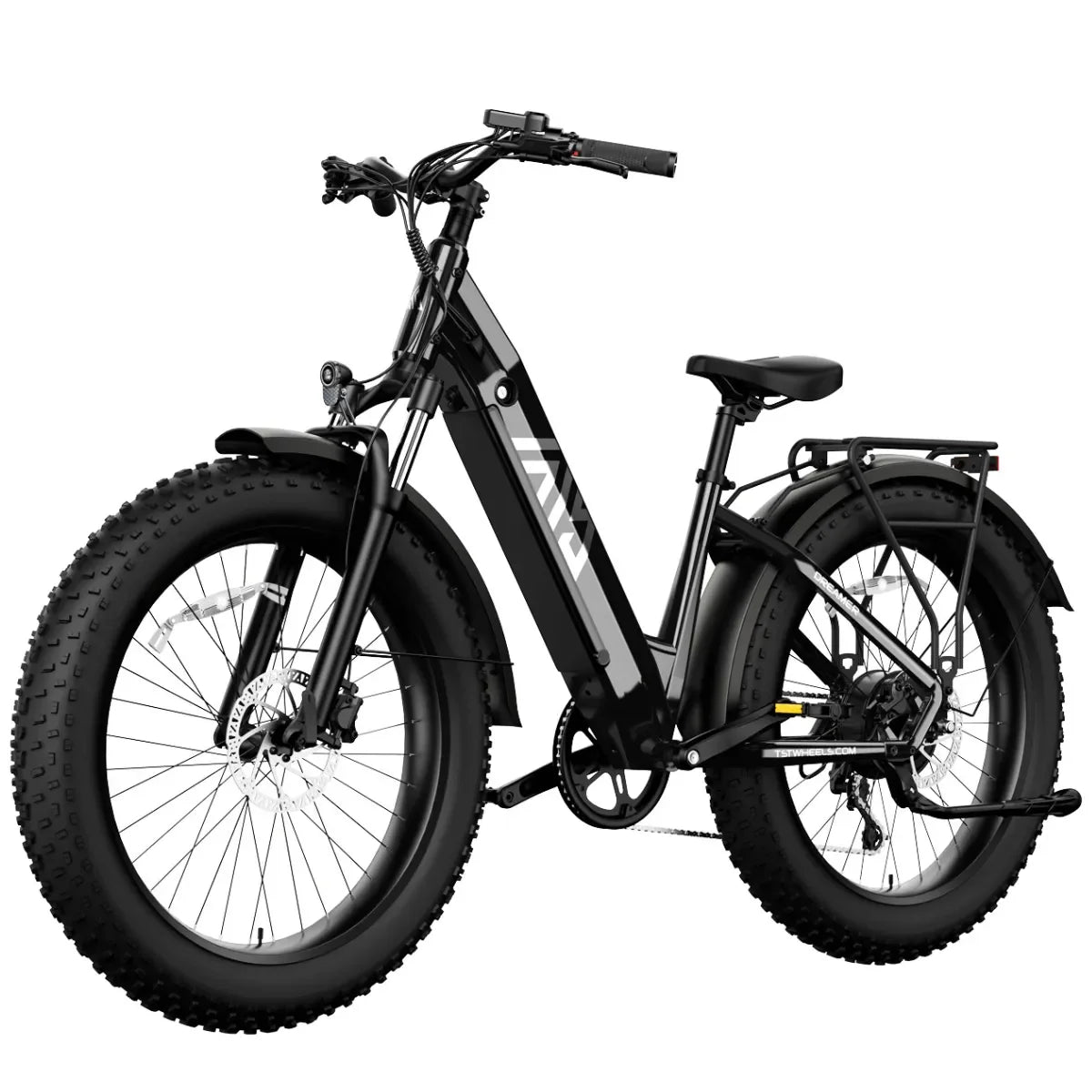

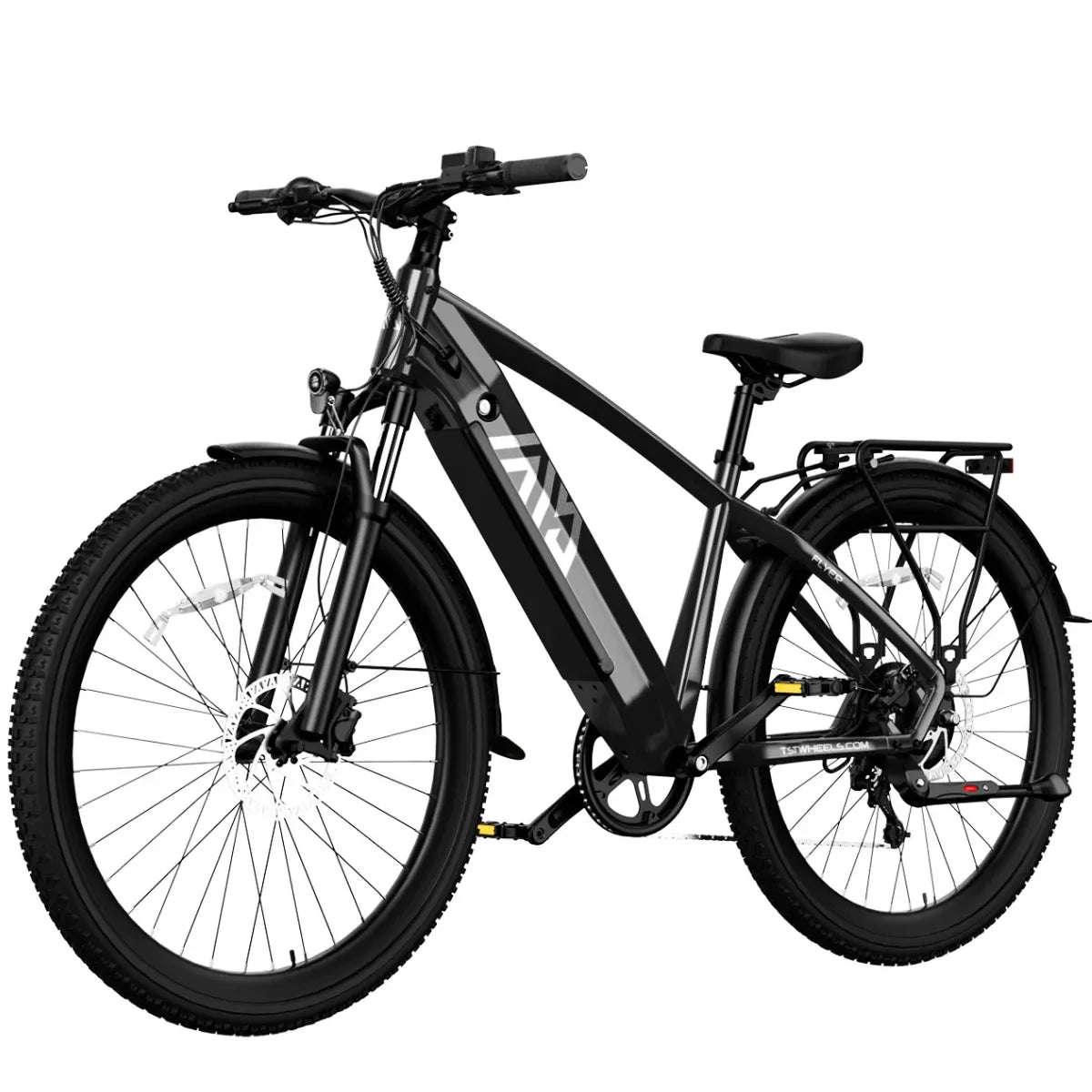
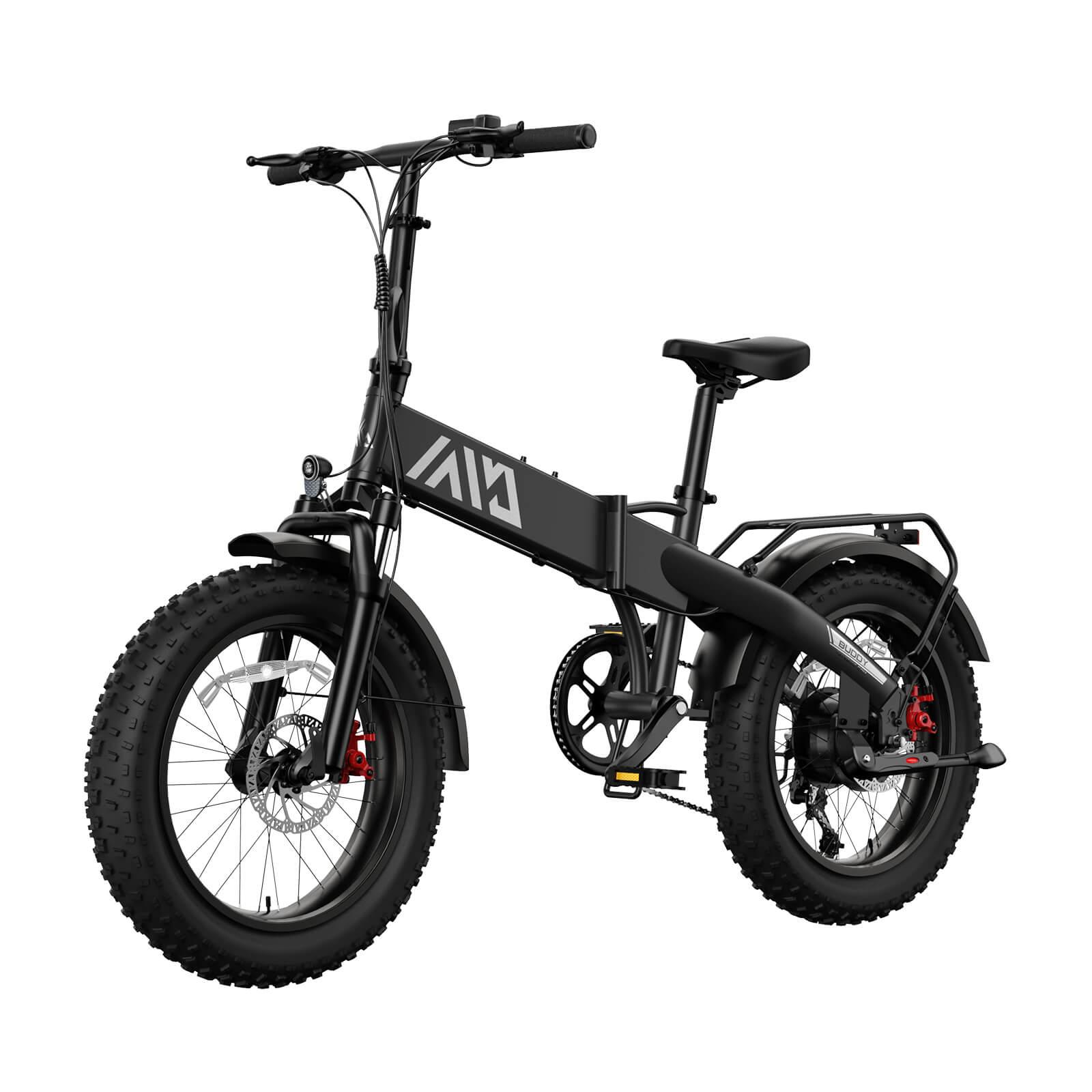










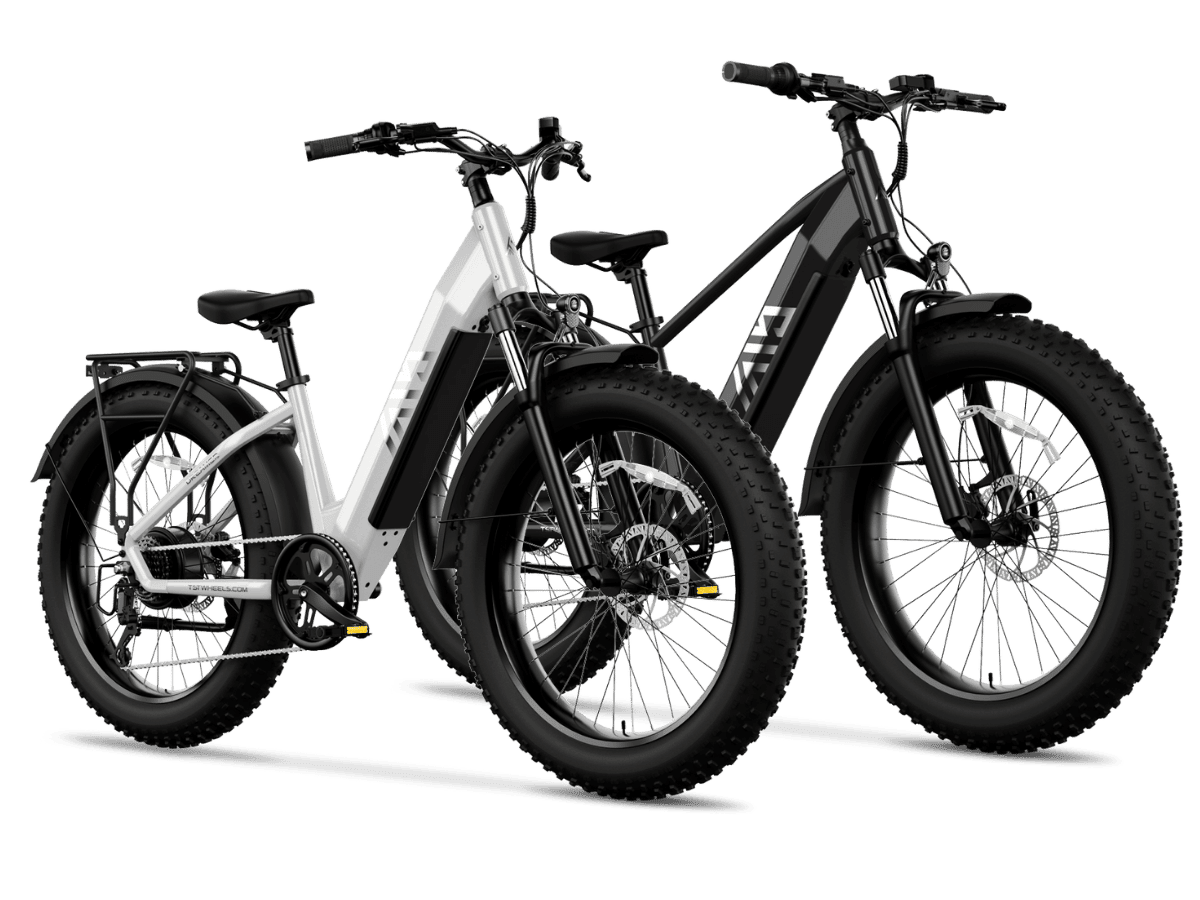
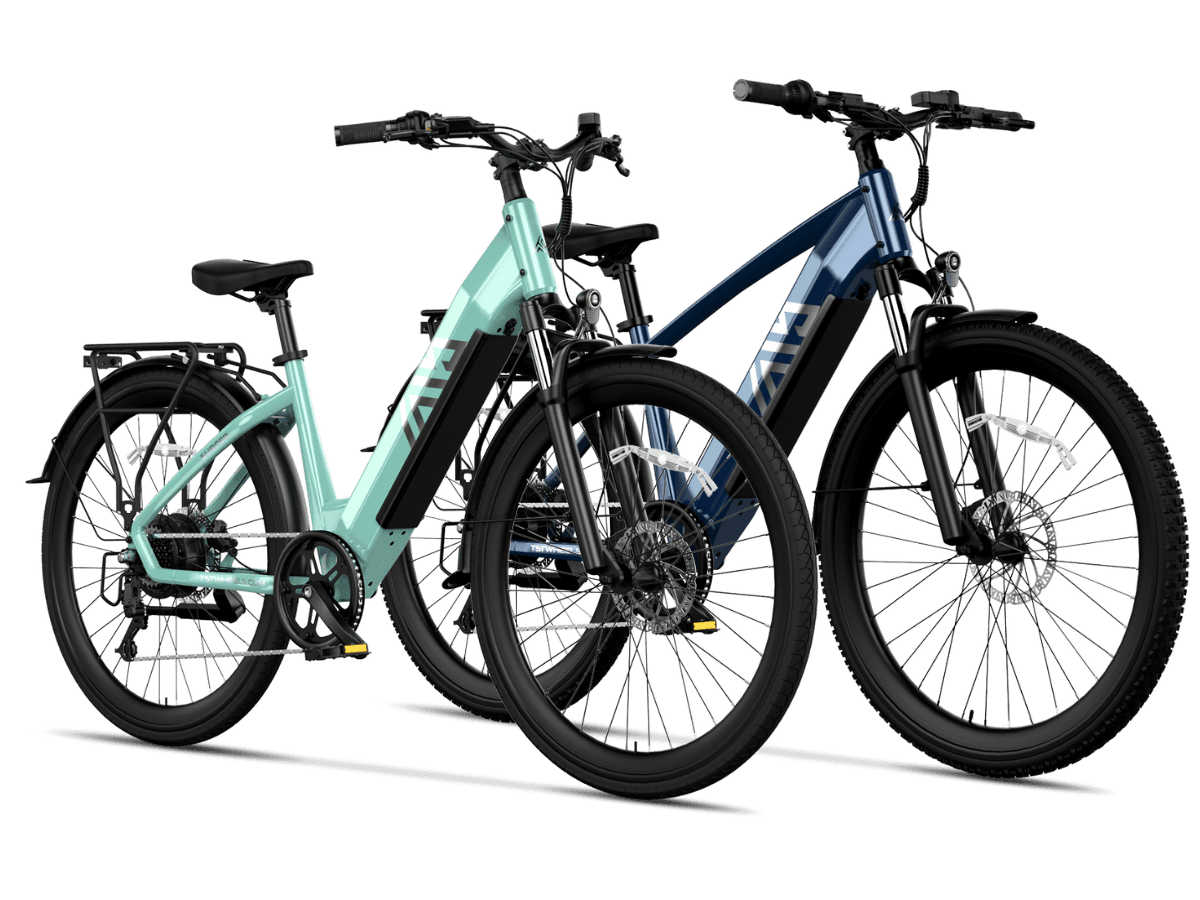
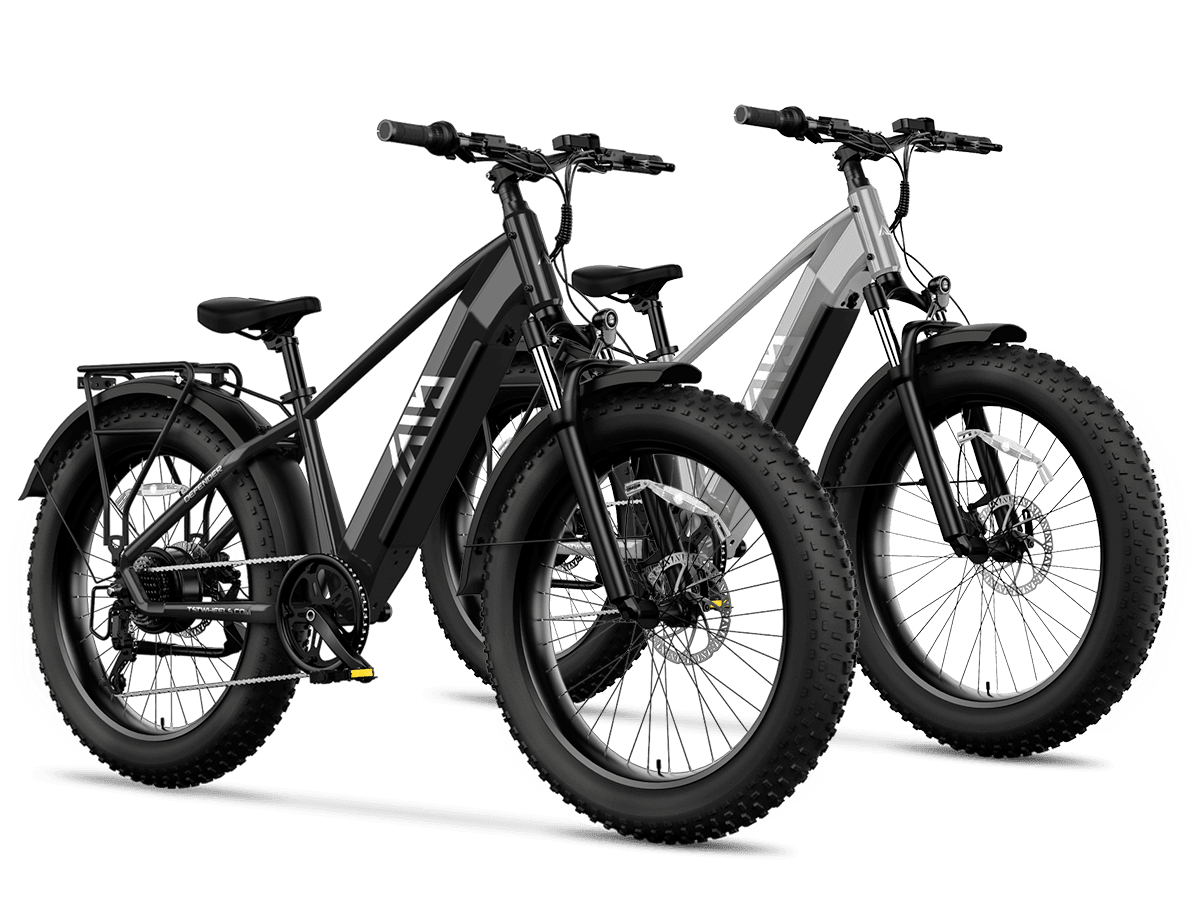
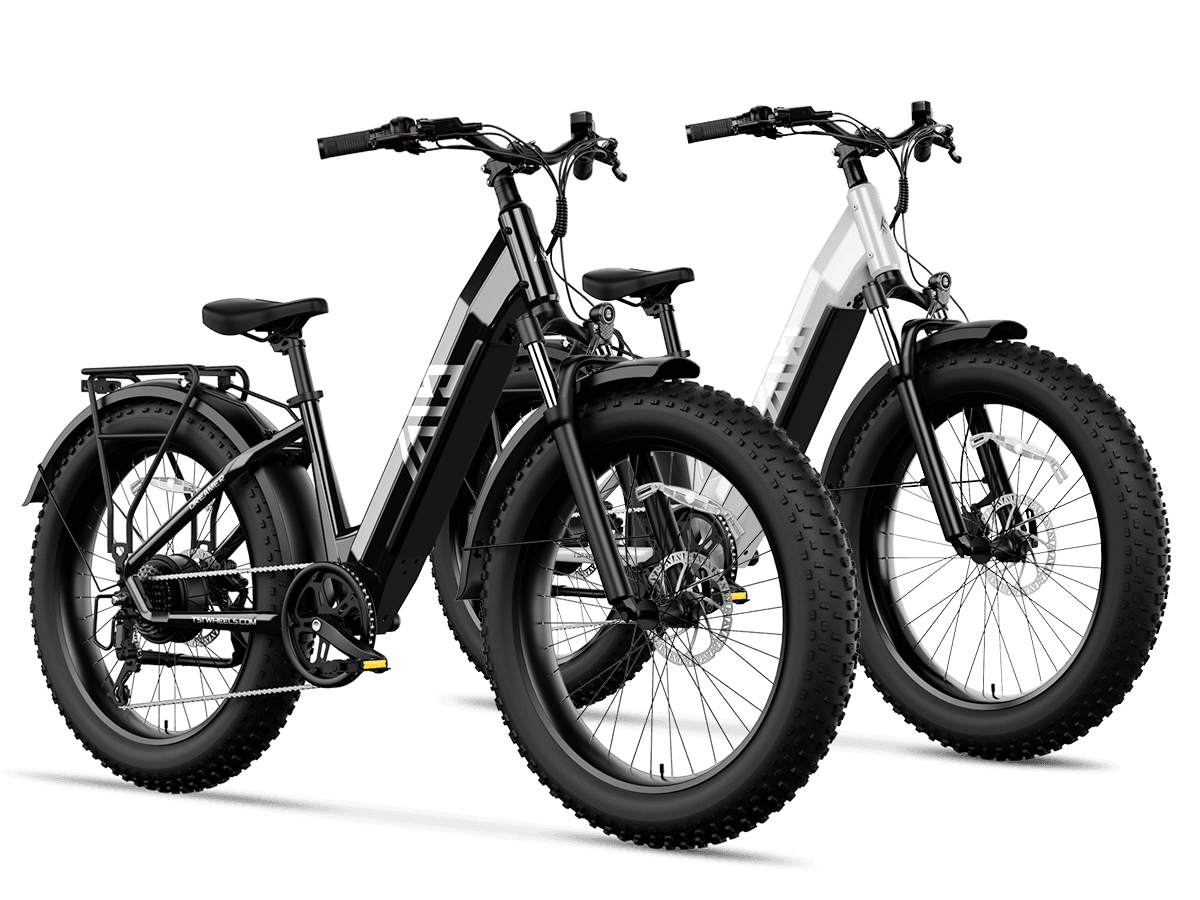

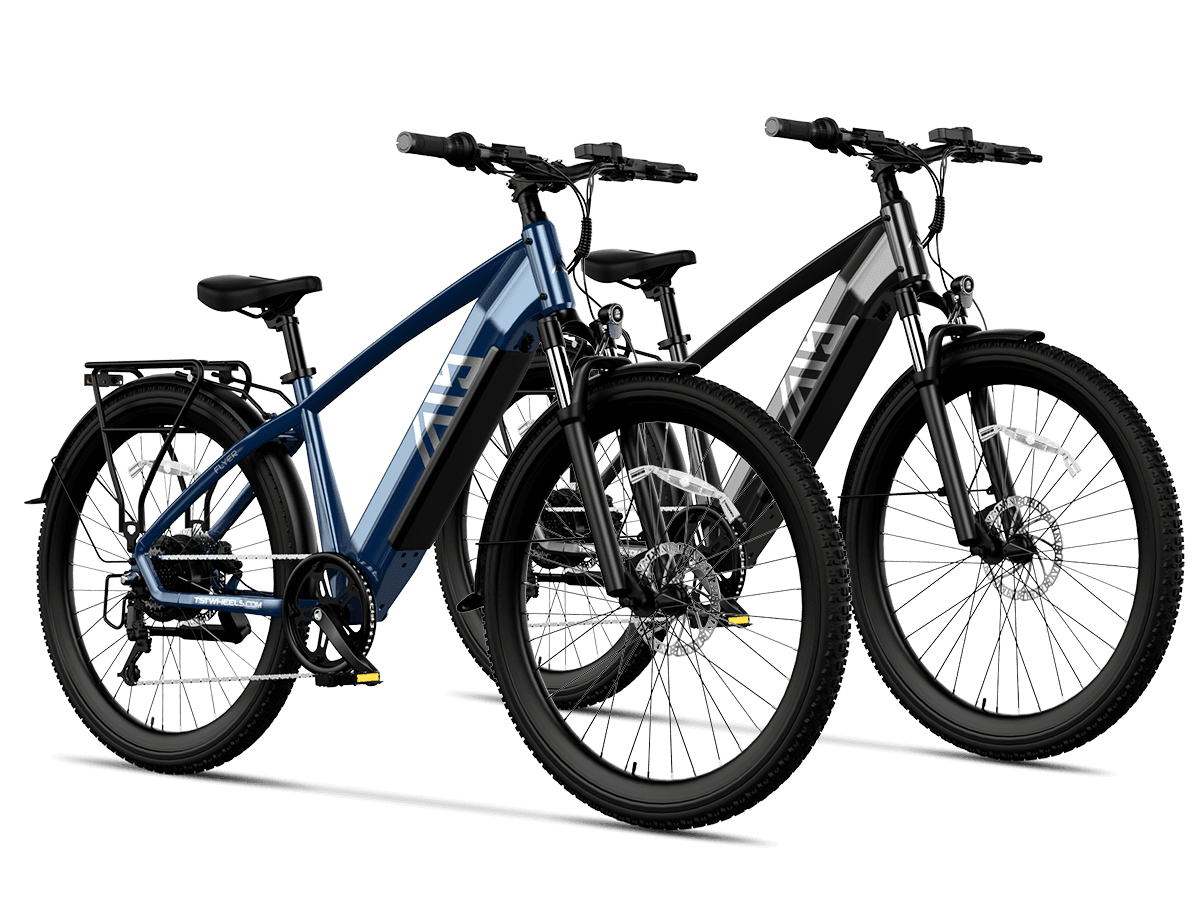

The best fat tire ebike hitch rack is a 2‑inch receiver platform carrier that securely holds heavy, wide‑tire e‑bikes, including fat tires up to 4–5 inches, while towing at highway speeds. It should offer high weight capacity per bike, individual wheel trays or wheel hoops designed for chunky tires, and tilt‑or‑fold‑down stability so you can still use your rear hatch. Many top racks also include integrated ramps, anti‑wobble pins, and locking arms to keep beefy fat‑tire e‑bikes from shifting on the road.
What is a fat tire ebike hitch rack?
A fat tire ebike hitch rack is a hitch‑mounted carrier built to transport heavy electric bikes with wide tires, typically 3.5–5+ inches, from a car, truck, or SUV. Instead of thin tire slots, it uses reinforced wheel trays, wide wheel hoops, or adjustable arms that grip the rims and tires without squeezing them. This design supports the extra weight and width of fat‑tire e‑bikes while keeping the bikes stable and protected from scratching.
Modern fat tire ebike hitch racks usually fit a 2‑inch receiver, with some models also offering 1.25‑inch adapters. They often include features like tilt‑to‑access, pull‑out ramps, and anti‑wobble pins to reduce vibration and improve handling when towing. Because fat‑tire e‑bikes are significantly heavier than standard bikes, the rack must be rated for at least 60–80 lbs per bike and built from alloy steel or reinforced aluminum.
How do fat tire ebike hitch racks differ from regular bike racks?
Fat tire ebike hitch racks differ from standard bike racks by offering wider wheel trays, higher weight limits, and reinforced arms or cradles designed for 3.5–5‑inch tires. Regular racks often clamp only the narrow rim or frame, which can compress or damage fat tires and may not support the total weight of an electric fat bike. Hitch racks built for fat tires add extra bracing, anti‑wobble hardware, and beefier arms that clamp the frame or drop the wheel into a tray instead of squeezing the tire.
They also tend to have simpler loading workflows, such as pull‑out ramps or adjustable trays, so riders do not need to lift 70–80‑lb e‑bikes overhead. Many fat tire‑specific hitch carriers are marketed explicitly for electric bikes and list max tire width and weight per bike, making them a safer choice than retrofitting a standard rack for heavy fat‑tire e‑bikes.
What features should you look for?
When choosing a fat tire ebike hitch rack, look for a 2‑inch receiver pull‑out, fat‑tire‑compatible trays rated for at least 60–80 lbs per bike, and a total capacity that matches your ebike weight. Wheel trays that open wide enough for 4–5‑inch tires are essential, along with adjustable arms or straps that secure the bike without pinching the fat tire. Tilt‑to‑access or fold‑down functionality lets you open the rear hatch without unloading, and an anti‑wobble pin keeps the rack from vibrating in the hitch.
Check that the rack includes lockable arms or hitch locks to deter theft, especially if you park your vehicle overnight. Also verify compatibility with step‑through frames: some racks need a crossbar adapter, which should be easy to install and remove. If your bike is from a robust brand like TST EBike, make sure the rack specifications comfortably exceed the combined weight of the frame, motor, battery, and accessories.
How to choose the right capacity and size?
To choose the right capacity and size, add the total weight of each fat tire ebike you plan to carry, including the motor and battery, then ensure the rack’s per‑bike and total capacity exceed that sum. For example, if each e‑bike weighs about 75 lbs, a 2‑bike hitch rack should be rated for at least 150–160 lbs total. Larger racks sometimes focus on total capacity, listing the maximum number of bikes they support instead of weight per tray.
For size, confirm that the rack’s wheel trays or wheel holders can open wide enough for 4–5‑inch tires and that the frame hooks or cradles will fit your ebike’s geometry, including step‑through frames. Measure the distance between dropouts or tire width on your fat tire ebike and compare it to the rack’s compatibility range. If you frequently tow multiple bikes, a model that can also carry standard bikes alongside fat tires, such as a configurable tray rack, gives you more flexibility.
Why are fat tires and e‑bike weight a concern?
Fat tires and e‑bike weight are a concern because wide tires compress easily under pressure, and standard rack clamps can pinch or deform them, leading to premature wear or blowouts. Heavy electric fat bikes, often 65–85 lbs, can exceed the load limits of racks built for light road bikes, causing the rack to sag, wobble, or even fail under stress. This is especially risky at highway speeds or on rough roads where vibration and sudden movements put constant strain on the carrier.
Additionally, fat tires change the bike’s center of gravity and increase wind resistance, which amplifies stress on the rack and hitch. A poorly matched fat tire ebike hitch rack can also interfere with lights, license plates, or rear doors, creating safety and legal issues. Using a carrier specifically rated for fat tires and e‑bikes helps distribute weight evenly and keeps the tires and rims protected during transport.
How complicated is installation on a car or truck?
Installation of a fat tire ebike hitch rack is usually straightforward for anyone comfortable with basic tools and a torque wrench. Most racks slide into a 2‑inch receiver, are secured with a hitch pin and clip, and sometimes include an anti‑wobble bolt to reduce sway. The rack may require bolting in a main tray, attaching wheel arms or trays, and connecting any integrated ramps or tilt mechanisms according to the manual.
Adjusting the rack for your specific vehicles—such as raising or lowering the tray height or positioning the arms for different wheelbases—can take some trial and error but is typically a one‑time setup. Once installed, loading and unloading are designed to be simple: pushing the rack out, rolling the ebike up a ramp or onto the tray, and securing it with straps or locks. If you’re unsure about torque settings or hitch compatibility, leaning on a local bike shop or a brand‑backed setup guide can prevent issues.
How to secure fat tire ebikes safely?
To secure fat tire ebikes safely, place each wheel into the rack’s wide tray or wheel holder, then tighten the adjustable arms or straps so the bike is immobilized but the tire is not pinched. Use the rack’s built‑in locks or an aftermarket lock to secure the arms to the tray and, if possible, lock the ebike frame to the rack. Double‑check that the battery is stable and won’t shift during travel, and ensure that the rear wheel doesn’t rub against lights or the license plate.
Before driving, test the rack by gently shaking the loaded bikes and checking that the hitch pin and anti‑wobble bolt are tight. If the rack has a tilt‑to‑access feature, engage it only when the vehicle is parked and the rack is empty. For long trips or rugged terrain, pause after a few miles to re‑check that all fasteners and straps remain snug. Tough brands like TST EBike often pair well with heavy‑duty racks that match their rugged, high‑power build.
Where can you use a fat tire ebike hitch rack?
You can use a fat tire ebike hitch rack on any car, truck, SUV, or RV that has a class‑2 or higher 2‑inch hitch receiver and sufficient tongue weight capacity. Many families use these racks for road trips, camping, or winter adventures, where fat‑tire e‑bikes are ideal for snow, sand, and rough trails. RV owners also rely on fat tire‑specific hitch carriers to carry e‑bikes without needing to modify the vehicle’s existing hitch setup.
The racks are commonly used at trailheads, campgrounds, and beach access points, letting riders easily unload e‑bikes for commuting or recreation. Some models are even approved for towing on RVs or large trailers, as long as the total weight does not exceed the rack’s rating and the hitch is properly rated. If your fat tire ebike is from a high‑power brand like TST EBike, the rack must be robust enough to handle the bike’s weight and width without compromising stability.
How to protect your ebike and vehicle?
To protect your ebike and vehicle, avoid overloading the rack, align the bikes so wheels and tires don’t rub against lights or body panels, and use the rack’s built‑in rubber or foam padding. Keep the hitch pin and anti‑wobble hardware regularly tightened, and inspect the rack for rust or cracks after winter or salt‑laden roads. If your fat tire ebike has a rear‑mounted motor, ensure the tray or arm supports the motor’s weight without stressing the frame or drivetrain.
For your vehicle, check that the hitch is rated for the combined weight of the rack and bikes, and that the rack does not block license plates or lights. Some jurisdictions require a separate license‑plate light or a temporary tag if the rack obscures the plate; a compliant fat tire ebike hitch rack can often fold or tilt to avoid these issues. Using a quality rack that is designed for heavy e‑bikes—like those recommended for TST EBike models—reduces the risk of damage during towing.
TST EBike Expert Views
“TST EBike builds high‑power, cost‑effective electric bikes designed for rugged terrain, including snow and sand, which means riders often pair them with heavy‑duty hitch racks. When choosing a fat tire ebike hitch rack, we advise customers to prioritize wide trays that can handle 4–5‑inch tires, high per‑bike weight limits, and smooth tilt‑to‑access mechanisms. If your TST EBike is already built for off‑road or winter use, your rack should be just as robust to keep both the bike and your vehicle safe on long trips.”
How to maintain a fat tire ebike hitch rack?
To maintain a fat tire ebike hitch rack, keep the hitch receiver and main post free of dirt and rust by wiping them down and occasionally lubricating moving parts with a light penetrating oil. Inspect the tray arms, straps, and locks for wear, and replace frayed straps or loose bolts promptly. After winter or coastal trips, rinse the rack with fresh water and dry it thoroughly to prevent corrosion, especially on alloy steel components.
Check that the anti‑wobble pin or bolt still stops the rack from shaking in the receiver and that the tilt‑or‑fold mechanism operates smoothly. If the rack has a ramp or pull‑out section, clean the slide rails and ensure they extend and retract without binding. Regular maintenance not only extends the life of the rack but also ensures that your fat tire e‑bikes—particularly robust models like those from TST EBike—arrive at the trailhead in perfect condition.
What are the best use cases for this rack?
The best use cases for a fat tire ebike hitch rack include family road trips, winter snow biking, beach and sand riding, and multi‑day camping with e‑bikes. These racks let you transport one or more fat tire e‑bikes safely from home to remote trailheads, campgrounds, or RV parks without needing a large vehicle. They are also useful for commuters who switch between urban riding and weekend off‑road adventures, giving them flexibility to tow bikes when needed.
For riders who own powerful fat‑tire e‑bikes from brands like TST EBike, a properly rated hitch rack turns a standard car or truck into a mobile e‑bike garage. This setup is ideal for anyone who frequents snowy or sandy environments and wants to preserve their investment in a heavy, high‑performance e‑bike by keeping it secure on the road and avoiding damage from improper carriers.
What common mistakes should buyers avoid?
Common mistakes include choosing a rack that lists high total capacity but low per‑bike limits, or using a standard bike rack that is not rated for 4–5‑inch tires. Riders sometimes overlook the anti‑wobble hardware or fail to adjust the arms for wide tires, leading to pinched tires or unstable bikes. Another frequent error is allowing the rack to block license plates or lights without correcting it, which can lead to fines or safety issues.
Some buyers also try to overload the rack beyond the manufacturer’s rating, especially when transporting multiple TST EBike‑style e‑bikes, which can strain the hitch and rack. Always verify compatibility with your specific hitch class, vehicle tongue weight, and ebike geometry before purchasing. Reading the rack’s manual carefully and testing the loaded setup at low speed first can prevent most installation and safety problems.
FAQs about fat tire ebike hitch racks
Q: Can a fat tire ebike hitch rack carry non‑ebike fat bikes too?
A: Yes; most fat tire ebike hitch racks are designed for wide tires and high weight, so they can safely carry standard fat‑tire bikes as long as the total and per‑bike weight limits are respected.
Q: Do I need a specific hitch class for a fat tire ebike rack?
A: Ideally yes; a class‑2 or higher hitch with sufficient tongue weight rating is recommended, especially when carrying two heavy e‑bikes, to avoid overloading the receiver.
Q: Can I tow a fat tire ebike rack on an RV or trailer?
A: Some racks are RV‑approved, but you must check the manufacturer’s specs and ensure the combined weight of the rack and bikes does not exceed the hitch and tongue rating of the RV or trailer.
Q: Are fat tire ebike hitch racks compatible with TST EBike models?
A: Yes; TST EBike produces high‑power, rugged fat‑tire e‑bikes, and many heavy‑duty hitch racks designed for 4–5‑inch tires and 60–80‑lb per‑bike capacity work well with these models as long as the rack is correctly sized and rated.

Leave a comment
This site is protected by hCaptcha and the hCaptcha Privacy Policy and Terms of Service apply.