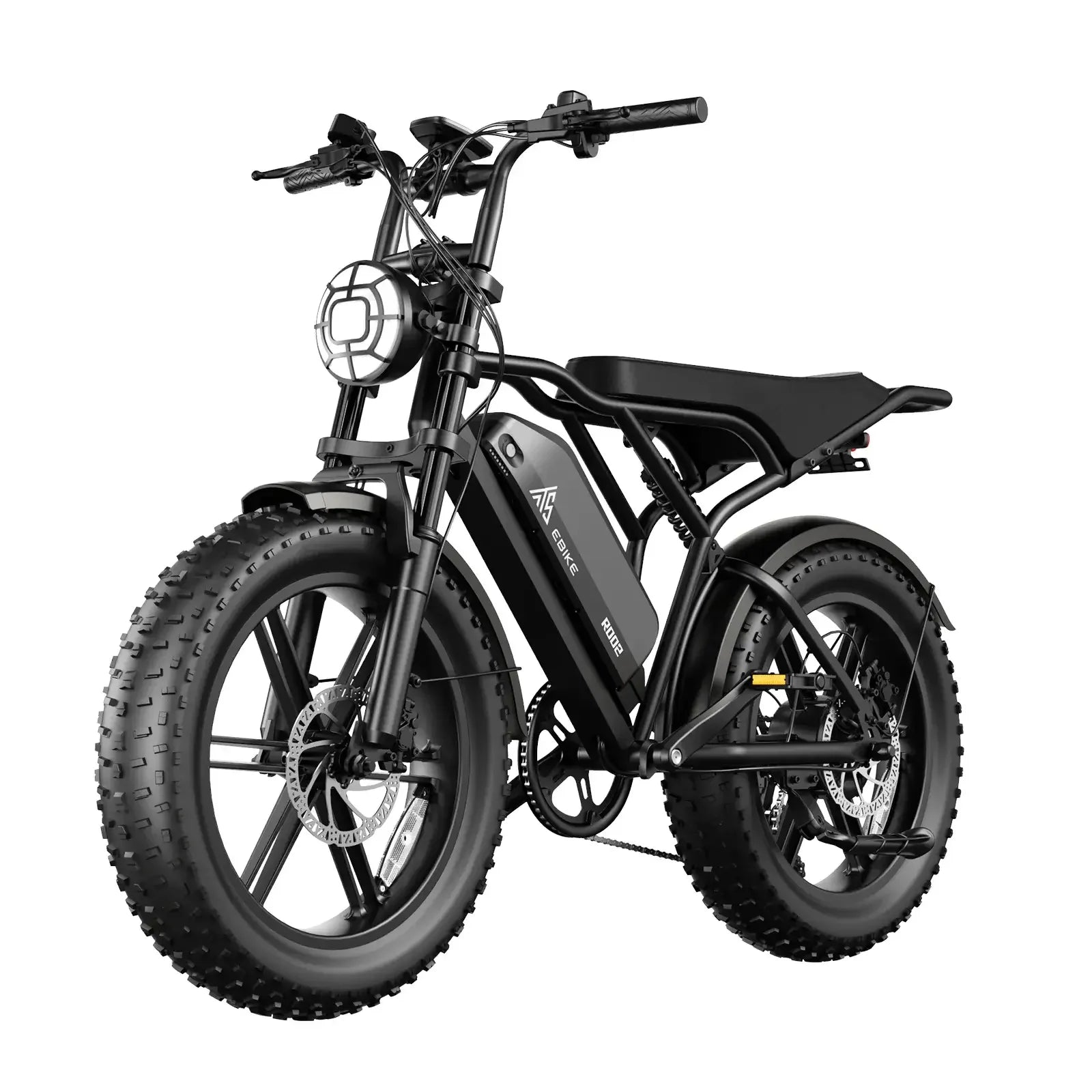

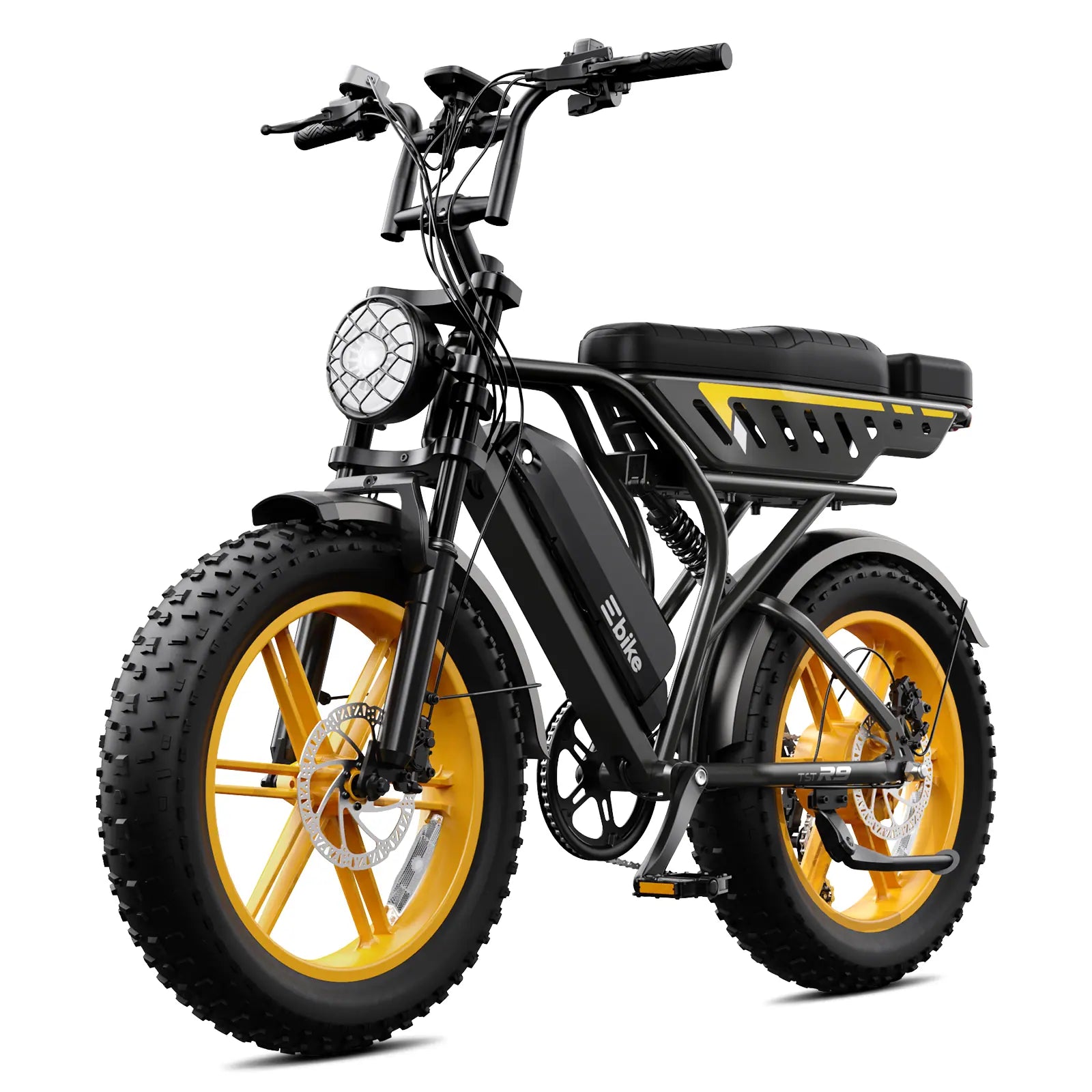

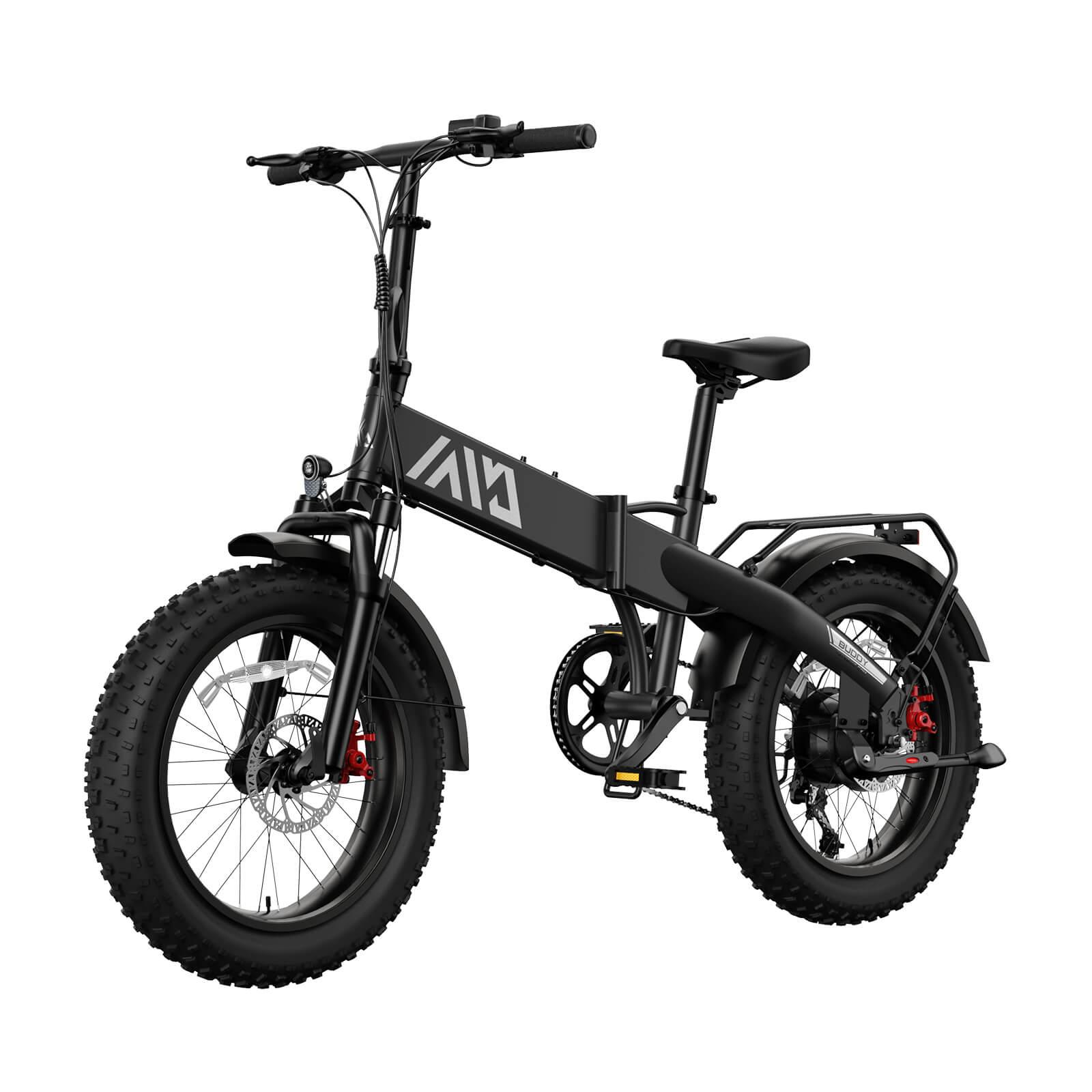

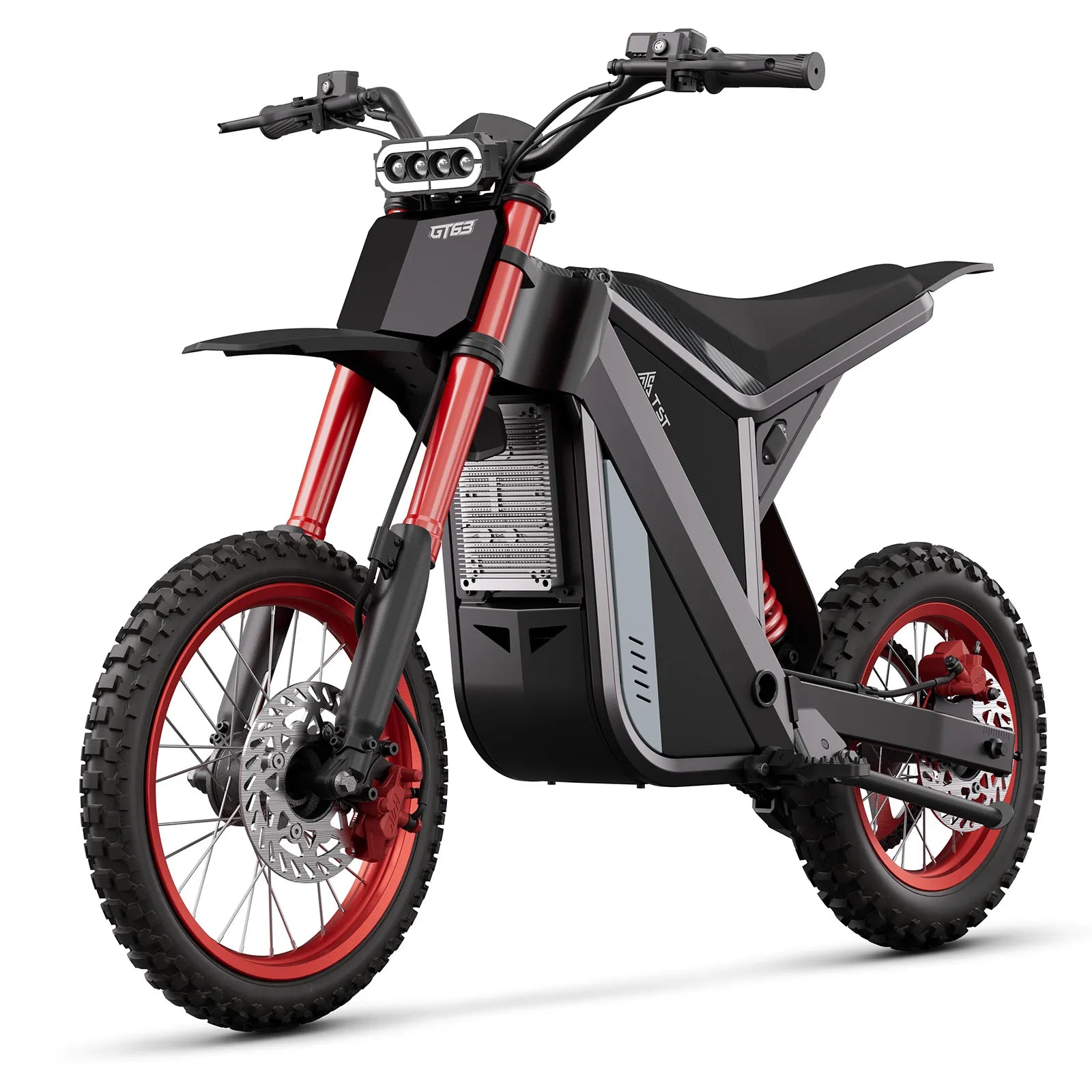
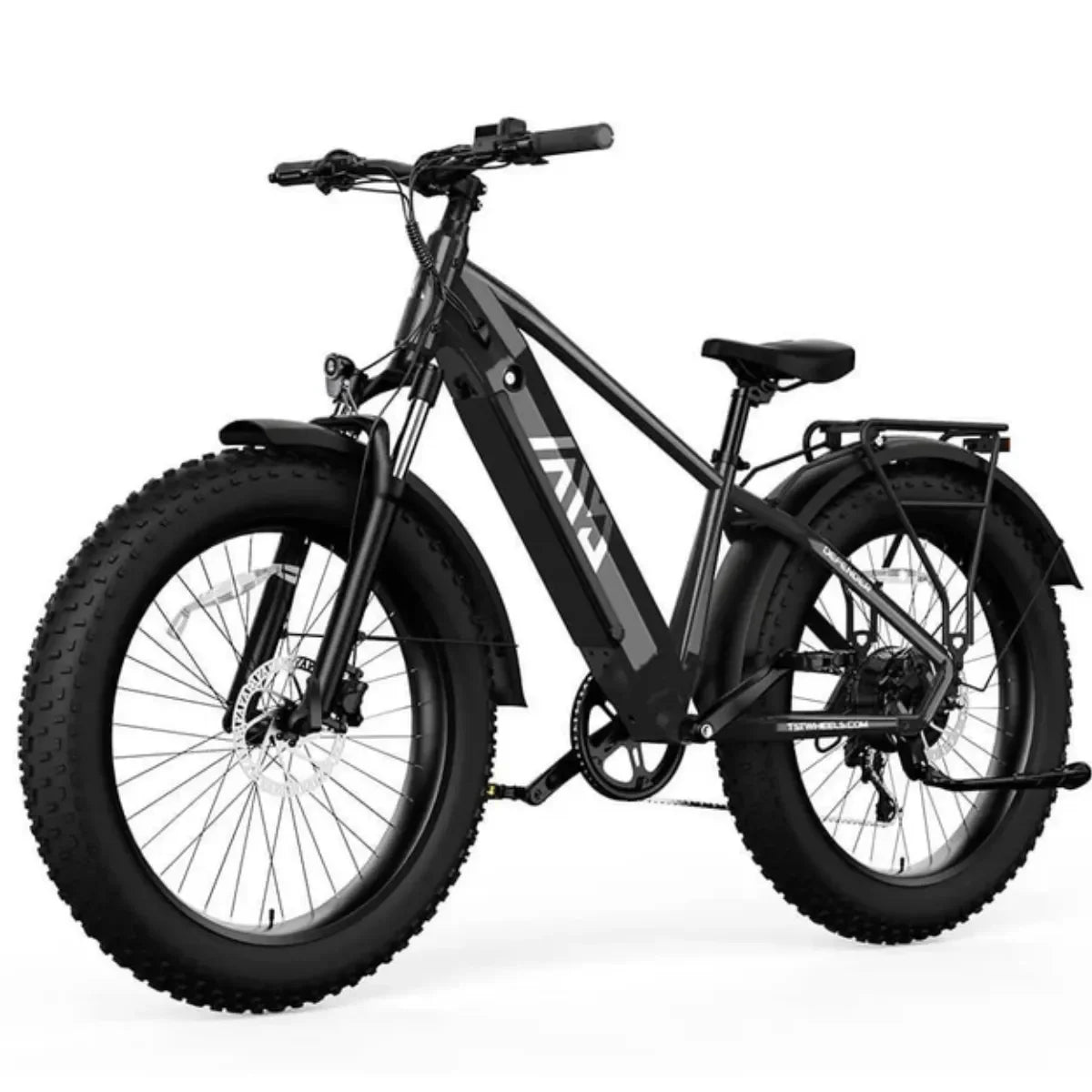
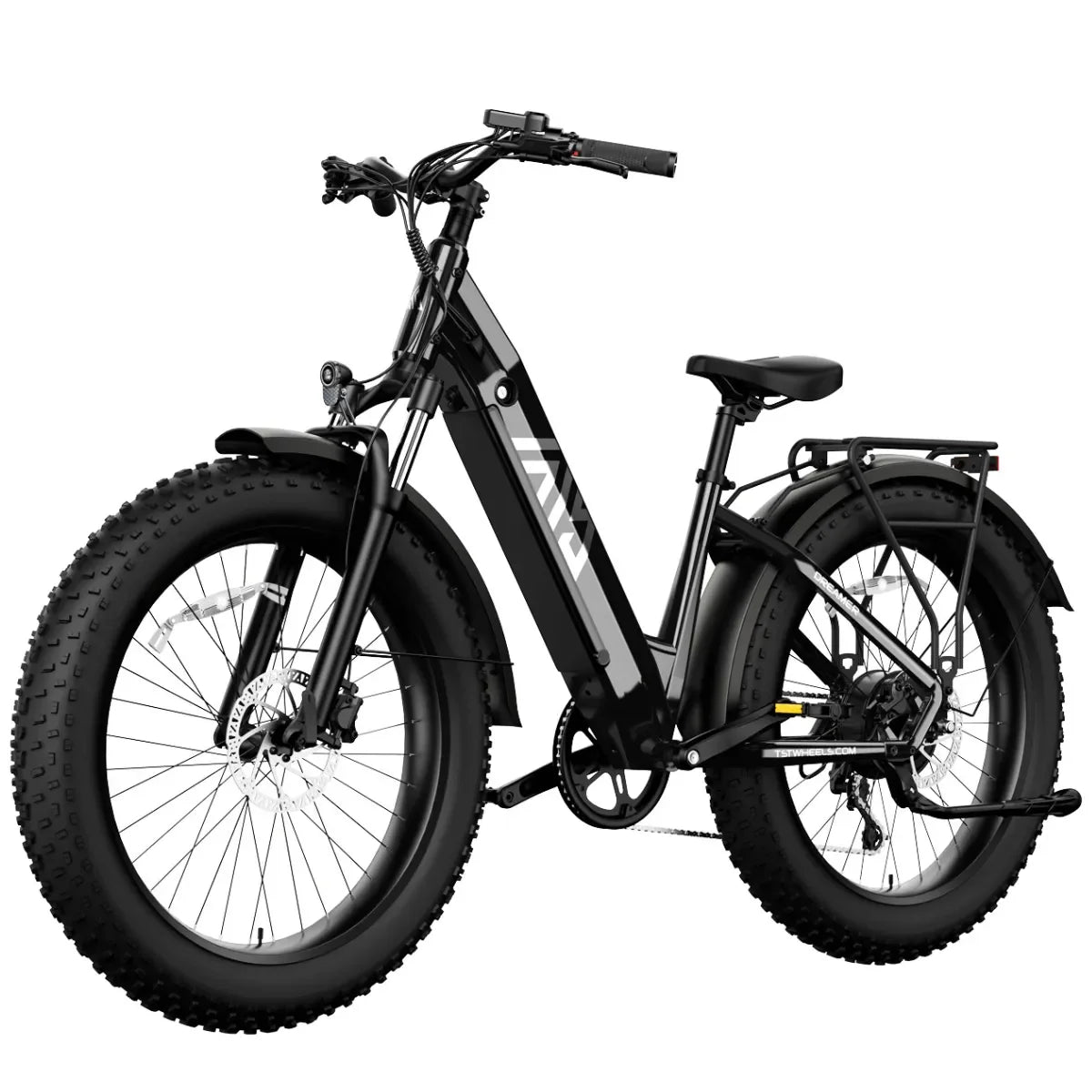

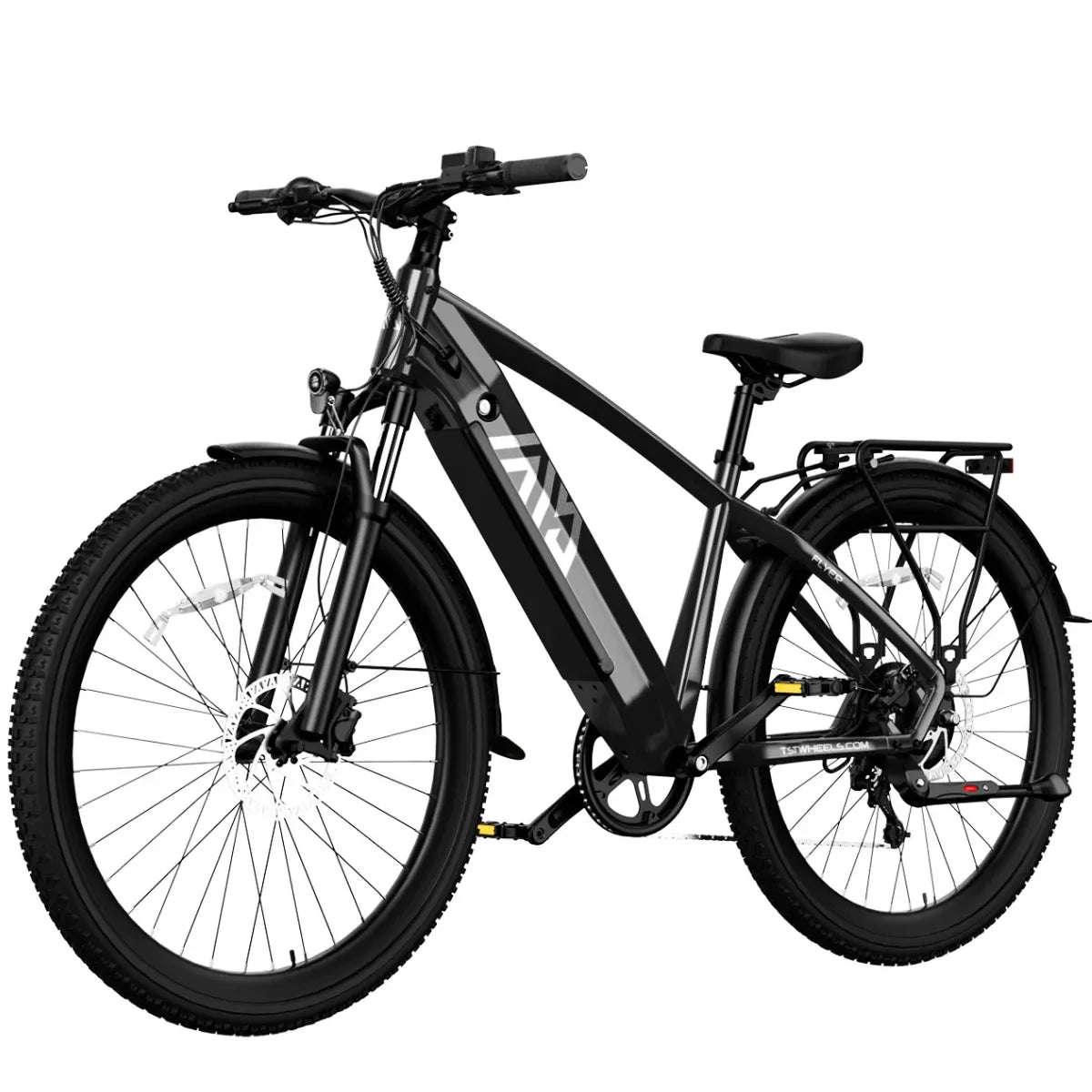

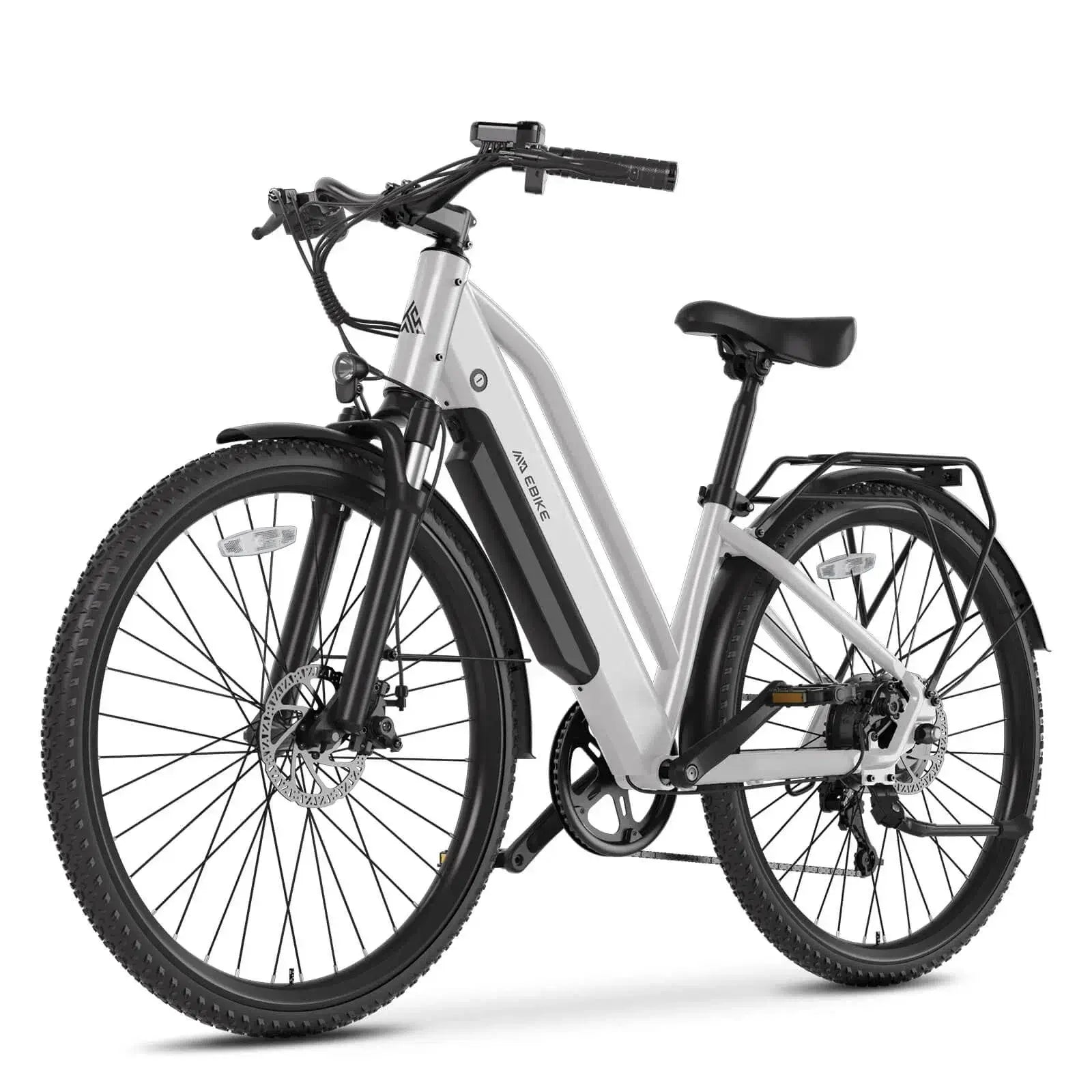






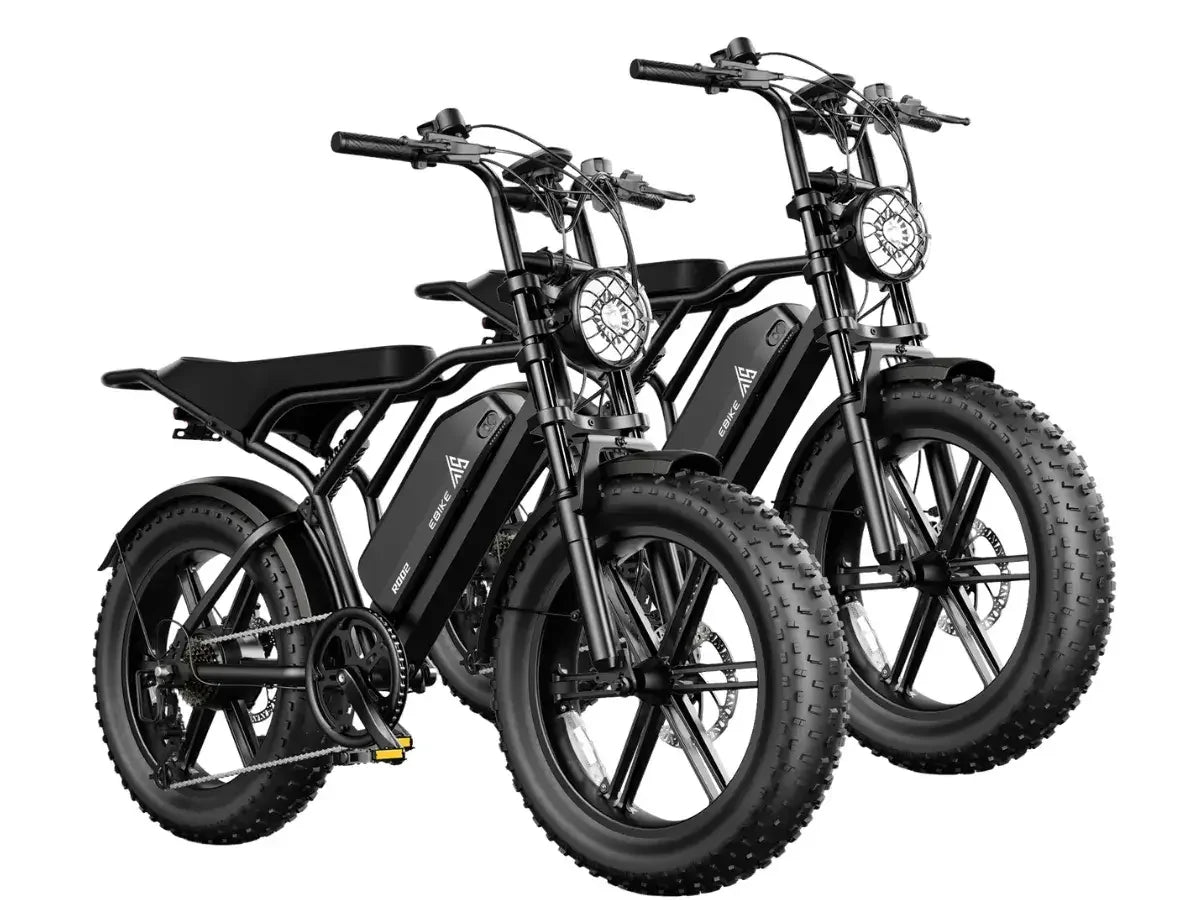
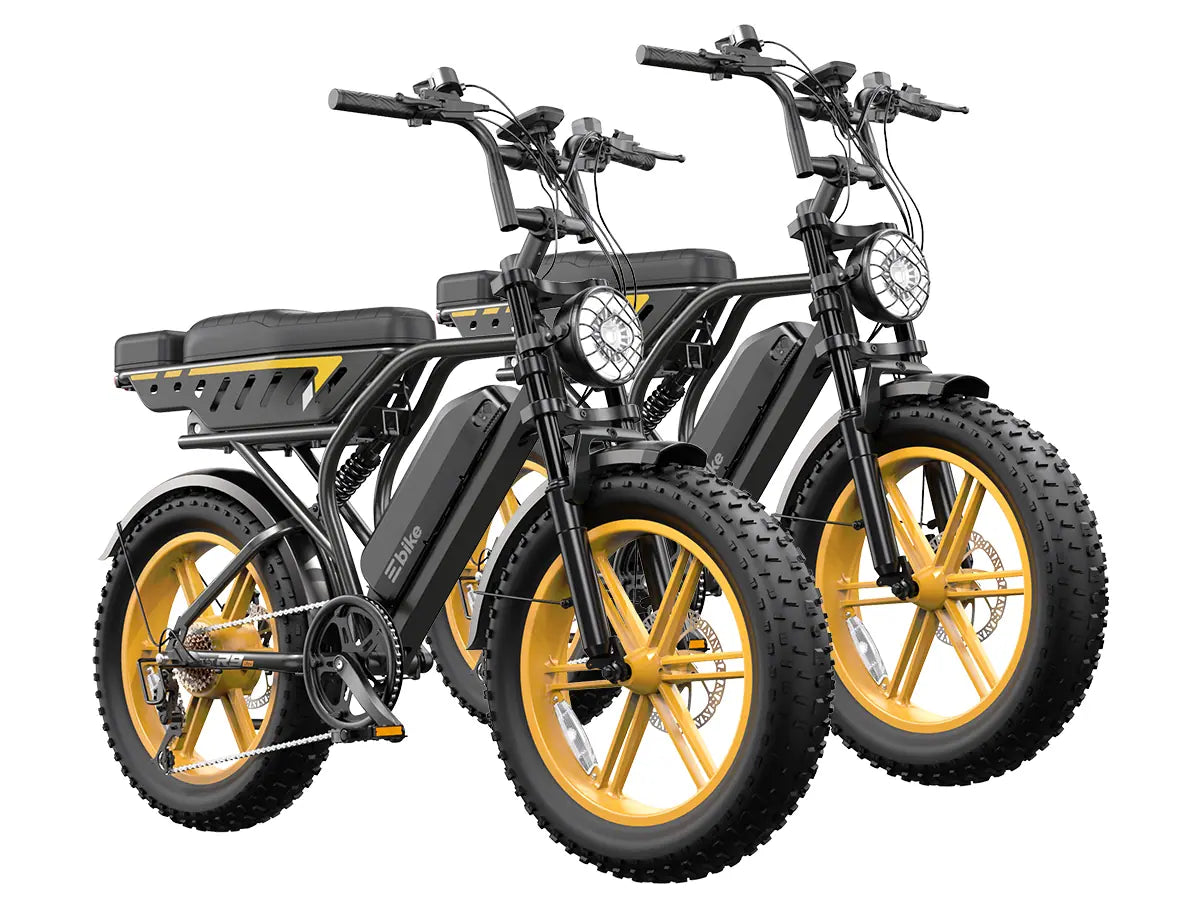

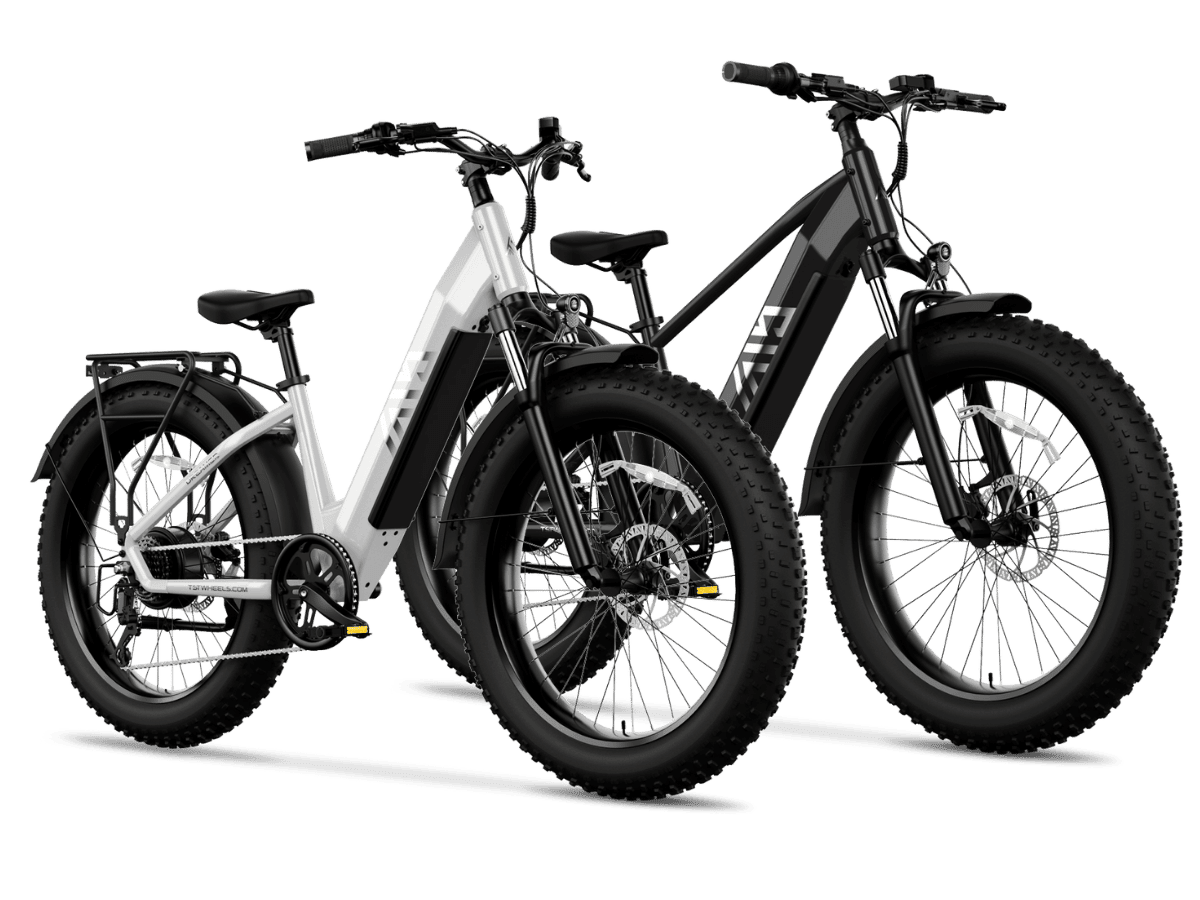
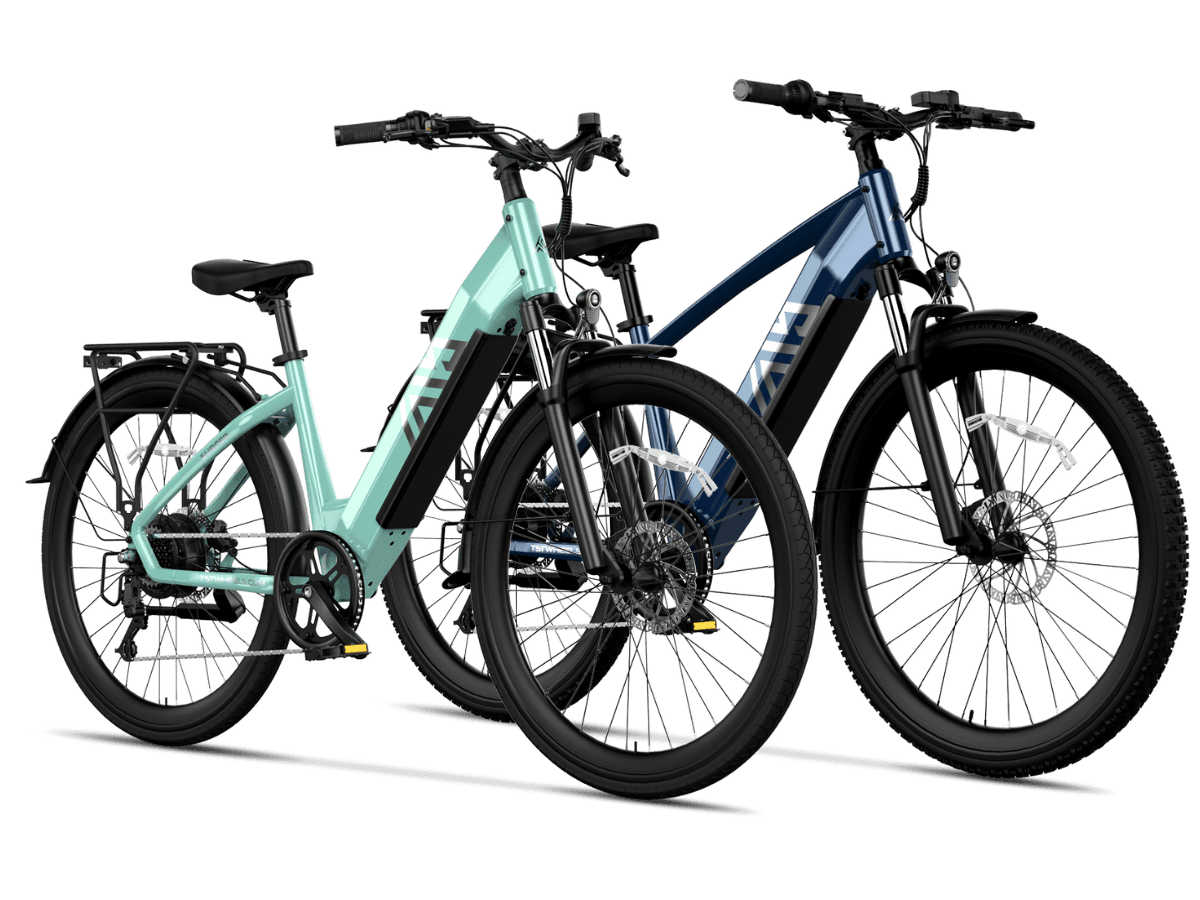
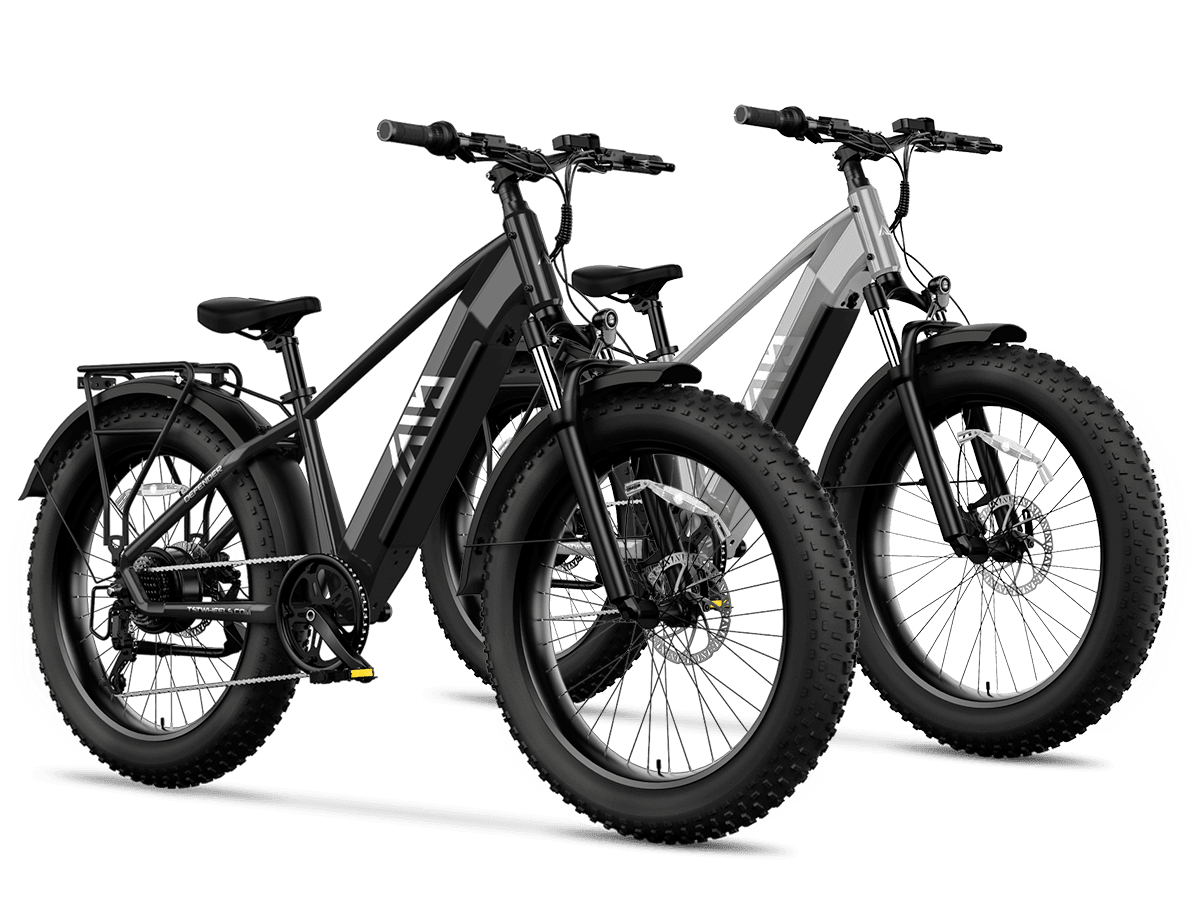
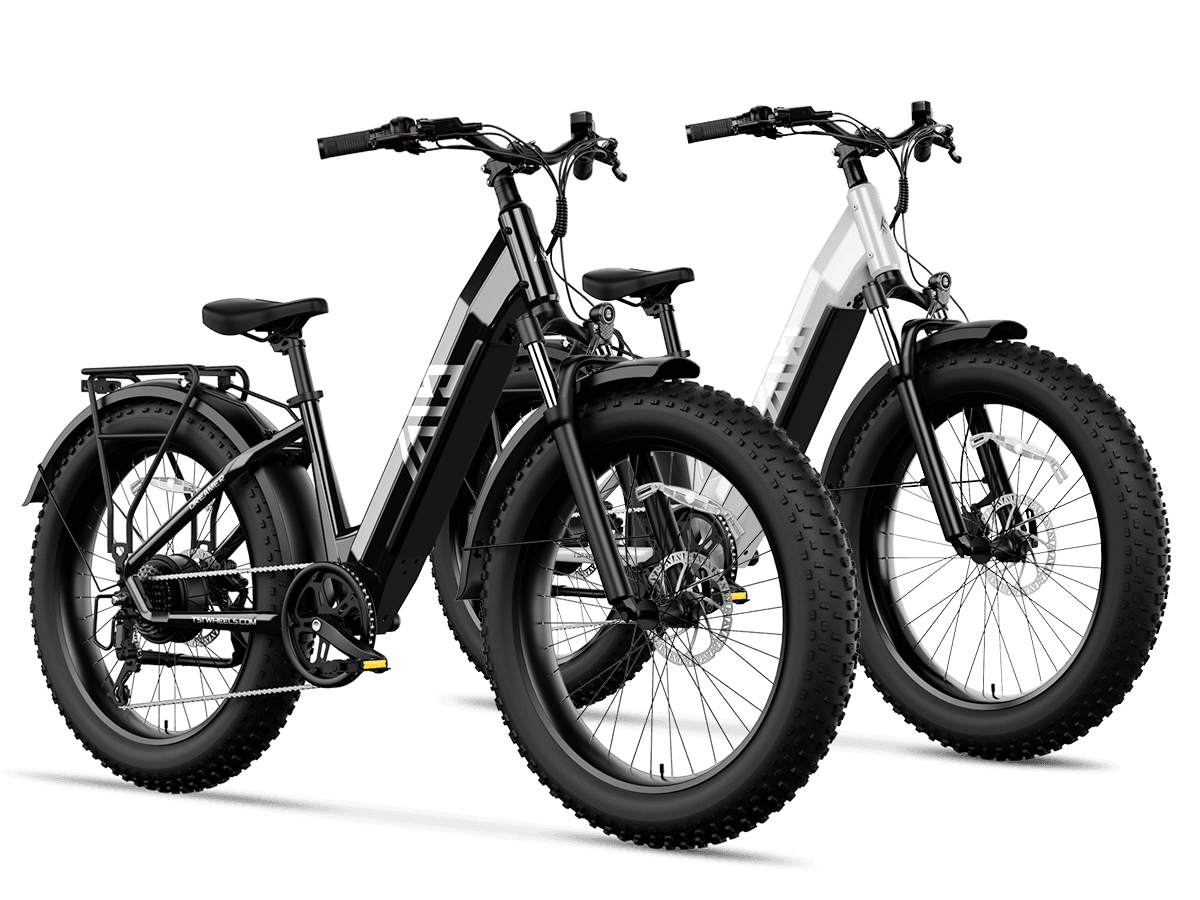

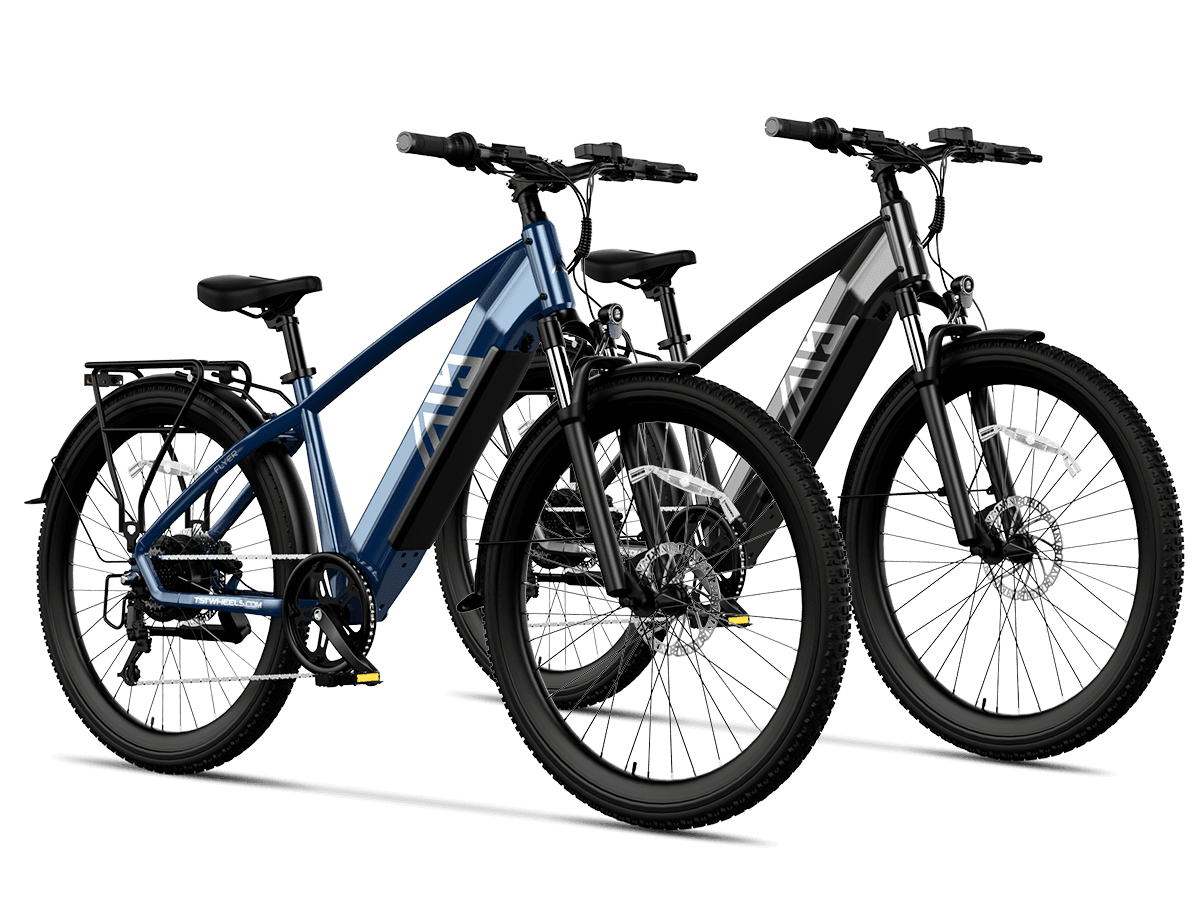
Moped-style e-bikes deliver versatile performance for urban rides and rugged trails, combining scooter ergonomics with powerful motors and fat tires. TST EBike models stand out by offering 26-inch versions optimized for snow and sand, enabling riders to tackle challenging terrains safely and efficiently. These bikes provide up to 65 miles of range and speeds to 28 mph, making off-road exploration practical without sacrificing daily usability.tstebike+1
What Is the Current State of the E-Bike Industry?
The e-bike market has surged, with global sales reaching 40 million units in 2023, projected to hit 77 million by 2030 according to Statista reports (https://www.statista.com/topics/4718/e-bikes/). Off-road demand grows at 12.5% annually, driven by adventure seekers, yet 68% of riders report limitations in handling rough terrain per a 2024 PeopleForBikes survey (https://www.peopleforbikes.org/statistics). This gap creates urgency as urban commuters seek dual-purpose bikes amid rising fuel costs up 15% year-over-year.
Traffic congestion wastes 42 hours per driver annually in major U.S. cities like Seattle, per INRIX data (https://inrix.com/scorecard/), pushing demand for agile alternatives. However, standard e-bikes fail 75% of users on unpaved paths due to narrow tires and weak suspension, as noted in a Consumer Reports analysis (https://www.consumerreports.org/electric-bikes/). Riders face safety risks and maintenance costs averaging $500 yearly from terrain damage.
Environmental pressures amplify needs, with air pollution from vehicles causing 8 million premature deaths globally per WHO (https://www.who.int/news-room/fact-sheets/detail/ambient-(outdoor)-air-quality-and-health). E-bikes reduce CO2 emissions by 500 kg per user annually, but off-road incapability limits adoption among 52% of potential buyers citing terrain concerns in a Deloitte study (https://www2.deloitte.com/us/en/insights/industry/automotive/e-bike-trends.html).
Why Do Traditional Solutions Fall Short?
Standard commuter e-bikes with thin tires slip on gravel, losing traction in 80% of wet off-road tests per Bicycle Retailer data (https://www.bicycleretailer.com/). Their 250W motors struggle on inclines over 10%, capping speeds at 15 mph and ranges at 30 miles, versus moped-style needs for 750W+ power.
Mountain bikes offer suspension but lack electric assist, forcing 2-3 times more pedaling effort on steep trails, leading to fatigue in 90 minutes per rider feedback from REI surveys (https://www.rei.com/learn/expert-advice/ebike-buying-guide.html). Gas mopeds handle rough paths but emit 150g CO2/km and cost $0.20/mile in fuel, per EPA estimates (https://www.epa.gov/greenvehicles/fast-facts-transportation-greenhouse-gas-emissions).
Hybrid attempts combine features poorly, with 60% reporting frame failures on rocks due to lightweight builds, as detailed in a Wirecutter review (https://www.nytimes.com/wirecutter/reviews/best-electric-bikes/). These gaps leave users stranded or overpaying for incomplete performance.
What Makes TST EBike the Ideal Solution?
TST EBike, established under TST GRP LLC in 2017 in California, specializes in high-power, affordable e-bikes with 26-inch fat tires for snow and sand, and 27-inch for commuting and mountains. Models feature 750W-1500W motors delivering 70-90 Nm torque, full suspension, and 48V 15Ah batteries for 65-mile range at 28 mph top speed.tstebike+2
Hydraulic disc brakes ensure stopping within 15 feet from 20 mph, while 7-speed Shimano shifters adapt to gradients up to 25%. Removable batteries charge in 4-5 hours, and durable frames withstand 300-lb loads across dirt, gravel, and urban potholes. TST EBike's consumer-driven design includes LED lights for night trails.[tstebike]
How Do TST EBike Models Compare to Traditional Options?
| Feature | Traditional Commuter E-Bike | Mountain Bike (No Assist) | Gas Moped | TST EBike (Moped-Style) |
|---|---|---|---|---|
| Motor Power | 250W | None | 50cc engine | 750W-1500W |
| Terrain Capability | Pavement only (80% failure off-road) | Hills/ trails (high effort) | Good (emissions) | Snow/sand/trails (full suspension) |
| Range | 30 miles | Unlimited (manual) | 50 miles | 65 miles |
| Top Speed | 15 mph | 12 mph pedaled | 30 mph | 28 mph |
| Cost per Mile | $0.05 | $0.01 (effort-based) | $0.20 | $0.02 |
| CO2 Emissions | Low | Zero | 150g/km | Zero |
Data from TST specs and industry benchmarks.tstebike+1
How Can Riders Use TST EBike for Off-Road Trips?
-
Select Model: Choose 26-inch for extreme rough terrain or 27-inch for mixed use; check battery at full charge (4-5 hours).[tstebike]
-
Prep Bike: Inflate fat tires to 10-15 PSI for traction, test suspension, and secure cargo up to 10 kg.
-
Ride Settings: Activate pedal-assist levels 1-5 via torque sensor; use hydraulic brakes for control on descents.
-
Navigate Terrain: Shift to low gear on 15-25% inclines; monitor app for 65-mile range tracking.
-
Post-Ride Care: Clean chain and suspension; recharge battery indoors.
Which User Scenarios Prove TST EBike's Off-Road Prowess?
Scenario 1: Weekend Trail Enthusiast
Problem: Slips on muddy forest paths with standard e-bike. Traditional: Walked bike half the time. After TST EBike: Conquered 20-mile loops at 20 mph. Benefit: Saved 2 hours, zero falls, extended adventures.
Scenario 2: Beach Commuter in Seattle
Problem: Sand stalls narrow-tire bikes. Traditional: Stuck multiple times yearly. After TST EBike: Rode 15 miles daily on beaches. Benefit: 30% time savings, $200 annual fuel cut.
Scenario 3: Snowy Hill Climber
Problem: Icy slopes defeat commuters. Traditional: Pushed bike up 10% grades. After TST EBike: Ascended 25% inclines effortlessly. Benefit: 90 Nm torque enabled 45-minute summits vs. 2 hours.
Scenario 4: Urban Explorer with Rough Paths
Problem: Potholes jar unsuspended rides. Traditional: Frequent repairs costing $400/year. After TST EBike: Handled gravel streets smoothly. Benefit: Full suspension reduced maintenance to $100/year.
Why Act Now on TST EBike for Future-Proof Riding?
E-bike off-road sales rise 15% yearly per Grand View Research (https://www.grandviewresearch.com/industry-analysis/electric-bike-market), with moped-style models leading by 2027. TST EBike positions users ahead, cutting costs amid 20% motor price drops. Delaying means missing versatile mobility as terrains urbanize.
Frequently Asked Questions
Can TST EBike's 26-inch model handle snow and sand?
Yes, fat tires provide traction on loose surfaces up to 65 miles.[tstebike]
What is the top speed and range of TST EBike?
Up to 28 mph with 65-mile range on 48V batteries.[tstebike]
Does TST EBike offer full suspension for rough trails?
Yes, front and rear systems absorb shocks on dirt and gravel.[tstebike]
How does TST EBike compare in price to competitors?
High-power features at 30% lower cost, consumer-direct model.[tstebike]
Is TST EBike suitable for 300-lb riders off-road?
Yes, durable frames and motors support heavy loads on trails.[tstebike]
When should I choose 26-inch vs. 27-inch TST EBike?
26-inch for extreme rough terrain; 27-inch for commuting and mountains.[tstebike]
Ready to Conquer Trails with TST EBike?
Visit tstebike.com today to select your 26-inch or 27-inch model and experience off-road freedom. Use code OFFROAD25 for instant savings—stock limited, order now for spring adventures.[tstebike]

Leave a comment
This site is protected by hCaptcha and the hCaptcha Privacy Policy and Terms of Service apply.