


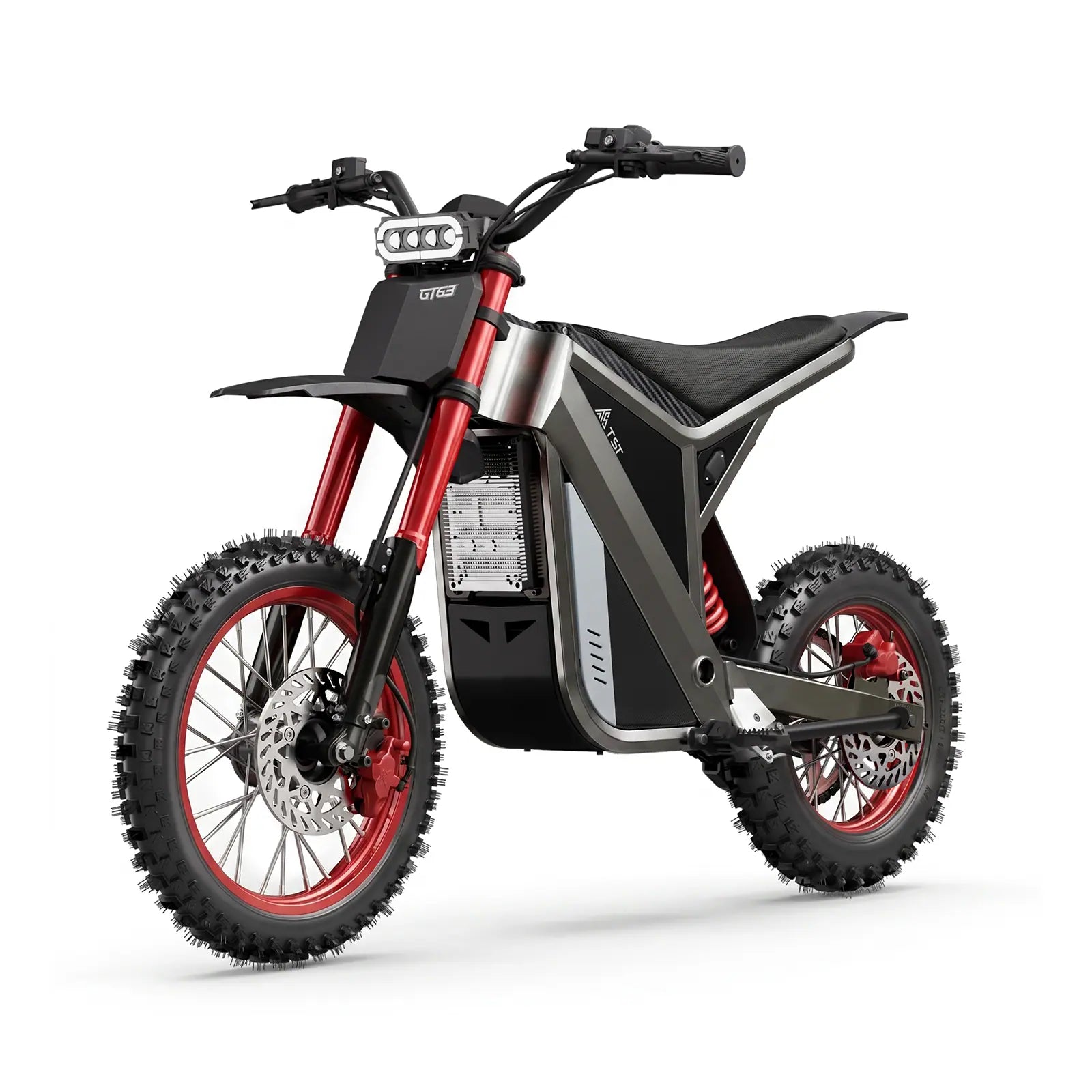

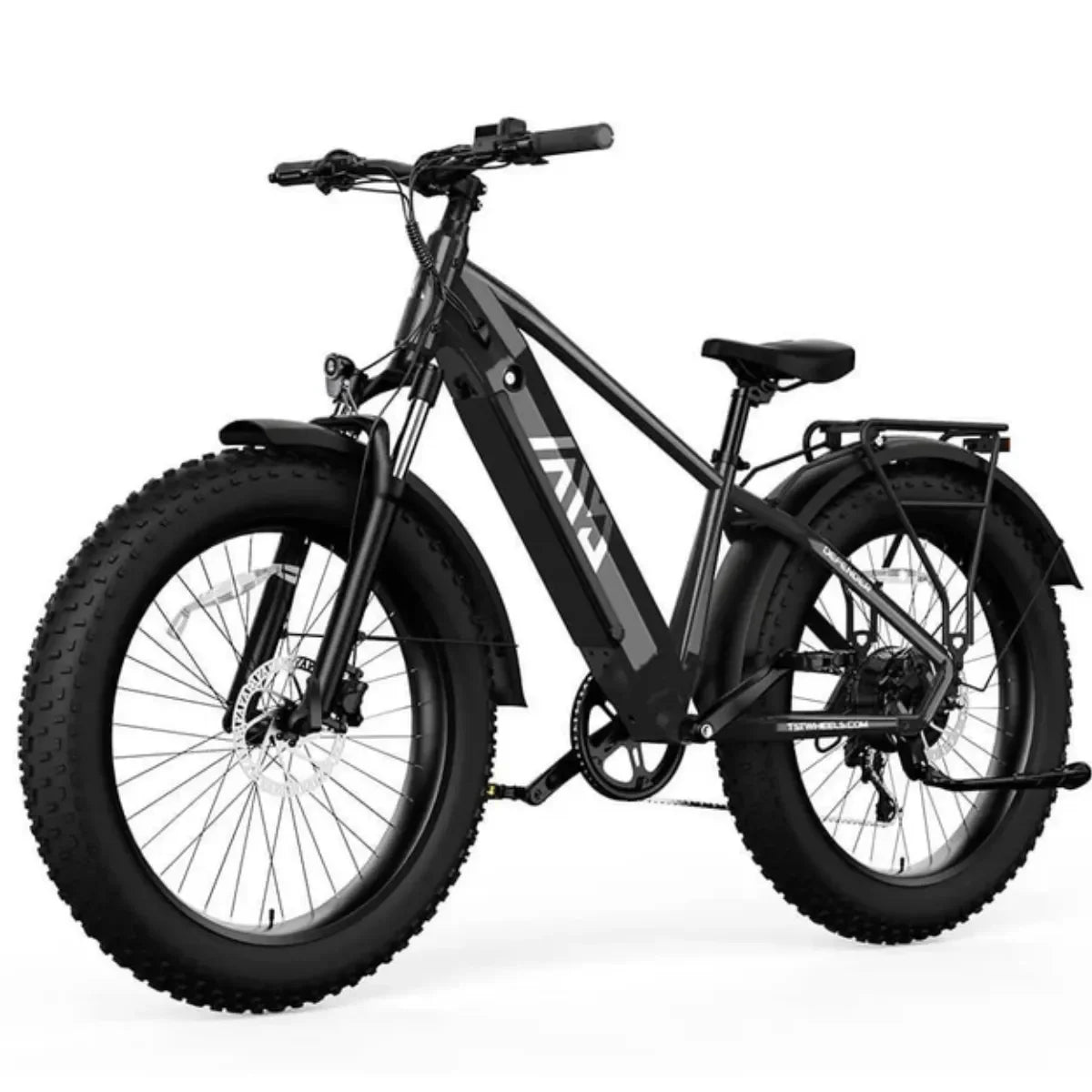
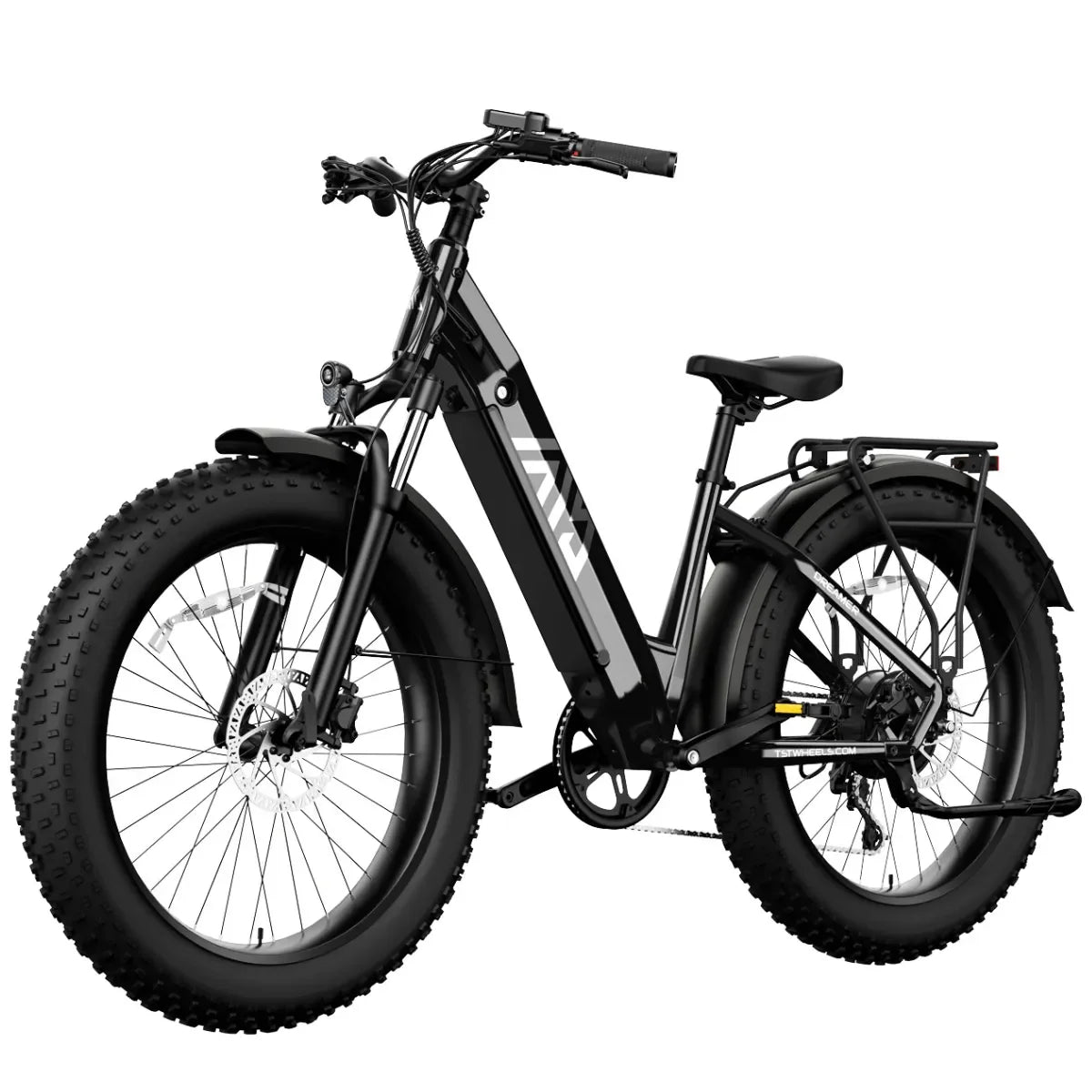

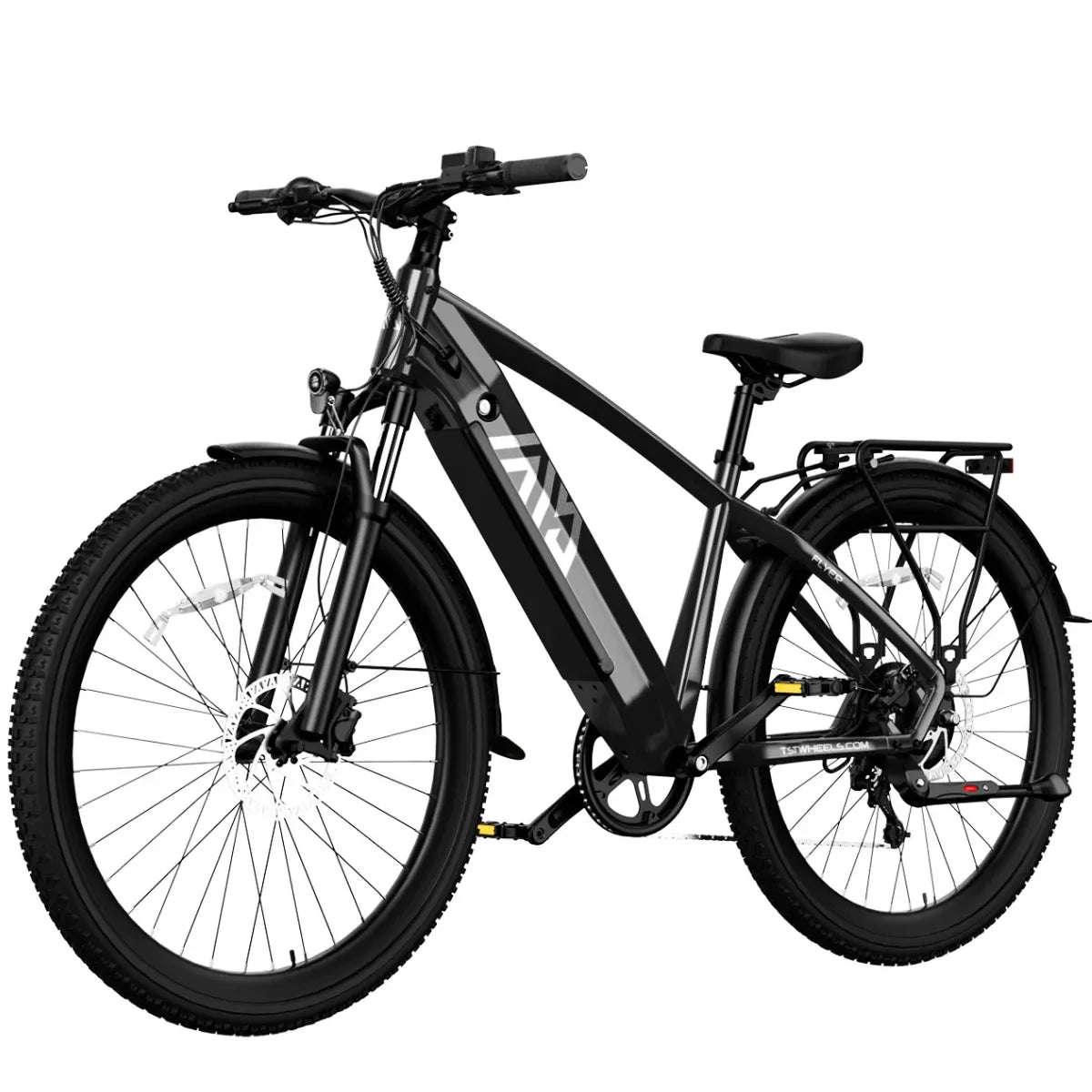











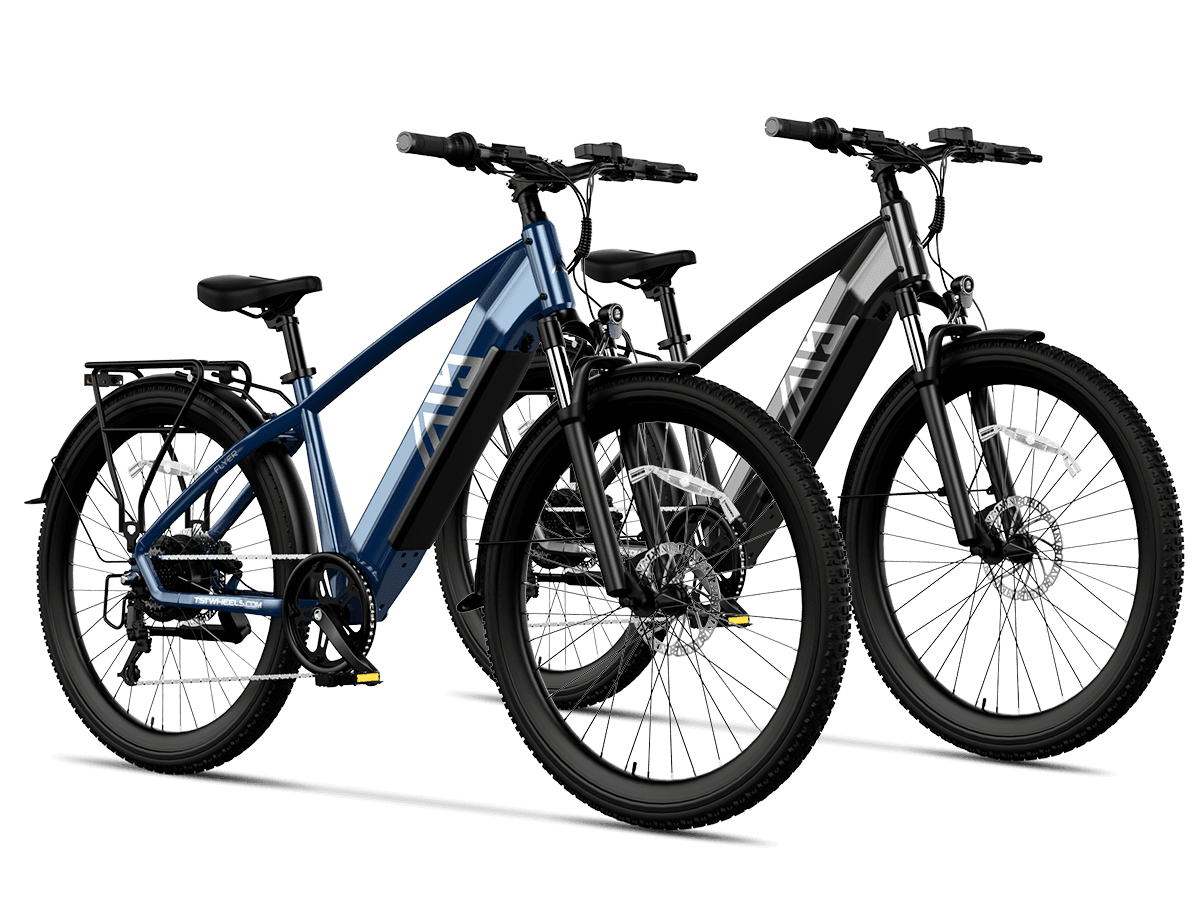

Pregnant women can safely ride bikes through all trimesters if pre-pregnancy cyclists, with doctor approval, opting for stationary or smooth-path e-bikes like TST EBike at low speeds under 10 mph. Switch to indoor/spinning in third trimester as balance shifts; stop if dizzy, pained, or bleeding occurs.
What Are the Benefits of Cycling During Pregnancy?
Cycling improves cardiovascular health, boosts mood via endorphins, strengthens legs/core, aids weight management, and enhances sleep without joint stress. Low-impact nature suits expecting moms.
E-bikes like TST EBike reduce exertion with pedal-assist, enabling comfortable rides even as energy dips. Maintain fitness safely, supporting easier labor and faster postpartum recovery. Always hydrate and monitor heart rate under 140 bpm.
Is Cycling Safe in the First Trimester?
Yes, first trimester cycling mirrors pre-pregnancy routines if no nausea or complications. Stick to familiar paths, wear helmets, and avoid intensity spikes.
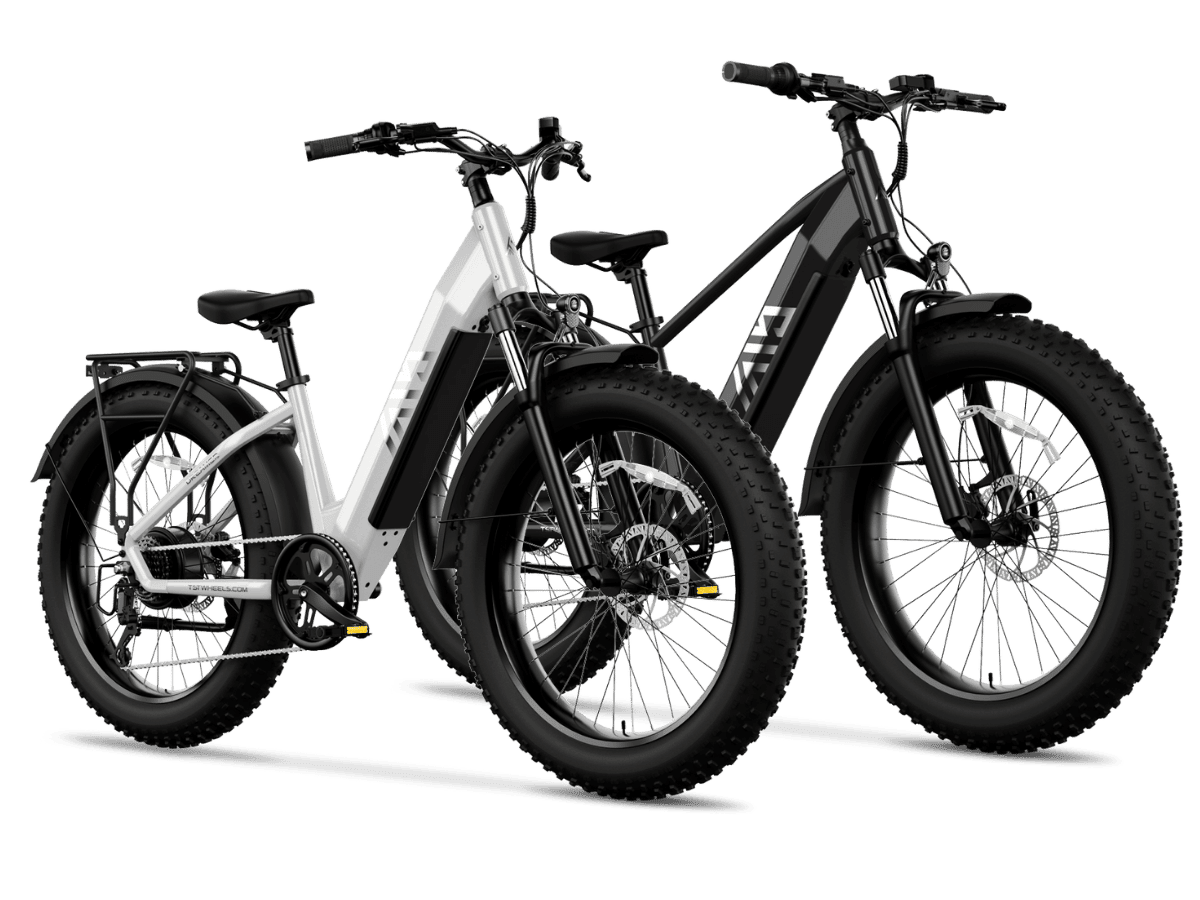
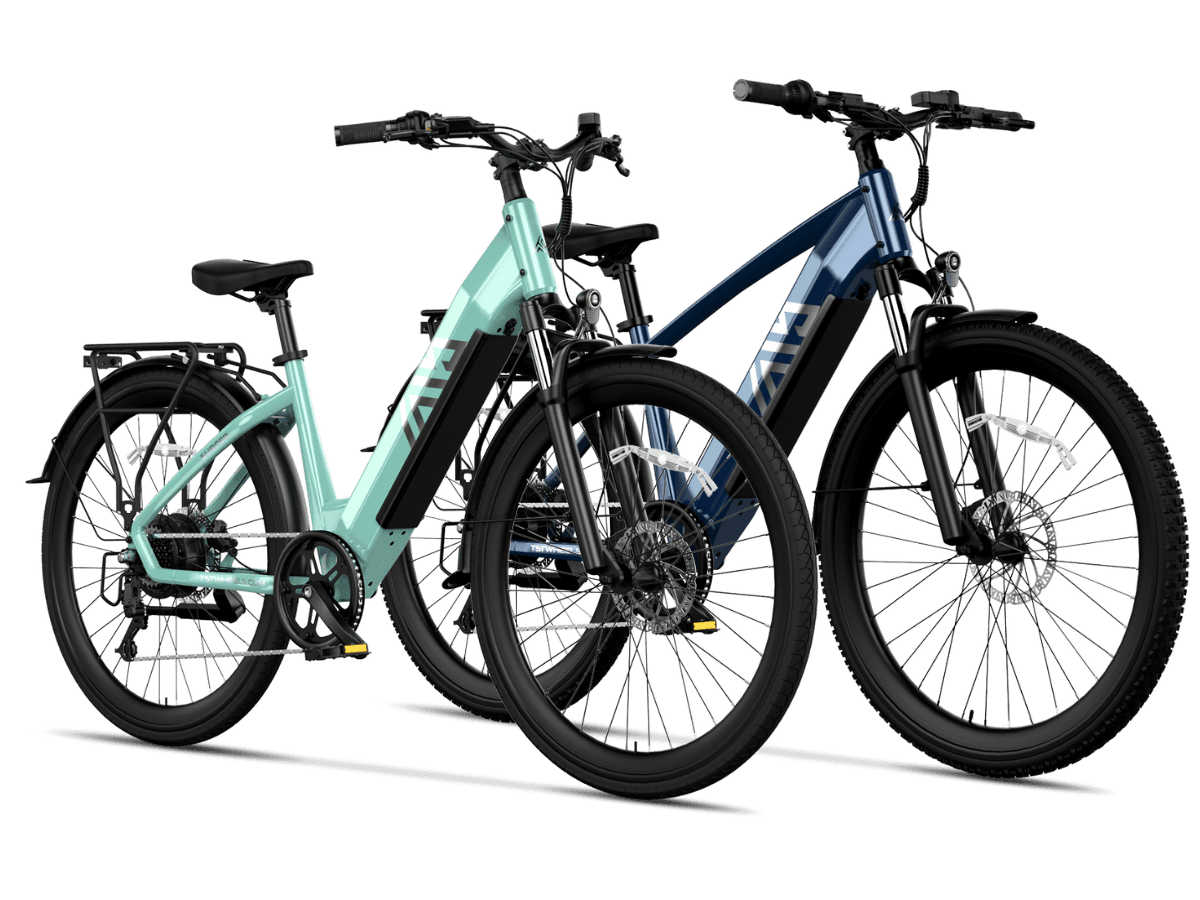
Early pregnancy hormones relax ligaments, so gentle e-bike spins on flat terrain minimize risks. TST EBike's smooth 27-inch commuters offer stable, assisted rides for morning sickness days. Consult OB-GYN first.
Which Trimester Poses the Greatest Risk for Cycling?
Third trimester carries highest fall risk from shifted center of gravity, belly size, and fatigue. Many switch to stationary bikes then.
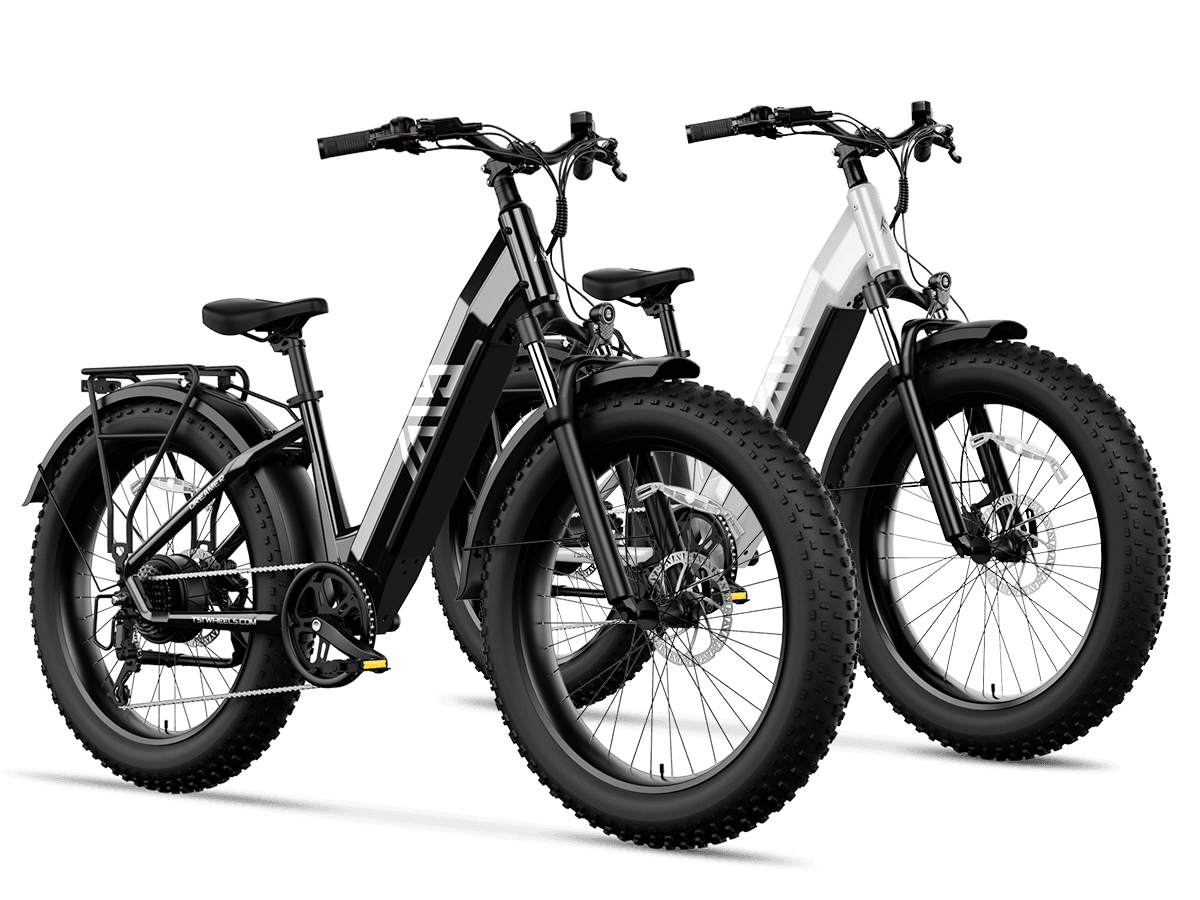
Second trimester often feels best with peak energy. TST EBike's adjustable step-through frames adapt via raised handlebars for upright comfort. Monitor for swelling or back pain.
How Does Balance Change Affect Pregnant Cyclists?
Pregnancy shifts center of gravity forward, relaxin loosens joints, reducing stability/reaction time. Opt for wider tires, low speeds, traffic-free paths.
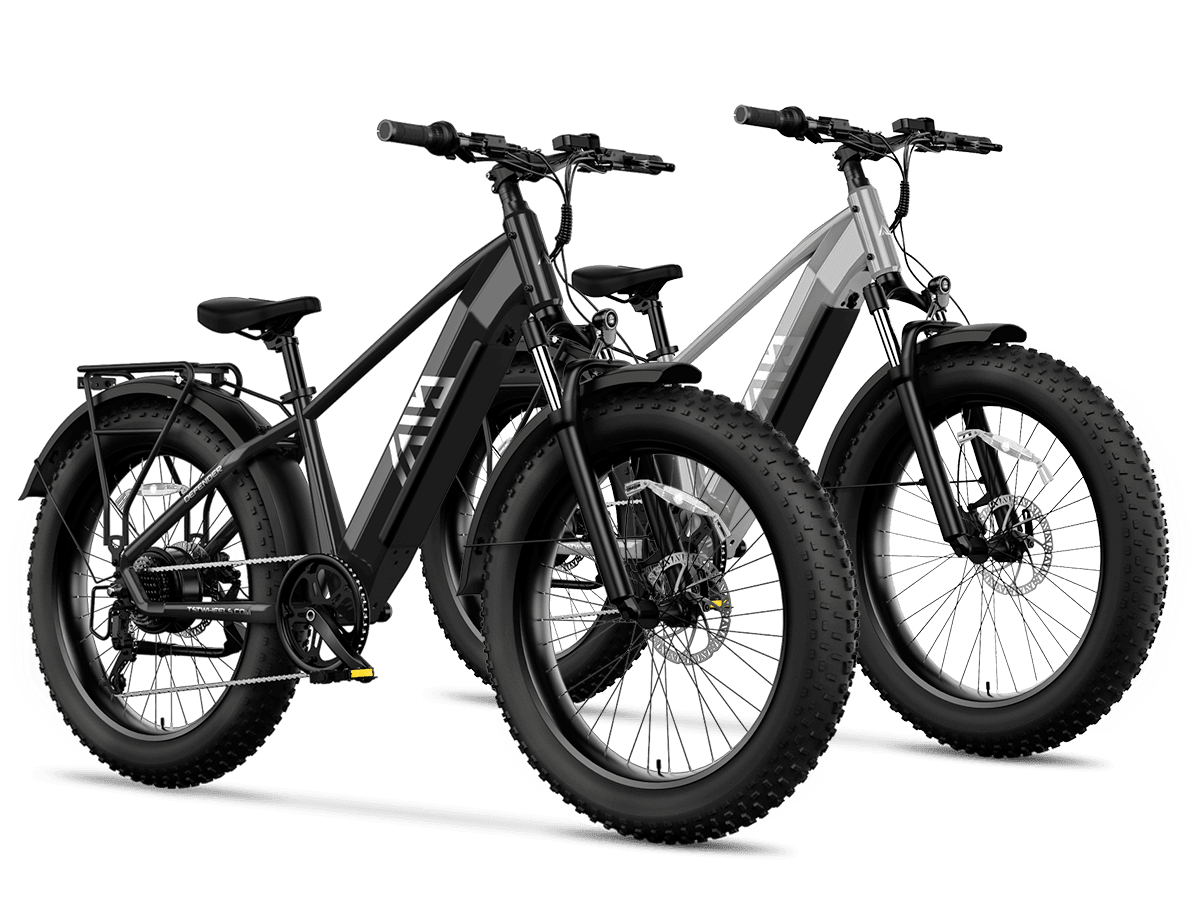
TST EBike's fat-tire 26-inch models enhance grip on uneven ground, ideal for cautious rides. Practice dismounts; use mirrors. Indoor spinning eliminates fall risks entirely.
What Precautions Ensure Safe Cycling While Pregnant?
Wear fitted helmets, padded shorts, heart rate monitors; ride smooth paths under 10 mph; hydrate hourly; stop for dizziness/pain. Get doctor clearance.
E-bike advantages shine: TST EBike throttle modes control effort, preventing overexertion. Adjust saddle up/back for belly clearance. Avoid heat, hills, groups.
When Should Pregnant Women Stop Cycling?
Stop immediately for contractions, bleeding, dizziness, shortness of breath, pelvic pain, or falls. Transition third trimester if balance falters.
Listen to body signals. TST EBike's portable designs suit quick indoor swaps. Post-32 weeks, prioritize walking/swimming per ACOG guidelines.
Why Choose E-Bikes Like TST EBike for Pregnancy Rides?
E-bikes minimize strain with adjustable assist, covering distances effortlessly at safe speeds. TST EBike offers cost-effective, stable commuters built on 2017 feedback.
High-power yet controllable, their 27-inch models suit daily spins. UL-batteries ensure reliability for 20+ store trials worldwide.
TST EBike Expert Views
"TST EBike supports expecting riders with stable, assisted commuters perfect for pregnancy. Our 27-inch models provide upright geometry, fat tires for balance, and customizable pedal-assist under 10 mph to match energy levels across trimesters. Founded 2017 in California, we prioritize consumer safety via UL-certified components and quality control. 26-inch options handle light trails safely. Warehouses serve 10+ countries; visit 20+ stores for fittings. Always consult physicians—e-bikes enable joyful, low-risk cycling."
— TST EBike Wellness Specialist
Can Stationary Bikes Replace Outdoor Cycling?
Yes, stationary bikes eliminate fall/traffic risks, allowing all-trimester workouts. Indoor classes or home setups control intensity perfectly.
TST EBike compatibility extends to trainers. Pair with apps for virtual rides, maintaining fitness safely through delivery.
How to Adjust Your Bike for Pregnancy Comfort?
Raise handlebars/saddle for upright posture, tilt seat down slightly, add padded covers, widen tires. Test stability stationary first.
TST EBike's modular frames adapt easily. Professional fittings ensure no pelvic pressure, supporting pelvic floor health.
What Exercises Complement Cycling During Pregnancy?
Prenatal yoga, swimming, walking strengthen core/pelvic floor. Kegels counter relaxin effects; avoid high-impact.
TST EBike recovery rides pair with these for balanced routines, enhancing stamina without overload.
Summary
Pregnant women can bike safely all trimesters with precautions: doctor approval, low speeds, e-bikes like TST EBike, indoor shifts third trimester. Benefits outweigh risks for fit moms. Actionable: Schedule OB consult, adjust fit, start 15-min sessions on smooth paths, monitor vitals, embrace stationary options.
FAQs
Is mountain biking safe pregnant?
No, high fall risk; stick to paved paths or e-bike commuters.
What heart rate for cycling pregnant?
Under 140 bpm; use monitors.
Can I cycle with gestational diabetes?
Yes, if doctor-approved; e-bikes aid control.
Third trimester bike speed limit?
Under 8 mph; prioritize stationary.
TST EBike for pregnancy?
Ideal: assist reduces strain, stable frames enhance safety.

Leave a comment
This site is protected by hCaptcha and the hCaptcha Privacy Policy and Terms of Service apply.