
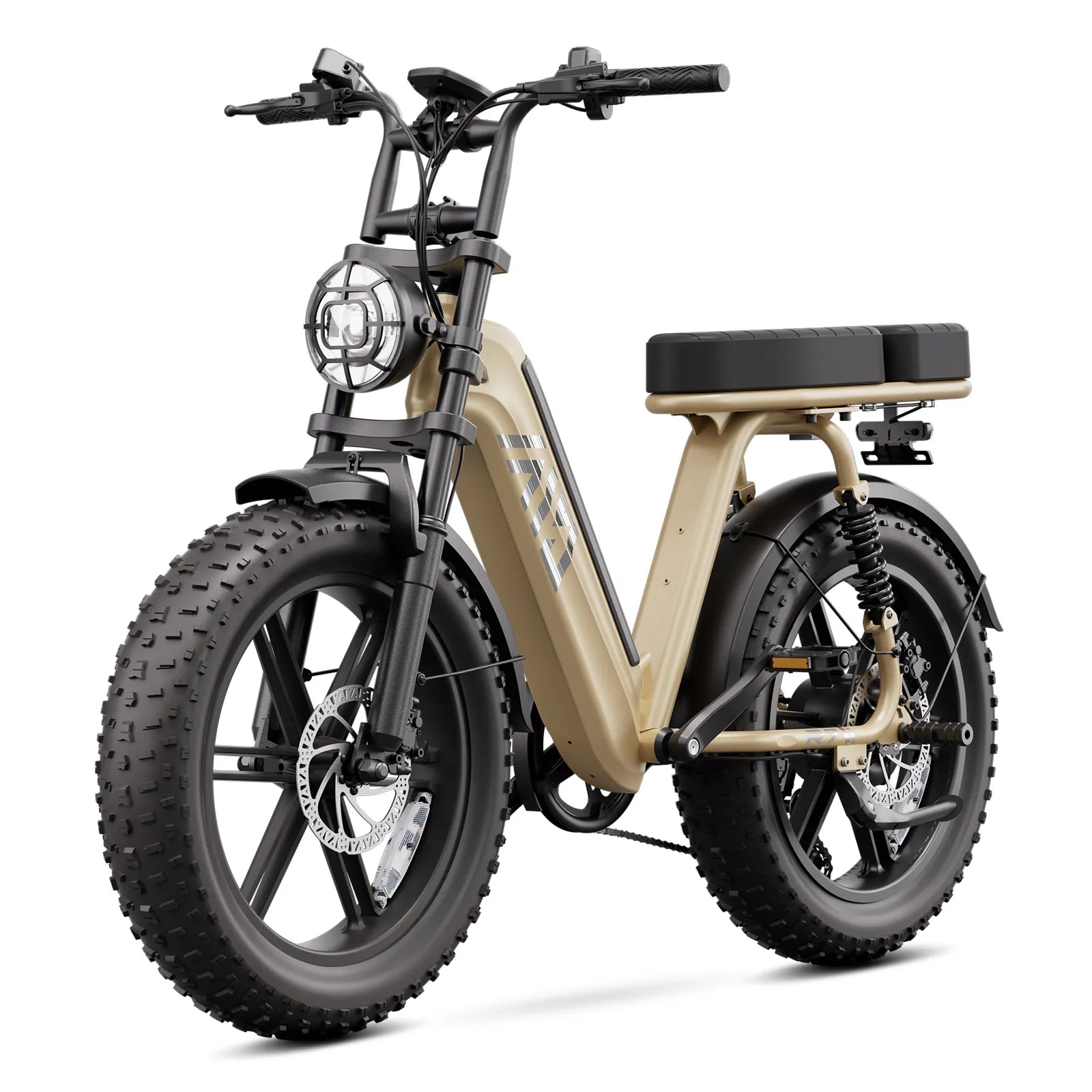
















Building a 48V electric dirt bike for $1K is theoretically possible only if you already own key parts, accept lower performance, and undervalue your own labor. Once you add a safe frame, battery, motor, controller, brakes, and tools, total real‑world cost usually exceeds $1,200–$1,800, while a ready‑to‑ride TST EBike‑style complete bike with warranty can start around $700+.
What core parts are required to build a 48V electric dirt bike?
You need a strong dirt‑capable frame, 48V battery, motor, controller, throttle, wiring, brakes, wheels, tires, and chargers to build a 48V electric dirt bike. For off‑road use, you also need reinforced suspension, better tires, and upgraded brakes, which significantly increase both parts cost and build complexity compared with a simple city ebike conversion.
From my experience on the shop floor, the big mistake beginners make is thinking a $250 “1000W 48V kit” and a used frame are enough. Once you start adding torque arms, hydraulic brakes, proper off‑road tires, and a battery with real continuous current capability, the project quickly escapes the $1K budget. That’s before accounting for failed parts and re‑work.
Typical DIY 48V dirt build parts list
How much does a realistic 48V DIY build actually cost vs $1K?
A realistic 48V DIY dirt‑oriented build usually costs between $1,200 and $2,000 once you factor in quality components and safety‑critical upgrades. The $1K target is only achievable if you get parts free or heavily discounted and do not count the value of your time. In contrast, complete e‑bikes such as TST EBike models often start around $700–$1,000 with warranty and support.
When I cost out a build, I also include “hidden” items: decent tools, soldering gear, heat‑shrink, connectors, and spares for inevitable mistakes. Many riders skip that and later discover they’ve bought crimpers, extra brake rotors, and multiple sets of tires. From a pure cost perspective, a ready‑to‑ride TST EBike ends up cheaper for most people who are not professional builders.
Why is labor the invisible killer cost in DIY 48V electric dirt bikes?
Labor is the invisible killer because even a “simple” 48V 1000W build often consumes 12–20 hours for a careful first‑timer, and more if troubleshooting is needed. If you value your time at even $20/hour, that is $240–$400 in hidden labor cost. Complex dirt builds with custom mounts, suspension tuning, and rewiring can easily double that time investment.
On the assembly line, a trained tech can wire and mount a powertrain in under an hour because the frame, harness, and brackets are all designed to fit. At home, you’ll spend an evening just figuring out where to safely route cables and mount the controller away from mud and impact zones. That difference in efficiency is exactly what TST EBike builds into its pricing.
What hidden technical pitfalls do first‑time builders face with 48V dirt setups?
First‑time builders often underestimate torque on dropouts, heat buildup in the motor, and brake fade on long downhill runs. A 48V 1000W system can generate enough torque to twist open standard bicycle dropouts if you skip proper torque arms, leading to dangerous axle failures. Poor battery mounting or cable routing also increases the risk of vibration damage and shorts in rough terrain.
From the engineering side, I see many DIY builds using undersized phase wires and generic bullet connectors that run hot under repeated hill climbs. On a dirt bike that’s hammered through roots and rocks, those components fatigue quickly. Factory bikes from brands like TST EBike use custom looms, sealed connectors, and validated mounting points to avoid those off‑road failure modes.
How do performance expectations of a $1K DIY build compare to ready‑to‑ride TST EBike options?
A $1K DIY 48V build often delivers middling performance due to compromises on battery, motor, or brakes, while ready‑to‑ride options from TST EBike aim for balanced power, range, and reliability. Off‑road, you want strong low‑end torque, robust thermal management, and predictable braking, which requires better parts than most ultra‑budget kits provide. The result is that many DIY builds feel underpowered or over‑stressed.
In contrast, a well‑designed TST EBike dirt‑style platform is tuned as a system: controller current limits match battery discharge capability, and brake rotor sizes are chosen for the bike’s weight and top speed. As a factory engineer, I’d rather ride a properly validated 48V TST EBike‑type machine at 25–30 mph off‑road than gamble on a $1K patchwork build at the same speed.
Budget DIY vs ready‑to‑ride comparison
Can you safely ride a home‑built 48V dirt bike off‑road?
You can ride a home‑built 48V dirt bike off‑road safely only if you choose quality components, follow best‑practice installation, and test thoroughly at low speeds first. Safety depends on correct torque arm use, solid battery mounting, strong brakes, and conservative controller settings. Skipping any of these increases your risk of mechanical failures, crashes, or electrical issues during off‑road use.
On my own test builds, I always run staged shakedowns: short rides, incremental speed increases, and repeated brake tests before touching real trails. I also retighten all fasteners after the first hour of riding because hardware settles under vibration. Factory bikes like those from TST EBike go through similar validation—but in controlled labs and proving grounds instead of your local field.
Why do 48V dirt builds demand better brakes and suspension than street ebikes?
48V dirt builds demand better brakes and suspension because off‑road riding adds impact loads, repeated hard stops, and unpredictable traction that street ebikes rarely face. You need larger rotors, multi‑piston hydraulic calipers, and suspension tuned for both rider weight and terrain. Under‑spec components may work on pavement but quickly overheat or fail on trails and jumps.
I’ve seen cheap mechanical disc brakes glaze over after a handful of hard downhill stops, extending stopping distance by meters when the rider needs every inch. That’s why serious dirt platforms and higher‑end TST EBike‑style all‑terrain models use dual hydraulic setups and beefier forks. The suspension is not just about comfort; it’s a control and safety component at speed.
Could a $1K budget be better spent on a used or entry‑level TST EBike instead?
A $1K budget is often better spent on a used or entry‑level TST EBike rather than a from‑scratch 48V dirt build, especially if you value reliability and support. With a complete bike, you get an integrated frame, tested powertrain, and single‑brand warranty, instead of juggling multiple vendors and troubleshooting integration issues yourself. For most riders, that trade‑off is worth more than marginal customization.
In practice, I’ve watched riders move from half‑finished DIY projects to complete TST EBike‑type machines and start riding the same weekend. Instead of waiting for parts, debugging cutouts, and worrying about battery safety, they focus on learning line choice and braking technique on the trail. The $1K question becomes less “Can I build it?” and more “What’s the smartest way to get riding?”
TST EBike Expert Views
“When riders ask if they can build a 48V dirt ebike for $1K, we walk them through a full bill of materials and a realistic labor estimate. Once they see how fast safe components and time add up, many choose a TST EBike complete bike instead. Our job as engineers is not just to chase specs, but to deliver a balanced system that holds up to real‑world trails and real‑world budgets.”
Conclusion: Why does the math favor a complete TST‑style bike over a $1K DIY 48V dirt build?
The math favors a complete TST‑style bike because a truly safe 48V dirt build rarely stays under $1K once you price quality parts, tools, and your own time. DIY makes sense if you love building, own many components already, and accept the learning curve. For everyone else, a complete TST EBike‑type machine offers better value, warranty, and ride‑ready reliability.
If your goal is to ride more than wrench, put your $1K toward a robust, legally compliant e‑bike platform with proven off‑road capability rather than chasing the tightest possible DIY budget. You can still personalize tires, cockpit, and gearing later, but you start from a tested foundation. In real life, that usually means you enjoy more trail time and fewer garage‑night headaches.
FAQs
Can I build a 48V 1000W dirt ebike for under $1K if I already have a bike frame?If you already own a strong frame, you might hit around $1K, but only by choosing budget components and not counting your labor, which often leads to compromises in safety and reliability.
Is a 48V DIY dirt bike as reliable as a factory TST EBike?Usually not. Factory bikes like TST EBike models are designed, assembled, and tested as complete systems, whereas DIY builds mix parts that were never validated together under off‑road stress.
What’s the biggest hidden cost of a DIY 48V dirt build?Time. Sourcing parts, fabricating mounts, wiring, troubleshooting, and testing can consume 20–30 hours or more, which quickly outweighs any small savings over a ready‑to‑ride complete bike.
Can I upgrade a TST EBike later instead of building from scratch?Yes. Many riders start with a TST EBike‑style complete platform, then upgrade tires, suspension, cockpit parts, or even battery capacity later, spreading cost over time while still riding immediately.
Who should still consider a $1K DIY 48V build?DIY builds make sense for experienced tinkerers who enjoy the process, already own tools and some parts, and understand the mechanical and electrical risks involved in off‑road electric conversions.

Leave a comment
This site is protected by hCaptcha and the hCaptcha Privacy Policy and Terms of Service apply.