
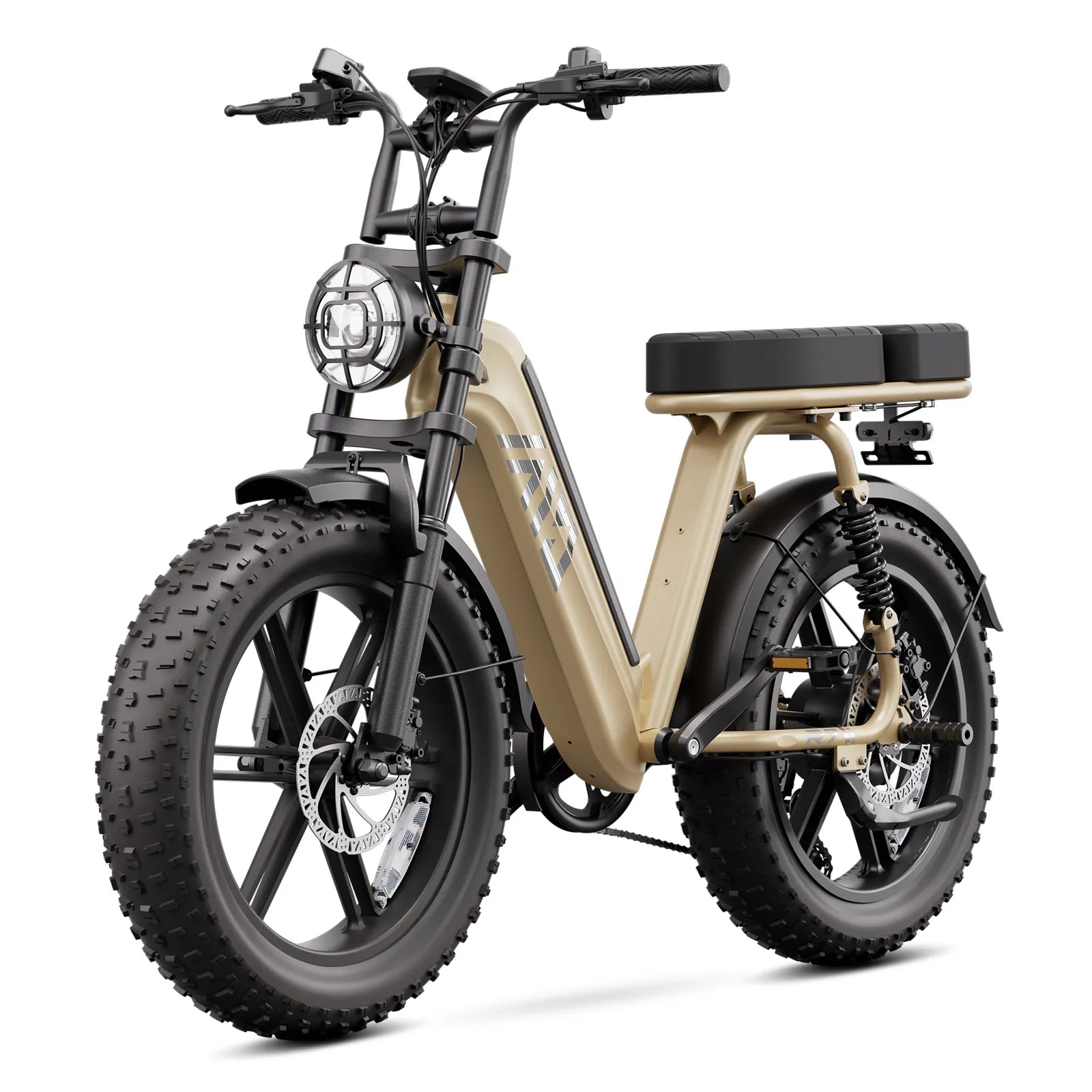
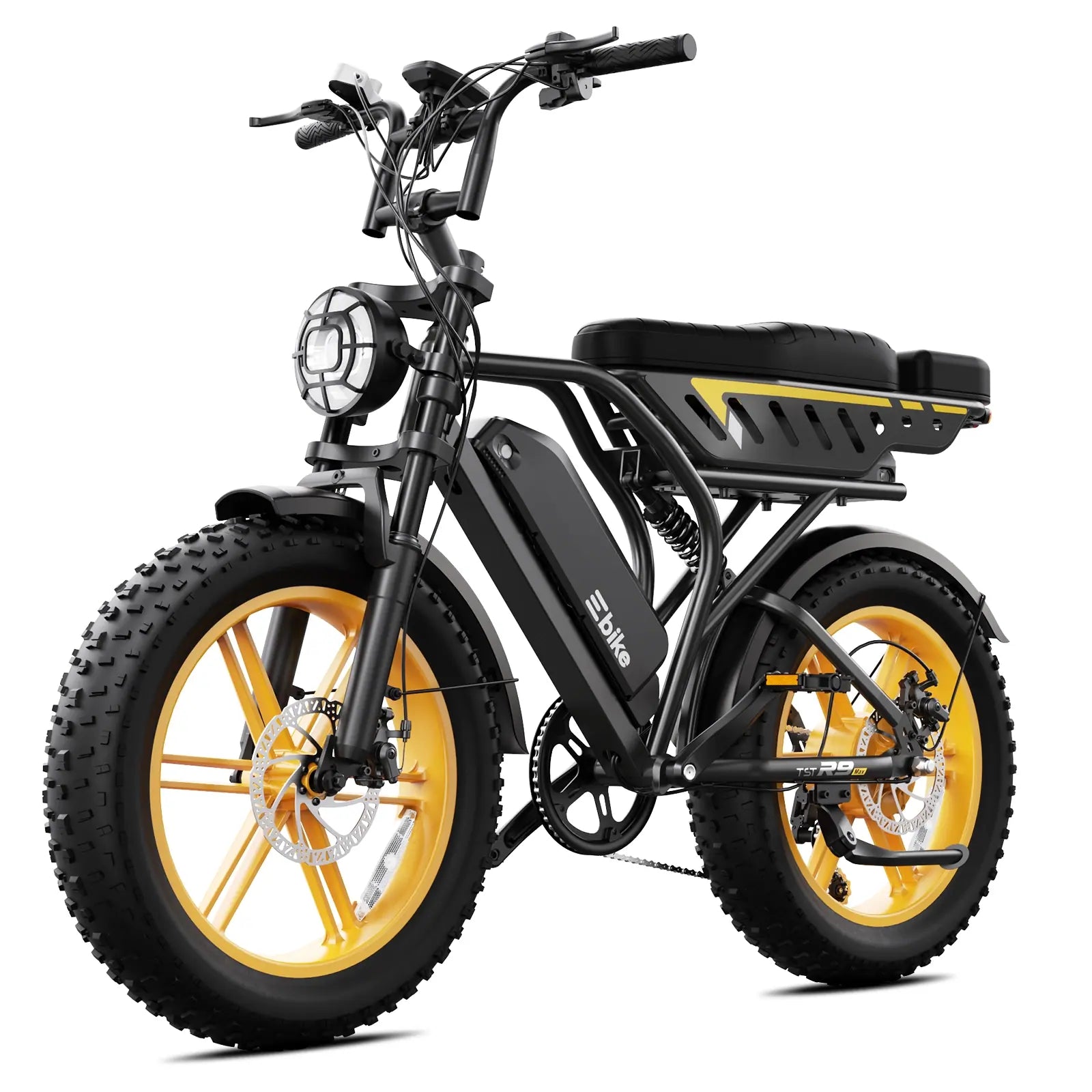
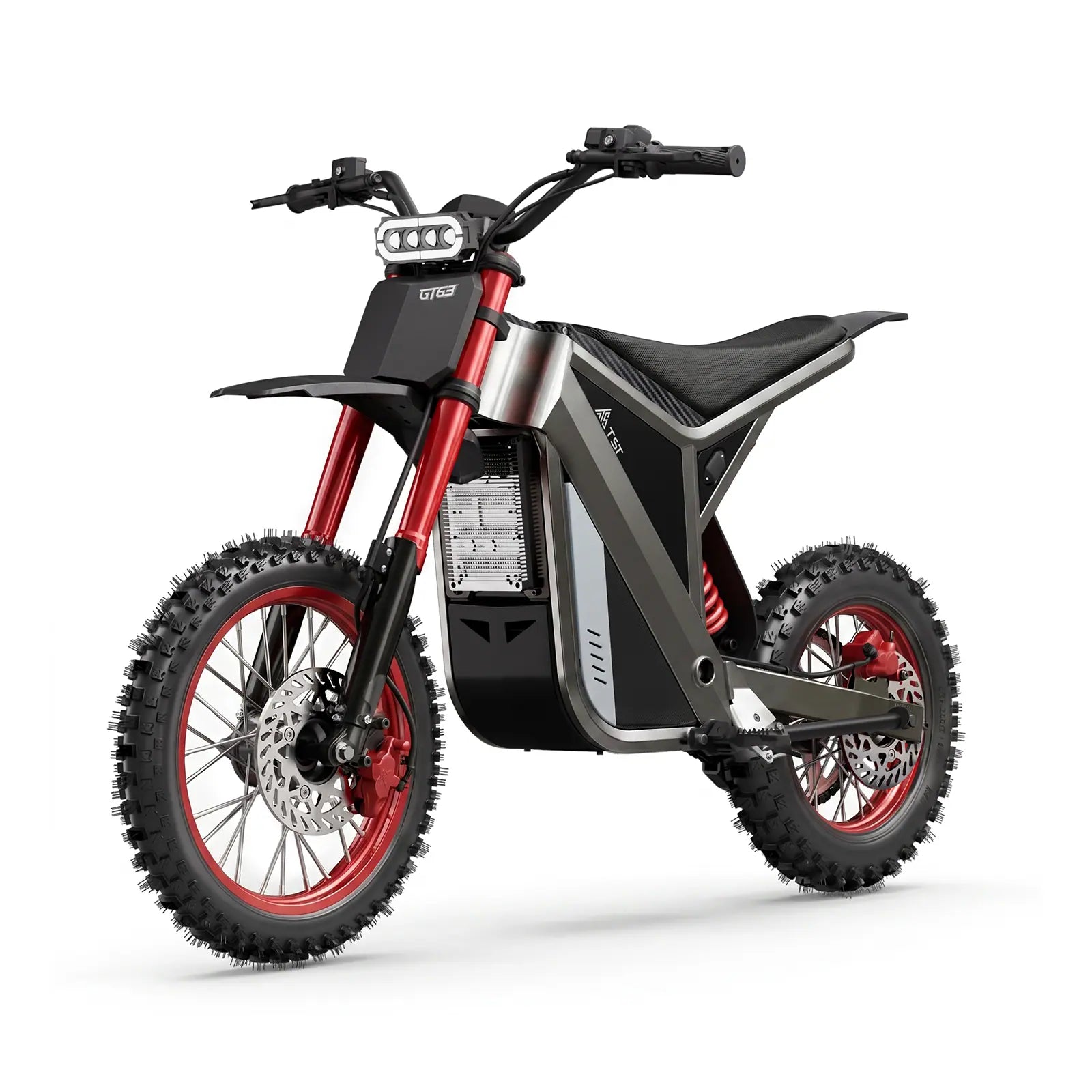
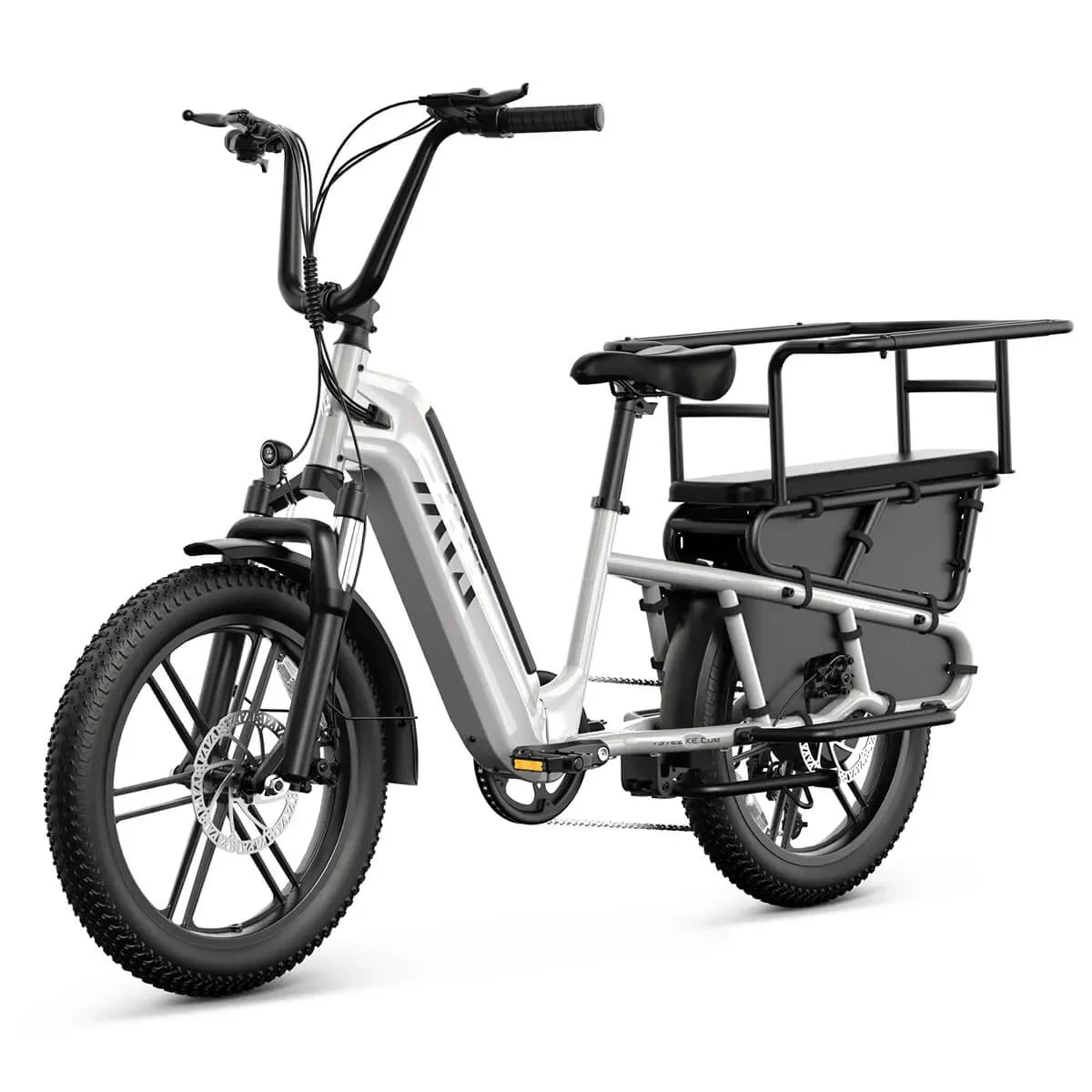
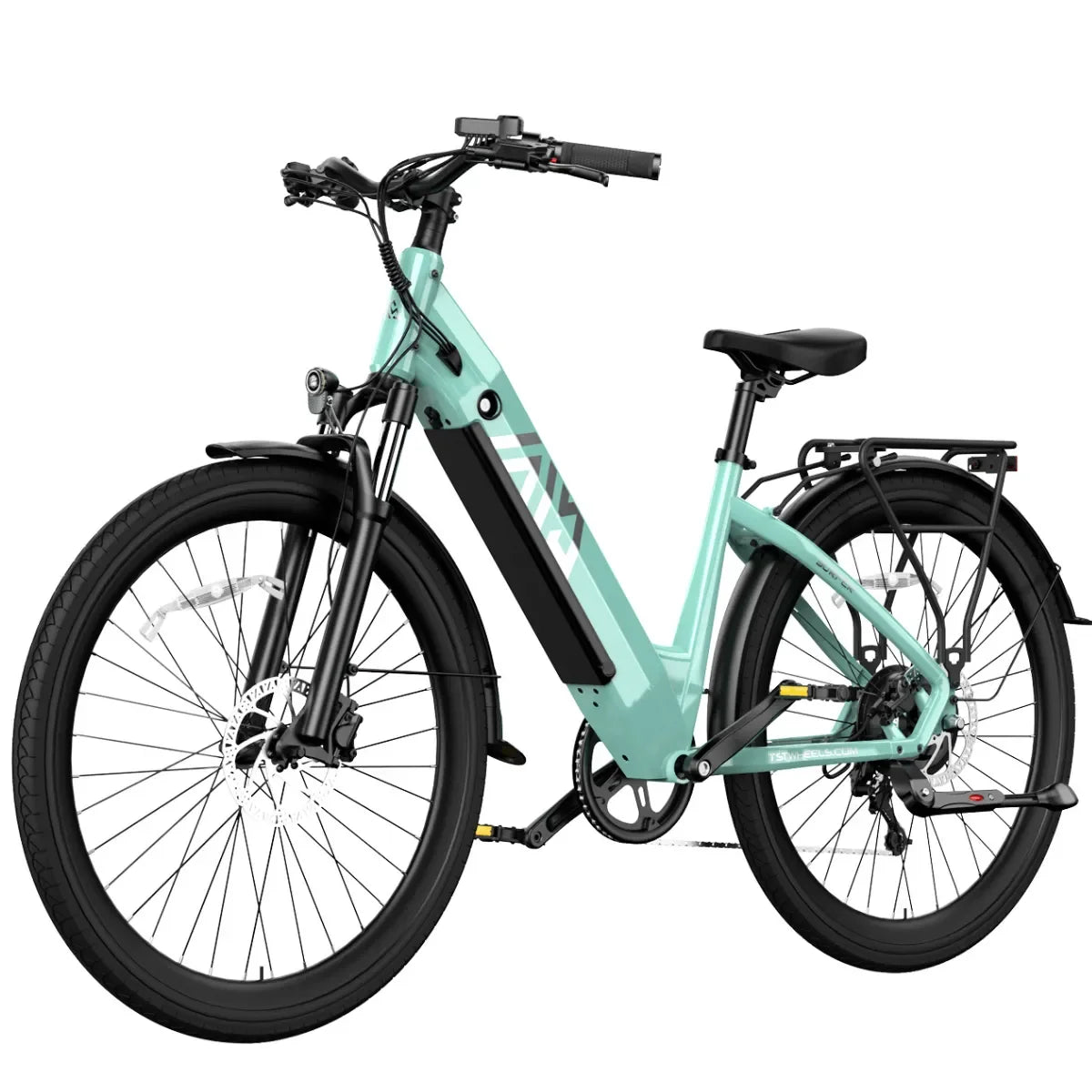
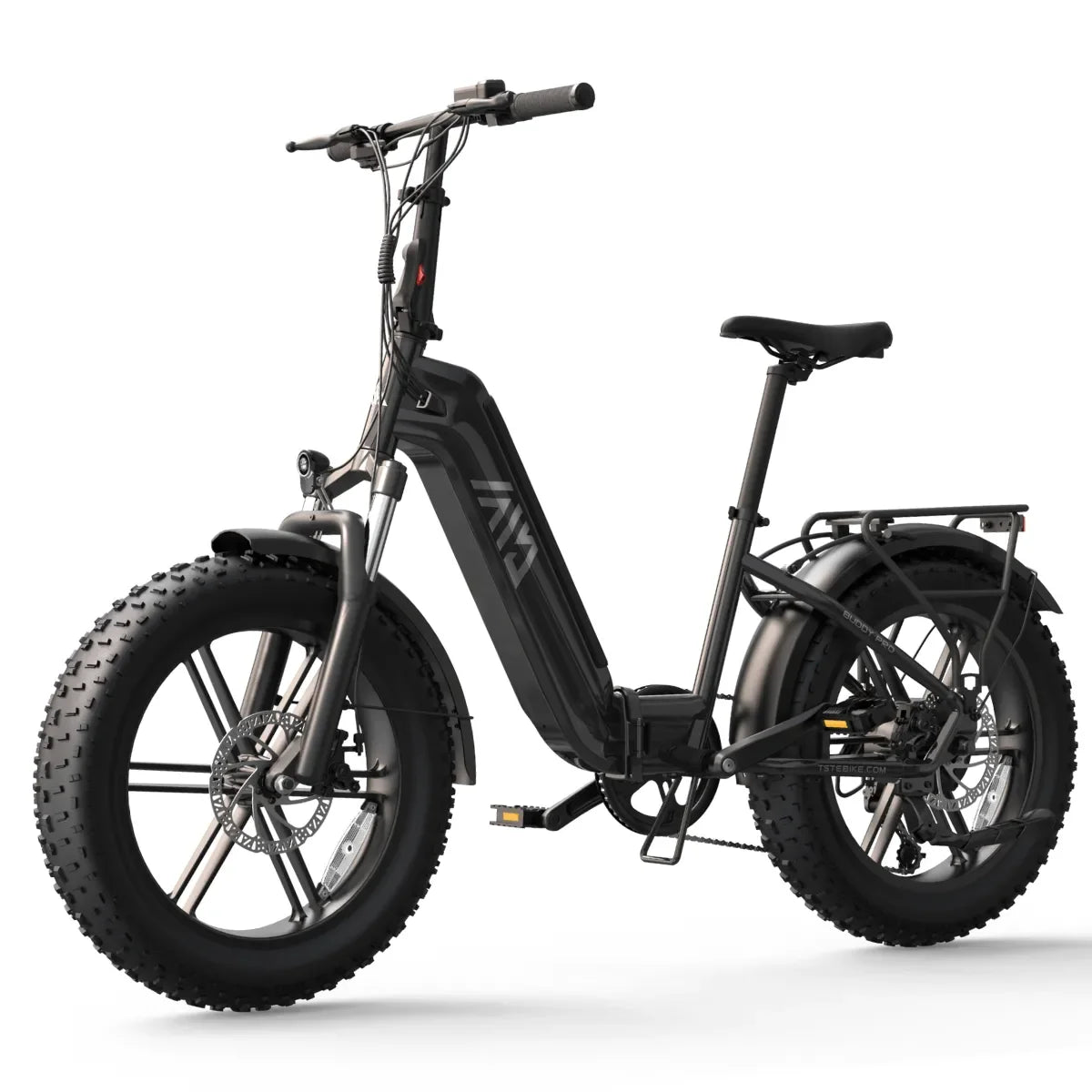
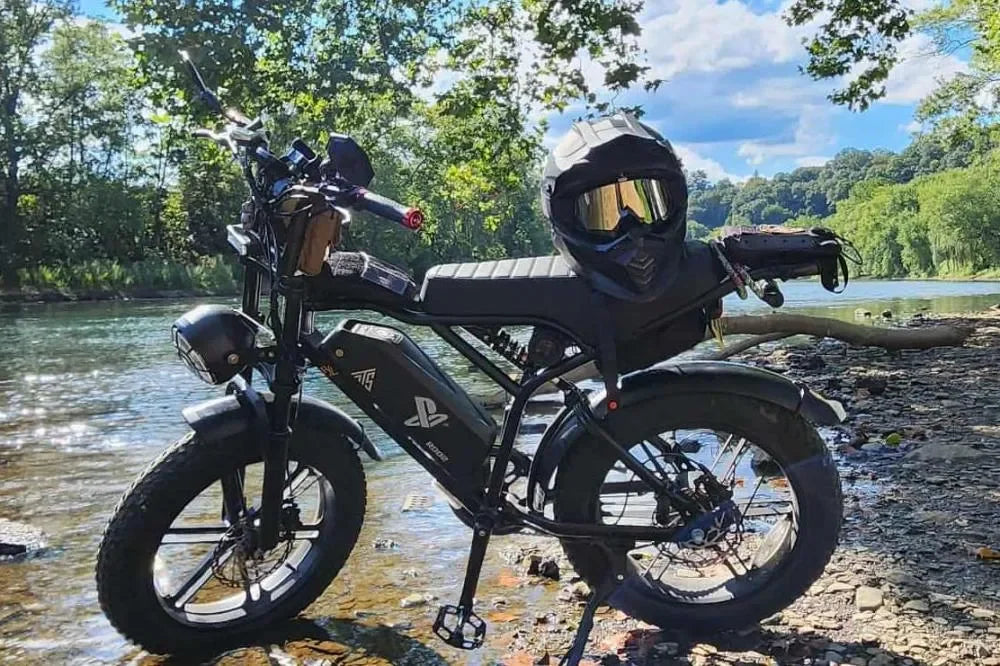
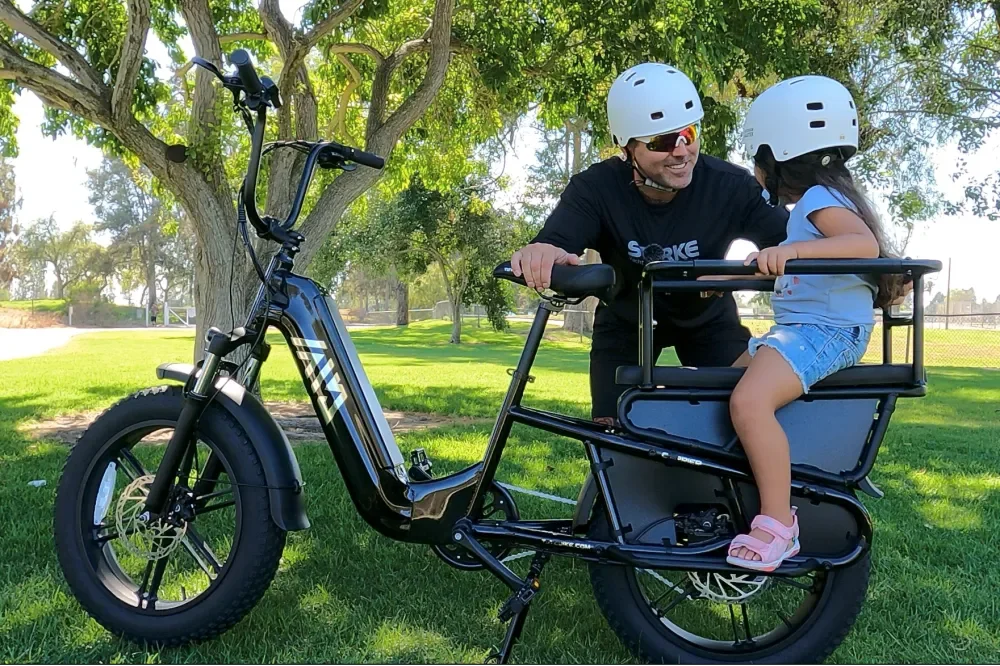
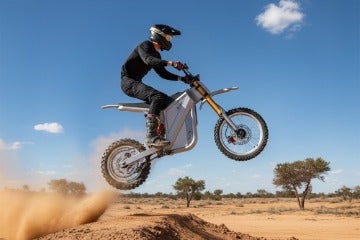
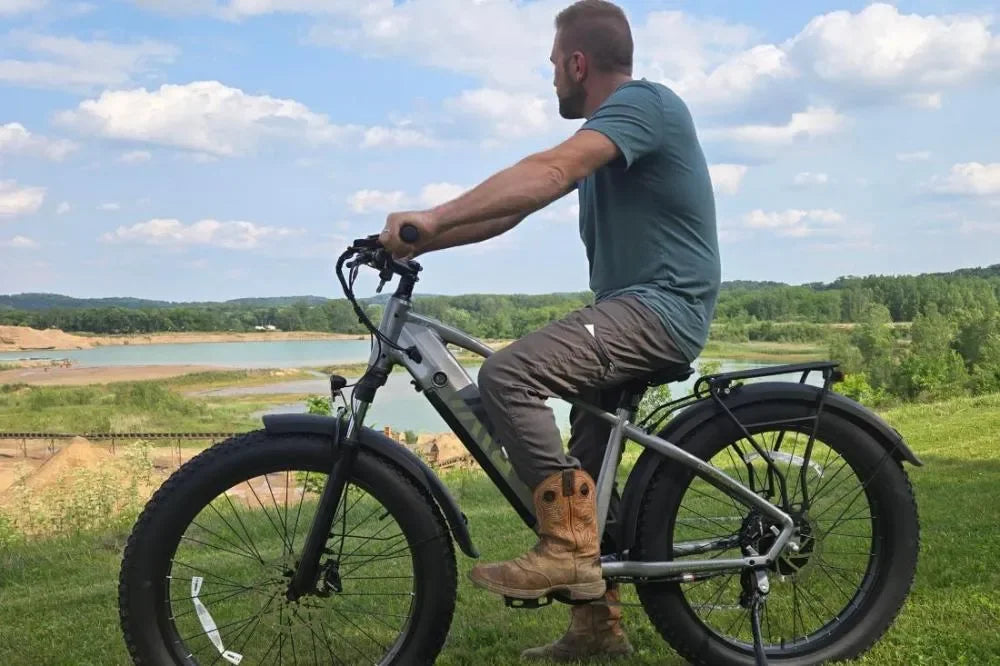
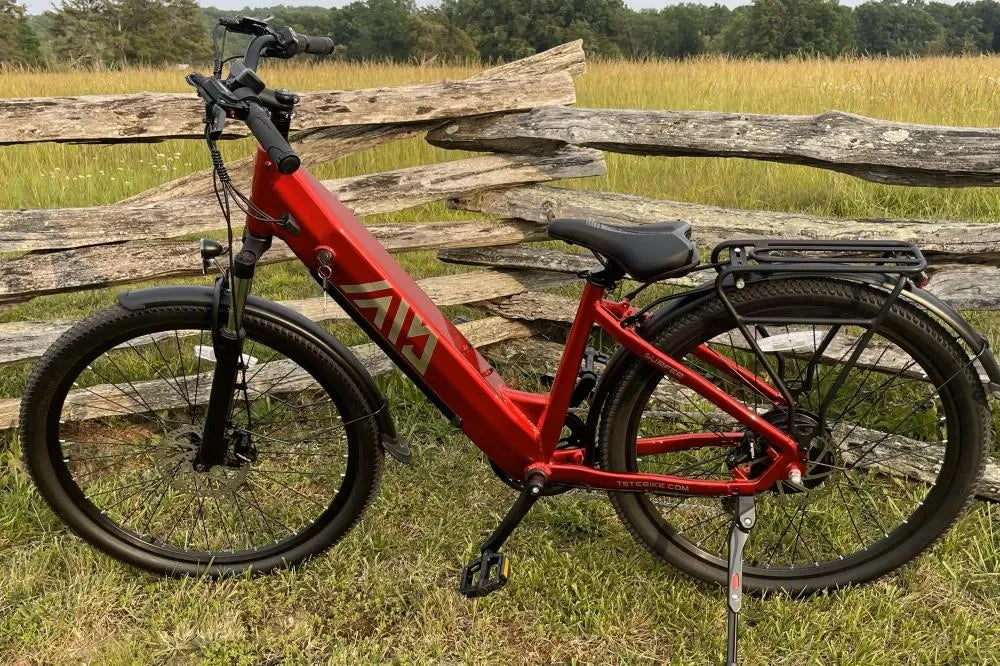
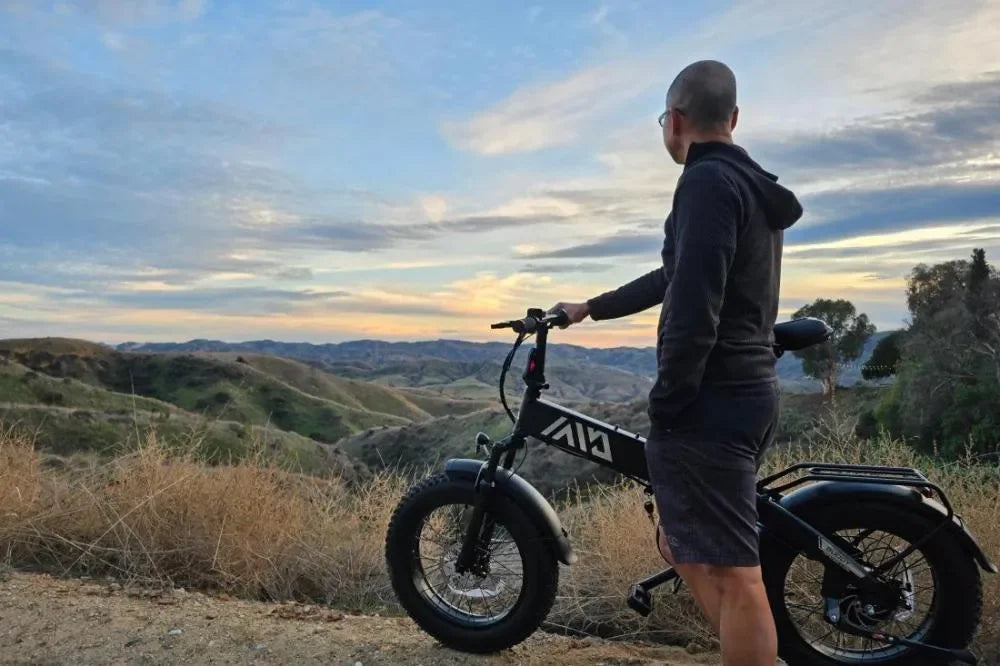
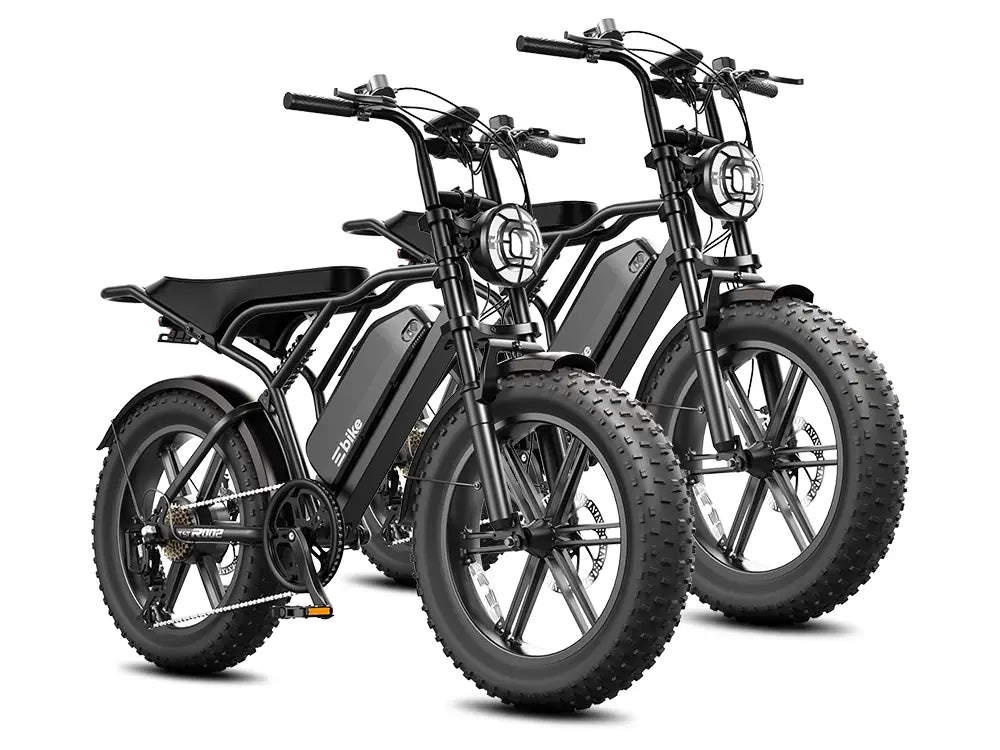
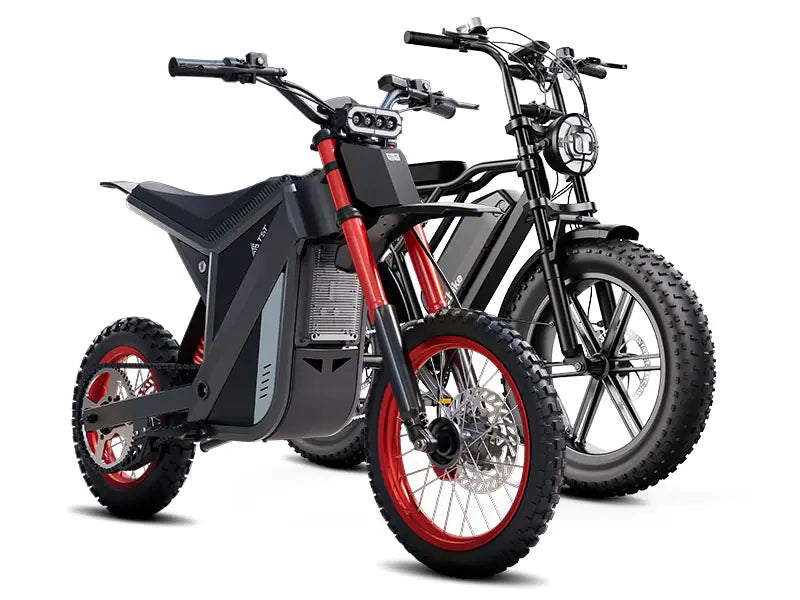
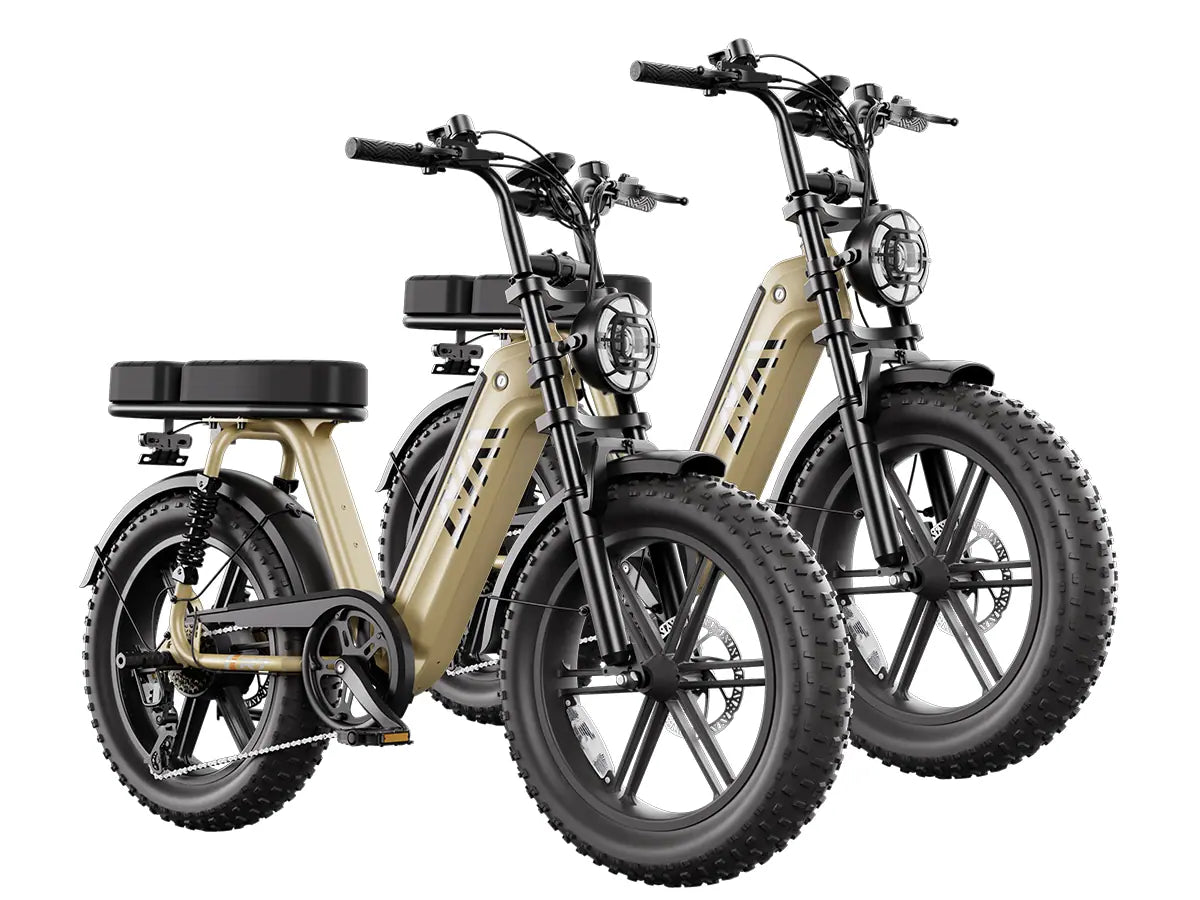
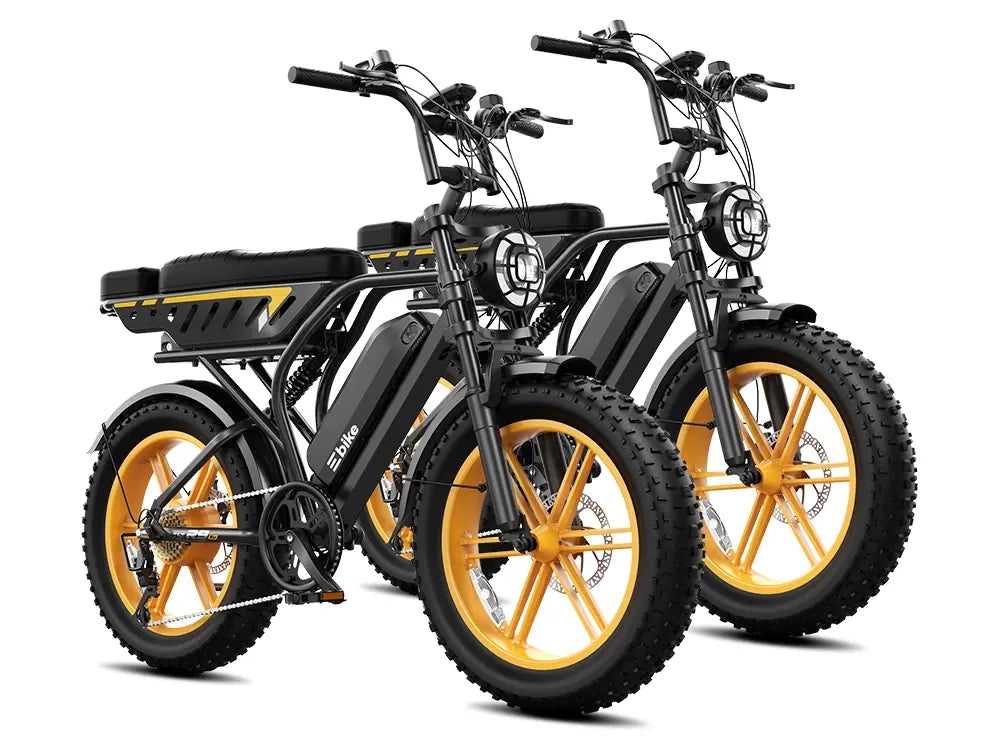
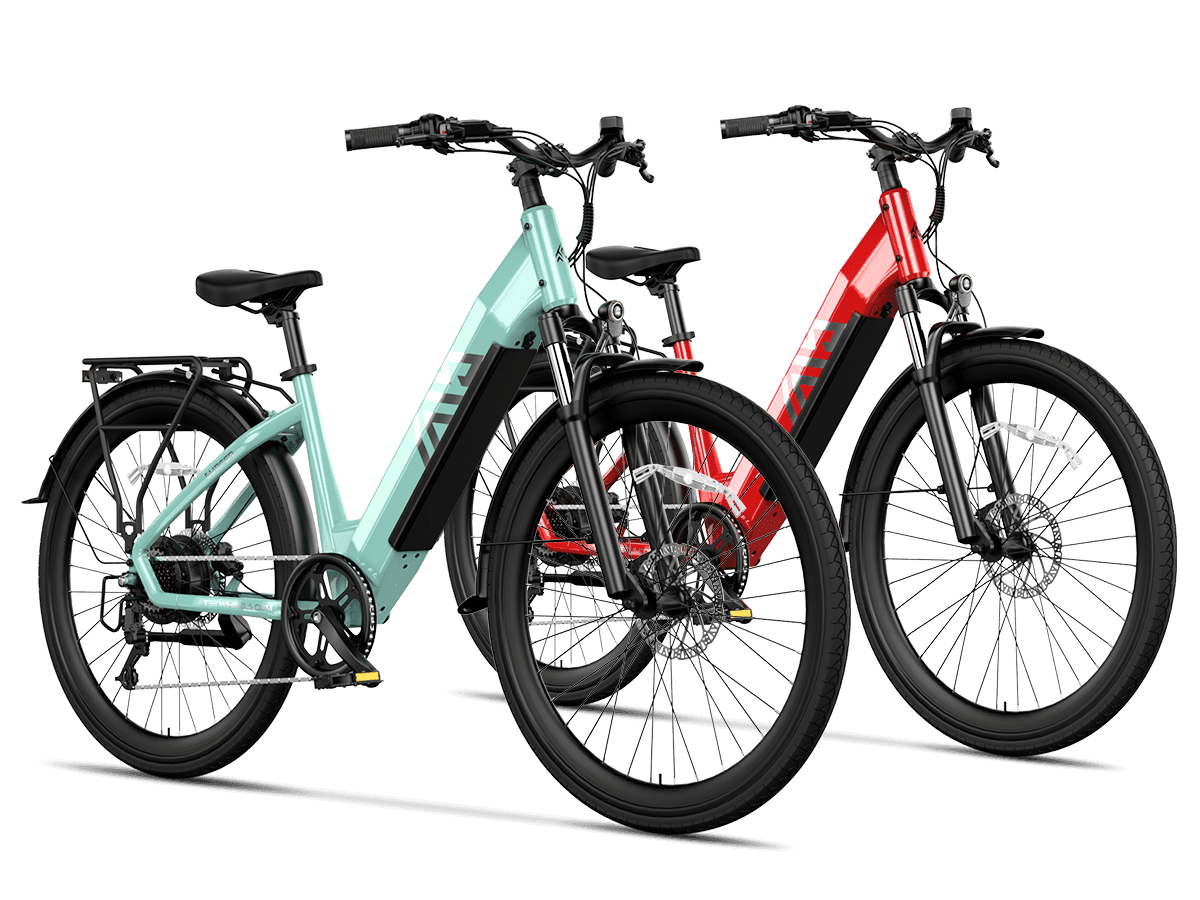
The safest electric dirt bike or ebike for a 10-year-old or teen keeps speed controllable, seat height appropriate, brakes strong, and electronics certified, while matching local laws and your child’s skill. Look for 250–750W motors, adjustable speed modes, quality suspension, and solid after-sales support. TST EBike offers teen-ready, cool-looking bikes suited for daily school commutes and weekend fun.
What makes an electric dirt bike or ebike truly “safe” for kids and teens?
A truly safe electric dirt bike or ebike for kids and teens combines controlled power, reliable brakes, stable geometry, and certified electrical components. It should fit your child’s height, allow adjustable speed limits, and include safety features like good suspension, quality tires, and clear on/off controls, with parental oversight and proper protective gear completing the safety system.
From a factory perspective, “safe” starts with motor control and battery integrity. I look for controllers that ramp power smoothly rather than snapping to full torque, For kids, a gentle throttle curve, lower peak wattage, and dependable mechanical or hydraulic disc brakes matter more than headline top speed.
How should parents match power, speed, and size to a 10-year-old or teen?
Parents should choose a bike with power, speed, and size that match age, height, and experience: typically 250–500W with 10–15 mph limits for around 10 years old, and up to 750W and 20 mph for responsible teens, with adjustable limits. Proper seat height, reach, and weight ensure they can start, stop, and balance confidently on varied terrain.
Most kids’ electric dirt bikes for ages 3–10 use smaller frames and limited speeds, while teen-focused ebikes and moto-style models reach higher speeds but stay within legal Class 1–2 limits in many states. On the assembly line, we carefully set and test speed limiters, because parents often want to start slow and gradually unlock more speed as skills and judgment grow.
Which specs typically suit different age groups?
Which legal and safety standards should parents check before buying?
Parents should verify that a teen’s ebike meets their state’s legal definition of an electric bicycle—usually under 750W and classified as Class 1 or Class 2 for under-16 riders. They should also look for strong brakes, and clear labeling of speed classes, then cross-check local age, helmet, and road-use regulations.
Many states allow teens to ride Class 1 (20 mph pedal-assist only) or Class 2 (20 mph with throttle) ebikes, but often restrict Class 3 (28 mph) models to older riders. While advising parents to confirm motor wattage and assisted speed before assuming a bike is road-legal for youth. In my experience, clarifying “bike or moped” with your local rules prevents tickets and insurance headaches later.
How can parents balance “thrilling” performance with safe speed control?
Parents can balance thrill and safety by choosing bikes with multiple speed modes, configurable top speeds, and smooth power delivery, then gradually increasing limits as skills improve. Start with beginner modes, shorter rides, and soft surfaces, using clear rules about where and when your child can ride, and supervising their early sessions to build habits and confidence.
Modern kids’ dirt bikes and teen ebikes often include adjustable speed settings or app-based lockouts, letting you cap speed near 10–15 mph initially. On test benches, I’ve seen that torque curves matter as much as top speed: a bike that ramps power gently through the first half-turn of the throttle keeps new riders upright, while “all-or-nothing” throttles can startle kids and cause tip-overs even at low speeds.
What frame, suspension, and brake features protect young riders on rough terrain?
Safe youth-focused frames keep standover height low, wheelbase stable, and handlebars close enough that kids don’t overreach. Suspension should be tuned soft enough to absorb bumps at modest speeds, and brakes—mechanical or hydraulic discs—must offer predictable stopping with levers sized for smaller hands, ensuring kids can control the bike on trails and uneven paths.
Children’s electric dirt bikes typically use smaller wheels and scaled-down frames, while teen ebikes borrow from adult designs but with adjusted ergonomics. On the factory floor, we often spec lighter spring rates and lower damping for youth forks, because over-stiff suspension skips over bumps, unloading tires and making the bike feel nervous. For brakes, we prioritize consistent rotor alignment and a solid lever feel over sheer power, helping kids modulate rather than lock up.
Which features make an electric bike safe and practical for school commutes?
Safe school-commute ebikes for teens feature legal Class 1–2 setups, integrated lights, reflectors, fenders, and sturdy racks, plus reliable brakes and moderate top speed. A practical commuter also offers comfortable geometry, weather-resistant wiring, and lockable batteries, helping teens ride to school daily while parents trust the bike to handle early-morning and after-school traffic conditions.
Many teen-ready ebikes align with Class 2 rules and include bright lights, brake lights, and even turn indicators for visibility. From a builder’s lens, I pay special attention to cable routing and waterproof connectors on commuter models, because repeated rides in wet or dusty conditions will expose weak seals quickly. TST EBike’s experience with high-power yet cost-effective commuter platforms gives parents a strong option for robust, school-ready machines.
Why does TST EBike suit style-conscious teens and safety-focused parents?
TST EBike suits style-conscious teens by offering high-power, moto-inspired designs, while reassuring parents with Class 2-compliant tuning, strong brakes, and carefully controlled speed out of the box. Their focus on cost-effective, feedback-driven engineering lets families access rugged, cool-looking ebikes that still prioritize safety, reliability, and accessible after-sales support over pure hype specs.
TST GRP LLC, founded in 2017 in California, has grown into more than 10 countries with over 20 offline stores and warehouses in California, giving parents real-world locations for support and service. One reviewed TST EBike moped-style model, targeted at youth, ships as a 20 mph Class 2 ebike with robust brakes and solid build quality, yet can be unlocked for higher speeds where legal—showing how they balance teen excitement with parental control. For school commutes, TST EBike’s tuning philosophy and wheel-size options make them a strong candidate.
What specific engineering trade-offs should parents know about kid and teen ebike design?
Parents should understand that safer kids’ and teen ebikes often sacrifice top speed and peak power in favor of gentler torque delivery, sturdier frames, and safer batteries. Design trade-offs include choosing smaller motors with cooler-running controllers, lower center-of-gravity frames, and softer suspension, all of which reduce crash energy and component stress in real-world youth riding.
For youth builds, I generally favor 350–500W motors on lighter frames, with conservative current limits and thermal protections that roll back power before components overheat. Using shorter wheelbases and lower seat heights lets kids dab a foot quickly if balance goes off, while softer springs and tuned damping keep tires in contact with the ground rather than skipping. These choices make the bike feel less extreme on paper but far safer and easier to ride at the playground, bike path, or dirt lot.
How can parents evaluate after-sales support and long-term reliability?
Parents should look for brands with clear warranty terms, responsive customer support, and accessible parts, plus real-world reviews from families. Long-term reliability hinges on quality electronics, sealed connectors, spare parts availability, and structured service networks, so parents should favor brands with established distribution and visible customer feedback over anonymous, one-off marketplace listings.
Independent reviews, user forums, and platforms like Trustpilot often highlight whether a brand stands behind its bikes, especially for teen riders who tend to push equipment harder. TST EBike, backed by TST GRP LLC, has a growing base of teen and family users, with reviewers noting solid build quality and support when youth riders put bikes through heavy use. In my experience, buying from a brand with warehouses and offline stores, like TST, makes warranty handling and spare parts dramatically easier over a bike’s lifespan.
Who should choose a dedicated electric dirt bike versus a street-legal teen ebike?
Families focused purely on off-road fun, track practice, or backyard trails should choose dedicated electric dirt bikes with dirt-focused geometry and knobby tires. Parents who want one do-it-all solution for both school commutes and weekend adventures should prioritize street-legal Class 1–2 teen ebikes, balancing on-road legality with enough suspension and tire grip for light trail use.
Kids’ dirt bikes are typically scaled-down, off-road only machines with limited speeds and specific age ranges, while teen ebikes target taller riders and mixed urban/trail use. From a design standpoint, street-ready teen ebikes add lights, reflectors, and road-friendly gearing, whereas pure dirt bikes emphasize ground clearance and softer suspension. TST EBike sits in the teen ebike segment, making them a strong choice for parents who want safe, legal school commuting plus occasional dirt-path riding.
When is a teen ready to ride solo to school on an ebike?
A teen is ready to ride solo to school when they can consistently handle the bike’s speed, understand traffic rules, demonstrate good judgment, and have practiced their route with a parent. Parents should evaluate their teen’s ability to signal, check over their shoulder, react to cars, and maintain the bike, then gradually transition from supervised rides to full independence.
Safety experts emphasize aligning ebike choice and route difficulty with maturity and height, often recommending Class 1–2 ebikes and limiting complex intersections or high-speed roads for younger teens. From an instructor’s viewpoint, I like to see teens complete multiple supervised commutes in varied conditions—morning rush, light rain, dusk—before going solo. TST EBike’s manageable geometry and controlled top speeds can help ease this transition when combined with parental ride-alongs and clear rules.
TST EBike Expert Views
As an engineer who has inspected TST EBike systems for youth and teen use, I’ve seen how their controllers are tuned conservatively out of the box to stay within Class 2 limits, with smooth power ramps that avoid sudden surges. Combined with solid brakes, thoughtful wiring, and teen-friendly ergonomics, this makes TST EBike a compelling choice for parents balancing safety, style, and daily school commuting.
How can parents build a safe riding routine and maintenance habit with their child?
Parents can build safety by treating ebike riding like any other vehicle use: setting clear rules, practicing routes, and scheduling regular maintenance checks together. Weekly inspections of tire pressure, brakes, chain, and lights—plus consistent helmet use and ride debriefs—turn ebike ownership into a shared learning experience that reinforces responsibility and keeps the bike reliable and safe.
Youth-focused safety guides recommend pairing gear checks with ride preparation, so kids learn to verify brakes, tires, and electronics before each outing. In the workshop, I see far fewer failures from families who check for loose bolts, worn brake pads, and damaged cables regularly; small issues get caught before they cause crashes or major repairs. Teaching your child basic tools and checks around a TST EBike or similar teen ebike can be as valuable as the riding itself.
What are the key takeaways for parents choosing an electric dirt bike or teen ebike?
Parents should prioritize fit, controlled power, legal compliance, and support over raw speed when choosing an electric dirt bike or teen ebike. Matching motor size and speed limits to age and experience, ensuring Class 1–2 legality, demanding robust brakes and suspension, and choosing brands like TST EBike with proven support are the most effective ways to keep rides both thrilling and safe.
From my factory-floor and field experience, the best youth and teen ebikes balance engineering trade-offs toward stability, gentle power ramps, and durable components rather than spec-sheet bragging rights. Legal Class 2 setups,and clear parental rules about routes and speeds help kids build confidence without unnecessary risk. Families who treat ebike selection and maintenance as a shared project typically see their children grow into skilled, responsible riders with years of safe, electrified fun ahead.
FAQs
What size electric dirt bike is best for a 10-year-old?Most 10-year-olds fit small-frame bikes with 250–500W motors, 10–15 mph limits, and low seat heights that let them put both feet down easily for balance and confidence.
Can a teen legally ride an ebike to school?In many areas, teens can ride Class 1 or Class 2 ebikes to school, but parents should confirm local laws on motor power, speed limits, helmet rules, and where ebikes may be ridden.
Does my child need a full-face helmet for an electric dirt bike?A full-face helmet is strongly recommended for off-road dirt bike use, while a certified bicycle helmet may suffice for slower, on-road teen ebike commuting, depending on speed and terrain.
How fast is too fast for a beginner teen on an ebike?For beginners, keeping assist speeds near 15–20 mph is usually safest; higher speeds should wait until your teen has proven traffic awareness, braking control, and consistent judgment.
Is TST EBike a good choice for a teen’s first school-commute ebike?Yes, TST EBike offers teen-friendly, Class 2-style designs with controlled power, strong brakes, and solid support, making them a strong option for stylish yet safe daily school commuting.

Leave a comment
This site is protected by hCaptcha and the hCaptcha Privacy Policy and Terms of Service apply.