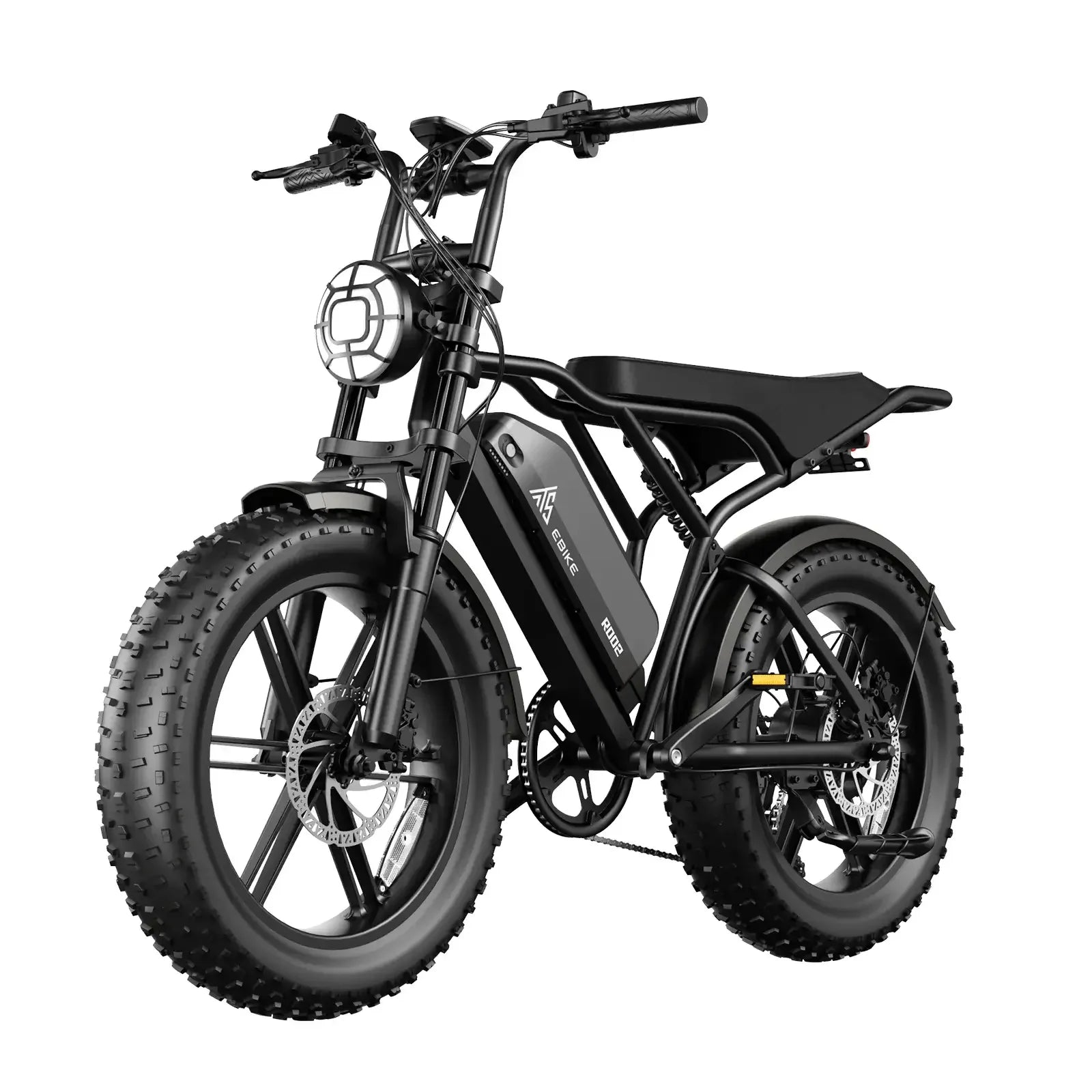
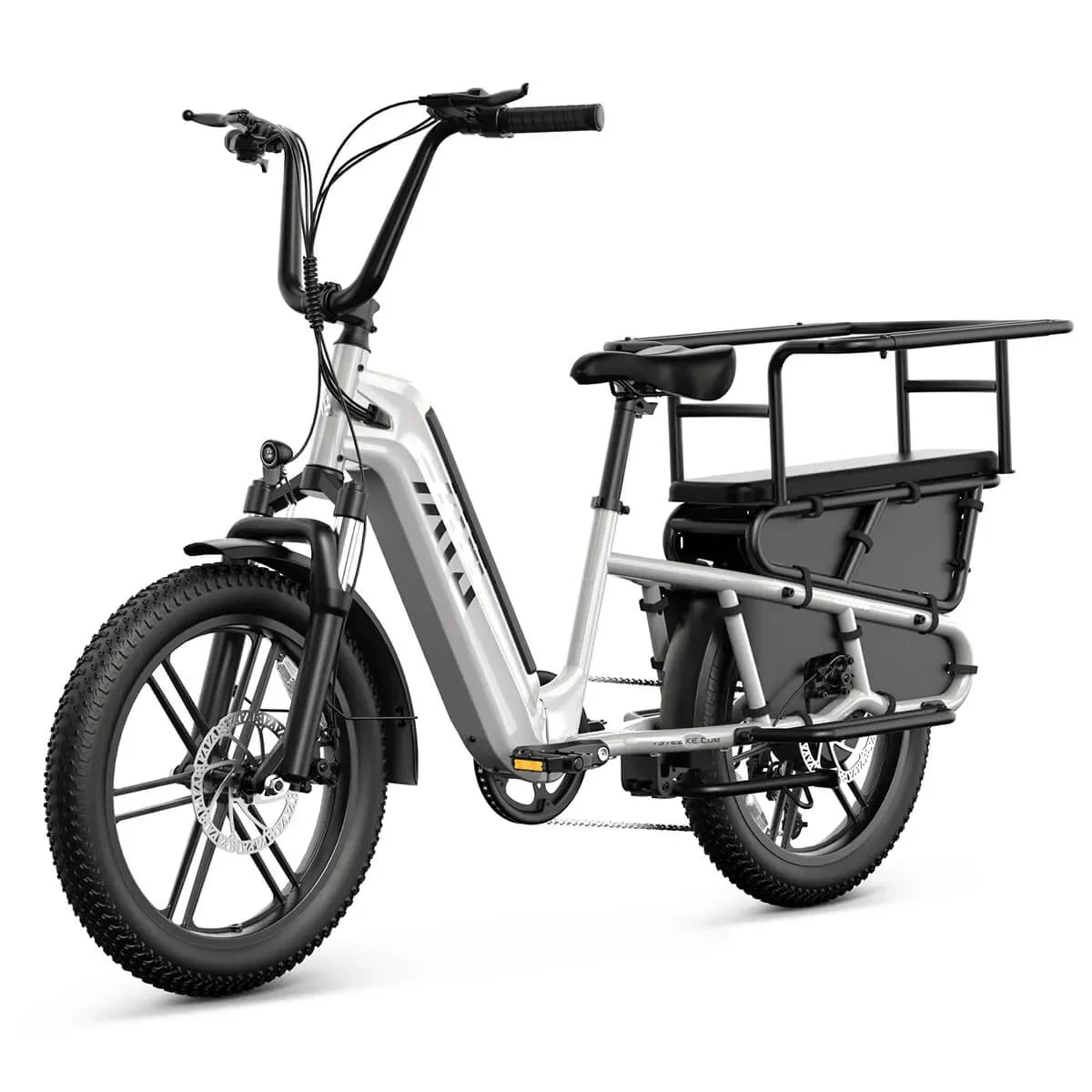
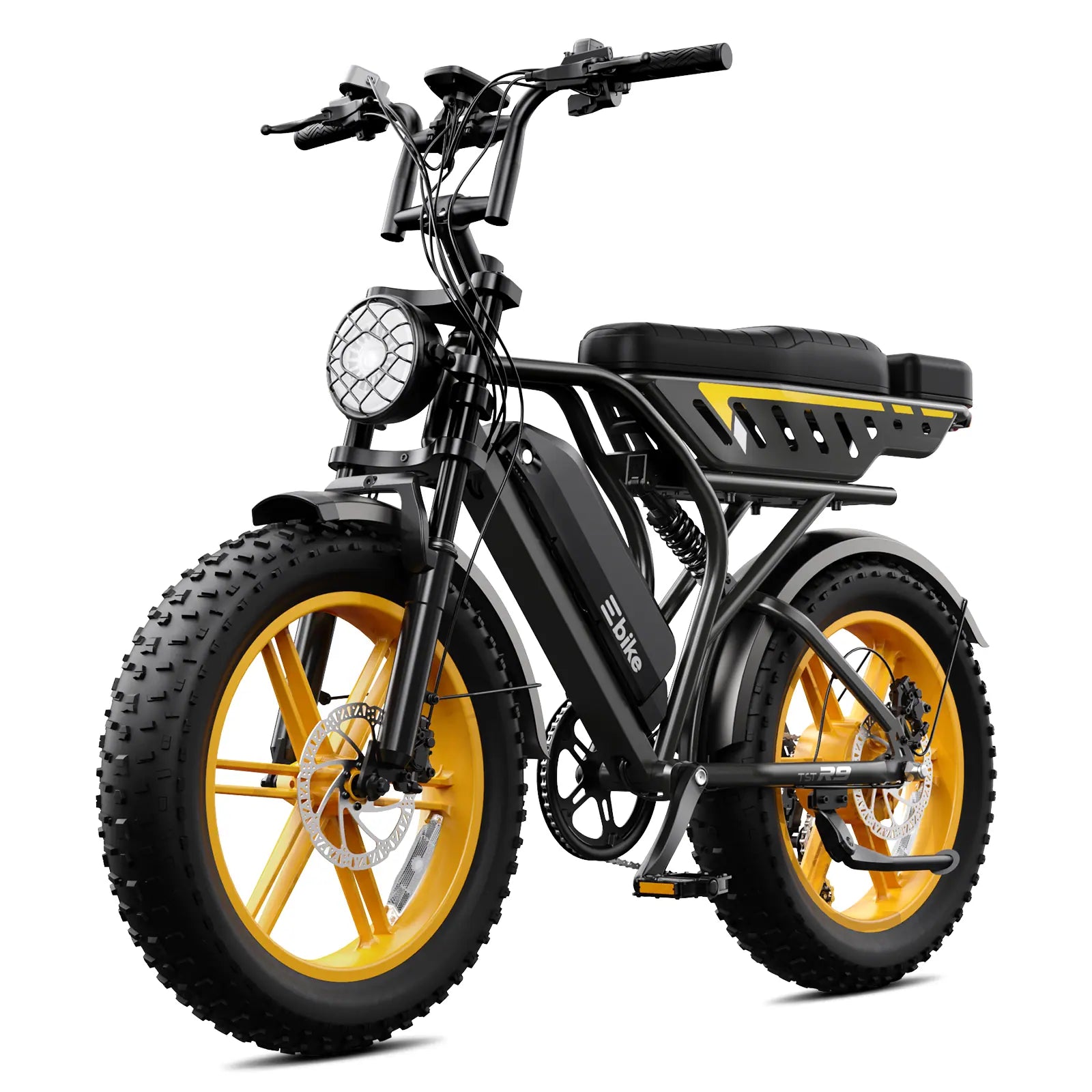
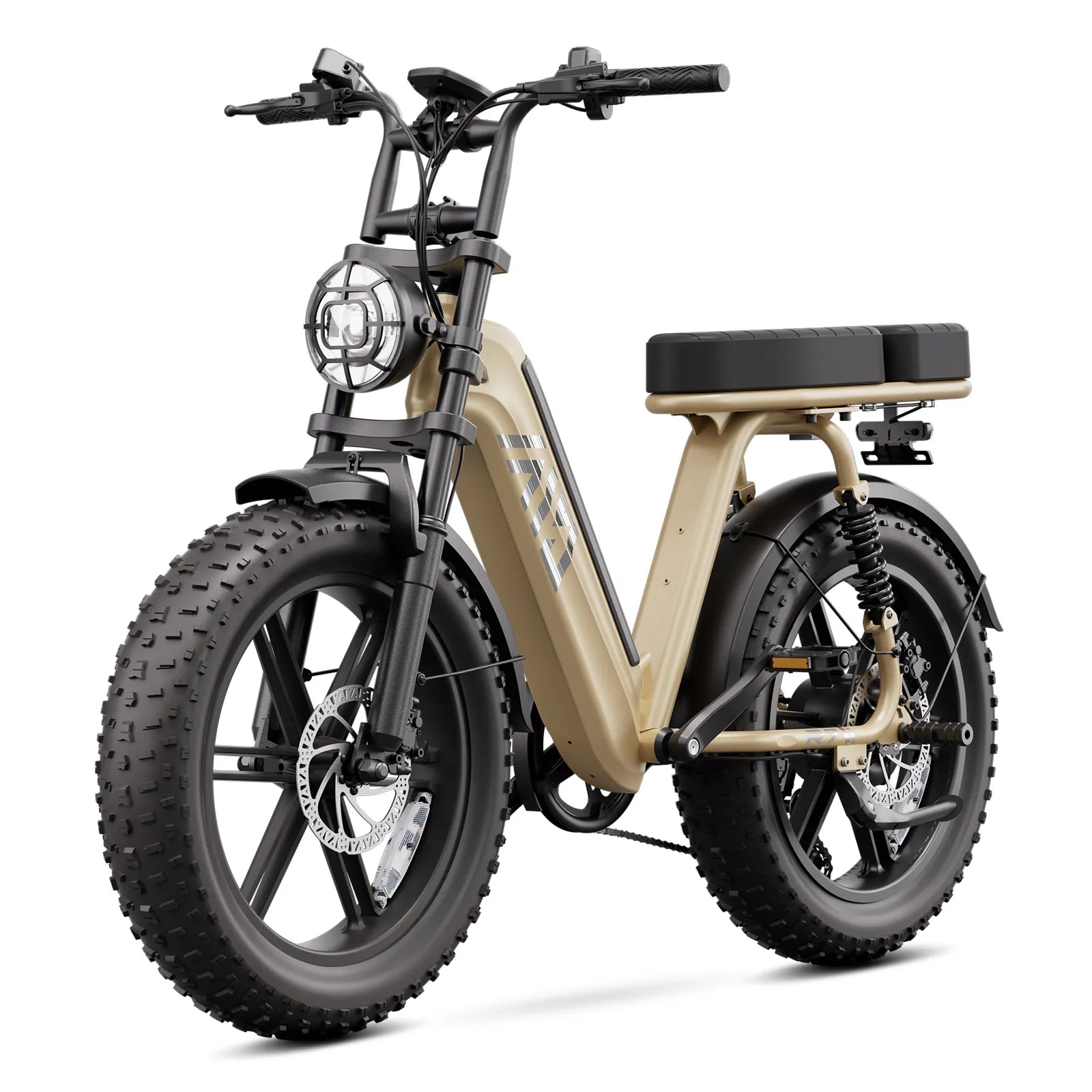
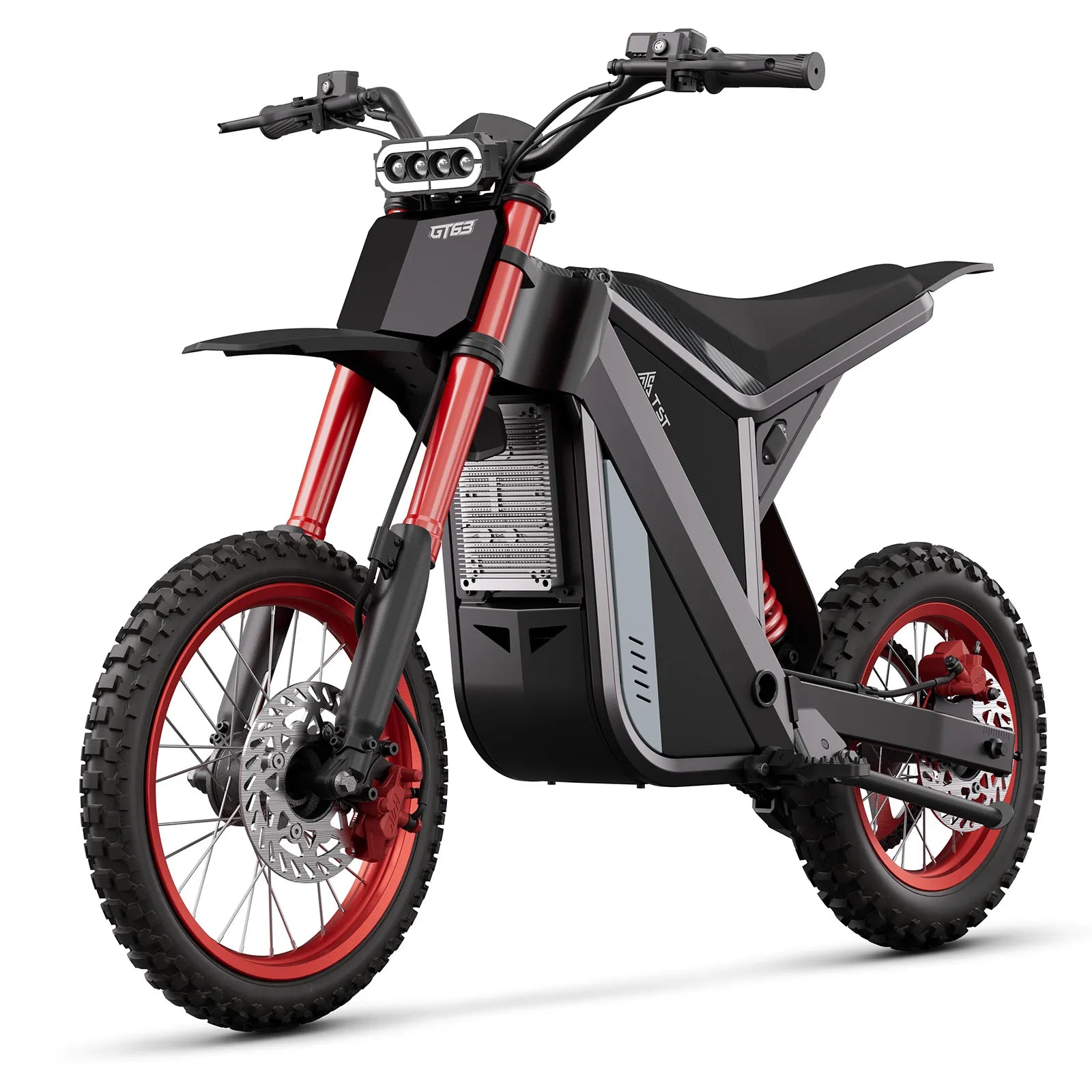
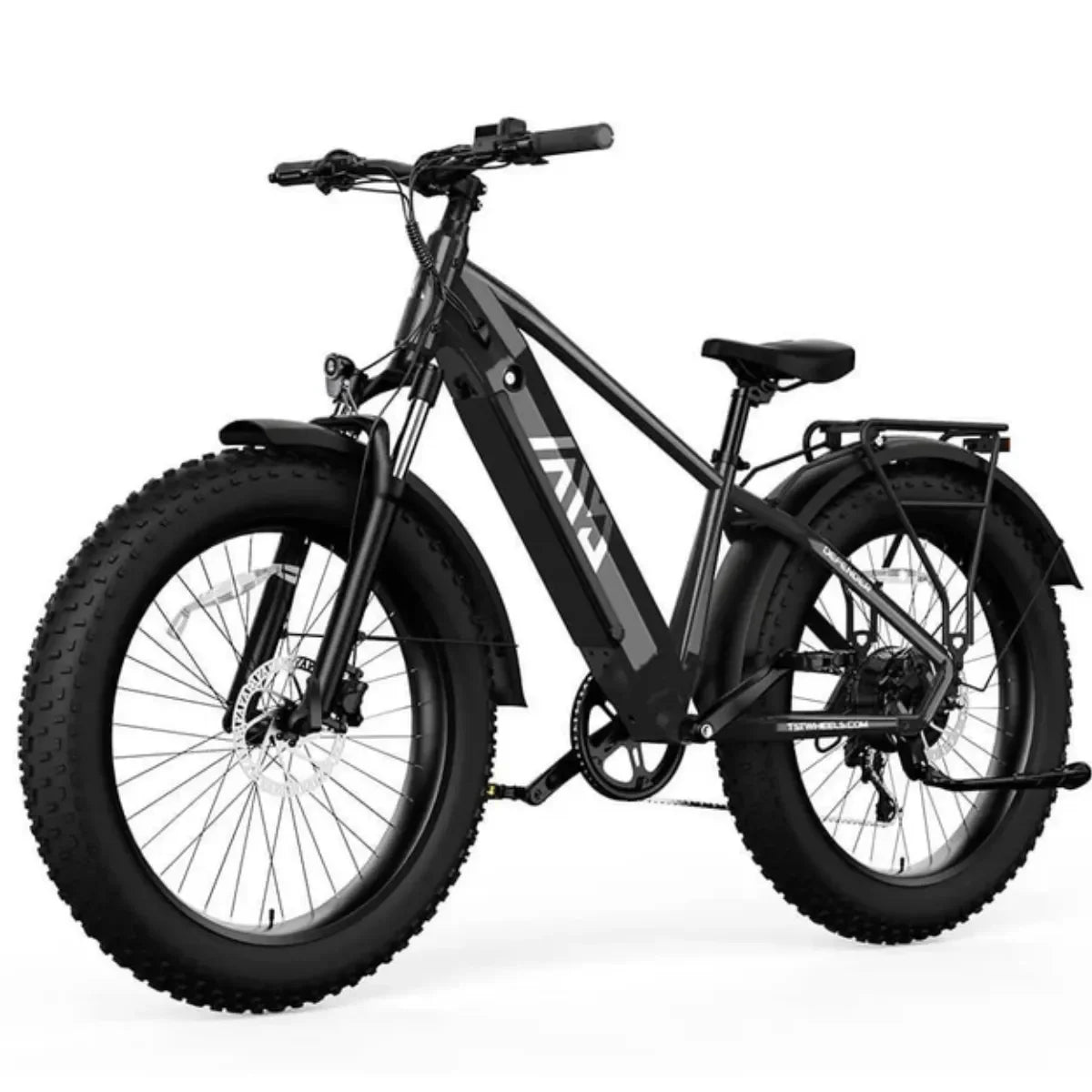
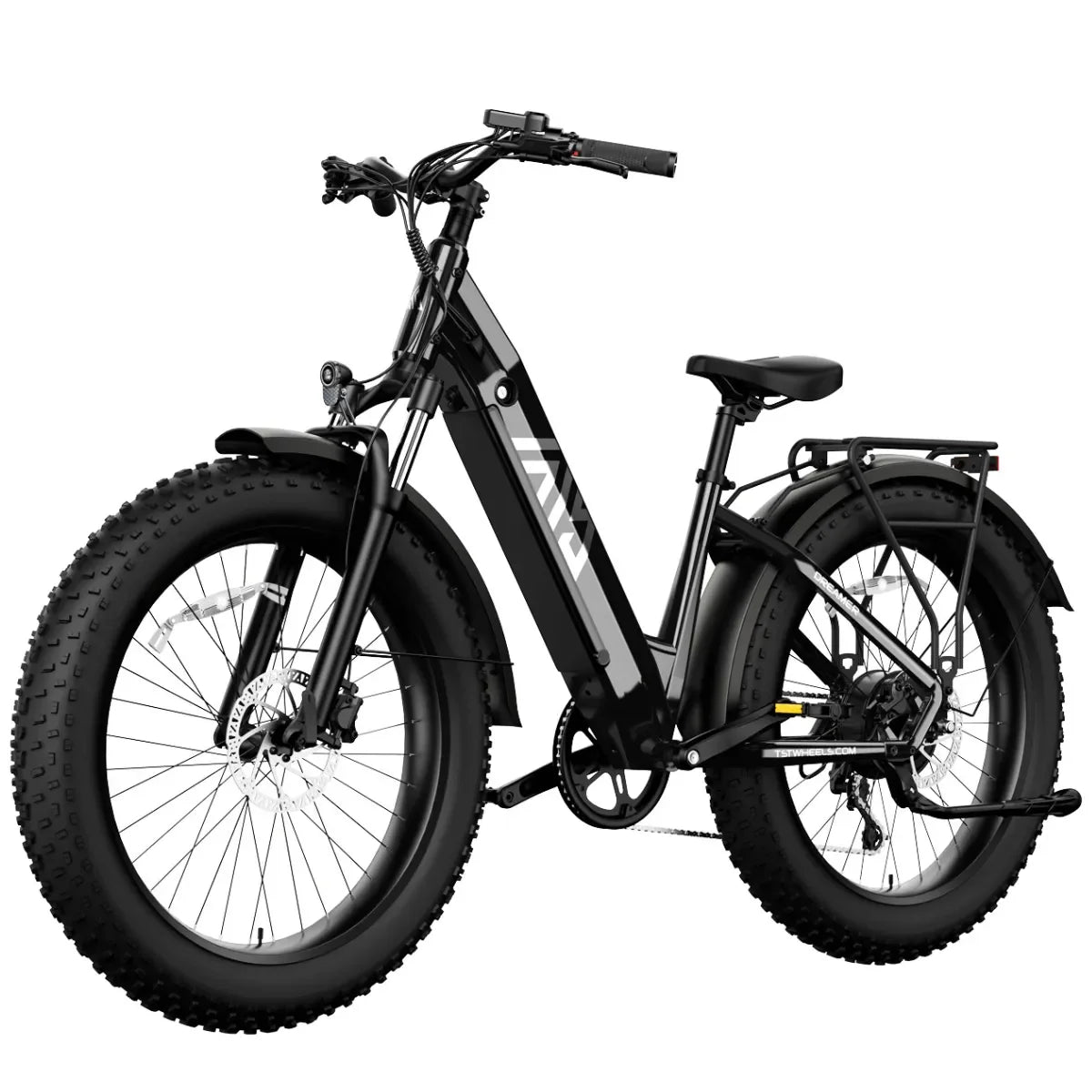
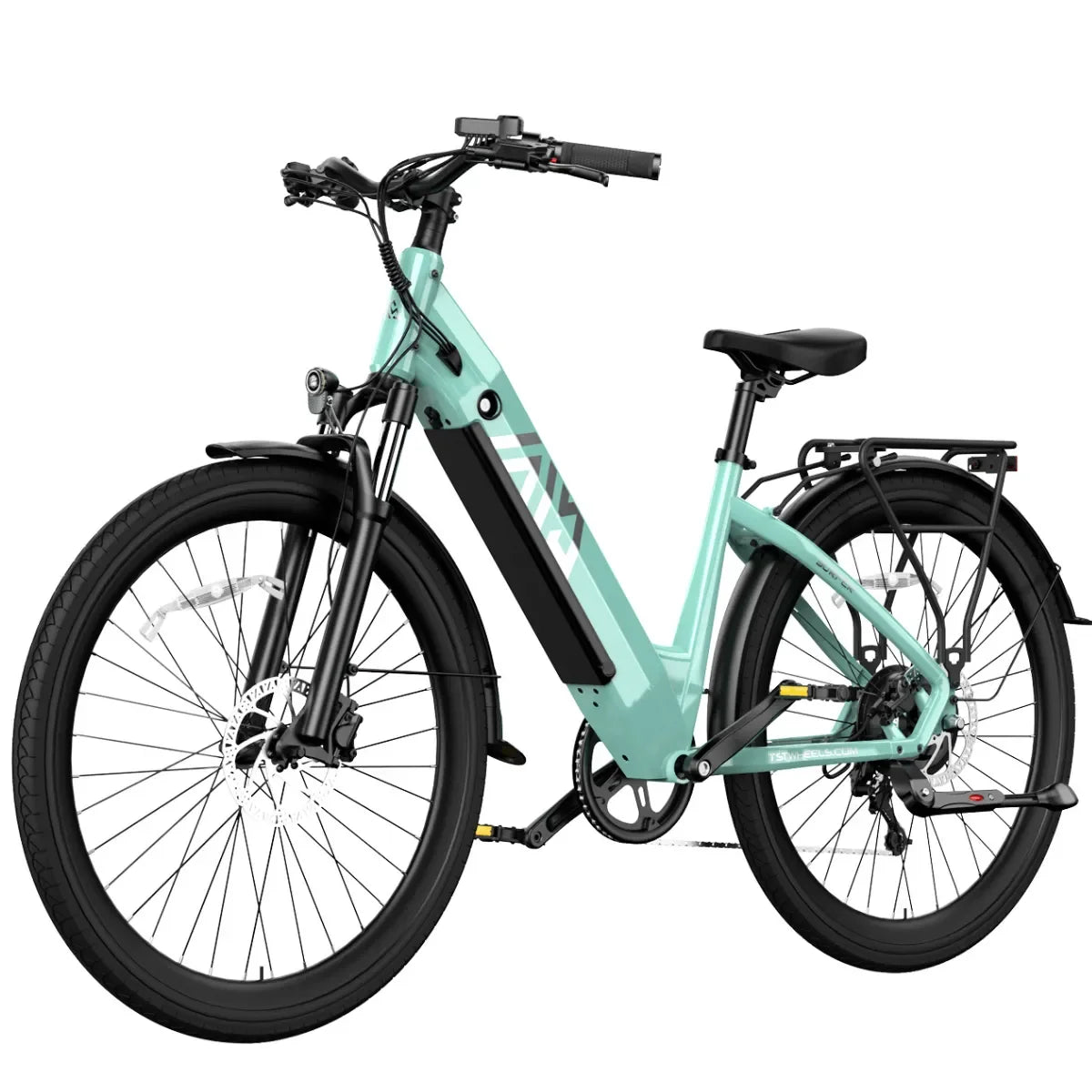
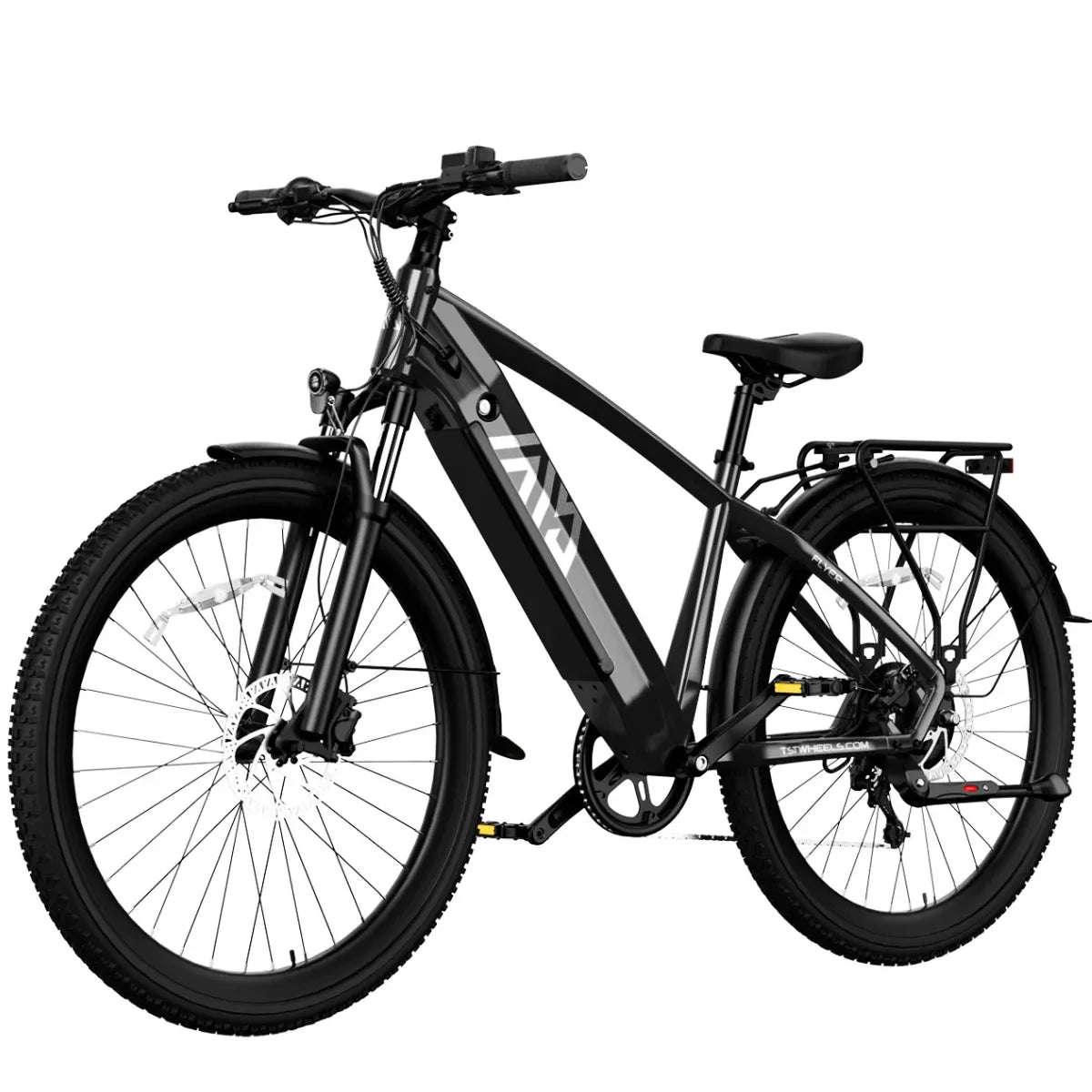
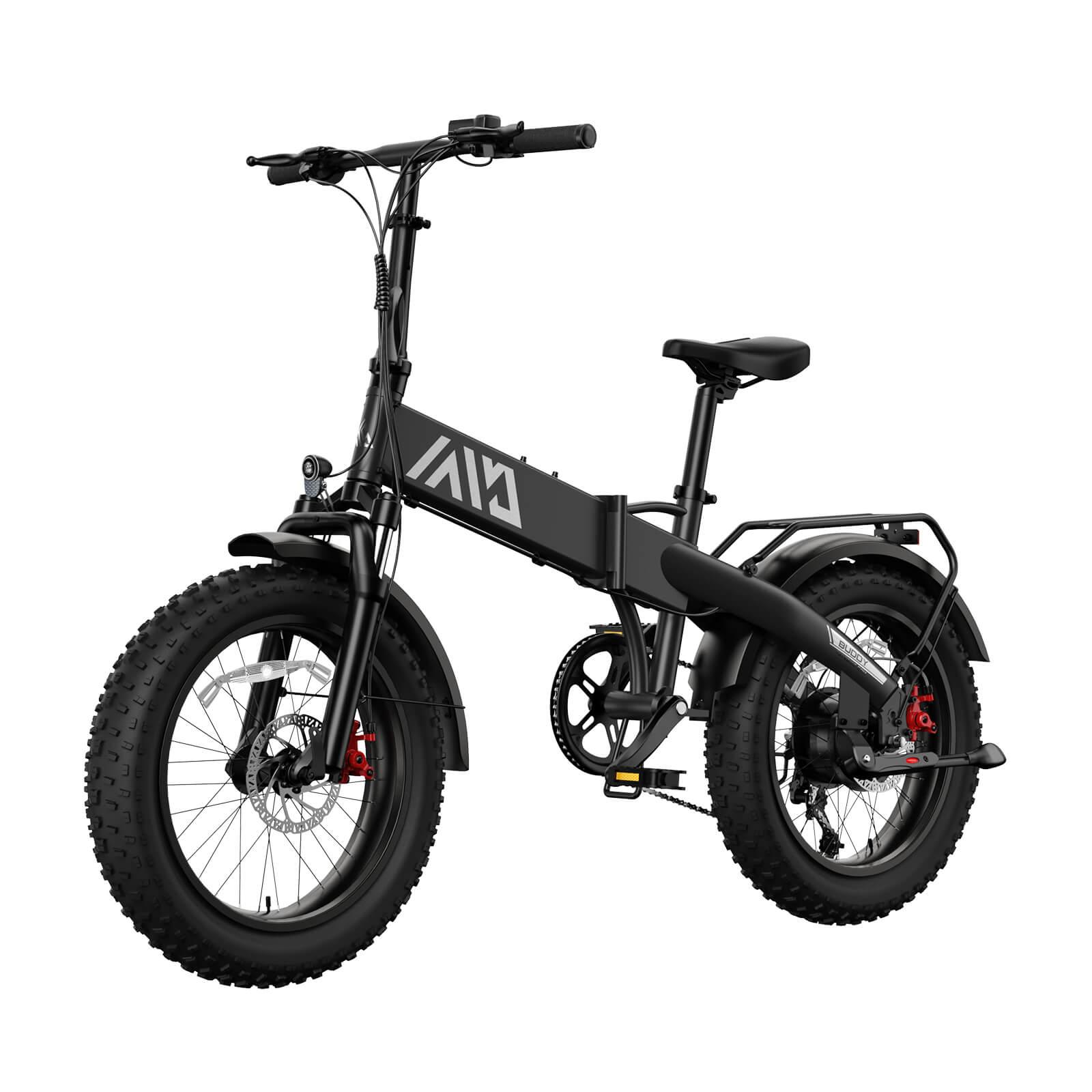
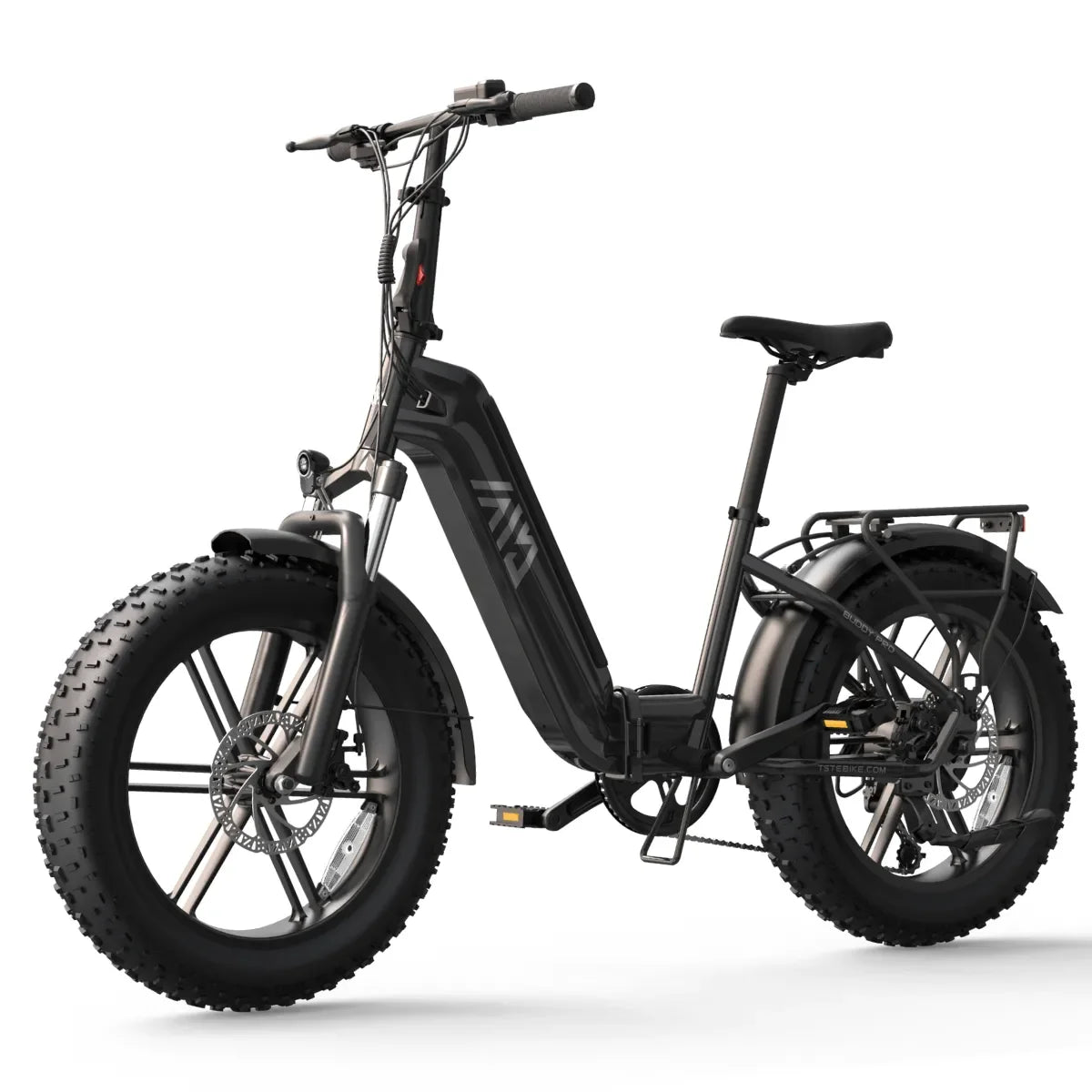
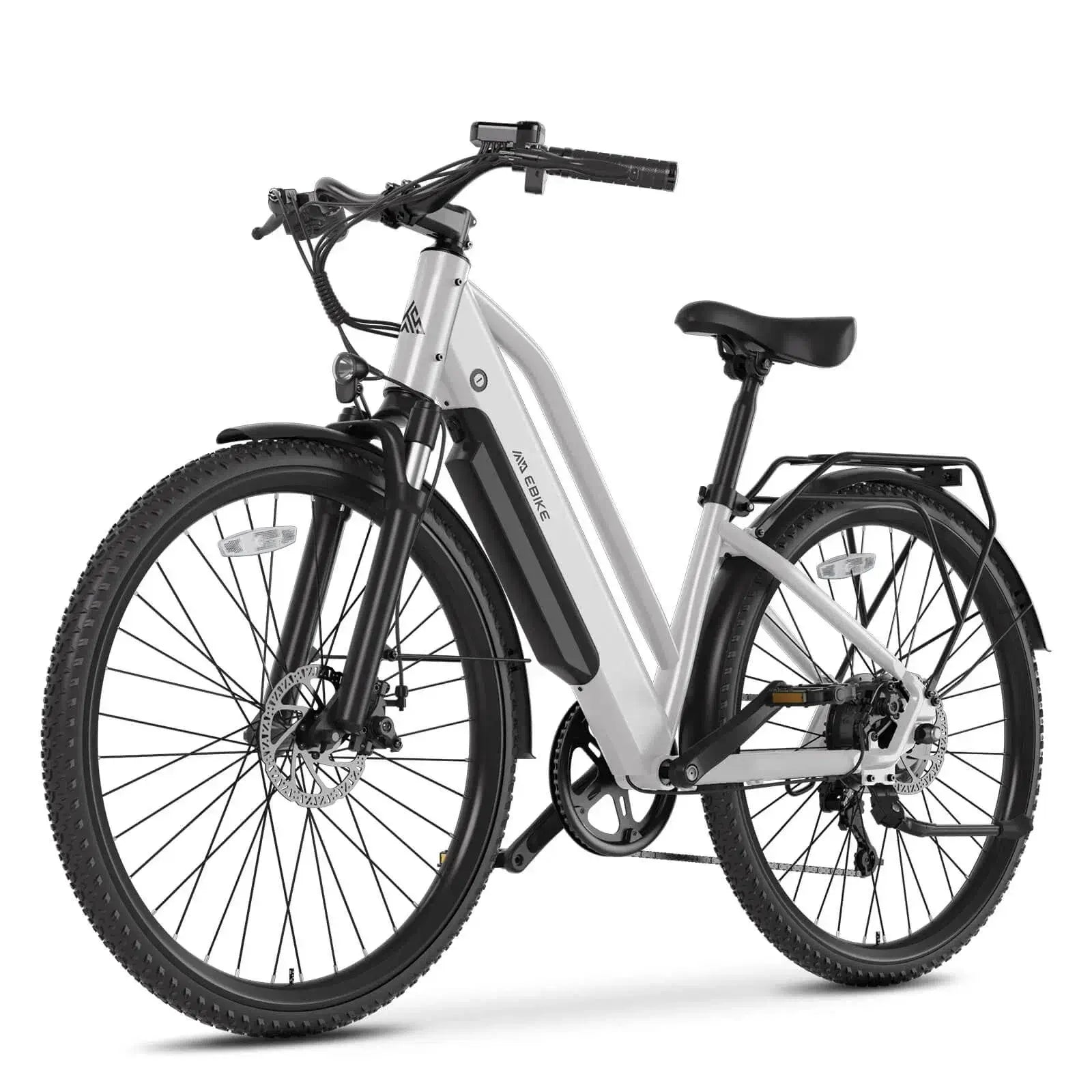

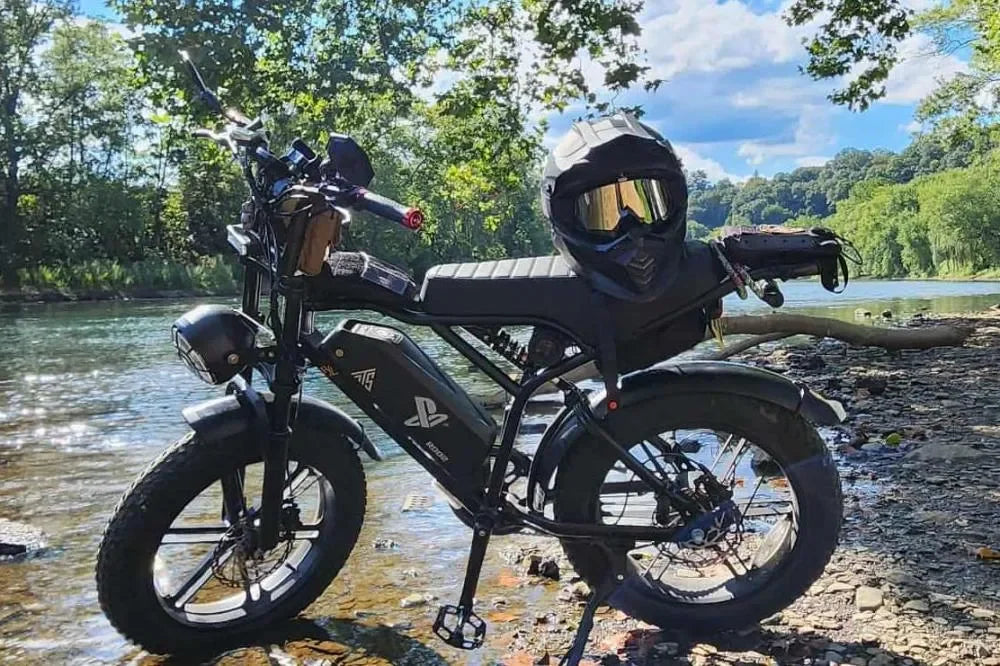
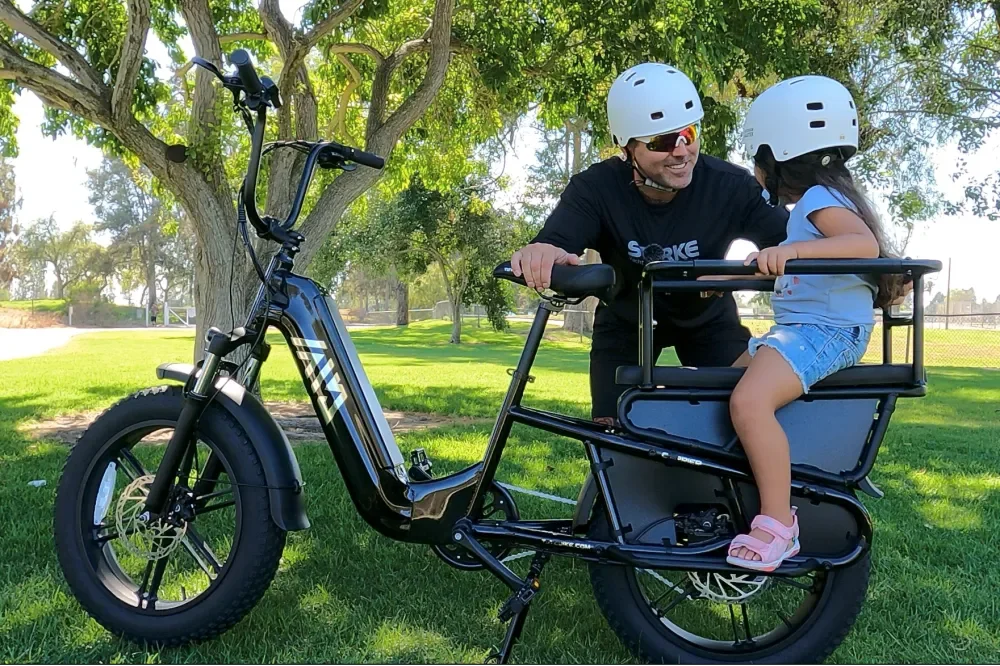
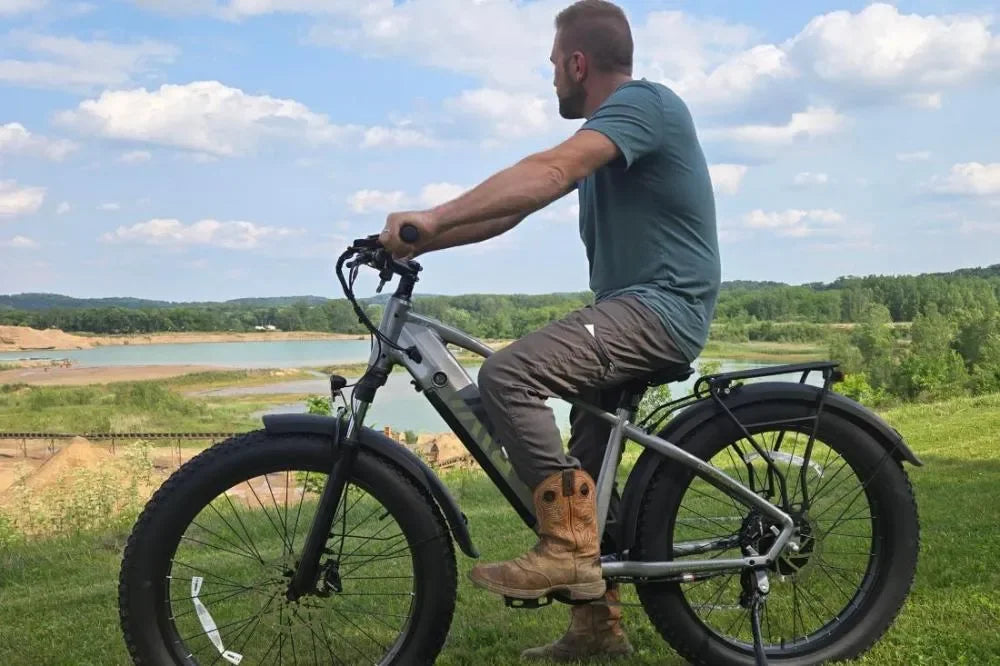
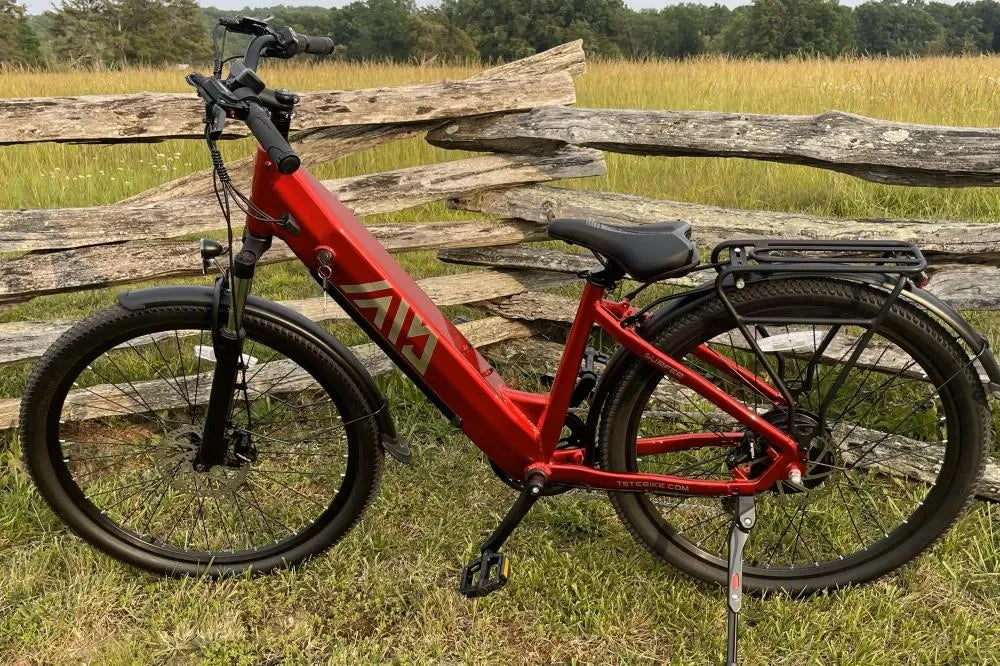
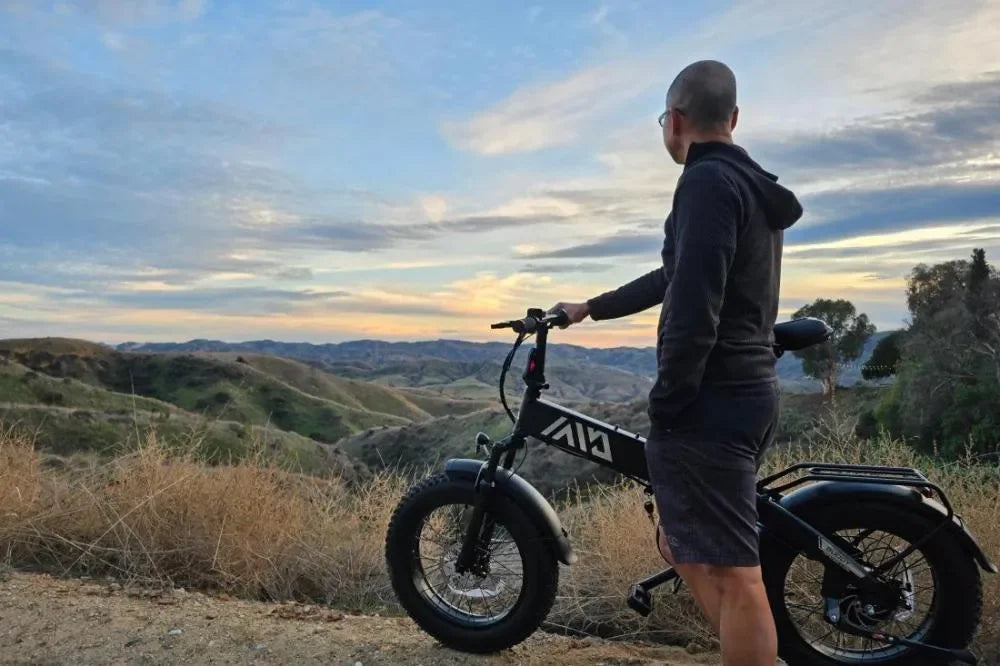
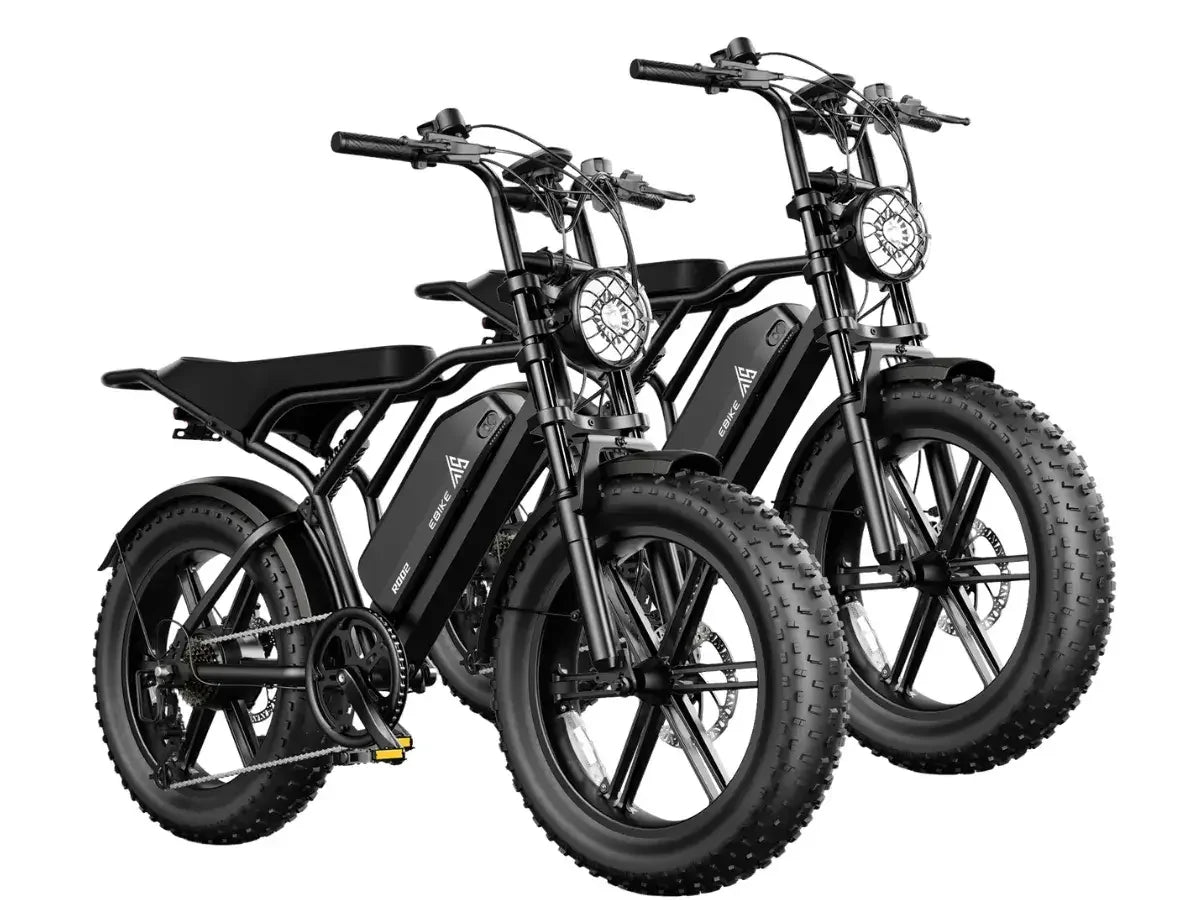
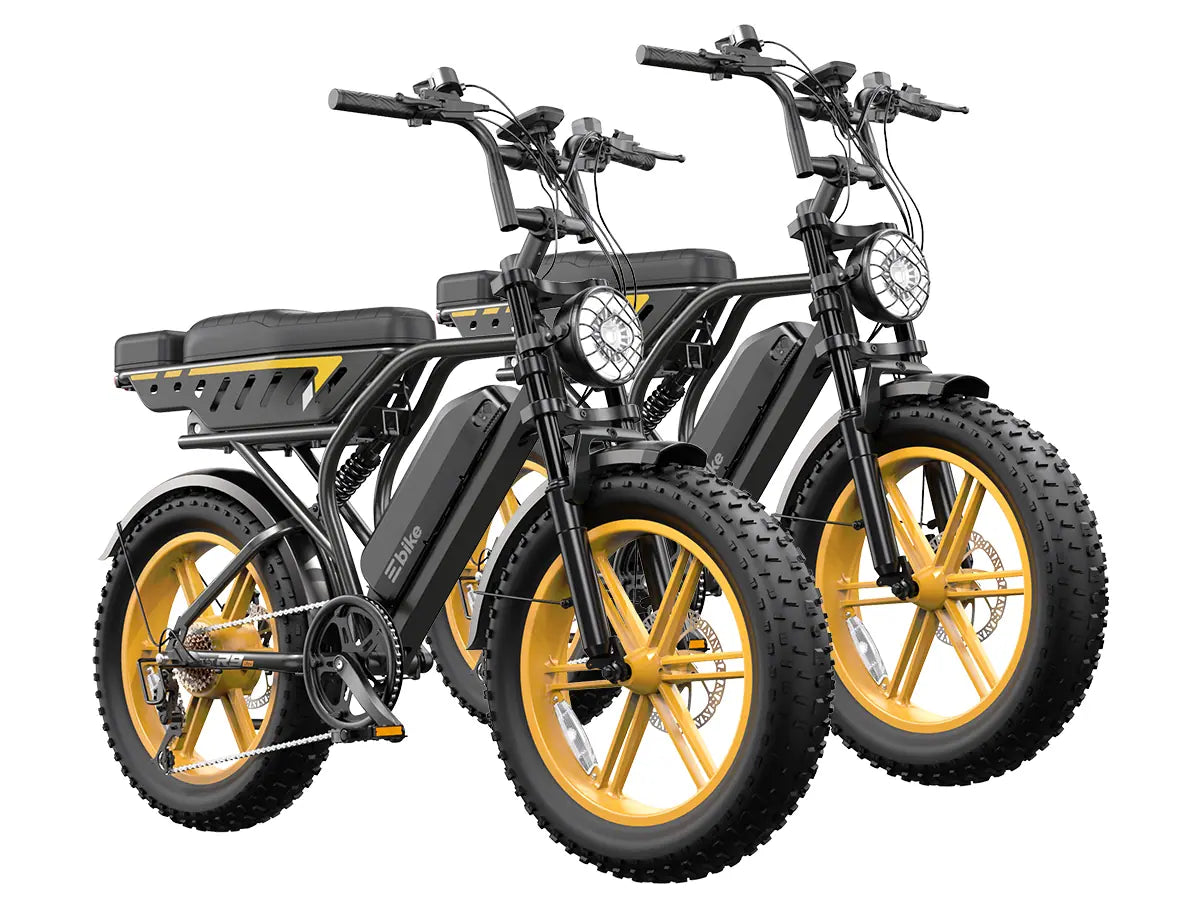
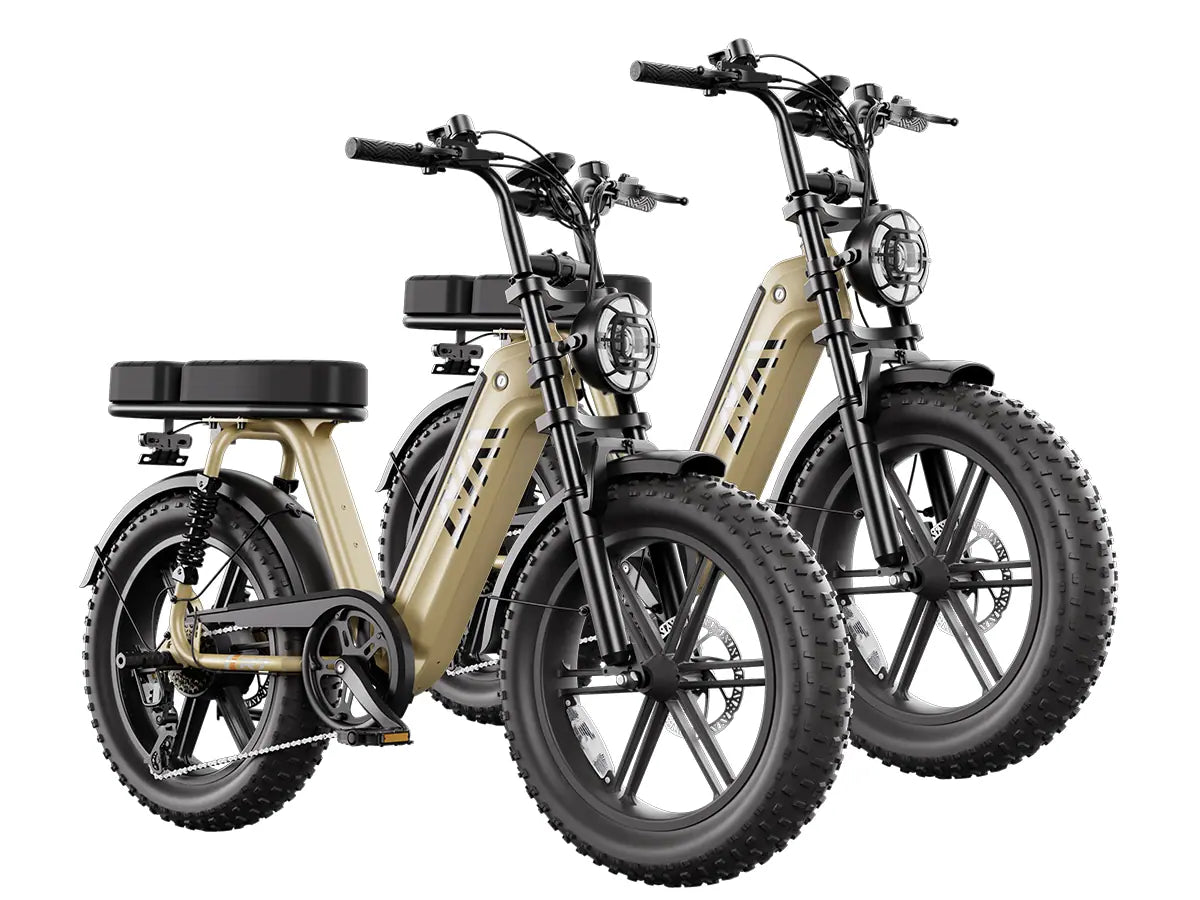
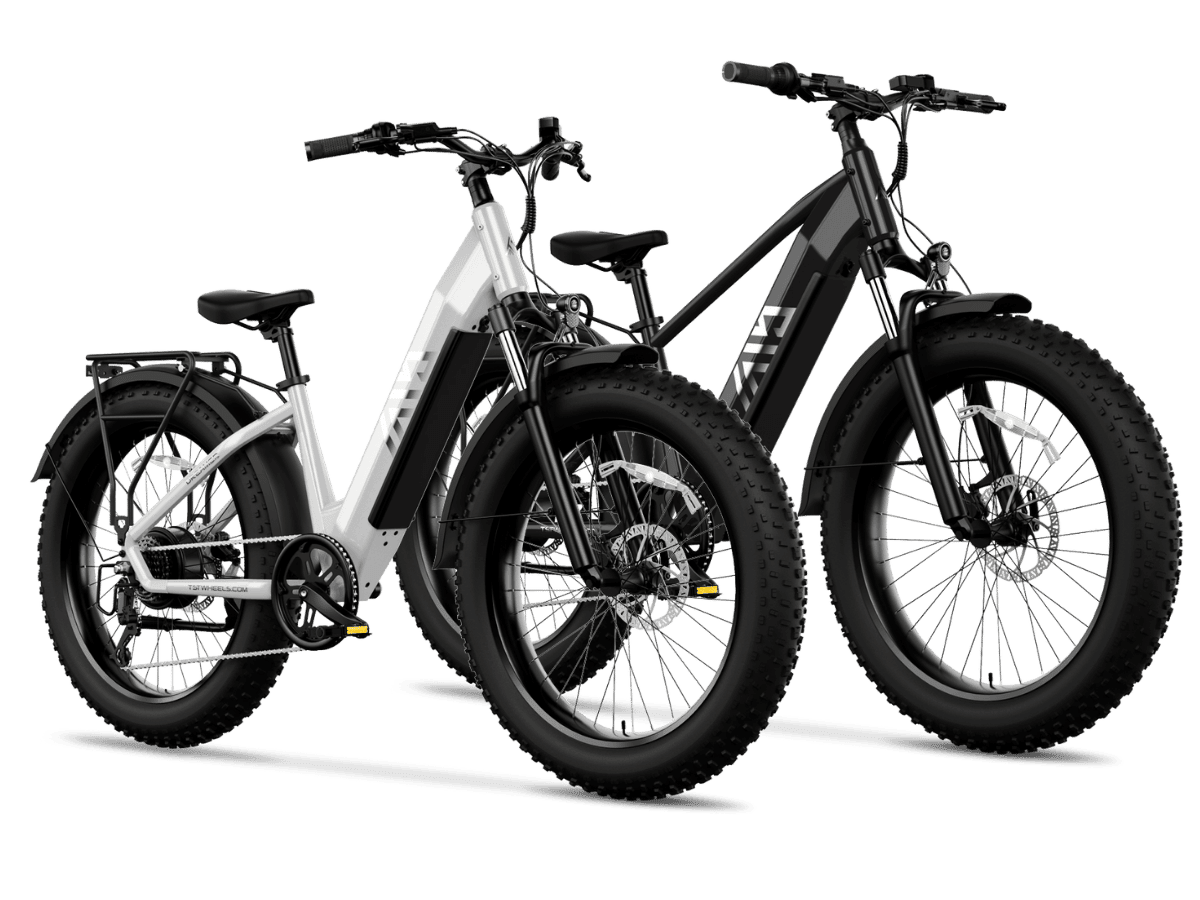
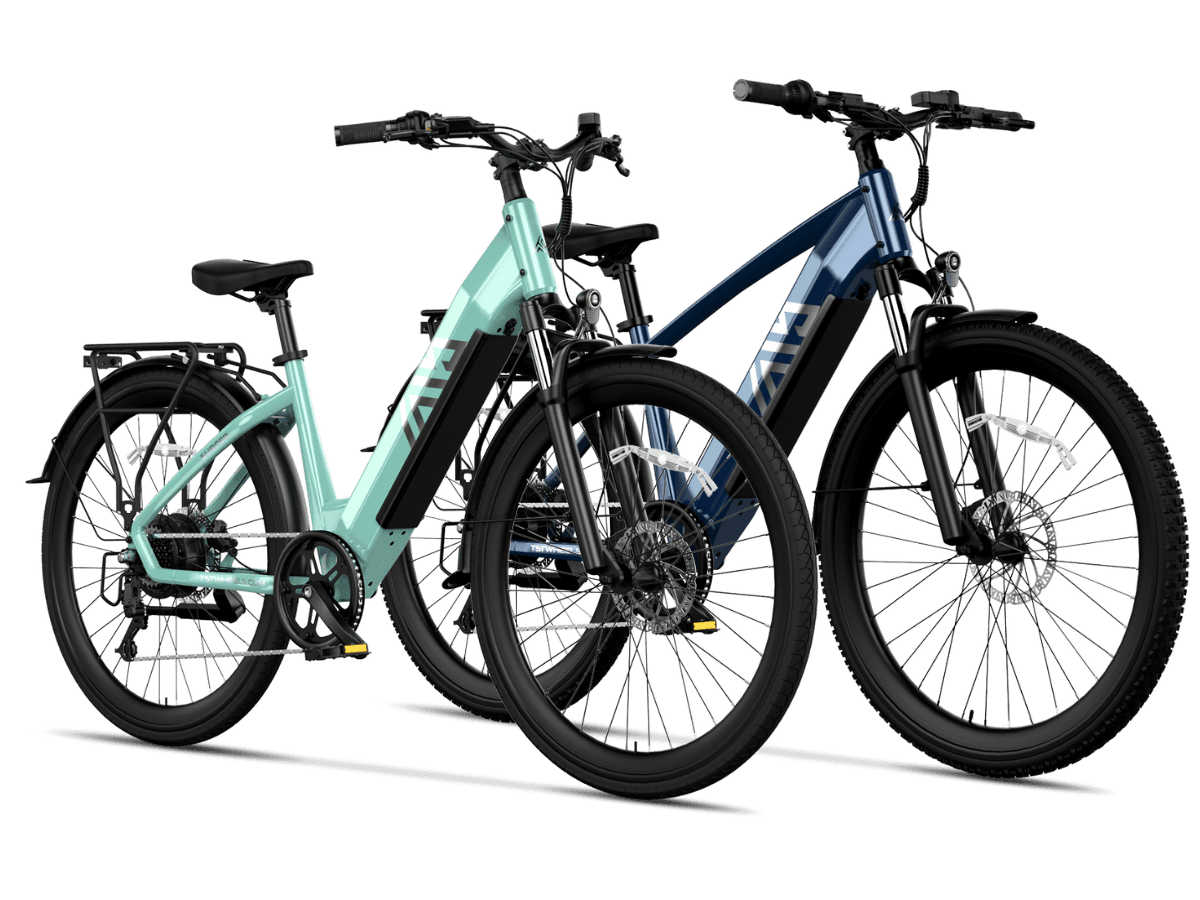
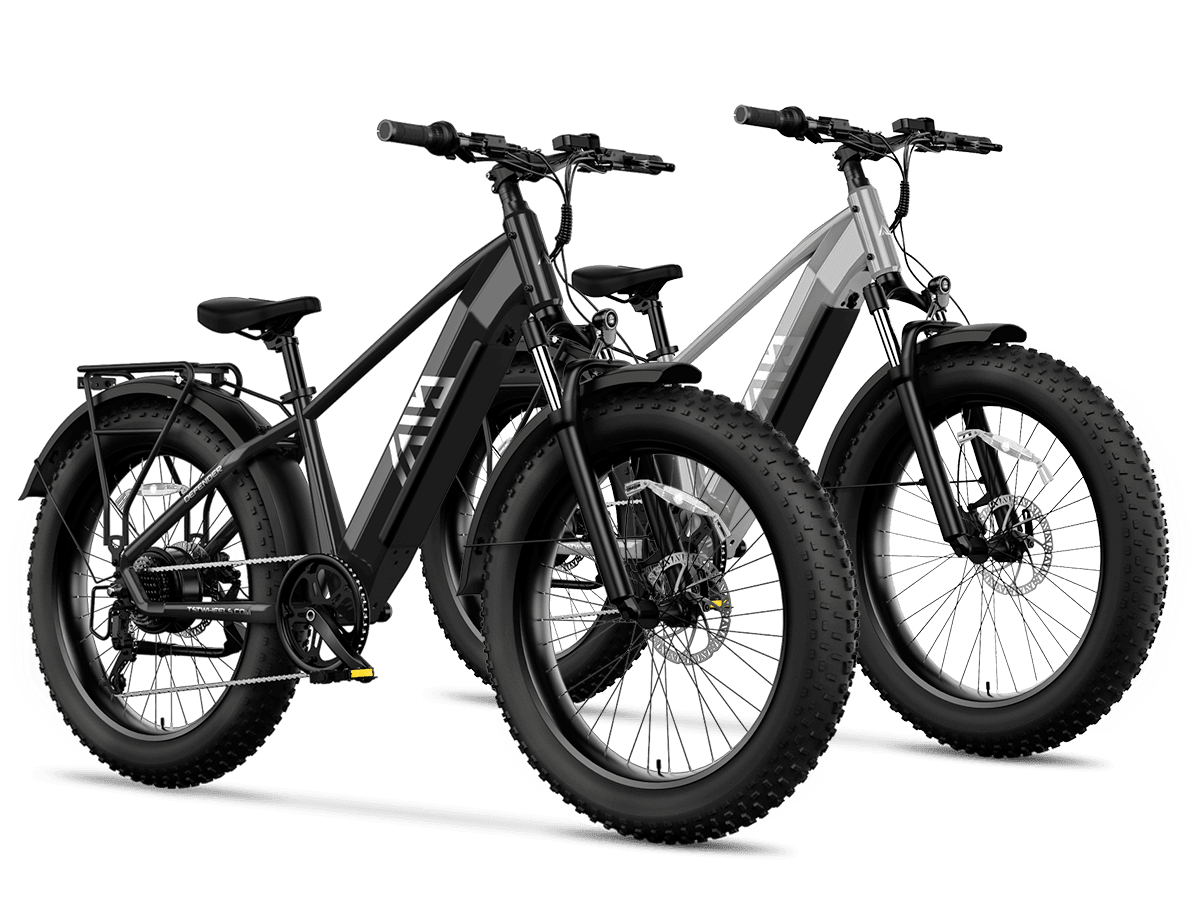
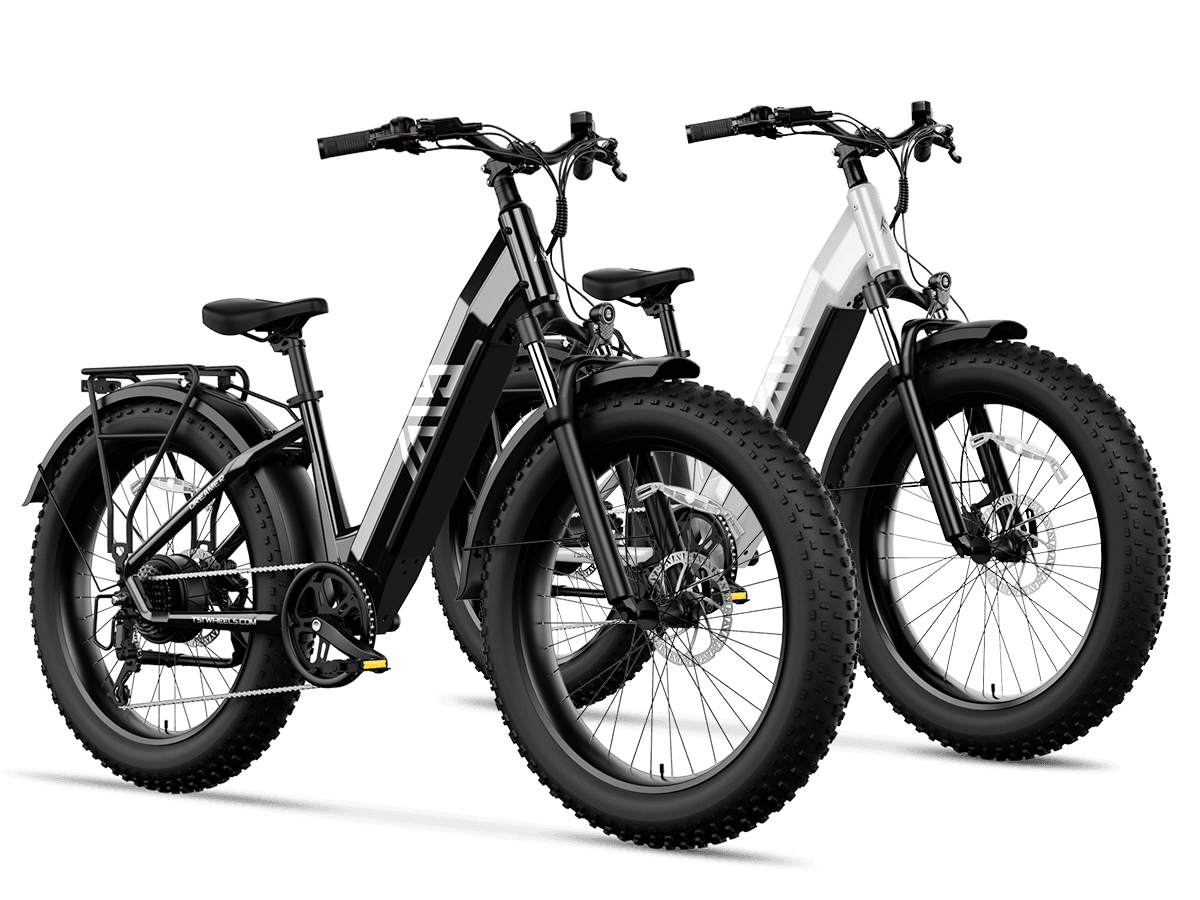
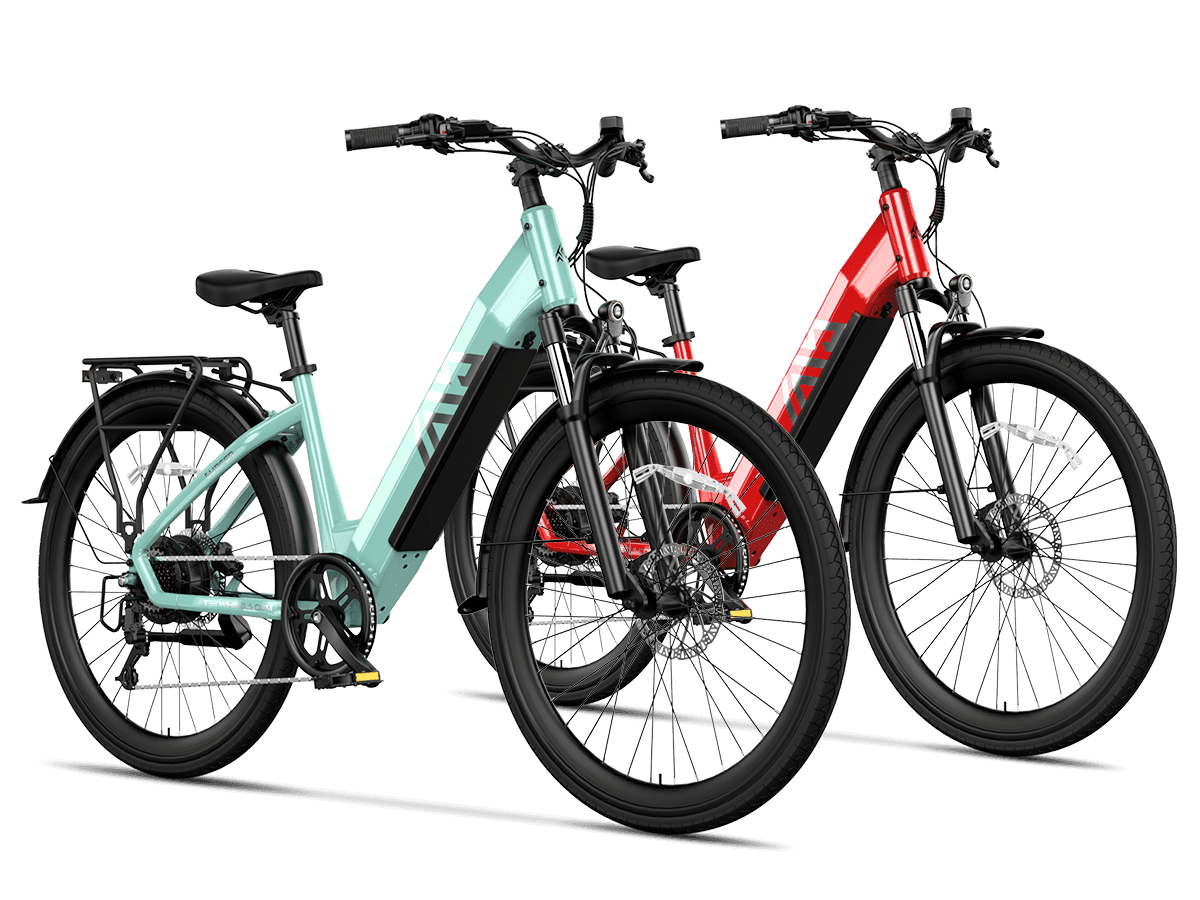
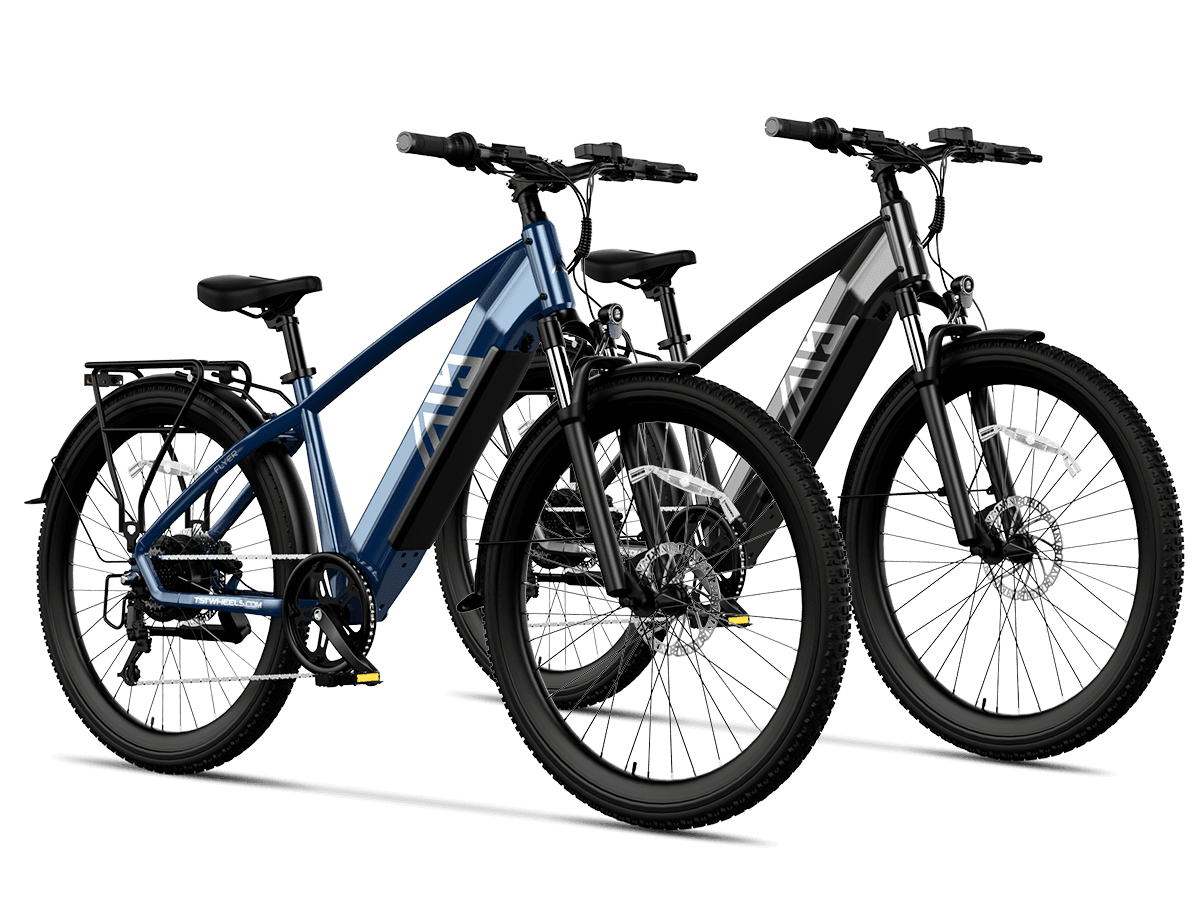
Cafe racer electric bikes excel in cities by combining sporty ergonomics, agile handling, and strong acceleration for stop-and-go traffic. With 750–1500W motors, 28+ mph top speeds, and 40–75 mile ranges, they offer quick commutes and confident lane changes. TST EBike brings this performance into a cost-effective package, focusing on urban practicality and retro style.
What Defines a Cafe Racer Electric Bike for Urban Use?
A cafe racer electric bike is defined by retro styling, aggressive riding posture, and performance-oriented components that suit city streets. Key features include swept-back handlebars, low-profile seats, and compact frames that support quick steering. High-output motors deliver instant torque for rapid acceleration, while hydraulic brakes ensure confident stopping. TST EBike blends these traits with 26-inch and 27-inch wheel options, offering commuter-ready power and vintage aesthetics without sacrificing practicality.
How Do Cafe Racers Handle City Traffic and Turns?
Cafe racers handle city traffic well due to their low center of gravity, short wheelbase, and responsive steering geometry. This combination enables tight turns, quick lane changes, and stable handling at higher speeds. Wider tires improve grip on wet pavement, and suspension forks absorb potholes for smoother rides. TST EBike’s design emphasis on control and balance makes urban weaving and traffic navigation feel natural and safe.
| Geometry Feature | Urban Benefit |
|---|---|
| Low Center of Gravity | Better stability in turns |
| Short Wheelbase | Quick direction changes |
| Wide Tires | Improved grip in rain |
| Hydraulic Brakes | Strong, consistent stopping power |
What Speeds Can Cafe Racer E-Bikes Reach in Cities?
Most cafe racer e-bikes reach 28 mph in Class 3 pedal-assist mode, with higher-power setups capable of 35+ mph when unrestricted. Peak speed depends on motor output, battery capacity, and rider weight. TST EBike focuses on balancing speed and range, making 20-mile commutes possible in under 30 minutes while maintaining battery efficiency. For urban riders, controlled acceleration and consistent power delivery matter more than maximum top speed.
Which Motors Power Top Urban Cafe Racers?
Top urban cafe racer e-bikes typically use 750–1500W rear hub or mid-drive motors with 80–120 Nm of torque. These motors provide strong hill-climbing ability and quick launch performance at traffic lights. High-torque hub motors deliver instant power without added weight, while mid-drives offer better efficiency on varied terrain. TST EBike emphasizes reliable, high-torque motors that support daily urban riding and long-range commuting.
How Far Do Cafe Racer E-Bikes Go on Urban Commutes?
Cafe racer e-bikes with 48V 15–25Ah batteries commonly achieve 40–75 miles per charge under city conditions. Range varies based on assist level, terrain, and rider habits. Eco mode can extend distance significantly, while high-speed riding reduces it. TST EBike’s removable battery packs typically recharge in 4–6 hours, making them convenient for apartment living and daily commuting. Real-world use often centers around 50–60 miles for balanced performance.
Are Cafe Racers Street-Legal for Daily City Rides?
Yes, cafe racer e-bikes are street-legal when they meet Class 2 or Class 3 standards, including 750W power limits and a 28 mph pedal-assist cap. Required safety features usually include lights, reflectors, and reliable brakes. TST EBike ensures compliance with common regulations and includes practical safety features that support legal riding in most urban areas. Riders should still check local laws for specific requirements.
What Suspension Suits Cafe Racers for Potholed Streets?
A cafe racer benefits from front suspension forks and, in some cases, rear shocks to absorb urban road imperfections. Fork travel between 80–120mm is often sufficient for city streets, while longer travel suits mixed terrain. Adjustable damping allows riders to tune comfort and performance. TST EBike’s 26-inch variants with wider tires provide additional stability on rough surfaces, helping riders stay comfortable during daily commutes.
Can Cafe Racers Climb Steep City Hills Effortlessly?
Cafe racers with 100+ Nm torque can climb steep city hills smoothly, maintaining speed without strain. Motor power, battery health, and rider weight influence performance, but strong torque delivery makes climbs feel effortless. TST EBike riders report confident hill performance in urban settings, especially when using pedal assist and appropriate gearing. Proper tire choice and battery management also help maintain consistent uphill power.
TST EBike Expert Views
“TST EBike focuses on delivering cafe racer-inspired electric bikes that combine retro styling with modern urban performance. Our designs prioritize high torque, responsive handling, and practical range, making them well-suited for city commuting. Since 2017, we have built products based on consumer feedback, ensuring quality control and value. Riders appreciate the balance of speed, comfort, and classic aesthetics in everyday traffic.” – TST EBike Product Team
“Street-legal performance is essential, so we emphasize safety features like hydraulic brakes and reliable lighting. Our California-based operations support global riders with consistent quality and fast delivery.” – TST EBike Urban Specialist
Conclusion
Cafe racer electric bikes excel in cities by delivering agile handling, strong acceleration, and confident braking. For urban commuters, prioritize a high-torque motor, reliable battery range, and Class 3 compliance for legal riding. TST EBike offers a compelling balance of retro style and modern performance, making it a strong choice for riders who want speed and practicality without overspending. Test ride before buying, choose a battery that matches your daily distance, and add essential safety accessories for reliable commuting.
FAQs
How fast can cafe racer e-bikes go in cities?
Class 3 models reach 28 mph with pedal assist; higher-power setups can exceed 35 mph when unrestricted.
What range should I expect on urban rides?
Most cafe racers achieve 40–75 miles per charge, depending on battery size and riding style.
Are cafe racer e-bikes good for traffic weaving?
Yes, short wheelbase and low center of gravity improve maneuverability in tight city spaces.
Do cafe racer e-bikes need a license?
No, Class 2/3 e-bikes are typically street-legal without a motorcycle license.
What motor is best for city hills?
A high-torque hub or mid-drive motor with 80–120 Nm provides strong hill performance.

Leave a comment
This site is protected by hCaptcha and the hCaptcha Privacy Policy and Terms of Service apply.