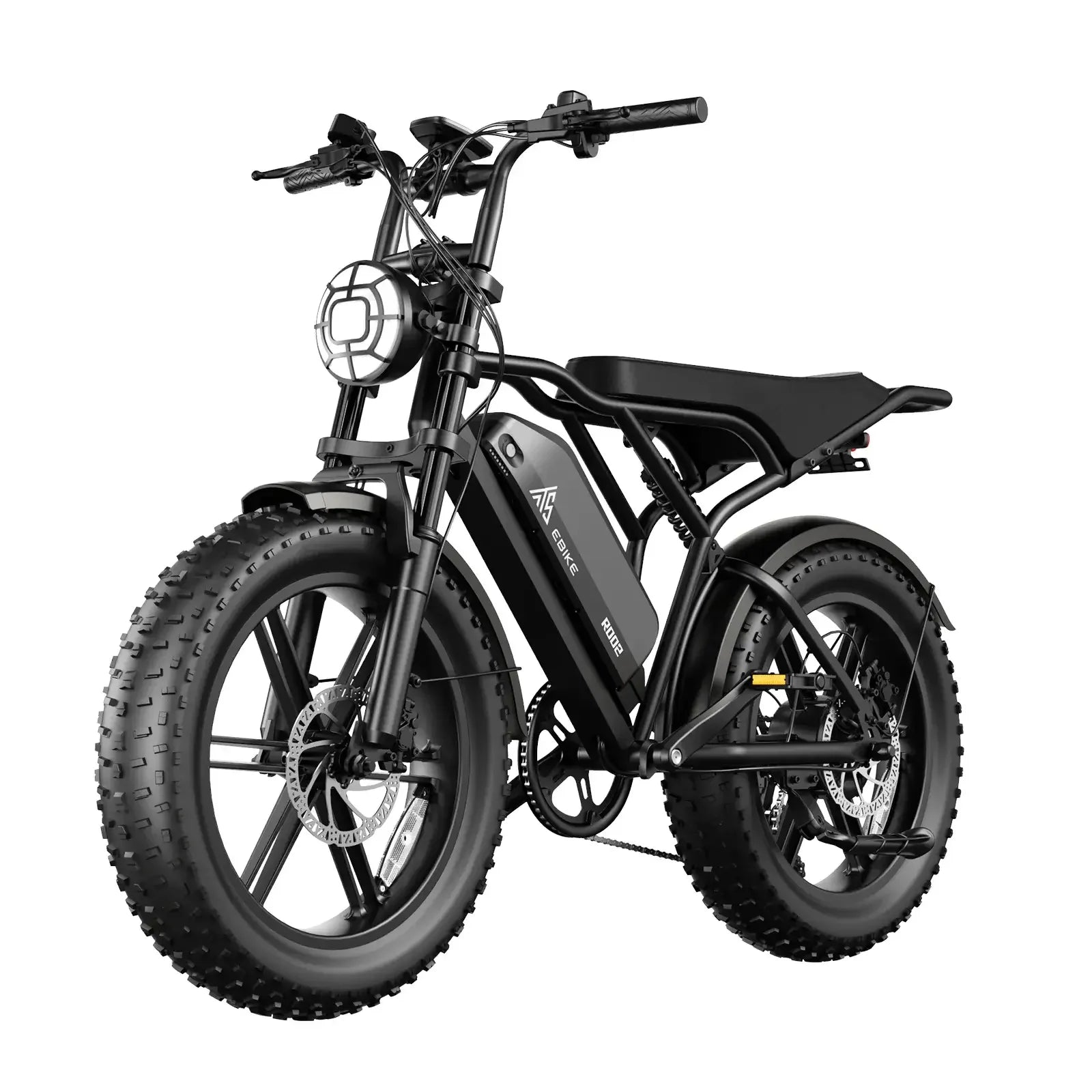
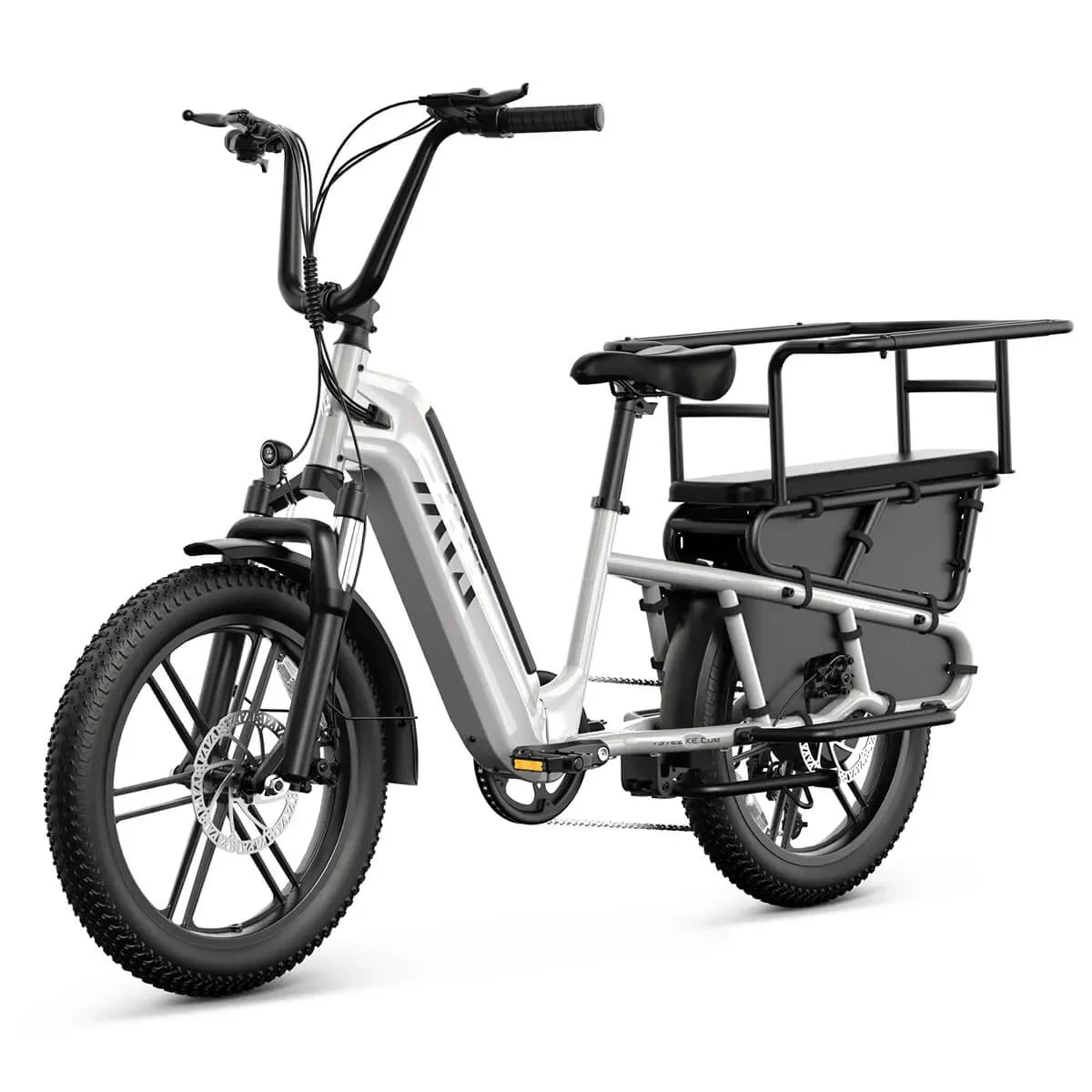
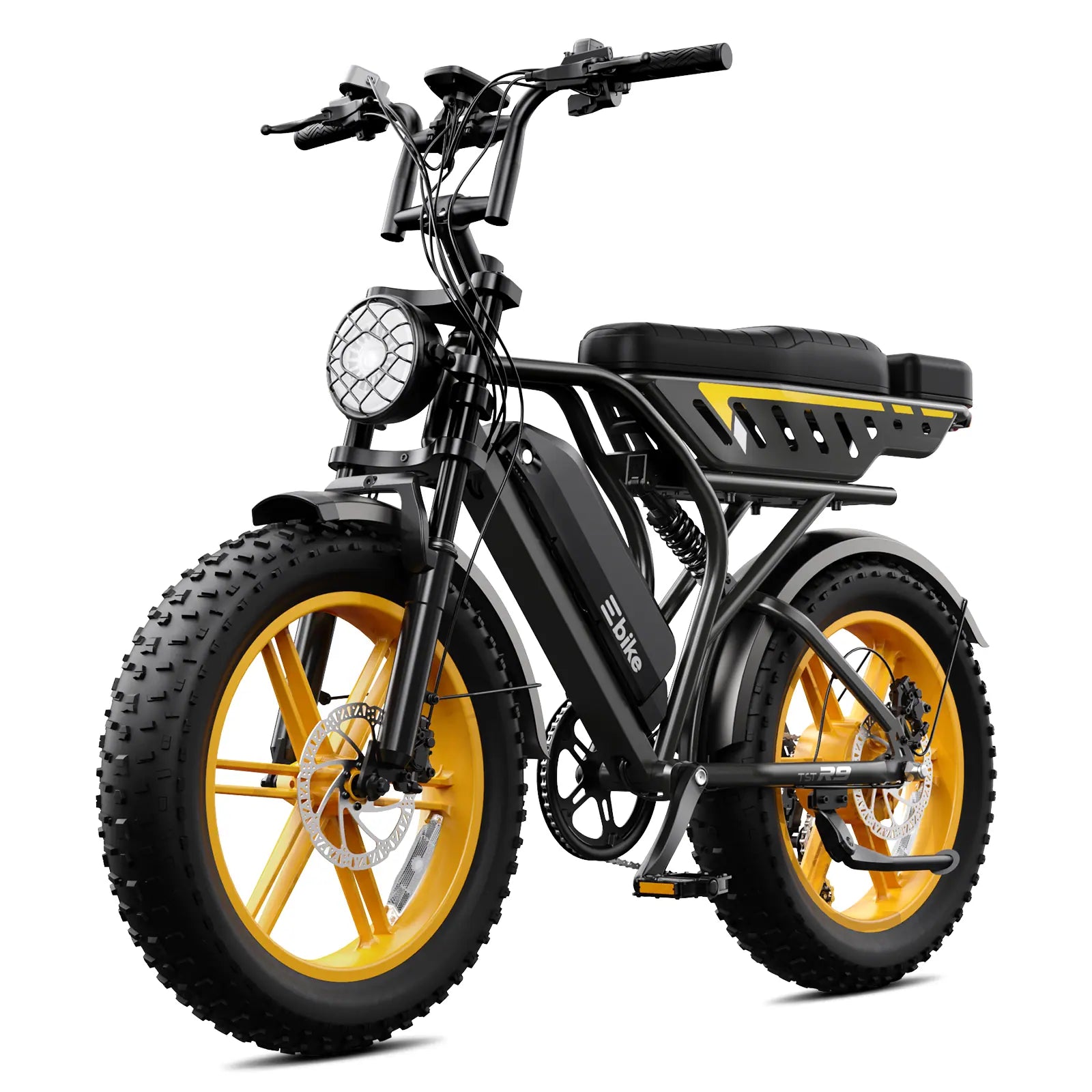
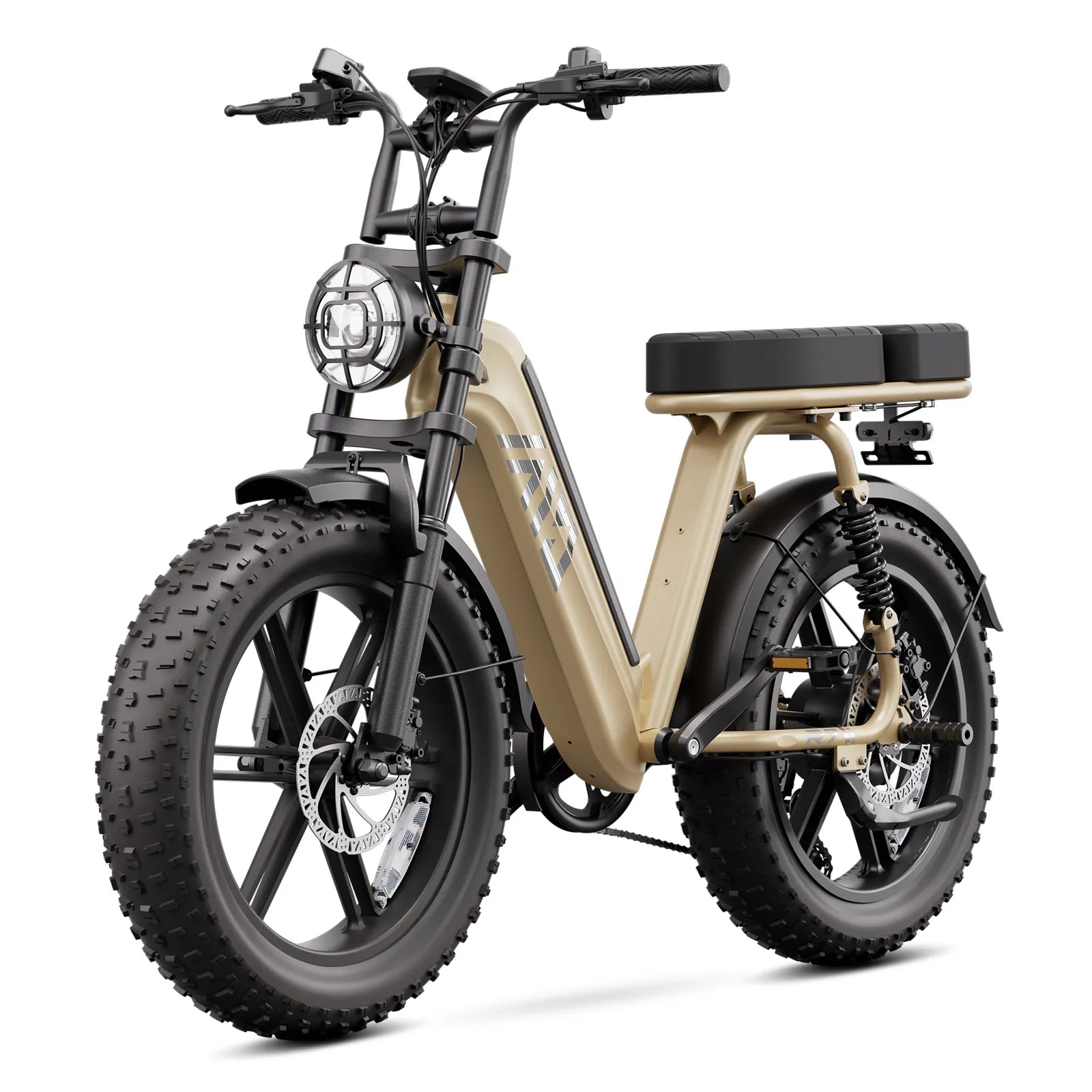
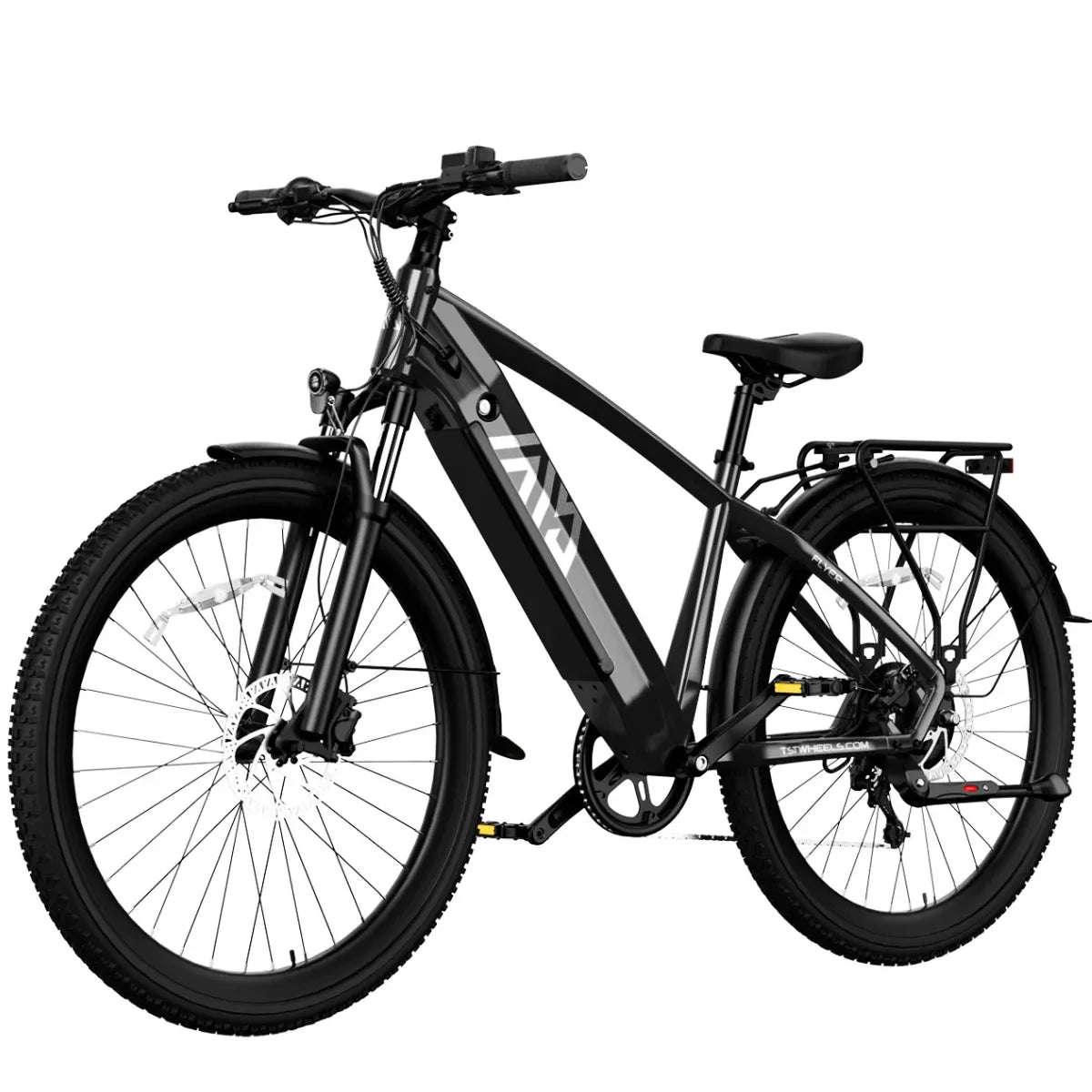
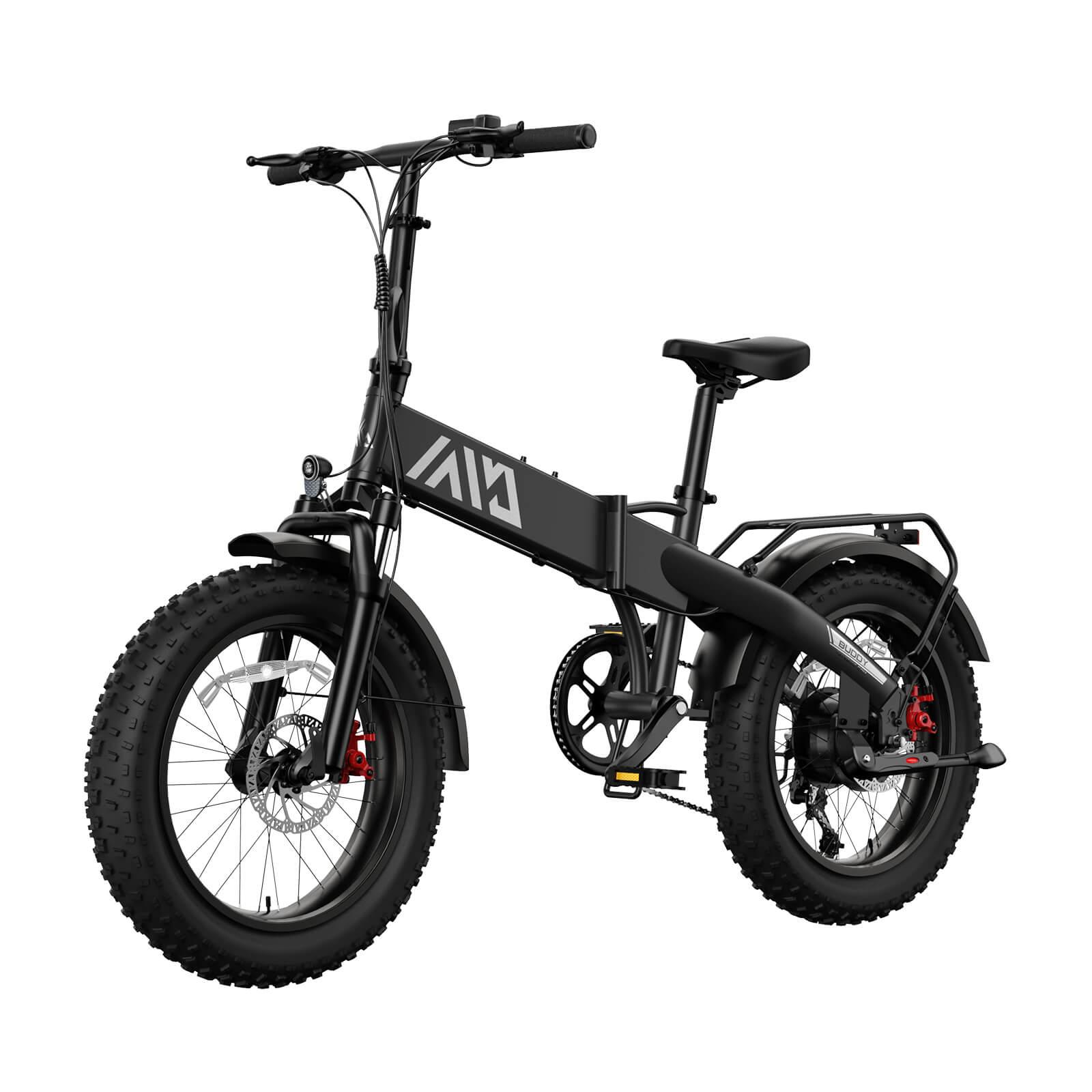
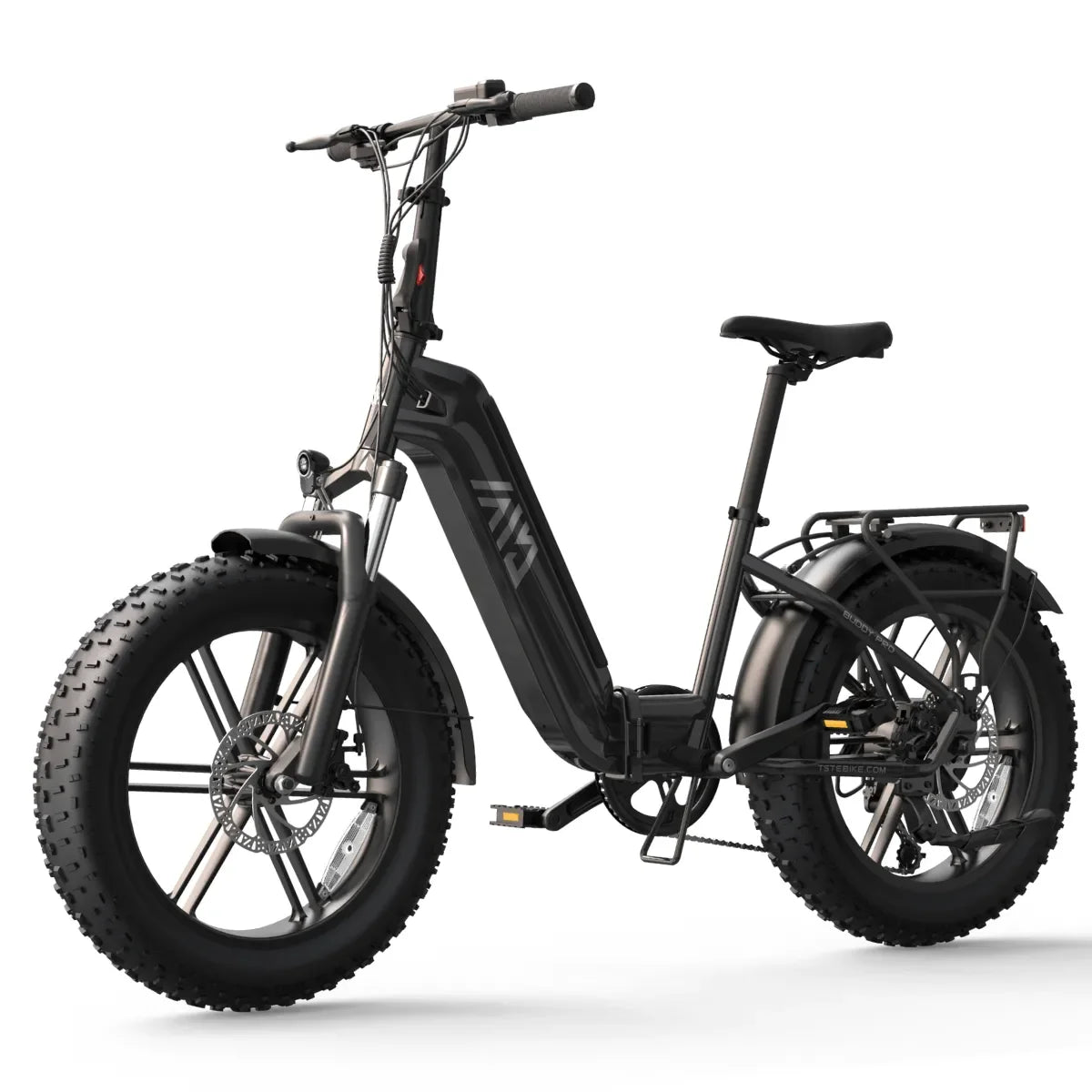
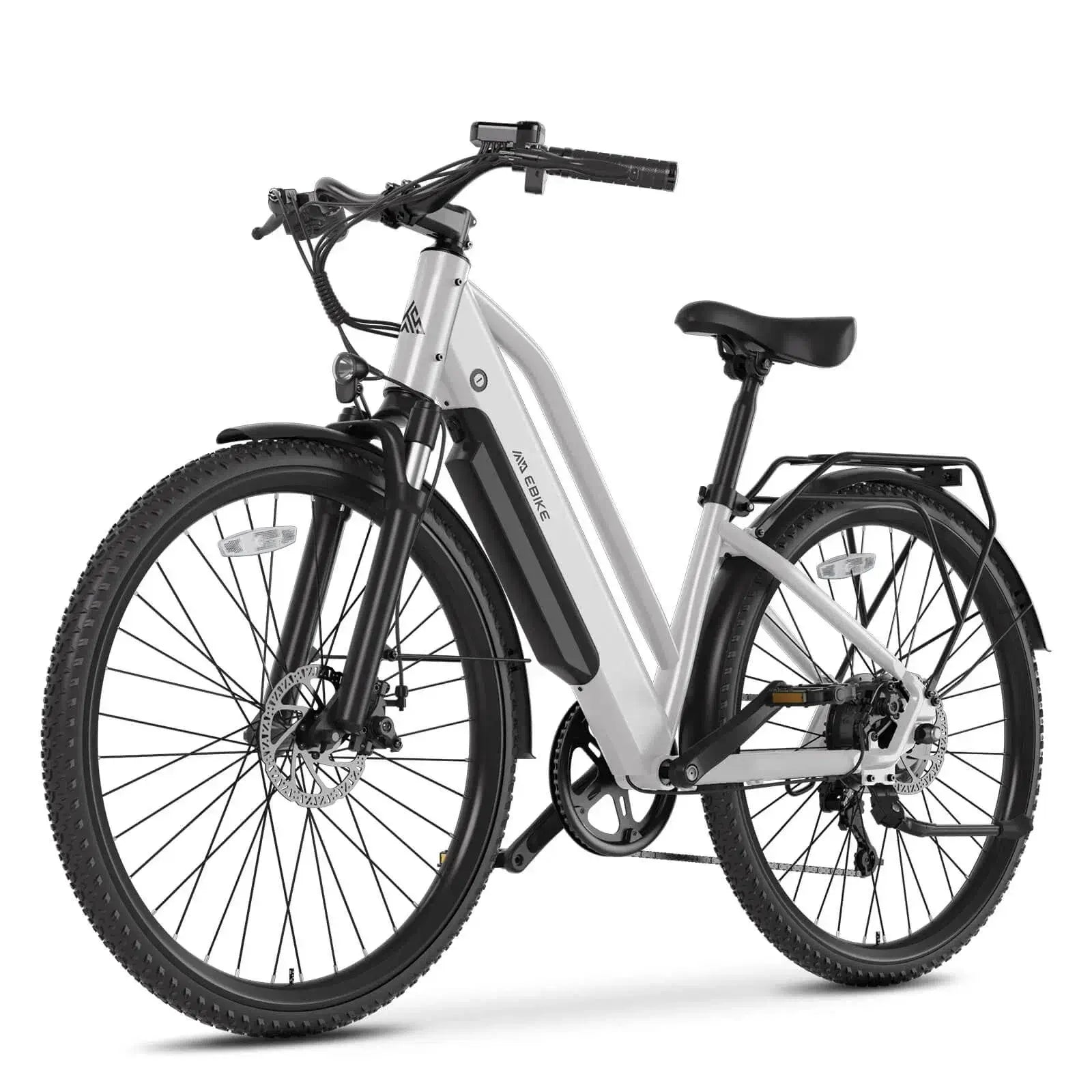

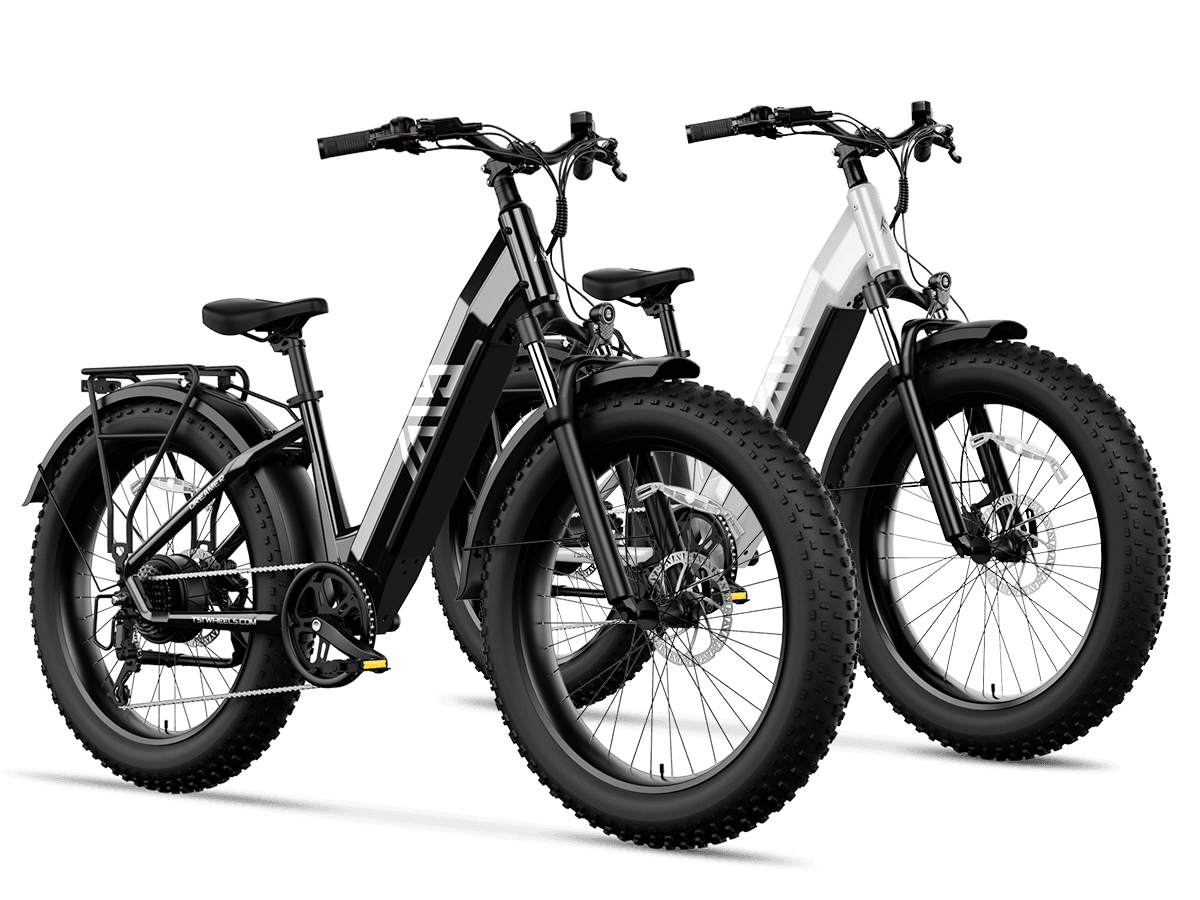
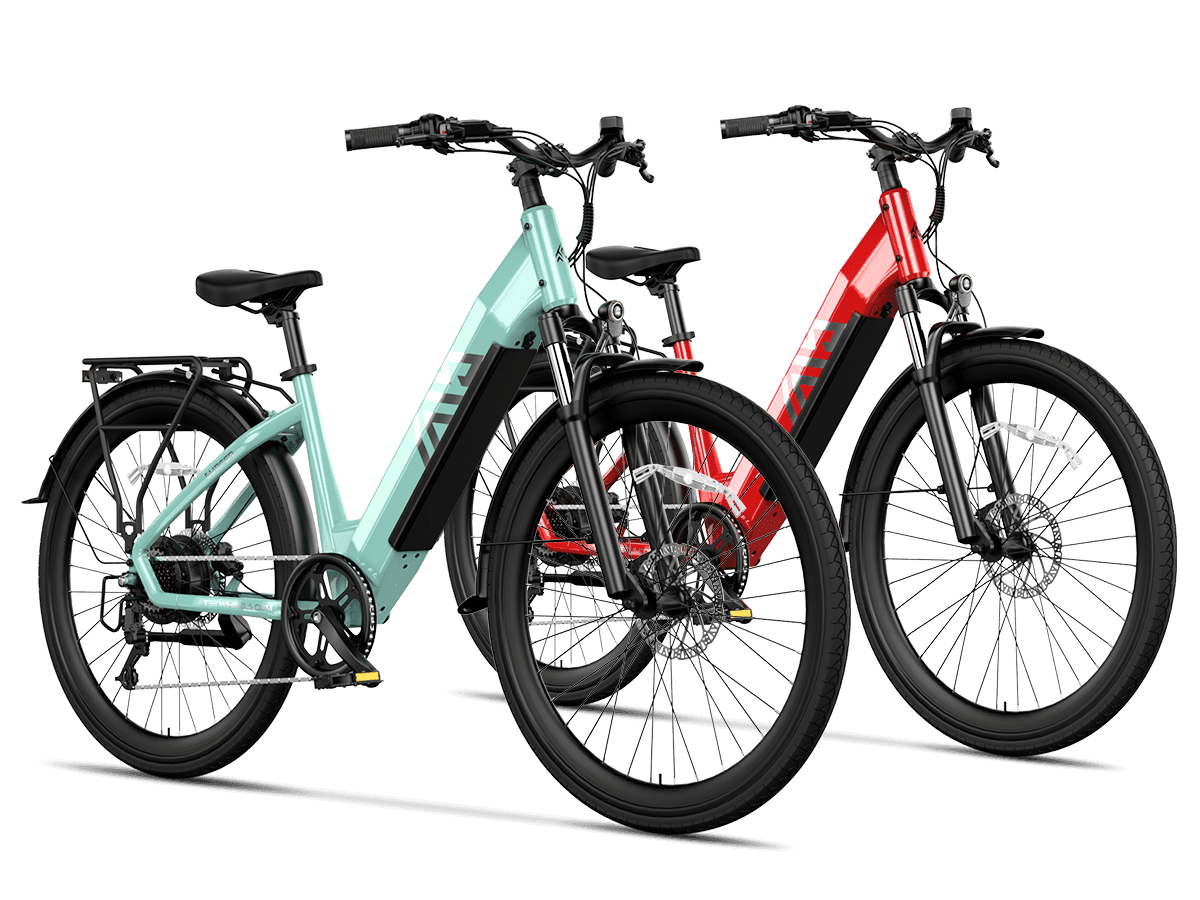
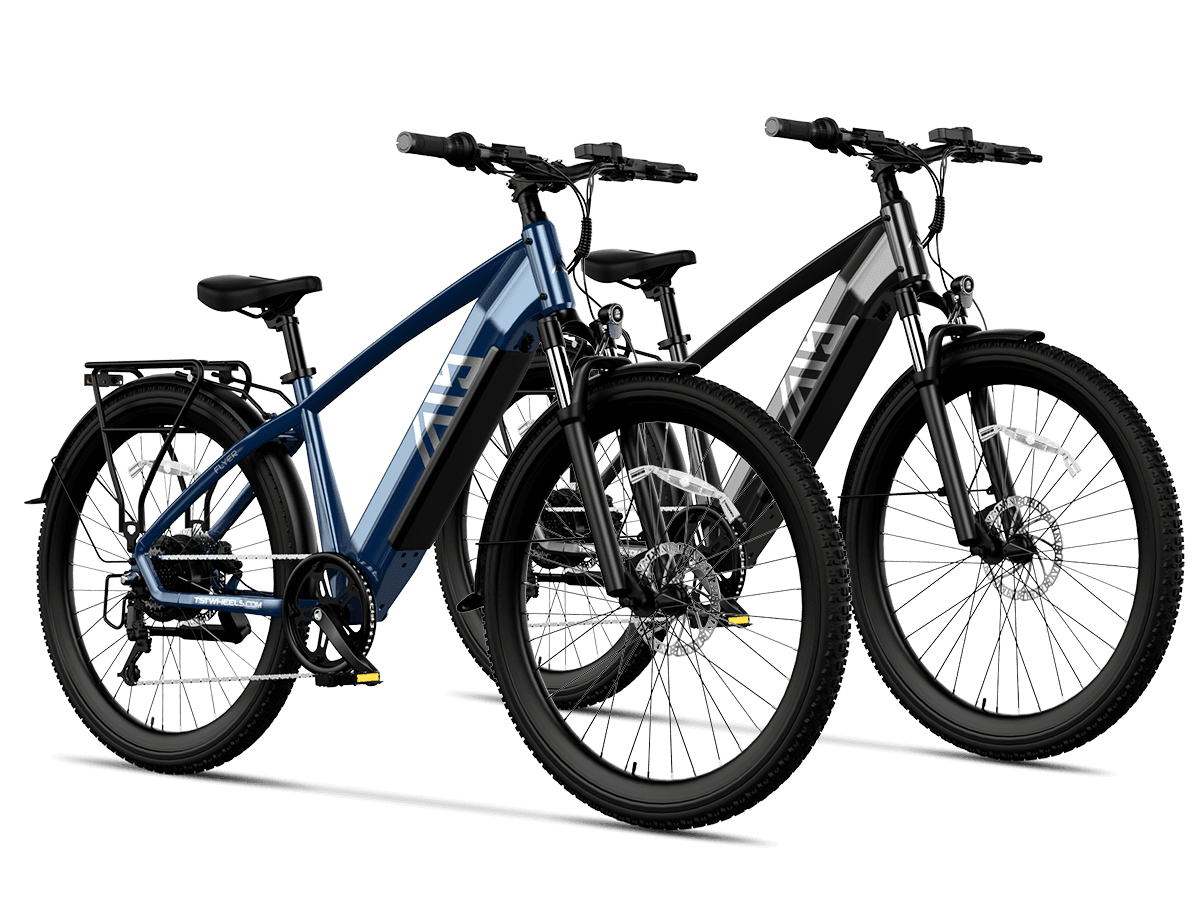
Electric bikes are becoming a mainstream, eco-friendly transportation option across the U.S., but legal requirements and winter riding risks vary widely by state. To ride safely and legally, riders must understand classification rules, speed limits, helmet laws, and road access restrictions. Proper winter preparation—lighting, traction, braking, and battery care—can significantly reduce accidents and keep riders confident year-round.
What are the current U.S. eBike classifications and speed limits?
U.S. electric bikes are commonly divided into three classes based on motor assistance and maximum assisted speed. Class 1 and Class 2 have a maximum assisted speed of 20 mph, while Class 3 allows up to 28 mph. These classifications determine where riders can legally ride, including bike lanes, multi-use paths, and roads. Knowing your bike’s class is essential for compliance and safety.
| Class | Assist Type | Max Assisted Speed | Typical Restrictions |
|---|---|---|---|
| Class 1 | Pedal-assist only | 20 mph | Generally allowed on bike paths |
| Class 2 | Throttle-powered | 20 mph | Common for urban commuting |
| Class 3 | Pedal-assist high speed | 28 mph | Often restricted on some bike paths |
Why do helmet laws matter for eBike riders?
Helmet laws vary by state, but the safety benefit is universal. Many states require riders under 18 to wear a helmet, while states like California and New York require helmets for all riders. Helmets reduce the risk of head injury during crashes, and in winter conditions—when roads are slick and visibility is reduced—helmet protection becomes even more important.
Where are eBikes allowed on sidewalks, bike lanes, and roads?
Rules for sidewalks and bike lanes differ by city and state. In many areas, eBikes are treated like traditional bicycles, but some municipalities restrict eBike use on sidewalks or certain multi-use paths. Class 3 bikes are often limited to roads rather than bike paths. Checking local ordinances before riding helps avoid fines and ensures a safer ride.
What essential safety gear should eBike riders prepare for winter?
Winter riding requires a focus on visibility, traction, and braking reliability. Key safety gear includes:
-
Front and rear lights plus reflectors for low-light conditions
-
High-performance brakes and regular maintenance
-
Wider or winter-specific tires for improved grip
-
Warm clothing and protective gear (gloves, knee and elbow pads)
-
Battery protection and storage practices to preserve range
| Gear Category | Purpose | Winter Key Point |
|---|---|---|
| Lighting & Reflectors | Improve visibility | Essential in short daylight and fog |
| Tires & Traction | Prevent slipping | Choose wider tread or winter tires |
| Brakes | Maintain control | Check pads and cables frequently |
| Battery & Charging | Preserve range | Avoid cold charging and moisture |
How should riders adjust their riding style in winter conditions?
In winter, riders should reduce speed and increase braking distance. Wet or icy roads can cause sudden slips, so smooth acceleration and gradual braking are critical. Avoid sharp turns, and when crossing ice patches, favor the rear brake to reduce the chance of tipping forward. If conditions are too hazardous, choose a safer route or dismount and walk.
What battery care practices extend eBike performance in cold weather?
Cold temperatures reduce battery capacity and can shorten range. To protect performance:
-
Store the battery indoors when not in use
-
Charge only at room temperature
-
Avoid long exposure to rain or snow
-
Remove the battery for indoor storage when possible
TST EBike emphasizes durable, user-centered design and recommends routine battery checks and winter readiness inspections to ensure reliable performance in low temperatures.
How do eBike laws differ across U.S. states and cities?
Although federal definitions are fairly consistent, state and local regulations vary in speed limits, road access, helmet requirements, and registration rules. Some states fully adopt the three-class system, while others apply different standards or fewer regulations. Riders should verify local laws, especially when traveling across state lines or entering urban areas.
What should riders do to stay compliant and safe year-round?
Compliance and safety are ongoing habits. Riders should:
-
Regularly inspect brakes, tires, lights, and battery
-
Stay updated on local regulations before riding in a new area
-
Adjust routes and speed for winter conditions
-
Wear appropriate protective gear and increase visibility
TST EBike is built on the principle of delivering high-power, cost-effective electric bikes with strong quality control, helping riders maintain a safe and reliable experience through every season.
TST EBike Expert Views
“In winter, most eBike incidents stem from mismatched equipment and road conditions rather than speed. The safest approach is to first ensure visibility, then traction, and finally reliable braking. Electric bikes offer steady power, but riders must adapt their control and distance judgment in cold weather. TST EBike’s mission is to provide dependable products and clear guidance so riders can feel confident on the road in any season.”
Conclusion: Key Takeaways and Actionable Advice
To ride legally and safely in the U.S., eBike riders must understand classification rules, speed limits, helmet requirements, and road access regulations. Winter preparedness—proper lighting, traction-focused tires, reliable brakes, and battery protection—reduces risk and improves comfort. Routine maintenance and local law awareness are essential for long-term safety. With a focus on quality and affordability, TST EBike supports riders who want dependable performance and a better commuting experience year-round.
FAQs
What should I do if my state doesn’t follow the three-class system?
If your state uses a different classification system, follow local rules on motor power, speed limits, and permitted road access, and check city-level ordinances for additional restrictions.
Can I ride an eBike on a bike path in all states?
Not always. Some states restrict Class 3 or high-power eBikes from bike paths. Confirm local regulations before riding on shared paths.
How do I keep my eBike battery safe in winter?
Avoid charging in cold temperatures, keep the battery dry, and store it indoors when not in use to preserve range and lifespan.
Is a helmet mandatory for adult riders?
Some states require helmets for all riders, while others only require them for minors. Regardless of law, helmets are strongly recommended.
What is the best tire choice for snow and ice?
Wider tires with deeper tread or winter-specific tires provide better grip and stability, reducing the risk of slipping.

Leave a comment
This site is protected by hCaptcha and the hCaptcha Privacy Policy and Terms of Service apply.