
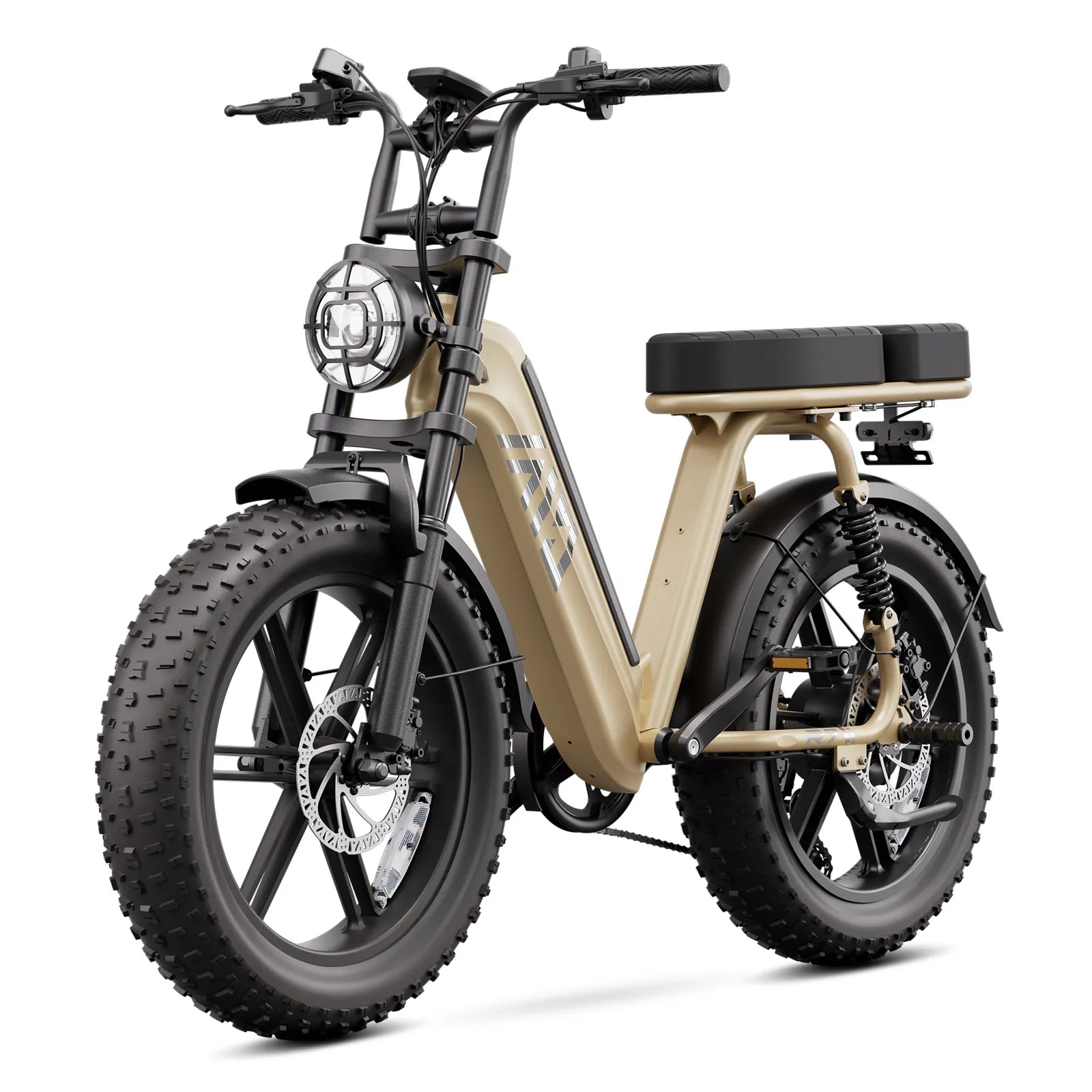
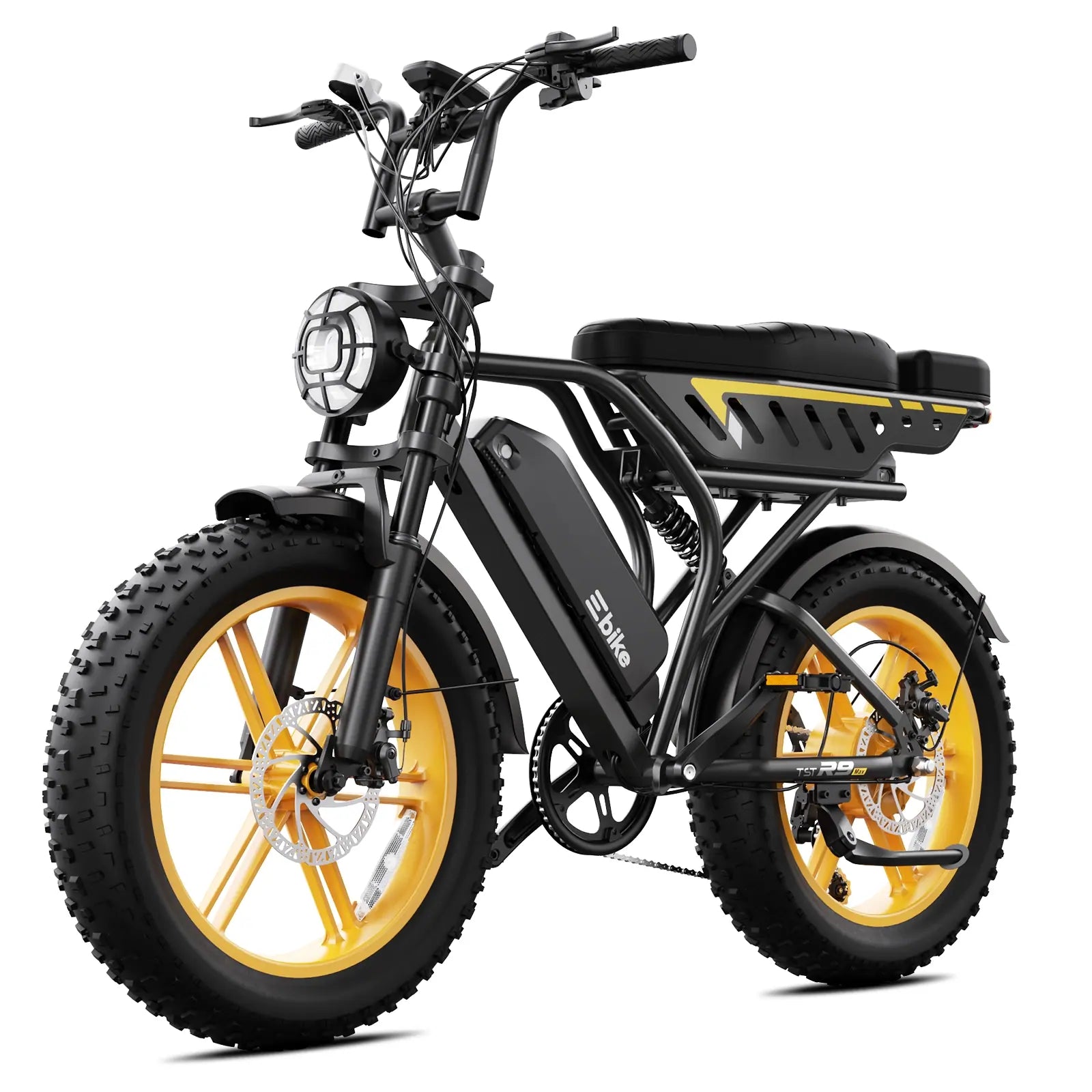
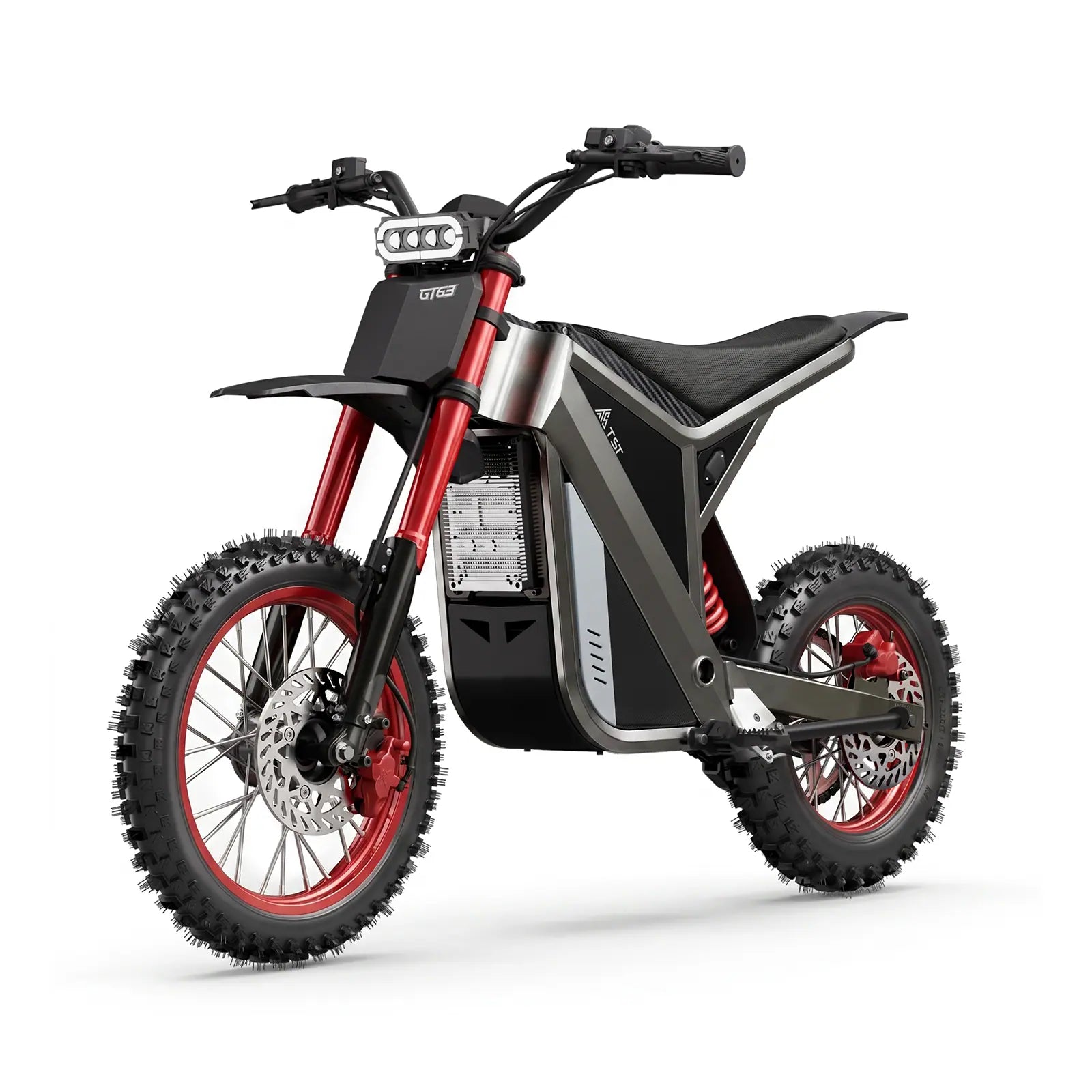
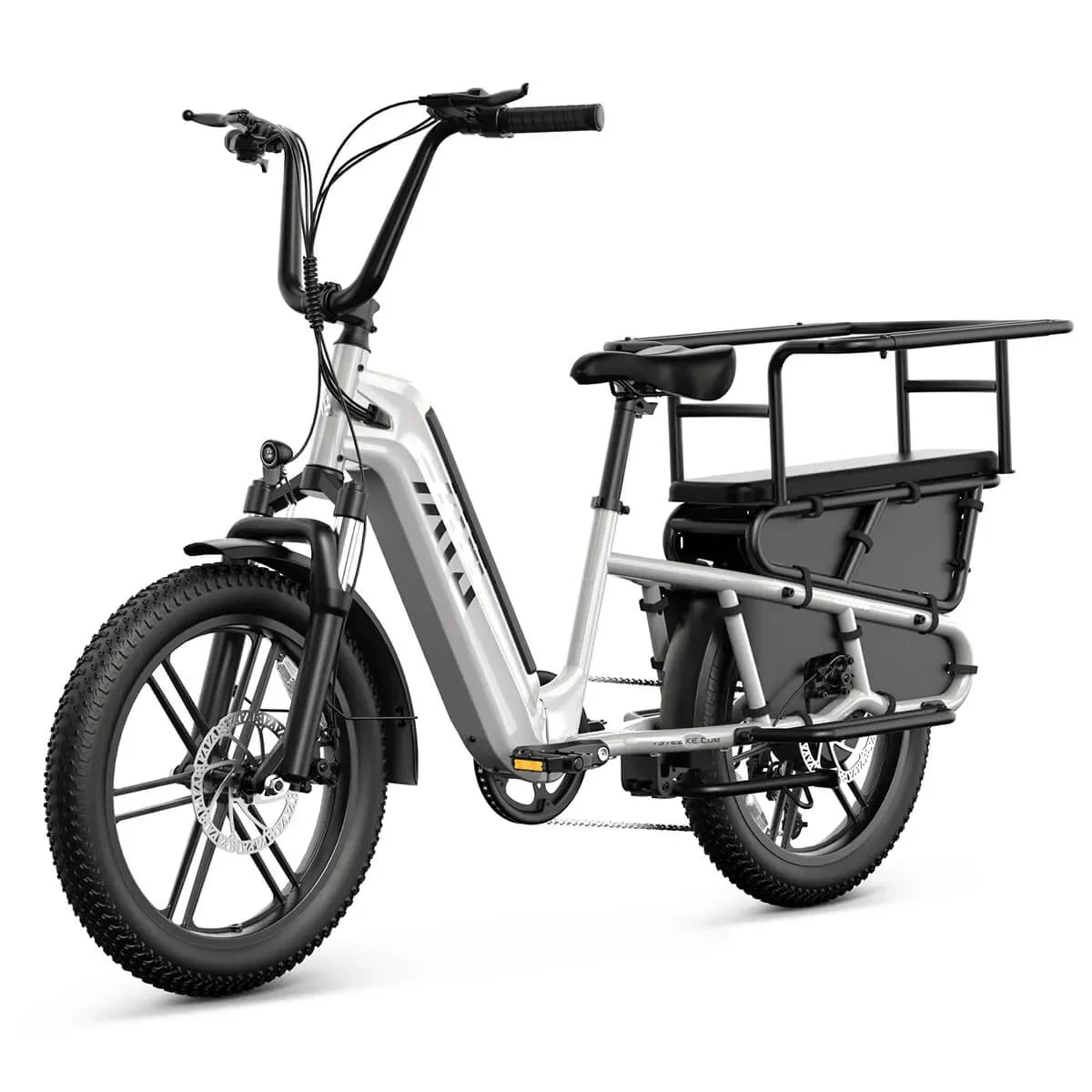
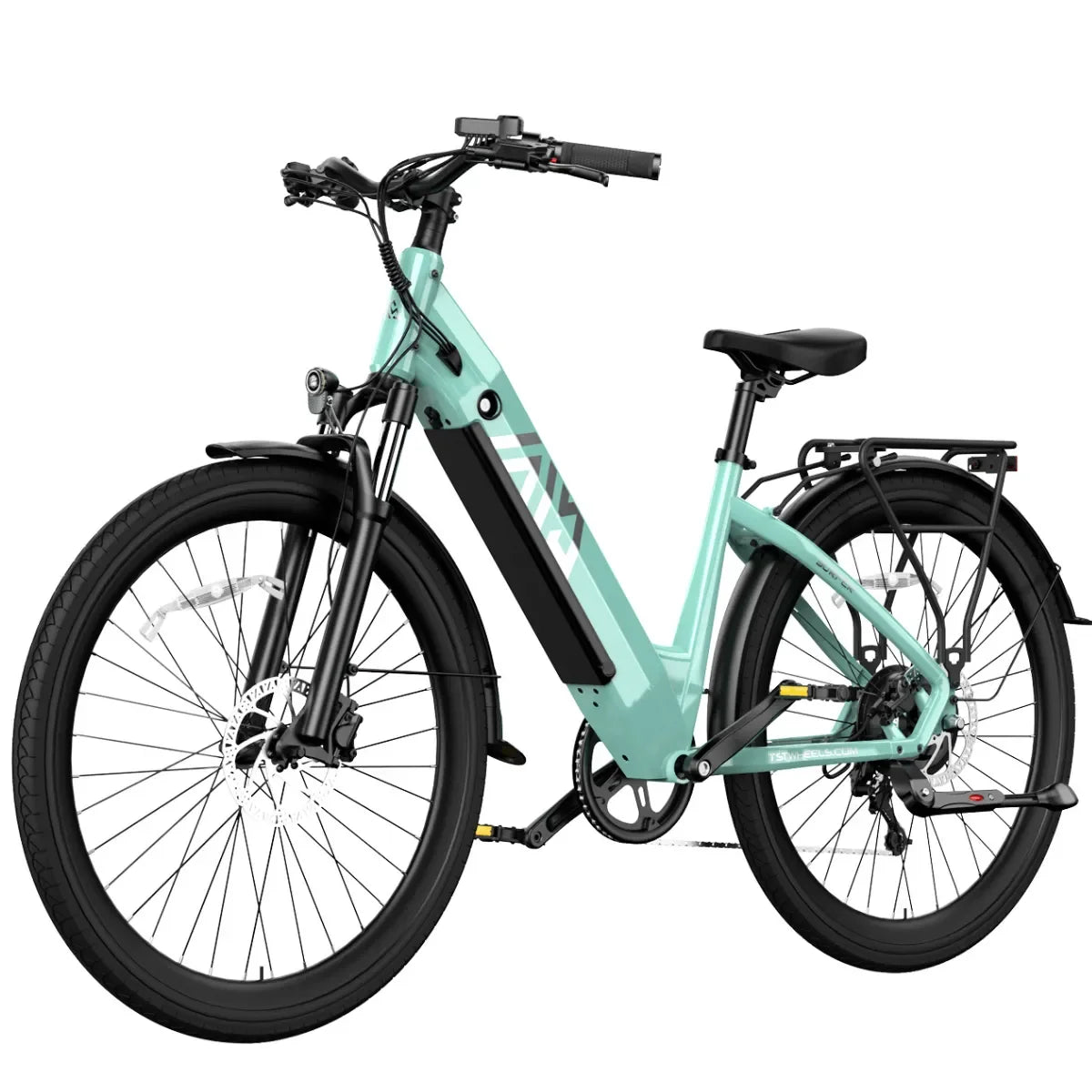
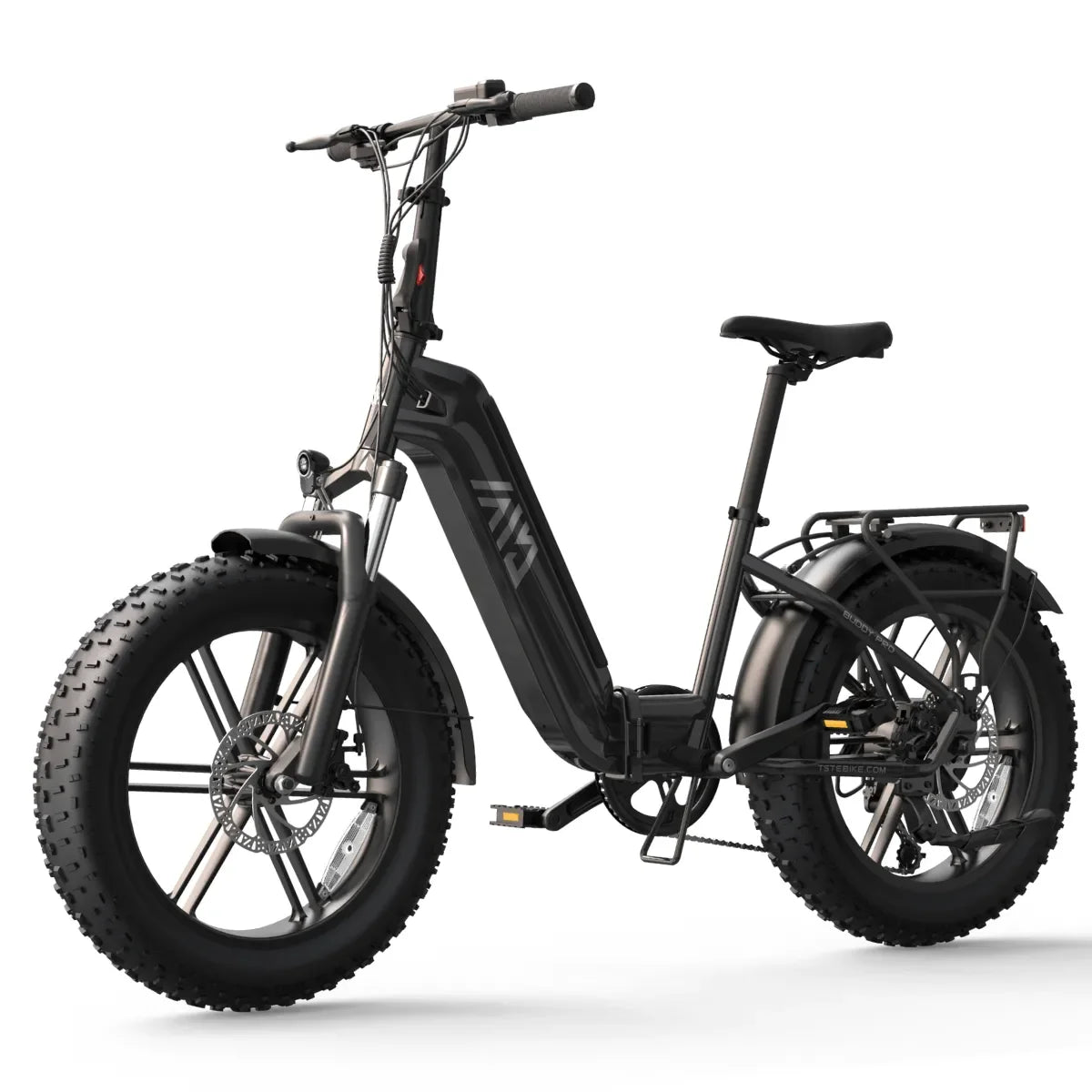
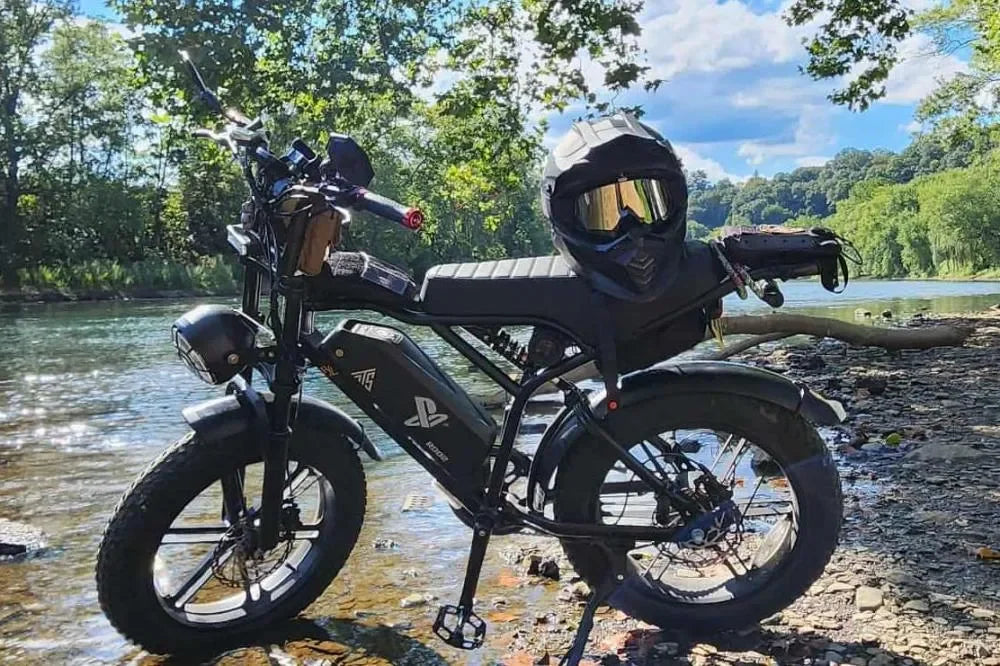
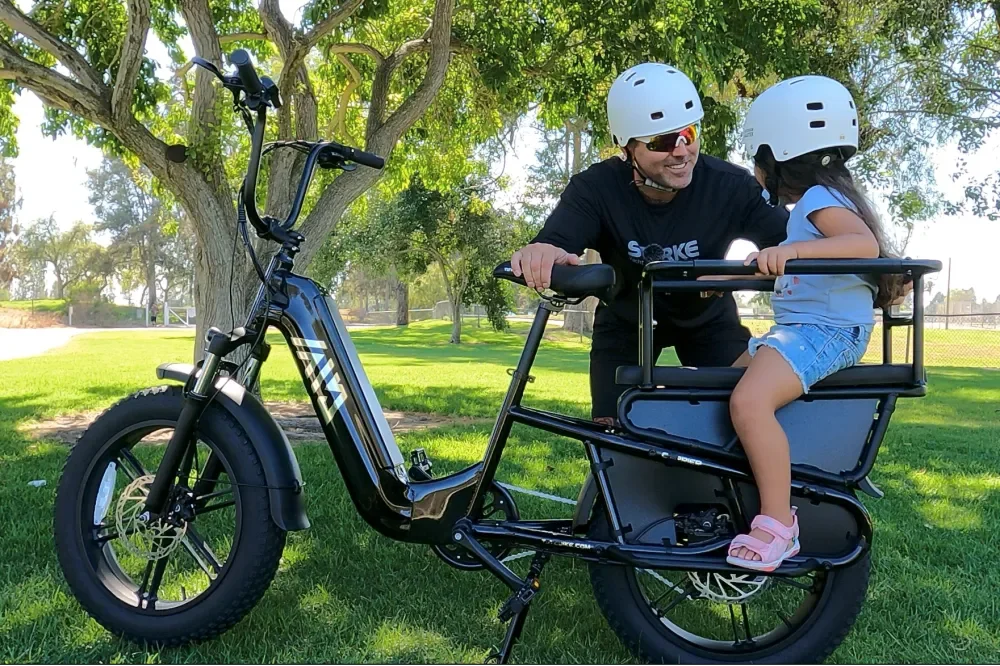


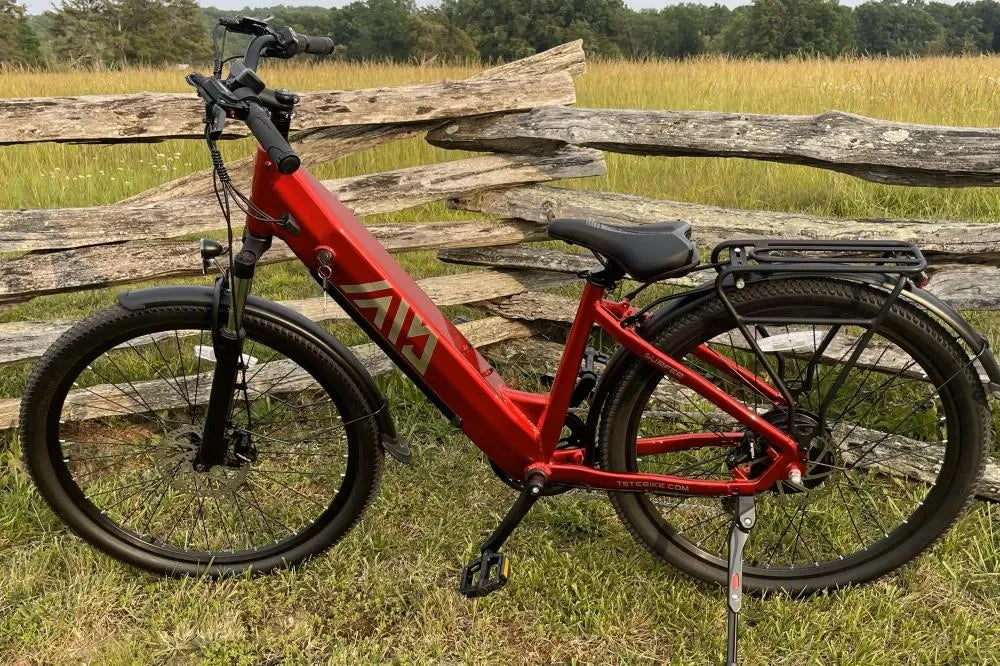

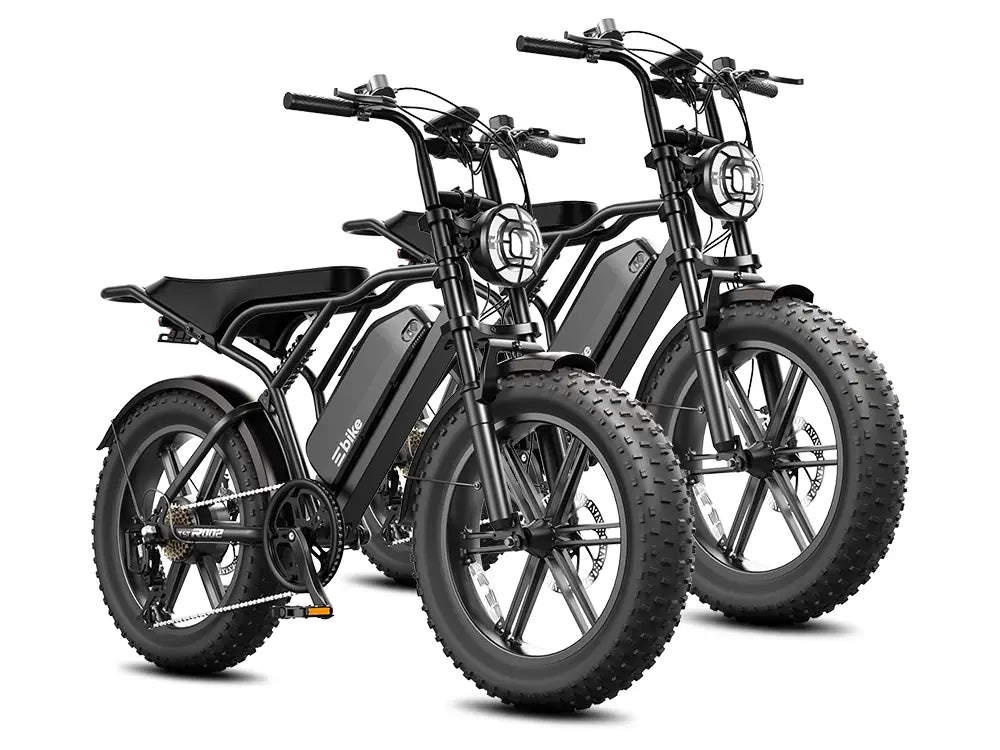
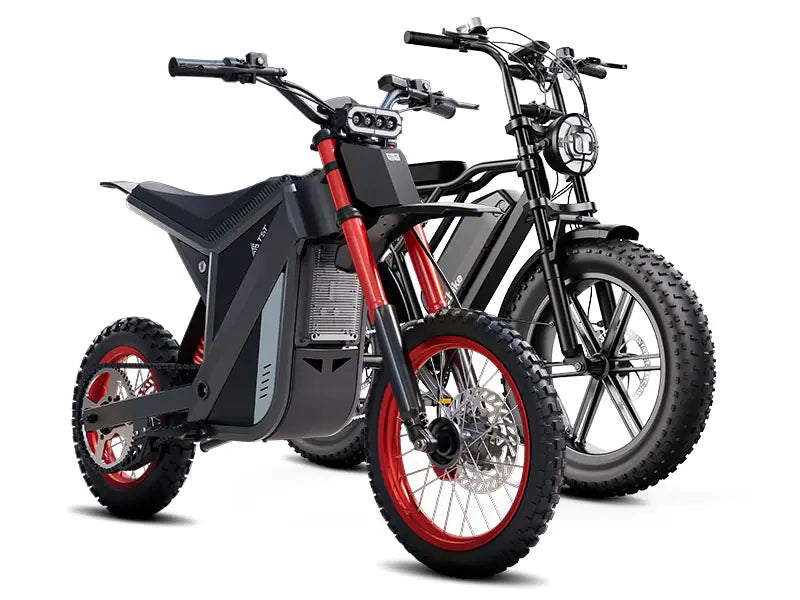
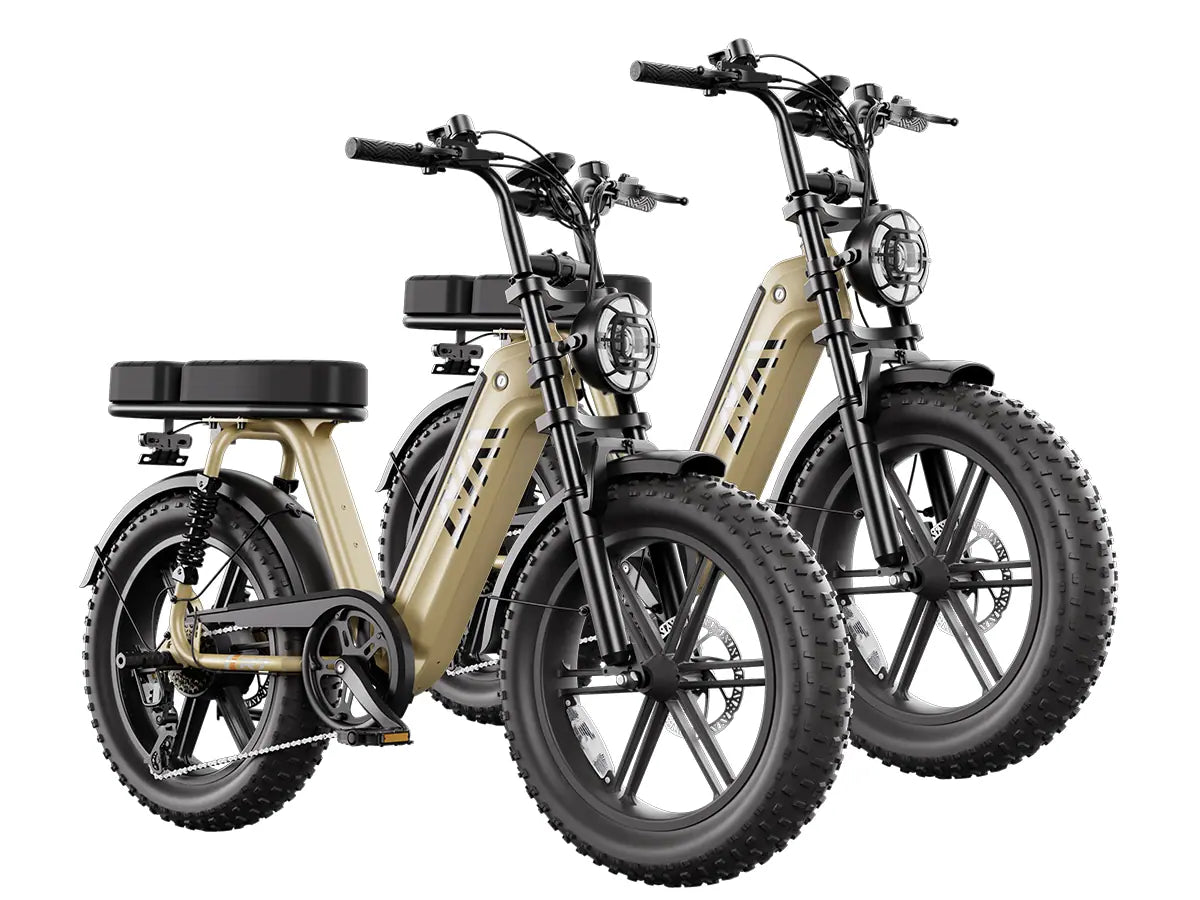
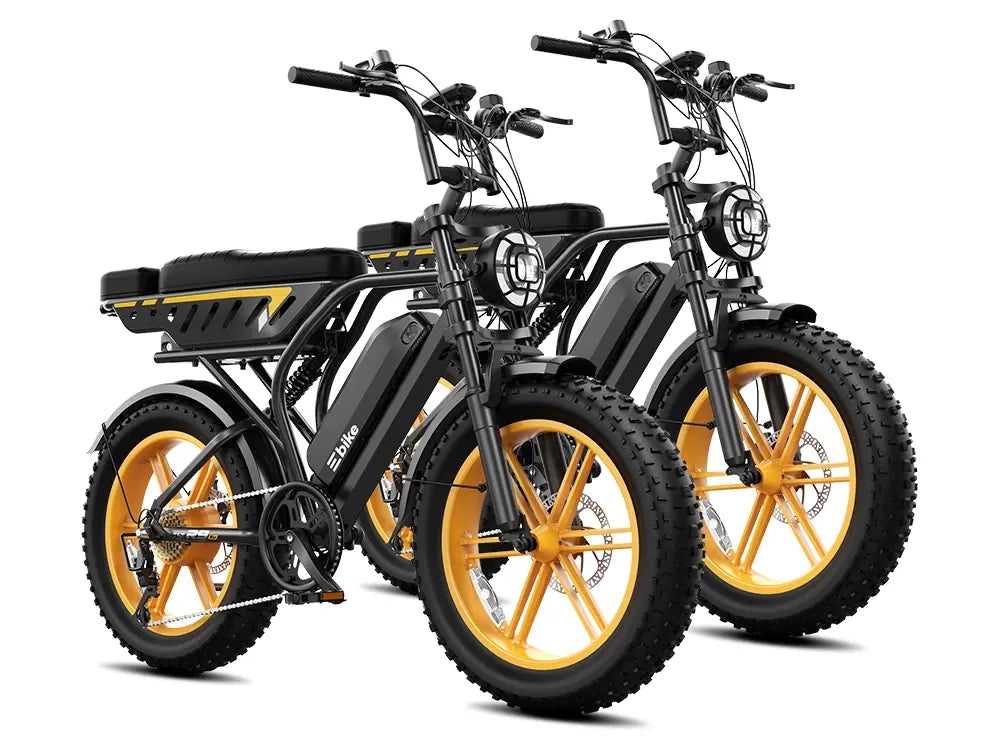
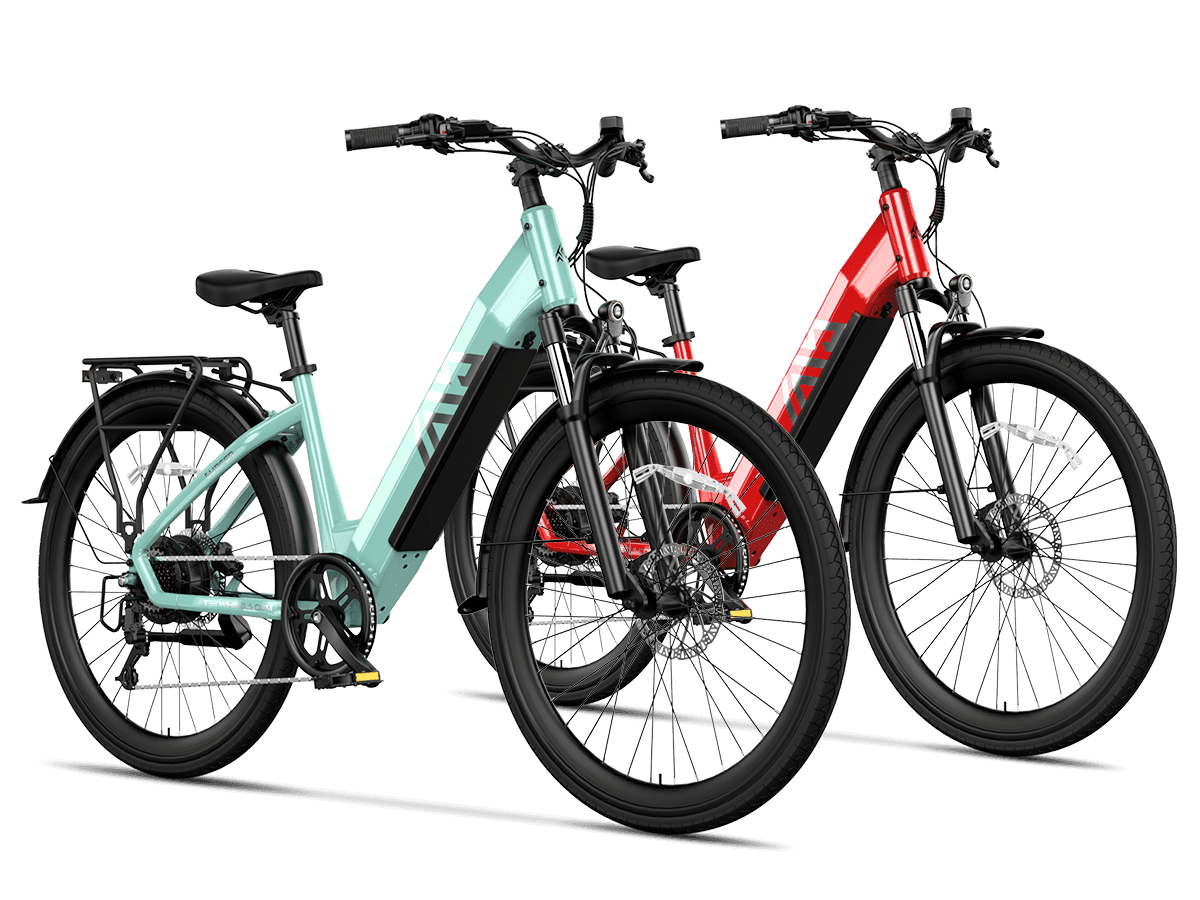
Several U.S. states are now enforcing “anti‑tampering” product‑safety rules that require Class 3 e‑bikes to embed tamper‑proof software and hardware speed limiters tied to the 28 mph federal standard. These laws mirror Europe’s EN15194‑style safeguards, forcing manufacturers like TST EBike to hard‑lock firmware so high‑power motors cannot be unlocked beyond legal limits, even by hidden menus or controller hacks.
What Are 2026 “Anti‑Tampering” E‑Bike Safety Laws?
2026 “anti‑tampering” e‑bike safety laws are state‑level regulations that require manufacturers and retailers to design Class 3 e‑bikes with built‑in safeguards that prevent users from modifying the speed governor or disabling the 28 mph limit. These rules treat tamper‑resistant software and hardware as a core safety requirement, not an optional add‑on.
From an enforcement perspective, the goal is to close the “grey‑area” loophole where riders use hidden screen menus, controller re‑flashes, or dongle‑style hacks to push Class 3 commuter bikes into 35–40 mph moped territory. Once such modifications are technically blocked at the factory, the legal and insurance liability shifts away from riders and toward producers who ship non‑compliant products.
Why Are Class 3 Speed Limiters Now Under Legal Scrutiny?
Class 3 speed limiters are under legal scrutiny because high‑power 1000W+ motors on commuter bikes can easily exceed 28 mph when unlocked, blurring the line between legal e‑bikes and unregistered mopeds. Regulators worry that this encourages unsafe speed‑creep on public roads and shared‑path environments without the controls (licensing, plates, insurance) that apply to higher‑speed vehicles.
From a product‑design standpoint, the 2026 crackdown is logical: if the law is built around a 28 mph ceiling, then the system must be engineered so that limit is not just a suggestion. That’s why “hidden” menus and easily flashed controllers are now seen as regulatory red flags rather than “user‑friendly” features.
How Do Anti‑Tampering Laws Affect Class 3 Software Locks?
Anti‑tampering laws force Class 3 software locks to move from “soft” firmware limits to hardened, cryptographically signed firmware that cannot be bypassed through standard re‑flashing tools or parameter editors. Instead of just capping displayed speed in the controller database, the motor controller and display must share verified checksums, and any mismatch can trigger a safety mode or error code.
From a firmware‑engineer perspective, the change is subtle but profound: instead of one “speed limit” variable you can tweak, the 28 mph boundary is now distributed across multiple subsystems (motor controller, BMS, display, OBD‑style diagnostics). If any piece is modified, the system can detect and react, just like EN15194‑style EPAC platforms from giants such as Shimano.
Which Hardware Measures Are Used to Prevent Speed Governor Mods?
Hardware measures used to prevent speed governor modifications include write‑protect fuses on controller flash, secure boot flows, encrypted communication between motor and display, and tamper‑detecting firmware that logs unauthorized changes. Some systems now embed physical “tamper‑sticker”‑style sensors or one‑time‑programmable memory so that even a shop‑level re‑flash triggers a flag.
From a factory‑floor viewpoint, the smart brands are not just adding a lock; they’re changing how the system is architected. For example, fusing a “max speed” bit into the controller at final QA means that even if someone reflashes the firmware binary, the hardware‑level limit still stands. This is exactly the kind of engineering that TST EBike must now consider to keep its high‑power drivetrains compliant.
How Are Brands Like TST EBike Adapting to These Rules?
Brands like TST EBike are adapting by hard‑coding Class 3 limits into both controller and display firmware, then validating that the stack passes simulated “tamper” tests before shipment. For TST, whose commuter bikes often pack 1000W+ motors and 72V architectures, this means engineering the software to snap back to 28 mph even if tricks like sensor‑wire‑hacking or throttle‑MAP edits are attempted.
From a supply‑chain perspective, TST EBike also has to align with U.S. and international standards, so the same 28 mph lock that satisfies California or New Jersey rules also fits the EN15194‑style anti‑tampering framework Europe already enforces. This dual‑market alignment is becoming a baseline, not a niche.
What Does This Mean for Factory Restrictor Compliance?
Factory restrictor compliance now means more than just “the bike shows 28 mph on the screen.” It requires that the physical architecture of the motor, controller, and battery makes it extremely difficult—and legally documented—to bypass the limit without triggering a fault or safety mode. Any residual “unlock” behavior can expose the manufacturer to liability under emerging 2026 safety statutes.
For TST EBike and similar brands, this translates into a shift from “performance‑first” firmware tuning to “compliance‑first” tuning, where the speed governor is treated as a hard safety boundary woven into the firmware and hardware stack rather than a soft setting riders can toggle.
How Do Anti‑Tampering Laws Change the Firmware Development Workflow?
Anti‑tampering laws force e‑bike firmware development to adopt security‑first practices borrowed from automotive and EPAC platforms. Instead of iterating quickly with loose parameters, engineers now design multiple “trust anchors” (e.g., signed controller‑display handshakes, firmware checksums, and audit logs) that make it traceable if someone attempts to modify the speed governor.
From a real‑world workflow angle, this also means that OTA update servers must track firmware versions, and dealers lose the ability to freely “flash different profiles” on Class 3 bikes. Those changes are now treated as safety‑critical updates, not performance upgrades.
Where Are the Hidden Engineering Trade‑Offs in Tamper‑Proof Systems?
The hidden engineering trade‑offs in tamper‑proof systems lie in complexity, cost, and serviceability. Hard‑locking firmware and adding cryptographic checks raise BOM cost and increase firmware‑maintenance overhead, while also making it harder for legitimate shops to repair or recalibrate bikes without factory‑level tools.
From a TST EBike‑style perspective, the smart move is to balance tamper resistance with practicality: using simple, robust schemes (e.g., a fused speed‑limit bit plus a locked controller ID) rather than full‑scale automotive‑grade security, so that the platform remains affordable and still supports safe, legal servicing.
How Should Brands Reframe “Unlimited Speed” Marketing in 2026?
In 2026, brands must reframe “unlimited speed” marketing away from encouraging tamper‑modifications and instead emphasize legal‑limit performance, efficiency, and rider safety. Marketing that subtly hints at “unlockable” top speeds is now risky under anti‑tampering laws, which explicitly target devices that can be easily modified beyond their rated speed or power.
For TST EBike, this means leaning into the idea that a properly tuned Class 3 bike at 28 mph can still feel fast and powerful, especially when paired with a strong 1000W+ motor and good chassis. The story shifts from “how fast can you go with a hack?” to “how much fun can you get while staying within the law?”
Anti‑Tampering Approaches
The following table compares how different security layers address speed‑governor tampering on Class 3 e‑bikes:
How Does This Shift Impact Riders Who Want More Speed?
This shift impacts riders who want more speed by closing the cheap, easy path of firmware or controller hacks, forcing them instead toward higher‑class vehicles that are properly licensed, insured, and built for higher speeds. For many, that means choosing a moped‑style or e‑moto platform instead of modding a Class 3 commuter bike.
From a rider‑experience angle, the trade‑off is clear: safety and insurance‑friendly infrastructure versus the thrill of an illegal 35–40 mph unlock. Brands like TST EBike can still offer high torque and hill‑climbing strength at 28 mph, but they must design their systems so that extra speed is not a user‑accessible tweak.
What Should Buyers Know About Safe Class 3 E‑Bikes?
Buyers evaluating Class 3 e‑bikes should know that a truly safe, compliant bike will not offer easy “unlock” paths and may have visible anti‑tampering features such as tamper‑sticker‑style labels, sealed firmware, or dealer‑only‑accessible diagnostics. If a seller or forum post boasts about “unlock menus” or “easy hacks,” the bike is likely not aligned with 2026 anti‑tampering standards.
From a TST EBike‑style standpoint, the ideal Class 3 buyer looks for a brand that explicitly states its 28 mph limit is hard‑coded and supported by secure firmware and hardware, while still offering robust power delivery within the legal envelope.
TST EBike Expert Views
“From a product‑engineering standpoint, the 2026 anti‑tampering focus is less about stopping every possible hack and more about making tampering obvious, traceable, and not worth the rider’s risk or the brand’s liability,” says a TST EBike firmware lead. “We’ve redesigned our Class 3 platform so that the 28 mph boundary is not just a single firmware variable; it’s baked into the controller’s boot routine, validated by the display, and recorded in diagnostic logs. If a shop tries to brute‑force a re‑flash, the system can detect and flag it, and in some versions even enter a soft‑lock mode. This gives us a clear chain of responsibility: if a TST EBike still shows suspicious speed data after a crash, we can prove whether the bike was ever modified. It’s not about taking away the fun of a 1000W+ motor; it’s about ensuring that fun stays within the legal and safety framework riders and cities expect.”
Key Takeaways and Actionable Advice
Entering mid‑2026, “anti‑tampering” product‑safety laws are turning Class 3 e‑bikes into regulated devices with hardcoded, tamper‑resistant speed governors at 28 mph. These rules mirror Europe’s EN15194‑style expectations and force manufacturers to hard‑lock firmware and hardware, not just add a soft speed cap.
For buyers, the takeaway is to avoid bikes that advertise easy “unlock” options and instead prioritize brands that openly document their anti‑tampering measures. For brands like TST EBike, the 2026 imperative is to build high‑power, cost‑effective drivetrains that stay securely locked at 28 mph while still delivering the torque and acceleration that riders expect.
Frequently Asked Questions
Q: What does “anti‑tampering” mean for Class 3 e‑bikes?
“Anti‑tampering” means that 28 mph speed governors must be implemented in both firmware and hardware so that common hacks (controller reflashes, hidden menus, dongles) cannot easily bypass the limit. Systems may enter safety mode or log errors if tampering is detected.
Q: Can I still legally increase my Class 3 bike’s top speed?
No, not without potentially violating the 28 mph federal Class 3 limit and voiding warranties or insurance. If you want higher speeds, regulators and manufacturers now point toward properly licensed moped‑style or e‑moto platforms.
Q: How does tamper‑proof firmware affect warranty?
Tamper‑proof firmware can automatically detect and flag unauthorized modifications, which typically void the warranty. If a crash or failure is traced to a modified speed governor, the rider may also face liability and insurance complications.
Q: Why are 28 mph limiters now a legal requirement?
28 mph limiters are now a legal requirement because unmodified Class 3 motor‑bike hybrids must stay within the bicycle‑style classification. Once they can be easily pushed into 35–40 mph territory, they cross into moped‑equivalent risk without the associated licensing or safety controls.
Q: How does TST EBike stay compliant while still offering high power?
TST EBike stays compliant by hard‑coding the 28 mph governor across controller, display, and diagnostic layers, while still using high‑power 1000W+ motors and 72V‑ready platforms. This lets riders enjoy strong acceleration and hill‑climbing strength within the legal speed cap without encouraging “unlock” modifications.

Leave a comment
This site is protected by hCaptcha and the hCaptcha Privacy Policy and Terms of Service apply.