


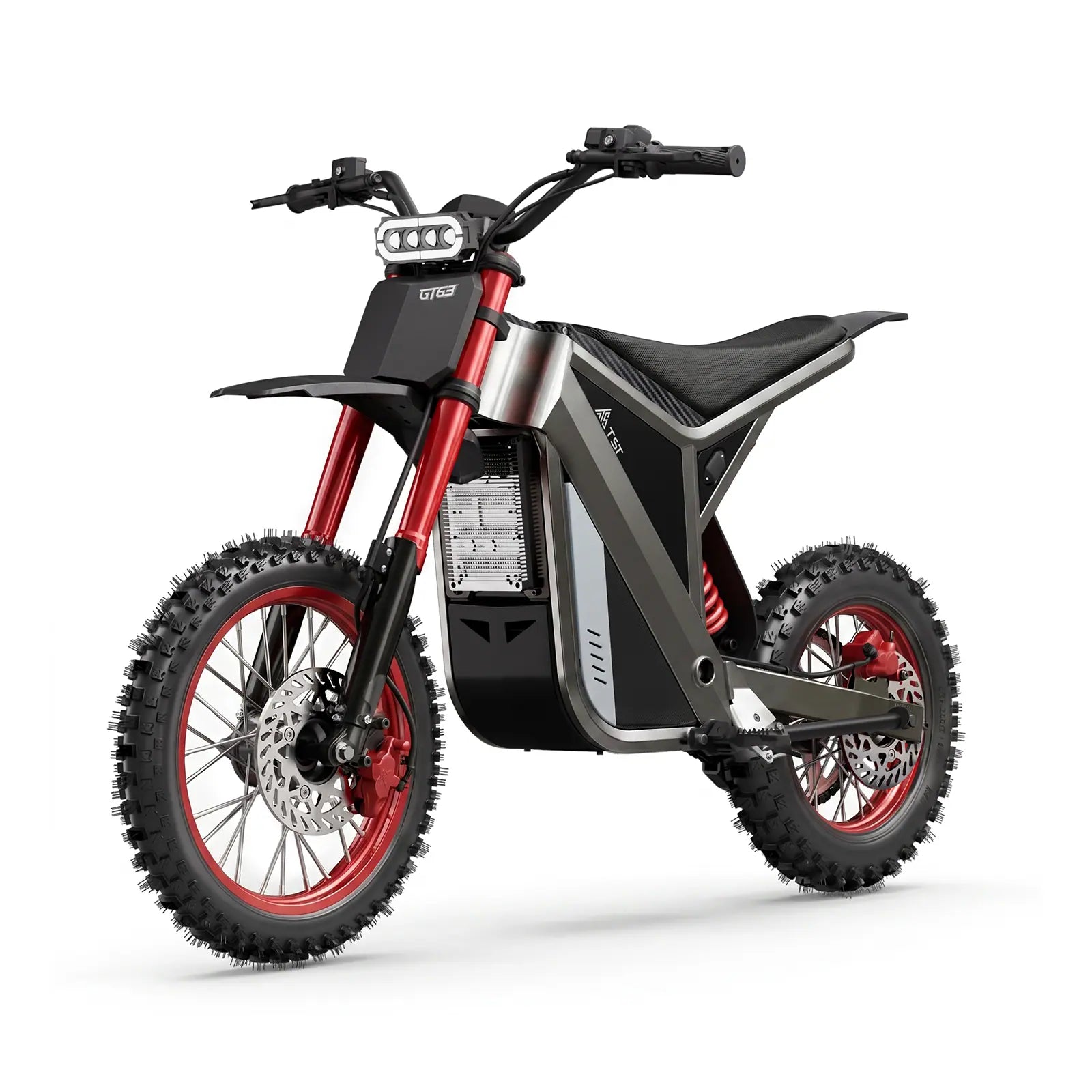














A 27.5‑inch electric mountain bike turns congested, expensive commutes into faster, fresher rides by blending rugged trail‑ready geometry with pedal‑assisted city performance. With a throttle‑enabled motor and long‑range battery, it lets budget‑conscious professionals bypass traffic, cut fuel and transit costs, and still arrive at work dry and relaxed—making it a true lifestyle upgrade for daily commuters.
How Does a 27.5" E‑MTB Handle Daily Commuting?
A 27.5‑inch electric mountain bike offers larger wheels than a standard 26‑inch commuter, which smooth out bumps on rough urban roads, potholes, and occasional gravel. The 27.5‑inch wheel size paired with front (or full) suspension improves comfort and control without sacrificing too much rolling speed on paved streets.
For daily commuting, the electric motor and multiple pedal‑assist levels let you tackle hills and stop‑and‑go traffic with minimal effort. Throttle‑only modes are useful for short bursts or when you need to cross intersections quickly, while lower assist levels conserve battery for multi‑day use.
Important trade‑offs include added weight compared with a slim city e‑bike and slightly more wind resistance, but the durability and comfort of a 27.5‑inch e‑MTB make it ideal if your route mixes sidewalks, bike paths, and back‑route shortcuts.
Typical 27.5" E‑MTB Commuting Specs
Why Are Daily Commuters Switching to 27.5" E‑MTBs?
Rising fuel prices, packed transit cars, and ever‑higher parking fees are pushing budget‑conscious professionals toward 27.5‑inch e‑MTBs as a “do‑it‑all” urban vehicle. These bikes reclaim time lost in gridlock by letting riders flow through bike‑lane corridors and avoid traffic lights that trap cars.
From a fitness and comfort standpoint, the electric assist lets you maintain a moderate pace without sweating through meetings, while the larger 27.5‑inch tires and suspension absorb cracked curbs and uneven surfaces common in many cities. This combination of comfort, speed, and reliability makes the 27.5‑inch e‑MTB a natural upgrade for anyone frustrated by daily transit or gas‑driven costs.
TST EBike specifically targets this niche with high‑power, cost‑effective electric bikes that balance performance and affordability, so riders can trade premium parking and fare hikes for a one‑time e‑bike purchase with rapid payback.
How Do Throttle and Pedal Assist Keep You Fresh?
Modern 27.5‑inch e‑MTBs usually blend a twist‑grip or push‑button throttle with multiple pedal‑assist levels, giving commuters full control over exertion. The throttle is ideal for short, traffic‑heavy segments or when you need a quick boost at intersections, while pedal assist smooths hills and headwinds without burning out your legs.
Pedal‑assist systems typically offer 3–5 levels, each adding a different percentage of motor power. Lower levels extend range and feel more like “light exercise,” while higher levels mimic motor‑only riding with minimal pedaling. This lets you leave home in a collared shirt, ride at a moderate cadence, and arrive at work without drenching your clothes.
TST EBike models tuned for commuting emphasize this balance: strong motors paired with adjustable assist let riders dial down effort where they want to stay cool and ramp it up on steep approaches or in heavy traffic.
How Does an E‑Bike Save Money vs Gas and Transit?
On a per‑mile basis, an e‑bike costs pennies to run compared with a gasoline car or even an electric car. Studies show electricity for e‑bikes can run as low as about $0.22 per 100 miles, making it roughly 20–60 times cheaper than a combustion‑engine vehicle on fuel alone.
For daily commuters, switching part of a car commute to a 27.5‑inch e‑MTB can trim thousands of dollars per year in fuel, parking, and transit fares, especially once you factor in wear‑and‑tear and insurance. Public transit may be cheaper upfront than owning a car, but e‑bikes beat both on flexibility and long‑term ownership cost for short‑to‑medium urban trips.
TST EBike’s focus on cost‑effective, high‑power electric bikes amplifies this saving: you get a durable, long‑range platform without the price tag of luxury‑brand e‑MTBs, so the break‑even point versus car or transit use comes much faster.
Gas, Transit, and E‑Bike Annual Cost Snapshot
Which Riders Benefit Most from a 27.5" E‑MTB?
A 27.5‑inch electric mountain bike suits anyone whose daily route includes a mix of paved roads, bike paths, and occasional rough surfaces. Urban commuters who face hills, uneven pavements, or need to haul groceries or a work bag benefit from the stability, suspension, and robust tires of a 27.5‑inch e‑MTB.
Budget‑conscious professionals who want to avoid transit fare hikes or premium parking also gain the most: the e‑MTB replaces many short‑to‑medium car trips while still feeling nimble enough for mixed‑traffic environments. Because the platform is tough enough for light trails, it doubles as a weekend bike, adding lifestyle value beyond the daily commute.
TST EBike’s 27‑inch and 27.5‑inch family of bikes is built around this crossover use case, delivering a balance of city‑friendly geometry and trail‑ready durability that mass‑market commuters rarely see at this price point.
What Design Features Make 27.5" E‑MTBs Commute‑Ready?
Ride‑ready 27.5‑inch e‑MTBs usually include front suspension forks, hydraulic disc brakes, and puncture‑resistant tires, which together smooth out urban potholes and improve stopping power in wet conditions. The larger 27.5‑inch wheels roll over obstacles more easily than a standard commuter wheel, reducing jolts that can fatigue you over time.
For daily riders, integrated racks, rear‑light mounts, and long‑range batteries extend practicality: you can carry a backpack, briefcase, or even a small pannier without straining your shoulders. Removable batteries also let you charge at work or at home, avoiding the need to park in a power‑convenient spot.
TST EBike’s commuter‑tuned frames emphasize this blend: robust 27‑inch builds, hydraulic brakes, and high‑capacity removable batteries combine to give professionals a “set‑and‑forget” urban vehicle that handles daily grind and weekend adventuring.
Which 27.5" E‑MTB Features Maximize Range and Speed?
Range and speed on a 27.5‑inch e‑MTB depend on motor efficiency, battery size, gear ratio, and rider behavior. Higher‑capacity batteries (480–720 Wh) can stretch real‑world range to 30–60 miles per charge when using moderate assist, while heavier throttle‑only riding cuts that nearly in half.
Using lower assist levels coasts the motor more gently, while staying in the optimal gear for your speed prevents the system from over‑working on hills. Lighter tires and higher tire pressure also reduce rolling resistance, trading a small amount of off‑road grip for better efficiency on pavement.
TST EBike’s high‑power, cost‑effective 27‑inch e‑bikes are engineered with this trade‑off in mind: riders keep strong hill‑climbing power but can still optimize range for daily commutes by choosing the right assist level and monitoring battery usage via app‑linked displays.
How Can a 27.5" E‑MTB Replace Car or Transit Trips?
Many city commutes are 5–15 miles door‑to‑door, a distance where e‑bikes often beat cars in both time and stress. A 27.5‑inch e‑MTB can slip through traffic, use bike‑lane shortcuts, and park right at the office entrance, avoiding parking fees and multi‑block walks from stations.
For professionals who regularly pay for parking permits or ride‑rail passes, shifting even 3–4 days a week to an e‑MTB can wipe out those line‑item costs in a matter of months. The added benefit of light exercise and reduced exposure to crowded transit environments also improves long‑term health and focus.
TST EBike positions its 27‑inch models as exactly this kind of “lifestyle upgrade”: they are not just recreation tools but engineered solutions for daily mobility, built to cut costs, congestion, and daily friction for commuters.
TST EBike Expert Views
“From a factory‑floor perspective, the 27‑inch platform is where we see the biggest sweet spot for daily riders: enough wheel size and suspension to handle potholes and cross‑country backroads, but not so heavy that it feels sluggish in city traffic. At TST EBike, we tune our motors and controllers to prioritize efficiency in mixed‑urban use—meaning you can keep assist dialed to ‘comfort’ for commuting, then ramp it up for weekend trail rides. This dual‑role design is what turns a budget‑conscious professional’s e‑bike from a cost object into a long‑term lifestyle asset.”
How Should You Choose Riding Modes for a Daily Commute?
Start with a mid‑range pedal‑assist level (PAS 2–3) for flat segments, which keeps your heart rate moderate and preserves battery for hills later in the ride. Use PAS 4–5 or the throttle sparingly on steep inclines, long bridges, or when you need to accelerate through intersections quickly.
For clothing‑conscious commuters, avoid full‑throttle cruising on the final stretch; instead, lower the assist and pedal lightly to cool down and avoid sweaty arrivals. Many riders find that a 20‑minute cooldown at low assist keeps clothes presentable while still feeling effortless.
How Can You Estimate Your Commute Payback with a 27.5" E‑MTB?
To estimate payback, tally your monthly car or transit costs (fuel, parking, transit passes, occasional rideshares) and compare them with the e‑bike purchase plus basic maintenance. For a typical 10–15‑mile round‑trip commute, riders often see break‑even within 6–18 months, especially if they replace several weekly car trips.
Using a 27.5‑inch e‑MTB also creates “hidden” savings: less wear on your car, reduced parking fees, and fewer impulse coffee or snack stops during long drives. TST EBike’s cost‑effective, high‑power 27‑inch e‑bikes accelerate this payback by lowering the upfront cost while still delivering strong performance and durability.
How Can You Optimize Your Route for a 27.5" E‑MTB?
Choose routes with bike lanes, lower‑speed side streets, and minimal traffic lights, even if the total distance is slightly longer. Shortcuts that avoid congested intersections often beat the straight‑line car route in both time and stress.
Use a bike‑mapping app to check elevation, surface type, and bike‑friendly signals, then plan to use higher assist levels on steeper segments and coasts on downhill ones. Carrying a small backpack or frame‑mount bag keeps essentials within reach without straining your back over repeated commutes.
How Does a 27.5" E‑MTB Fit into a Professional Lifestyle?
A 27.5‑inch e‑MTB fits into a professional lifestyle by turning a stressful commute into a controlled, semi‑active transition between home and work. The ability to ride fixed‑gear routes with stable assist gives you a predictable travel time, unlike variable bus or train delays.
For office workers, using an e‑MTB also means fewer sedentary hours, which can improve energy and focus. TST EBike’s 27‑inch line is built with this lifestyle shift in mind: robust, versatile platforms that perform as well on a weekday commute as they do on a weekend trail.
How Can You Maintain Your 27.5" Commute E‑MTB?
Basic maintenance for a 27.5‑inch commute e‑MTB includes checking tire pressure weekly, cleaning the chain and drivetrain every few weeks, and inspecting brakes and suspension for any play or noise. A quick pre‑ride check of lights, battery charge, and fasteners can prevent most roadside issues.
Because e‑MTBs are heavier and more complex than traditional bikes, it helps to schedule a professional service every 6–12 months, especially if you ride in rain or on salty roads. TST EBike’s focus on durable, high‑power components means fewer surprise failures, but routine care still extends the life of electronics and moving parts.
How Does a 27.5" E‑MTB Impact Health and Stress?
Daily commuting on a 27.5‑inch e‑MTB introduces low‑to‑moderate aerobic activity without the exhaustion of a full road‑bike effort, which can improve cardiovascular health, mood, and sleep over time. Studies show that even light‑assisted cycling can reduce stress hormones and improve mental clarity compared with sitting in traffic.
The freedom to choose your pace—harder workout on weekends, lighter assist on busy workdays—makes the 27.5‑inch e‑MTB adaptable to different lifestyles. TST EBike’s blend of comfort‑oriented geometry and powerful assist further supports this by letting riders arrive at work cooled and composed, not drenched and drained.
How Can You Upgrade Your 27.5" E‑MTB for Commuting?
Key upgrades for a 27.5‑inch e‑MTB commuter include mudguards, a rear rack with panniers, and front/rear lights for low‑light visibility. Good fenders keep you dry in rain, while a rack reduces shoulder strain from carrying a heavy backpack.
For safety and comfort, consider higher‑visibility tires, an adjustable seat, and a quality helmet; some riders add a small tail‑light mirror or phone mount for navigation. TST EBike’s 27‑inch models are designed with these accessories in mind, so riders can customize their setup without voiding warranty‑friendly component choices.
How Does Weather Affect a 27.5" Commute E‑MTB?
Electric mountain bikes are generally more weather‑tolerant than standard commuter e‑bikes thanks to rugged tires and suspension, but heavy rain, snow, and salt still require extra care. Use mudguards, keep drivetrain clean, and wipe down the frame and electronics after wet rides to prevent corrosion.
TST EBike’s 27‑inch builds are engineered to handle a range of surface conditions, including wet roads and light off‑road sections, so riders in mixed‑climate cities can still rely on their e‑MTB for most of the year. Smart charging habits and occasional inspections keep the bike safe throughout seasons.
How Can You Store and Secure a 27.5" E‑MTB at Work?
For workplace security, use a heavy‑duty U‑lock or folding lock through the frame and rear wheel, plus a cable lock for the front wheel. Store the bike in a locked stairwell, bike room, or anchored rack rather than leaving it exposed at street level.
If possible, remove the rear battery and keep it in your office or locker, which both deters theft and lets you charge at work. TST EBike’s removable‑battery design makes this especially convenient for daily commuters who want to keep their 27‑inch e‑MTB secure and ready for the next ride.
Key Takeaways and Actionable Advice
-
A 27.5‑inch electric mountain bike is a practical, cost‑effective upgrade for daily commuters who battle traffic, fuel hikes, and transit or parking fees.
-
Use mid‑range pedal assist for most of your commute, save throttle for steep climbs, and dial down effort in the final minutes to arrive cool and presentable.
-
TST EBike’s 27‑inch, high‑power, cost‑effective e‑bikes are built for this dual‑role use, delivering strong performance while keeping upfront and running costs low.
Start by mapping your route, estimating your current monthly fuel or transit spend, and comparing that with the cost of a reliable 27.5‑inch e‑MTB. Most budget‑conscious professionals find that the switch pays off in convenience, time savings, and long‑term health well before the bike’s lifespan is over.
FAQs
How much can I realistically save per year by switching to a 27.5" e‑MTB?
Switching part of a car or transit commute to a 27.5‑inch e‑MTB can save most city riders several hundred to over a thousand dollars per year, depending on fuel prices, parking, and how often you’d otherwise drive.
Can a 27.5" e‑MTB handle daily rain and city grime?
Yes, but you should add mudguards, keep the drivetrain clean, and wipe down the frame and electronics after wet rides to protect bearings and wiring.
Do I still need a transit pass if I buy a 27.5" e‑MTB?
You can usually keep a reduced‑use pass or pay‑per‑ride option for long‑distance or bad‑weather days while relying on the e‑MTB for most short‑to‑medium trips.
How often should I service my commute‑focused 27.5" e‑MTB?
Plan a professional check‑up every 6–12 months, plus regular DIY checks on tires, brakes, and battery, especially if you ride in rain or on salty roads.
Can a 27.5" e‑MTB carry a briefcase or backpack comfortably?
Yes; most models accept rear racks and panniers, which distribute weight better and keep you cooler than carrying a heavy backpack on your shoulders.
Will I sweat if I commute on a 27.5" e‑MTB?
Not excessively if you use moderate pedal assist; throttle‑only segments and a short cooldown at the end let you arrive at work cool and dry.
Which 27‑inch e‑MTB is best for mixed city and trail use?
Look for a 27.5‑inch e‑MTB with a strong motor, 480–720 Wh battery, hydraulic brakes, and puncture‑resistant tires; TST EBike’s 27‑inch family is engineered specifically for this crossover use.

Leave a comment
This site is protected by hCaptcha and the hCaptcha Privacy Policy and Terms of Service apply.