
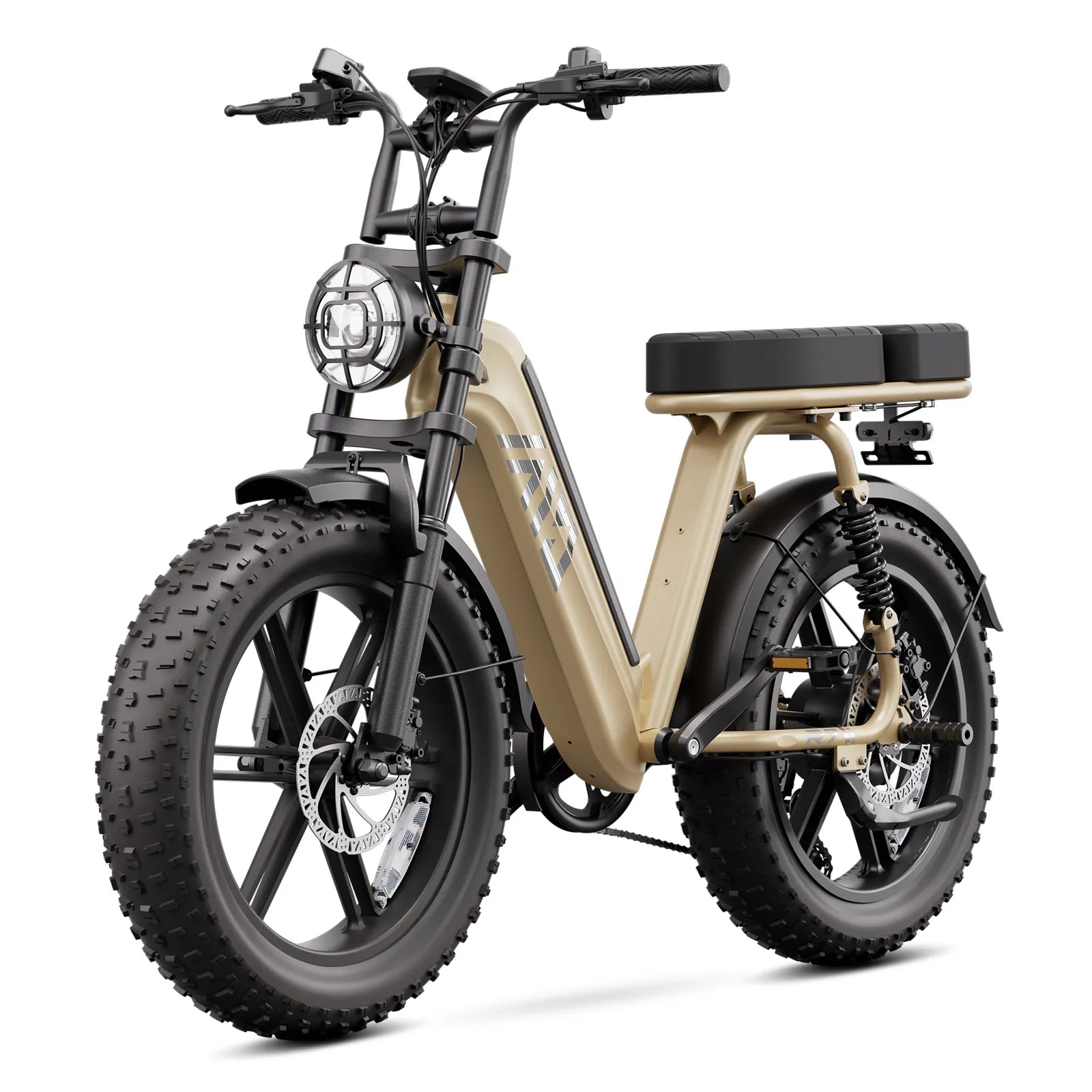
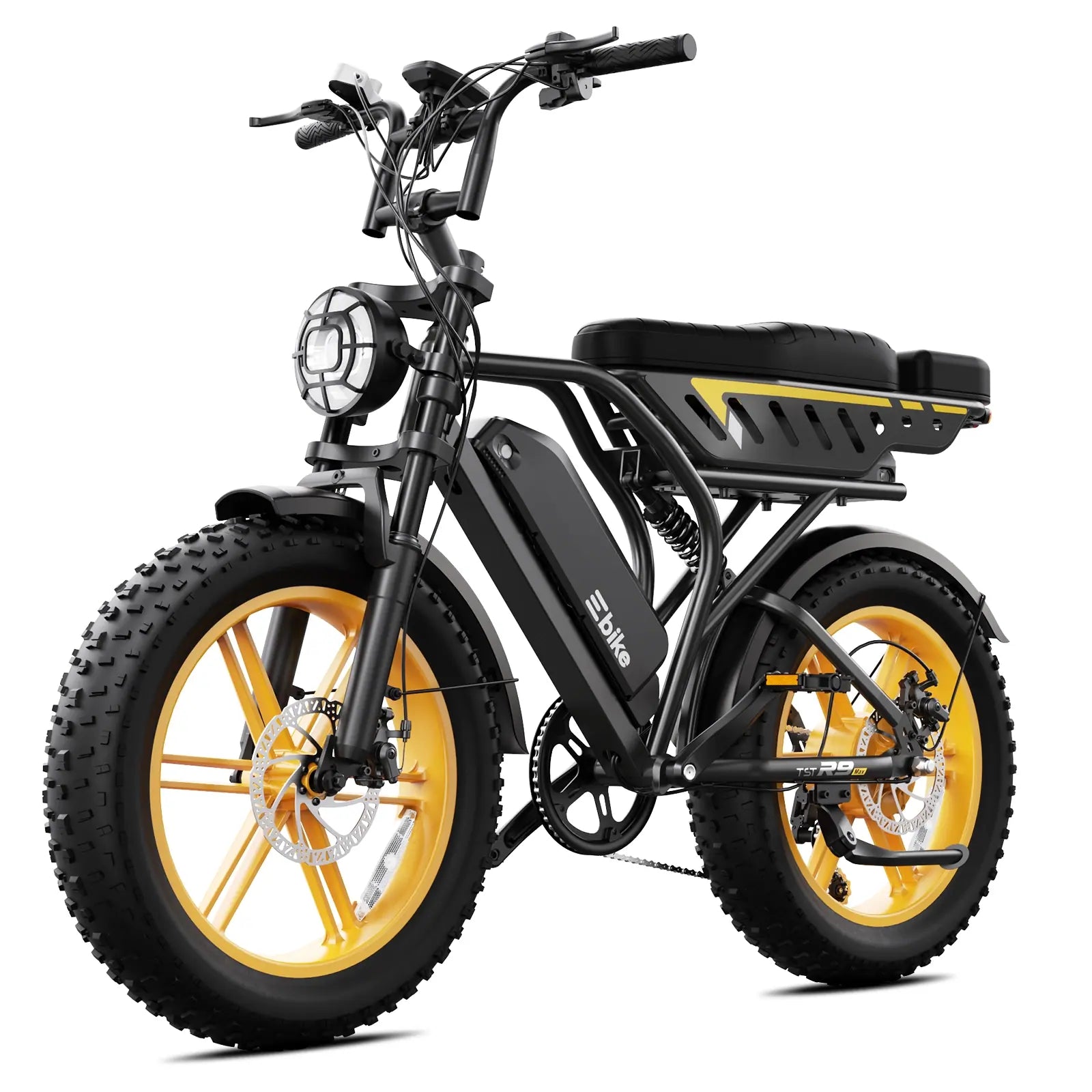
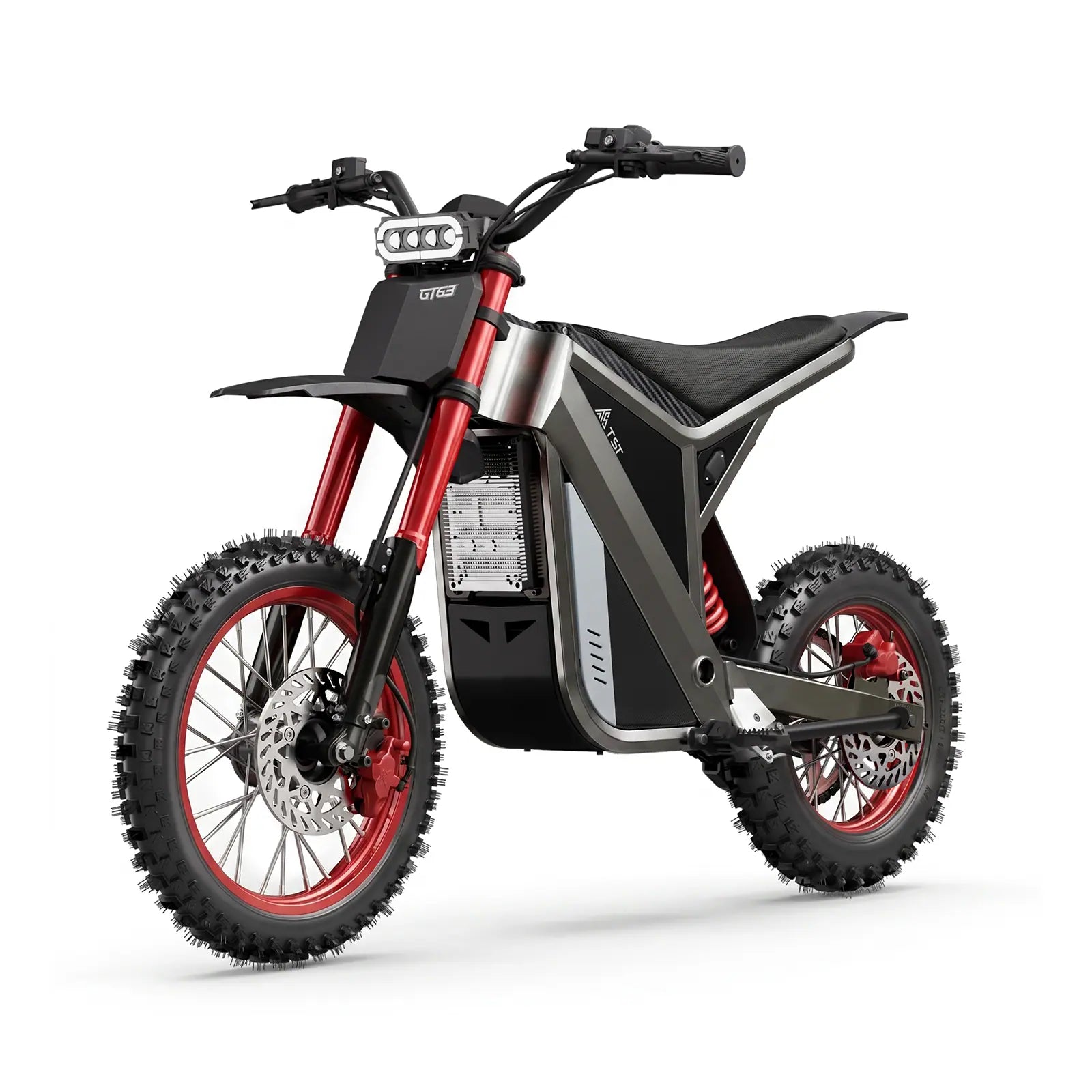
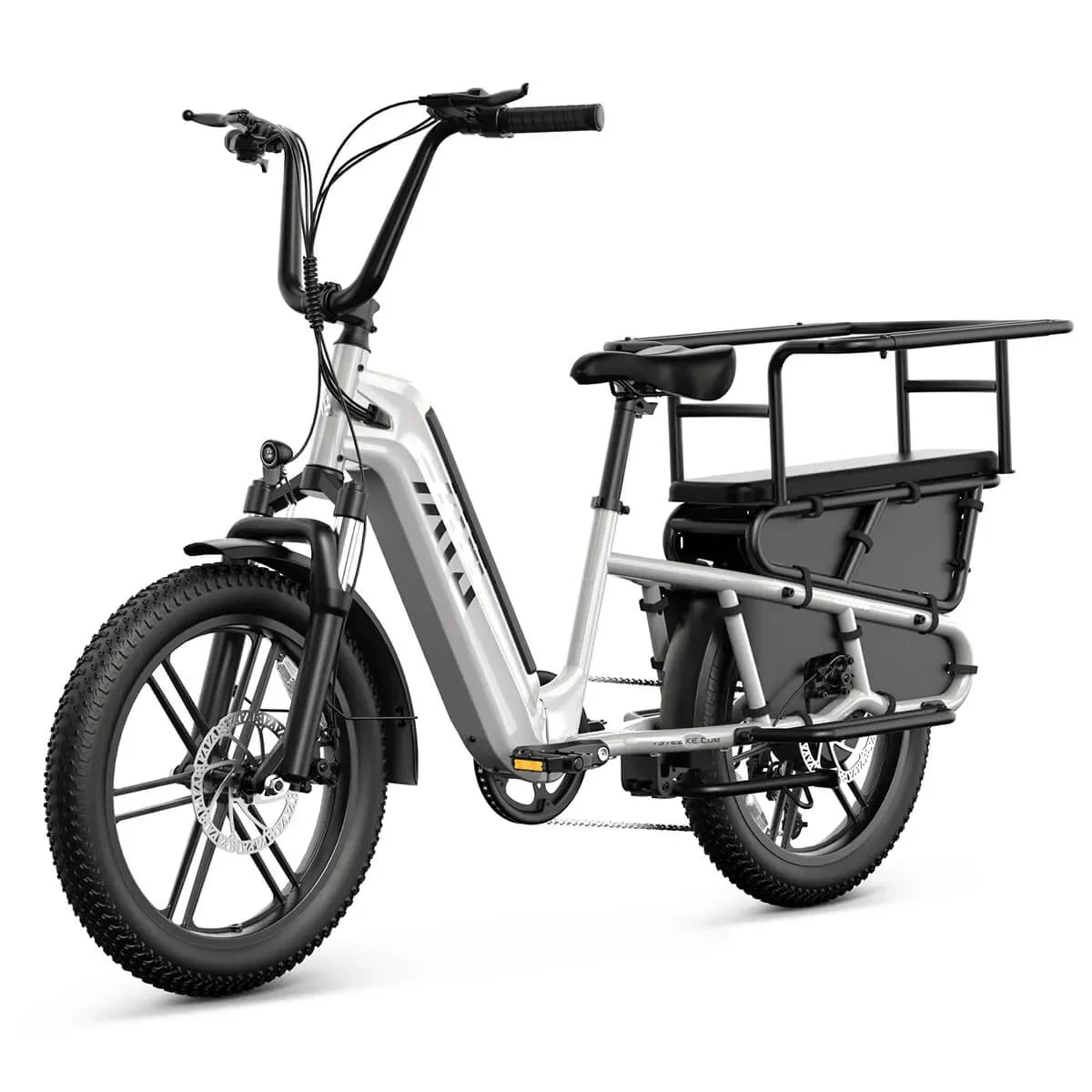
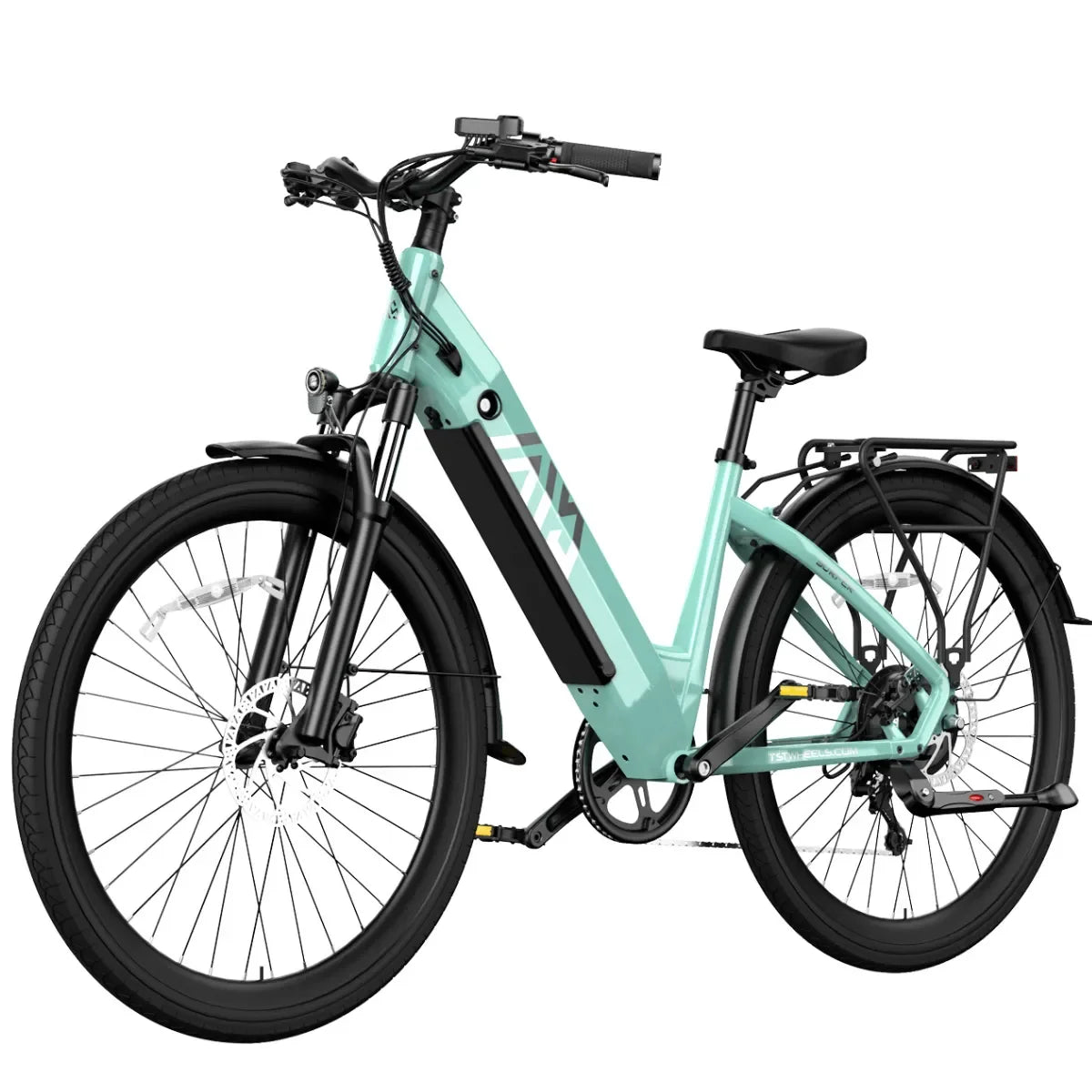
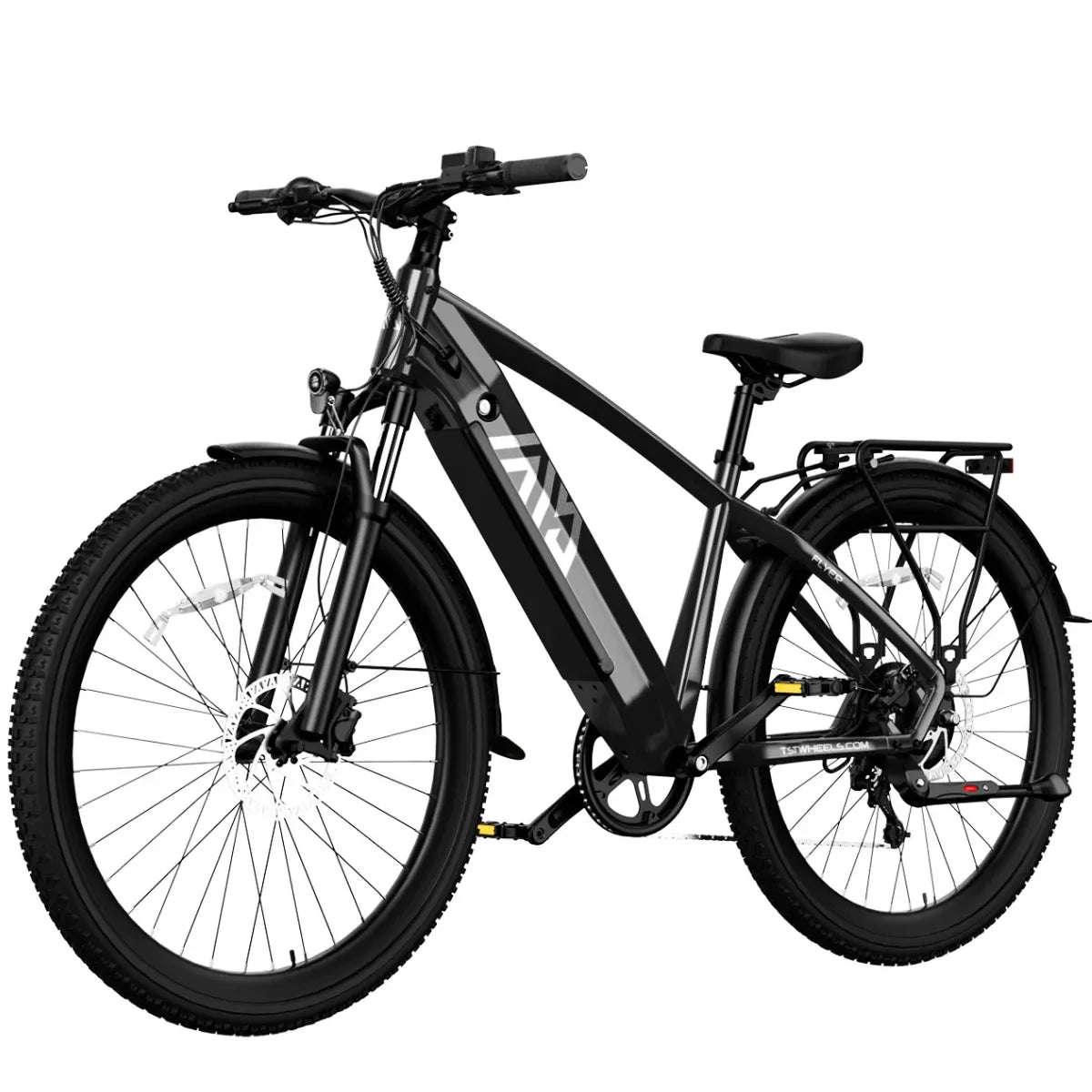
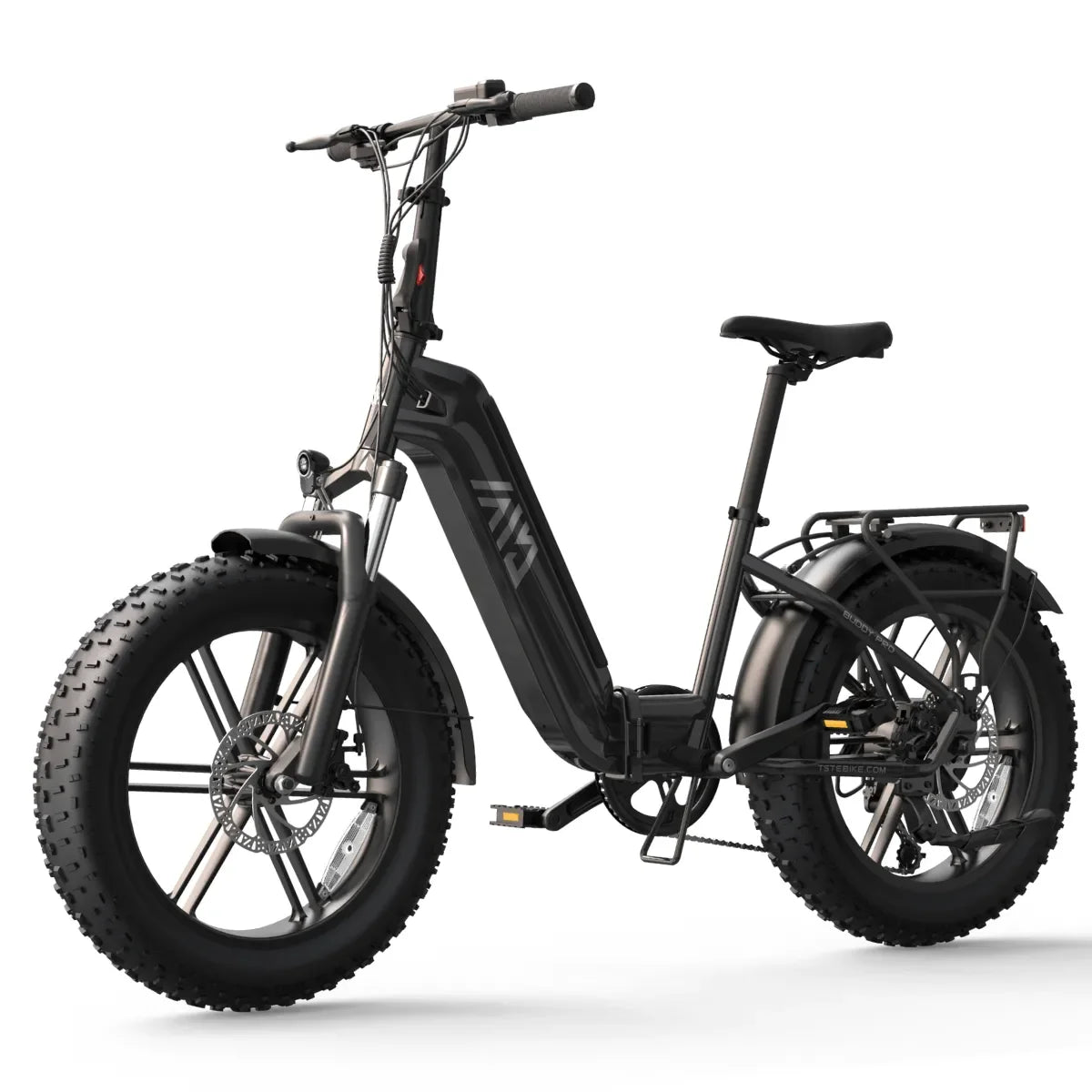
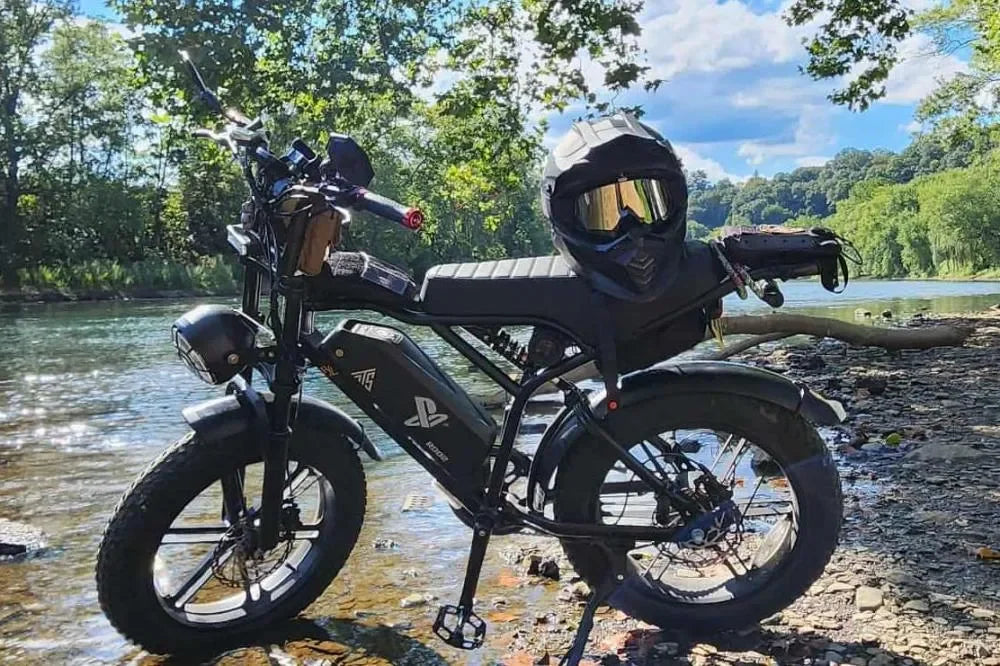
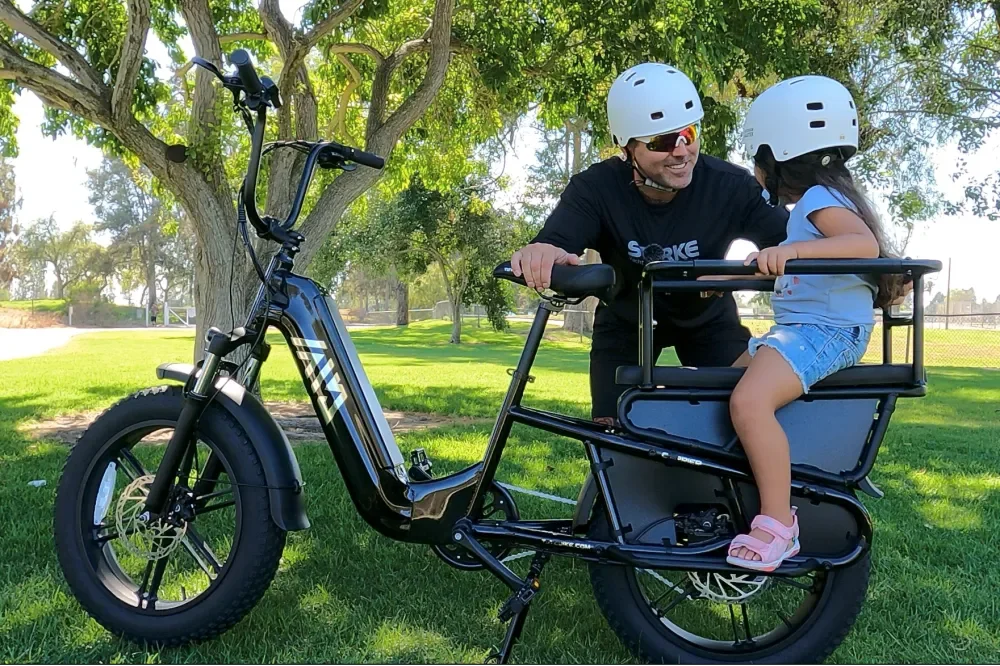
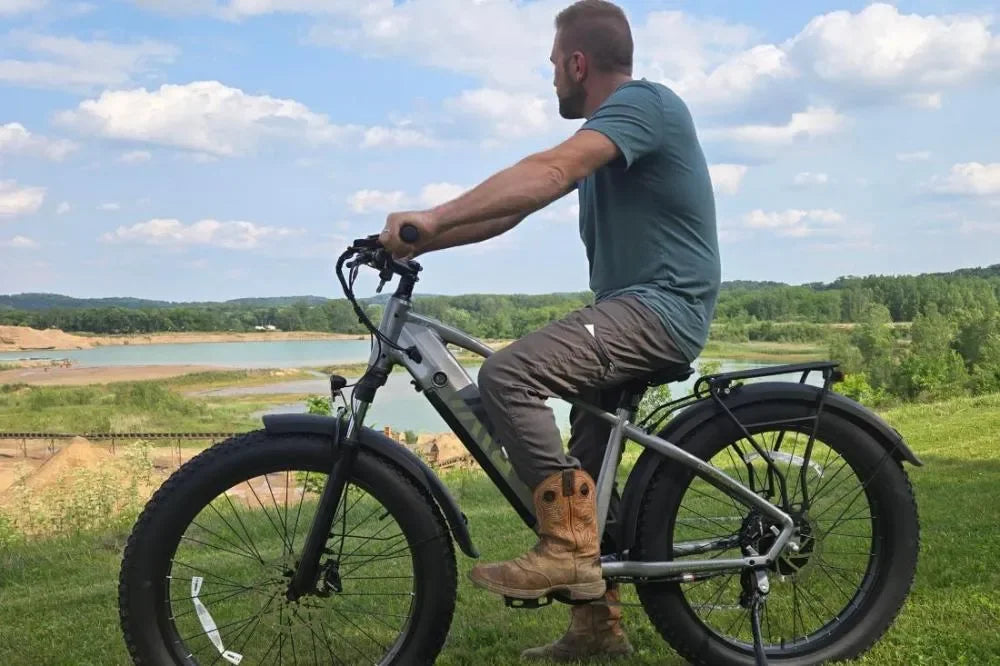
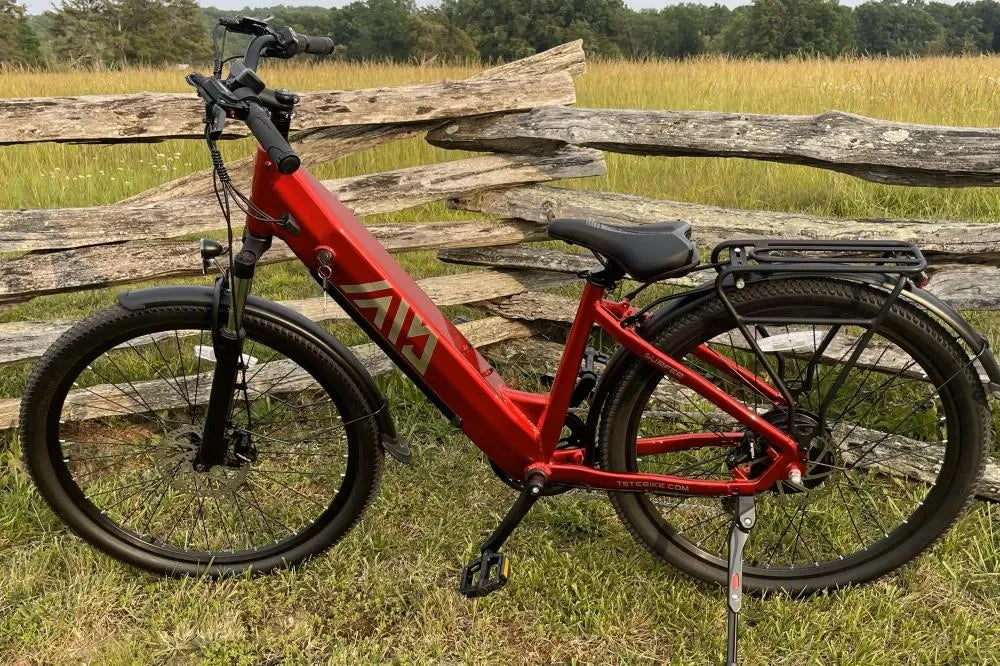
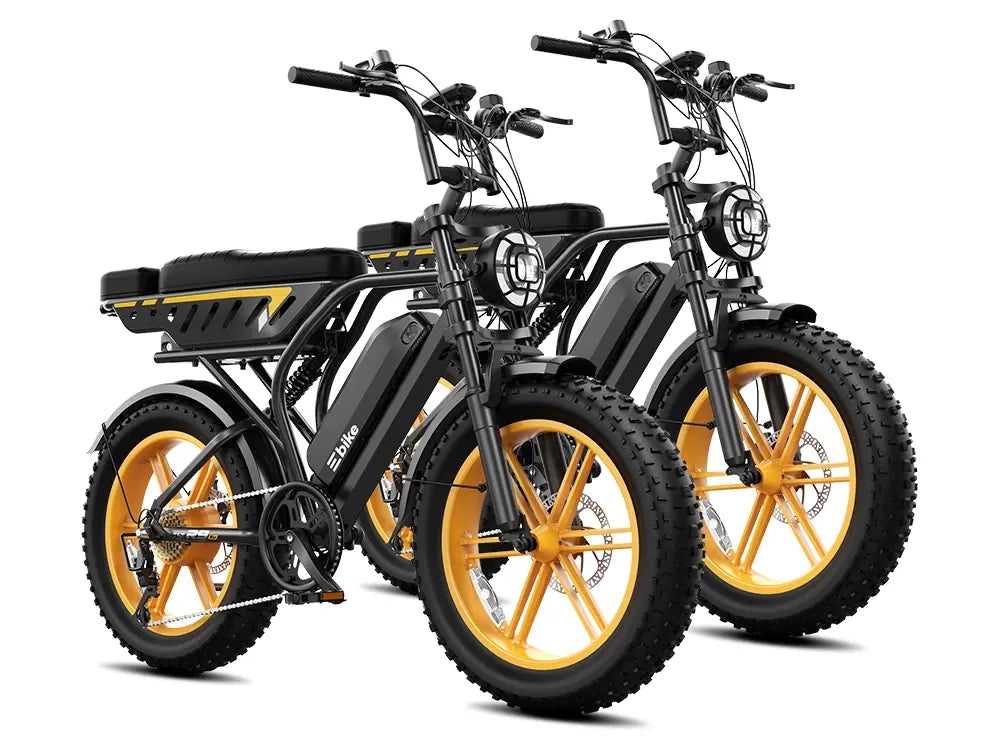
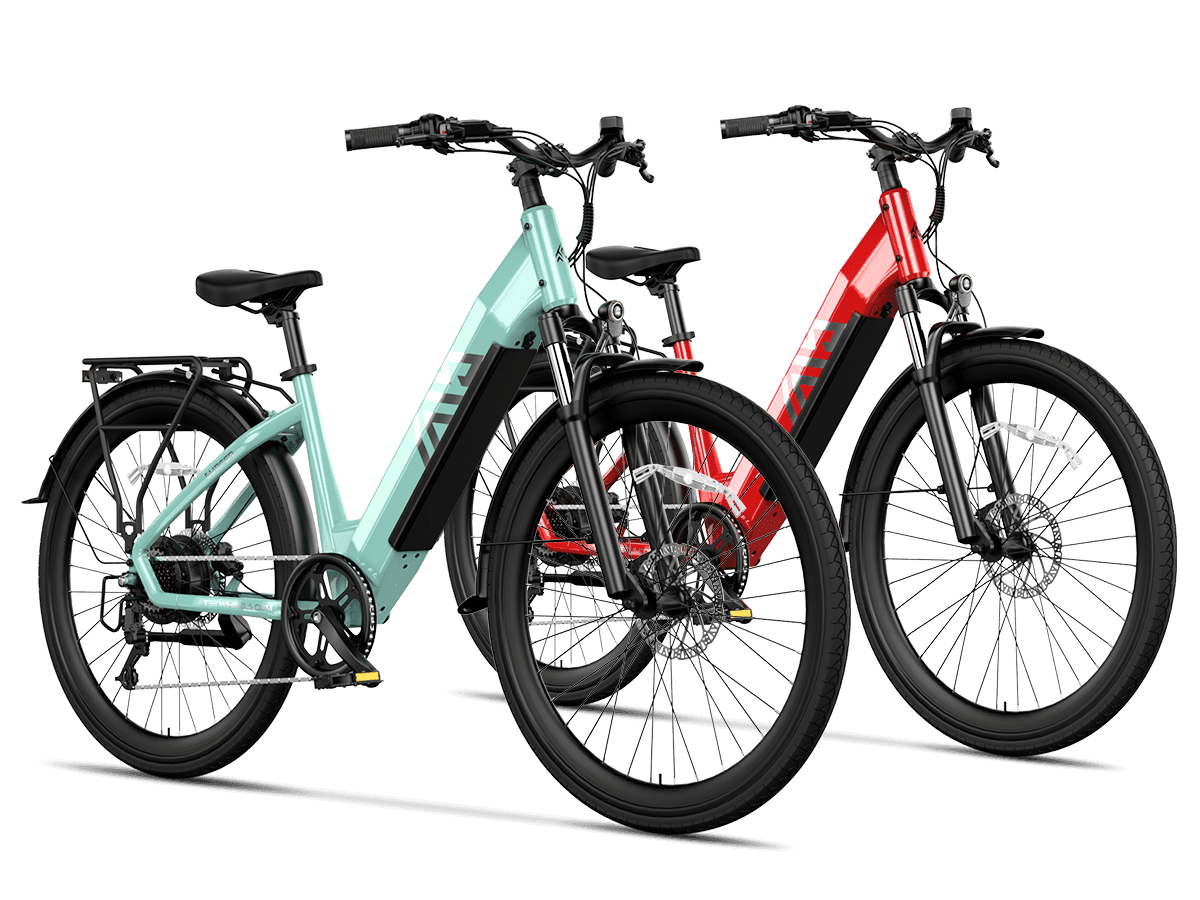
California’s new 2026 micromobility regulations require that all electric‑powered two‑wheel vehicles sold or operated in the state meet UL 2849 for the entire electrical drivetrain and UL 2271 for the battery. Non‑compliant “grey market” e‑bikes are effectively banned, and riders risk fines or impoundment, making UL‑certified brands such as TST EBike far more attractive for both dealers and consumers.
What does the California E‑Bike Law 2026 require?
The 2026 California e‑bike rules tighten how electric two‑wheelers must be built, labeled, and tested before they can be sold or ridden in the state. All new e‑bikes must meet a 750‑watt motor cap, respect class‑based speed limits (20 mph for Class 1/2, 28 mph for Class 3), and carry permanent class labels. Above all, the law now demands that the battery and electrical system comply with UL‑based safety standards, typically UL 2271 for the pack and UL 2849 for the full drivetrain.
Compliance is not optional: any vehicle marketed as an e‑bike must pass accredited laboratory testing and show clear certification language on the product. This effectively closes the door on “grey market” imports that cut corners on cell‑grade, wiring, or BMS quality. Riders who ignore these rules may face fines from roughly 250 to 1,000 dollars or temporary impoundment during routine trail or street checks. For a California‑based brand such as TST EBike, this codifies existing in‑house UL 2849 practice into a legal advantage over uncertified competitors.
Why is UL 2849 certification so important now?
UL 2849 certification is the key technical pillar of the 2026 California rules because it evaluates the entire electrical drivetrain as a system, not as isolated parts. The standard covers the battery pack, motor, controller, charger, interconnecting wiring, and BMS, testing how they behave together under stress, overheating, short‑circuit, and crash‑like conditions. Lithium‑ion e‑bikes without this level of system‑level testing are far more likely to experience thermal runaway or electrical faults.
From a regulatory standpoint, UL 2849 is the “gold standard” that California now demands to prove battery and fire safety. For brands that were already pursuing UL 2849, the law is less of a disruption and more of a validation. For example, TST EBike has documented that its batteries meet or exceed UL 2849, which means its California‑warehouse‑based inventory is already positioned to stay on the right side of the new rules. Cheap, uncertified imports that skip this step will either be blocked at the border or pulled from shelves.
How does UL 2271 differ from UL 2849?
UL 2271 focuses on the battery pack by itself, while UL 2849 evaluates the whole electrical ecosystem on the bike. UL 2271 checks cell‑level safety, enclosure design, connectors, fusing, and basic overcharge/over‑discharge behavior. It is necessary but not sufficient because it does not test how the battery interacts with the motor controller, charger, or wiring harness.
UL 2849, in contrast, treats the battery, motor, controller, charger, and wiring as one integrated system. It includes tests for thermal management, insulation integrity, fault tolerance, and end‑of‑life behavior. In practical terms, a pack that passes UL 2271 may still become a fire hazard if paired with a poorly designed controller or charger; UL 2849 catches those mismatches. For California riders and dealers, seeing both UL 2271 and UL 2849 marks on an e‑bike is a strong sign that the brand treats safety as a system‑engineering challenge, not a marketing checkbox.
Which e‑bikes are being pushed out of the market?
The 2026 California rules are most disruptive to low‑cost “grey market” e‑bikes sourced directly from overseas factories without UL 2849/2271 documentation. These bikes often use recycled‑grade or low‑grade lithium cells, generic controllers, and thin‑gauge wiring that is not evaluated as a complete electrical system. Many are marketed with “up to 1500W” or “28 mph” claims that skirt the 750‑watt and class‑based speed limits, making them non‑compliant by design.
Riders who imported or bought such bikes in earlier years may still keep them for private use, but they cannot legally be sold or rented in California once authorities enforce the new rules. Enforcement sweeps on trails, bike paths, and parking areas can now treat unlabelled, uncertified e‑bikes as contraband micromobility devices. This environment is exactly why California‑based brands such as TST EBike, which ships from a California warehouse and emphasizes UL 2849‑compliant drivetrains, suddenly look like safe, long‑term options compared to sketchy direct‑import knock‑offs.
How are grey market import bans affecting price and supply?
Grey market import bans are tightening the e‑bike supply chain and gradually lifting the floor on pricing. Previously, retailers and online resellers could undercut branded models by offering uncertified Chinese‑made e‑bikes with inflated power and speed claims. Those units are now effectively illegal to sell in California, so the lowest‑cost, highest‑risk options are disappearing from legal channels.
As a result, the market is shifting toward fewer but higher‑quality players that can prove end‑to‑end UL‑based certification. For value‑focused brands such as TST EBike, this is a double‑edged sword: demand for compliant, California‑stocked bikes rises, but any design that relies on “off‑the‑shelf” grey‑market components must be redesigned or replaced. From a factory‑floor perspective, the real cost is not just the UL test fees; it is the time spent re‑engineering wiring harnesses, BMS firmware, and charger architectures to pass system‑level fire‑safety tests.
What should buyers check for on a compliant e‑bike?
Buyers in California should treat UL markings and documentation as critical as motor power or range specs. First, look for a permanent UL 2849 label applied to the battery or frame near the electrical system, plus a UL 2271 mark on the pack itself. The bike must also display a permanent class label (Class 1, 2, or 3) showing maximum speed and motor wattage. Physically inspect for cleanly bundled, shielded wiring and a robust, metal‑shielded battery enclosure rather than flimsy plastic shells.
Second, ask the seller or brand for a copy of the latest UL test report or approval letter. Reputable manufacturers such as TST EBike will provide UL 2849 documentation without hesitation because it forms the backbone of their compliance story. If the seller cannot show UL 2271/2849 paperwork or talks vaguely about “meets UL standards,” that bike is likely not legal for sale in California under the 2026 rules.
How does the law affect small e‑bike brands and imports?
The 2026 California law raises the barrier to entry for small, overseas‑focused e‑bike brands that lack in‑house safety‑engineering talent. UL 2849 testing is not a one‑and‑done certification; it ties directly to specific component combinations, so changing a cell supplier, charger design, or controller firmware can invalidate the report. For a small brand, each revision means resubmitting for testing and paying again, which can strain thin margins.
By contrast, brands that already design in California or stock bikes from California warehouses—such as TST EBike—can iterate more efficiently. They can coordinate with UL‑recognized labs, pre‑screen cell and BMS designs, and align firmware updates with test cycles. This is why compliance‑first brands are now publicizing their UL 2849 and UL 2271 status as a core differentiator: it signals that they are not just assembling kits out of mixed‑grade components but running a disciplined, safety‑driven engineering process.
What are the on‑the‑ground enforcement risks for riders?
California enforcement risk centers on three things: unlabelled class, missing UL 2271/2849 marks, and bikes that clearly exceed 750 watts or class‑based speed limits. Riders caught with bikes that cannot prove UL 2849 and 2271 compliance may face warnings at best, or fines ranging from about 250 to 1,000 dollars at worst. In some cases, local authorities may impound the bike until the owner can demonstrate compliance or remove it from the street.
Trail and park patrols are particularly aggressive where popular micromobility corridors intersect with pedestrian paths or fire‑prone areas. Riders who bought “deal” e‑bikes online without verifying UL status are the most exposed. For everyday commuters, choosing a California‑stocked, UL 2849‑branded bike such as those offered by TST EBike reduces both legal and safety risk, because the warehouse location and certification history make it easier to prove compliance during a roadside check.
How does UL 2849 influence real‑world riding safety?
UL 2849 improves real‑world safety by forcing manufacturers to design batteries and controllers that gracefully fail instead of exploding. In the lab, engineers deliberately induce over‑voltage, short‑circuit, and crush‑like conditions to see whether the battery stops safely or enters thermal runaway. They also test how the BMS, charger, and controller interact when the system is under stress, such as repeated fast‑charging or high‑load uphill runs.
From a rider’s perspective, this means fewer sudden “battery smells,” fewer inexplicable shutdowns, and fewer catastrophic failures after a crash. For brands that treat UL 2849 as a starting point rather than the bare minimum, it leads to over‑engineered wiring, dual‑fuse setups, and better thermal dissipators. TST EBike, for example, has structured its drivetrain validation around UL 2849‑level testing, which in practice translates to fewer field‑reported battery incidents and more predictable long‑term performance.
How can dealers and retailers future‑proof their inventory?
Dealers and retailers can future‑proof their New Year 2026 inventory by auditing every e‑bike model for UL 2271 and UL 2849 coverage and keeping clear documentation on file. Any model that cannot show UL‑approved test reports should be phased out or warehoused for out‑of‑state sale, not offered as California stock. Retailers should also insist on clear, permanent class labels and wiring diagrams that match the tested configuration.
For brands that already align with California’s direction, such as TST EBike, the strategy is to highlight warehouse location, UL status, and strict compliance in all marketing materials. This builds trust with both consumers and local authorities, and positions the brand as a “safe choice” in a tightening regulatory landscape. Dealer‑friendly brands will also provide compliance‑pack documentation, training slides, and standard answers for common buyer questions, so that staff can confidently explain UL 2849 without guesswork.
TST EBike Expert Views
“From our side of the factory, the California 2026 rule is less about changing what we do and more about validating it,” a TST EBike engineering lead explains. “We’ve been building UL 2849‑conformant systems since 2020, which means we already use matched‑grade cells, reinforced wiring, and BMS firmware that reacts to marginal conditions before they become thermal events. When the law tightened, we didn’t scramble to re‑engineer; we simply updated labels and documentation. That’s why California riders can treat a TST EBike less like a disposable import and more like a long‑term, safety‑engineered platform.”
Frequently Asked Questions
What happens if I ride a non‑UL 2271/2849 e‑bike in California?
Operating an uncertified e‑bike in California can trigger warnings, fines, or temporary impoundment, especially during enforcement sweeps. Such bikes are treated as non‑compliant micromobility devices because they lack the required battery‑and‑system safety approval.
Does UL 2849 guarantee my e‑bike will never catch fire?
No test standard can guarantee 100 percent safety, but UL 2849 dramatically reduces fire risk by forcing manufacturers to design tolerant systems that shut down safely under abuse. It is far better than relying on spot‑checked components or overseas “UL‑style” labels.
Can I still buy Chinese‑import e‑bikes after 2026?
You can still buy Chinese‑import e‑bikes, but they must carry valid UL 2271 and UL 2849 certification and proper class labeling to be legally sold in California. Only brands that can prove UL approval and comply with motor‑watt and speed limits will remain on compliant shelves.
Why should I pay more for a UL 2849‑certified bike like TST EBike?
A UL 2849‑certified bike such as those from TST EBike offers a verifiable safety backbone, tighter quality control, and legal protection in California. Instead of gambling on grey‑market components, you are paying for a system‑engineered drivetrain that has been stress‑tested and documented.
How do I verify UL 2849/2271 status for a specific model?
Look for UL marks on the battery and frame, then ask the seller or brand for the latest UL test report or approval letter. You can also cross‑check brand names such as TST EBike against UL’s public certification database to confirm that the listed model series is covered.

Leave a comment
This site is protected by hCaptcha and the hCaptcha Privacy Policy and Terms of Service apply.