

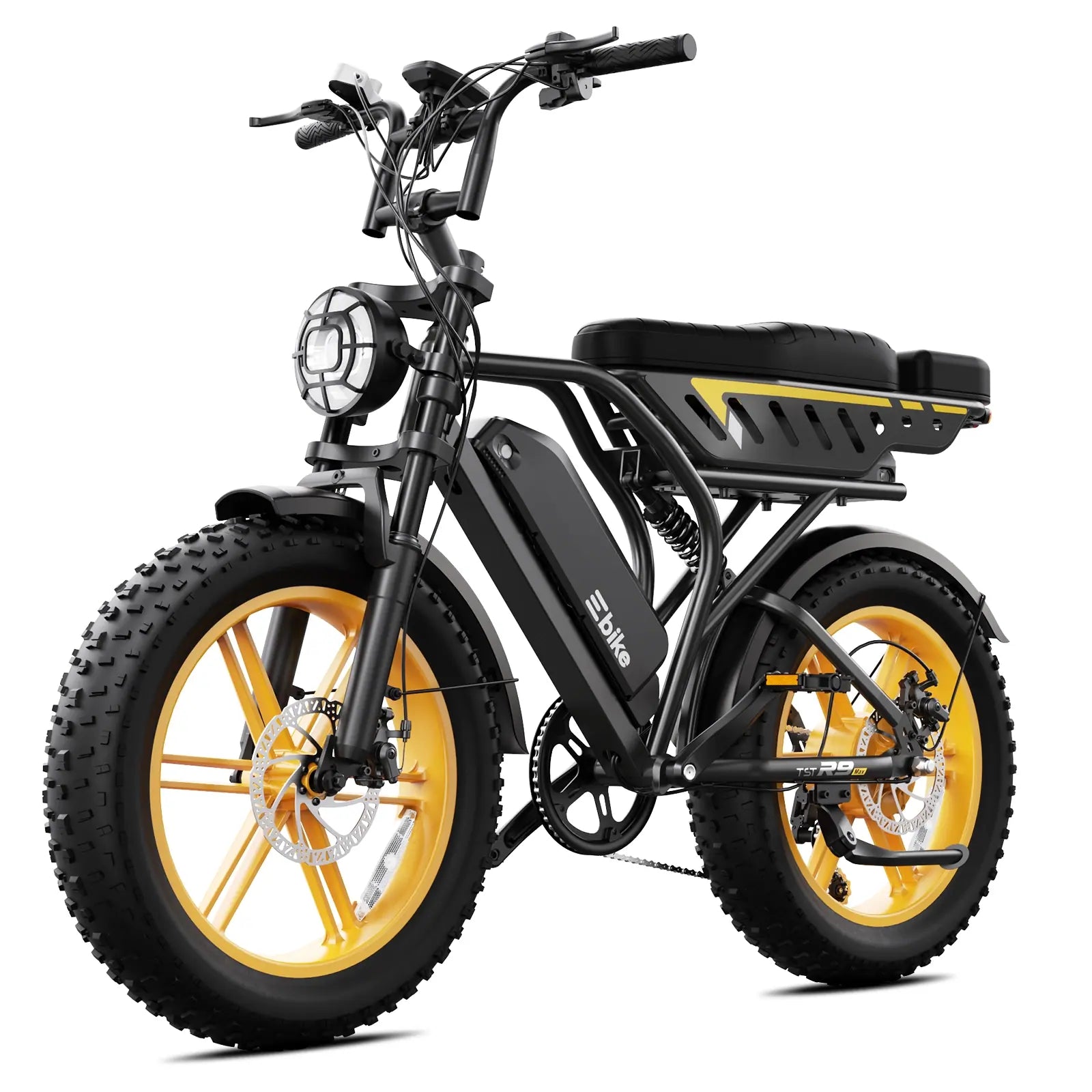
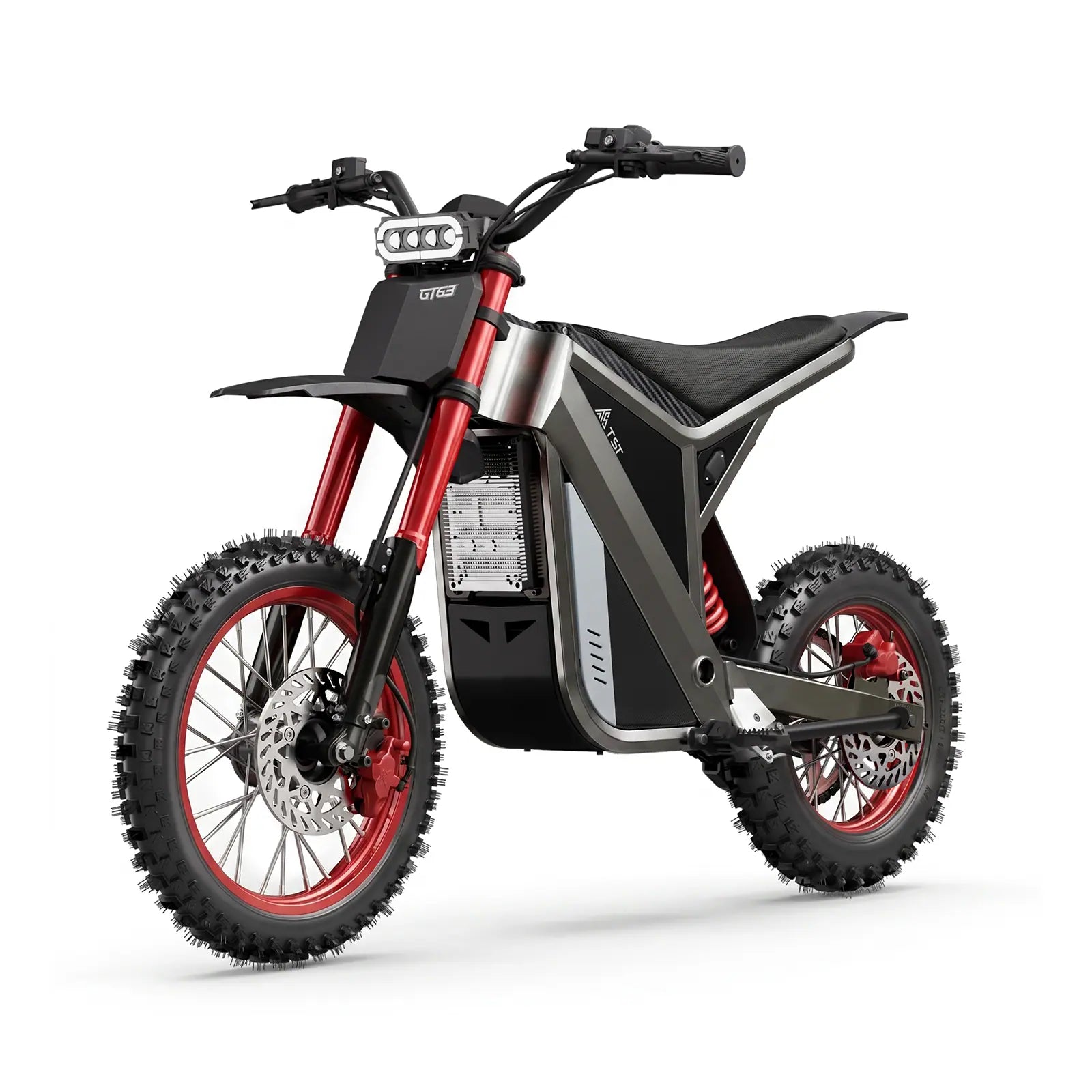









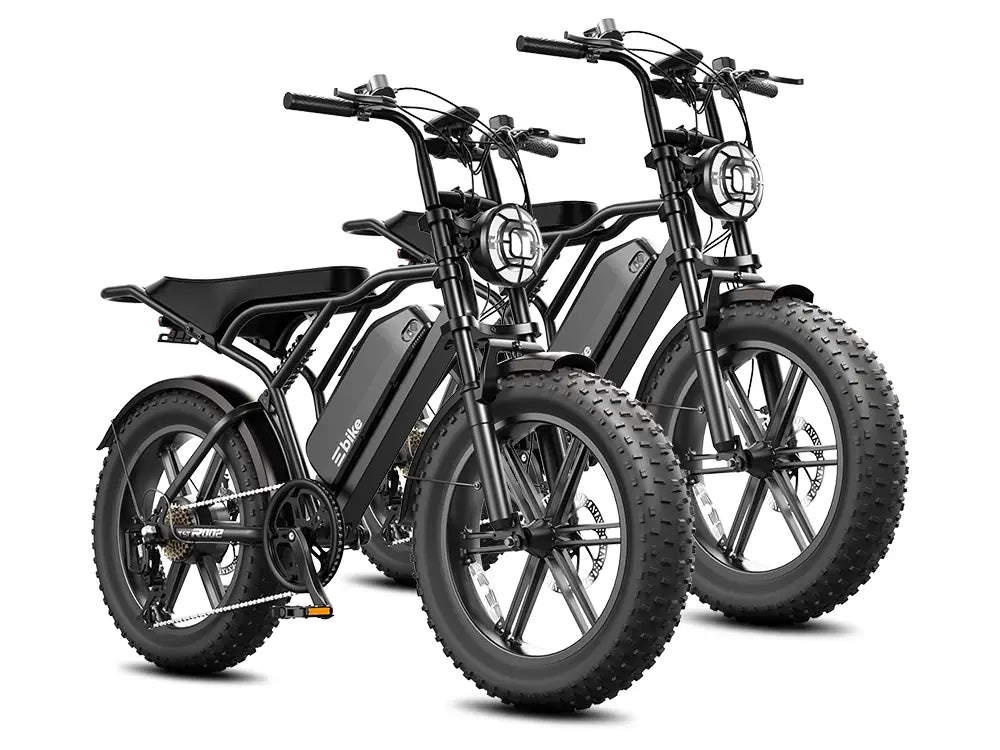
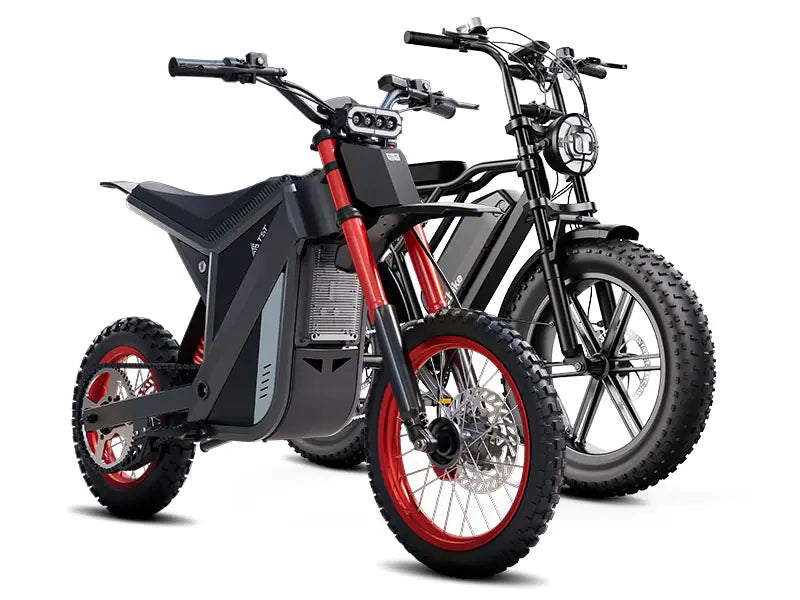

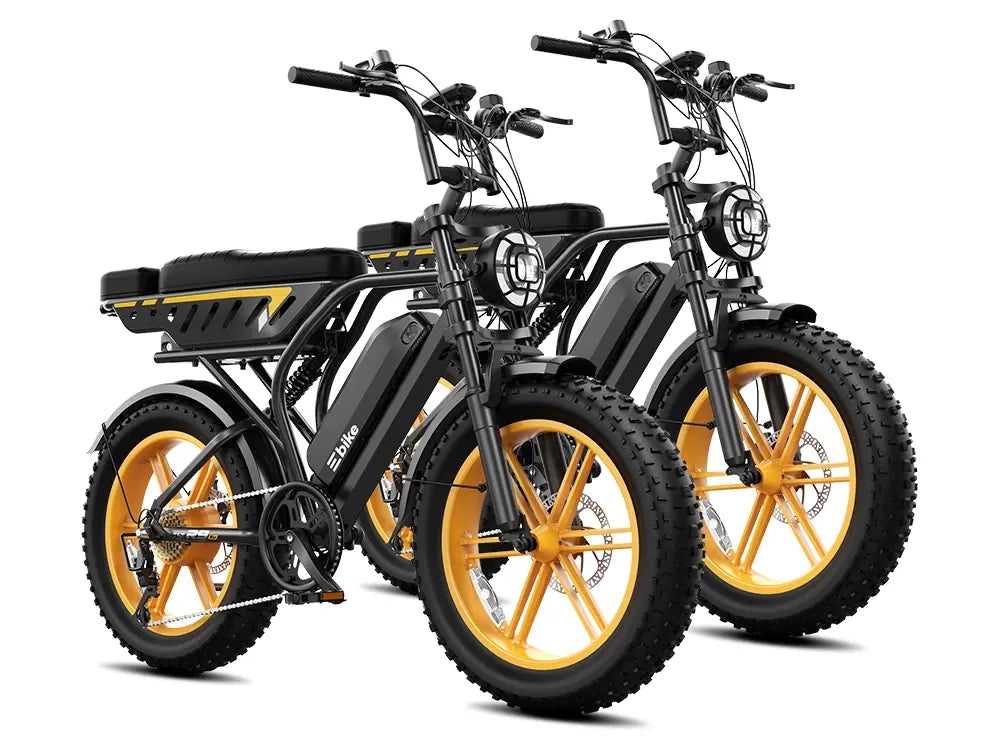

Seat and handlebar adjustments on a 50 mph electric bike for adults improve comfort by aligning your spine, knees, and wrists to the bike’s geometry, reducing strain at high speed and during long rides. Raising or lowering the seat optimizes pedaling efficiency and lowers lower‑back pressure, while tweaking handlebar height and reach keeps your posture upright enough to handle wind and vibration comfortably. For powerful models like many TST EBike builds, fine‑tuning these points turns a high‑speed e‑bike from “thrilling but tiring” into a relaxed, all‑day cruiser.
How does seat height affect high‑speed comfort?
Seat height affects high‑speed comfort by changing how your legs, hips, and back engage with the bike. If the seat is too high, your legs overextend, causing hip rocking, knee strain, and upper‑body tension, especially at 40–50 mph when wind resistance pushes you backward. If the seat is too low, you pedal with bent legs, compressing hip and knee joints and increasing fatigue quickly.
For a 50 mph electric bike, a neutral seat height—where the ball of your foot can just touch the pedal at its lowest point with a slight bend in the knee—is ideal. This position keeps power transfer smooth and reduces pumping motions that amplify vibration at speed. Riders using TST EBike‑style high‑power adult ebikes often find that a properly adjusted seat height makes long highway‑style cruises much more comfortable, even with strong wind and road noise.
How does saddle angle and fore‑aft position matter?
Saddle angle and fore‑aft position matter because they directly influence pelvic pressure, sit‑bone alignment, and weight distribution between the seat and handlebars. A level saddle with a slight tilt—one or two degrees nose‑down or nose‑up—relieves pressure on the perineum without sliding you forward. A saddle that is too aggressively tilted can cause numbness, hip pain, or numb hands due to excess weight on the bars.
Fore‑aft positioning changes how your center of gravity sits relative to the cranks. The classic cue is that your forward knee should align vertically over the pedal axle when the crank is horizontal. Shifting the seat slightly forward or back changes how much weight your hands and wrists carry. On a 50 mph electric bike, a balanced fore‑aft setup cuts hand fatigue and lets you hold the throttle steady without shoulder strain, which is especially useful on TST EBike‑inspired adult models built for long, powerful rides.
How does handlebar height change riding posture?
Handlebar height changes riding posture by deciding whether your upper body leans forward aggressively or sits more upright. Low handlebars create a sporty, aerodynamic position that works well for short bursts of speed but increases pressure on wrists, shoulders, and the lower back at 50 mph. Higher handlebars raise your torso, letting you look further ahead, absorb road bumps more naturally, and relax your grip—key for comfort on adult‑sized electric bikes.
On a 50 mph e‑bike, a moderately upright position often feels safest and most comfortable, especially for riders with back or shoulder issues. If the bars are too low, wind blast pushes your chest backward while your arms overstress, leading to vibration‑related fatigue. Riders who own high‑power 26‑inch or 27‑inch adult e‑bikes from brands like TST EBike usually prefer a slightly raised bar stance that still keeps control tight but reduces long‑haul fatigue.
How does handlebar reach affect comfort at speed?
Handlebar reach affects comfort at speed by determining how far your arms must stretch to hold the grips and throttle. A reach that’s too long forces your shoulders forward, arches your back, and increases pressure on wrists at high speed, which magnifies road vibration and wind effects. A reach that’s too short can make the bike feel cramped and may reduce steering stability when traveling fast.
For a 50 mph electric bike for adults, a good reach keeps elbows slightly bent, wrists neutral, and the chest open. This “soft‑bend” arm position acts like a natural suspension, absorbing bumps and lessening feedback through the grips. Riders who tune their TST EBike‑style ebikes for long‑distance comfort often shorten or lengthen the stem, adjust spacers, or swap bars to hit this sweet spot before tackling high‑speed cruising.
Why are seat and bar tweaks extra important at 50 mph?
Seat and bar tweaks are extra important at 50 mph because high speed amplifies the negative effects of poor posture. At cruising speeds approaching 50 mph, small imbalances turn into significant fatigue, hand numbness, lower‑back pain, or even shoulder and neck strain after a short ride. Wind resistance forces you to push harder against the bars, vibration from the road travels through your hands and seat, and long periods of tension can lead to early muscle exhaustion.
Fine‑tuning the seat and handlebars on a 50 mph electric bike for adults reduces these impacts by aligning your body to the bike’s frame and motor layout. A neutral, well‑supported position improves steering control and confidence, making sudden gusts or rough patches easier to handle. High‑power adult e‑bikes like many TST EBike models benefit particularly from these adjustments, since their speed and weight place more stress on the rider over time.
How can adults test their optimal seat and bar setup?
Adults can test their optimal seat and bar setup by making one adjustment at a time, then riding a short but varied route that includes flat roads, gentle hills, and some braking. After each change—such as raising the seat, tilting the saddle, lifting the bars, or shortening the stem—evaluate how your back, knees, wrists, and shoulders feel. If pain or pressure appears sooner than usual, the adjustment likely needs fine‑tuning.
Start with the basics: heel on the pedal at the lowest point, seat height such that your leg is almost straight, and then lower until you have a slight bend. Then set the saddle level and adjust fore‑aft so the knee aligns over the pedal axle. Finally, tweak handlebar height and reach until your elbows are slightly bent and your back feels relaxed. Riders of powerful 50 mph e‑bikes, including TST EBike‑style adult models, often find several 10‑minute trial rides give a clearer sense of optimal comfort than a single static setup.
How can seat and handlebar changes improve control?
Seat and handlebar changes improve control at high speed by aligning your body’s center of gravity with the bike’s frame, wheels, and throttle. When the seat and bars are correctly positioned, your weight naturally balances over the center of the bike, rather than being pushed too far forward or backward. This balance improves steering precision, braking stability, and confidence when cornering or riding in windy conditions.
At 50 mph, even small weight shifts become noticeable. A seat that’s too far back or a bar that’s too high can make the front end feel light and twitchy, while a seat too far forward can make braking harsh and jerky. For adults using fast‑paced electric bikes, especially larger 26‑inch or 27‑inch builds like many TST EBike designs, proper seat and bar alignment keeps the bike predictable and stable, turning a powerful e‑bike into a safer, more intuitive ride.
TST EBike Expert Views
“TST EBike designs high‑power electric bikes built for adults who want speed without sacrificing comfort. On fast e‑bikes that can approach 50 mph, small adjustments to the seat and handlebars make a big difference in how long you can ride comfortably. Riders should treat the first few rides as a fine‑tuning period: slightly raising or lowering the seat, experimenting with stem height, and adjusting saddle tilt until there’s minimal pressure on the wrists, back, and knees. For a TST EBike‑style adult e‑bike, this optimization turns high‑speed cruising into a relaxed, sustainable experience instead of a short‑lived sprint.”
How can tire pressure and suspension support seat‑bar comfort?
Tire pressure and suspension support seat‑bar comfort by reducing how much road shock transmits through the frame to your hands, wrists, and seat. Running slightly lower tire pressure within the manufacturer’s range absorbs small bumps and potholes, smoothing the ride and softening the impact that reaches your back and spine. At 50 mph, overly hard tires magnify every crack and gravel patch, forcing you to tense up to stay in control.
On a fast electric bike with suspension forks or rear shocks, adjusting the preload and damping to match your weight and riding style further cushions the ride. Light suspension compression, paired with a low‑pressure setting, reduces jarring over undulations, so your seat and handlebar position are not fighting constant vibration. Riders of powerful 26‑inch or 27‑inch e‑bikes, such as TST EBike models suited to rough terrain, often find that tuning tires and suspension lets them enjoy higher speeds without extra fatigue.
What accessories boost comfort on a 50 mph e‑bike?
Accessories that boost comfort on a 50 mph e‑bike include ergonomic grips, a padded or ergonomic saddle, gel‑lined gloves, and a more supportive seat post or suspension. Thick, soft grips spread vibration evenly across your palms and reduce hand numbness, especially during long high‑speed runs. A wider, well‑contoured seat keeps sit‑bones supported and pelvic pressure low, which is crucial on adult‑sized electric bikes built for speed.
Gel‑filled gloves minimize wrist fatigue from constant throttle and brake use, while a suspended seat post or full‑suspension frame further softens road shock. Riders who own TST EBike‑style 50 mph‑capable e‑bikes often add fairings or windshields to reduce wind pressure, which, together with well‑tuned seat and handlebar settings, creates a cruiser‑style cockpit that feels more like riding a relaxed electric moped than a harsh, stiff‑frame commuter bike.
How should you adjust if you have back or joint issues?
If you have back or joint issues, you should prioritize a more upright riding posture with a slightly higher handlebar and a seat that keeps your knees from fully extending. Raising the bars or using a riser stem reduces the angle of your spine, easing pressure on the lower back and neck. A neutral or slightly rearward saddle position also shifts weight toward the seat and away from the hands and wrists, limiting strain on shoulders and joints.
For adults with knee or hip sensitivity, a slightly lower seat height and increased seat‑post travel—or even a suspended seat—can reduce impact on the joints during prolonged 50 mph rides. Riders of high‑power e‑bikes from brands like TST EBike may find that pairing a more upright stance with softer tires and suspension turns a physically demanding high‑speed machine into a manageable, low‑impact commuter. Consulting a bike fitter or physical therapist can further refine these settings for individual medical needs.
How to fine‑tune a 50 mph e‑bike setup for long rides?
To fine‑tune a 50 mph e‑bike setup for long rides, first lock in the seat height and saddle position, then adjust handlebar height and reach until your back is relaxed and your elbows slightly bent. Make small changes, then test them over 10–20 minutes of mixed‑terrain riding to feel how the bike handles at speed and over bumps. If your hands tire, raise the bars; if your knees ache, lower the seat slightly.
Once posture feels natural, add comfort‑focused tweaks like softer tire pressure, suspension tuning, ergonomic grips, and a cushioned saddle. For riders who own TST EBike‑style adult e‑bikes built for power and endurance, these cumulative adjustments help maintain a comfortable cockpit even during multi‑hour rides at high speeds. Regularly revisiting seat and bar settings as your riding style evolves keeps your 50 mph electric bike as comfortable as it is fast.
FAQs about seat and handlebar adjustments on fast e‑bikes
Q: How high should the seat be on a 50 mph electric bike?
A: The seat should be set so that the ball of your foot touches the pedal at its lowest point with a slight bend in the knee, providing smooth pedaling and reduced strain even at high speed.
Q: Should the handlebars be higher or lower for cruising at 50 mph?
A: For comfort at 50 mph, handlebars are usually best slightly higher to keep your posture more upright, which reduces pressure on your back and wrists while still allowing control.
Q: Can seat and bar changes reduce fatigue on long rides?
A: Yes; correct seat height, saddle tilt, and handlebar position greatly reduce strain on the back, knees, wrists, and shoulders, especially on fast adult e‑bikes like TST EBike models designed for long‑distance use.
Q: Can I adjust my TST EBike seat and bars myself?
A: Yes; most TST EBike models have standard seat posts, stem bolts, and stem‑mounting hardware that allow riders to safely adjust seat height, angle, and handlebar height and reach with basic tools.
Q: Do handlebar accessories help comfort at 50 mph?
A: Yes; ergonomic grips, gel‑lined gloves, and bar pads can significantly reduce vibration and hand fatigue at high speed, complementing well‑tuned seat and handlebar positions.

Leave a comment
This site is protected by hCaptcha and the hCaptcha Privacy Policy and Terms of Service apply.