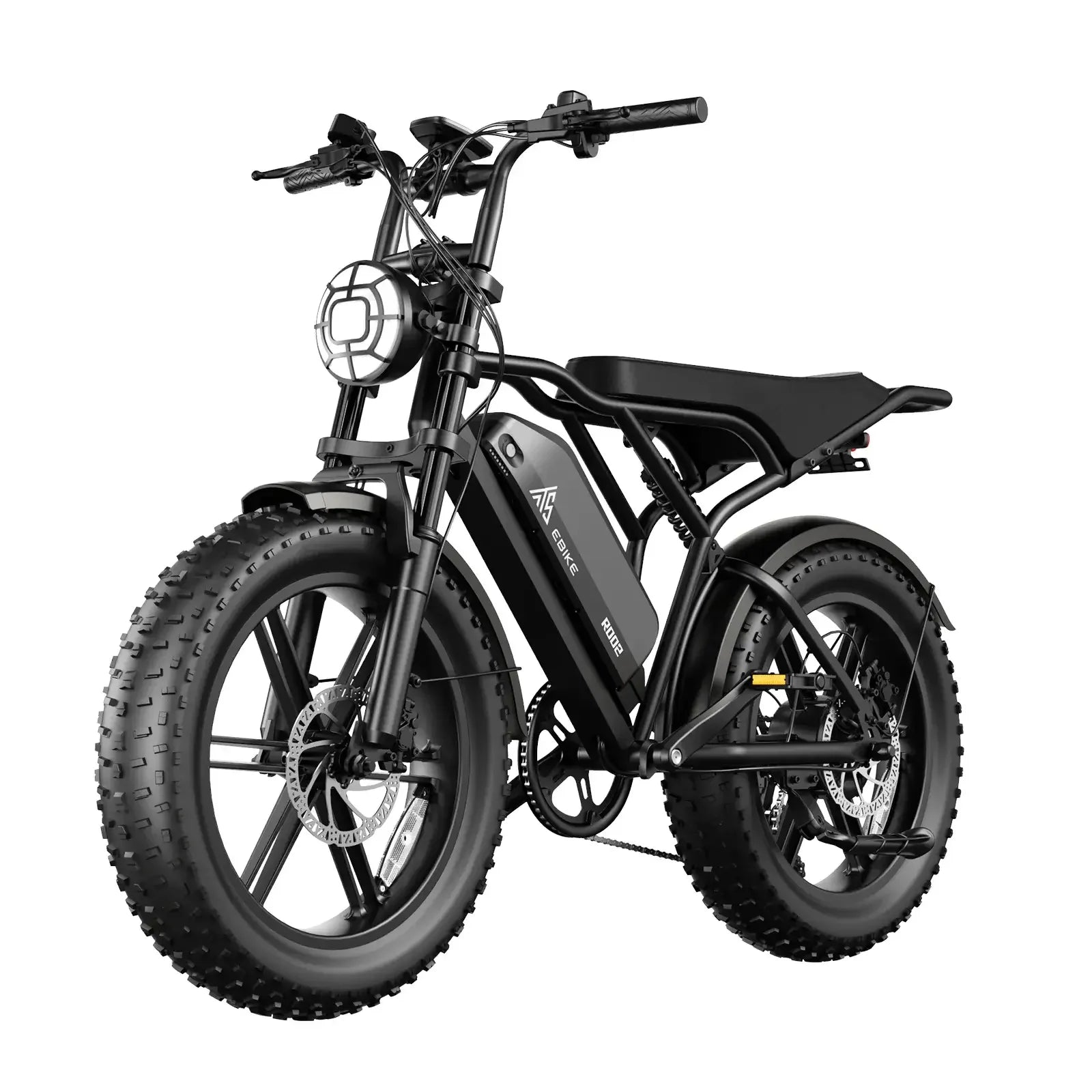

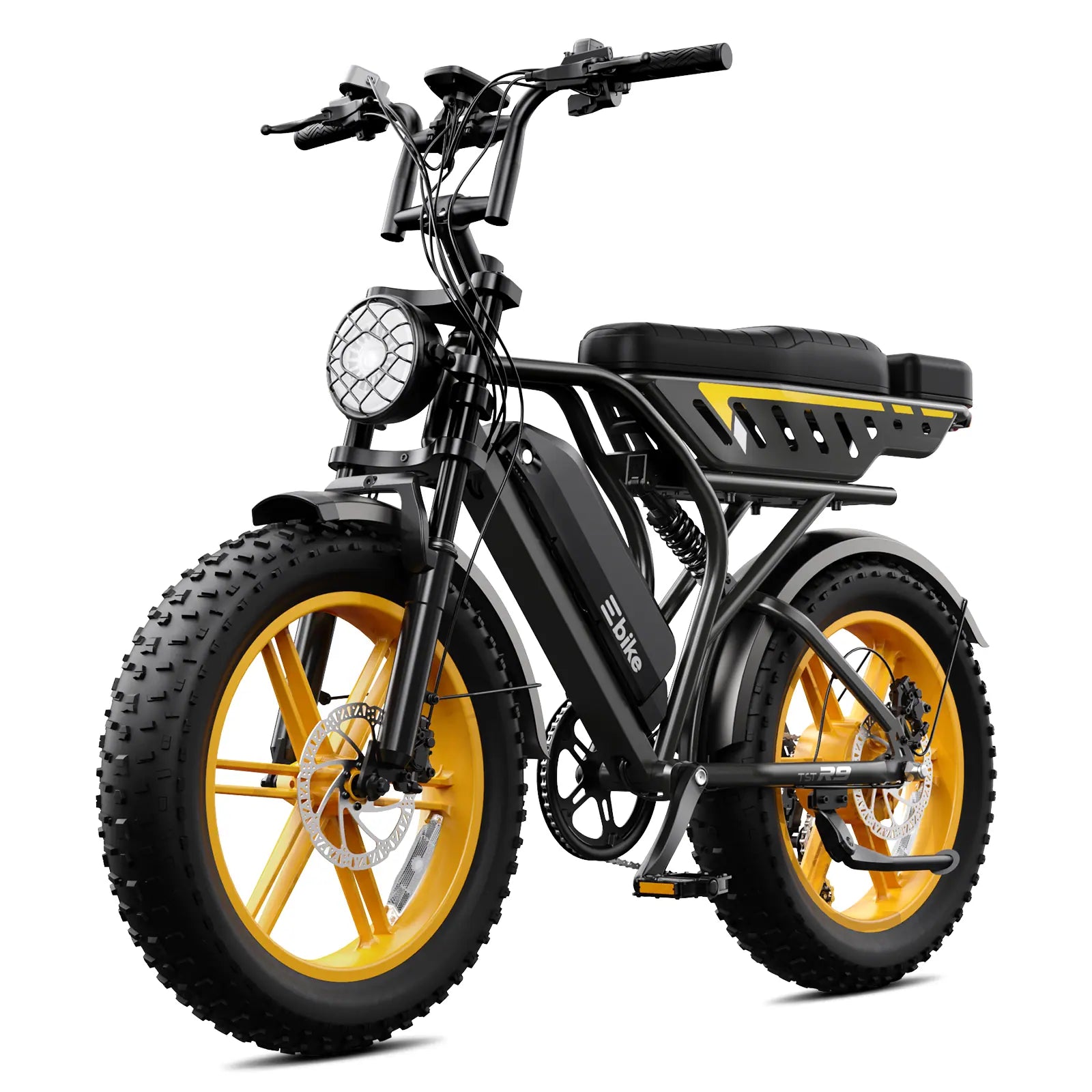

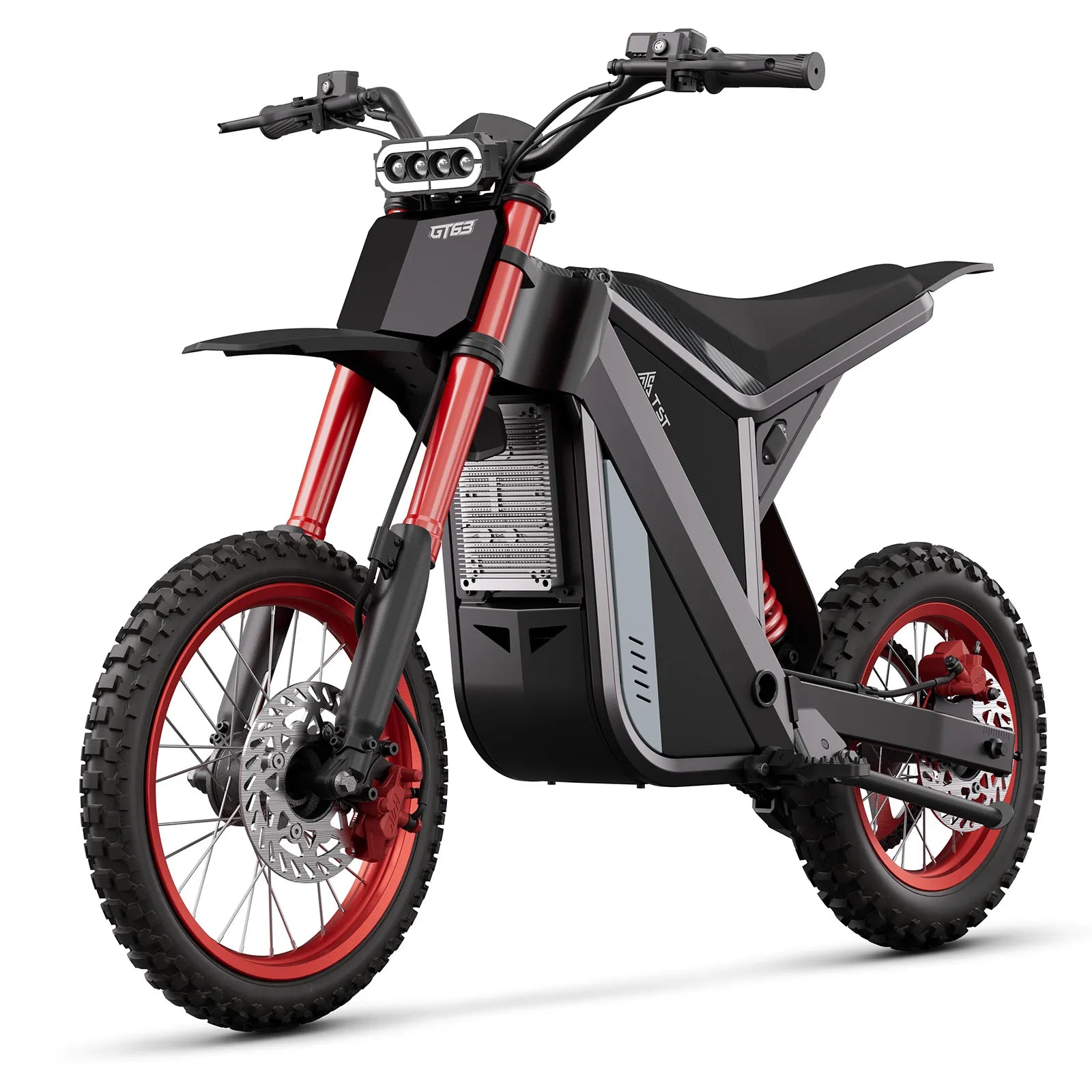
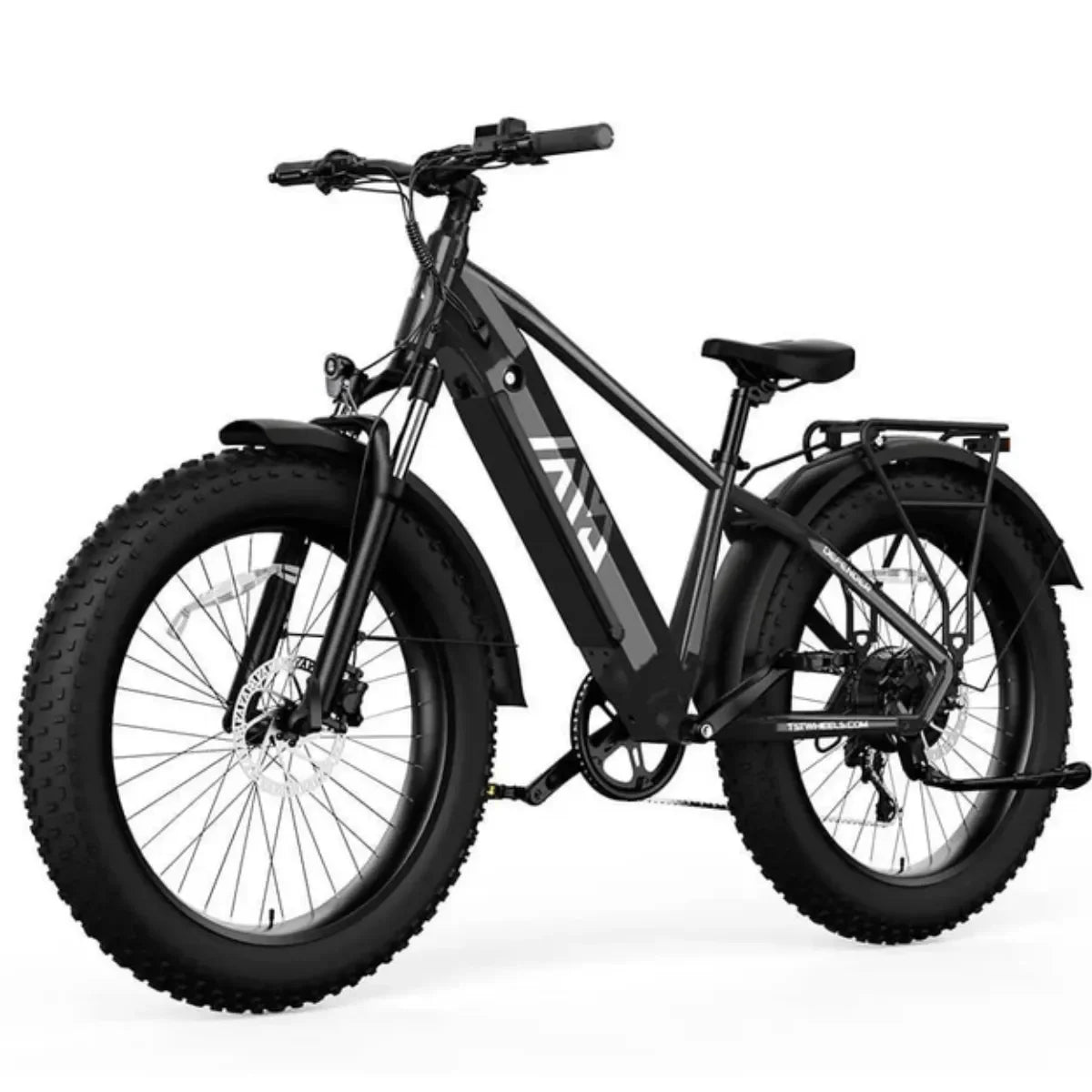










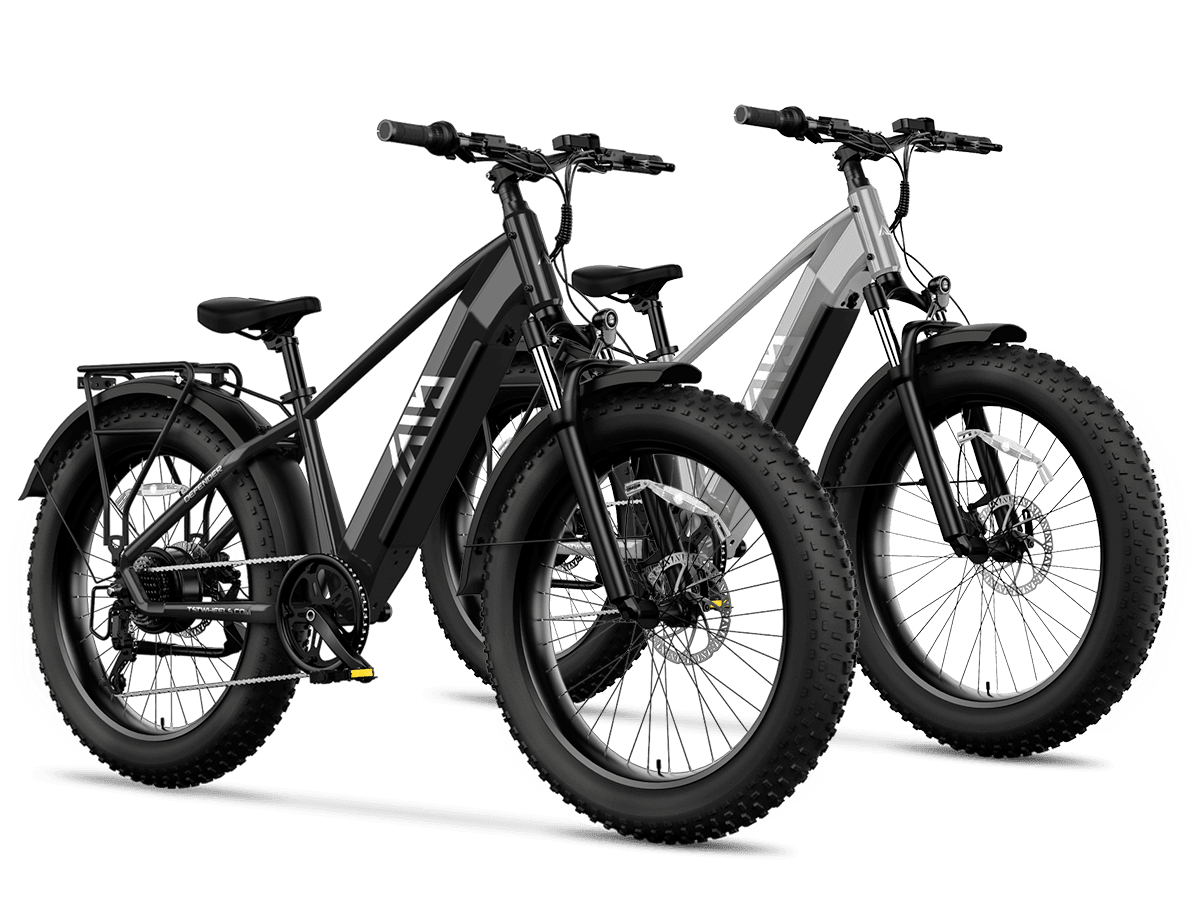
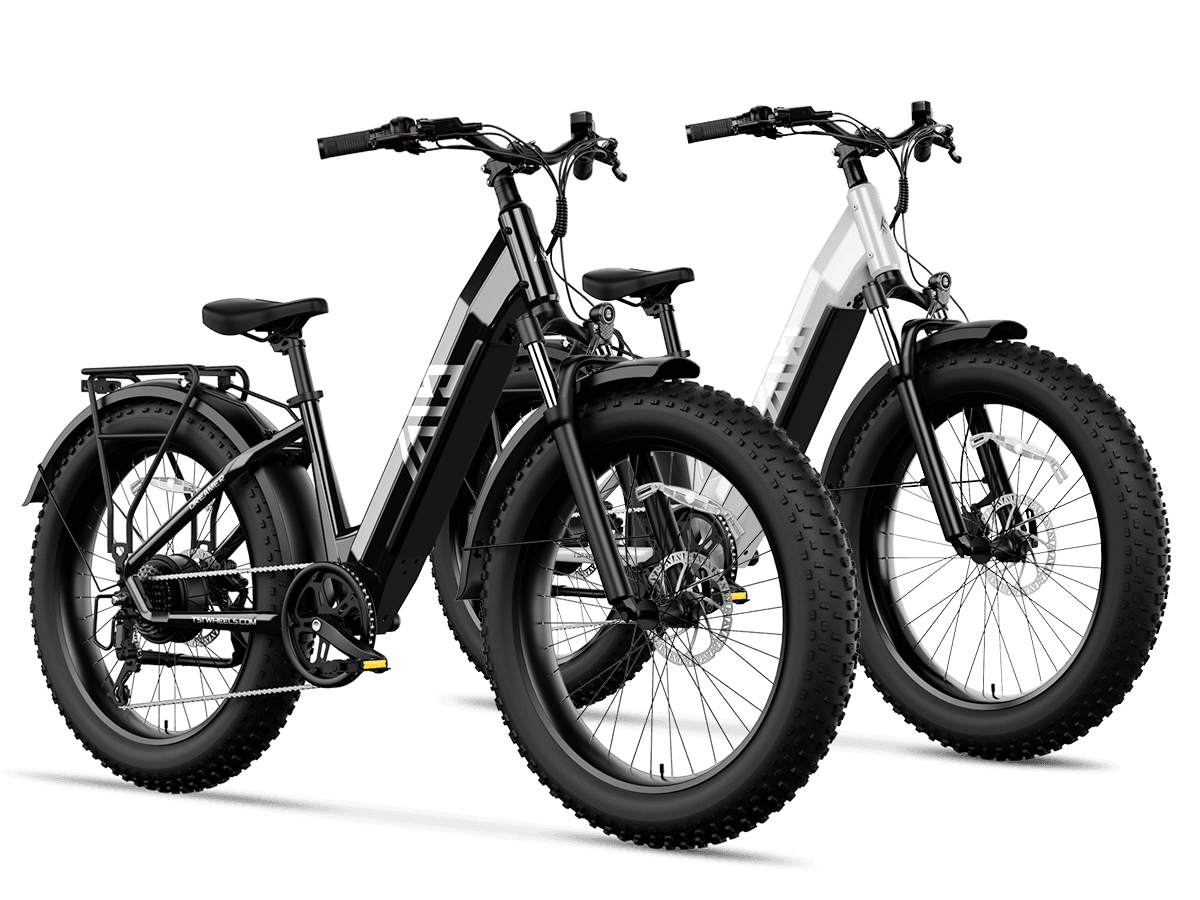

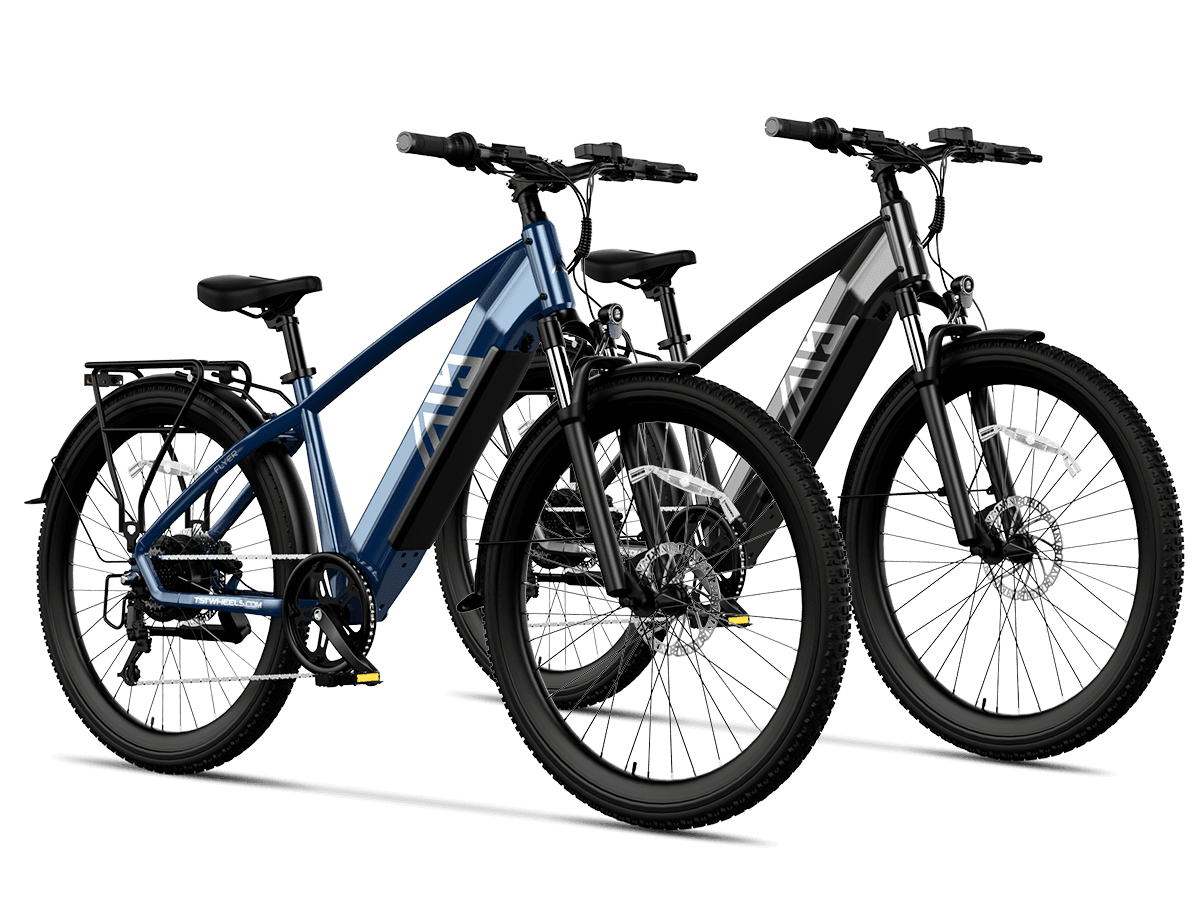
After one year of riding an e-bike at age 35, most riders experience clear improvements in fitness, confidence, and daily mobility. Regular riding builds endurance without excessive joint strain, supports steady weight management, and turns exercise into an enjoyable habit. With consistent use, e-bikes become a practical tool for healthier living, stress reduction, and long-term riding motivation.
What Progress Should a 35-Year-Old Expect After One Year of Riding an E-Bike?
A typical 35-year-old rider can expect meaningful progress within twelve months, including increased stamina, stronger legs, and the ability to ride longer distances comfortably. Many riders reach several thousand miles in a year, handle hills with more confidence, and maintain a consistent weekly riding routine.
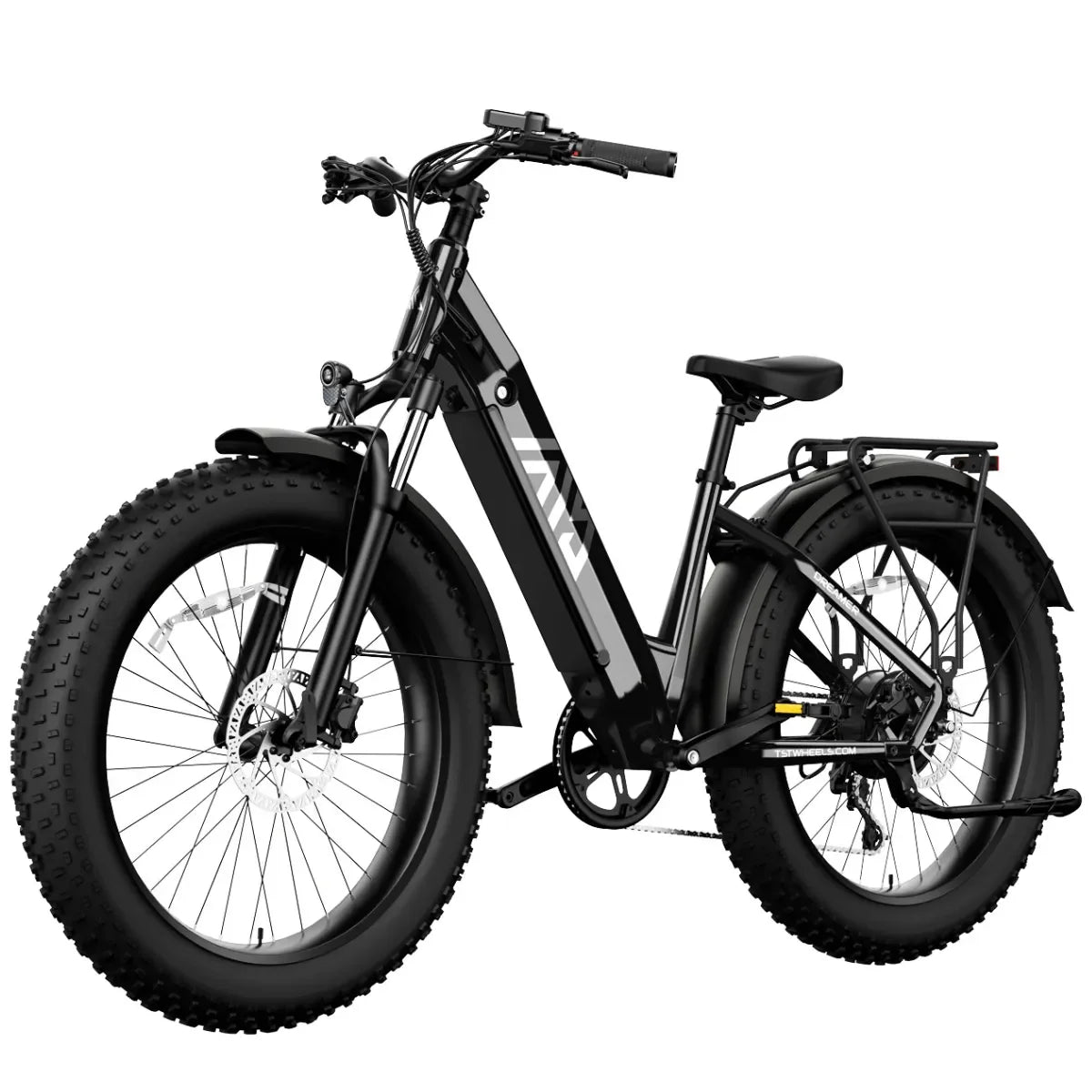
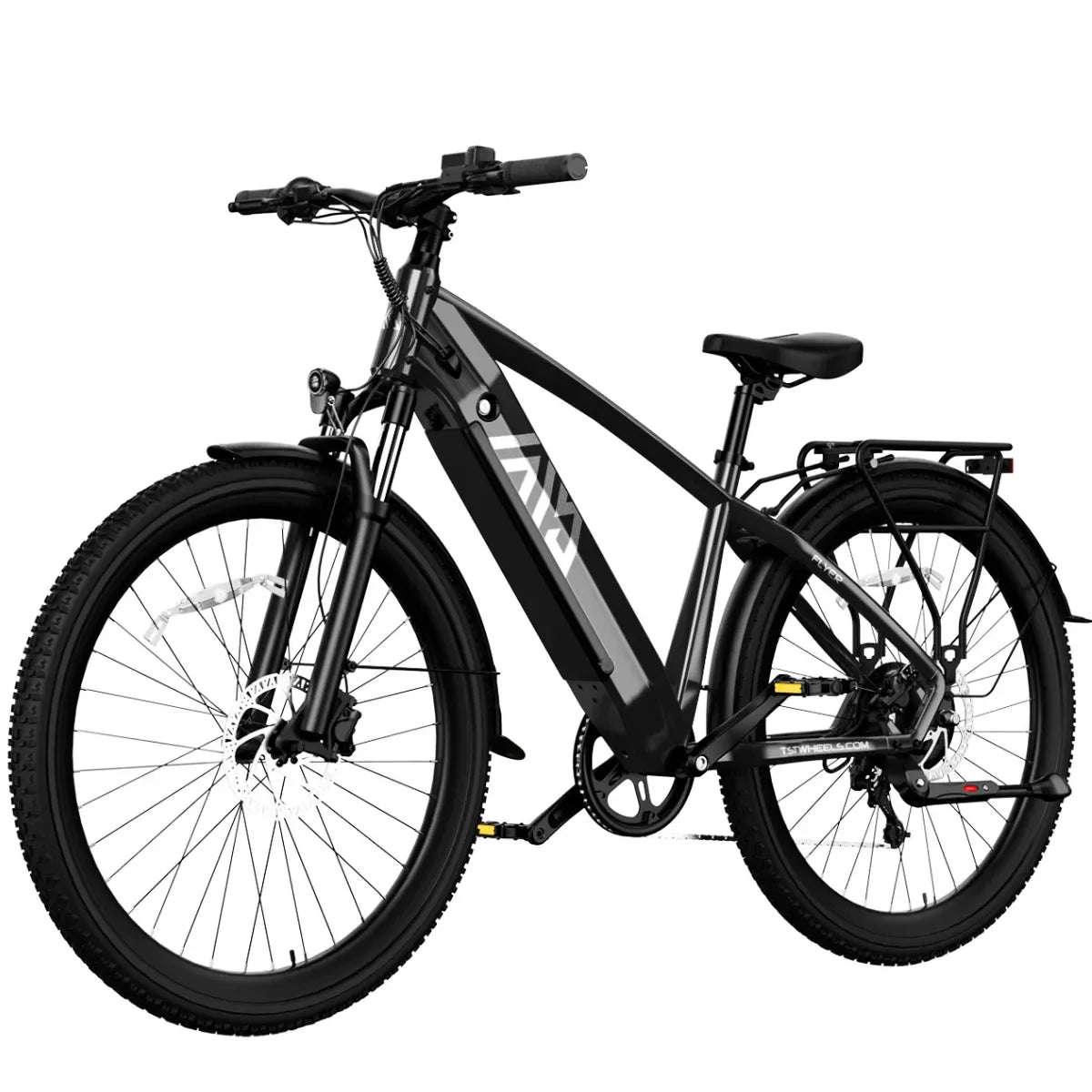
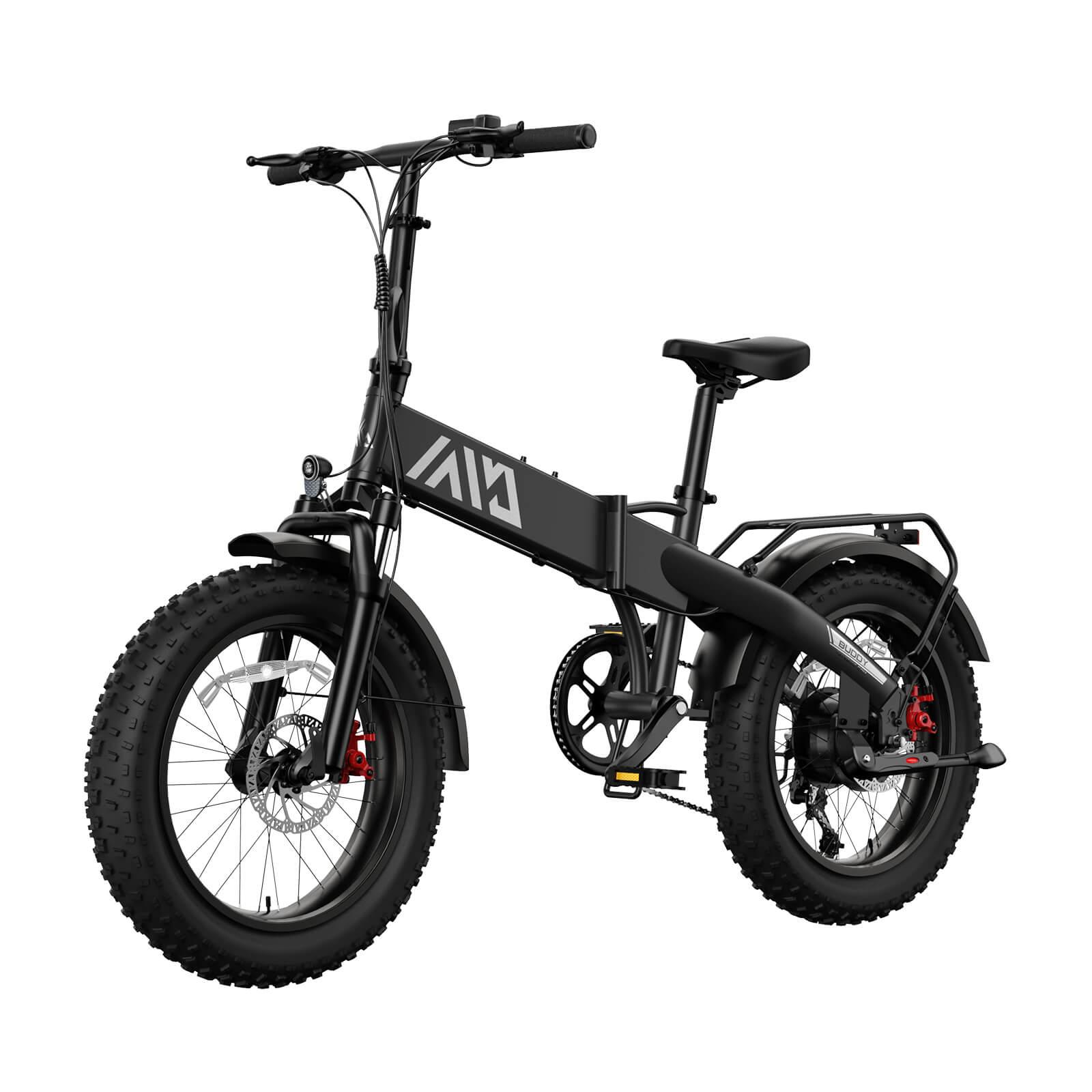
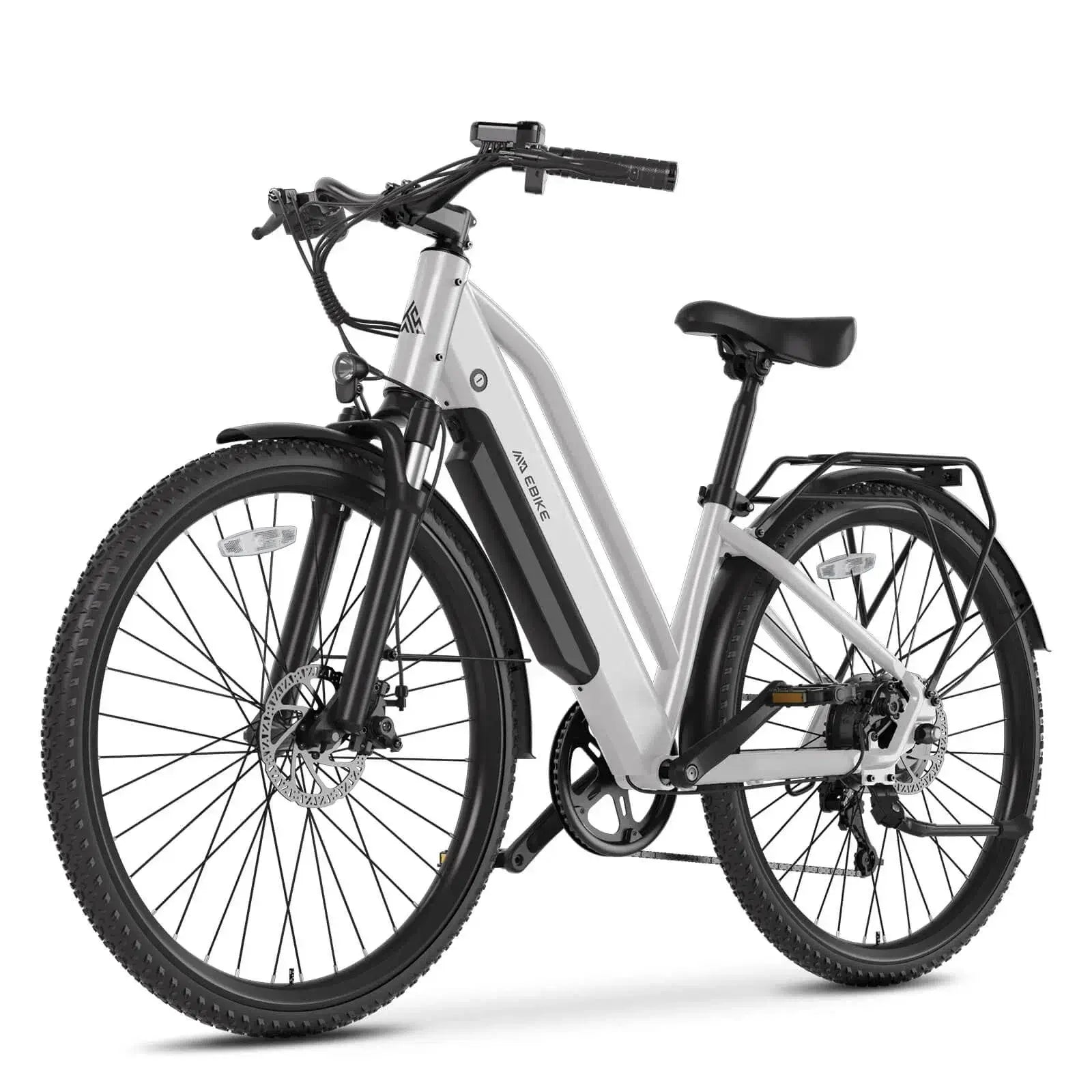
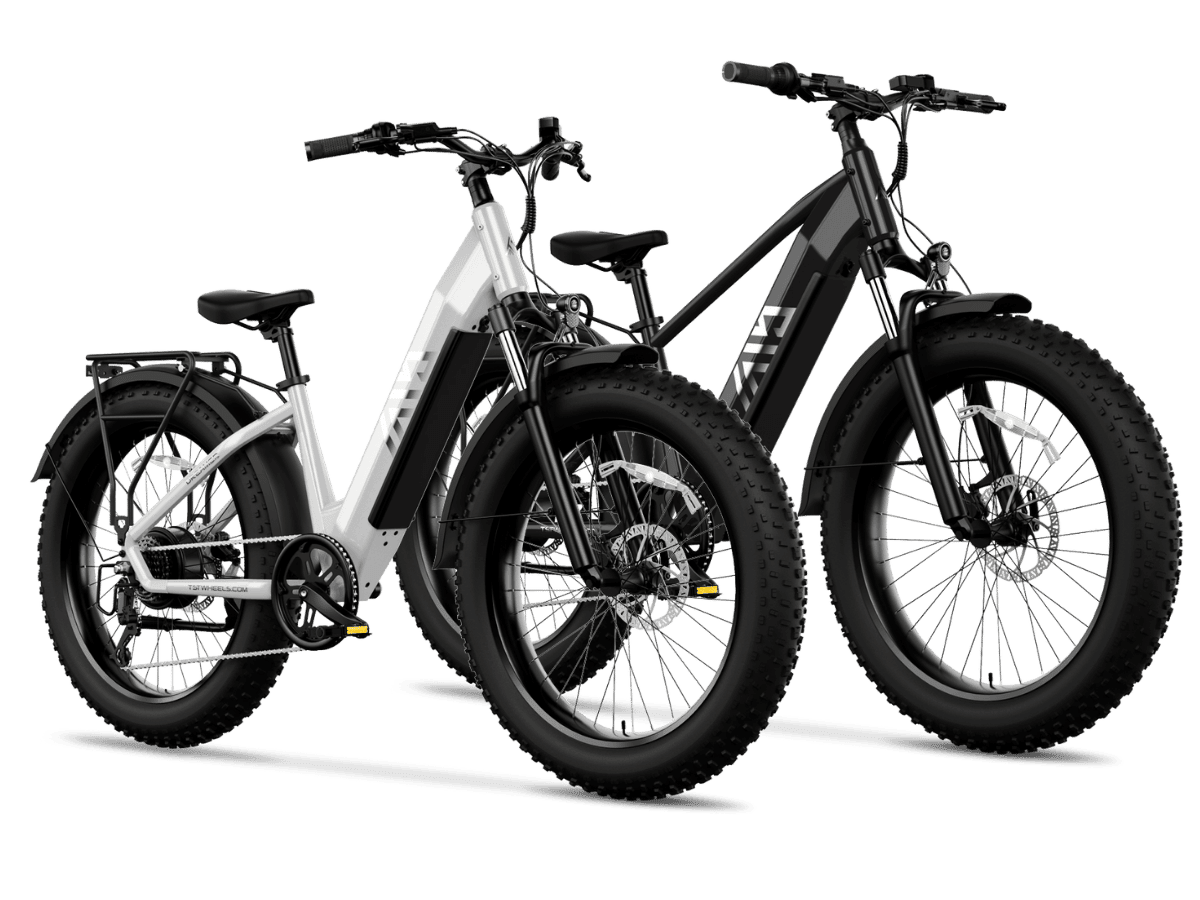
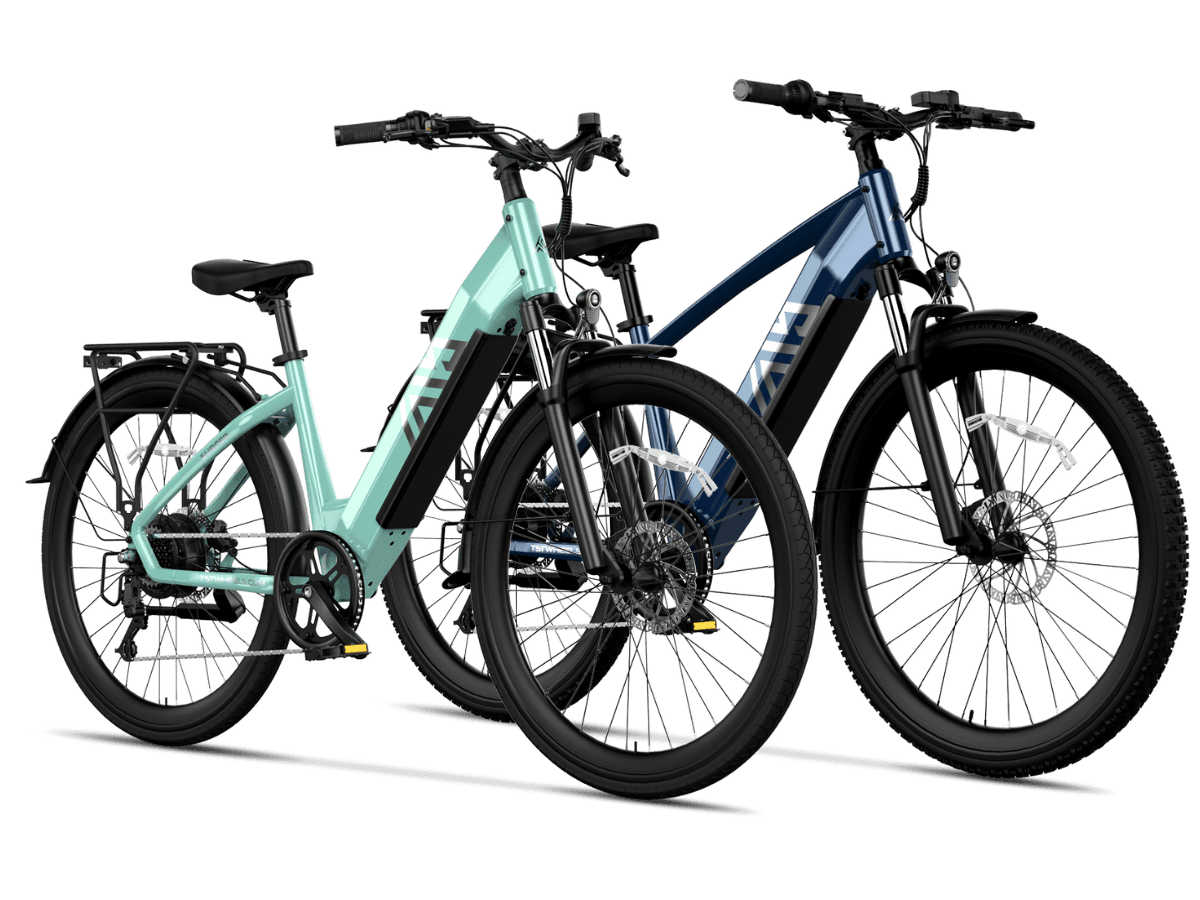
At this age, recovery remains efficient, making it easier to improve cardiovascular capacity while avoiding overuse injuries. TST EBike supports this progression by offering stable, high-power electric bikes designed for both daily riding and challenging terrain. Riders often notice average speeds rising steadily and longer rides becoming part of their normal schedule.
| Riding Phase | Weekly Distance | Typical Ride Time | Overall Focus |
|---|---|---|---|
| First Months | 20–50 miles | 30–60 minutes | Building habits |
| Mid-Year | 75–150 miles | 1–2 hours | Endurance growth |
| Year End | 150+ miles | 2–4 hours | Skill and confidence |
How Much Fitness Can You Gain from Riding an E-Bike Regularly?
Regular e-bike riding delivers measurable fitness benefits when done consistently. Riders often report improved heart health, stronger lower-body muscles, and better overall energy levels. Because pedal assistance allows longer sessions, total calorie burn across the week can rival or exceed traditional cycling for many adults.
For riders in their mid-30s, this balance of effort and assistance supports sustainable fitness gains. TST EBike designs emphasize efficiency and reliability, making it easier to maintain a steady routine that fits work and family life without sacrificing performance.
What Milestones Indicate Healthy E-Bike Progress After One Year?
Healthy progress is reflected in practical milestones rather than competition. These include riding longer distances without fatigue, reducing reliance on higher assist levels, and tackling routes that once felt intimidating. Many riders also feel more confident riding in traffic, on trails, or during group outings.
Reaching these milestones builds motivation and reinforces riding as a long-term habit. TST EBike riders often credit consistent bike performance and comfort as key factors in maintaining momentum throughout the year.
How Does Riding Technique Improve Over the First Year?
Over time, riders naturally develop better balance, smoother cornering, and more controlled braking. The added weight of an e-bike encourages proper body positioning and awareness, which improves overall handling skills.
After a year, most riders feel comfortable managing varied terrain and adjusting their riding style to different conditions. This technical confidence makes each ride safer and more enjoyable, especially when exploring new routes.
Why Is an E-Bike a Smart Fitness Choice at Age 35?
At 35, balancing health goals with daily responsibilities is essential. E-bikes make exercise more accessible by removing barriers such as fatigue, time constraints, and physical strain. Riders can choose how much effort to apply while still gaining health benefits.
This flexibility encourages consistency, which is the foundation of long-term fitness. For many adults, an e-bike transforms commuting and leisure rides into reliable opportunities for physical activity.
What Long-Term Lifestyle Benefits Come from Year-Long E-Bike Use?
Beyond physical fitness, year-long e-bike use supports mental well-being, stress relief, and social connection. Regular outdoor activity improves mood, while group rides or shared routes foster community.
E-bikes also offer practical advantages, such as reducing car dependency and lowering transportation costs. These combined benefits make e-bike riding a lifestyle upgrade rather than just a workout choice.
How Can You Track and Measure Your E-Bike Progress Effectively?
Tracking progress helps riders stay motivated and identify areas for improvement. Monitoring distance, ride duration, and perceived effort provides a clear picture of growth over time. Many riders also track how often they reduce assist levels or extend ride length.
TST EBike models feature clear, rider-friendly displays that make it easy to check key data during and after each ride. Reviewing progress monthly helps maintain focus and celebrate improvements.
TST EBike Expert Views
“Riders who start e-bike riding at 35 often surprise themselves with how quickly they adapt and improve. At TST EBike, we design high-power, cost-effective electric bikes based on real consumer feedback, ensuring reliability and comfort over long-term use. With options suited for both rough terrain and daily commuting, riders can progress confidently while enjoying consistent quality control and dependable support. A year of regular riding builds fitness, resilience, and habits that last well beyond the first season.”
What Common Mistakes Can Slow Down E-Bike Progress?
Progress may stall if riders rely too heavily on maximum assist, skip basic maintenance, or neglect recovery. These habits can limit fitness gains and reduce overall enjoyment.
Balancing assist levels, maintaining the bike regularly, and prioritizing rest days help ensure steady improvement. Simple adjustments keep riding productive and sustainable.
| Common Issue | Effect on Progress | Practical Solution |
|---|---|---|
| Constant high assist | Limited strength gains | Mix assist levels |
| Poor maintenance | Reduced reliability | Monthly inspections |
| Inadequate recovery | Fatigue buildup | Schedule rest days |
How Can You Build on Your Progress in the Second Year?
The second year is ideal for structured goals, such as longer routes, moderate interval efforts, or group rides. Gradually increasing distance and reducing assist levels encourages continued fitness development.
With durable construction and rider-focused design, TST EBike supports these next steps, helping riders maintain confidence as their ambitions grow.
Conclusion
One year of e-bike riding at age 35 demonstrates how sustainable, enjoyable movement can transform health and daily life. Consistent riding improves fitness, builds confidence, and supports mental well-being without excessive strain. By tracking progress, avoiding common mistakes, and choosing reliable equipment like TST EBike, riders can turn their first year into the foundation for many active years ahead.
FAQs
How many miles are reasonable in the first year of e-bike riding?
Many riders find a few thousand miles per year achievable with steady weekly rides and balanced recovery.
Does e-bike riding still improve fitness with pedal assistance?
Yes, consistent pedaling combined with adjustable assistance supports cardiovascular health and muscle strength.
Can riding an e-bike help with weight management at 35?
Regular riding contributes to calorie expenditure and supports healthy weight control when paired with balanced habits.
Is it normal to feel more confident riding after one year?
Yes, most riders report improved handling, route choice confidence, and comfort in varied conditions.
When should a rider consider upgrading their e-bike?
An upgrade may make sense when riding goals expand or when seeking new terrain capabilities after significant use.

Leave a comment
This site is protected by hCaptcha and the hCaptcha Privacy Policy and Terms of Service apply.