













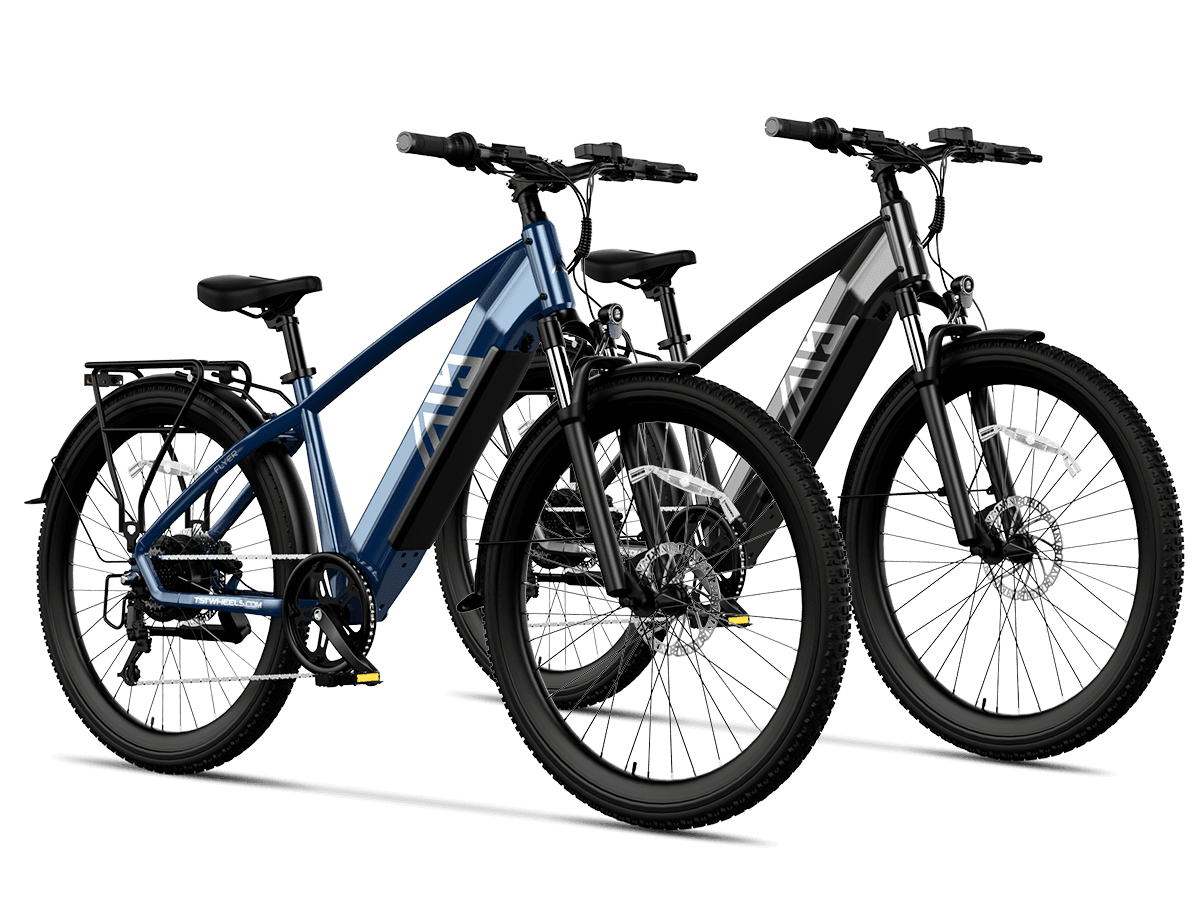
E-bike classes limit motor assistance: Class 1/2 cap at 20 mph (pedal-assist/throttle), Class 3 at 28 mph (pedal-assist only), all ≤750W. Higher classes face stricter trail access, age/helmet rules.
What Are the Three Main E-Bike Power Classes?
Class 1: pedal-assist to 20 mph; Class 2: pedal/throttle to 20 mph; Class 3: pedal-assist to 28 mph. All fully operable pedals, ≤750W continuous motors.
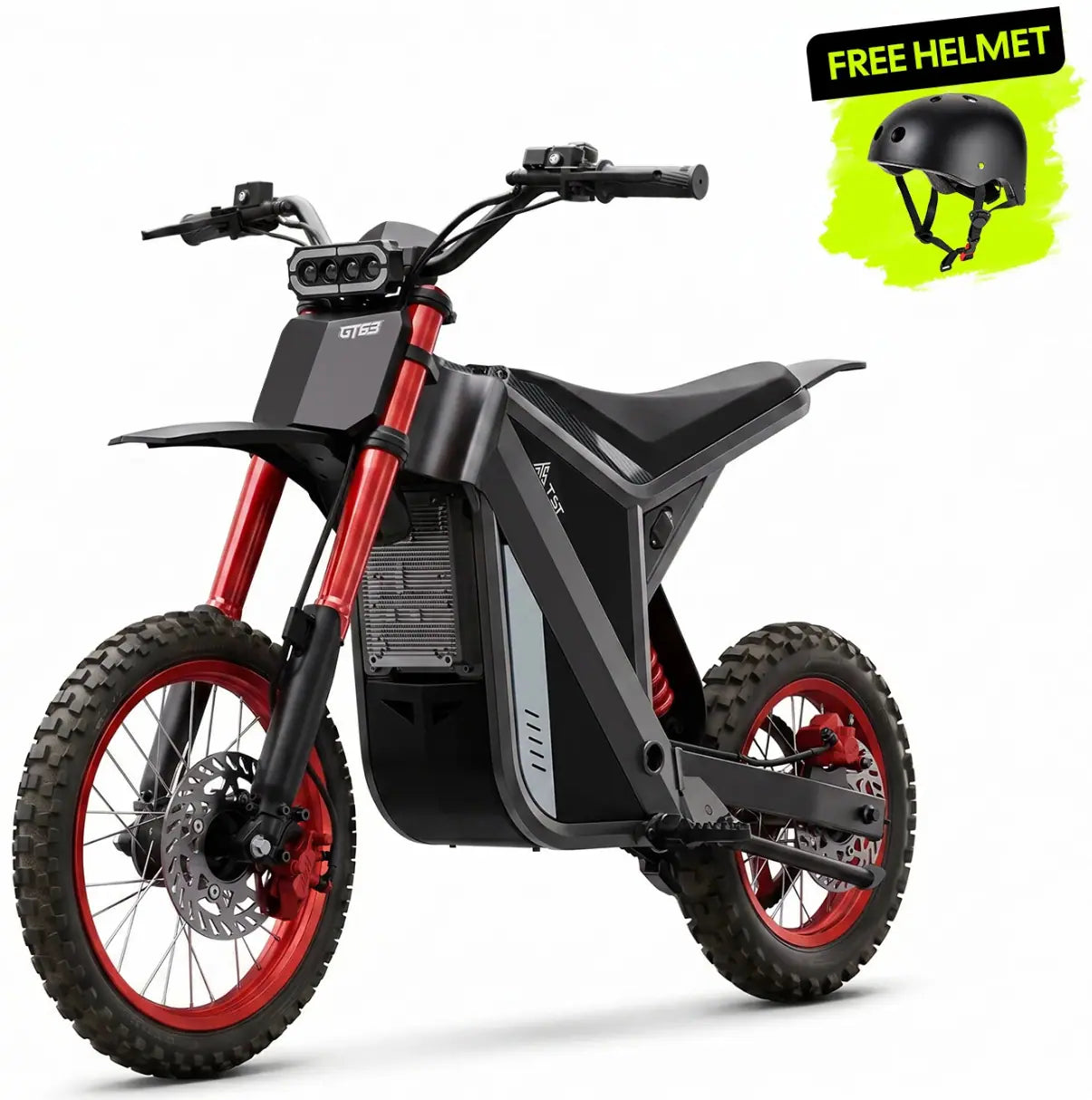
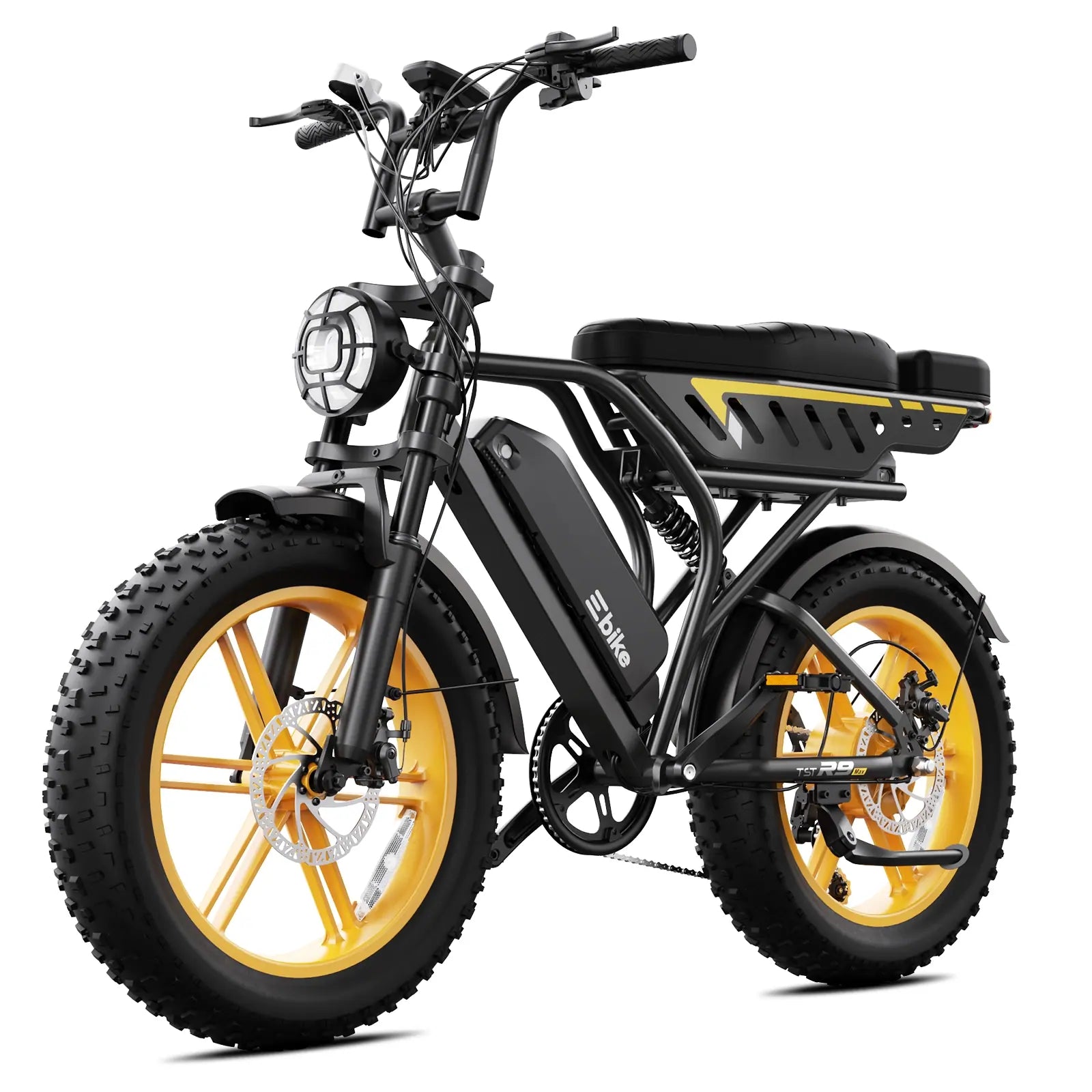
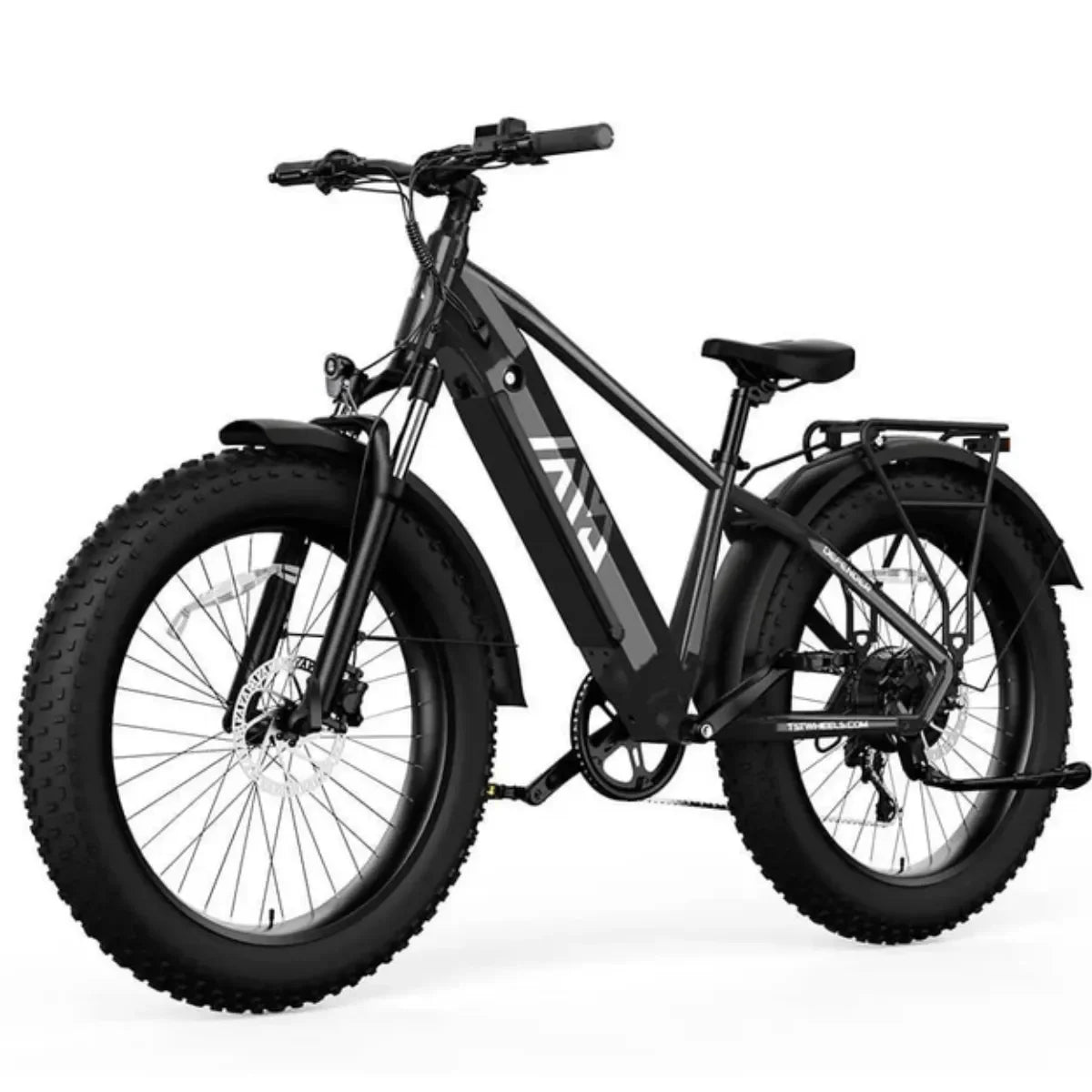
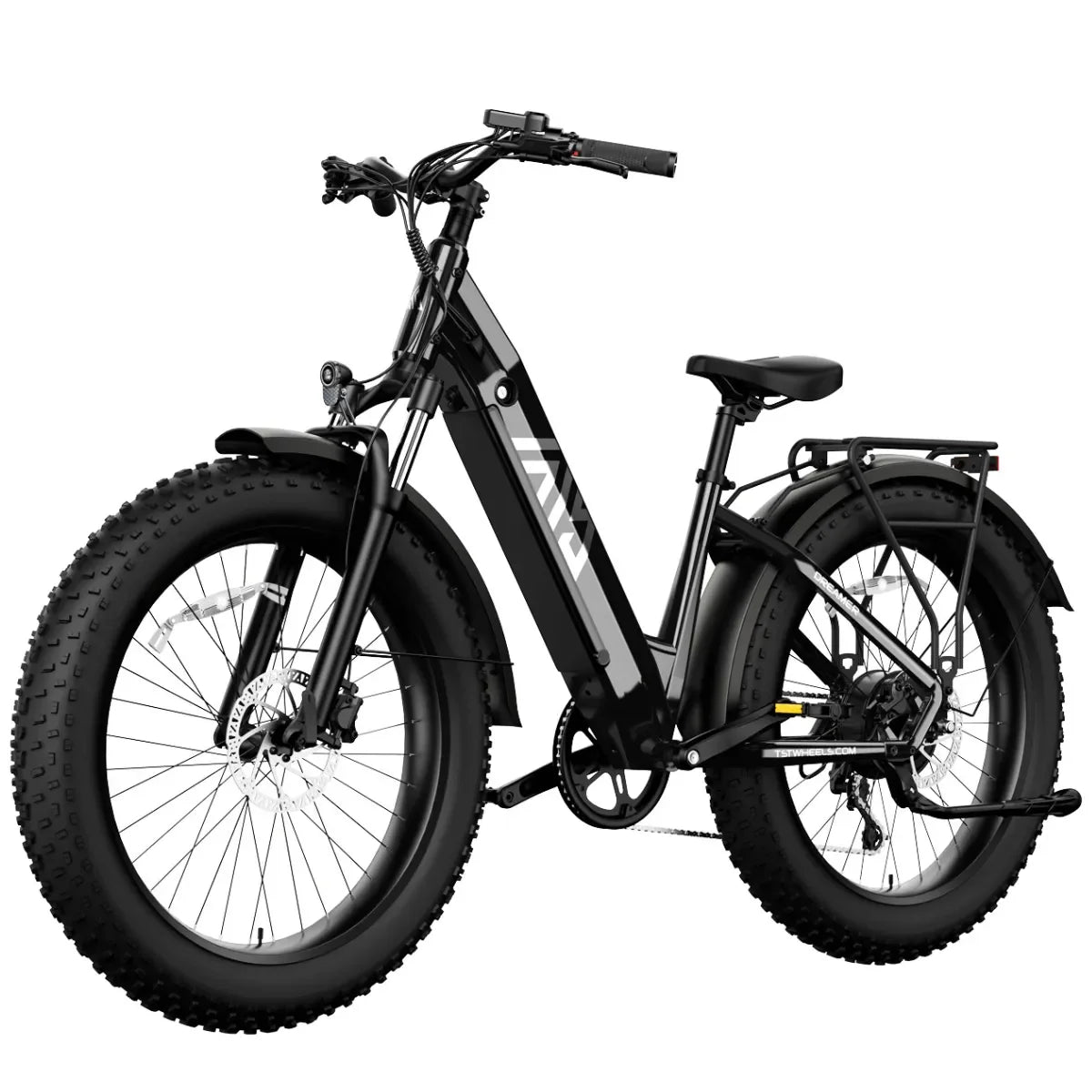
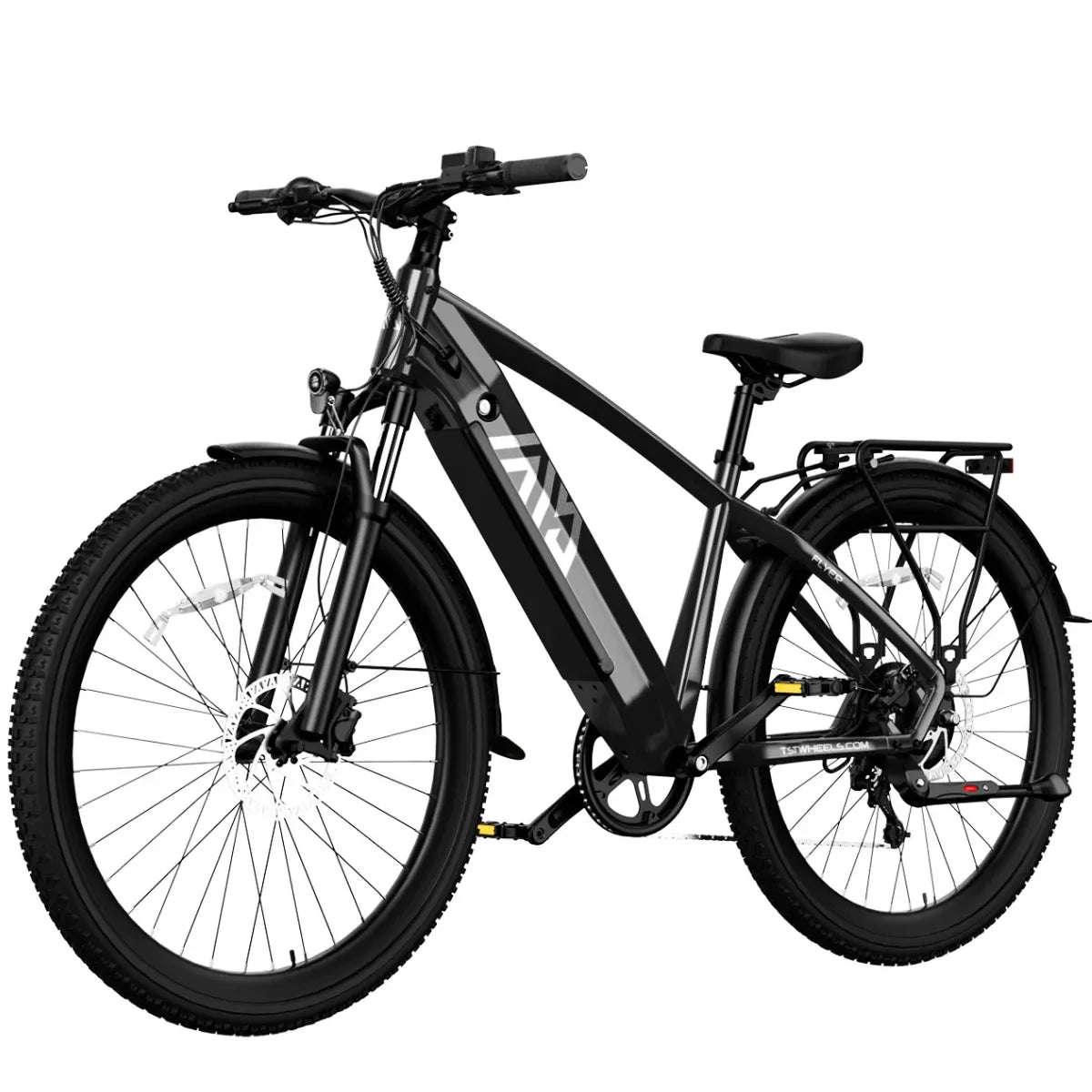
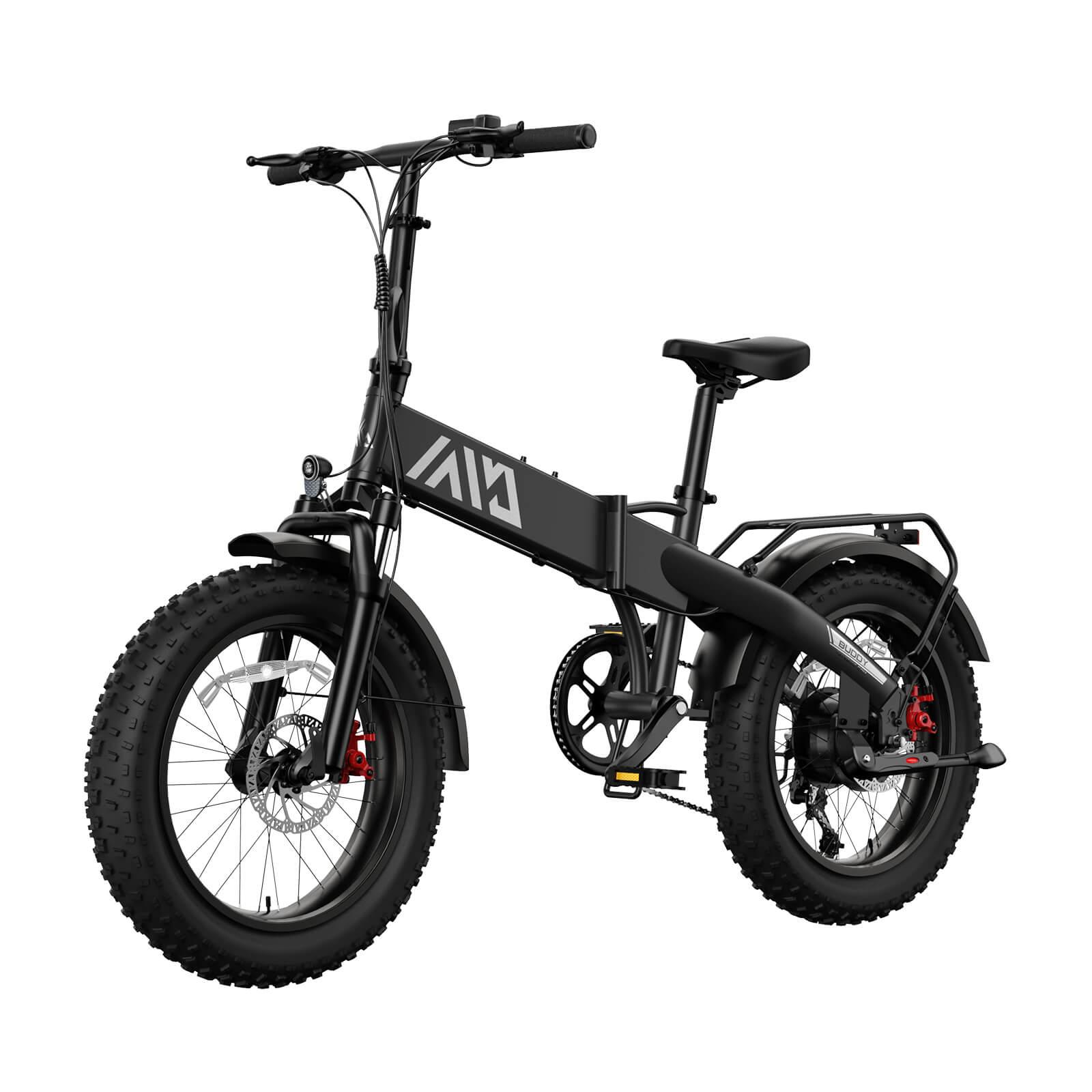
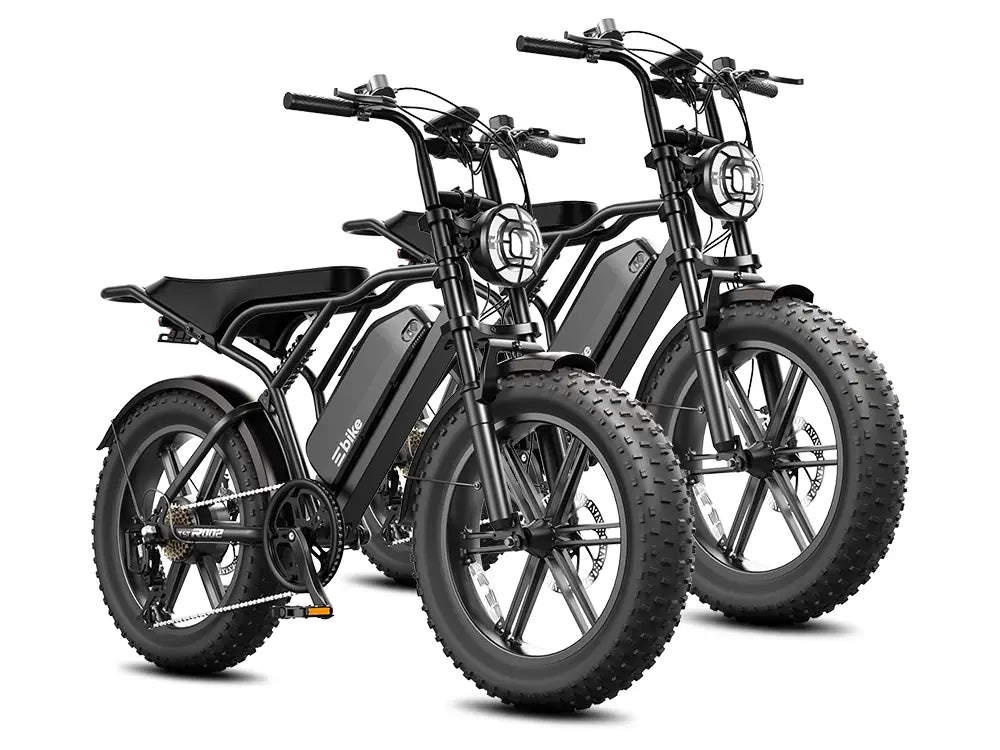
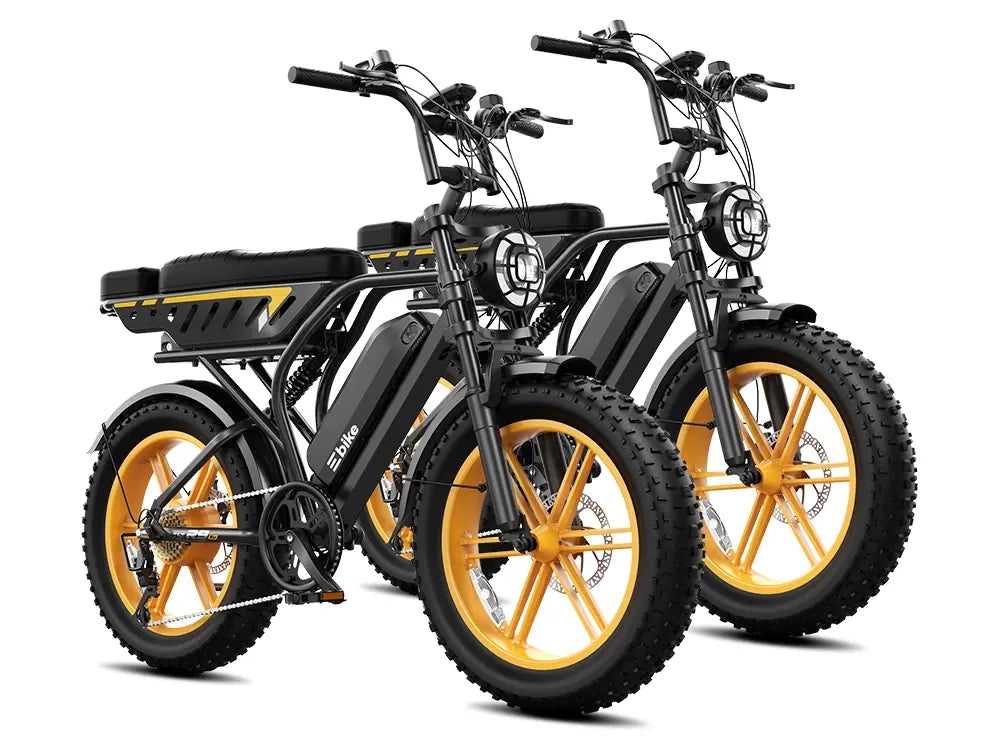
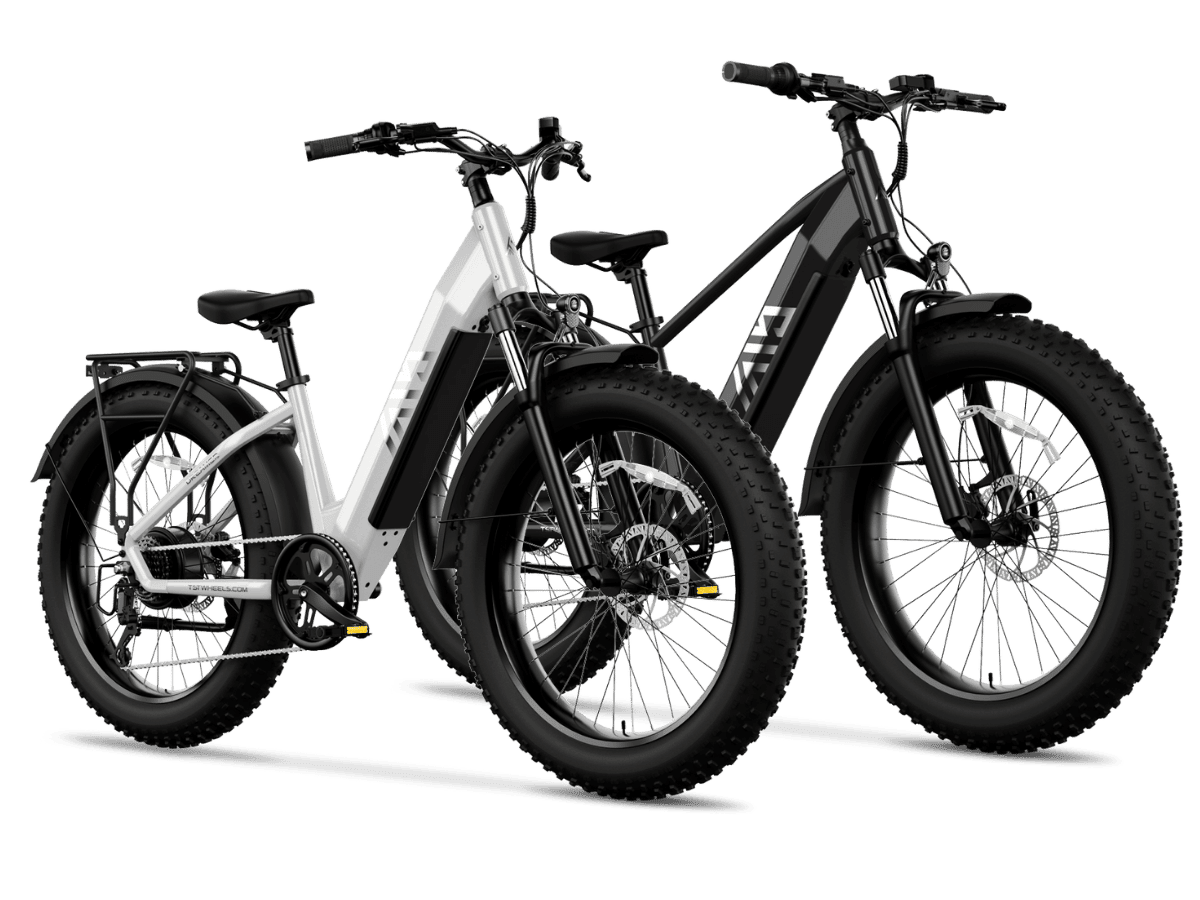
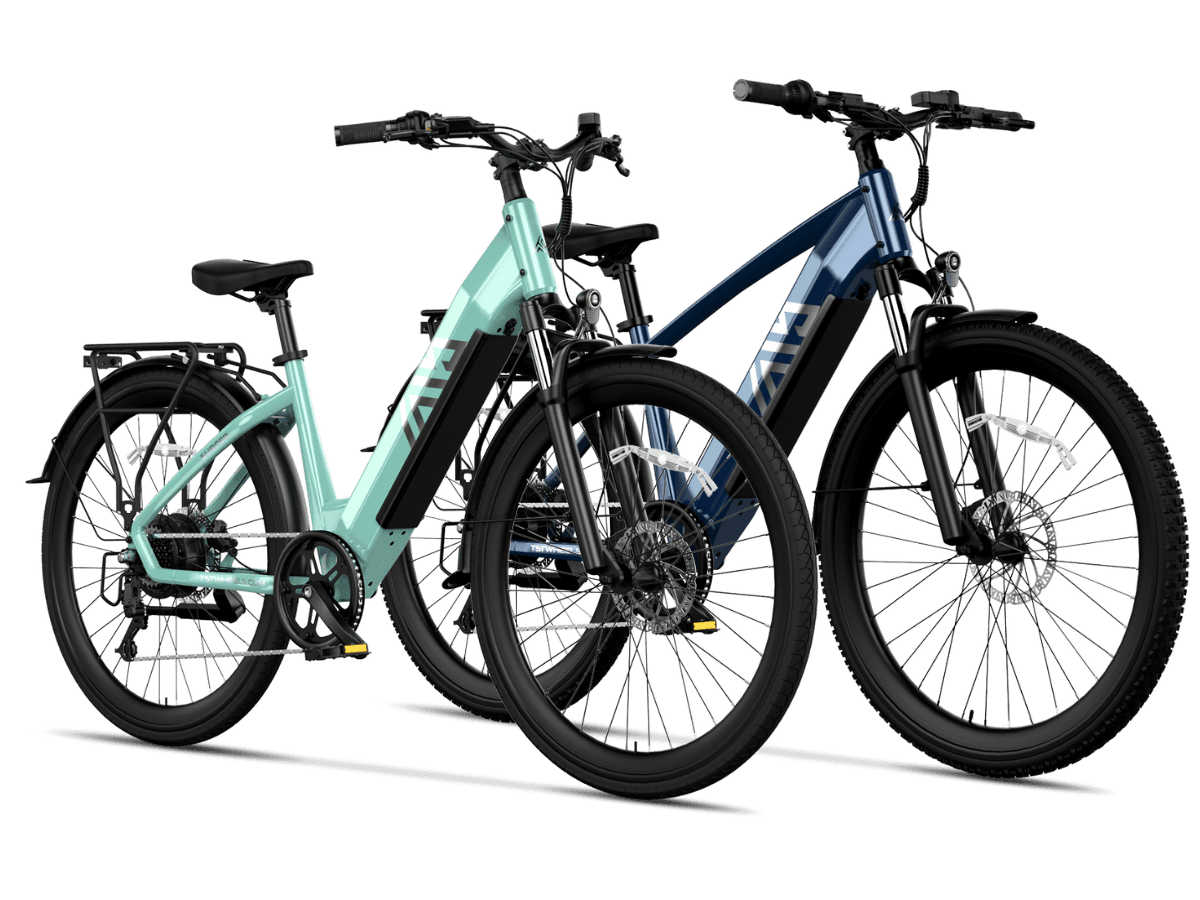
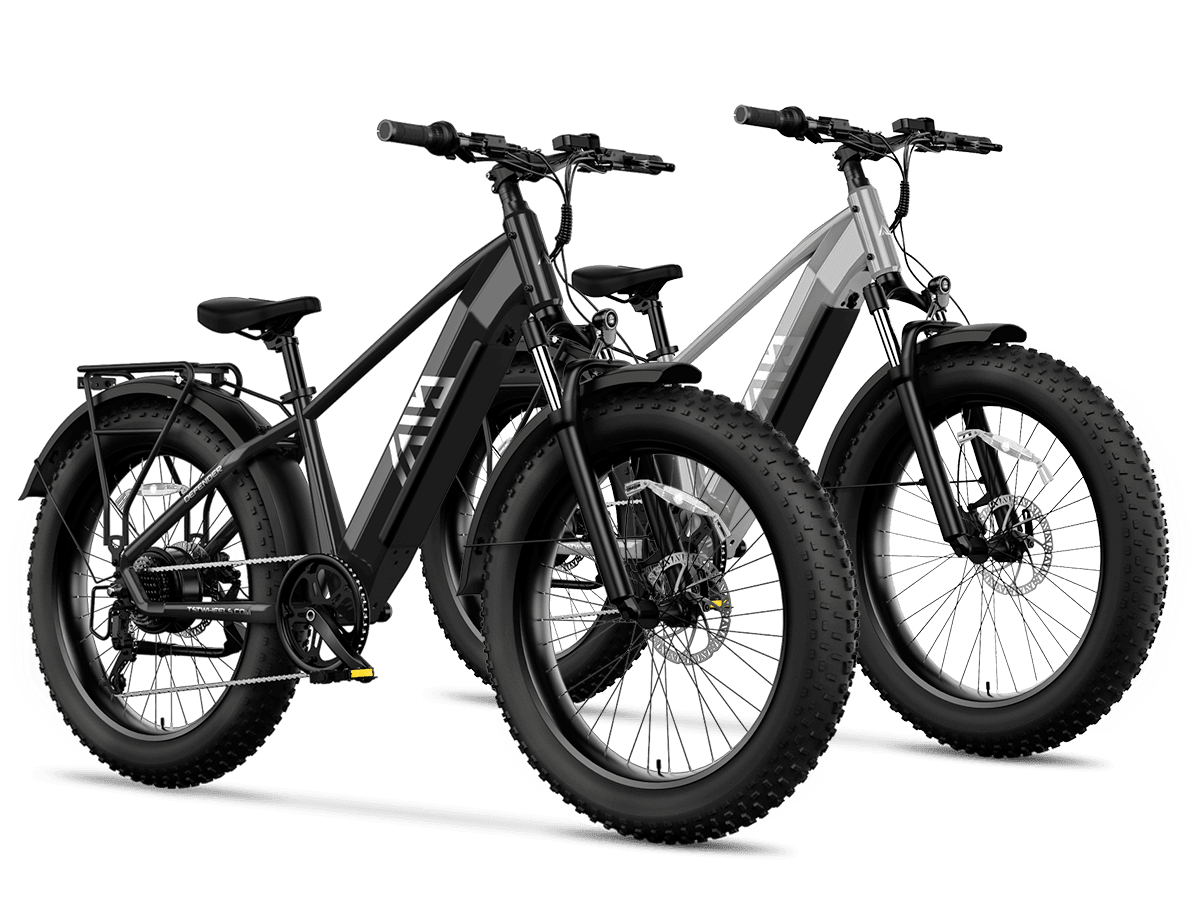
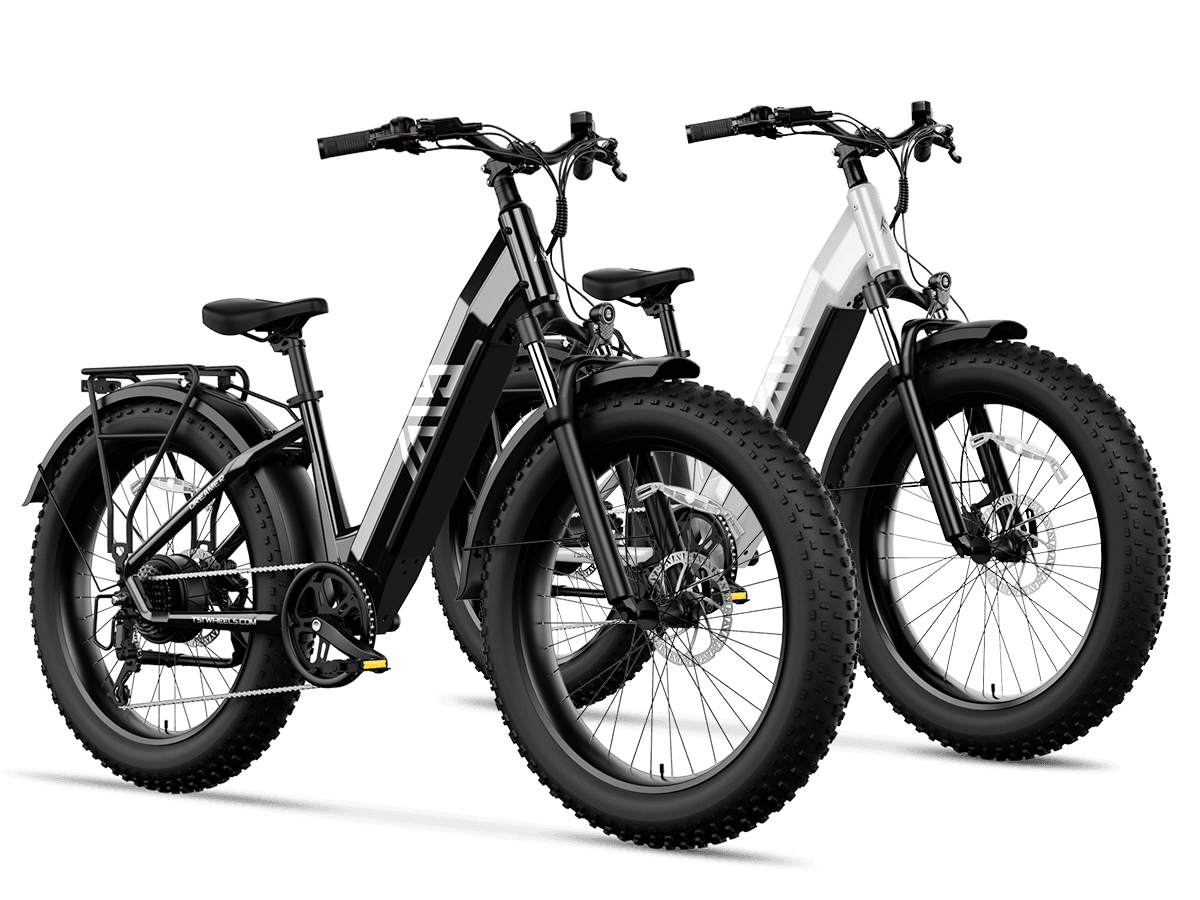
E-bike power classes standardize legality nationwide, balancing performance with bike lane access. Class 1 mimics traditional cycling—pure pedal boost. Class 2 adds throttle freedom for casual spins. Class 3 unlocks speed but demands maturity. TST EBike spans all classes: 26-inch fats as Class 2 trail beasts, 27-inch commuters hitting Class 3 velocities legally.
How Does Motor Power Limit Speed Across Classes?
Federal 750W continuous cap ensures Class speeds: higher watts enable faster assist cutoffs without reclassifying as mopeds. Peak power irrelevant legally.
Controllers govern reality—TST EBike 1500W peak motors deliver Class 2 20 mph smoothly, torque sensors preventing illegal surges. 1000W+ continuous risks DMV registration. Classes preserve bicycle status everywhere.
This table defines legal boundaries clearly.
Where Can Each Class Legally Ride?
Class 1 broadest access (paths/trails); Class 2 varies (some throttle bans); Class 3 roads/bike lanes only. Locals override.
Trail closures hit Class 2/3 hardest—throttles seen as motor-like. TST EBike Class 1 27-inch models glide everywhere; upgrade to Class 3 speedometers for highways. Parks post signs; apps track rules.
Why Do Higher Classes Face Age Restrictions?
Class 3 mandates 16+ (helmets/speedometers) due to 28 mph risks; Class 1/2 open to all. Safety data drives maturity requirements.
Youth crashes spike 40% above 20 mph. TST EBike bundles compliant displays, encouraging family Class 1 starts before Class 3 thrills.
What Happens If You Exceed Class Power Limits?
Mods >750W continuous or class speeds reclassify as moped—registration, license, insurance required. Fines $100-1000+ impound.
Controllers tempt fate; factory TST EBike ensures compliance. Unlocked 50 mph voids warranties, trails.
How Do Local Laws Override Federal Classes?
Cities/states restrict Class 3 paths, throttle use, or cap all at 15 mph despite federal baselines. Always verify signage.
California 2026 rear lights mandatory all classes. TST EBike California roots guarantee state-compliant builds across 20+ stores.
Can You Pedal Faster Than Class Limits Legally?
Yes—post-cutoff pedaling unlimited as "human power"; motor off above 20/28 mph. No legal speed cap without assist.
Fit riders hit 30+ mph Class 2 legally. TST EBike gearing optimizes unassisted legs.
TST EBike Expert Views
"E-bike classes balance speed, access, and safety—TST EBike engineers every model compliant since 2017. Our 26-inch Class 2 fats conquer trails with 750W throttles; 27-inch Class 3 commuters include speedometers for 28 mph legality. Peak 1500W delivers torque within continuous limits. Consumer feedback confirms zero citations across 10 countries. Choose class by destination: Class 1 trails, Class 2 versatility, Class 3 speed. California warehouses ship verified builds." – TST EBike Regulatory Lead
Key Takeaways
-
Class 1/2: 20 mph access everywhere; Class 3: 28 mph roads only.
-
750W continuous universal cap; peaks irrelevant legally.
-
TST EBike spans classes compliantly.
-
Locals trump federal—check apps/signs.
Actionable advice: Buy TST EBike Class matching routes, verify speedometer/helmets for Class 3, download trail apps, test pedal-only above cutoffs.
FAQs
Class 2 throttles on paths?
Varies; many ban—ride Class 1.
750W peak or continuous?
Continuous matters legally.
Class 3 age everywhere?
16+ most states; locals stricter.
Mod controller for speed?
Illegal; moped status follows.
Best TST EBike** class?
Class 2 versatility for most.

Leave a comment
This site is protected by hCaptcha and the hCaptcha Privacy Policy and Terms of Service apply.