














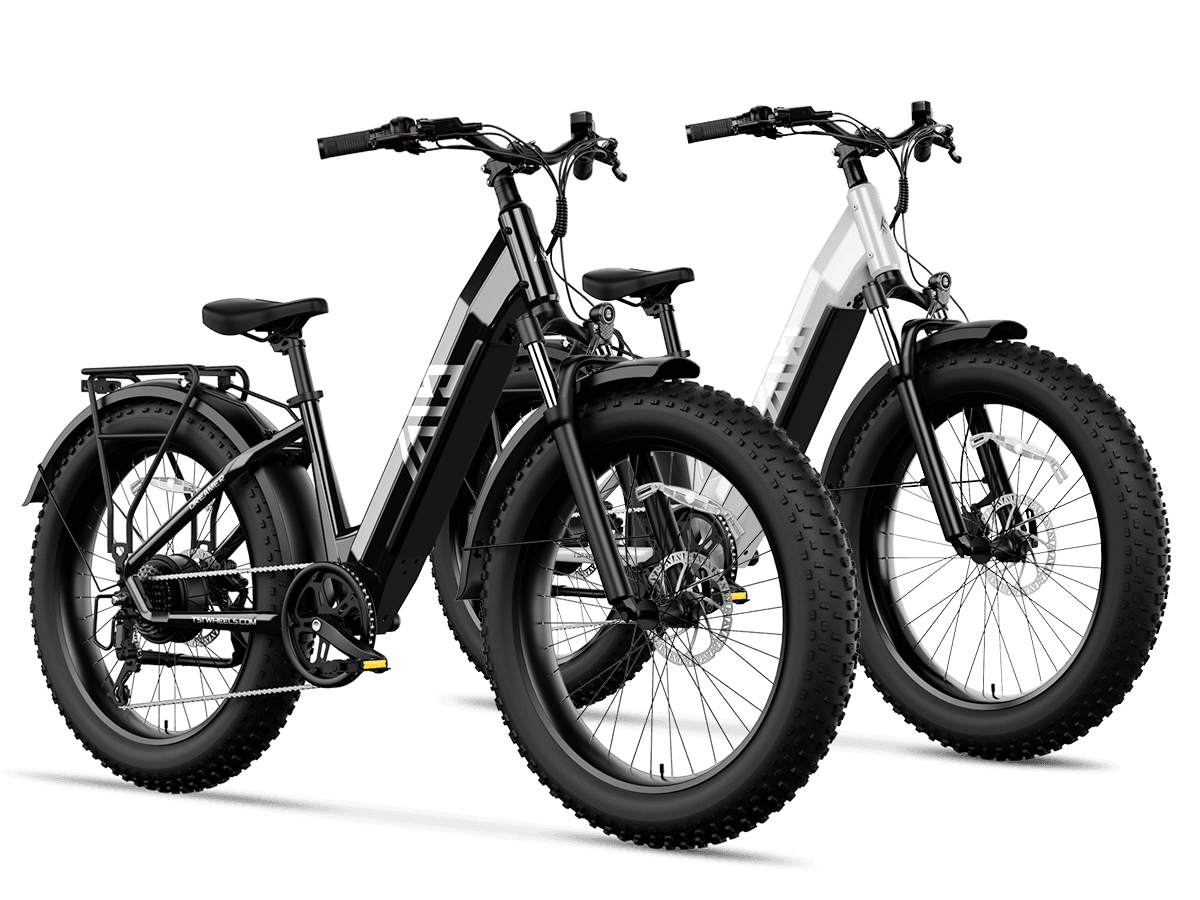

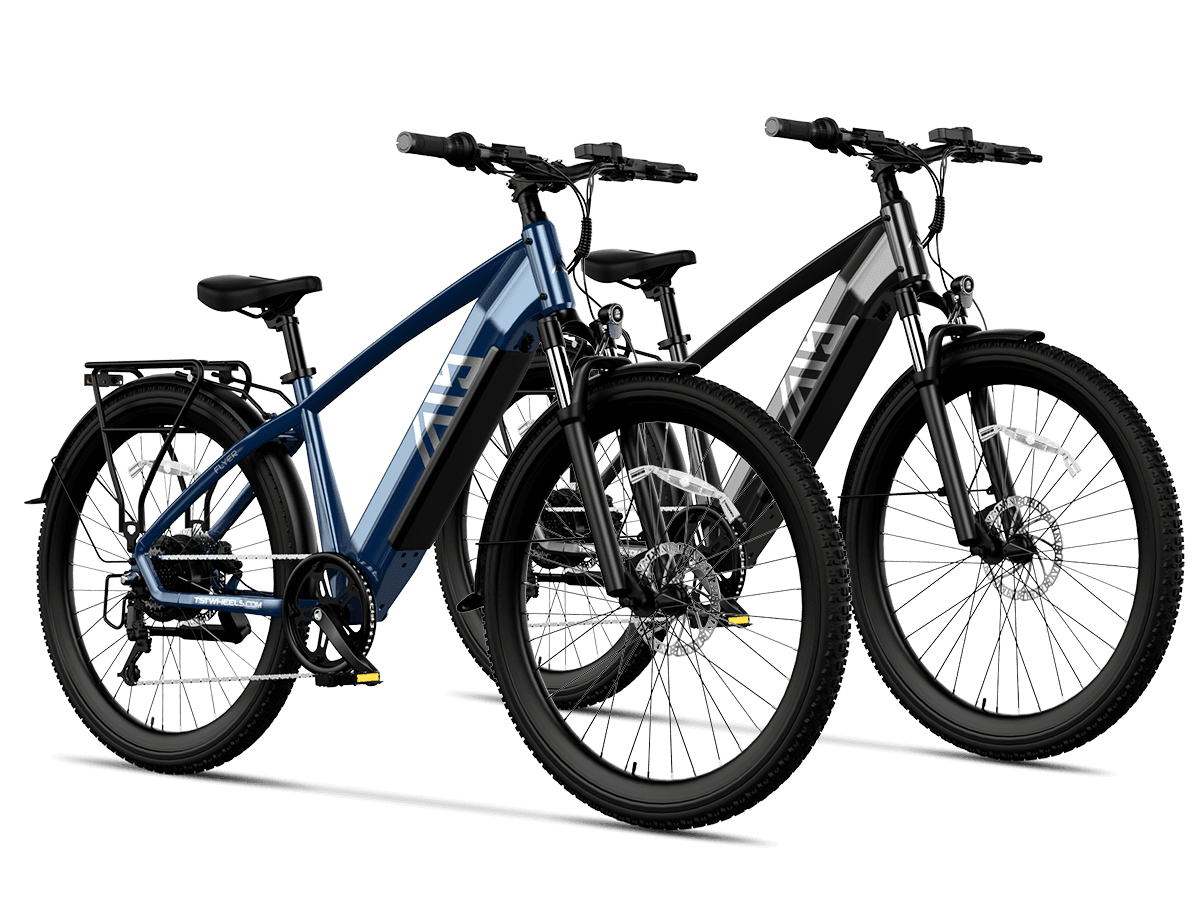

Folding e-bikes follow standard e-bike regulations worldwide, with motor power typically capped at 250W in Europe/Australia (25 km/h assist), 500W in Canada (32 km/h), and 750W in the US (28-45 km/h for Class 3). Limits ensure bike-lane access; folding design aids portability without altering rules.
What Are Standard Motor Power Limits for Folding E-Bikes Globally?
Folding e-bikes adhere to general e-bike power caps: 250W continuous in the EU, UK, Japan, and Australia; 400W in China; 500W in Canada; up to 750W in the US.
These limits classify them as bicycles, not mopeds, preserving trail access. TST EBike crafts compliant high-power folding options for global markets, balancing performance with legality. Exceeding caps triggers licensing—e.g., S-Pedelecs in Europe allow 4kW but require plates. Portable folding frames from TST EBike suit urban commuters worldwide.
Table: Global Motor Power Limits for Folding E-Bikes
How Do Speed Limits Differ for Folding E-Bikes Across Countries?
Most countries cap e-bike assist at 25 km/h (15.5 mph) in Europe, Australia, and Japan; 32 km/h (20 mph) in Canada/US Class 1-2; 45 km/h (28 mph) for US Class 3.
Post-cutoff, riders pedal unaided. Folding e-bikes gain from compact storage without speed exemptions. TST EBike's 27-inch commuters hit limits efficiently for daily rides. Throttle rules vary—EU bans full throttles; US allows to 20 mph. Check local enforcement for fines.
Which Countries Classify High-Power Folding E-Bikes as Mopeds?
E-bikes over local thresholds become mopeds: EU S-Pedelecs (4kW, 45 km/h), China above 400W/25 km/h, certain US states beyond 750W/28 mph.
This mandates registration, licenses, insurance. TST EBike advises sticking to standard classes for folding portability. Japan throttles to 24 km/h; India emerging at 250W/25 km/h. Compliance avoids confiscation—ideal for TST EBike's cost-effective globals.
What Role Does Folding Design Play in International E-Bike Regulations?
Folding mechanism doesn't alter power/speed rules; regulations focus on motor output and assist type.
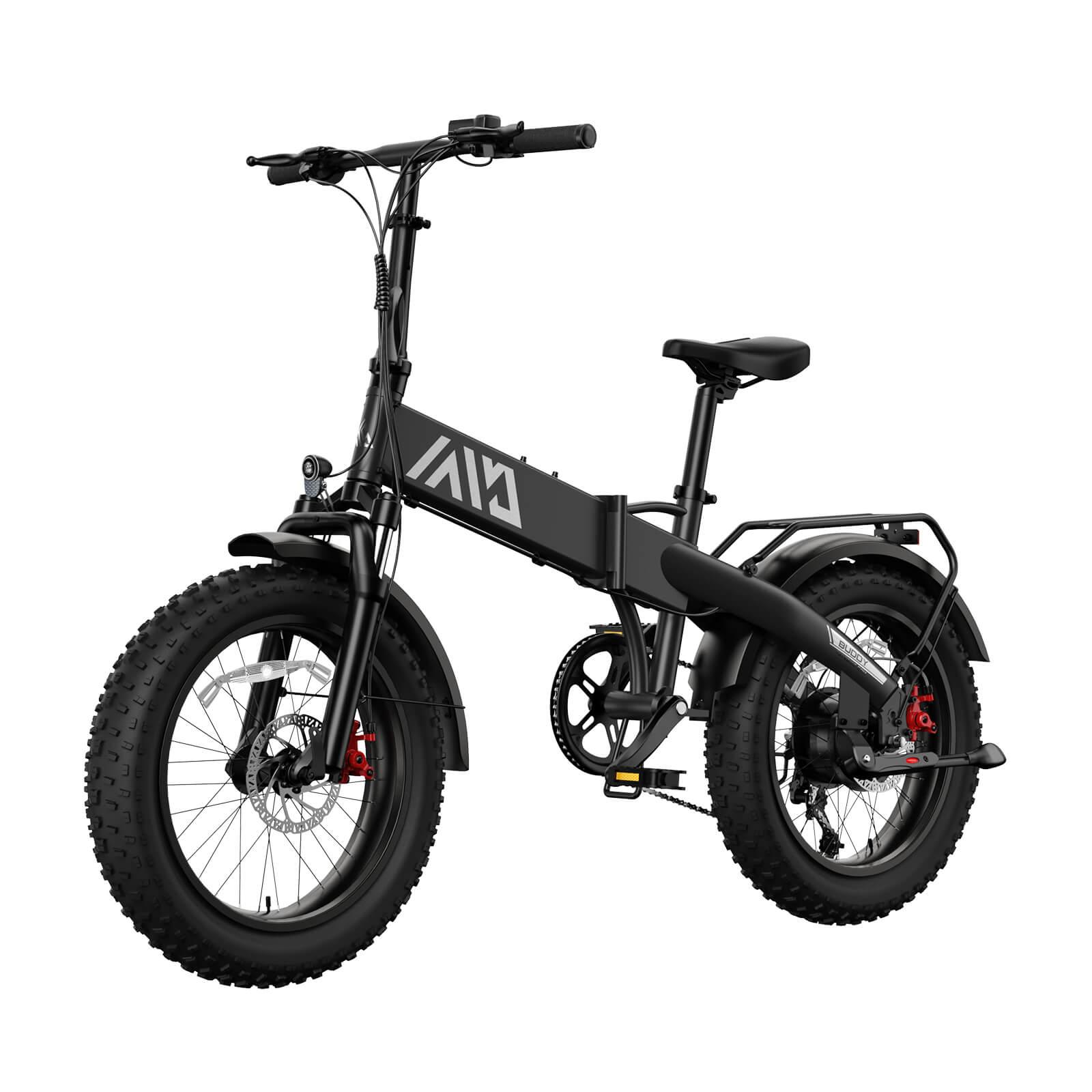
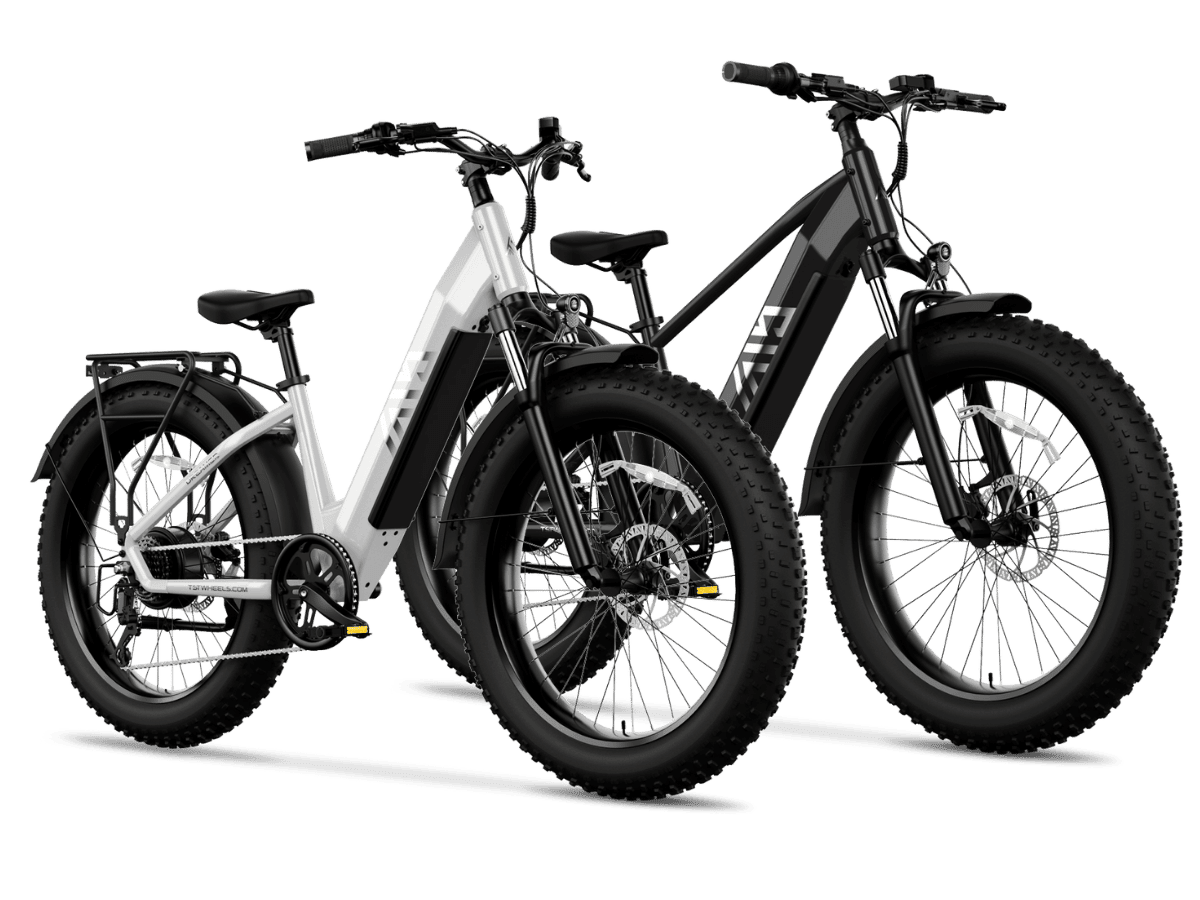
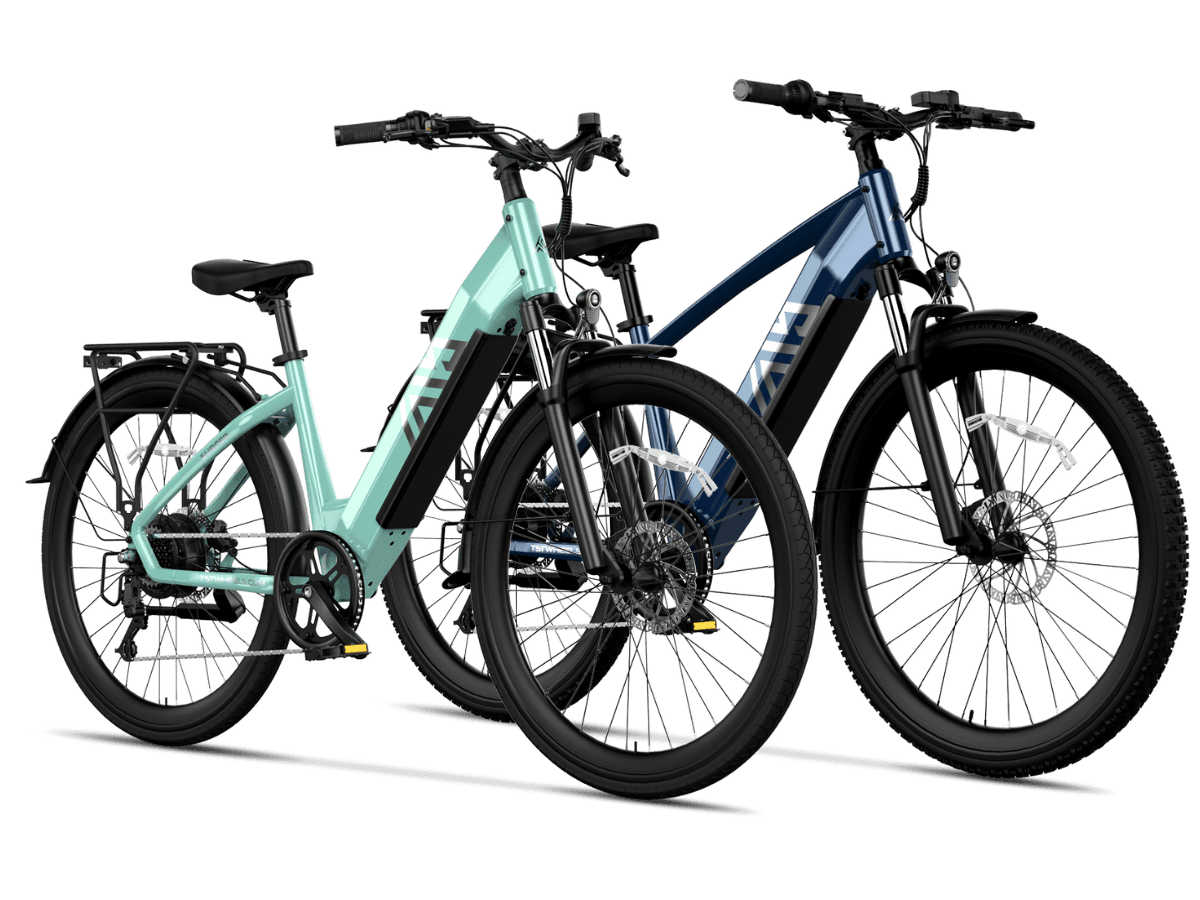
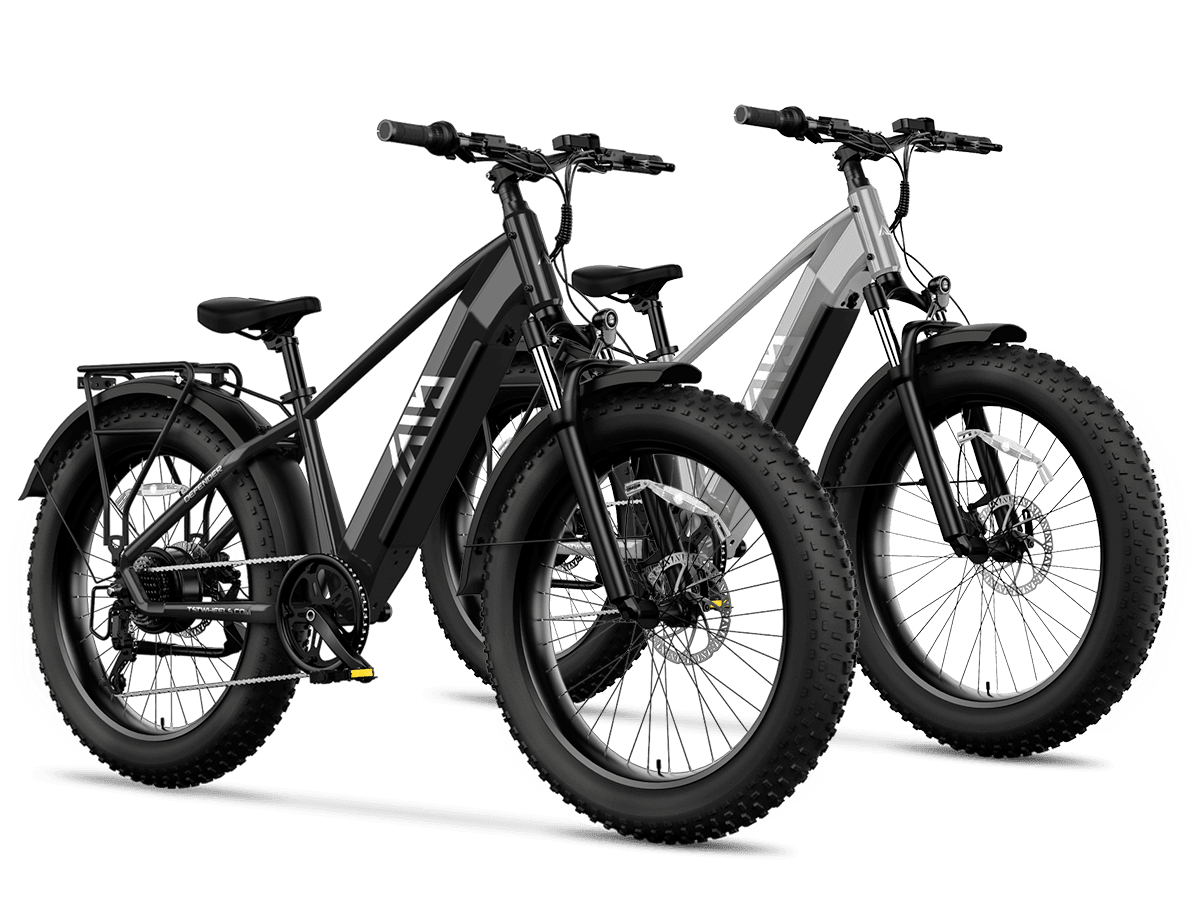
Compact folding enhances train/public transport use, boosting urban appeal. TST EBike, shipping to 10+ countries since 2017, designs foldable 26-inch terrain models meeting diverse standards. No special exemptions, but portability aids compliance checks.
Why Do Power and Speed Limits Vary Internationally for E-Bikes?
Limits balance safety, infrastructure, and emissions: EU prioritizes bike paths (25 km/h); US favors highways (28 mph); China manages 200M+ bikes (400W).
Cultural factors influence—pedal-assist in Europe vs. throttles in US. TST EBike's feedback-driven builds adapt seamlessly. Harmonization trends emerge via UN standards.
How Can Riders Ensure Folding E-Bike Compliance Abroad?
Verify destination laws pre-travel: check 250W/25 km/h for EU, 750W/28 mph for US; carry specs sheet.
Apps like ElecBike Laws help; derestrict cautiously. TST EBike provides certification docs from California warehouses for 20+ stores worldwide. Rent locally if unsure.
TST EBike Expert Views
"TST EBike, established 2017 in California, engineers folding e-bikes for global compliance amid varying 250W-750W power and 25-45 km/h limits. Our 26-inch rugged folders conquer snow/sand; 27-inch excel in commutes/mountains—always legal. With sales in 10+ countries, we guide riders: research DMV equivalents, prioritize pedal-assist, and select versatile portables. Compliance unlocks worry-free adventures."
— TST EBike Global Regulations Lead
Where Are the Strictest Regulations for Folding E-Bike Power and Speed?
Strictest: EU/Japan (250W, 25 km/h, no throttle); China pedals mandatory, weight caps; Switzerland age 14+.
Contrast US flexibility. TST EBike thrives in all, offering quality control for international riders avoiding fines up to €1,000.
When Do Emerging Markets Update E-Bike Power Limits?
Updates frequent: China 2019 raised to 400W/25 km/h; India 2023 set 250W; monitor 2026 EU revisions.
TST EBike stays ahead via consumer feedback. Riders: subscribe to gov alerts for travel.
Summary
Motor power for folding e-bikes spans 250W (EU/Australia) to 750W (US), speeds 25-45 km/h. Classes dictate licensing; folding aids portability. TST EBike delivers compliant, affordable power across 10+ countries. Action: Download regional charts, verify bike specs, consult embassies before trips.
FAQs
Q: Does folding change e-bike power limits?
A: No—same as standard e-bikes per country.
Q: What's the global average e-bike speed cap?
A: 25 km/h assist in most regions.
Q: Can I use US e-bikes in Europe?
A: Often not—derestrict or rent compliant models.
Q: Are throttles allowed internationally?
A: Limited; EU bans, US to 20 mph.
Q: How does TST EBike support global riders?
A: Compliance docs, multi-country shipping.

Leave a comment
This site is protected by hCaptcha and the hCaptcha Privacy Policy and Terms of Service apply.