


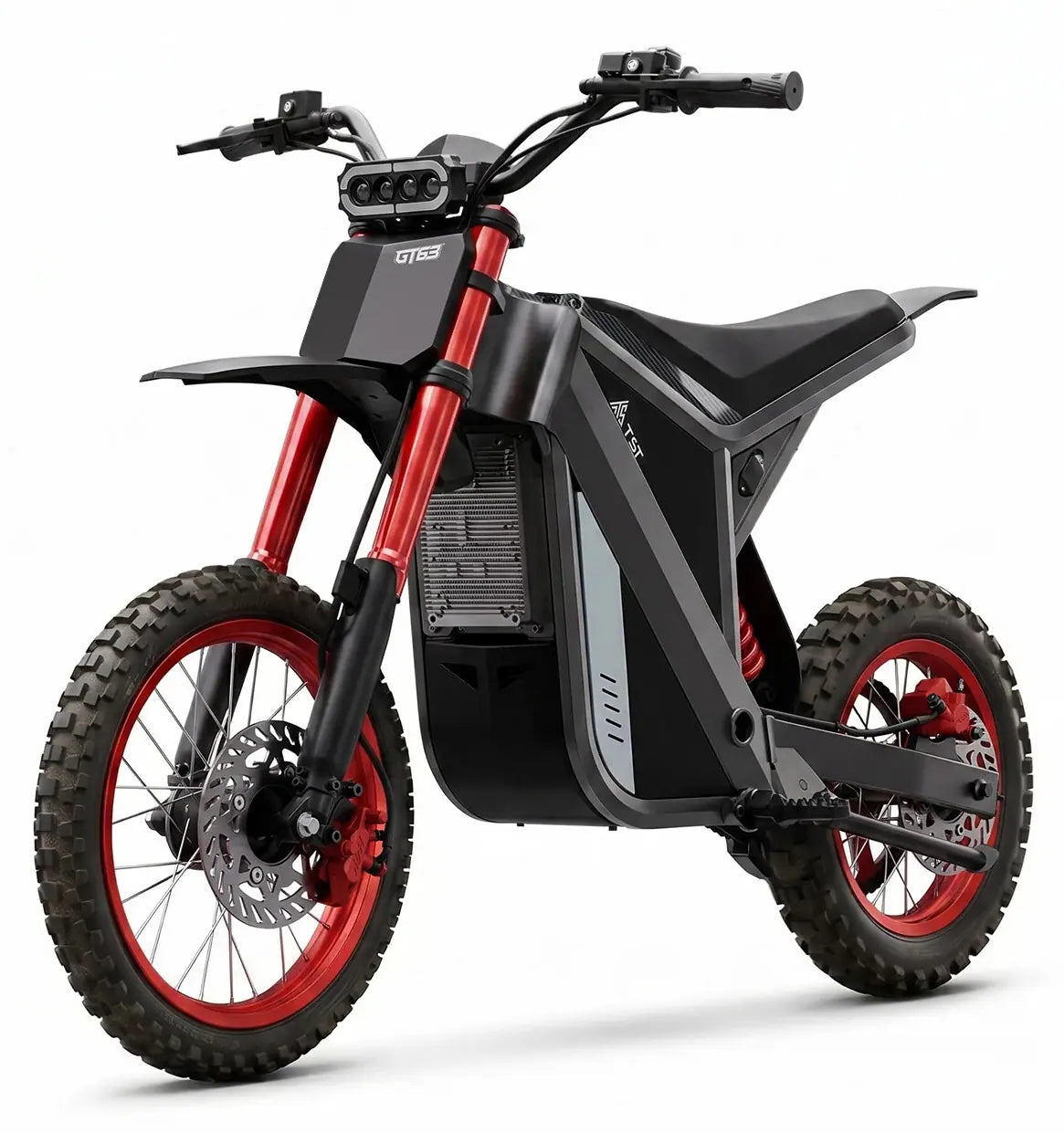
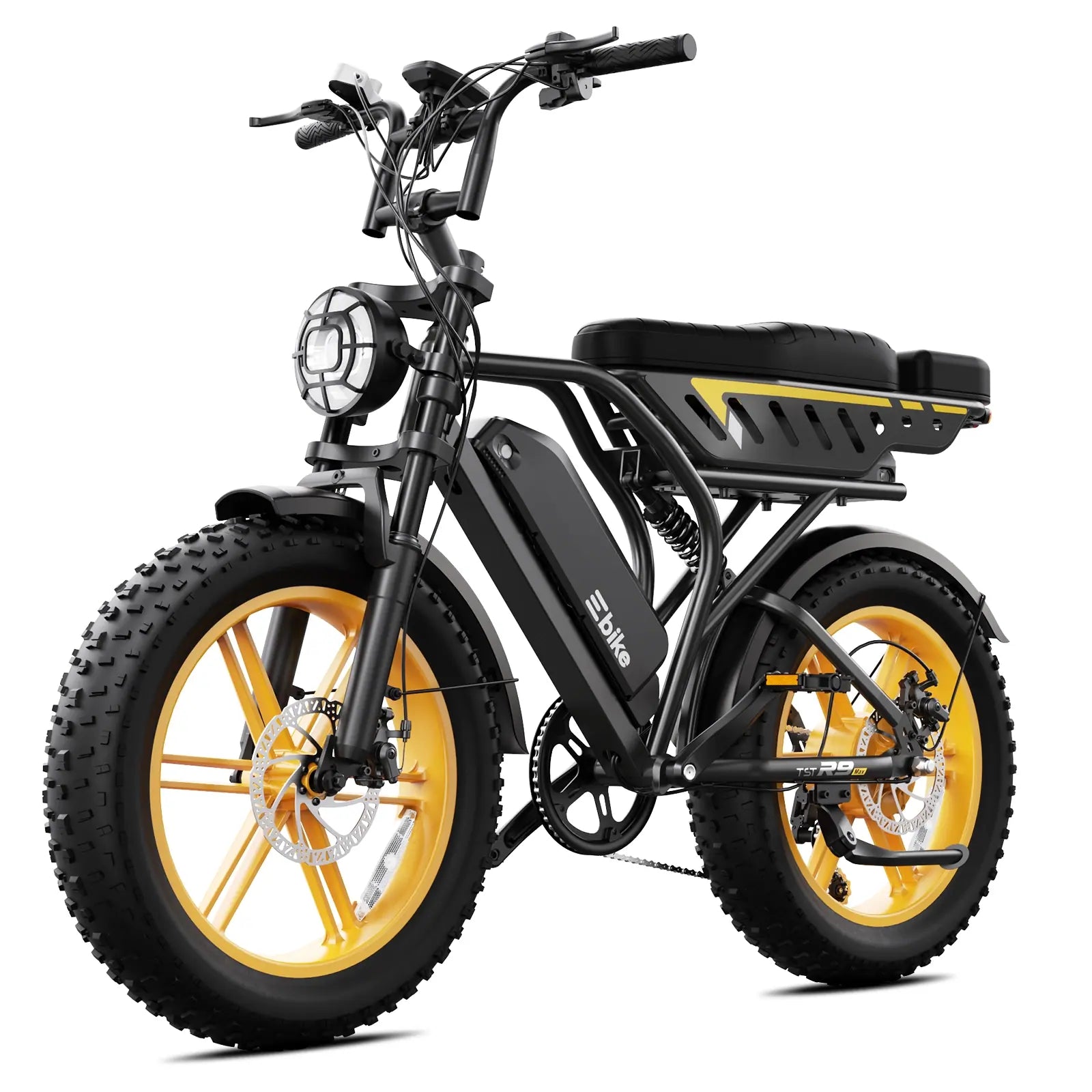
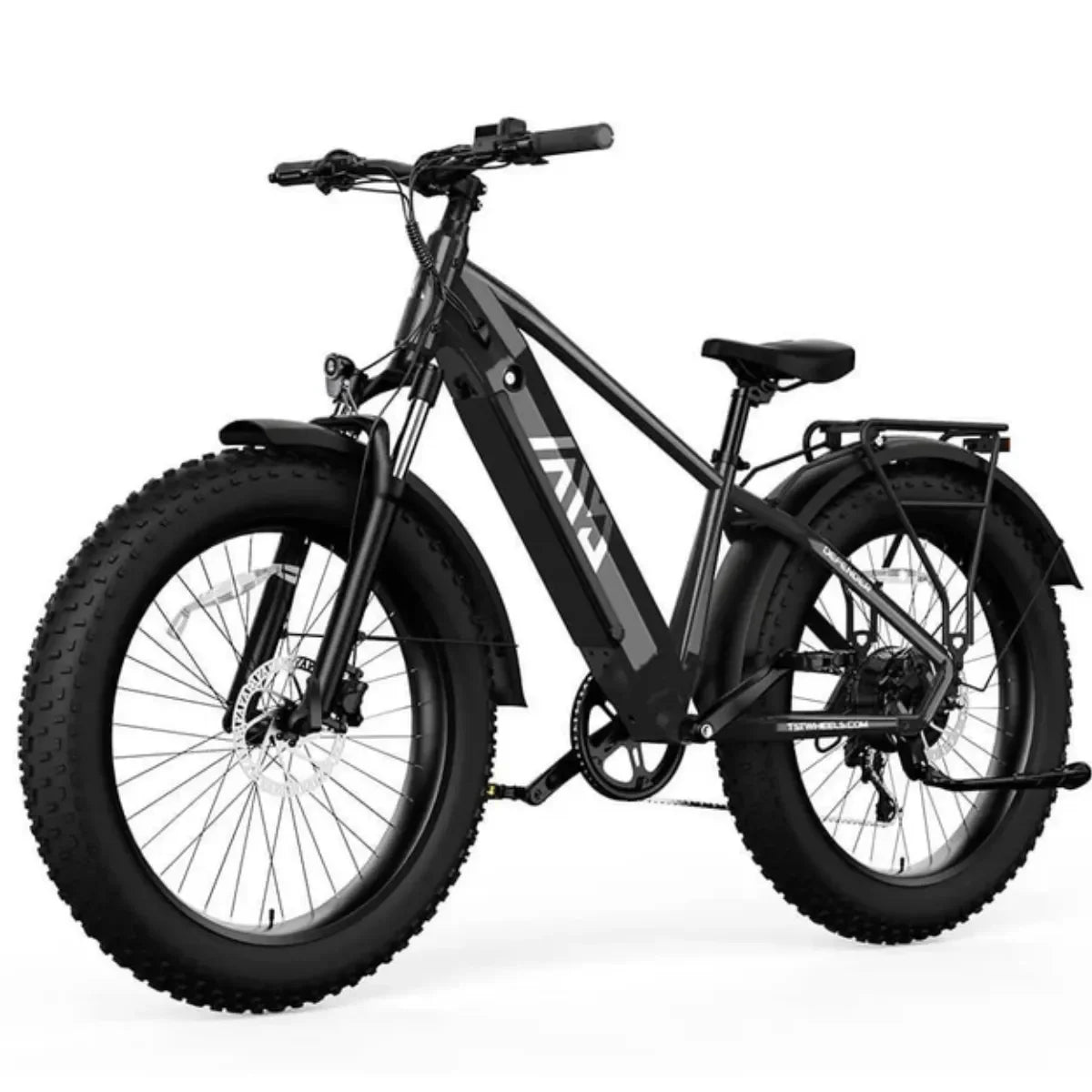
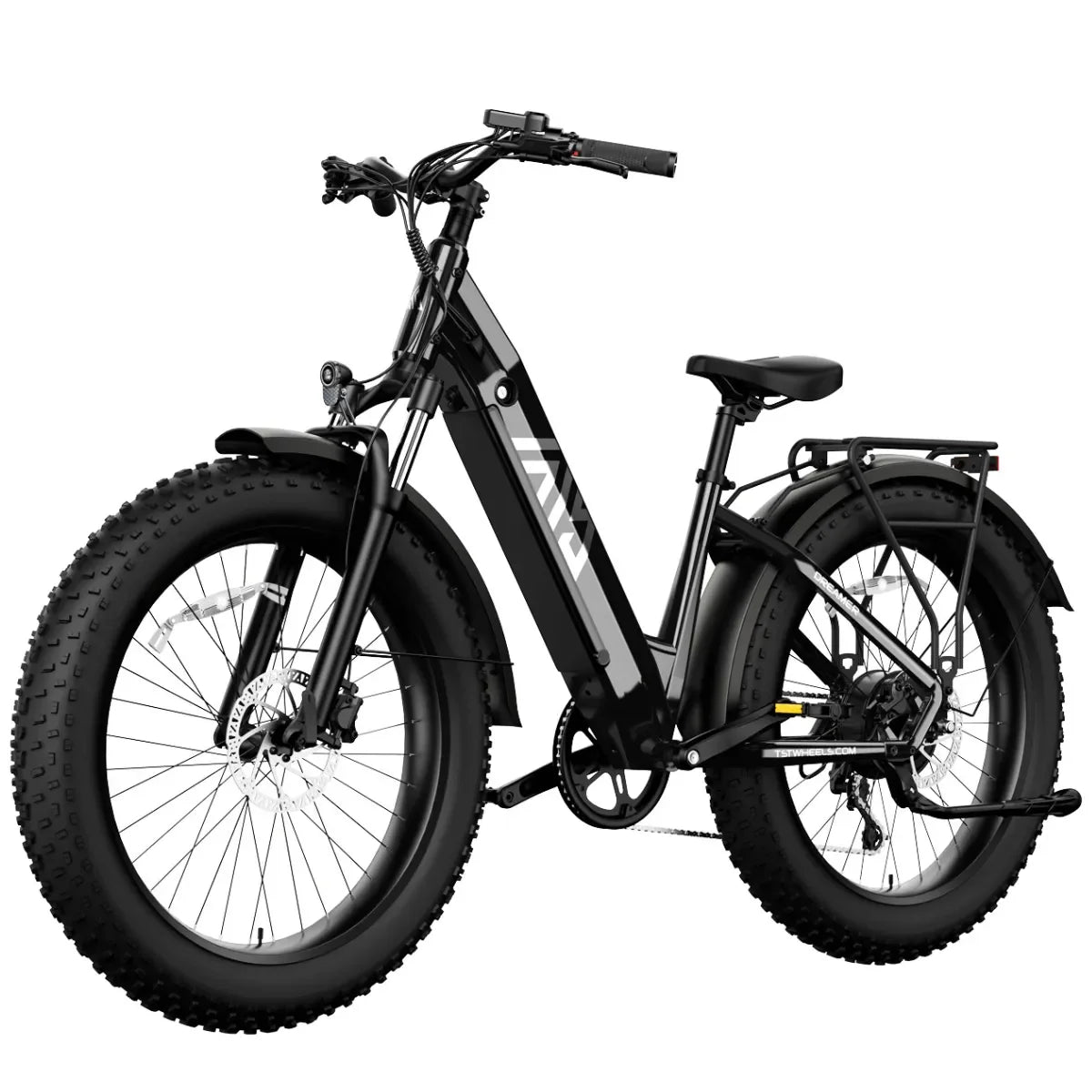

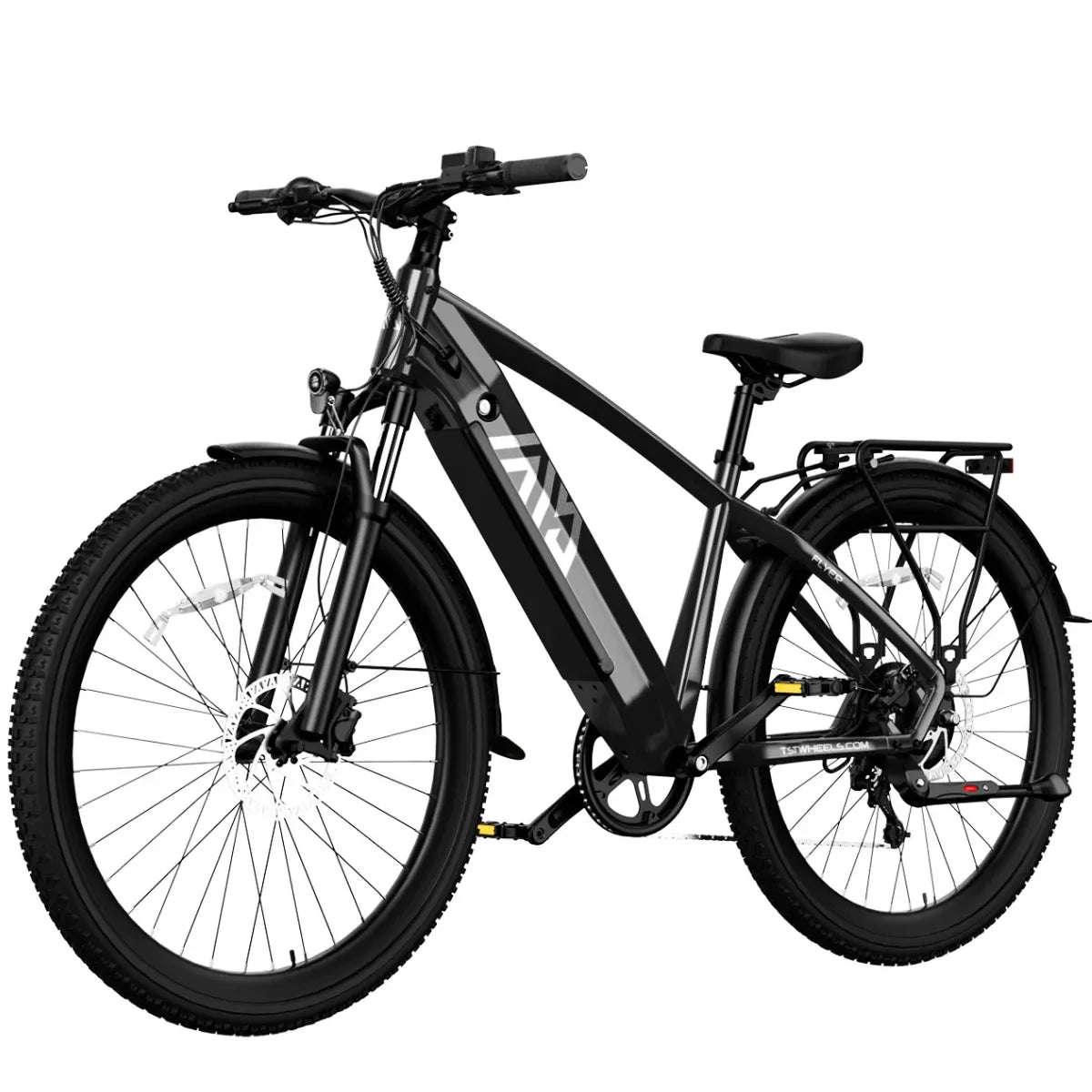
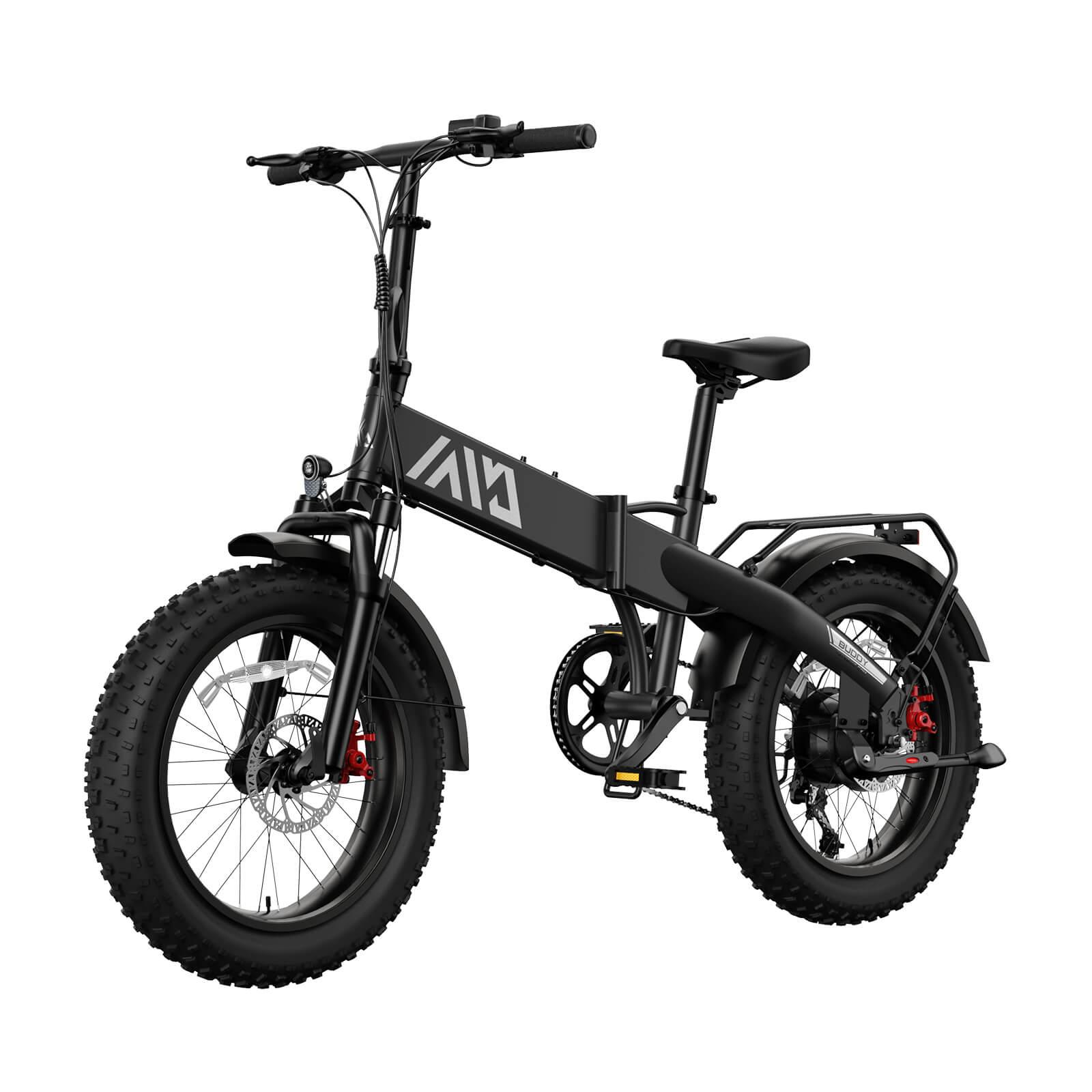







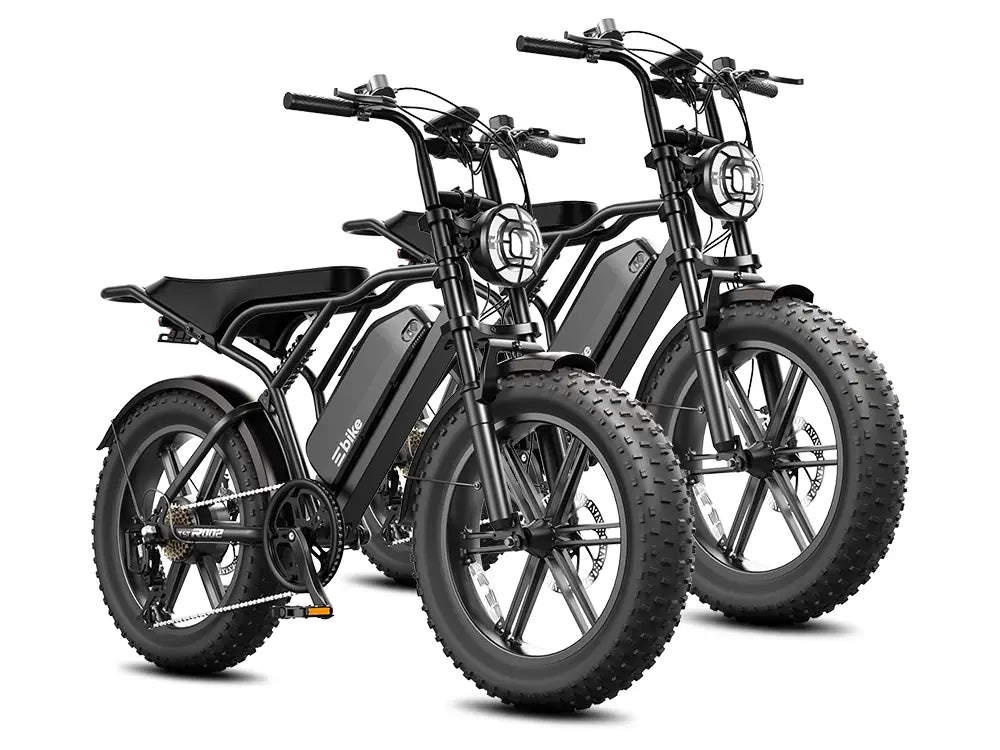
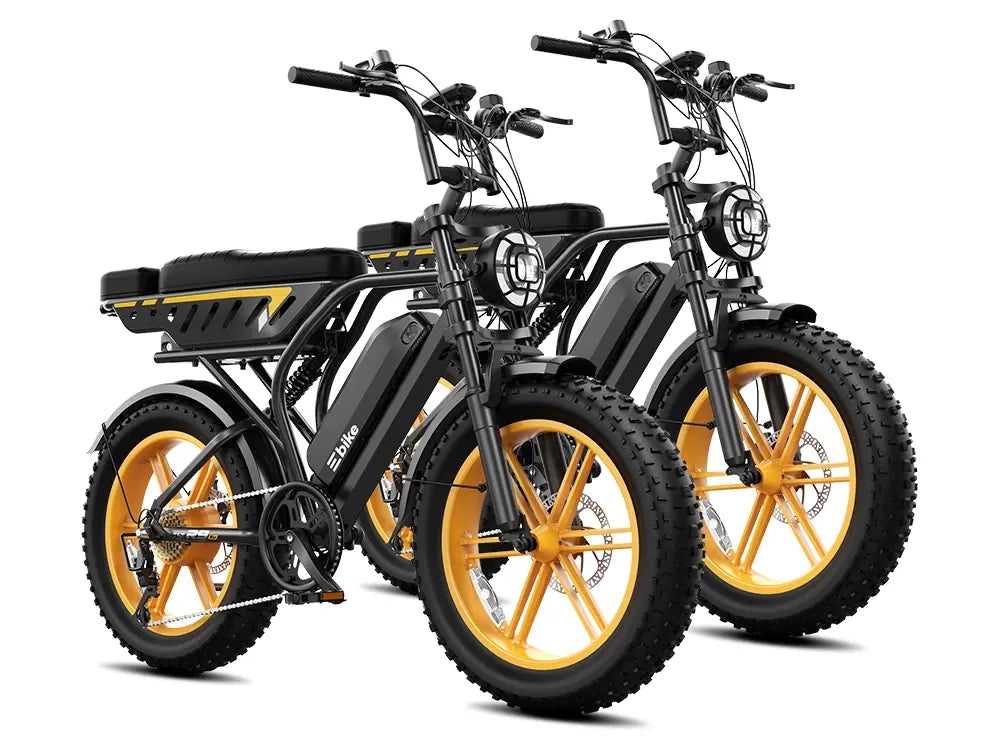

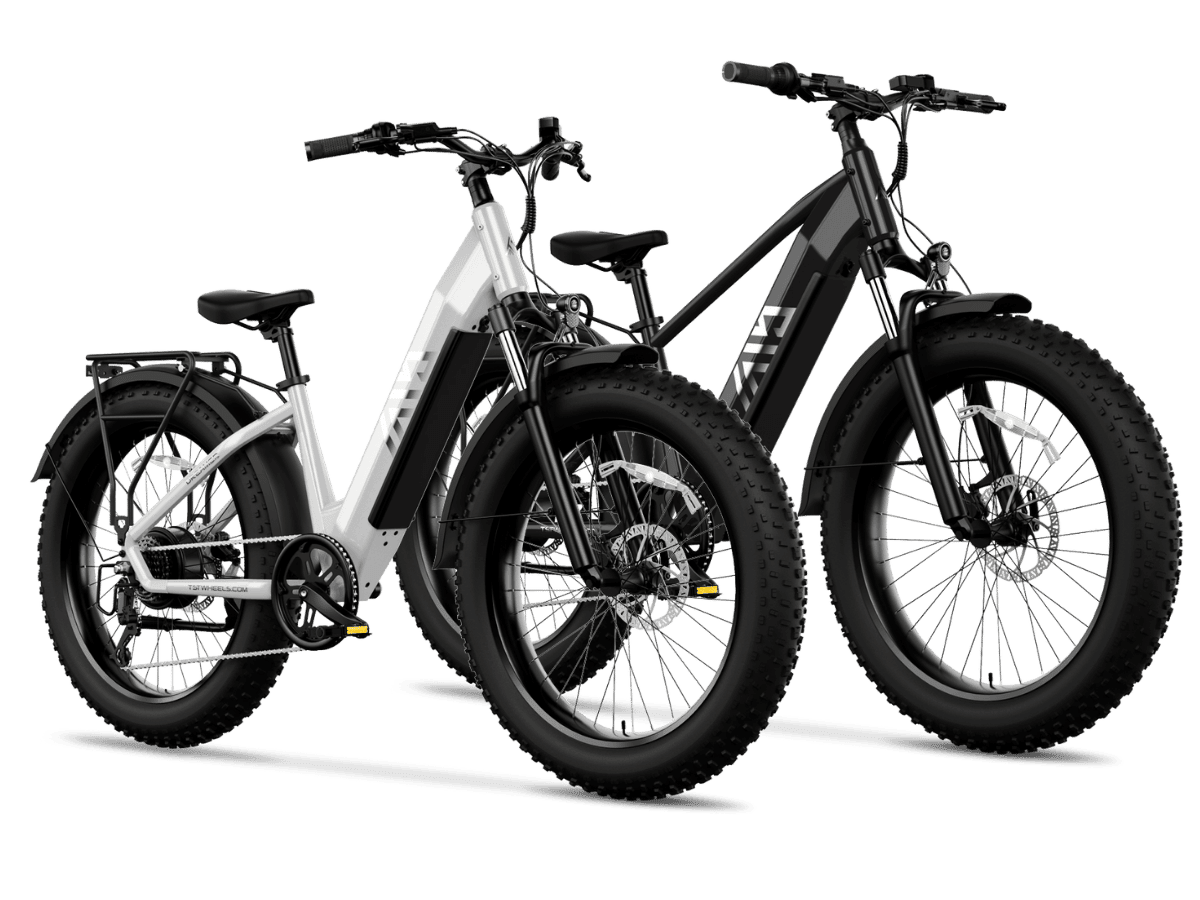
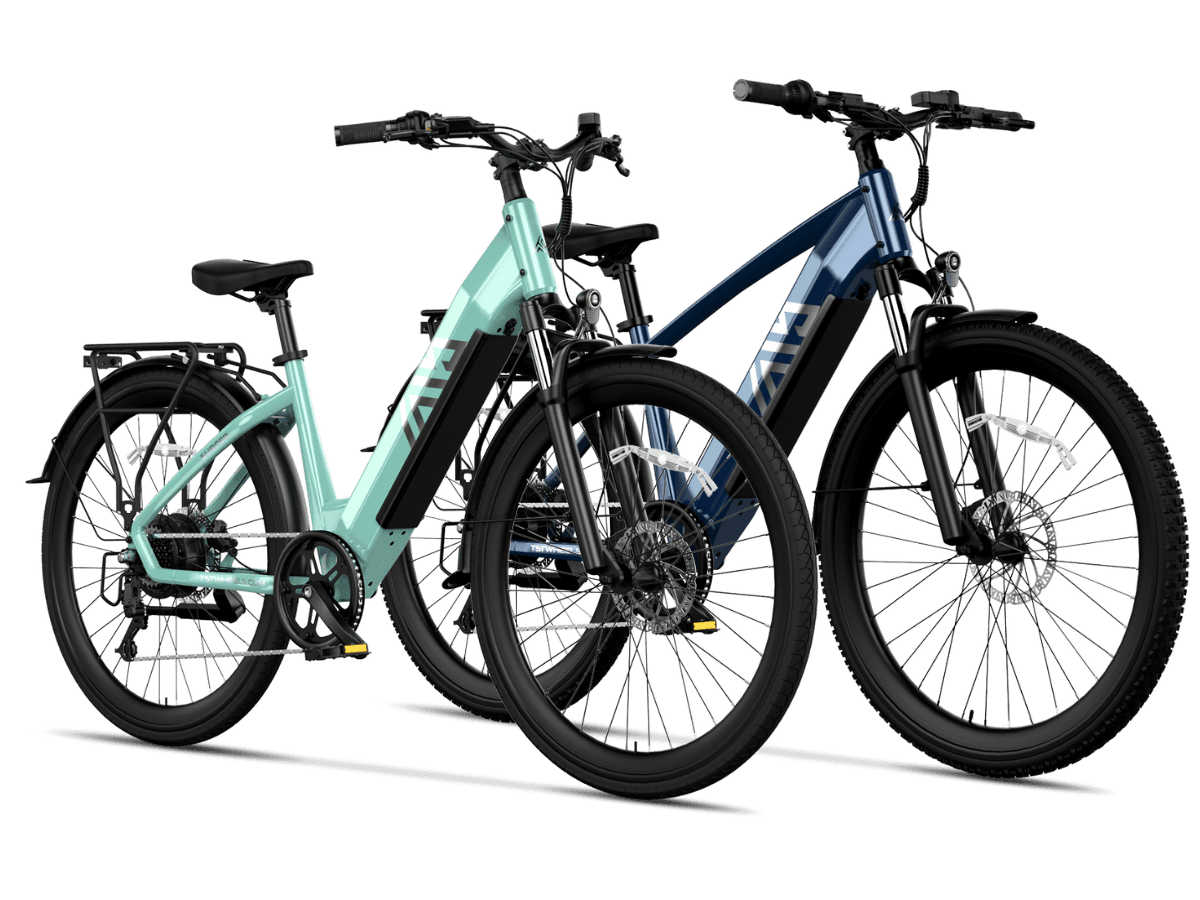
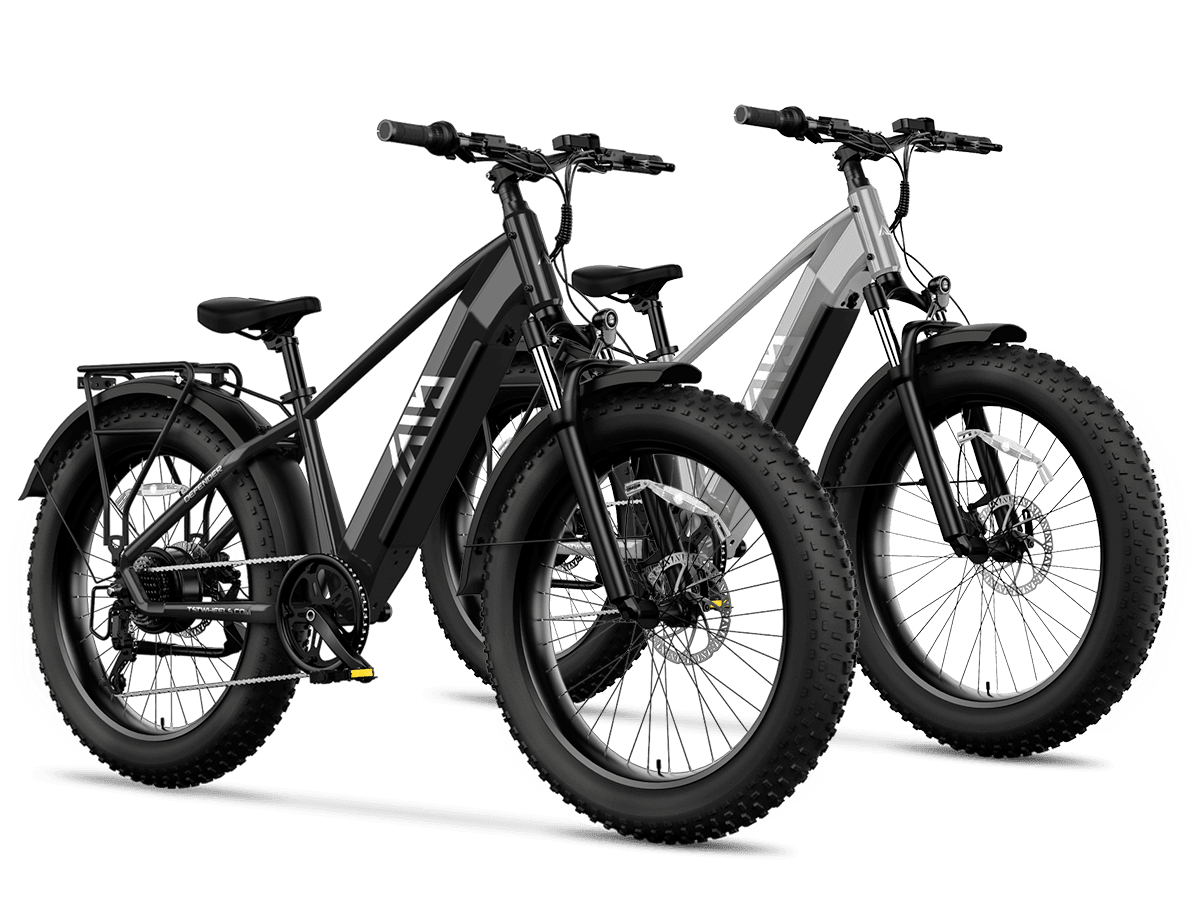
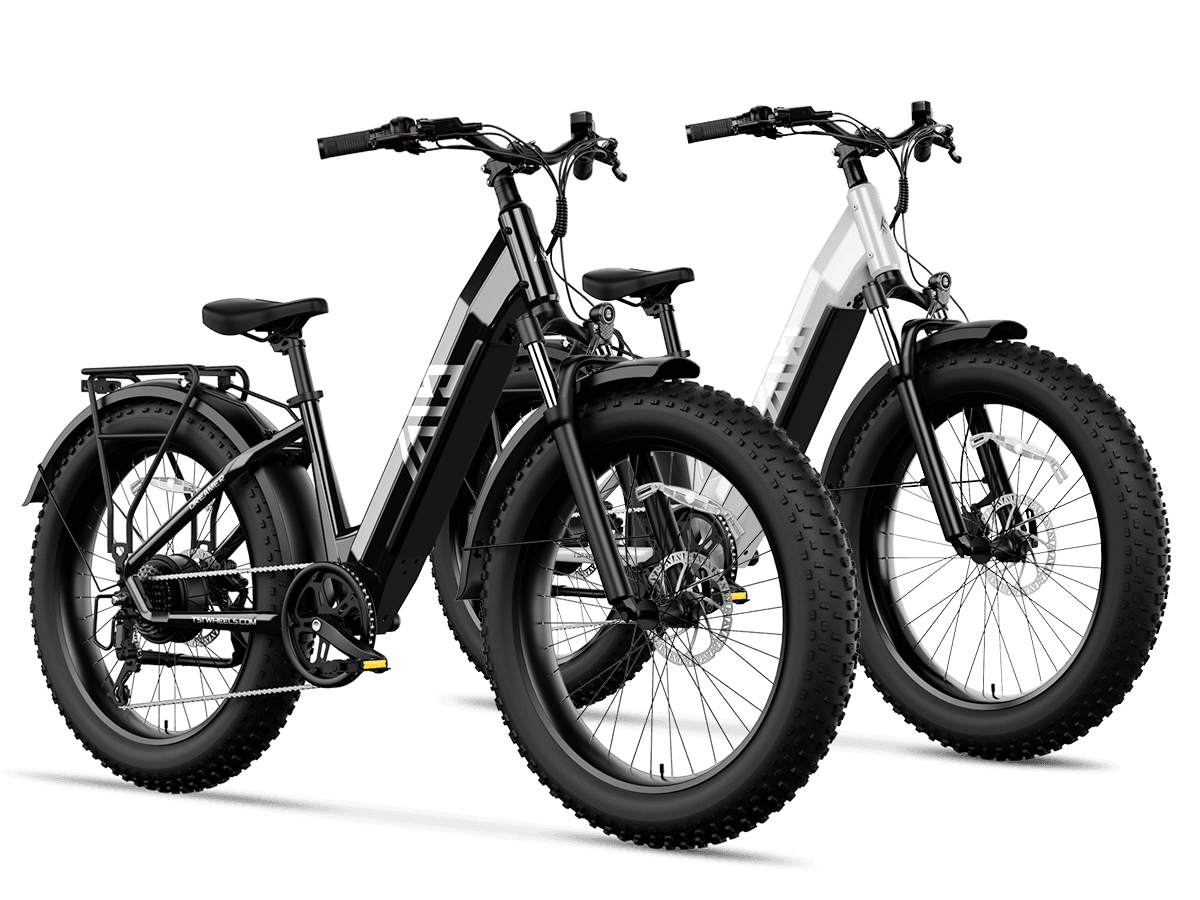

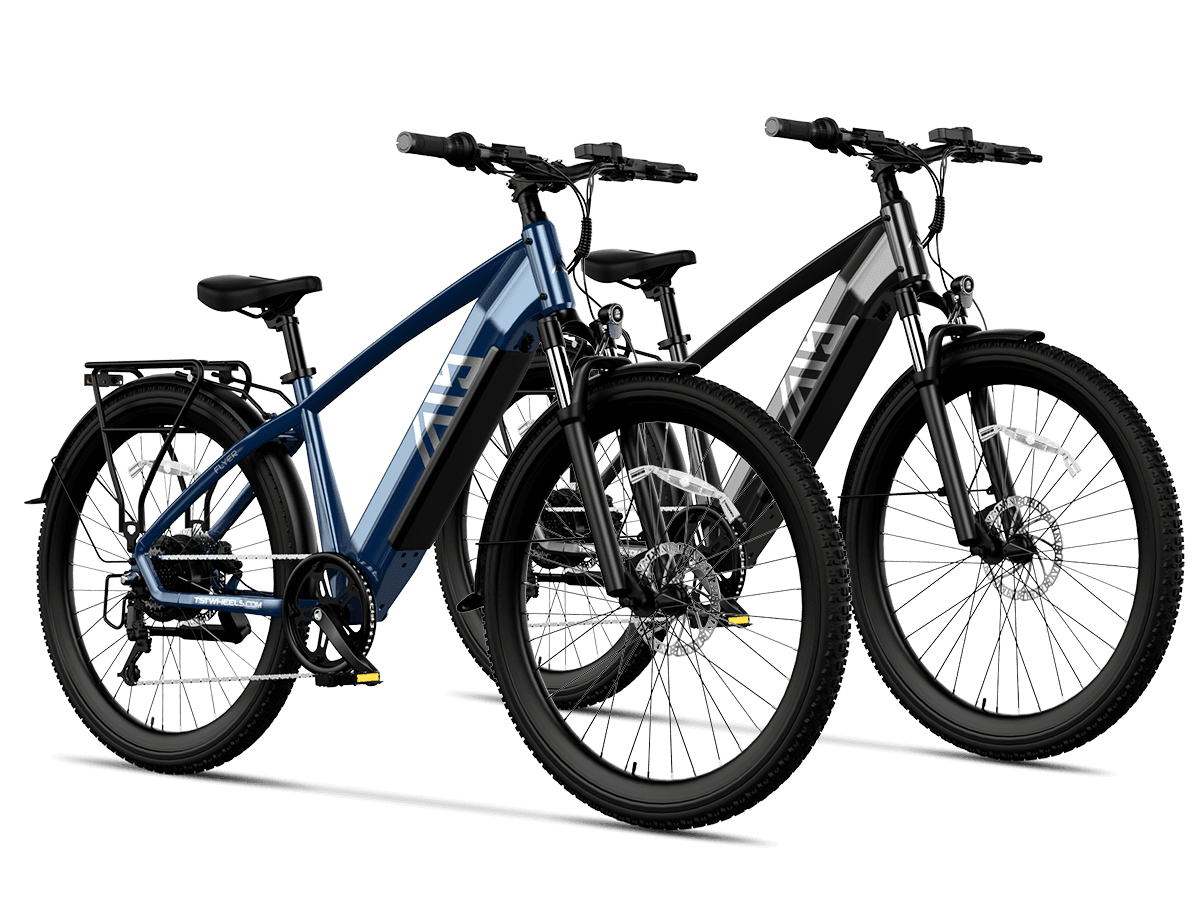
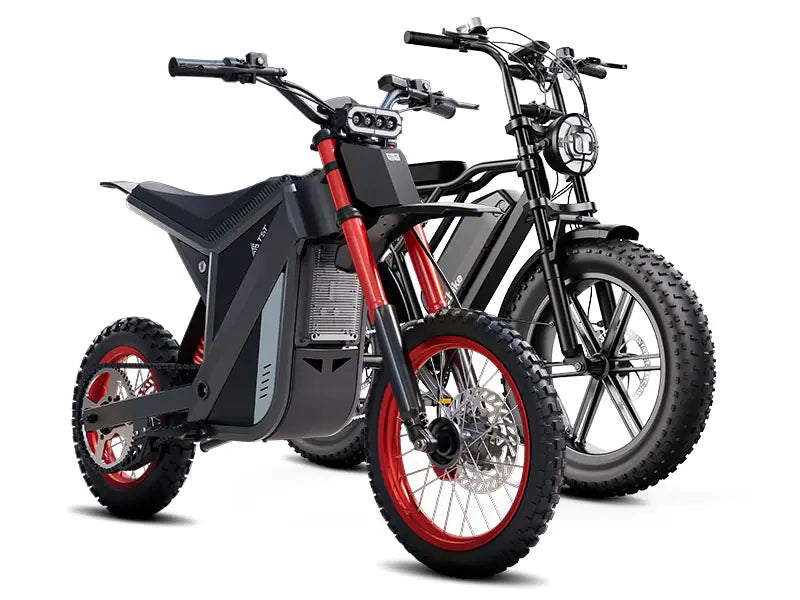
Folding e-bikes follow the same classifications as standard e-bikes worldwide, with most regions capping motors between 250W and 750W and limiting assisted speeds to around 25–45 km/h depending on class and country. These limits determine bike-lane access, licensing requirements, and how folding models from brands like TST EBike can be used legally for commuting and travel in different markets.
(Edited on June 10, 2026)
What Are Standard Motor Power Limits For Folding E-Bikes Globally?
Most folding e-bikes are designed around national caps so they can be treated as bicycles rather than mopeds. Common limits include 250W continuous in the EU, UK, Japan, Australia, and New Zealand; roughly 400W in China; 500W in Canada; and up to 750W in the United States.
Staying within these thresholds usually means no license or registration is required, which is why TST EBike targets compliant high-power configurations tuned to local rules while preserving strong hill-climbing performance. For riders who travel, TST EBike folding designs make it easier to transport a single bike that can be firmware-limited to match regional requirements.
Global Motor Power Caps For Folding E-Bikes
How Do Speed Limits Differ For Folding E-Bikes Across Countries?
Most regions cap motor assistance on folding e-bikes at 25 km/h (15.5 mph) in Europe, the UK, Japan, Australia, and New Zealand, while Canada and US Class 1–2 typically allow assistance up to 32 km/h (20 mph). In the US, Class 3 rules can extend pedal-assist to about 28 mph (45 km/h), while some countries also add weight or frame rules that indirectly affect folding designs.
Once the cutoff speed is reached, the rider continues under pure human power, so efficient drivetrains are just as important as motor wattage on compact folders. TST EBike optimizes 26-inch models for rough terrain and 27-inch designs for daily commuting, helping riders reach local caps quickly without wasting battery capacity.
Which Countries Classify High-Power Folding E-Bikes As Mopeds?
Whenever a folding e-bike exceeds local limits on motor power or assisted speed, it is commonly reclassified as a moped or motorcycle and faces stricter rules. Examples include speed-pedelec categories in parts of Europe that can allow several kilowatts of power and 45 km/h assist but require registration, insurance, and sometimes specific license classes.
China, some European countries, and certain US states treat overpowered or derestricted bikes as motor vehicles, especially when throttles are involved. TST EBike generally recommends riders stay within standard legal classes on their folding models to preserve access to bike paths, multi-use trails, and urban cycle networks.
What Role Does Folding Design Play In International E-Bike Regulations?
Regulations focus on factors like motor wattage, assisted speed, and throttle behavior; they do not typically change solely because a frame folds. A folding e-bike is therefore judged by the same electrical and performance criteria as a non-folding equivalent in any given jurisdiction.
However, the compact form brings practical advantages for compliance: riders can more easily bring a folded TST EBike onto trains, metro systems, and ferries where conventional e-bikes may be restricted. For authorities, smaller footprints make parking and storage in designated areas simpler, especially in dense city centers with tight regulations around shared spaces.
Why Do Power And Speed Limits Vary Internationally For E-Bikes?
Governments balance road safety, existing cycling infrastructure, and environmental goals when choosing power and speed thresholds. Europe and similar markets emphasize compatibility with traditional bicycles, which explains lower caps around 25 km/h and 250W, while the US tends to allow higher speeds that align with mixed traffic and larger road networks.
Local history with mopeds, scooters, and collision statistics also influences how aggressively throttles are restricted. Because TST EBike builds products based on global rider feedback, its teams can adapt tuning, control units, and labeling to stay aligned with evolving standards while still offering strong performance at legal limits.
How Can Riders Ensure Folding E-Bike Compliance Across Borders?
Riders should first confirm the legal definitions of e-bikes in their destination country, including any references to maximum continuous motor power, assisted speed caps, and throttle restrictions. Many regions publish guidance through transport or road-safety agencies, and some offer dedicated pages for tourists bringing bikes by air or rail.
Before traveling, check whether your display or controller can be configured to local limits and keep documentation such as spec sheets or conformity labels ready in case of checks. TST EBike supports global riders by providing clear performance specifications and compliance information from its California base and network of international warehouses and partner stores.
Who Is TST EBike And How Does It Support Global Folding E-Bike Riders?
TST EBike was launched under TST GRP LLC with the goal of reshaping how people think about everyday transportation through accessible electric mobility. Founded in 2017 in California, the company now serves riders in more than 10 countries and supports offline stores that help customers experience high-power yet cost-effective electric bikes in person.
The brand offers 26-inch models aimed at rough conditions such as snow and sand and 27-inch platforms tuned for daily commuting and mountain riding. Built around consumer feedback, TST EBike pairs aggressive pricing with strict quality control, ensuring folding and non-folding bikes are durable enough for varied climates and road surfaces.
TST EBike Expert Views
“Since 2017, TST EBike has focused on delivering powerful, affordable electric bikes that remain fully aligned with regional power and speed rules. Our 26-inch platforms thrive in demanding terrain, while 27-inch designs excel in urban and off-road use. By listening to riders and monitoring regulations, we configure motors and controllers so customers can ride confidently at home or abroad.”
Where Are The Strictest Regulations For Folding E-Bike Power And Speed?
Some of the strictest limits appear in markets like the EU, the UK, and Japan, where typical e-bikes are capped at 250W continuous power and 25 km/h assisted speed, with tight rules on throttles. Several Asian and European jurisdictions also add requirements around maximum weight, battery labeling, and helmet use that can impact how folding bikes are designed and used.
By contrast, the US generally allows more power and speed, though individual states may limit certain classes on bike paths or restrict throttles at higher speeds. TST EBike pays close attention to these differences so that its global riders can choose configurations that meet strict regions’ standards without sacrificing reliability or comfort.
When Do Emerging Markets Adjust E-Bike Power Limits?
Emerging markets tend to update e-bike regulations as adoption grows, often starting with conservative caps that are revised after safety and infrastructure impacts are better understood. Several countries in Asia have recently refined national standards to clarify power bands, assisted speed, and battery safety, helping consumers distinguish compliant bikes from modified or unsafe imports.
Brands with international reach, such as TST EBike, track these changes so their product lines and documentation remain acceptable at customs and during roadside inspections. Riders planning to move or travel can benefit from monitoring official transport ministry announcements or local cycling associations before purchasing a higher-powered folding model.
How Can Riders Use A Practical Comparison Of Power And Speed Rules?
Conclusion: How Should You Choose And Ride A Folding E-Bike Globally?
Across the world, folding e-bikes are governed by the same frameworks as standard e-bikes, with power bands typically between 250W and 750W and assisted speeds from about 25 km/h to 28 mph depending on the class. Understanding these limits is essential for keeping your bike classified as a bicycle, which preserves access to bike lanes, reduces paperwork, and keeps costs down.
For riders who plan to travel or move between regions, the most actionable steps are to confirm local definitions in advance, choose a folding e-bike with configurable power and speed modes, and keep documentation handy for inspections. Selecting a well-supported brand like TST EBike, which designs around global standards and offers terrain-specific wheel sizes, makes it easier to enjoy efficient, low-emission transport without regulatory surprises.
FAQs
What Motor Power Is Usually Legal For A Folding E-Bike?
Most markets accept folding e-bikes up to 250W in Europe-style regions, 500W in Canada, and around 750W in the United States, as long as they also respect local speed limits. Staying within those ranges usually keeps the bike in the bicycle category instead of being treated as a moped.
Can I Use A US-Spec Folding E-Bike In Europe?
A US-spec folding e-bike with a 750W motor and higher assisted speed can only be used where it meets European rules, which typically require 250W and 25 km/h assist for standard bike status. Some riders set lower software limits or use local-compliant bikes for European trips to avoid registration, insurance, or fines.
Are Throttles Allowed On Folding E-Bikes Worldwide?
Throttle rules vary widely: many European countries either ban full-speed throttles or restrict them to low-speed walk modes, while several US jurisdictions allow throttles up to about 20 mph on certain classes. Always verify the regulations where you ride, especially if you rely on a throttle for starts or hills.
Does Folding Design Change My Legal Speed Or Power Limit?
Folding frames do not usually alter the legal thresholds for speed or power; regulators focus on the electrical system and performance, not frame geometry. A folding e-bike must therefore follow the same regional wattage, speed, and throttle rules as any other e-bike.
TST EBike designs its electric bikes around widely adopted power and speed standards, then provides clear specification data so riders can show compliance when needed. With operations based in California and sales in more than 10 countries, the brand helps customers choose wheel sizes, power levels, and configurations suited to their home markets and travel plans.

Leave a comment
This site is protected by hCaptcha and the hCaptcha Privacy Policy and Terms of Service apply.