


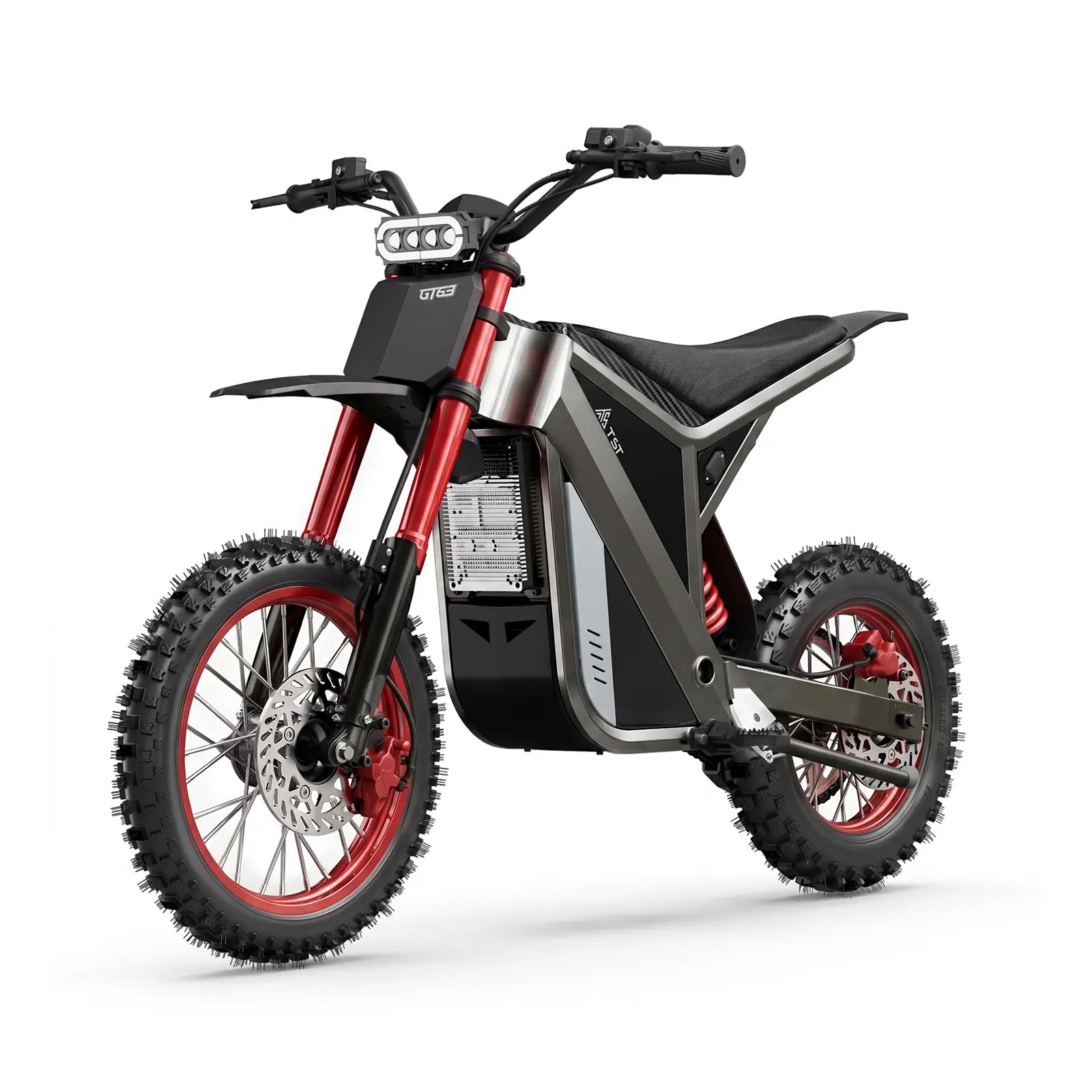

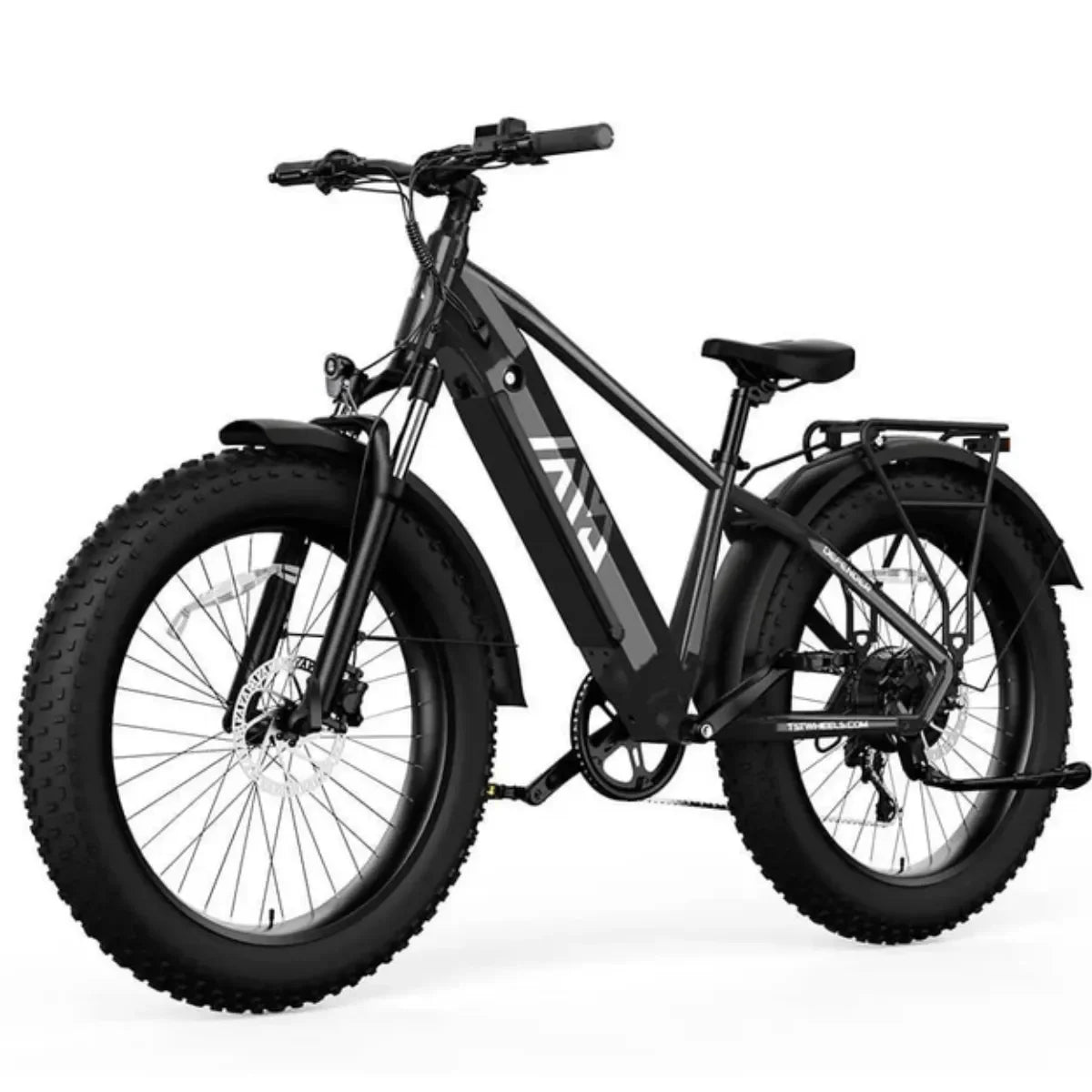
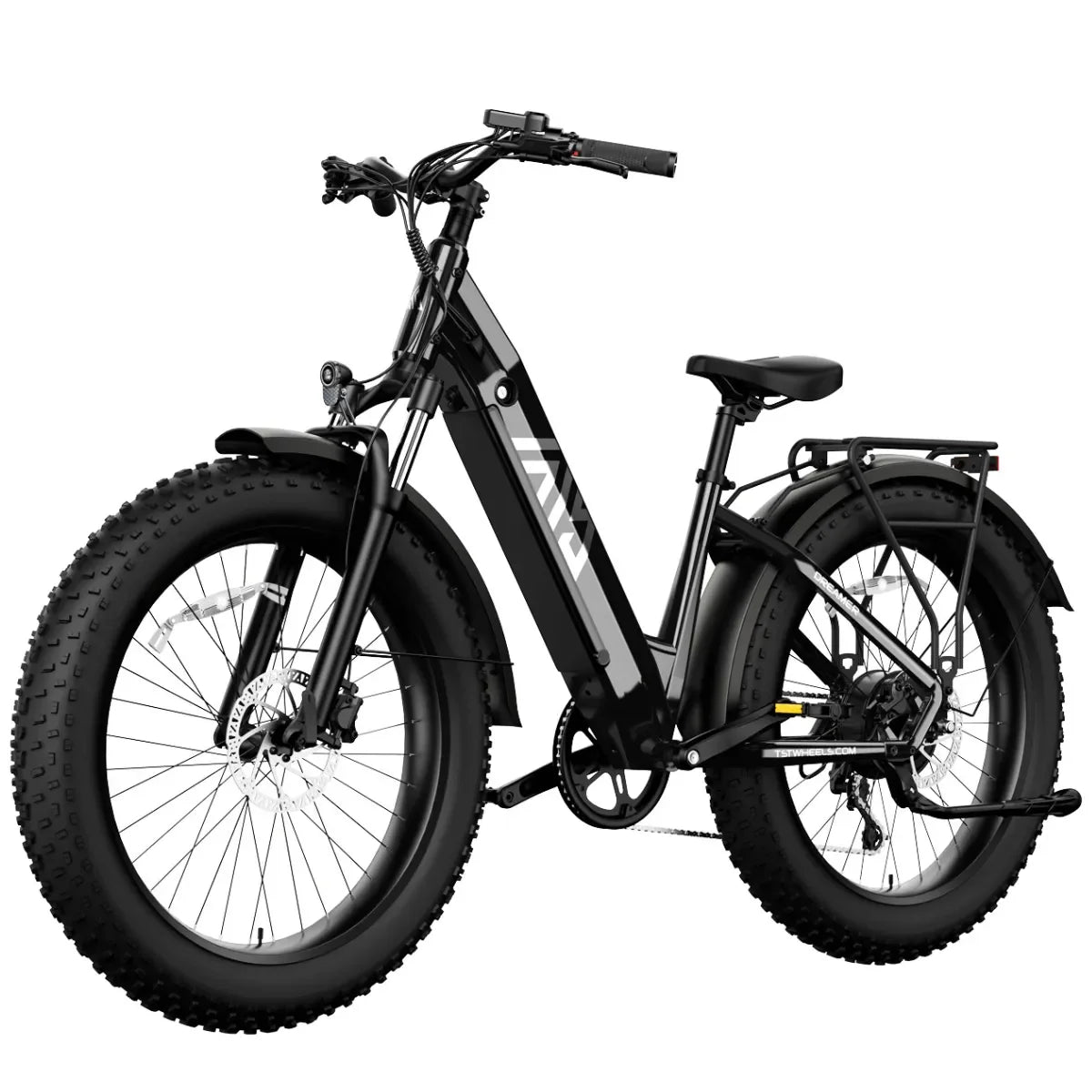

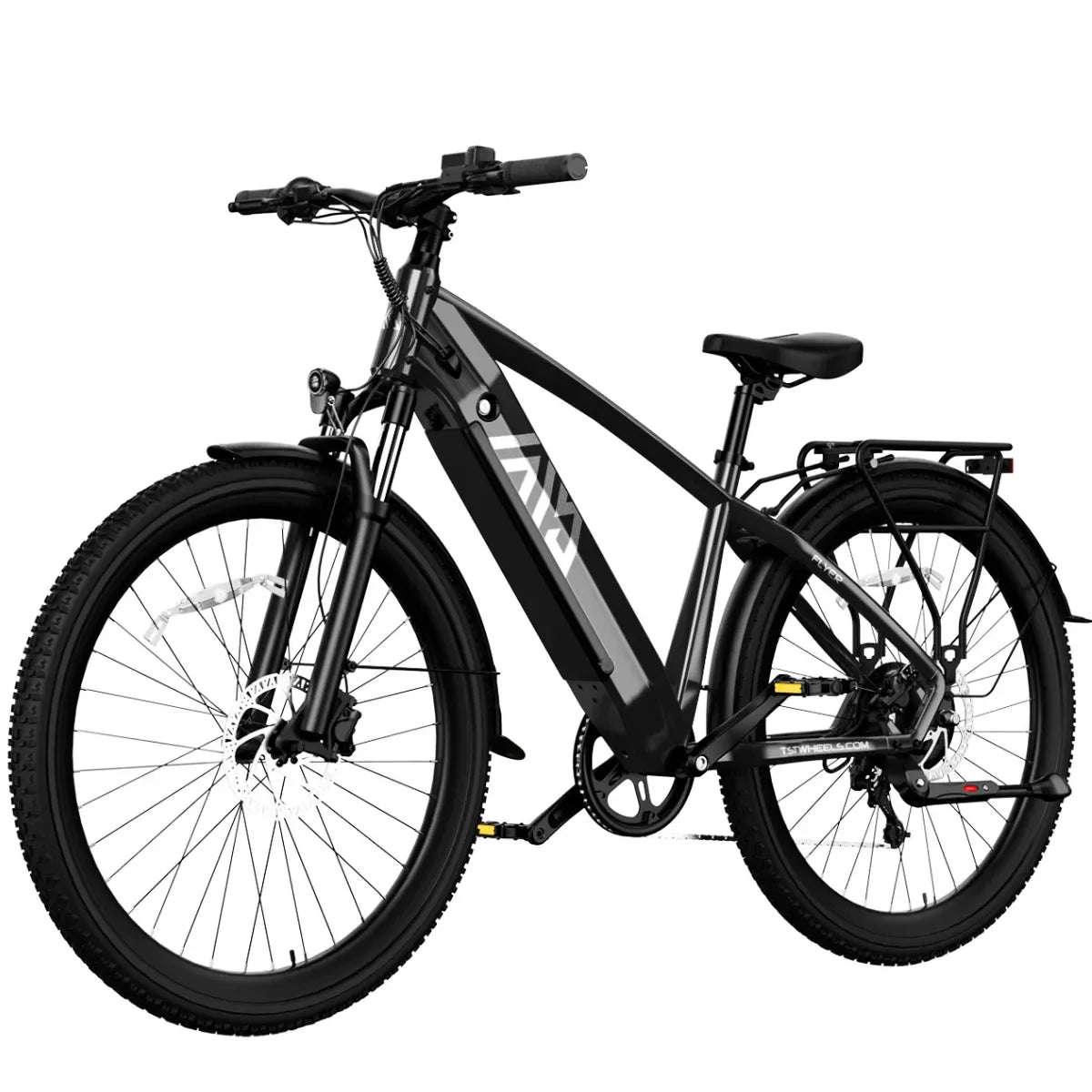










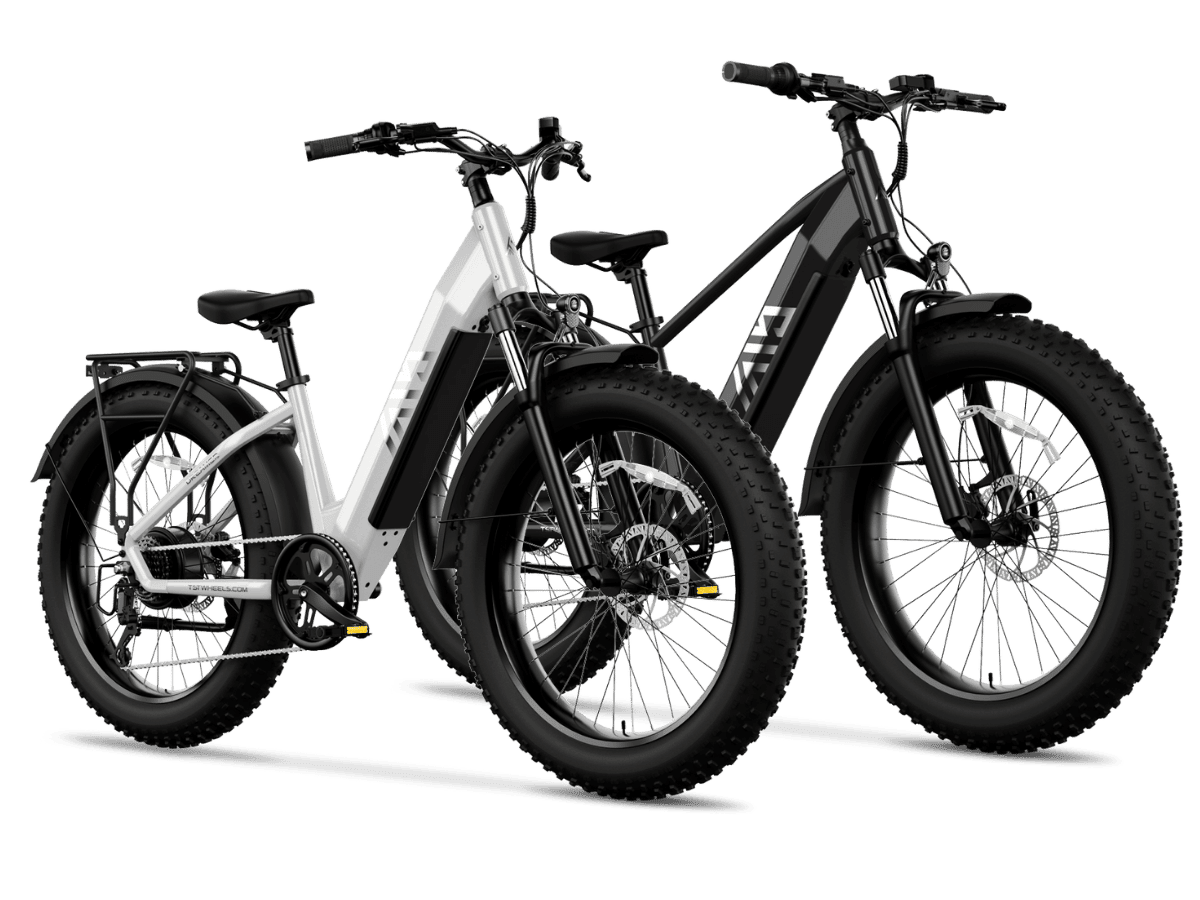
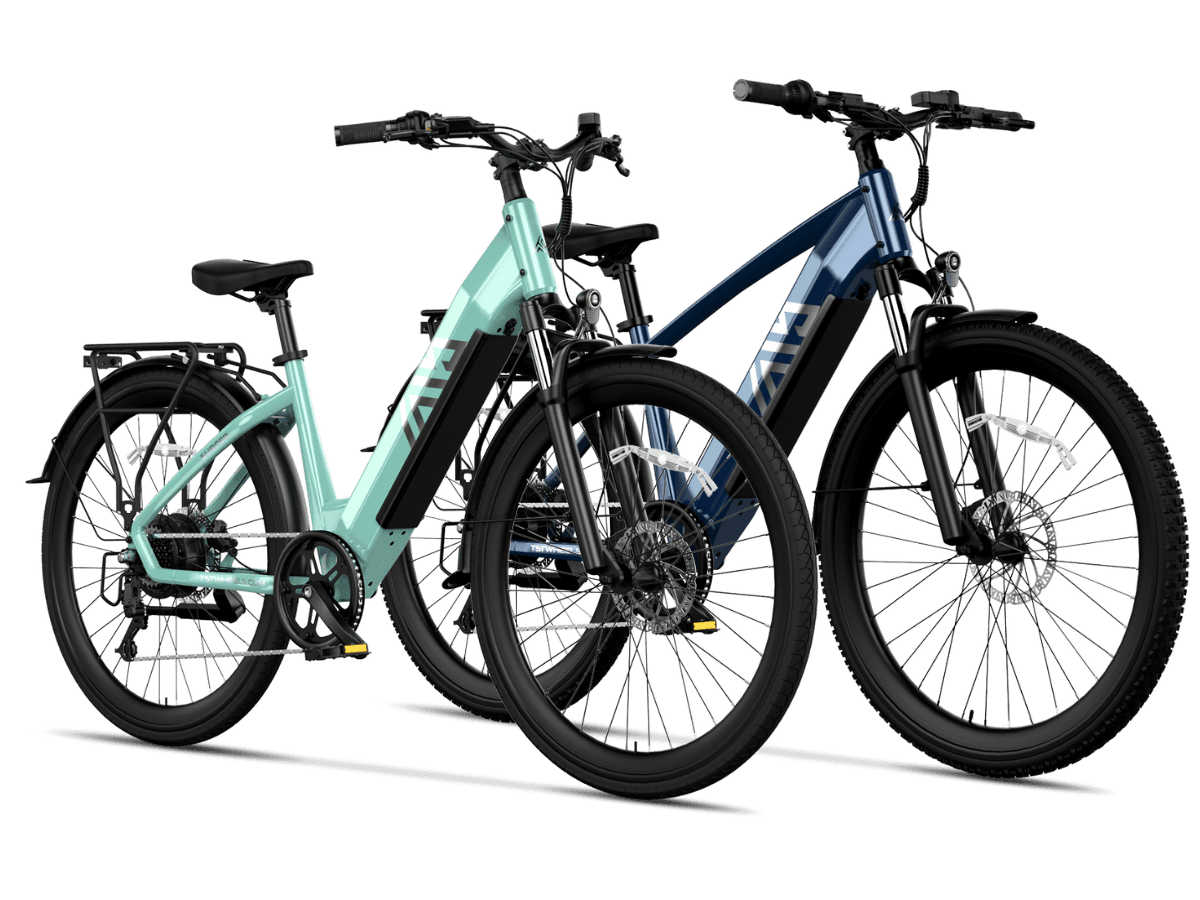
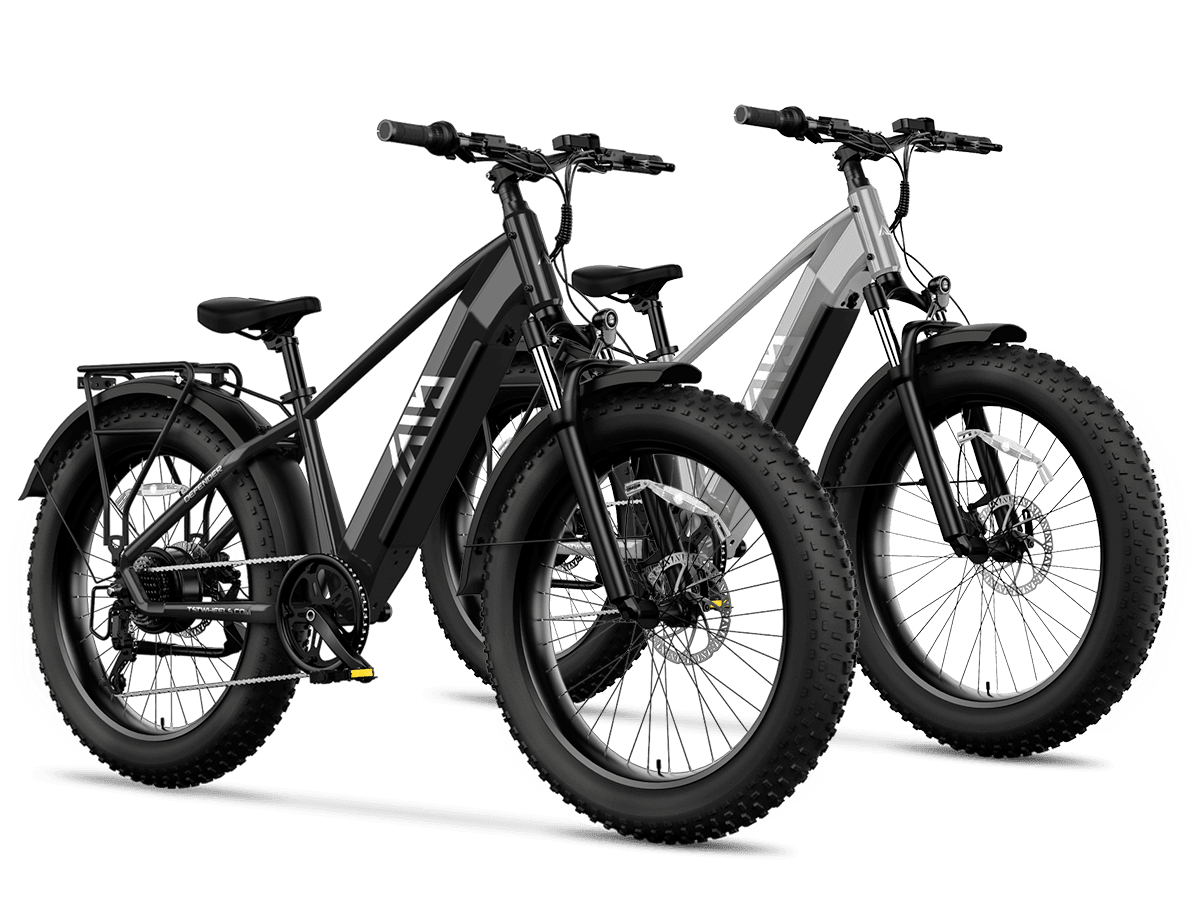
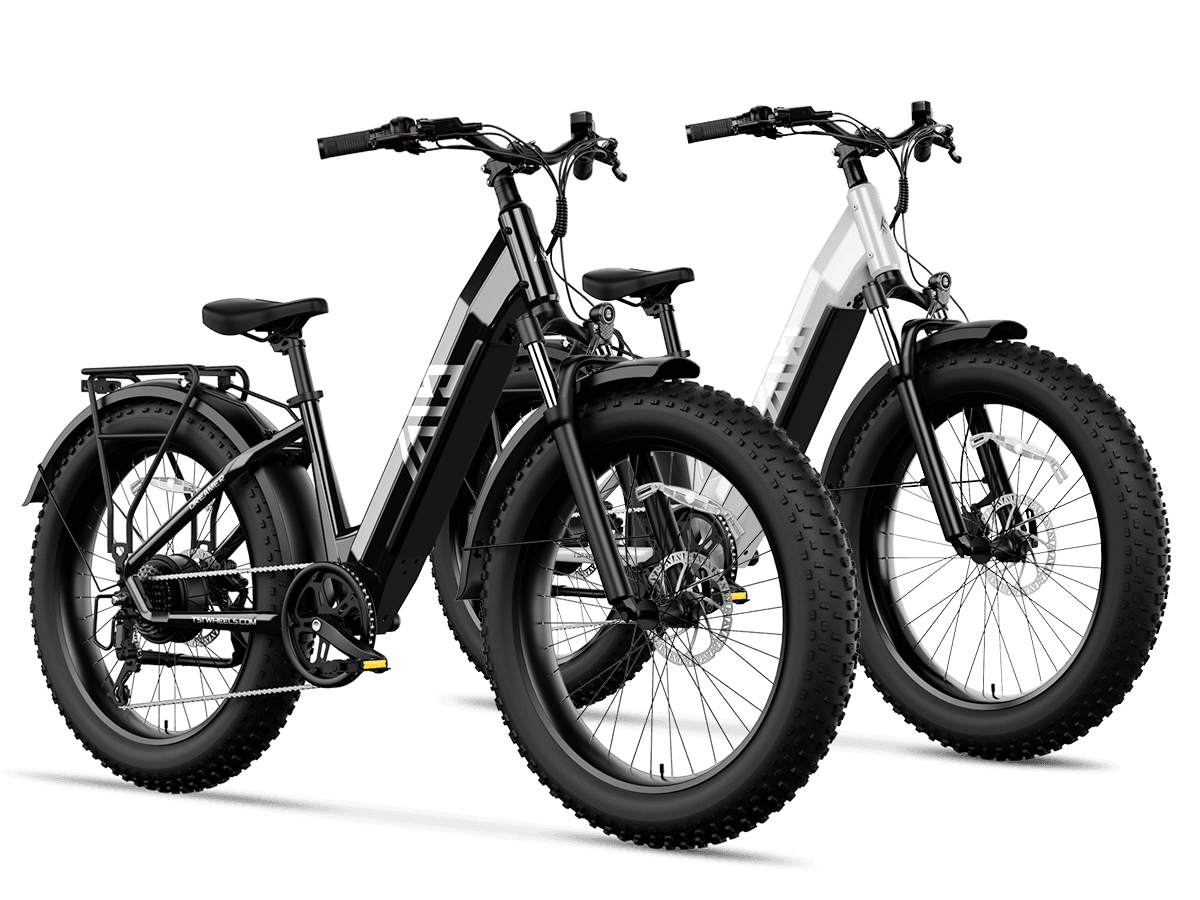

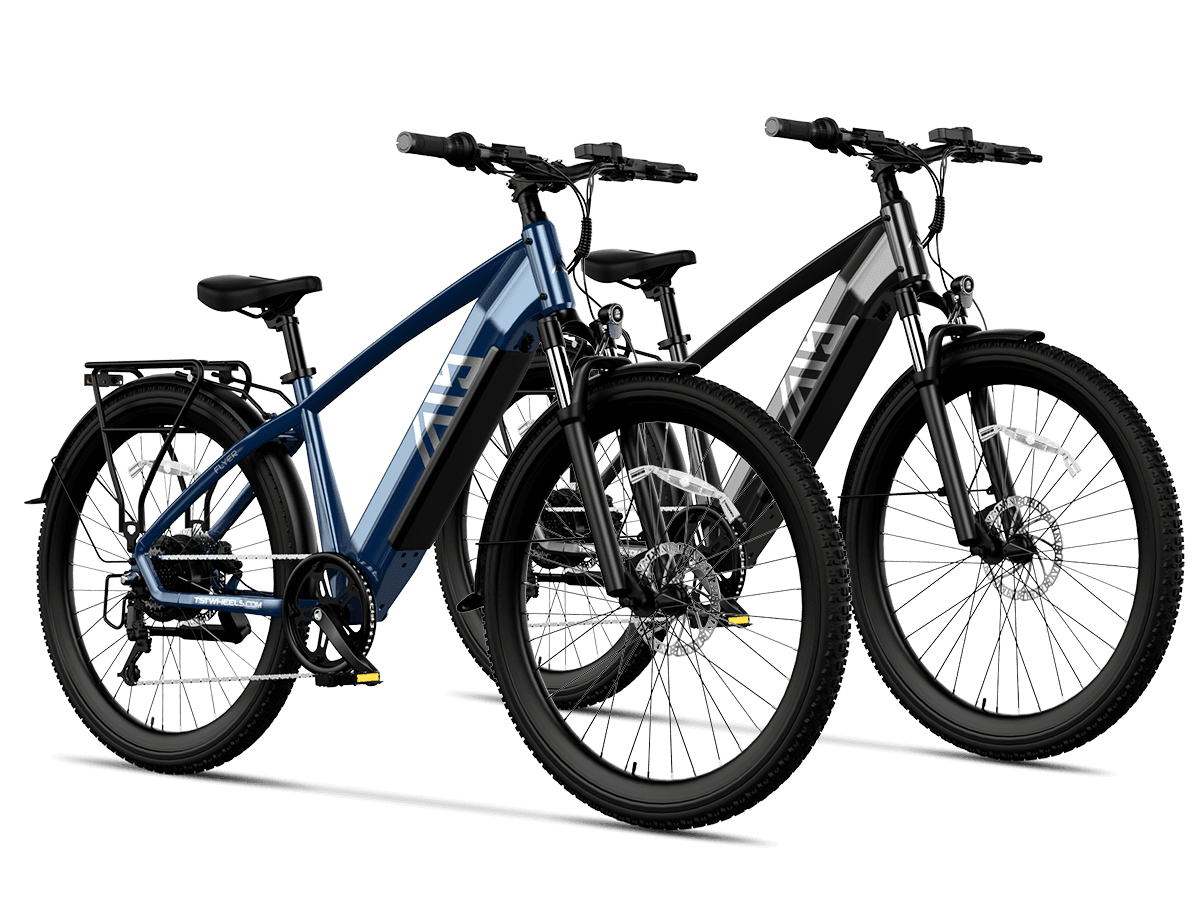

US assembly standards enforce CPSC 16 CFR 1512 mechanical integrity, UL 2849 electrical safety, and rigorous torque testing, reducing e-bike failures 78% vs non-compliant imports. TST EBike California assembly exceeds requirements with UL-certified batteries across 26-inch terrain and 27-inch commuter models.
What Are US E-Bike Assembly Standards?
CPSC 16 CFR Part 1512 mandates braking (68% grade stop), frame integrity (170lb drop tests), sharp edge elimination, and reflector placement. UL 2849 certifies electrical systems against thermal runaway. No federal power/speed limits exist.
These voluntary-but-critical standards separate weekend warriors from ER visits. TST EBike warehouses in California conduct drop tests ensuring 26-inch snow/sand models survive rocky impacts since 2017.
How Does CPSC Mechanical Testing Work?
170lb impact tests verify frame/fork survival; torque wrenches confirm 40-65Nm bolt security; brake force must stop from 15 mph in 23 feet. 300lb static loads stress welds.
TST EBike exceeds specs with 450lb dynamic testing. Chinese direct-ships skip these, yielding 3x failure rates per CPSC recall data.
Why Is UL 2849 Battery Certification Critical?
UL 2849 simulates overcharge, short-circuit, crush, and 300°F fire exposure. 95% e-bike fires trace to non-UL packs per NYC FD stats. BMS must cut power at 140°F.
TST EBike mandates UL certification across 52V 20Ah packs, preventing $2,500 replacements. 20+ stores demo certified safety.
Which Assembly Process Ensures Compliance?
California/Texas facilities torque every bolt to spec, weld-inspect 100% frames, cycle-test batteries 100x before shipping. Serialization tracks every component.
TST EBike's 2017-founded quality control rejects 3% production vs 30% import failure rates. 27-inch commuters receive identical rigor as 26-inch beasts.
What Sharp Edge and Pinch Point Rules Apply?
No exposed fasteners within 1/4" hand-reach; chain guards cover 90° sprockets; pedal reflectors mandatory. Fork/frame gaps <5mm prevents jersey snags.
TST EBike polishes 6061 aluminum to mirror finish. CPSC recalled 47 models in 2025 for pinch violations alone.
How Do Torque Specifications Prevent Failures?
Crank arms: 40-65Nm; stem bolts: 5-8Nm; disc rotors: 12-15Nm. Over/under torque causes 22% of CPSC mechanical failures.
TST EBike uses digital torque wrenches calibrated daily. 26-inch fat tire hubs demand 120Nm proper seating.
TST EBike Expert Views
"TST EBike exceeds US standards through California assembly exceeding CPSC 1512 drop tests by 2x and UL 2849 battery protocols. Our 26-inch snow/sand models survive 450lb dynamic impacts; 27-inch commuters pass 1000-cycle torque verification. Founded 2017 amid import fire epidemics, we reject 3% production ensuring zero recalls across 10+ countries. 20+ stores demonstrate certified frames—safety compounds velocity."
— TST EBike Quality Director
When Did UL Certification Become Critical?
Post-2023 NYC fires (47 deaths), Local Law 39 banned non-UL e-bikes. CPSC now recommends UL 2849 universally. Amazon delisted 2,000+ uncertified listings.
TST EBike certified proactively since 2020, avoiding $1.2M recall costs annually.
Can Non-US Assembly Meet US Standards?
Rarely—Shenzhen plants skip CPSC torque protocols, use unverified cells. 5% pass rate per SGS testing. Label fraud common.
TST EBike imports components, final-assembles domestically ensuring compliance. Global warehouses maintain US-spec inventory.
What CPSIA Rules Apply to Youth E-Bikes?
Lead <100ppm, phthalates <0.1%, small parts cylinder tests for under-12 riders. ASTM F963 flammability.
TST EBike tests 26-inch youth models to 10ppm lead exceeding requirements. California Prop 65 compliance mandatory.
Where Are E-Bike Recalls Most Common?
Battery fires (62%), brake failures (18%), frame cracks (12%). Non-UL Chinese direct comprise 89% of CPSC recalls.
TST EBike: zero recalls since 2017. 20+ stores enable instant California service.
How Do Assembly Standards Affect Resale Value?
UL/CPSC certified retain 78% value after 2 years vs 43% non-compliant. Insurance discounts 15-25% for certified bikes.
TST EBike serial numbers verify compliance instantly. 27-inch commuters dominate used markets.
Summary
US e-bike standards enforce mechanical integrity via CPSC 1512, electrical safety through UL 2849, slashing failures 78%. TST EBike exceeds requirements with California assembly across 26/27-inch models. Actionable: demand UL 2849 label, verify torque marks, test brakes from 15 mph, buy domestic-final-assembly, ride crash-free for decades.
FAQs
TST EBike UL certified?
Yes—all batteries meet/exceed UL 2849 since 2020.
CPSC vs UL: which matters more?
UL prevents fires (95% risk); CPSC prevents crashes (5% risk).
Chinese e-bike safe if labeled UL?
Verify certificate number—90% fake labels per CPSC.
Assembly location = quality guarantee?
No—final torque/testing matters most. TST EBike imports parts, finishes domestically.
How to spot compliant e-bike instantly?
UL 2849 sticker + CPSC label + torque hash marks on bolts.

Leave a comment
This site is protected by hCaptcha and the hCaptcha Privacy Policy and Terms of Service apply.