


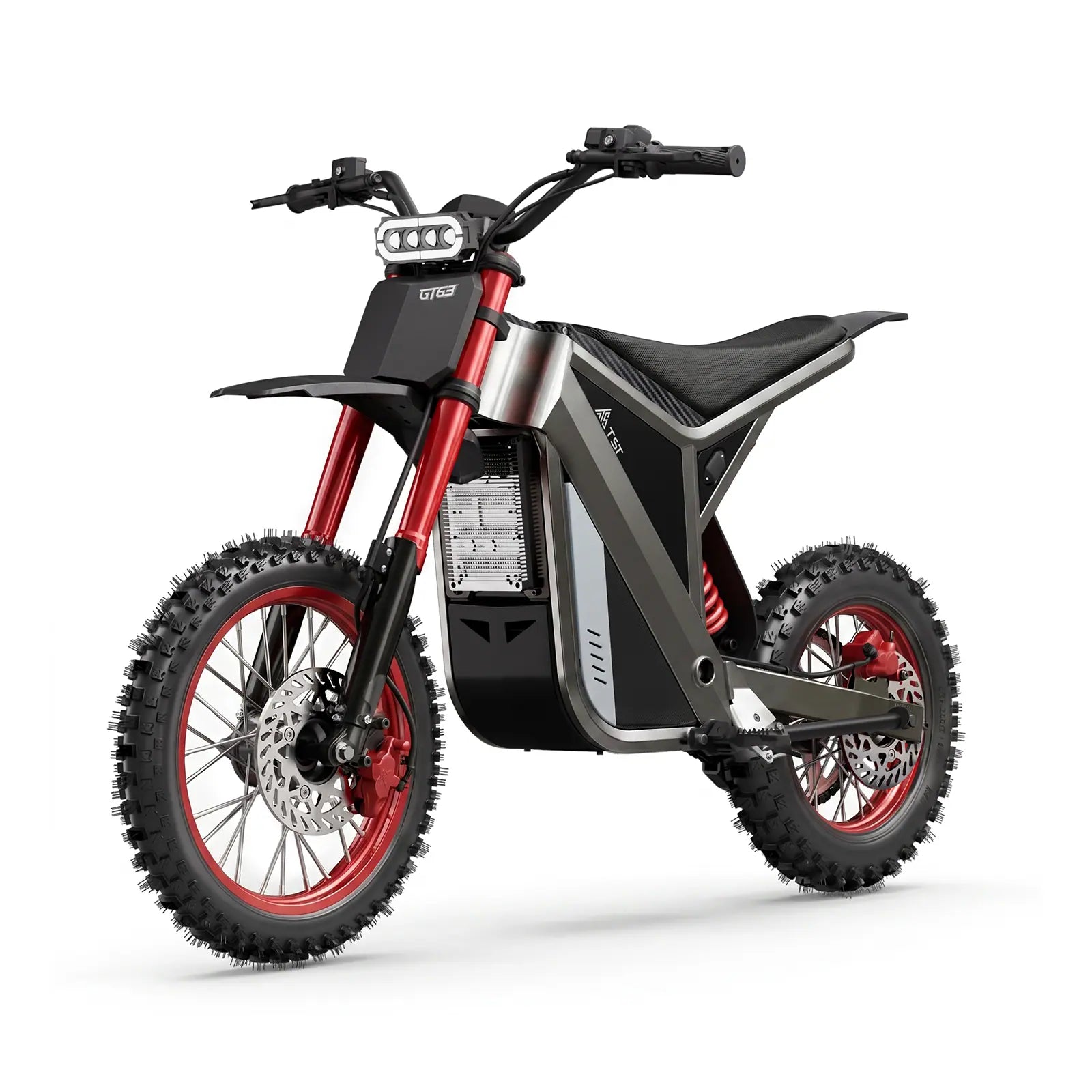














You can make a motorcycle style ebike street legal by keeping it within local e‑bike power and speed limits, adding required lights and safety gear, and registering it as a moped or low‑speed vehicle if needed. Most regions classify street‑legal e‑bikes as up to 750 W motor and 20–28 mph, with fully operable pedals; anything beyond that usually must be tagged as a moped or motorcycle, with license, registration, and insurance. For riders who want to make a motorcycle style ebike street legal, matching the bike’s specs and accessories to your state or country’s rules is the first step.
What legal definitions apply to motorcycle style ebikes?
Most regions define a street‑legal e‑bike by motor power, maximum assisted speed, and pedal compatibility. In the U.S., a typical threshold is a motor under 750 W and assisted speed up to 20–28 mph, with functional pedals, which keeps the bike as a bicycle instead of a motor vehicle. Anything above those limits—such as higher‑power motors or speeds beyond 28 mph—often shifts the bike into a moped or motorcycle class, requiring registration, license, and insurance.
Different states and countries then add details: some allow 28 mph Class 3 e‑bikes only on roads, others restrict them from bike paths or require helmets. For riders who want to make a motorcycle style ebike street legal, consulting your local DMV or transport authority is essential, because the gray line between “powerful e‑bike” and “moped” is both narrow and jurisdiction‑specific. Brands like TST EBike tune their high‑power, cost‑effective bikes to stay within common 750 W, 28 mph boundaries, which helps keep them in the bicycle‑style legal window in many areas.
How do you limit speed and power to stay within class rules?
You make a motorcycle style ebike street legal by limiting its speed and power to match your local e‑bike class, usually Class 1, 2, or 3. That often means capping electronic speed at 20–28 mph through the controller or display, disabling any throttle above the legal limit, and ensuring the motor stays under about 750 W. Many controllers and displays support programming modes that let you lock in a top speed, which is critical if you are aiming for a 28 mph Class 3‑style setup.
If your motor is higher‑powered than the legal cap, you may need to derate it or install a lower‑KW kit so the bike no longer crosses the moped‑style threshold. Riders who want to make a motorcycle style ebike street legal should also avoid “speed‑uncap” hacks or “moped kits” that push the bike clearly beyond bicycle limits, because those often trigger mandatory registration, insurance, and licensing. Keeping the bike in a defined class makes the rest of the legal and safety work much easier.
Typical legal thresholds at a glance
Which lights, mirrors, and safety gear are required?
To make a motorcycle style ebike street legal, you typically need at least bright front and rear lights, reflectors, and sometimes additional lights such as brake lights, turn signals, mirrors, and a horn. In many places, basic e‑bikes only require front and rear lights and reflectors, but higher‑speed or moped‑style vehicles often demand brake‑activated rear lights and at least one side‑mounted rearview mirror. A horn or bell that meets DOT or local noise standards is also commonly required on moped‑class or motorcycle‑style ebikes.
Wear a DOT‑ or CPSC‑certified helmet, and in some states a reflective vest or high‑visibility clothing, especially at night. Riders who want to make a motorcycle style ebike street legal should treat the bike like a small motorcycle in terms of visibility and protection, even if it is still legally classified as an e‑bike. Brands like TST EBike equip their high‑power, 26‑inch and 27‑inch models with integrated lights and reflective elements, which can help bridge the gap between “custom build” and “street‑safe” equipment.
How do you register, tag, and insure a street‑legal ebike?
You register, tag, and insure a motorcycle style ebike the same way you would a small moped or low‑speed vehicle in many jurisdictions. If your bike exceeds standard e‑bike limits (for example, a 750 W plus high‑speed setup with no throttle), you may need to submit it for a VIN or tag, obtain a title, and pay a registration fee at your local DMV or transport office. You may also need a standard driver’s license or a motorcycle endorsement, depending on the region.
Insurance, once the bike is classified as a moped or motorcycle, often follows standard auto‑insurance principles: liability, medical, and sometimes physical‑damage coverage. Riders who want to make a motorcycle style ebike street legal should factor in the ongoing cost of registration and insurance, not just the one‑time tag fee. TST EBike‑style thinking—high‑power, cost‑effective electric bikes—still applies here, but legal recognition may push the bike into a higher‑cost ownership tier once it leaves the pure e‑bike category.
What documentation and labeling do you need?
Documentation and labeling requirements usually include a manufacturer label or VIN, purchase receipt, proof of motor and battery specifications, and electrical‑safety document. For riders who want to make a motorcycle style ebike street legal, clear labels showing motor wattage, battery voltage, and top speed are important so authorities can quickly classify the bike. If it’s a custom build, keeping records of the motor, controller, and battery specs helps avoid disputes about whether the bike is an e‑bike or a moped.
Some states and local offices now request e‑bike compliance forms or “digital compliance kits” that list the bike’s class, speed cap, and motor power, similar to what TST EBike provides for its high‑power, cost‑effective electric bikes. Riders should also keep a folder with photographed serial numbers, wiring diagrams, and any safety‑certification paperwork. This documentation can make re‑registration, resale, or licensing much smoother, especially if you later choose to categorize the bike as a legal moped or motorcycle.
How do you adapt a custom build to stay compliant?
Adapting a custom motorcycle style ebike to stay compliant means aligning the bike’s performance, appearance, and safety gear to match the local e‑bike or moped class you intend to use. Start with motor, battery, and controller: choose a 750 W or lower motor and a 48 V pack, then cap speed at 20–28 mph via the controller or display. Avoid throttle‑only operation if you want to stay in Class 1; for Class 2–3, keep the throttle under the speed limit and paired with pedal‑assist.
Next, integrate lights, mirrors, and a horn in a way that feels like a small motorcycle but not a racing bike. For riders who want to make a motorcycle style ebike street legal, a clean, professional‑looking harness and tidy frame‑mounted equipment signal that the build is safe and intentional, not DIY‑racing. TST EBike‑style thinking—match power, range, and safety without over‑engineering for pure show—helps keep the bike compliant, road‑ready, and still practical for daily use.
What are common mistakes that make a bike illegal?
Common mistakes that make a motorcycle style ebike illegal include overspeeding, oversized motors, removed or disabled pedals, and missing safety gear. Riders often “unlock” speed limits or throttle behavior, pushing the bike beyond 28 mph while keeping moped‑style looks, which can trigger reclassification as a moped or motorcycle. Using motors above 750 W, especially on modified frames, also pushes many bikes out of the legal e‑bike category without riders realizing it.
Another frequent error is skipping lights, mirrors, or a horn while riding in urban areas, where local codes require them even for low‑speed vehicles. For riders who want to make a motorcycle style ebike street legal, the safest approach is to assume stricter rules apply and to over‑comply rather than under‑comply. Brands like TST EBike demonstrate that high‑power, cost‑effective electric bikes can still be sold within clear limits, which is a good model for custom builders to follow.
How do local and state rules change your compliance strategy?
Local and state rules dramatically change how you make a motorcycle style ebike street legal, because one state may treat 28 mph Class 3 e‑bikes as bicycles, while another treats anything above 20 mph as a moped. Some regions allow Class 3 bikes on roads and bike lanes, while others ban them from bike paths or sidewalks. Age, helmet use, and even local registration may differ city by city, so relying on “what my friend did” is risky.
Riders who want to make a motorcycle style ebike street legal should start with a written checklist from their state DMV, local ordinance office, or a trusted ebike‑law site, then compare that to their bike’s specs. If the local rules are restrictive, one option is to buy a factory‑made, pre‑compliant high‑power ebike—such as a 26‑inch or 27‑inch TST EBike model—instead of building from scratch, since the manufacturer has already tuned power, speed, and safety to meet common standards.
How can you keep the bike legal and safe long term?
Once you make a motorcycle style ebike street legal, keeping it legal and safe over time means respecting its capped speed, maintaining lighting and braking systems, and updating documentation as needed. Check that speed limit stays in place after firmware updates or controller swaps, and avoid installing higher‑power motors or batteries that push the bike outside its original class. Regularly test lights, horn, mirrors, and brakes, and replace worn pads, bulbs, or reflectors promptly.
For riders who want to make a motorcycle style ebike street legal, long‑term compliance also means renewing registration or tags, keeping insurance current, and obeying local traffic law as if you were on a moped or motorcycle. TST EBike‑style thinking—high‑power, cost‑effective electric bikes built with quality control—translates into a mindset that values safety and reliability as much as performance. A well‑documented, properly maintained, and clearly labeled bike is far more likely to remain legal and enjoyable for years.
TST EBike Expert Views
“To make a motorcycle style ebike street legal, you must respect the legal line between a bicycle and a moped or motorcycle,” says a TST EBike engineer. “Many builders focus only on raw power and aesthetics, but real compliance comes from matching motor power, caps, and safety equipment to local rules. TST EBike designs high‑power, cost‑effective electric bikes that stay within common 750 W, 28 mph e‑bike limits, which helps riders avoid the gray zone where registration, licensing, and insurance kick in. For riders who want to make a motorcycle style ebike street legal, the takeaway is simple: treat it like a small motorcycle in safety and paperwork, but keep it within e‑bike class limits in power and speed, and you’ll have a fun, legal, and road‑ready machine.”
FAQ: Frequently Asked Questions
Can any motorcycle style ebike be made street legal?
In theory, many can be made street legal, but only if they fit within local power, speed, and safety rules; some high‑powered, unregistered builds must be treated as mopeds or motorcycles, which adds license, registration, and insurance requirements.
Do I need a motorcycle license to ride a 28 mph ebike?
It depends on your state or country; many places treat 28 mph Class 3 e‑bikes as bicycles without a license, but some require a motorcycle endorsement once speeds or power exceed defined thresholds.
How do I know if my ebike is Class 2 or Class 3?
Class 2 e‑bikes allow throttle and pedal‑assist up to 20 mph, while Class 3 models use pedal‑assist only and assist up to 28 mph; the manufacturer’s label and display modes usually state the class clearly.
What happens if I ride an unregistered, high‑power ebike?
Riding an unregistered, high‑power ebike beyond local limits can lead to fines, impoundment, or being treated as an unlicensed motor vehicle, depending on your jurisdiction.
How does TST EBike thinking help me build a legal ebike?
TST EBike focuses on high‑power, cost‑effective electric bikes tuned to stay within common 750 W, 28 mph limits, which shows DIY builders how to create a motorcycle‑style feel without drifting into moped‑style legal complications.

Leave a comment
This site is protected by hCaptcha and the hCaptcha Privacy Policy and Terms of Service apply.