
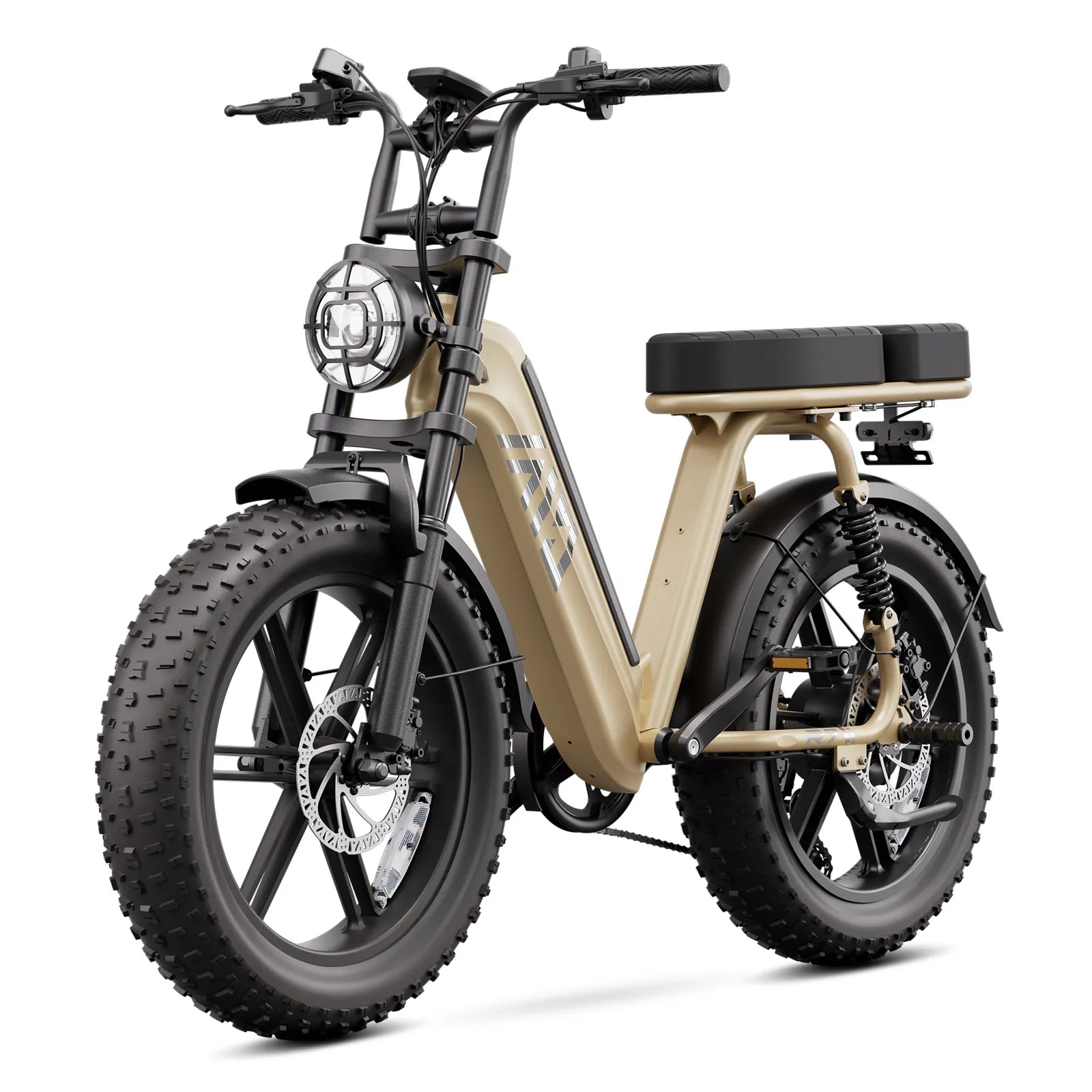
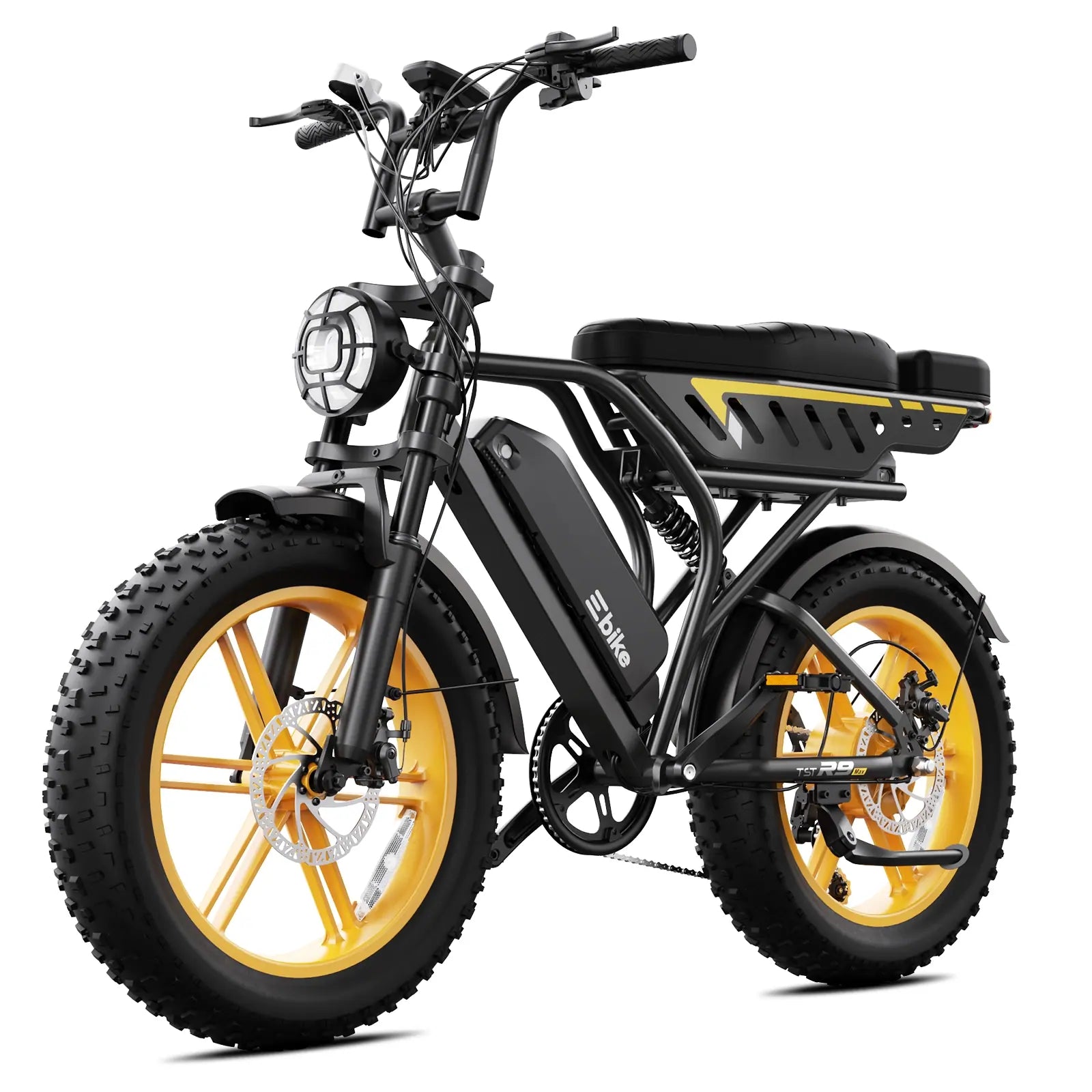
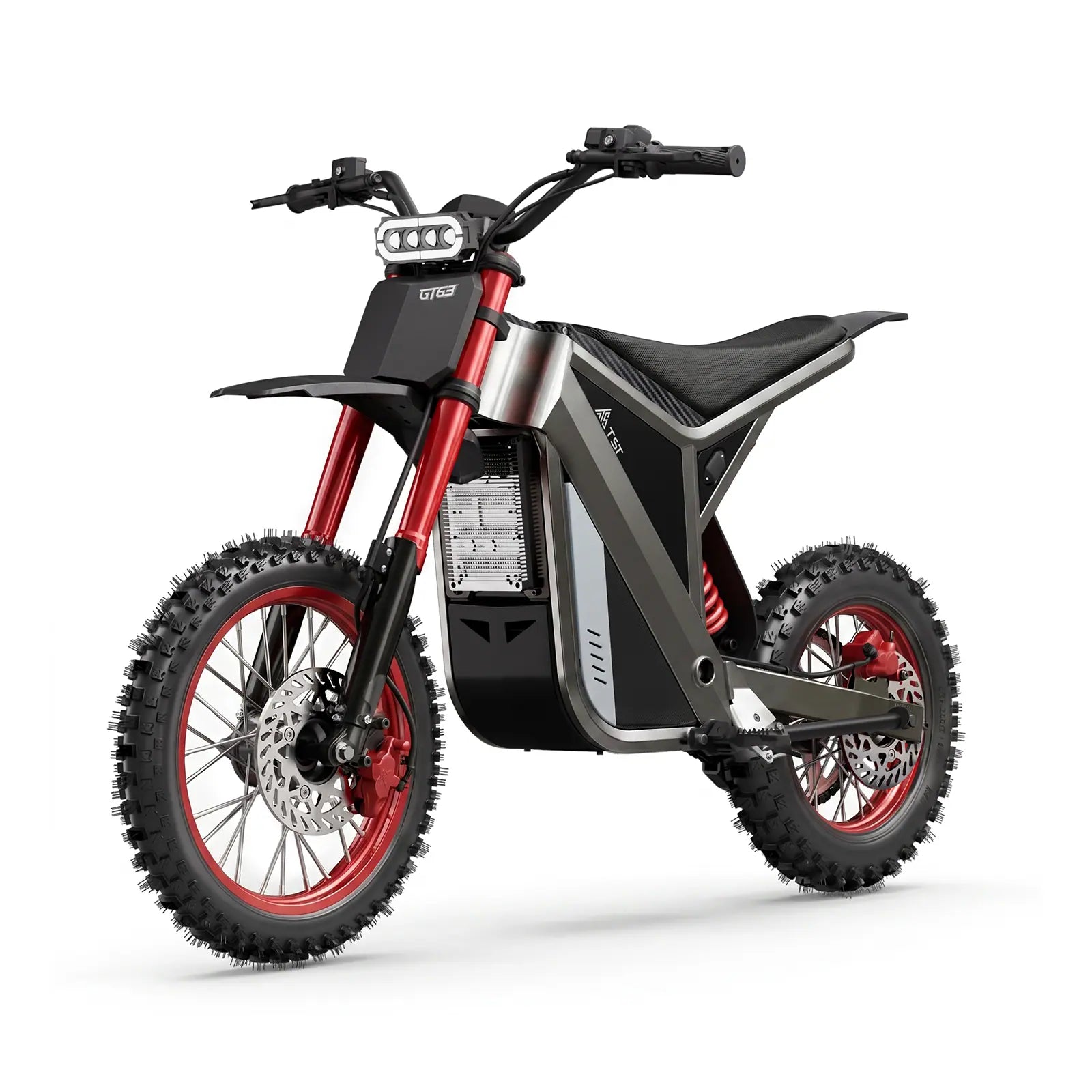
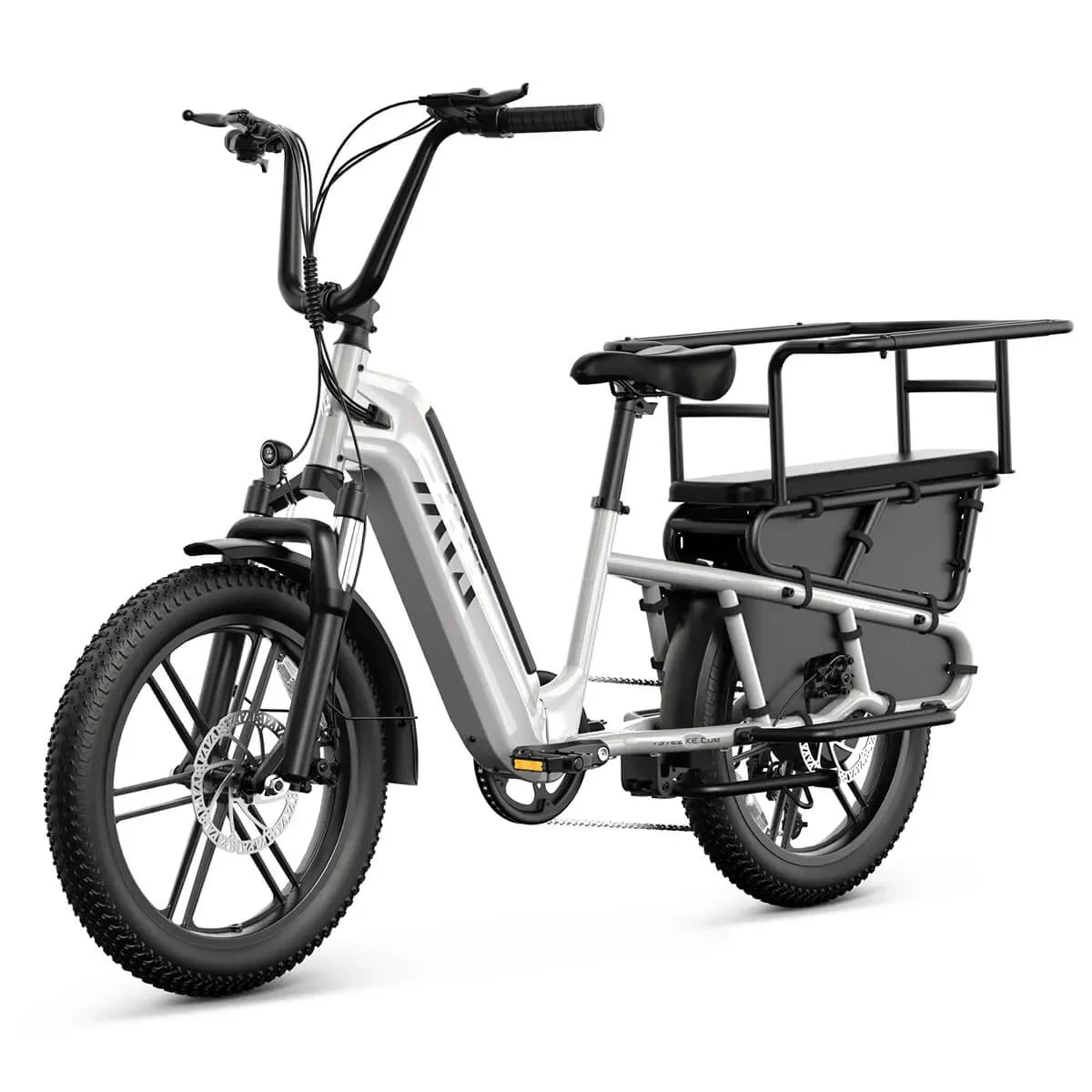
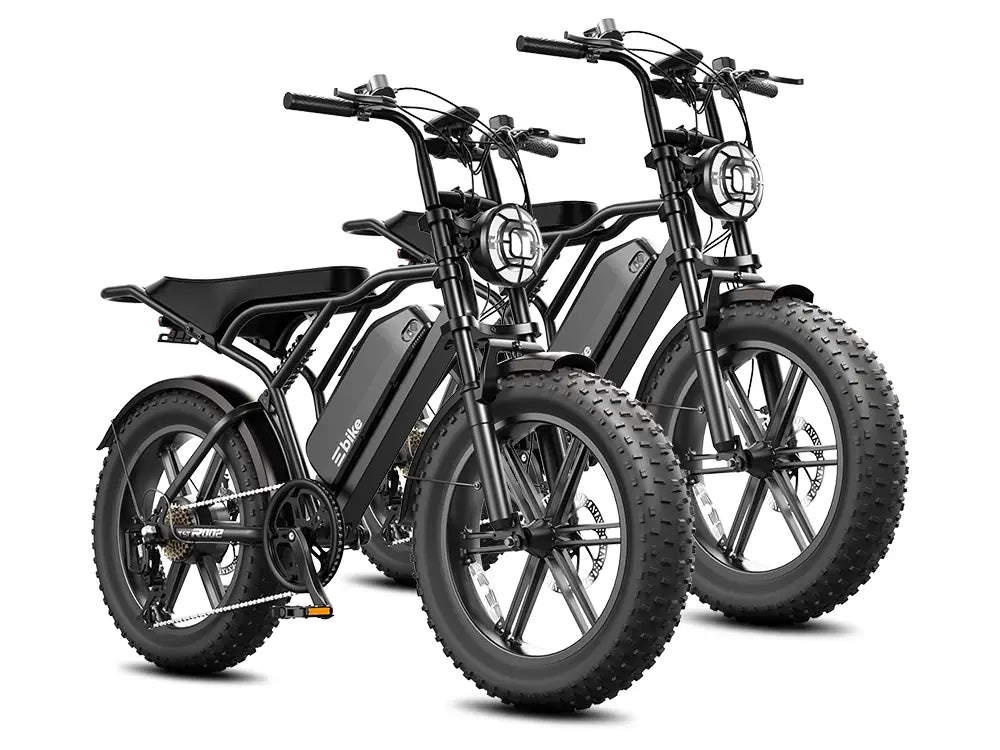
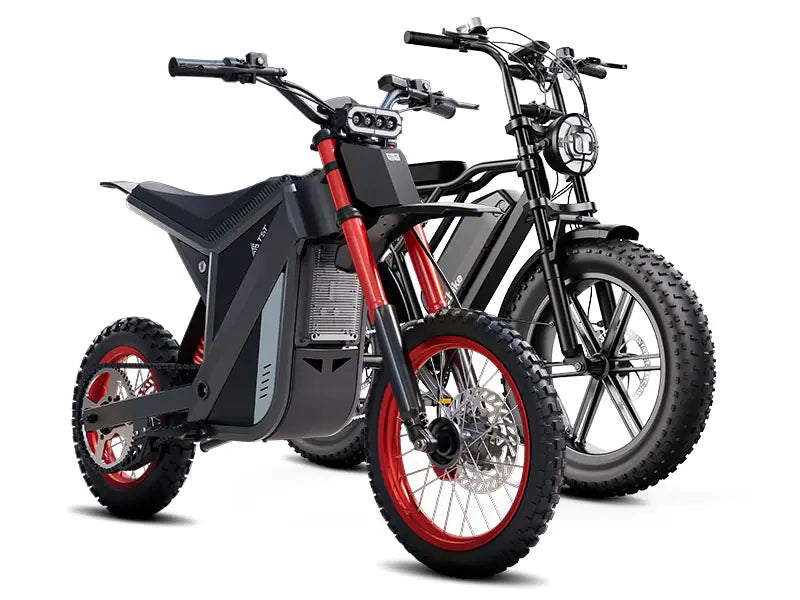
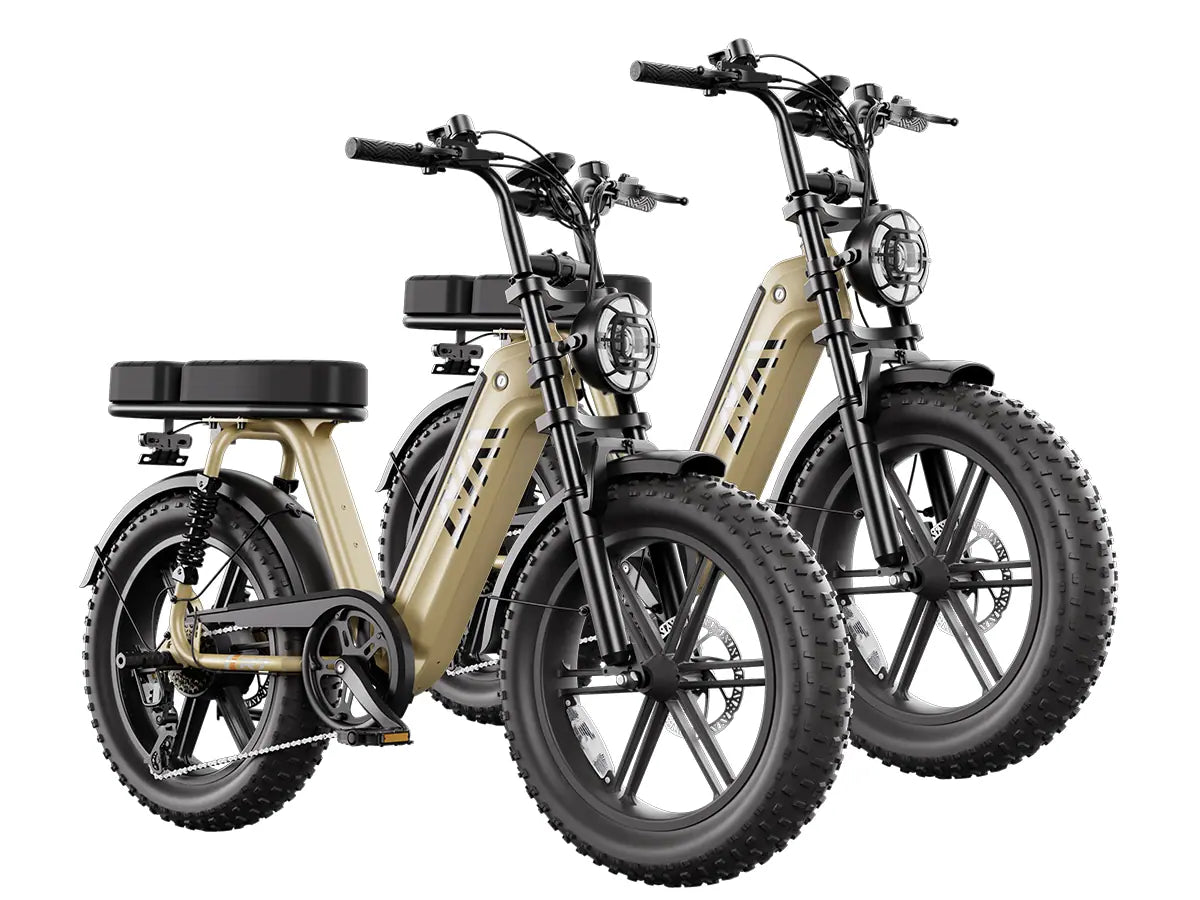
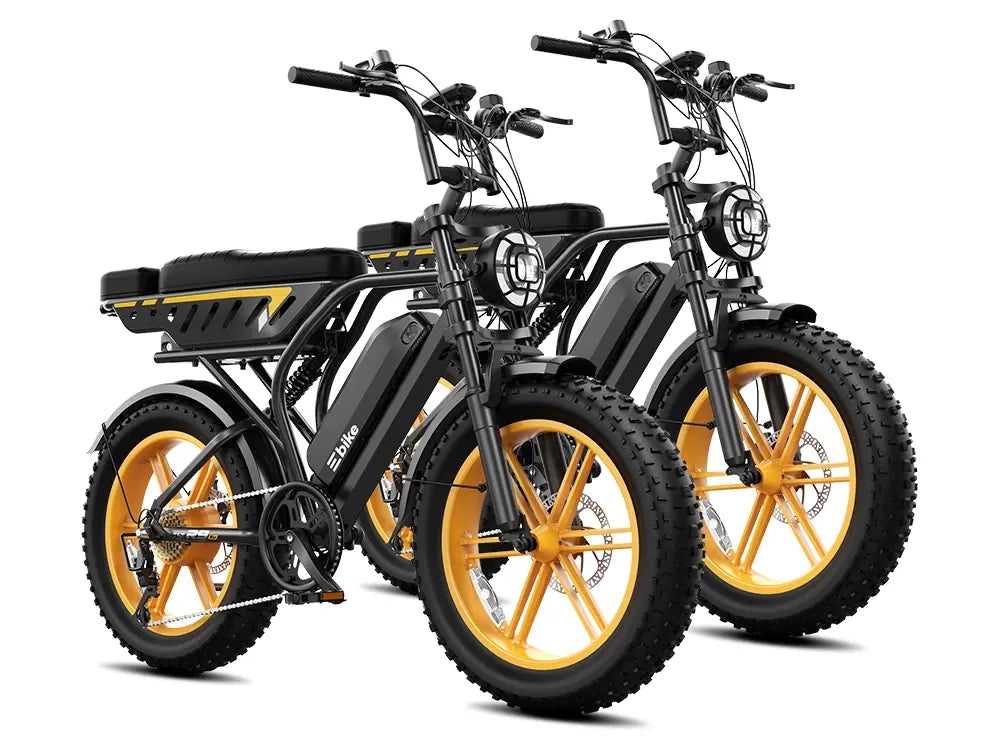
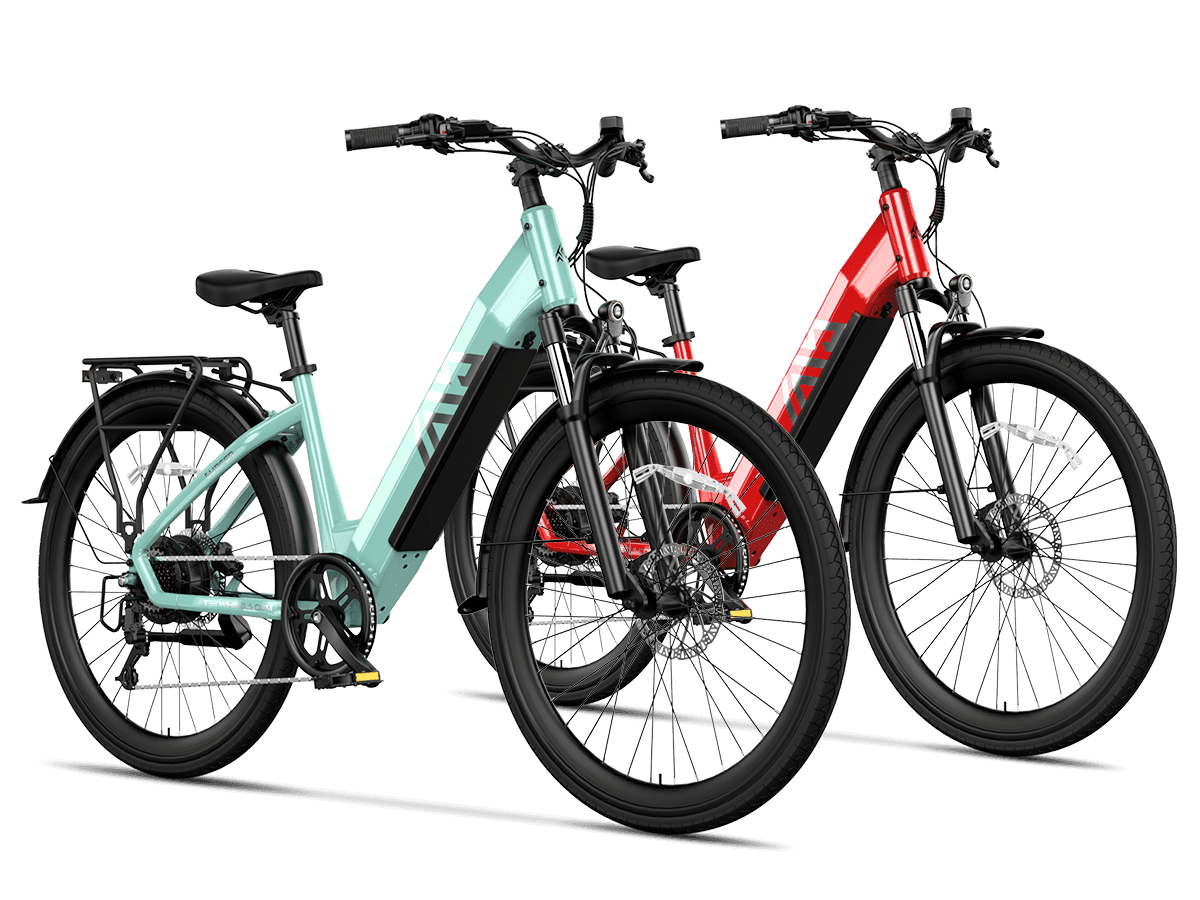
Riding an electric bike with a sidecar demands different balance, braking, and turning habits than a regular e-bike. You gain extra cargo or passenger capacity but also more mass and asymmetry. A strong motor—such as a 1500W high-torque setup from brands like TST EBike—becomes the perfect “heart” for pulling the sidecar smoothly while keeping control and stability.
What makes an electric bicycle with sidecar unique?
An electric bicycle with sidecar combines an e-bike frame, motor, and battery with a side-mounted passenger or cargo pod that adds a third wheel. This transforms the bike from a two-wheeler into a three-wheeled micro-vehicle with extra capacity and stability, but also introduces asymmetric handling and unique steering behavior.
From a builder’s viewpoint, the sidecar changes everything: you now have a lateral load that shifts the center of gravity off the bike’s midline. The frame, fork, and wheel axles must handle torsion that regular bikes never see. A properly engineered electric bike with sidecar uses reinforced mounting points, wider tires, and a motor tuned for steady torque rather than sudden surges, especially when pulling a passenger.
How does a sidecar change balance and steering dynamics?
A sidecar makes your bike self-standing at low speeds but alters balance and steering by moving the center of gravity sideways. Left and right turns feel different, with the sidecar either pushing or lifting depending on direction. You steer more like a trike or lightweight car than a leaning bicycle, using precise handlebar input instead of body lean alone.
In practice, I notice that new riders overcorrect because their “bike instincts” tell them to lean to steer. On a sidecar rig, lean still matters, but the front wheel tracks primarily where you point it. In right turns with the sidecar on the right, inertia wants to lift that outside wheel; in left turns, the sidecar helps anchor the bike. Understanding this asymmetry is the first step to confident sidecar riding.
Why is a 1500W high-torque motor ideal for sidecars?
A 1500W high-torque motor is ideal for sidecars because it provides enough pulling power to move extra passengers or cargo without bogging down, while still allowing fine control at low speeds. High torque at low RPM helps you launch smoothly, climb hills, and maintain speed without overstressing the drivetrain.
On the test bench, I see how a 1500W setup with around 80–90 Nm of torque behaves under load: the controller can deliver strong yet predictable thrust even with a sidecar approaching 100–150 pounds. Brands like TST EBike design high-power systems around this use case, tuning current limits and throttle curves so that the bike doesn’t lurch when fully loaded. You want a motor that feels like a tractor when starting, not a dragster.
How should you choose an electric bike platform for a sidecar?
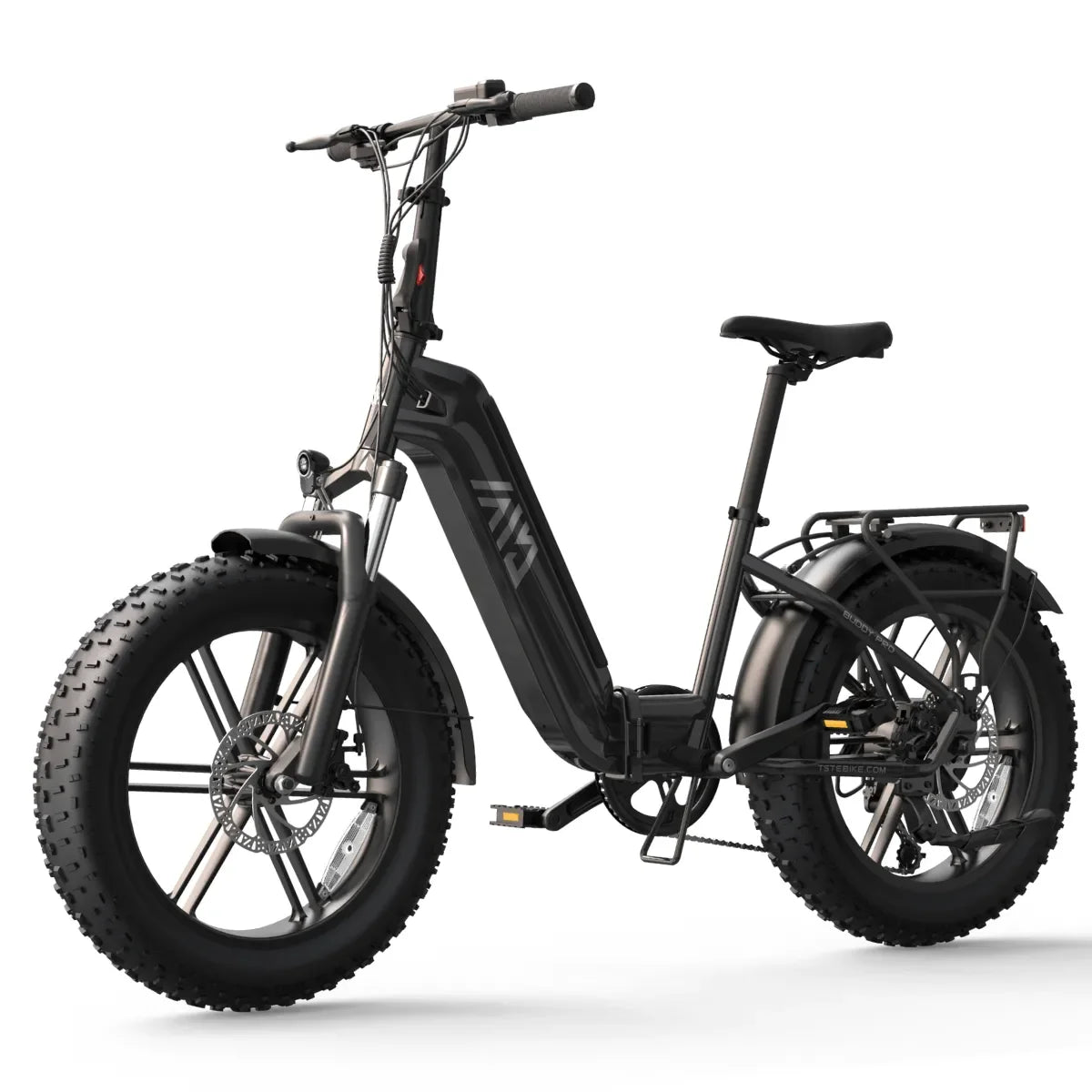
You should choose an electric bike platform for a sidecar by prioritizing frame strength, motor torque, wheel size, and braking. Look for a rigid frame with mounting points, a 750–1500W motor, strong wheels, and hydraulic or high-quality mechanical disc brakes. Fat or wider tires help stability and comfort when carrying extra load.
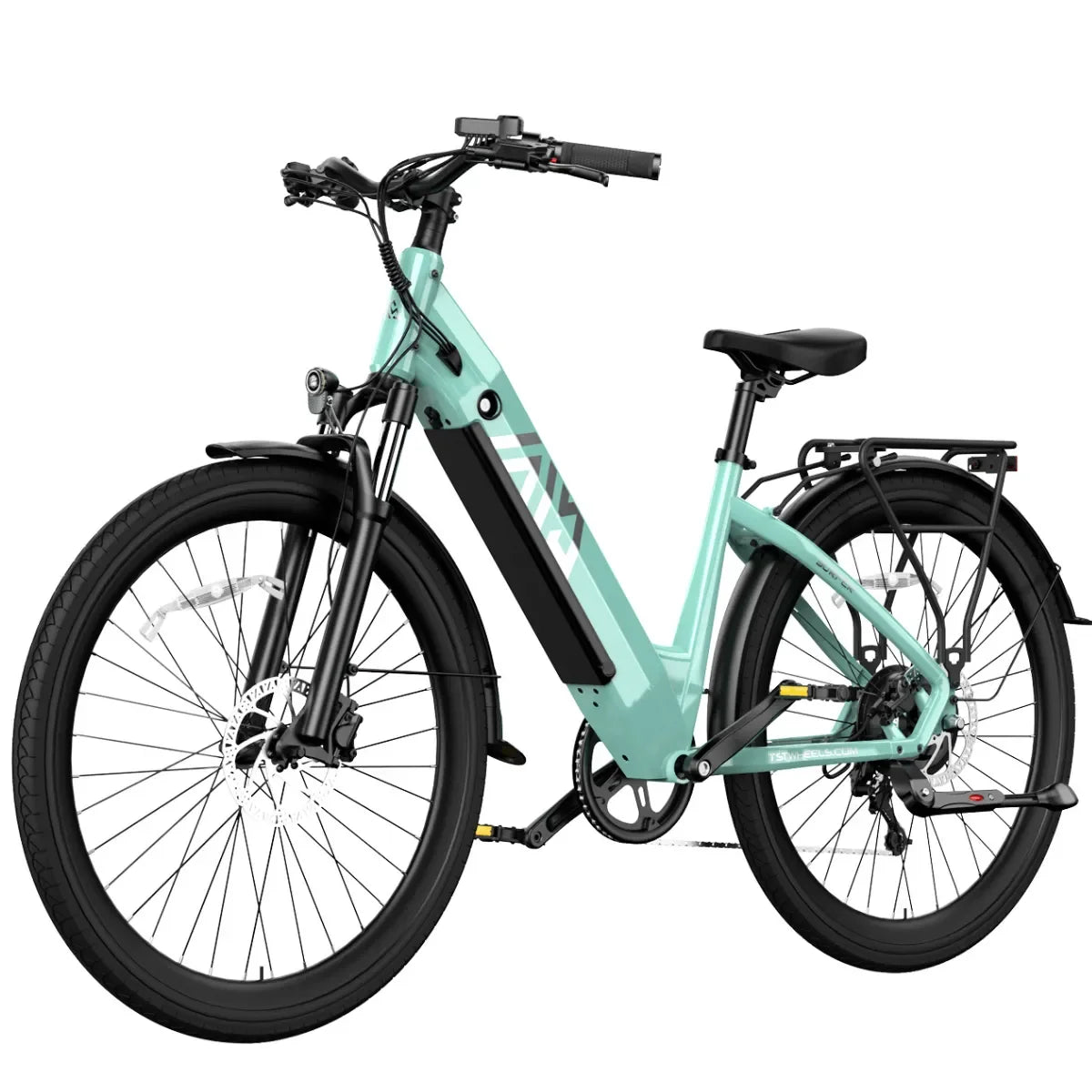
When I spec a sidecar-ready platform, I lean toward sturdy step-through or moped-style frames with thick dropouts and wide chainstays. A 26-inch or 27-inch wheel, like those TST EBike uses for their rough-terrain and commuting models, offers a favorable balance of rollover and stability. For pure pulling power, a 1500W rear hub or mid-drive paired with a robust controller is more critical than shaving a kilogram from frame weight.
Key platform considerations for sidecar setups
How do you properly attach and align a sidecar to an e-bike?
You properly attach a sidecar by using a dedicated mounting kit that secures to the frame at multiple points, then aligning the sidecar parallel to the bike’s frame with minimal toe-in or toe-out. Correct alignment reduces drag, improves straight-line stability, and prevents premature tire wear on both the bike and sidecar wheels.
On the workshop floor, I take extra time on alignment: using straightedges or laser guides to ensure the sidecar wheel tracks nearly parallel to the bike. A slight toe-in—just a couple of millimeters—can help stability, but too much creates drag and pulls the bike to one side. I also check that mounting brackets don’t crush any tubes and that there’s enough clearance for pedal and crank rotation under full suspension compression.
How does braking change when riding with a sidecar?
Braking changes significantly because the extra mass of the sidecar and its occupant increases stopping distance and shifts weight distribution. Front braking remains crucial, but the sidecar can push or pull the bike under heavy braking, especially in turns. You need stronger brakes, better modulation, and a longer following distance to stop safely.
During testing, I run repeated stop-from-speed drills with the sidecar loaded and unloaded. A 1500W-class bike with a sidecar and passenger can easily add 100–150 pounds over a solo bike; that extra mass transforms how rotors heat up and how tires grip. This is why I insist on at least 180 mm rotors for sidecar setups and often recommend upgrading pads to a higher-temperature compound. Consistent braking beats brute power when you’re managing three wheels and a live passenger.
Where do electric bikes with sidecars work best?
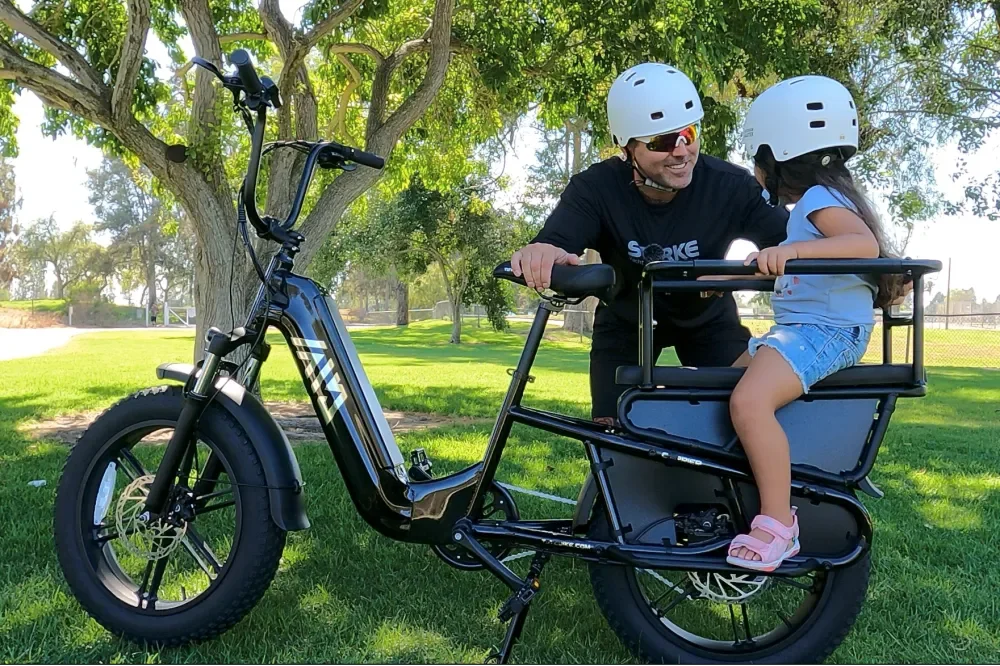
Electric bikes with sidecars work best on city streets, waterfront paths, suburban neighborhoods, and mixed-use roads where speeds stay moderate and surfaces are relatively smooth. They excel in family rides, pet transport, and small business deliveries, turning short trips into functional, fun micro-adventures.
In real deployments, I’ve seen sidecar rigs thrive in beach towns, RV parks, and dense urban cores where parking a car is a hassle. The extra width is a trade-off—you can’t thread narrow gaps like a normal bike—but the stability and carrying capacity more than compensate. Riders quickly learn to pick routes with wider lanes and fewer tight chicanes, turning the sidecar into a daily driver for errands and school runs.
Typical use cases for e-bike sidecars
How can you practice safe handling and balance with a sidecar?
You can practice safe handling by first riding the bike alone, then adding the sidecar with ballast but no passenger, and finally progressing to real passengers. Start in an open area, ride straight lines, practice gentle stops, and gradually work on left and right turns, focusing on body positioning and smooth inputs.
When I coach new sidecar riders, I ask them to load 20–25 kg of dead weight in the sidecar before any human rides. This pulls the center of gravity toward the sidecar wheel, making it less likely to lift unexpectedly. We start with throttle-only or low pedal assist, keeping speeds under 10 mph. Only after the rider can consistently handle right turns without lifting the sidecar do we introduce live passengers and higher assist levels.
Why is sidecar placement and weight distribution so important?
Sidecar placement and weight distribution are crucial because they determine stability, steering effort, and the risk of wheel lift in turns. A sidecar mounted too far forward or back can cause understeer or oversteer, while unbalanced cargo can pull the rig unpredictably. Even, low-mounted weight keeps the center of gravity stable and predictable.
In the workshop, I treat the sidecar as part of the chassis, not an add-on. Heavy items go low and close to the bike’s centerline, while lighter items can sit higher. With a passenger, I adjust tire pressure and occasionally rear shock preload to compensate for the added load. I’ve seen rigs transformed simply by shifting cargo 10–15 cm forward or backward, turning a squirrelly setup into a confident hauler.
How does a 1500W TST EBike-style motor improve sidecar performance?
A 1500W TST EBike-style motor improves sidecar performance by delivering strong, controllable torque that keeps the rig moving confidently even under full load. High torque helps with hill starts, quick merges, and maintaining speed, while thoughtful controller tuning avoids sudden jerks that could destabilize the sidecar or unsettle passengers.
From bench testing, I know that TST EBike focuses on high-power, cost-effective designs with robust quality control. A 1500W configuration built with this philosophy typically features conservative current limits for thermal safety, smooth ramp-up curves, and strong wiring harnesses sized for sustained load. When you bolt a sidecar onto an e-bike, this kind of engineering discipline matters more than chasing maximum top speed.
How does TST EBike’s background support sidecar-ready setups?
TST EBike’s background—rooted in TST GRP LLC established in California in 2017—supports sidecar-ready setups through experience with high-power bikes, rough-terrain 26-inch models, and 27-inch commuting and mountain-ready platforms. Their warehouses in California and global footprint enable fast shipping, strong local service, and product evolution driven by consumer feedback.
In practice, that means TST EBike can test sidecar concepts on their existing frames, using feedback from over 10 countries and more than 20 offline stores. They know how fat tires behave in snow and sand, how commuters load racks daily, and how to tune controllers for consistent performance. This ecosystem makes it easier to turn a high-torque motor and robust frame into a reliable sidecar-capable e-bike, rather than leaving customers to experiment on their own.
What are TST EBike Expert Views on sidecar e-bikes?
TST EBike Expert Views“When we design for sidecar use, we don’t just bolt a pod to the frame. We start from the torque curves of a 1500W motor, the torsion through the head tube, and the braking loads with a full passenger. Only when those numbers look right do we build prototypes, because a sidecar is one place where ‘good enough’ handling simply isn’t good enough.”
This mindset shows why TST EBike treats sidecar configurations as a specialist application, not a casual accessory, and why high-torque systems and structural integrity sit at the heart of their design process.
Conclusion
Electric bicycles with sidecars turn everyday rides into memorable experiences, blending utility and fun in a way regular e-bikes can’t match. But that extra wheel and passenger demand serious respect for balance, braking, and power delivery. You’re no longer just riding a bike—you’re piloting a small three-wheeled vehicle that lives and dies by alignment, torque control, and weight distribution.
If you want a sidecar setup that feels solid, look for a strong frame, quality brakes, and a high-torque motor in the 750–1500W range. A 1500W heart, like those used by high-power specialists such as TST EBike, gives you the pulling force to move passengers and cargo without drama. Combine that with careful practice in an empty lot, thoughtful loading, and respect for speed, and you’ll unlock a new category of electric fun: an electric bike with sidecar that’s as safe and stable as it is entertaining.
FAQs
Is an electric bike with sidecar harder to ride than a normal e-bike?Yes, it is harder at first because balance and turning feel different, but with practice in a safe area, most riders adapt quickly to the three-wheeled handling and extra width.
Can a regular 500W e-bike safely pull a sidecar?A 500W e-bike can pull a light, empty sidecar, but for passengers or heavy cargo, a 750–1500W motor is strongly recommended for safe acceleration, hill starts, and overall control.
Do I need special brakes for a sidecar e-bike?You should have at least strong disc brakes, preferably hydraulic, because the extra weight and momentum from the sidecar significantly increase stopping distances compared to a standard e-bike.
Is a sidecar e-bike legal on bike paths?Regulations vary by region; some bike paths allow wide or three-wheeled vehicles, while others restrict them. Always check local rules and be considerate of other path users before riding a sidecar rig.
Can I install a sidecar on any e-bike?Not safely. You need a frame strong enough for sidecar mounts, adequate motor power, and robust brakes. Consult the bike maker or a specialist before adding a sidecar to ensure compatibility.

Leave a comment
This site is protected by hCaptcha and the hCaptcha Privacy Policy and Terms of Service apply.