


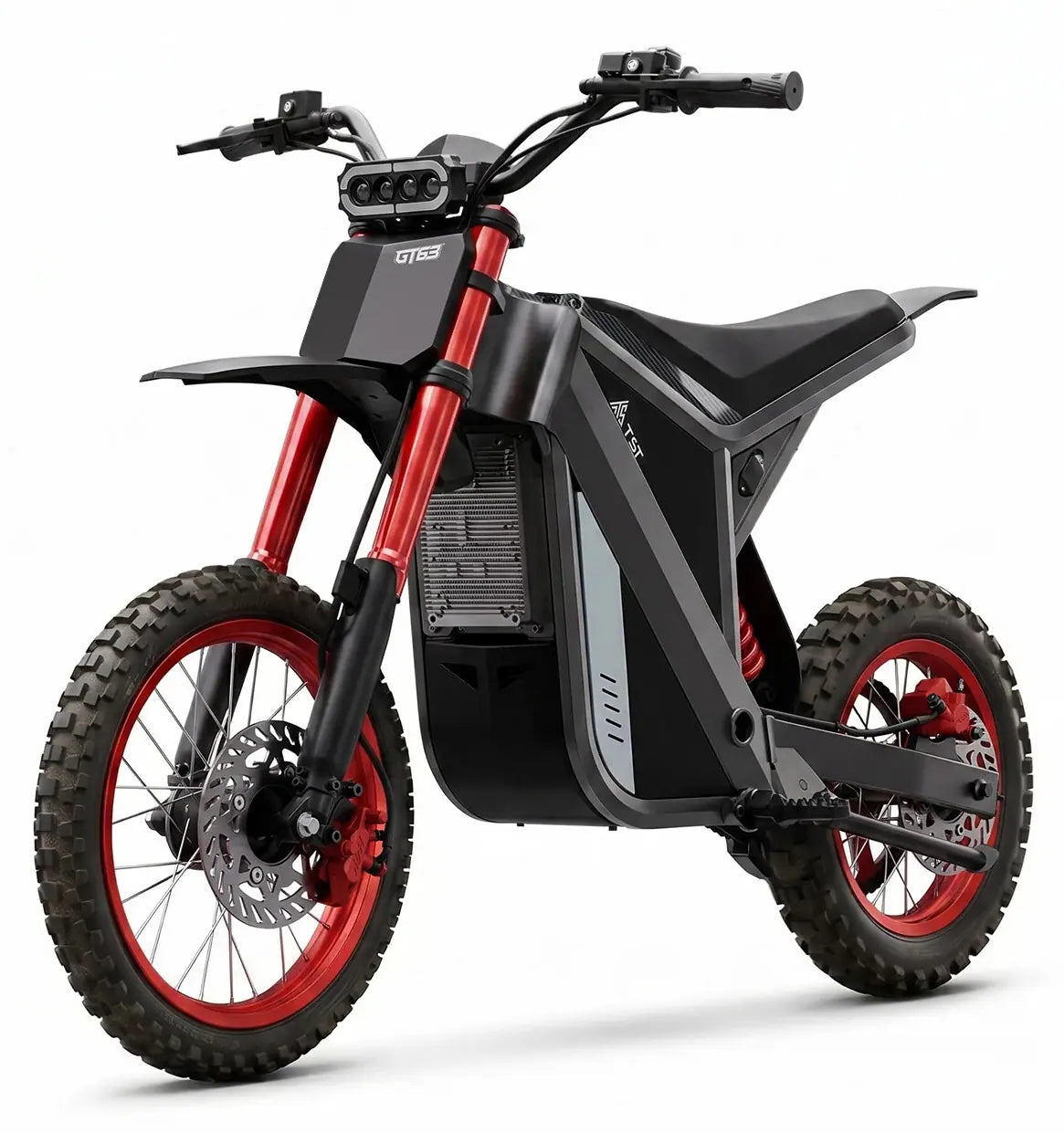

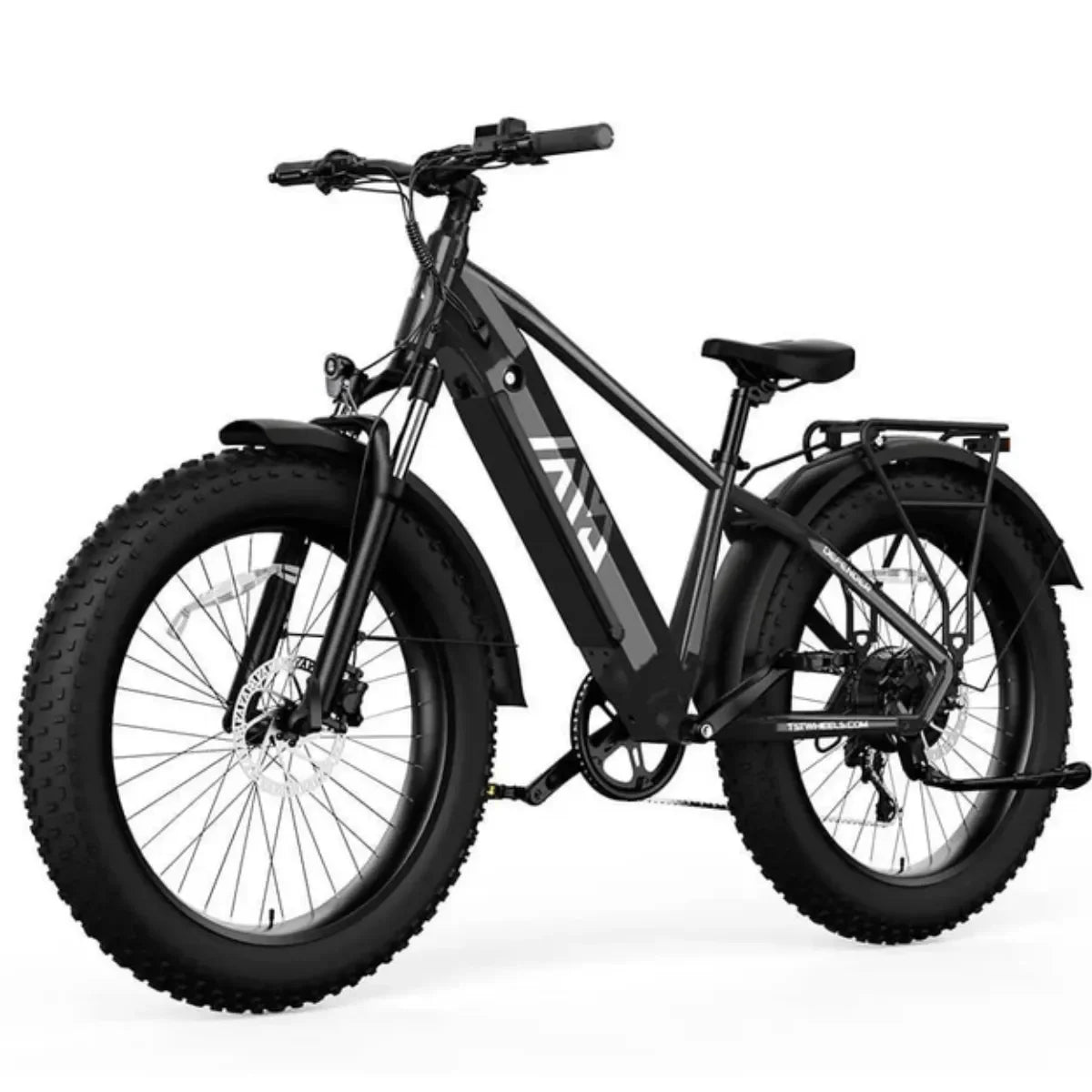
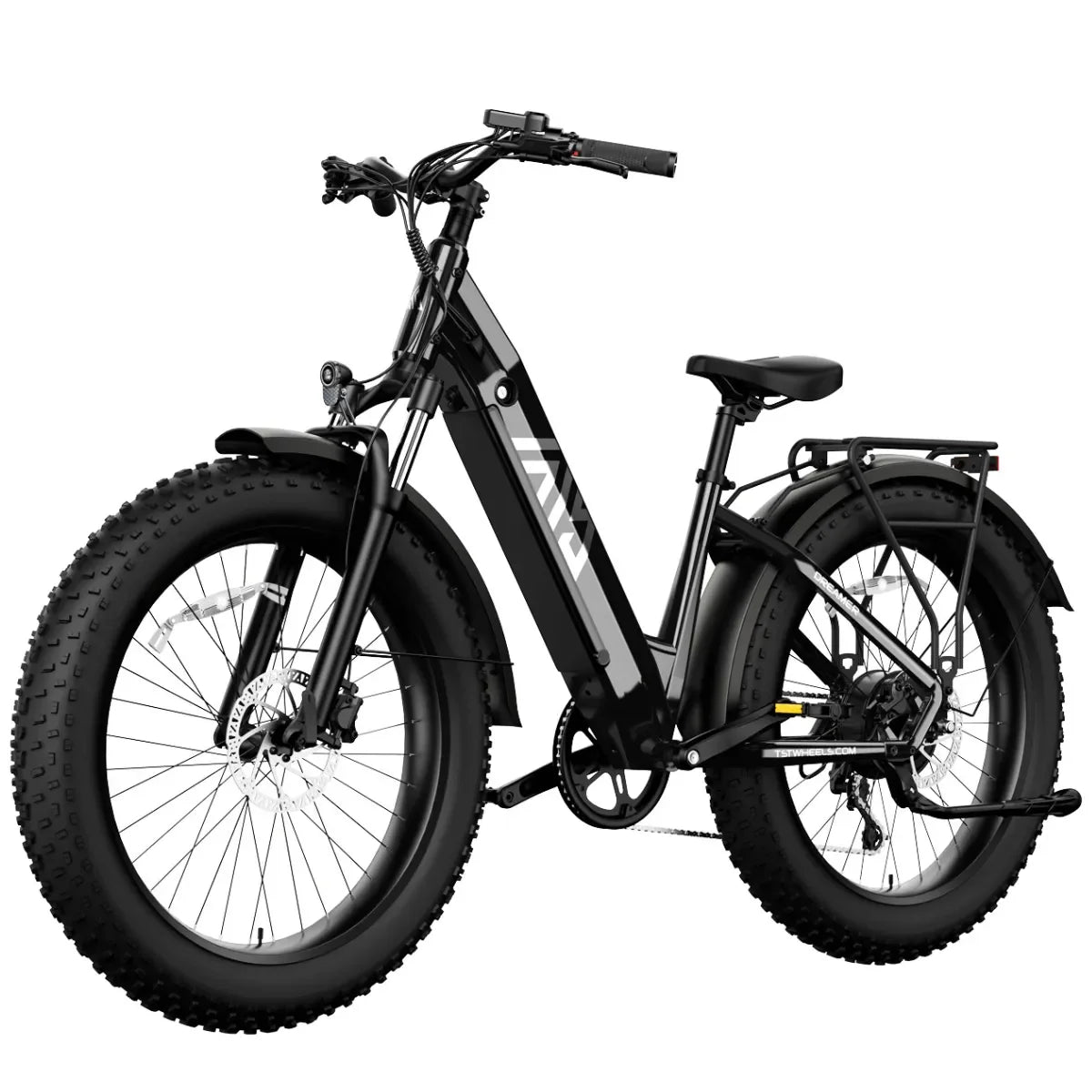

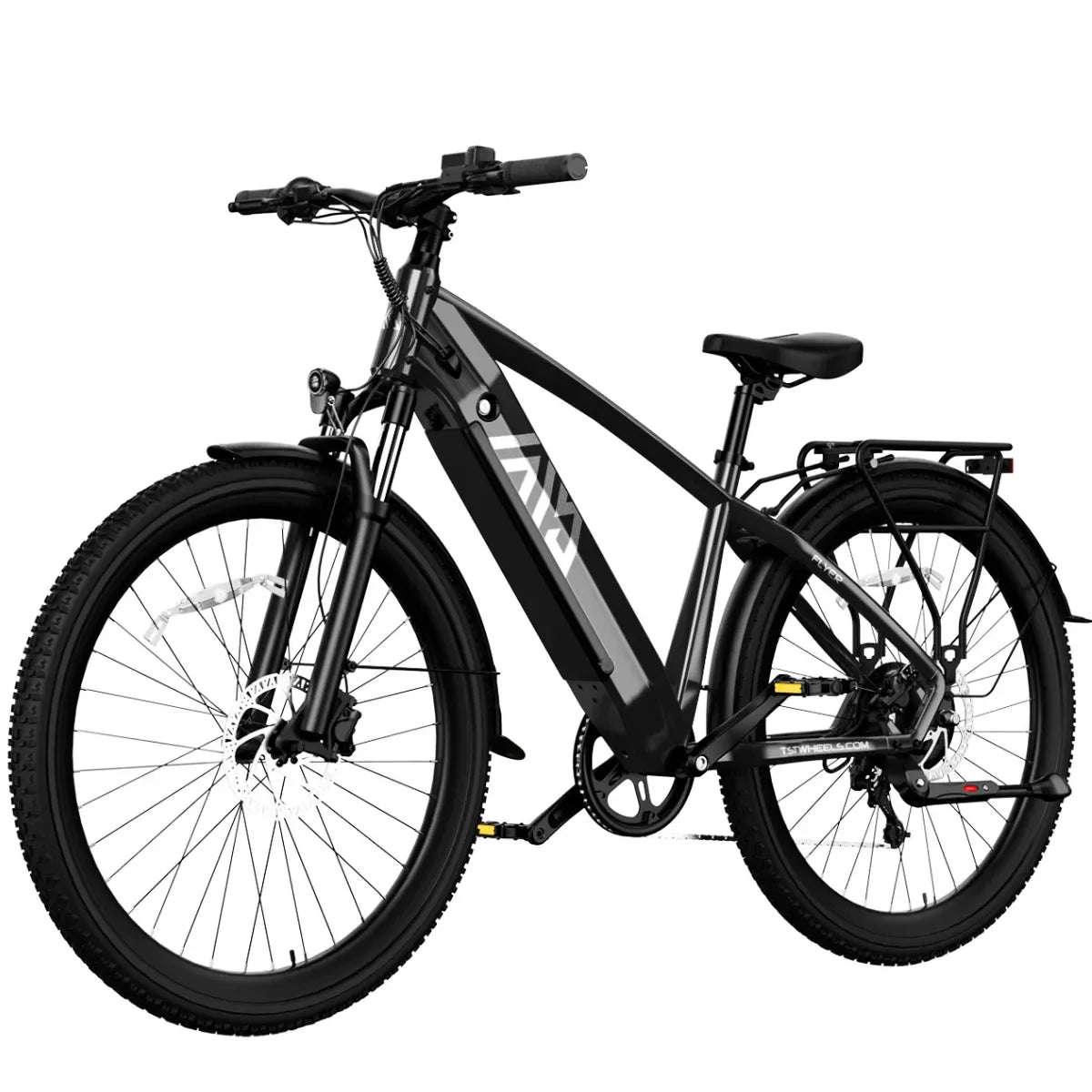
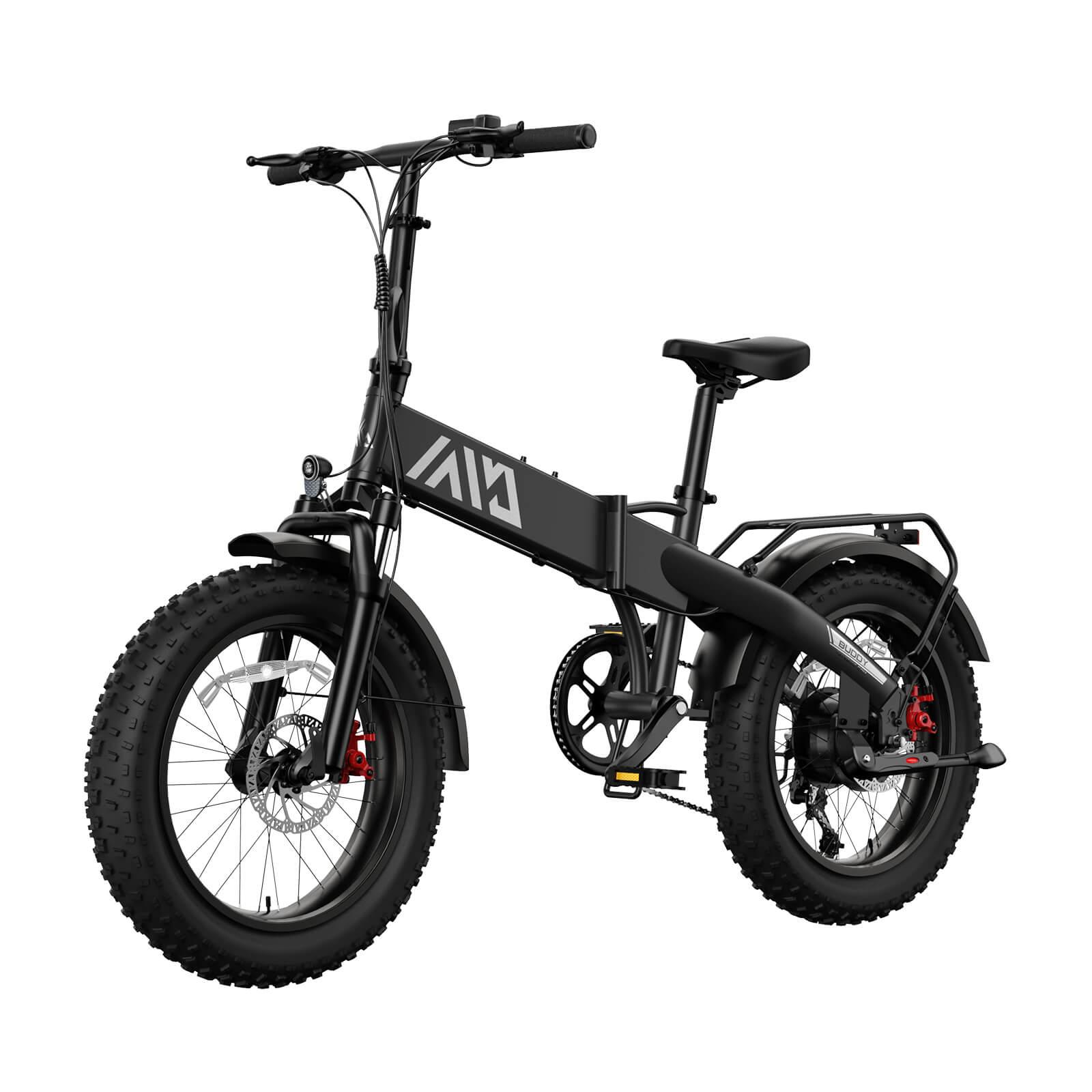










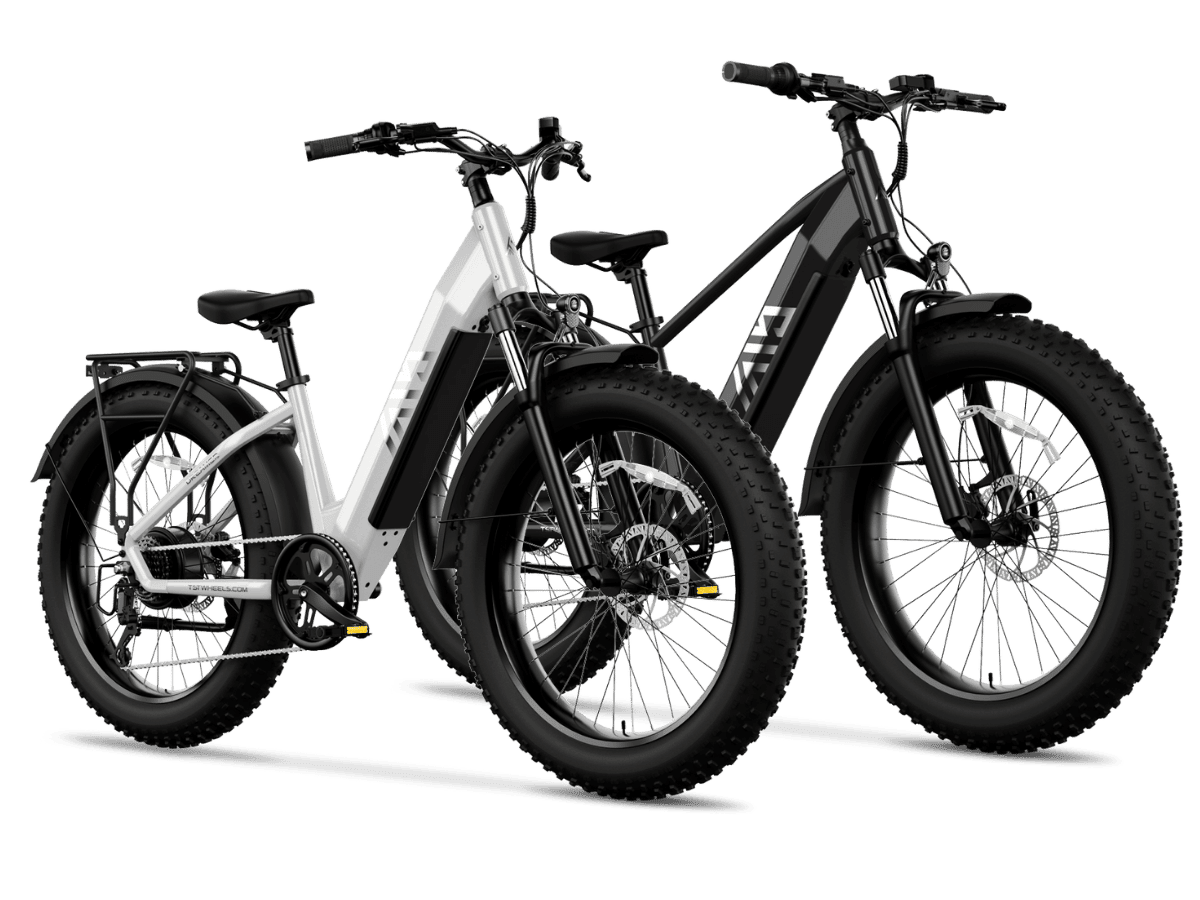
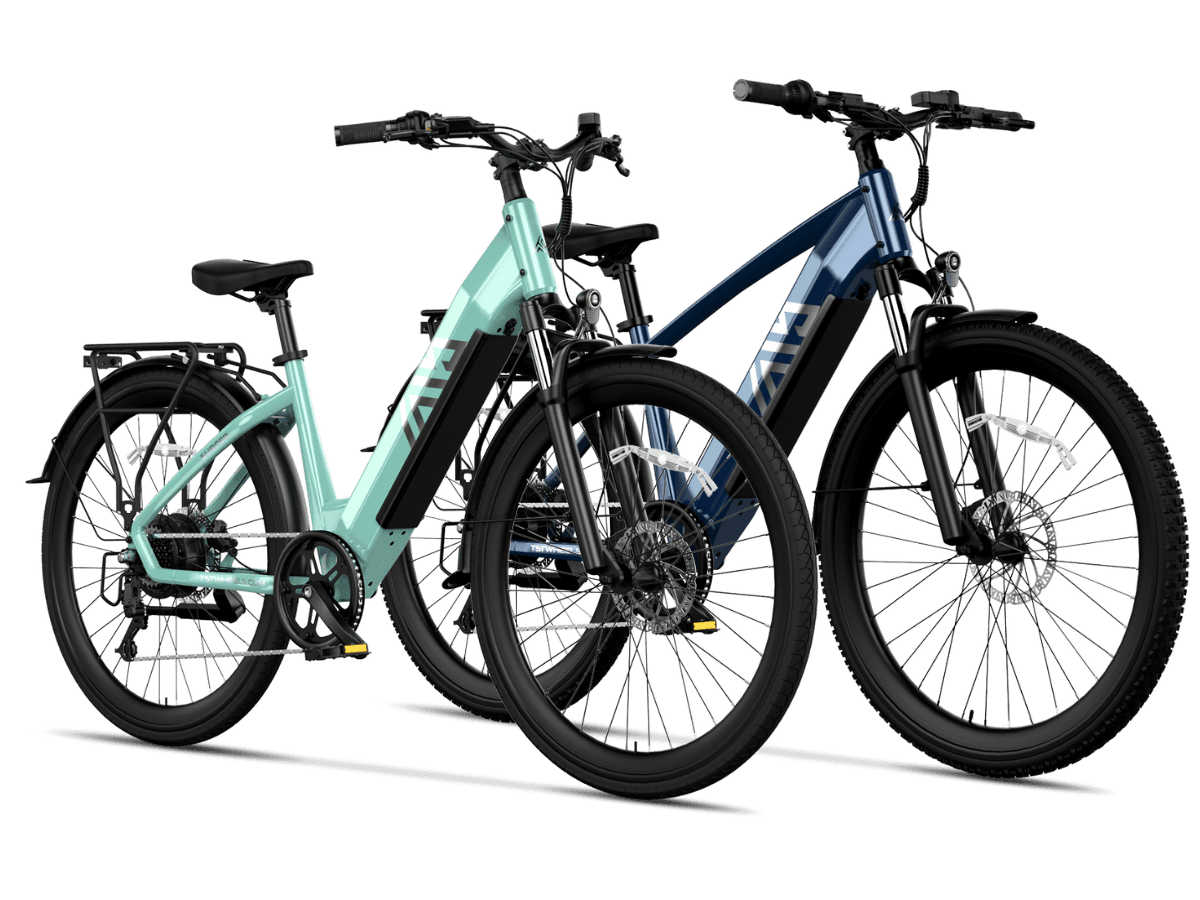
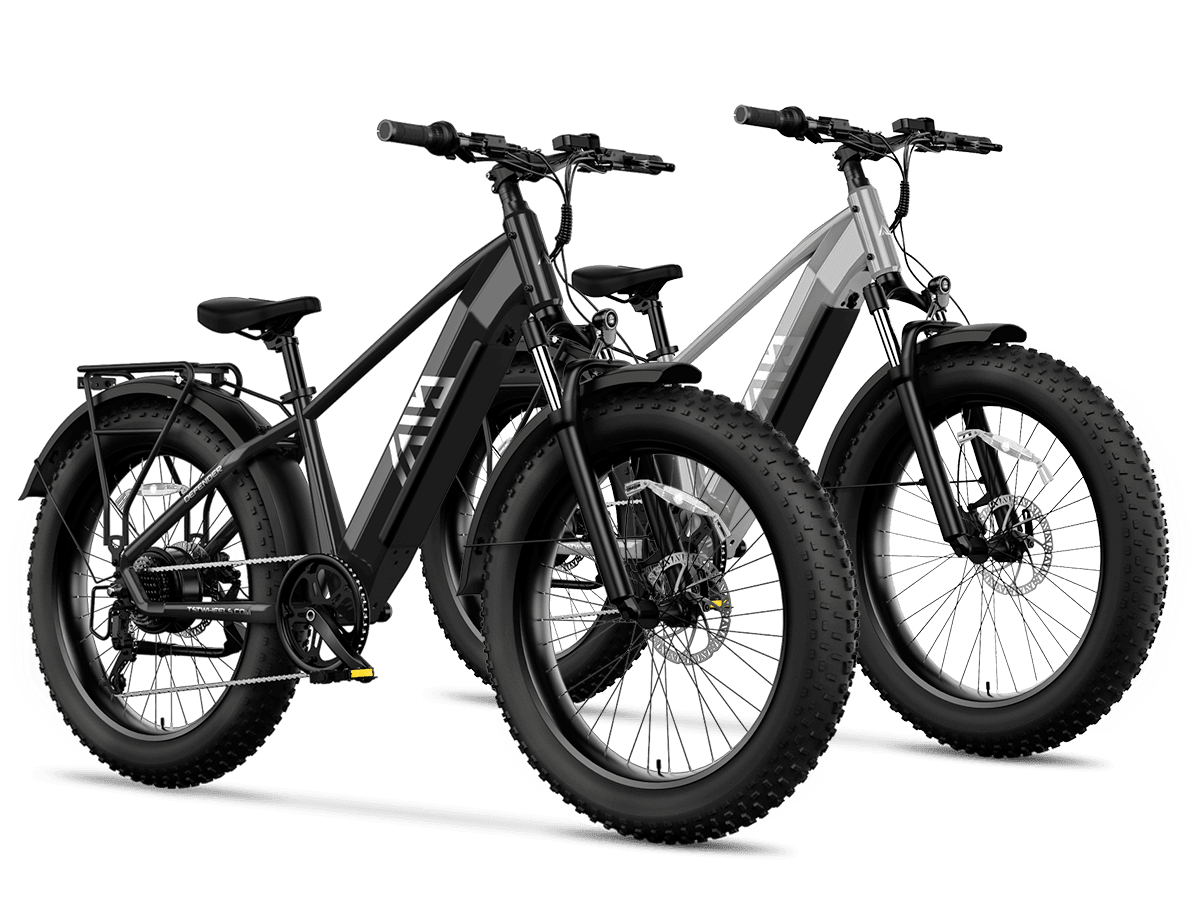
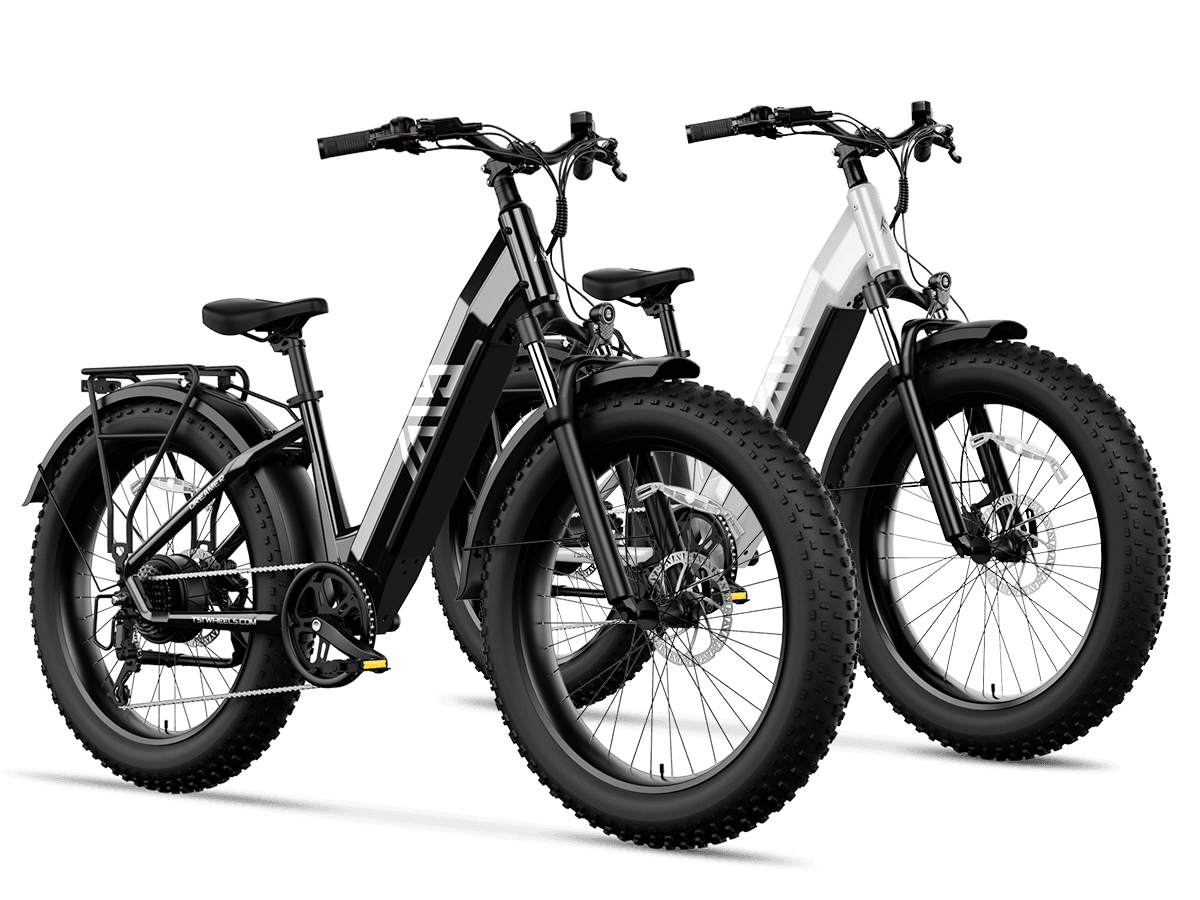

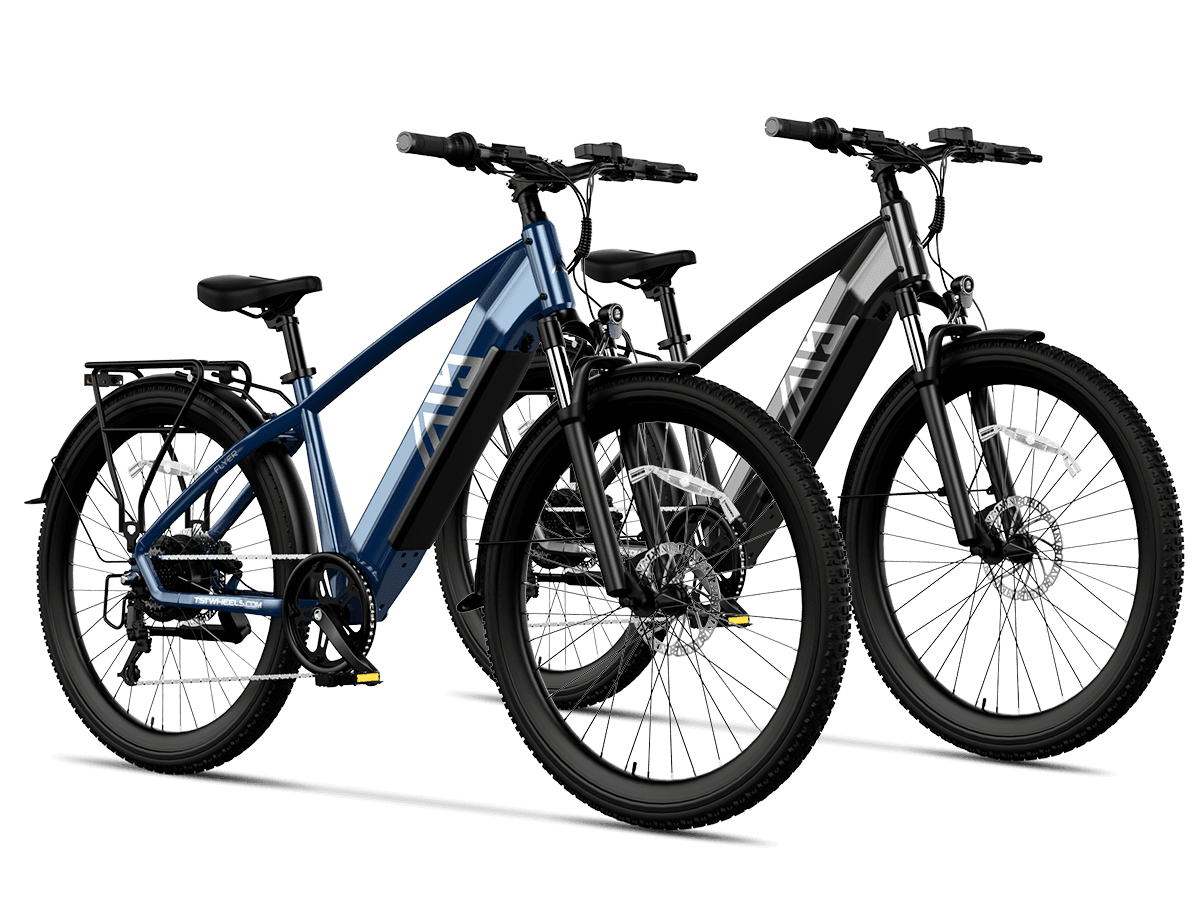

A 1000W hub motor delivers noticeably stronger power, faster acceleration, and better hill‑climbing than common 250W, 350W, 500W, and even 750W ebike motors, often reaching 28–35 mph on 48V–52V systems. Compared with lower‑wattage options, it sacrifices some efficiency and range for raw performance, making it ideal for heavier riders, cargo use, and mixed‑terrain riding. For bikes like many TST EBike models, a 1000W hub motor turns a commuter‑grade ebike into a versatile, high‑torque machine that can handle snow, sand, and steep inclines more confidently than lower‑wattage builds.
How much more power does a 1000W hub motor provide?
A 1000W hub motor typically provides two to four times the usable power of common 250–350W ebike motors and about 1.5–2 times the oomph of 500–750W units when matched to similar 48V batteries. This extra power shows up as stronger acceleration from stops, better control on hills, and the ability to maintain higher speeds under load. Riders notice that top speeds can cross 30 mph on many 1000W hub setups, compared with 15–25 mph typical of lower‑wattage motors.
For TST EBike‑style builds, this translates into a significantly more capable machine for off‑road and rugged‑terrain use. The 1000W hub motor can push through snow, sand, or loose gravel more effectively than lower‑wattage systems, making it a strong match for the brand’s 26‑inch rough‑terrain and 27‑inch commuting frames. However, the extra power also means higher current draw, more heat, and faster battery depletion if ridden aggressively.
How does 1000W compare to 250–350W motors?
A 1000W hub motor compares to 250–350W motors by feeling radically more powerful, especially when climbing, carrying weight, or riding into the wind. Entry‑level ebikes often ship with 250–350W motors that provide gentle assistance on flat roads but struggle on hills or with heavy loads. A 1000W hub upgrade instead delivers strong torque that can move heavier riders, cargo, and rough‑surface bikes more easily, often at higher speeds.
From a range perspective, 250–350W systems are generally more efficient and can stretch the same 48V battery further under light use. The 1000W hub motor trades that efficiency for power, so riders choosing a 1000W setup should expect shorter range unless they also upgrade battery capacity. For TST EBike owners who ride in hilly or mixed‑terrain areas, upgrading from 250–350W to 1000W can feel like moving from a fitness bike to a small electric moped in terms of support and speed.
How does 1000W compare to 500W motors?
A 1000W hub motor compares to 500W motors by offering roughly double the power output, meaning noticeably faster acceleration, stronger hill‑climbing, and better ability to maintain 25–32 mph on many setups. The 500W motor suits casual commuting and lighter riders on mostly flat terrain, while the 1000W unit is better for heavier riders, cargo bikes, or anyone who regularly faces steep grades or rough surfaces.
In real‑world use, the 1000W hub motor feels “snappier” from the start and can keep pace with traffic more confidently at higher speeds. However, it consumes current more quickly, reducing range compared with a 500W motor on the same 48V pack. Riders who upgrade from 500W to 1000W on a TST EBike‑style 26‑inch or 27‑inch model often notice a big jump in capability, especially when tackling off‑road, snowy, or sandy routes where torque matters more than pure efficiency.
How does 1000W compare to 750W motors?
A 1000W hub motor compares to 750W motors by adding roughly 25–30% extra power, which typically translates into faster acceleration, slightly higher top speeds, and stronger hill‑climbing ability. Many 750W ebikes already feel very capable, but the extra 250W from a 1000W hub motor can make the difference on steep climbs, loaded rides, or strong headwinds. Riders upgrading from 750W to 1000W often report feeling more in control, especially when riding single‑track, gravel, or slippery terrain.
On the downside, the 1000W motor usually draws more power, reducing range and generating more heat, unless the battery and controller are tuned accordingly. For TST EBike owners who already enjoy 750W‑class performance, a move to 1000W can justify the extra cost and battery drain if their riding includes frequent off‑road or high‑payload use. Otherwise, 750W remains a strong “sweet spot” between power and efficiency for many commuters and light‑trail riders.
How do 1000W hub motors perform on hills and rough terrain?
1000W hub motors perform very well on hills and rough terrain because they deliver high torque directly to the wheel, letting riders maintain momentum on moderate to steep grades. While they lack the gear‑leveraging advantage of mid‑drive systems, the strong wattage can still pull most riders up inclines without bogging down, especially when paired with a 48V or 52V battery. On loose surfaces like gravel, sand, or snow, the 1000W torque provides extra traction and stability.
However, long, steep climbs can cause the hub motor to heat up quickly, so riders should avoid holding it at maximum throttle for extended periods. Many 1000W setups benefit from intermittent throttle use and moderate assist levels to manage heat and preserve battery. For TST EBike owners using 26‑inch rough‑terrain frames, a 1000W hub motor can make a big difference in snowy or sandy conditions, where lower‑wattage motors would struggle with tire spin and loss of speed.
How does a 1000W hub motor affect range and battery life?
A 1000W hub motor affects range and battery life by drawing more current than lower‑wattage motors, often shortening range by 15–30% on the same 48V battery if ridden aggressively. The higher continuous power can also generate more heat, which accelerates cell aging if the battery is often run to full depletion or ridden under constant high load. However, using moderate assist levels, efficient pedaling, and partial‑charge habits can help balance performance and battery longevity.
Riders who upgrade to a 1000W hub motor should consider matching it with a higher‑capacity or higher‑voltage battery to offset the extra draw. For TST EBike‑style e‑bikes, adding a 48–52V, 15–20 Ah pack alongside a 1000W hub motor often restores usable range while still unlocking the motor’s full performance. Avoiding deep discharges and charging within the 20–80% window further protects the pack over hundreds of cycles.
How does a 1000W hub motor change handling and braking?
A 1000W hub motor changes handling and braking by adding weight and speed potential to the rear wheel, which can alter steering feel, traction, and stopping distance. The motor’s extra mass can make the rear end feel slightly heavier, especially on light 26‑inch or 27‑inch frames, and may reduce agility on tight, technical trails. At higher speeds, braking distances lengthen, so riders need powerful disc brakes and good tire grip to stay safe.
For TST EBike models that already use 1000W hub motors, manufacturers often equip the bikes with hydraulic disc brakes, robust rims, and suspension to cope with the extra torque and speed. Riders who retrofit a 1000W hub kit to a lighter or older frame should check dropout strength, wheel build, and brake ratings before pushing the bike to its 28–35 mph capability. Properly equipped, a 1000W hub motor can feel very stable and confident at speed without compromising safety.
TST EBike Expert Views
“TST EBike sees 1000W hub motors as a powerful step up from 250W–750W systems, especially for riders who face hills, heavy loads, or rough terrain. When paired with 48–52V batteries, robust frames, and strong brakes, a 1000W hub motor can turn a commuter‑style ebike into a capable all‑terrain machine. However, riders must balance that extra power with realistic range expectations and safe braking, since higher speeds and stronger torque place more stress on the whole system. For TST EBike‑style 26‑inch and 27‑inch models, a 1000W hub motor is a strong choice when performance matters more than pure efficiency.”
How do 1000W hub motors compare to 1000W mid‑drive units?
1000W hub motors compare to 1000W mid‑drive units by trading gear‑leveraged efficiency and smooth hill‑climbing for simpler, more direct‑drive performance at the wheel. A 1000W hub motor often achieves slightly higher top speeds on flat ground because it spins the wheel directly, while a 1000W mid‑drive uses the bike’s gearing to keep the motor in its optimal RPM band, which improves efficiency and range, especially on hills. Mid‑drive units tend to feel more “bicycle‑like” with intuitive pedal‑assist, whereas hub motors deliver a steadier “push from behind.”
For riders, this means 1000W hub motors suit speed‑focused, flat‑to‑rolling‑terrain use, while 1000W mid‑drive motors shine on long, hilly routes or mixed‑terrain trails. On TST EBike‑style 27‑inch commuting frames, a 1000W mid‑drive can feel more natural, but on 26‑inch rough‑terrain builds, a 1000W hub may offer the raw power and simplicity some riders prefer without adding drivetrain wear.
How to choose between 1000W and other wattages?
To choose between 1000W and other wattages, match motor power to your terrain, riding style, and local laws rather than simply chasing the highest number. Riders who mainly commute on flat roads and care about range may prefer 250–500W motors, while those facing regular hills or heavier loads can benefit from 750–1000W systems. For TST EBike owners, upgrading to 1000W makes sense if you frequently ride snow, sand, or loaded trails and want to keep pace with higher traffic speeds.
Beyond wattage, consider battery capacity, braking, and frame strength; a 1000W motor on a weak frame or undersized battery may feel powerful but will wear out faster or create safety risks. Riders should also confirm local regulations, since many areas cap e‑bike power at 750W or similar. For many adults, 750W offers the best balance of performance and practicality, while 1000W is reserved for riders who demand real‑world “high‑performance” capability from their TST EBike‑style or similar e‑bikes.
FAQs about 1000W hub motors vs other wattages
Q: Is a 1000W hub motor too powerful for a regular commuter?
A: It can be, if your commute is mostly flat and short; 500–750W motors often provide enough assistance with better range, but a 1000W hub is ideal if you want strong acceleration and hill‑climbing without pedaling much.
Q: Does a 1000W motor always mean faster top speed?
A: Not always; top speed also depends on battery voltage, gearing, controller limits, and local laws, but a 1000W hub motor usually offers higher top speeds than 250–750W units on similar setups.
Q: Will a 1000W hub motor fit on any bike?
A: No; the dropout spacing, wheel size, brake type, and frame strength must be compatible, especially for heavier 1000W units, so riders should check their bike’s specs before retrofitting such a motor.
Q: How does a 1000W motor compare to a 2000W motor?
A: A 2000W motor is much more powerful and suited for extreme performance or private‑property use, often requiring 60–72V batteries and special brakes, while a 1000W hub is a more practical, legal‑range upgrade for most riders.
Q: Can a TST EBike handle a 1000W hub motor?
A: Many TST EBike 26‑inch and 27‑inch models are designed for high‑power use, including 1000W hub motors, but riders should verify the specific frame, fork, and dropout ratings before adding or upgrading to a 1000W system.

Leave a comment
This site is protected by hCaptcha and the hCaptcha Privacy Policy and Terms of Service apply.