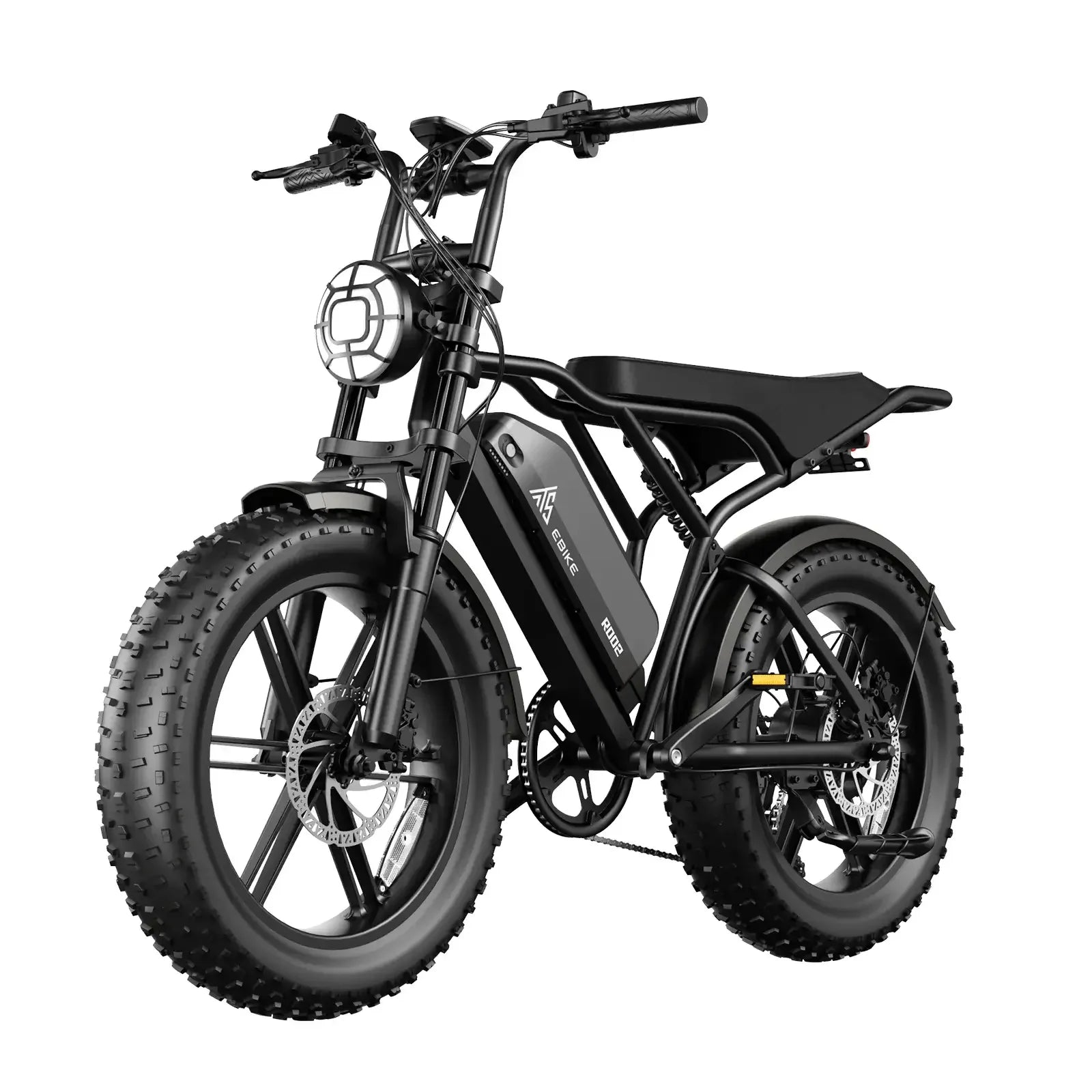

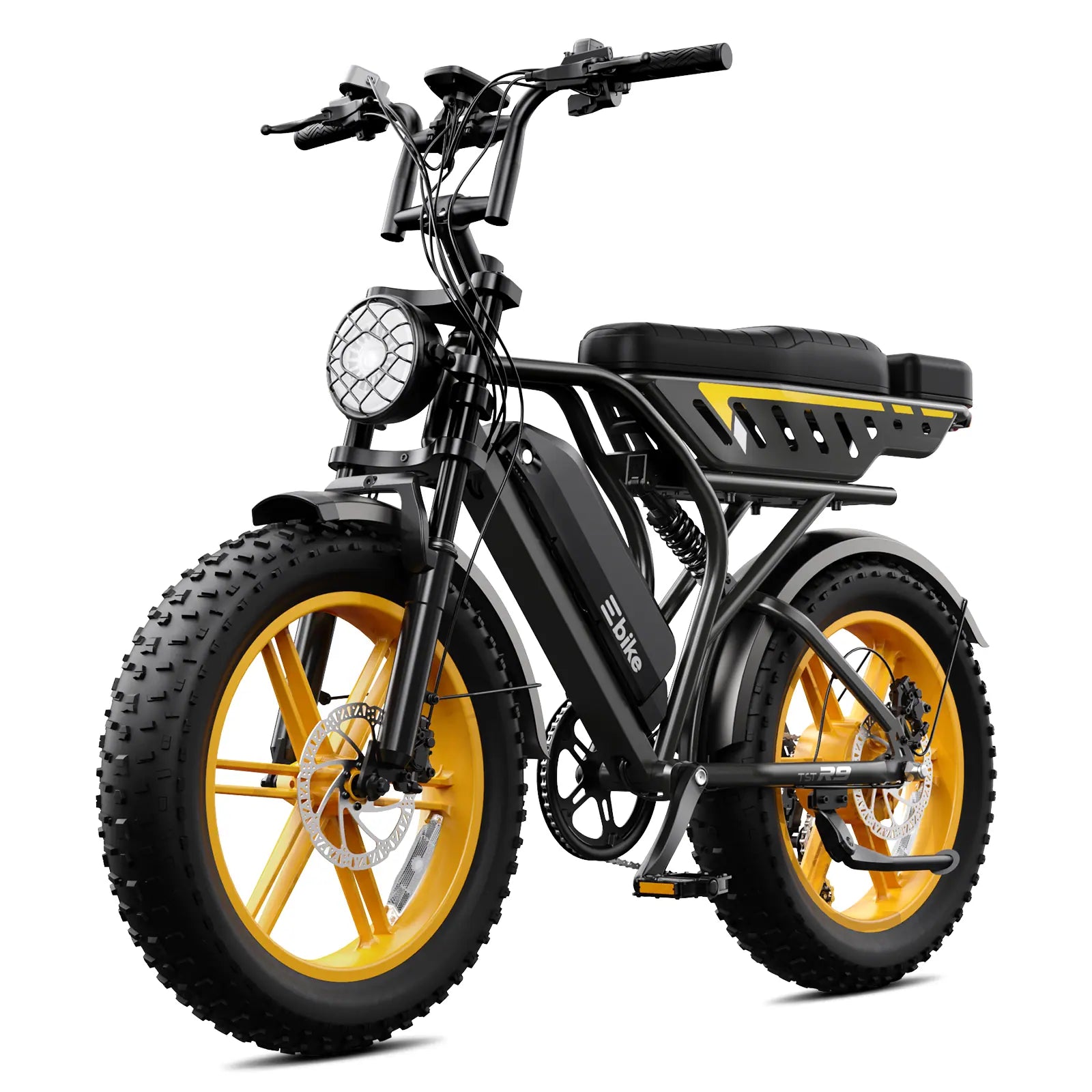

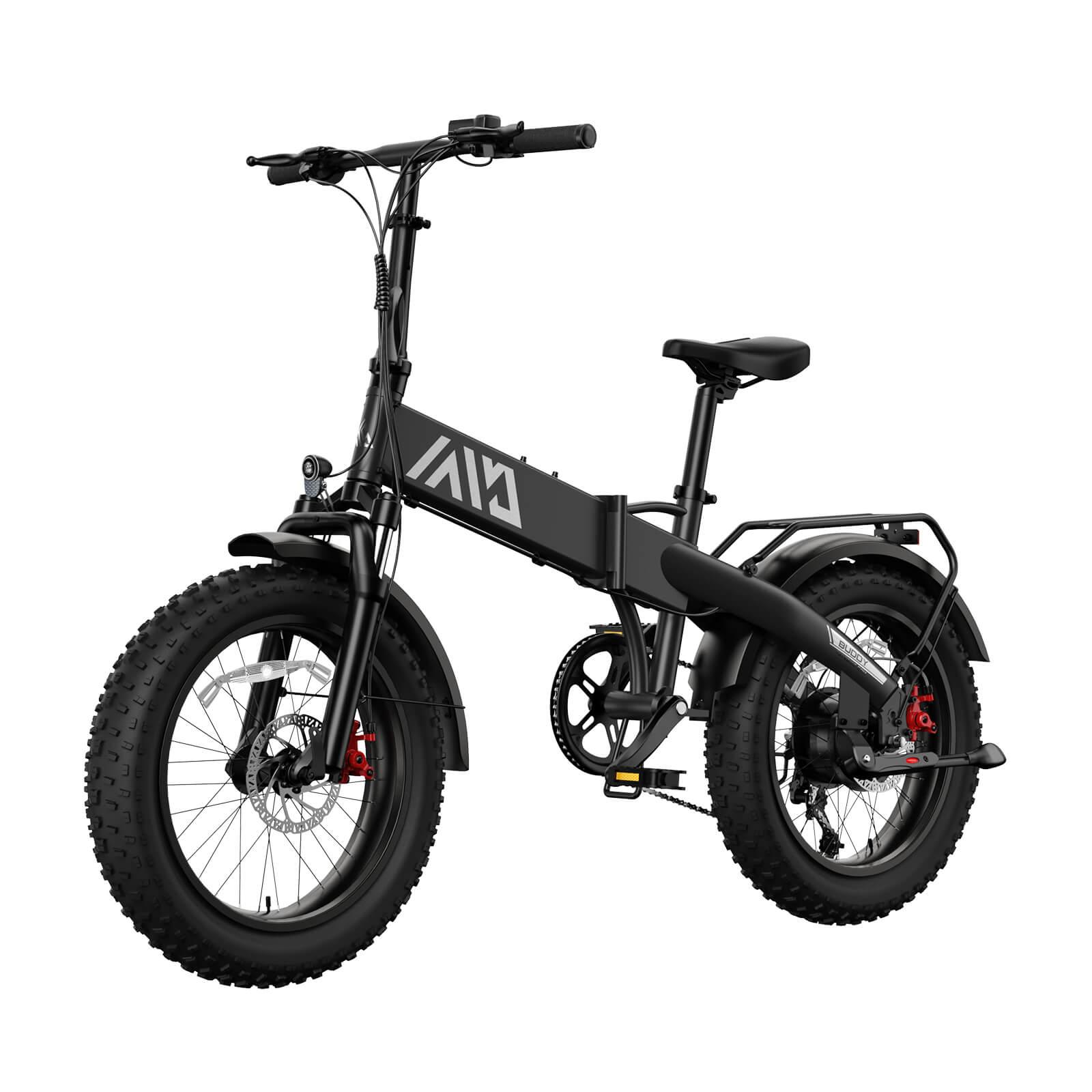

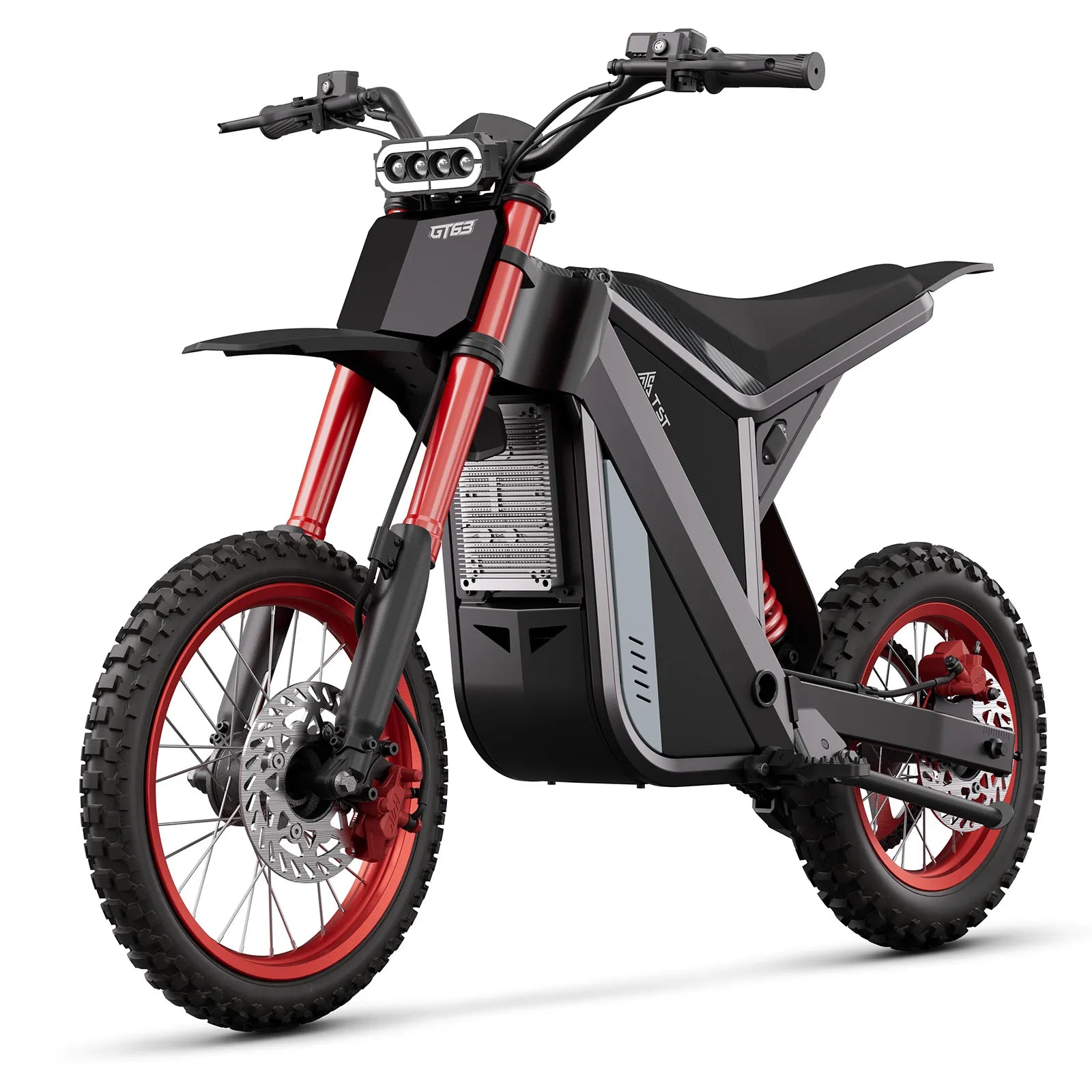
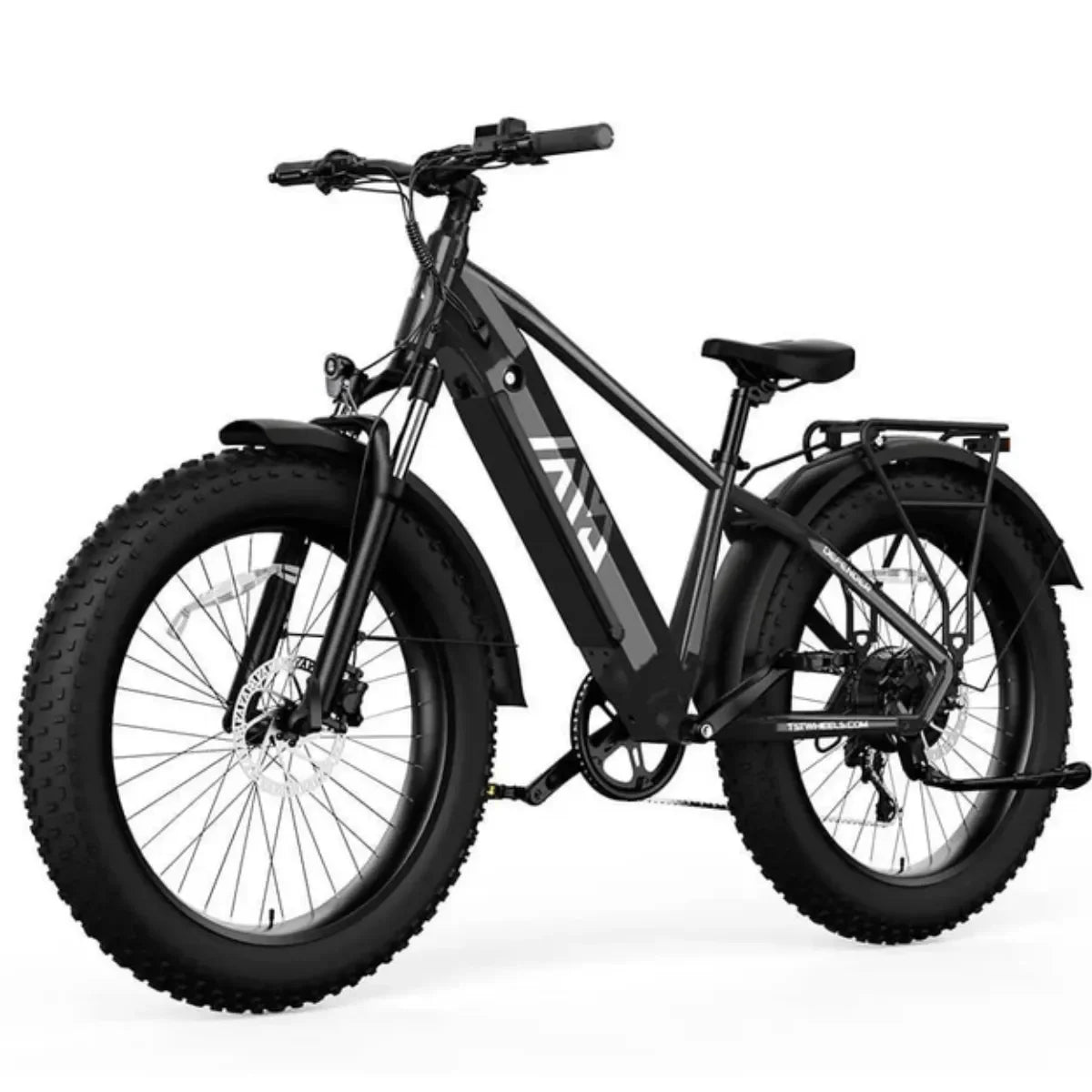
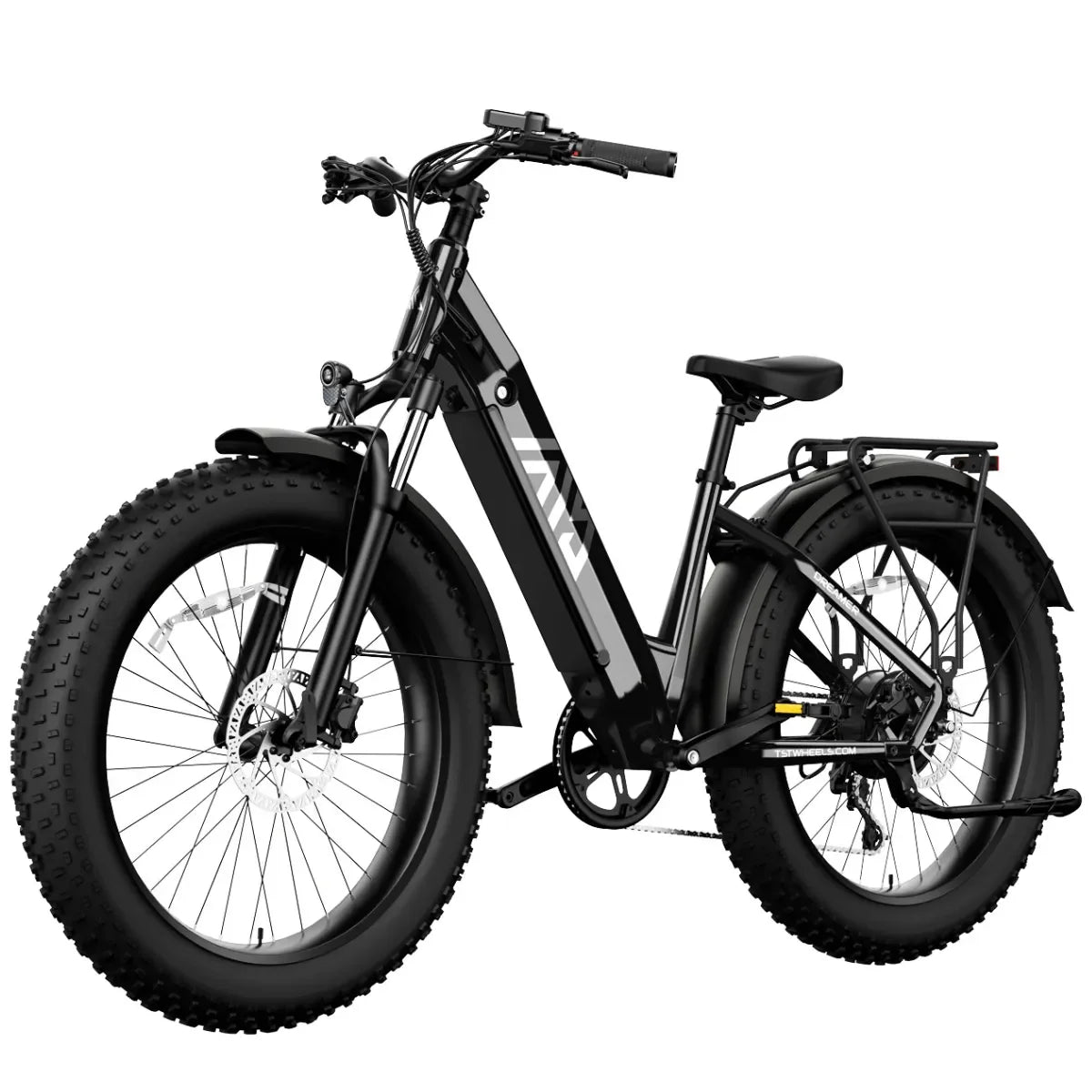

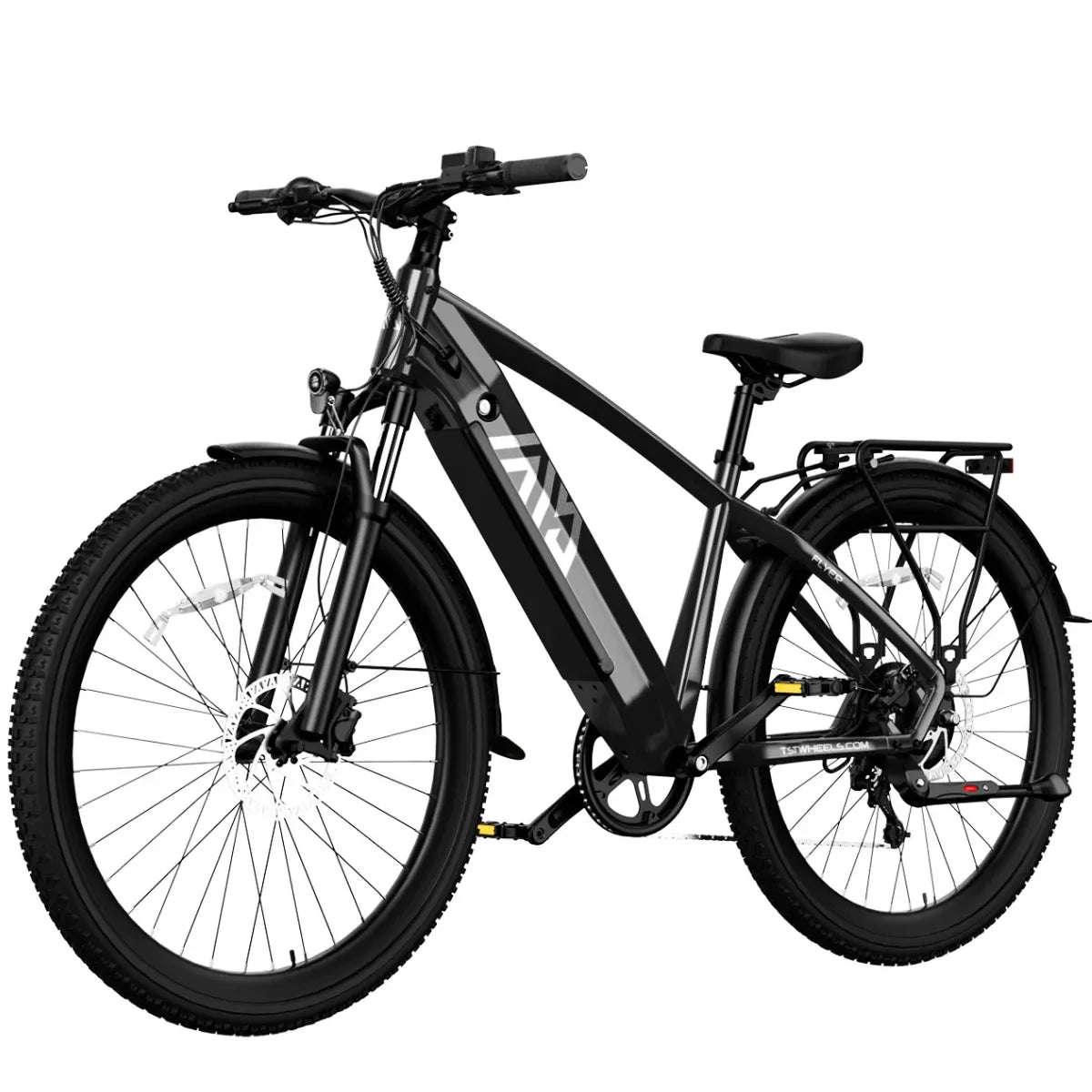

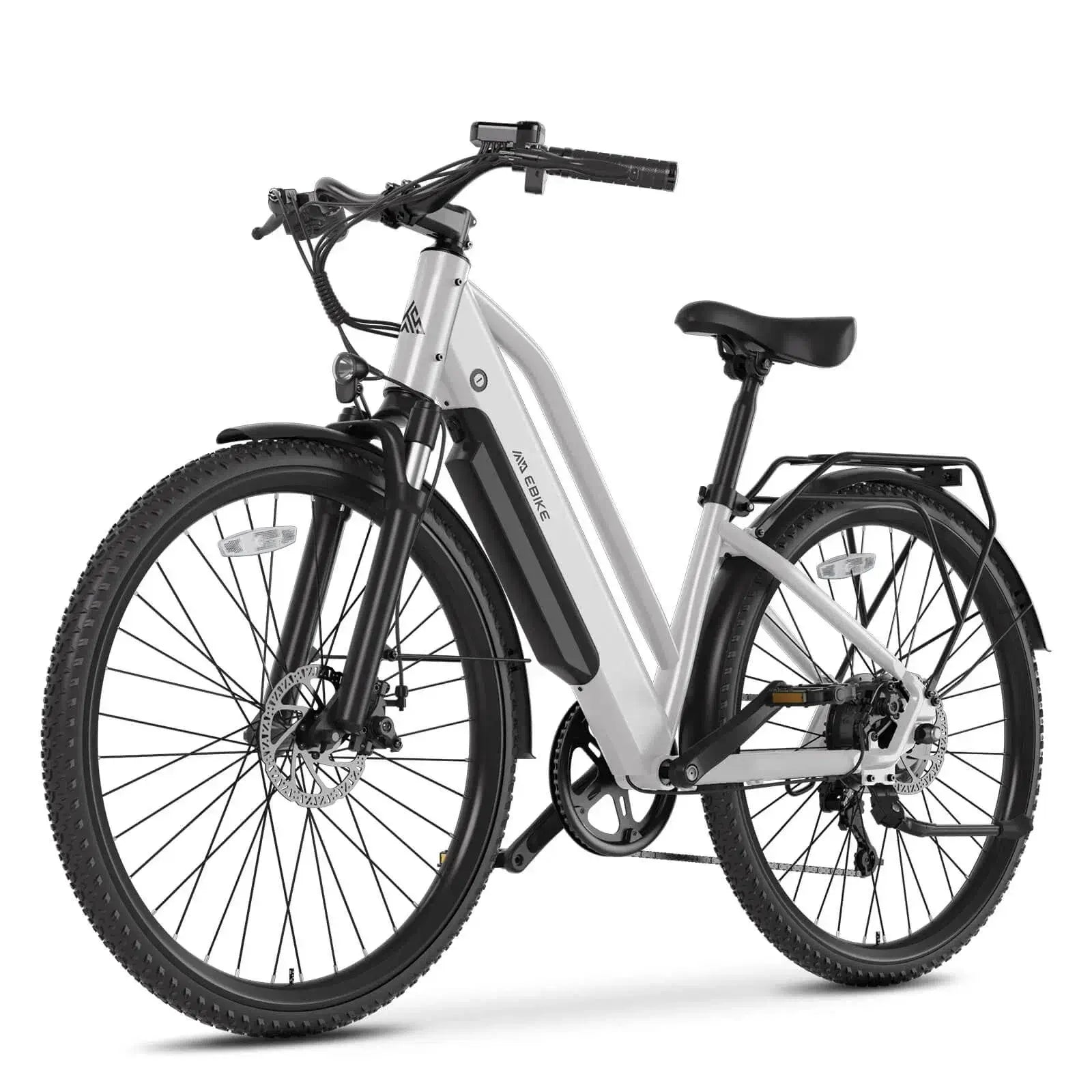






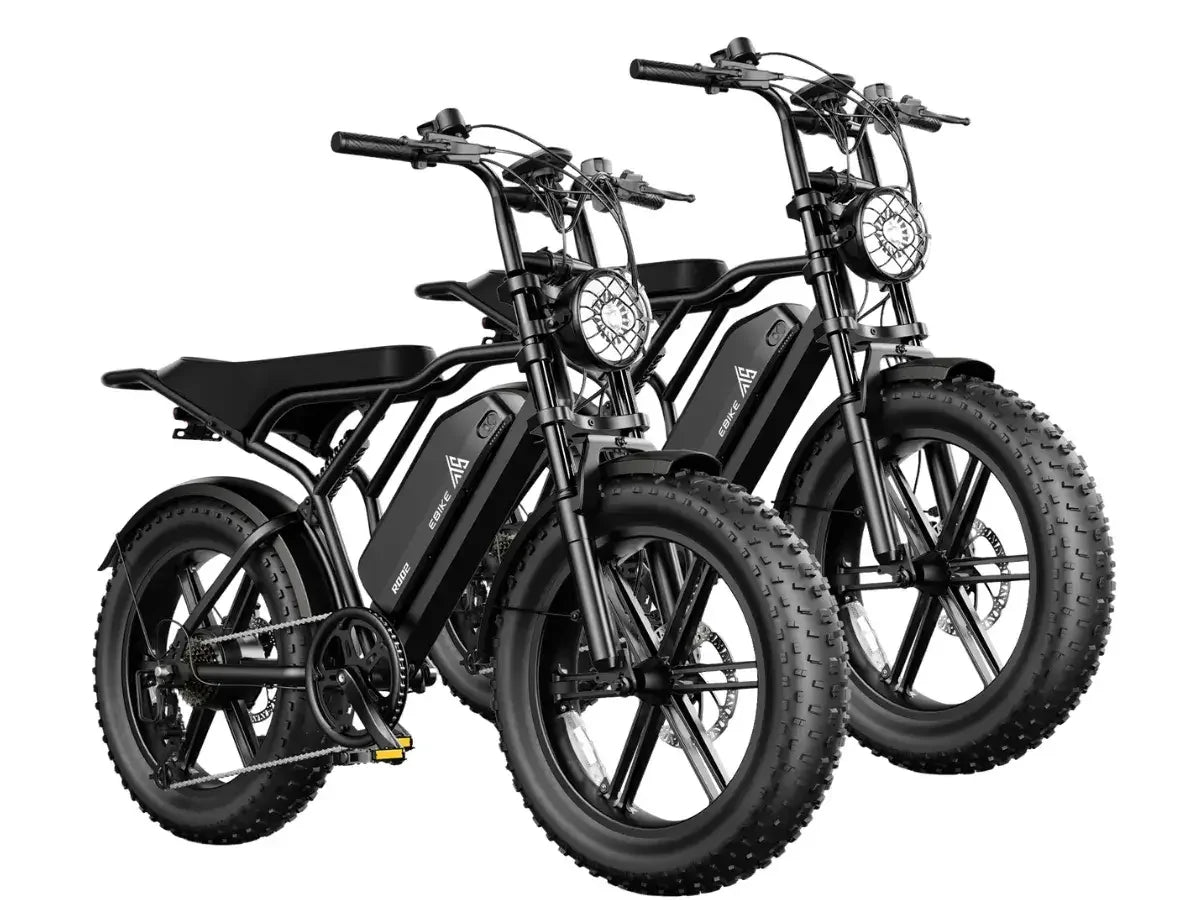
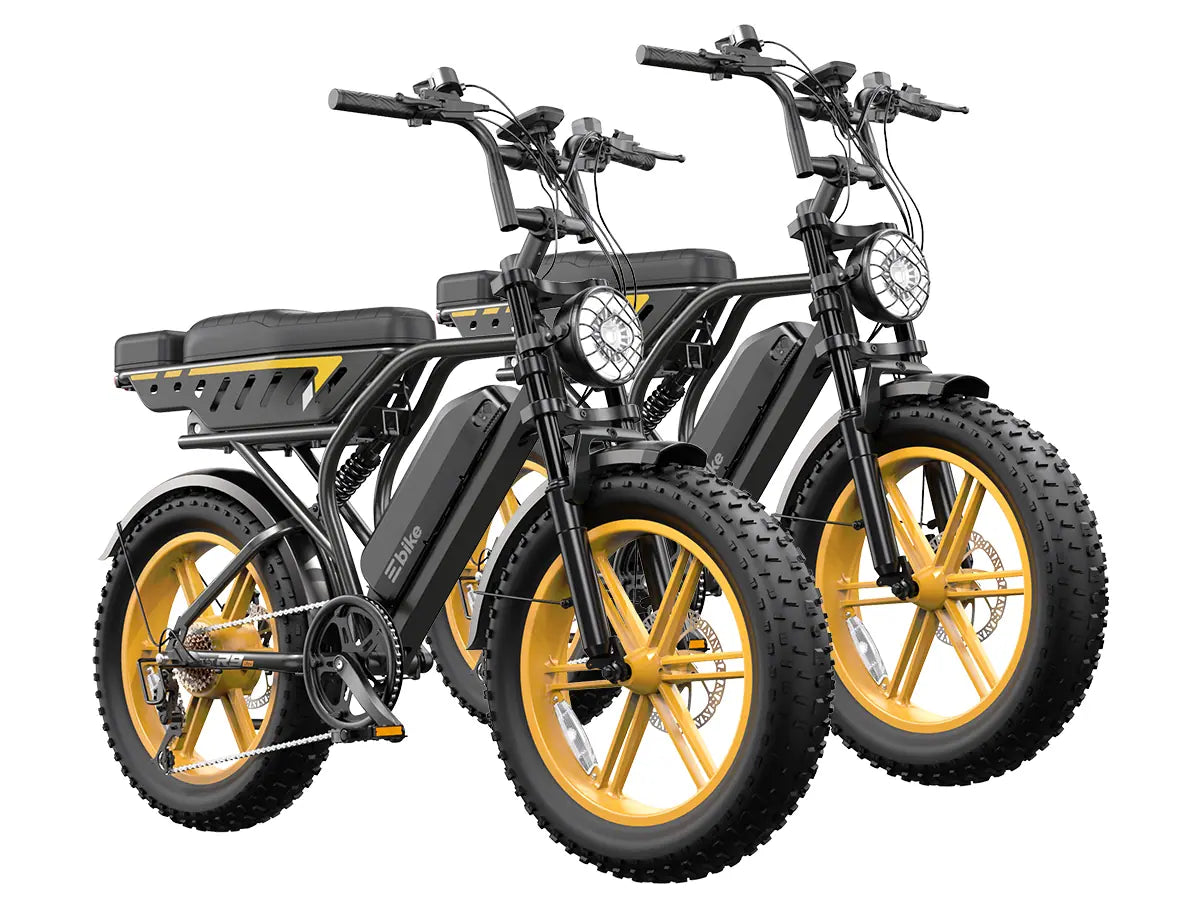

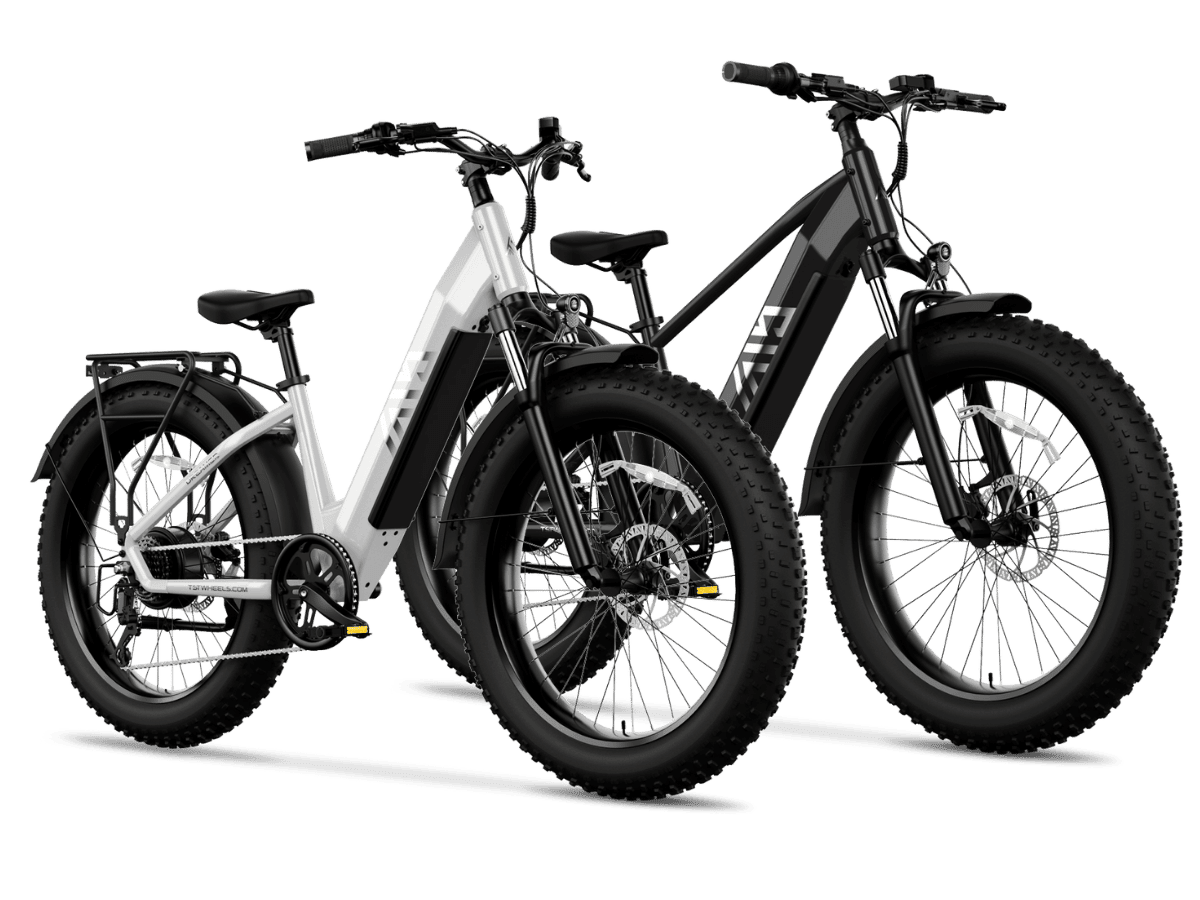
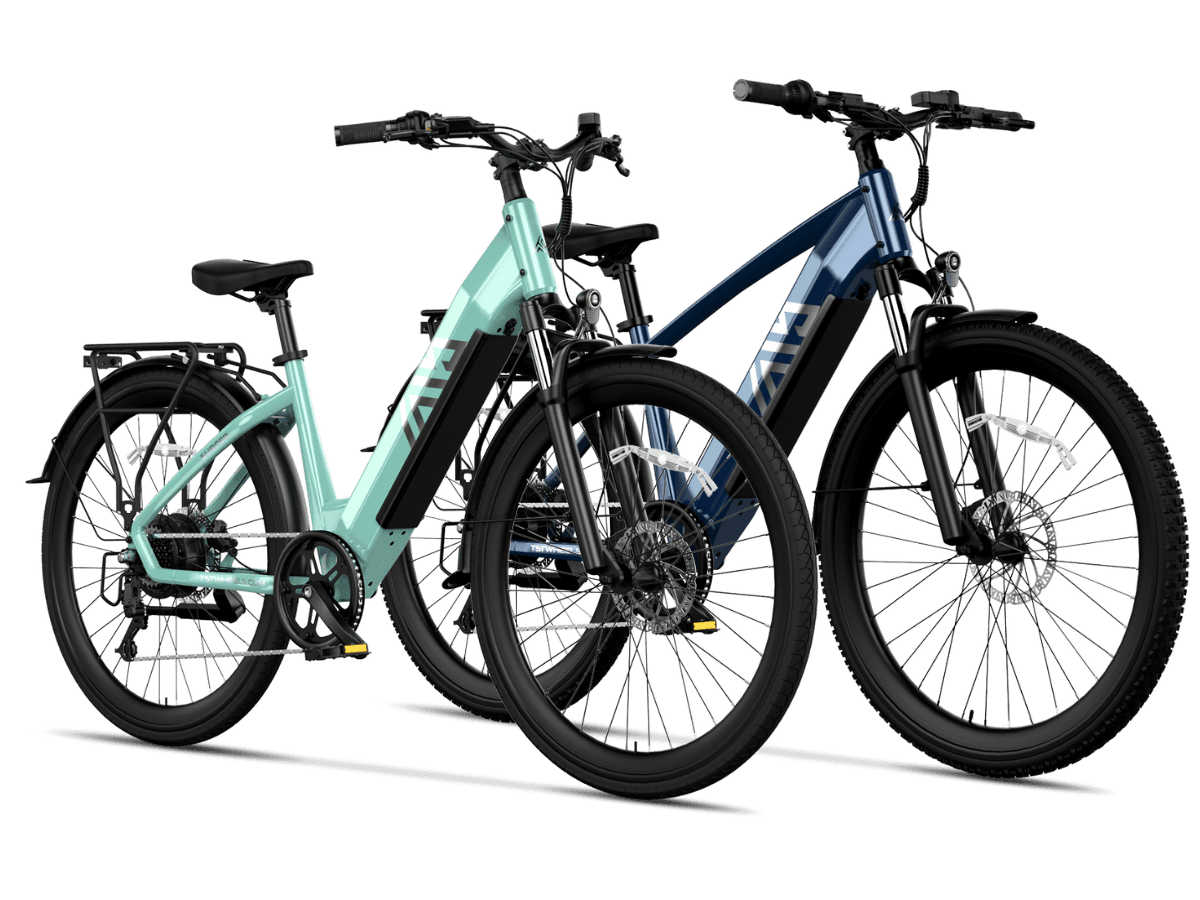
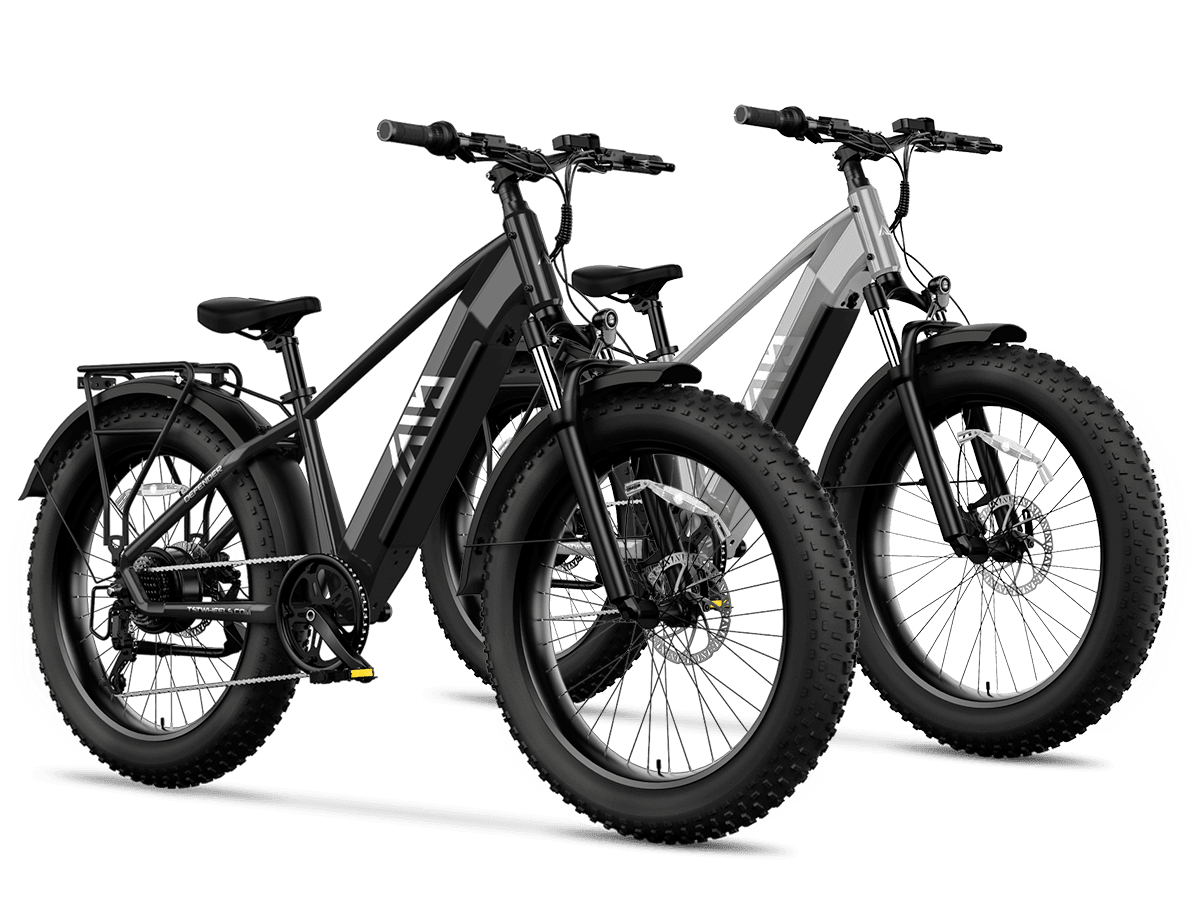
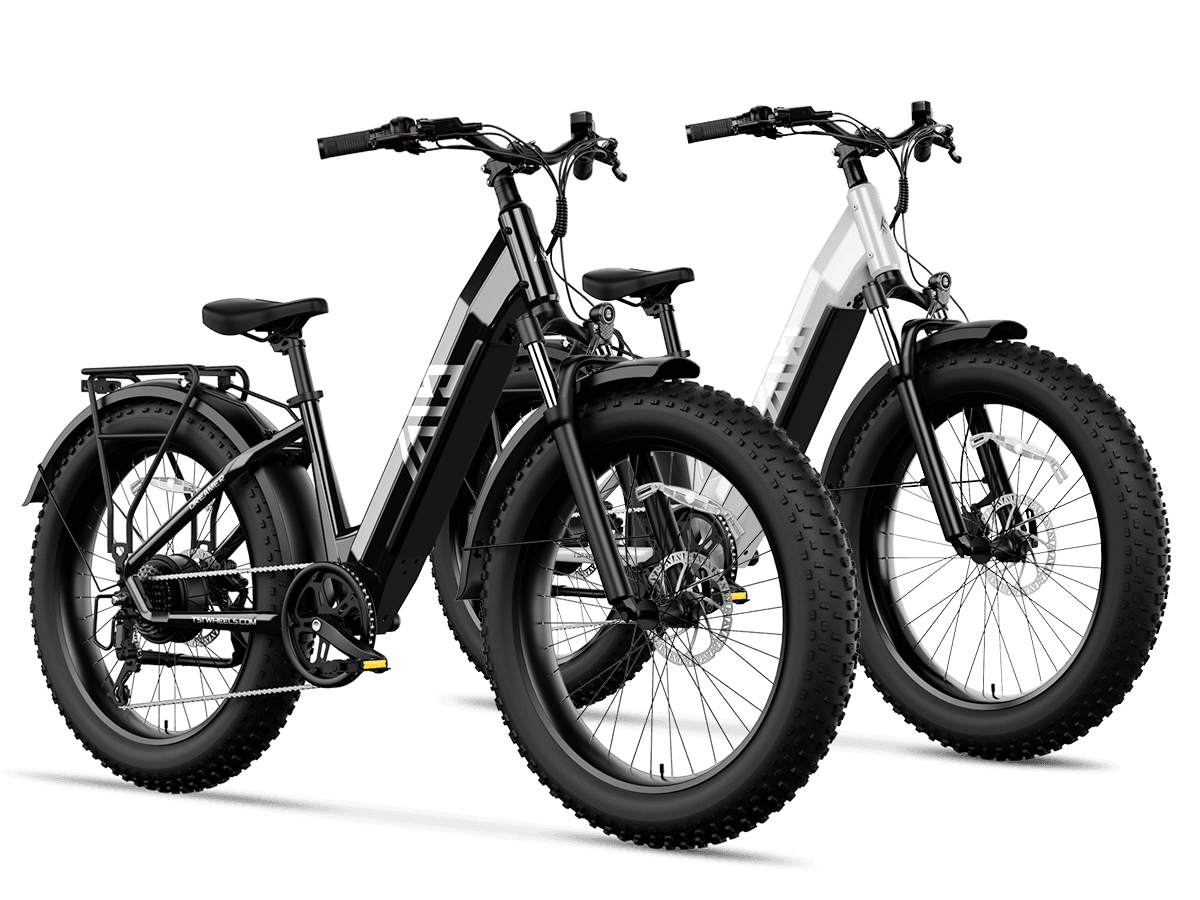

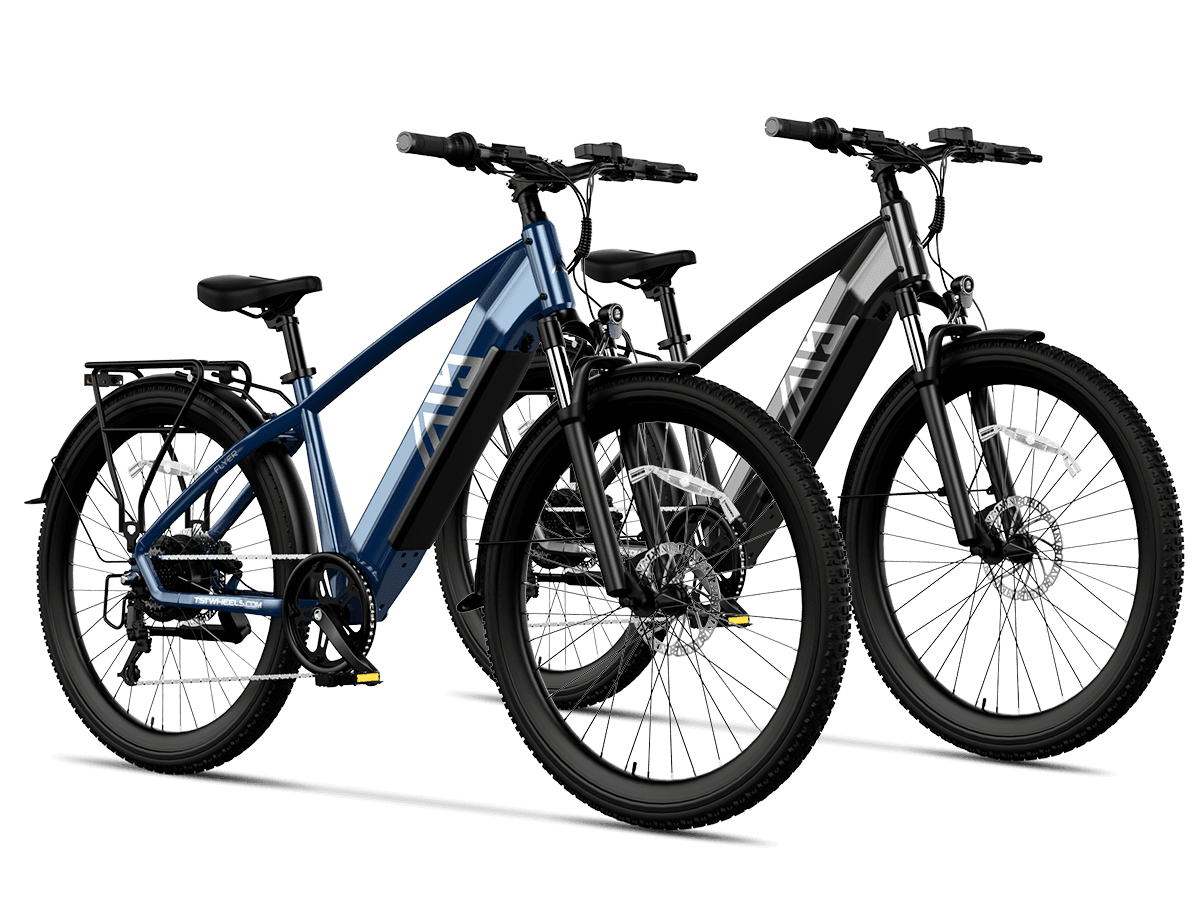
Electric bikes with fat tires and high-torque motors maintain traction and power through snow up to 6 inches deep, delivering 20-25 MPH speeds with 20-30% less battery drain when using low assist modes.
TST EBike's 26-inch models excel in winter with 4-inch tires that float over ice at 15 PSI pressure for stable control.
Riders cut commute times by 40% versus walking plowed paths while avoiding car traffic risks.
What Challenges Define Winter eBike Riding Today?
Winter eBike usage rose 35% in snowy U.S. regions during 2025, reaching 12 million rides amid urban snowfalls (PeopleForBikes Winter Report).
Commuters lose 28 hours yearly to slippery delays, with 65% reporting falls on untreated paths.
Snow reduces tire grip by 50%, stranding 42% of riders mid-trip in sub-32°F conditions.
Why Do Snow Riders Encounter Performance Gaps?
Cold drops battery capacity 20-30%, cutting 50-mile ranges to 35 miles on packed snow (Ebike Battery Association Data).
Ice patches double stopping distances to 25 feet from 15 MPH, affecting 58% of urban trails.
Narrow tires sink 4 inches into powder, forcing dismounts for 70% of standard eBike users.
What Limits Traditional Winter Mobility Options?
Snow boots and shovels demand 45 minutes per mile, exhausting users in -10°F winds.
Gas snowmobiles guzzle $800 yearly in fuel while emitting 250g CO2 per mile on short trips.
Standard bikes with 2-inch tires lose traction above 2 inches snow, halting 80% of winter progress.
How Do Fat Tire eBikes Conquer Snow and Ice?
TST EBike 26-inch fat tire models use 4-inch low-pressure tires at 10-15 PSI for 3x flotation over 6-inch snow drifts.
750W motors deliver 80 Nm torque to push through slush at 20 MPH, with PAS levels 1-3 preserving 70-mile ranges.
Hydraulic disc brakes stop within 12 feet on ice, aided by full suspension absorbing frozen ruts up to 4 inches deep.
Which Features Boost Winter Performance?
Lower assist modes extend range 25% by reducing motor draw in cold, pairing with insulated batteries stored above 40°F.
Studded tire options grip glare ice at 0.4 friction coefficient, while LED lights ensure visibility below 50-foot sightlines.
TST EBike's rider feedback-driven designs support 350 lbs payloads for gear-heavy winter commutes since 2017.
| Aspect | Walking/Shoveling | Gas Snowmobiles | Standard eBikes | TST EBike Fat Tire |
|---|---|---|---|---|
| Speed in 4" Snow | 2 MPH | 30 MPH | 5 MPH | 20 MPH |
| Range/Charge | N/A | 50 miles | 25 miles | 70 miles |
| Stopping Distance (Ice, 15 MPH) | N/A | 30 ft | 25 ft | 12 ft |
| Cold Weather Efficiency Loss | 0% | 10% | 30% | 15% |
| Annual Cost | $200 | $800 | $150 | $100 |
| Traction Coefficient | 0.1 | 0.3 | 0.2 | 0.5 |
How Do You Optimize eBike Snow Riding?
Lower fat tires to 10-15 PSI before rides for maximum snow contact patch.
Warm battery indoors to 50°F, select PAS 1-2, and maintain steady 15 MPH speeds avoiding sudden throttle.
Clear ice from brakes and chain post-ride, recharge immediately to retain 95% capacity.
Who Benefits from Proven Winter Scenarios?
Scenario 1: Daily Snow Commuter
Problem: 5-mile path takes 90 minutes walking post-plow delays.
Traditional: Shovel path, arrive frozen.
Fat Tire Effect: 20 MPH cruise completes in 15 minutes dry.
Key Benefit: Saves 2 hours daily, boosts work focus.
Scenario 2: Rural Trail User
Problem: 3-inch powder sinks standard tires after 2 miles.
Traditional: Abandon bike for skis.
Fat Tire Effect: 4-inch flotation covers 40 miles uninterrupted.
Key Benefit: Extends access 10x, cuts gear weight 50%.
Scenario 3: Ice Path Delivery
Problem: Slippery glare doubles 10-mile trip falls risk.
Traditional: Cancel routes in sub-20°F.
Fat Tire Effect: Studded grip and brakes secure deliveries at 18 MPH.
Key Benefit: Maintains $400 weekly income safely.
Scenario 4: Weekend Powder Explorer
Problem: Slush drains battery at 20 miles on hills.
Traditional: Gas ATV at $50 per outing.
Fat Tire Effect: Torque assists 25-degree inclines for 60-mile loops.
Key Benefit: Zero emissions, saves $600 seasonally.
Why Prioritize Winter eBike Readiness Now?
2026 forecasts 25% more snow days in northern U.S., with eBike winter sales up 40% (Climate Mobility Index).
TST EBike's 26-inch snow-ready models ship from California warehouses to 10 countries, matching rising demands.
Adopt now to claim $800 rebates before winter tire shortages inflate prices 18%.
What Questions Arise on Snow eBike Use?
Can electric bikes handle deep snow?
Yes, 4-inch fat tires at low PSI float over 6 inches effectively.
How does cold affect eBike batteries?
Capacity drops 20-30% below 32°F; store indoors for full performance.
What tire pressure works best on ice?
10-15 PSI maximizes traction without pinch flats.
Are hydraulic brakes necessary for snow?
They reduce ice stopping distances by 50% versus mechanical.
How to prevent chain freeze in winter?
Wipe dry post-ride and apply wet lube rated to -20°F.
Does TST EBike perform in snow?
26-inch fat tire models excel with proven torque for slush and powder.

Leave a comment
This site is protected by hCaptcha and the hCaptcha Privacy Policy and Terms of Service apply.