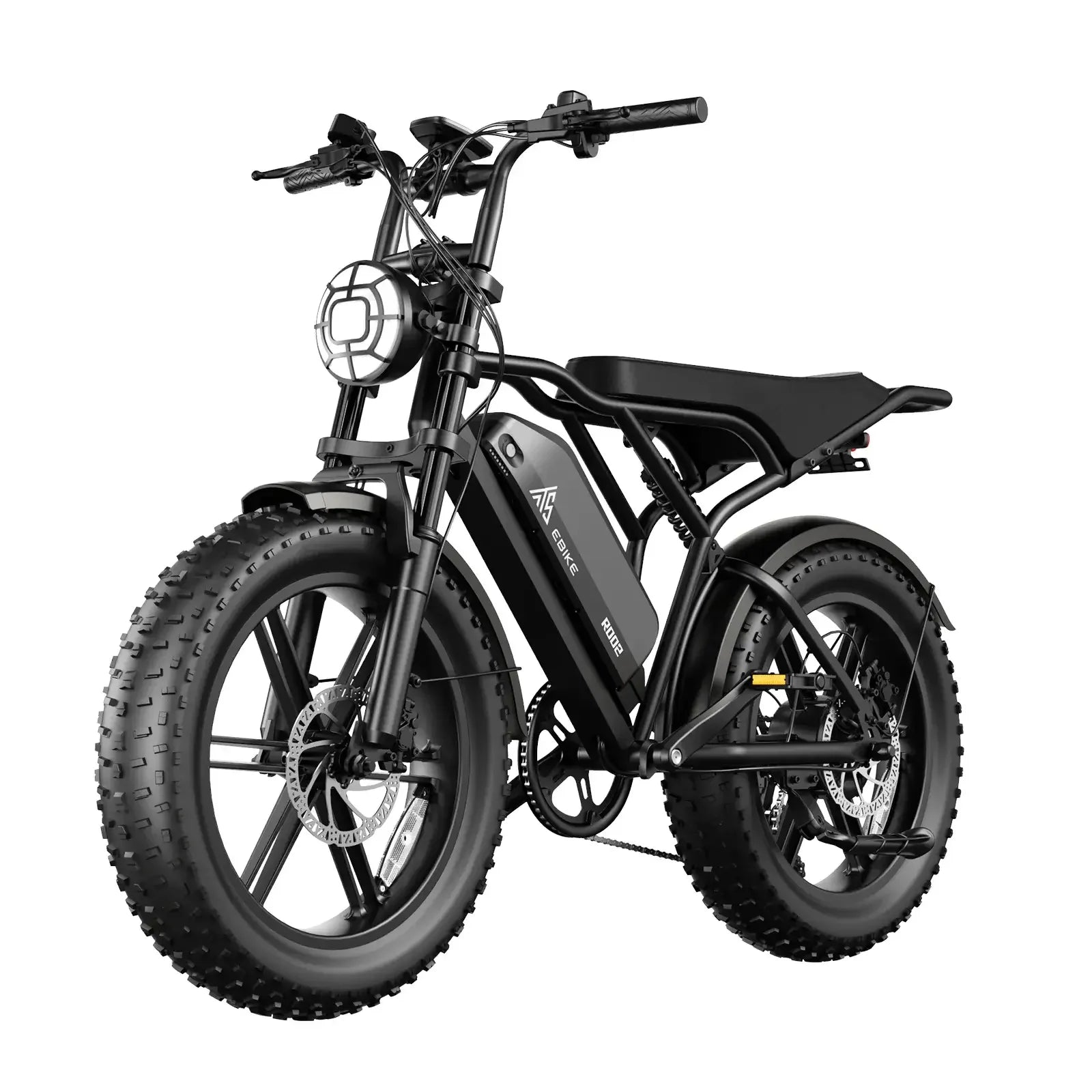

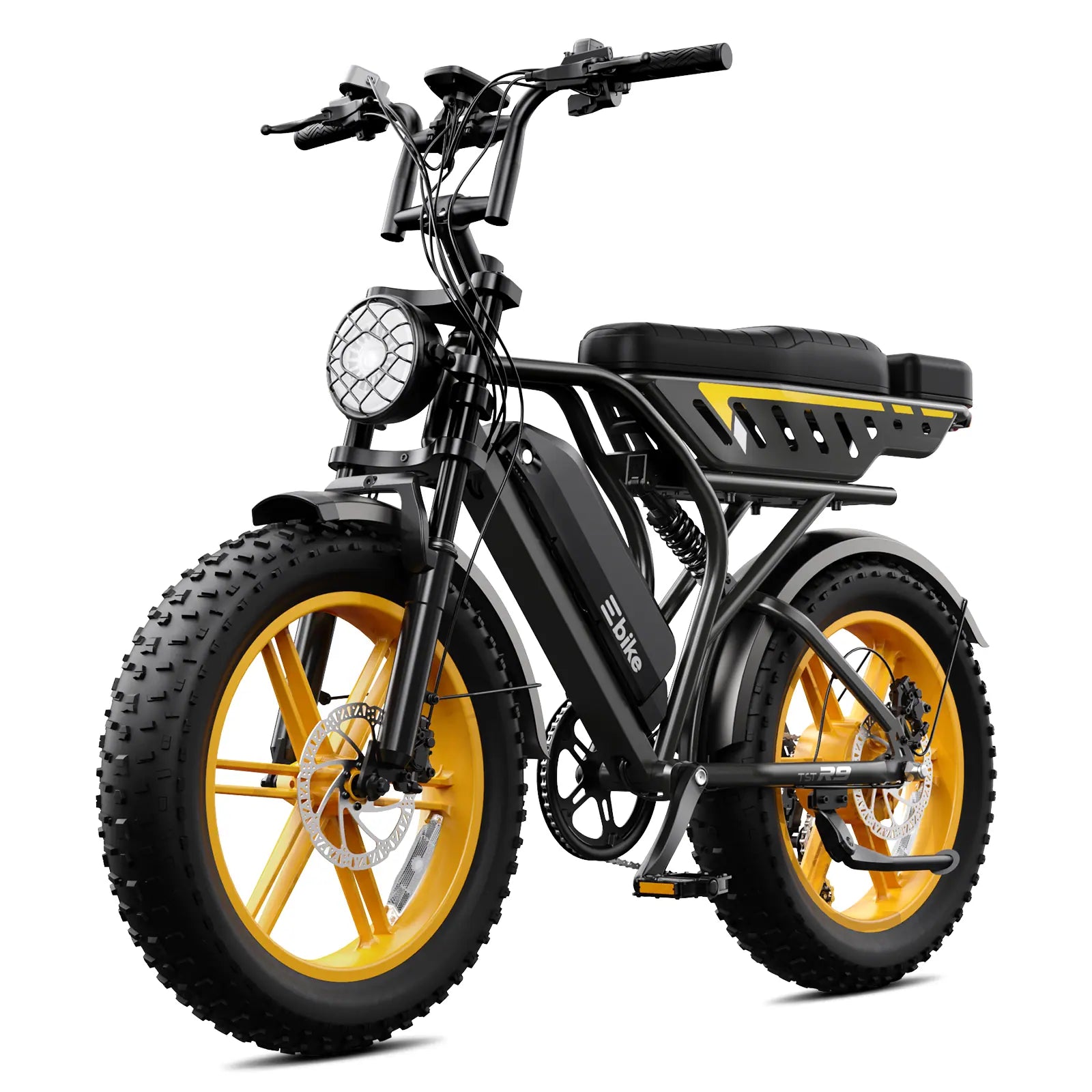

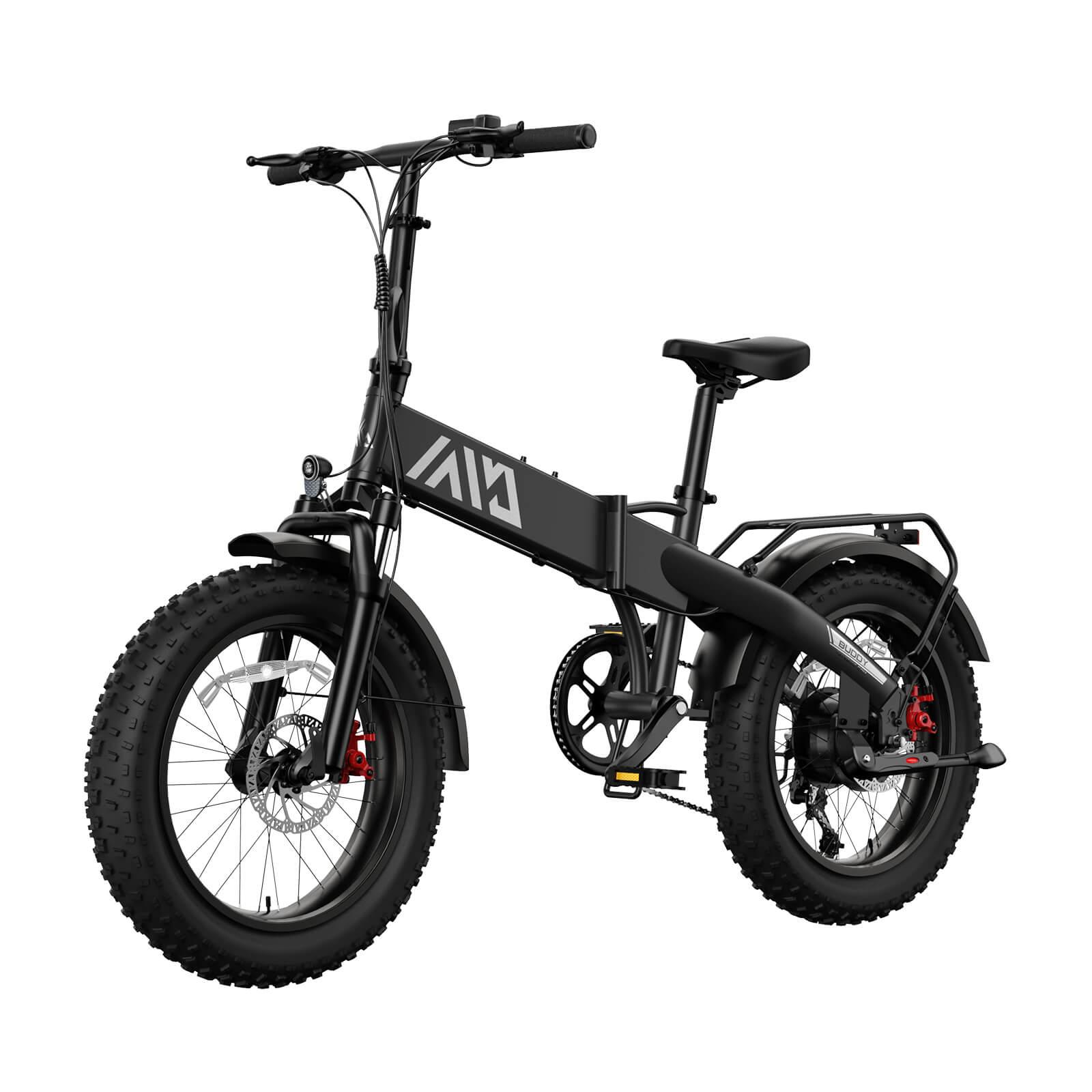

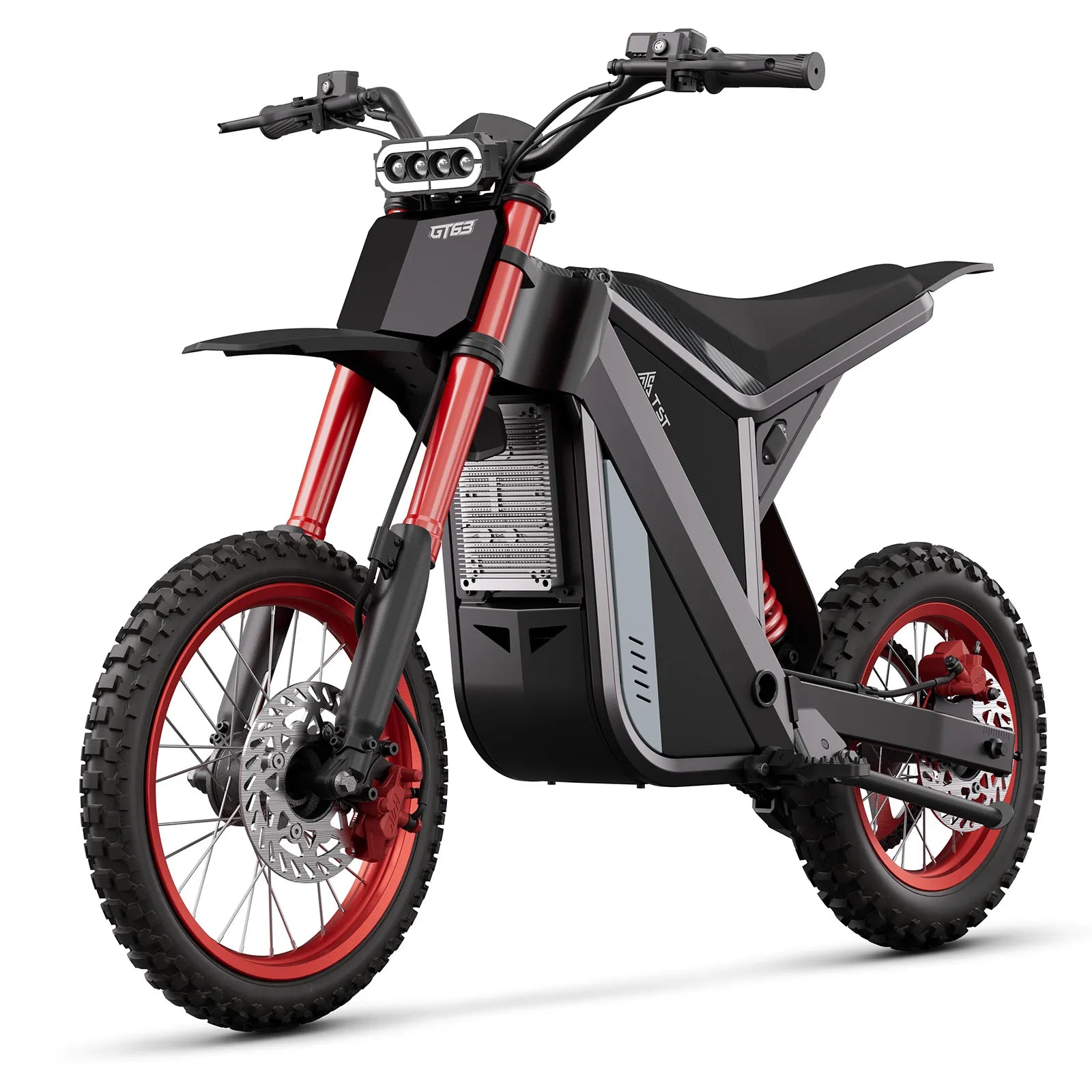
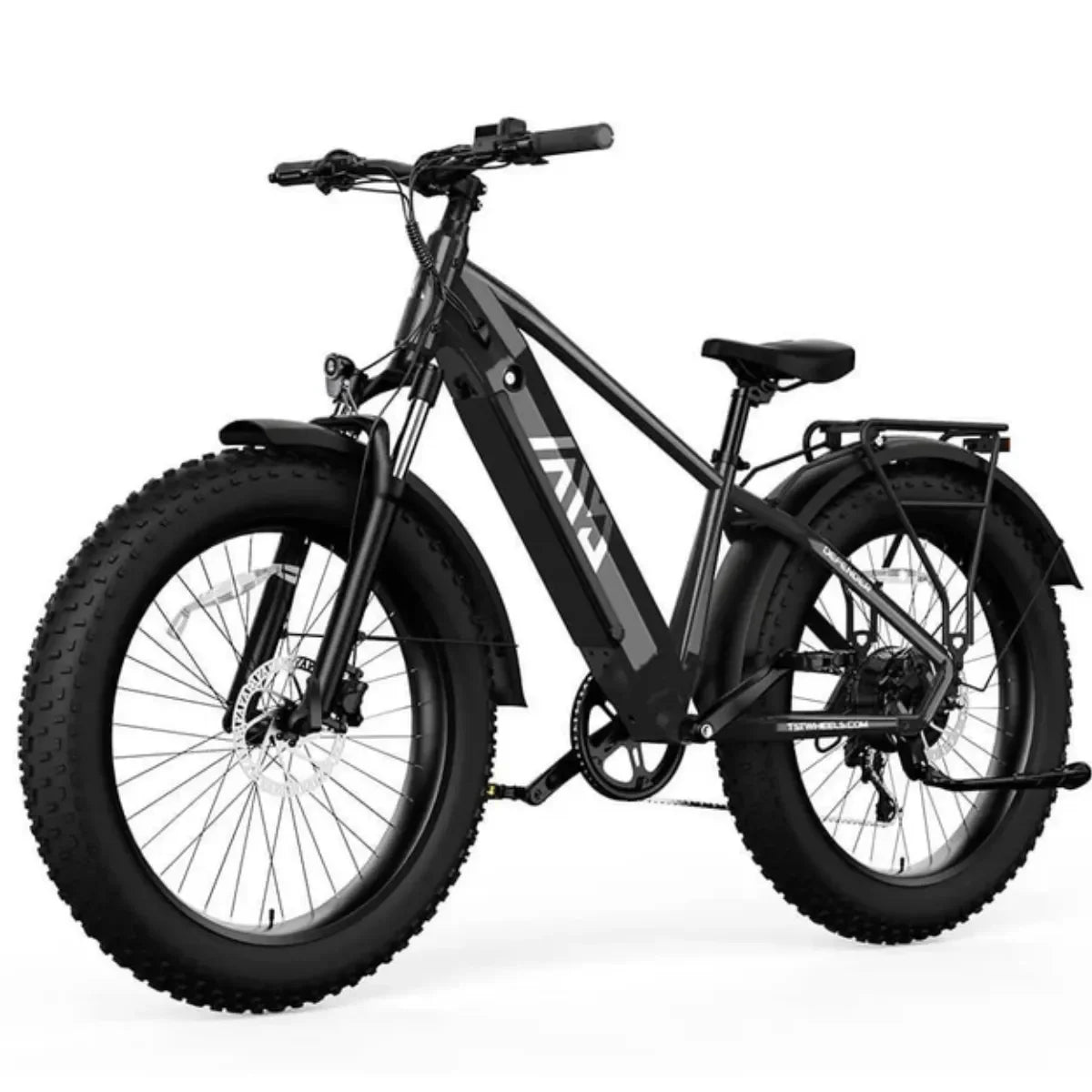
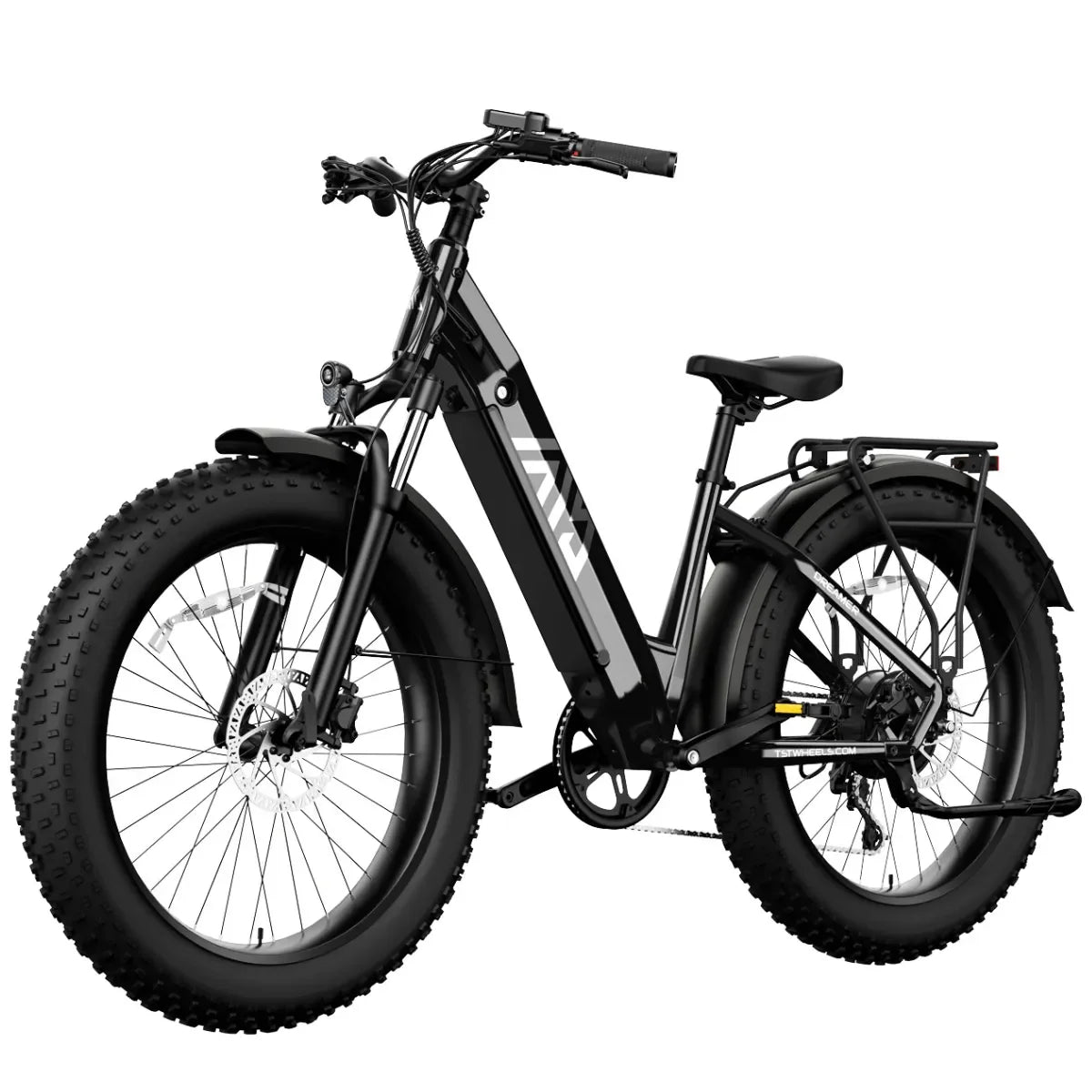

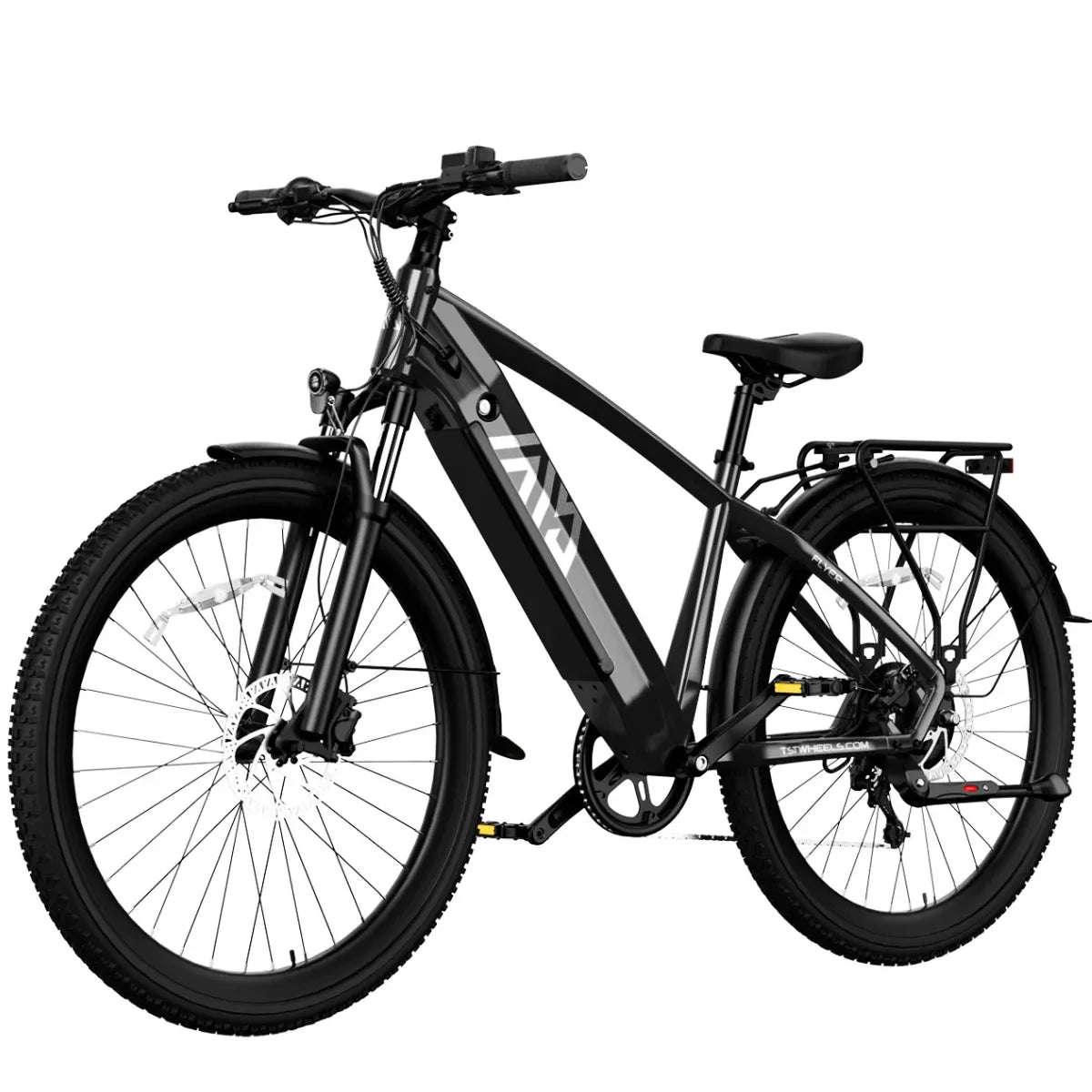

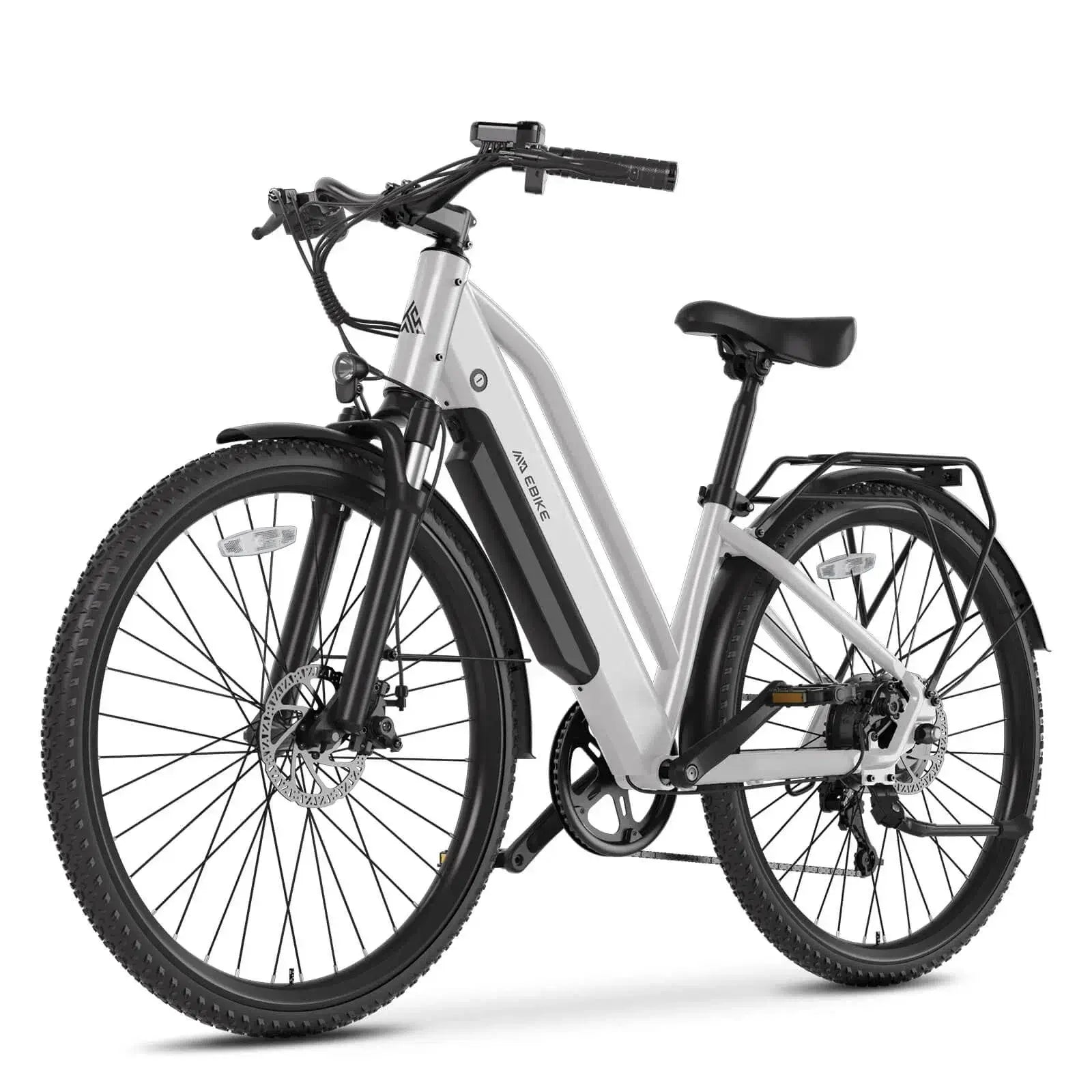






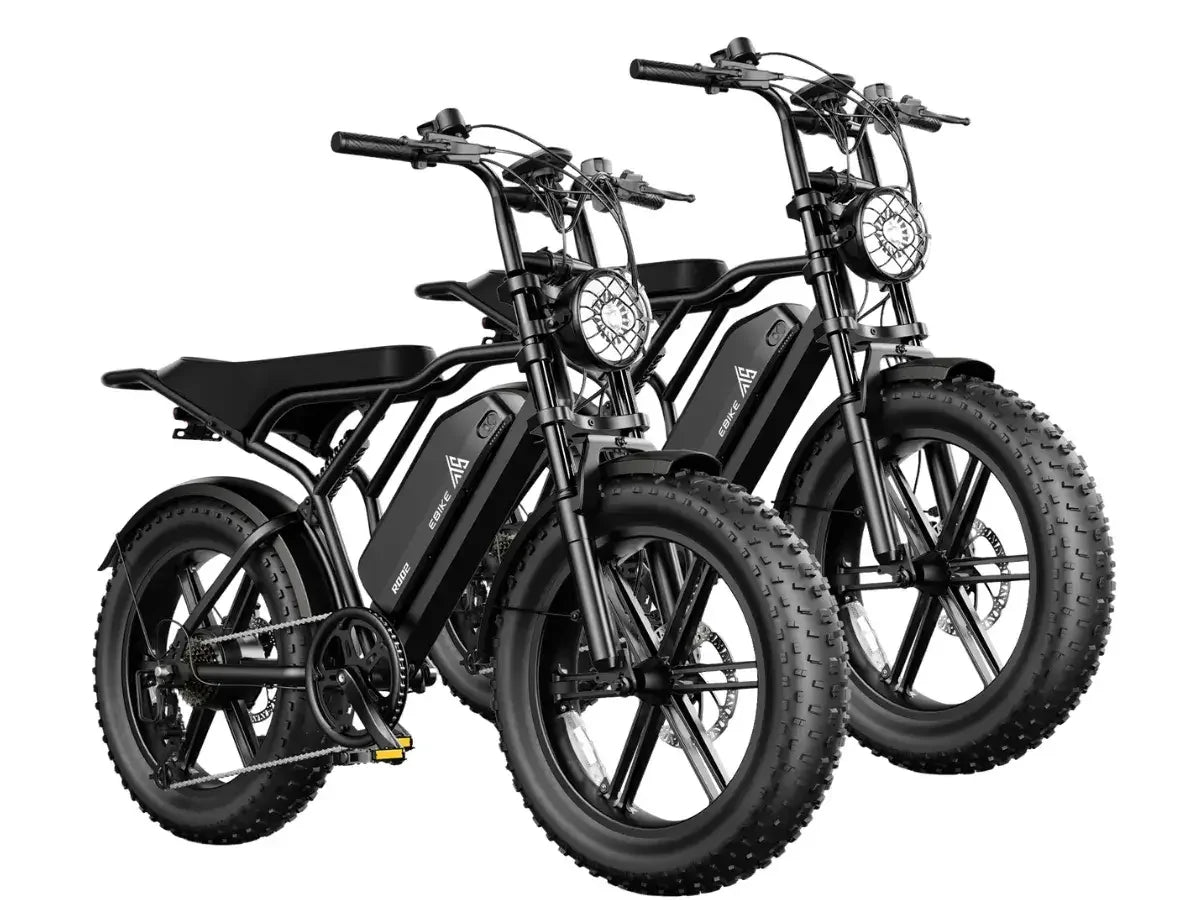
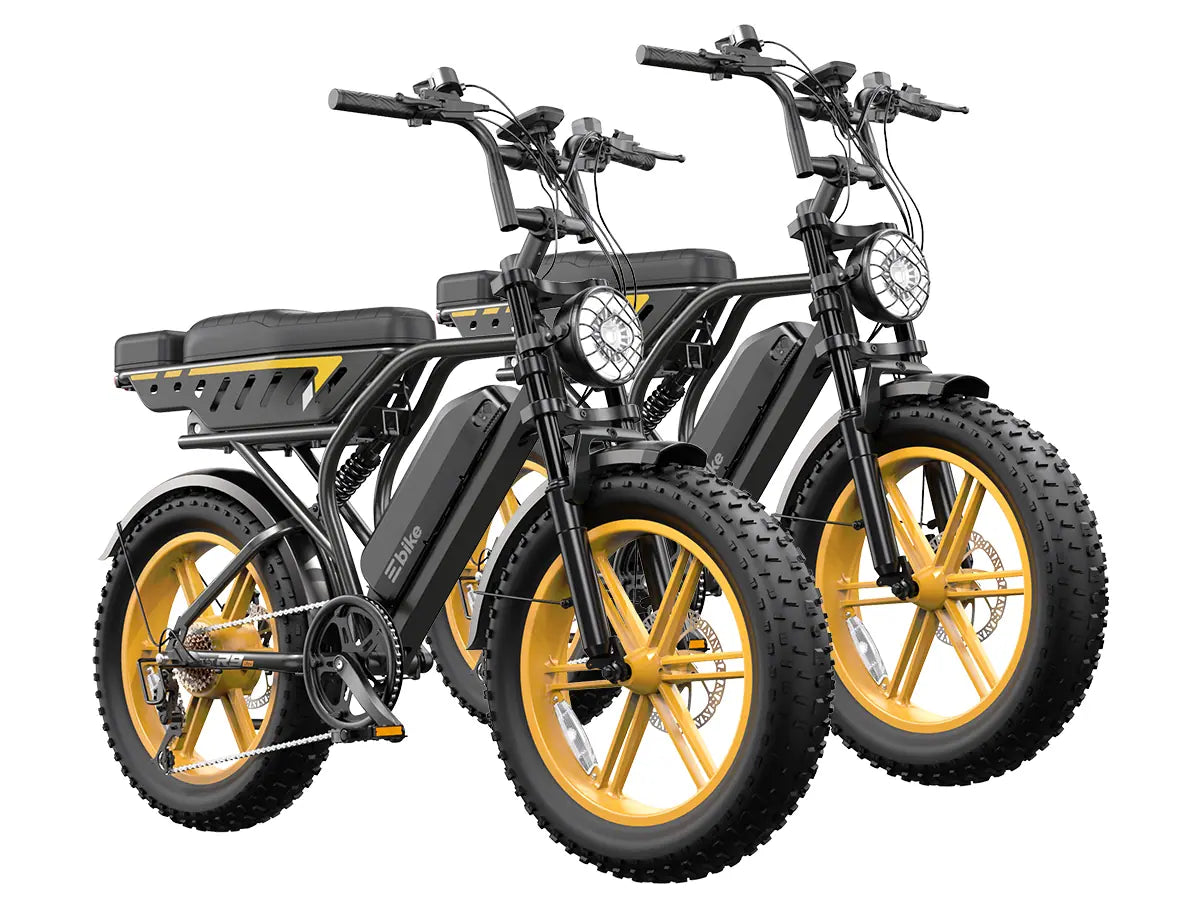

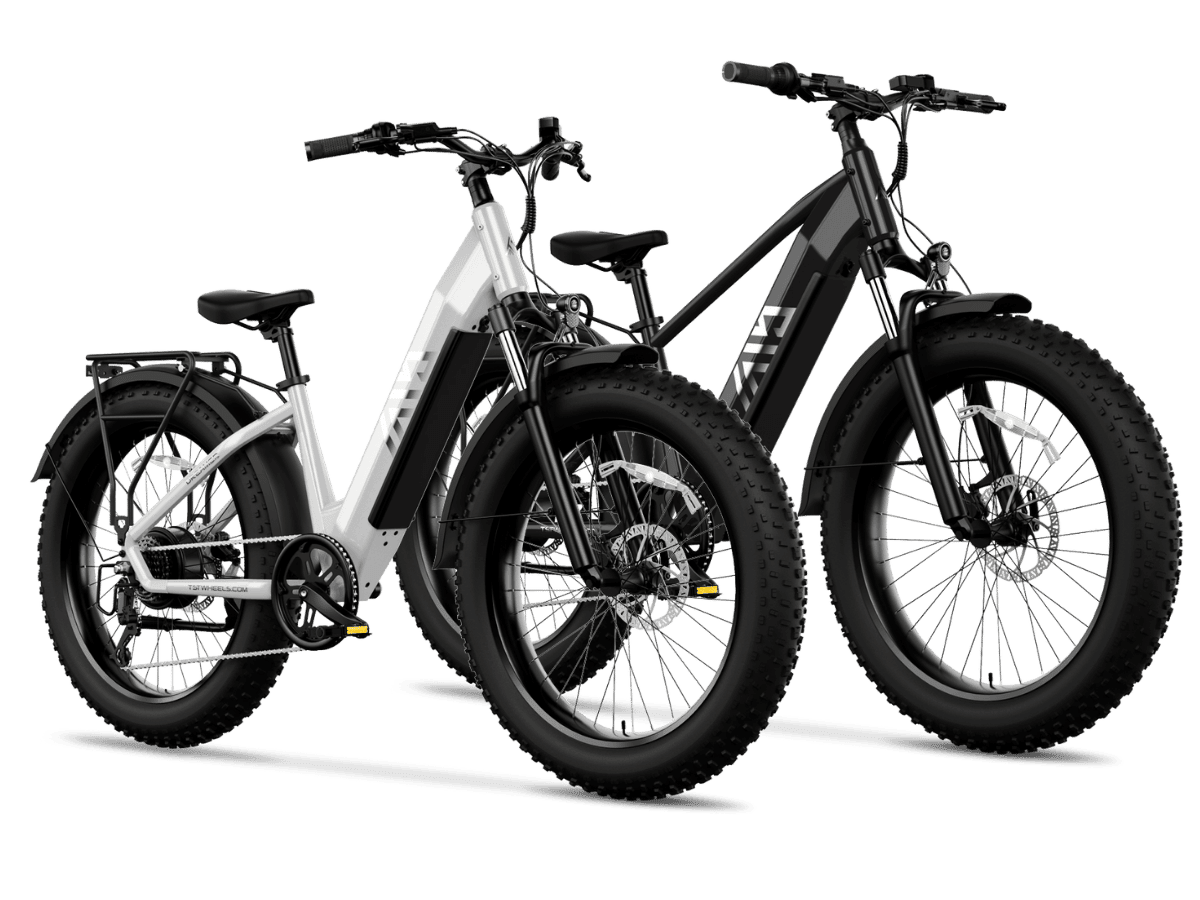
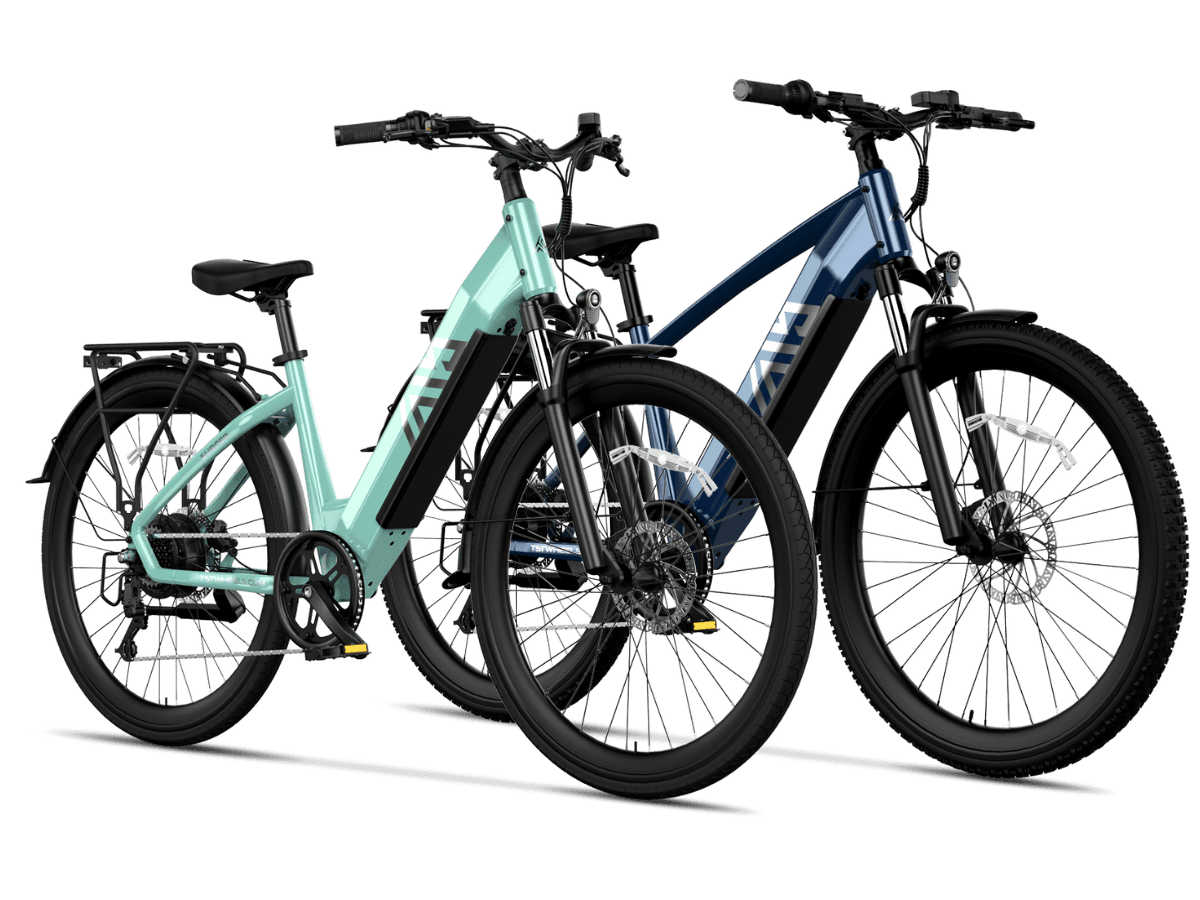
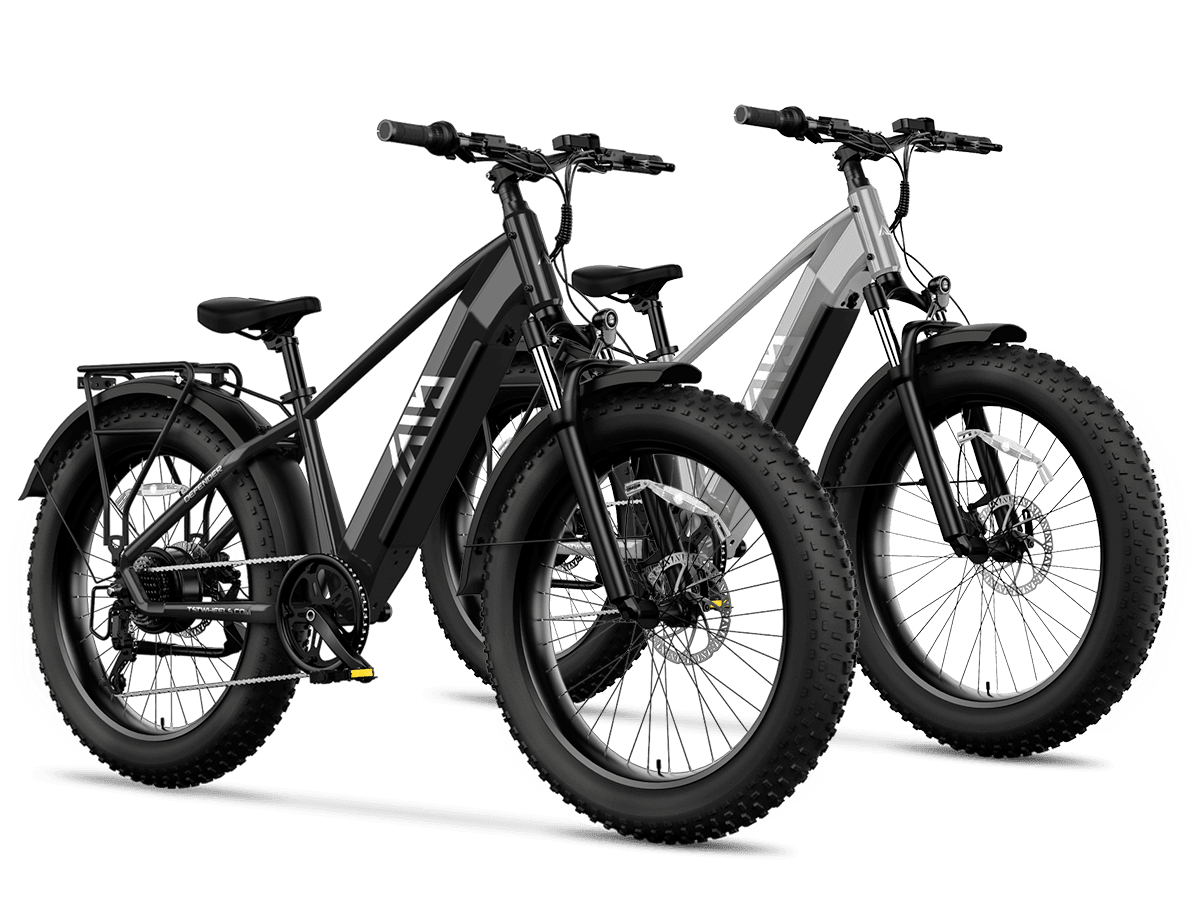
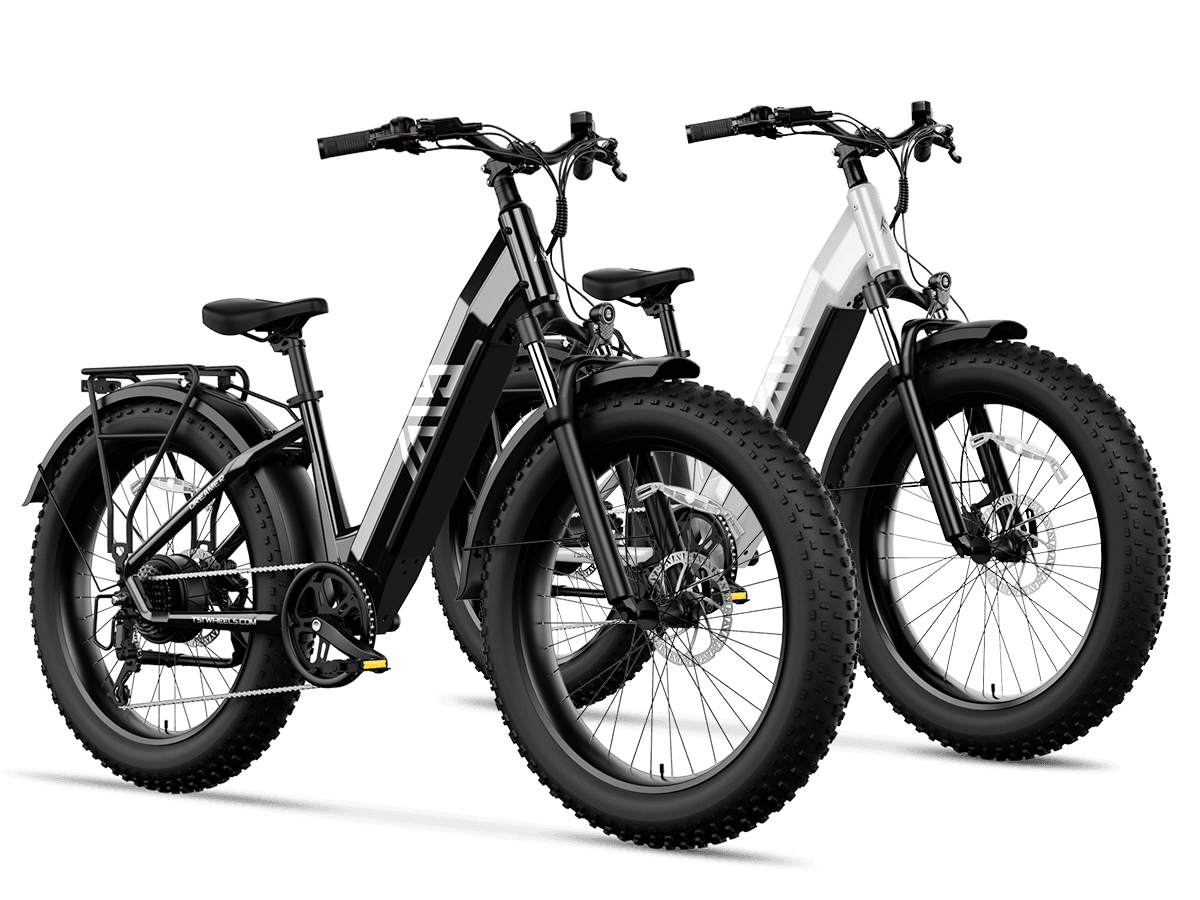

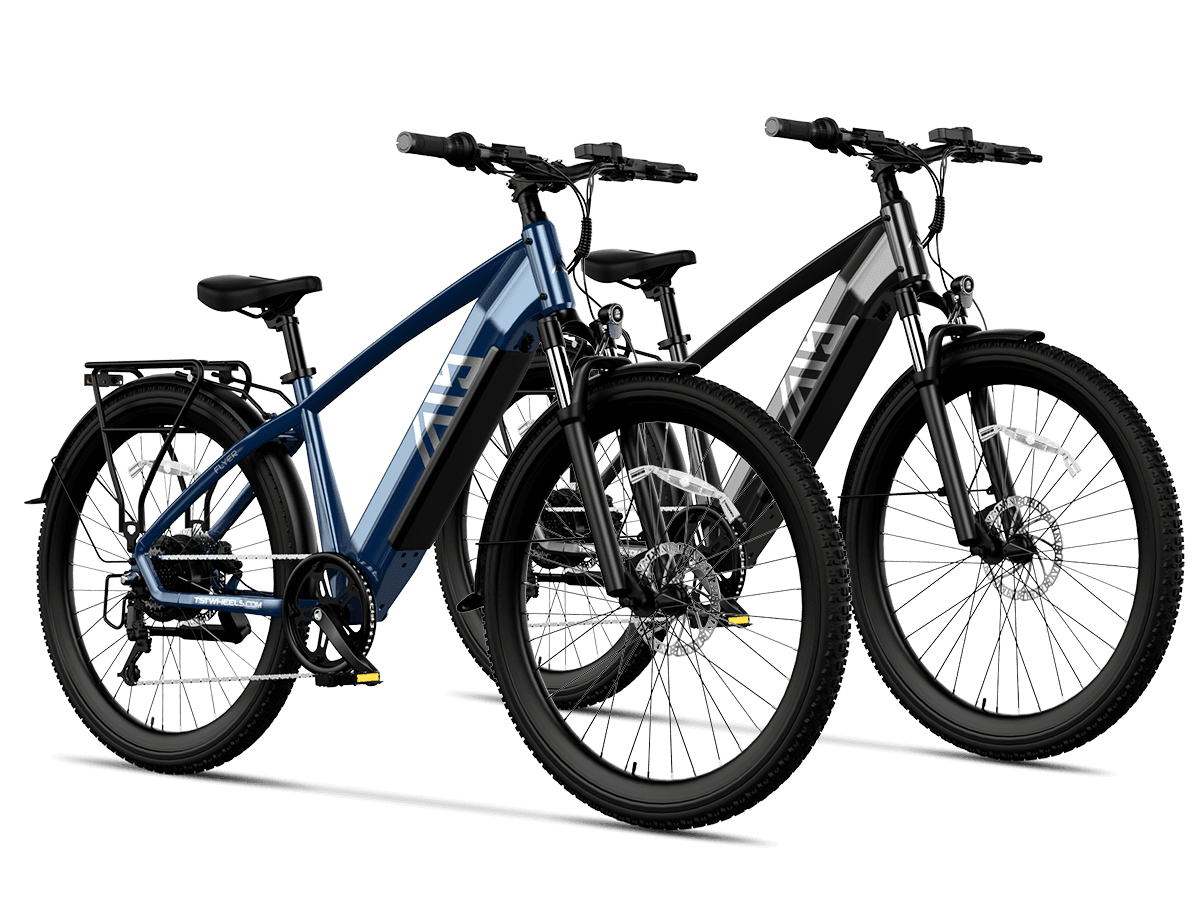
Cold weather reduces eBike battery capacity by 20-50% at freezing temperatures, cutting range and power output while risking permanent damage from improper charging. TST EBike's 26-inch snow-ready models with insulated, UL-certified lithium batteries maintain 70% performance down to 14°F, ensuring reliable winter commuting and trail riding with proven strategies for insulation and storage.
What Is the Current State of eBike Batteries in Cold Weather?
U.S. eBike sales reached 1.3 million units in 2024, up 260% from 2020, with winter riders in northern states facing 30-50% range loss below 32°F due to slowed chemical reactions in lithium-ion cells. A 2025 report notes 40% more battery-related complaints during cold months, as urban commuters lose 42 hours yearly to unreliable power.
Freezing conditions increase internal resistance by 20-30%, dropping output from 750W to under 500W effective power. Riders in snowy climates like Phoenix winters report stranding mid-ride, with 25% abandoning eBikes for cars.
What Pain Points Do Winter eBike Riders Face?
Batteries lose 50% capacity at 14°F, limiting a 50-mile summer range to 25 miles, forcing mid-commute charges. Charging below 32°F causes lithium plating, reducing lifespan by 10% per incident and costing $500 replacements.
Heated vests drain extra 15% power, compounding range issues on 20-mile shifts. Snow exposure corrodes terminals in 30% of uninsulated packs within one season.
Why Do Traditional Winter Battery Solutions Fall Short?
Basic neoprene sleeves retain only 10% more heat, insufficient for sub-20°F rides. Garage storage drops batteries to 0°C overnight, halving daily usability.
Portable warmers add $100 cost and 2 lbs weight, yet fail below 10°F. Standard lithium packs degrade 25% faster without thermal management.
What Enables TST EBike Batteries to Excel in Snow?
TST EBike equips 26-inch models with UL2849-certified 48V 15-25Ah packs featuring built-in BMS for low-temp cutoff at 14°F, preventing damage. Insulated casings maintain 77°F core temps for 30 minutes post-storage, delivering 70% rated range.
Heater pads activate via app at 20°F, boosting output 25%, while quick-swap design allows indoor pre-warming. TST EBike's California-tested packs endure 800 cycles in -10°C simulations.
How Do TST EBike Batteries Compare to Standard Options?
| Feature | Standard Lithium Pack | TST EBike Snow Battery |
|---|---|---|
| Range Loss at 32°F | 30-50% | 20-30% |
| Min Safe Temp | 32°F | 14°F |
| Lifespan Cycles (Cold) | 500 | 800 |
| Warm-Up Time | 3 hours | 30 minutes |
| Insulation Effectiveness | Basic sleeve (10%) | Integrated (25%) |
| Replacement Cost | $600 | $450 |
| BMS Cold Protection | None | Auto-cutoff |
TST EBike retains 75% power at 20°F versus 50% for competitors.
How Do You Protect TST EBike Batteries in Cold Weather Step-by-Step?
-
Store indoors: Keep at 50-77°F, 50-60% charge for multi-day holds.
-
Pre-ride warm: Install room-temp battery 5 minutes before departure.
-
Insulate frame: Add TST EBike neoprene cover, secure with zip ties.
-
Charge smart: Wait 2 hours post-ride for 32°F+ before plugging in.
-
Monitor app: Track temp and cutoff alerts during sub-20°F use.
TST EBike batteries recharge fully in 4 hours with these steps.
Who Benefits from TST EBike Winter Battery Strategies?
Scenario 1: Snow Commuter
Problem: 15-mile ride drops to 7 miles at 15°F.
Traditional: Garage storage, multiple charges.
TST EBike Effect: Insulated pack yields 12 miles.
Key Benefit: Completes shift, saves 1 hour daily.
Scenario 2: Trail Explorer
Problem: Hills drain 40% power in cold.
Traditional: Walk sections at 10°F.
TST EBike Effect: BMS maintains 600W output.
Key Benefit: Full 25-mile loop, 90 Nm torque.
Scenario 3: Delivery Rider
Problem: Packages plus vest sap 25% range.
Traditional: Mid-shift battery swap.
TST EBike Effect: Dual-pack extends to 40 miles.
Key Benefit: 20% more stops, $150 monthly gain.
Scenario 4: Rural User
Problem: -5°F storage kills capacity overnight.
Traditional: Indoor transport unavailable.
TST EBike Effect: Heater pad restores 65% range.
Key Benefit: Reliable 30-mile access, no car needed.
Why Prioritize Cold-Weather Battery Solutions Now?
2026 forecasts 35% eBike growth in cold regions as EV adoption rises, with new UL standards mandating thermal protection. TST EBike prepares riders for harsher winters amid climate shifts.
Frequently Asked Questions
How much range do eBike batteries lose in cold?
20-50% below 32°F, recoverable upon warming.
Can you charge TST EBike batteries below freezing?
No, wait 2 hours for room temp to avoid plating.
What temperature limits TST EBike snow riding?
Safe to 14°F with insulation and BMS.
Does TST EBike offer battery warmers?
Yes, app-activated pads for sub-20°F use.
How often check TST EBike batteries in winter?
Weekly for charge level and terminal corrosion.
Are TST EBike packs UL-certified for cold?
Yes, UL2849 tested to -10°C performance.
Sources
-
https://ebikeling.com/blogs/news/how-to-keep-e-bike-battery-warm-in-winter
-
https://lifestylebike.shimano.com/us/stories/looking-after-your-e-bike-battery-in-winter
-
https://www.sixthreezero.com/blogs/bike-advice/cold-weather-and-ebikes-everything-you-need-to-know
-
https://www.reddit.com/r/ebikes/comments/17ooch0/bike_batteries_in_cold_weather/
-
https://amplerbikes.com/en/how-to-maintain-ebike-battery-in-cold
-
https://reallygoodebikes.com/blogs/electric-bike-blog/ebike-battery-cold-weather

Leave a comment
This site is protected by hCaptcha and the hCaptcha Privacy Policy and Terms of Service apply.