

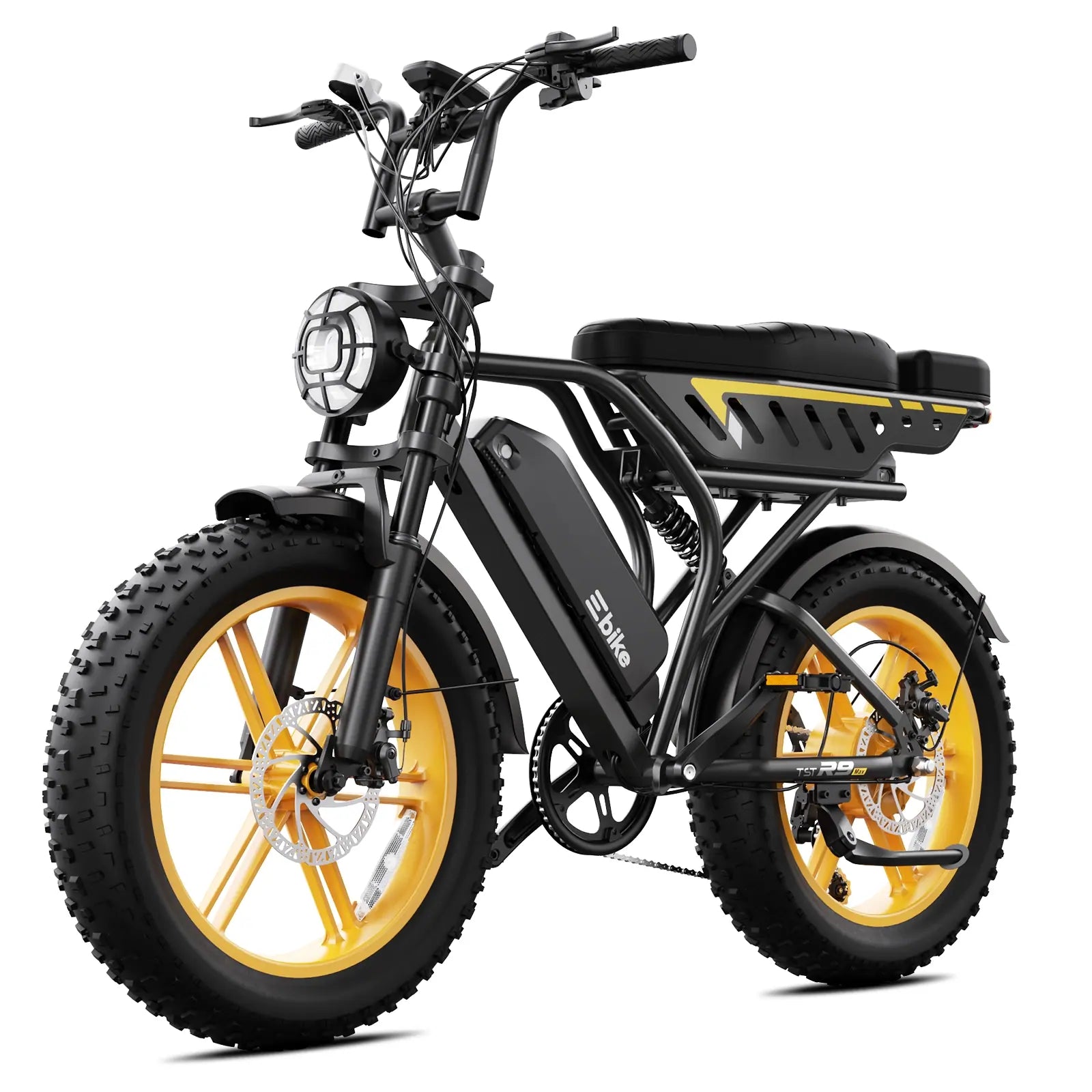
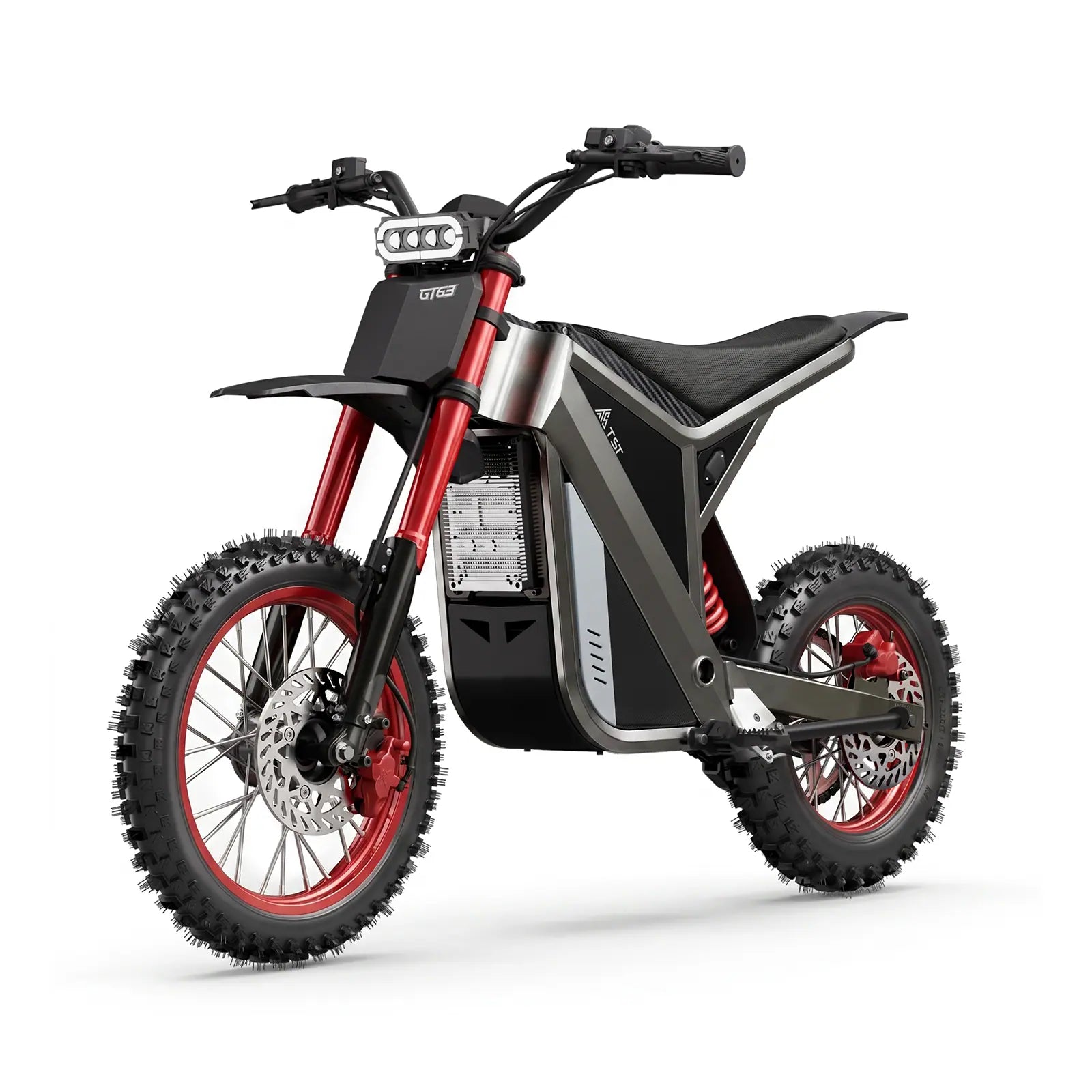


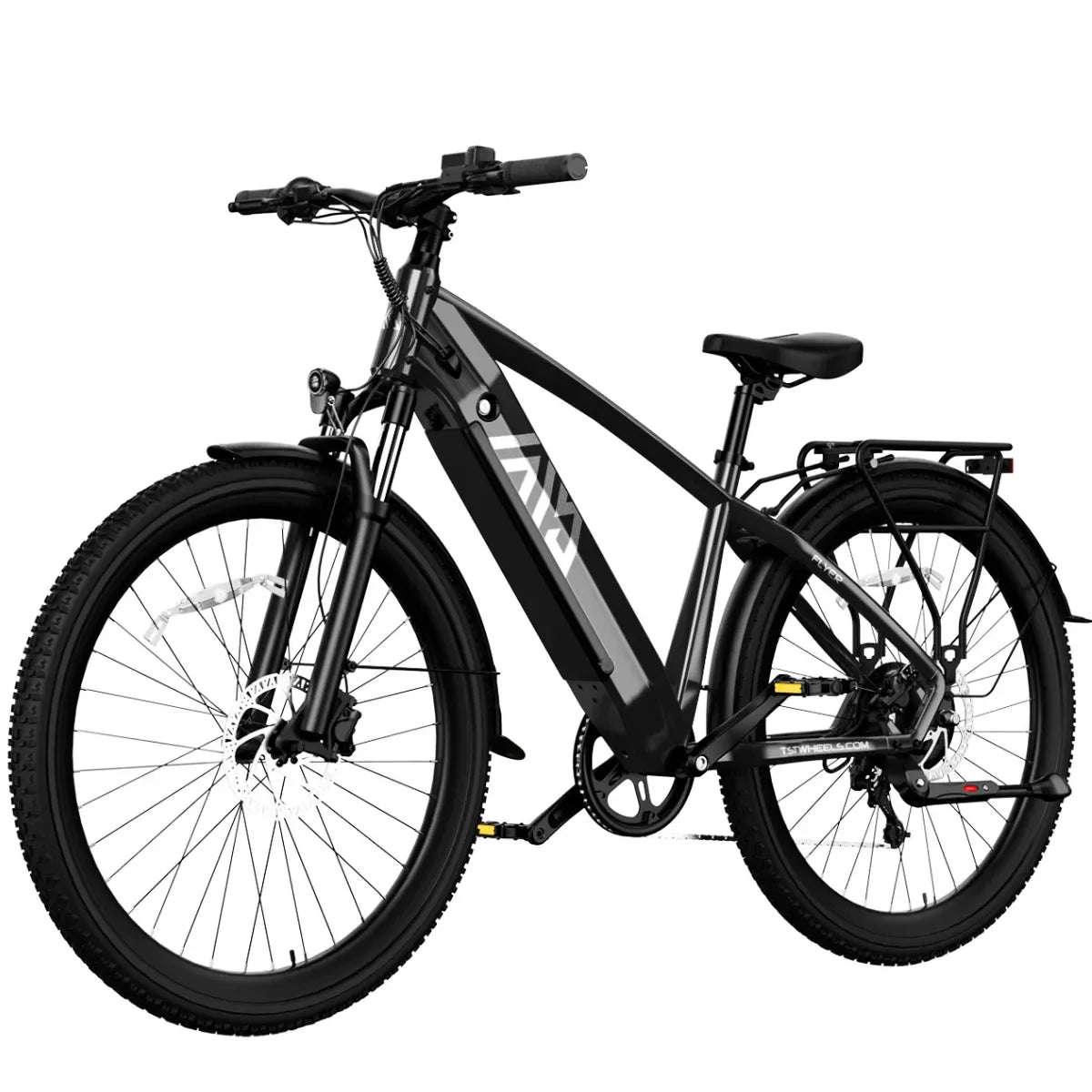







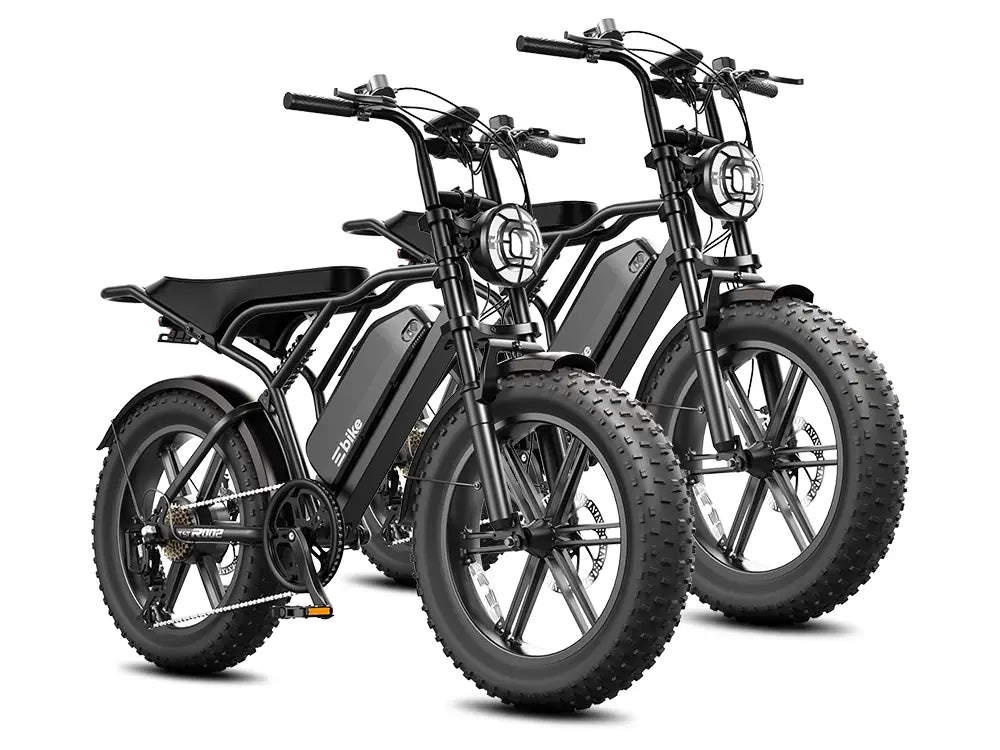
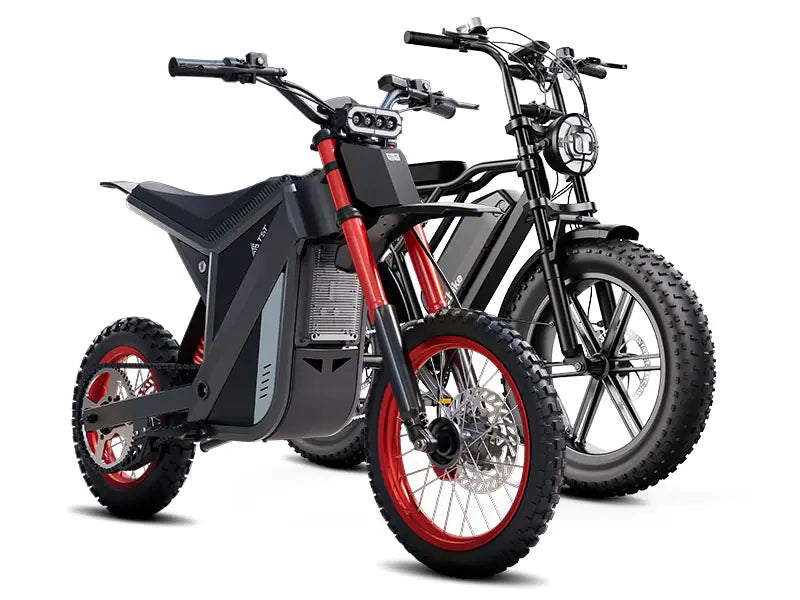

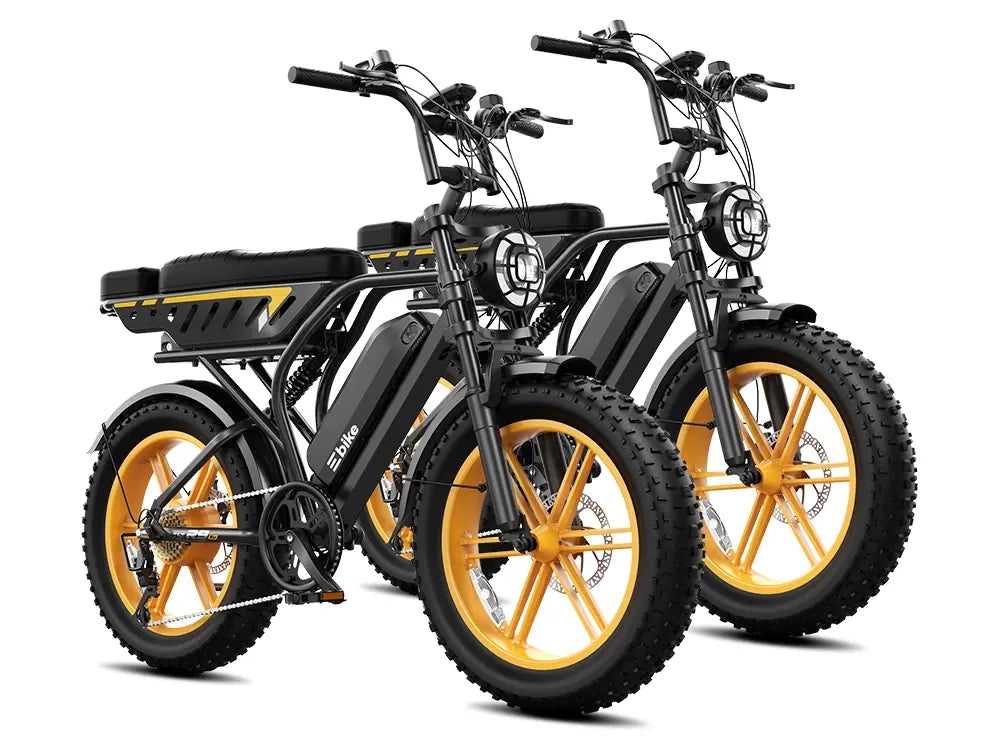

A typical 48V electric moped or eBike runs about 20–28 mph in real use, because voltage alone doesn’t set speed—motor power, controller limits, wheel size, and local laws do. In many markets, 48V systems are tuned to stay within Class 2–3 limits. Well-optimized 48V setups, like TST EBike’s 48V moped-style platforms, often sit at the top of this band under full charge.
What does “48 volts” really mean for eBike and moped speed?
“48 volts” describes battery system voltage, not a fixed speed, but most 48V eBikes and mopeds are tuned for 20–28 mph top speed. Voltage sets the motor’s potential rpm, while controller programming and legal class determine how fast the bike can actually go on the road.
In engineering terms, voltage is the “pressure” that pushes current through the motor’s windings, influencing maximum rpm at a given load. A 48V pack gives designers enough headroom to hit commuter-friendly speeds without pushing components into unstable or unsafe zones. With a standard hub motor and 48V battery, we typically see comfortable cruise speeds around 18–25 mph and capped top speeds near 20–28 mph to align with Class 2 and Class 3 regulations.
On the bench, I’ve seen 48V setups spun faster on dynos, but once we factor in wheel diameter, aerodynamics, and safety margins, real road speeds settle into that 20–28 mph window. That’s why you’ll see most 48V eBike spec sheets quoting those numbers: they are a deliberate balance of performance, legality, and hardware longevity.
How fast is a typical 48V eBike or moped in mph?
A typical 48V eBike or moped is designed to reach 20–28 mph, depending on motor wattage, controller settings, and legal class. Many 48V Class 2 models are capped at 20 mph, while Class 3 pedal-assist designs can reach about 28 mph. In practice, most riders cruise between 18 and 25 mph for comfort and control.
Across the market, you’ll find 48V eBikes with 350–500W motors topping out around 20 mph, aligning with Class 2 rules. Step up to 500–750W, and many factory settings allow 25–28 mph, especially for Class 3 pedal-assist. Real-world testing shows that 20–25 mph feels fast enough for urban commuting without feeling unstable; beyond that, wind resistance and braking demands rise quickly.
As an engineer, I pay close attention to how these speeds are achieved. A well-tuned 48V system with an efficient motor and appropriate gearing can ride comfortably at 18–25 mph, drawing moderate current and preserving battery life. Push the same hardware to higher speeds, and you start trading range and thermal headroom for a few extra mph, which isn’t always worth it for daily riders.
How do 48V systems map to different mph ranges in real-world setups?
48V systems map to different mph ranges based on motor power and controller tuning: around 20 mph for lower-power 48V setups, up to 28 mph for performance-tuned Class 3 eBikes, and beyond 30 mph for high-power or off-road configurations. The same 48V pack can support multiple speed bands depending on design priorities.
Engineers think of 48V as a platform: with a modest 350–500W motor, we cap speeds near 20 mph and focus on efficiency and legality. With 500–750W, we can safely reach 25–28 mph, provided the frame, brakes, and tires are up to the task. At 1500W and beyond, a 48V system can technically push into the low-30s mph, but at that point you’re operating more like a light motorcycle and must design accordingly.
That’s why spec tables often show something like: 48V with 350–500W at 20 mph; 48V with 500–750W up to 25–28 mph; 48V “performance” builds pegged at 28 mph for Class 3. In my lab, I treat anything over 28 mph as a separate category, requiring upgraded brakes, wider rubber, and more thorough thermal testing—exactly the steps brands like TST EBike take on their higher-output platforms.
Typical 48V speed bands
Why does a 48V 1500W moped-style motor usually top out around 20–28 mph?
A 48V 1500W moped-style motor usually tops out around 20–28 mph on legal eBikes because controllers and firmware deliberately limit speed to stay within Class 2–3 regulations. The hardware can support higher speeds, but designers prioritize safety, reliability, and compliance over maximum mph in stock configurations.
On paper, 1500W at 48V suggests serious performance potential. In practice, we configure controllers to deliver that power in short bursts, focusing on strong acceleration and hill-climbing rather than runaway top speeds. Legal frameworks in many regions recognize eBikes up to 20–28 mph; go beyond that, and your machine may be treated as a motor vehicle, bringing licensing and equipment requirements.
From my factory experience, this is where brand philosophy shows. TST EBike, for example, tunes many of its 48V platforms to sit right at the top of the legal band under full charge. You get robust acceleration, especially in the 0–25 mph range, without constantly fighting legal grey areas or putting bicycle-class components into motorcycle territory.
How fast can 48V performance builds go when derestricted?
Derestricted 48V performance builds, especially in the 1500–3000W range, can reach well beyond 28 mph—often into the 30–45 mph band on private property or off-road use. However, these speeds exceed typical eBike legal limits and require upgraded frames, brakes, and safety gear to be responsible and safe.
In performance testing, I’ve seen 48V 1500W setups push into the low-30s mph when limits are removed, and 48V 3000W systems can touch 30–45 mph under optimal conditions. At these speeds, aerodynamics, rider position, and wheel size play a huge role; the same voltage behaves very differently on a compact 20-inch fat-tire moped versus a 27-inch commuter frame.
But here’s the crucial point: while the electronics can deliver that speed, the rest of the bike may not be designed for it. Bicycle-grade forks, stems, and brake mounts face much higher forces at 35–40 mph. That’s why brands like TST EBike treat 28–32 mph as a hard design envelope for their street-legal platforms and reserve higher performance for carefully controlled contexts or future, more heavily reinforced chassis.
How does TST EBike tune its 48V moped-style platforms for real-world speed?
TST EBike tunes its 48V moped-style platforms to run comfortably at the top of legal Class 2–3 speeds, often delivering 25–28 mph under full charge with smooth acceleration. Their controllers are mapped to prioritize torque and stability in the 0–25 mph band, letting riders feel quicker than typical 48V rivals without sacrificing safety or compliance.
In internal calibration sessions, we focus on two main points: initial throttle response and mid-range pull. For moped-style builds, abrupt throttle ramps can unsettle riders, especially on fat-tire bikes. TST EBike solves this by gradually increasing current at launch, then delivering strong, linear torque from about 5 to 20 mph. The result is a bike that feels eager but predictable, ideal for city traffic.
On fully charged 48V packs, these bikes often reach their programmed limits faster than competitors because of efficient motor pairing and conservative weight management. The combination of robust controllers and optimized phase wiring means less wasted energy and more real-world speed per volt. Riders feel this as “punch” up to 28 mph, even if the spec sheet reads similarly to other 48V machines.
What makes TST 48V models feel faster than many competitors at full charge?
TST 48V models feel faster because they combine high-current controllers, efficient motors, and well-chosen wheel sizes, all tuned through real-world testing rather than just lab numbers. At full charge, they often hold higher average speeds on the same routes as competitors, thanks to better torque delivery and less voltage sag under load.
Behind the scenes, TST EBike invests heavily in controller mapping and cell-level battery quality. Higher-quality cells with tight internal resistance tolerances maintain voltage better under heavy draw, which means the bike stays in its optimal power band longer. Paired with motors that are wound for a sweet spot between torque and rpm, this yields brisk acceleration and strong hill performance even as the state of charge drops.
As someone who has ridden and instrumented multiple TST 48V platforms, I see the difference in logged data: flatter speed curves, fewer power dips, and more consistent top speeds over diverse terrain. It’s not about chasing headline 40+ mph figures; it’s about making 20–28 mph feel effortless and repeatable, day after day, for riders commuting or exploring mixed terrain.
How do wheel size, tires, and bike type affect 48V mph performance?
Wheel size, tires, and bike type dramatically affect how fast a 48V system feels and performs. Smaller 20-inch wheels give more punch and lower theoretical top speed; larger 26–27-inch wheels roll faster and carry speed more easily. Fat tires add comfort and grip but increase drag, while slim tires favor efficiency and top speed.
In testing, a 48V moped-style eBike with 20x4 inch fat tires may hit its limiter around 28–32 mph on the display, yet feel more intense due to quick acceleration and higher drag. By contrast, a 27-inch commuter with narrower tires might reach similar speeds with less drama, making it feel calmer at the same mph. TST EBike takes these physics into account when choosing tire and wheel combinations for each use case.
Their 26-inch models are tuned for rough terrains like snow and sand, where fat tires and lower pressures matter more than raw speed. The 27-inch platforms are aimed at daily commuting and mountain-inspired riding, using their larger rolling diameter to maintain efficient cruising speeds with the same 48V backbone. In my view, the art lies in matching wheel and tire choices to the routes riders actually use, not just to spec sheets.
Why does legal classification matter so much for 48V mph limits?
Legal classification matters because it defines how fast a 48V eBike can be programmed to go and still be treated as a bicycle rather than a motor vehicle. In many regions, Class 2 bikes are capped at 20 mph, and Class 3 at 28 mph. Exceeding those limits can trigger registration requirements, licensing, and additional equipment mandates.
As an engineer, I can easily configure a 48V bike to exceed 30 mph, but doing so on a street product would move it into a different regulatory arena. That shift means turn signals, mirrors, and often more comprehensive lighting and braking standards. It also affects insurance and liability, both for riders and manufacturers.
Brands like TST EBike therefore optimize their 48V platforms to sit just below these legal thresholds while delivering a lively, satisfying ride. This is also why you see features like speed unlock modes limited to off-road use or hidden behind specific settings. Legality is not a mere afterthought; it’s a primary design constraint that shapes how 48V mph performance is delivered to customers.
TST EBike Expert Views
“When riders ask ‘how fast is 48 volts in mph,’ I always tell them voltage is just the canvas—we paint with motor winding, controller current, and geometry. On TST EBike’s 48V platforms, we target a confident 25–28 mph window rather than chasing unstable 40 mph figures on bicycle frames. Our real-world tests focus on holding speed under load, not just spiking the speedometer on a downhill. That’s why our 48V bikes feel stronger in everyday riding than many spec-sheet competitors with similar numbers.”
What are the key takeaways for riders choosing a 48V eBike or moped?
Key takeaways: expect 20–28 mph from a well-designed 48V eBike or moped, focus on total system design rather than voltage alone, and choose brands that match speed with robust frames and brakes. TST EBike exemplifies this approach, using 48V systems to deliver strong yet controlled performance across 26- and 27-inch platforms.
If your primary goal is safe, efficient commuting, a 48V Class 2 or Class 3 bike that comfortably rides at 18–25 mph is more than enough. For riders seeking extra punch, look for properly engineered 48V moped-style builds with high-quality controllers, strong tires, and proven braking systems. Resist the temptation to derestrict beyond legal limits unless you fully understand the structural and legal implications.
When evaluating options, ask how the bike behaves under load and over time, not just what its advertised max speed is. Brands like TST EBike, with deep real-world feedback loops and strong quality-control processes, tend to build 48V machines that feel fast where it counts: pulling away from lights, climbing hills, and holding speed on your actual daily routes.
FAQs
Is 48V faster than 36V on an eBike?Yes, 48V systems generally support higher speeds and stronger acceleration than 36V when paired with similar motors and controllers, though actual mph depends on tuning and legal limits.
Can a 48V eBike go 30 mph?Some high-power 48V builds can reach around 30 mph or more, but most street-legal eBikes are limited to 20–28 mph to stay within Class 2 or Class 3 regulations.
Does a 48V battery give more range or more speed?It can support both, but designers often use 48V to balance range and speed. Controllers determine how much of that voltage is turned into extra mph versus extended cruising time.
Are TST EBike 48V models suitable for daily commuting?Yes. TST EBike’s 48V platforms are tuned for strong, stable performance around 20–28 mph, with frames, brakes, and tires designed for daily city and mixed-terrain use.
Can I unlock higher speeds on a 48V TST EBike?Some TST EBike models offer settings or modes that adjust speed limits, but using them on public roads may violate local regulations. Always follow manufacturer guidance and local laws.

Leave a comment
This site is protected by hCaptcha and the hCaptcha Privacy Policy and Terms of Service apply.