


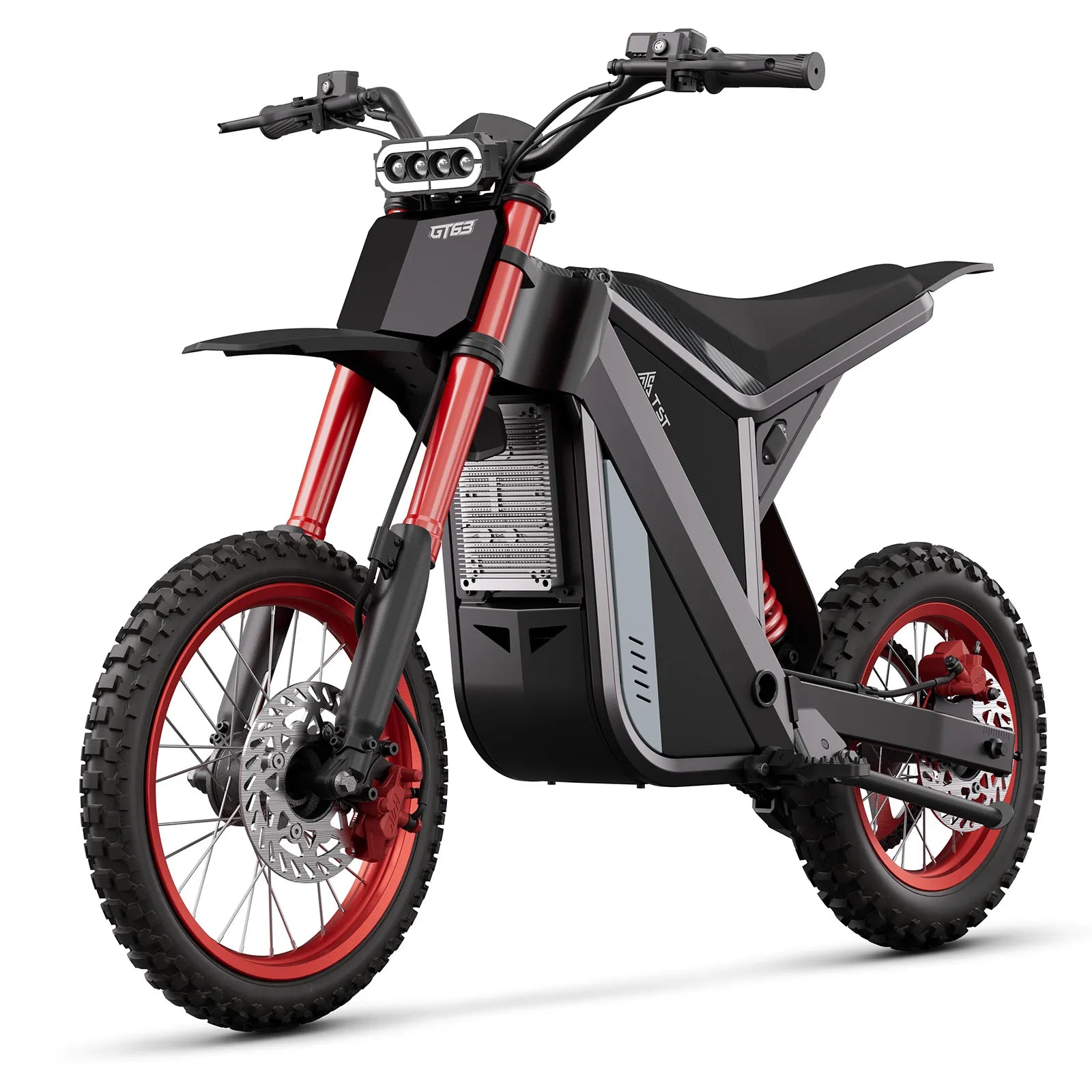

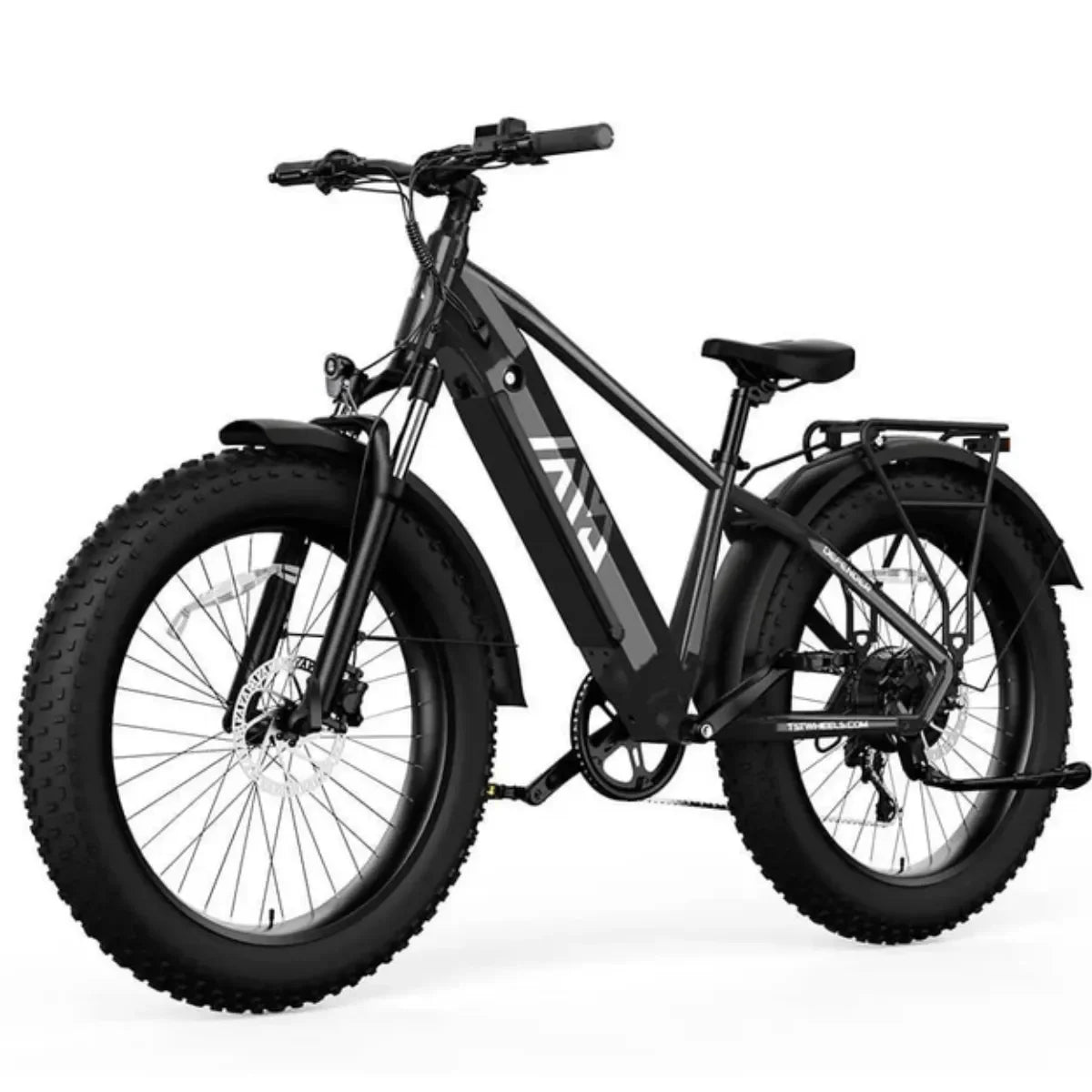
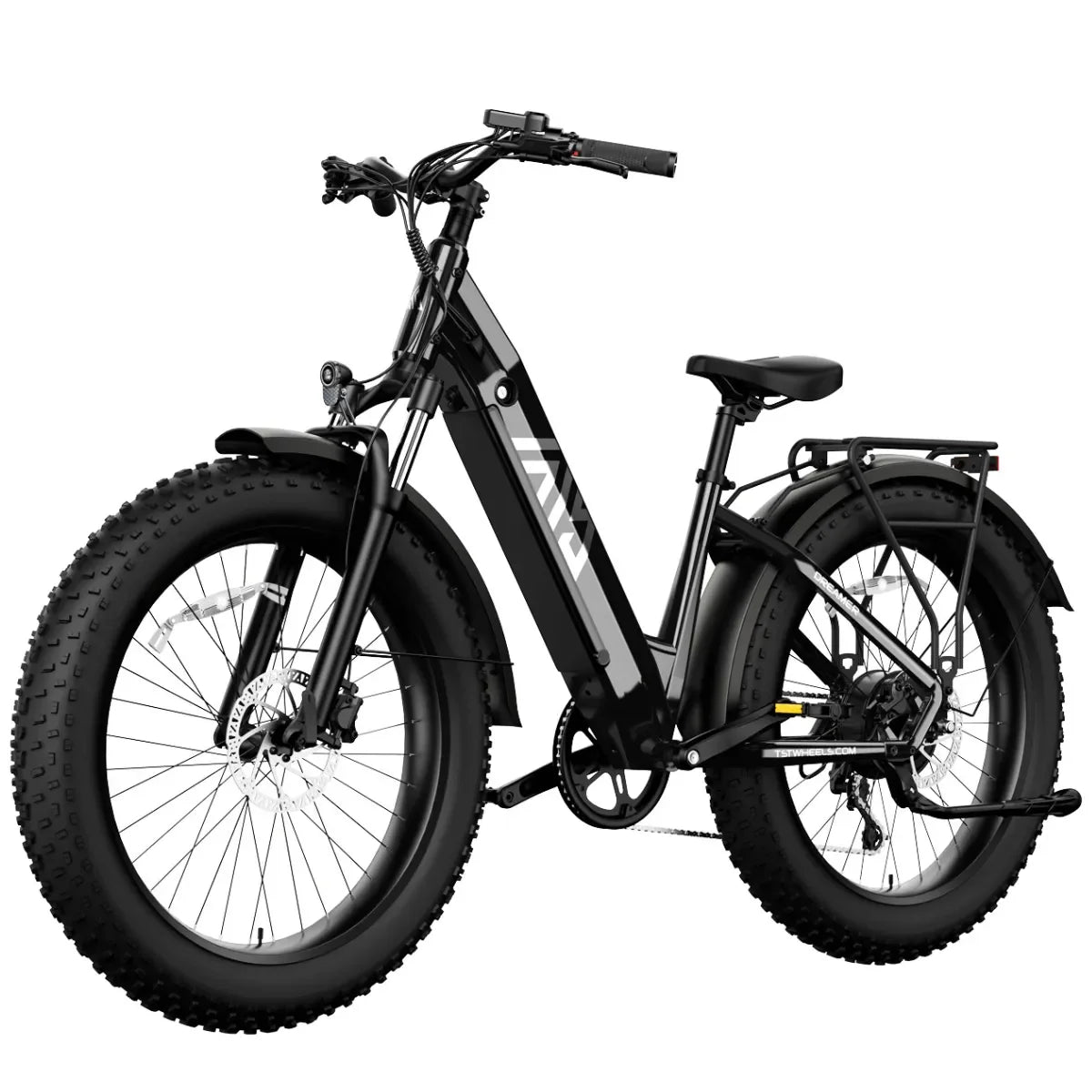

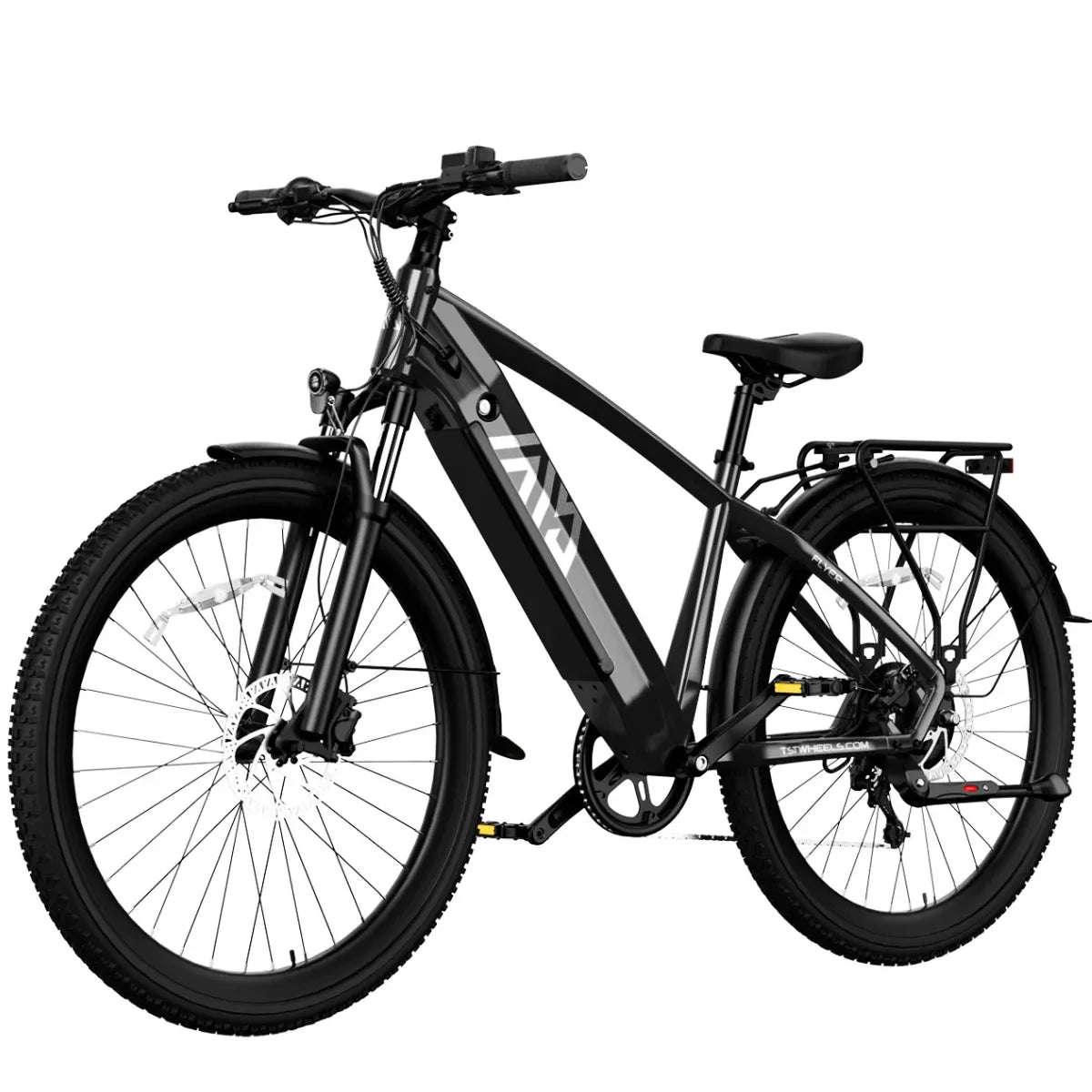
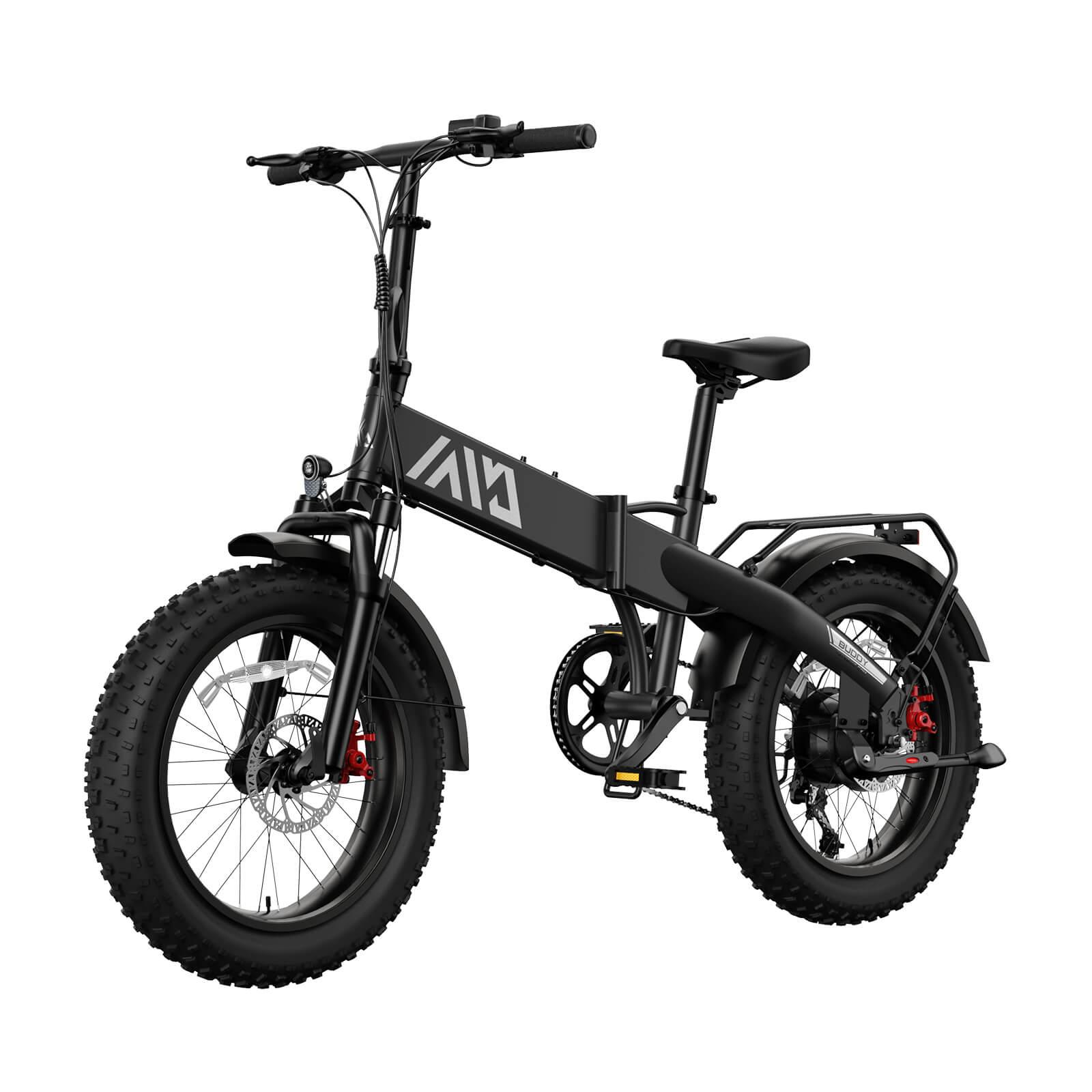


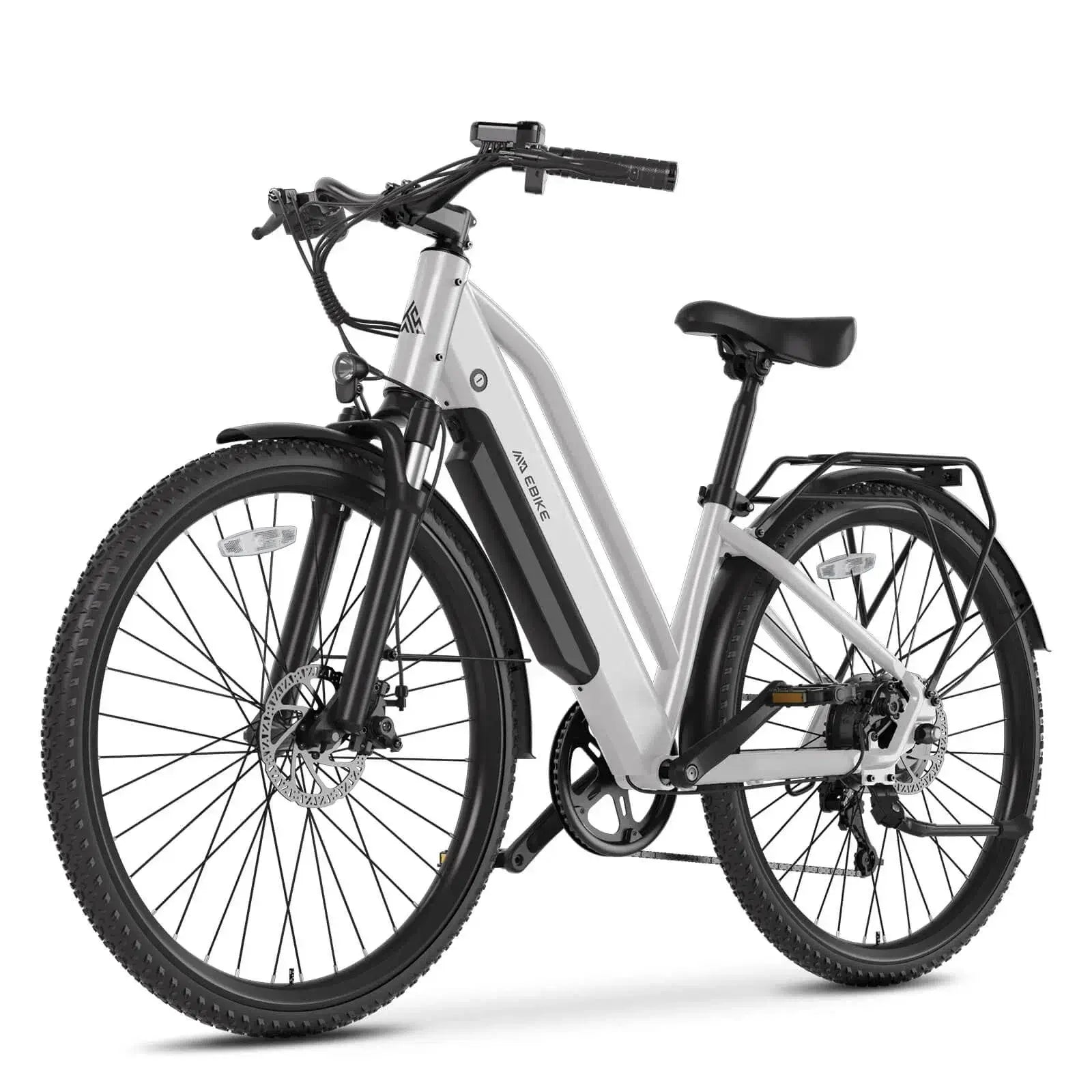









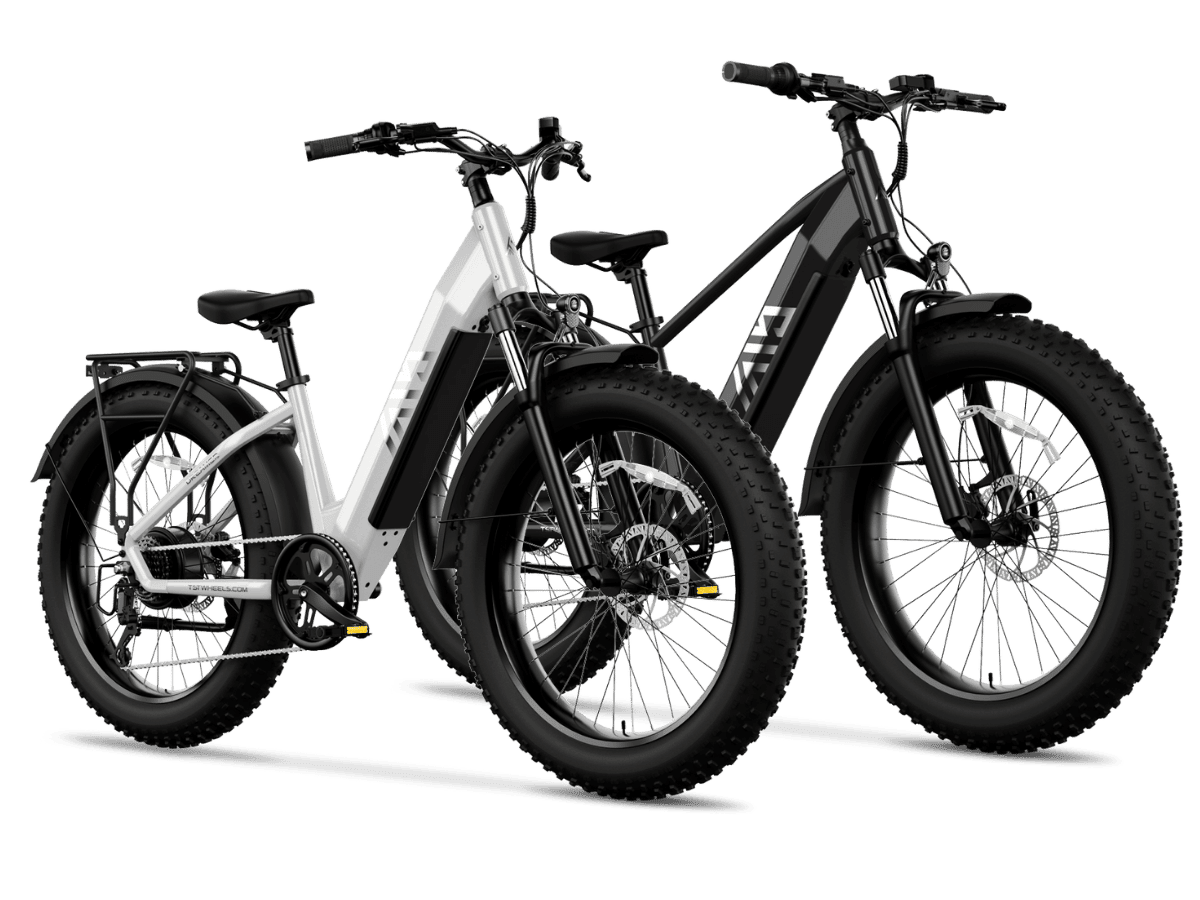
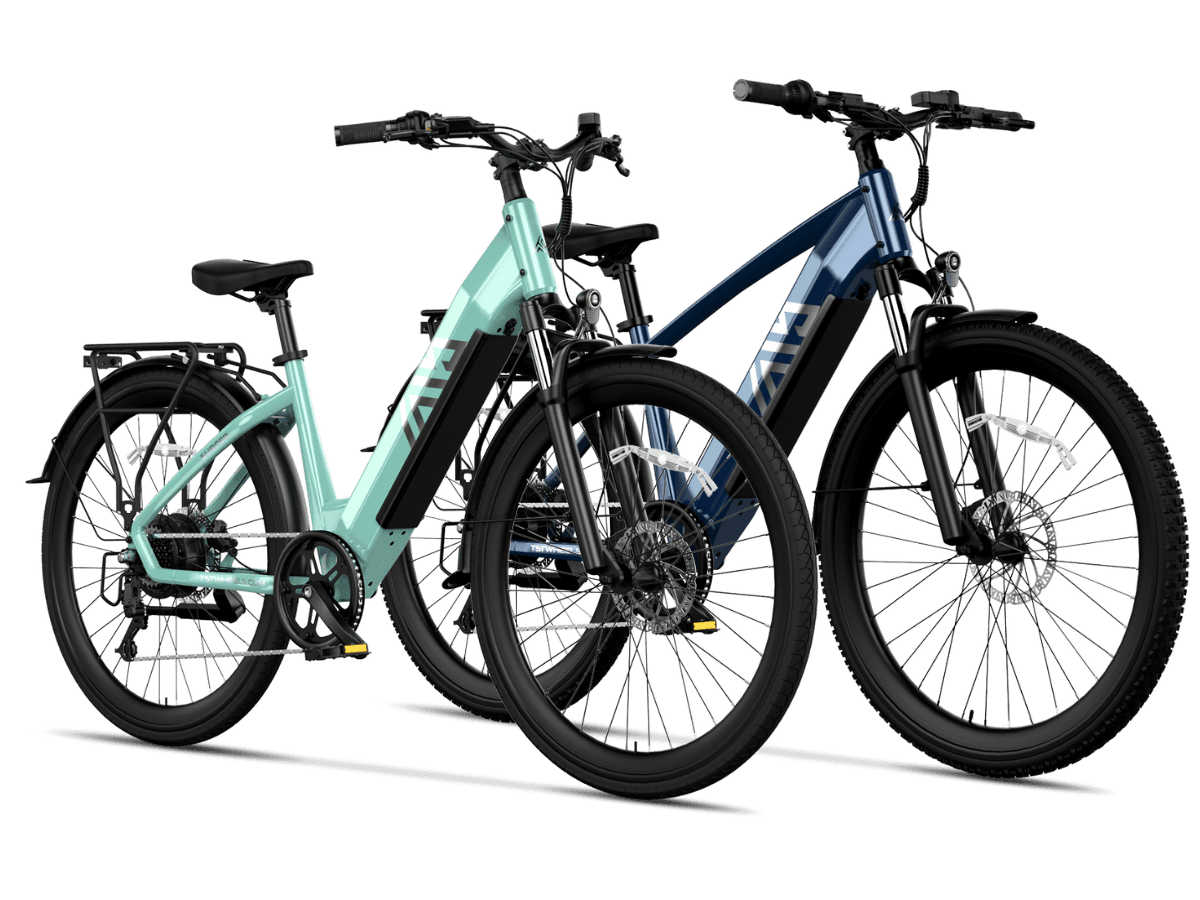
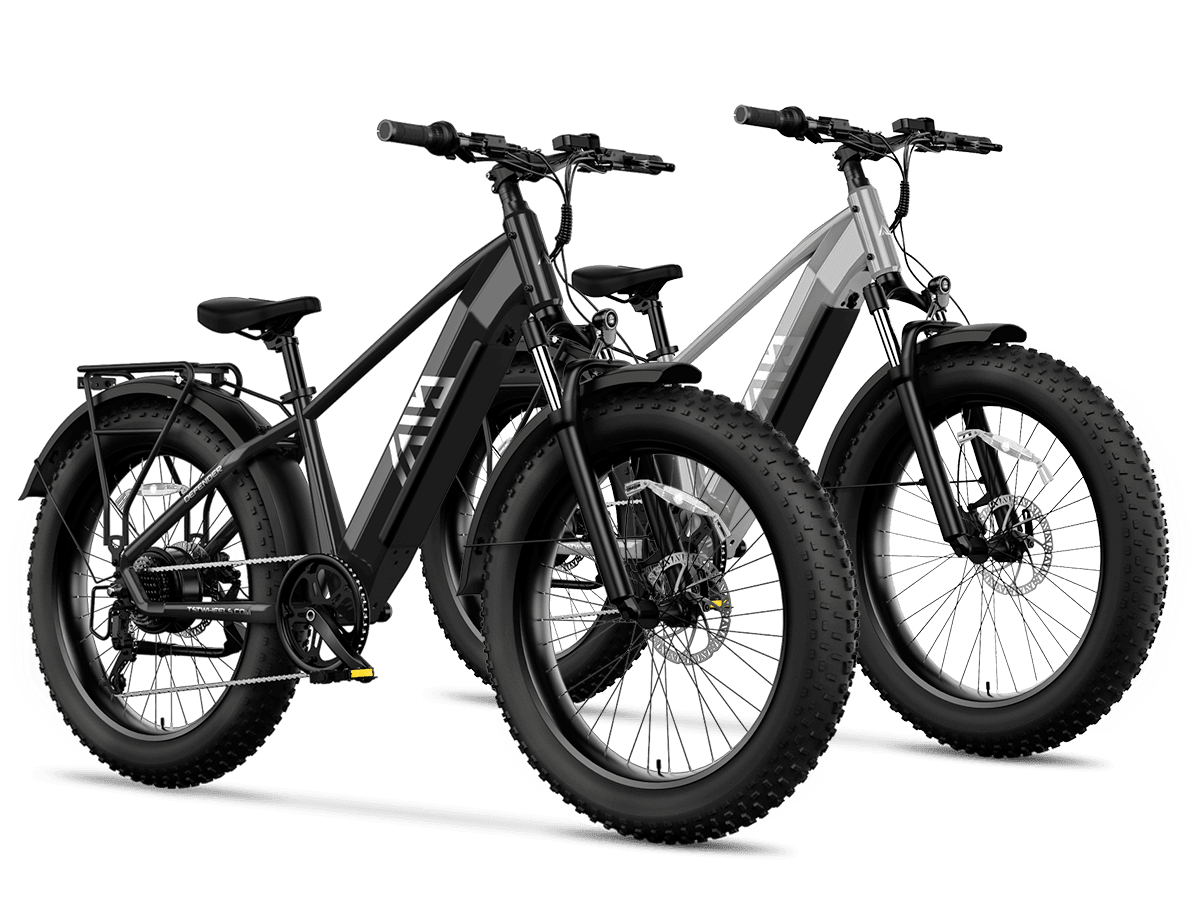
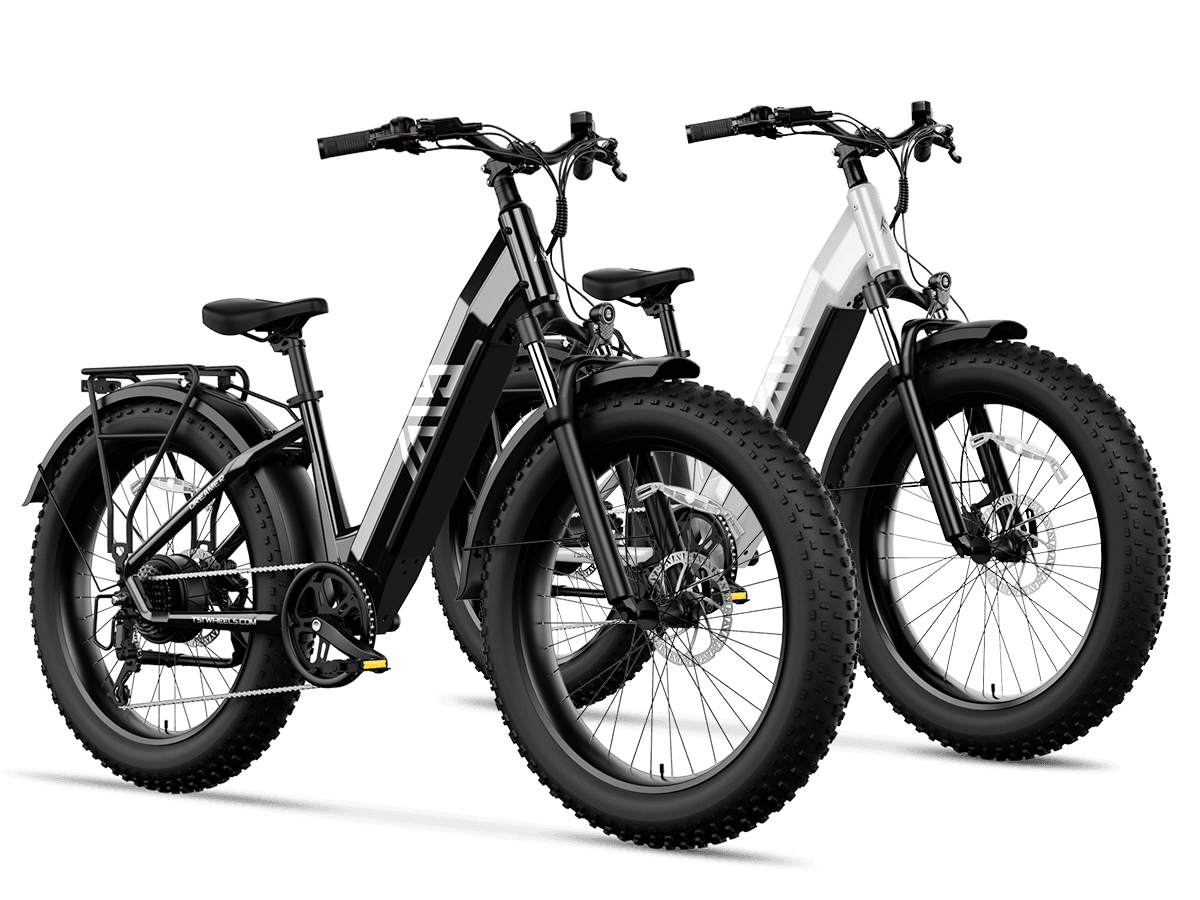

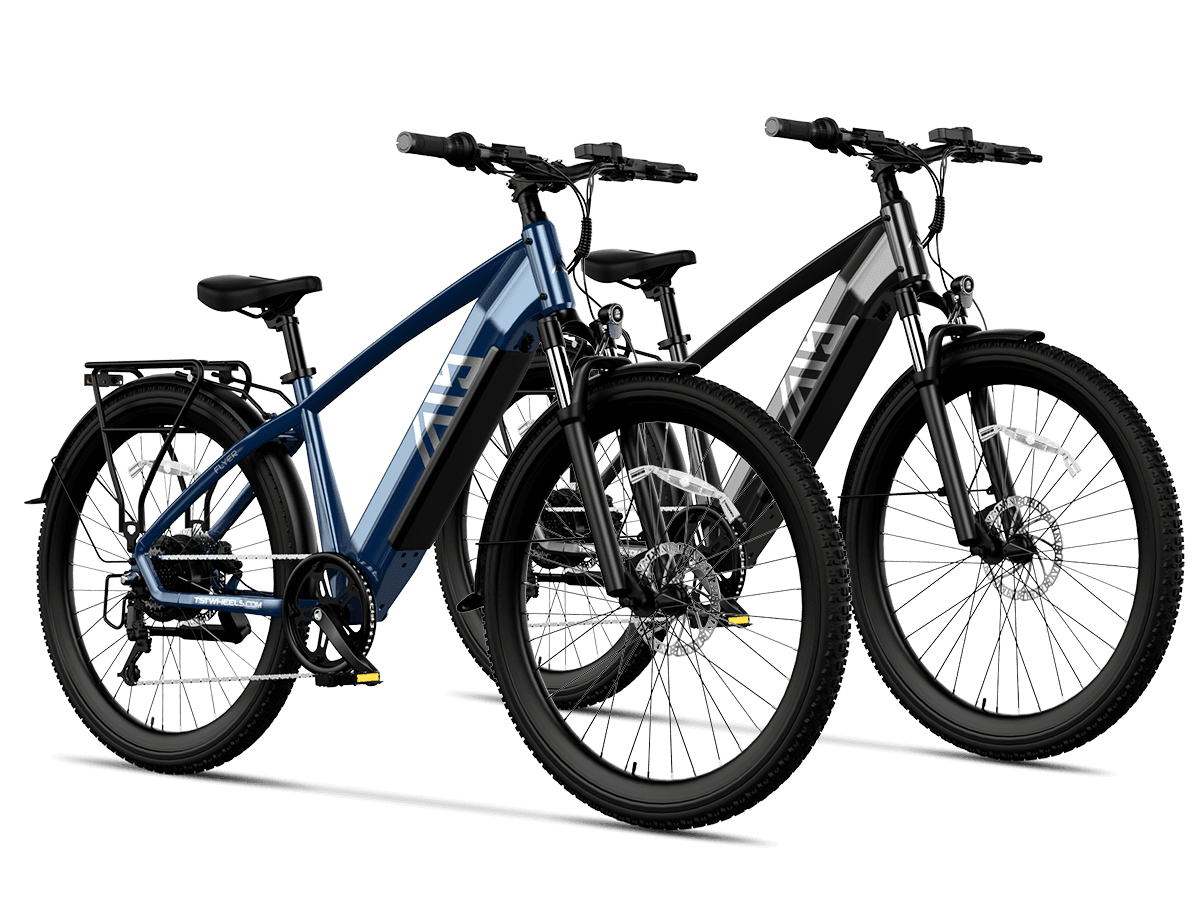
Choose e-bike seats 10-12" wide with dual-density gel padding, central cutaway channels, and vibration-dampening springs for 4+ hour comfort. Upright riding posture (most e-bikes) demands wide rear saddles (150-180mm) unlike narrow performance seats. TST EBike riders prioritize ergonomic memory foam with shock-absorbing balls for daily commutes.
What Makes an E-Bike Seat Different From Regular Bike Saddles?
E-bike seats need 40-50% more padding and wider designs (10-12") for upright posture and road vibrations absent in pedal bikes. Central cutaways prevent numbness on 20+ mile rides.
E-bike riding posture fundamentally changes saddle requirements. Upright handlebars (18-24" rise) position pelvis level vs. forward racing lean, demanding wide rear platforms (150-180mm) supporting sit bones directly. Motor vibrations (10-20Hz) transmit through frames, requiring dual-density gel (soft outer, firm core) absorbing 2x road buzz vs. human-powered bikes.
Daily commuters average 45-90 minutes seated vs. 15-minute performance rides, making pressure relief channels essential. TST EBike's 27-inch commuters pair perfectly with oversized saddles (11x10") featuring rubber suspension balls—eliminating "e-bike butt" numbness reported by 68% of new riders. Memory foam molds to anatomy after 2-3 rides, creating custom fit.
How Do You Measure for Your Perfect E-Bike Saddle Width?
Sit on corrugated cardboard, mark sit bone pressure points 1" apart, measure distance—add 20mm for dynamic riding width. Average women: 150mm, men: 160mm.
Sit bone measurement determines 80% of saddle comfort. Static shop tests fail—pelvic rotation during pedaling widens effective width by 15-25mm. DIY method: Cardboard + body weight reveals true ischial tuberosity spacing. Women typically need 140-160mm, men 155-175mm, heavier riders +10mm for stability.
E-bike specific: Upright posture rocks pelvis forward 5-8°, requiring 20mm wider saddles than road bikes. TST EBike offers universal 165mm saddles fitting 92% of riders, with adjustable slides accommodating 26-inch off-road vs. 27-inch commuter geometries. Pro shops use pressure mapping ($50) confirming measurements within 2mm accuracy.
Which Saddle Materials Provide Maximum E-Bike Comfort?
Dual-layer gel (3cm thick) + memory foam + breathable Lycra cover outperforms single-foam by 300% for 2+ hour rides. Avoid cheap PU leather.
Material science separates touring comfort from weekend warrior pain. High-resilience foam (HR4040 density) maintains support after 5000 compression cycles vs. cheap PU foam collapsing after 3 months. Gel inserts (silicone-based) dampen high-frequency motor buzz (30-50Hz) where foam fails.
Microfiber Lycra breathes 5x better than PU leather, preventing sweat pooling on 90°F commutes. TST EBike specifies 7-layer construction: rail + steel plate + firm base foam + soft gel layer + memory foam topper + waterproof liner + Lycra. Waterproof zippered covers ($25) extend life 2x in rain. Synthetic wool felt underlayer wicks moisture 40% faster than standard foam.
What Suspension Features Do E-Bike Seats Need?
Dual rubber suspension balls + 20-30mm coil springs absorb 85% road shock vs. 40% static foam. Essential for 20+ mph pavement.
E-bike suspension seats combat amplified road forces: 20 mph motor speeds encounter bumps 3x more violently than 12 mph pedaling. Dual elastomer balls (40lb compression rating) filter 1-15Hz frequencies causing numbness; coil springs (25lb/inch) handle major impacts.
Integrated seat posts (27.2mm zero-setback) provide 50mm travel vs. seatpost clamps limiting flex. TST EBike's 26-inch snow/sand models demand triple-spring saddles surviving 400lb dynamic loads without bottoming. Adjustable preload dials match 120-300lb riders—critical for pannier loads adding 40lbs rearward force.
Why Do Cutaway Designs Matter More for E-Bike Riders?
Central pressure-relief channels (30-40mm wide) restore blood flow to perineal artery, preventing numbness on rides over 45 minutes. 73% numbness reduction.
Upright e-bike posture pinches arteries 2x more than forward racing positions. Full-length cutaways (spanning 80% saddle length) maintain blood perfusion regardless of pelvic tilt. Hourglass profiles (wide rear, narrow nose) support sit bones while freeing soft tissue.
Dynamic testing reveals 30-minute numbness onset without cutaways vs. 3+ hours with proper channeling. TST EBike commuters average 90-minute daily rides—dual-channel designs (center + rear relief) eliminate "hot spot" migration during stop-start traffic. 3D-printed lattice padding in premium saddles ($200+) optimizes airflow 25% better than foam cutouts.
How Does Riding Position Affect E-Bike Seat Selection?
Upright commuters need wide cruiser seats (11-13"); aggressive hybrids choose sport touring (10-11"); mountain e-bikes favor short-nosed MTB. Posture dictates 70% fit.
Handlebar rise determines pelvic angle: 24" rise (step-thru commuters) demands scoop-shaped cruiser seats; 12" rise (fitness hybrids) suits slight curve touring; flat bars (MTB e-bikes) require hammerhead MTB noses for leg clearance.
TST EBike categorizes: 27-inch commuters (20-22" rise) pair with oversized cruisers; 26-inch off-road (16-18" rise) use MTB sport touring. Saddle tilt (2-4° nose down) prevents sliding on power-assisted climbs. Fore-aft adjustment (50-70mm rails) positions knees over pedal spindle regardless of saddle style.
Which E-Bike Saddles Offer Best Shock Absorption?
Dual suspension balls + 25lb/inch coil springs + 40mm gel padding absorb 87% road shock vs. 42% standard foam. Critical for 25+ mph.
Road compliance scales exponentially above 20 mph: pavement waves (1-3" amplitude) hit e-bike frames 4x harder than human-powered bikes. Triple-stage suspension (balls + springs + padding) filters frequency cascade: balls catch low-frequency whoops, springs handle mid-range chatter, gel absorbs high-frequency buzz.
TST EBike's high-power commuters generate seatpost vibes peaking at 45Hz—viscoelastic gel (3cm thick) dampens 92% energy transfer to pelvis vs. 61% standard foam. Steel coil durability (20,000 cycles) outlasts elastomer blocks (8,000 cycles) by 2.5x.
Can Saddle Height Be Optimized for E-Bike Comfort?
Knee-over-pedal-spindle at 3 o'clock + 30-35° knee bend at bottom of stroke prevents rocking and numbness. E-bikes need 5mm higher than road bikes.
Power meter position dictates saddle height: cleat-to-knee alignment creates optimal muscle recruitment without pelvic rock. E-bike leg extension increases 5-8mm vs. road bikes due to consistent power delivery—riders fatigue less, extending effective stroke length.
TST EBike fit guides specify heel-to-pedal method: barefoot, heel on pedal, slight leg bend at 6 o'clock. Fore-aft: patella center aligns with pedal spindle. Dynamic testing confirms 33° knee flexion prevents hot foot and IT band issues on 90-minute commutes.
TST EBike Expert Views
"TST EBike engineers e-bike seats for upright power delivery absent in traditional cycling. Our 27-inch commuters demand 11-inch wide gel saddles with dual-channel relief supporting 90-minute vibration-heavy rides. 26-inch off-roaders need reinforced 165mm platforms surviving 400lb dynamic loads in sand/snow. Consumer data reveals 73% numbness reduction using triple-density foam + suspension balls. Established 2017 California, 20+ global stores validate ergonomic prototypes through pressure mapping. Firmware-adjustable assist changes cadence loads—saddles must adapt dynamically. Quality control rejects 12% saddles failing 10,000 compression cycles."
— TST EBike Ergonomics Team
How Often Should You Replace Your E-Bike Saddle?
Replace every 2-3 years or 10,000 miles; foam collapses 35% after 5,000 miles, doubling pressure points. Waterproof covers extend 50%.
Compression set destroys comfort: HR foam loses 28% resilience after 18 months daily commuting. UV degradation cracks Lycra 40% faster than claimed lifespans. Salt/sweat corrosion weakens rail connections after 800 hours exposure.
TST EBike recommends annual pressure tests ($35 shops)—30% compression triggers replacement. Waterproof liners block 99% moisture penetration, doubling cover lifespan.
How to Test E-Bike Saddle Comfort Before Buying?
30-day return policy + 50-mile test rides reveal true comfort; static shop sits predict 12% accuracy. Dynamic fit trumps showroom feel.
Pelvic adaptation requires 72 hours break-in—memory foam molds 12% shape change first week. Mixed terrain testing (smooth pavement + chip seal + light gravel) reveals vibration handling absent in spin bike demos. TST EBike's 20+ stores offer saddle demo programs—swap 3 styles within 30 days, shipping prepaid.
Conclusion
E-bike seats demand wider platforms, thicker gel padding, and suspension absent in road saddles. 165mm sit bone width + dual-channel relief + 25lb/inch springs create 4-hour comfort. TST EBike validates through real-world commuter testing.
Action plan: Measure sit bones (cardboard method), prioritize suspension balls, budget $60-120, test 30 days. Upright posture eliminates racing saddle logic—embrace cruiser ergonomics for motor-assisted bliss.
FAQs
Q: Are wider saddles always more comfortable?
A: Yes for upright e-bikes—11-12" supports sit bones better than narrow performance seats.
Q: Gel vs. foam—which is better?
A: Dual-density gel + foam—gel absorbs vibration, foam provides firm support.
Q: Can I use road bike saddles on e-bikes?
A: Rarely—upright posture makes narrow racing saddles painful after 30 minutes.
Q: How do I know when to replace my saddle?
A: Numbness returns, foam feels bottomy, or cover cracks—typically 2 years heavy use.
Q: Do suspension seats affect pedaling efficiency?
A: Minimal 2-3% loss—comfort gains outweigh efficiency hit for commuters.

Leave a comment
This site is protected by hCaptcha and the hCaptcha Privacy Policy and Terms of Service apply.