


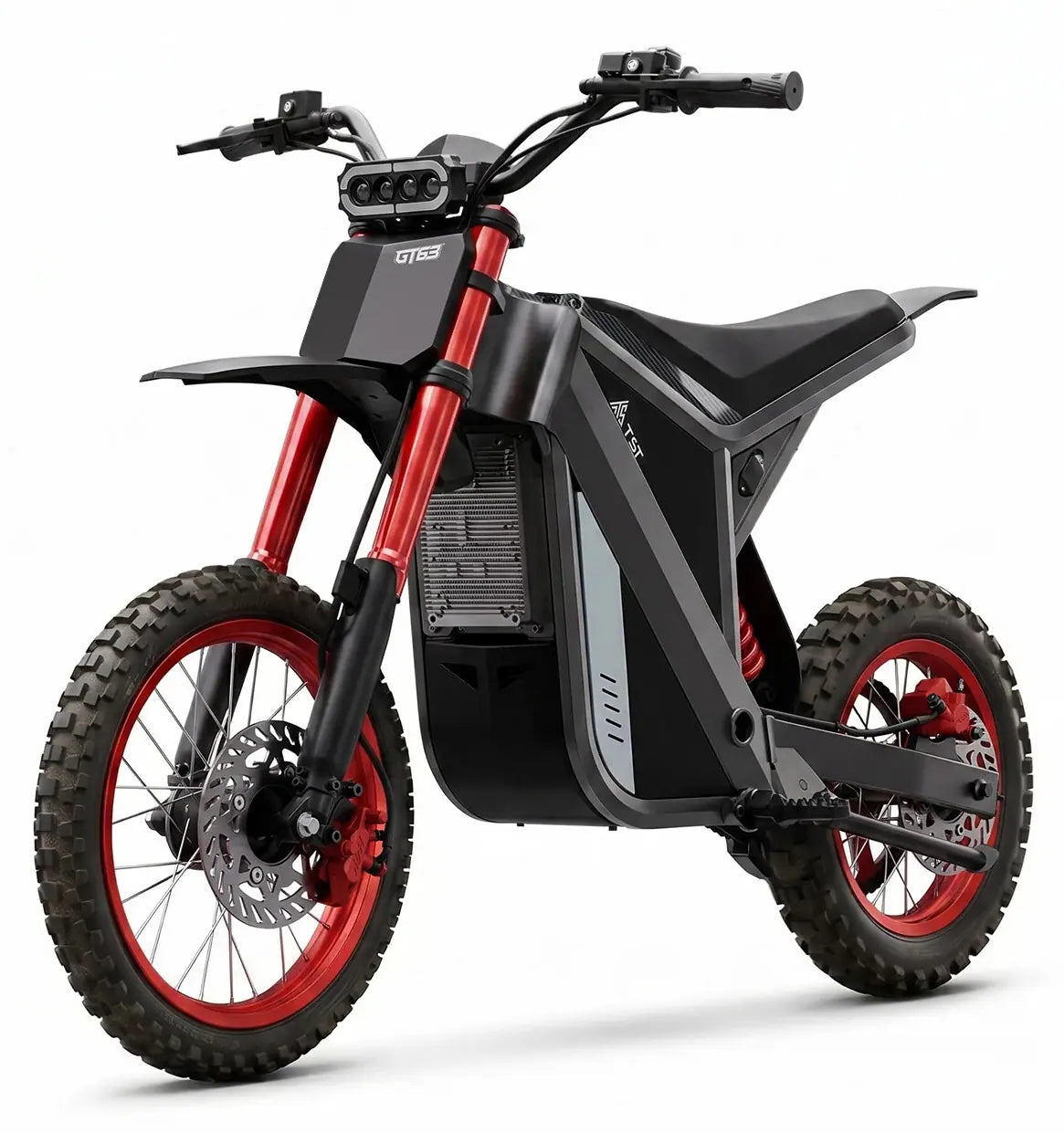

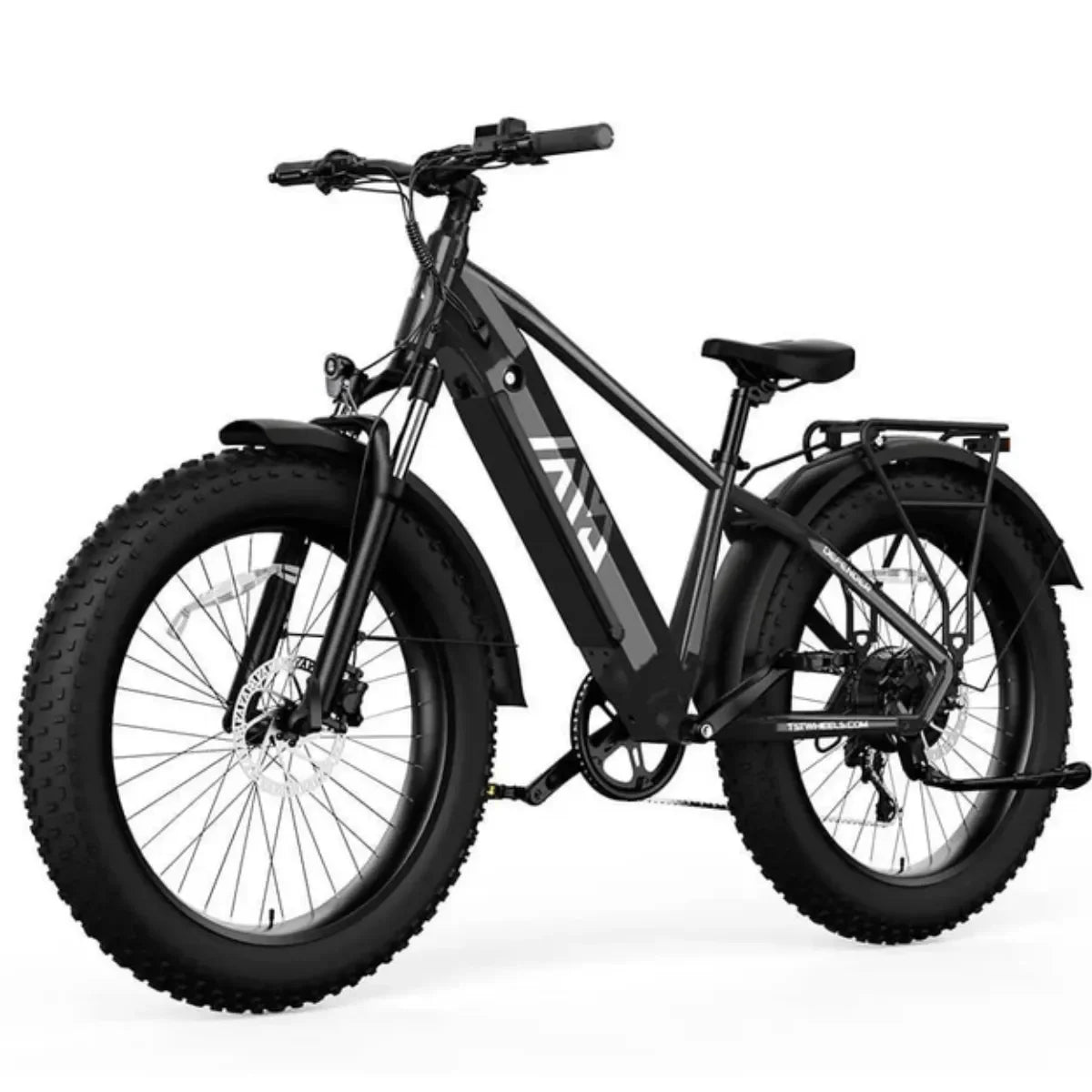
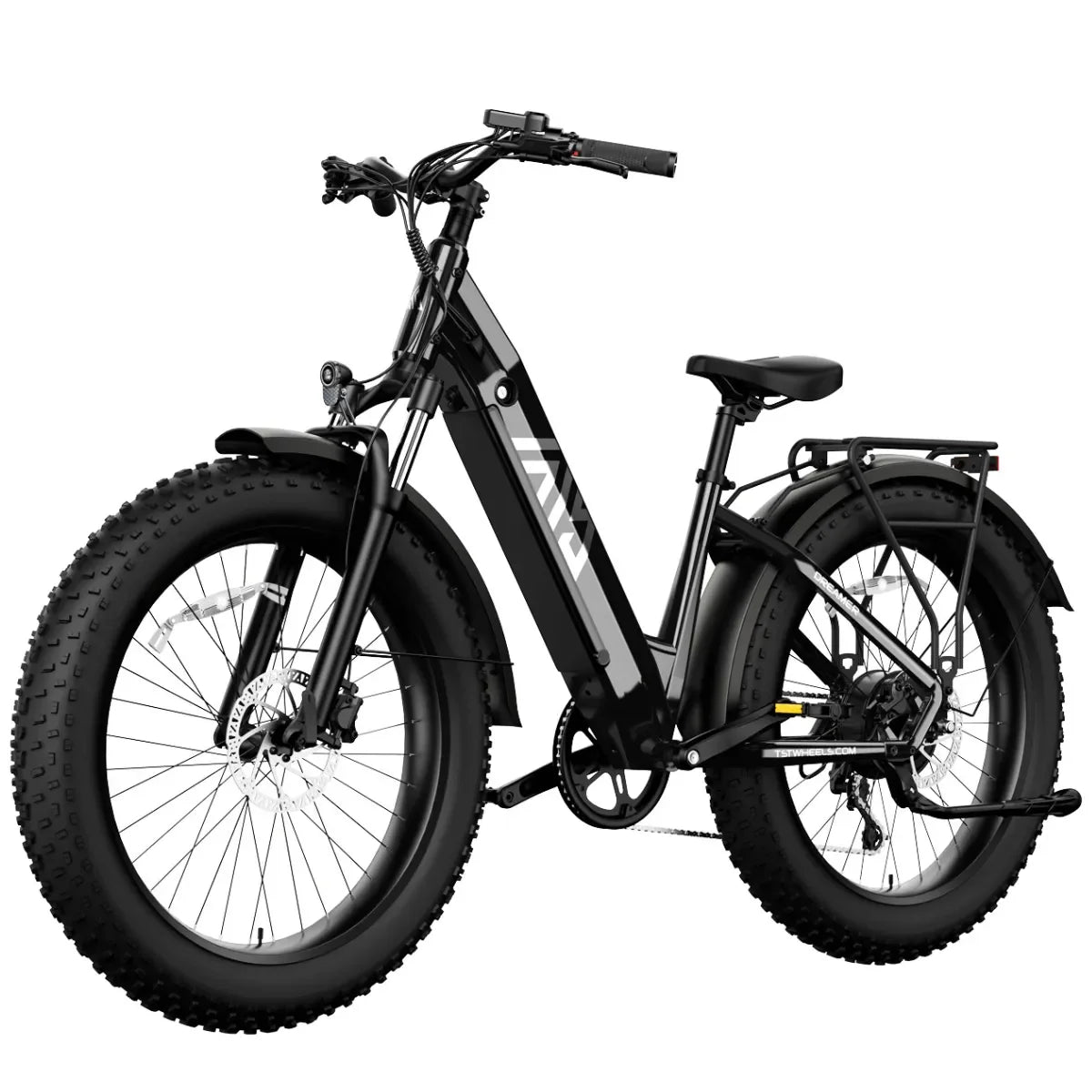

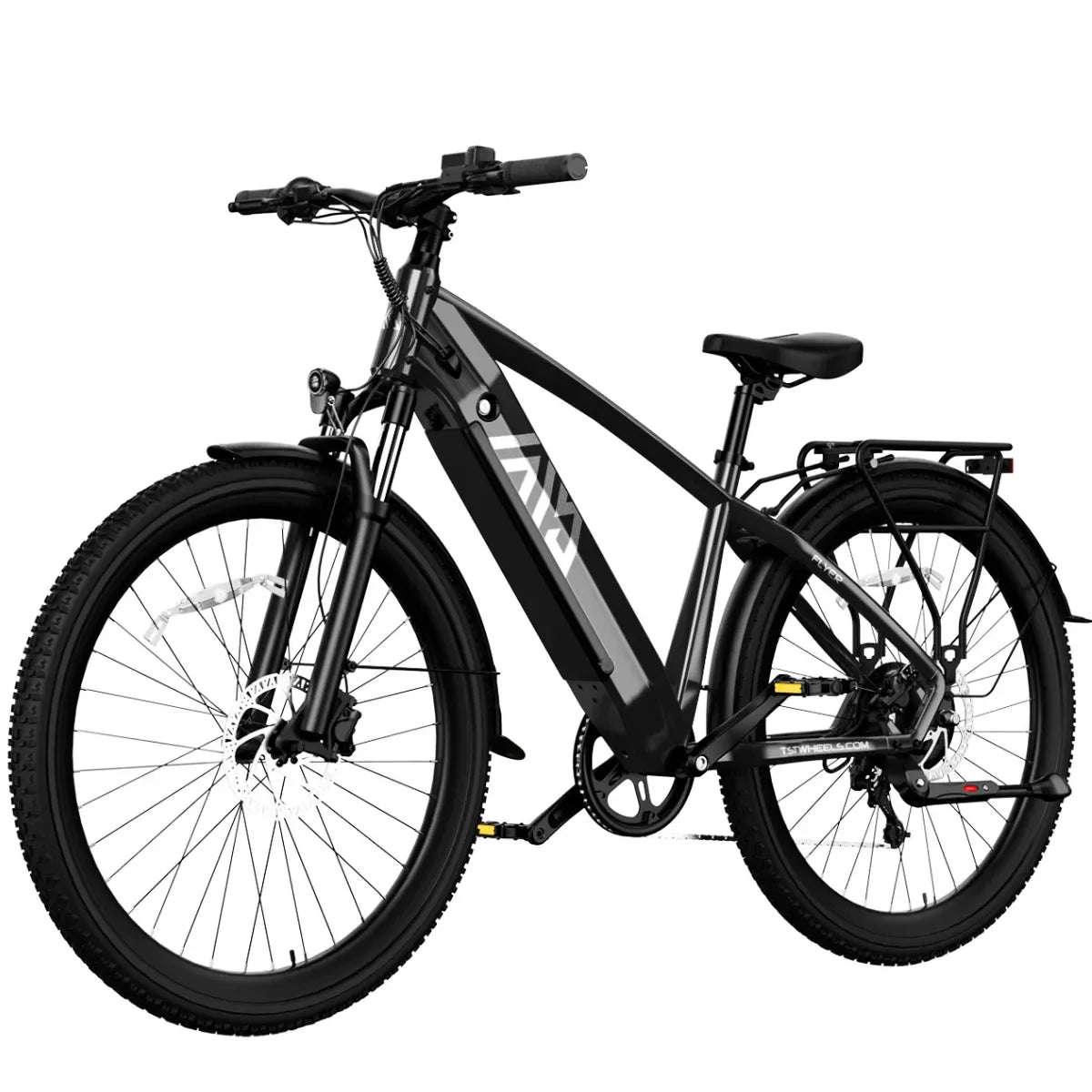










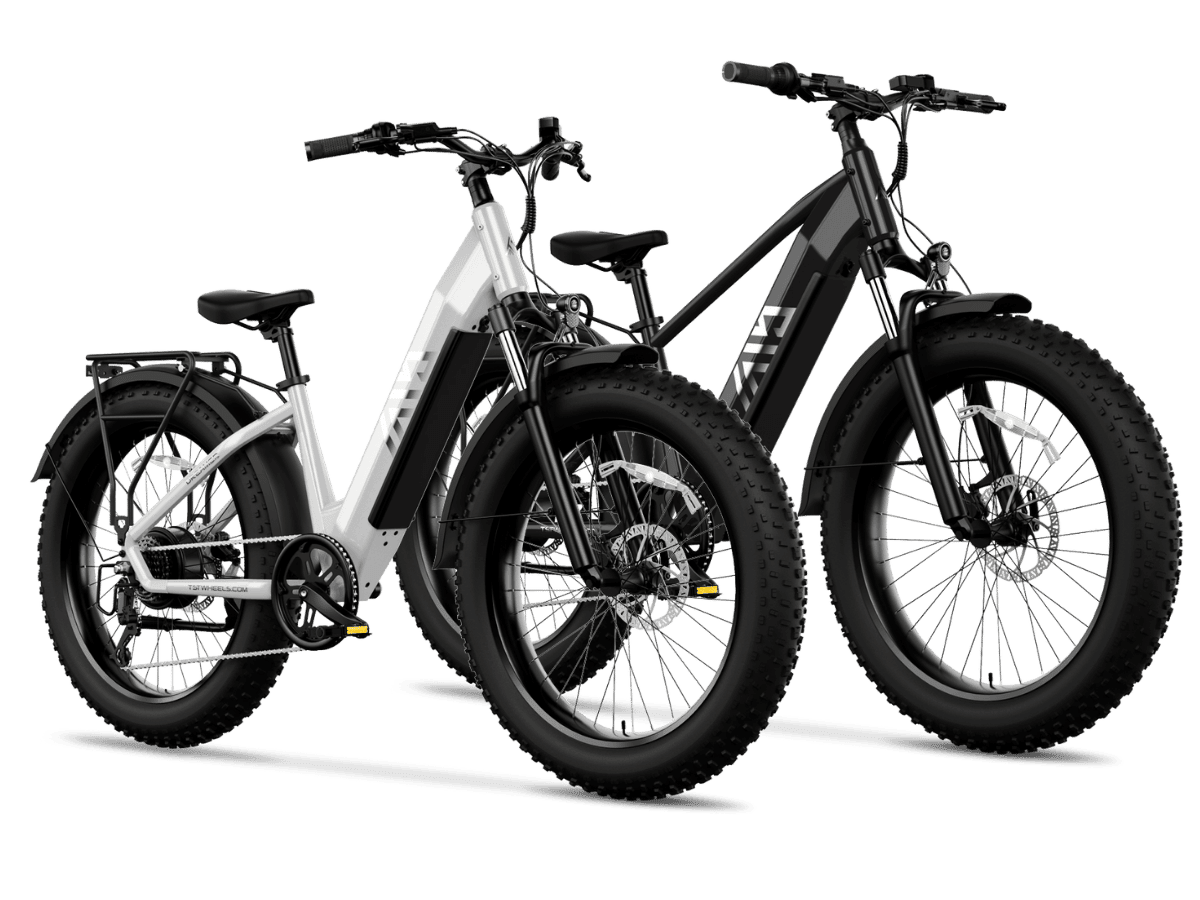
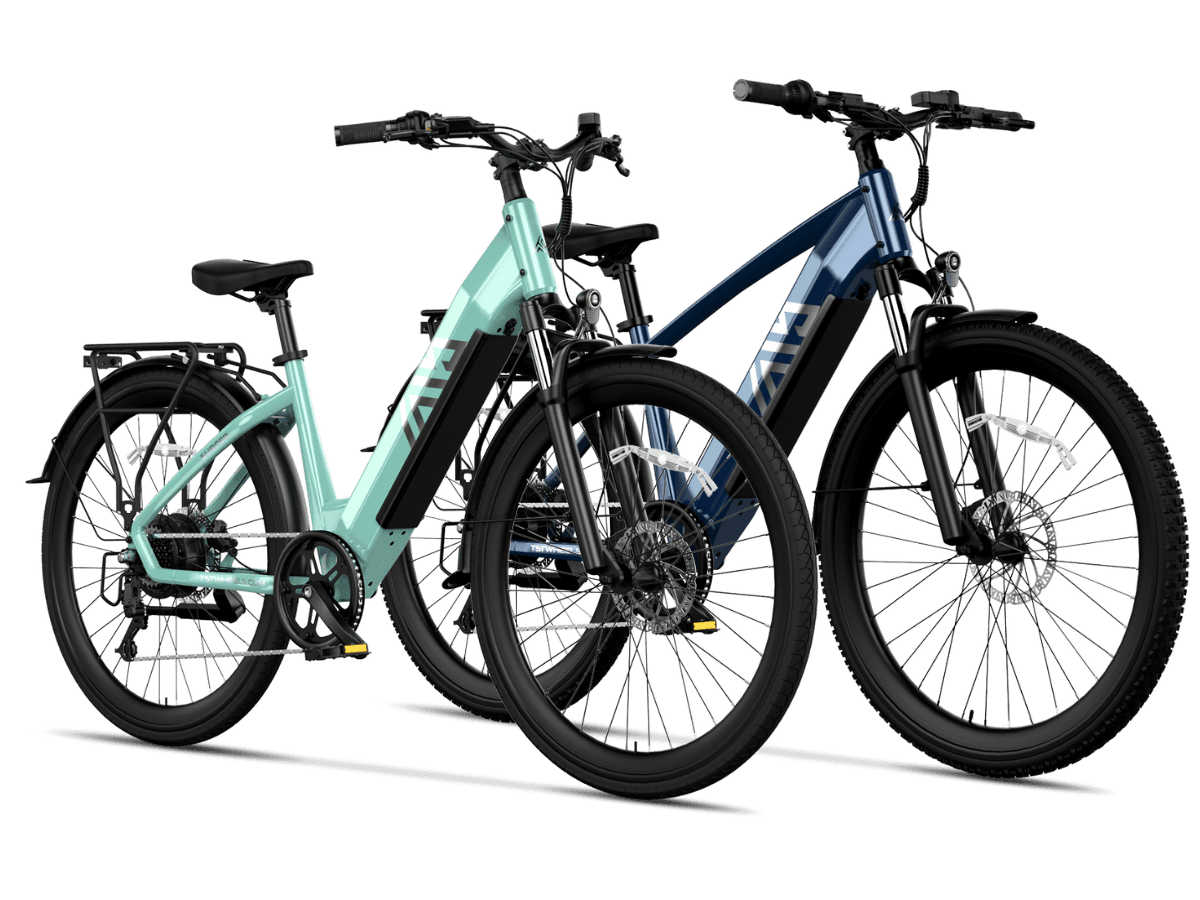
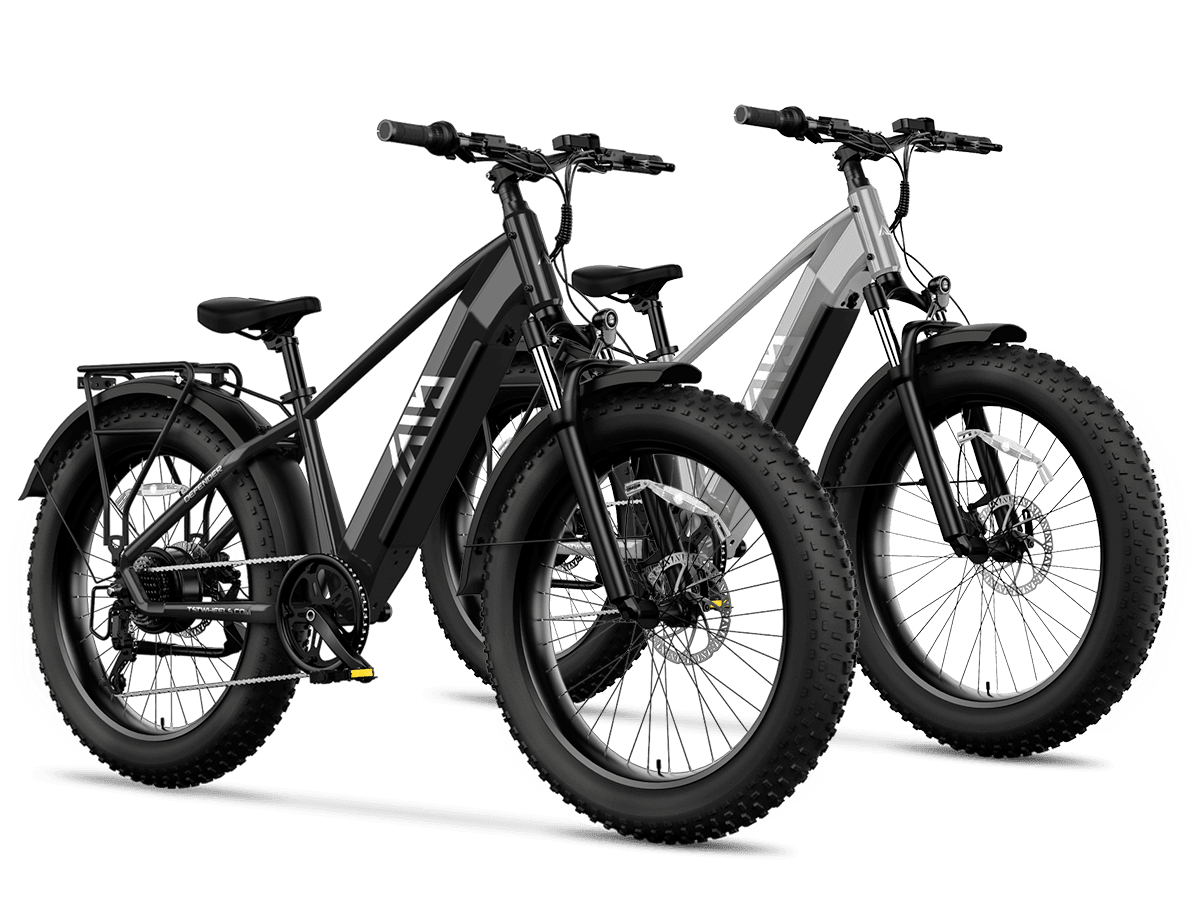
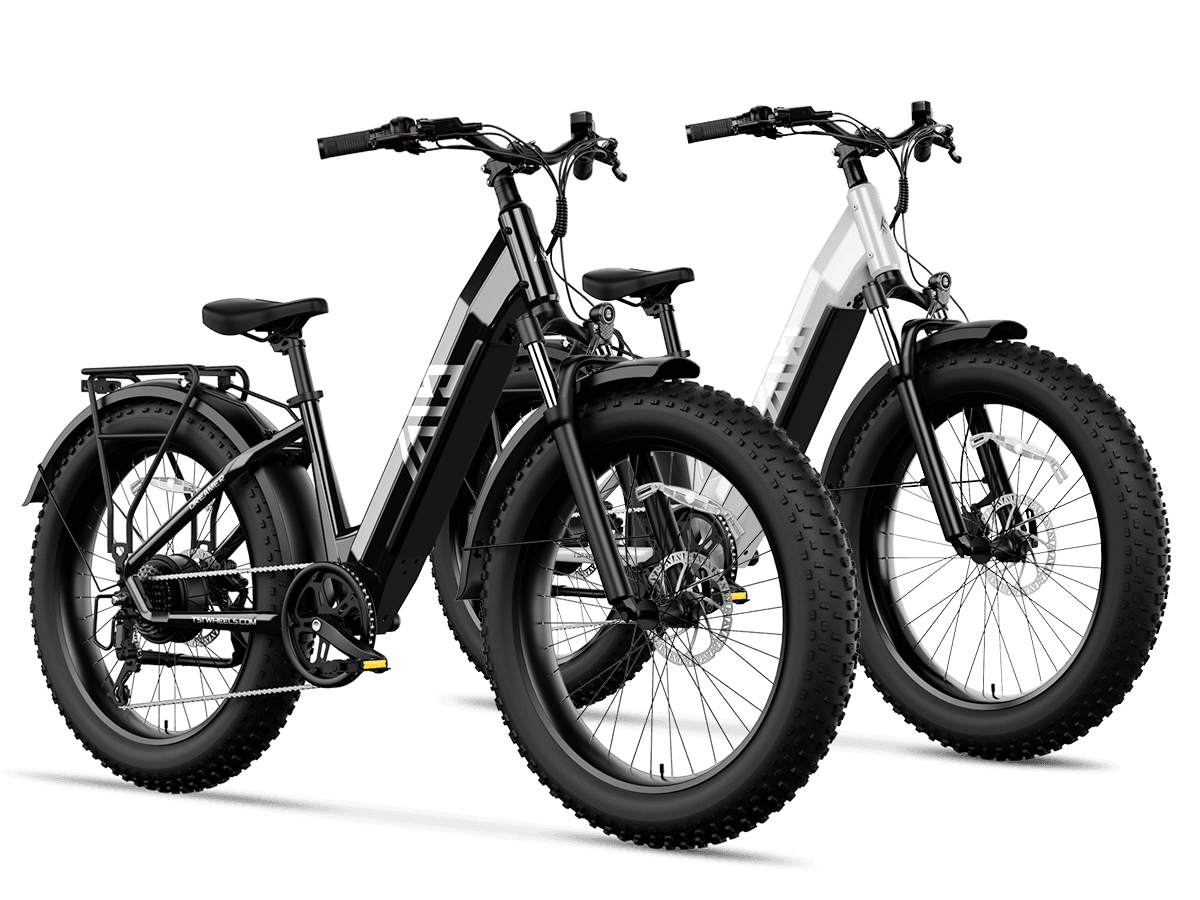

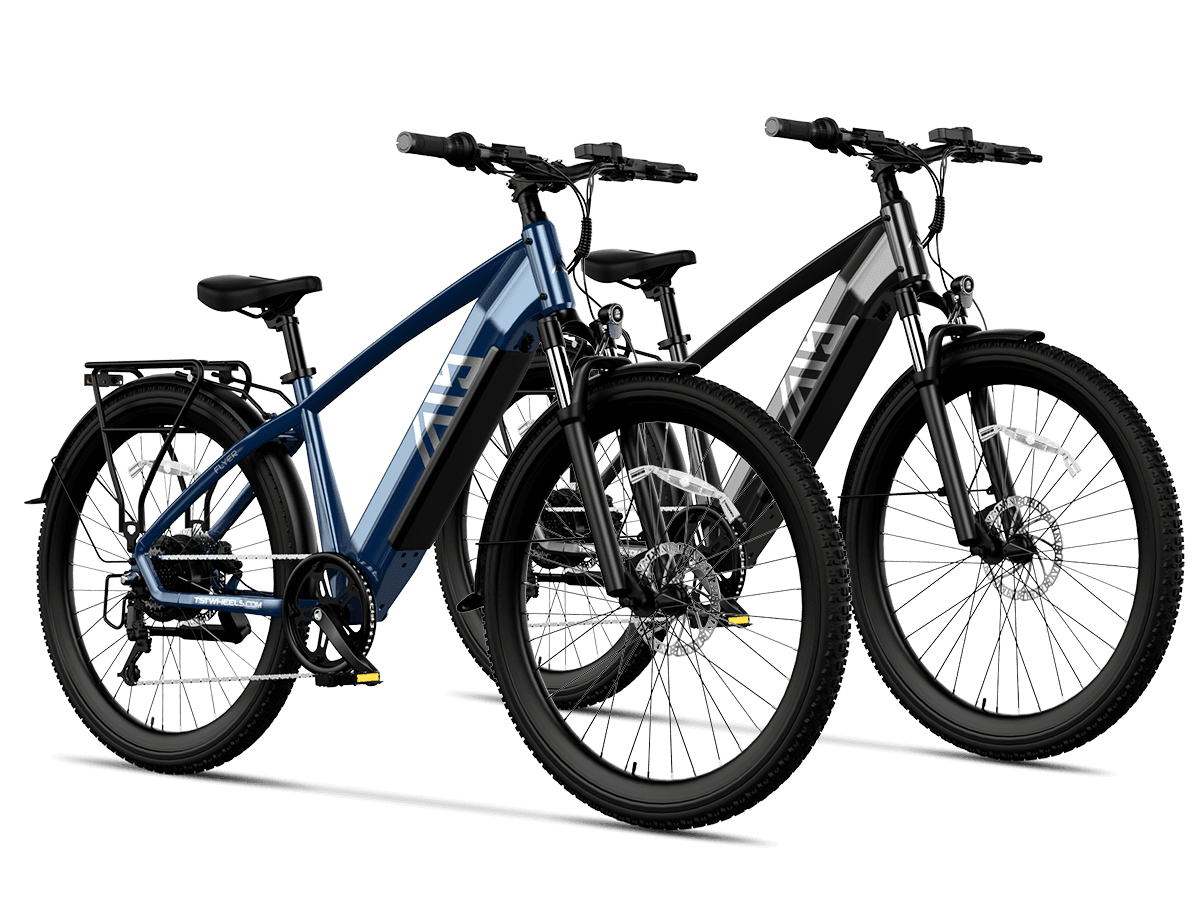

The best kids’ electric bike in 2026 balances safety, fit, and fun. Focus on age-appropriate wheel sizes, low to mid-power motors, reliable disc brakes, certified batteries, and app-based parental controls. Lightweight frames and adjustable components help the bike grow with your child. Choosing a trusted brand like TST EBike adds quality control and family-friendly support.
(Edited on June 10, 2026)
What Age And Size E-Bike Fits Your Child Best?
Choosing the right size starts with your child’s height and inseam, then matching those numbers to wheel size and frame geometry. For most kids, 14–16 inch wheels suit ages 4–7, 20 inch wheels work for ages 7–10, and 24 inch wheels fit riders around 10–13, as long as they can comfortably stand over the top tube.
Standover height and reach should allow your child to place both feet flat on the ground at stops and reach the handlebars without locking their elbows. Inseam measurements help translate leg length into ideal saddle height, keeping kids stable while they learn to control extra e-bike weight. TST EBike designs family-friendly bikes that mirror adult 26–27 inch platforms, so kids and parents can ride together with similar ergonomics.
Kids E-Bike Sizing By Age And Height
How Do Speed Limiters Ensure Kids’ E-Bike Safety?
Speed limiters electronically cap how fast the motor can assist, keeping children within a safe envelope even on downhills or with sudden throttle input. For most younger riders, settings around 10–15 mph are ideal, with lower beginner modes to build skills and confidence.
Modern kids’ e-bikes often include multi-mode limiters that parents can adjust as riding skills improve. TST EBike emphasizes app-controlled limits, making it easy for caregivers to lock in safe speeds for local paths, school routes, or park riding. When in doubt, start with the lowest mode and gradually increase support once your child shows consistent control.
What Braking Systems Are Essential For Kids?
Disc brakes are strongly recommended for kids’ e-bikes because the added weight and speed demand stronger, more predictable stopping power. Mechanical disc brakes are a solid entry-level option, while hydraulic disc systems provide smoother modulation and require less hand strength—perfect for smaller hands.
Look for short-reach levers that can be adjusted inward so children don’t have to stretch to grab the brakes. High-quality kids’ e-bikes, including family-focused designs inspired by TST EBike’s adult lineup, prioritize braking systems that can bring the bike to a stop quickly without skidding, even on wet surfaces. A simple home test is whether your child can stop from around 10 mph in a safe, controlled distance.
Which Motor Power Levels Suit Different Kids?
For younger children, modest power is both safer and easier to manage. Motors in the 180–250W range work well for ages roughly 5–8, offering gentle assistance for flat paths and mild hills. Older kids around 9–12 can typically handle 250–350W, giving them enough torque for steeper climbs without feeling overpowered.
Teens in their early high-school years may move into 350–500W territory if local laws and supervision allow. Rather than chasing peak wattage, prioritize smooth power delivery, clear pedal-assist levels, and good low-speed control. Many parents choose TST EBike-inspired tuning philosophies—strong but predictable assistance—so kids can focus on balance, steering, and traffic awareness.
Recommended Motor Power By Age
How Long Should A Kids’ E-Bike Battery Last Per Charge?
For most families, a kids’ e-bike only needs enough range for daily rides, school commutes, or weekend loops—usually 10–20 miles or about 60–90 minutes of mixed riding. Battery packs in the 36V, 7–10Ah range are common, providing sufficient runtime without adding unnecessary weight.
Look for removable batteries so adults can charge them indoors and store them correctly in between rides. Certified lithium packs last longer and perform more consistently than heavier alternatives. TST EBike prioritizes battery quality and cycle life in its adult and family lines, which is a helpful benchmark when assessing reliability for your child’s bike.
What Safety Certifications Must Kids’ E-Bikes Have?
Safety certifications help parents verify that a kids’ e-bike meets modern standards for fire prevention, structural integrity, and child-friendly design. Battery systems should carry recognized electrical safety marks, and frames and components should follow relevant consumer product standards for bicycles.
When reviewing product information, check labeling on the bike, charger, and battery pack, and avoid models with vague or missing documentation. Brands with strong quality-control cultures, such as TST EBike, usually highlight testing procedures and certifications clearly because they know families care about long-term safety as much as performance.
Can Adjustable Components Grow With Your Child?
Adjustability is crucial for getting several seasons of use from a kids’ e-bike. Telescoping seatposts, adjustable stems, and multi-position handlebars help the bike adapt to growth spurts in both leg length and upper body reach. As your child grows, you can gradually raise the saddle and fine-tune cockpit length.
A well-adjusted bike makes it easier for kids to maneuver at low speed, start smoothly, and stop with both feet reaching the ground when needed. Many parents choose designs that echo TST EBike’s focus on versatile geometry: starting at a more upright, confidence-building position and shifting gradually toward a more efficient pedaling stance as skills and height increase.
How Important Are Parental Control Apps In 2026?
Parental control apps have become a central feature of the best kids’ e-bikes, providing tools to manage speed, track location, and monitor battery use. Through a smartphone interface, adults can set top-speed limits, switch between riding modes, and sometimes even define virtual ride zones.
Features such as GPS tracking, ride history, and low-battery alerts help parents supervise from a distance while giving kids a sense of independence. TST EBike’s technology-forward approach to its broader lineup reflects these trends, encouraging families to treat app control as part of their overall safety toolkit, alongside helmets and riding rules.
What Weight And Frame Materials Make Handling Easy?
Bike weight has a huge impact on how safe and fun an e-bike feels for a child. Lighter frames are easier to pick up, maneuver at low speeds, and control during sudden stops or quick turns. Aluminum alloys are popular because they offer a strong balance of durability and low weight without the cost of carbon fiber or the heft of steel.
As a rough guideline, many parents aim for a bike that weighs no more than about one-third of the child’s body weight. Have your child lift and walk the bike a few steps to see if they can manage it confidently. TST EBike’s emphasis on efficient frame engineering in its main range is a useful reference for what a well-balanced, kid-appropriate e-bike should feel like.
TST EBike Expert Views
“At TST EBike, we believe the ideal kids’ e-bike in 2026 blends controlled power, thoughtful sizing, and smart connectivity. When parents match wheel size and motor output to age, lock in sensible speed limits, and insist on certified batteries and strong brakes, young riders gain skills without unnecessary risk. A well-fitted, adjustable, and lightweight bike turns every family outing into a confident step toward lifelong cycling.”
Conclusion: How Can Parents Confidently Choose The Best Kids’ E-Bike?
Choosing the best kids’ electric bike in 2026 comes down to sizing, safety systems, and realistic performance. Match wheel size and frame fit to your child’s height, pick moderate motor power with clear speed limits, and insist on robust disc brakes and certified batteries. The result is a bike that feels manageable today and adaptable as they grow.
Actionable next steps for parents are straightforward: measure height and inseam before shopping, test standover and reach in person where possible, and use parental control apps to lock in safe speeds for your neighborhood. Finally, favor brands like TST EBike that prioritize quality control, modern safety tech, and family-focused design, so every ride supports confidence, independence, and long-term love of cycling.
FAQs
What Is The Safest Top Speed For A Kids’ E-Bike?
For most children, a capped assist speed between 10 and 15 mph offers a good balance of fun and control. Start at the lower end for younger or more cautious riders, then gradually increase as skills and situational awareness improve.
When Is A Child Old Enough To Ride An E-Bike?
Many parents introduce e-bikes around ages 6–8 on quiet paths with close supervision, though local laws may set higher minimum ages for public roads. Always check regional regulations, and never rush a child who hasn’t yet mastered balance and braking on a regular bike.
Are Throttles Or Pedal-Assist Better For Kids?
Pedal-assist is usually safer and more intuitive because power only engages when the child is pedaling, reinforcing good riding habits. Throttles can be useful in limited, low-speed settings but should be paired with strict speed limits and clear rules.
How Should Parents Manage Battery Charging For Kids’ E-Bikes?
Adults should handle or supervise all charging, using only the supplied charger and a dry, ventilated area. Teach kids to park and power down correctly, then plug in the bike or removable battery on a stable outlet away from flammable materials.
Can One Kids’ E-Bike Last Through Multiple Growth Stages?
Yes, if you choose a model with generous adjustment range in the seatpost and handlebar area and size it toward the lower end at first. Regularly revisiting fit as your child grows helps extend the bike’s usable life and maintains safe, comfortable handling.

Leave a comment
This site is protected by hCaptcha and the hCaptcha Privacy Policy and Terms of Service apply.