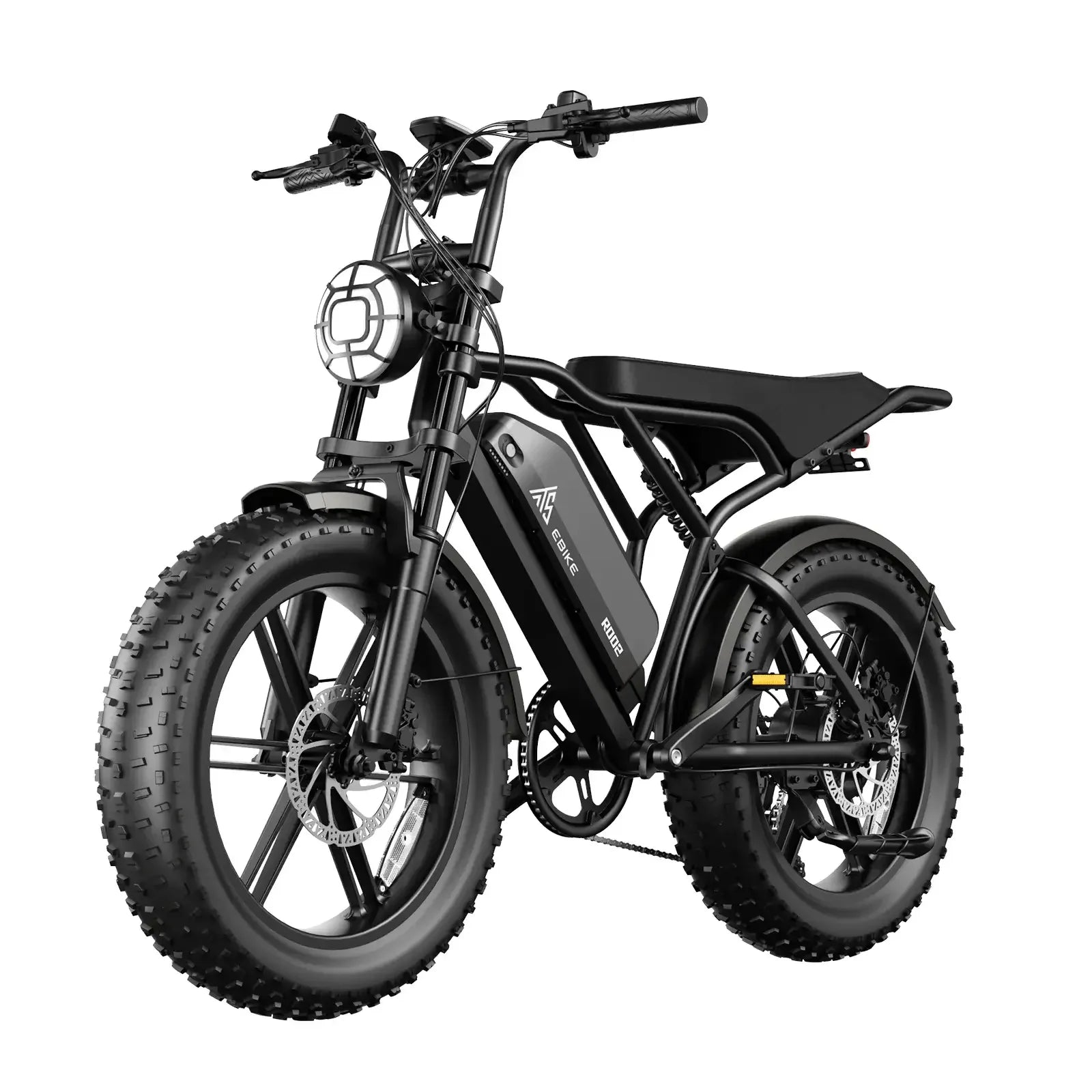

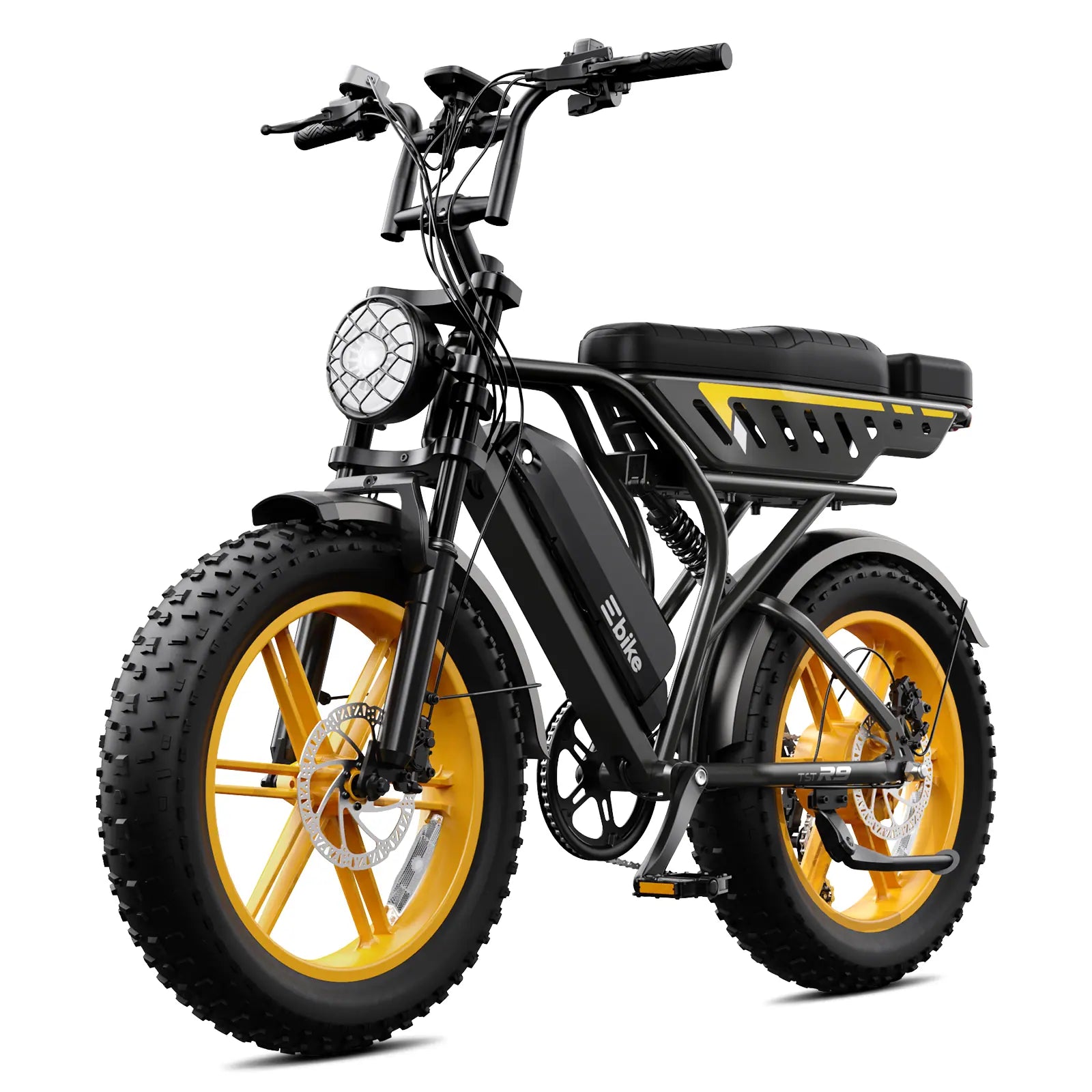

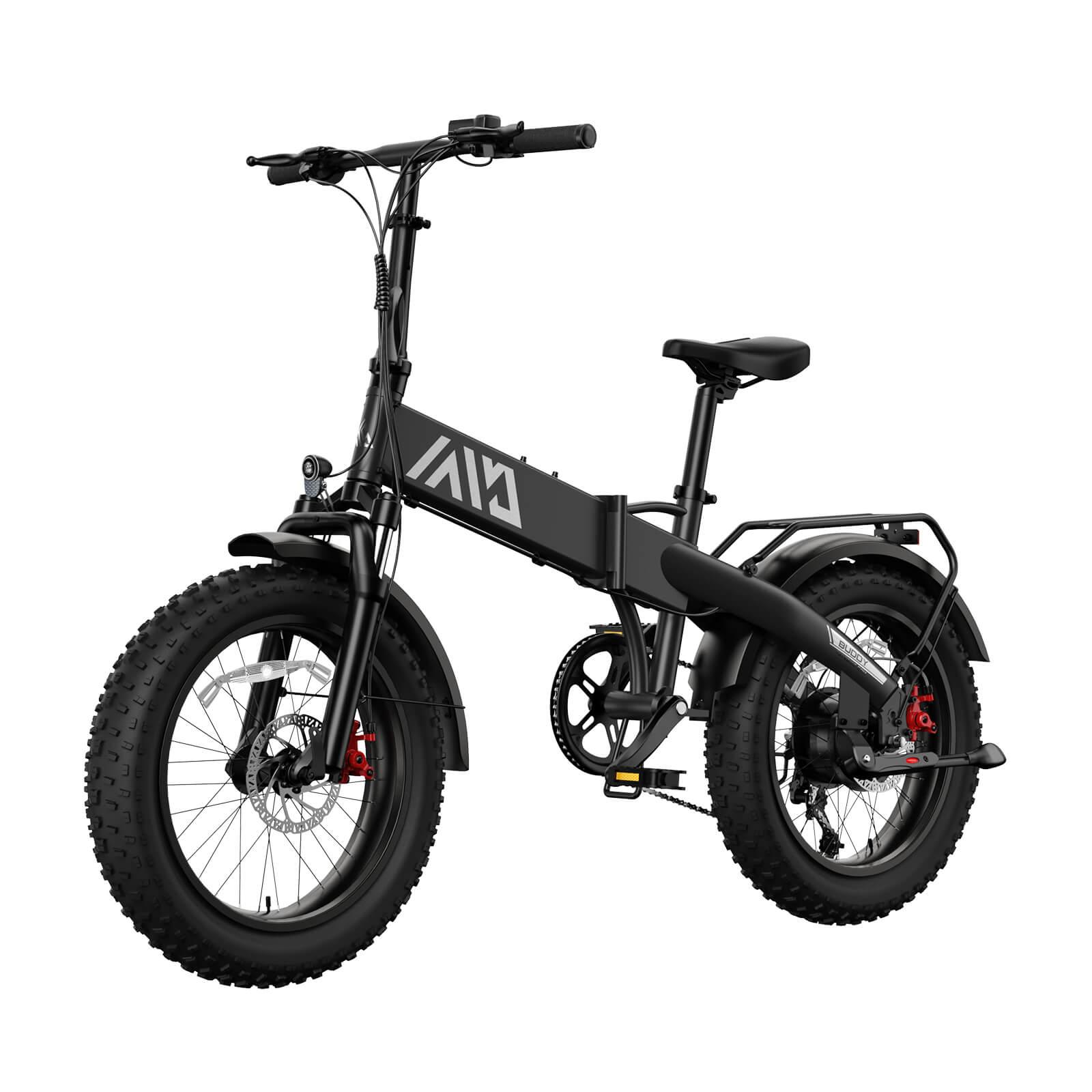
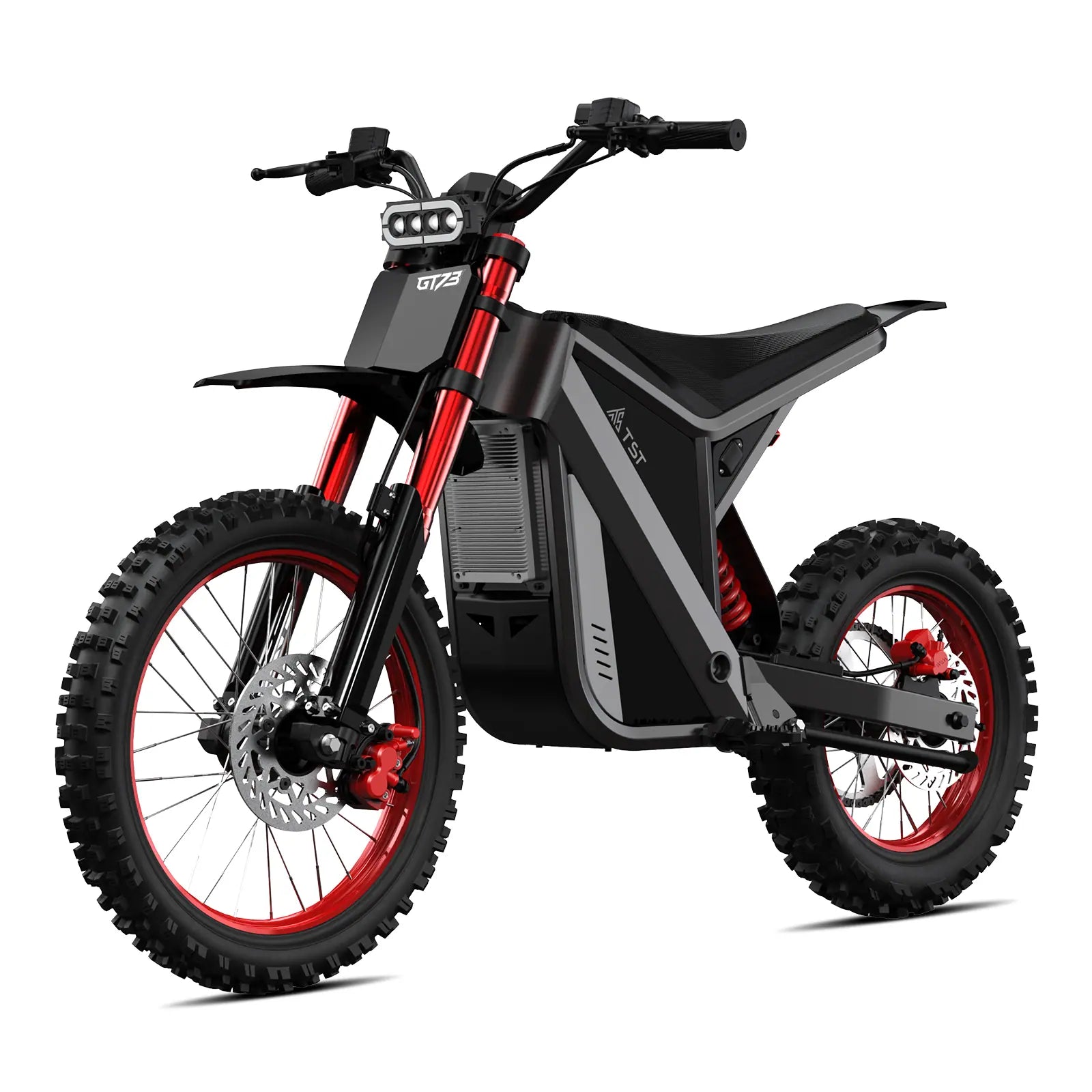
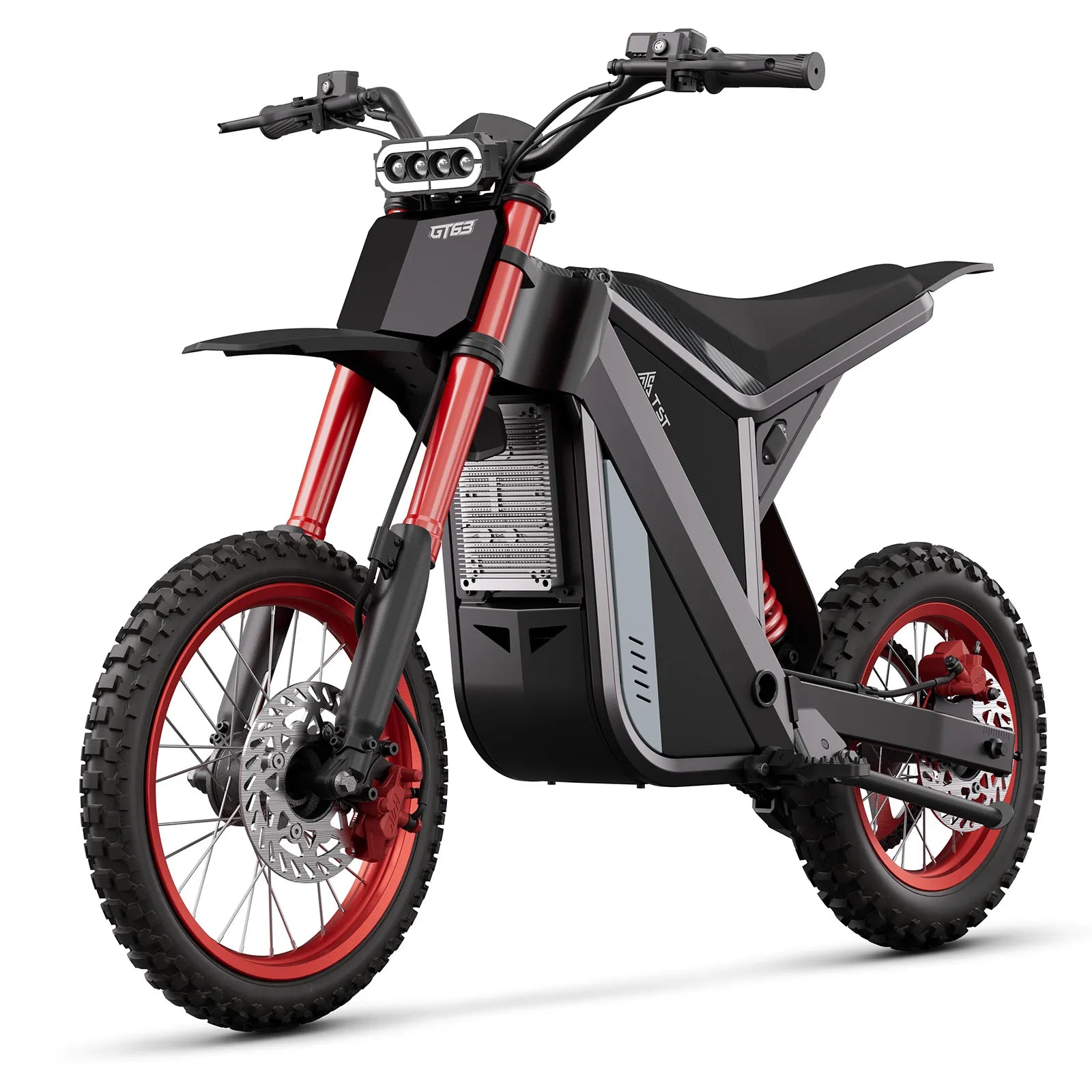
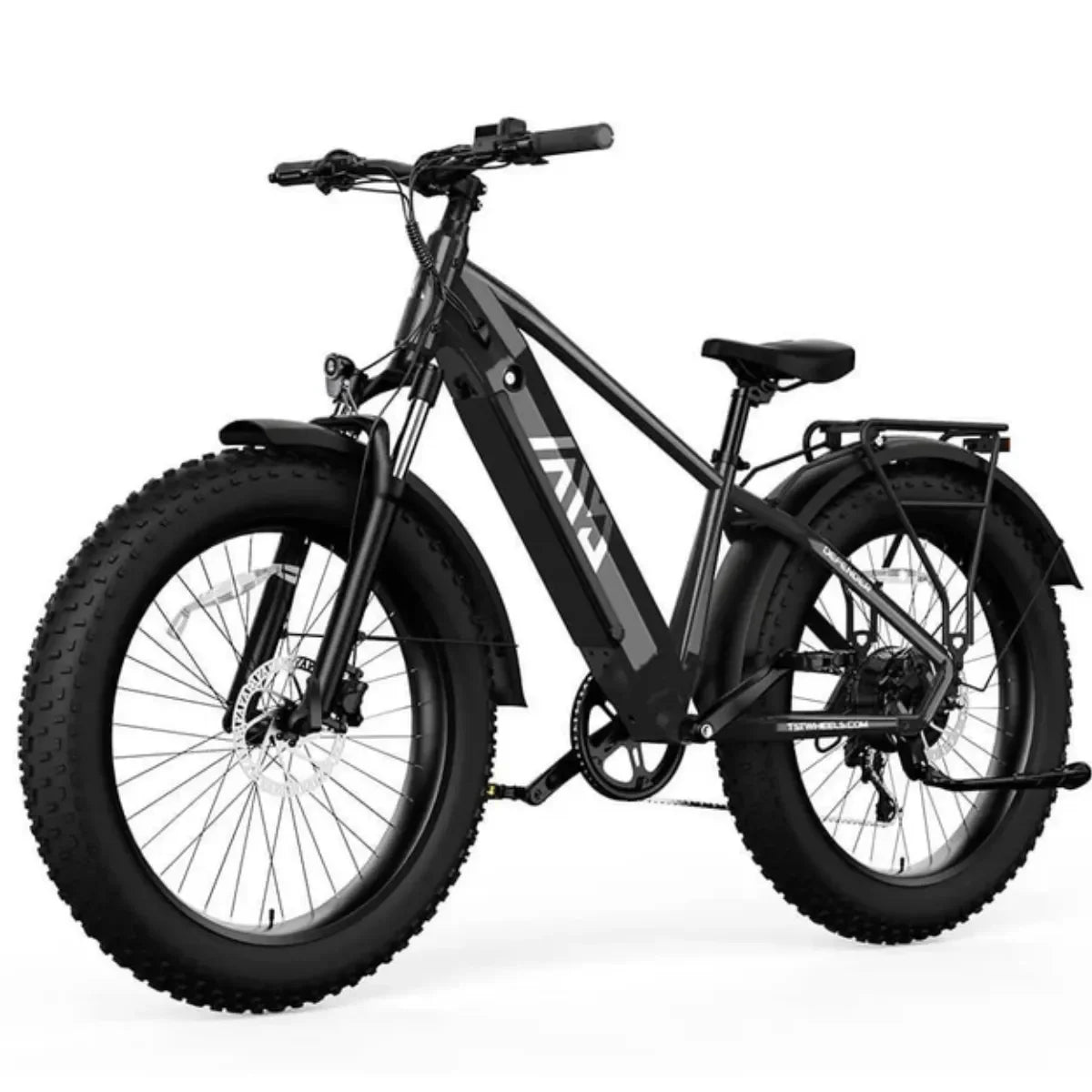
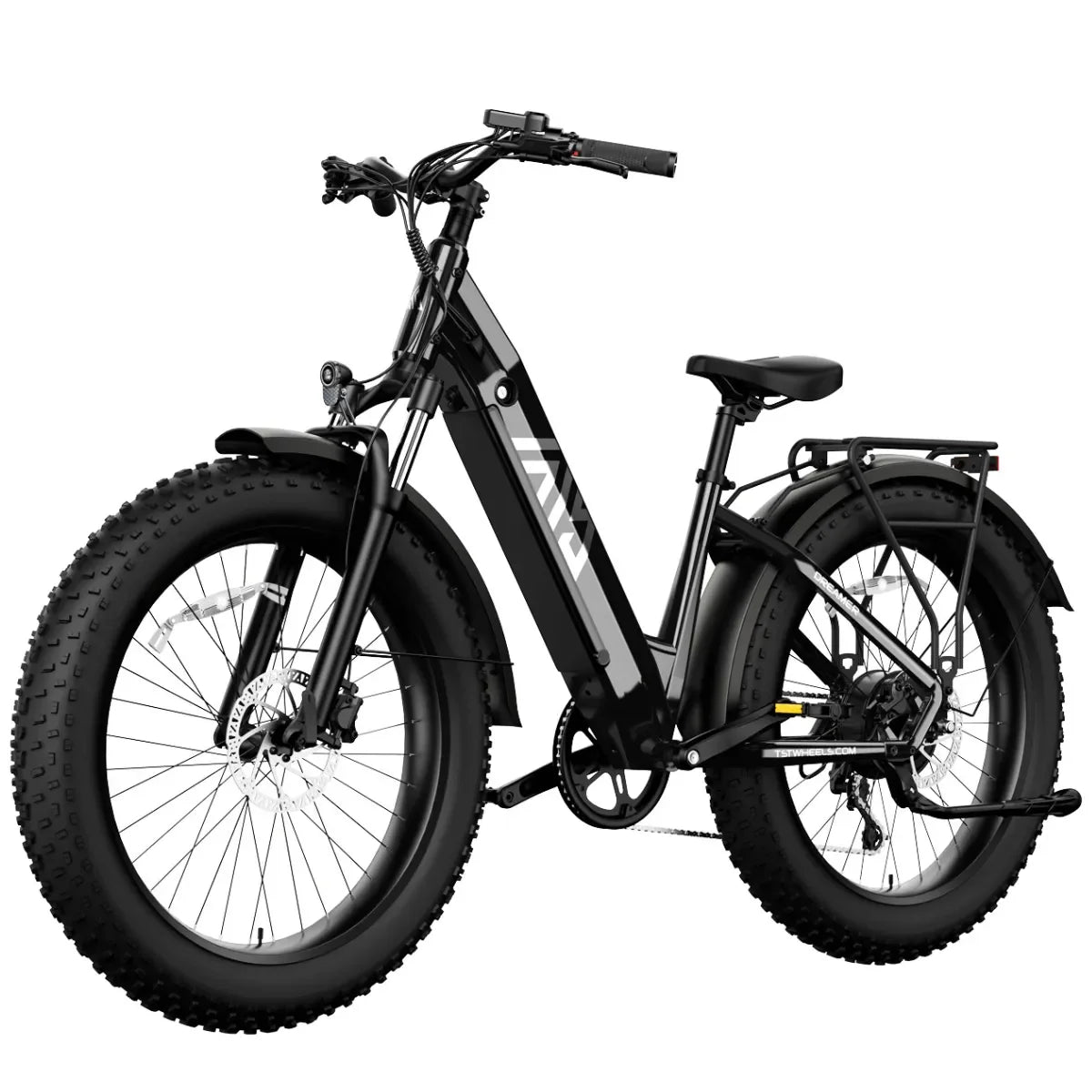

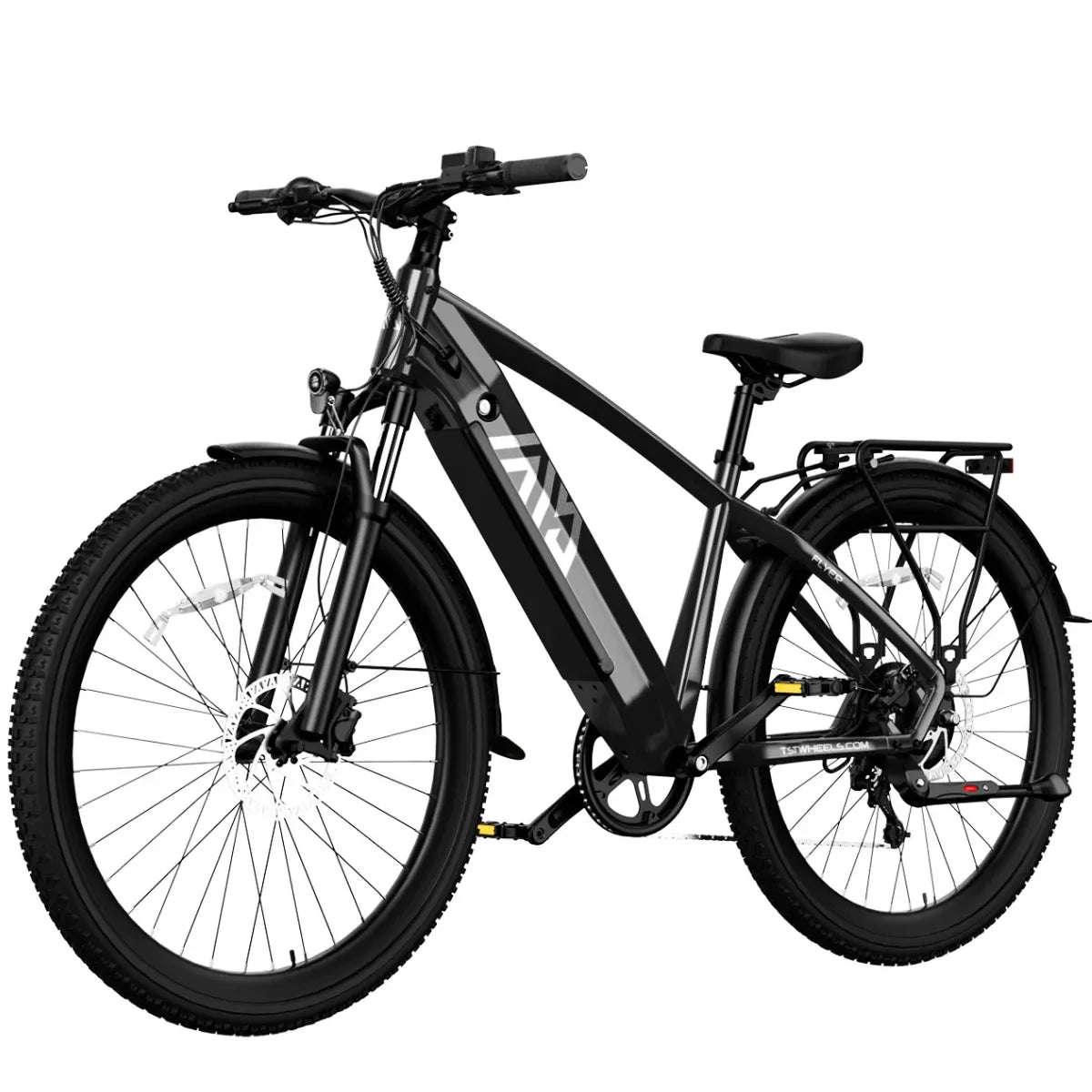

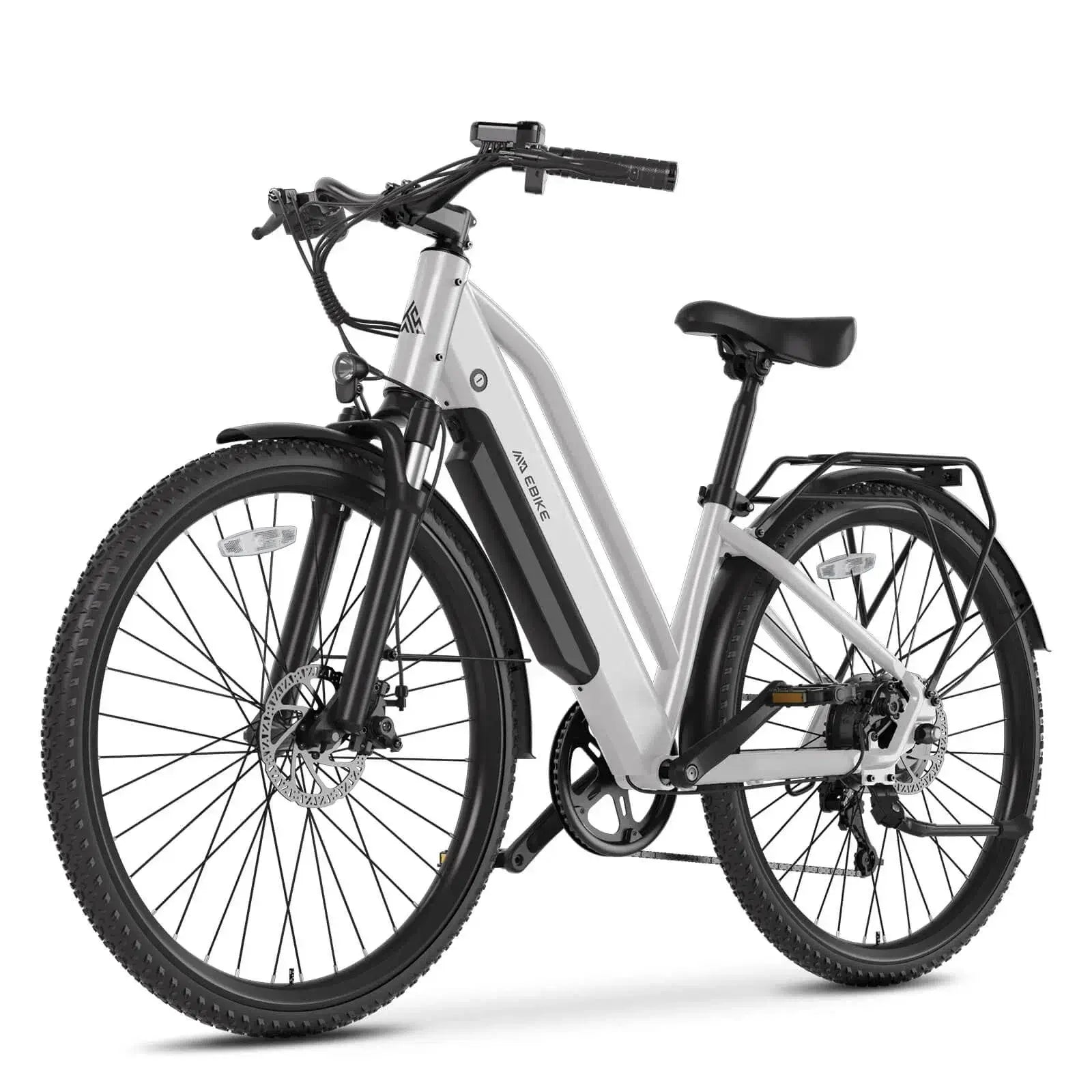






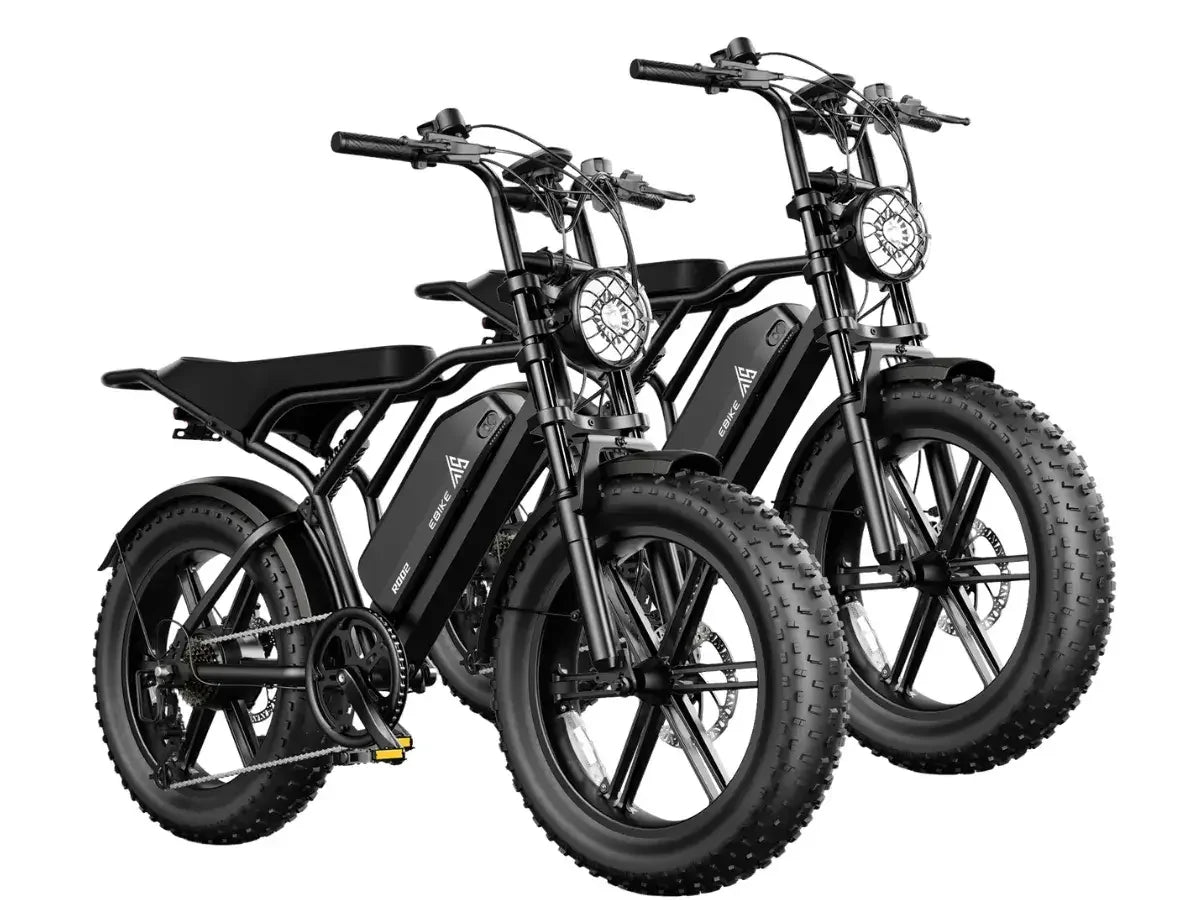
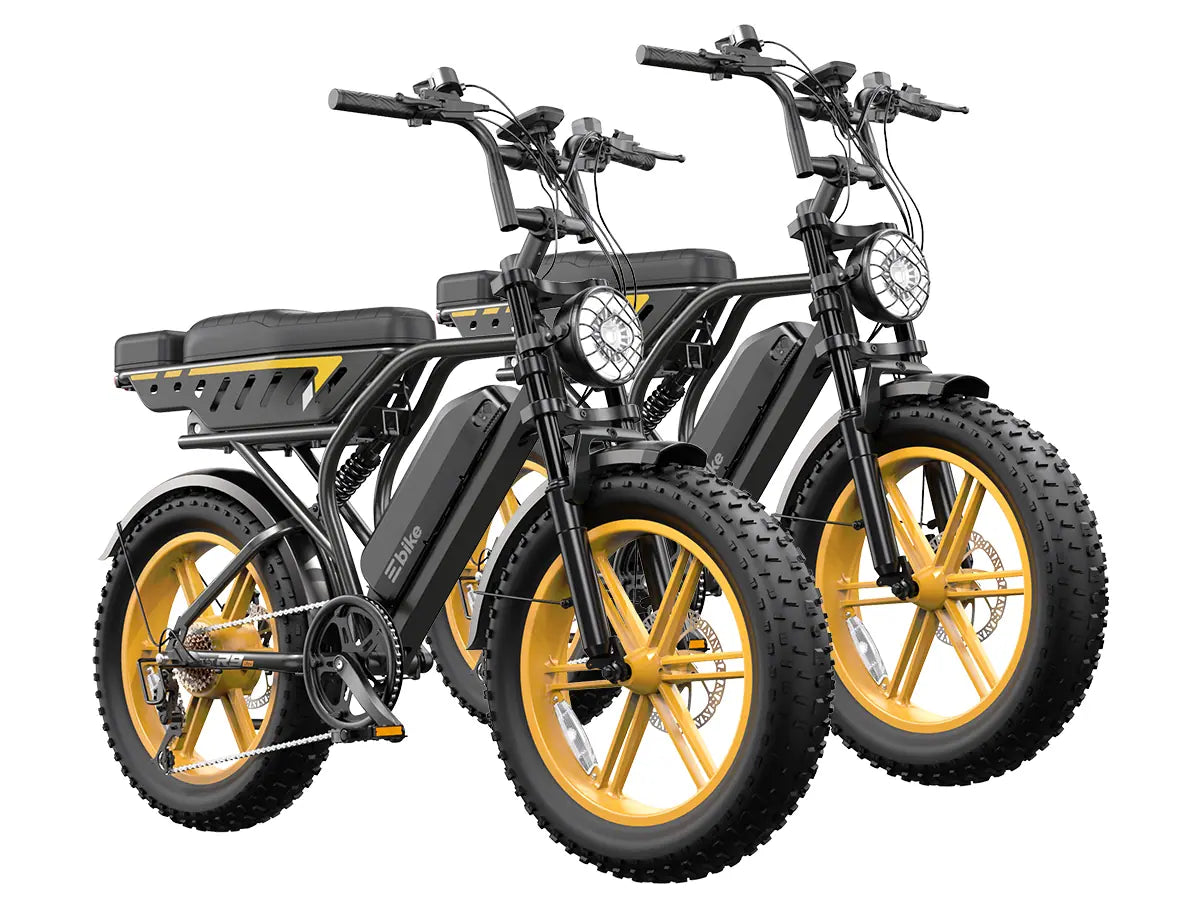

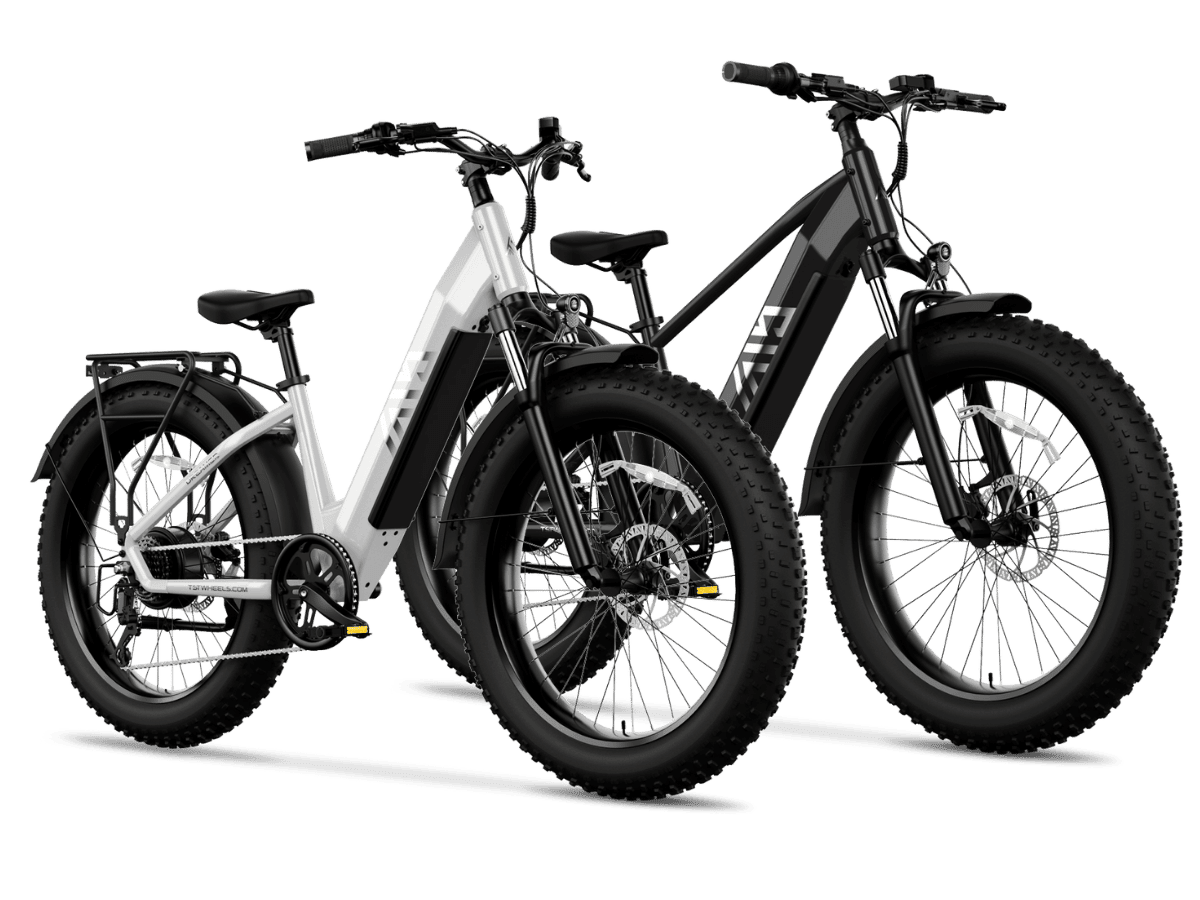
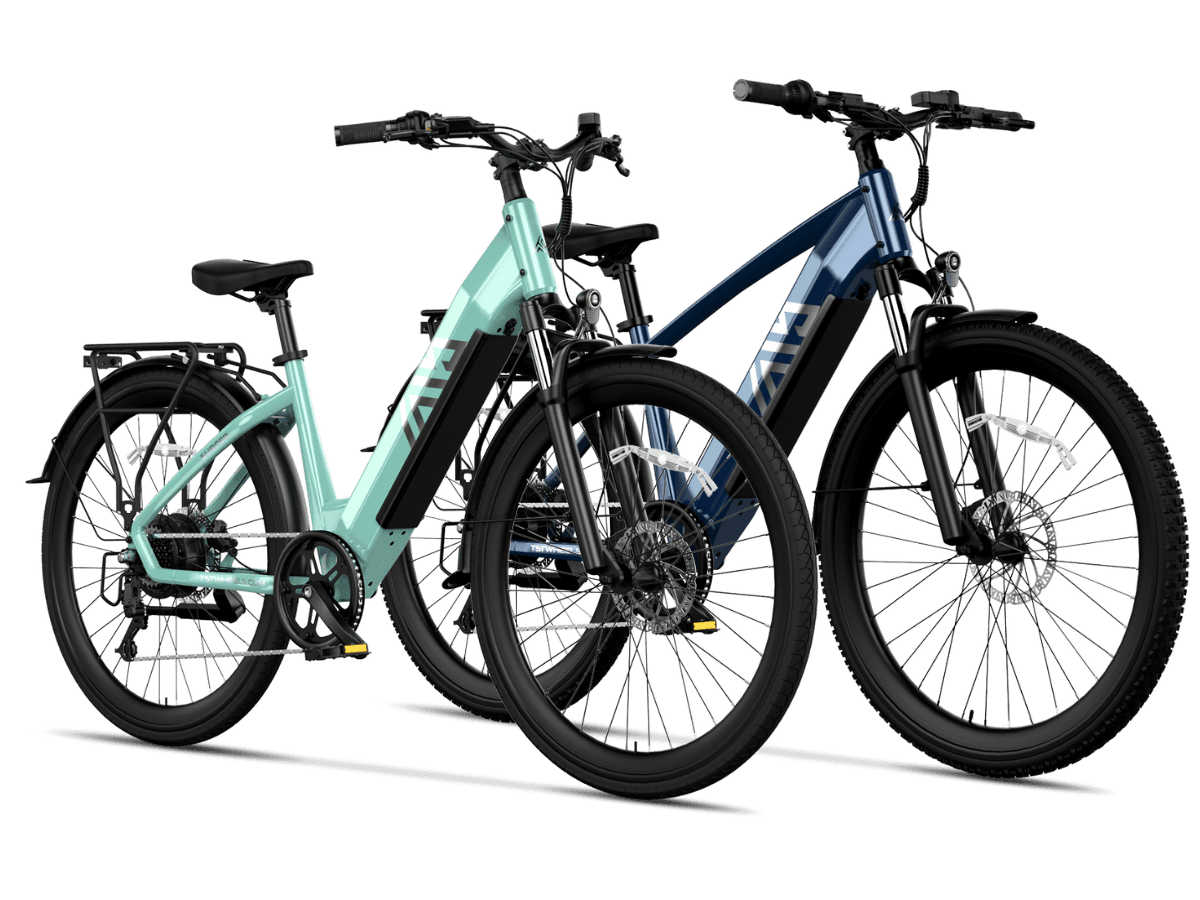
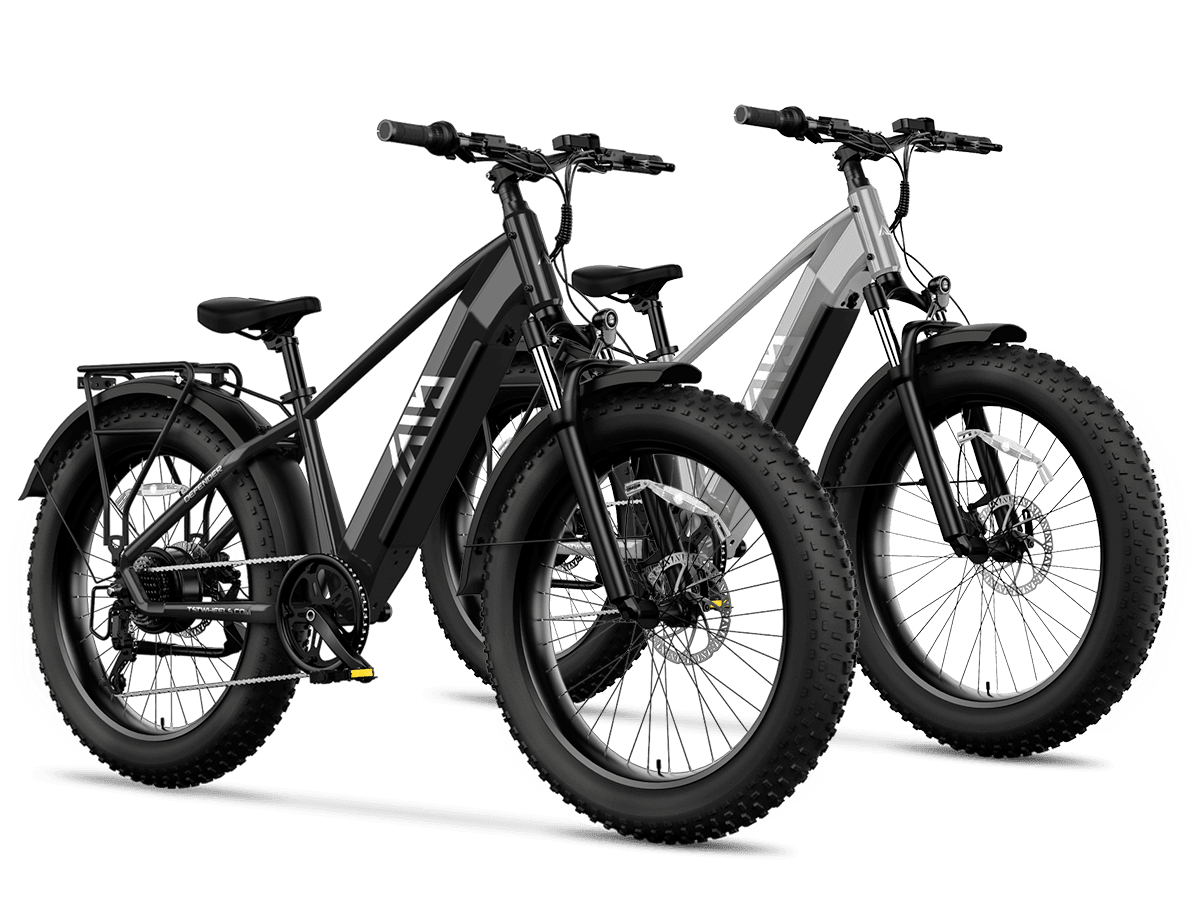
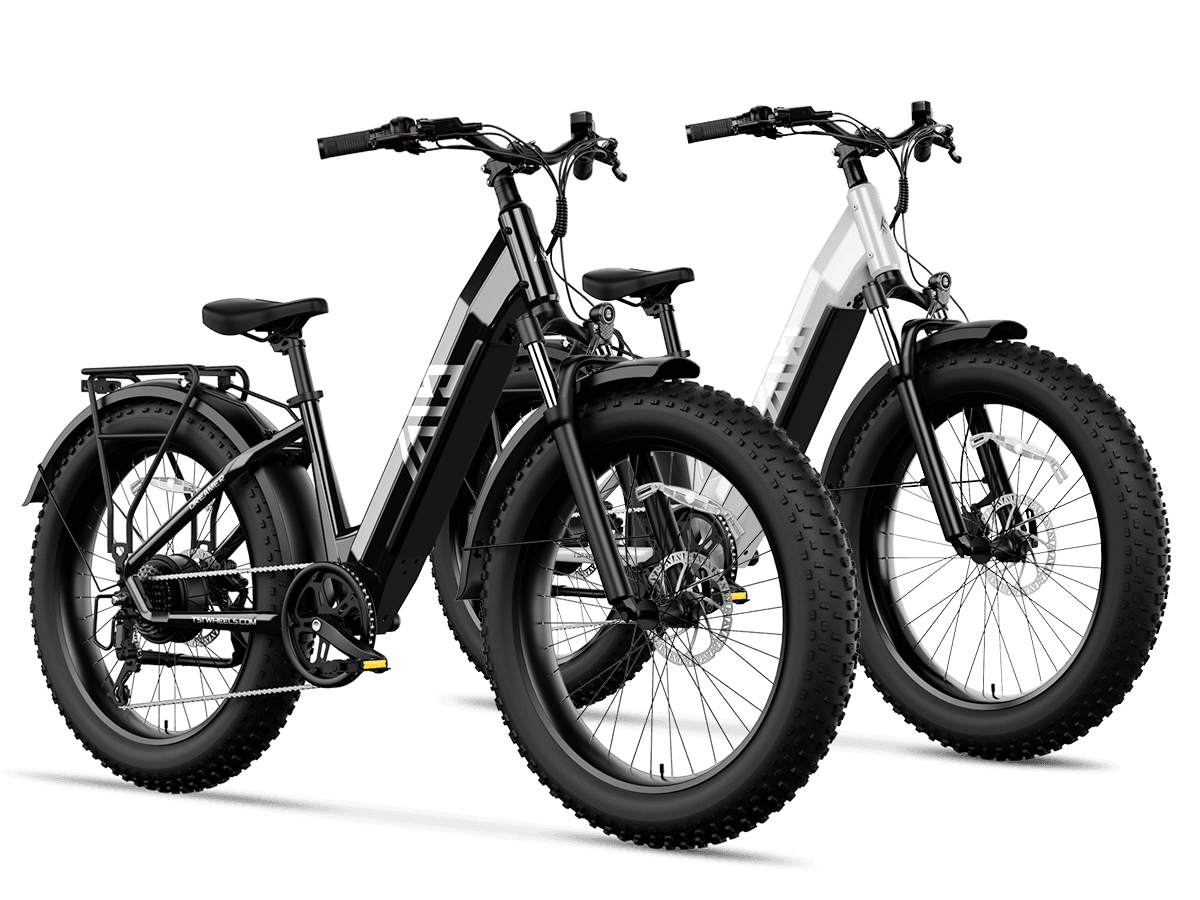

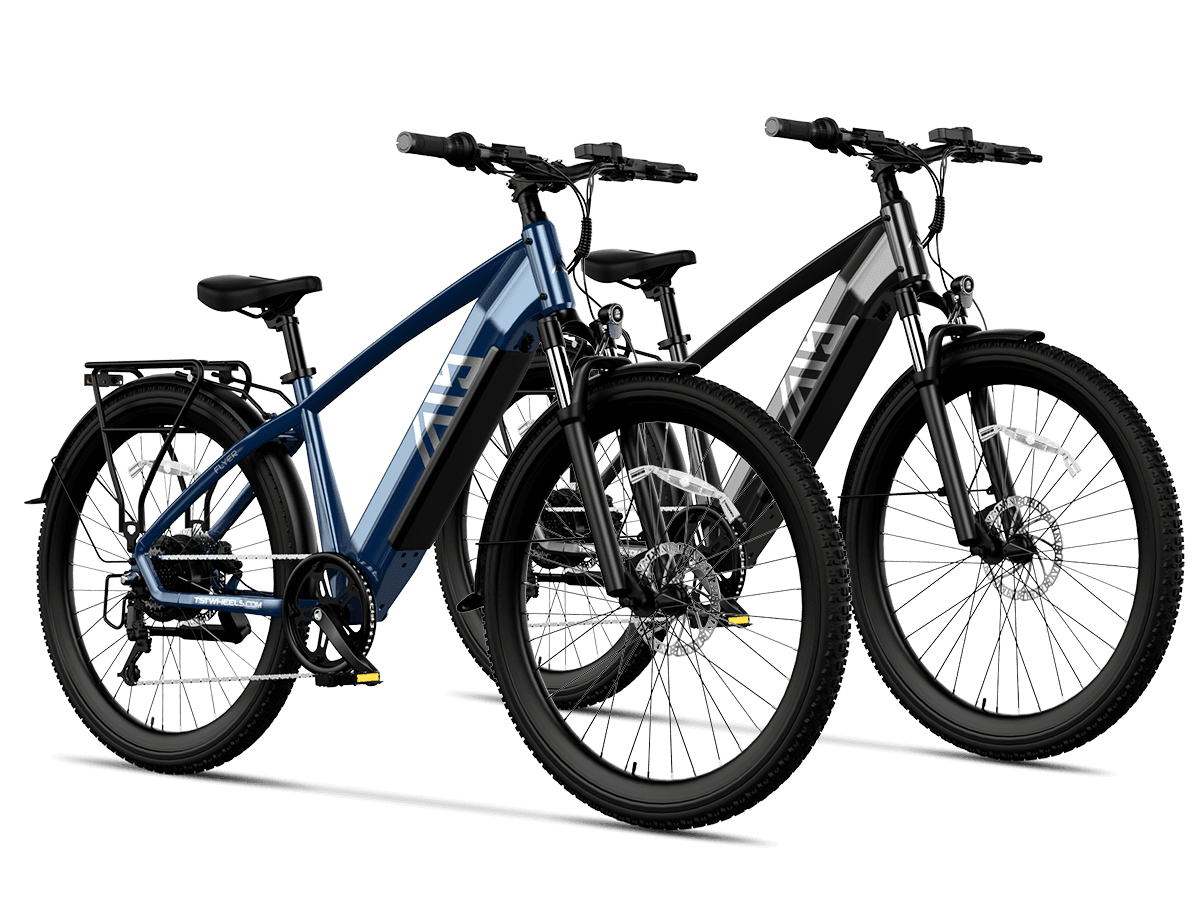
A 750 watt ebike sits right on the edge between a practical commuter vehicle and a performance-level trail machine. As more riders look for versatile electric bikes that can handle both city streets and off-road paths, the 750W category has become a hot topic among cyclists, commuters, and recreational riders alike. But is 750 watts truly enough for daily commuting, steep climbs, and off-road adventures? Let’s break down how power, torque, speed, and battery life make this motor size the sweet spot for most riders.
Understanding Ebike Power Ratings
The watt rating of an electric bike motor tells you how much power it can continuously output. A 750 watt ebike motor translates to roughly 1 horsepower. While it might not sound like much compared to cars or motorcycles, it’s more than enough for two-wheel transport. Most 750W ebikes deliver speeds between 25 and 30 mph on flat ground, depending on the motor type, controller, and rider weight. That level of performance offers a strong balance between acceleration and energy efficiency.
Hub motors and mid-drive systems both appear in the 750W category. Hub motors deliver steady power, making them ideal for commuting or light trails, while mid-drive systems channel power directly through the drivetrain, offering better hill-climbing ability and off-road handling. The difference matters if you plan to ride steep trails or tackle unpaved mountain roads.
Performance for Commuting
For urban commuters, a 750 watt ebike provides an ideal mix of power and control. The motor makes quick starts from traffic lights effortless, easily tackles moderate hills, and maintains high cruising speeds over long distances. Many modern commuter-friendly 750W electric bikes come equipped with pedal-assist levels, throttle control, integrated lighting, and hydraulic disc brakes, all essential for safe and efficient travel in city traffic.
With pedal assist, a 750W motor extends your range, consuming less battery power per mile compared to constant throttle use. Most 48V or 52V battery setups paired with 750W motors deliver ranges between 30 and 60 miles per charge, depending on terrain and riding style. This makes them practical for daily commutes without worrying about constant recharging.
Capability on Trails and Rough Terrain
When you transition from pavement to dirt, gravel, or mountain paths, torque becomes the critical factor. A 750W mid-drive ebike can generate up to 80–90 Nm of torque, which allows it to climb steep grades that would leave a lower-powered motor struggling. Riders can confidently tackle trails, forest paths, and even sandy or snowy surfaces with the right tire setup.
For adventure riders, suspension forks, fat tires, and responsive pedal-assist sensors enhance control and comfort. The key is matching motor output with components designed for durability and performance. Many 750W ebikes rival lightweight electric dirt bikes in acceleration and traction, making them great for dual-purpose riding.
Real-World Examples and User Experience
Many riders report that after switching from 500W to 750W electric bikes, their riding experience becomes smoother, faster, and more enjoyable, especially when carrying cargo or navigating hilly terrain. Daily commuters appreciate how easily these ebikes maintain 25 mph without excessive effort, while mountain riders value the torque and stamina that make uphill and downhill balance far easier.
Market Trends and Technology Advancements
Market data from industry reports shows a sharp increase in consumer interest for 750W ebikes during the past two years. Riders now seek models that can replace cars for short commutes while still handling weekend off-road escapades. Manufacturers respond with improved torque sensors, advanced LCD control systems, and better water-resistant designs. Lithium-ion battery technology has matured as well, offering higher capacity cells, faster charging, and increased lifespan.
TST EBike was founded with a vision to transform the way we think about transportation. As traffic congestion and air pollution continue to be pressing issues, we knew there had to be a better way to get around. TST GRP LLC was founded with the intention of changing our perception of transportation. We offer a wide range of travel tools to meet people's diverse needs, and our team is passionate about helping individuals fully enjoy the cycling experience. Established in 2017 in California, TST GRP LLC has warehouses in California and sells our products in over 10 countries. We also have more than 20 offline stores. TST EBike brand was established, focusing on high-power, cost-effective electric bikes. TST EBike provides consumers with high-quality electric bikes at low prices. Since TST EBike is built based on consumer feedback, we offer the best quality control services and products. There are 26-inch and 27-inch electric bike models available. The 26-inch is suitable for rough terrains like snow and sand, while the 27-inch is ideal for daily commuting and mountain biking.
Top 750W Ebikes and Their Key Advantages
| Model Name | Key Advantages | Ratings | Use Cases |
|---|---|---|---|
| Aventon Aventure.2 | Excellent battery life, wide tires for mixed terrain | 4.7/5 | Commuting, light trails |
| RadRover 6 Plus | Great comfort, reliable motor torque | 4.6/5 | Urban and suburban commute |
| Juiced RipCurrent S | Long range, 52V power system | 4.8/5 | Trail riding and fitness |
| Ride1Up Café Cruiser | Comfortable frame, throttle and assist control | 4.5/5 | Beach rides, city touring |
Competitor Comparison: 500W vs. 750W vs. 1000W
| Motor Power | Max Speed | Torque | Hill Climb Ability | Typical Range |
|---|---|---|---|---|
| 500W | 20–22 mph | 50 Nm | Moderate | 40–50 miles |
| 750W | 28–30 mph | 80 Nm | Strong | 35–60 miles |
| 1000W | 32+ mph | 100+ Nm | Excellent | 30–45 miles |
The 750W version stands out for its mix of torque, efficiency, and legal compliance. In many U.S. states, including Washington, 750W is the upper limit for Class 3 ebikes, allowing full-power performance while remaining road-legal without licensing.
Cost Efficiency and Return on Investment
In economic terms, a 750 watt ebike offers substantial savings. Commuters can replace regular short car trips and significantly reduce fuel expenses and parking costs. An average rider traveling 10 miles per day can save over $600 annually compared to driving, while maintenance costs remain minimal. Over time, the reduced environmental impact and improved health benefits add to the return on investment.
Future Trends for 750W Ebikes
Looking ahead, lighter frames, integrated smart systems, and regenerative braking will continue to define the next generation of 750W electric bikes. Battery technologies are expected to deliver 20–30 percent higher energy densities, extending range and reducing charge time. Policymakers are also embracing electric mobility infrastructure, including more urban bike lanes and public charging stations, making 750W ebikes an even more appealing option for tomorrow’s commuters.
Final Thoughts
A 750 watt ebike is indeed powerful enough for both commuting and trail use, perfectly bridging the gap between urban reliability and off-road performance. It delivers strong torque, impressive range, and adaptability across multiple terrains—without sacrificing comfort or safety. For riders seeking one bike to do it all, 750 watts is the performance benchmark that defines practicality, speed, and adventure in one package.

Leave a comment
This site is protected by hCaptcha and the hCaptcha Privacy Policy and Terms of Service apply.