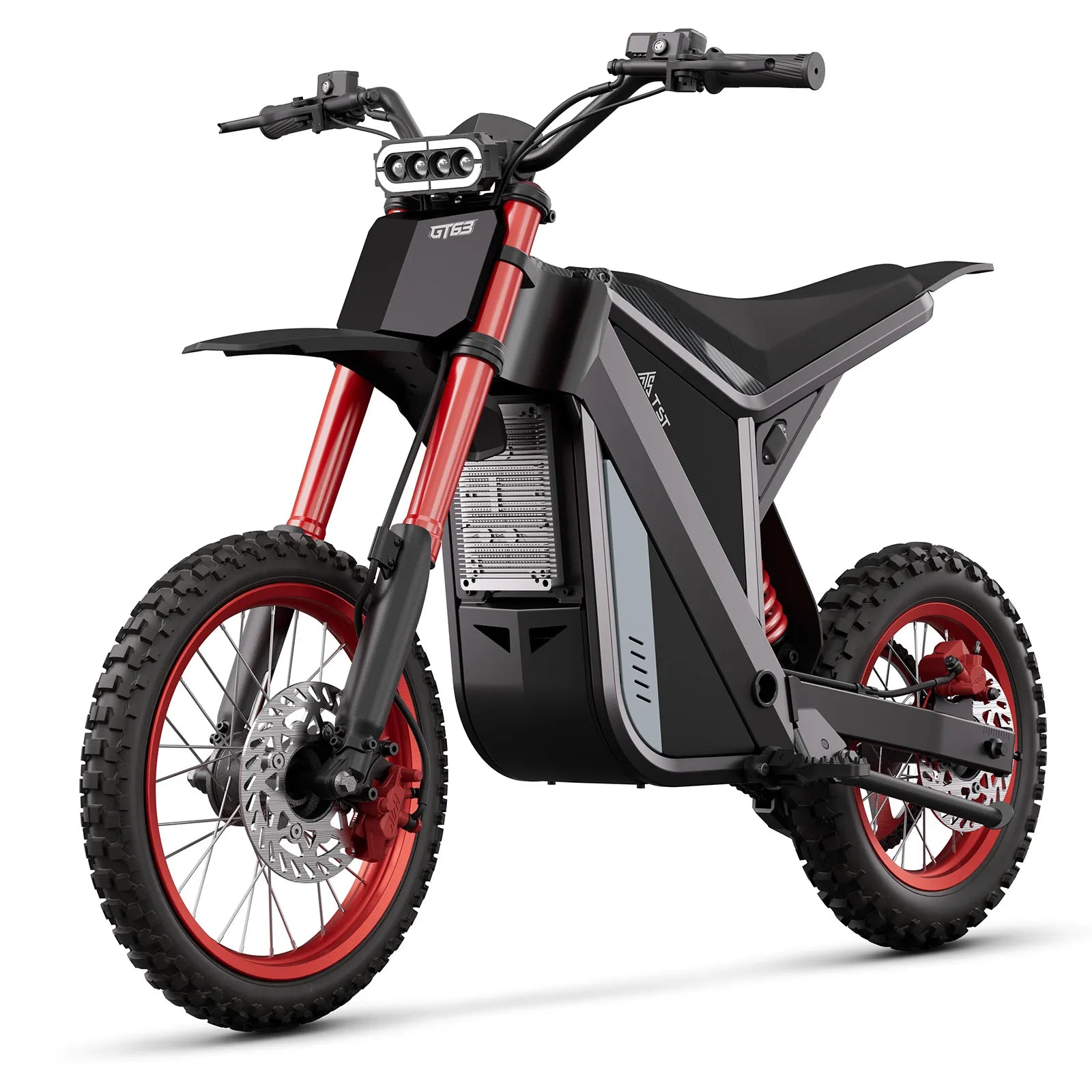
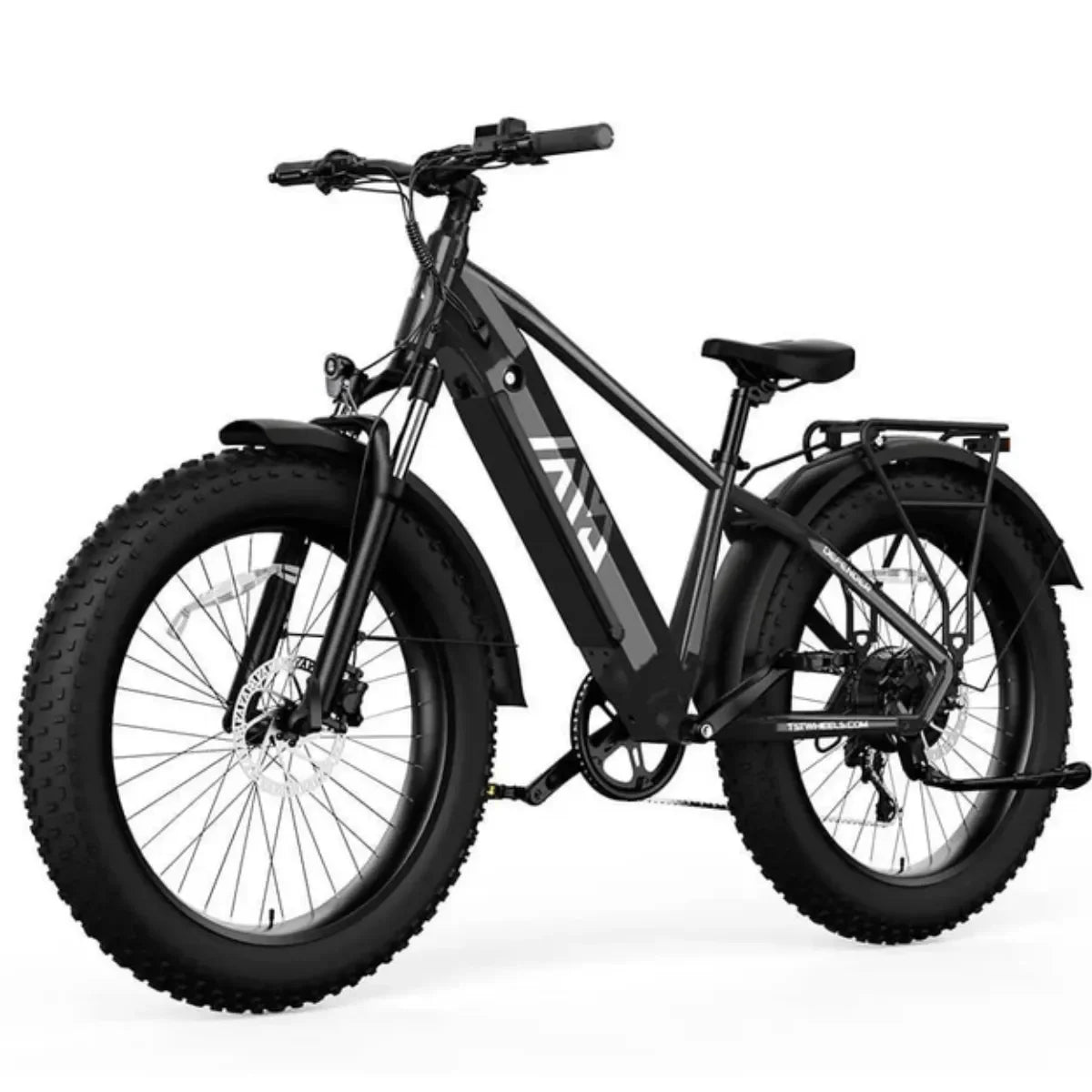
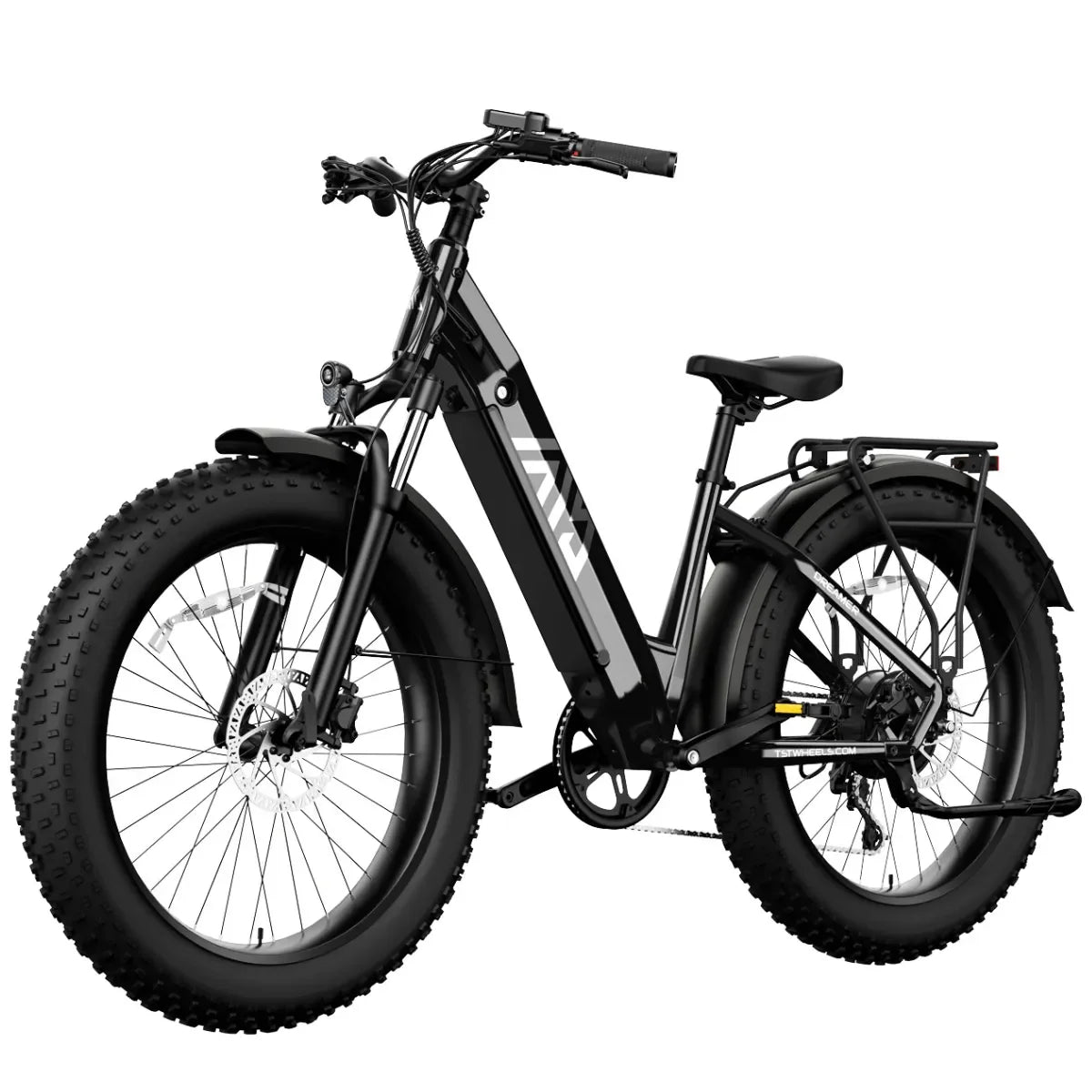
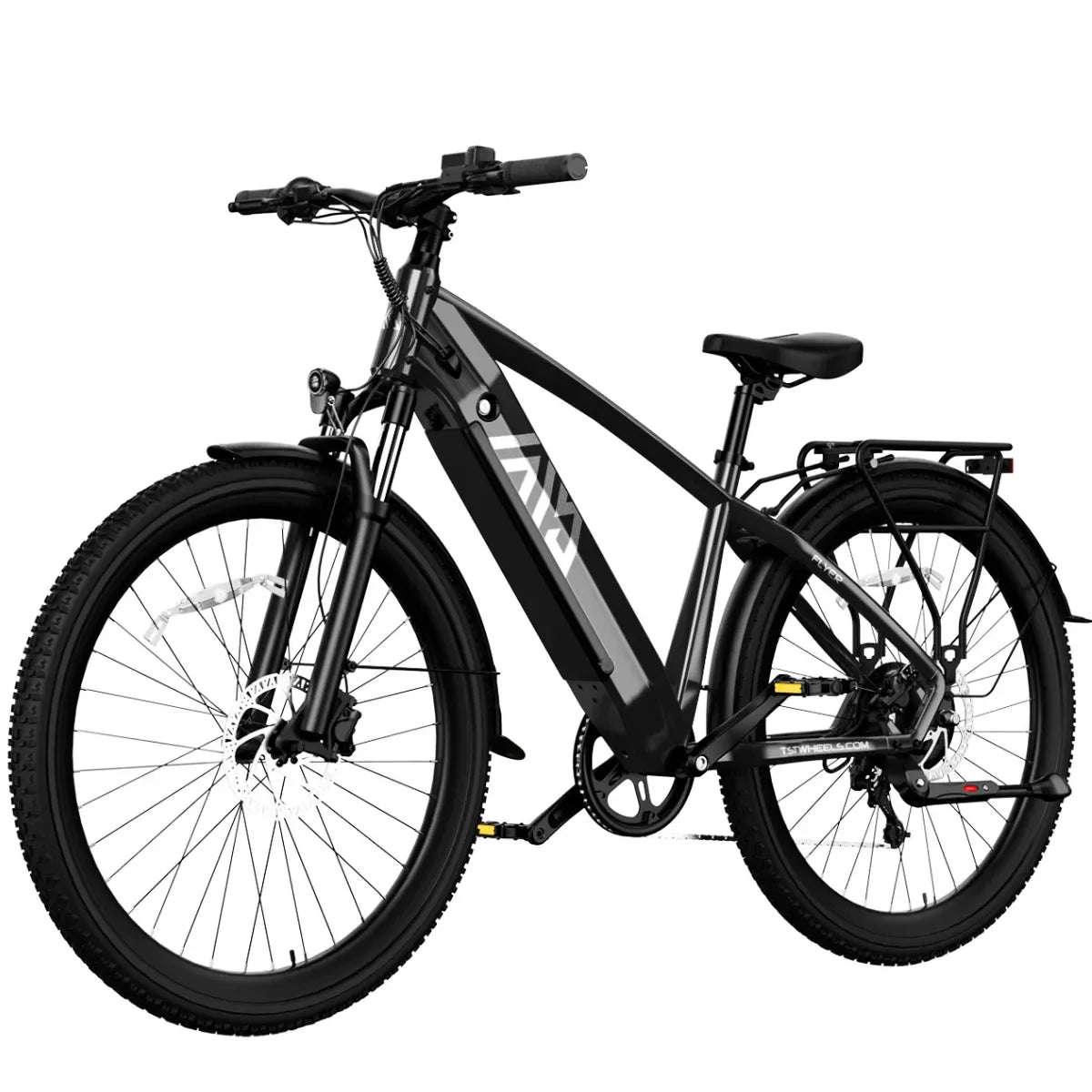
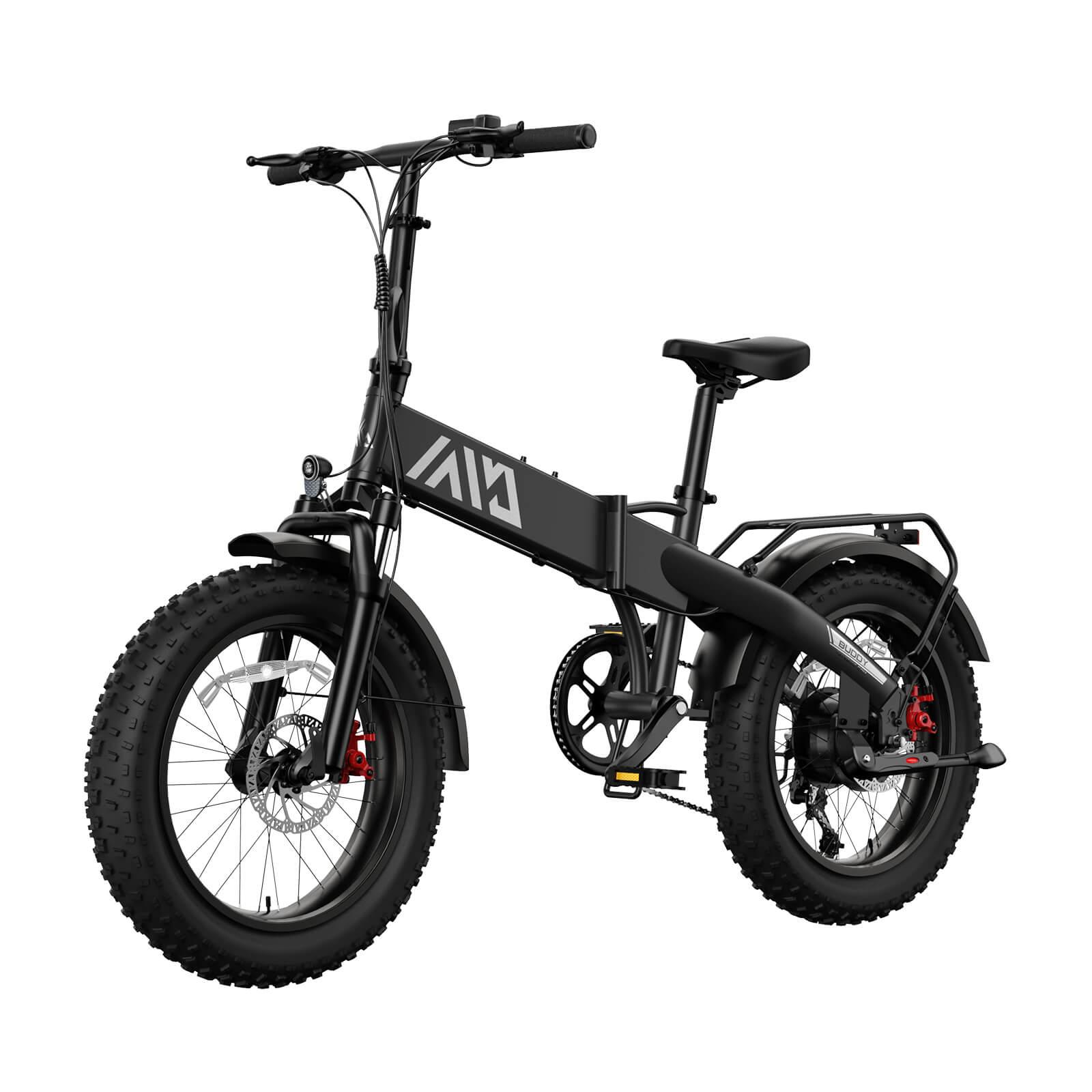
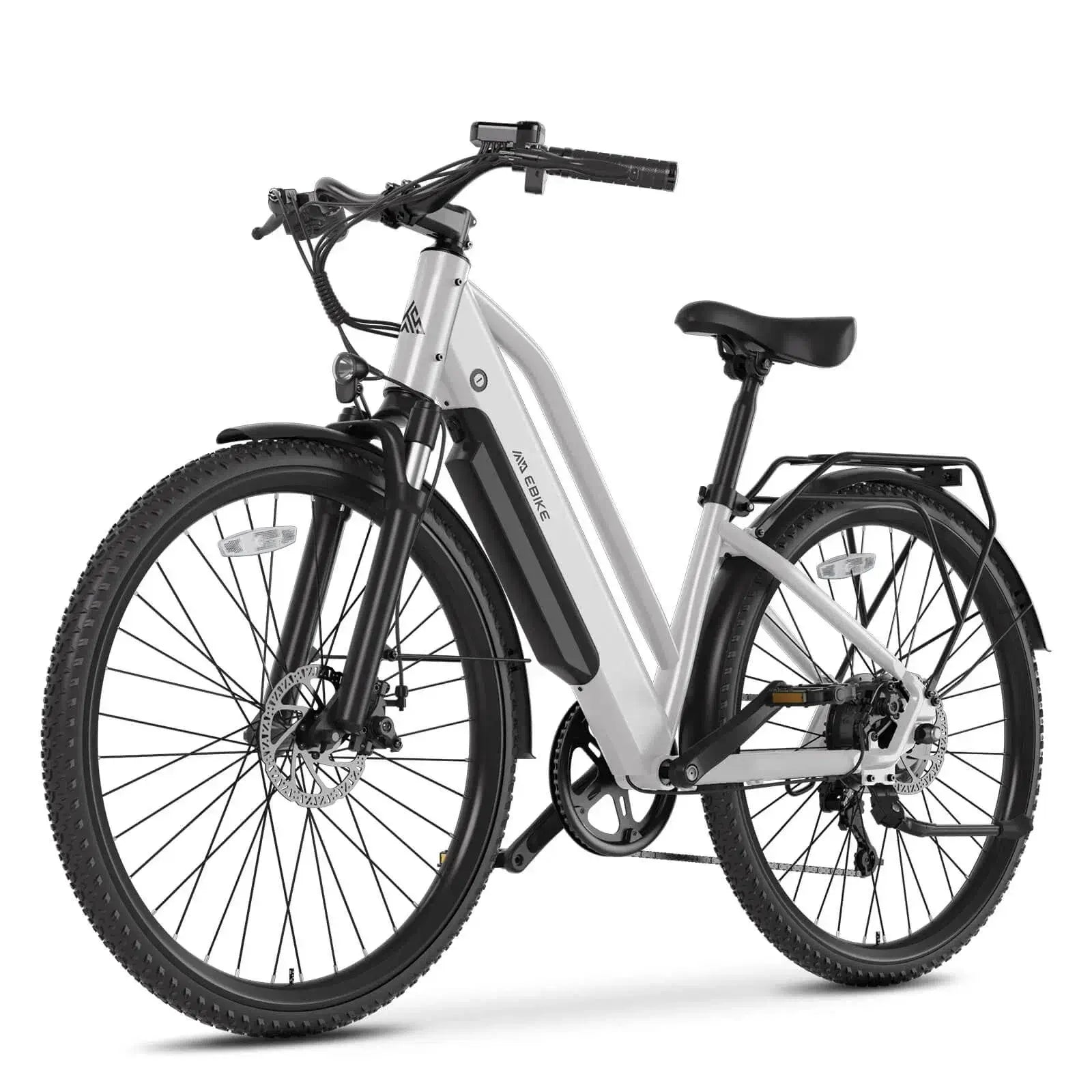
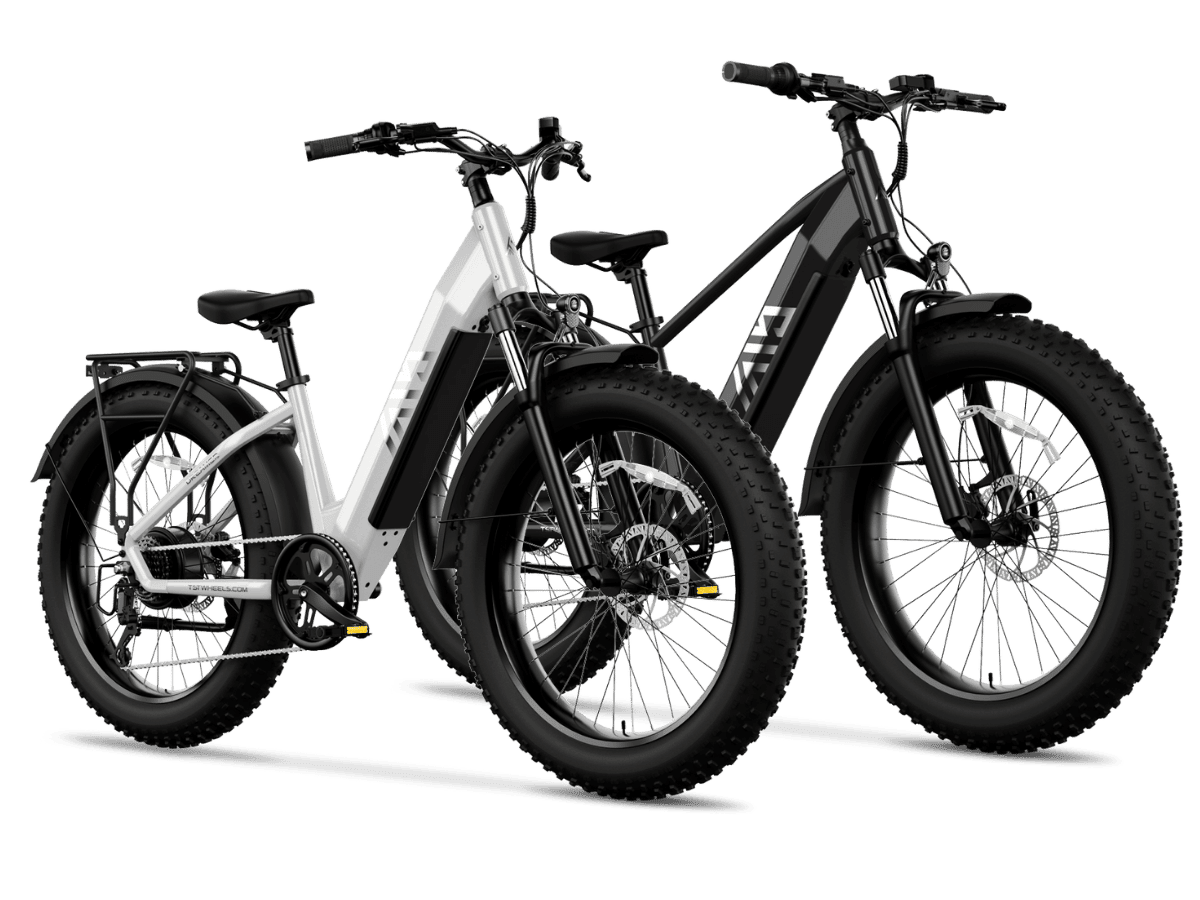
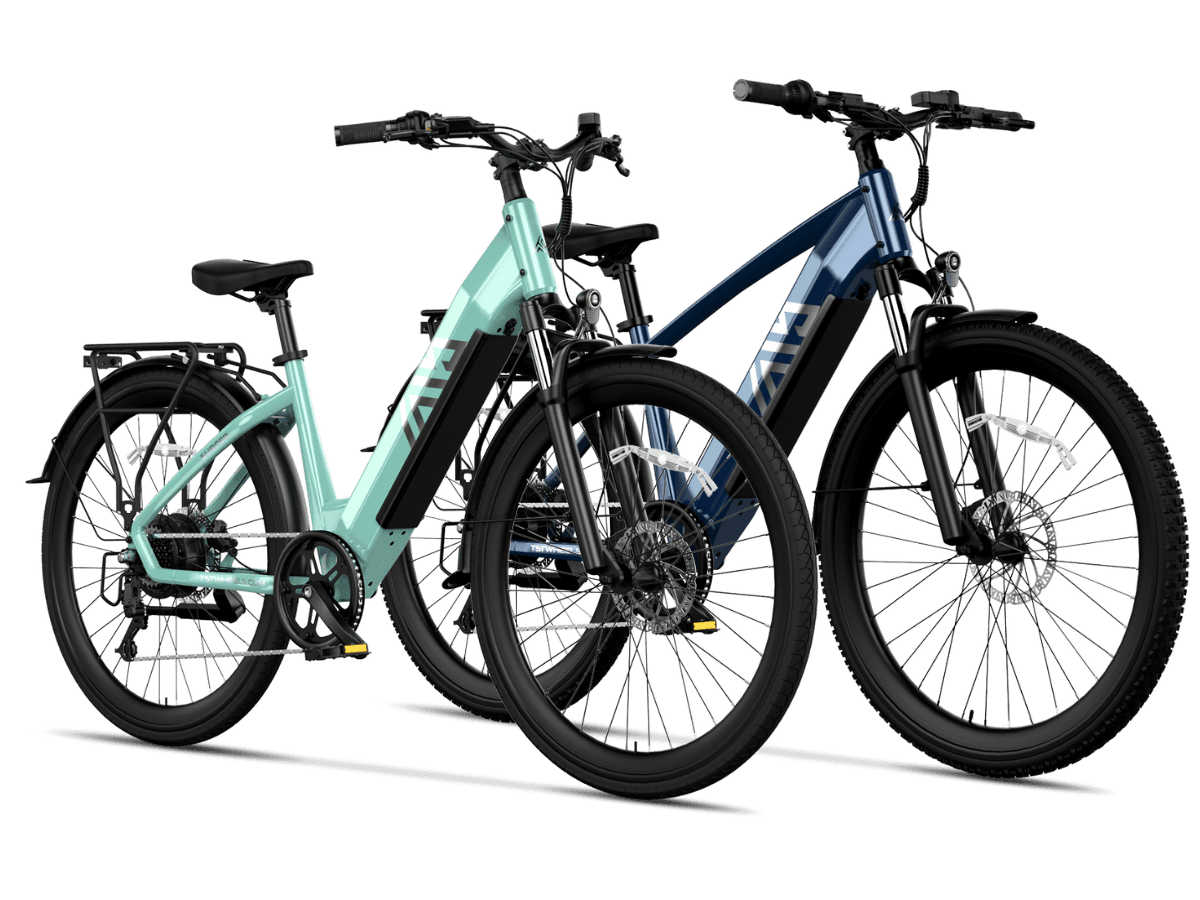
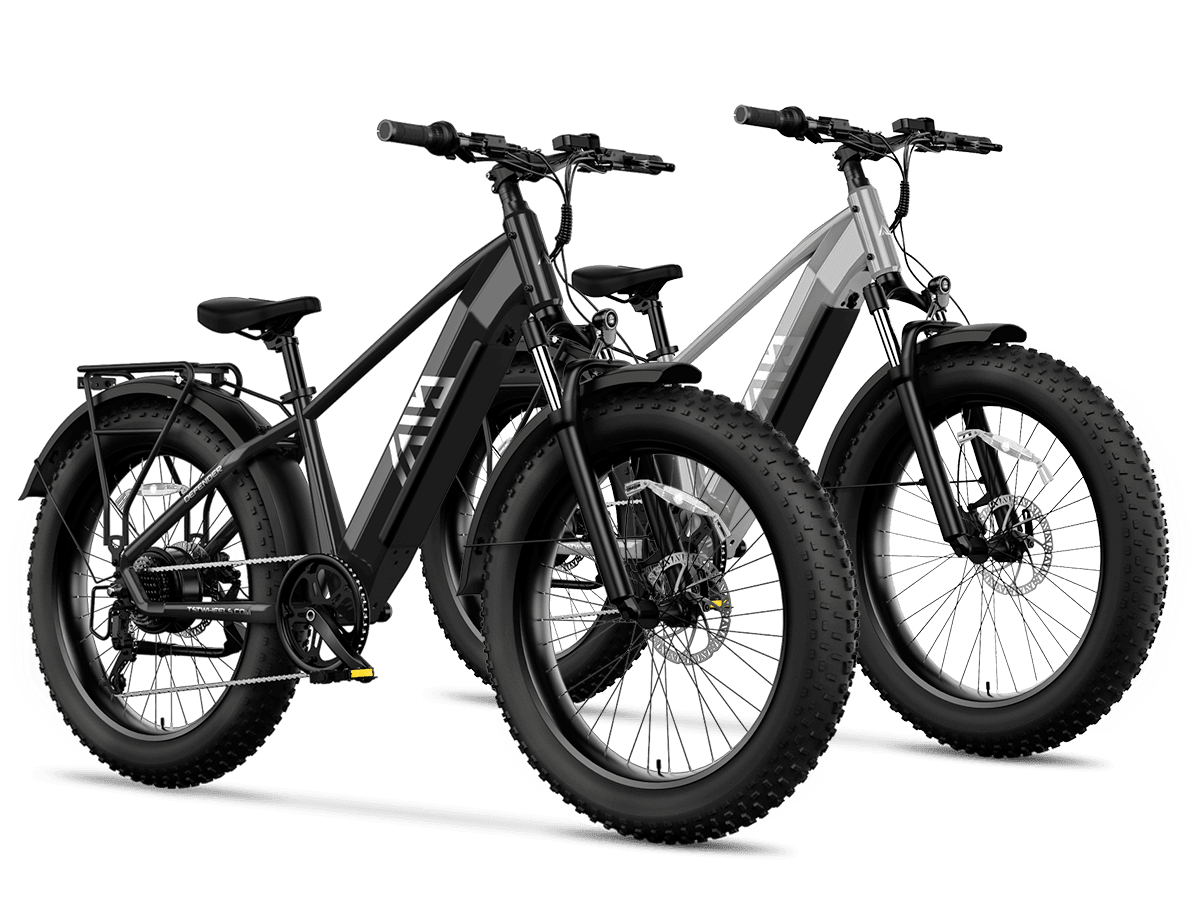
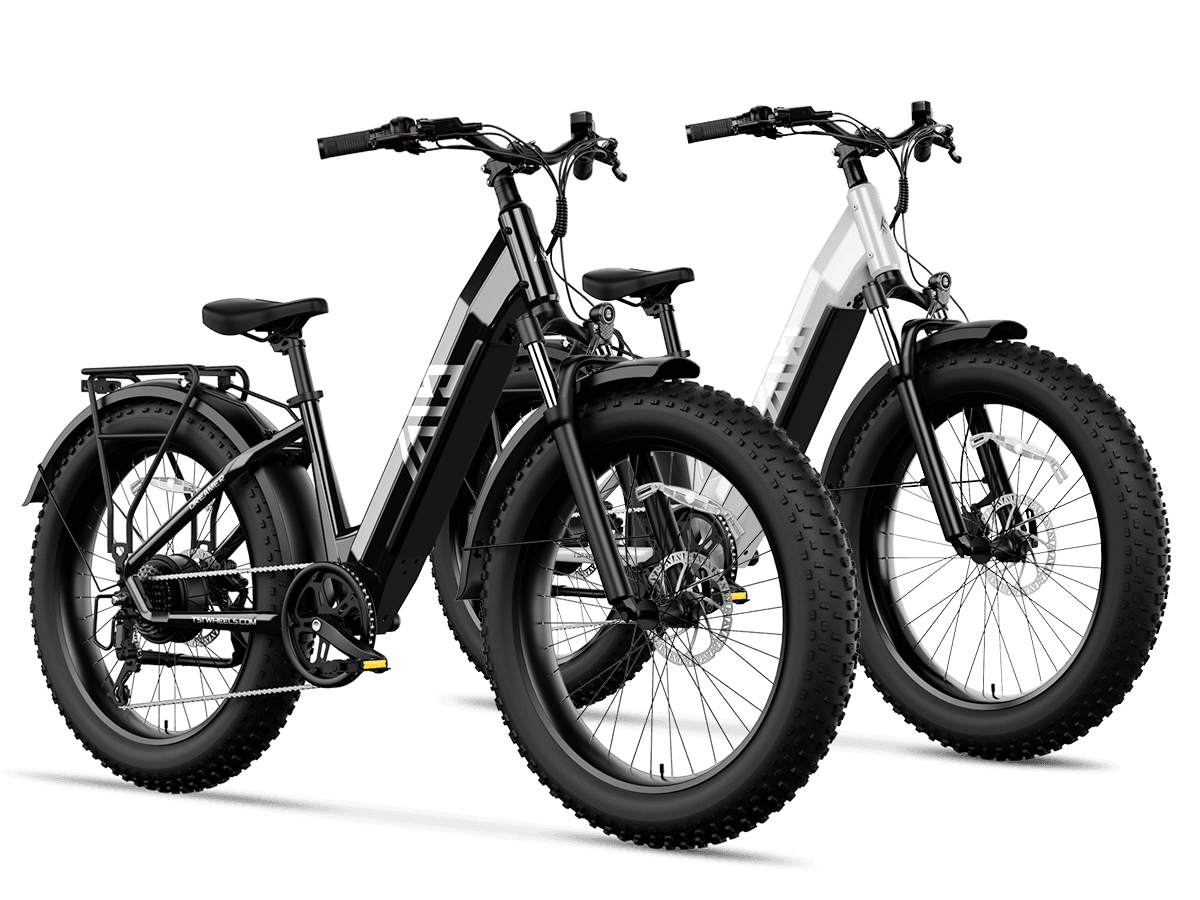
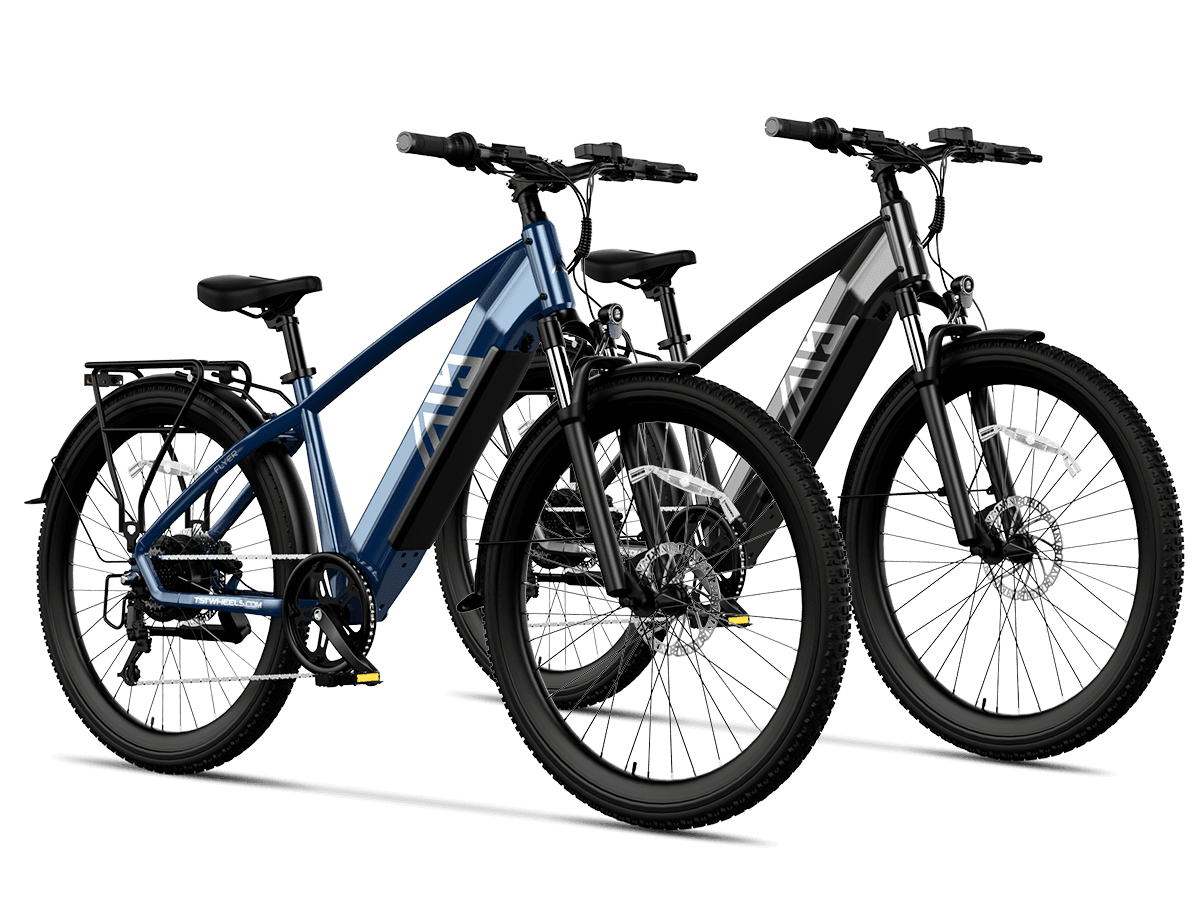
A fat tire ebike conversion kit upgrades a standard bike into a versatile, high-performance machine with 4-inch tires, powerful hub motors, and reliable batteries. It provides superior traction on snow, sand, and rough trails, supports speeds of 20-40 mph, and offers 30-60 mile range. Cost-effective and DIY-friendly, it preserves your bike’s frame while delivering adventure-ready performance similar to TST EBike models.
What components are included in a fat tire ebike conversion kit?
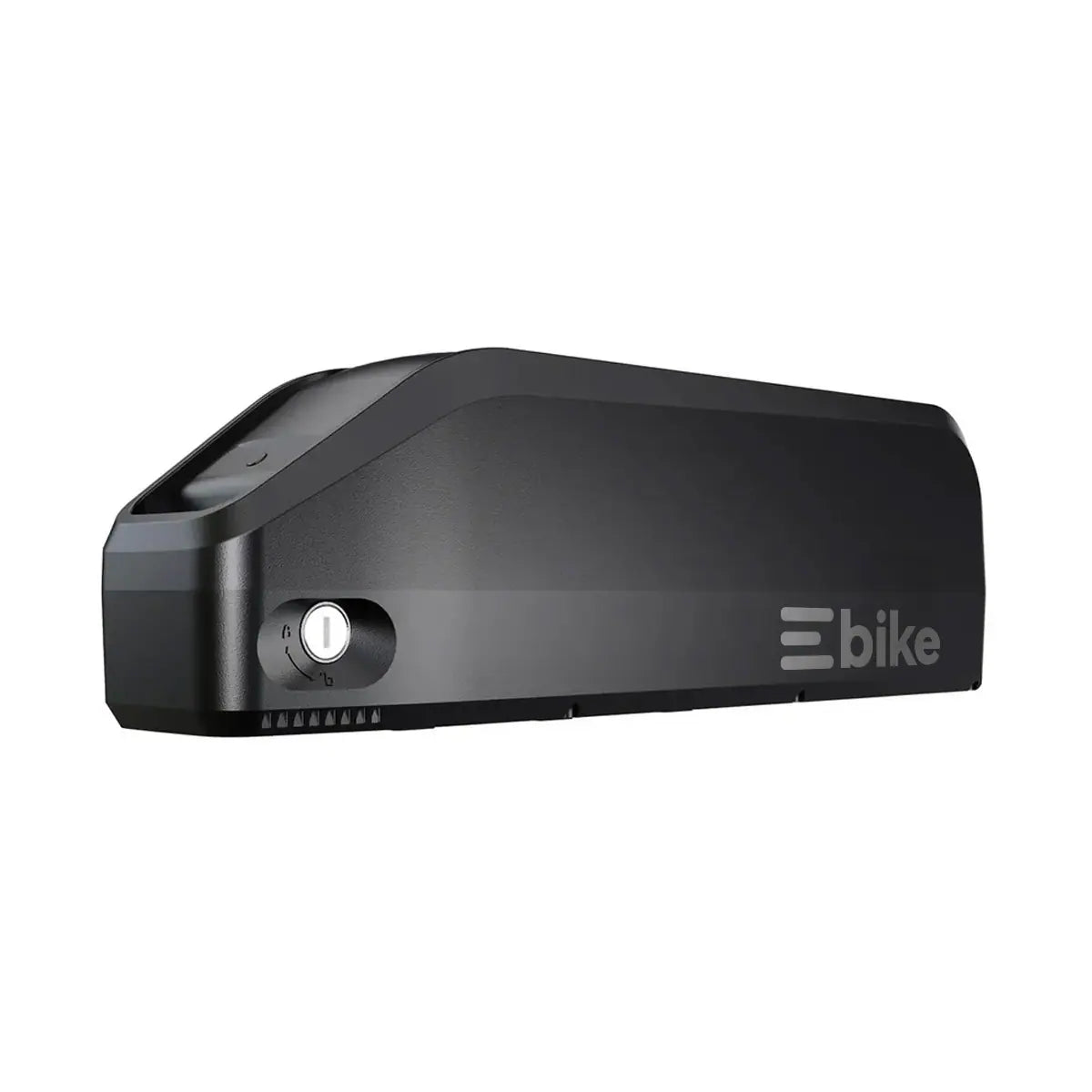
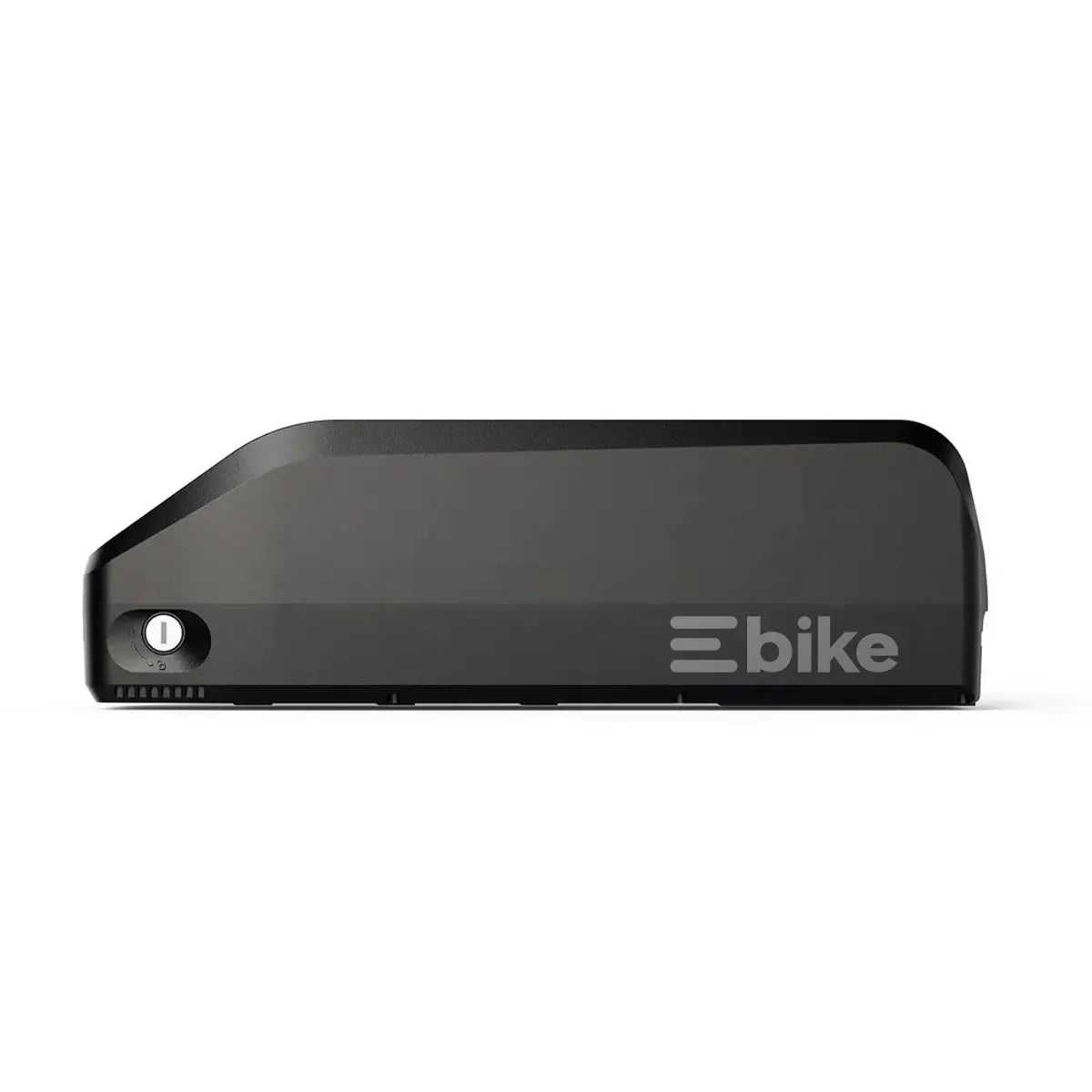
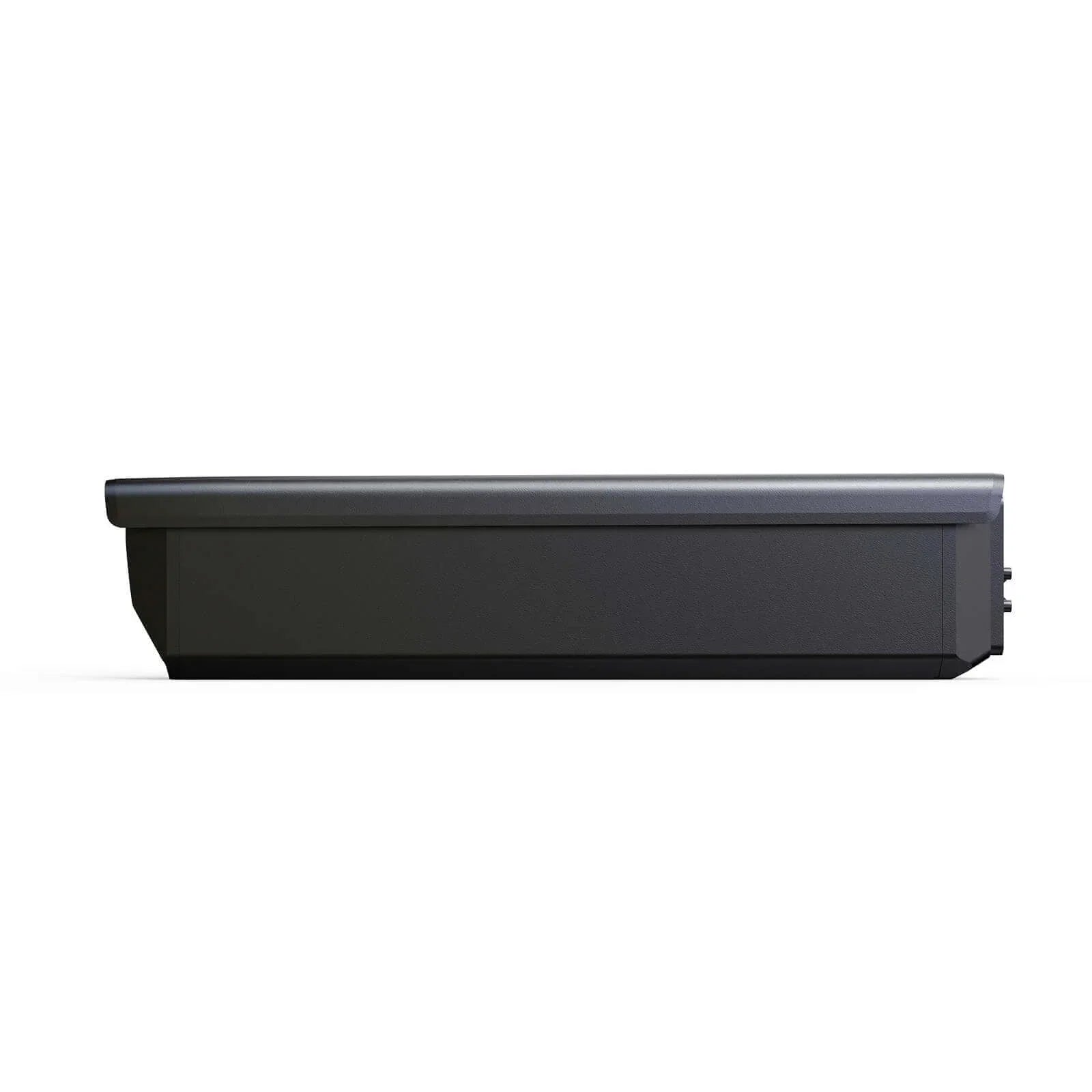
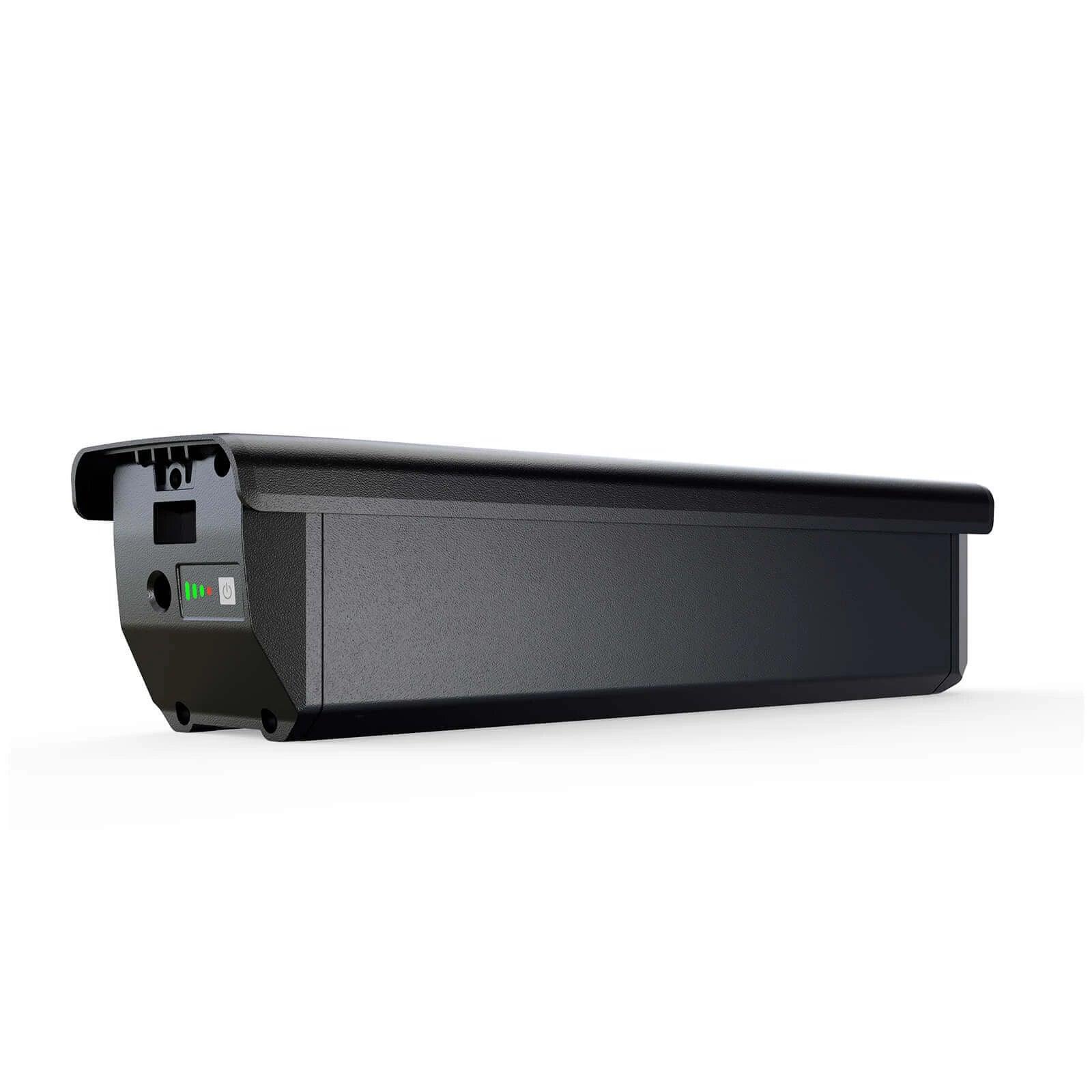
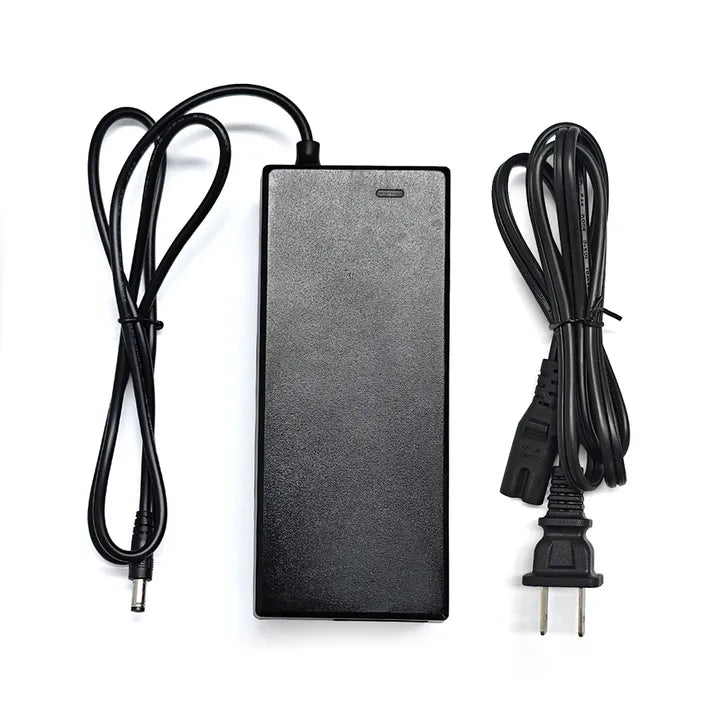
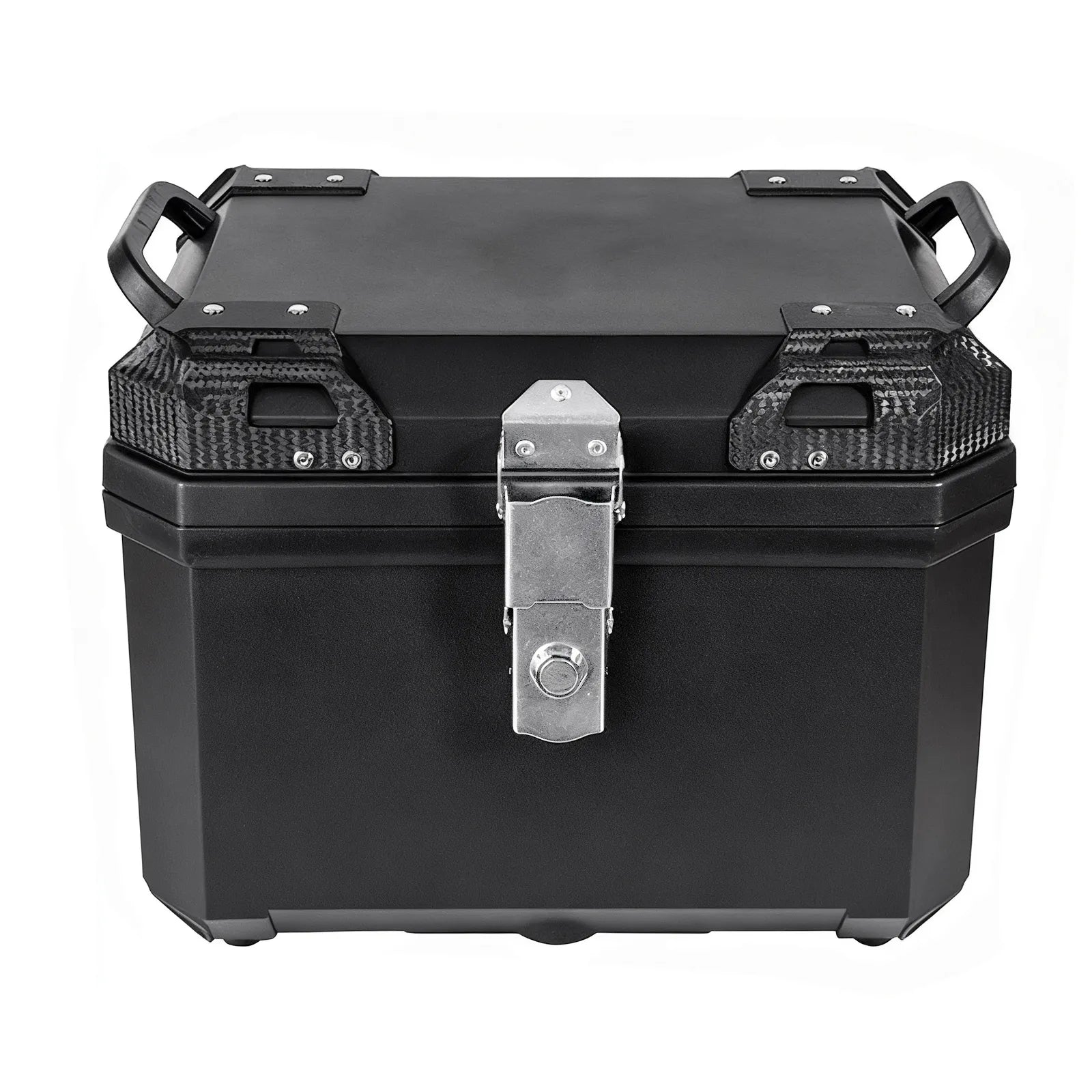
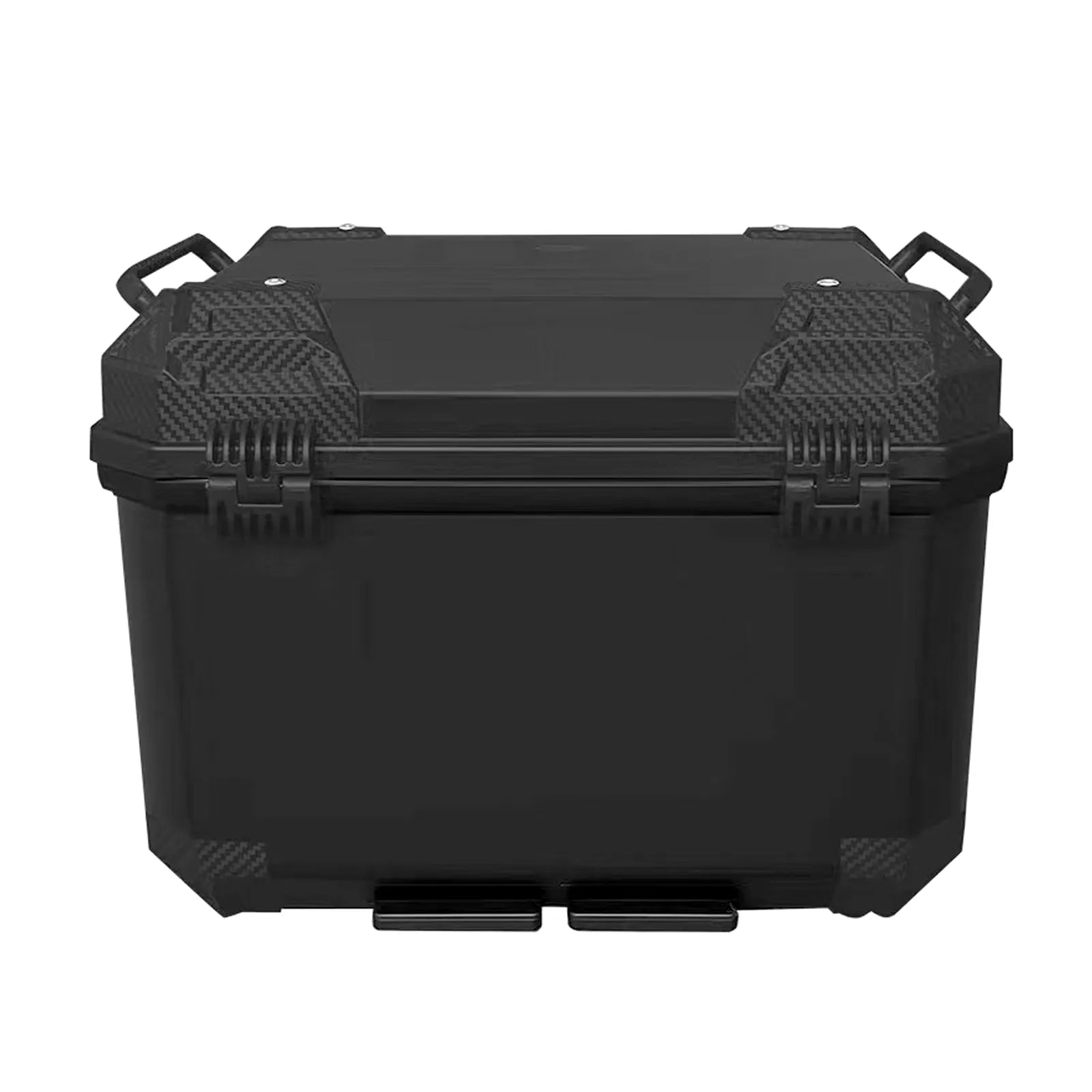
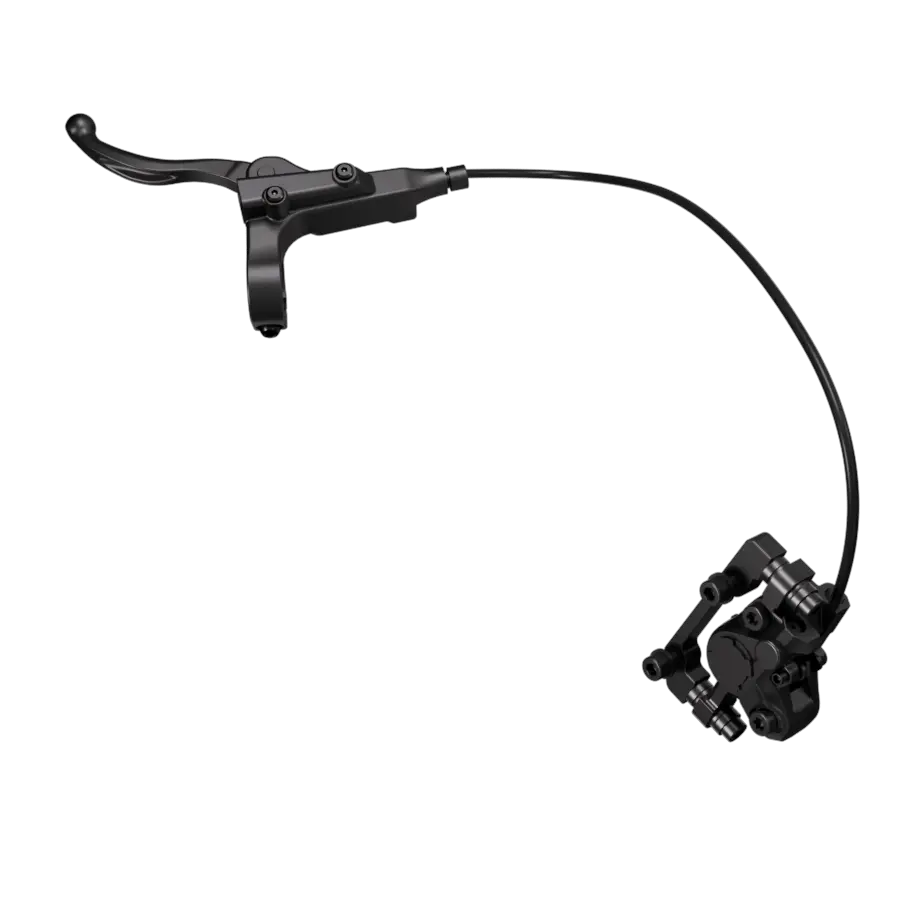
A typical fat tire ebike conversion kit includes a geared or direct-drive hub motor wheel, controller, throttle, PAS sensor, LCD display, battery (36V/48V 10-20Ah), charger, brake levers, and torque arms. Some kits exclude suspension forks or racks. The motor is pre-laced into a 26-inch rim designed to accommodate 4-inch tires, supporting front or rear installation. Waterproof and durable components ensure reliable performance in rain or mud, reflecting the rugged design philosophy also seen in TST EBike’s 26-inch fat tire models.
How do you install a fat tire ebike conversion kit?
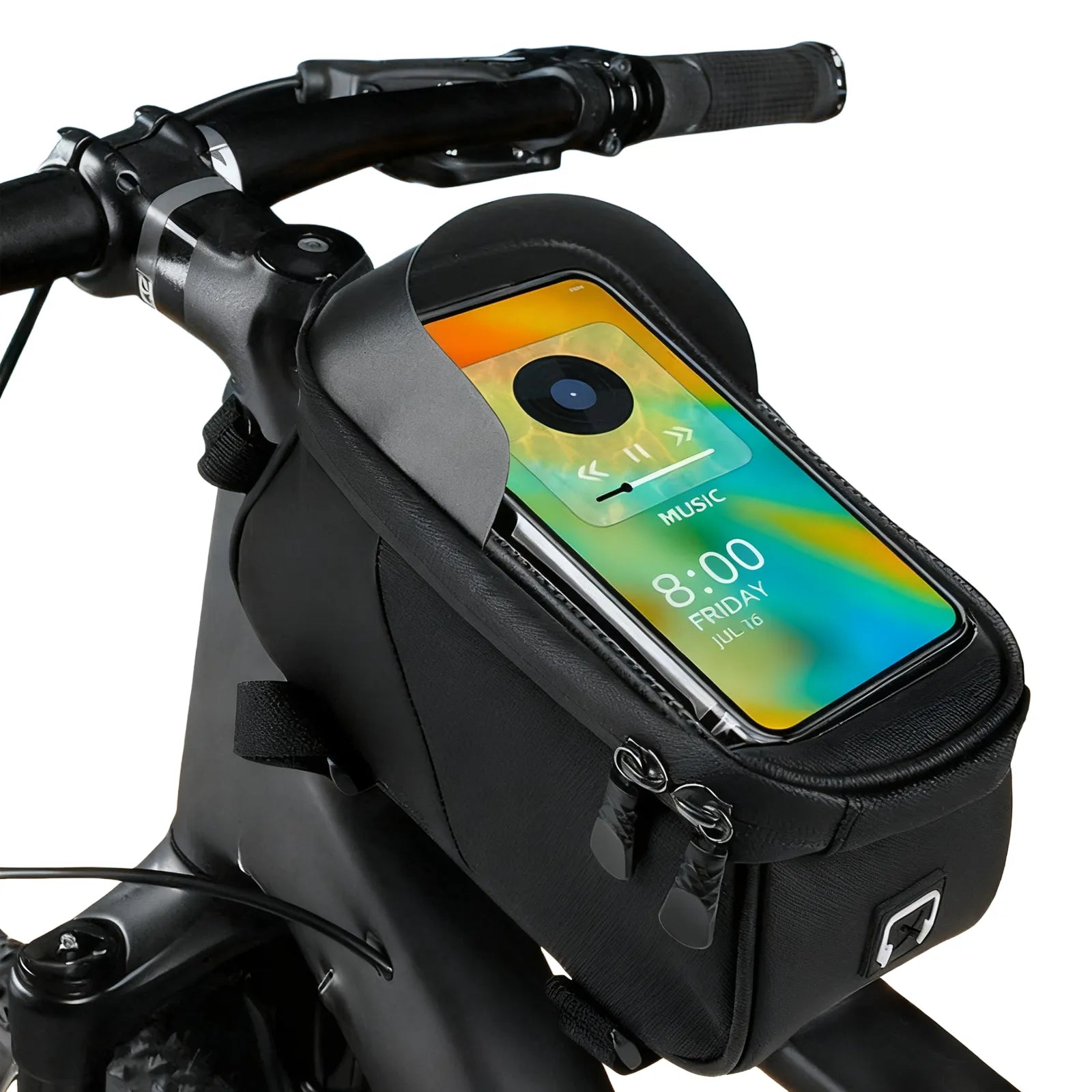
Installation involves mounting the motor wheel to the front or rear dropout, connecting the controller to the throttle, PAS, and brakes, securing the battery to the downtube or rack, and calibrating via the LCD display. Front-wheel kits are easiest to install, while rear kits may require chain or derailleur adjustments. Fat tire pressures of 10-15 PSI optimize flotation and traction. TST EBike emphasizes secure connections and component durability, mirroring best practices for conversion kits.
Which bikes are compatible with fat tire ebike conversion kits?
Conversion kits fit most mountain, hybrid, or cruiser bikes with standard 100mm front and 135-175mm rear dropouts. Steel or aluminum hardtails manage the extra 20-30 lb weight effectively. Longer wheelbases stabilize handling under torque, and disc brake mounts simplify installation. Riders 5’4”–6’4” generally find 26-inch kits ideal, echoing TST EBike’s 26-inch fat tire design for rough terrain. Step-through or high-clearance frames enhance accessibility and installation ease.
Why should you choose fat tires for a conversion kit?
Fat tires improve traction, flotation, and vibration absorption on sand, snow, and trails. Their 4-inch width spreads weight over soft surfaces, preventing sinkage while delivering high-speed stability. Low PSI settings absorb bumps and roots, acting like basic suspension for comfort. TST EBike employs similar 26-inch fat tires to enhance all-season performance. Knobby tread patterns enhance grip in mud, while rolling resistance remains manageable above 12 PSI.
| Feature | Fat Tire (4") | Standard Tire (2") |
|---|---|---|
| Snow/Sand Flotation | Excellent | Poor |
| Vibration Damping | High | Moderate |
| Top Speed Potential | 30-40 mph | 25-35 mph |
| Weight per Wheel | +5-8 lbs | Baseline |
| Puncture Resistance | Superior | Average |
How much power is recommended for a fat tire ebike conversion kit?
For fat tire conversion kits, hub motors ranging from 750-1500W with 48V 20-30A controllers suit riders up to 300 lbs, reaching 25-35 mph and 40-60 mile range. Geared motors offer torque for hills, while direct-drive motors emphasize efficiency and quiet operation. TST EBike follows a high-power design philosophy to ensure motors remain responsive under load, maximizing the fat tire advantage. Enthusiasts can opt for 2000W dual-motor setups for extreme off-road performance.
Does a fat tire ebike conversion kit remain street-legal?
Legality depends on power and speed. Kits with throttles under 750W and pedal-assist capped at 28 mph typically comply with Class 1-3 regulations. Exceeding 28 mph or 750W may classify as a moped, requiring registration. Front motor setups maintain chainline compliance, and additional DOT-certified lights or mirrors improve safety. TST EBike designs allow adjustable power to align with local regulatory limits.
What battery range can you expect from a fat tire conversion kit?
Range varies from 30-60 miles per charge with a 48V 15-20Ah lithium battery, extending to 80+ miles using eco-pedaling on flat terrain. Throttle-intensive off-road riding reduces range to 20-40 miles. High-quality cells (Samsung or LG) endure 500+ cycles, while TST EBike emphasizes realistic range estimates based on rider feedback. Battery placement—downtube or rack—affects handling and weight distribution.
How does a fat tire ebike conversion kit compare to buying a new bike?
Conversion kits cost $500-1500 versus $1500-4000 for a new fat tire e-bike. Kits preserve frame geometry, offer customizable power options, and enable DIY adjustments. New bikes provide integration, warranties, and convenience. TST EBike offers pre-assembled models with similar value, combining reliable components with terrain-ready 26-inch fat tires.
| Option | Cost | Customization | Warranty | Install Time |
|---|---|---|---|---|
| Conversion Kit | $500-1500 | High | 1 year | 2-6 hours |
| New Fat Tire EBike | $1500-4000 | Low | 2-5 yrs | Ready |
| TST EBike Model | Value range | Tuned | Strong | Ready |
Can beginners install a fat tire ebike conversion kit?
Beginners can install kits with basic tools and step-by-step guides in 4-8 hours. Rear-wheel installations require extra attention for chain tension and wiring. Color-coded connectors simplify the process. Gradual power testing ensures safety. TST EBike emphasizes user-friendly design in its products, demonstrating that high-performance conversions are accessible with proper preparation.
What maintenance is required for a fat tire ebike conversion kit?
Maintenance includes monthly tire pressure checks, chain lubrication, brake inspections, and quarterly battery monitoring. Hub motors are largely maintenance-free, while treads wear faster in off-road conditions. Regular cleaning prevents sand or mud buildup. TST EBike’s quality control approach mirrors these practices, ensuring DIY builds achieve factory-grade reliability.
TST EBike Expert Views
""Fat tire ebike conversion kits allow riders to unlock all-terrain performance without replacing their existing bikes. TST EBike’s 26-inch fat tire platforms embrace this same philosophy—balancing torque, battery efficiency, and durability for snow, sand, and trails. Choose geared motors for hills, ensure water protection, and match voltage to the controller for safety. Conversion kits empower riders economically while providing adventure-ready performance comparable to complete e-bikes." – TST EBike Lead Engineer (116 words)
Are fat tire conversion kits suitable for heavier riders?
Yes, they can support 250-350 lb riders with reinforced rims, 1500W+ motors, and appropriately sized batteries. Low center of gravity from fat tires enhances stability. Dropouts and forks should be verified for torque loads. TST EBike designs its high-power 26-inch models for similar real-world weights, providing confidence for off-road conditions.
Why upgrade to fat tires instead of standard kits?
Fat tires improve traction and flotation on sand and snow while reducing vibration on rough terrain. They extend component life under high torque and enable all-season riding where standard 2-inch tires fail. TST EBike’s 26-inch fat tire focus demonstrates superior performance for non-paved conditions, making upgrades worthwhile for serious riders.
Could a fat tire conversion kit turn your bike into an off-road machine?
Yes, 4-inch fat tires with hub motor power transform a commuter into a capable off-road machine, handling dunes, trails, and uneven surfaces. Suspension forks amplify comfort and control. TST EBike applies similar principles in its pre-assembled models, combining geometry, power, and durability for everyday adventure.
Conclusion: Maximize your fat tire ebike conversion
Optimize a fat tire ebike conversion by choosing the right motor and battery, following precise installation steps, and maintaining components regularly. Begin with 750W for standard use or scale to 1500W for more extreme terrain. Like TST EBike’s designs, careful selection and setup ensure durability, versatility, and adventure-ready performance while saving on new bike costs.
FAQs
What is the easiest fat tire conversion kit to install?
Front-wheel hub kits with 100mm dropouts are simplest, requiring minimal chain adjustments.
Can 27.5-inch bikes use fat tire kits?
Most kits are optimized for 26-inch rims; adapters exist but may compromise handling.
How heavy is a complete conversion?
Weight increases 20-35 lbs, including motor, battery, and accessories—lighter than a new e-bike.
Can a fat tire kit be installed on carbon frames?
Yes, if dropouts are rated and torque arms are used. High-power setups should be avoided on flexible carbon.
What speeds can fat tire conversion kits reach?
25-35 mph is typical; Class 3 regulations limit pedal-assist to 28 mph. Voltage and gearing influence top speed.


Leave a comment
This site is protected by hCaptcha and the hCaptcha Privacy Policy and Terms of Service apply.