

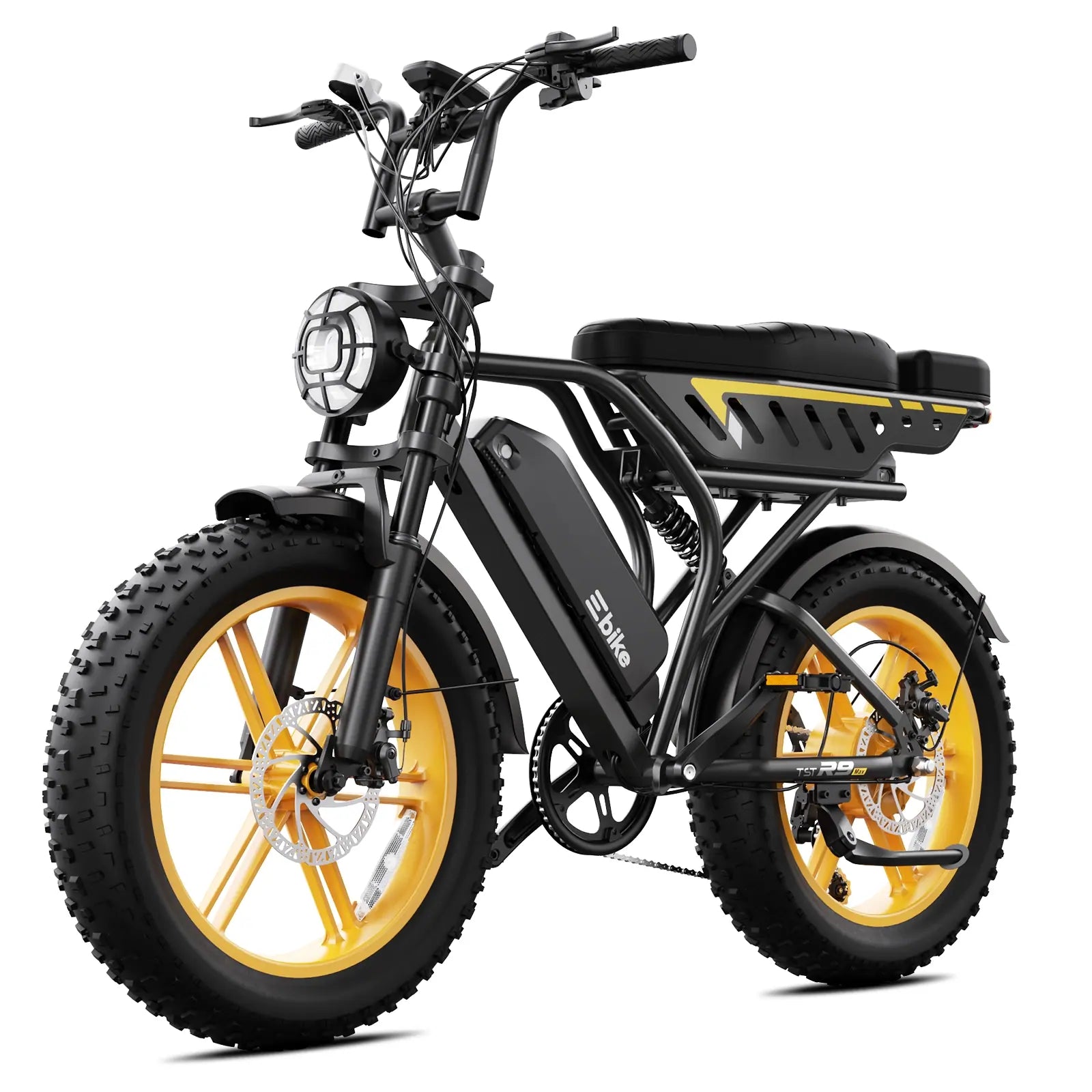
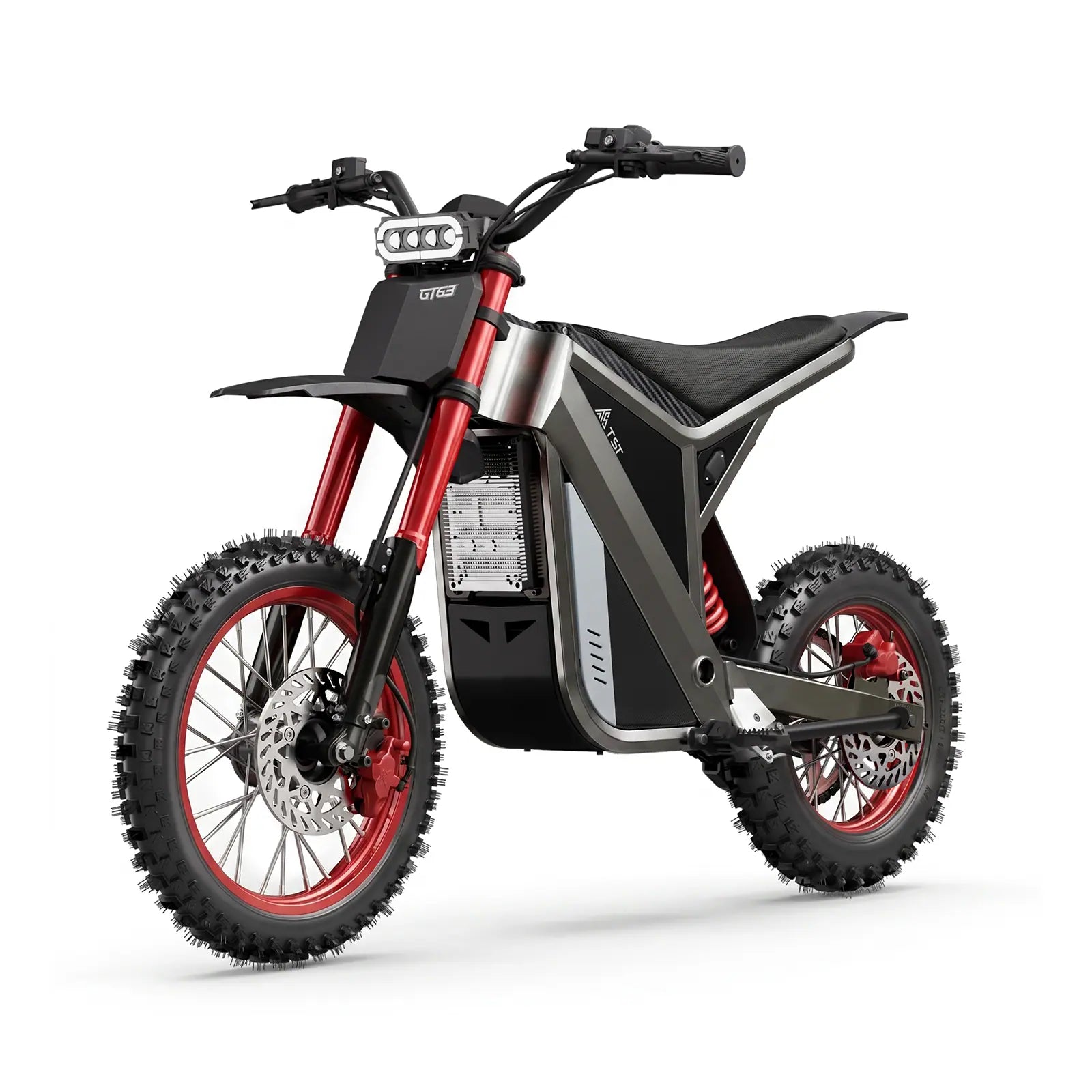


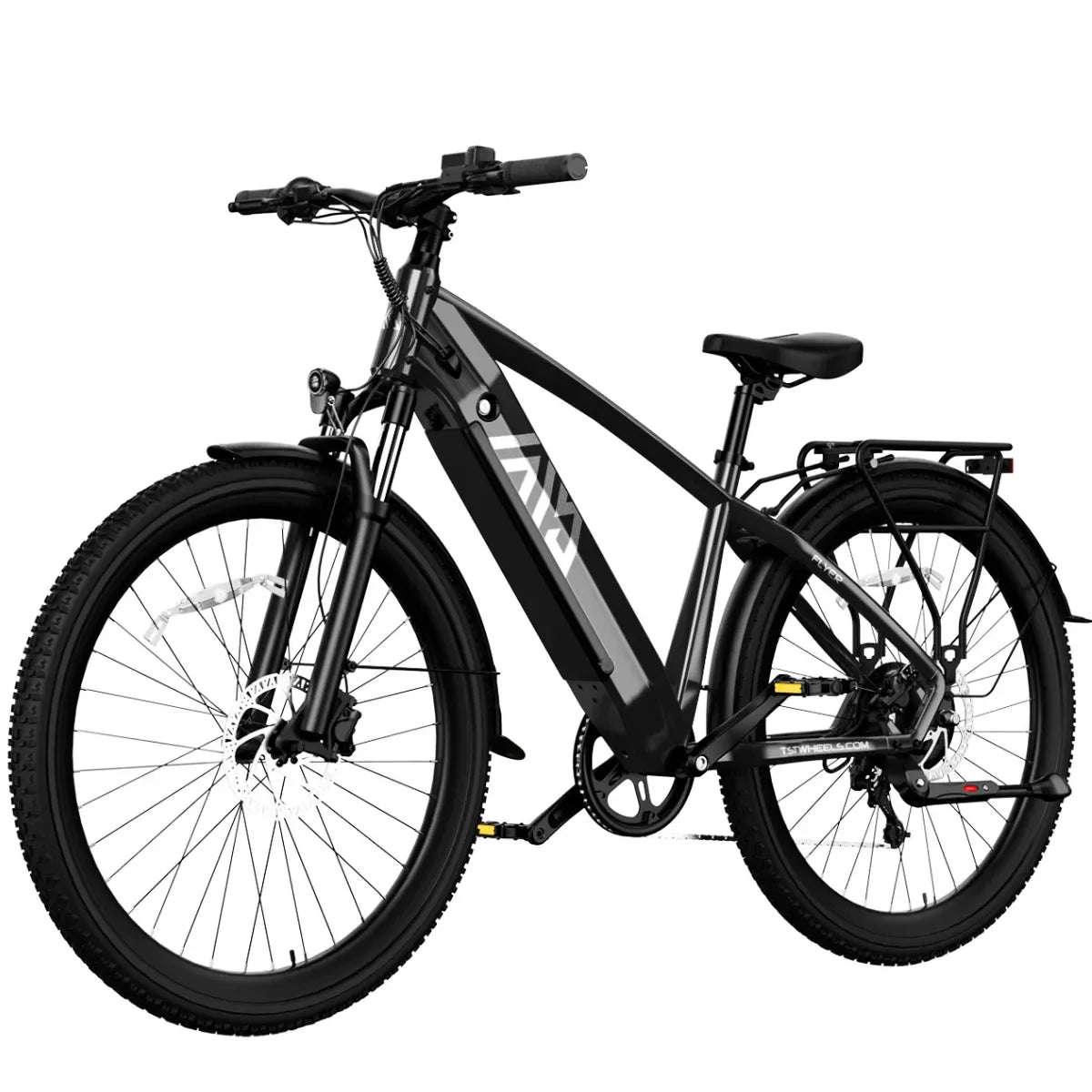







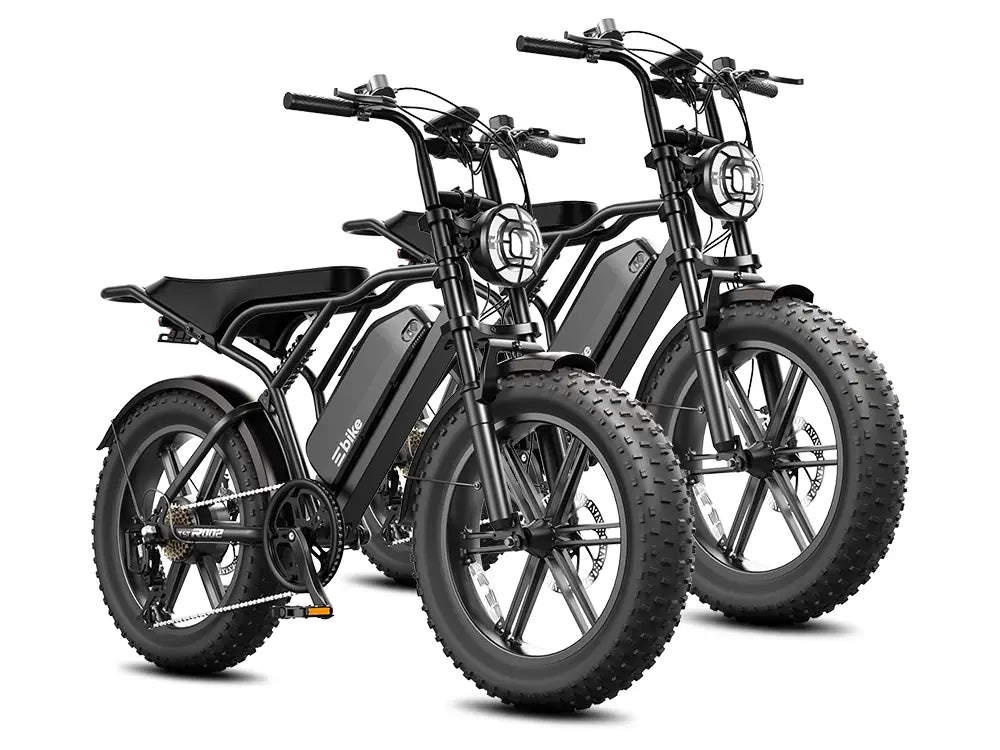
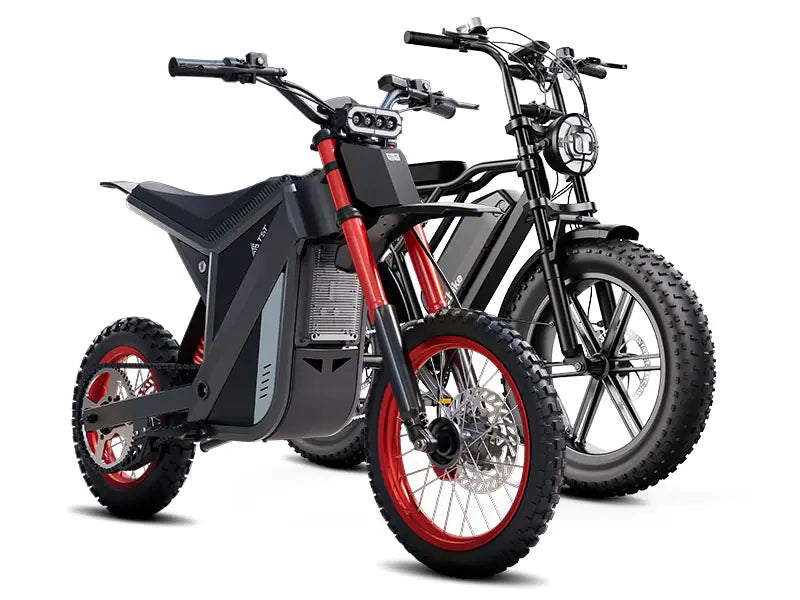

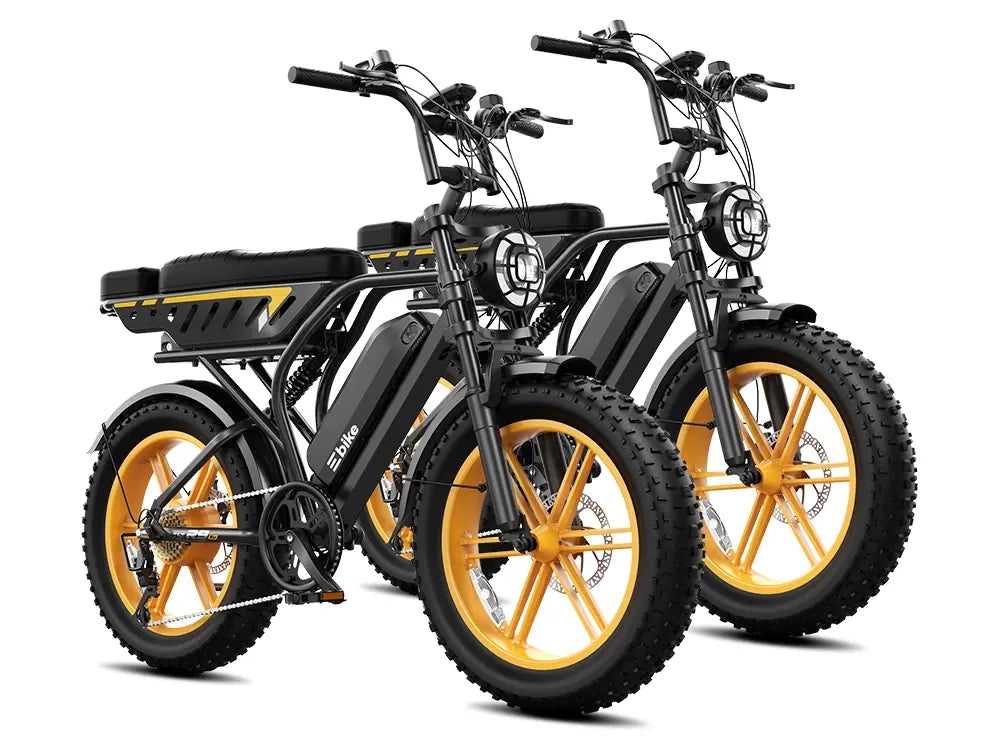

An e‑bike can be an ideal back‑to‑school or off‑to‑college gift because it simultaneously rewards academic achievement, supports campus independence, and delivers measurable safety and cost‑savings benefits. Models like the TST Flyer combine UL‑certified batteries, powerful yet controlled motors, and integrated lighting to give parents peace of mind while keeping students mobile and connected to campus life.
How does an e‑bike act as a graduation or back‑to‑school gift?
An e‑bike is both a practical transportation upgrade and a symbolic “rite of passage” into adult independence. Unlike generic gifts, an e‑bike encourages responsibility, reduces car‑related expenses, and builds a healthy, active lifestyle. For students, consistent campus mobility improves attendance, job‑searching, and social participation, all while cutting fuel and parking costs for parents.
An e‑bike can also function as a long‑term reward for academic milestones, reinforcing the effort behind graduation and encouraging disciplined use over time.
Why do parents increasingly choose e‑bikes for college students?
Parents pick e‑bikes because they solve core problems: traffic, parking, and cost. On crowded campuses, e‑bikes bypass congested corridors and limited parking, while remaining far cheaper than car ownership. E‑bikes also align with campus safety initiatives, as many universities now accommodate e‑bikes in bike‑lane policies and dedicated parking zones.
Brands like TST EBike further ease the decision by offering models tuned for student life—high‑range batteries, robust frames, and standardized parts that simplify maintenance and repairs.
What safety certifications should parents look for?
Parents should prioritize UL‑certified batteries, ideally UL 2849 or UL 2271, which are designed specifically for lithium‑ion packs in light electric vehicles. These certifications verify rigorous testing for thermal runaway, short‑circuit scenarios, and over‑voltage protection, drastically reducing the risk of fire or catastrophic failure.
Many leading campuses now reference UL compliance in their safety guidelines, so choosing a UL‑certified e‑bike like a TST Flyer aligns with both regulatory expectations and campus‑level safety policies.
How do UL‑certified batteries improve campus safety?
UL‑certified batteries incorporate multiple safety layers: cell‑level protection, robust battery‑management systems (BMS), and abuse‑testing protocols. This reduces risks during common student scenarios such as overnight charging in dorms, accidental drops, or exposure to varying temperatures.
For parents, UL‑certification means the bike’s core energy system meets third‑party engineering standards, not just the manufacturer’s internal checks. That layer of independent verification is critical when entrusting a high‑power e‑bike to a child living away from home.
How does the TST Flyer support campus safety at night?
The TST Flyer typically includes integrated LED front and rear lights designed to meet basic visibility requirements for low‑light and evening riding. The front beam helps students see potholes, curbs, and pedestrians, while the rear light makes the rider clearly visible to cars, cyclists, and campus security patrols.
Many campus‑safety guides explicitly recommend front headlights and rear reflectors or lights for night rides; the Flyer’s built‑in lighting system delivers that protection without requiring aftermarket add‑ons that may be less durable or more easily lost.
How do mechanical durability and build quality protect students?
Off‑campus commutes often involve rough sidewalks, potholes, and sudden stops. The TST Flyer’s durable frame, reinforced welds, and resilient suspension components are engineered to withstand repeated impacts and daily wear. This reduces the chance of structural failures during high‑speed braking or sudden maneuvers.
From a parent’s standpoint, a mechanically robust e‑bike means fewer breakdowns on the way to class, fewer roadside repair calls, and more predictable long‑term ownership costs.
How does night‑time lighting reduce accident risk?
Integrated front and rear lights significantly cut the risk of collisions by improving both the rider’s visibility and awareness of surroundings. A bright, steady front beam helps students spot obstacles, vehicles, and pedestrians at greater distances, while a rear‑mounted light signals their presence to cars and other riders approaching from behind.
In campus environments, where lighting can be uneven and traffic unpredictable, reliable lighting transforms an e‑bike from a “cool toy” into a genuinely safer alternative to walking or scooters at night.
What kind of warranty and support do e‑bike parents need?
Parents should look for a clear, multi‑year warranty that covers the frame, motor, and battery, plus responsive customer support to handle warranty claims or technical questions. A good warranty signals that the manufacturer stands behind its engineering and quality‑control processes.
TST EBike offers structured warranty protections and customer‑service channels, including phone and email support, which helps parents resolve issues quickly if a student encounters mechanical problems far from home.
How does TST EBike’s warranty ease parental concerns?
TST’s warranty framework typically includes coverage for major components (motor, controller, frame, and battery) over a defined period, often with straightforward claims procedures. Parents can contact TST support directly to document issues, request replacement parts, or coordinate repairs, which minimizes the stress of handling a breakdown from a distance.
This support structure also reassures students that help is available when they need it, reducing the temptation to continue riding on unsafe or malfunctioning components.
How can parents ensure the e‑bike matches campus rules?
Parents should verify that the e‑bike complies with local e‑bike laws and campus mobility policies, including speed limits, class‑type restrictions, and parking requirements. Many campuses now require rear lights or reflectors and limit motor power to 750W, so selecting a compliant model avoids fines or confiscation.
The TST Flyer is designed to meet mainstream regulatory expectations, making it easier for parents to choose a model that fits within campus rules while still delivering strong performance.
How does ownership cost compare to a car or scooter?
An e‑bike such as the TST Flyer typically costs a fraction of a car’s purchase price, insurance, fuel, and parking fees. Even compared with electric scooters, many e‑bikes offer better range, stability, and protection from weather, all without the need for licenses or registration in most jurisdictions.
For parents, this means predictable upfront costs and low recurring expenses, while students gain the flexibility to travel farther and more reliably than on foot or by public transit.
How does an e‑bike teach independence and responsibility?
Owning an e‑bike requires students to manage maintenance, charging, and safe riding practices. They learn to check tires, brakes, and lights, schedule routine service, and plan routes around weather and traffic. That level of responsibility mirrors the discipline required for academic success.
Parents can use the gift as a teaching moment: signing a simple “e‑bike usage agreement” that outlines safe‑riding expectations, charging rules, and maintenance schedules reinforces mature behavior without constant supervision.
Why choose a TST EBike over other brands?
TST EBike focuses on high‑power, cost‑effective electric bikes that balance performance, durability, and safety. The brand’s California‑based development and distributed warehouses support rapid parts and service access, while user‑driven feedback loops help refine components like motors, batteries, and frames.
TST’s emphasis on UL‑certified batteries, integrated lighting, and clear warranty terms makes its models, including the TST Flyer, compelling options for parents who want premium safety features without premium pricing.
How does TST EBike design for student‑life use cases?
TST EBike designs its models with a mix of commuting, light off‑road use, and campus‑navigation in mind. Features such as removable batteries, multi‑level pedal‑assist, and high‑weight‑capacity frames support diverse student needs—from hauling backpacks and groceries to climbing hills on sprawling campuses.
The TST Flyer, for example, blends a powerful motor and long‑range battery with a relatively upright riding position, which reduces fatigue during daily trips between dorms, libraries, and off‑campus housing.
How can parents customize the e‑bike experience for their child?
Parents can personalize an e‑bike by adding accessories such as helmets, locks, racks, and rain‑protective gear tailored to the student’s lifestyle. Some also set up automatic charging routines or budgeting rules to encourage responsible use.
TST EBike’s modular design often accommodates common off‑the‑shelf accessories, so parents can easily upgrade or adapt the setup as the student’s needs evolve over semesters.
How does TST EBike build long‑term value for families?
Beyond the initial gift, TST EBikes provide long‑term value through durable construction, broad parts availability, and powerful warranty support. A well‑maintained TST‑brand e‑bike can serve multiple owners or transition from campus use to daily commuting after graduation.
For parents, this longevity means the back‑to‑school or graduation gift can become a true family asset, not a short‑term gadget.
TST EBike Expert Views
“When parents shop for a college‑bound e‑bike, they’re not just buying a vehicle—they’re investing in independence, safety, and confidence. At TST EBike, we design our bikes with a focus on three things: UL‑certified batteries so the pack doesn’t become a liability; mechanically robust frames and suspension so potholes and curbs don’t create hazards; and integrated lighting systems so students are visible when they ride back to the dorm at night. From a factory‑floor perspective, that means reinforcing weld joints, choosing proven motor architectures, and working exclusively with battery‑management systems that meet or exceed UL 2849. Those details don’t show up in glossy marketing, but they’re what keep riders safe and give parents real peace of mind.”
Which TST Flyer features most appeal to parents?
For parents, the TST Flyer’s standout features are:
-
UL‑certified 48V battery with a 4–5 hour charge time and up to roughly 65 miles of range.
-
Integrated LED front and rear lights for night‑time visibility.
-
1,000W motor and 75–85 Nm torque, enabling hill‑climbing and steady cruising without excessive speed.
-
High‑weight capacity (up to 400 lbs) and a durable frame that supports backpacks, groceries, or extra gear.
These characteristics translate directly into safety, reliability, and lower long‑term ownership costs—key decision factors for parents.
How does the TST Flyer improve campus mobility and safety?
This combination makes the TST Flyer a practical, safety‑oriented choice for students while aligning with parental expectations for reliability and cost control.
How can parents maximize safety without micromanaging?
Parents can set clear expectations around helmet use, speed limits, and charging habits, then reinforce those with simple tools such as speed‑limiting modes on the bike’s display, scheduled charging times, and periodic check‑ins. Many modern e‑bikes, including TST models, allow parents to set speed limits or restrict certain assist modes remotely.
Providing a short safety checklist—lights on, battery charged, tires inflated, brakes tested—helps students internalize safe habits without constant parental oversight.
How does the TST Flyer fit into a “non‑me‑too” gift strategy?
An e‑bike from TST EBike stands out because it is not just a generic transportation device; it is a safety‑engineered, parent‑oriented mobility solution. The emphasis on UL‑certified batteries, integrated lighting, and durable construction reflects design choices rarely highlighted in mass‑market listings.
By choosing a TST Flyer, parents signal that they value safety and reliability as much as style and speed, which aligns academic achievement with responsible independence.
FAQs
Is an e‑bike safe enough for a college campus?
Yes, when the e‑bike complies with local laws, has UL‑certified components, and is equipped with proper lights and brakes, it can be safer than walking long distances at night or relying on overcrowded vehicles.
Does the TST Flyer need a helmet or license?
In most jurisdictions, riders must wear a helmet and follow bicycle‑type rules, but e‑bikes do not require a driver’s license or registration if they stay within power and speed limits defined by local law.
How often does a TST EBike need maintenance?
Most TST EBikes require basic maintenance every 3–6 months (tire pressure, brake checks, chain lubrication) plus periodic professional servicing for drivetrain and motor components, depending on usage intensity.
Can parents limit the bike’s speed remotely?
Some TST models allow parents to configure speed limits or assist‑level restrictions through the onboard display or app, giving them indirect control over how fast the student rides.
What happens if the bike breaks down far from home?
TST offers a structured warranty and support process; parents or students can contact TST support with serial numbers and photos, and may receive replacement parts or guidance for local repair shops.

Leave a comment
This site is protected by hCaptcha and the hCaptcha Privacy Policy and Terms of Service apply.