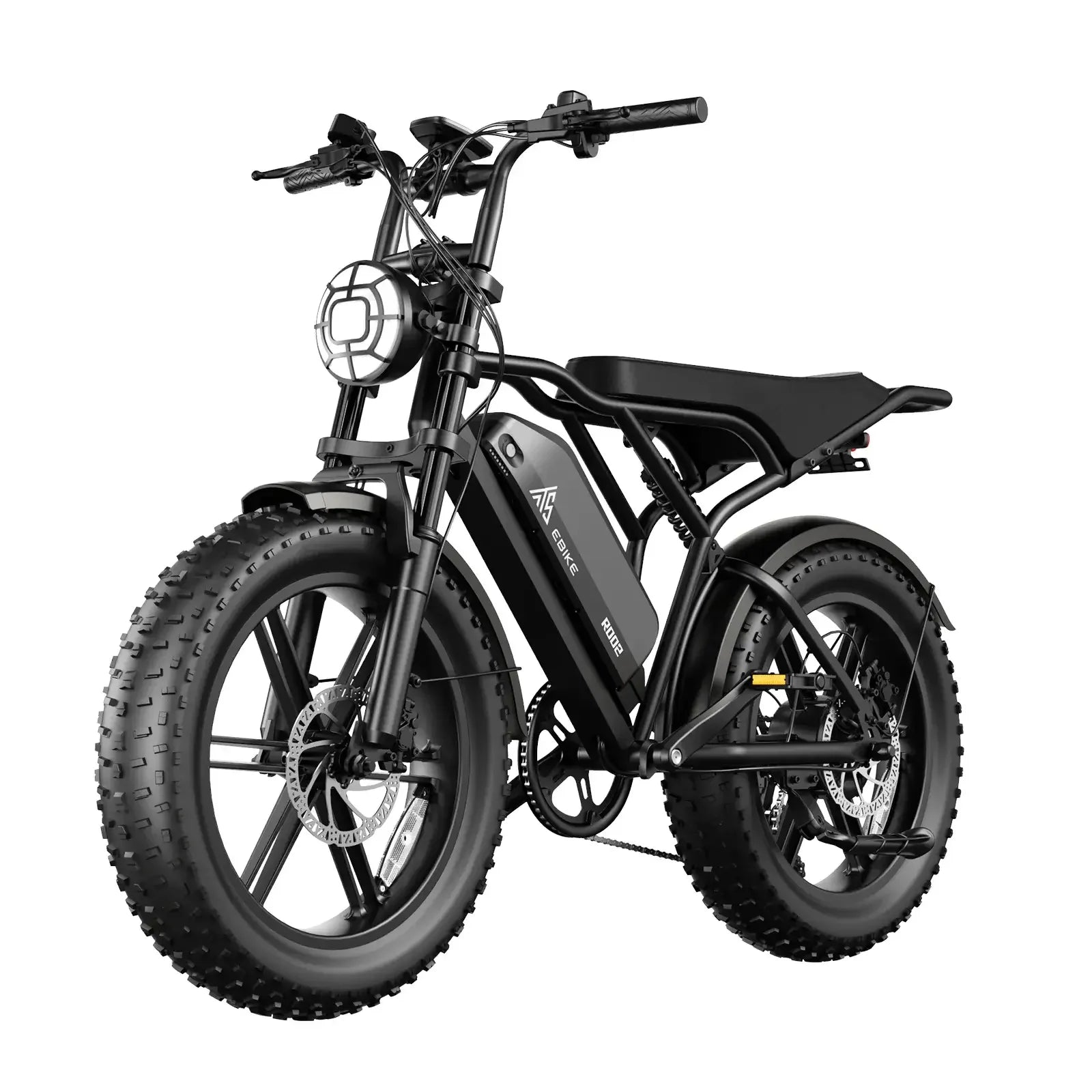

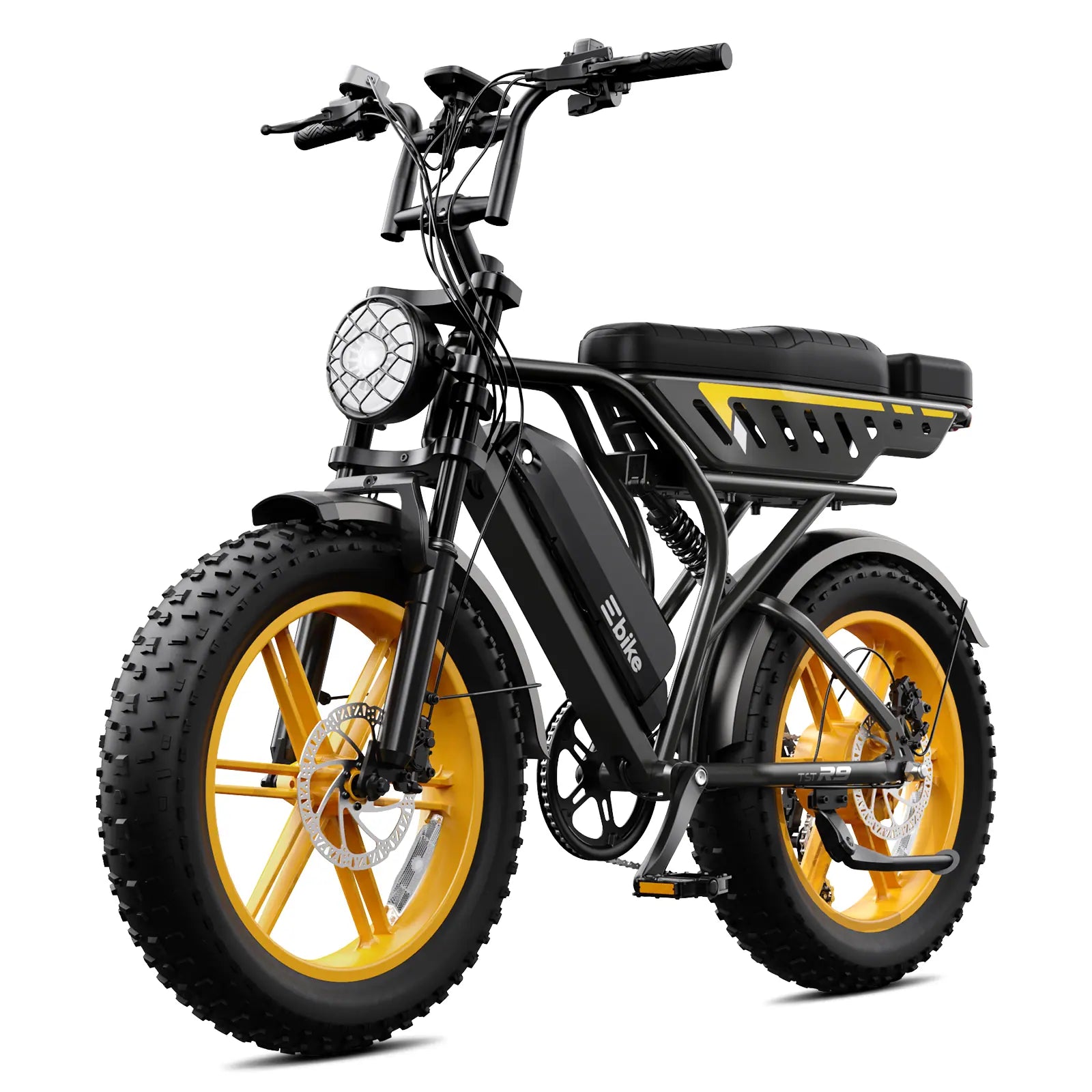

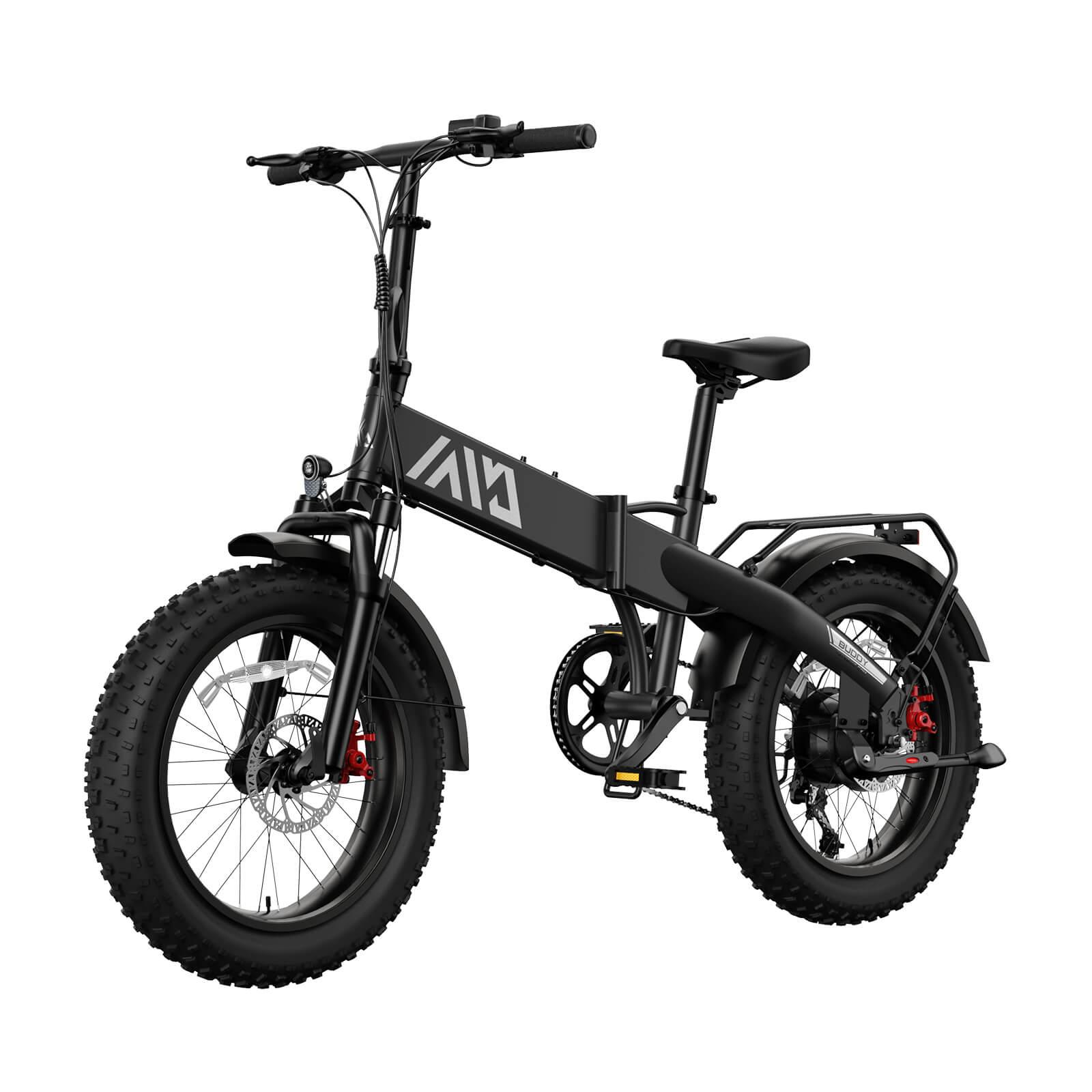

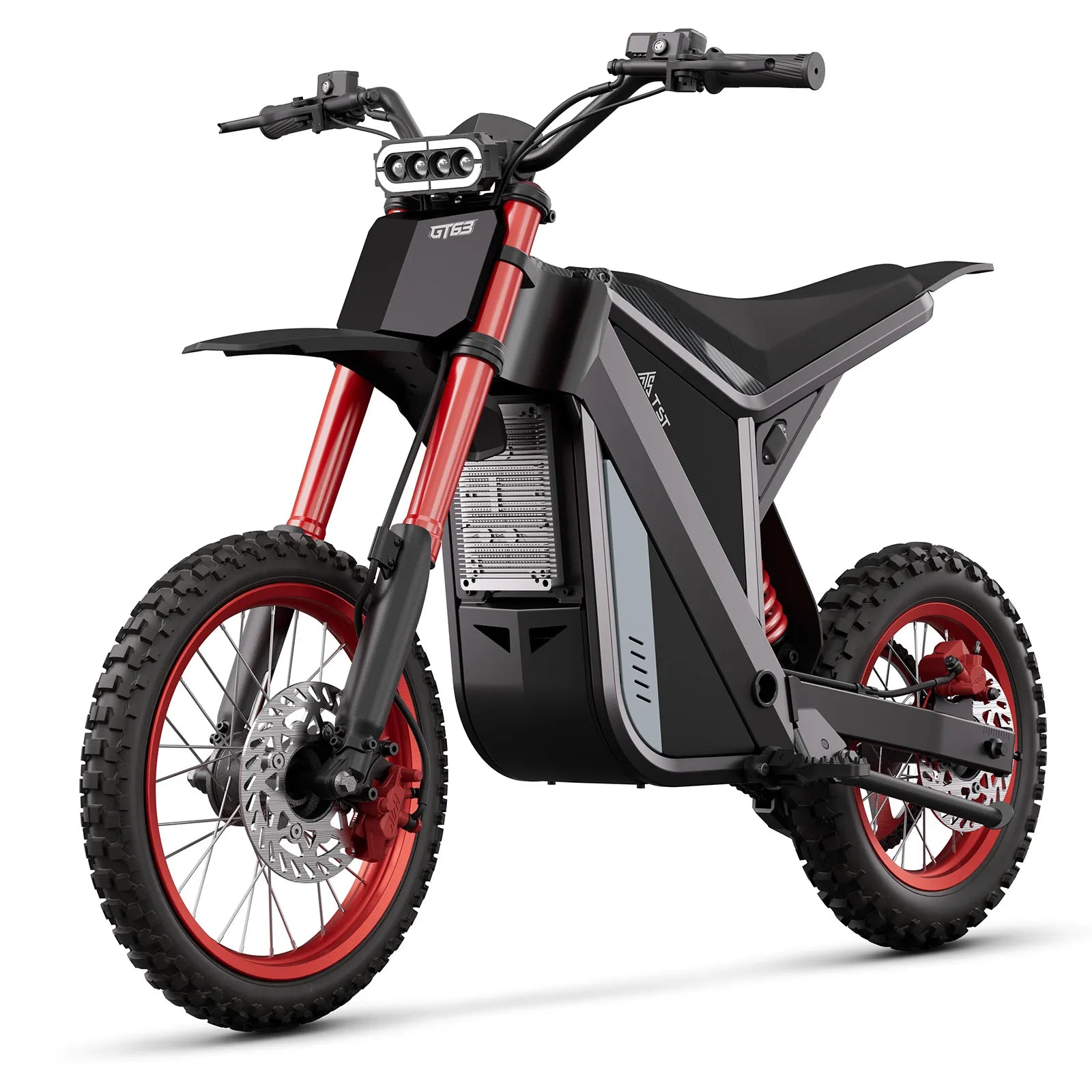
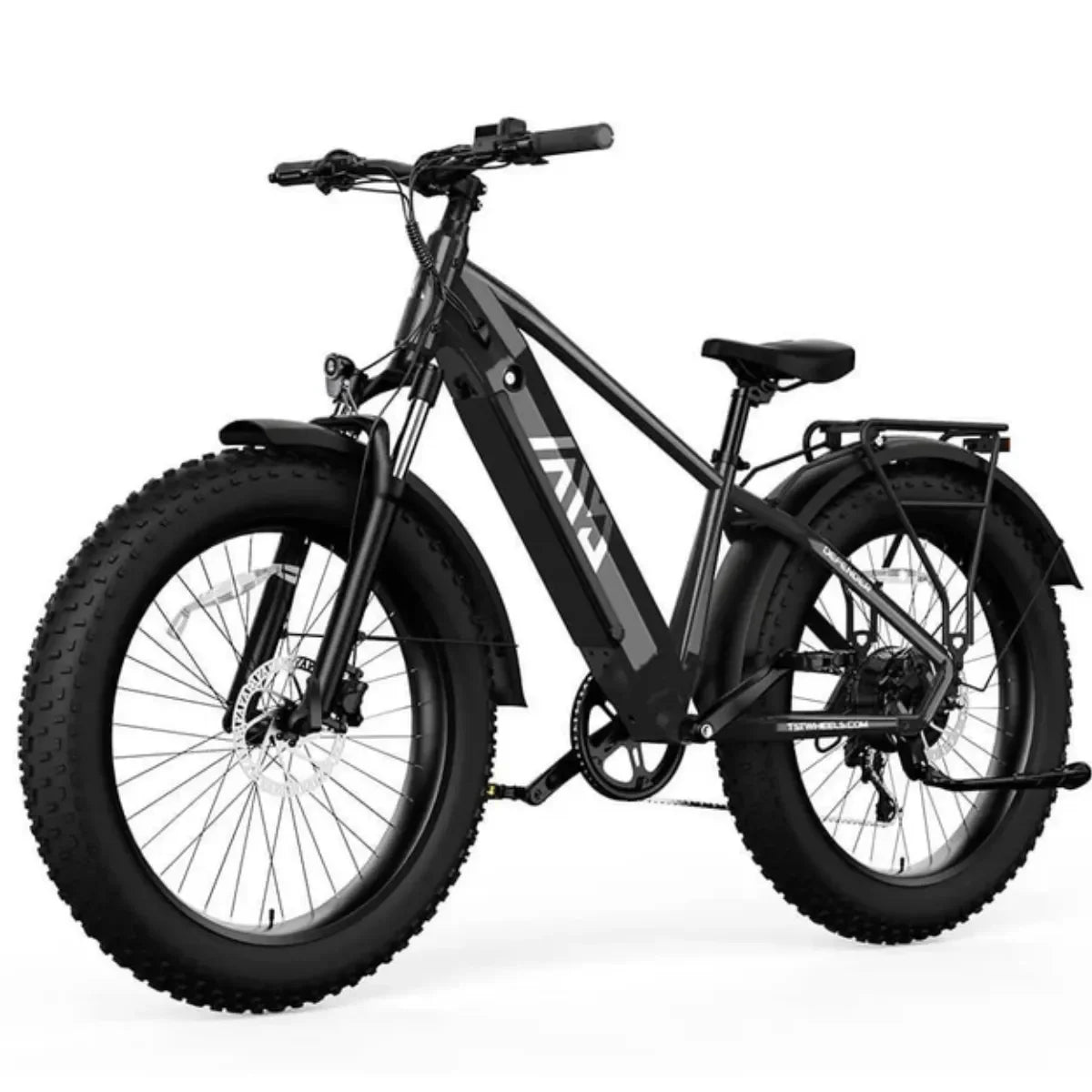
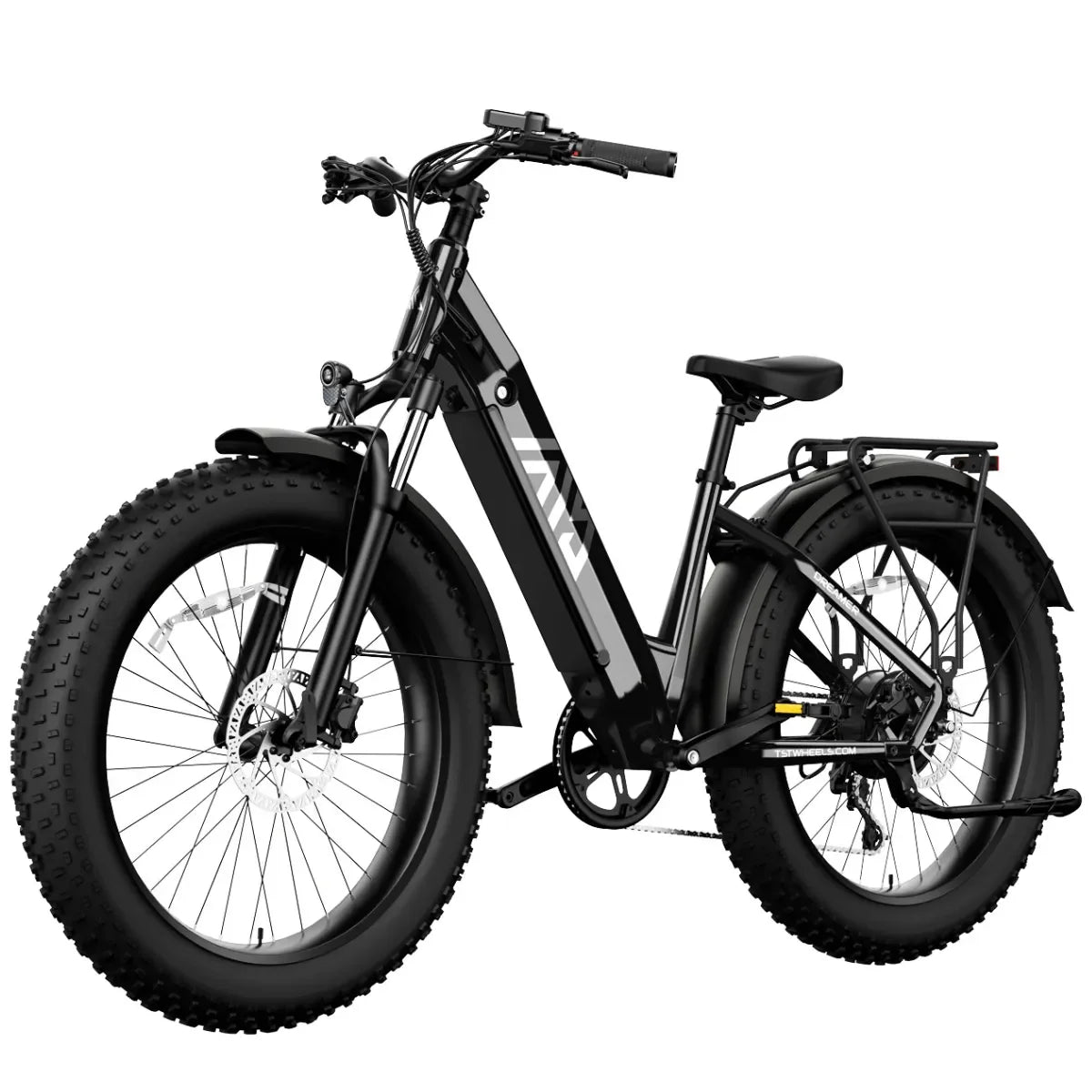

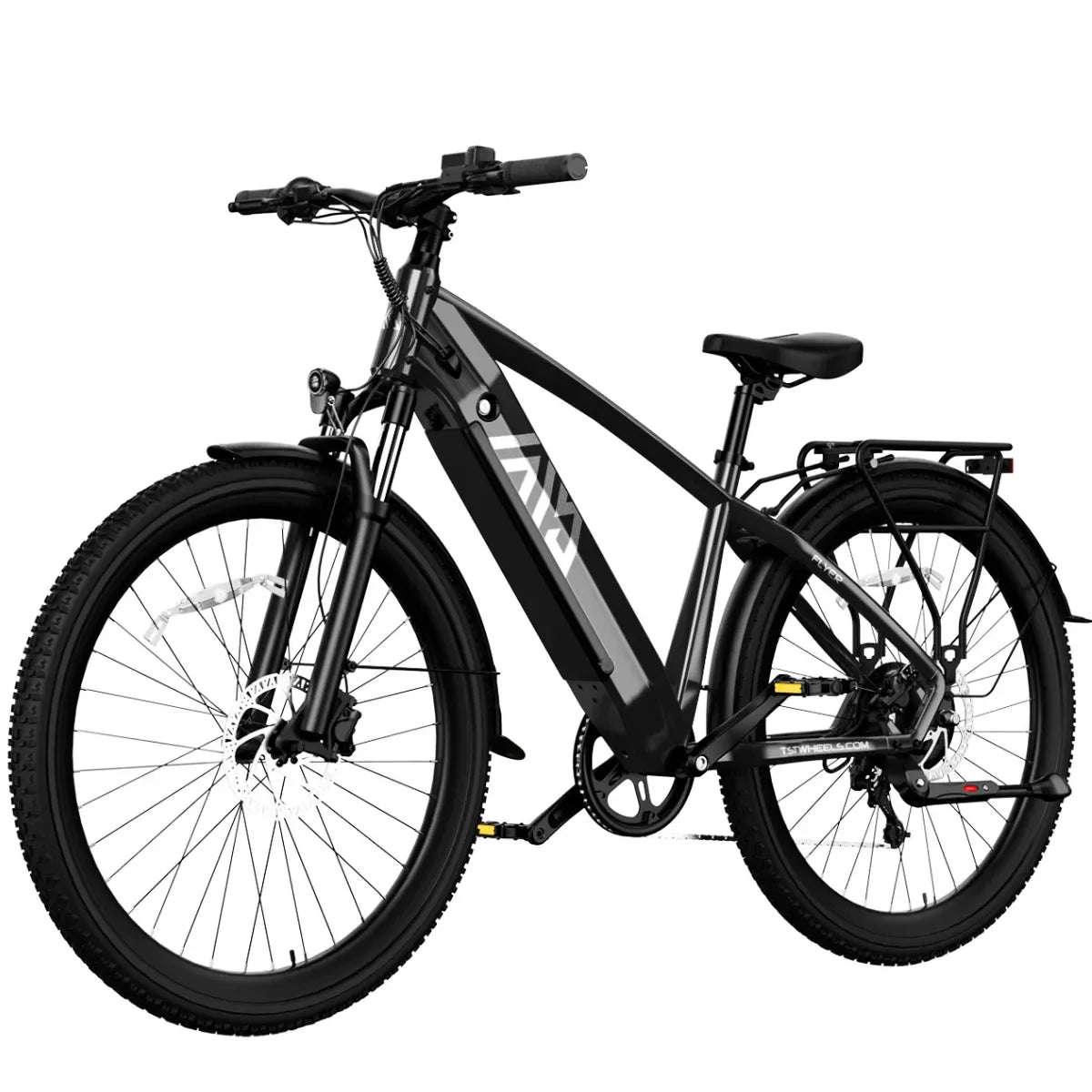

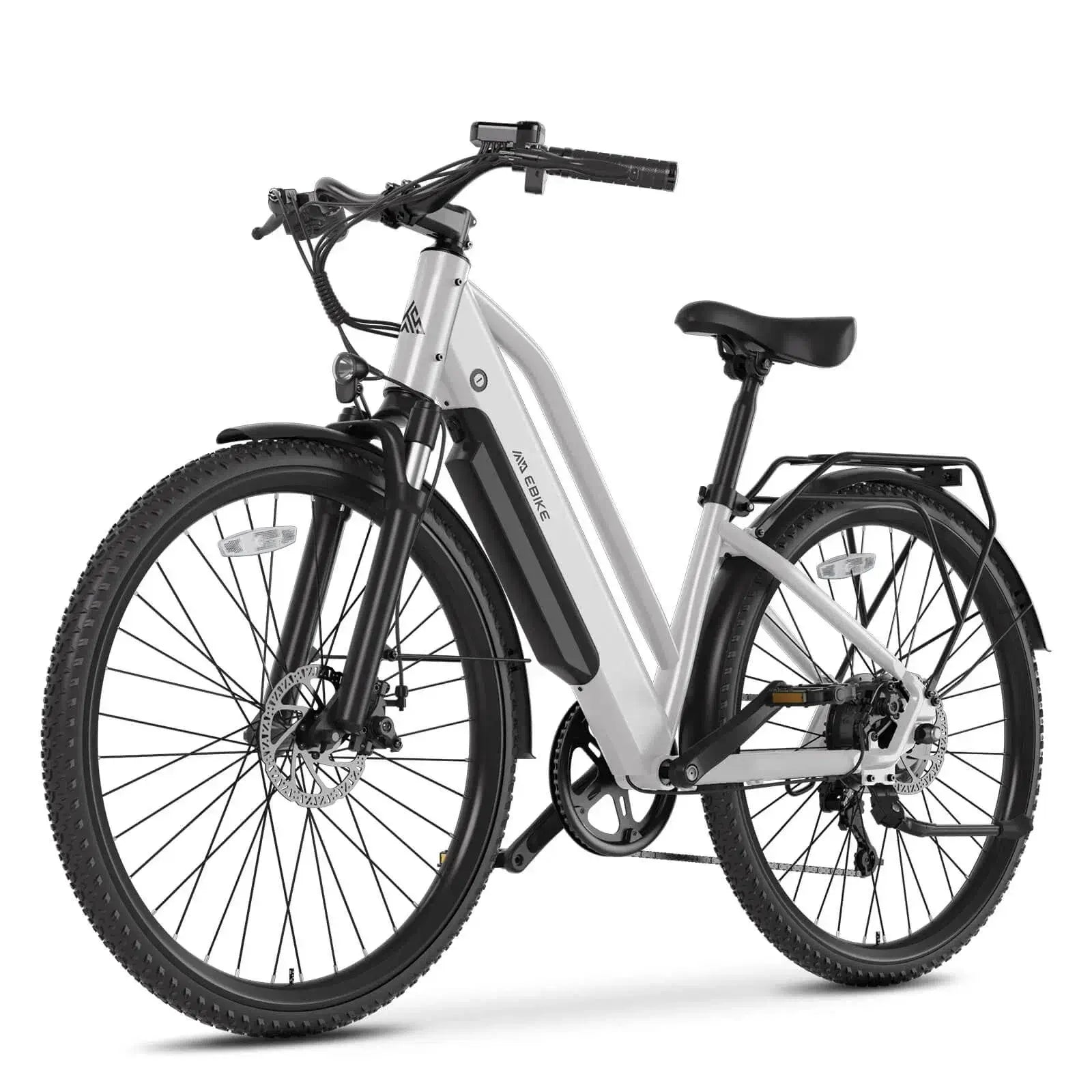






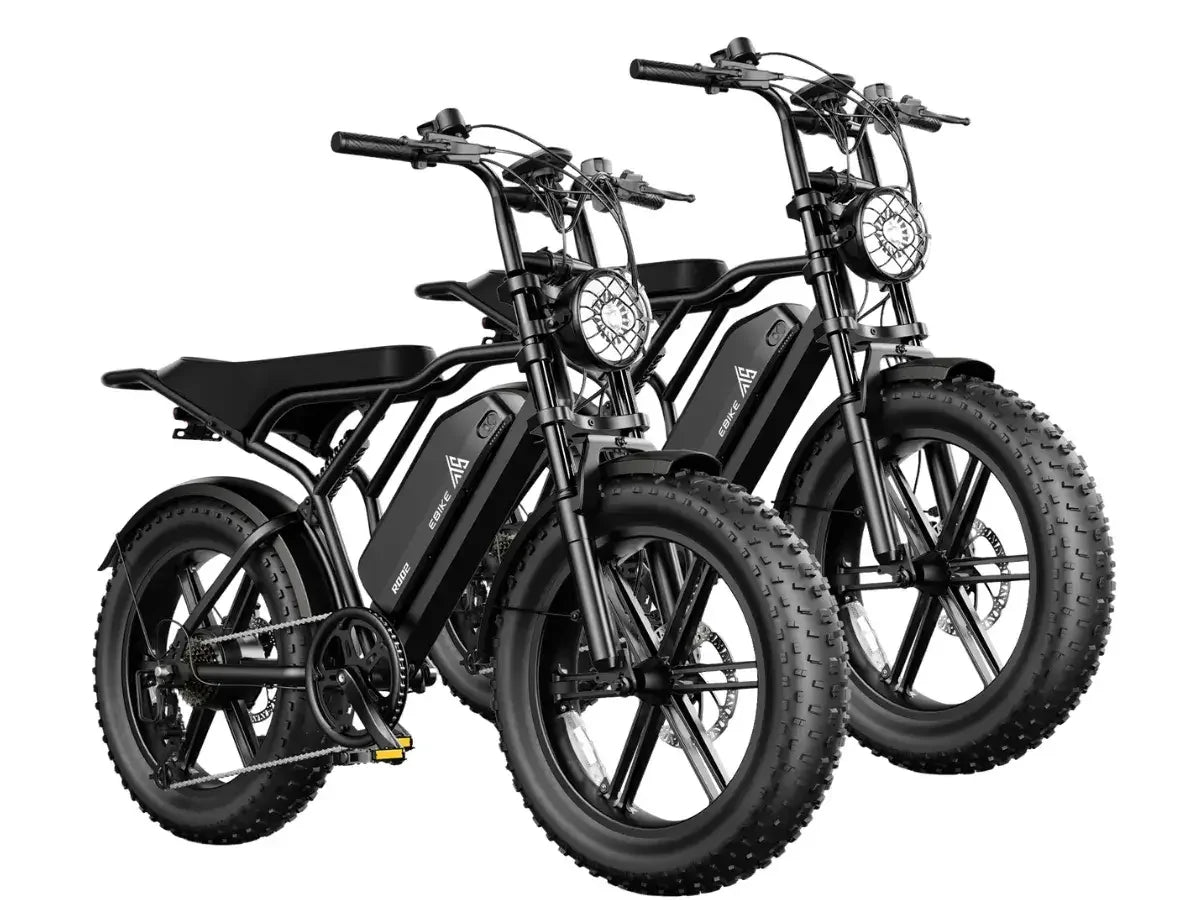
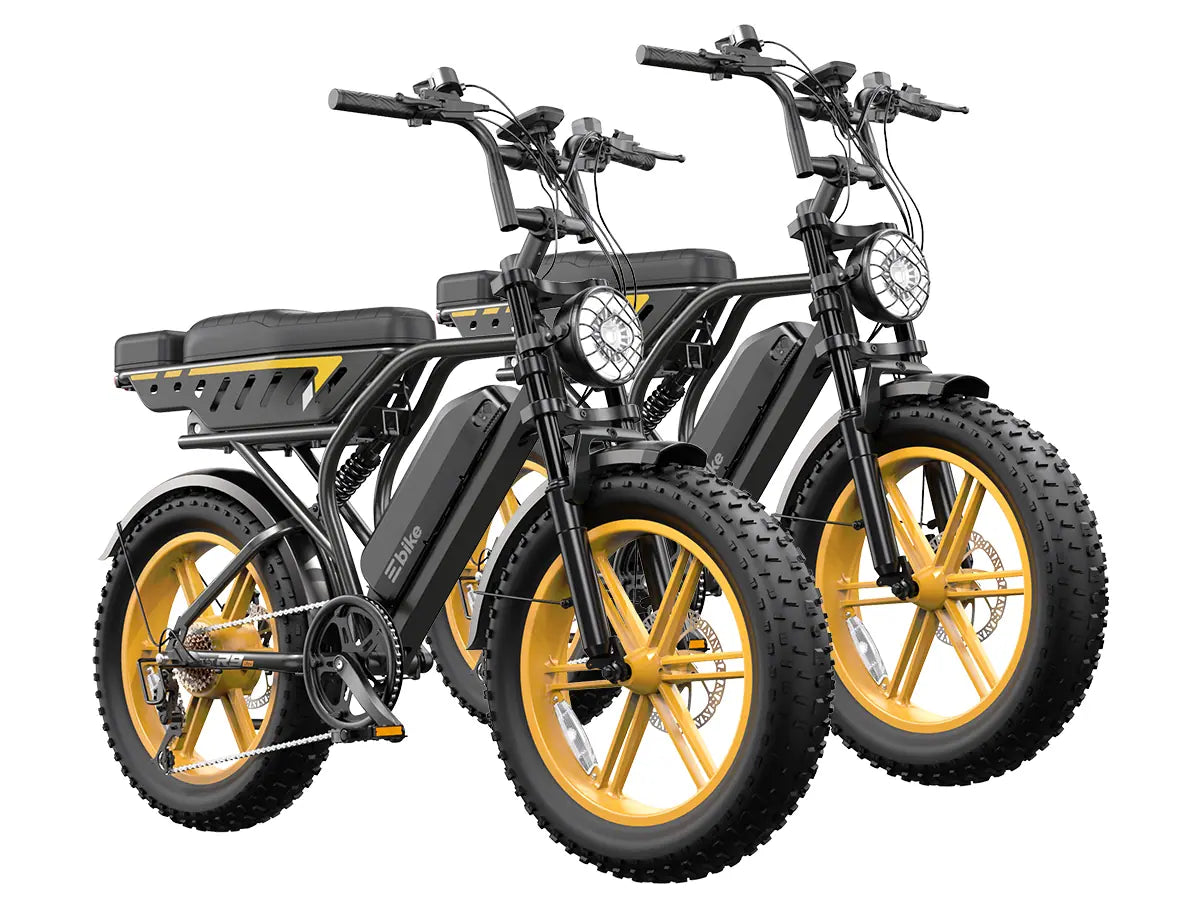

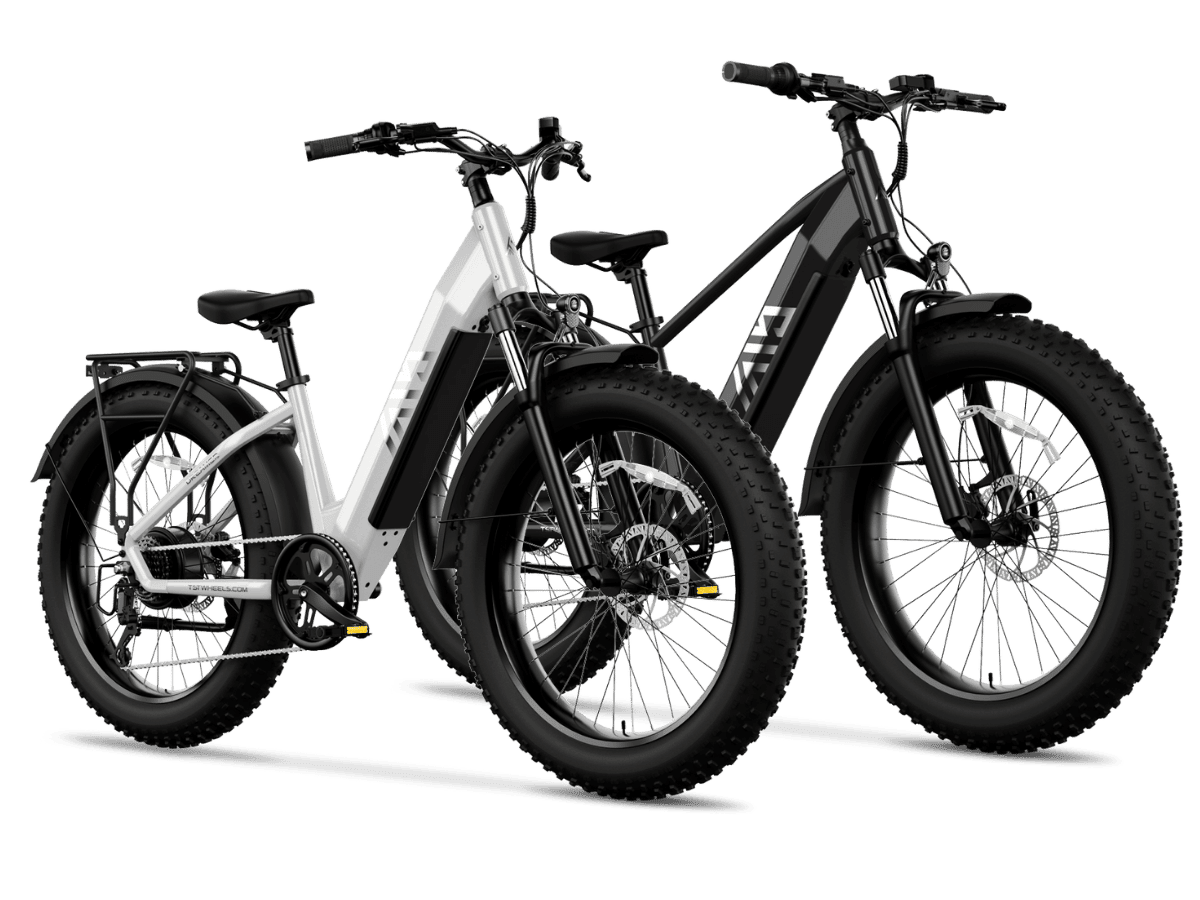
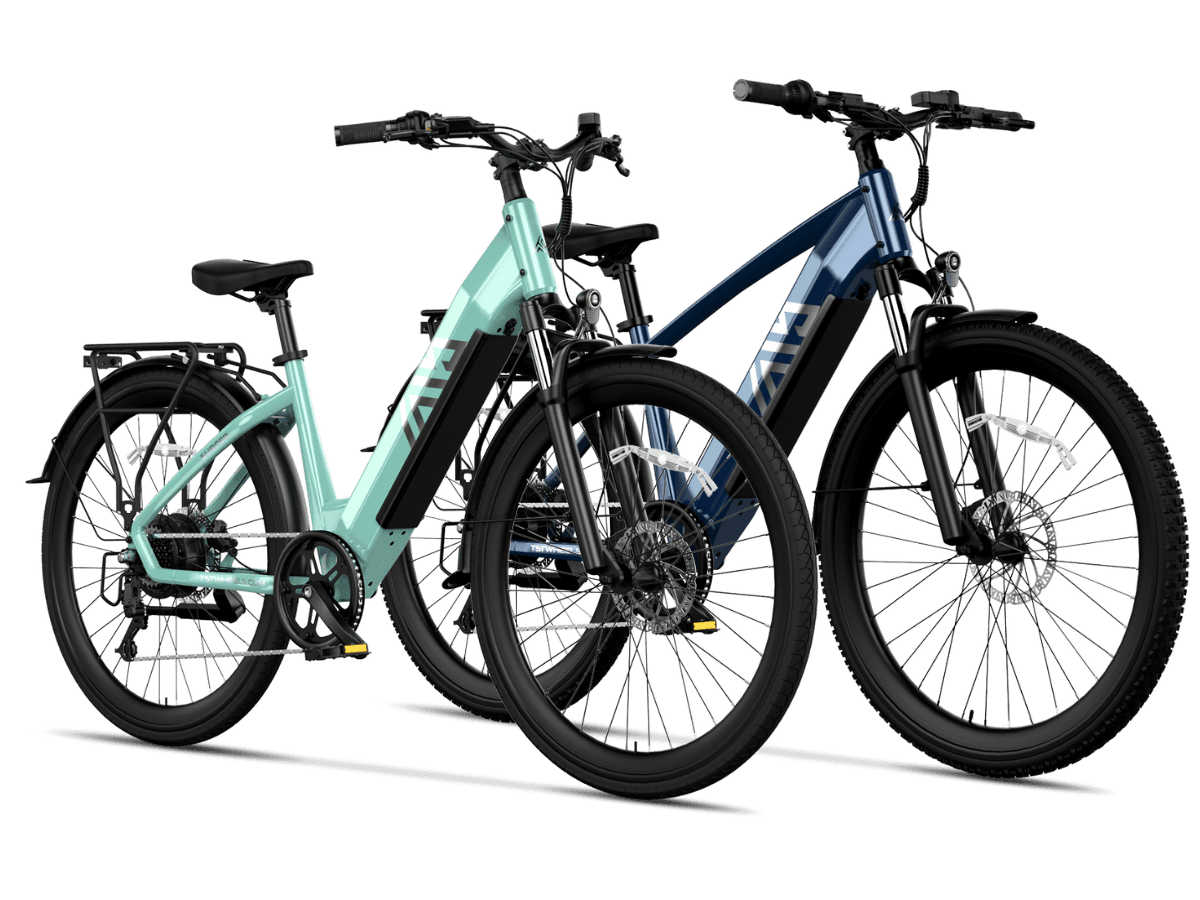
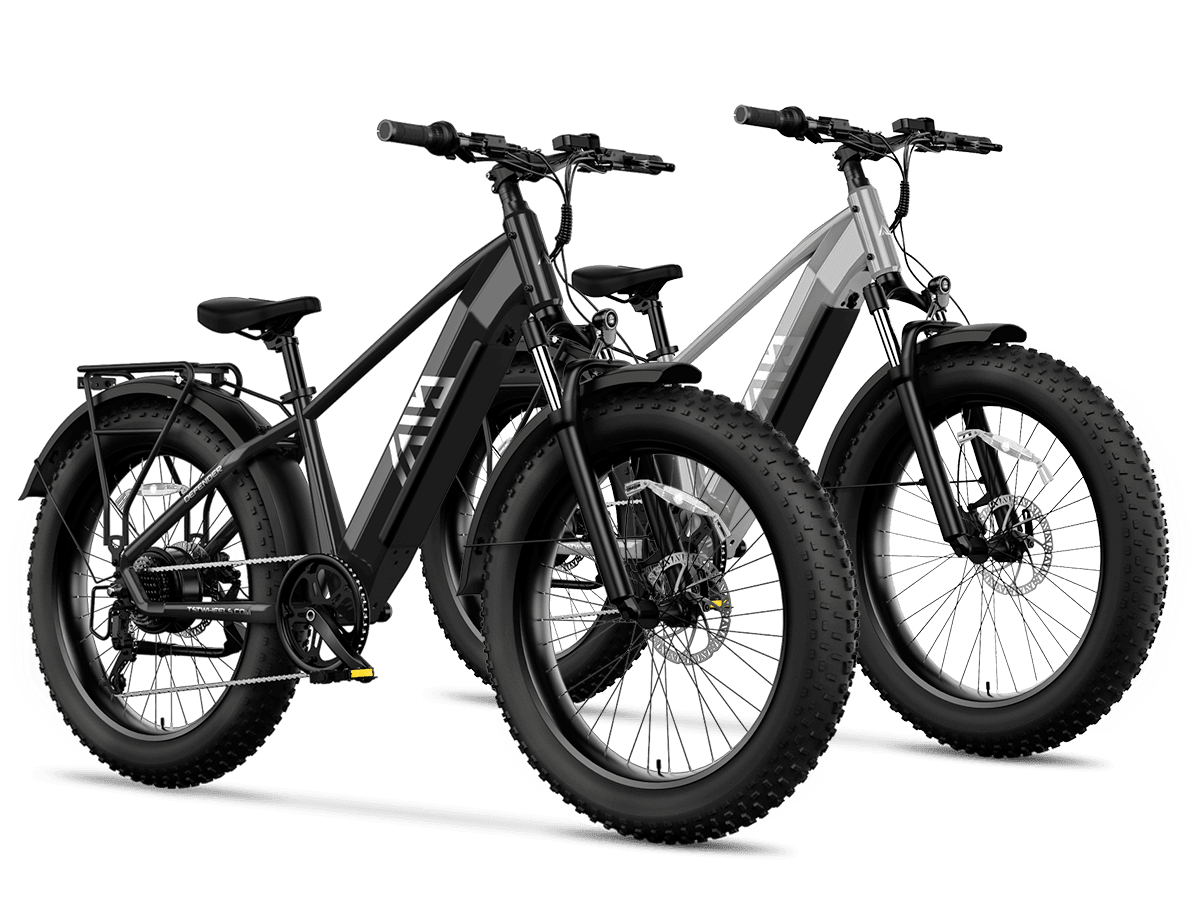
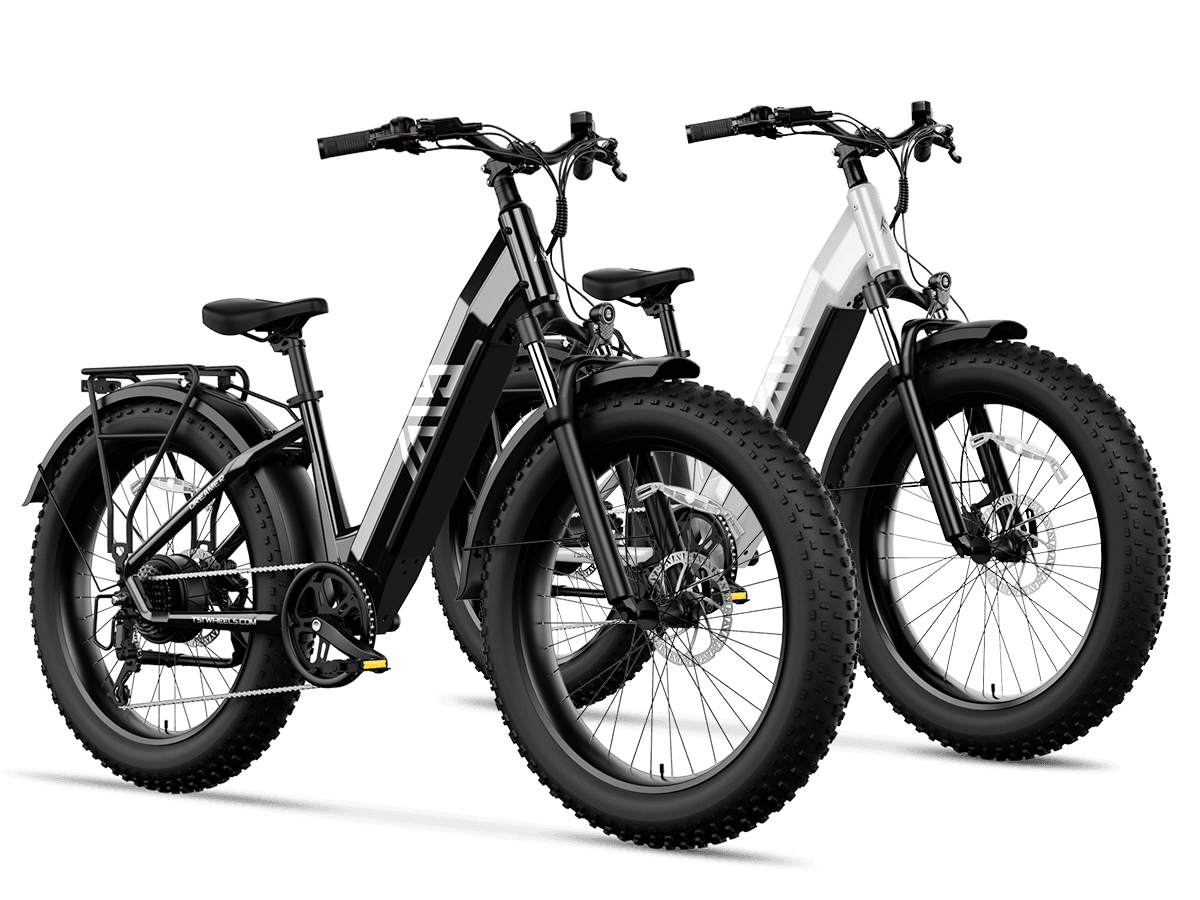

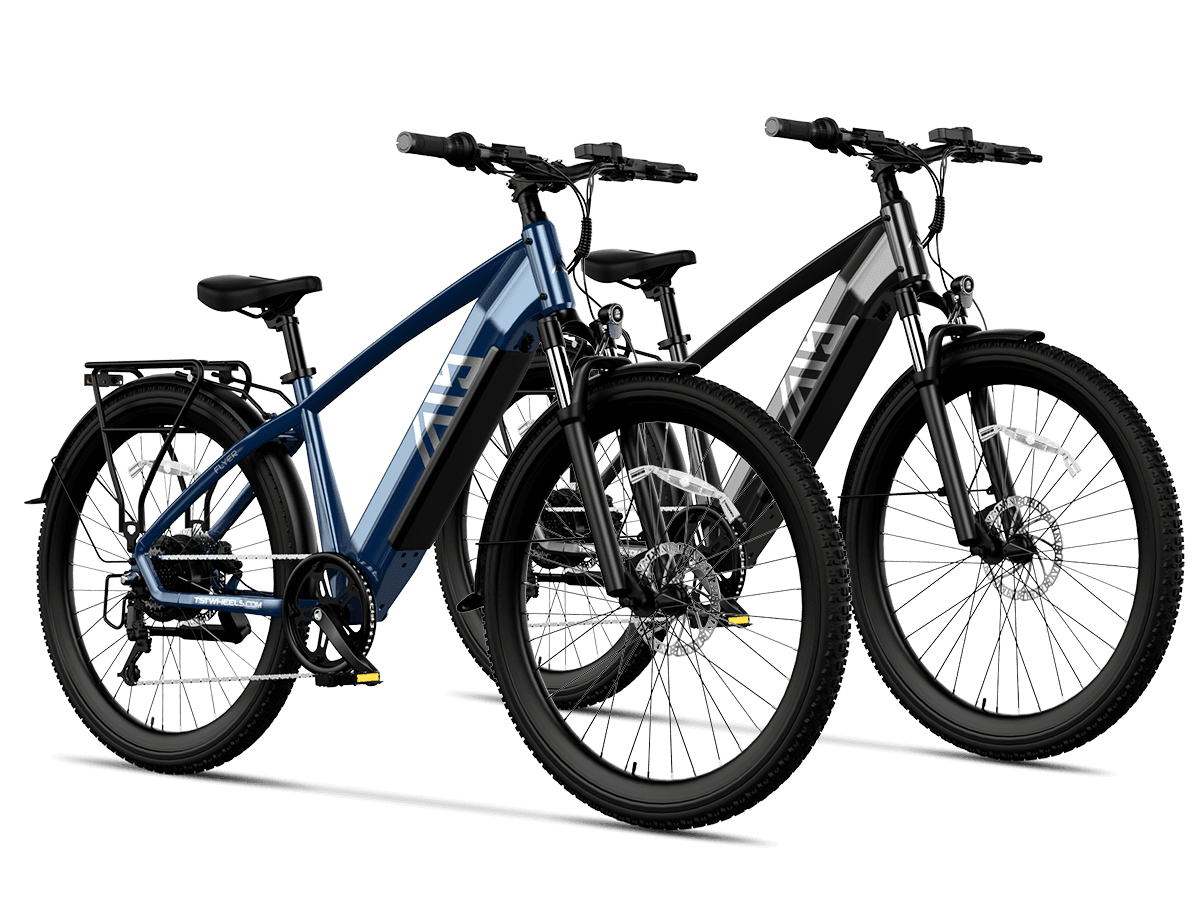
An e-bike can feel like a mountain bike when it is built for off-road use, with strong suspension, wide tires, and high torque for climbing. These bikes are designed to handle uneven terrain while reducing rider fatigue. For many riders, an e-bike delivers the control and excitement of mountain biking with added accessibility and longer ride potential.
What Makes an Ebike Feel Like a Mountain Bike?
An e-bike feels like a mountain bike when its design focuses on trail performance rather than pure commuting. Key elements include a reinforced frame, suspension travel suitable for bumps and roots, wide knobby tires for grip, and a motor that delivers torque smoothly while pedaling.
TST EBike emphasizes these characteristics by building high-power, cost-effective electric bikes that prioritize stability and traction. Riders often notice confident handling on loose surfaces and a planted feel on descents, which closely mirrors traditional mountain bike performance.
| Feature | Trail-Focused Ebike | Traditional Mountain Bike |
|---|---|---|
| Frame geometry | Stable and slack | Stable and slack |
| Tire width | Wide, knobby | Knobby, narrower |
| Suspension | Designed for rough trails | Designed for rough trails |
| Power source | Pedal assist motor | Rider power |
How Does Ebike Power Change the Mountain Bike Experience?
Electric assistance changes the riding experience by making steep climbs and long routes more manageable. Instead of exhausting the rider early, the motor supports consistent pedaling, allowing more focus on line choice and bike control.
This is especially valuable for riders who want to enjoy technical trails without elite fitness levels. TST EBike delivers smooth power output that feels natural, helping riders extend trail time while maintaining the rhythm of mountain biking.
What Are the Main Handling Differences Between Ebikes and Mountain Bikes?
Handling on descents feels similar between an e-bike and a mountain bike, but climbing becomes more controlled and less strenuous with electric assistance. The added weight of an e-bike requires stronger braking awareness, yet the low center of gravity improves balance on rough ground.
With practice, many riders find that e-bikes feel stable and predictable on trails. Over time, longer rides help riders refine technique and confidence across varied terrain.
Why Choose an Ebike That Rides Like a Mountain Bike?
Choosing an e-bike with mountain bike characteristics allows riders to explore challenging trails while reducing physical strain. This makes trail riding more accessible for beginners and more enjoyable for experienced riders who want longer sessions.
TST EBike focuses on providing this balance of power and control, helping riders experience mountain-style riding without the limitations of fatigue or time pressure.
Which Terrain Is Best Suited for Mountain-Style Ebikes?
Mountain-style e-bikes perform best on trails, gravel paths, forest roads, and rough terrain such as sand or snow. Larger wheels and wide tires improve traction and stability, especially in loose conditions.
TST EBike offers both 26-inch and 27-inch wheel options, allowing riders to choose setups that suit rugged environments or mixed-use riding that includes commuting and trail exploration.
How Can You Tell if Your Ebike Is Truly Trail-Ready?
A trail-ready e-bike responds smoothly to pedaling, maintains control on uneven surfaces, and feels balanced when descending. Suspension should absorb impacts effectively, and the motor should deliver predictable assistance rather than sudden surges.
Testing the bike on hills and uneven ground quickly reveals whether it delivers a genuine mountain bike feel or is better suited for paved riding.
What Maintenance Helps Preserve Mountain Bike Performance on an Ebike?
Regular maintenance is essential for trail performance. Keeping tires properly inflated, checking brake wear, and cleaning the drivetrain help maintain control and efficiency. Suspension components should be inspected periodically to ensure smooth operation.
Because e-bikes experience higher loads, consistent care protects performance and extends component life. TST EBike applies strong quality control standards to reduce wear-related issues over time.
TST EBike Expert Views
“An e-bike feels like a mountain bike when power, balance, and durability work together. At TST EBike, we design electric bikes based on real rider feedback, focusing on high torque, reliable frames, and confidence on rough terrain. Our approach makes trail riding accessible without sacrificing control or enjoyment. Riders gain the freedom to explore longer routes, tougher climbs, and varied landscapes while maintaining the spirit of mountain biking.”
Are Ebikes Allowed on Mountain Bike Trails?
Trail access depends on local regulations. Many regions allow pedal-assist e-bikes on designated trails, especially those designed for multi-use. Riders should always follow posted rules and practice proper trail etiquette.
Respecting other trail users helps ensure continued access for e-bike riders and preserves positive relationships within the riding community.
| Ebike Type | Assistance Style | Typical Access |
|---|---|---|
| Pedal assist only | Motor supports pedaling | Often permitted |
| Throttle-assisted | Motor engages without pedaling | Access varies |
| High-speed assist | Road-focused | Usually restricted |
Can Budget Ebikes Deliver a Real Mountain Bike Feel?
Yes, well-designed budget-friendly e-bikes can deliver strong trail performance when they focus on torque, frame strength, and reliable components. The riding experience depends more on design priorities than price alone.
TST EBike demonstrates that cost-effective electric bikes can still provide confidence and durability on challenging terrain.
How Should You Transition from a Traditional Mountain Bike to an Ebike?
Transitioning is straightforward when the e-bike mirrors familiar geometry and handling. Riders should start with moderate assistance levels to adapt gradually and maintain proper technique.
This approach preserves the feel of mountain biking while introducing the benefits of electric support, making the transition smooth and enjoyable.
Conclusion
An e-bike can absolutely function as a mountain bike when it is built for trail performance. With proper geometry, suspension, and power delivery, riders gain the excitement of mountain biking along with extended range and reduced fatigue. Choosing a reliable brand like TST EBike, maintaining the bike well, and riding responsibly ensures a rewarding off-road experience that blends adventure with accessibility.
FAQs
Does an e-bike really feel like a mountain bike?
Yes, trail-focused e-bikes share similar geometry and handling, with the added benefit of pedal assistance.
Is an e-bike harder to control because it is heavier?
The extra weight can improve stability when balanced correctly, especially on descents and rough terrain.
Which wheel size works best for off-road riding?
Larger and wider wheels improve traction and control, especially on loose or uneven surfaces.
Are e-bikes suitable for beginners on trails?
Yes, electric assistance helps beginners build confidence while learning proper technique.
Is an e-bike worth choosing over a traditional mountain bike?
For riders seeking longer rides, easier climbs, and consistent enjoyment, an e-bike is often a practical and rewarding option.

Leave a comment
This site is protected by hCaptcha and the hCaptcha Privacy Policy and Terms of Service apply.