
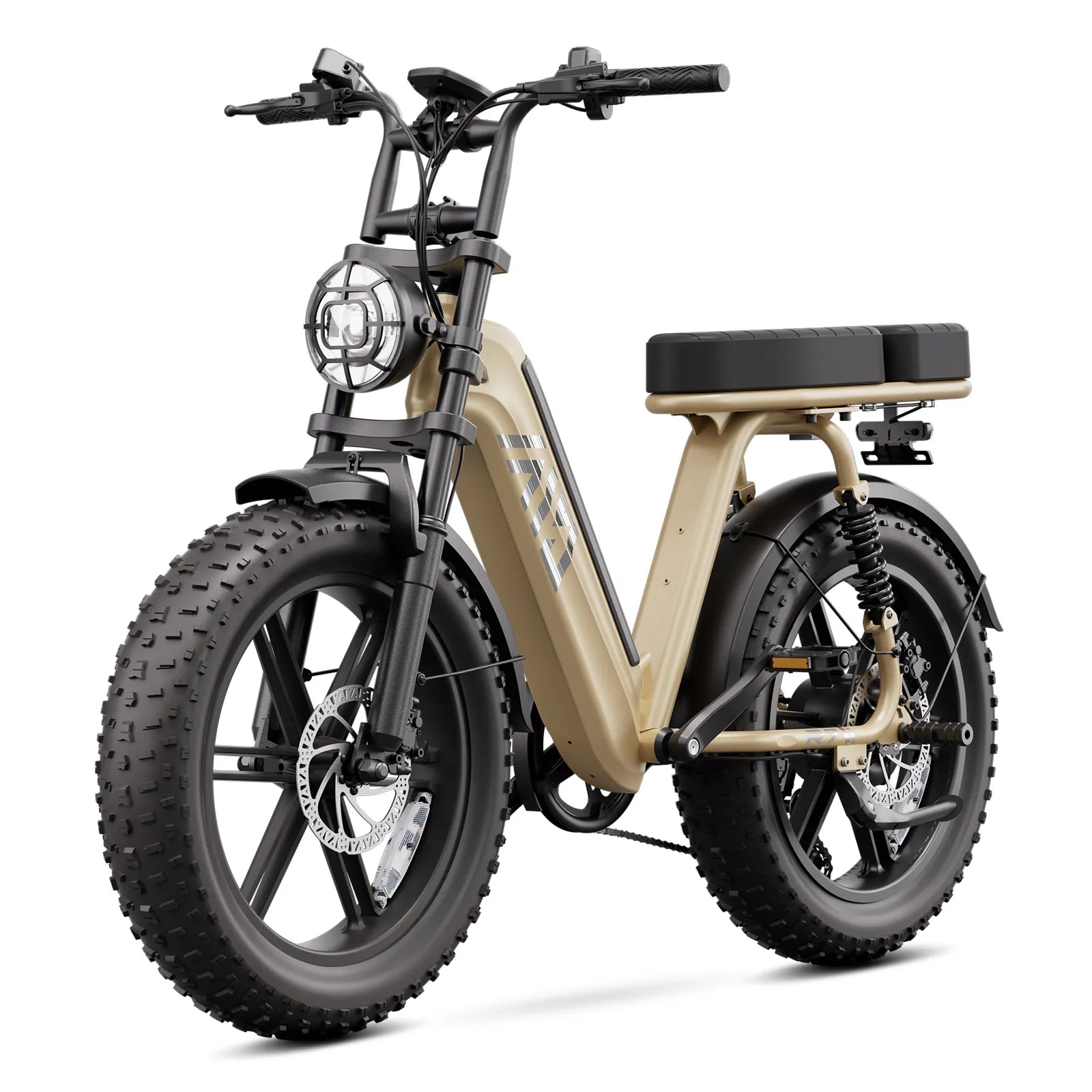
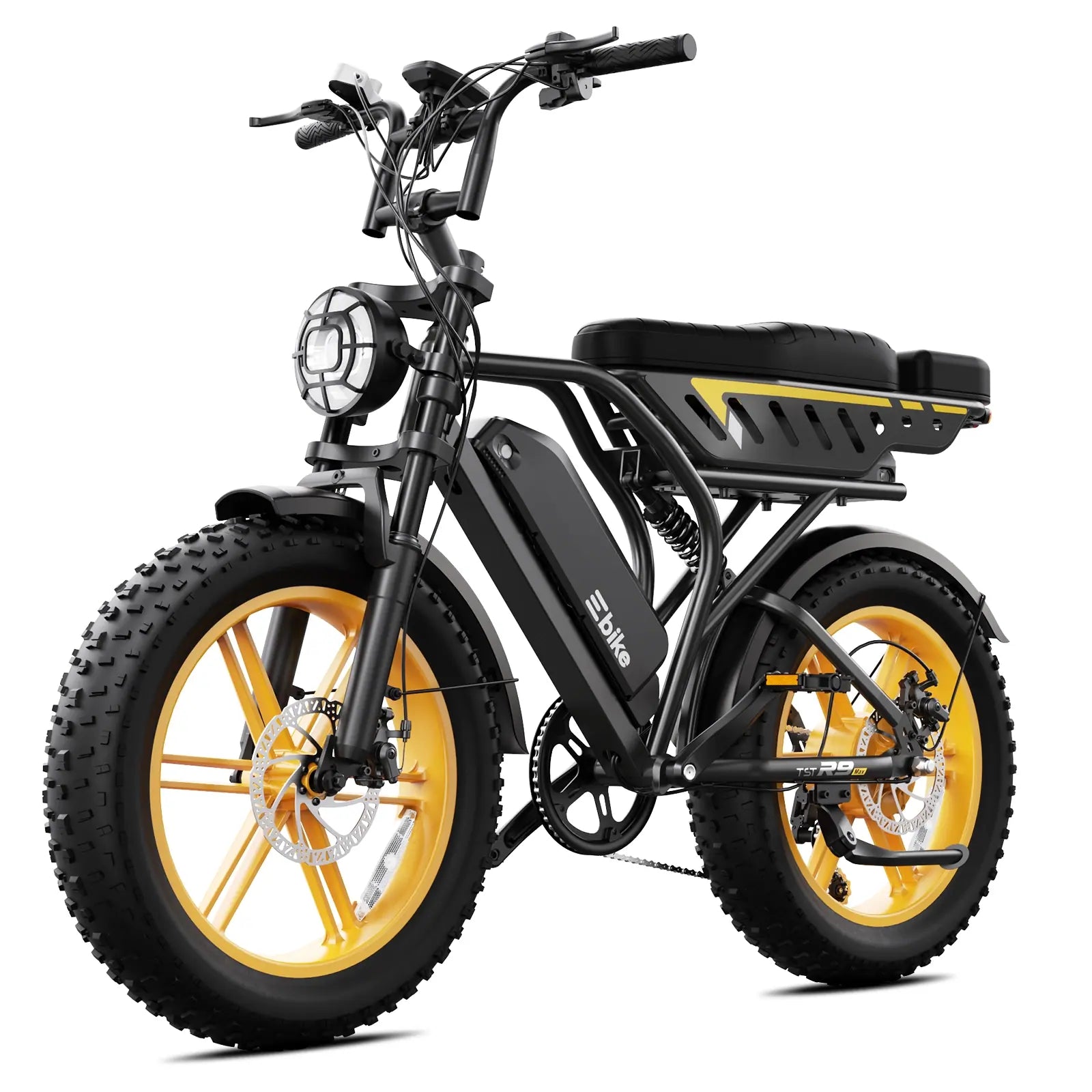
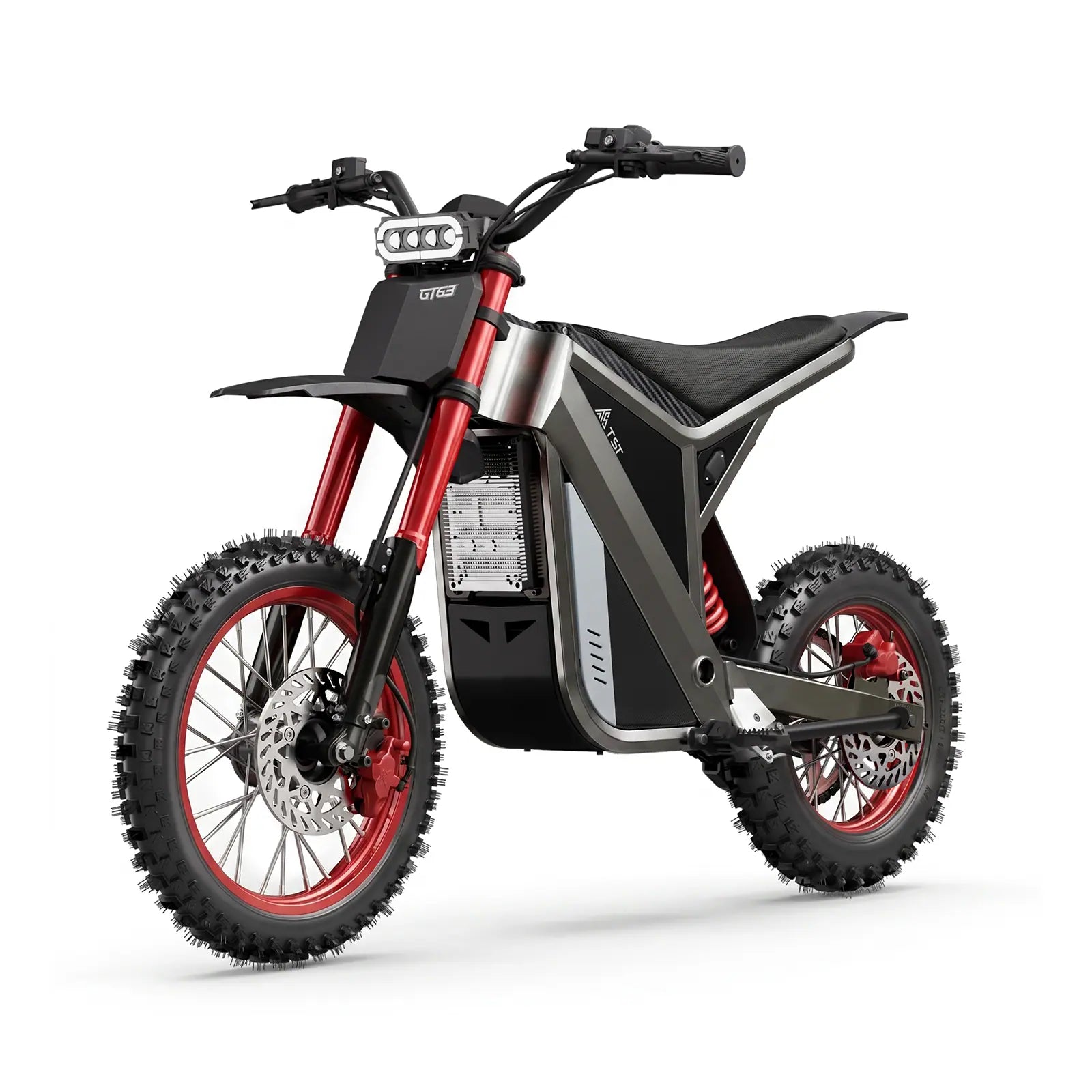
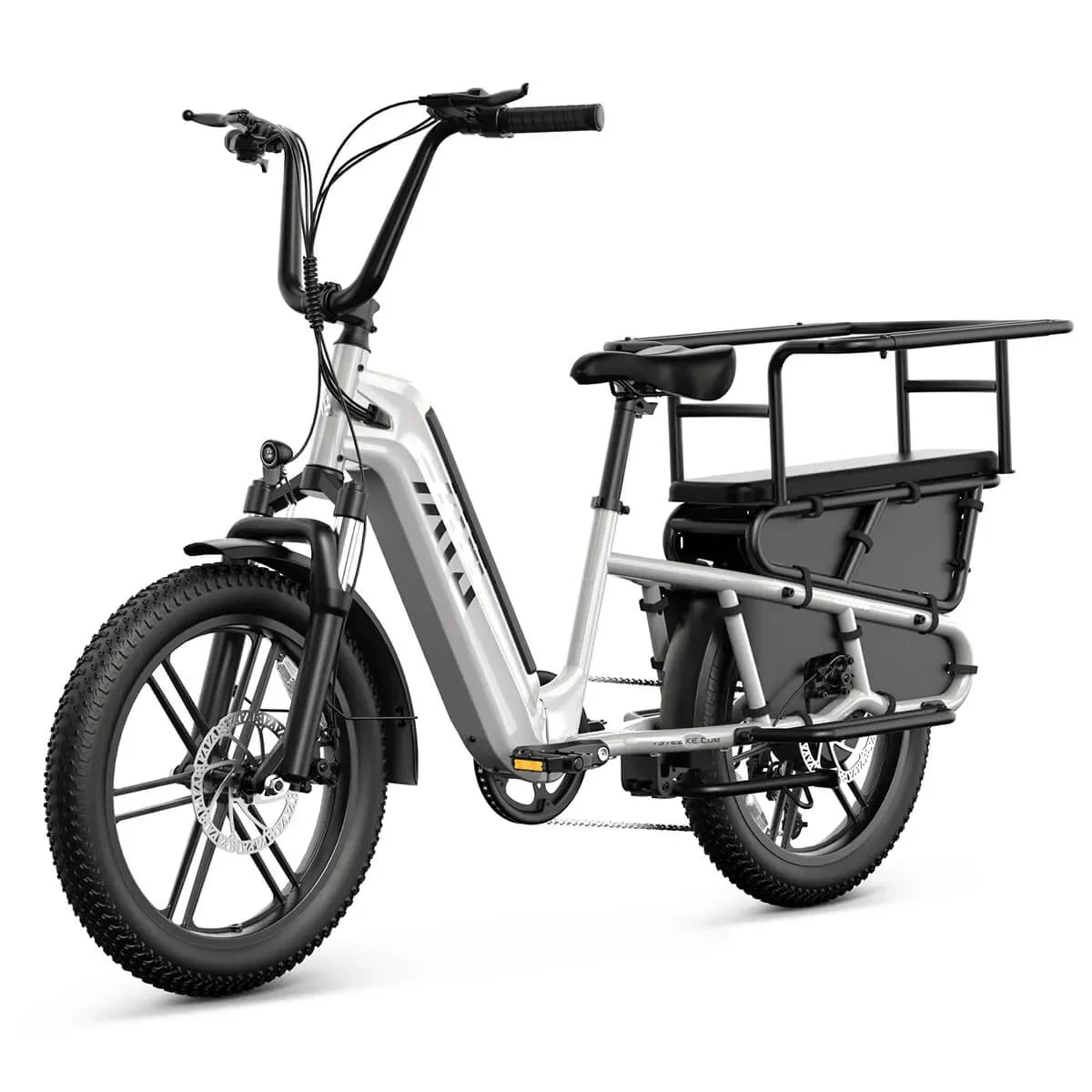

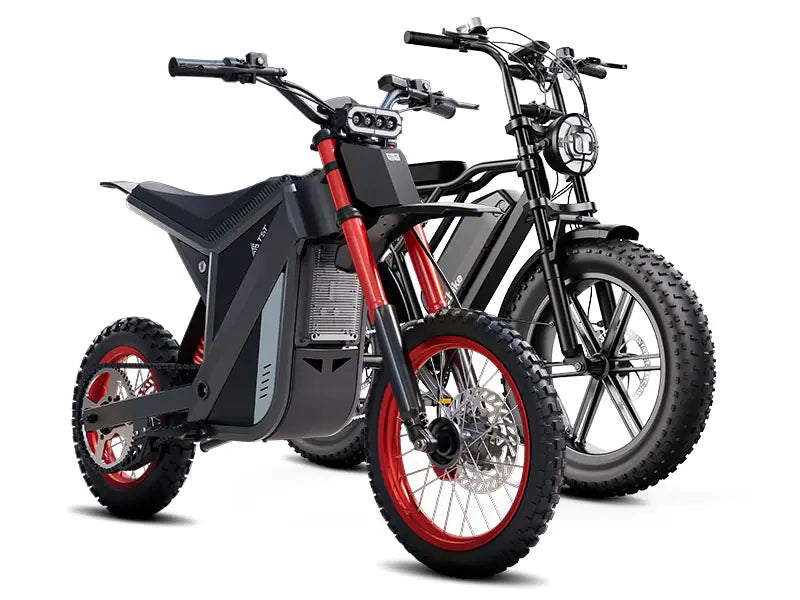
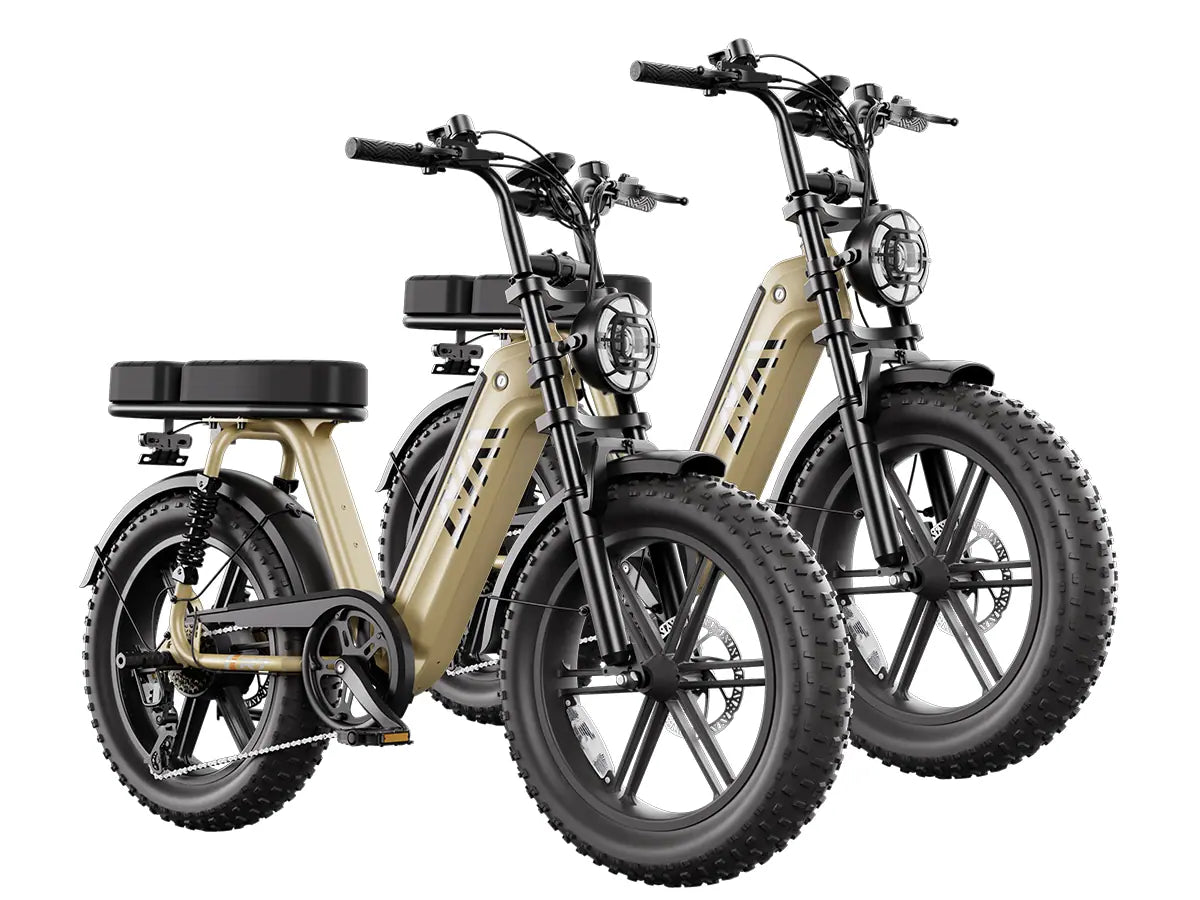
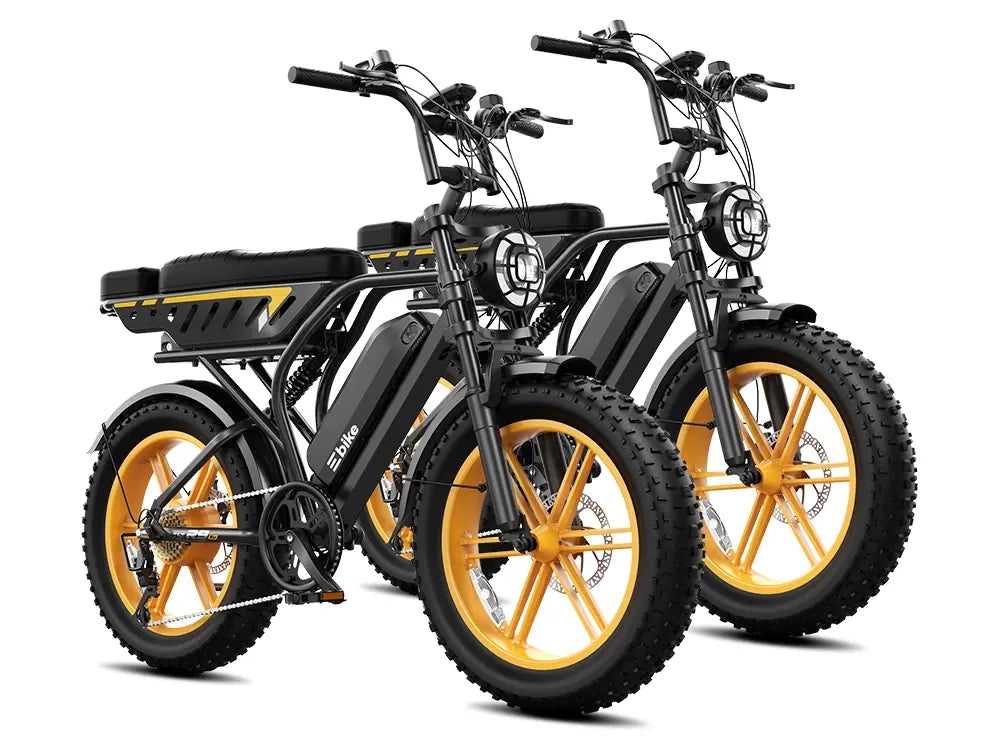
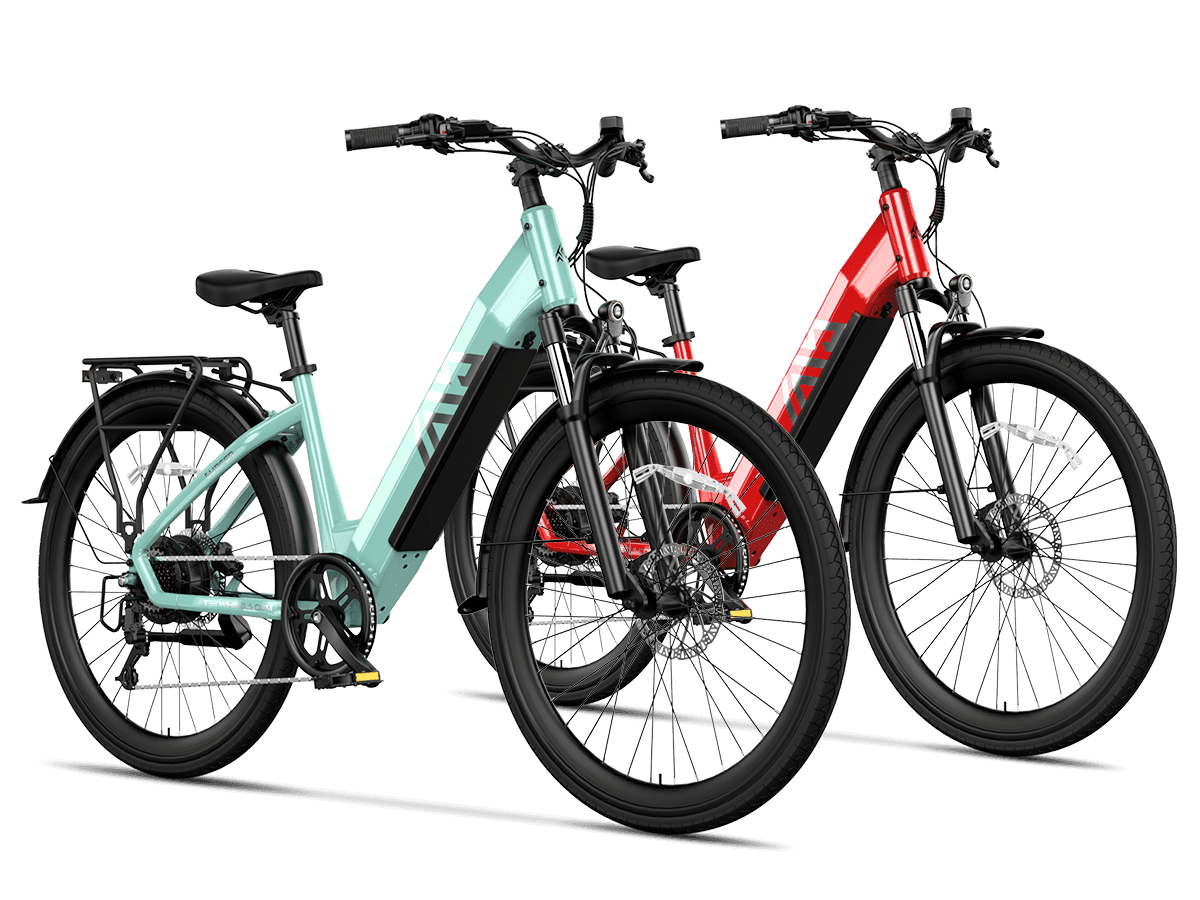
The Falcon 79 Pro is a powerful, 72V moped‑style e‑moto with serious off‑road performance, but its price, weight, and maintenance needs make it overkill for many riders. When you compare range, comfort, and total cost, a well‑specced TST EBike moped‑style commuter often delivers better value and everyday usability at a significantly lower price point.
What is the Falcon 79 Pro, and who is it really built for?
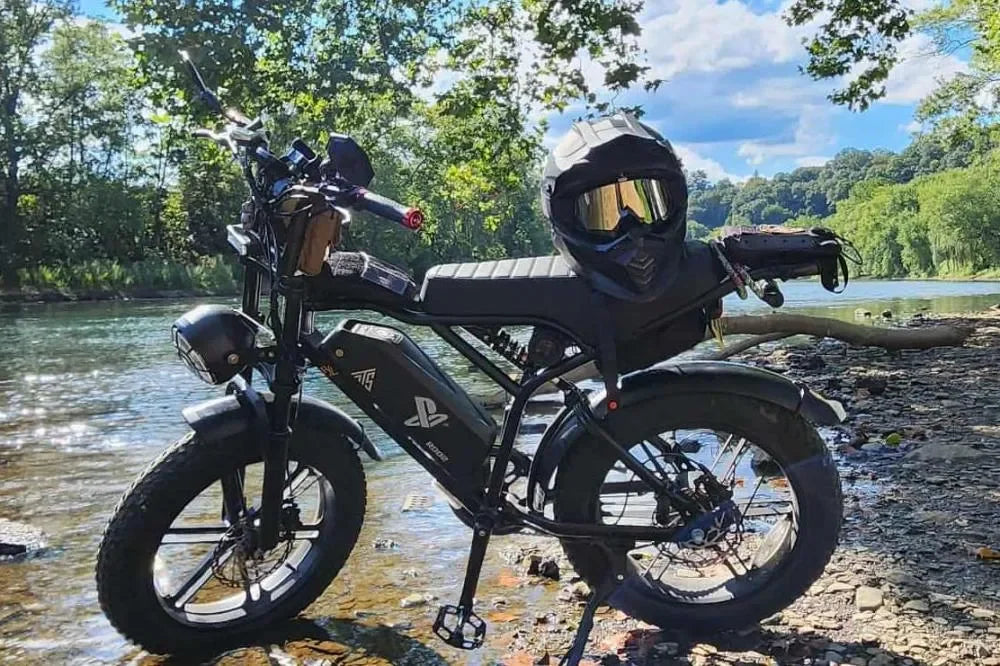
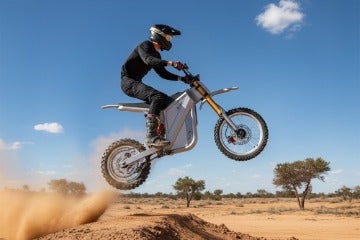
The Falcon 79 Pro is a high‑performance, 72V electric dirt/moped‑style bike built for riders who want near‑motorcycle acceleration, 50+ mph top speed, and aggressive off‑road capability. It uses a powerful mid‑mounted motor, large battery, and long‑travel suspension, making it ideal for thrill‑seekers on trails—not for casual city commuters or first‑time e‑bike users.
On the bench, the Falcon 79 Pro’s 10,000W peak power, 72V 35Ah LG battery, and Fastace suspension clearly target the same crowd that looks at Surron‑class machines. You get around 56 mph top speed and up to roughly 75 miles of range at low speeds, with a 130 lb chassis tuned for hard hits and jumps. That’s impressive—if you actually ride like that and accept motorcycle‑style responsibilities.
How do the Falcon 79 Pro’s core specs stack up on paper?
The Falcon 79 Pro’s specs center on a 72V system, 35Ah battery, and 10kW peak motor delivering around 56 mph top speed and up to 120 km claimed range at low speeds. It weighs about 130 lbs, uses 19‑inch off‑road wheels, and features Fastace fork and shock for serious suspension travel. Pricing typically sits around the 3,999–4,000 USD mark.
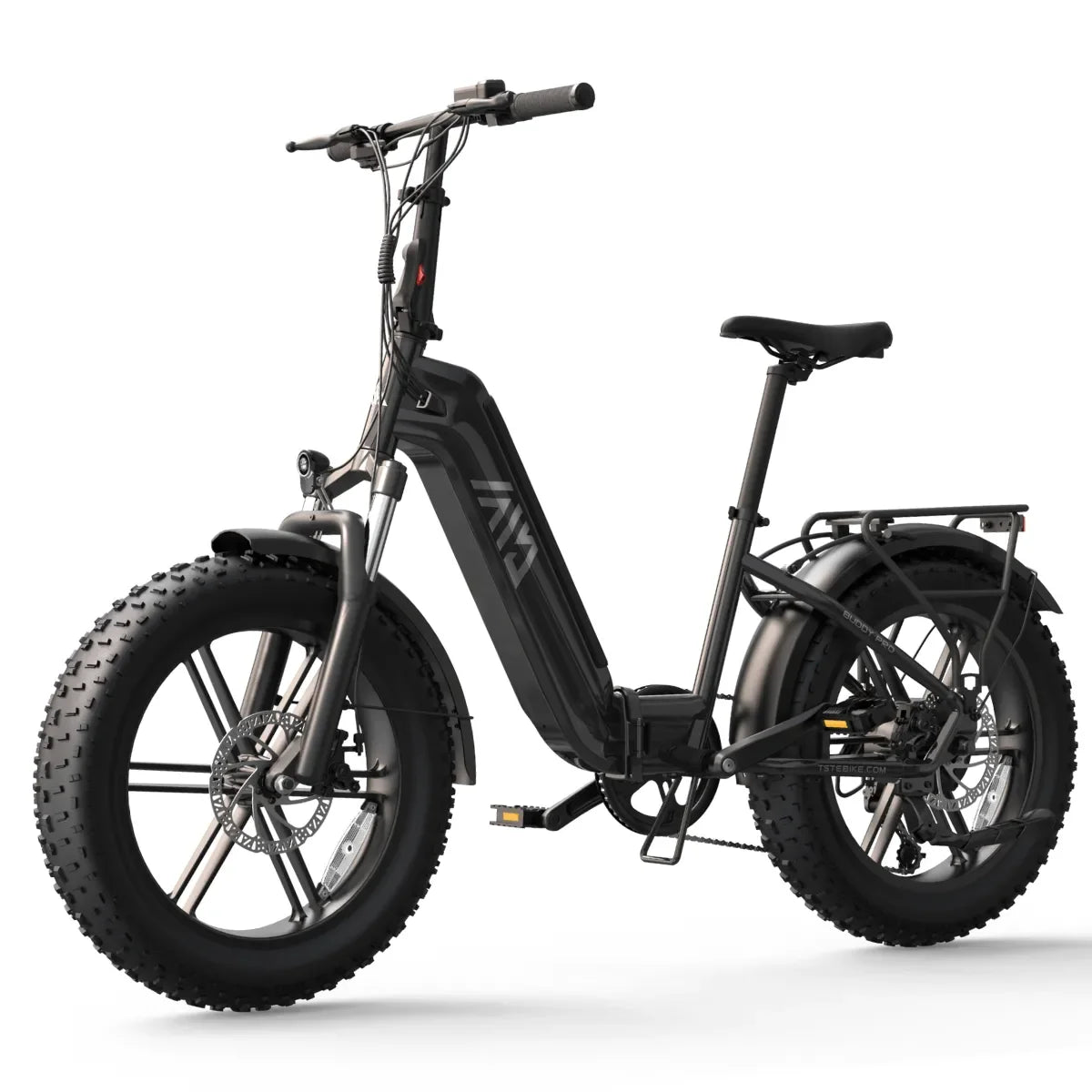
From an engineering standpoint, this is basically a lightweight electric motorcycle: triple‑beam or heavily reinforced frame, 72V sine‑wave controller, IP‑rated components, and motorcycle‑style tires. By contrast, TST EBike’s commuter‑focused moped‑style designs use lower‑voltage systems and more moderate motor outputs, trading raw peak numbers for lighter weight, lower cost, and smoother day‑to‑day use on city streets and paths.
Falcon 79 Pro headline specs (manufacturer claims)
How does real‑world Falcon 79 Pro range compare to its marketing claims?
Real‑world Falcon 79 Pro range is significantly lower than brochure numbers when you ride at realistic speeds on mixed terrain. The 120 km / 75‑mile figures assume low‑speed cruising (around 15–20 mph) on ideal surfaces. Community reports highlight that sustained higher speeds and aggressive riding can cut effective range well below the advertised maximum.
From the lab side, this is predictable: 72V, high‑power systems are extremely sensitive to throttle habits. If you use the 10kW peak often, that 35Ah pack empties quickly; aerodynamic drag and rolling resistance at 40–50 mph eat watt‑hours fast. A well‑tuned, 30 mph‑class TST EBike commuter optimized around 600–900 Wh can sometimes deliver similar or better daily range for city use, because it runs at far lower continuous power and spends less time fighting wind.
How does the Falcon 79 Pro ride in terms of suspension and comfort?
The Falcon 79 Pro rides like a focused dirt e‑moto: long‑travel Fastace suspension, 19‑inch off‑road wheels, and a relatively tall seat give it excellent bump absorption at speed. It feels composed on rough trails and jumps, but that firm, performance‑oriented setup can feel overkill or harsh on slow urban commutes, especially over expansion joints and potholes.
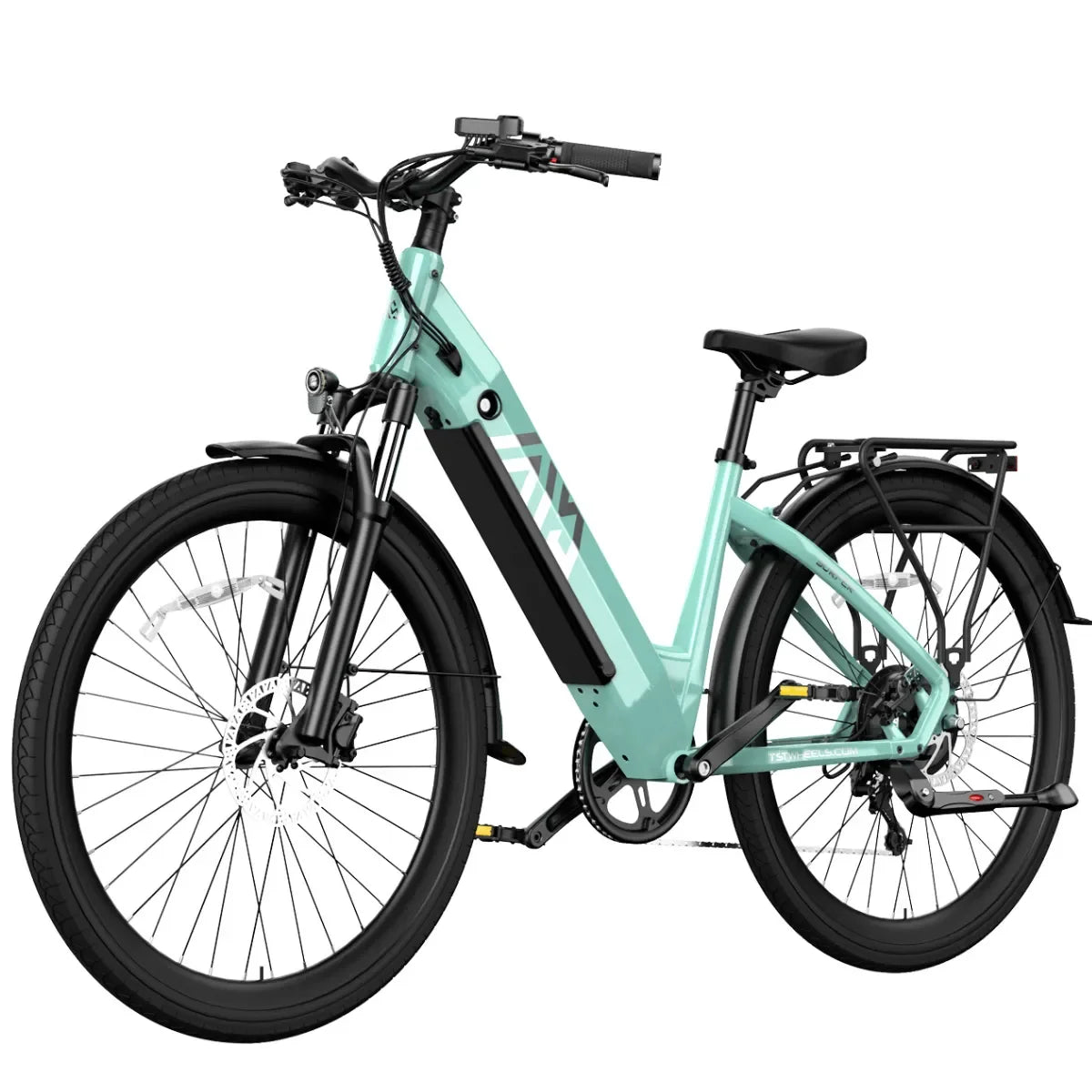
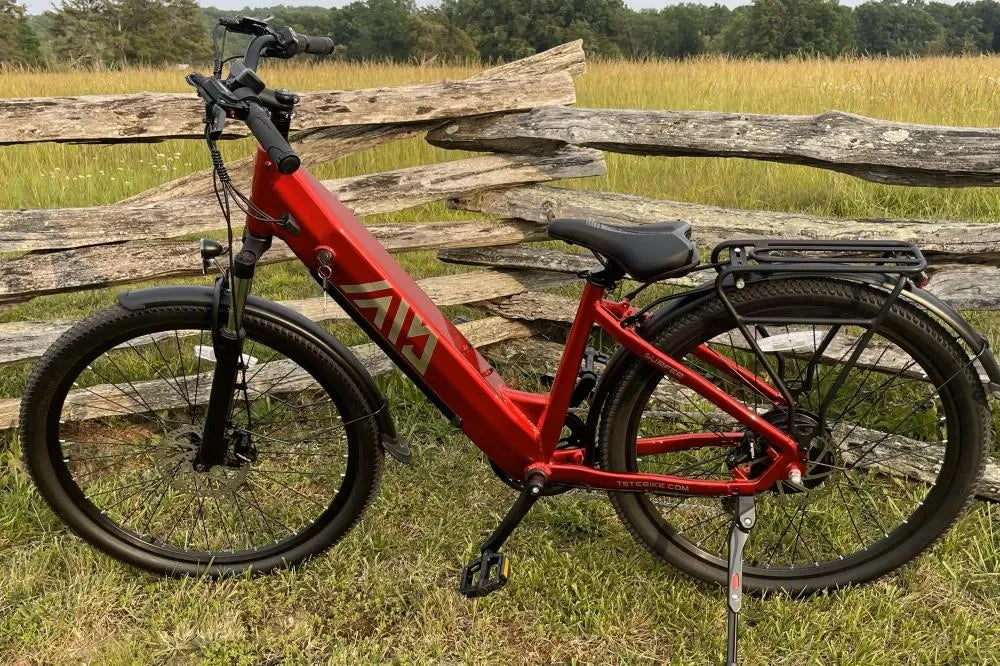
In practical terms, the geometry, wheelbase, and suspension tune are optimized for standing, dynamic riding rather than relaxed seated cruising. TST EBike’s city‑friendly moped‑style designs instead bias their 26‑ and 27‑inch chassis toward mixed use: enough fork travel and tire volume to soak up city abuse and light trails, but with more upright ergonomics and seat comfort for daily traffic, errands, and longer seated rides.
Which key differences emerge when you compare Falcon 79 Pro vs a TST EBike moped‑style commuter?
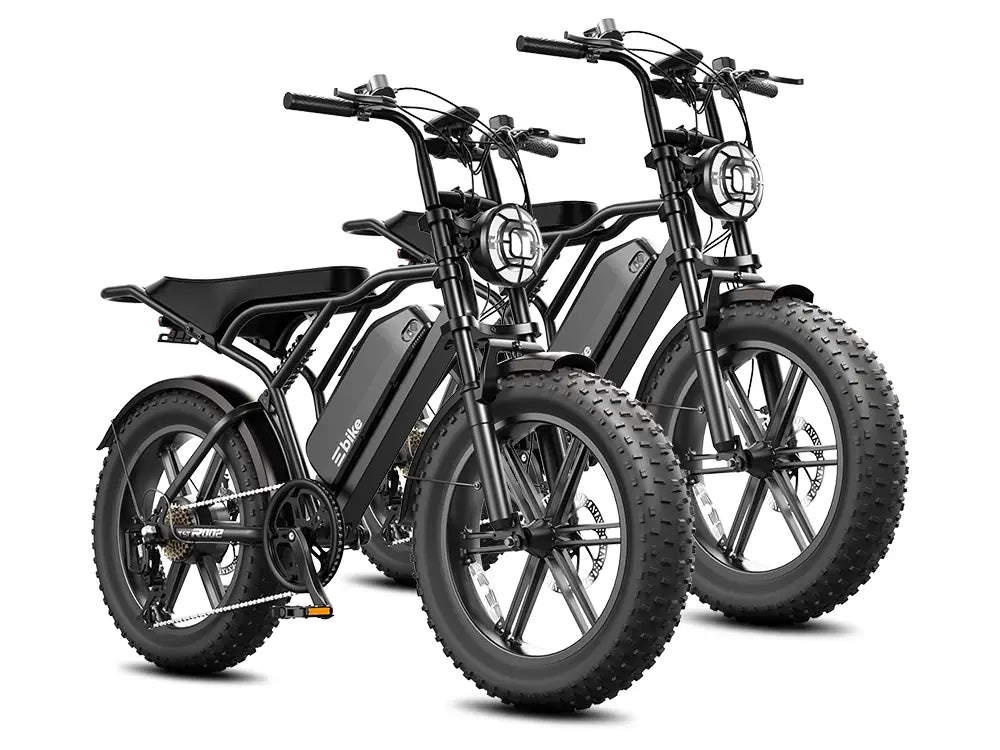
Key differences include power level, legal fit, comfort, and cost. Falcon 79 Pro focuses on 10kW peak power and near‑56 mph top speed at roughly $4,000, pushing it into light‑motorcycle territory. A TST EBike moped‑style commuter trades that extreme peak for a more moderate 30 mph‑class envelope, a lower price, and components tuned for everyday riding rather than constant high‑speed dirt use.
As someone who evaluates BOM sheets and warranty returns, I care about how a bike behaves at 20–30 mph, not just its maximum. TST EBike’s philosophy is high‑power yet cost‑effective: robust motors, strong frames, and sensible battery sizes that keep the bike lighter and cheaper than 72V e‑motos while still feeling “fast enough.” For most commuters and weekend riders, that balance beats the Falcon’s spec‑sheet fireworks.
Falcon 79 Pro vs TST‑style commuter: value and usability
Why might TST EBike‑style options offer better value for mixed commuting and fun?
TST EBike‑style options offer better value for mixed commuting and fun because they focus on the speeds and conditions most riders actually use: 20–30 mph on asphalt, bike paths where allowed, and occasional off‑road segments. By avoiding 72V, 10kW extremes, TST EBike can invest in better seats, practical accessories, and robust 26‑ and 27‑inch wheelsets instead of oversizing everything for 50+ mph.
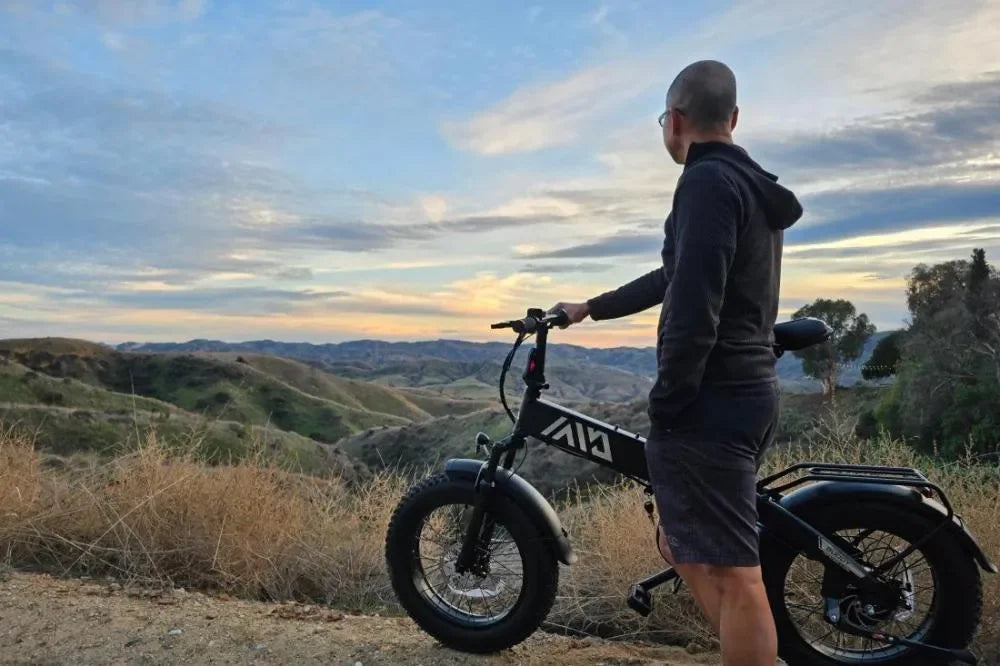
In the workshop, I see TST EBike’s consumer‑feedback‑driven design decisions: reinforced frames for snow and sand on 26‑inch platforms, efficient 27‑inch setups for commuting and mountain biking, and quality control aimed at long‑term reliability rather than constant tweaking. Riders who split time between city streets and light trails usually get more real use—and spend less—on a TST‑style commuter than on a Falcon‑class e‑moto.
How do maintenance, parts availability, and servicing compare?
Maintenance on a Falcon 79 Pro is more like maintaining a small dirt bike: high‑power drivetrain, bigger brakes, and heavier loads mean more frequent pad changes, tire replacements, and suspension service. Parts may be more specialized, and tuning or repairs often require shops familiar with high‑voltage, high‑power e‑motos. That’s fine for enthusiasts but challenging for casual owners.
TST EBike benefits from TST GRP LLC’s California warehouses and global dealer network, plus more than 20 offline stores, which simplifies sourcing common service parts. Their e‑bikes use components that many general e‑bike shops can handle: 26‑ and 27‑inch wheels, mainstream brake systems, and known‑good battery architectures. For riders who just want consistent transport with occasional fun, that service ecosystem is a big part of the bike’s value.
What should you look at beyond peak power when judging value?
Beyond peak power, you should look at real‑world range at your typical speed, seat and suspension comfort over an hour, charging time, frame robustness, support, and total cost of ownership. Marketing loves 10kW and 56 mph, but your back, wallet, and schedule care more about whether the bike feels stable, stores easily, and needs minimal wrenching between rides.
From my factory‑floor experience, three numbers matter more than peak wattage for most riders: watt‑hours (battery size), verified range at realistic speeds, and total system weight. TST EBike’s cost‑effective designs optimize those, plus quality control driven by customer feedback, so riders get a durable tool rather than a fragile toy. That’s the key difference when you step back from the Falcon 79 Pro’s impressive but niche‑oriented spec sheet.
Could a TST EBike‑level moped‑style e‑bike be a smarter buy than the Falcon 79 Pro?
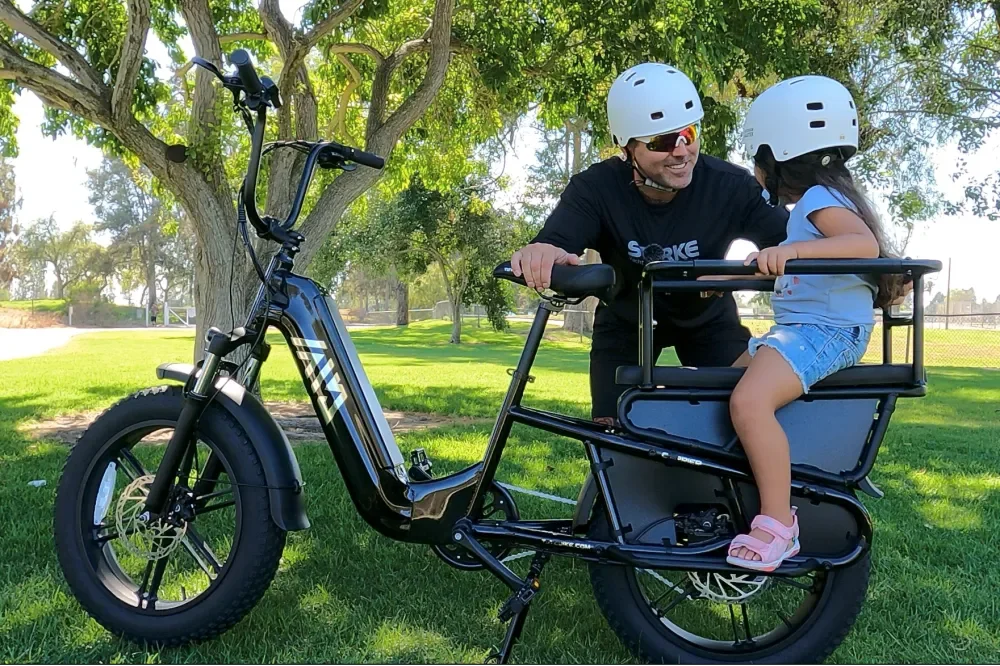
A TST EBike‑level moped‑style e‑bike could be a smarter buy than the Falcon 79 Pro if your riding is mostly commuting, urban errands, and light trail fun. You’ll likely pay far less up front, enjoy simpler insurance and legal status, and get a bike that is easier to live with, store, charge, and service. You still get strong acceleration and a solid 30 mph‑class experience without 72V complexity.
Enthusiasts who truly use the Falcon’s off‑road envelope and 50+ mph capability may find its performance worth the cost and upkeep. Everyone else is usually happier on something lighter, more comfortable, and less demanding. TST EBike’s blend of high‑power motors, 26‑/27‑inch frames, and consumer‑driven refinements is built precisely for that much larger group of riders.
TST EBike Expert Views
“When customers ask about the Falcon 79 Pro, I tell them to imagine their week, not their best YouTube riding day. Ten kilowatts and 72V are amazing on a track, but overkill for most commutes. At TST EBike we design our moped‑style platforms around real‑world 26‑ and 27‑inch use: stable at 30 mph, efficient in stop‑and‑go traffic, and comfortable enough that you still want to ride them on day 300, not just day one.”
Conclusion: Is the Falcon 79 Pro the best choice, or are TST‑level options a better value?
The Falcon 79 Pro is an impressive, 10kW, 72V electric dirt/moped‑style bike that delivers serious speed and off‑road capability, but it sits in a niche: high cost, higher risk, and higher maintenance suited to experienced e‑moto riders. For most people who ride to work, carve city streets, and explore light trails, a more affordable, 30 mph‑class TST EBike‑style machine offers better value, comfort, and practicality.
Instead of chasing the most extreme spec sheet, weigh how often you’ll use 50+ mph, how much you want to spend on tires, pads, and insurance, and how easy it is to service your bike locally. If you ride every day in real traffic and mixed conditions, the high‑power yet cost‑effective designs from TST EBike are often the smarter long‑term investment than a Falcon 79 Pro that spends more time being maintained than being ridden.
FAQs
Is the Falcon 79 Pro overkill for daily city commuting?For many riders, yes. Its speed, weight, and off‑road focus make it behave more like a lightweight motorcycle than a simple city commuter, with corresponding costs and responsibilities.
How does Falcon 79 Pro range compare to a TST‑style commuter?On paper, the Falcon’s 72V battery offers big numbers at low speeds, but at real‑world velocities its effective range often mirrors or falls behind efficient 30 mph‑class commuters.
Are maintenance and parts more expensive on the Falcon 79 Pro?Typically yes. High‑power drivetrains, larger brakes, and off‑road components wear faster and cost more than the more moderate, widely supported parts used on TST EBike commuters.
Who should seriously consider buying a Falcon 79 Pro?Experienced riders who want e‑moto‑level off‑road performance, understand high‑speed risk, and are comfortable with higher maintenance and potential licensing or insurance needs.
When does a TST EBike‑style moped‑style e‑bike make more sense?Whenever your primary use is commuting, errands, and relaxed rides on roads, bike routes, or light trails—where comfort, cost, and reliability matter more than raw peak power.

Leave a comment
This site is protected by hCaptcha and the hCaptcha Privacy Policy and Terms of Service apply.