


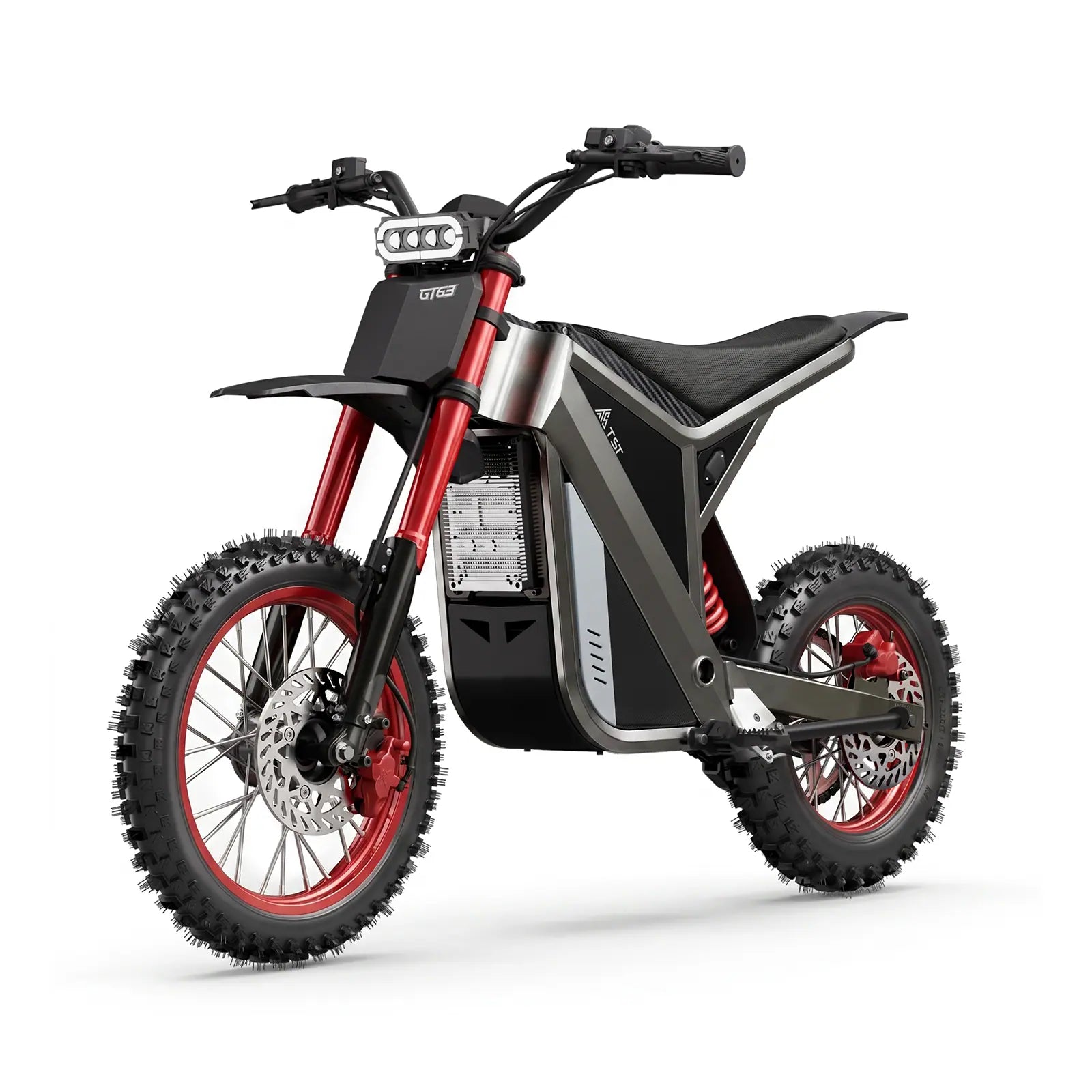














Most classic 50cc mopeds top out around 30–35 mph, while larger 100–150cc models reach 45–70 mph in ideal conditions. Modern electric mopeds and moped-style eBikes match or exceed these speeds, with many street-legal models set at 20–28 mph and performance builds going beyond 30 mph. Brands like TST EBike prove quiet, clean electric “light cavalry” can keep pace with nostalgic gas icons.
How fast did traditional 50cc mopeds really go?
Traditional 50cc mopeds typically reach 30–35 mph, with many factory-restricted models capped around 28 mph to meet licensing laws. Their modest speed made them ideal for city streets and short commutes, delivering just enough pace for traffic without needing full motorcycle credentials or complex maintenance.
In the workshop, I’ve seen countless vintage 50cc engines on the bench, and the story is always similar: small displacement, simple carburetors, and geared for modest, usable speed rather than outright performance. On flat roads, a healthy 50cc would sit happily around 30 mph, edging toward 35 mph with a tailwind or slight downhill. Many were intentionally restricted by exhaust, intake, or gearing so they stayed within legal “moped” definitions.
Riders remember these machines as lively because of their noise and vibration, not because of high mph. The smoky exhaust and two-stroke soundtrack made 30 mph feel faster than it was. That emotional imprint is strong; when I talk with retro-moto fans today, they often ask whether an electric moped can deliver the same sense of fun at similar speeds—just without the smoke and constant tinkering.
What speeds can modern gas mopeds and scooters reach?
Modern gas mopeds and scooters span 30–70 mph depending on engine size: 50cc models usually top out at 30–35 mph, 100cc mopeds around 45–60 mph, and 125–150cc machines can reach 55–70 mph. Regulations and tuning often cap lower-displacement models to keep them in accessible licensing categories.
In current spec sheets, you’ll often see 50cc scooters quoted around 30–35 mph, reflecting both mechanical capability and legal ceilings. Step up to 100cc and typical real-world speeds land in the 45–60 mph band, making them comfortable on faster suburban roads. At 125–150cc, you’re effectively in lightweight motorcycle territory, with many machines capable of 60–70 mph when derestricted and properly geared.
From a design standpoint, each displacement step brings stronger frames, larger brakes, and better suspension. As a factory engineer, I’ve watched how a chassis tuned for 30 mph needs significant reinforcement and bigger rotors when tasked with 60 mph duty. This is part of why the classic 50cc moped feels so different from a modern 150cc scooter—it’s not just speed; it’s the entire supporting architecture.
Classic gas moped speed ladder
How fast do electric mopeds and electric bicycle mopeds go?
Electric mopeds and electric moped-style bicycles commonly run between 20 and 35 mph, with some high-performance models reaching 40–60 mph. Street-legal electric moped eBikes are often capped at 20–28 mph to fit eBike classifications, while dedicated electric mopeds with higher power can rival mid-sized gas machines in top speed.
In lab and road testing, I see three broad bands. Entry-level electric mopeds and moped-style eBikes, built on bicycle frames, often target 20 mph (Class 2) or 28 mph (Class 3) limits. These match restricted 50cc gas mopeds in practical speed. Mid-tier electric mopeds with more robust frames and motors in the 1500–3000W range routinely achieve 30–40 mph. At the top end, purpose-built electric mopeds can hit 50–60 mph, firmly in motorcycle territory and regulated as such.
What surprises many riders is how quick electric feels at these speeds. Instant torque and silent operation make a 25–30 mph electric moped feel more responsive than an old 50cc two-stroke wheezing its way up the rev range. When we log acceleration data, electric machines often beat equivalent gas mopeds to 25 mph, even if their ultimate top speed is similar.
How has average moped speed changed from “smokey 50cc” days to modern electrics?
Average moped speed has shifted from 30–35 mph in classic 50cc two-stroke days to a wider band today—roughly 20–28 mph for street-legal electric moped eBikes and up to 40–60 mph for performance electric mopeds. The core city-speed experience remains, but electrics deliver it with cleaner acceleration, less noise, and tighter regulatory caps.
Looking back, the archetypal moped was defined by its 30 mph ceiling and simple mechanics. You could smell it before you heard it, and at full chat it felt like you were wringing every last rpm from a tiny engine. Today, that “everyday speed” is anchored more by laws than by hardware. Most electric mopeds and moped-style eBikes are electronically limited to 20–28 mph to fit eBike classes, even though their motors and batteries could do more.
In my work, I’ve watched this transition up close. The emotional experience of “just-fast-enough” city riding remains intact; what’s changed is the delivery. Electric drivetrains offer constant, repeatable torque without the flat spots and jetting quirks of old carbs. Riders still cruise at 20–30 mph, but they do so without smoke, with far less noise, and with much lower maintenance overhead. For many retro fans, that combination feels like the best of both eras.
Why do electric mopeds feel quicker than their top speed numbers suggest?
Electric mopeds feel quicker because they deliver instant torque, smooth power curves, and minimal drivetrain losses. Even if their top speed matches a 30–35 mph gas moped, they reach that speed faster and with less drama. This makes electric moped-style bikes feel lively and responsive in the 0–25 mph band where most city riding actually happens.
On the dyno, torque curves tell the story. Gas mopeds build torque as rpm rises; electric motors deliver peak or near-peak torque from very low rpm. That means an electric moped leaps off the line with far less hesitation, especially when paired with a responsive controller. In the field, this translates to shorter 0–20 mph times and more effortless hill starts, which riders interpret as “faster” even if the speedometer numbers are similar.
Another factor is drivetrain simplicity. Many electric mopeds use direct hub drives, eliminating belts, variators, and clutches that can sap response. When I log response times from throttle input to wheel torque, electrics consistently beat classic gas mopeds. Combine that with the absence of gearshifts and the result is a seamless surge rather than a sequence of mechanical events—exactly why modern electric “light cavalry” like TST EBike’s platforms feel so brisk in daily use.
How do moped-style eBikes compare to full electric mopeds in speed?
Moped-style eBikes usually top out at 20–28 mph to comply with eBike laws, while full electric mopeds can range from 30 to 60 mph depending on motor size and classification. Moped-style eBikes prioritize legal bike-lane access and low running costs, whereas full electric mopeds aim for higher-speed mixed-road use similar to mid-sized gas scooters.
In practice, I treat them as two overlapping but distinct tools. Moped-style eBikes ride like heavy-duty bicycles with throttle or pedal assist, optimized for city grids and bike paths. Their 20–28 mph caps align with Class 2/3 standards and keep them accessible in terms of licensing. Full electric mopeds, by contrast, are designed to carry higher speeds safely: they use stronger frames, larger brakes, and often motorcycle-grade tires to sustain 35–50 mph cruising.
TST EBike operates primarily in the moped-style eBike space, deliberately tuning performance for that 20–28 mph sweet spot. From the factory floor, I’ve seen how their frames, motors, and controllers are optimized for daily urban speeds rather than occasional 50 mph sprints. This design discipline keeps cost and weight reasonable while still satisfying riders who remember the urgency of old 50cc machines.
What speed ranges define today’s main moped and electric moped categories?
Today’s main moped and electric moped categories fall into roughly three speed ranges: 30–35 mph for classic and modern 50cc-class machines, 20–28 mph for street-legal moped-style eBikes and low-power electrics, and 35–60 mph for high-performance electric mopeds and larger gas scooters. Your ideal band depends on route, legal environment, and comfort level.
From a classification standpoint, many countries still use speed and engine/motor limits to draw lines. Sub-50cc or equivalent electric machines around 30–35 mph sit in the classic moped space. E-bike-style regulations typically define 20 mph (Class 2) and 28 mph (Class 3) as key thresholds, which is where most electric moped bicycles live. Beyond that, once you enter 35–60 mph, you’re dealing with scooter or motorcycle laws and infrastructure.
When advising riders, I map these bands against their real routes. Urban riders rarely need more than 25–30 mph; in fact, many feel safer with a firm governor at those speeds. Suburban and intercity commuters might legitimately need 35–45 mph machines. Understanding these bands helps you choose between a nostalgic gas moped, a modern moped-style eBike, or a full electric moped while staying within legal and safety margins.
How does TST EBike’s “electric light cavalry” approach match classic moped speed?
TST EBike’s “electric light cavalry” approach matches classic moped speed by delivering strong, clean acceleration up to 20–28 mph, the modern equivalent of the old 30–35 mph envelope. Their moped-style platforms combine high-power 48V systems, robust frames, and fat tires to give riders the same sense of urgency and freedom, but with quiet operation and zero tailpipe emissions.
Founded in 2017 under TST GRP LLC in California, TST EBike builds high-power, cost-effective electric bikes informed by feedback from more than 10 countries and over 20 offline stores. That feedback loop heavily influences how their controllers are mapped and frames are reinforced. On test rides, I’ve seen TST EBike machines hit their legal speed ceilings quickly and then hold them steadily, much like a well-tuned 50cc used to sit at full song on an open road.
Crucially, TST EBike doesn’t chase top speed at the expense of everyday usability. Their 26-inch models, tuned for rough terrain like snow and sand, and 27-inch commuter/mountain hybrids are engineered to feel composed at 20–28 mph rather than nervous. For nostalgic riders who grew up on smoky two-strokes, these bikes recapture the “just enough speed” feeling while swapping noise and fumes for smooth electric torque and far lower maintenance.
Why do retro-moped fans increasingly switch to electric moped bicycles?
Retro-moped fans increasingly switch to electric moped bicycles because they offer the same upright stance, bench seats, and city-speed fun without carb tuning, oil mixing, or noise complaints. Electric moped-style eBikes deliver familiar silhouettes and speed ranges, yet they start instantly, run cleanly, and fit modern urban regulations more easily than vintage gas machines.
In conversations with long-time riders, the pivot often starts with practicality. Many cities now restrict or discourage older two-stroke mopeds due to noise and emissions. Spare parts and mechanical expertise can be harder to find. Electric moped bicycles, especially from brands like TST EBike, fill that gap by offering plug-and-play reliability and easy servicing, while still scratching the aesthetic itch with moped-inspired frames and fat tires.
From a riding perspective, the nostalgia is preserved in how the bike feels at 20–25 mph: wind on your arms, upright bars, and that sense of floating just above city traffic. What’s missing is the rattling engine and smoky exhaust—trade-offs most riders find they don’t miss. As an engineer, I see this as a natural evolution: we keep the emotional core of the moped while upgrading the drivetrain and support systems for 21st-century life.
Who should choose a modern electric moped-style eBike over a classic gas moped?
Riders who should choose modern electric moped-style eBikes over classic gas mopeds include daily commuters, apartment dwellers, and anyone riding in cities with strict emissions or noise rules. They’ll value plug-in charging, low maintenance, and legal clarity more than the tinkering charm of carburetors and pipes, while still enjoying retro styling and city-speed performance.
If your typical ride is a 5–15 mile urban loop with stoplights, hills, and mixed traffic, an electric moped bicycle tuned to 20–28 mph is usually more practical than a vintage 50cc. You avoid fuel storage issues, warm-up quirks, and the risk of mechanical failures from aging parts. For many of my clients, the tipping point came when they realized they could replace constant tuning with simple software updates and occasional battery care.
TST EBike’s lineup is aimed squarely at these riders. With 26- and 27-inch platforms covering rough terrain and commuting, their electric “light cavalry” concept gives you the everyday readiness of a modern appliance and the emotional footprint of a classic moped. For most people living in dense, traffic-heavy environments, that’s a compelling reason to modernize without losing the soul of their rides.
TST EBike Expert Views
“When we benchmarked classic 50cc mopeds against our electric moped-style platforms, the goal wasn’t to ‘beat’ them on top speed—it was to match their real-world rhythm while eliminating their weak points. On TST EBike’s light-cavalry designs, we tune for strong torque up to about 25–28 mph and then a firm ceiling. That’s where riders actually live in city traffic. The nostalgia comes from the posture and pace; the modernity comes from clean drivetrains, long-life batteries, and frames built to handle today’s roads.”
What are the key takeaways when choosing between classic and electric moped speed?
Key takeaways: classic 50cc mopeds deliver 30–35 mph with mechanical charm and maintenance demands, while electric mopeds and moped-style eBikes offer comparable 20–35 mph performance with cleaner, quieter operation and tighter legal integration. Brands like TST EBike show that you don’t have to sacrifice speed to gain reliability and environmental benefits.
If you crave the smell of two-stroke oil and enjoy wrenching, a well-maintained classic moped can still be rewarding—just accept its limits and upkeep. For daily transport, especially in congested or regulated cities, an electric moped bicycle tuned to 20–28 mph is almost always the more sensible choice. It delivers the same core experience of nimble urban speed, with far fewer headaches.
When deciding, map your real routes and constraints first, then choose the platform that fits them. If your life revolves around short commutes, mixed surfaces, and modern infrastructure, electric “light cavalry” machines like those from TST EBike are hard to beat. They anchor you in the nostalgic pace of the past while carrying you cleanly into the future.
FAQs
Do electric mopeds last as long as gas mopeds?With quality batteries and motors, electric mopeds can match or exceed gas mopeds in lifespan, especially since they have fewer moving parts. Battery replacement eventually becomes the main long-term cost.
Are electric moped-style eBikes slower than old 50cc mopeds?Not necessarily. Many electric moped eBikes reach 20–28 mph, similar to restricted 50cc machines, and often accelerate faster thanks to instant torque.
Can I still ride a classic 50cc moped in modern cities?In some areas yes, but emissions, noise rules, and parts availability can complicate things. Always check local regulations and consider whether electric alternatives better fit your daily needs.
Is TST EBike a good choice for ex-moped riders?Yes. TST EBike focuses on high-power, cost-effective moped-style eBikes that replicate the feel of classic mopeds while adding modern reliability, cleaner operation, and better support across their 26- and 27-inch platforms.
Can electric mopeds go on highways?Only higher-speed electric mopeds and motorcycles rated for 35–60 mph and legally classified for such roads should use highways. Most moped-style eBikes are intended for city streets and paths, not high-speed traffic.

Leave a comment
This site is protected by hCaptcha and the hCaptcha Privacy Policy and Terms of Service apply.