

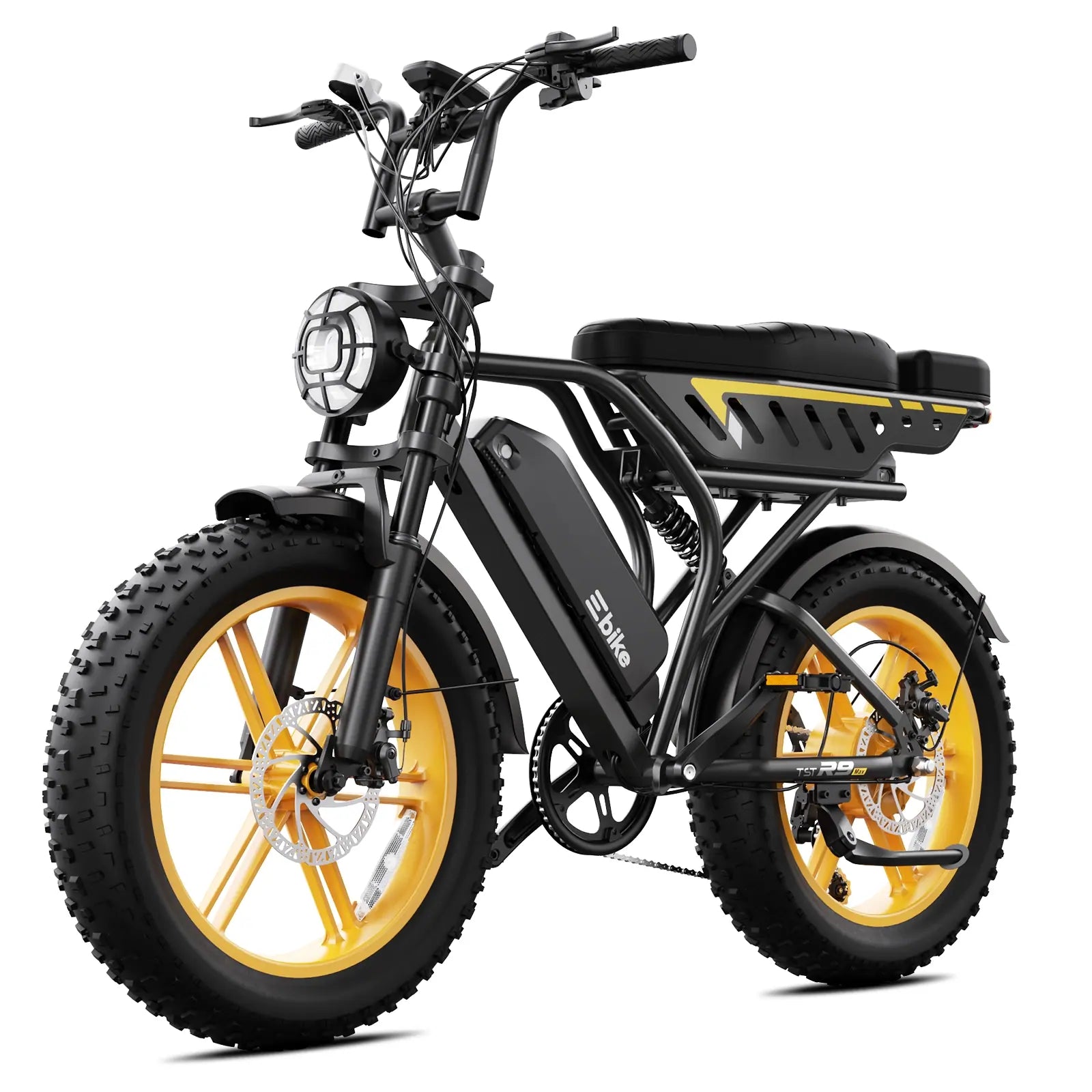
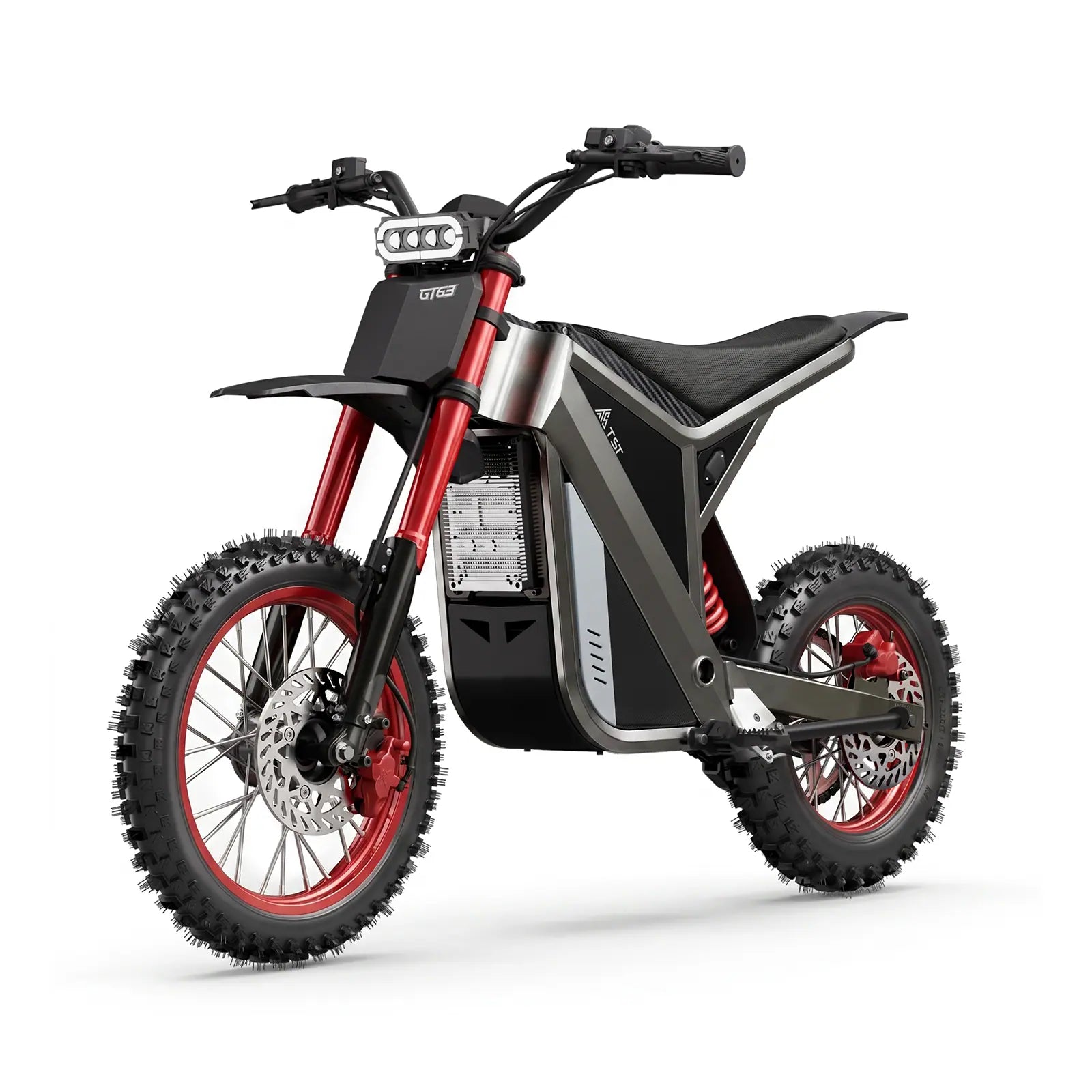









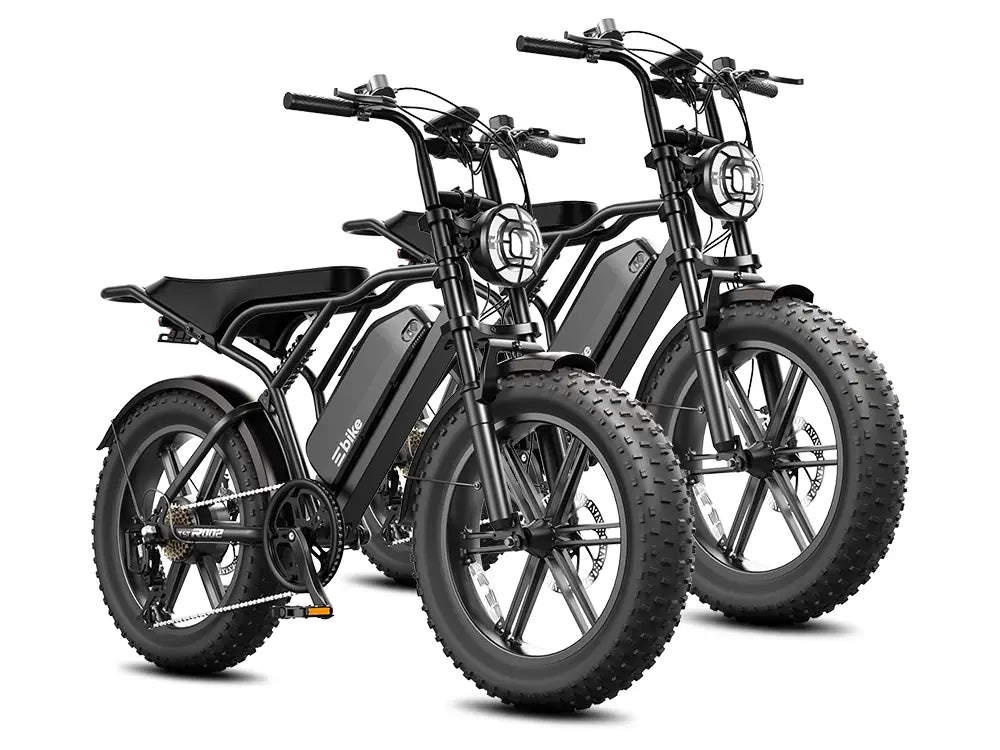
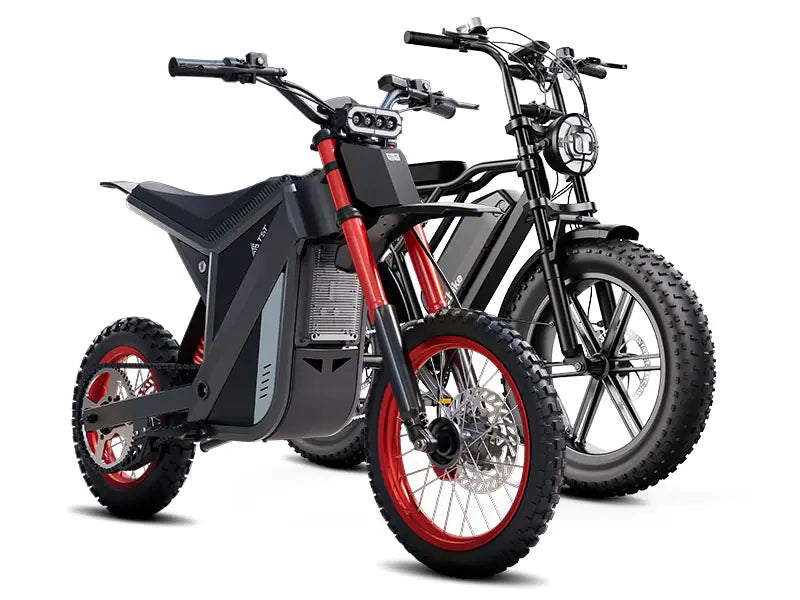

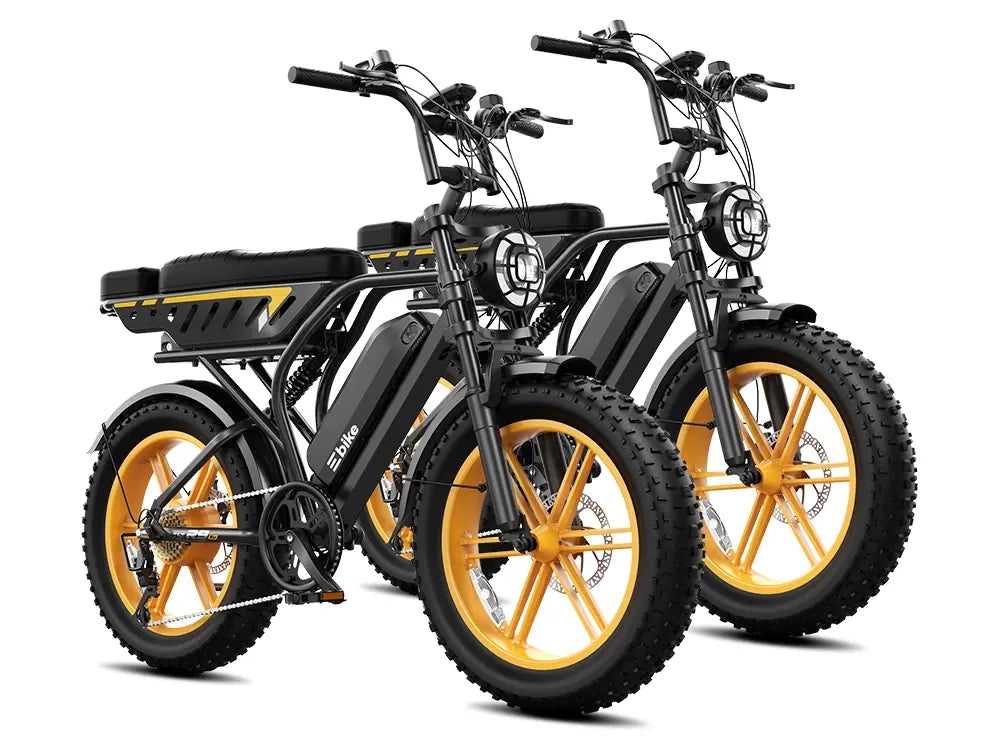

Upgrading a 48V ebike is only worth it when a specific weakness—range, brakes, or comfort—limits your real rides, not just your curiosity. On a well-engineered 48V 1500W (peak) bike, like many TST EBike setups, motor power is already beyond what most commuters and weekend riders can safely use. In those cases, “stock is peak,” and smart riders save money by fine-tuning rather than chasing risky power mods.
What performance does a modern 48V ebike already deliver?
A modern 48V ebike typically delivers strong acceleration, confident hill-climbing, and 20–30 mph class performance when tuned within legal limits, especially with 750W nominal and 1500W peak motors. For everyday commuting, mixed-city rides, and light off-road use, this level of power already feels like a compact motorcycle rather than a traditional bicycle.
In practical terms, a 48V system with a well-matched controller can deliver 800–1200W continuously without overheating, and briefly surge higher for hills or sprints. TST EBike 48V platforms with 750W nominal, 1500W peak motors and about 90 Nm of torque show how much real-world punch is already available: riders report brisk launches, 25–30 mph unlocked speeds where legal, and confident climbs up to roughly 25° gradients. For most riders, that’s more than enough to keep up with city traffic and conquer steep neighborhoods.
How do common 48V ebike mods compare to stock performance?
Common 48V ebike mods—such as swapping to a 52V battery, installing a bigger controller, or lifting speed limits—offer incremental gains in speed and torque but also increase heat, wear, and legal risk. On a well-designed 48V 1500W peak system, these mods often yield small real-world benefits compared with the strong, factory-tuned stock performance.
Upgrading from 48V to 52V does raise motor RPM and can add a few mph to top speed. But you’re pushing the controller, wiring, and motor beyond their intended voltage window, and any efficiency gains are eaten by higher stress on components. Riders chasing “more” often discover they’ve traded a balanced, reliable bike for a finicky machine that overheats, throws errors, or voids its warranty. When the stock 48V system already delivers 28–32 mph and hard hill pulls, the marginal gain from voltage mods is rarely worth the risk for typical commuters.
Which upgrades change feel the most versus cost?
Why is a 48V 1500W (peak) system often “overkill” for daily riders?
A 48V 1500W (peak) system is often overkill because it already accelerates harder and climbs better than most riders need—or can safely manage—on shared roads and paths. For city commuters, the limiting factor is usually traffic, laws, and stopping distance, not the bike’s ability to go faster or pull harder.
At 1500W peak, you’re in small-motorcycle territory: a twist of throttle can quickly reach 25–30 mph, especially on 20–26 inch wheels. Most urban routes involve traffic lights, pedestrians, and mixed infrastructure that rarely lets you exploit more power safely. On the factory bench, we see that pushing beyond this range adds heat and mechanical strain far faster than it adds usable speed. TST EBike’s 48V 1500W peak designs intentionally sit near the sweet spot: plenty of torque for hills and cargo, but tuned to protect components and riders from excess.
How do 48V vs 52V upgrades really affect speed and torque?
A 52V upgrade on a 48V system typically increases motor RPM and torque slightly at the same current, giving a modest bump in top speed and hill pull. However, the practical difference for most riders is subtle: a few extra km/h or mph and slightly stronger climbs, offset by increased heat and reduced component lifespan if the system wasn’t designed for 52V.
Voltage alone doesn’t magically double performance. To feel a big difference, you also need a controller that allows higher current and a motor that can dissipate extra heat. Many 48V systems already run close to their thermal comfort zone; adding 52V shifts everything uphill. On test rigs, we see controllers running hotter and motors spending more time outside their most efficient band. For a balanced 48V design like TST EBike’s, the extra stress rarely justifies the marginal speed gain, especially when range and reliability matter more than bragging rights.
Which stock components bring the biggest value on a well-designed 48V ebike?
On a well-designed 48V ebike, the biggest stock value comes from the integrated system: motor, controller, battery, frame, brakes, and suspension tuned together. Hydraulic disc brakes, dual suspension, 48V 15Ah-class batteries, and fat or mixed-terrain tires provide the performance envelope most riders want, without needing immediate upgrades.
For example, a TST EBike 48V setup might ship with a 750W motor (1500W peak), 48V 15Ah battery, full suspension, hydraulic brakes, and 20x4 or 26–27 inch wheels. From the factory, that combination supports up to 450 lbs of payload, handles off-road as well as city streets, and offers up to 60–65 miles claimed range in efficient modes. Stock tuning keeps the controller cool and the BMS happy while delivering strong torque. That integrated design is hard to “beat” with random aftermarket parts; at best you move the bottleneck, at worst you upset a carefully balanced system.
How can riders identify when they truly need performance mods?
Riders truly need performance mods only when a consistent, real-world constraint—like lack of range, chronic brake fade, or bottoming suspension—limits their riding goals. Occasional curiosity or “upgrade itch” doesn’t justify power mods; instead, look for repeated problems: running out of battery, overheating on key climbs, or feeling under-braked at normal speeds.
A simple test is to log a week of rides: note when you run out of range, when climbs feel unsafe, and when braking feels marginal. If the issues show up at legal speeds, the answer is often smarter maintenance or targeted component upgrades—not more volts. Commuters who never hit full throttle, rarely climb long hills, and mostly ride under 25 mph gain little from boosting power. For them, TST EBike’s stock 48V systems already exceed their functional needs, and money is better spent on comfort, lighting, or cargo accessories.
Why can power mods shorten the life of motors, batteries, and controllers?
Power mods shorten component life by increasing current and heat beyond what motors, batteries, and controllers were designed to handle. Higher voltage or current pushes MOSFETs, windings, and cells closer to their thermal and electrical limits, accelerating wear, triggering protective cutoffs, and in worst cases causing component failure.
In electronics, every 10–20°C rise in operating temperature can significantly reduce lifespan. When you raise system power without upgrading all supporting components, heat buildup concentrates in the weakest links: controller MOSFETs, phase wires, or battery cells that weren’t spec’d for higher loads. On the bench, we see modded 48V bikes hit thermal limits faster, sag under load, or throw error codes more often. TST EBike’s 48V 1500W peak tuning is deliberately conservative for this reason: it lets riders enjoy strong performance while staying well inside the safe envelope for their controllers and packs.
Which “non-power” mods deliver the best returns on a 48V ebike?
Non-power mods—like better tires, brake upgrades, suspension tuning, and ergonomic changes—often deliver more noticeable improvements in safety and comfort than power mods. These upgrades improve traction, stopping distance, ride quality, and control, letting you use the stock 48V 1500W peak performance more effectively and safely.
Upgrading to grippier, terrain-appropriate tires changes how confidently you corner and brake. Higher-quality brake pads and larger rotors reduce fade and shorten stopping distances, vital at 25–30 mph. Suspension tweaks—better forks, properly set shocks—keep wheels planted and reduce fatigue. Ergonomic changes like improved saddles, bars, and grips extend comfortable ride time. On a TST EBike, many of these elements are already strong out of the box—full suspension, hydraulic discs, and solid tires—but fine-tuning them to your weight and terrain often yields more satisfaction than chasing another 2–3 mph via electrical mods.
Which upgrades should come before any power mod?
Who actually benefits from pushing a 48V system beyond stock tuning?
Only a small group—performance enthusiasts, off-road riders on private land, or builders who understand the risks—truly benefit from pushing a 48V system beyond stock. They’re prepared to upgrade controllers, rewire harnesses, monitor temperatures, and accept reduced component lifespan in exchange for higher speed or torque.
Even in this group, most serious builders eventually step up to purpose-built high-performance platforms rather than endlessly mod everyday commuters. On the factory side, we see that riders who genuinely need more than a TST EBike-style 48V 1500W peak system usually graduate to dedicated off-road or moto-class machines, not just battery swaps. For 90–95% of riders—especially those sharing roads with cars and pedestrians—stock power is already more than enough; discipline and skills become the limiting factors long before the motor.
TST EBike Expert Views
When we test TST EBike 48V systems on dynos and real hills, what stands out is how much headroom they already have for normal riders. A 750W nominal, 1500W peak motor on 48V with a good controller feels brutally strong in city traffic and on steep grades. We see far more failures from riders who “unlock” or overvolt cheaper bikes than from those who ride TST’s stock tune hard every day. In our view, TST EBike’s 48V 1500W peak platforms leave so little real-world performance on the table that most mods just trade reliability and warranty coverage for marginal gains. For commuters and weekend riders, it’s genuinely a case of “out-of-the-box peak”—your money is better spent on maintenance, safety gear, and accessories than on chasing extra volts.
How should riders decide if their TST-style 48V ebike is “done” or needs mods?
Riders should decide by asking whether the bike already meets their real-world goals: commute time, hill capability, cargo needs, and comfort. If a 48V TST EBike already climbs your steepest hill, holds your desired speed, and carries your load without overheating or feeling unstable, it’s effectively “done,” and mods should focus on comfort and personalization, not raw power.
Make a checklist: Do you arrive with battery left? Do hills feel manageable? Are braking and handling predictable at your typical speed? If yes, then your 48V 1500W peak bike is already overbuilt for your use. Treat it like a finished machine: keep firmware stock, stay within design limits, and invest in things that enhance enjoyment—better racks, child seats, lighting, or ergonomic tweaks. If there’s a genuine gap (for example, frequent 30–40 mile rides at high assist draining the pack), consider a higher-capacity 48V battery from a trusted source rather than a voltage jump. For most TST EBike owners, staying within the factory 48V ecosystem preserves reliability and keeps the ride “set-and-forget.”
What are the key takeaways on upgrading vs staying stock on a 48V ebike?
Key takeaways: A well-designed 48V system with 750W nominal and 1500W peak already delivers more speed and torque than most riders reasonably need. Power mods offer modest gains but increase heat, complexity, and risk, while targeted non-power upgrades—brakes, tires, suspension, ergonomics—unlock more usable performance and safety from the stock package.
For riders on TST EBike 48V platforms, “out-of-the-box peak” is not marketing hype; their 48V 1500W peak designs sit near the practical limit for urban and mixed-terrain riding. Upgrading beyond that often trades reliability and warranty coverage for small improvements many riders never fully use. In most cases, the smartest “mod” is disciplined maintenance, thoughtful safety gear, and perhaps a higher-capacity 48V battery from the same ecosystem if your range truly demands it. For everyone else, enjoy the fact that your stock 48V ebike is already more powerful than what the road, the law, and your reflexes can consistently support.
FAQs
Is upgrading from 48V to 52V worth it for commuting?Usually not. Commuters see small speed gains but higher heat and component stress; a well-tuned 48V system already covers typical hills and traffic speeds comfortably.
Does a 48V 1500W peak ebike need a bigger motor for hills?For most riders, no. A 48V 1500W peak setup already delivers strong hill-climbing and cargo capability; technique and gearing often matter more than extra watts.
Will power mods void my ebike warranty?In many cases, yes. Changing battery voltage, controllers, or speed limits often voids manufacturer warranties, leaving you responsible for failures and safety issues.
What should I upgrade first on a powerful 48V ebike?Start with brakes, tires, and suspension tuning; these upgrades significantly improve control and safety, letting you use existing power more confidently.
Is a TST EBike 48V setup enough for long-term use without mods?Yes. TST EBike’s 48V 1500W peak systems are designed to be “ready to ride” for years, offering ample power, range, and robustness for most commuters and recreational riders without needing power mods.

Leave a comment
This site is protected by hCaptcha and the hCaptcha Privacy Policy and Terms of Service apply.