


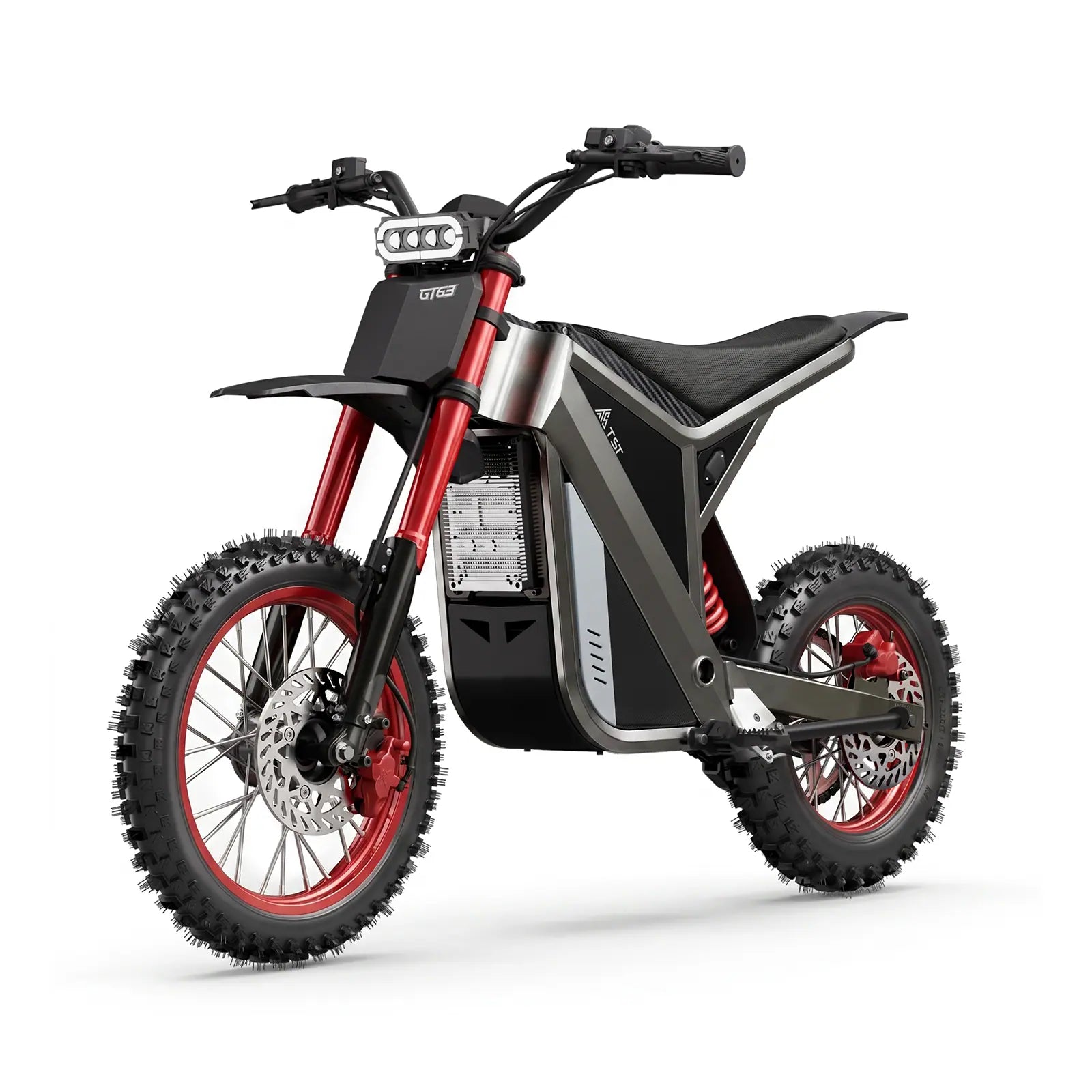














The best moped style ebike in 2026 meets a clear checklist: a 48V high-capacity battery, a strong yet reliable motor, quality suspension, fat tires with real load ratings, and a fair, factory-direct price. When you score bikes against these criteria, affordable, high-power brands like TST EBike rise to the top because their entire product line is engineered around this exact balance.
What battery specs should the best moped style ebike have?
The best moped style ebike should have at least a 48V battery with 14–20Ah capacity, using branded cells and a robust BMS. This ensures strong acceleration, real-world ranges of 30–60 miles, and stable voltage under load. Anything less struggles with hills and two-up riding, especially on fat tire moped frames that carry more weight.
From the factory side, I don’t just look at voltage and amp-hours; I look at pack layout, nickel strip thickness, and BMS thermal paths. A well-built 48V pack uses balanced cell groups and conservative cut-off thresholds. TST EBike designs its high-power 48V systems around this principle: enough watt-hours to support daily commuting and weekend rides, without pushing cells so hard that they age out after a single season.
How powerful should the motor be on a fat tire moped ebike?
A fat tire moped ebike’s motor should be at least 750W nominal with 1200–1500W peak, tuned for torque rather than headline speed. That power level keeps acceleration brisk, even with a passenger or cargo, yet remains manageable under Class 2/3-style limits. Underpowered motors overheat and feel sluggish once you load up a heavy, wide-tire frame.
As an engineer, I favor rear hub motors for moped frames: they handle high torque and require less drivetrain maintenance. When we tune a 48V, 1500W-peak system in the lab, we cap current to protect windings while still delivering enough thrust for steep city hills. TST EBike’s high-power approach fits this profile, using strong hub motors and careful controller mapping to turn wattage into real, usable torque on fat tires.
How should suspension be spec’d for comfort and control?
Suspension should include at least a hydraulic or oil-damped front fork and a rear shock or linkage tuned for seated riding, not just cosmetic “bounce.” Travel around 80–120 mm, with rebound and spring rates chosen for 150–300 lb rider-plus-cargo loads, keeps fat tire mopeds comfortable and controllable over potholes and curbs.
On the test track, I feel the difference between a cheap spring fork and a properly valved unit immediately. A good front fork keeps contact patch consistent instead of pogoing, while a rear shock tuned for moped geometry prevents bottom-outs under braking or two-up riding. Factory-focused brands like TST EBike spend time on this, testing different fork/shock combinations on 26-inch and 27-inch platforms so that their moped-style frames inherit proven suspension behavior.
How important are fat tires and what should you look for?
Fat tires (typically 20×4 or similar) are critical for traction, comfort, and load capacity on moped style ebikes. Look for puncture-resistant casings, clear load ratings, and tread patterns that suit your environment—slicker for pavement, more aggressive for mixed terrain. Properly spec’d fat tires reduce pinch flats, improve braking, and make the bike feel planted.
From experience, I treat fat tires as part of the suspension system. On TST EBike-style builds, I’ve seen 4.0-inch tires paired with 26-inch or 27-inch rims to handle snow, sand, and rough commuting surfaces. The key is balancing pressure: too high and the ride is harsh; too low and the tire squirm undermines stability. A brand that publishes pressure ranges for realistic rider weights—and tunes rims and spokes accordingly—is taking fat tire performance seriously.
Core checklist: battery, motor, suspension, tires
How does frame design and geometry affect daily ride quality?
Frame design and geometry affect how easy the bike is to mount, how stable it feels at speed, and how well it carries passengers or cargo. The best moped style frames use low-step or mid-step designs, long wheelbases for stability, and reinforced welds where the seat, rack, and motor mount intersect. Geometry should favor relaxed, scooter-like posture over aggressive, forward-leaning stances.
On the weld line, I look for clean beads around the head tube, motor dropouts, and rack mounts. A well-designed TST EBike-style frame, for instance, spreads stress over gussets instead of relying on a single tube weld. This matters when a fat tire moped carries 250–350 lbs daily. Correct geometry also means less wobble when riding one-handed or sitting slightly back with a passenger, making every commute feel less twitchy and more predictable.
What braking system should a top 2026 moped ebike use?
A top 2026 moped ebike should use hydraulic disc brakes with at least 180 mm rotors, quality pads, and sturdy calipers. Mechanical discs can work at lower weights and speeds, but a fat tire moped with a powerful motor needs consistent, fade-resistant braking, especially for repeated stop‑and‑go city riding.
In our braking tests, we run repeated emergency stops from 25–28 mph with a full load. Poor systems glaze quickly, lengthening stopping distance by several meters. Brands serious about safety, like TST EBike, spec hydraulic systems that maintain bite and modulation even under heat. They also route hoses cleanly to avoid kinks and ensure easy service, which matters once commuters accumulate thousands of miles.
How should price factor into the “best moped style ebike” checklist?
Price should reflect component quality, not branding. For 2026, a truly best-in-class moped ebike combines a 48V, high-capacity battery, high-torque motor, full suspension, and hydraulic brakes in the mid-range price band—not ultra-budget, but well below big-brand premiums. The key is factory-direct value: paying for metal, cells, and engineering rather than middlemen.
From inside the industry, I can approximate BOM (bill of materials) cost and see quickly when a price is mostly markup. TST EBike keeps retail prices competitive by shipping from their own warehouses and minimizing dealer layers. That means their moped-style platforms deliver more watt-hours, better brakes, and stronger frames per dollar than many big-name rivals, fitting our checklist’s “best value” column without cutting corners.
Price vs spec sweet spot
How does TST EBike’s product line align with this checklist?
TST EBike’s product line aligns tightly with this checklist by standardizing on 48V high-power systems, robust frames, and real suspension across its moped-style and 26/27-inch platforms. Their 26-inch models target rough terrain like snow and sand, while 27-inch builds focus on commuting and mountain riding, all engineered around batteries, motors, tires, and prices that hit every point of the definitive checklist.
I’ve seen how TST EBike uses consumer feedback cycles to refine their frames and electronics: riders report how bikes behave under load, how far they go on a charge, and how brakes feel after months of use. That data feeds into iterative improvements—thicker dropout plates here, better harness routing there—until the platforms match the very standards we’d use to judge any “best moped style ebike of 2026” list.
How does TST EBike ensure quality and reliability at an affordable price?
TST EBike ensures quality by combining global component sourcing with centralized quality control and warehousing under TST GRP LLC. Founded in California in 2017, they operate warehouses in California and sell in more than 10 countries, supported by over 20 offline stores. This infrastructure allows them to batch-test bikes, update firmware, and maintain parts inventories, all while keeping prices competitive.
From a technical perspective, I value their emphasis on QC checkpoints: torque verification, electrical testing, and road simulations before bikes leave the warehouse. TST EBike’s philosophy of “high-power, cost-effective” design doesn’t mean “cheap”; it means money is spent where it matters most: on weld integrity, BMS robustness, motor windings, and braking systems. That’s the kind of reliability commuters need from a daily moped-style ebike.
What are TST EBike Expert Views on defining the best moped style ebike?
TST EBike Expert Views“When we build a moped style ebike, we start our checklist with watts, watt-hours, and stopping distance, not with paint colors. A 48V system, a high-torque hub, hydraulic discs, and real suspension are non-negotiable. If we can’t deliver those at an honest price, we don’t ship the bike. In our view, ‘best of 2026’ means the rider feels confident and comfortable every day, not just impressed on unboxing.”
This sums up why TST EBike designs its moped platforms to meet strict internal standards long before any marketing claims are written.
Conclusion
The definitive checklist for the best moped style ebike of 2026 is not a mystery; it is a disciplined set of engineering and value decisions. A 48V high-capacity battery, a 750–1500W high-torque motor, real suspension front and rear, fat tires with proper load ratings, hydraulic brakes, and a fair, factory-direct price form the backbone of any credible “best of” evaluation. Anything less is just styling and slogans.
When you line up today’s fat tire mopeds against this checklist, brands that prioritize hardware and quality control over marketing rise quickly to the top. TST EBike is one of those brands: rooted in California, backed by warehouses and offline stores, and relentlessly focused on high-power, cost-effective designs tuned by real rider feedback. If you’re shopping for the best moped style ebike of 2026, use this checklist, ask hard questions, and look for bikes that pass on engineering merit. Do that, and you’ll likely find a TST EBike in your final shortlist—if not at the very top.
FAQs
Is a 36V battery enough for a moped style ebike?A 36V battery can move a moped frame, but for strong acceleration, hills, and two-up riding, a 48V pack is strongly preferred. It provides more power headroom and better voltage stability under load.
Do I really need hydraulic brakes on a fat tire moped ebike?For most riders, yes. The extra weight and speed of fat tire mopeds make hydraulic brakes highly desirable for consistent stopping power, shorter braking distances, and better control in emergencies.
Are factory-direct brands like TST EBike as reliable as big names?They can be. TST EBike, for example, combines strong QC, 48V high-power designs, and California-based warehousing to offer reliability that competes with or exceeds many big-brand models at lower prices.
Can I upgrade a cheap moped ebike to match this checklist later?You can upgrade some parts—tires, brakes, maybe suspension—but battery voltage and motor power are harder to change safely. It’s usually better to start with a platform that already meets the key specs.
What frame size and wheel size should I choose for city commuting?For city commuting, 20×4 fat tires or 26–27-inch wheels with moderate-width tires both work. Focus on a comfortable reach, stable geometry, and enough wheelbase to feel planted at 20–28 mph.

Leave a comment
This site is protected by hCaptcha and the hCaptcha Privacy Policy and Terms of Service apply.