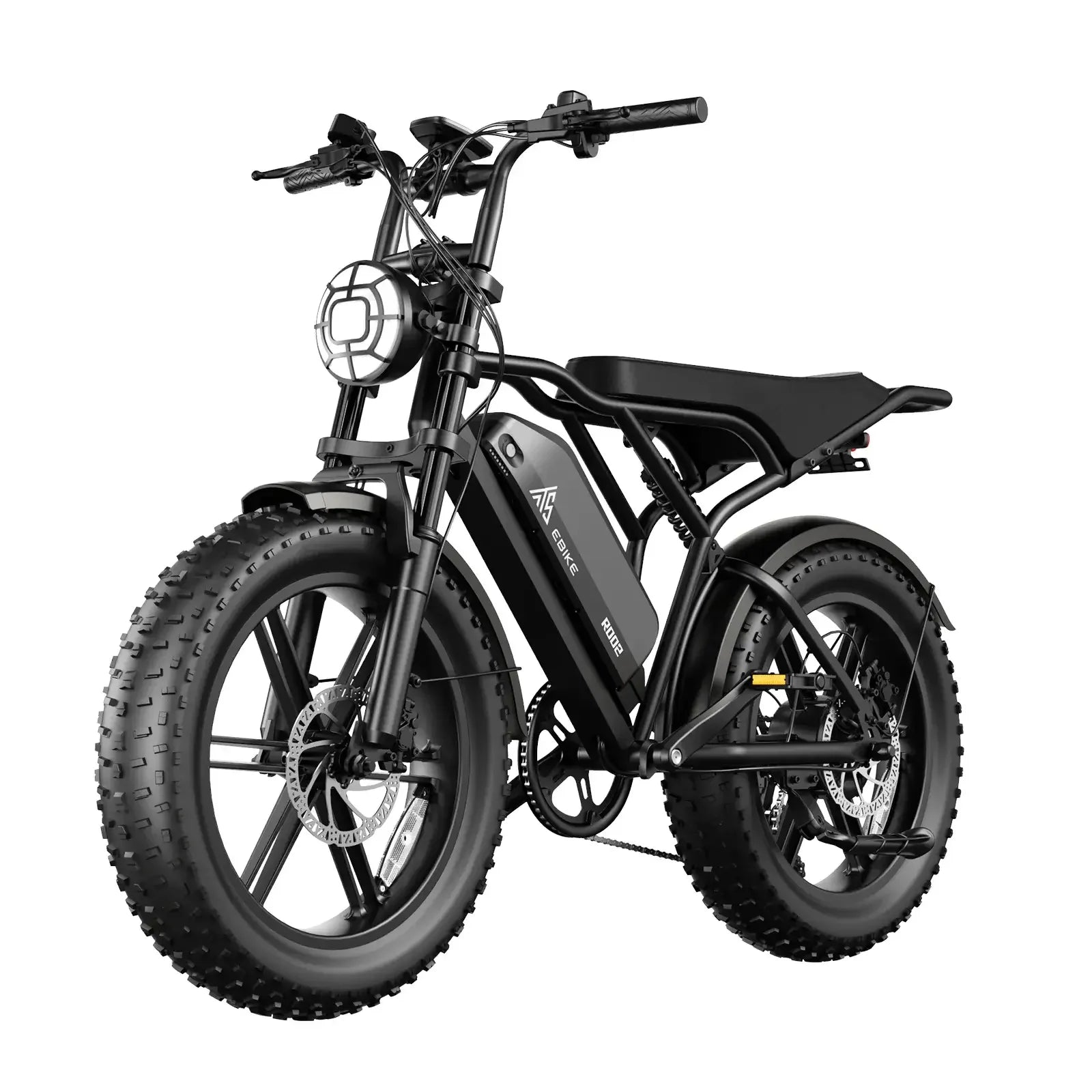
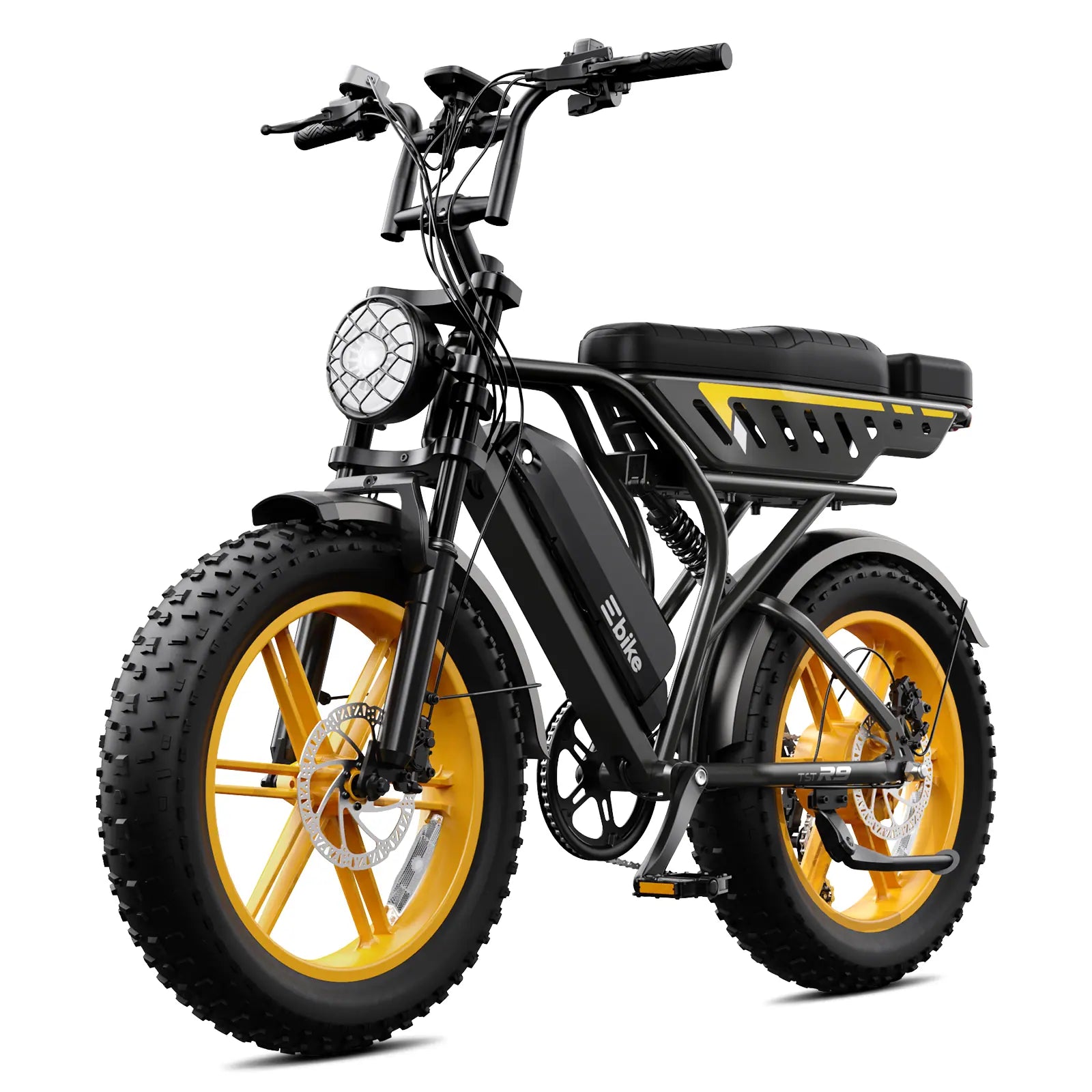

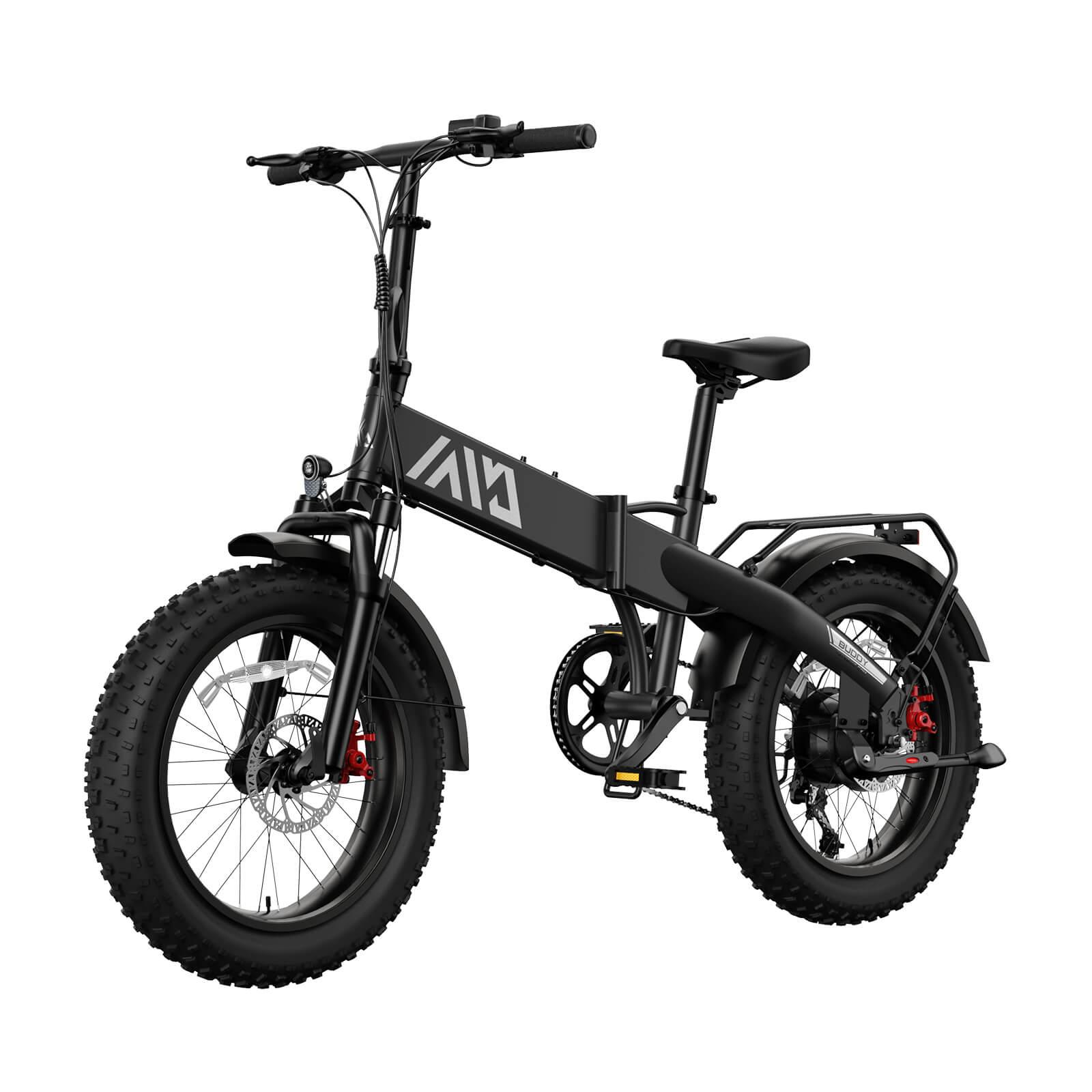

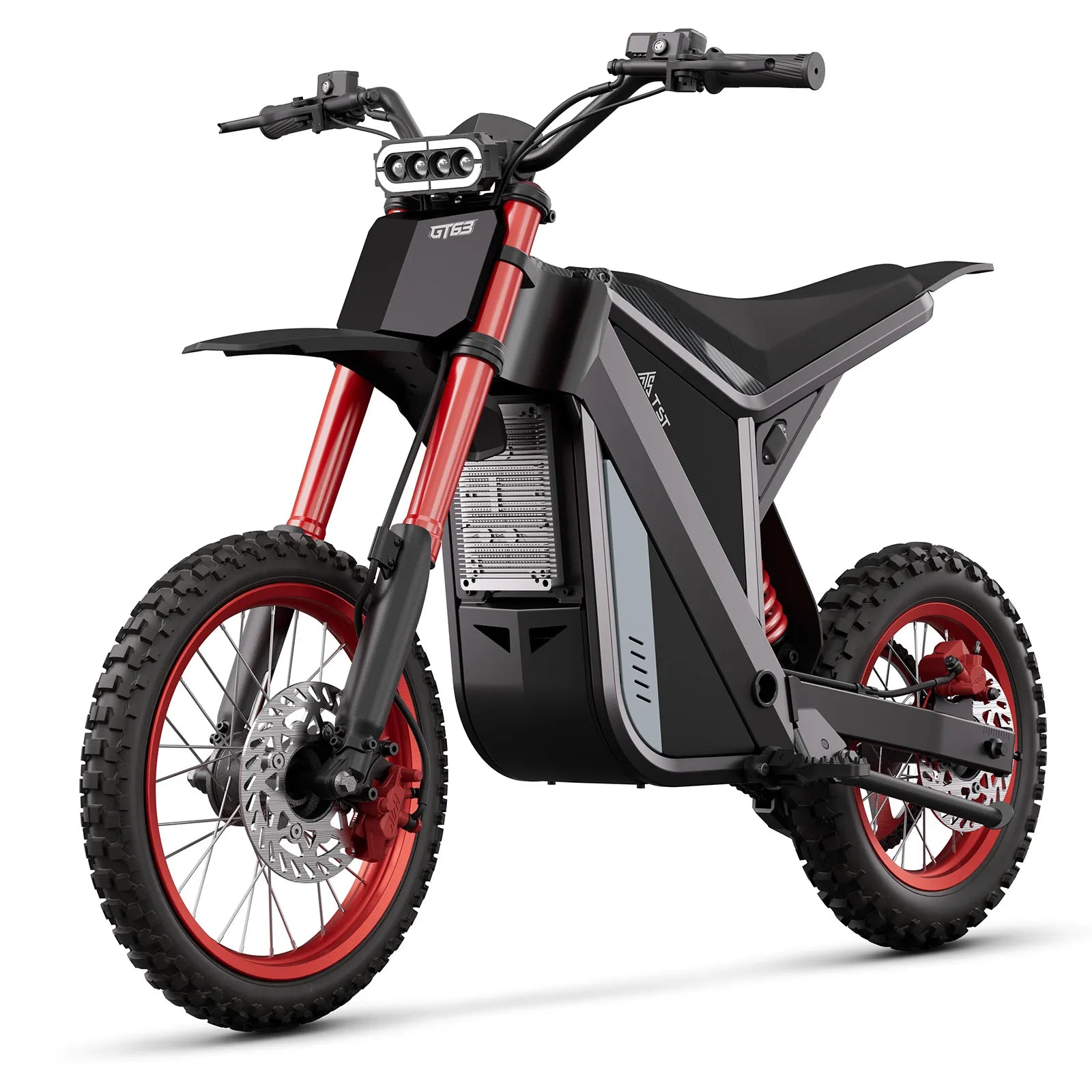
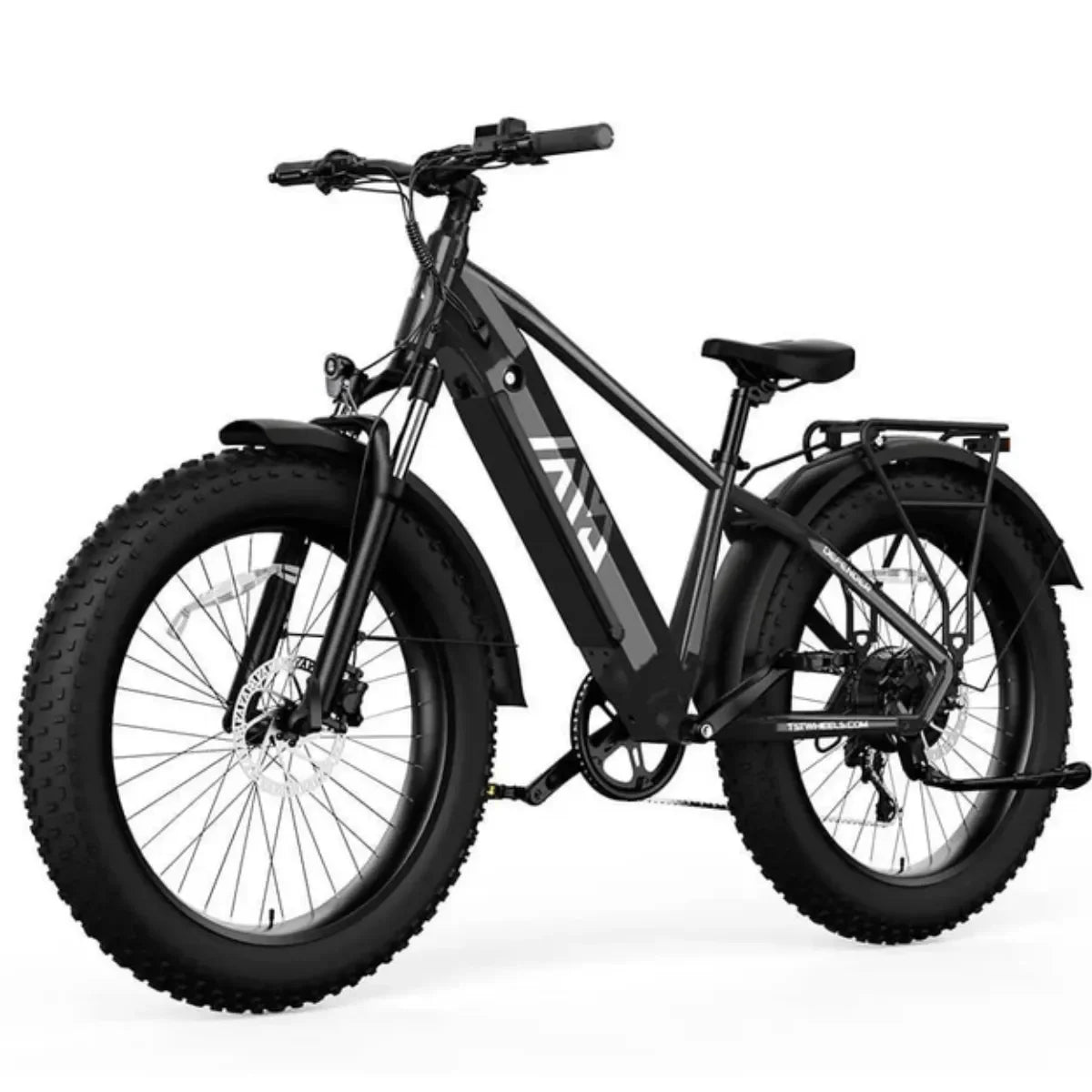
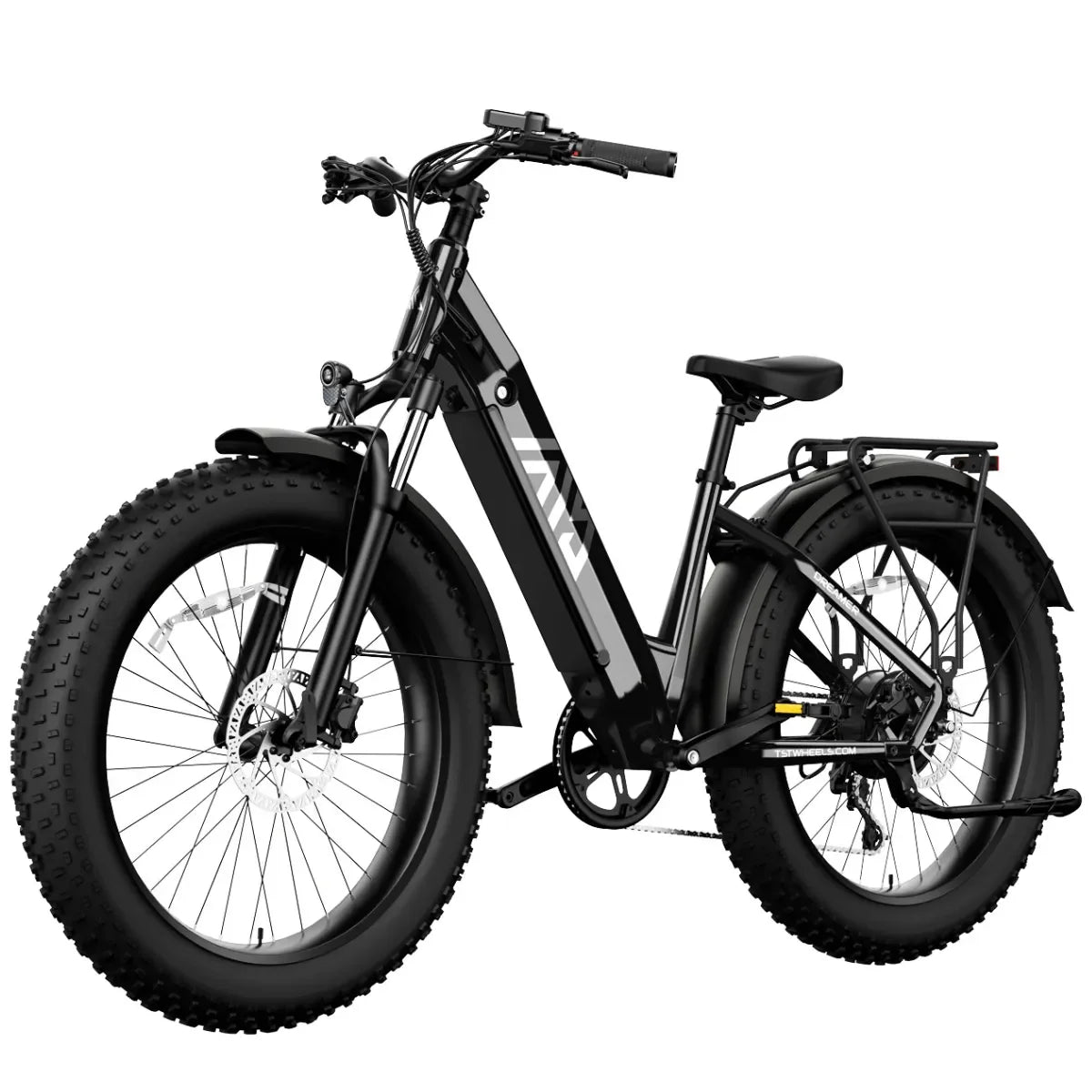

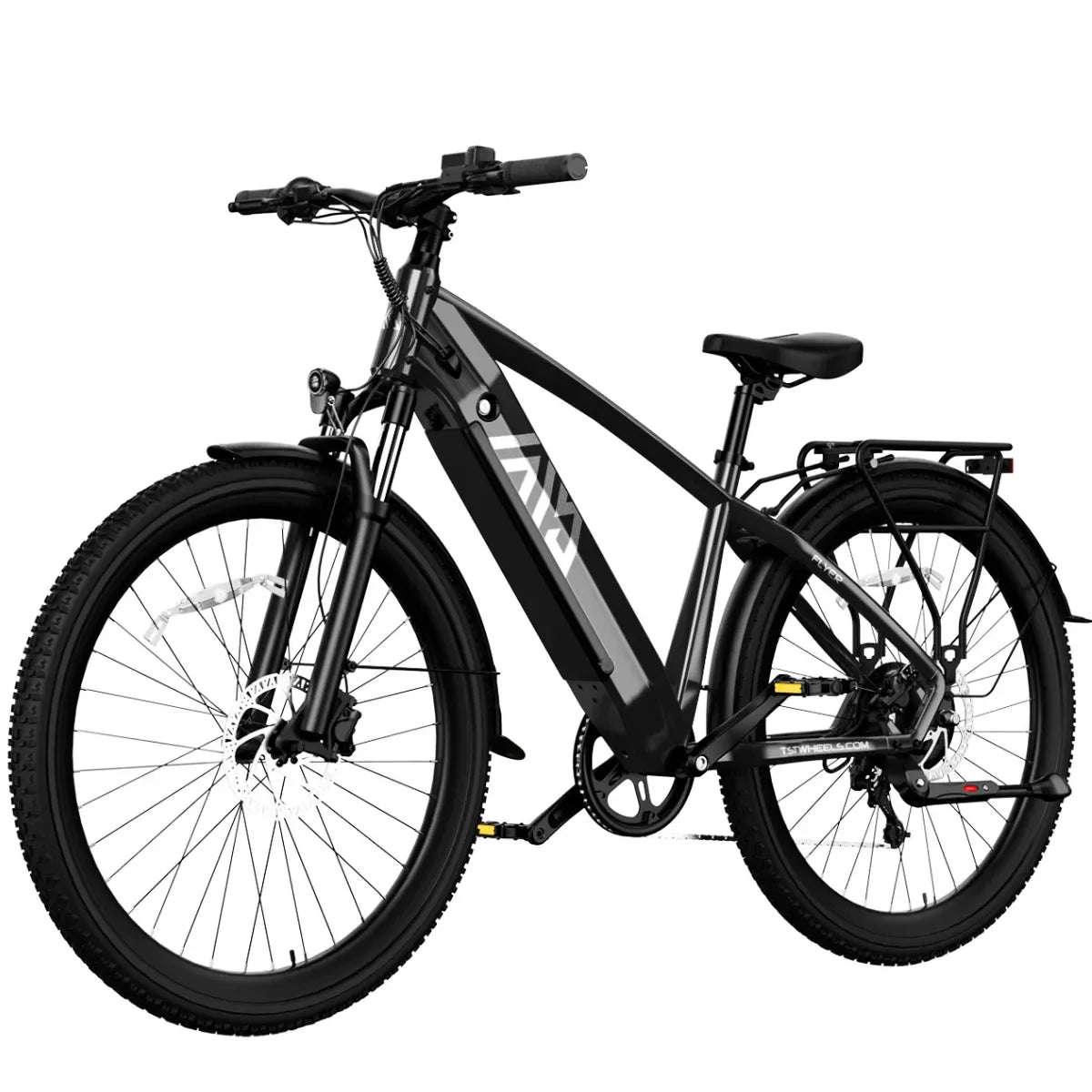


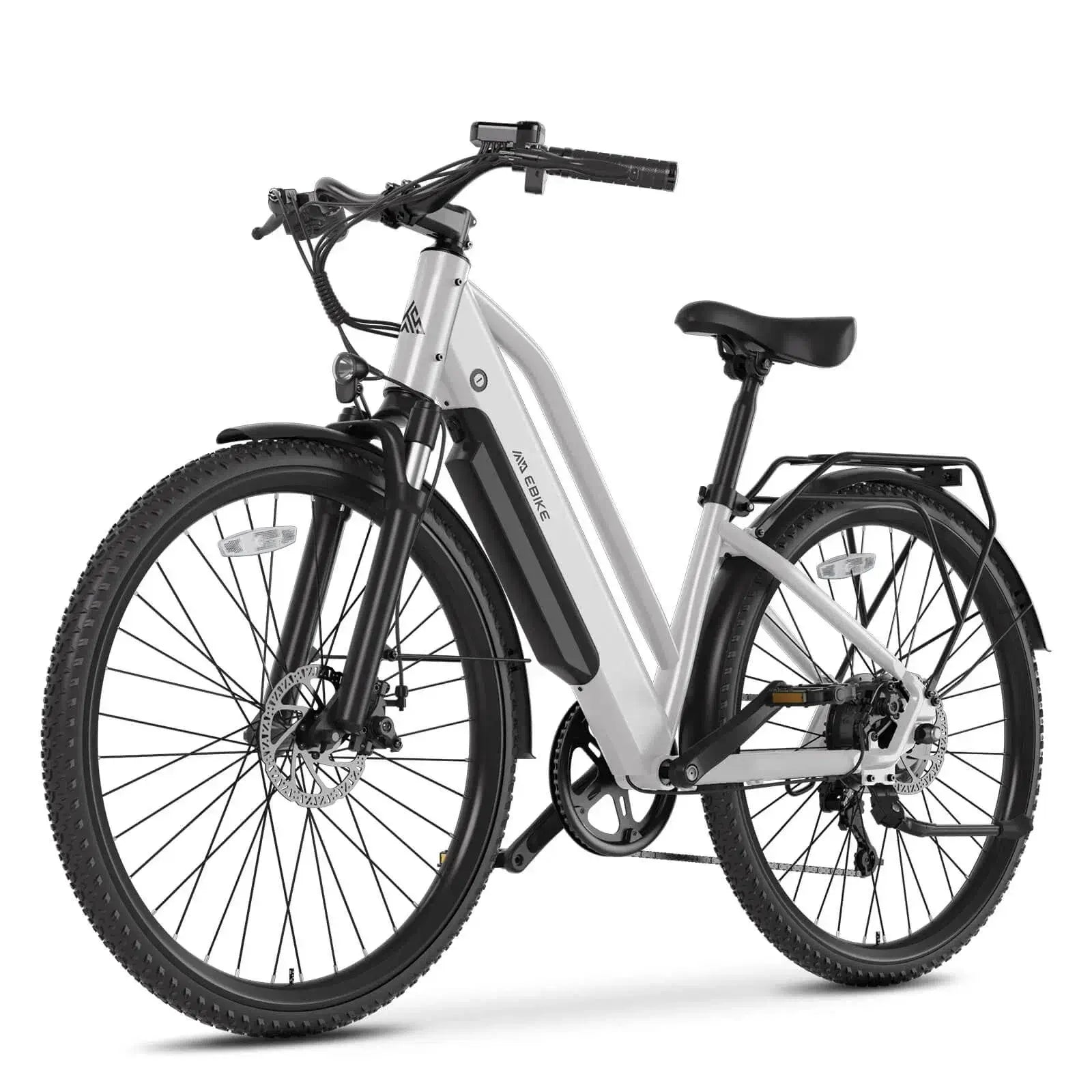






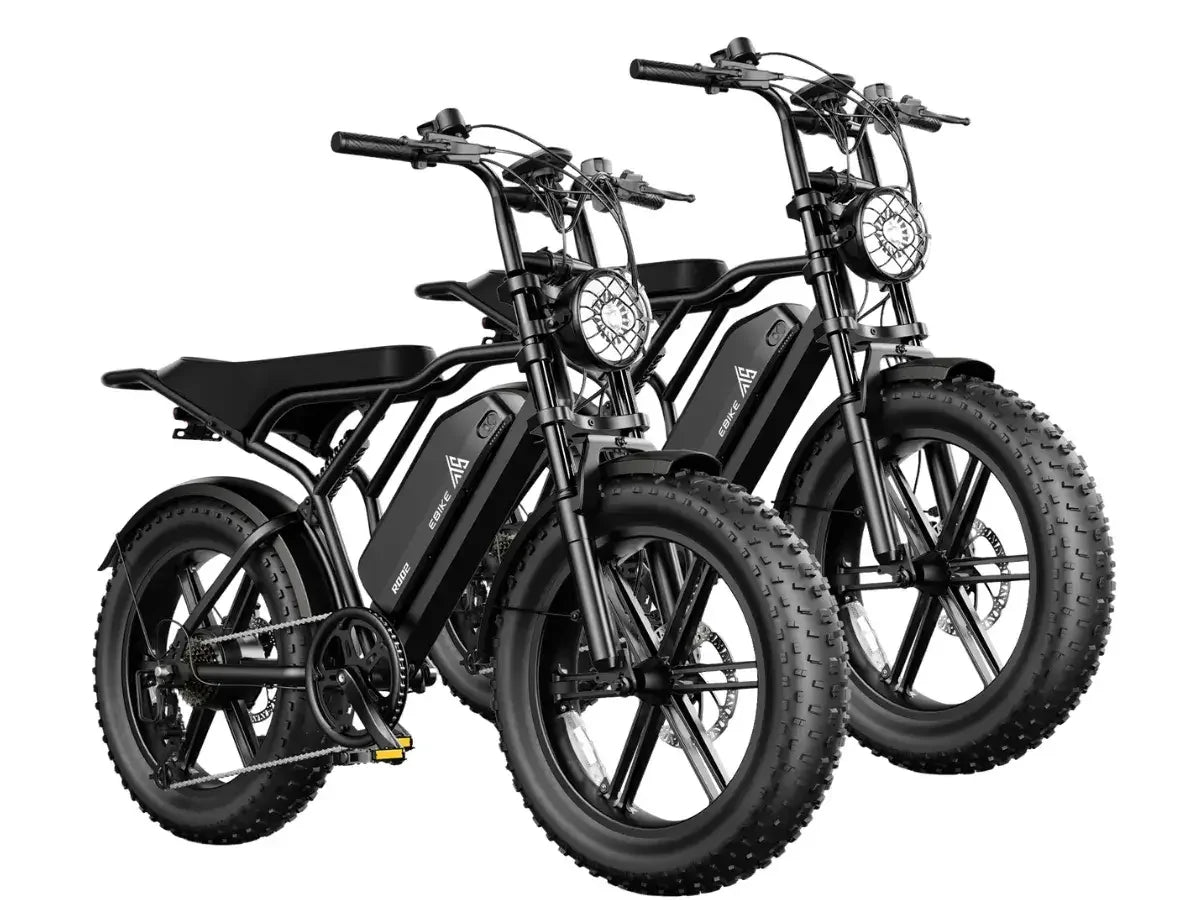
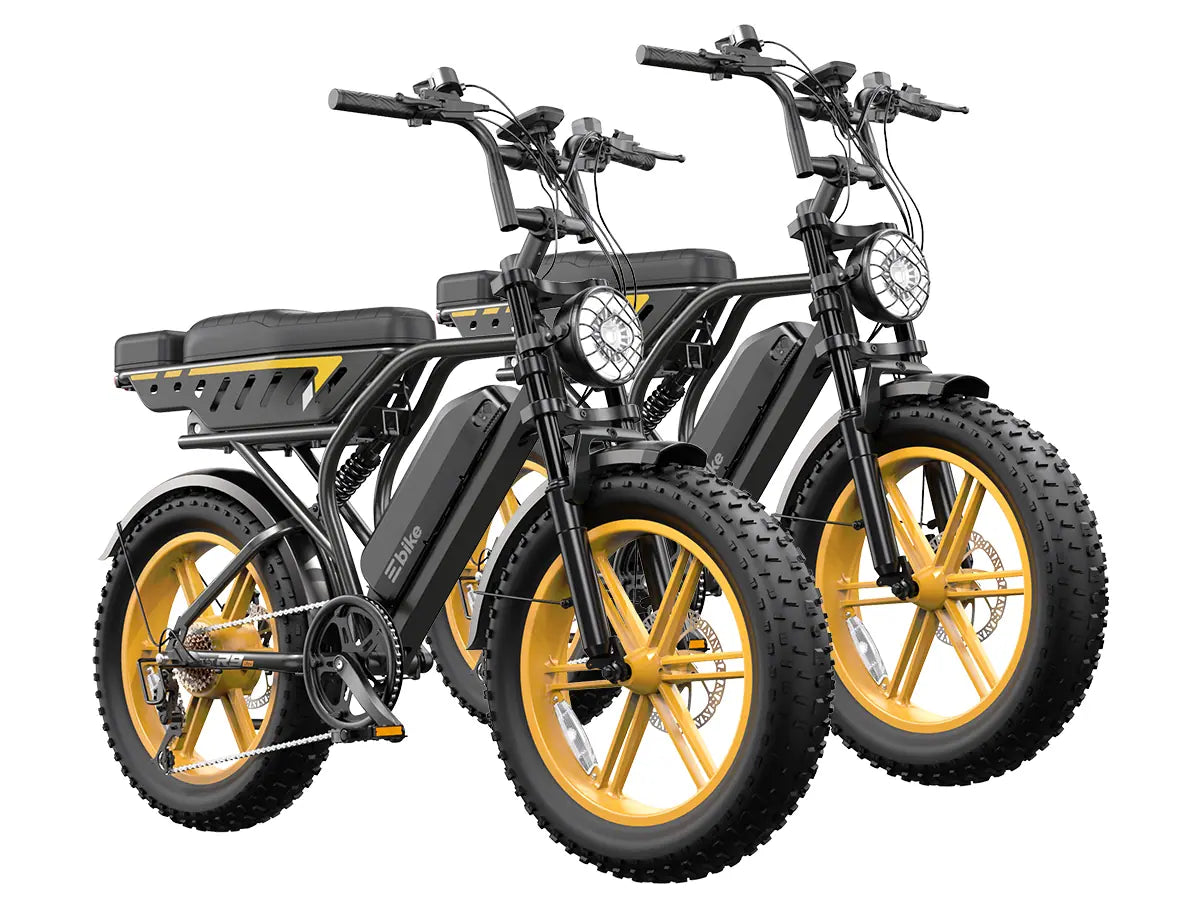

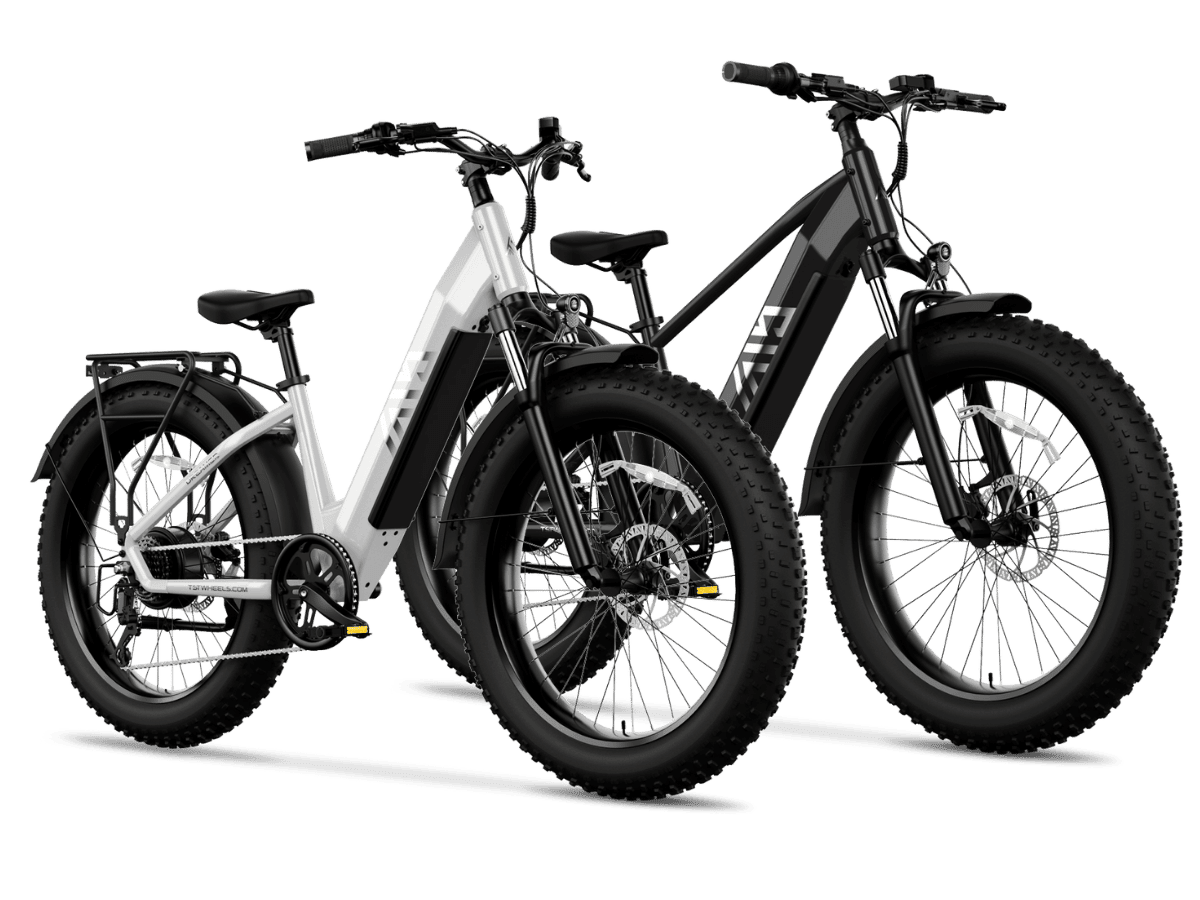
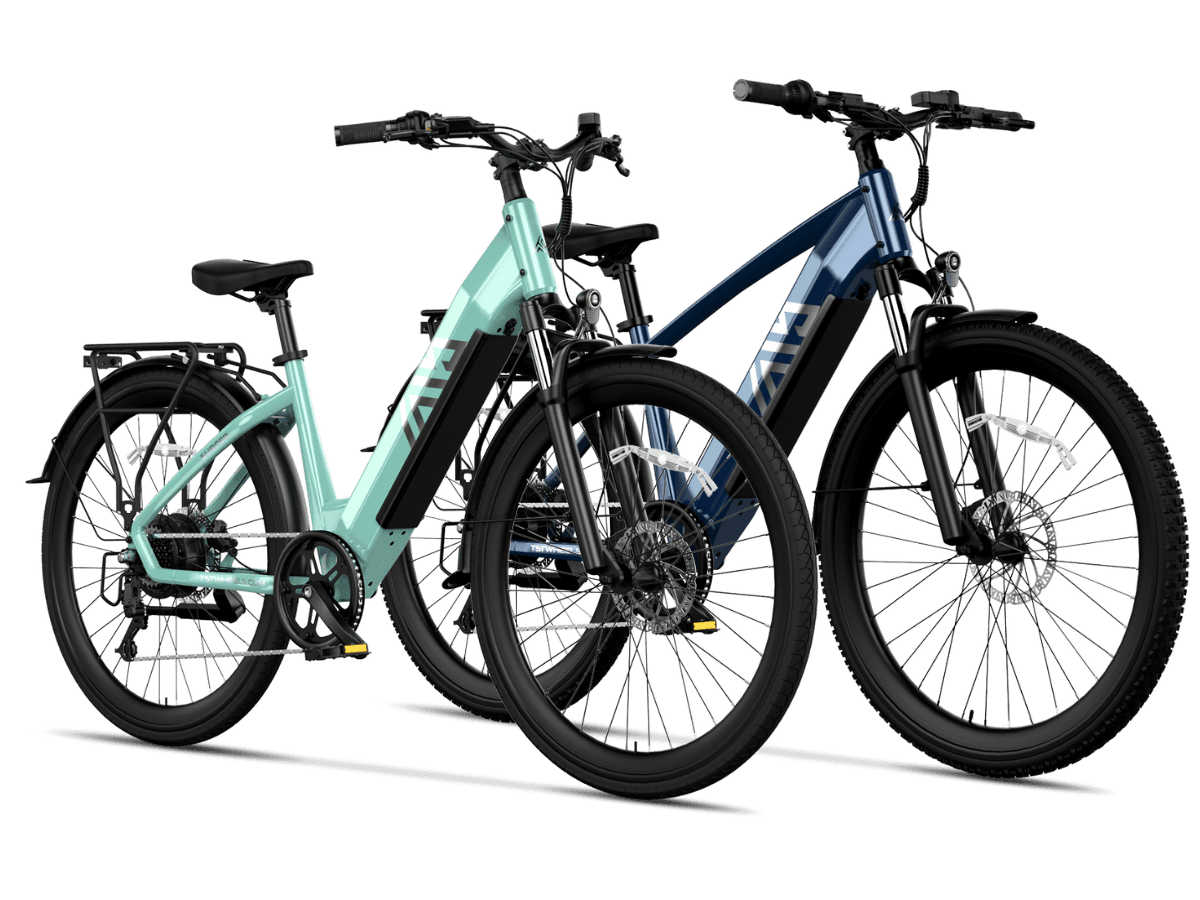
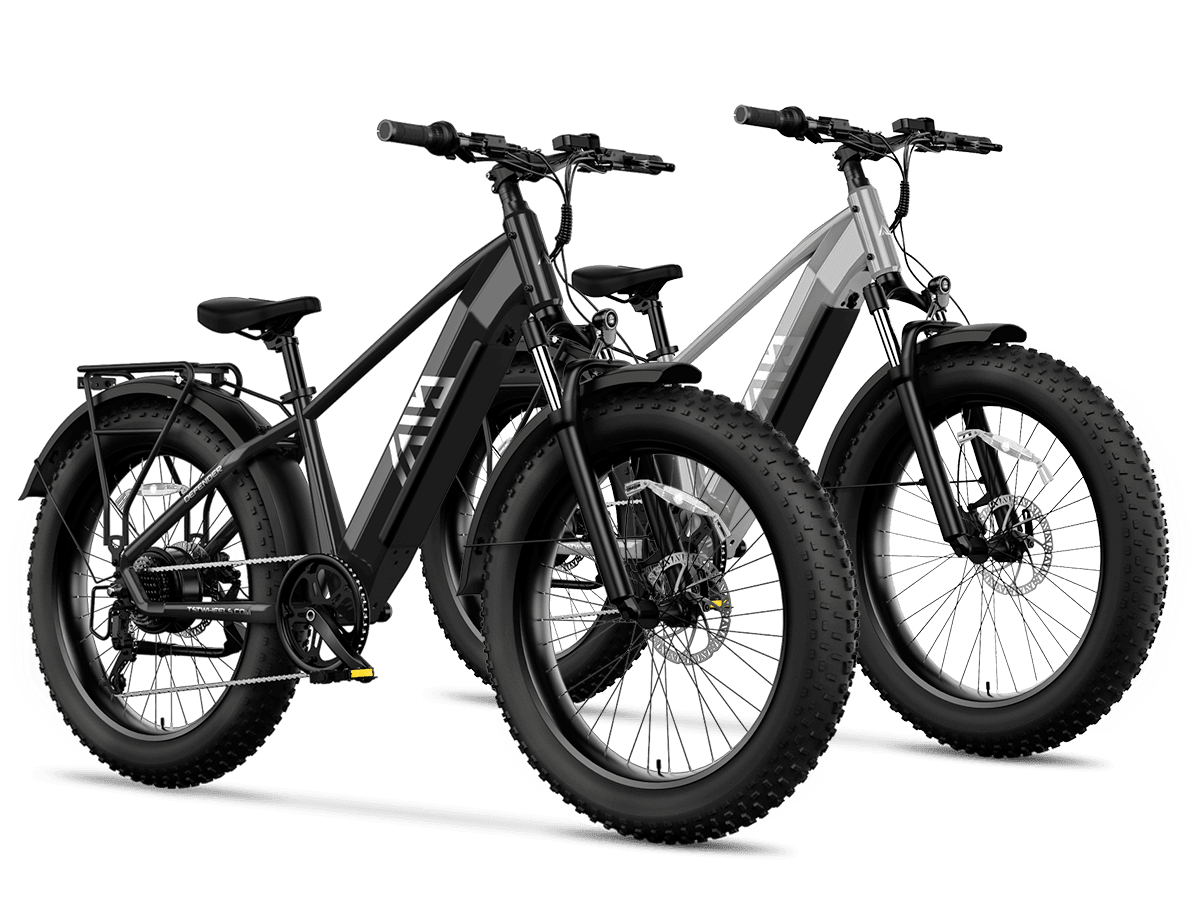
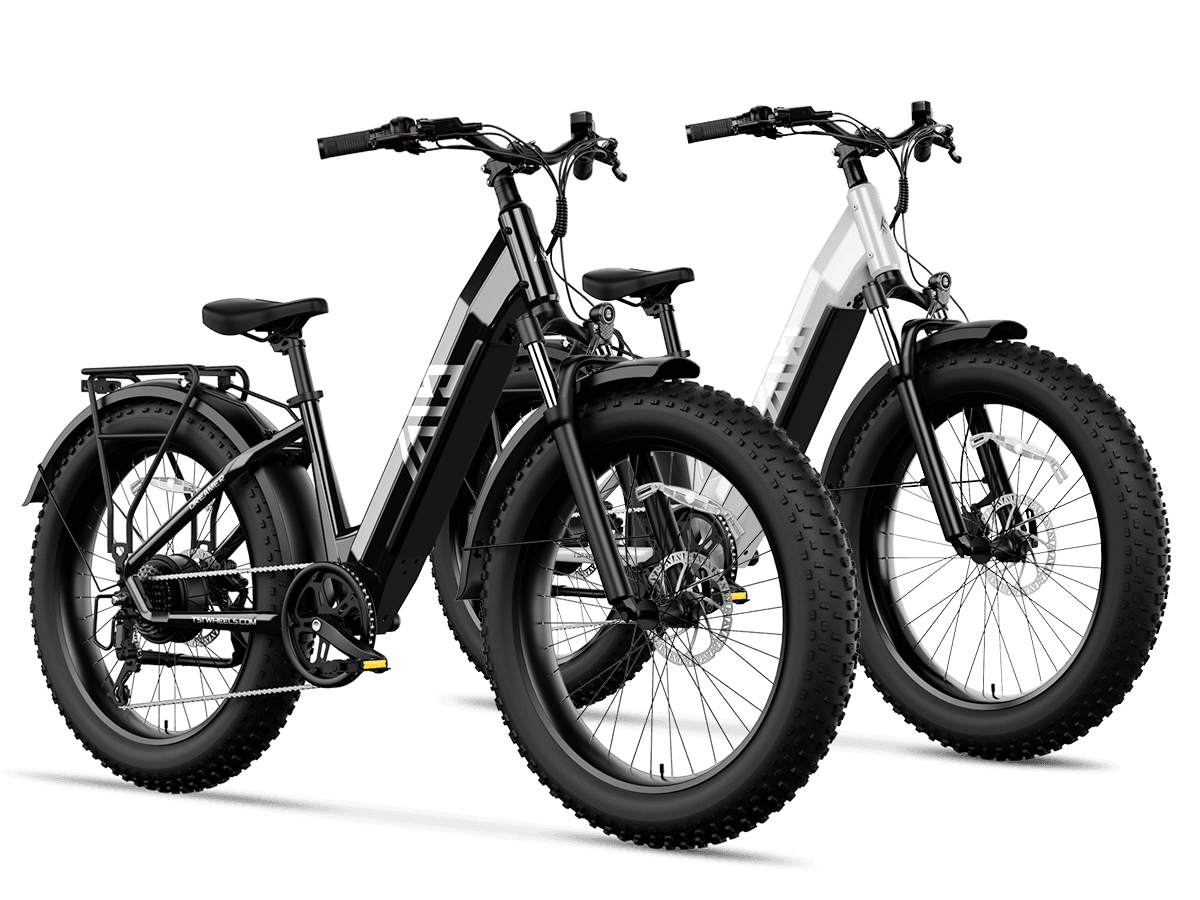

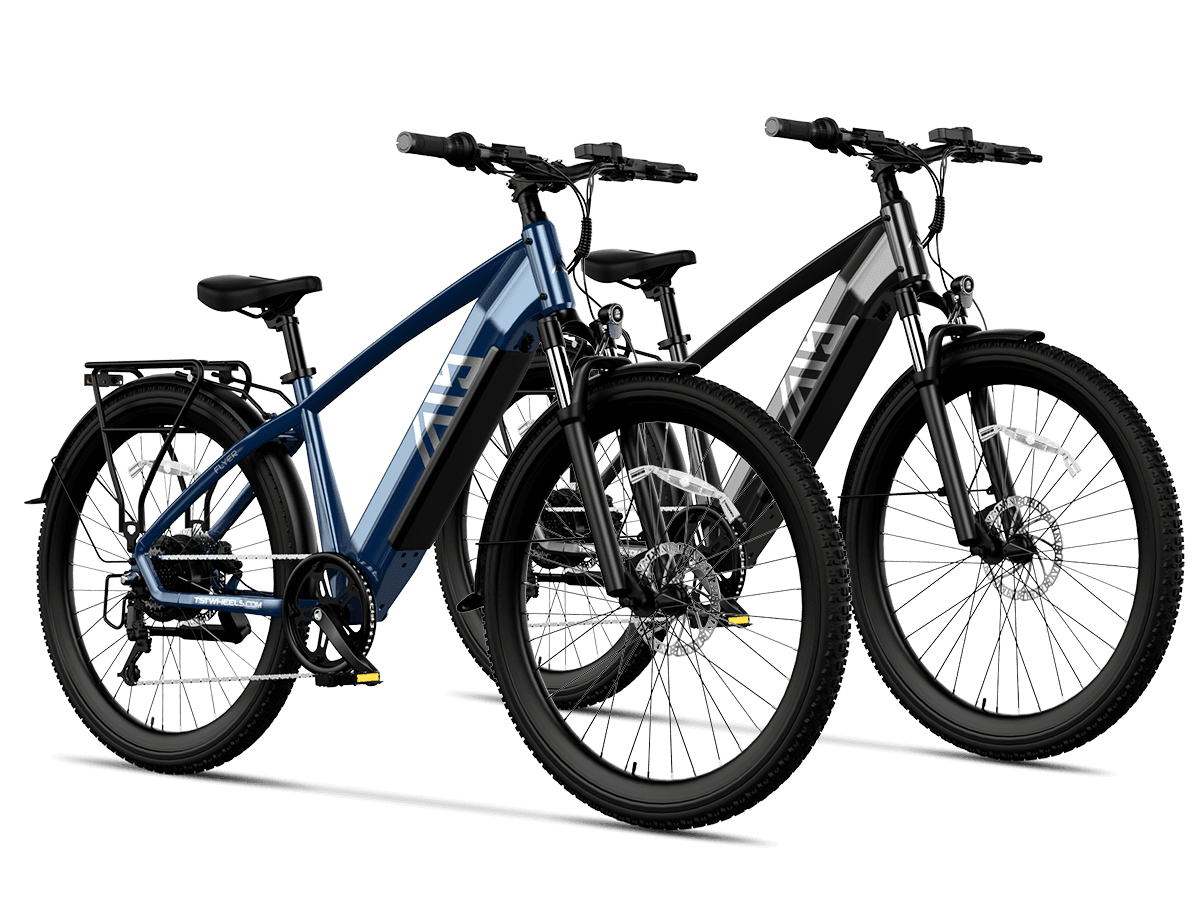
Bike front speeds indicate the rotational velocity of the front wheel, crucial for acceleration, handling, and stability. In electric bikes, hub motors typically provide 20-28 mph via pedal-assist, balancing power and control. TST EBike optimizes front wheel performance to enhance traction on various terrains, delivering smooth, safe rides while matching rear systems for efficient speed and torque management.
What Does "Bike Front Speeds" Mean Exactly?
"Bike front speeds" describe how fast the front wheel rotates, influencing steering, acceleration, and terrain handling. In e-bikes, front hub motors convert electrical energy into wheel motion, commonly supporting Class 1-3 speeds of 20-28 mph. TST EBike uses these systems in 26-inch rugged models for off-road stability, while 27-inch commuter models reduce RPM for smooth high-speed rides. Understanding front speeds helps riders select bikes suited for performance without compromising safety.
How Do Front Hub Motors Affect Bike Speeds?
Front hub motors directly drive the wheel, improving low-speed torque and maintaining steady speeds up to 28 mph. TST EBike equips models with 350-750W motors paired with pedal-assist sensors for proportional power. Compared with mid-drive systems, front hubs reduce chain wear and simplify maintenance, while cooling systems prevent overheating during sustained high-speed riding. This combination ensures reliable acceleration and intuitive control across diverse terrains.
Which E-Bike Classes Define Front Speed Limits?
Class 1 e-bikes provide 20 mph pedal-assist, Class 2 adds throttle while capping at 20 mph, and Class 3 allows 28 mph pedal-assist for faster rides. Front motors comply with these classifications identically to rear hubs, ensuring legality and safety. TST EBike 27-inch commuter models exemplify Class 1 efficiency, while off-road enthusiasts can safely enjoy Class 3 speeds on trails.
| E-Bike Class | Max Assisted Speed | Throttle Allowed | Ideal Use Case |
|---|---|---|---|
| Class 1 | 20 mph | No | Trails & Paths |
| Class 2 | 20 mph | Yes | Urban Commutes |
| Class 3 | 28 mph | No | Roads & Hills |
Why Choose Front Wheel Drive for Speed?
Front wheel drive improves traction on loose surfaces like sand or snow, using rider weight for stability. TST EBike’s 26-inch models leverage front hubs for off-road reliability and uphill control. Efficiency improves 10-15% on flats, extending range at higher speeds. Minor torque steer may occur at peak speeds, but progressive controllers mitigate this. Front hubs also provide cost-effective, high-power solutions for riders seeking a balance of speed and durability.
What Factors Influence Front Wheel Speeds?
Motor wattage, battery voltage, tire pressure, rider weight, terrain, and pedal-assist level all affect front speeds. TST EBike’s batteries sustain peak 25 mph performance, while proper tire inflation and gear selection optimize power delivery. Headwinds can reduce speed by 10%, whereas downhill riding can naturally add 5-10 mph. Front motor efficiency and controller tuning ensure consistent performance in varied conditions.
How Can You Measure Bike Front Speeds Accurately?
Use GPS bike computers, wheel sensors, or smartphone apps calibrated for tire circumference. Cadence sensors on front hubs measure RPM, converting it to mph. TST EBike integrates speedometers for real-time tracking, while apps like Strava log averages with ±0.5 mph accuracy. Professional testing with dynos can provide precise output, helping riders fine-tune performance and monitor efficiency.
Are Front Motors Faster Than Rear Ones?
Front and rear hub motors achieve similar top speeds, with fronts offering better low-speed torque and off-road stability. TST EBike testing shows minimal differences on flat terrain, but front hubs excel on sand or snow. Dual-motor systems can surpass 30 mph, though consumer models typically maintain Class 3 limits. Maintenance is simpler with front hubs due to reduced drivetrain wear.
| Motor Position | Top Speed (Class 3) | Hill Torque | Terrain Strength | Maintenance |
|---|---|---|---|---|
| Front Hub | 28 mph | High | Loose/Off-Road | Low |
| Rear Hub | 28 mph | Medium | Paved/Uphill | Medium |
| Mid-Drive | 28 mph | Highest | All | High |
TST EBike Expert Views
"Front wheel speeds shape the riding experience at TST EBike. Our 26-inch models combine hub motors and high-voltage batteries for traction and sustained Class 3 performance. Controllers fine-tune pedal-assist for safety and efficiency, while feedback-driven designs ensure durability and affordability. Since 2017, we have prioritized delivering e-bikes that balance speed, control, and rider confidence across diverse terrains." – TST EBike Engineering Lead
When Do Front Speeds Matter Most on E-Bikes?
Front speeds are critical during off-road riding, wet conditions, acceleration, and climbing hills. Motors sustain speeds of 15-20 mph uphill, while urban starts benefit from instant torque. TST EBike 27-inch commuter models maintain control at 25 mph in rain, highlighting the importance of properly tuned front hub systems for traction and safety.
Could Upgrading Tires Boost Front Speeds?
Yes, low-profile slick tires reduce rolling resistance, increasing front wheel speeds by 2-4 mph on pavement. Fat or knobby tires favor traction over speed. TST EBike optimizes tire selection by pairing 26-inch fats for rough terrain and 27-inch hybrids for commuting efficiency. Proper inflation and seasonal rotation maintain top performance and versatility.
How Do Bike Front Speeds Impact Range?
Higher speeds increase battery consumption. Sustained 20 mph yields 30-50 miles, whereas 28 mph reduces range to 20-35 miles. Eco modes and pedal input preserve energy. TST EBike packs achieve 40+ miles under mixed conditions, while upright riding posture and high RPM can reduce efficiency by 5-10%. Strategic speed management prolongs battery life.
FAQs
What is the max legal front speed for e-bikes?
Class 3 pedal-assist e-bikes reach 28 mph, but local regulations may vary.
Do front motors overheat at high speeds?
Rarely, with proper cooling systems; avoid sustained sprints over 2-3 minutes.
Can front speeds exceed 30 mph safely?
Unlocked speeds are possible but risky due to tire and brake limits.
How does wind affect front wheel speeds?
Headwinds reduce 3-5 mph, while tailwinds add similar gains.
Are TST EBike front hubs suitable for beginners?
Yes, adjustable pedal-assist allows gradual skill development and confidence building.
Bike front speeds, ranging from 20-28 mph, are influenced by hub motors, battery, tire choice, and terrain. Front hubs excel off-road and in loose conditions, offering efficient acceleration and stability. TST EBike delivers reliable, high-value front wheel performance, combining safety, durability, and rider-focused design. Monitor speeds with sensors or apps, maintain proper inflation, and ride within legal limits for optimal performance.

Leave a comment
This site is protected by hCaptcha and the hCaptcha Privacy Policy and Terms of Service apply.