












The ideal holiday e-bike balances the rider’s terrain, distance, fitness, and budget. Commuters benefit from comfortable step-through or hybrid frames with practical accessories, while off-road enthusiasts need fat tires and suspension. Cargo, gravel, and folding e-bikes each serve distinct purposes. Choosing the right bike depends on where, how often, and in what conditions the recipient rides, ensuring safety and enjoyment.
How should you choose an e-bike for your riding style?
Selecting an e-bike begins with identifying your riding style—commuting, off-road, casual cruising, cargo hauling, or mixed use. Once the style is clear, match frame geometry, motor power, battery capacity, and tire type to your specific needs. Consider distance, terrain, and whether cargo or passengers are involved. Comfort versus speed preferences further refine choices. Thoughtful matching avoids overpowered or underperforming bikes and ensures a natural, efficient ride.
What types of e-bikes fit different kinds of riders?
E-bike categories are designed to optimize performance for specific environments. Urban commuters thrive on hybrid or city bikes with upright posture, integrated lights, fenders, and racks. Trail and adventure riders benefit from hardtail or full-suspension models with wider tires and strong brakes for stability off-road. Cargo and utility bikes support families and delivery riders with high capacity and low centers of gravity. Folding bikes excel for compact storage, while fitness and gravel e-bikes prioritize efficiency and lighter weight.
Which e-bike type is right for you?
| Rider goal | Best e-bike type | Key advantages |
|---|---|---|
| Daily commuting | City / hybrid | Comfort, integrated lights, racks |
| Off-road & trails | Hardtail / full-susp | Traction, control, impact absorption |
| Family & cargo hauling | Cargo / longtail | High capacity, stable handling |
| Travel & small spaces | Folding | Compact, portable, easy to store |
| Fitness & endurance | Gravel / road-style | Efficient pedaling, lighter weight |
Which e-bikes work best for city commuting?
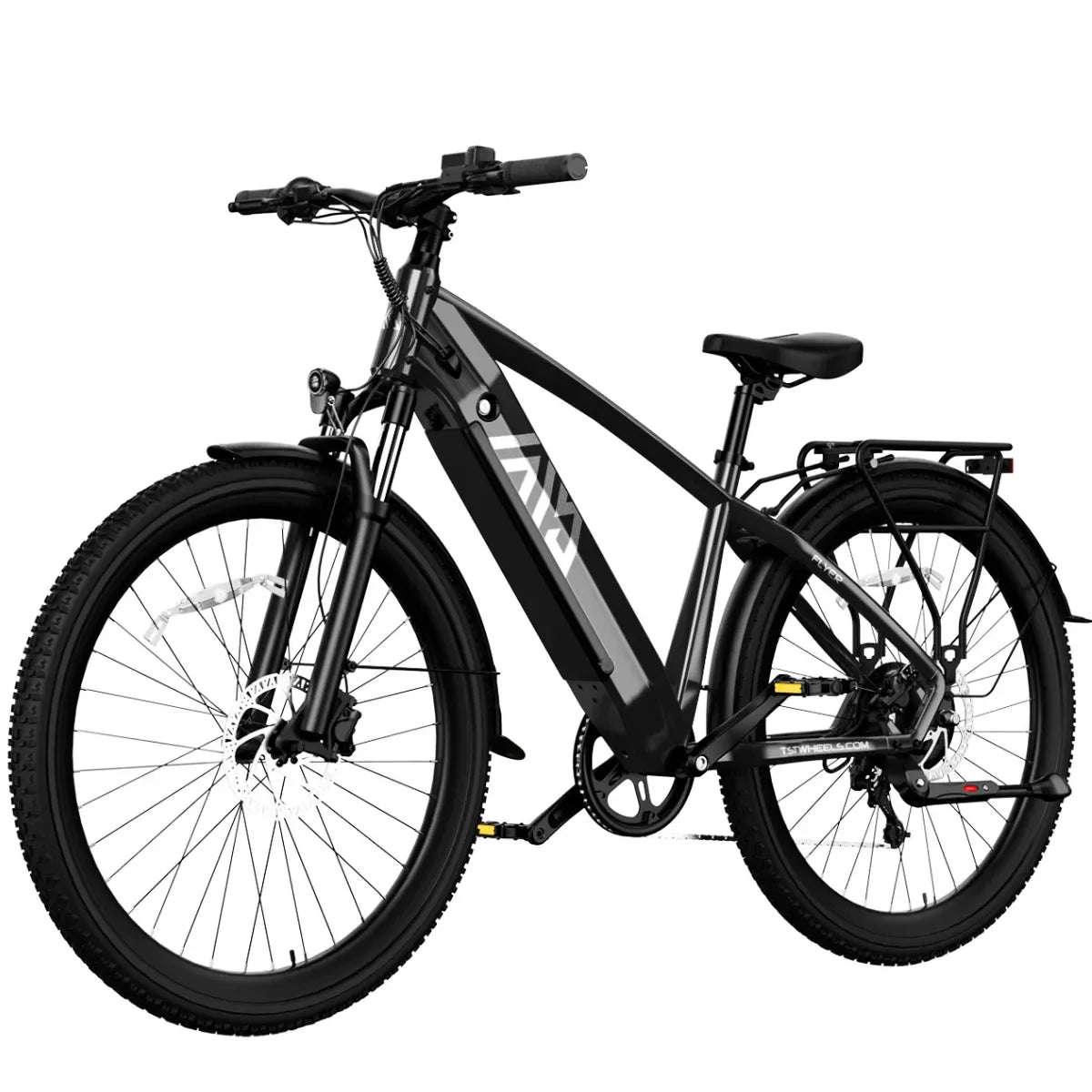
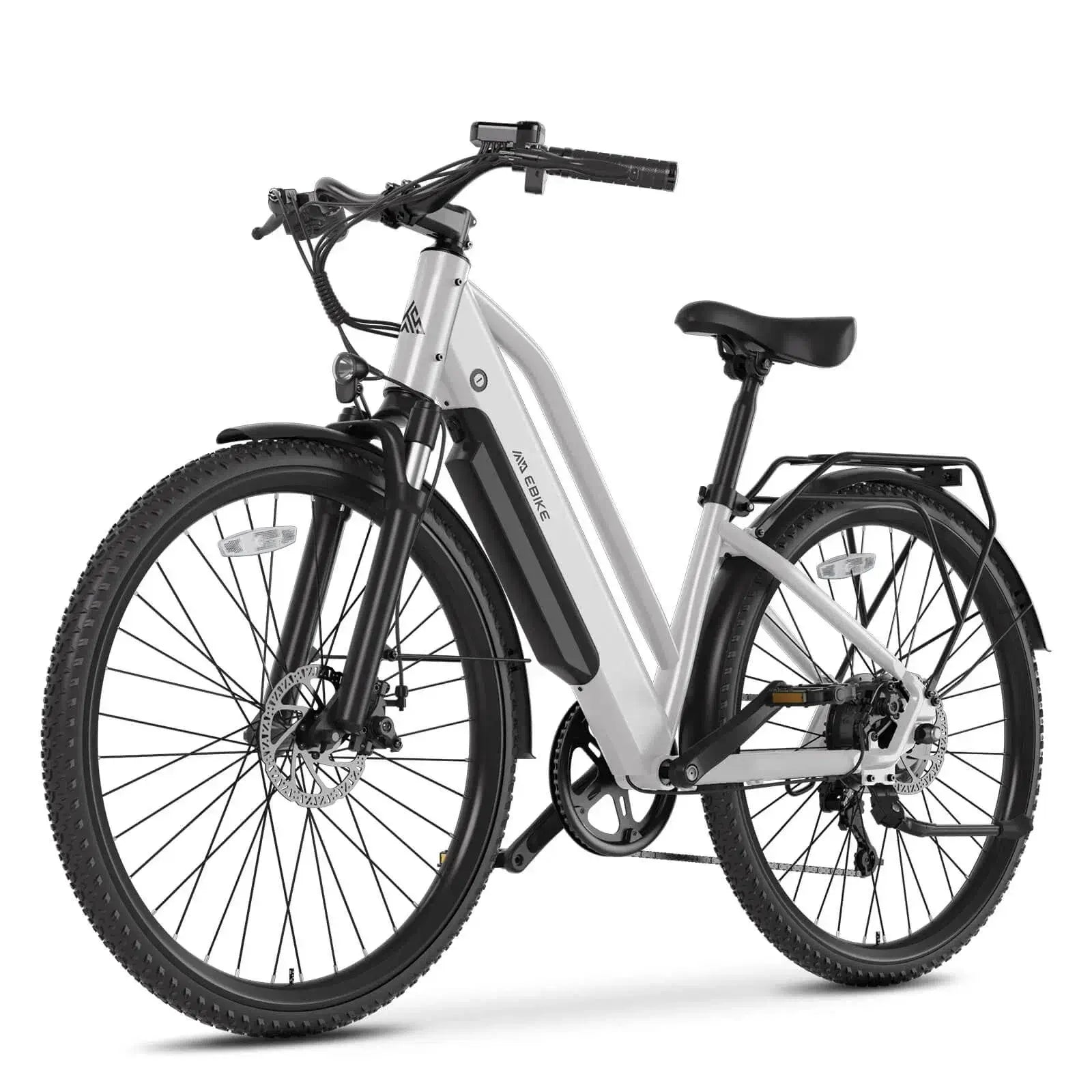
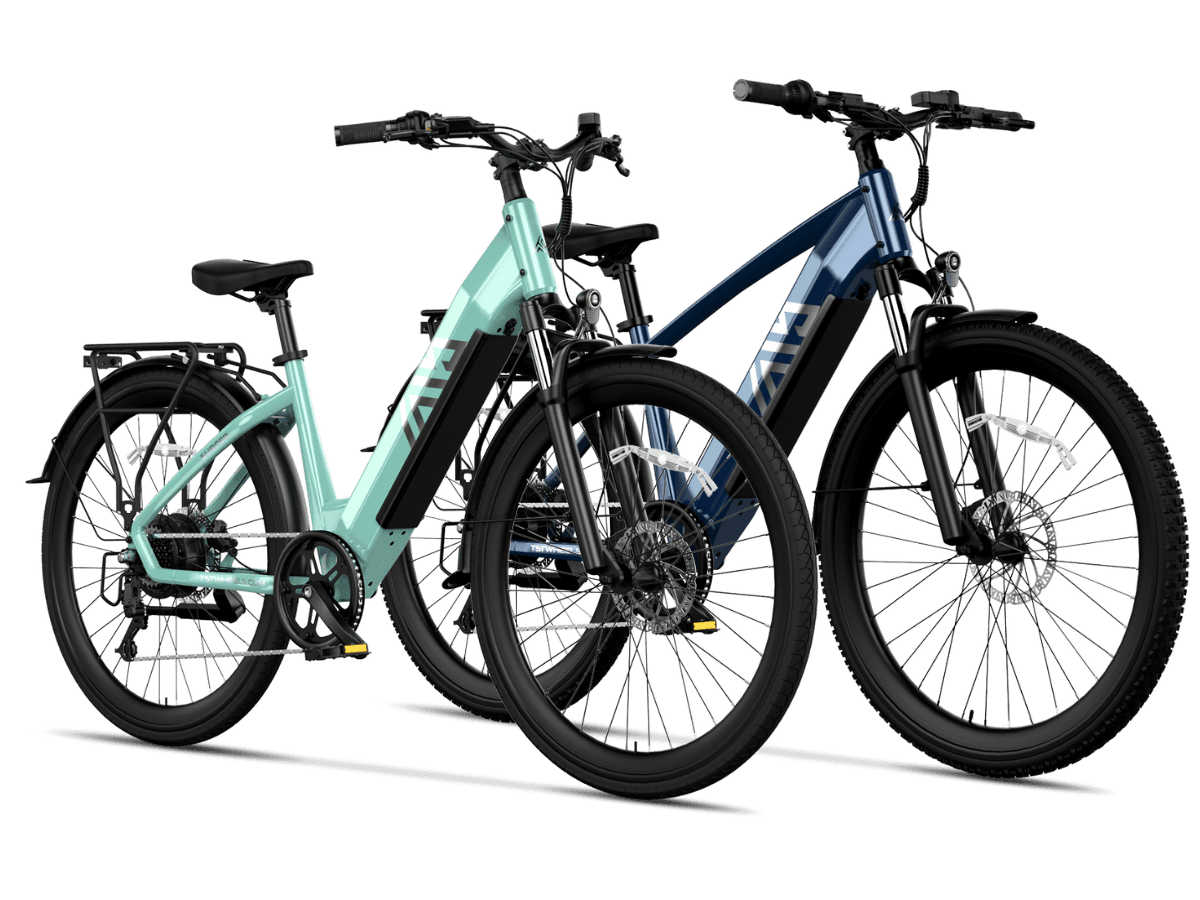
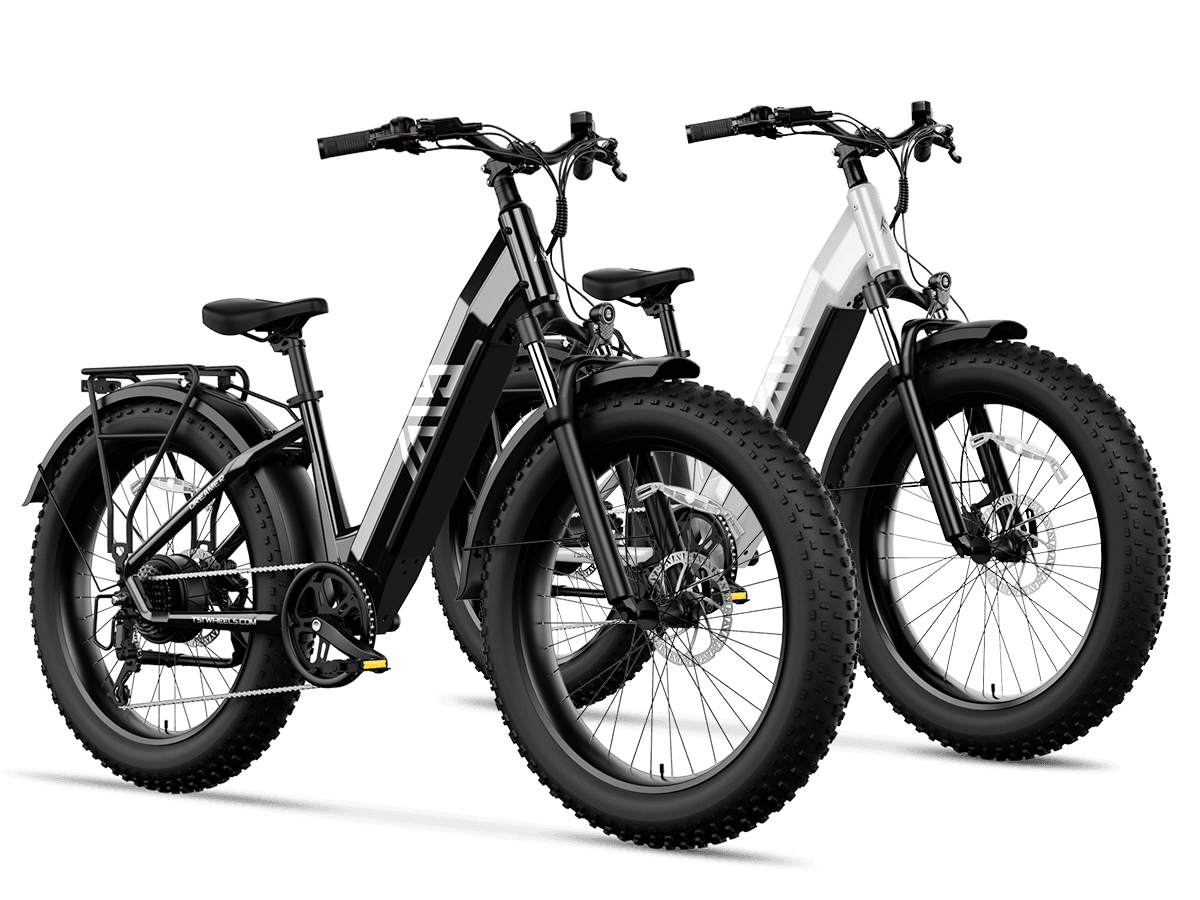
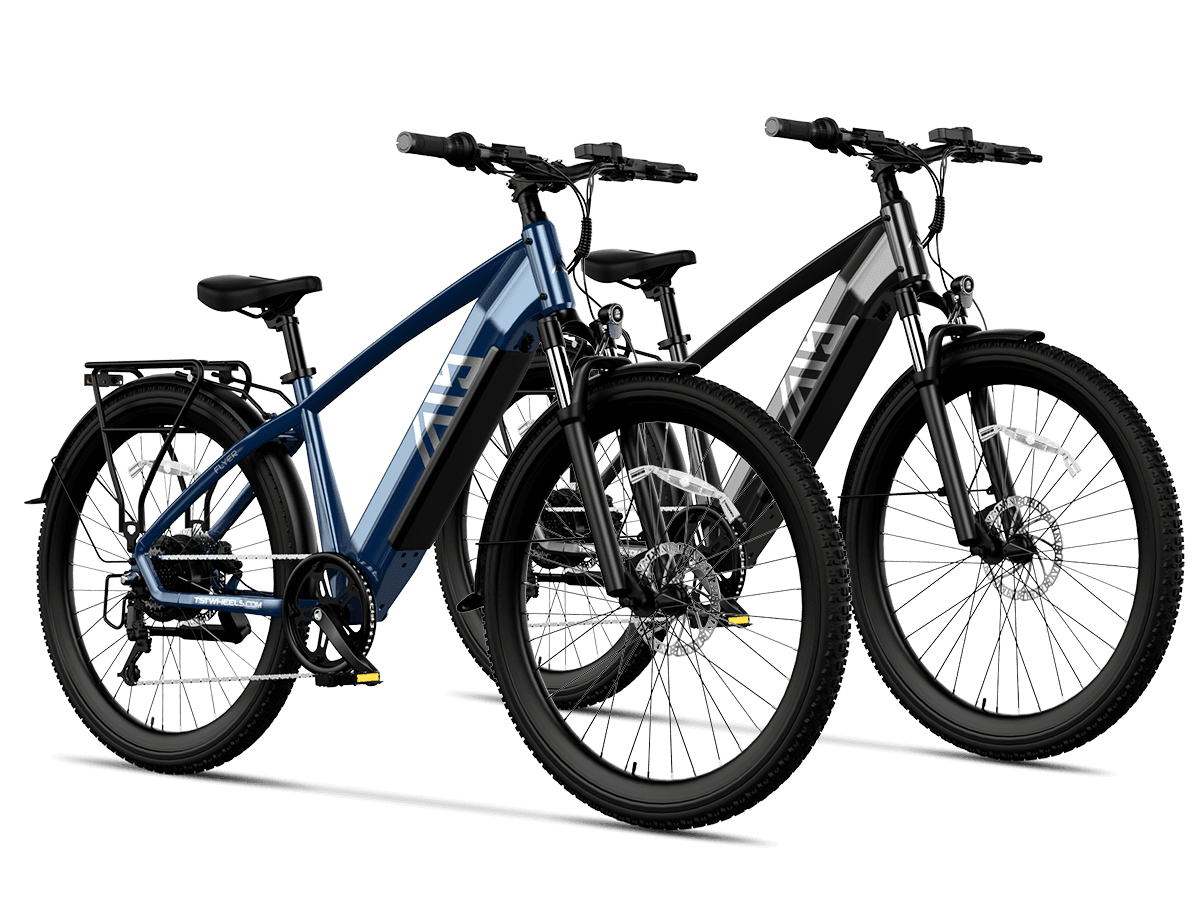
Urban riders need e-bikes with upright comfort, safety features, and reliable components. Step-through or mid-step frames simplify mounting with bags or work attire. Mid-drive or hub motors with torque sensors provide smooth starts in traffic and hill climbs. Commuter bikes often include fenders, lights, and rear racks. Hydraulic disc brakes ensure safety in wet conditions. TST EBike offers practical, high-value options tailored to daily city use with durable frames and capable drivetrains.
Which e-bikes excel on rough trails and adventure rides?
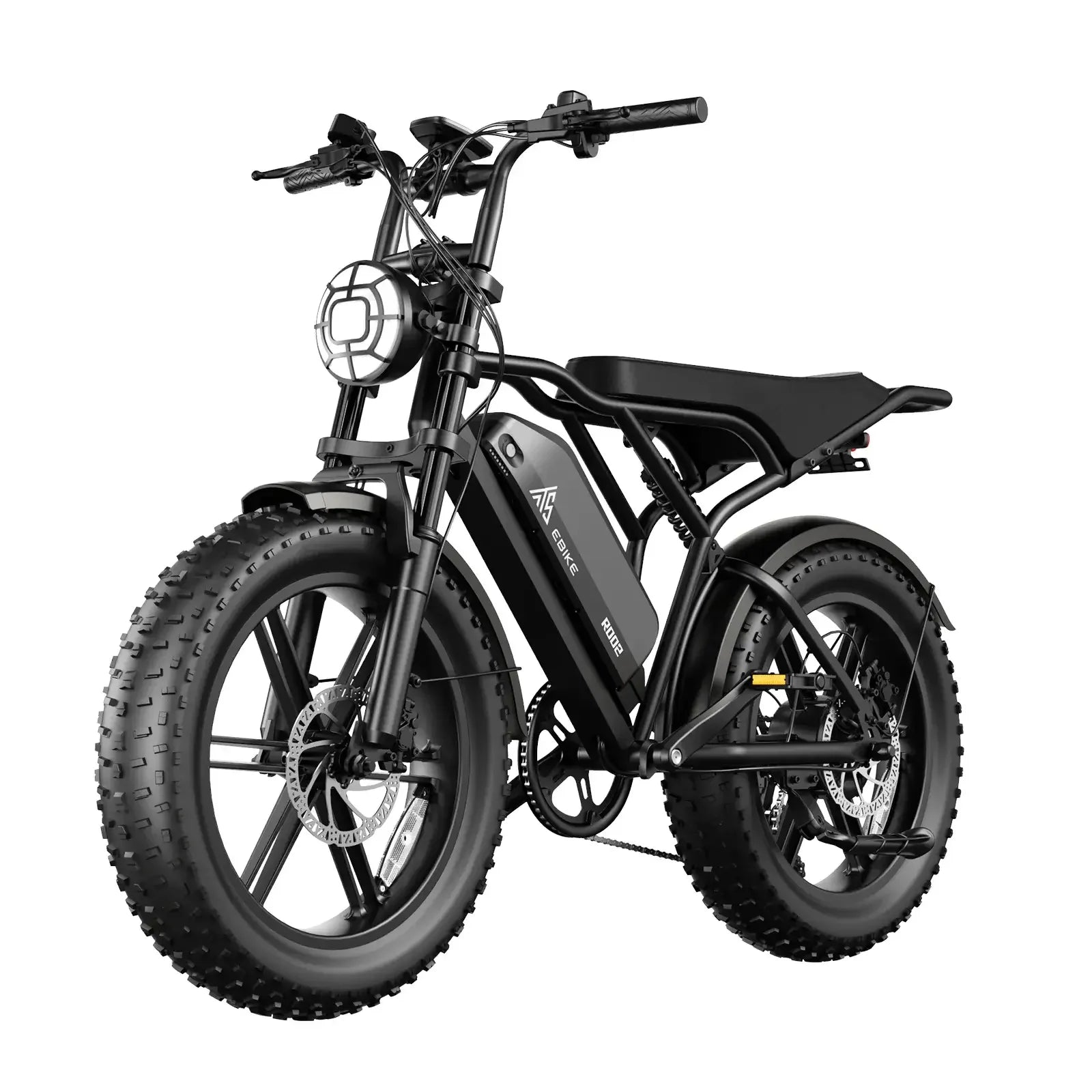
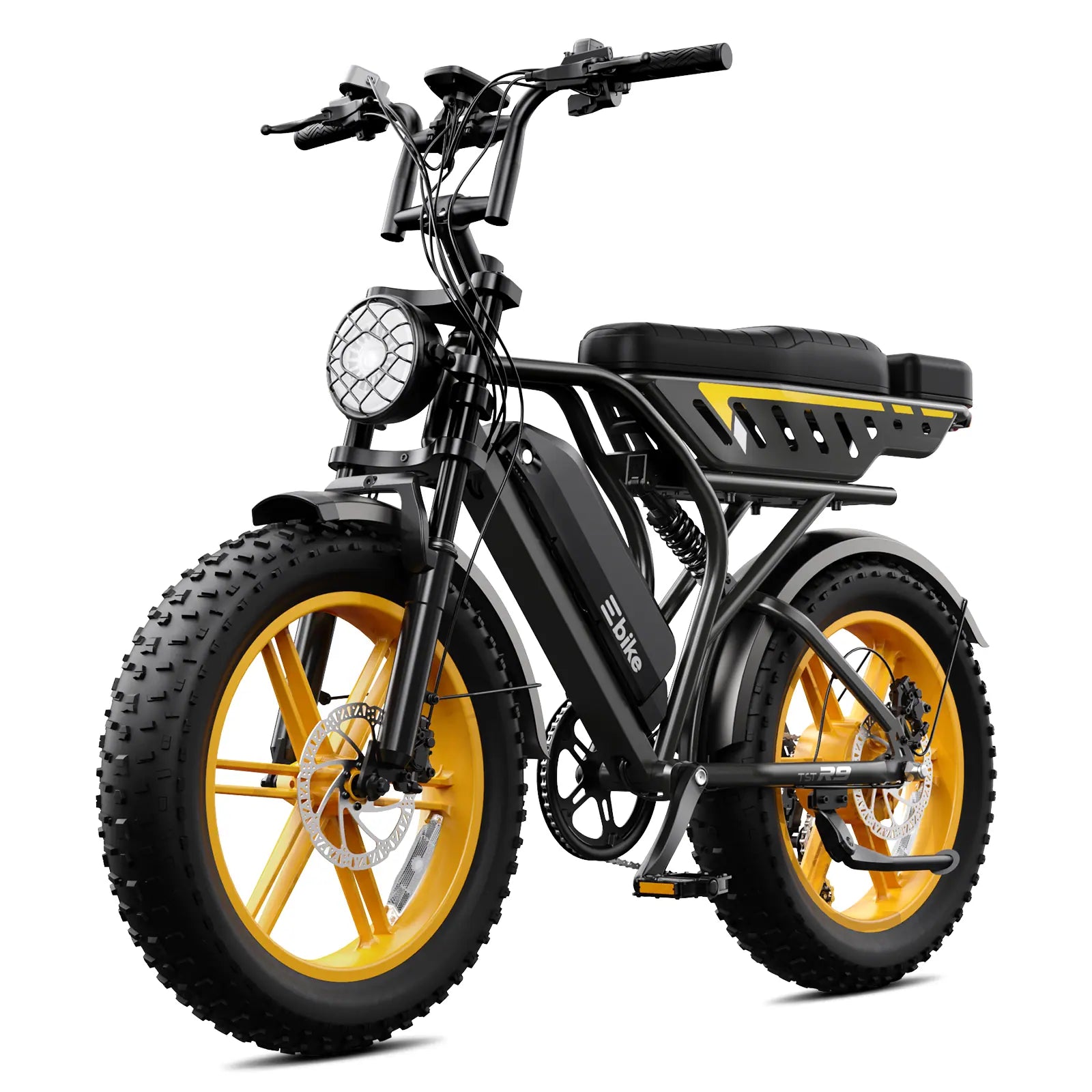
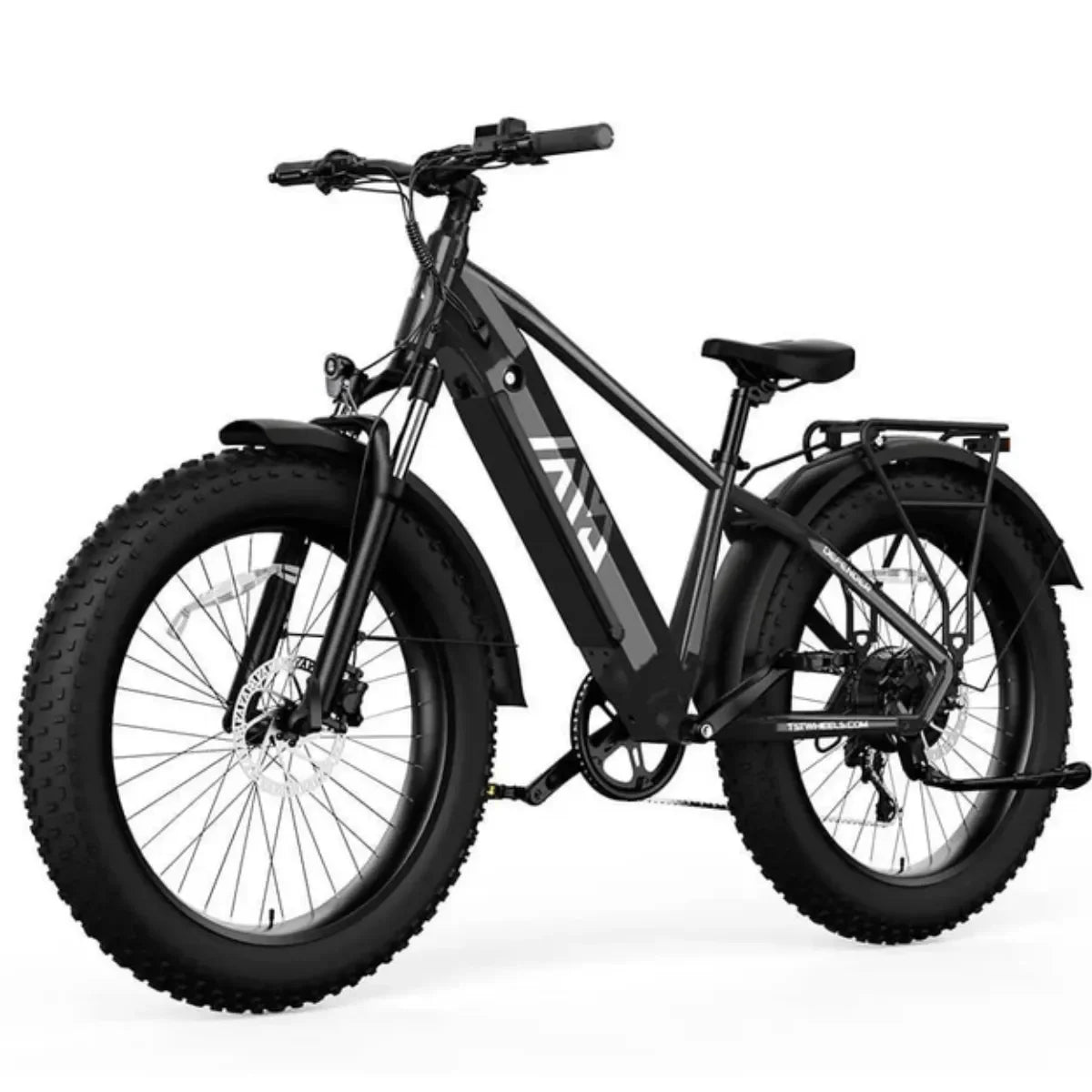
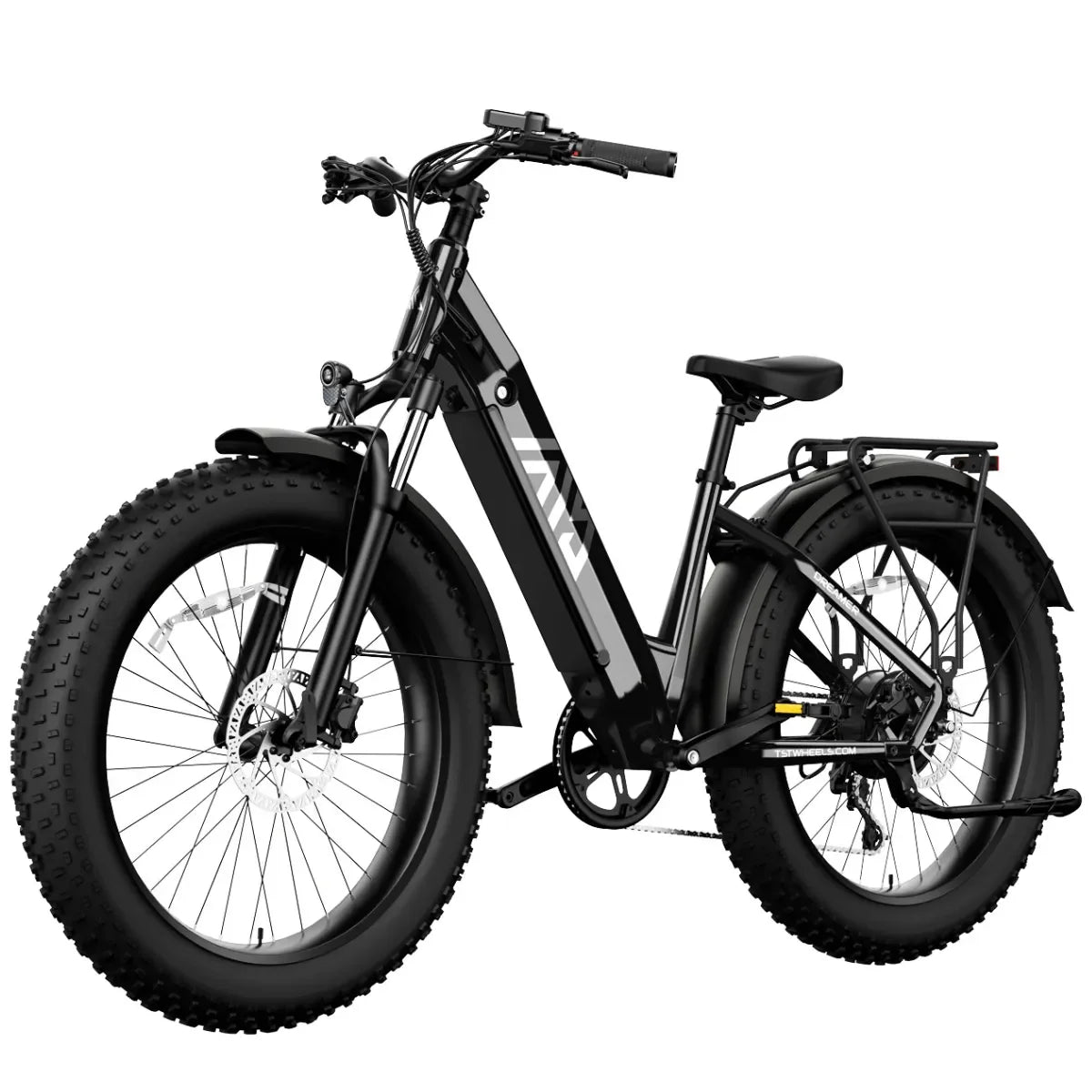
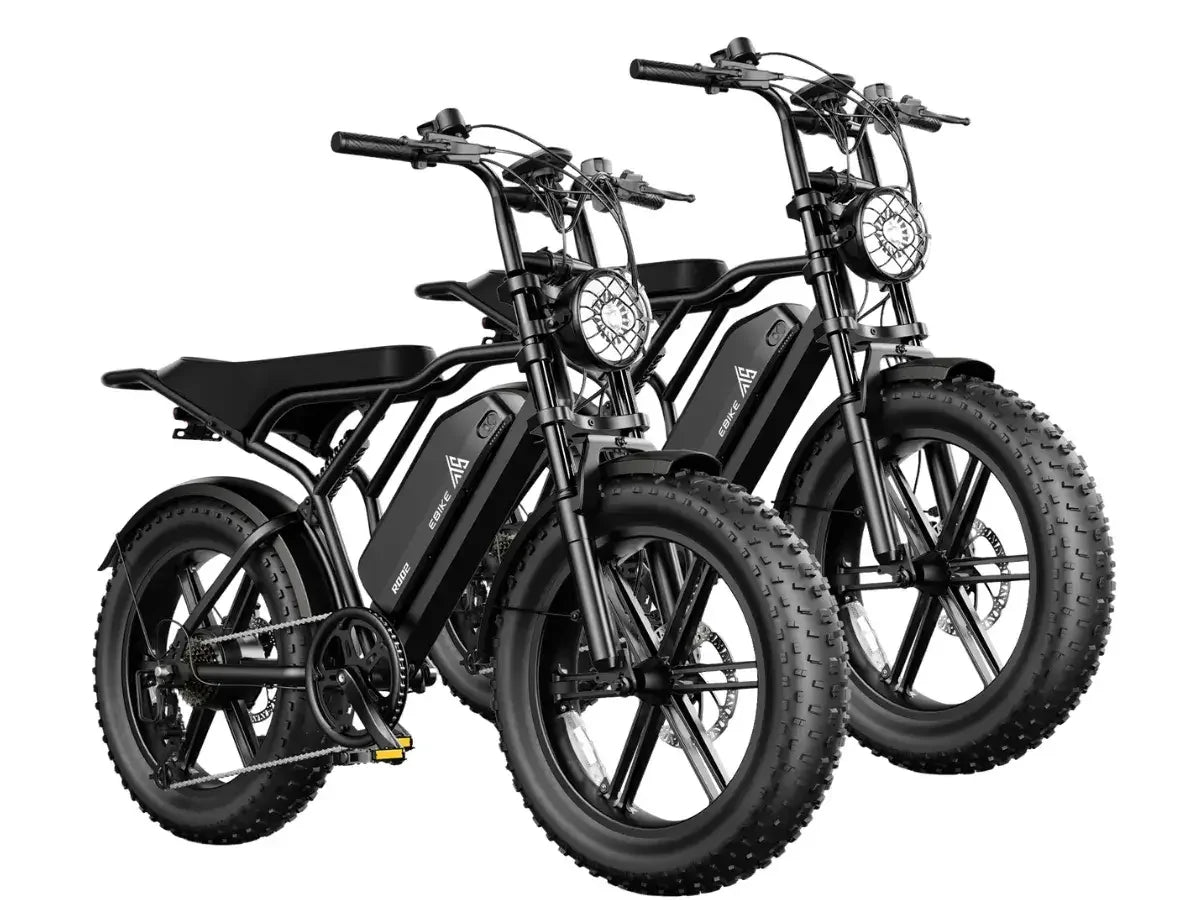
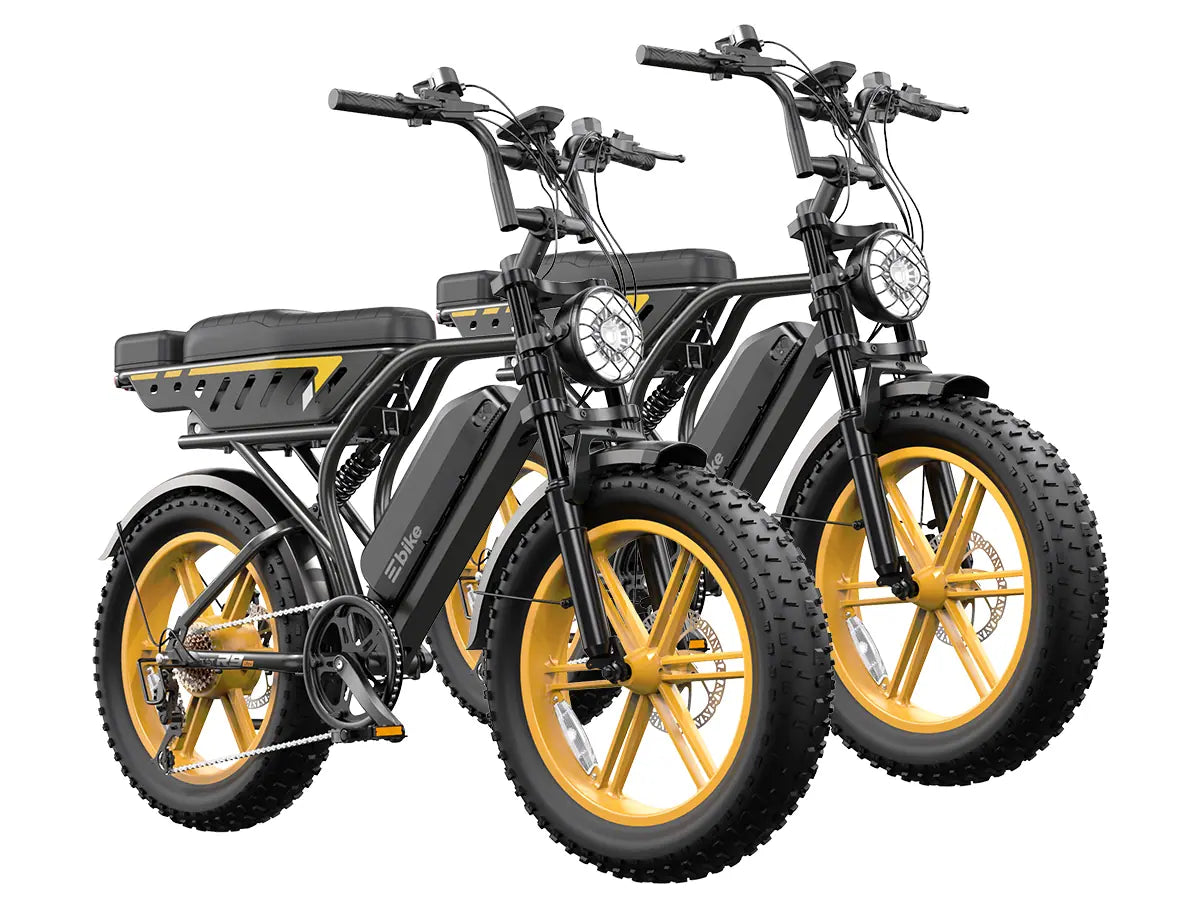
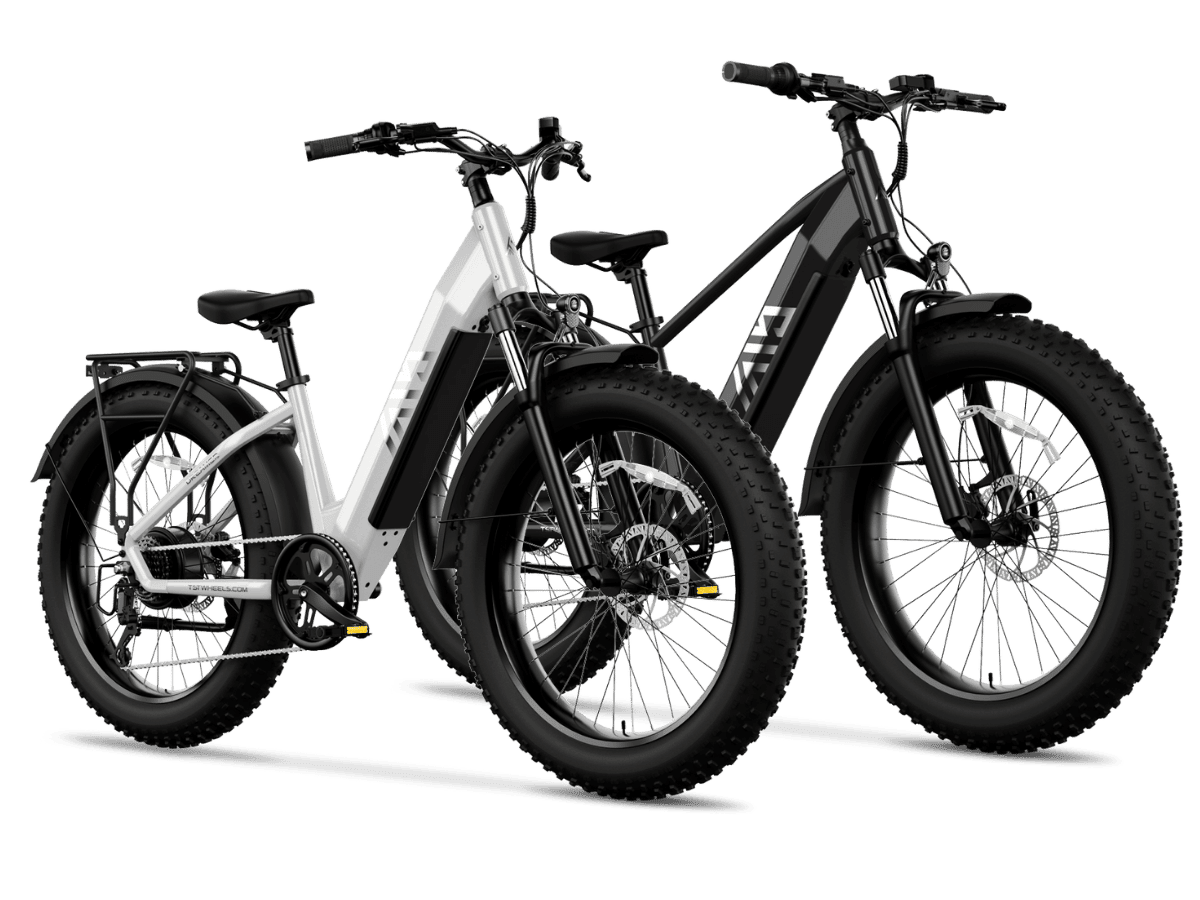
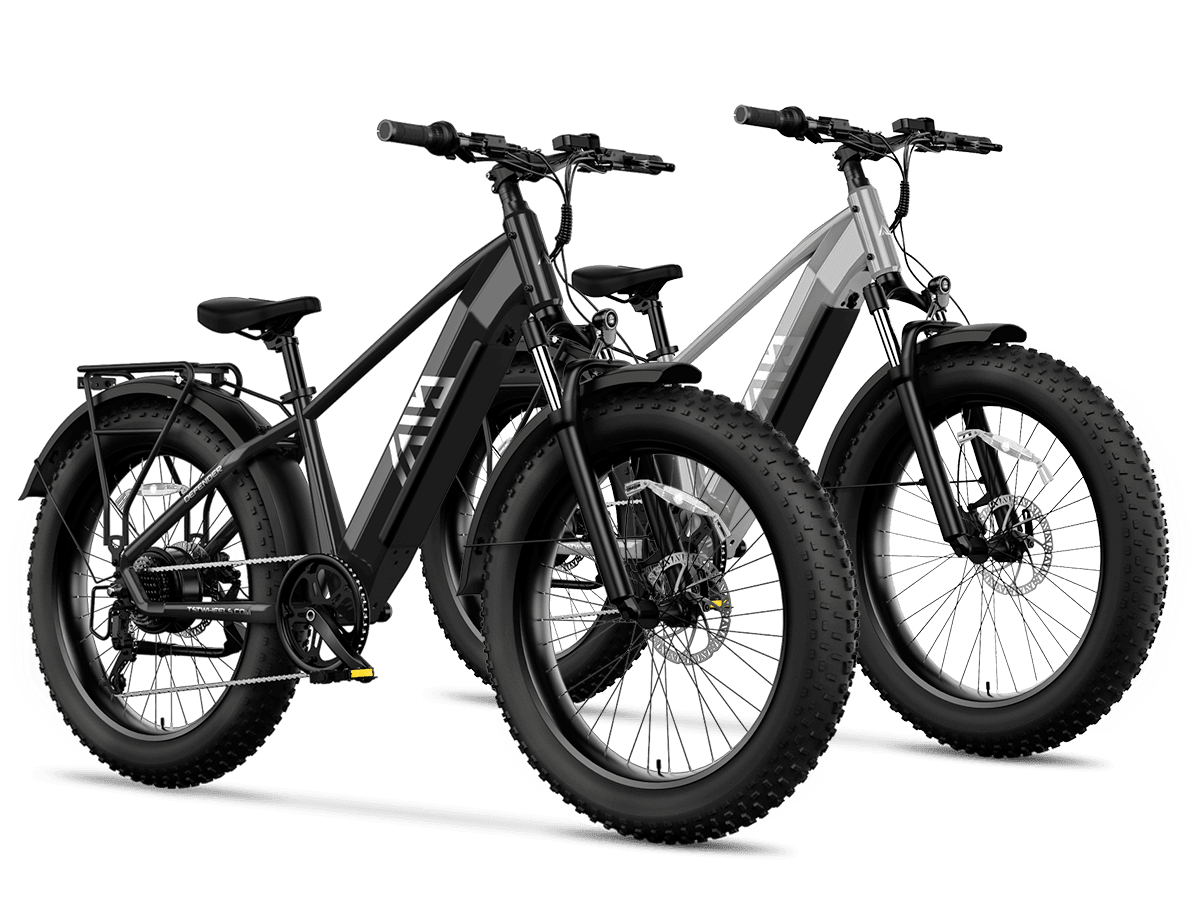
Off-road riders require robust hardtail or full-suspension e-bikes with wide, knobby tires and reinforced frames. Fat tire models enhance stability on rocks, roots, sand, and snow. High-torque motors and strong drivetrains help conquer technical trails. Large-capacity batteries support long rides and climbing. TST EBike’s rugged 26-inch models are designed for adventure, complemented by accessories like suspension seatposts and powerful lighting for safe night or winter exploration.
How can you find the best e-bike for cargo, family, and utility use?
Cargo e-bikes focus on stability, load capacity, and versatility. Longtail models support kids, groceries, or deliveries, while front-loading cargo bikes provide alternative handling and storage options. Examine weight limits for riders and cargo, and consider accessory ecosystems for baskets, panniers, and child seats. Strong motors and robust brakes are essential. TST EBike’s value-driven cargo options make it easier to start hauling safely without exceeding a budget.
Why does wheel size matter when choosing an e-bike?
Wheel size influences comfort, handling, and terrain capability. Larger 27-inch wheels roll efficiently on pavement and light gravel, improving stability for commuting and fitness rides. Smaller wheels enhance agility in tight urban settings or folding designs. Fat 26-inch wheels excel in snow, sand, and rough terrain, providing superior traction. TST EBike pairs 26-inch wheels with off-road models and 27-inch wheels for commuting or mountain biking, helping riders choose the right setup for daily enjoyment.
How do 26-inch and 27-inch e-bikes compare?
| Wheel size | Typical use cases | Main benefits |
|---|---|---|
| 26-inch | Snow, sand, rough trails | Superior traction, stability off-road |
| 27-inch | City, commuting, light MTB | Faster rolling, smoother on pavement |
Who should consider a folding or compact e-bike?
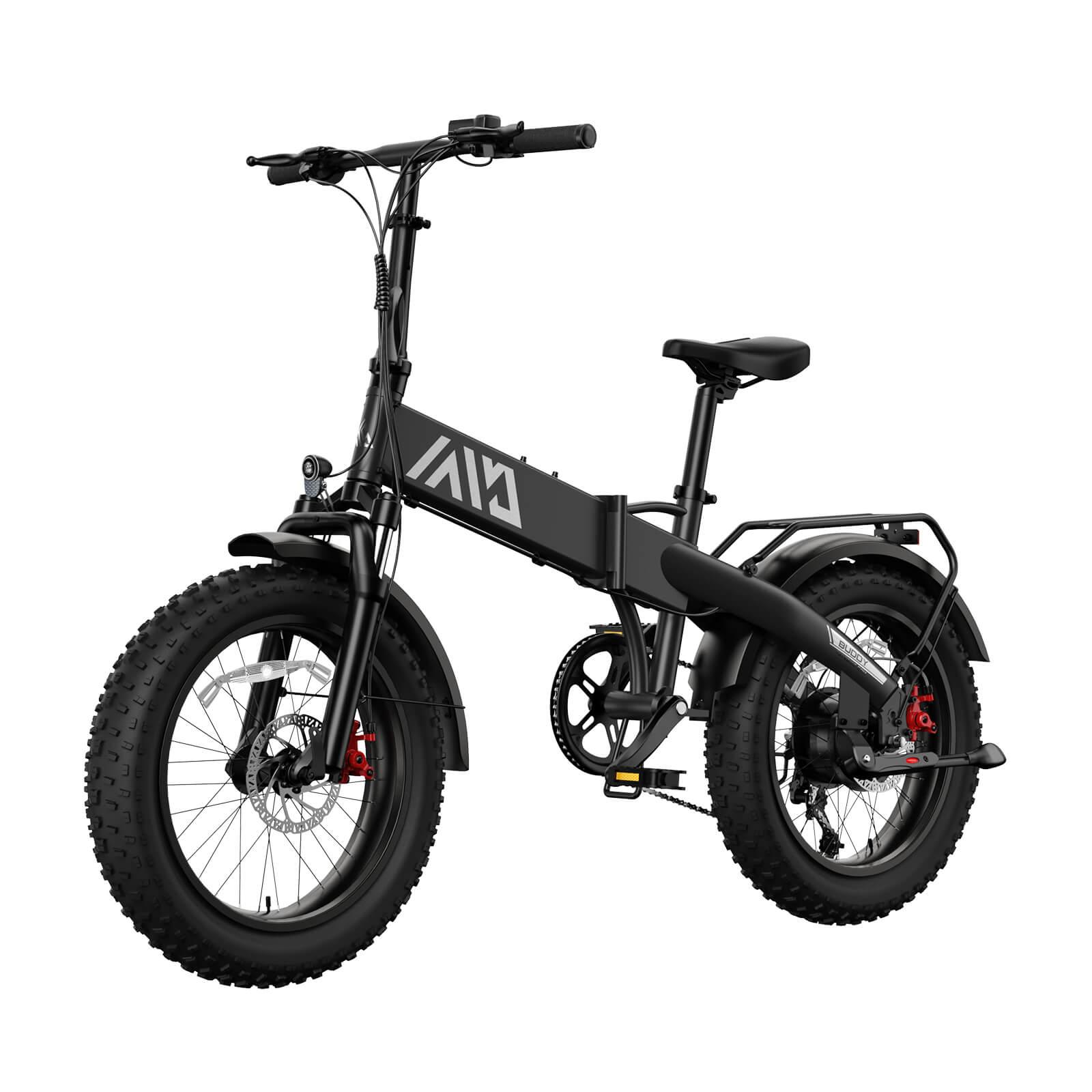
Folding e-bikes suit riders with limited storage, multi-modal commutes, or frequent travel. Apartment dwellers, RV owners, and train commuters benefit from compact designs. Folding frames often use smaller wheels and shorter wheelbases for portability. Modern folding e-bikes maintain comfort and stiffness for urban rides, last-mile connections, and spontaneous trips. They are ideal for anyone needing easy transport or storage without sacrificing reliability.
Where does TST EBike fit into holiday e-bike choices?
TST EBike provides high-power, cost-effective options based on consumer feedback. The brand’s e-bikes handle real-world challenges like traffic, hills, and weather, making them practical gifts for daily riders. With 26-inch and 27-inch models for both adventure and commuting, TST EBike offers a flexible solution for gift givers. Its California warehouses and international distribution network ensure availability and quality support across multiple countries.
Who is TST EBike and how did the brand evolve?
TST EBike originated from TST GRP LLC’s mission to enhance transportation solutions. Focused on user experience, the brand emphasizes performance, affordability, and reliability. Established in California with warehouses, over 20 offline stores, and global sales, TST EBike has built strong after-sales support. Feedback-driven development guides design, from rugged off-road 26-inch bikes to commuting-optimized 27-inch models, creating versatile options for diverse riders.
What features matter most when comparing holiday e-bike deals?
Prioritize overall value rather than discounts alone. Key features include motor torque, battery size, frame geometry, brakes, and included accessories like lights and racks. Holiday promotions often include battery upgrades, panniers, or extended warranties. Check weight limits, warranty coverage, and local service options. TST EBike balances competitive pricing with reliable components, making it easier to secure an excellent gift with long-term utility.
TST EBike Expert Views
“Choosing the right e-bike begins with understanding how and where the rider will use it. Motor power, battery capacity, wheel size, and frame geometry must align with real-life conditions, whether city streets, trails, or mixed terrain. TST EBike focuses on combining rider feedback with practical design, making it easier to select an e-bike that delivers both performance and confidence.”
Why is brand support and infrastructure crucial when gifting an e-bike?
Reliable brand support ensures that maintenance, repairs, and part replacements are straightforward. Established warehouses, offline stores, and dealer networks, such as TST EBike’s 20+ physical locations, provide access to service and test rides. Responsive customer service and warranties prevent minor issues from becoming frustrating problems. For holiday gifts, brand infrastructure is as important as motor or battery specs, guaranteeing peace of mind for the recipient.
How can you safely size and fit an e-bike as a gift?
Proper sizing ensures comfort and control. Step-through frames, adjustable stems, and seatposts accommodate a range of riders. Check geometry charts, standover height, and reach. If gifting in secret, approximate based on current bike measurements or clothing sizes. Offering a fitting session or exchange option allows the recipient to optimize comfort safely.
When is it better to give e-bike accessories instead of a full e-bike?
Accessories are ideal if the rider already owns a bike or if the correct size and preferences are uncertain. Helmets, locks, lights, panniers, and comfort upgrades enhance existing rides. Gifting accessories is cost-effective and can complement a future TST EBike purchase, allowing the rider to personalize their setup gradually.
Conclusion: How can you pick the best e-bike gift for any rider?
Start by identifying the rider’s main use—commuting, adventure, cargo, fitness—and match frame style, wheel size, motor, and battery to their needs. Prioritize brand reliability, warranties, and service availability. TST EBike offers feedback-driven, high-power, cost-effective e-bikes suited for diverse riding conditions. Pairing the bike with thoughtful accessories creates a complete, practical, and exciting holiday gift.
FAQs
What is the best e-bike for a brand-new rider?
Comfortable city or hybrid models with step-through geometry and moderate motor power offer stability and easy handling. Integrated lights, racks, and fenders improve convenience and safety.
Are fat tire e-bikes suitable for all seasons?
Yes, fat tires provide traction and comfort on snow, sand, gravel, and rough trails, though they may feel slower on smooth pavement.
Can an e-bike replace a car for daily errands?
E-bikes can replace a car for trips under 10–15 miles when paired with racks, baskets, weather gear, and strong locks. Cargo models facilitate grocery and gear transport.
How long do e-bike batteries last per charge?
Ranges vary between 25 and 60+ miles depending on battery size, assist level, terrain, rider weight, and wind. Efficient pedaling and lower assist settings extend range.
When should riders consider upgrading from an entry-level e-bike?
Upgrade when the bike feels underpowered, has limited range, comfort issues, or frequent component failures. Moving to a well-supported brand with appropriate geometry and wheel size improves performance and safety.

Leave a comment
This site is protected by hCaptcha and the hCaptcha Privacy Policy and Terms of Service apply.