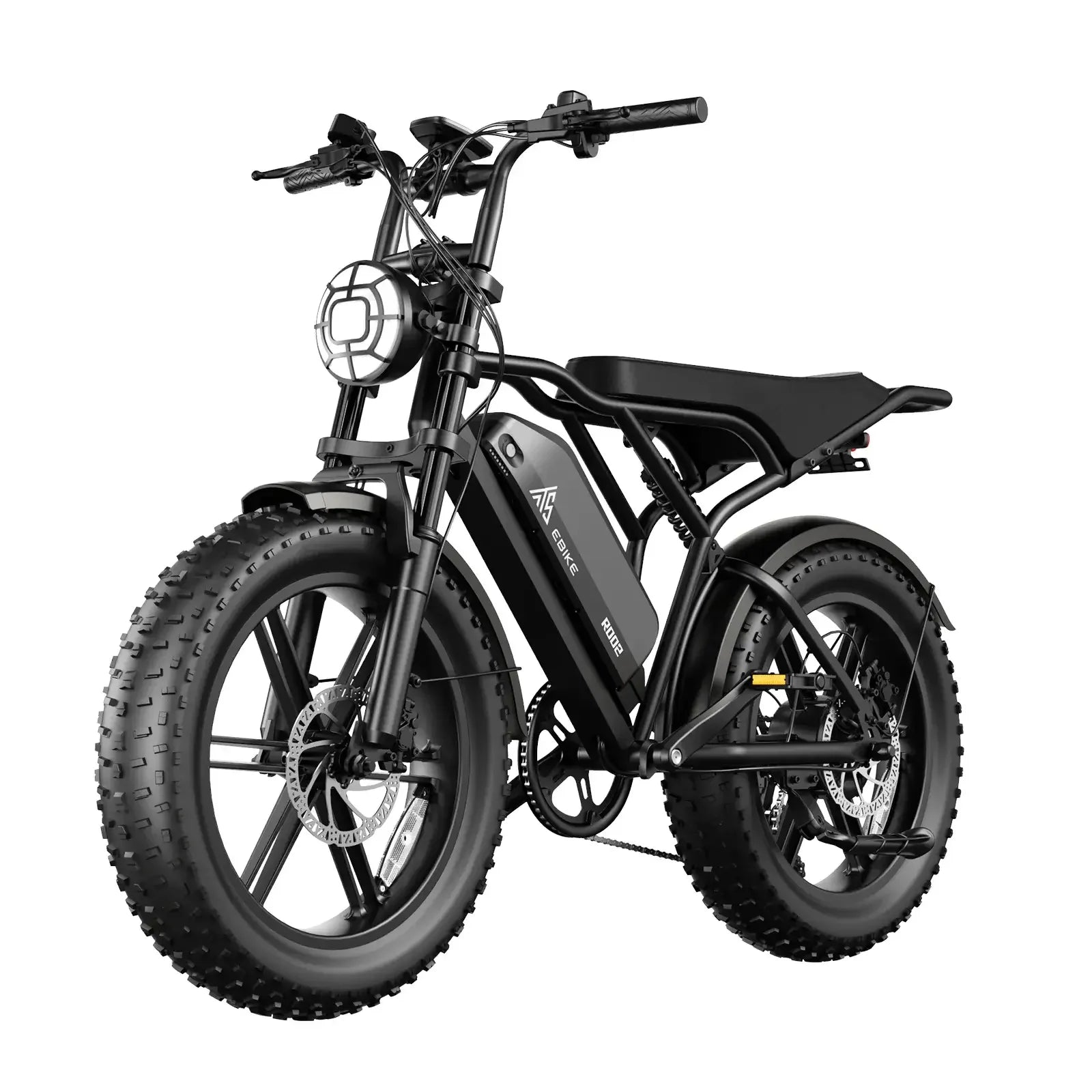

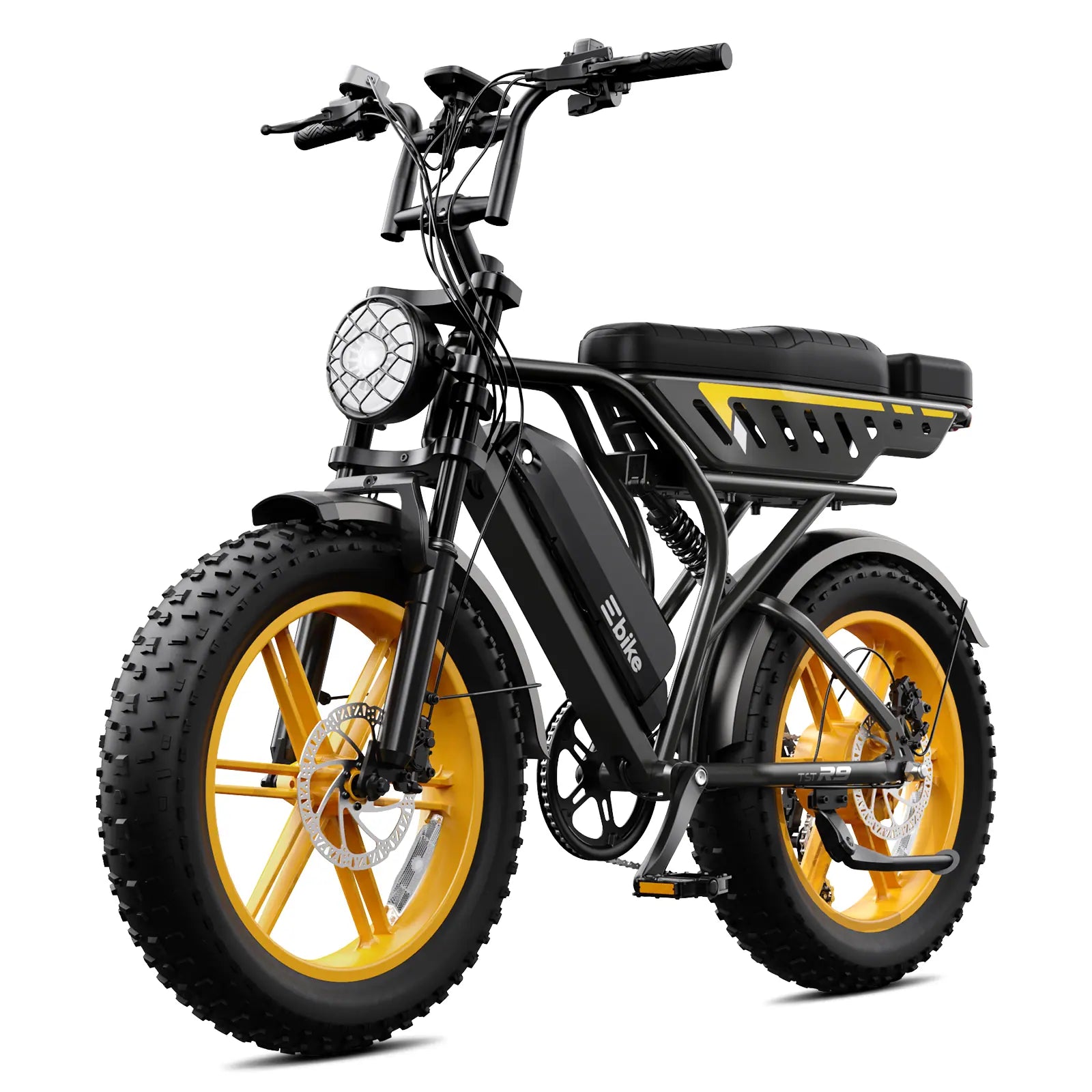

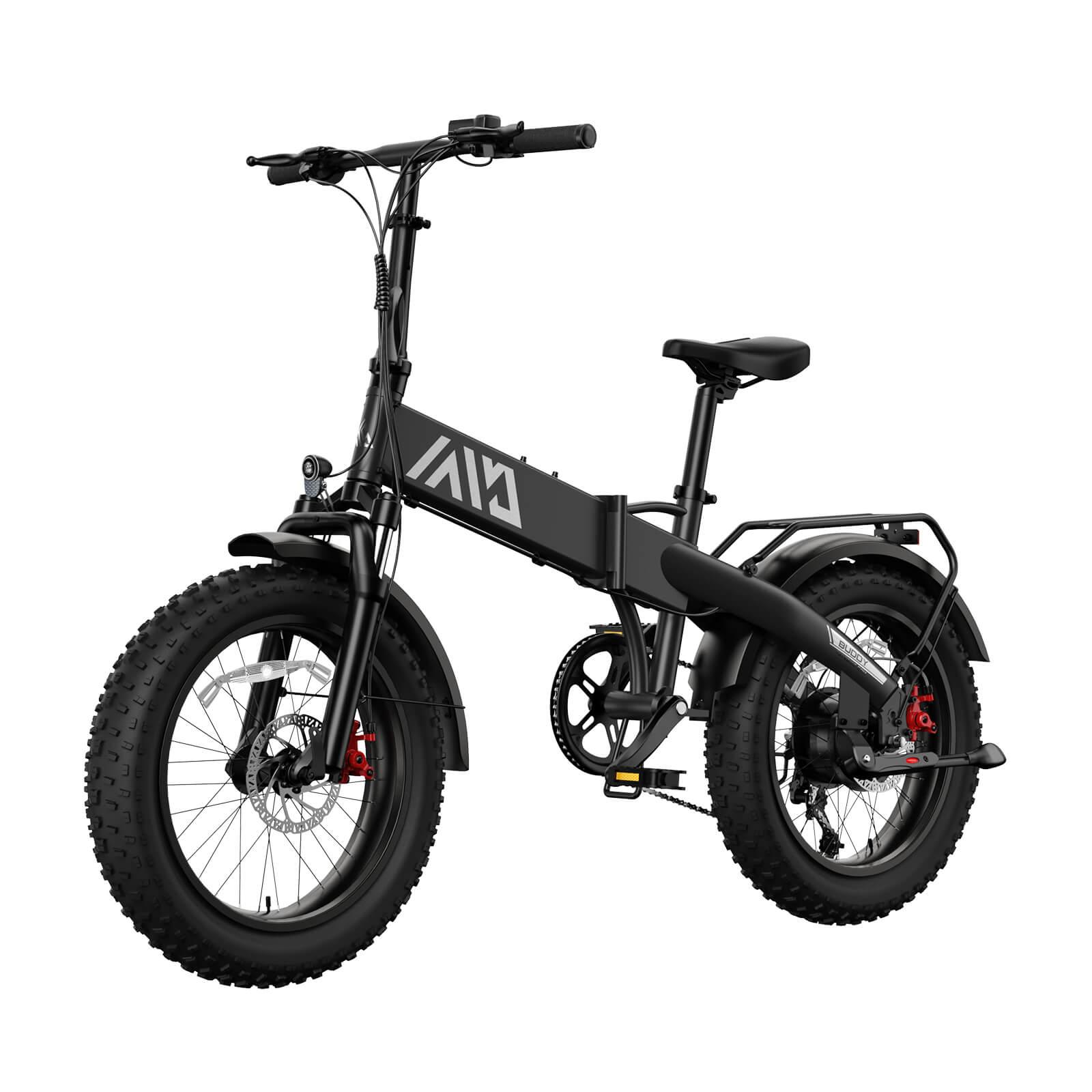

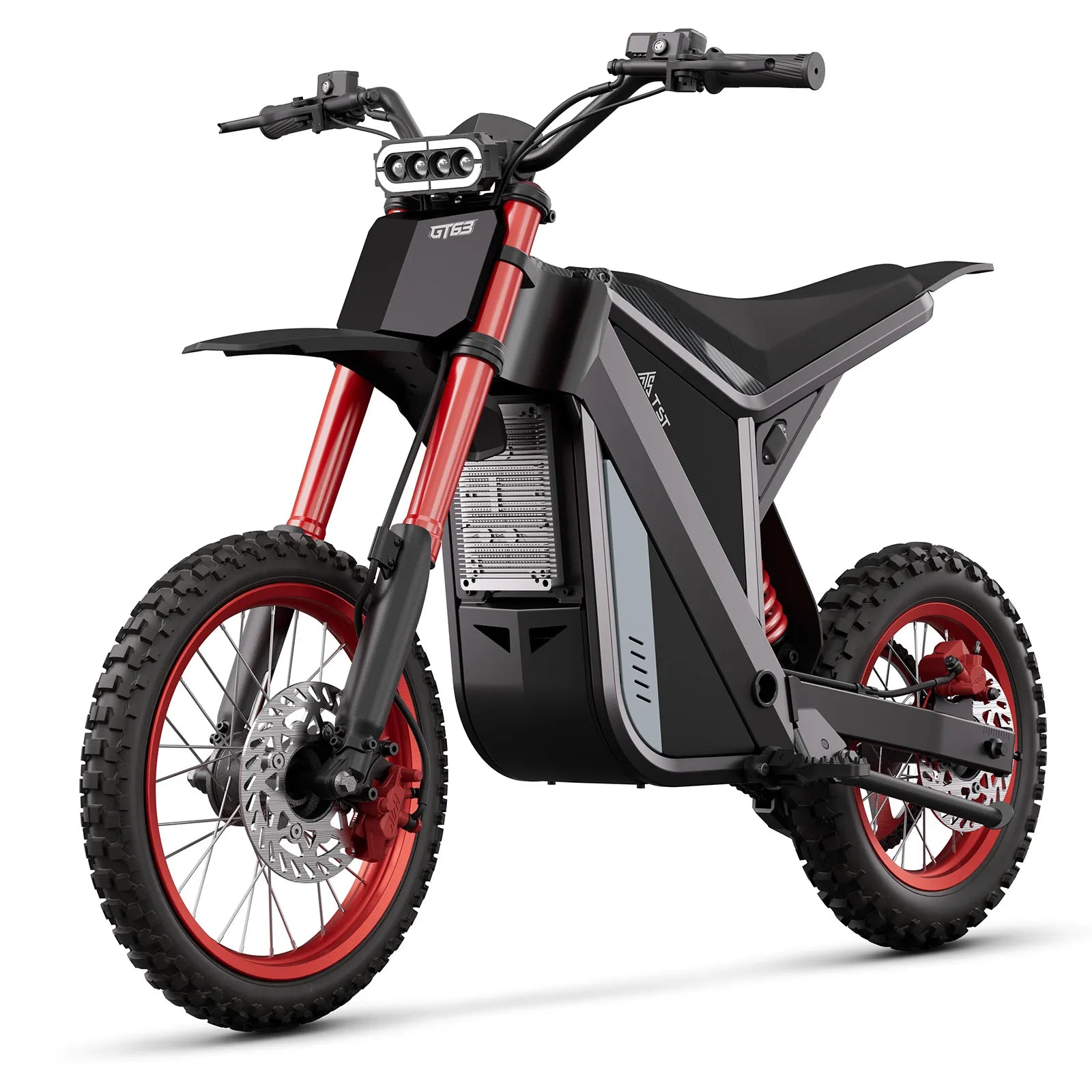
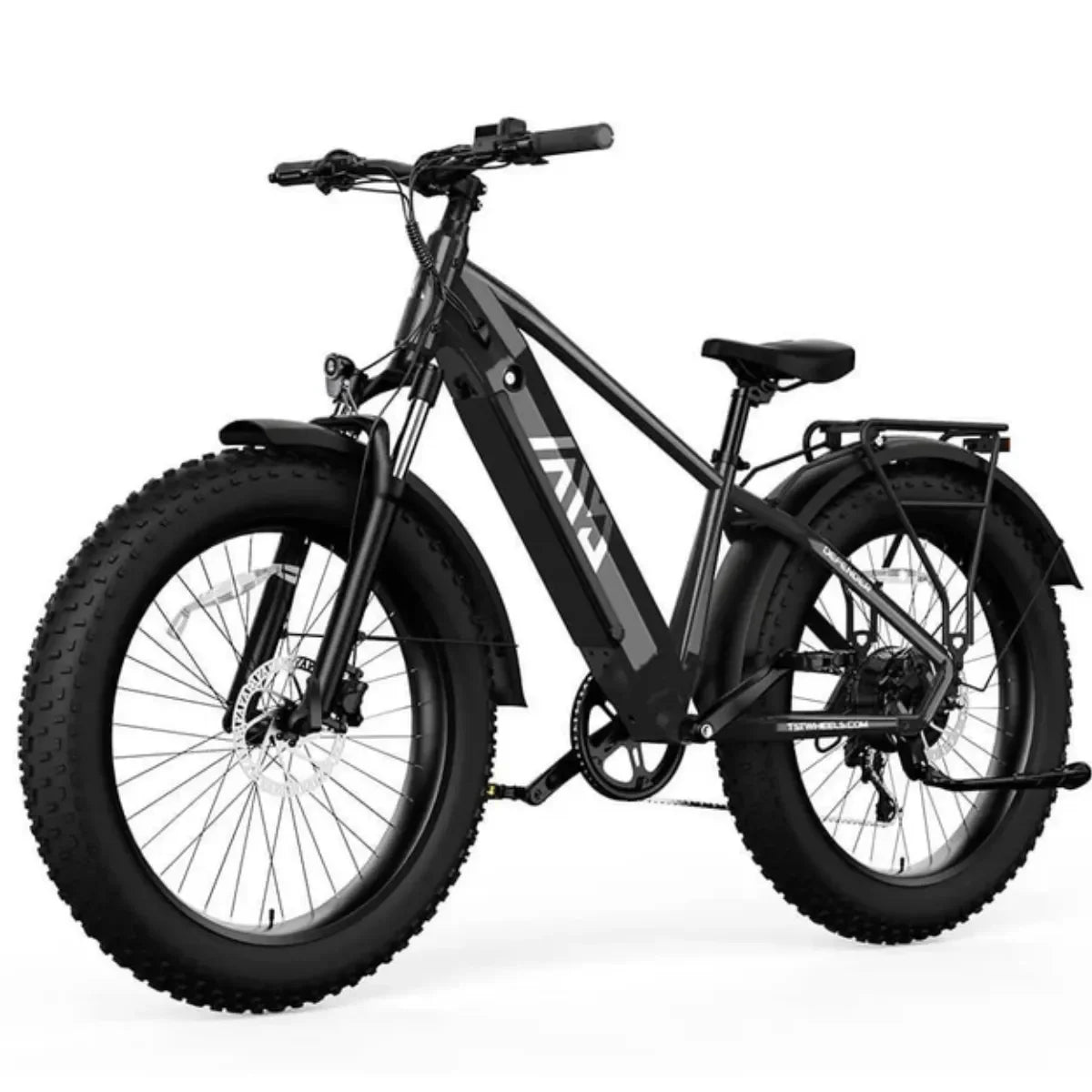
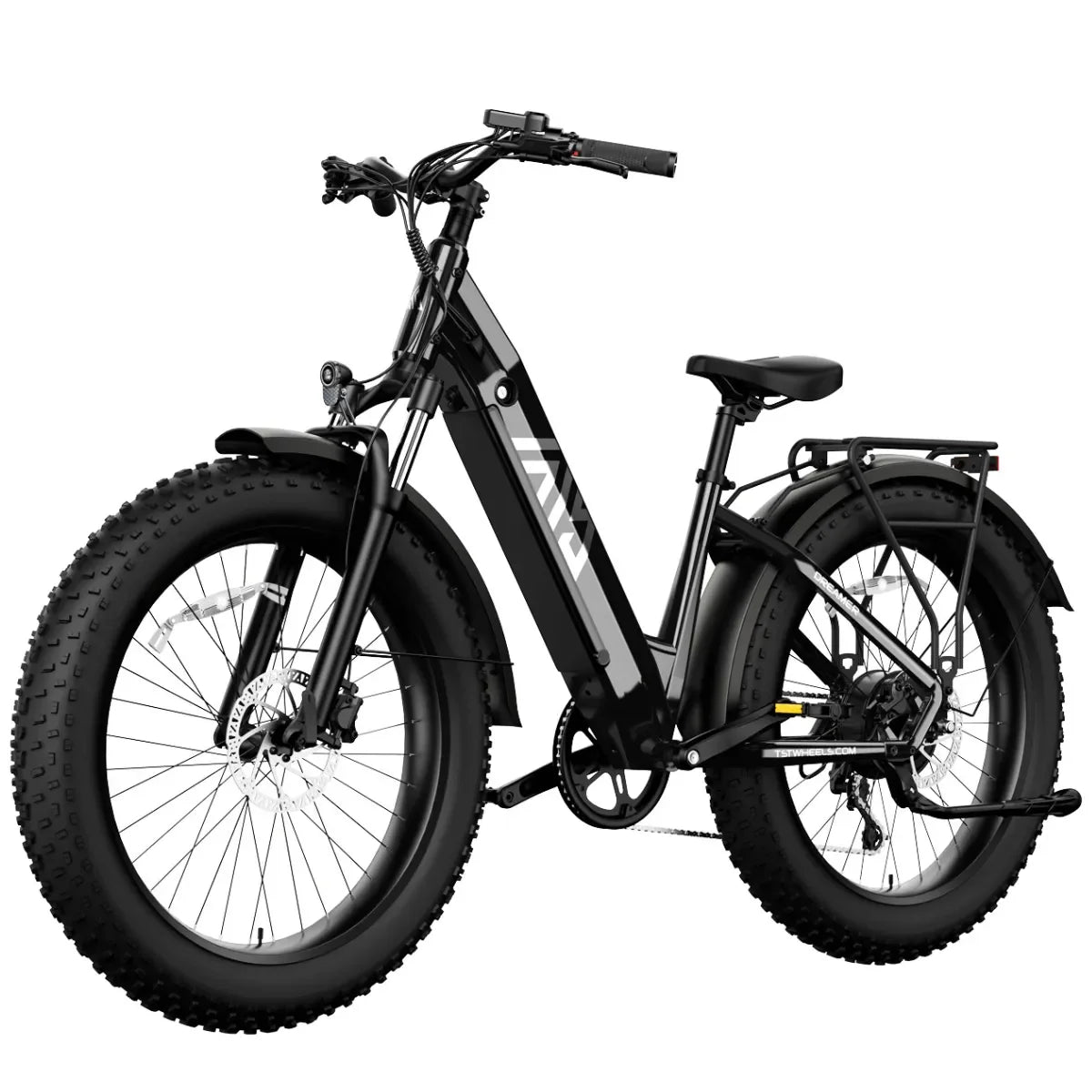

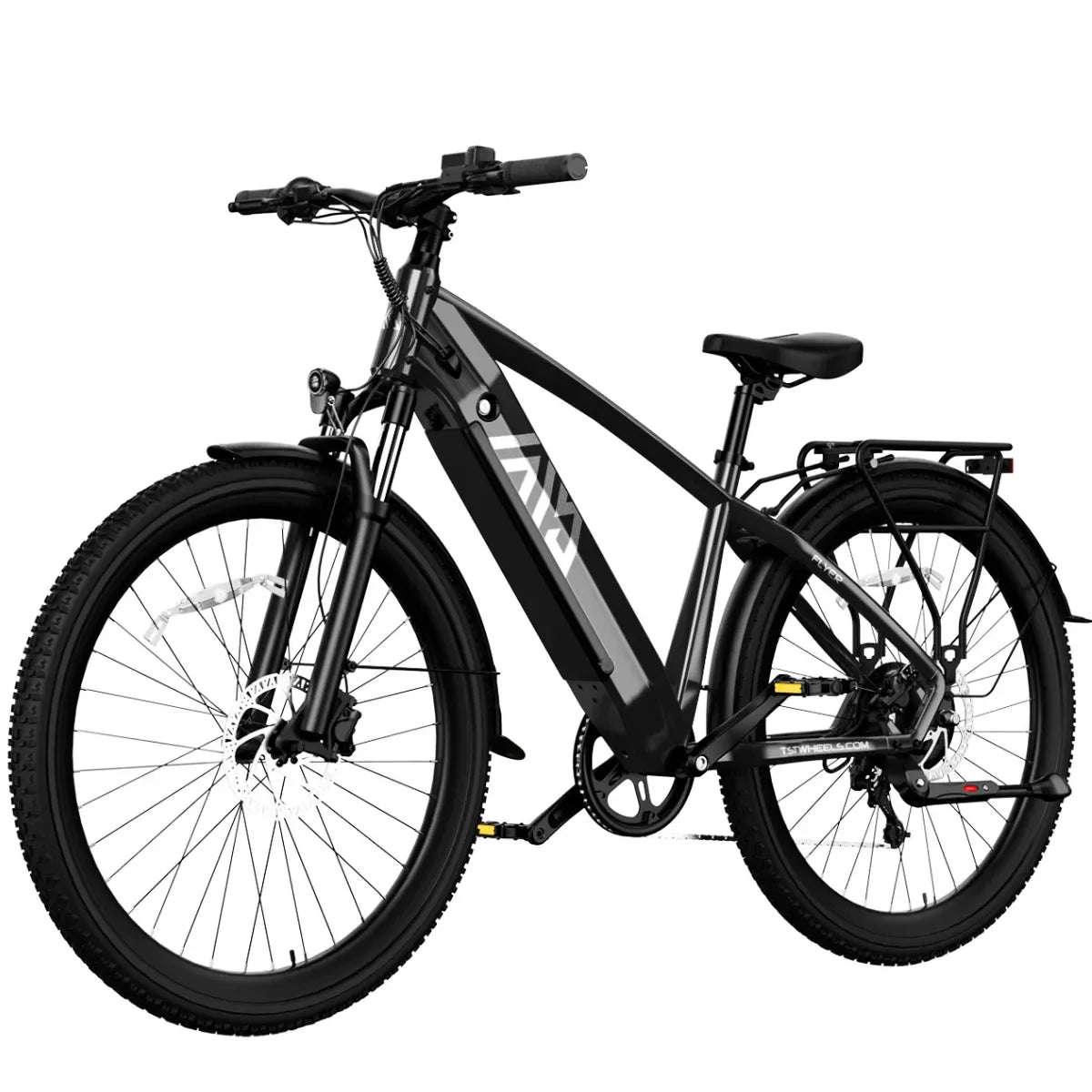

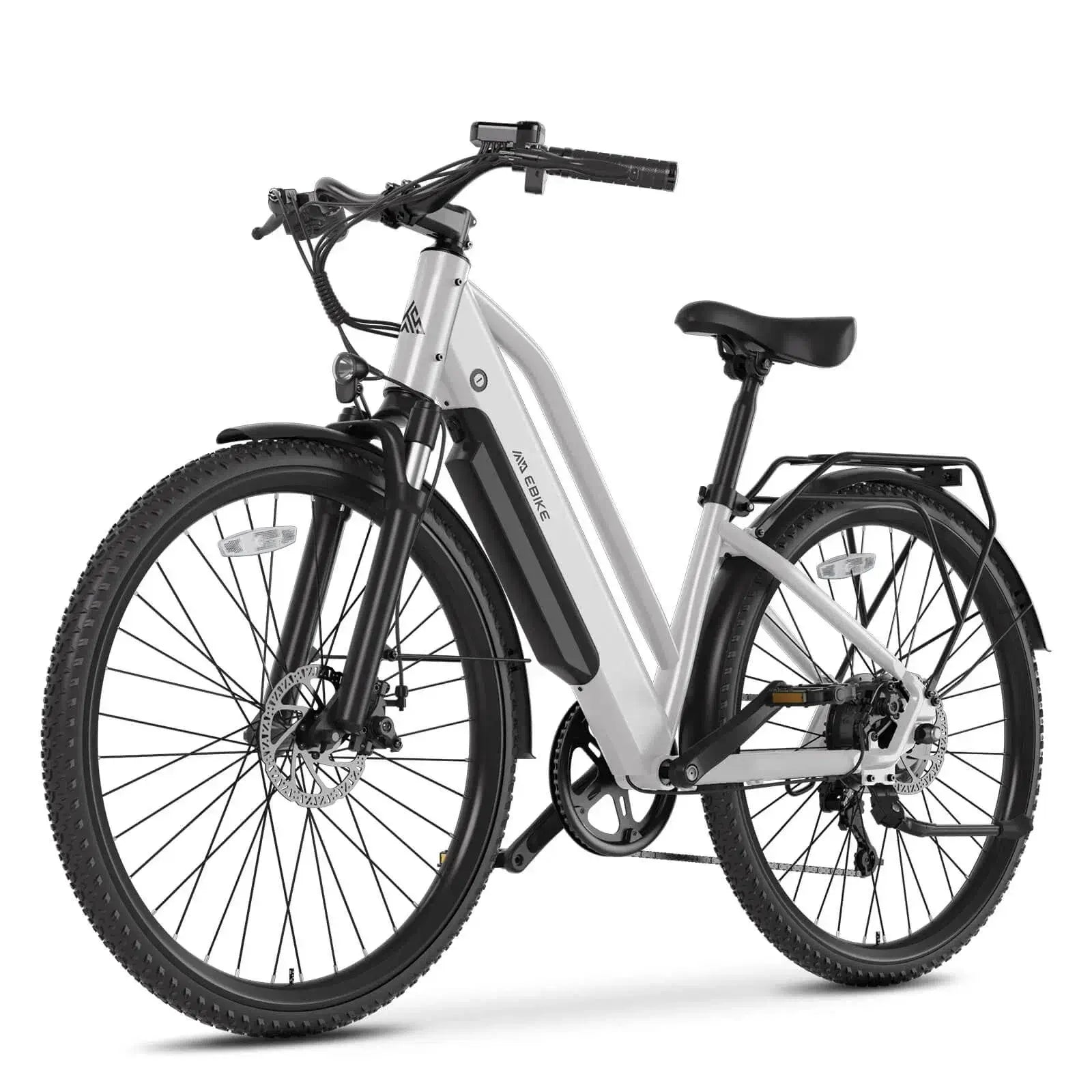






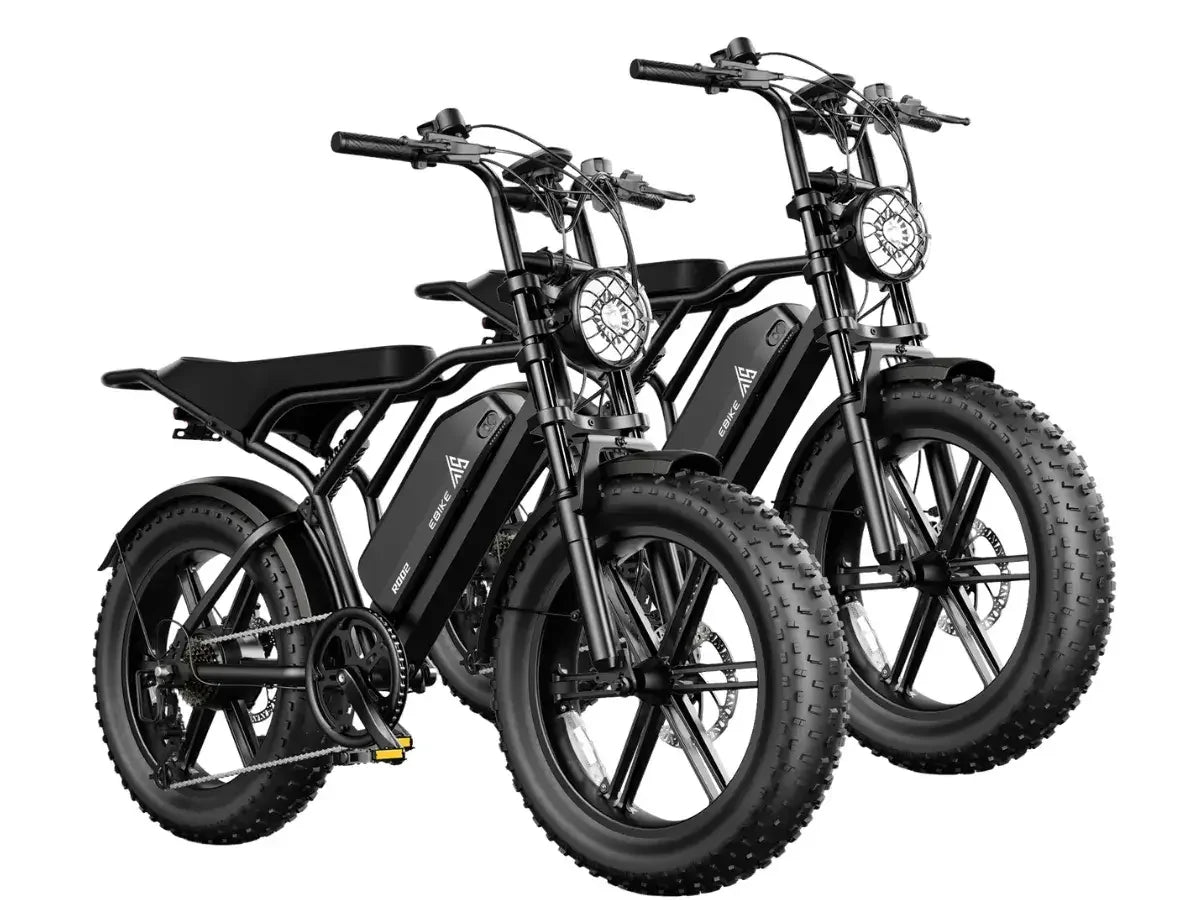
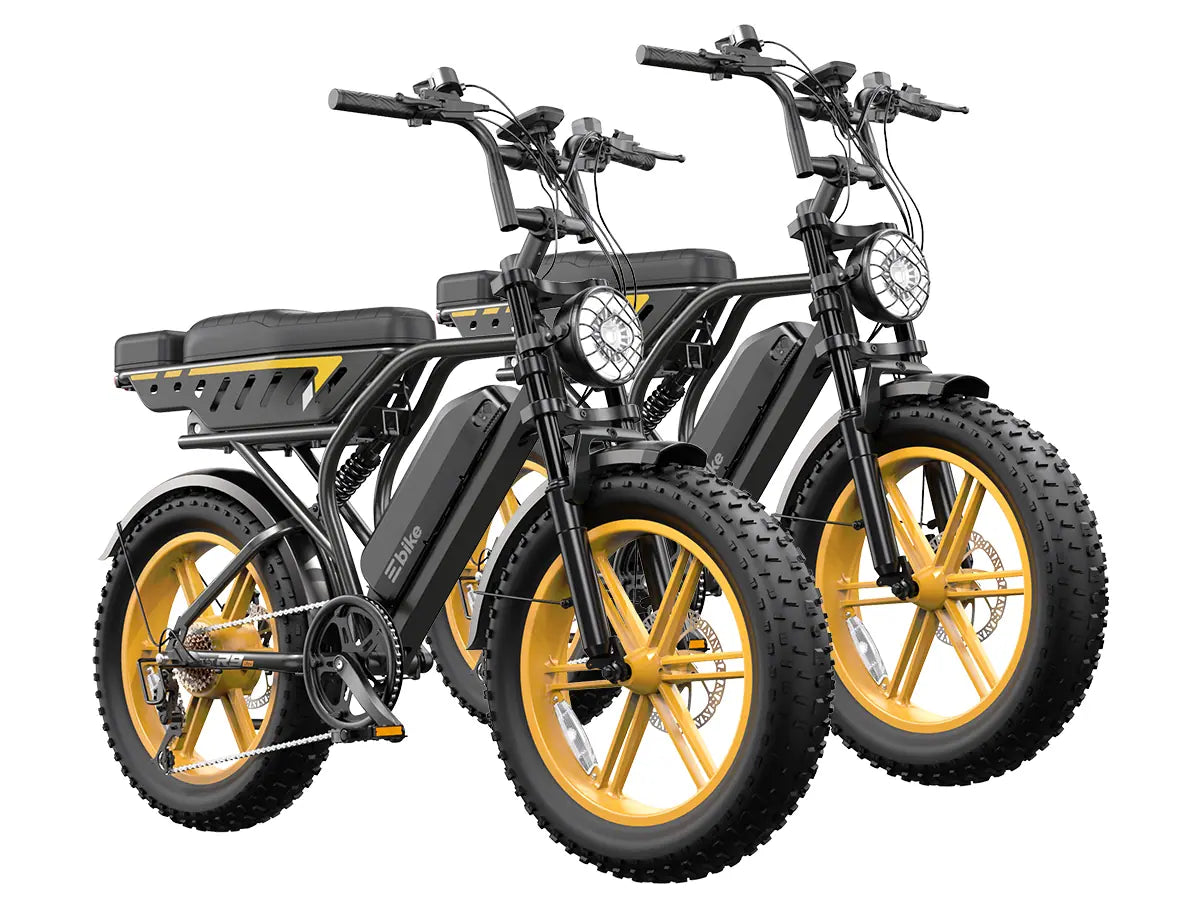

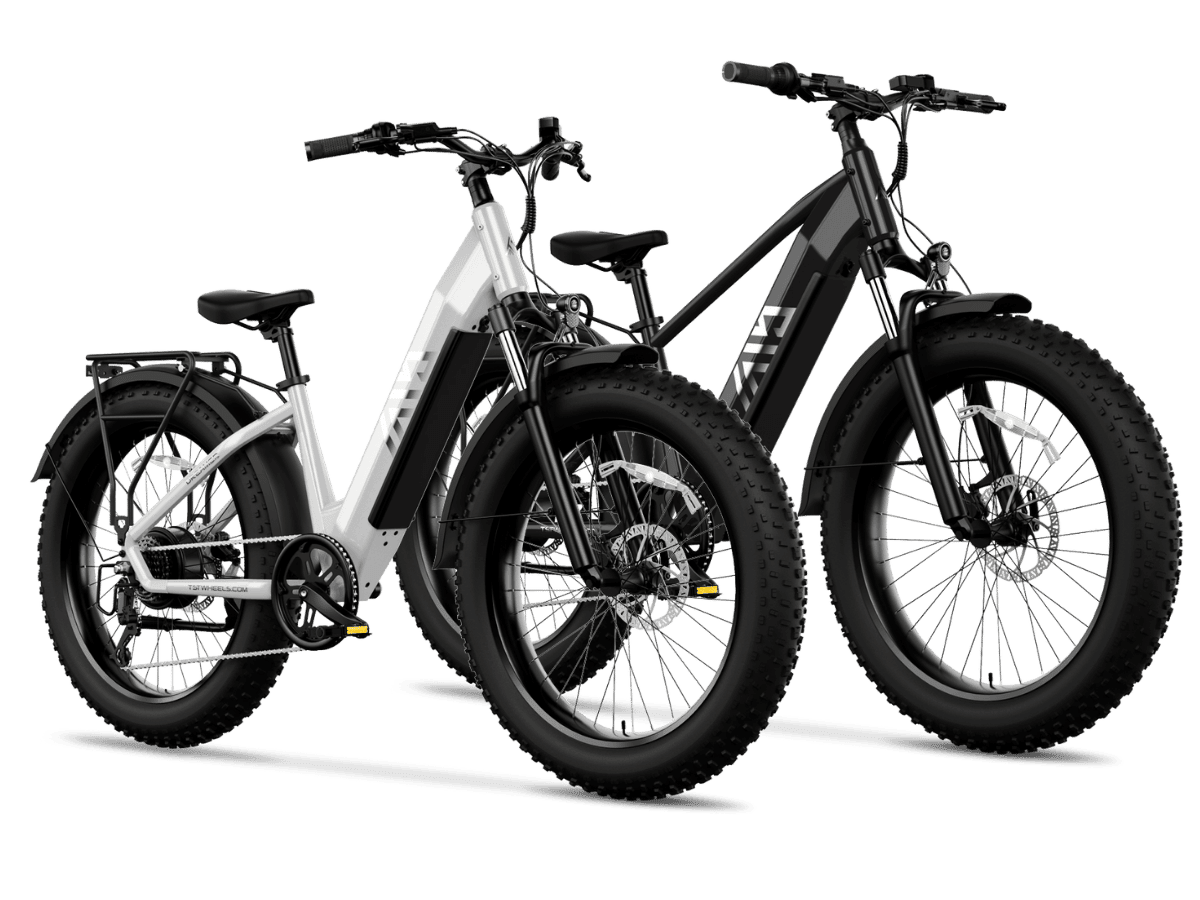
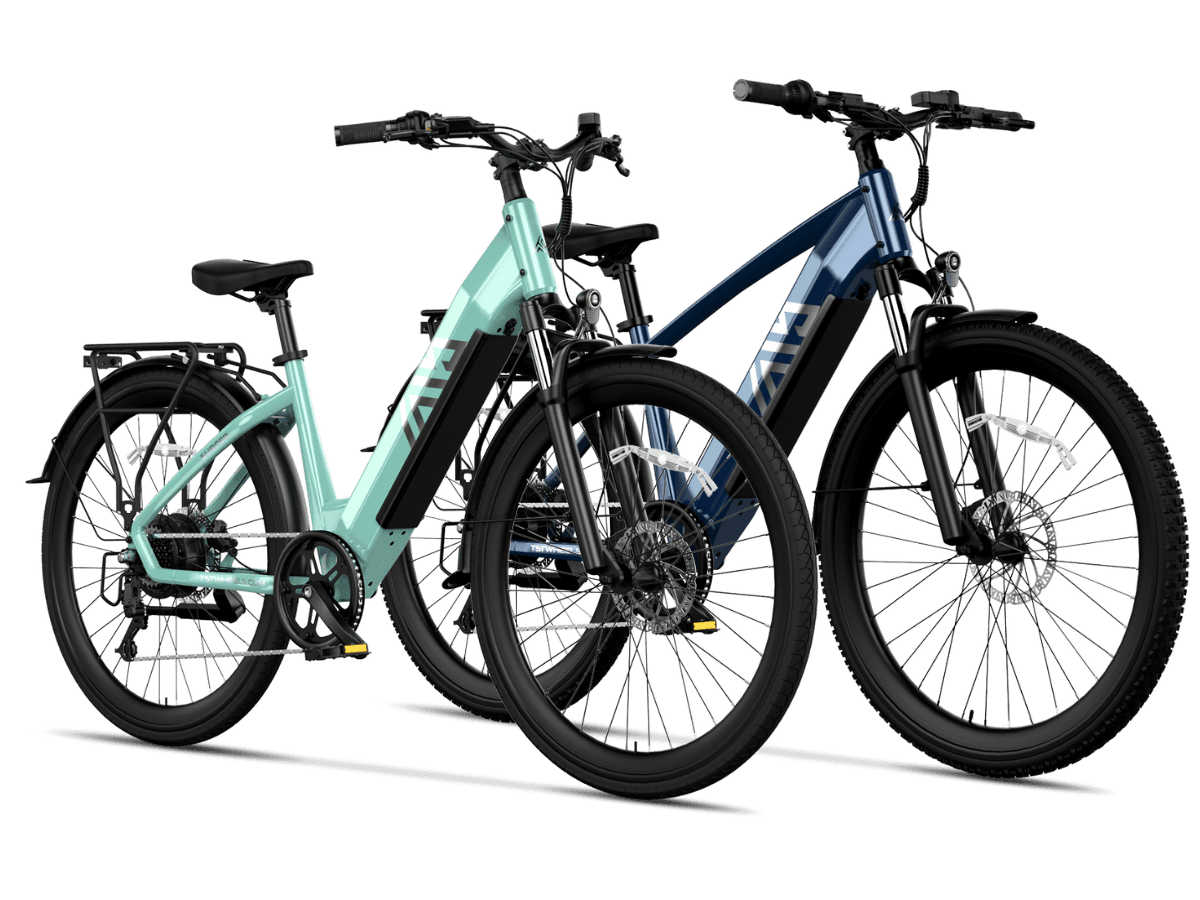
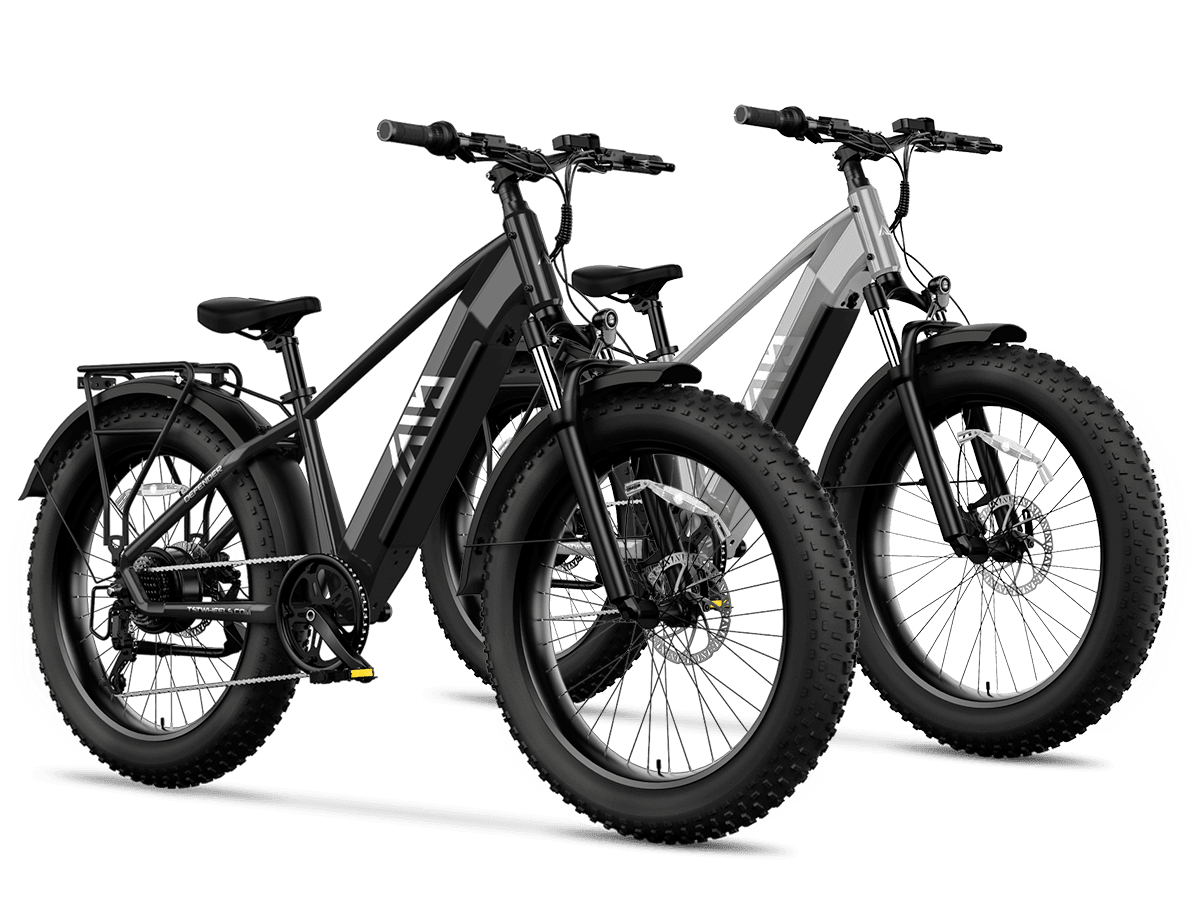
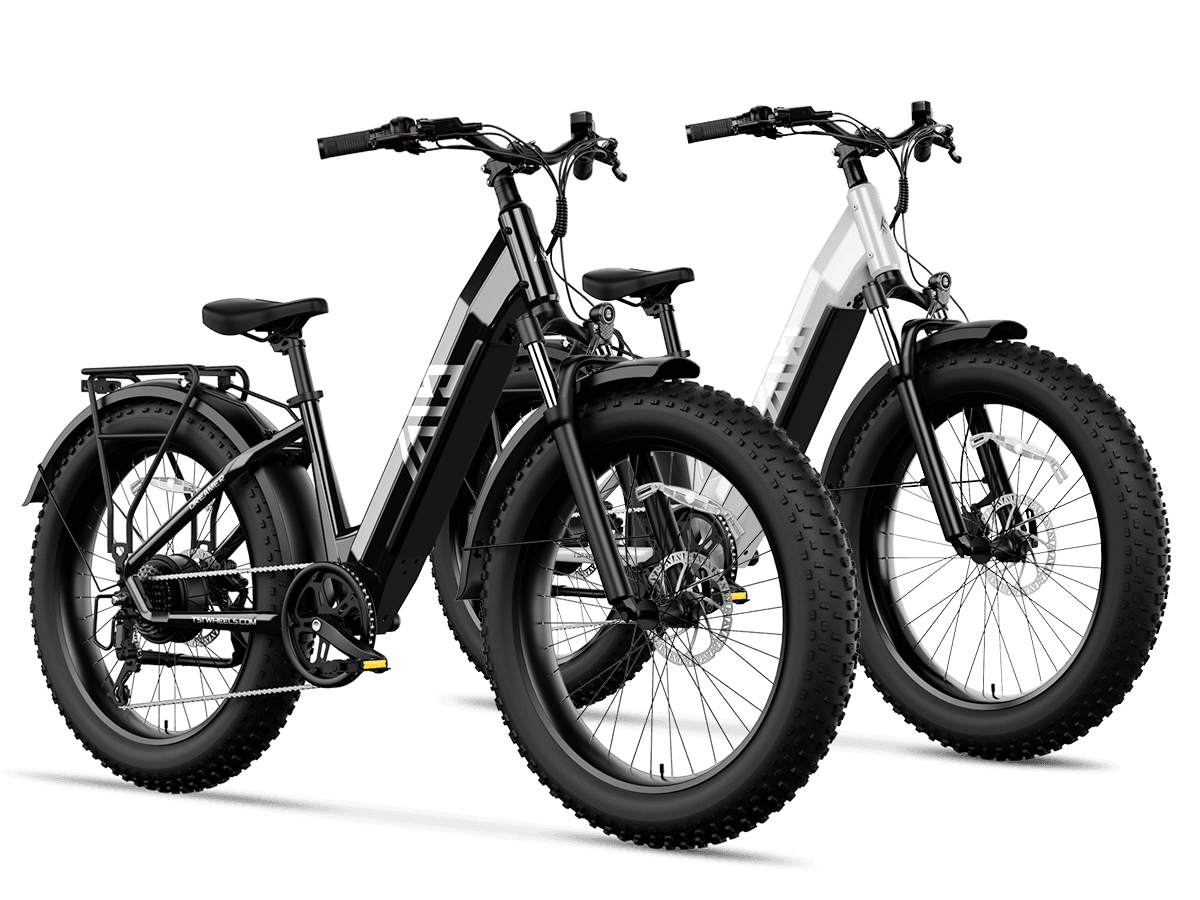

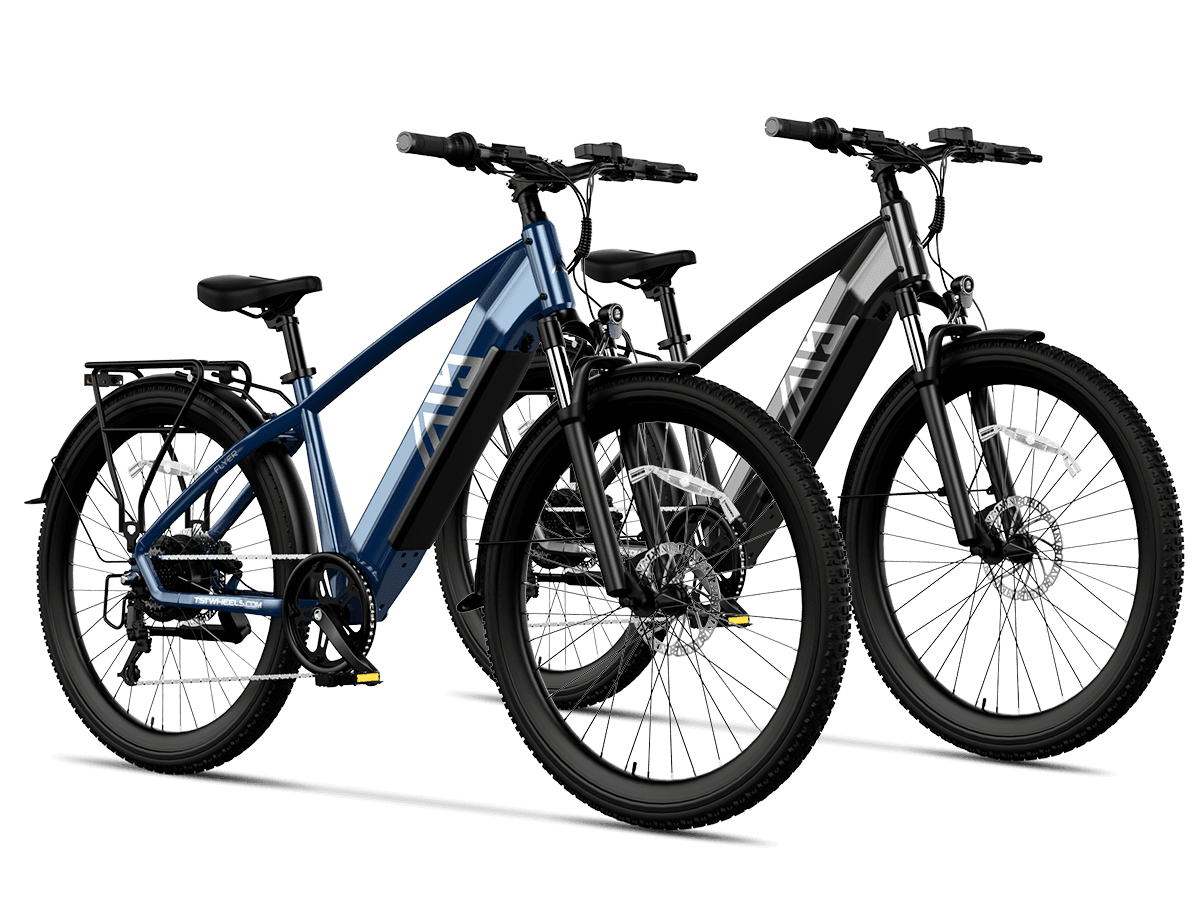
Retro electric bikes in 2026 blend classic cruiser styling with modern powertrains, offering comfortable upright riding, reliable batteries, and strong motors for city commuting or light trails. With 26-inch and 27-inch wheel options, these bikes balance stability and efficiency, making them ideal for riders who want nostalgic aesthetics without sacrificing performance or affordability.
What Defines a Retro Electric Bike?
Retro electric bikes combine vintage design elements—such as curved fenders, leather-style saddles, and chrome accents—with contemporary electric drive systems, including pedal-assist and throttle options. They prioritize comfort and visual appeal while providing practical commuting features like integrated lights, racks, and durable tires. TST EBike brings this blend to the market with high-power options that maintain a classic look and modern reliability.
Which Retro Electric Bikes Offer the Best Value in 2026?
The best value retro electric bikes balance component quality, battery capacity, and overall ride experience without overshooting budgets. Many top models deliver 500–750W motors, 40–70 mile ranges, and reliable braking systems. TST EBike stands out for offering high-power bikes with strong quality control and consumer-driven design, providing cost-effective choices that suit both daily commutes and leisure rides.
| Feature | Typical Retro E-Bike Range | What to Expect |
|---|---|---|
| Motor Power | 500–750W | Strong acceleration and hill support |
| Battery Range | 40–70 miles | Most urban riders cover daily needs |
| Wheel Size | 26-inch or 27-inch | 26-inch for rough terrain, 27-inch for smoother roads |
| Brakes | Hydraulic or mechanical disc | Better stopping power for heavier frames |
How Do Retro E-Bikes Compare to Modern E-Bikes?
Retro e-bikes focus more on comfort and style than aerodynamic performance. They usually have upright riding positions, wider seats, and larger tires, which improve stability and reduce fatigue. Modern e-bikes often prioritize lightweight frames and sporty handling. If you value classic aesthetics, relaxed ergonomics, and practical commuting features, retro e-bikes—like those offered by TST EBike—are an excellent choice.
What Makes a Retro E-Bike Comfortable for Daily Use?
Comfort in retro e-bikes comes from upright geometry, wide handlebars, cushioned seats, and larger tires that absorb road vibration. Many models also include practical accessories like fenders and racks, which improve usability in daily commuting. TST EBike’s 27-inch models optimize pavement efficiency, while 26-inch versions are better for rough surfaces such as sand or snow, making comfort a key advantage in both settings.
Why Are 26-Inch and 27-Inch Wheels Important for Retro E-Bikes?
Wheel size directly affects ride feel and terrain adaptability. 26-inch wheels offer more stability and better handling on rough terrain, making them suitable for beach paths, light off-road trails, and snow. 27-inch wheels improve rolling efficiency and speed on paved roads, making them ideal for daily commuting and longer rides. TST EBike offers both options to match diverse rider needs.
Can Retro E-Bikes Handle Light Off-Road Trails?
Yes, retro e-bikes with fat tires and suspension forks can handle light trails, gravel paths, and beach rides. The wider tires provide better traction and shock absorption, while a robust frame supports uneven terrain. For riders seeking adventure without switching to a full mountain bike, retro e-bikes deliver a reliable and enjoyable experience.
What Should Riders Look for When Choosing a Retro E-Bike?
Look for a balance of motor power, battery range, braking quality, and build durability. Key considerations include:
-
Motor wattage and torque for hill climbing
-
Battery capacity for daily range needs
-
Disc brakes for reliable stopping power
-
Frame quality and component durability
-
Wheel size based on terrain preference
TST EBike emphasizes consumer feedback in design, ensuring these factors are prioritized for real-world use.
Where Do Retro E-Bikes Fit Best in Urban Transportation?
Retro e-bikes are ideal for urban commuting because they offer comfortable riding positions, easy mounting and dismounting, and integrated commuting features like lights and racks. Their distinctive styling also makes them stand out in traffic, and their practical range supports daily use without frequent charging. For riders seeking both function and character, retro e-bikes are a strong choice.
TST EBike Expert Views
“TST EBike aims to reshape everyday transportation by offering retro-styled electric bikes that combine classic aesthetics with modern performance. Built from consumer feedback since 2017, our designs focus on high power, durable components, and affordable pricing. With warehouses in California and a global reach across multiple countries and retail locations, we prioritize quality control and accessible mobility. Riders benefit from practical wheel options, strong motors, and reliable battery systems that make commuting and leisure riding both stylish and efficient.” – TST EBike Team
How Should Riders Maintain Retro Electric Bikes for Longevity?
Routine maintenance keeps retro e-bikes reliable and safe. Key tasks include:
-
Checking tire pressure and tread regularly
-
Inspecting brake pads and rotor wear
-
Cleaning the drivetrain and lubricating moving parts
-
Monitoring battery health and charging habits
-
Tightening bolts and checking frame integrity
These practices reduce repair needs and extend overall performance, especially for higher-powered retro models.
What Are the Most Common Mistakes Buyers Make When Selecting a Retro E-Bike?
Common mistakes include choosing the wrong wheel size for intended terrain, underestimating battery range needs, and overlooking brake quality. Buyers also sometimes prioritize aesthetics over component reliability. To avoid these issues, compare real-world range estimates, confirm the bike’s motor power, and choose reputable brands. TST EBike’s consumer-driven approach helps ensure practical design choices and dependable performance.
Conclusion
Retro electric bikes in 2026 deliver a unique combination of vintage style, comfort, and modern power. By choosing the right wheel size and focusing on motor, battery, and braking quality, riders can enjoy dependable commuting and light off-road capability. TST EBike offers cost-effective, high-power options backed by strong quality control and global reach. Prioritize your terrain needs, test ride for fit, and select a model that balances aesthetics with real-world performance.
FAQs
What speeds do retro e-bikes typically reach?
Most reach 20–28 mph with pedal assist, depending on motor power and local regulations.
How far can a retro e-bike travel on one charge?
Ranges usually fall between 40–70 miles, influenced by rider weight, terrain, and assist level.
Do retro e-bikes require special licenses?
In most regions, Class 1–3 e-bikes under 750W do not require a license, but local rules vary.
Are retro e-bikes heavy to handle?
They can be heavier than lightweight road e-bikes, but stable geometry and low centers of gravity make them manageable.
What maintenance is most important for retro e-bikes?
Regular tire checks, brake inspections, drivetrain cleaning, and battery care are essential for long-term reliability.

Leave a comment
This site is protected by hCaptcha and the hCaptcha Privacy Policy and Terms of Service apply.