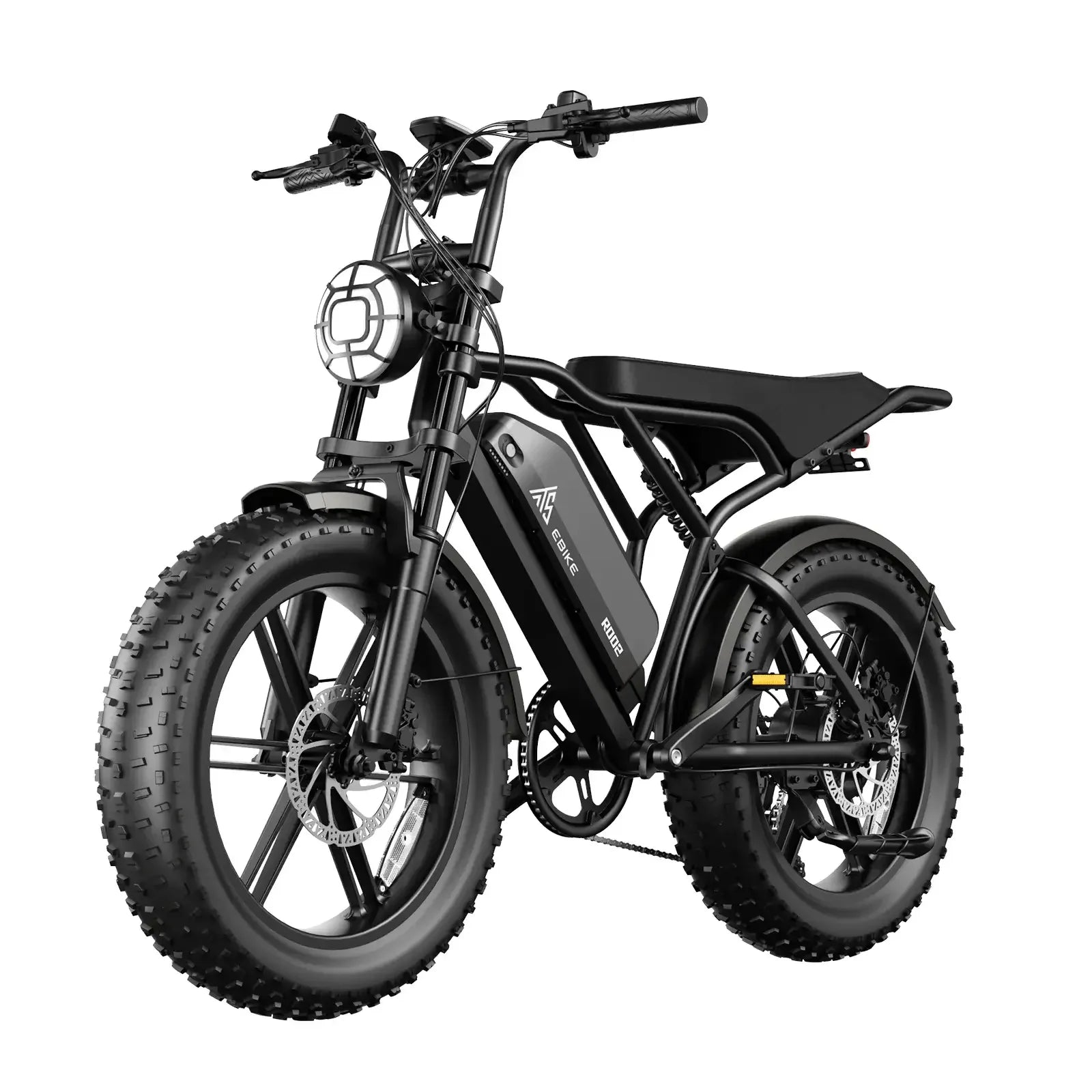

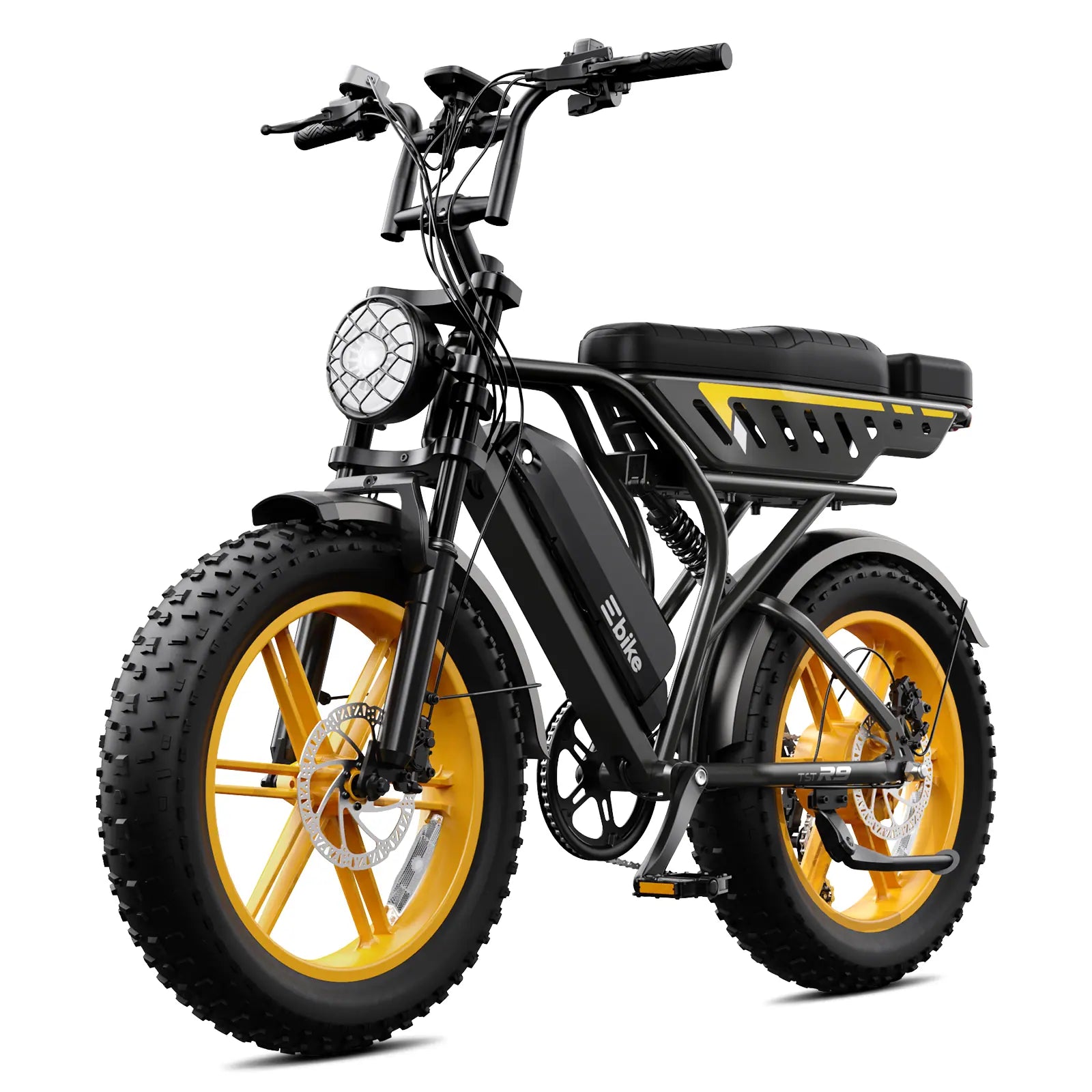

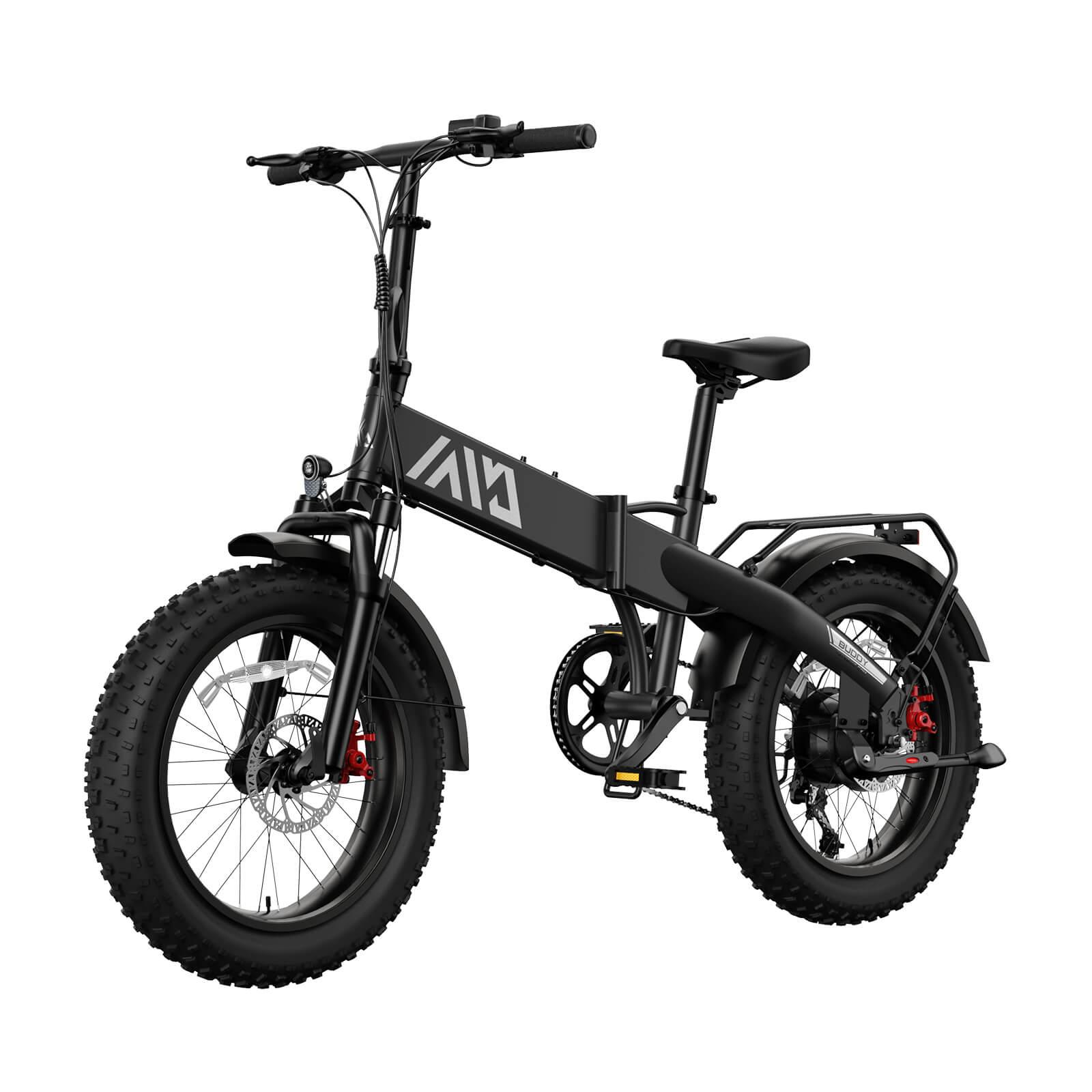

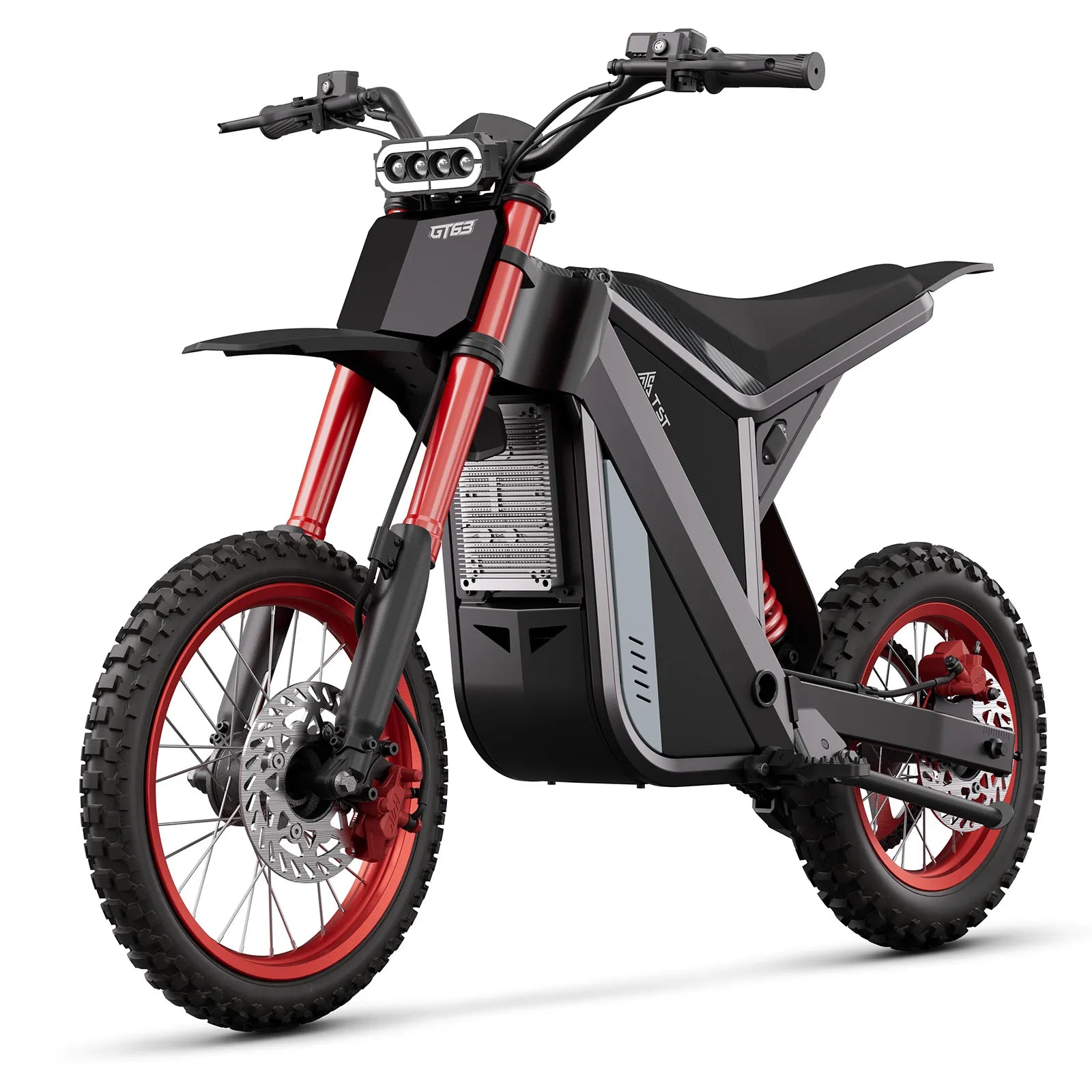
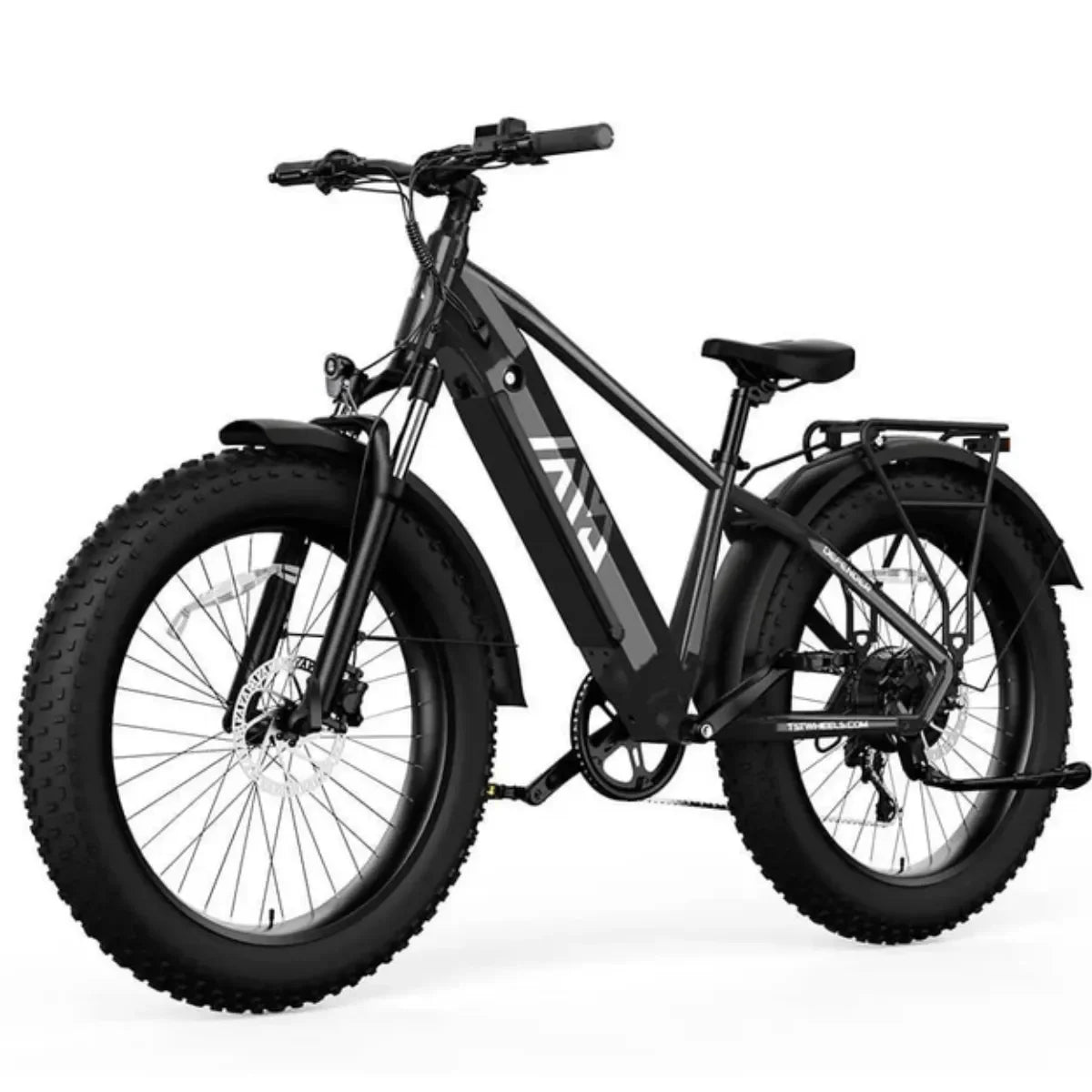
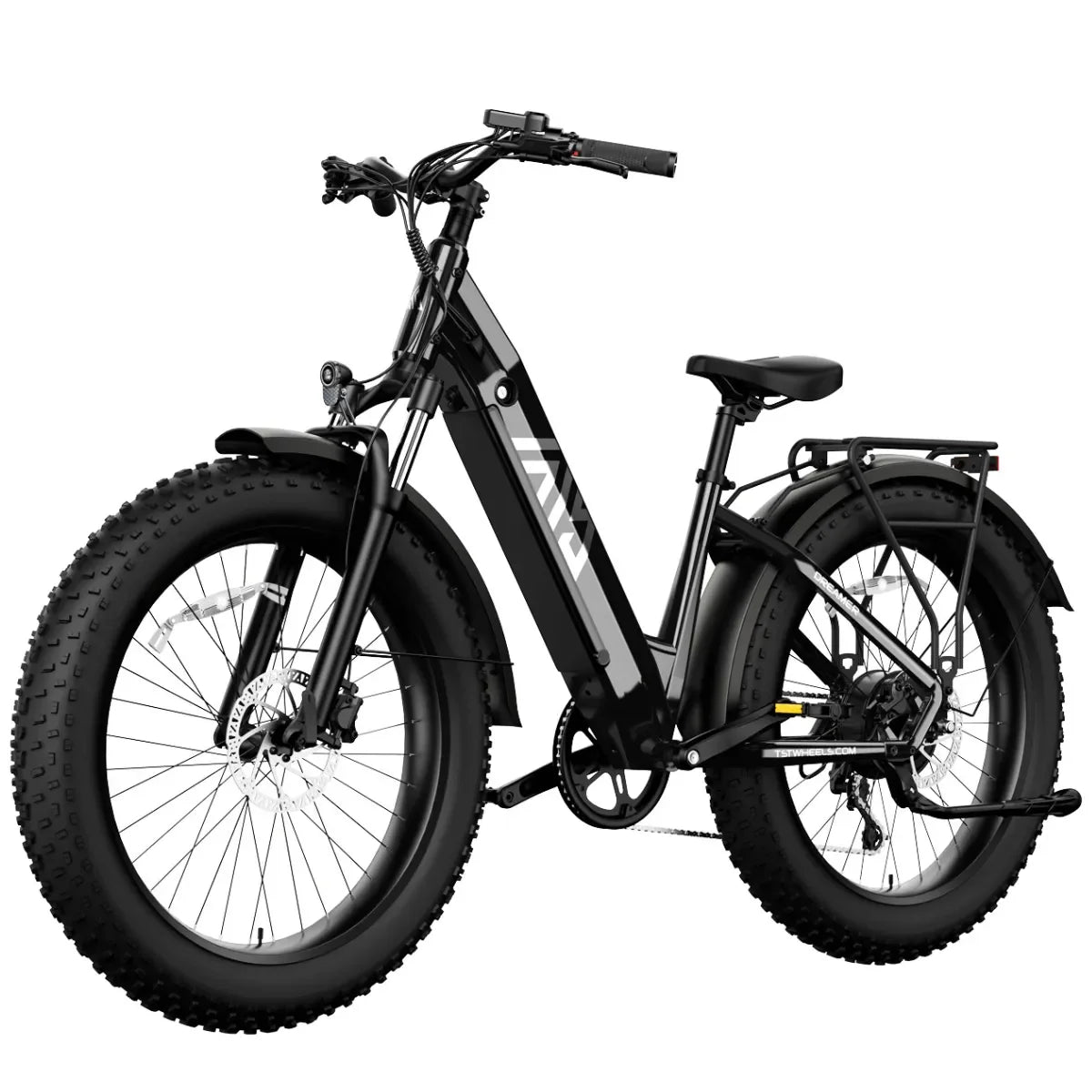

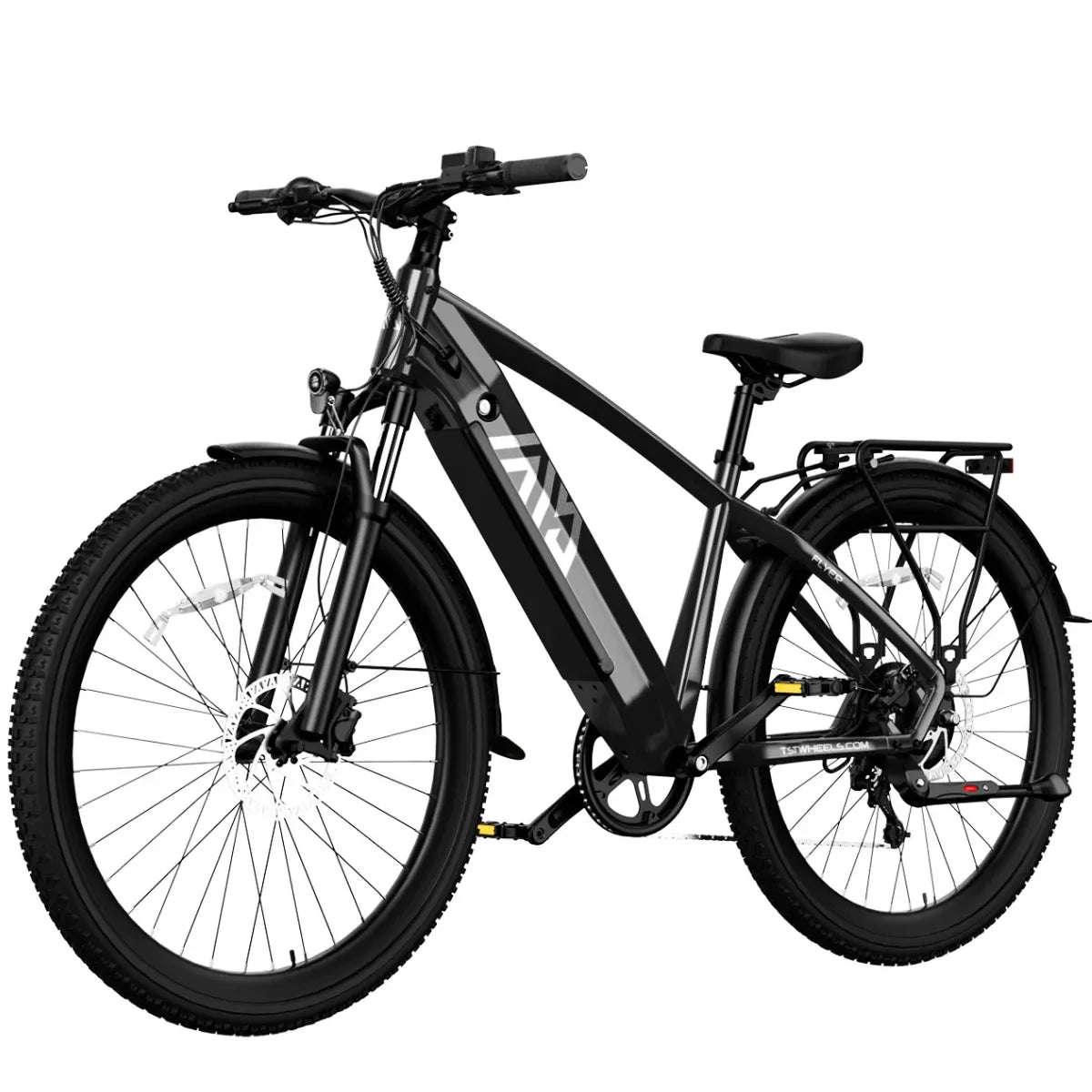

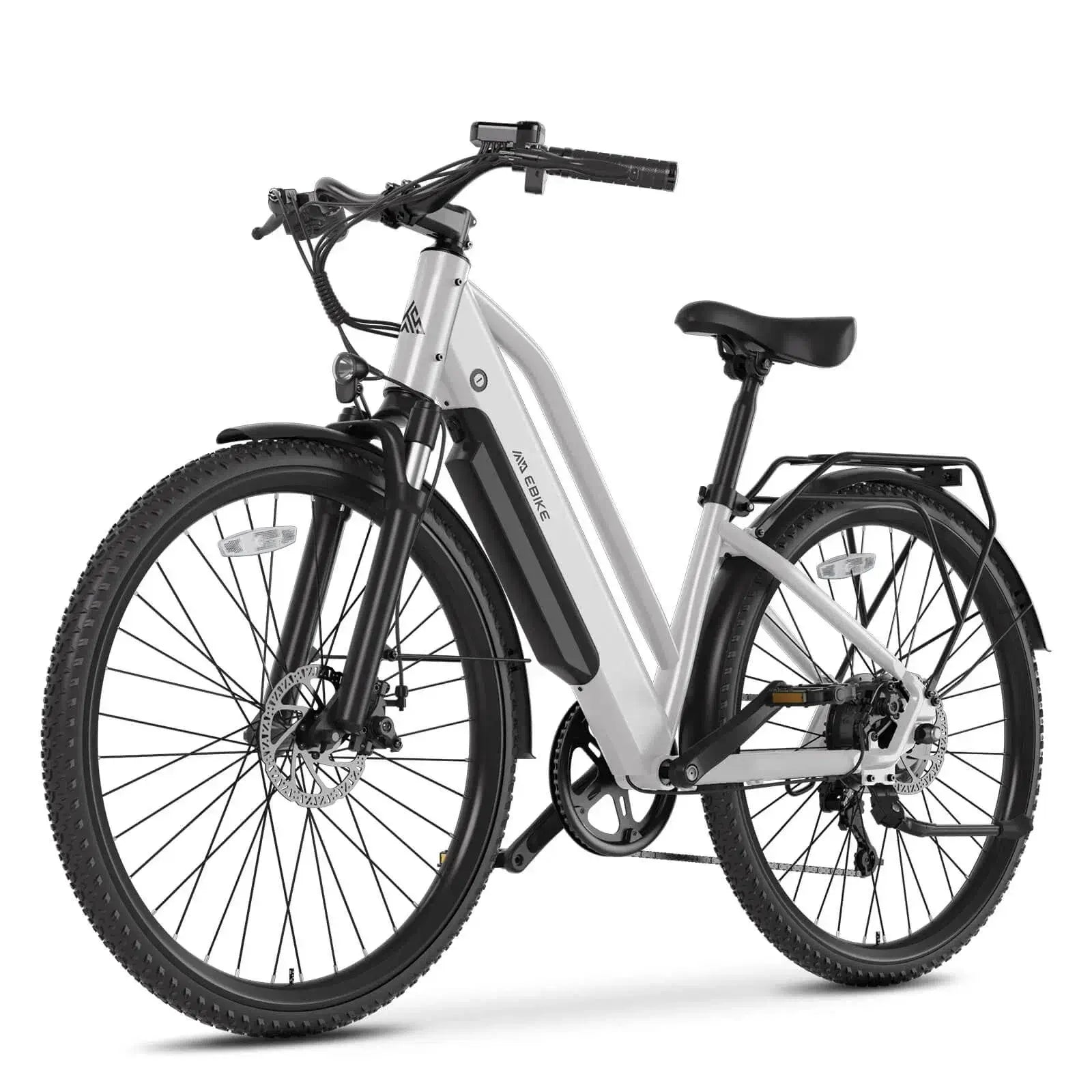






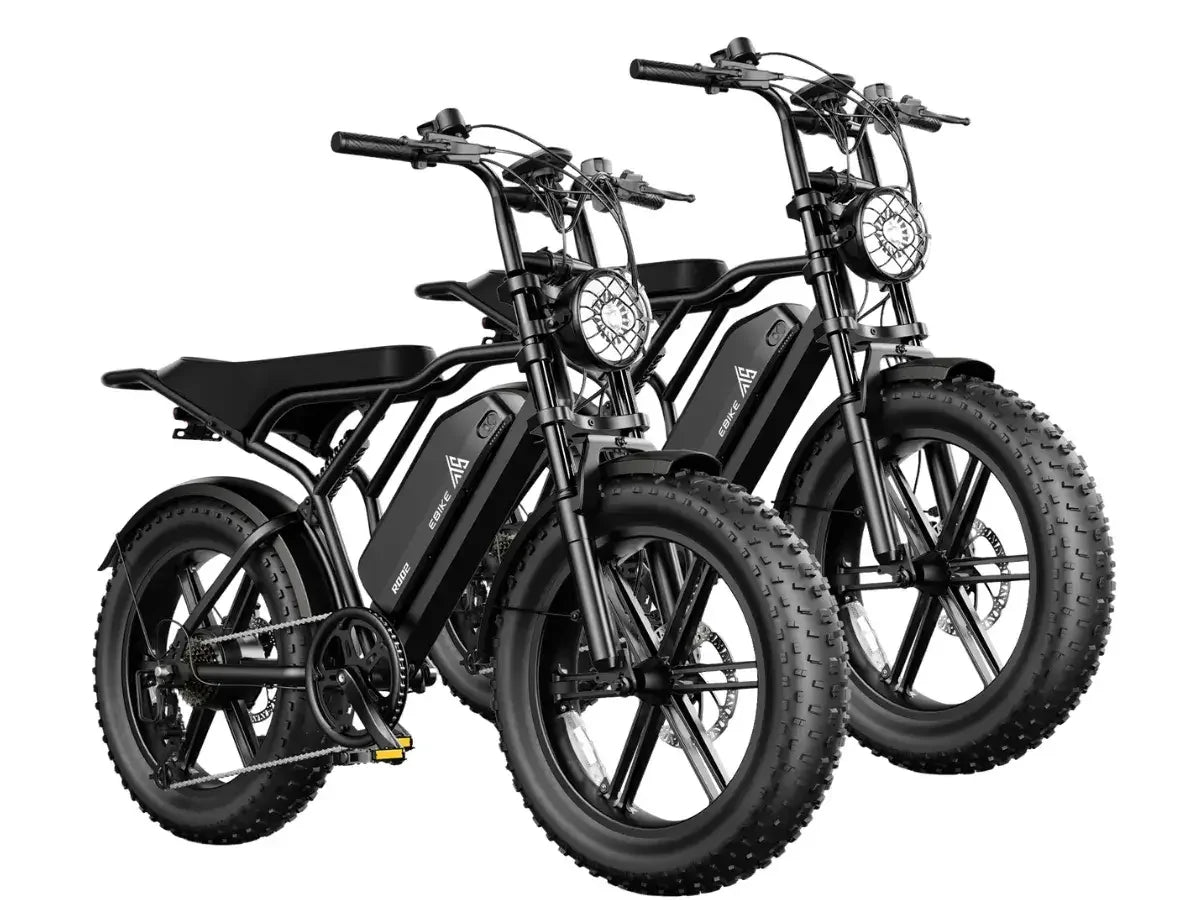
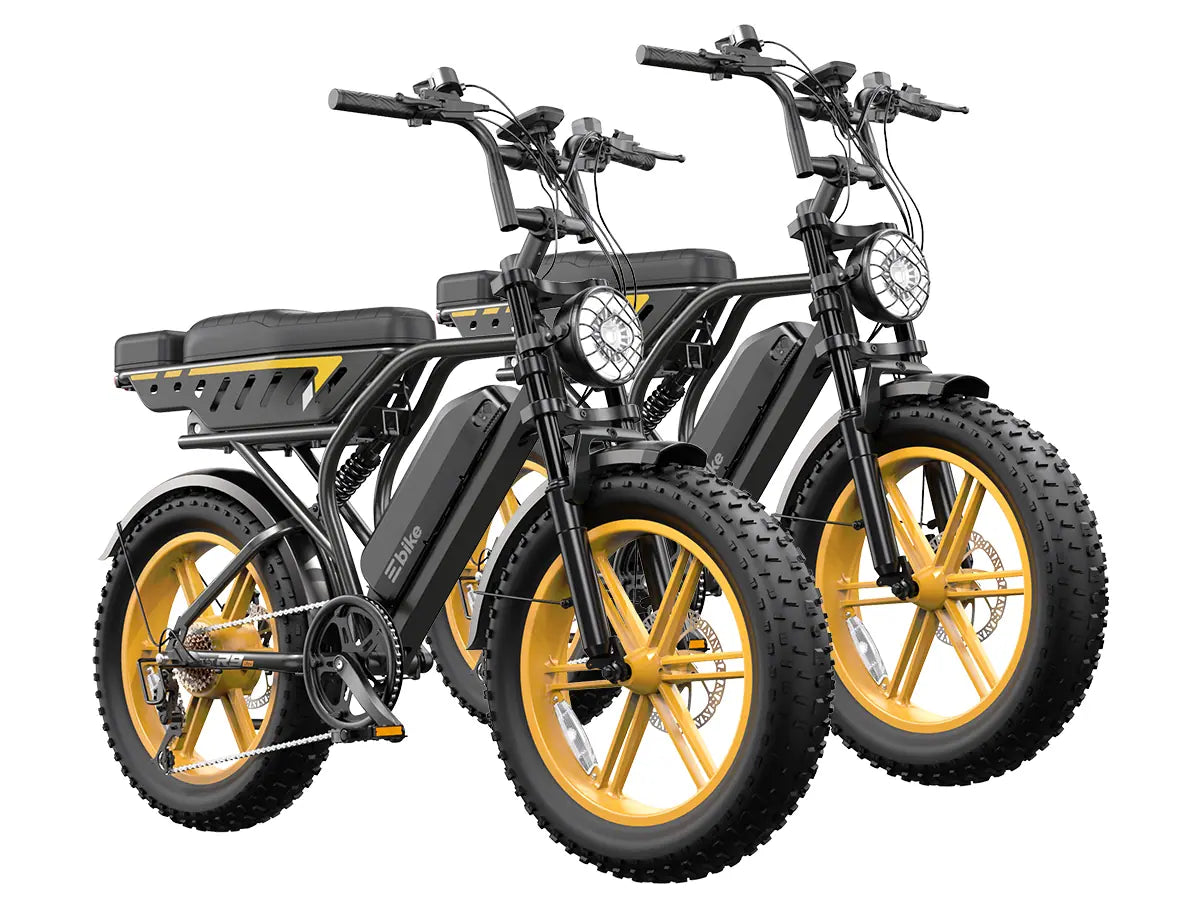

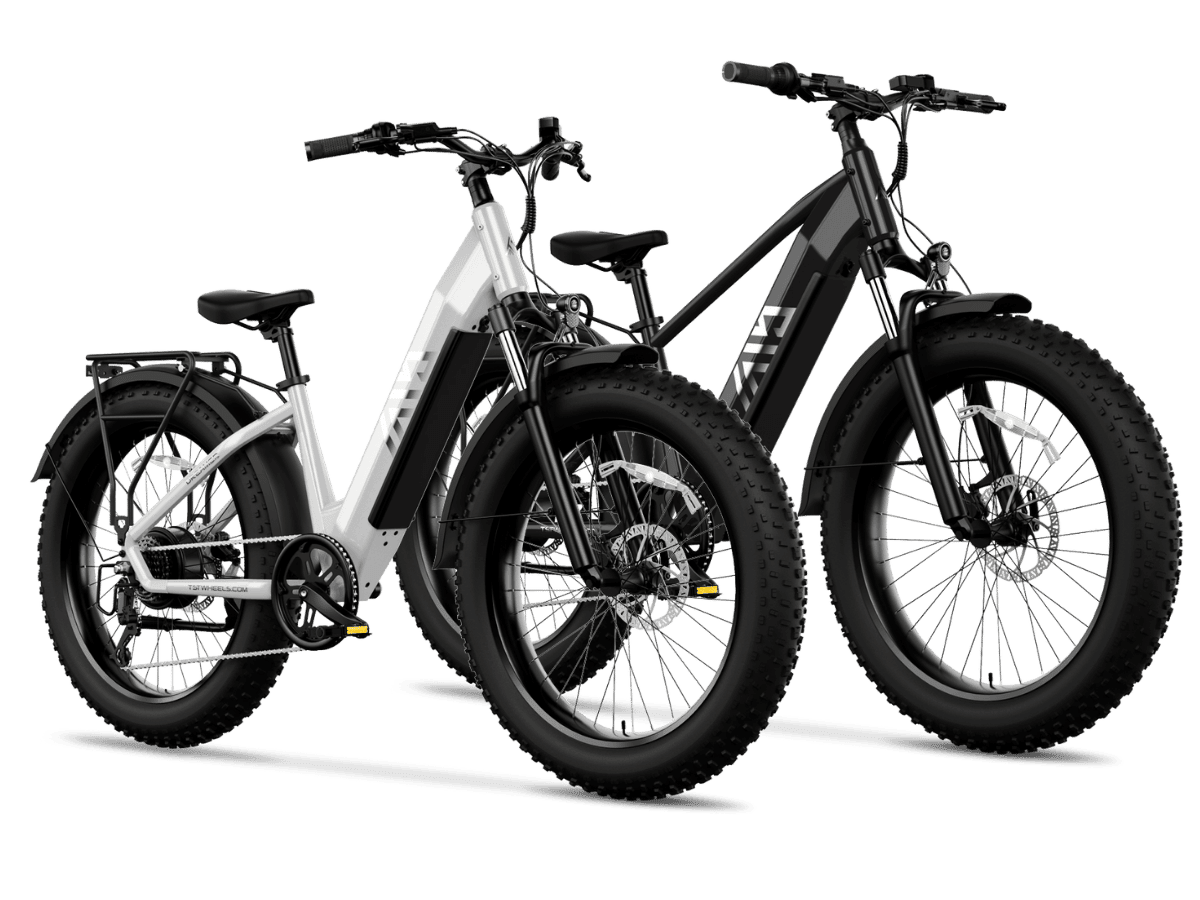
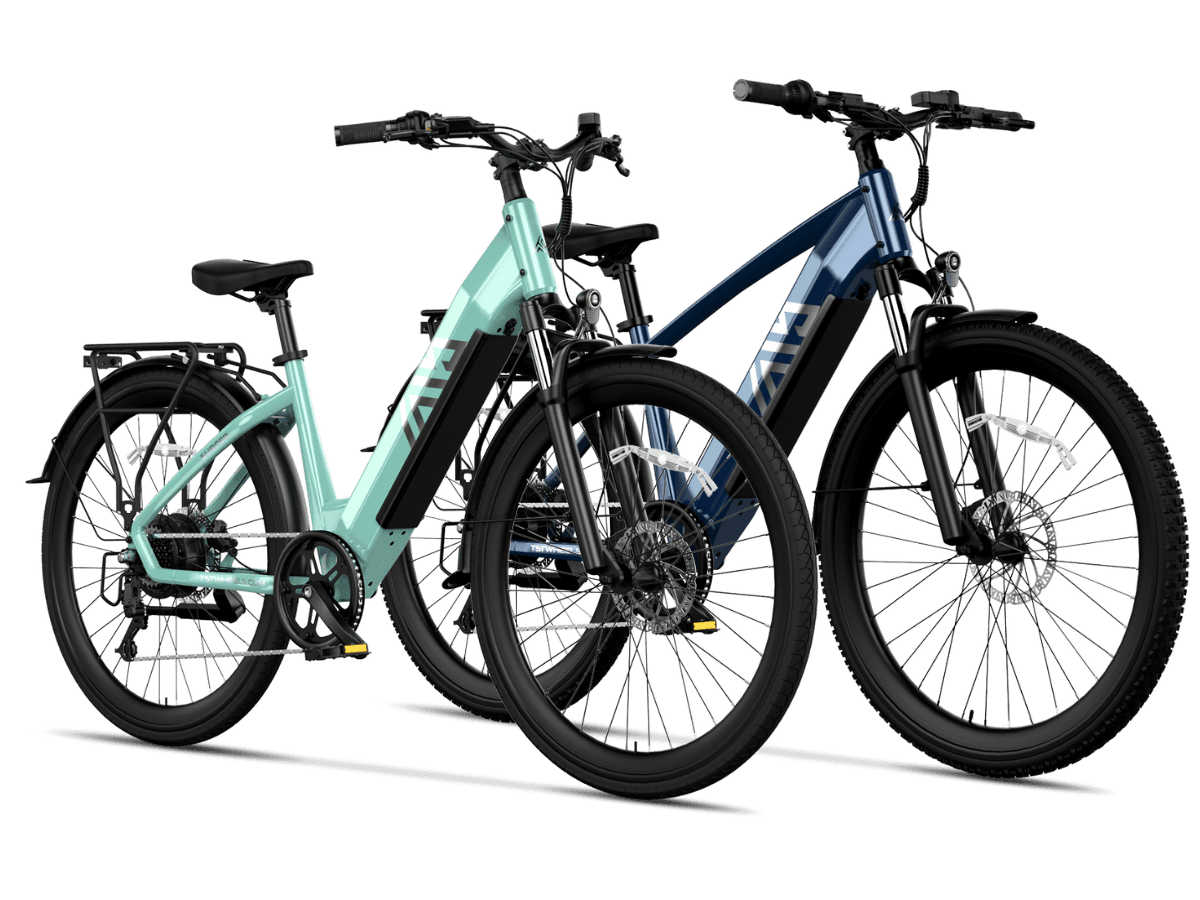
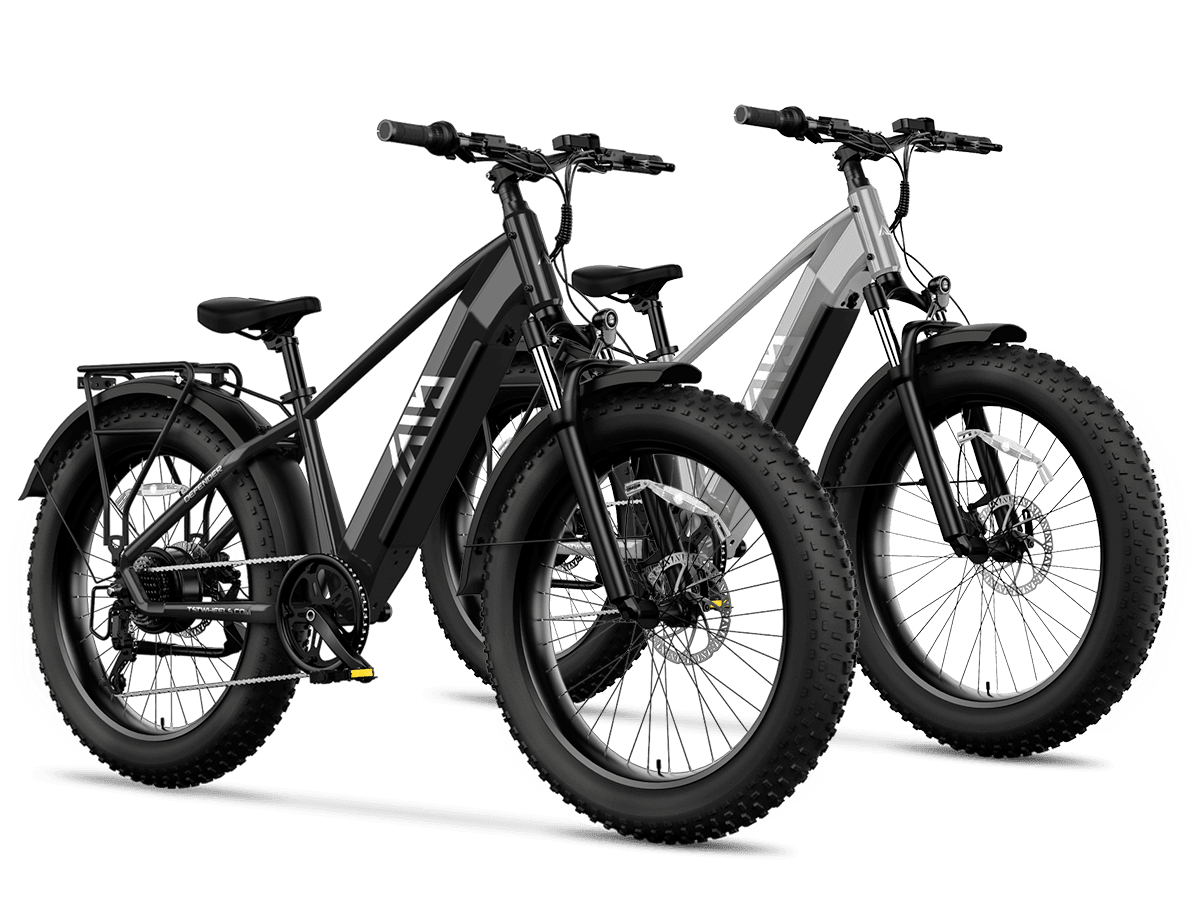
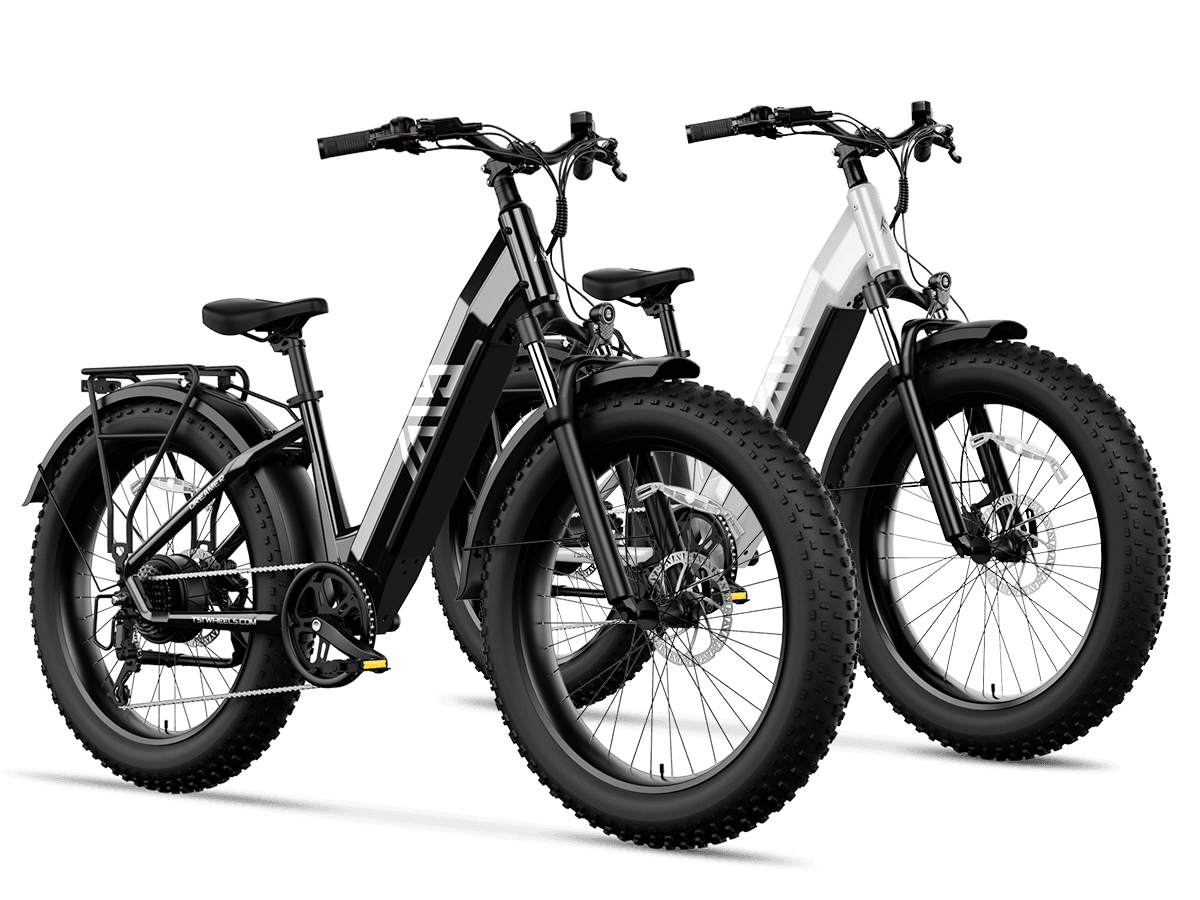

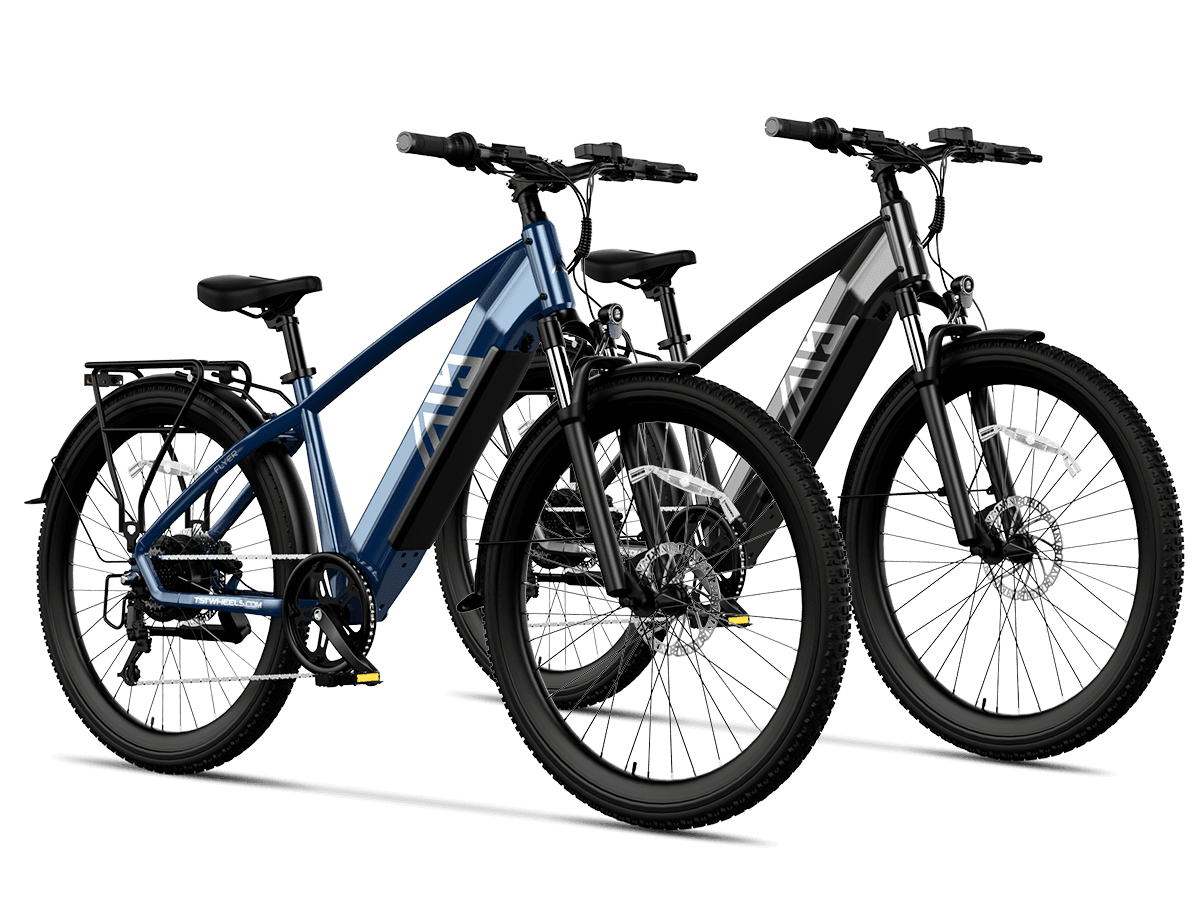
A bicycle electric bicycle—commonly called an e-bike—is a traditional bicycle equipped with an electric motor and battery that assist pedaling or provide throttle power, making rides easier and longer. Brands like TST EBike deliver powerful yet cost-effective electric bicycles with 26-inch wheels designed for rough terrains such as snow and sand, and 27-inch models ideal for daily commuting and mountain biking. How To Extend Electric Cargo Bike Battery Life?
What Is a Bicycle Electric Bicycle and How Does It Differ from a Traditional Bike?
A bicycle electric bicycle integrates an electric drive system—motor, battery, and controller—with a conventional bike frame. Unlike traditional bikes powered purely by rider energy, electric bicycles provide pedal assist or throttle, reducing effort and enabling extended distances, hill climbing, and easier riding experiences.
How Do Electric Bicycle Components Work Together?
Core components including a motor (hub or mid-drive), a rechargeable lithium-ion battery, sensors detecting pedaling input, and electronic controllers coordinate assistance levels to deliver smooth, adaptive power. Displays on the handlebars allow riders to monitor speed, battery life, and adjust assistance modes for a customizable ride.
Chart: Components and Functions of an Electric Bicycle
| Component | Function | Rider Benefit |
|---|---|---|
| Motor | Provides power boost | Reduces pedaling effort |
| Battery | Stores electrical energy | Extends riding range |
| Sensors | Detect pedaling motion | Adaptive assistance |
| Controller | Regulates power output | Smooth, efficient rides |
| Display | Shows metrics and settings | Enhanced rider control |
Which Types of Electric Bicycles Are Popular and What Are Their Uses?
Electric bicycles come in commuter, mountain, folding, cargo, and fat tire variants, serving different needs. Commuters prioritize battery life and comfort; mountain e-bikes focus on suspension and power for rugged trails; cargo and fat tire versions emphasize stability and load capacity. Why Use Affordable Cargo Ebikes For Urban Delivery?
Why Are Motor Power and Battery Range Key Factors in Electric Bicycles?
Motor power (250W–750W) affects speed and hill-climbing ability, while battery range (20–44 miles) determines travel distance per charge. TST EBike models balance these for reliable performance across varied terrain, giving riders endurance and power without excessive costs.
How Can Buyers Evaluate Electric Bicycle Quality and Value?
Focus on frame materials, motor and battery brand reputation, brake type (hydraulic disc preferred), warranty, and user reviews. Brands like TST EBike exemplarize quality control and consumer feedback integration, offering dependable and affordable electric bicycles.
Buying Tips
Match bike wheel size to your terrain—26-inch for challenging grounds like snow or sand; 27-inch for commuting and mountain biking. Ensure motor power and battery capacity fit your typical ride distance and conditions. Check for efficient brakes and comfort features. Choose recognized brands like TST EBike, and test ride before purchase.
TST EBike Expert Views
TST EBike specialists share:
"Our electric bicycles fuse high-power motors with durable frames and intelligent battery systems. The 26-inch and 27-inch models represent versatile solutions tailored to both rough terrain and urban environments, reflecting extensive user feedback and stringent quality control measures."
Frequently Asked Questions About Bicycle Electric Bicycles
What Is an Electric Bicycle and How Does It Work?
An electric bicycle (e-bike) is a bike that uses an electric motor to assist with pedaling. The motor, powered by a battery, helps reduce the effort required on hills or long distances. It provides a smoother and faster ride while allowing riders to enjoy cycling with less physical strain. TST EBike models offer high-power options for various terrains.
How Is an Electric Bicycle Different from a Regular Bike?
The key difference is the addition of an electric motor and battery. Regular bicycles rely solely on pedaling for power, while e-bikes offer motor assistance, making them easier to ride, especially on difficult terrain. TST EBike’s models, like the 26-inch, are designed for rough terrains such as snow and sand, offering enhanced performance compared to traditional bikes.
What Are the Key Components of an Electric Bicycle?
The key components of an electric bicycle include the motor, battery, controller, and sensors. The motor provides assistance to the rider, the battery powers the motor, and the controller regulates the amount of assistance based on pedal effort. TST EBike models feature powerful motors and long-lasting batteries for efficient riding on various surfaces.
How Do Electric Bicycles Actually Work?
Electric bicycles use a motor to assist with pedaling. The motor is powered by a battery and responds to the rider’s pedaling effort. Sensors detect how much assistance is needed, and the motor kicks in to make pedaling easier. TST EBike's electric bikes provide a seamless ride, making cycling enjoyable with minimal effort on challenging terrains.
What Are the Benefits of Riding an Electric Bicycle?
Riding an electric bicycle offers numerous benefits, including reduced physical effort, faster travel, and increased mobility. E-bikes are environmentally friendly, helping reduce traffic congestion and pollution. TST EBike models are cost-effective, offering high performance on various terrains, from mountain trails to city streets, providing an enjoyable and sustainable ride.
How Are Electric Bicycles Revolutionizing the Cycling World?
Electric bicycles are transforming cycling by offering an eco-friendly, fast, and less physically demanding alternative to traditional biking. They make long-distance cycling accessible, provide an efficient commuting solution, and open up cycling to people of all fitness levels. TST EBike is helping to lead this transformation with powerful, affordable e-bikes that cater to diverse riders’ needs.
What Does the Future Hold for Electric Bicycles?
The future of electric bicycles looks promising, with advancements in battery technology, motor efficiency, and smart features. E-bikes are expected to become more integrated into daily life, with greater adoption for commuting, recreational cycling, and even competitive sports. TST EBike continues to innovate, offering powerful and cost-effective electric bikes to meet these evolving demands.
How Powerful Are Electric Bicycle Motors?
Electric bicycle motors vary in power, typically ranging from 250W to 1000W or more. Higher wattage motors offer more power, allowing riders to tackle steep hills and rough terrain easily. TST EBike's models are designed with powerful motors for smooth and efficient riding, whether you're commuting on a 27-inch model or exploring rugged terrain on a 26-inch model.

Leave a comment
This site is protected by hCaptcha and the hCaptcha Privacy Policy and Terms of Service apply.