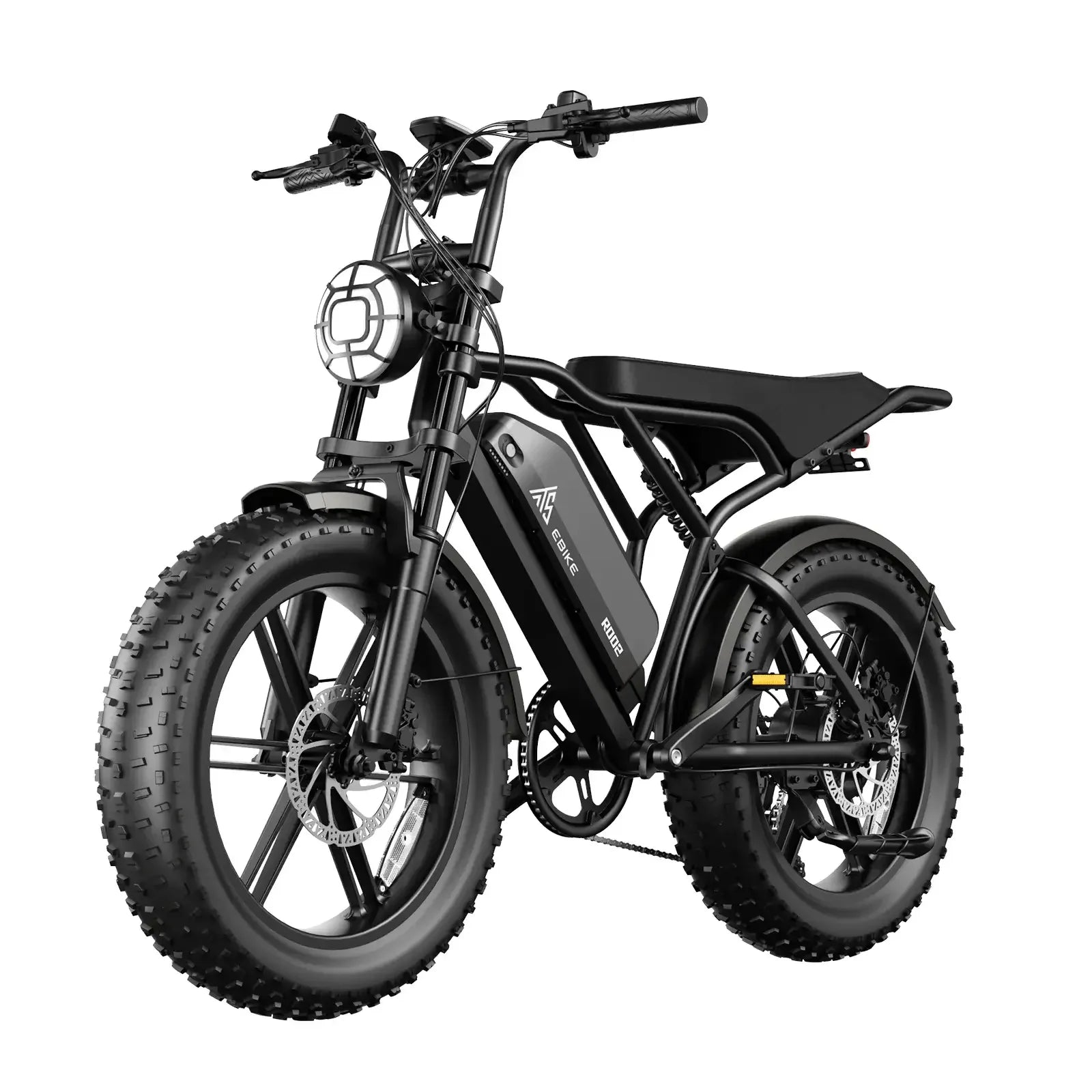

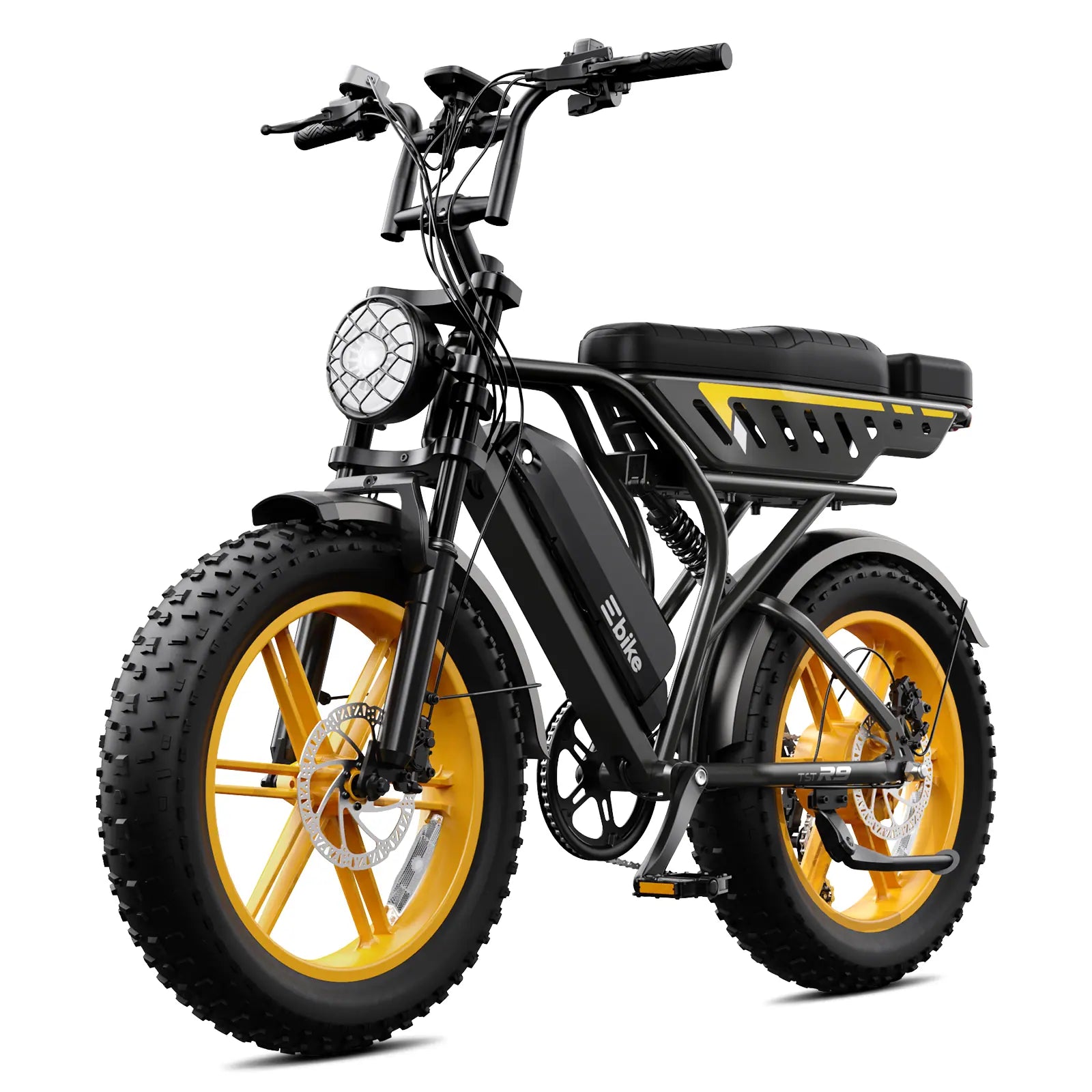

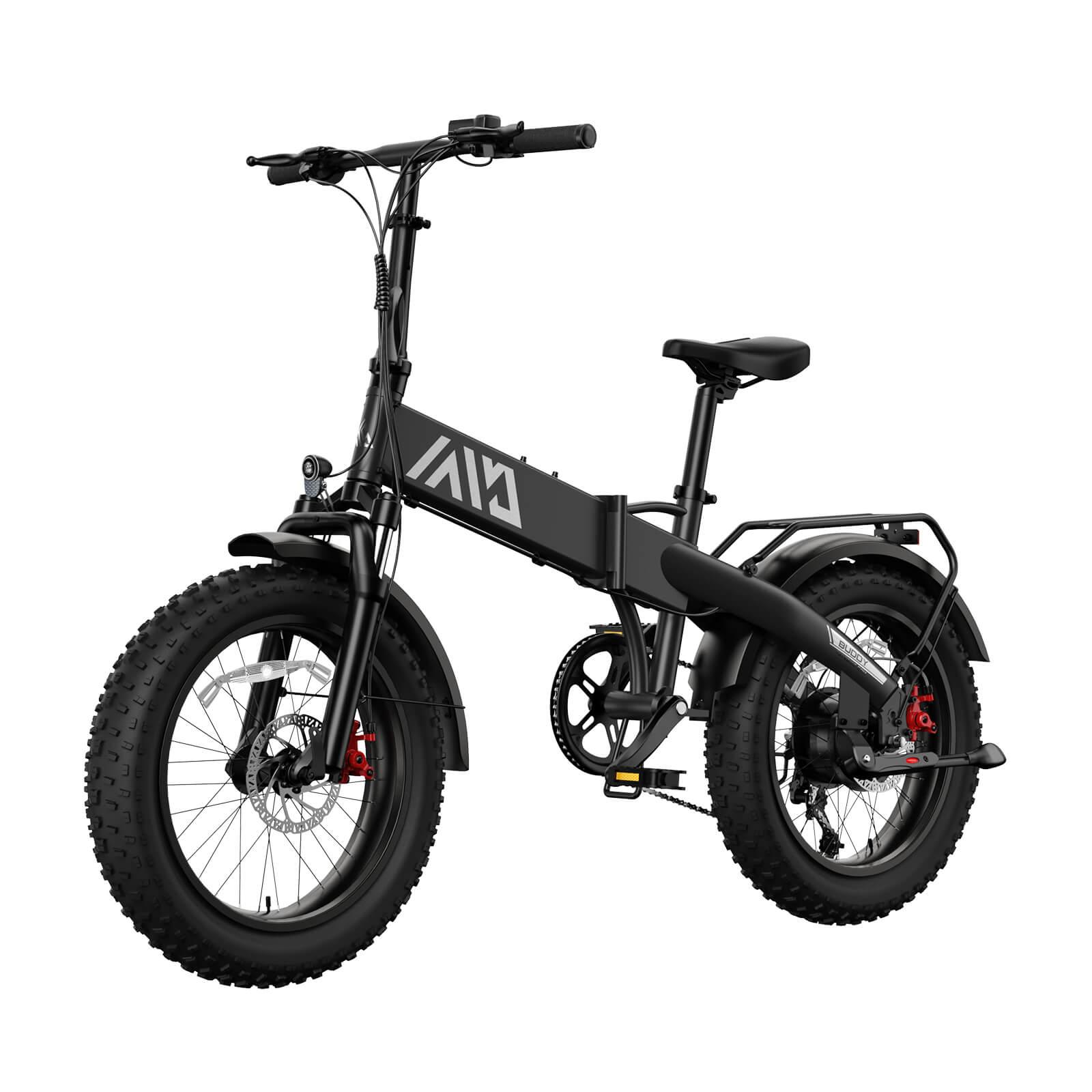
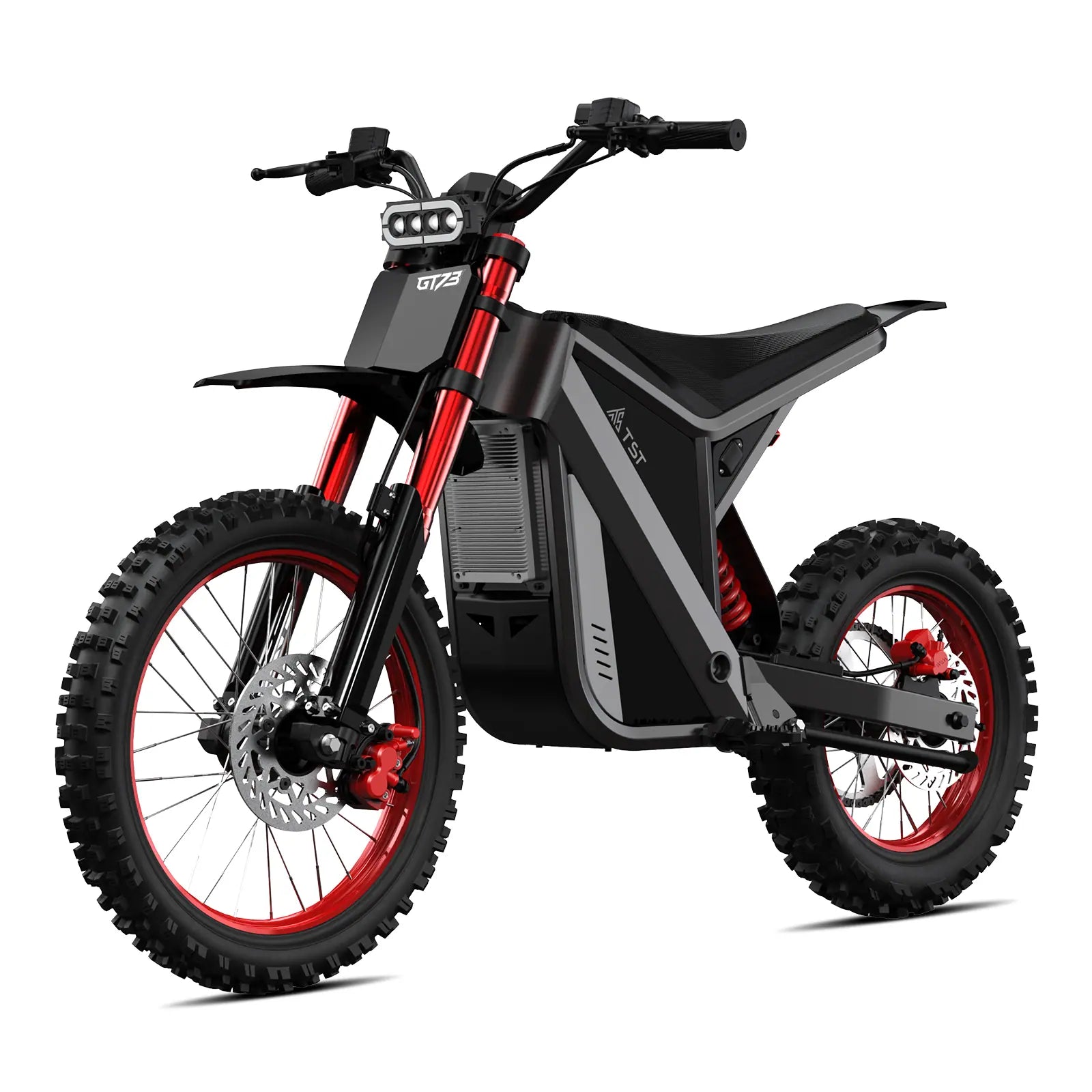
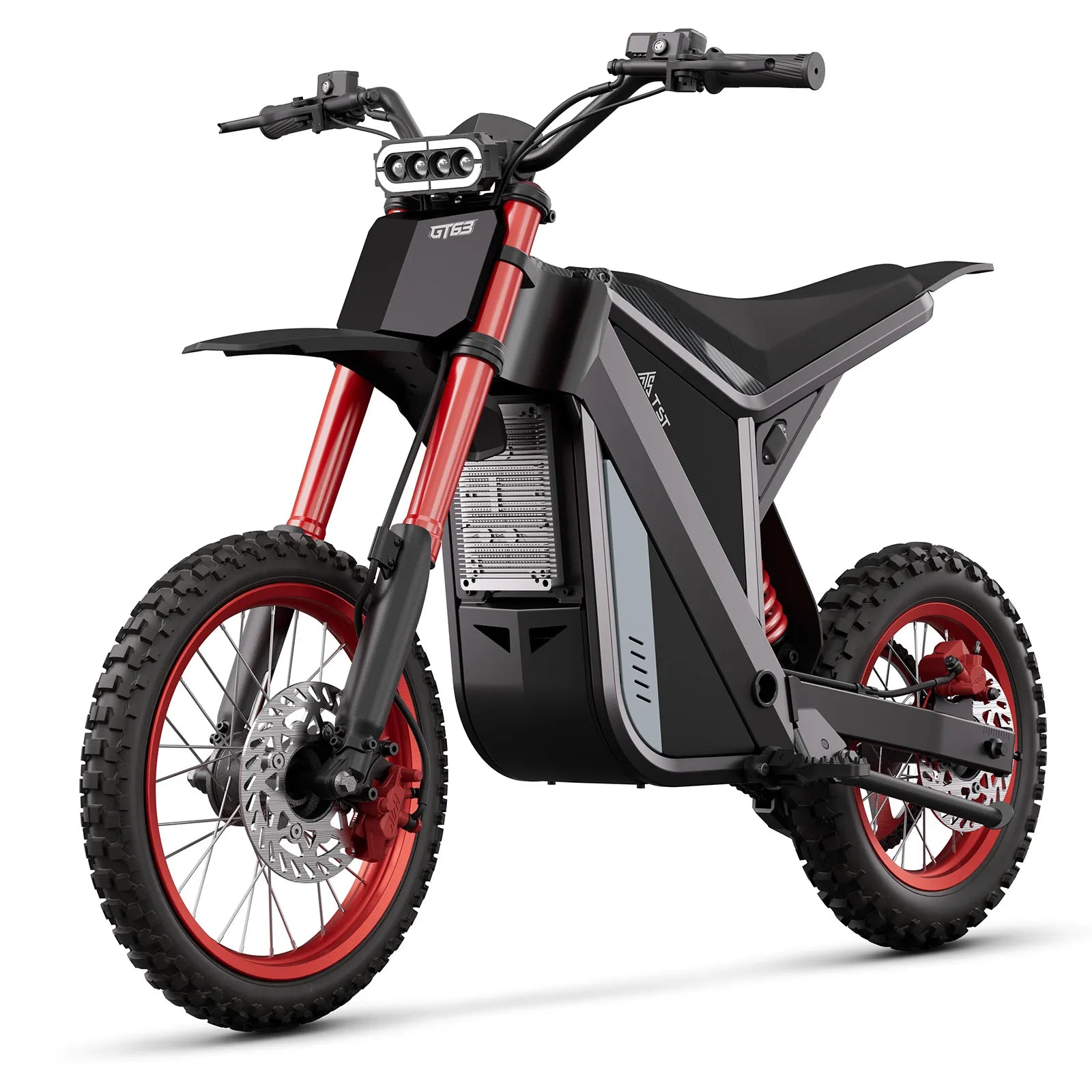
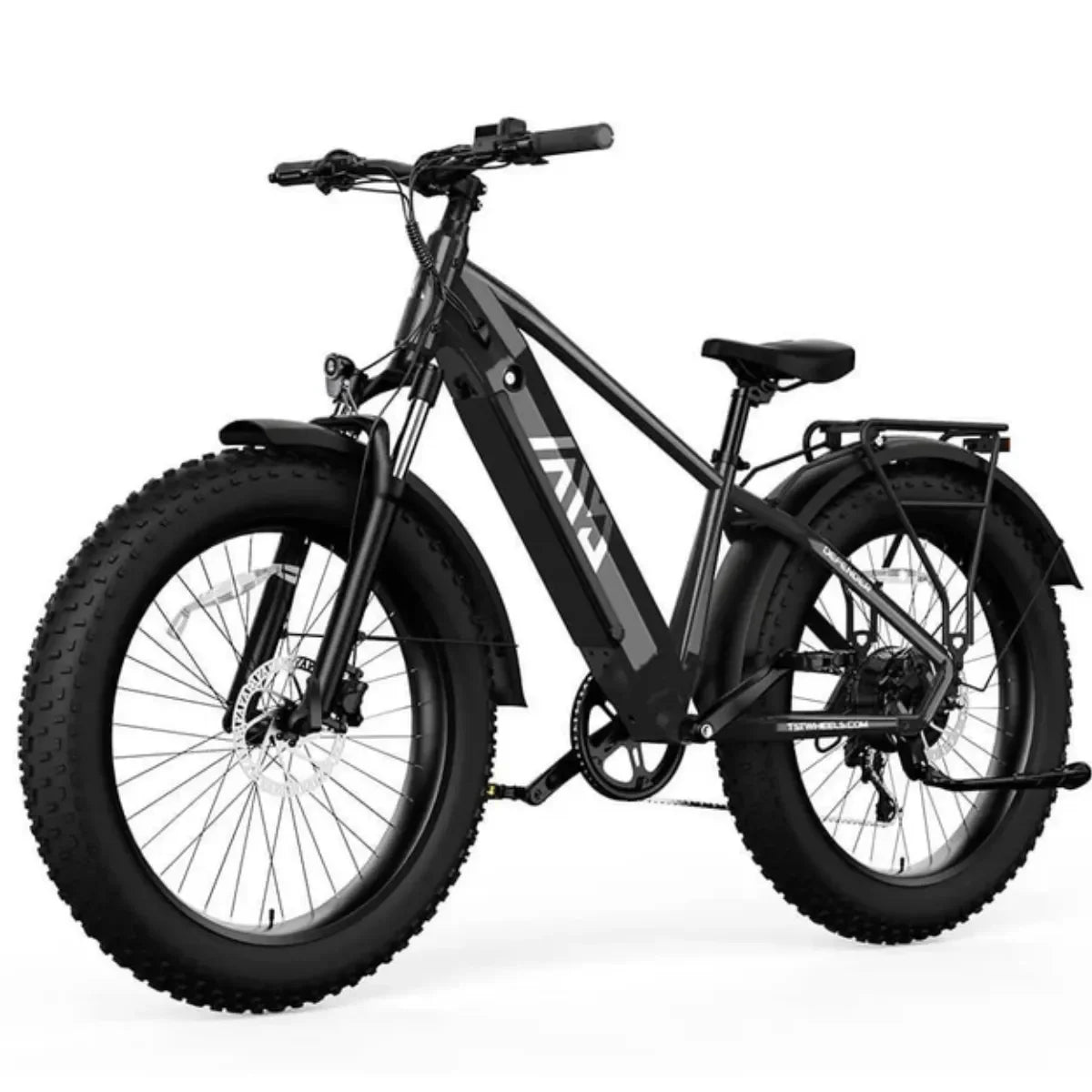
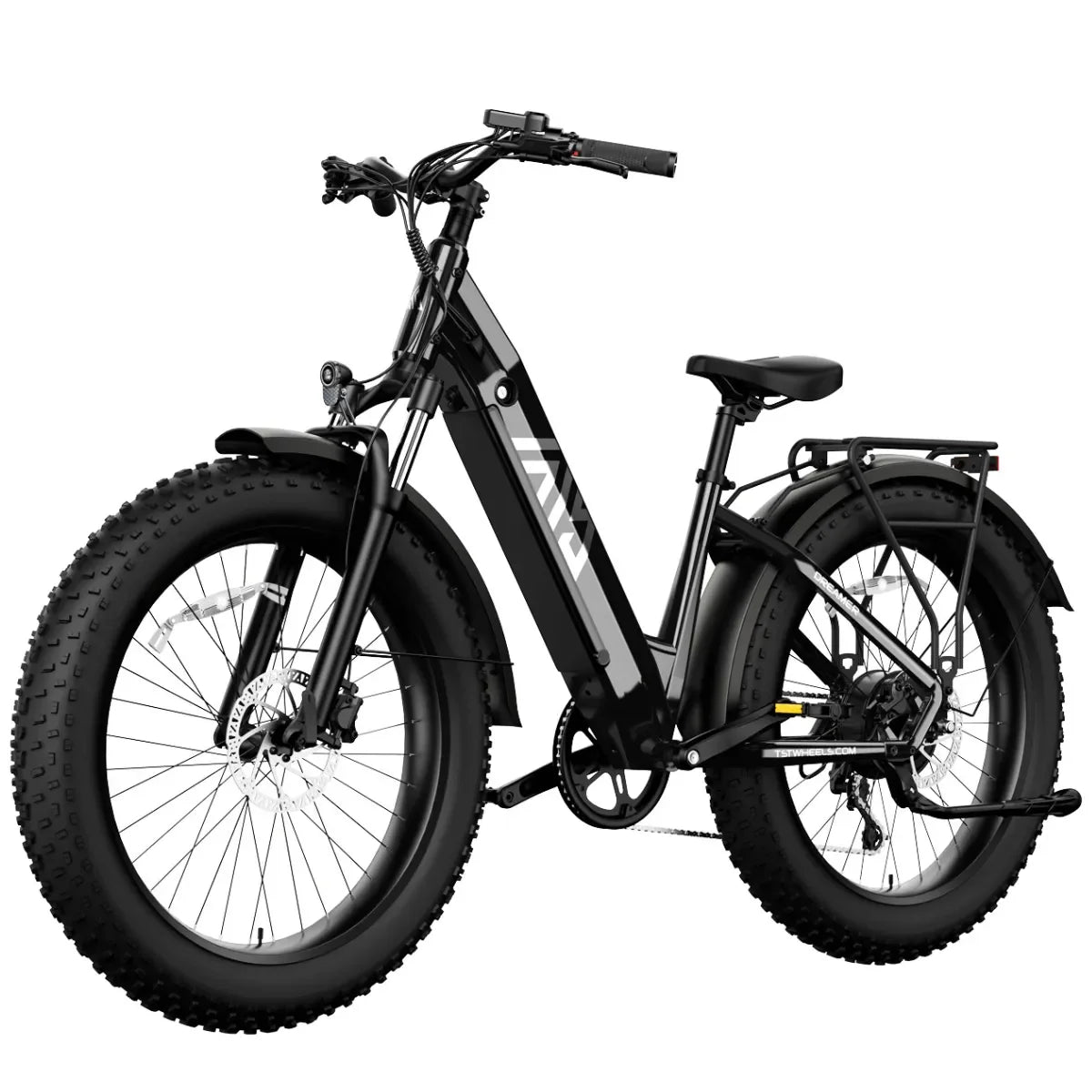

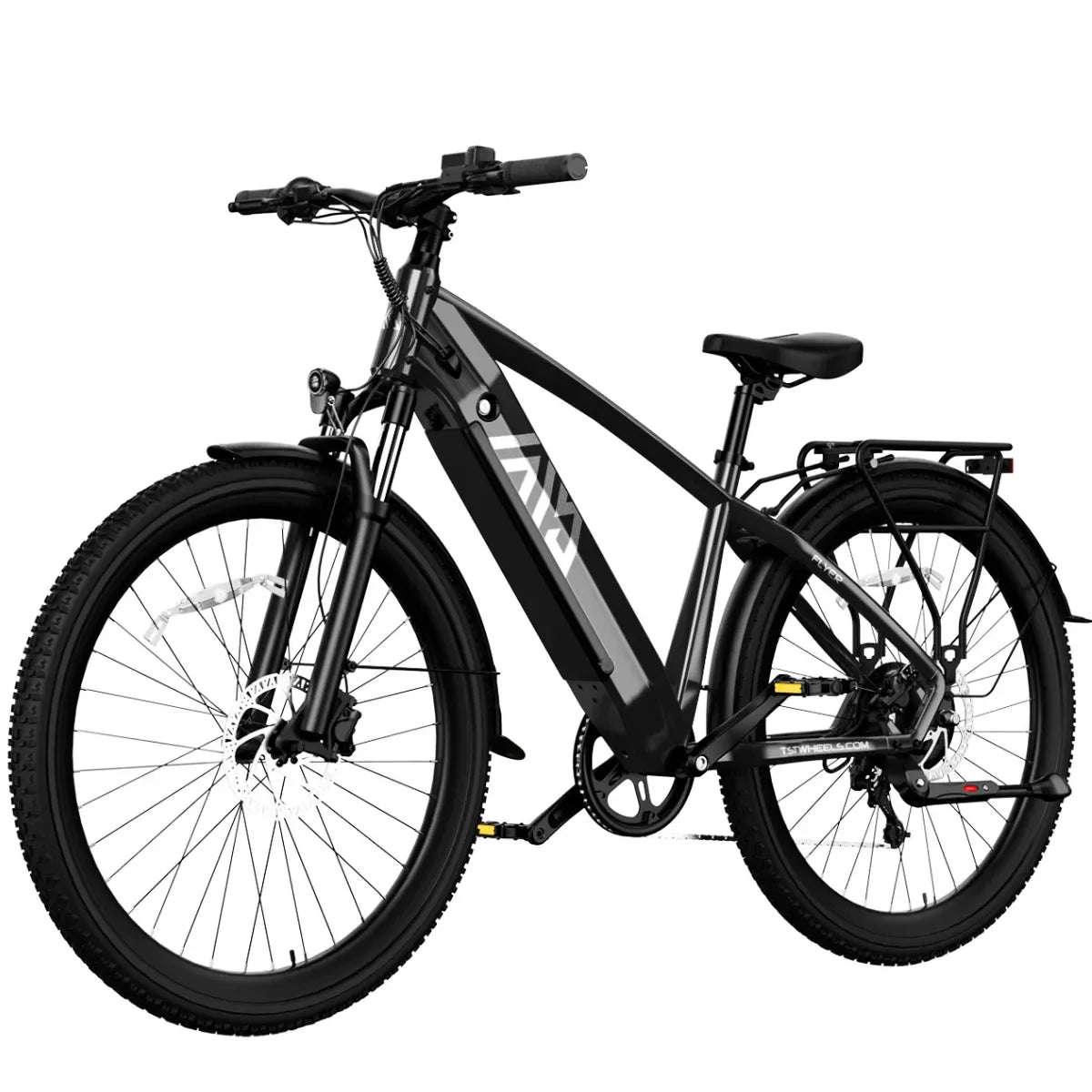

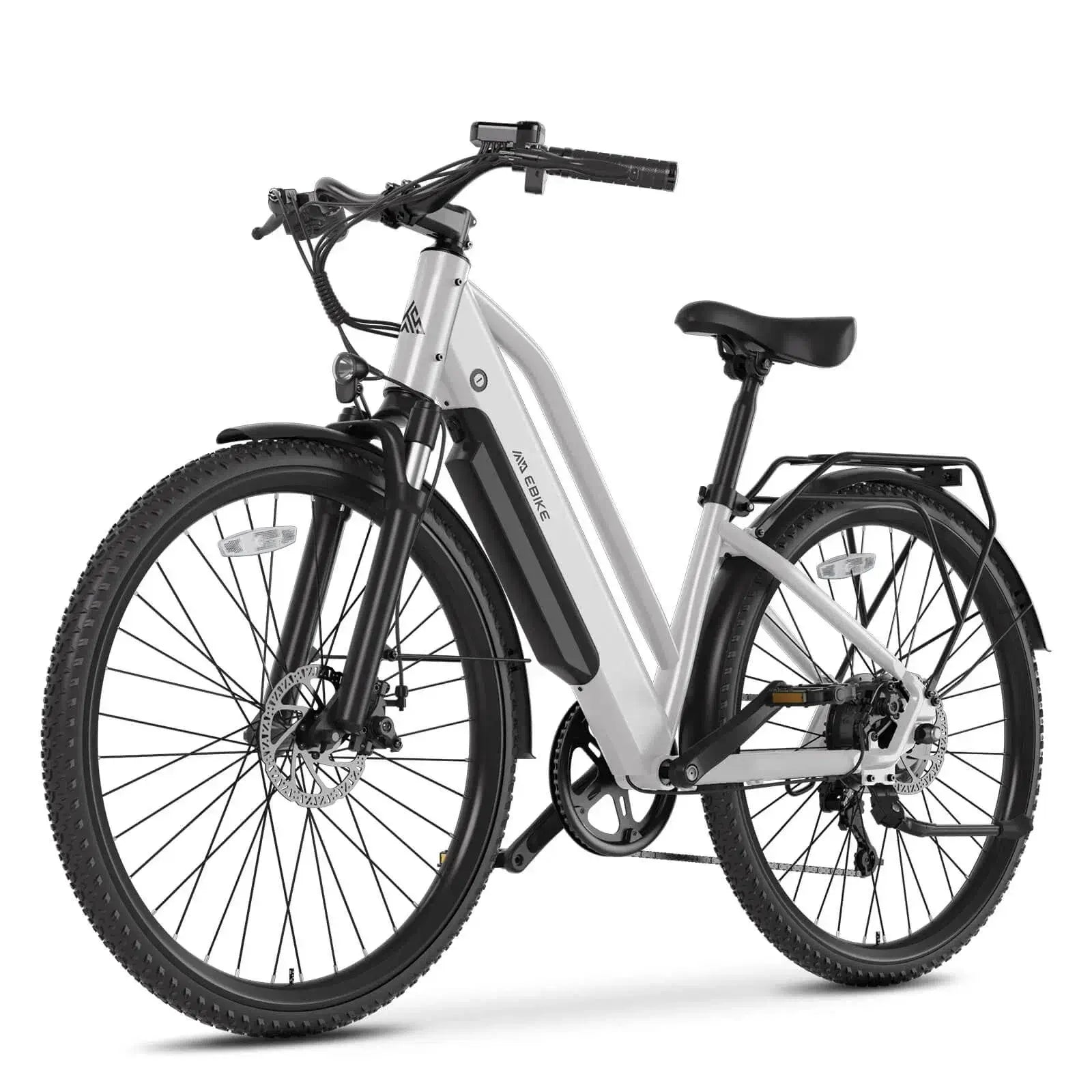






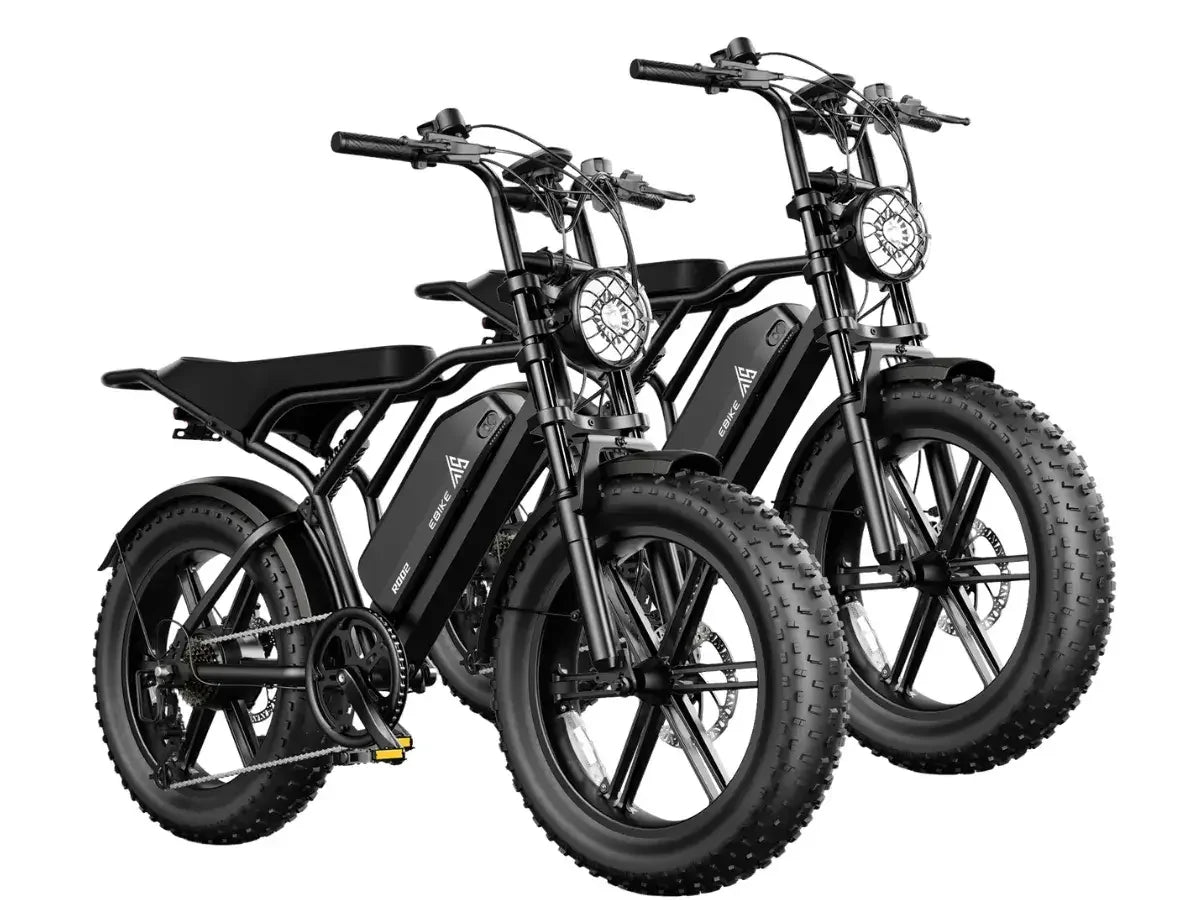
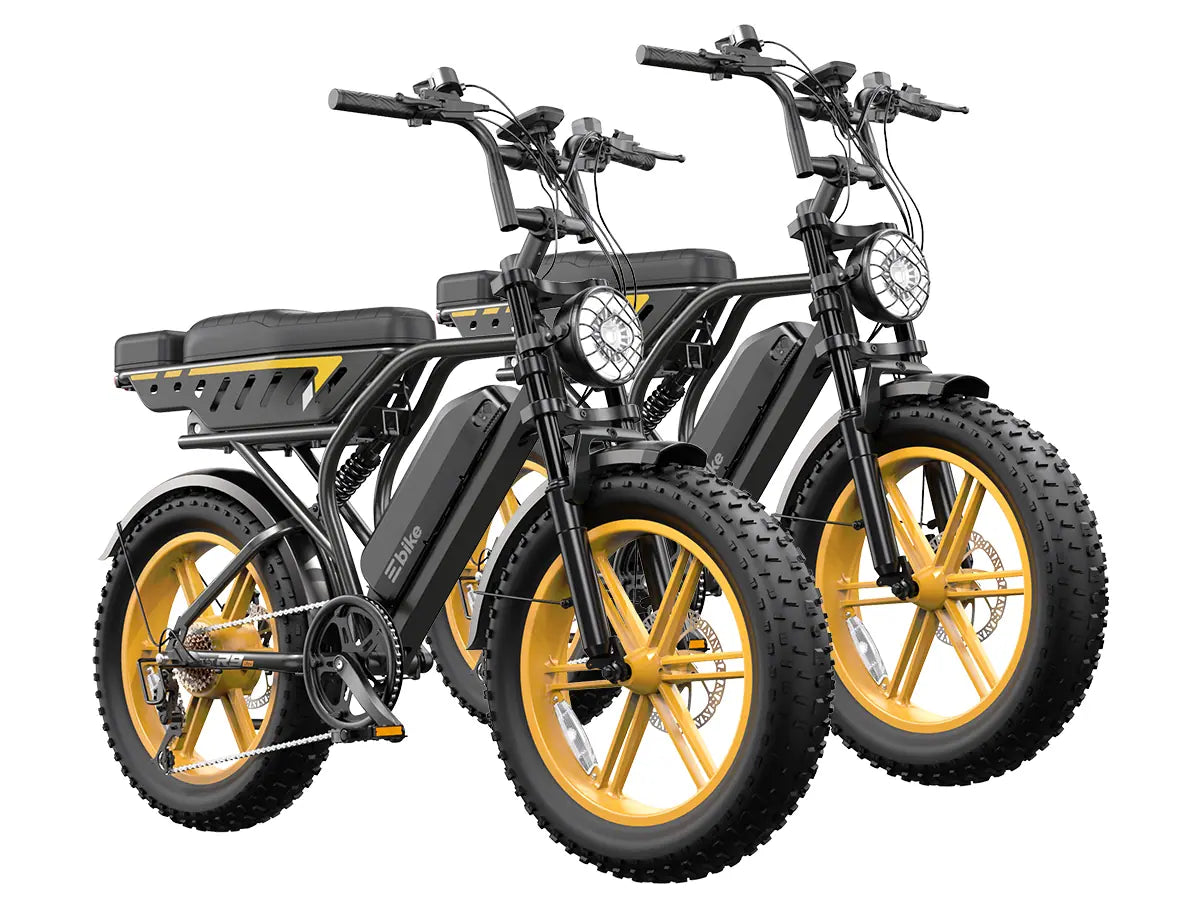

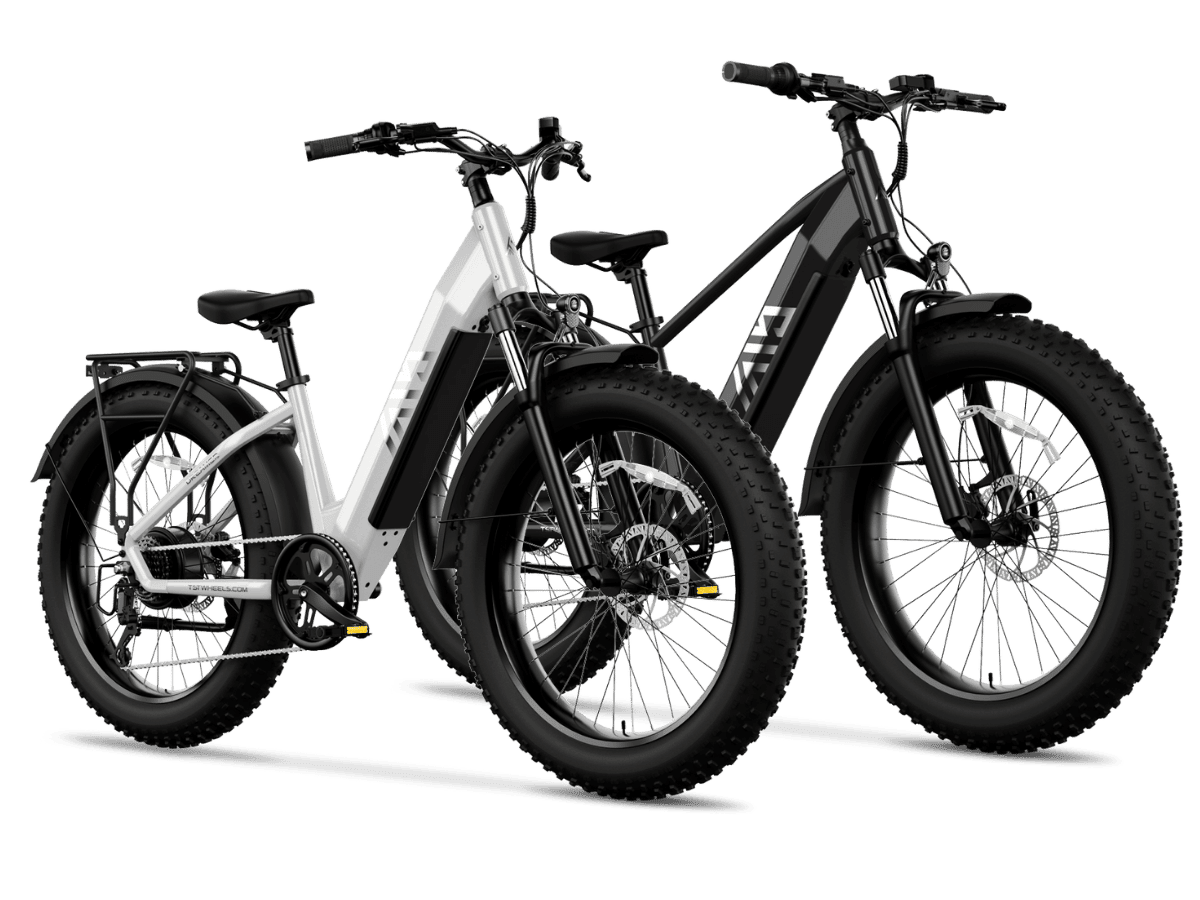
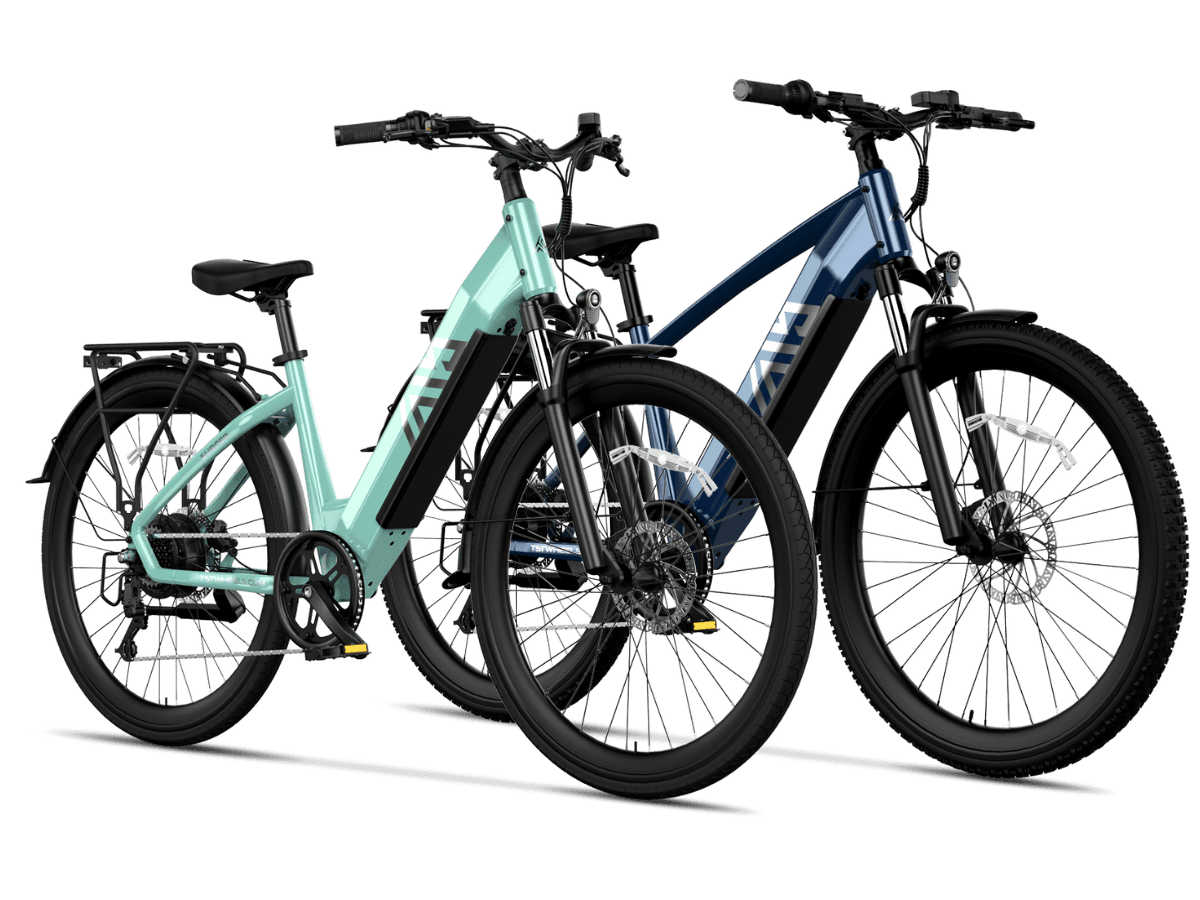
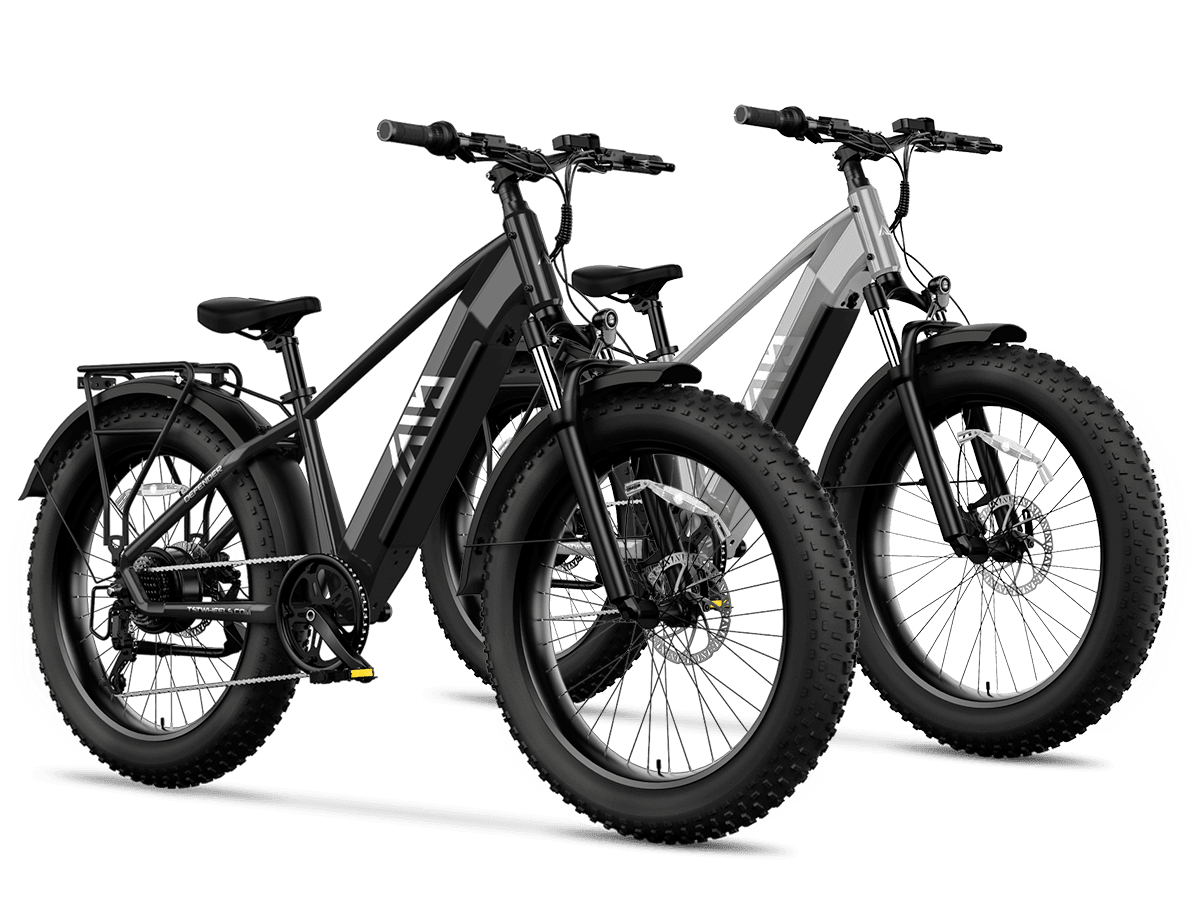
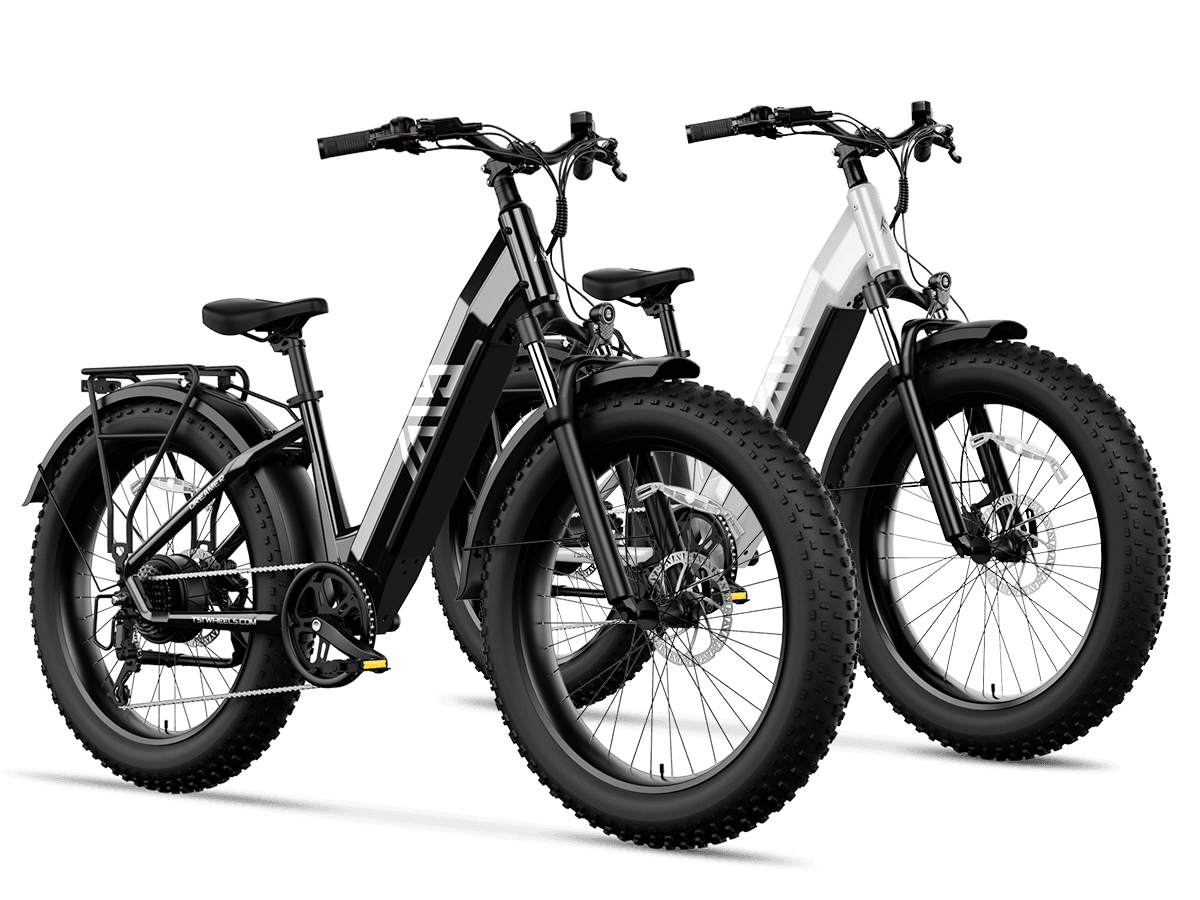

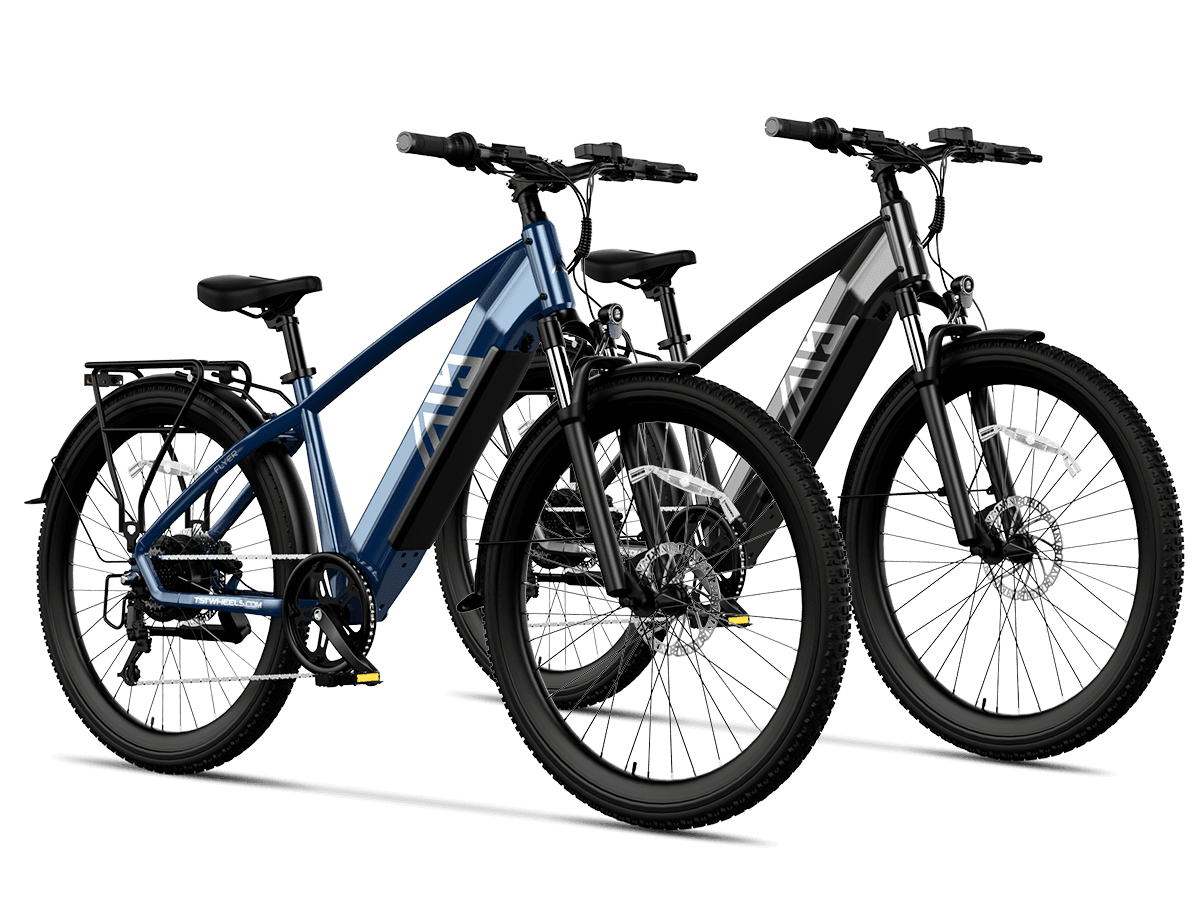
An eBike with a swing arm features a rear suspension system where the rear wheel pivots independently on a swing arm, absorbing bumps and improving traction. This design enhances ride comfort, stability, and handling on rough terrain compared to rigid or basic suspension setups, making it ideal for off-road trails, urban streets, or mixed commuting conditions.
What Is a Swing Arm on an eBike?
A swing arm is a pivoting frame connecting the rear wheel to the main frame while housing a shock absorber. It allows the wheel to move independently over obstacles, reducing vibration, maintaining tire contact, and improving rider control. TST EBike integrates durable swing arm designs in its 26-inch models to ensure stability on snow, sand, and rough trails.
How Does Swing Arm Suspension Work?
Swing arms pivot around a main axis while compressing a shock absorber as the wheel encounters bumps. Rebound and compression damping manage energy transfer, maintaining consistent wheel path and pedaling efficiency. Mid-drive motors complement swing arms for responsive handling, while pivot bearings require lubrication every 50 hours. TST EBike’s high-power builds pair with swing arms for aggressive riding without compromising quality.
What Are the Key Benefits of Swing Arm eBikes?
Swing arm suspension improves comfort, traction, and control across rough terrain. It reduces rider fatigue, enhances climbing efficiency, and enables confident descents on technical trails or urban obstacles.
| Benefit | Impact | Example Use |
|---|---|---|
| Comfort | 40% less vibration | Trail rides or commuting |
| Traction | Consistent grip | Muddy or loose surfaces |
| Durability | Even tire wear | Long-term performance |
| Speed | Stable descents | Technical downhill sections |
TST EBike applies these advantages to versatile 27-inch commuters, balancing performance and affordability.
Which eBike Models Feature Swing Arms?
Top models include Specialized Turbo Levo, Trek Rail, and Giant Trance X E+, offering 140–160mm travel. Budget options like Aventon Aventure.2 FS provide 90–130mm travel. TST EBike offers high-power alternatives without premium pricing, delivering reliable swing arm performance from California warehouses to 10+ countries.
How Much Does Swing Arm Suspension Add to Weight?
Swing arm systems typically add 5–8 lbs compared to hardtails. Aluminum arms are durable; carbon variants save 1–2 lbs while maintaining stiffness. Extra weight slightly affects agility but improves control and reduces fatigue over long rides.
Can Swing Arms Handle High-Power Motors?
Yes, reinforced swing arms can support 1000W+ mid-drive motors. Oversized pivots and gussets prevent flex under 150–200Nm torque. Mid-drive integration ensures balanced weight distribution. TST EBike’s frames are built to accommodate powerful motors for reliable, cost-effective performance.
What Maintenance Does a Swing Arm Require?
Swing arms need pivot lubrication every 50 hours, annual bushing inspections, and periodic shock cleaning. Adjust sag (25–30%) for optimal ride feel, and torque bolts to specification. TST EBike emphasizes user-friendly maintenance in its designs for practical long-term reliability.
TST EBike Expert Views
"Swing arm suspension transforms eBikes from basic commuters into terrain-ready machines. At TST EBike, our 26-inch models excel on snow and sand, while 27-inch options handle mountains and urban rides. High-power motors require reinforced arms to manage torque without flex. Consumer feedback drives our California-engineered builds, providing plush, durable rides at accessible prices worldwide."
— TST EBike Suspension Specialist (98 words)
Are Swing Arms Better Than Other Suspensions?
Swing arms outperform rigid and soft-tail designs in comfort and traction. Adjustable damping and geometry tuning provide precise control on technical terrain. Drawbacks include slightly higher weight and cost compared to hardtails.
How to Choose Swing Arm Travel Length?
For all-around use, 120–140mm travel is ideal. Aggressive trails benefit from 150–170mm, while commuting and XC applications are suited to 90–110mm. Matching travel to terrain optimizes performance and efficiency.
Is Swing Arm Ideal for Urban Commuting?
Yes. Swing arms absorb potholes, curbs, and street irregularities better than rigid frames. Lockout features allow efficient pedaling on flat roads while retaining suspension benefits for city obstacles.
Conclusion: Key Takeaways and Advice
Swing arm eBikes provide superior comfort, control, and versatility across diverse terrain. Prioritize high-quality pivots, travel suited to your riding style, and mid-drive motor compatibility. Test 130–150mm travel models, budget around $3,000+, and explore TST EBike for affordable, durable alternatives. Upgrading to a swing arm system significantly enhances ride quality and stability.
FAQs
Do swing arms work with hub motors?
Yes, but unsprung weight reduces efficiency. Mid-drive motors are preferred for balanced handling and torque distribution.
Carbon vs. aluminum swing arms—which is better?
Carbon offers lighter weight and stiffness at a premium cost, while aluminum provides durability and affordability. Choose based on power output and terrain.
Can I convert a hardtail to a swing arm setup?
Retrofits are complex and may compromise geometry; a new frame is typically easier and safer.
What is the recommended maintenance schedule for swing arms?
Grease pivots every 50 hours, inspect bushings annually, clean shocks regularly, and check sag settings for optimal performance.
Are swing arms suitable for beginners?
Yes, a 120mm travel swing arm with lockout provides forgiving, controlled suspension ideal for new riders.

Leave a comment
This site is protected by hCaptcha and the hCaptcha Privacy Policy and Terms of Service apply.