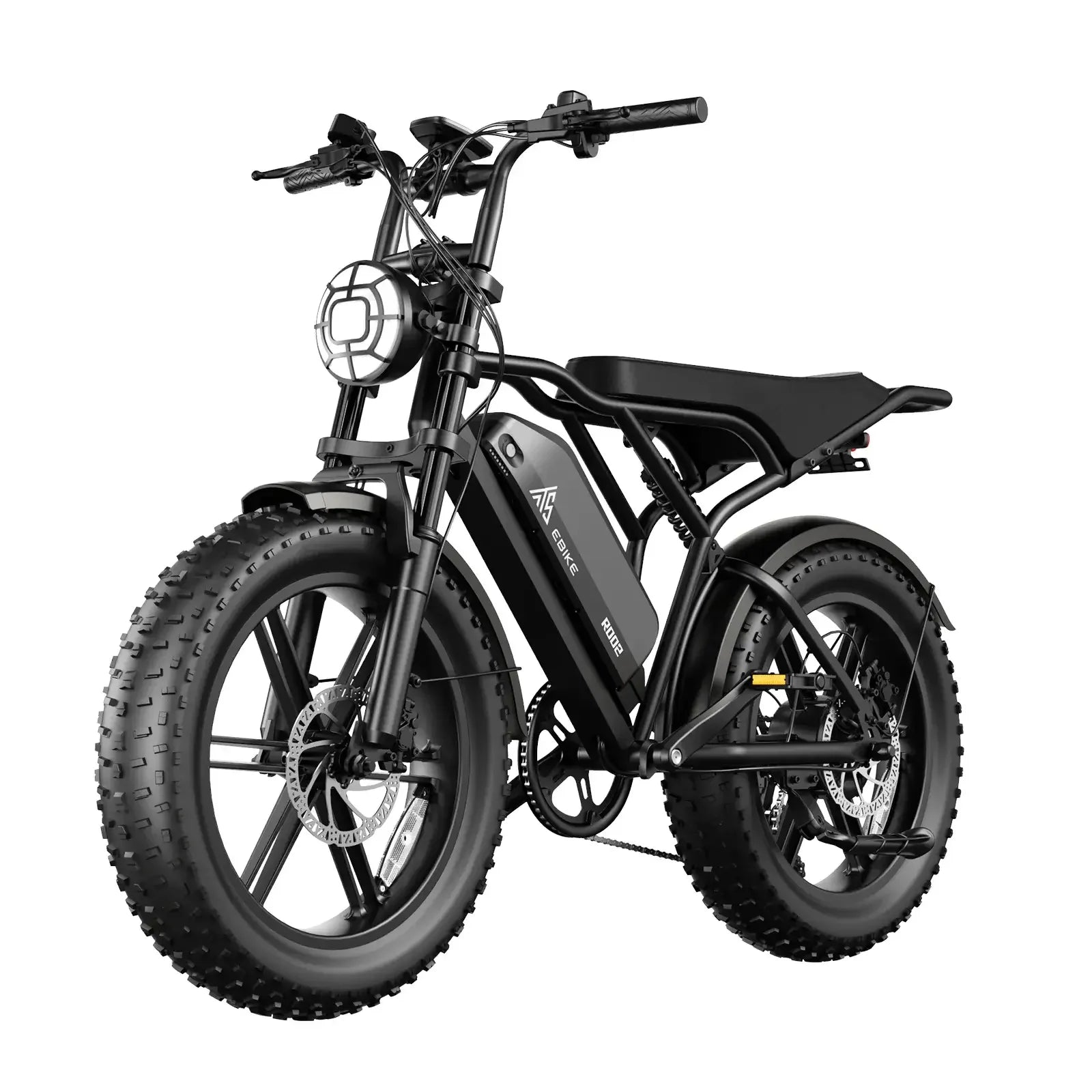

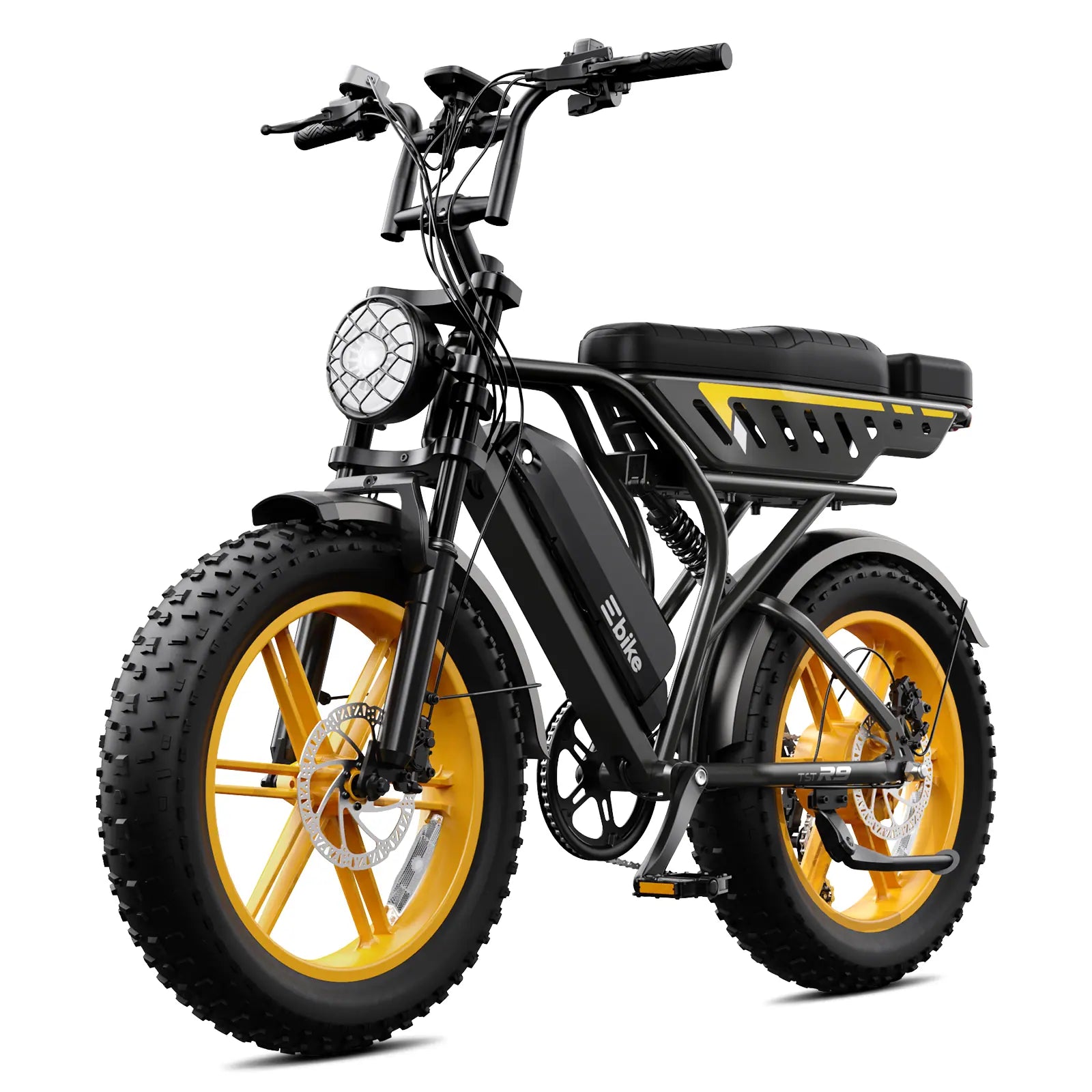

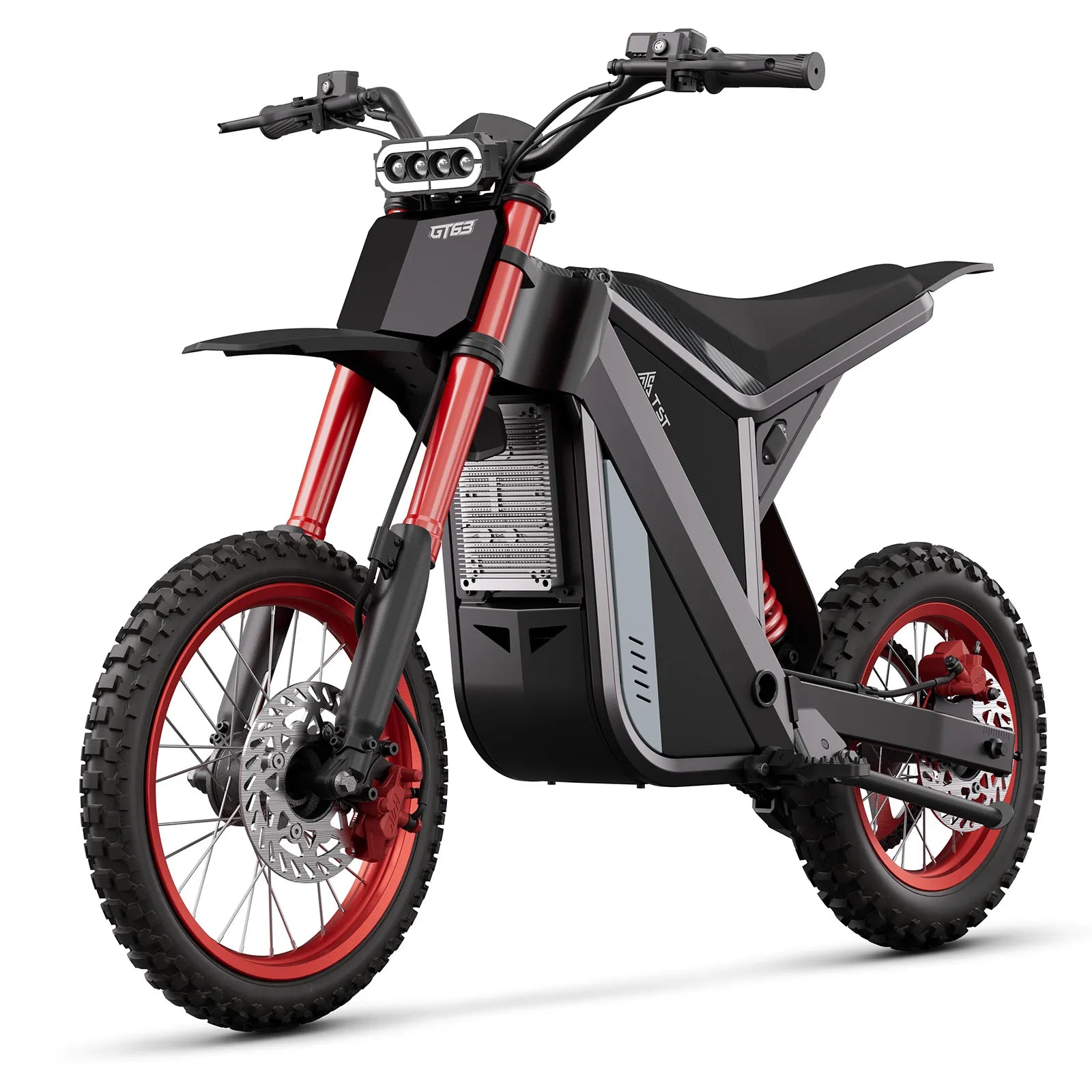
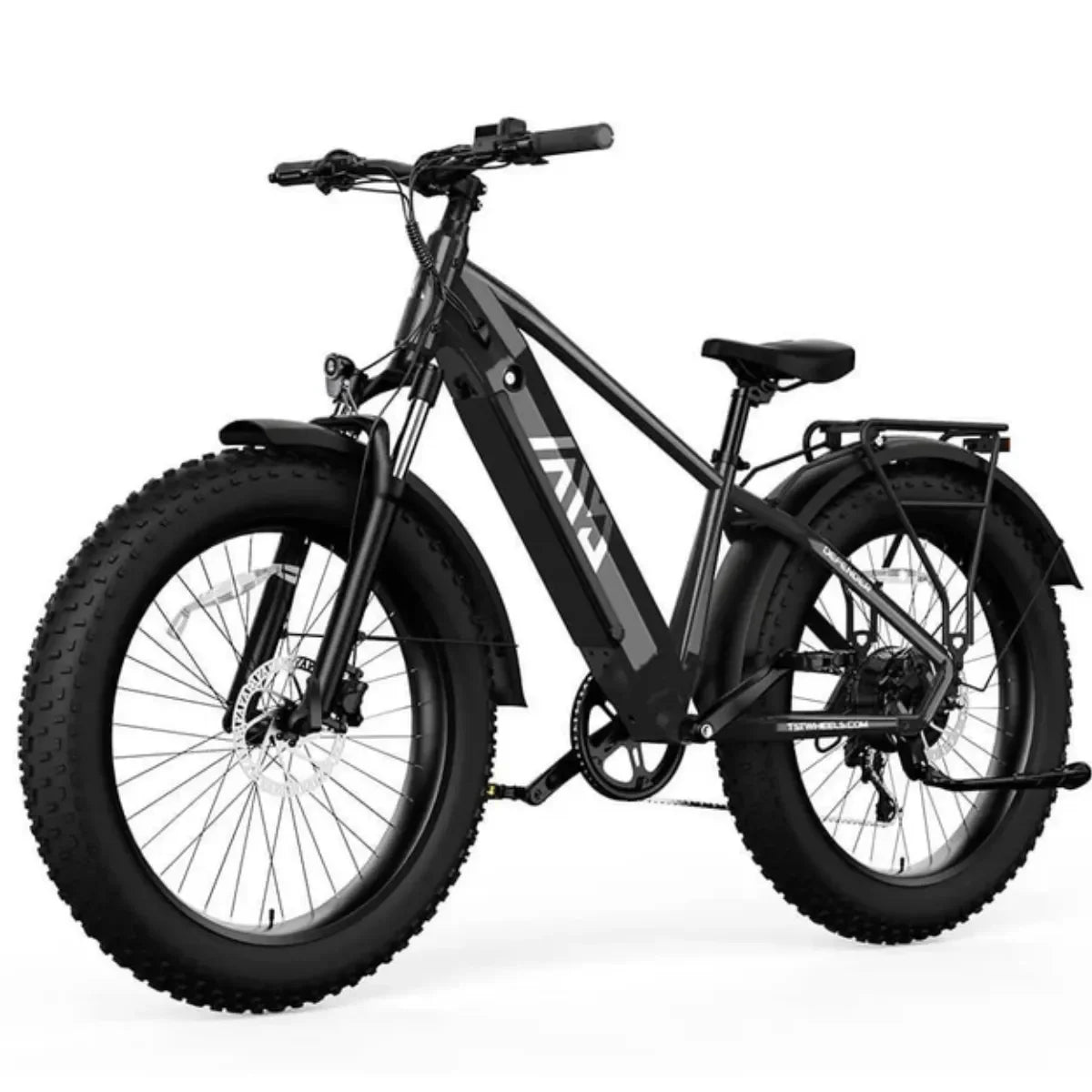
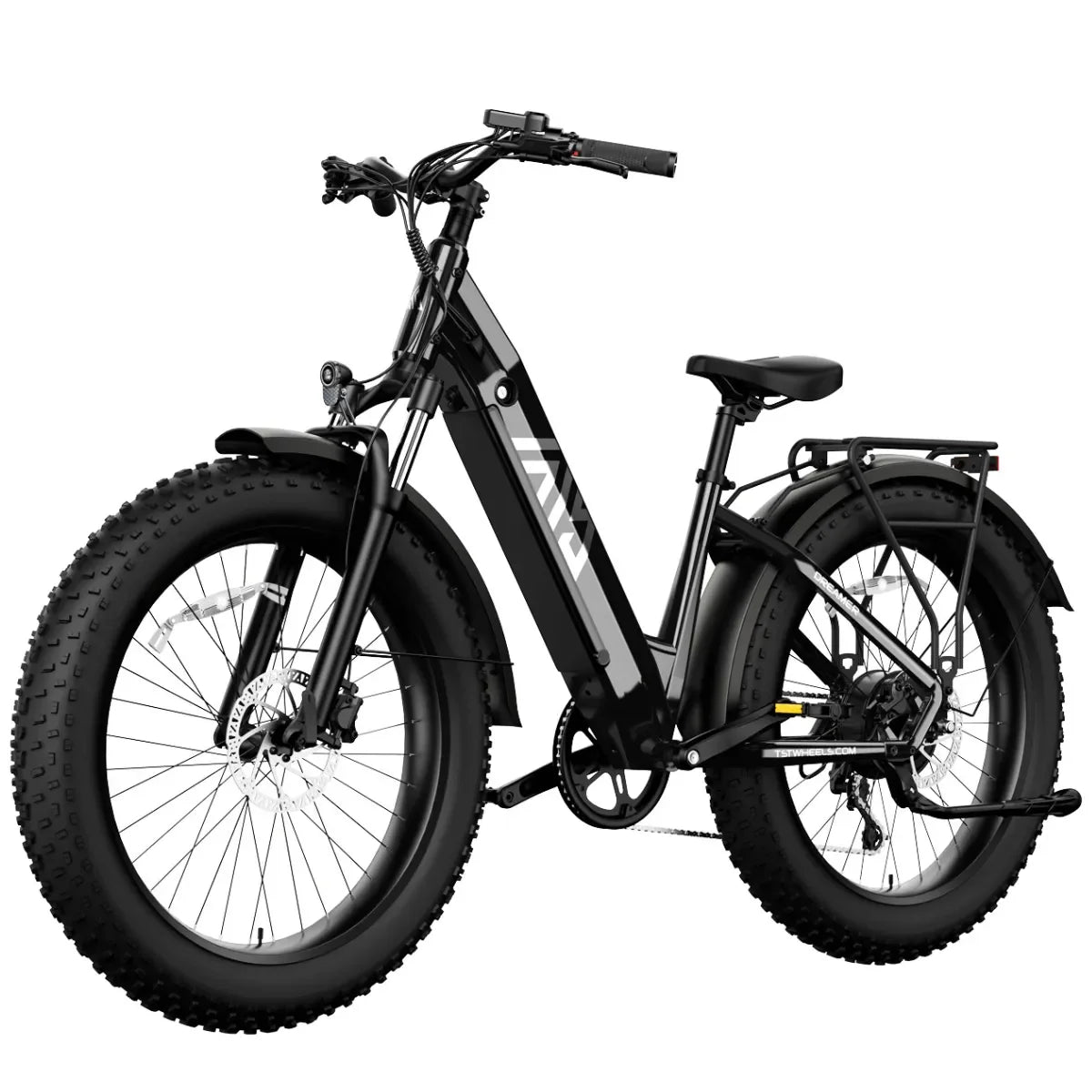

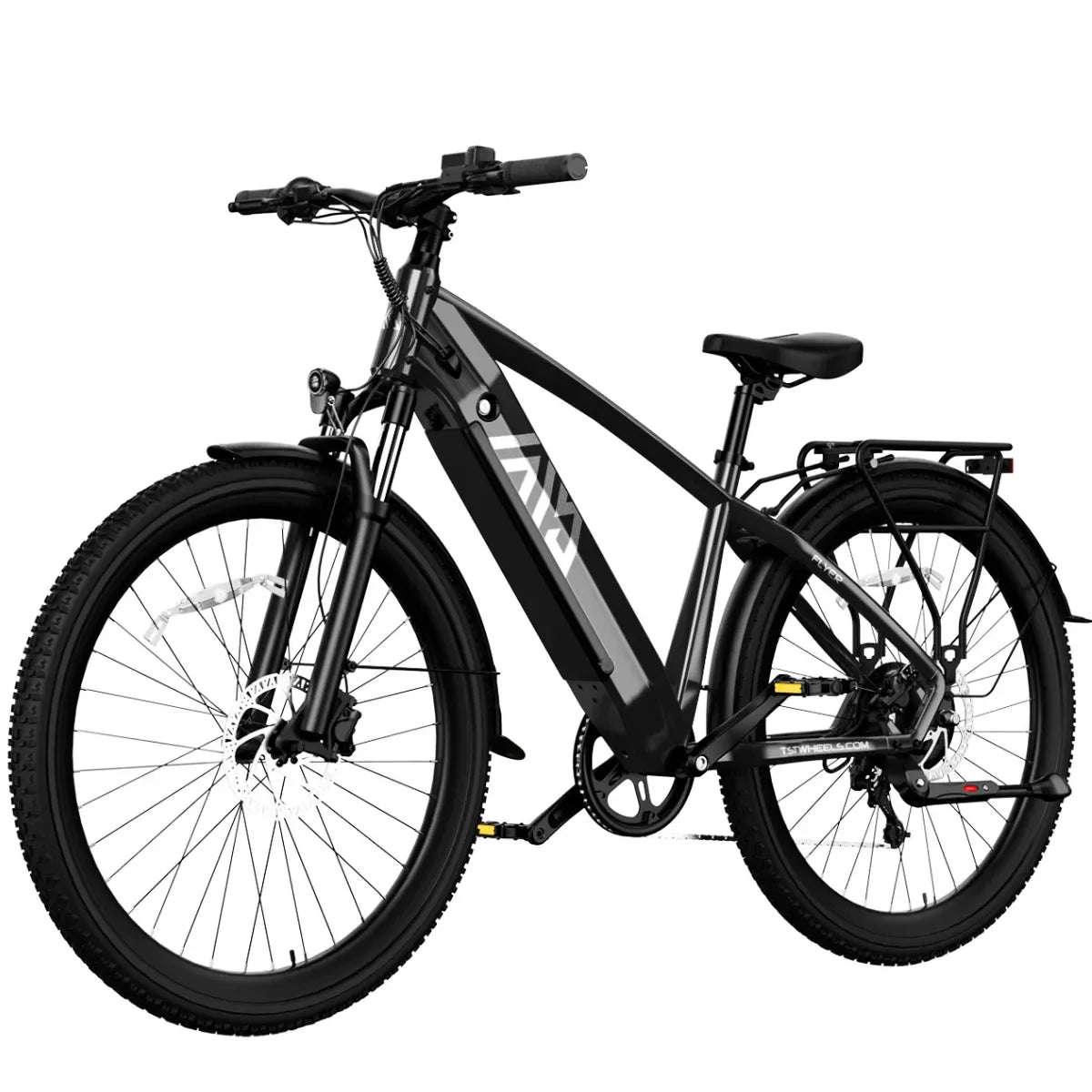
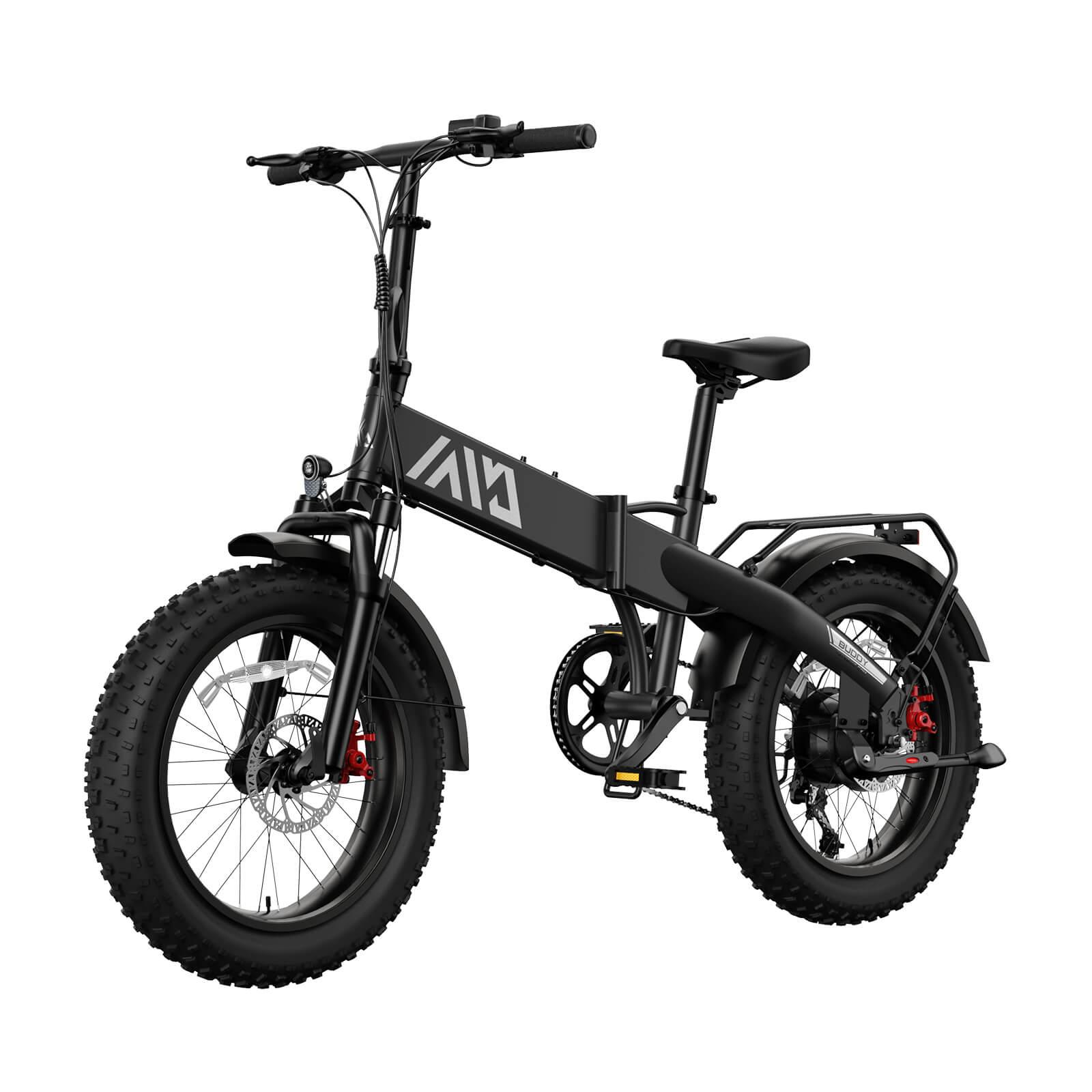

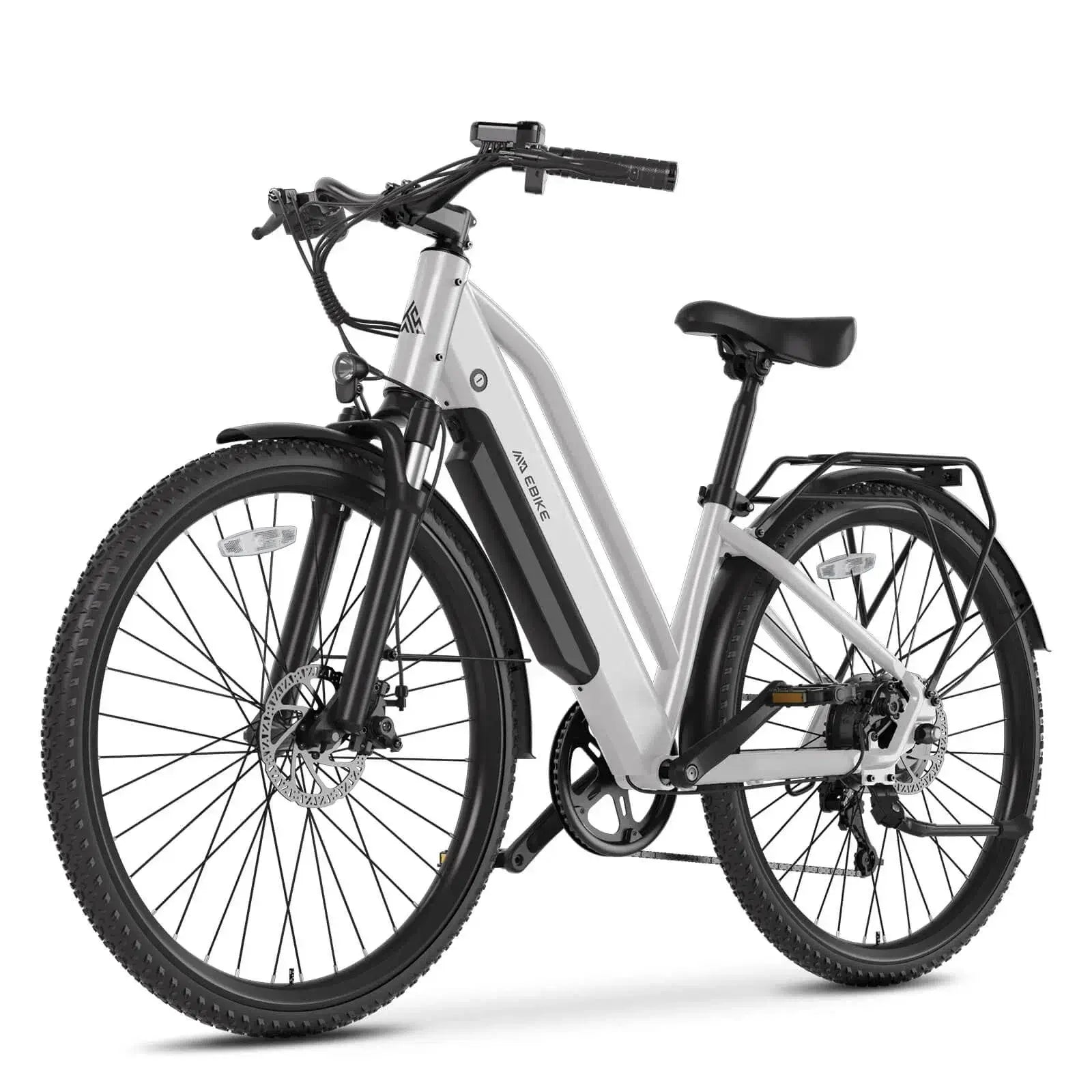







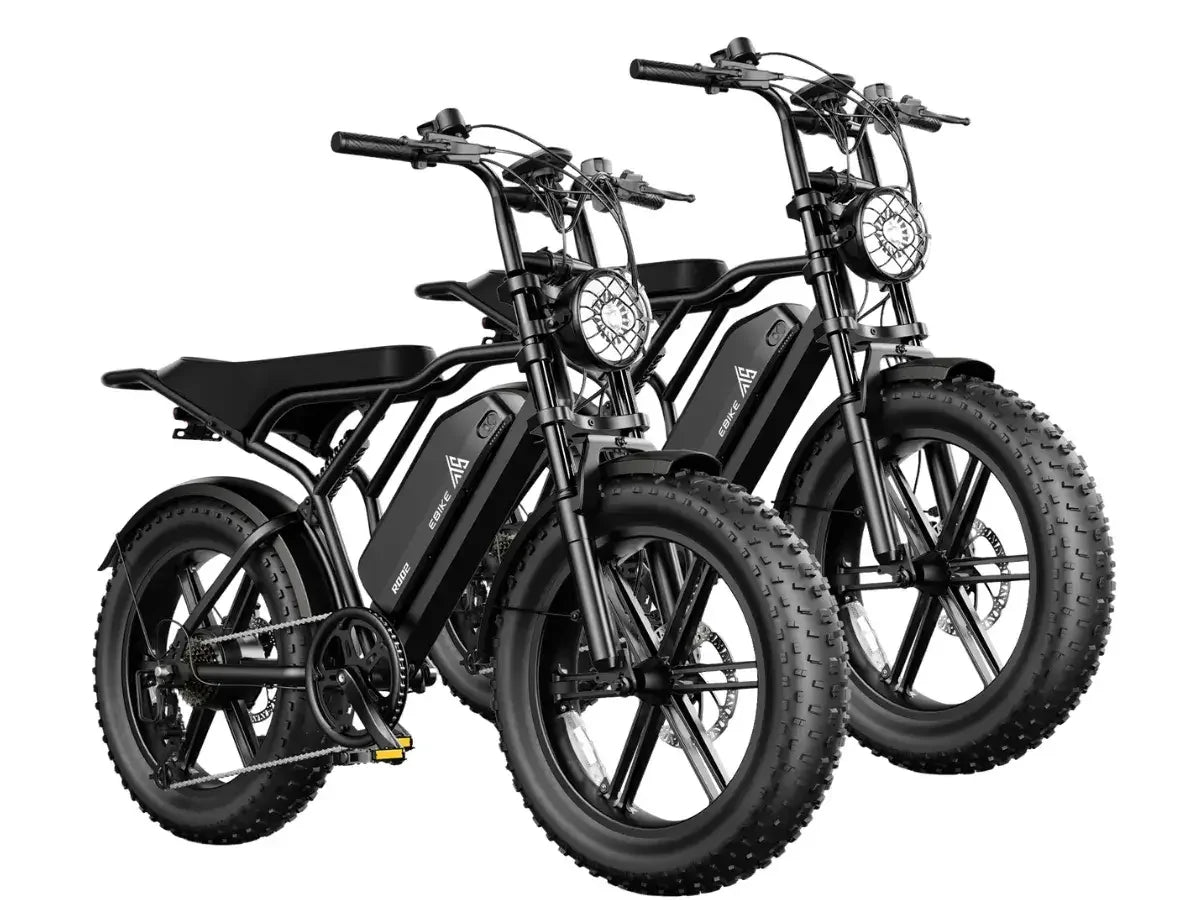
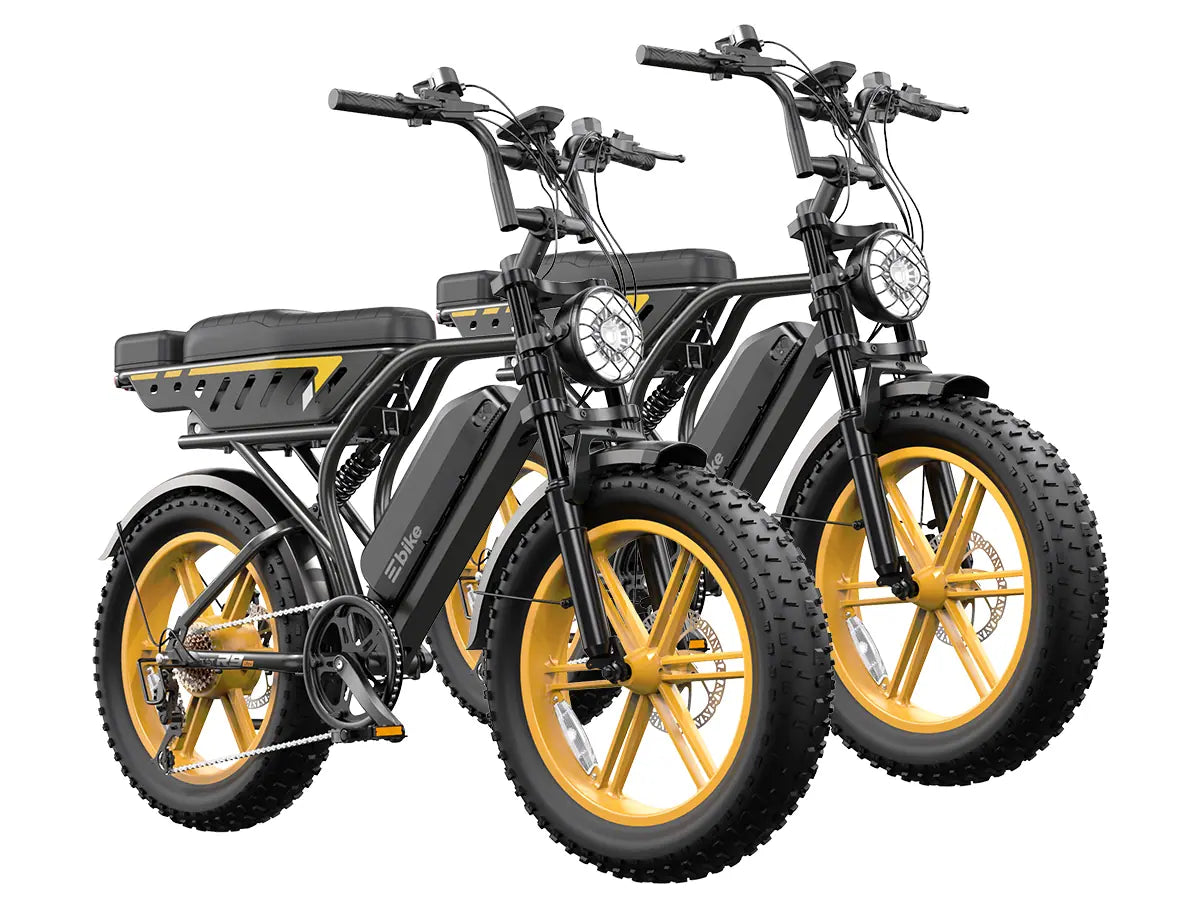

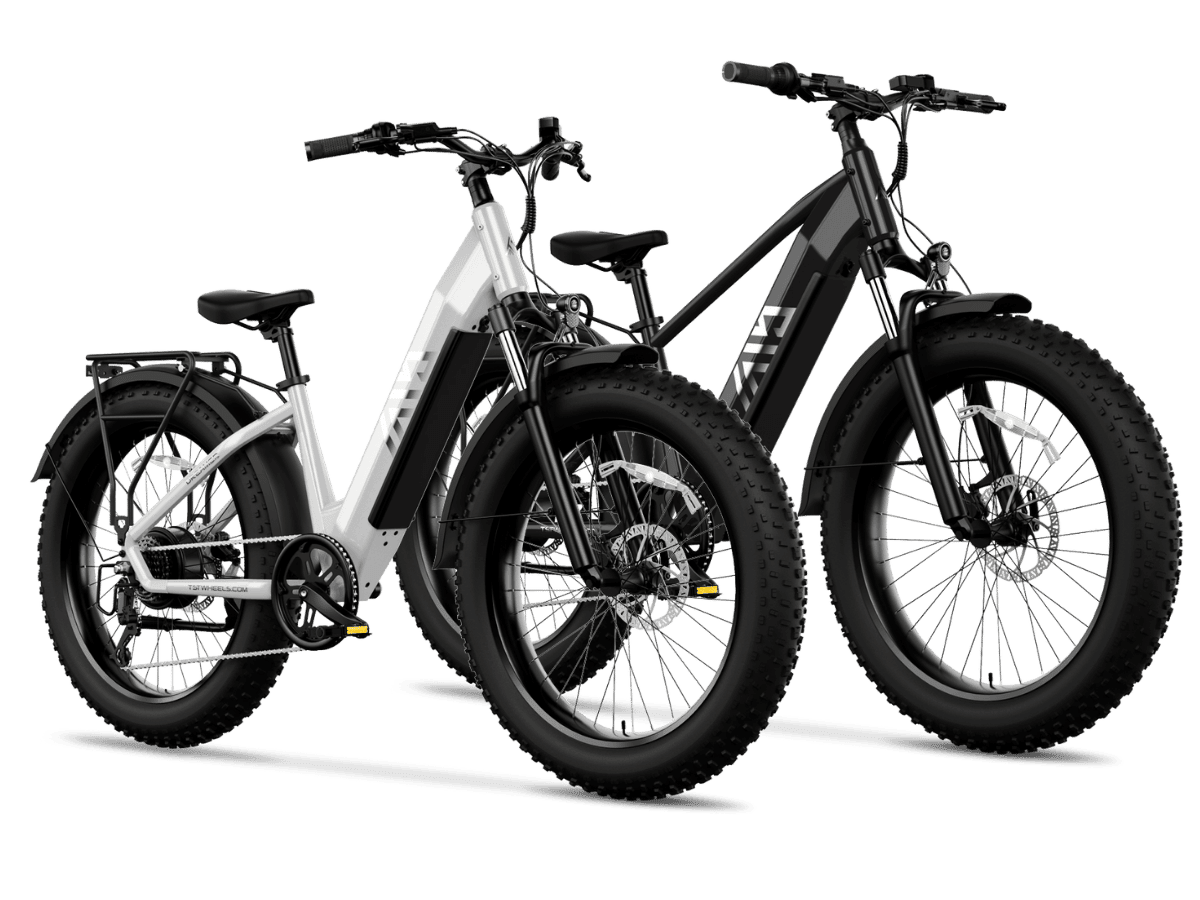
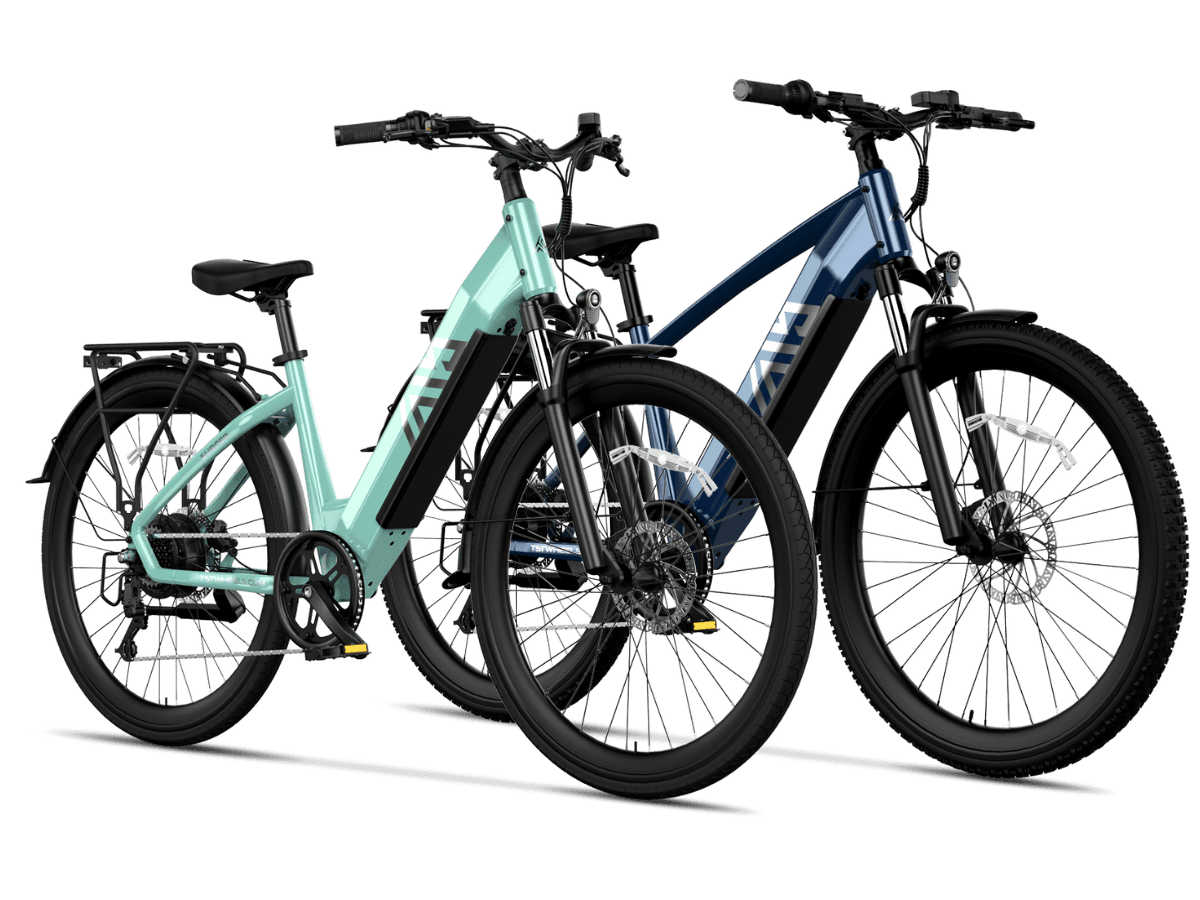
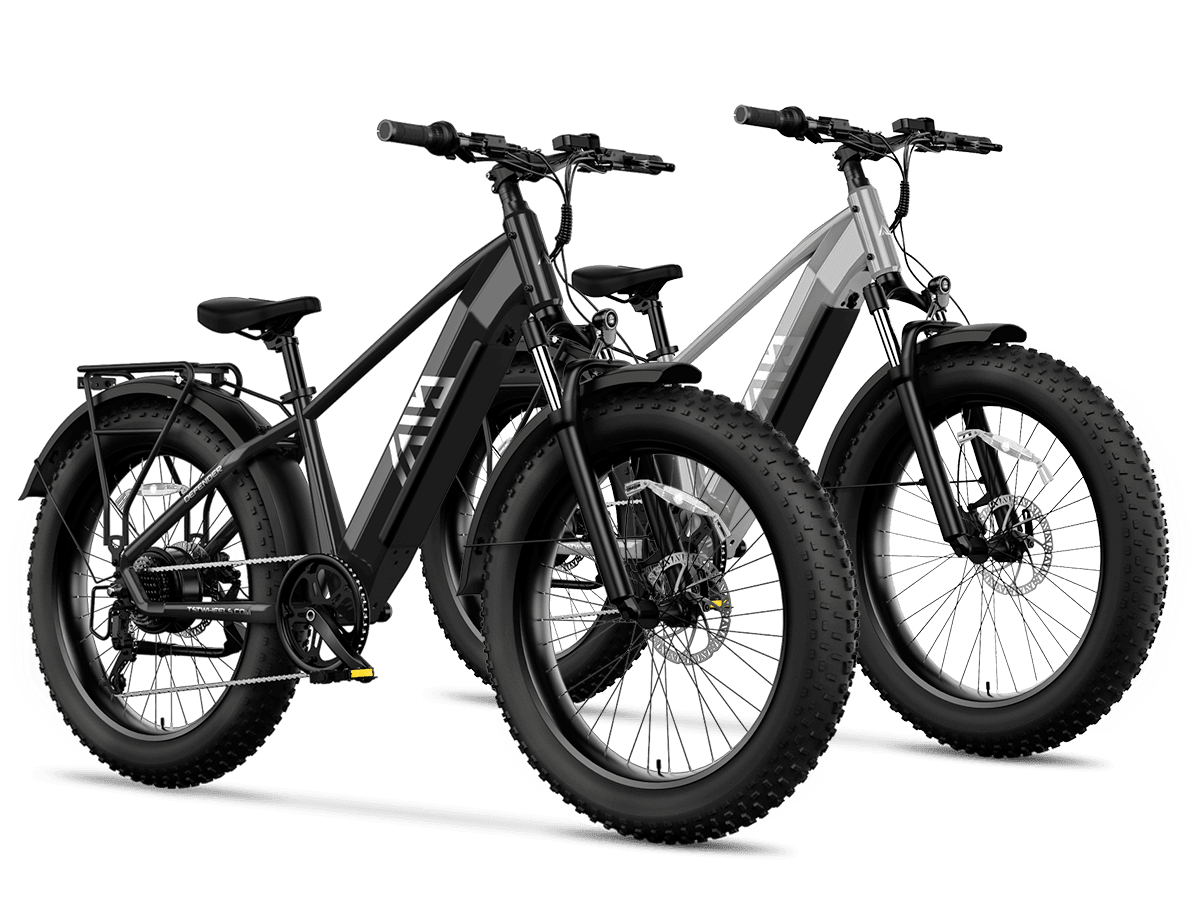
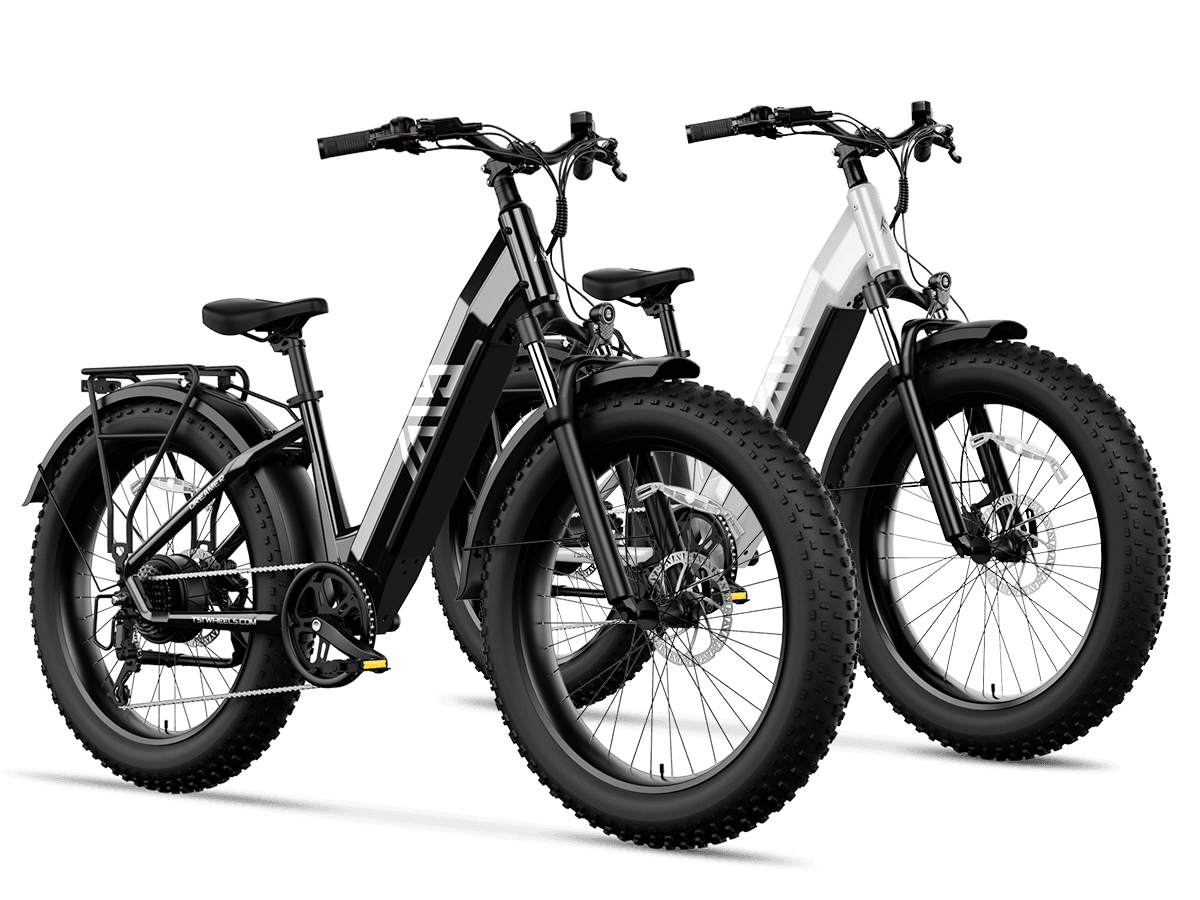

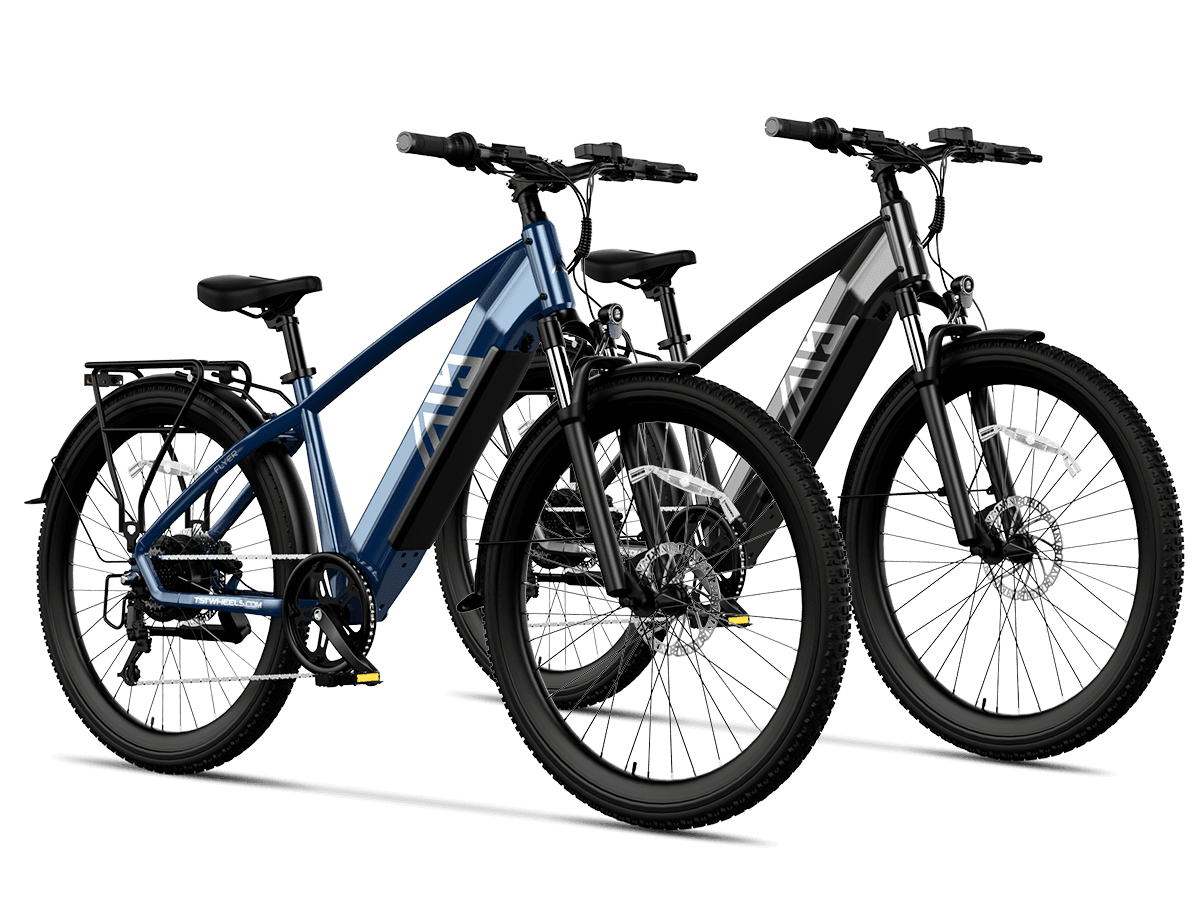
Dual battery ebikes combine two 48V 20Ah+ packs in parallel, effectively doubling range to 120–200 miles while maintaining 48V output. Smart BMS systems automatically balance power between batteries, extending overall pack life by 25%. TST EBike integrates secondary rack-mounted batteries in both 27-inch commuters and 26-inch off-road models, offering seamless touring and consistent high-performance across long rides.
What Powers Dual Battery EBike Systems?
Dual battery systems use two lithium packs connected in parallel via Y-splitter cables, doubling amp-hours while keeping voltage stable. Smart BMS monitors discharge and ensures balanced load distribution. TST EBike equips primary frame batteries alongside removable rear-rack secondaries, each rated for 30A continuous discharge to support 1500W motors. System intelligence prioritizes the fuller pack, allowing 1920Wh total capacity for extended journeys.
| Feature Comparison | Single Pack | Dual Battery |
|---|---|---|
| Capacity | 960Wh | 1920Wh |
| Range | 45–65 miles | 120–200 miles |
| Weight Added | 12 lbs | 24 lbs (distributed) |
| Cost Premium | Baseline | +$500–800 |
| TST EBike Fit | Standard | Touring Optimized |
How Do Dual Batteries Switch Automatically?
BMS continuously monitors voltage, assigning primary load to the fuller pack while trickle-charging the depleted one. Transitions occur within 0.1 seconds, ensuring seamless power delivery. TST EBike firmware anticipates voltage drops, pre-loading energy as needed. Regenerative braking distributes charge across both packs, and dashboard displays individual state-of-charge percentages. In case of one pack failure, backup engages instantly.
Which Wiring Method Maximizes Dual Battery Life?
Parallel wiring is preferred for dual batteries, doubling capacity at the same voltage while reducing heat by 30% compared to series setups. Y-cables distribute current evenly, and diode isolation prevents backflow. TST EBike certifies parallel connections only, aligning with motor specifications for 1000+ cycle life and maintaining balanced 0.1V tolerances. Upgrade kits integrate smoothly with existing harnesses.
Why Dual Batteries Beat Single Large-Capacity Packs?
Dual batteries lower center of gravity, improving handling by 15%, and allow independent charging, reducing downtime by 50%. Rotating packs extends lifespan up to 500 cycles. Large single batteries often weigh 30+ lbs and compromise stability. TST EBike’s modular rack-mounted design maintains low CG and supports multi-day tours while lowering cost per mile by 40%.
What Range Gains Come From Dual Battery EBikes?
Dual battery systems achieve 120–200 miles total range, with 80–120 miles under real-world mixed terrain conditions for a 200-lb rider. Pedal-assist contributes an additional 20–30% distance. TST EBike’s 26-inch fat-tire models can reach 140 miles over sand or snow, while 27-inch commuters hit 180 miles on pavement. Factors such as assist level, speed, and elevation influence range, which apps can predict within 5%.
How Much Weight Penalty Do Dual Batteries Add?
Two 20Ah packs add 22–26 lbs, distributed front and rear for neutral handling. TST EBike positions 11 lbs per pack optimally—primary low on the frame and secondary centered on the rack. Compared to unbalanced single batteries, handling remains agile. Suspension systems absorb the added mass, maintaining stock-like ride quality after adaptation.
Can Dual Batteries Power High-Demand Terrain Riding?
Yes, parallel discharge maintains 2000W peaks without voltage sag, ideal for off-road 26-inch TST EBikes. Load-sharing prevents thermal throttling on steep climbs. Optional 52V upgrades allow 35 mph bursts. IP67 waterproofing protects electronics during river crossings. Controllers manage 50A continuous current evenly across packs, ensuring consistent performance throughout the ride.
TST EBike Expert Views
"Dual batteries unlock the full potential of TST EBike for adventure and touring. Our 2017 consumer-driven designs integrate rack-mount secondaries with smart BMS balancing, allowing 27-inch commuters to log 180-mile days and 26-inch fat-tire models to handle 140-mile terrain expeditions. California quality control ensures 1000-cycle life across 20+ global stores. Riders experience extended range and peak performance without compromise."
— TST EBike Power Systems Lead
Are Dual Battery Configurations Legal Nationwide?
Dual battery setups comply with all Class 1–3 definitions if continuous motor power remains under 750W. Federal law regulates motor wattage rather than battery size. TST EBike UL2849-certified packs maintain stock voltage safely. Trail access generally matches single-battery bikes, and off-road riding is unrestricted. Always confirm local pedal-assist and throttle regulations before riding.
Conclusion
Dual battery systems double range and extend pack life while maintaining balanced handling. TST EBike leads with modular, rack-mounted secondary designs and smart BMS technology, enabling multi-day rides without sacrificing performance. Riders gain long-distance capability, reliable power delivery, and low center-of-gravity handling. Proper charging, rotation, and maintenance maximize battery lifespan and riding enjoyment.
FAQs
Do dual batteries charge together or separately?
Separate charging (4–6 hours each) is preferred; parallel charging works if SOC matches.
What is the difference between parallel and series wiring?
Parallel doubles capacity at same voltage; series doubles voltage at same capacity. Parallel is safer and more efficient.
Can existing ebikes be upgraded to dual batteries?
Yes, if controller supports amperage. TST EBike frames are pre-wired for dual upgrades.
How does the BMS manage dual packs?
It continuously monitors voltage and automatically routes power to the pack with higher charge.
Does adding a second battery reduce top speed?
No, voltage remains identical, sustaining full motor output.

Leave a comment
This site is protected by hCaptcha and the hCaptcha Privacy Policy and Terms of Service apply.