












Carrier electric bike prices vary widely based on load capacity, motor power, battery size, and frame design. As demand grows for cargo-capable eBikes used in commuting, deliveries, and family transport, understanding real pricing benchmarks is critical. This guide explains current carrier eBike price ranges, cost drivers, and how to evaluate value, helping buyers choose a reliable solution without overspending.
How Is the Carrier Electric Bike Market Developing and What Are the Price Pressures?
The global cargo and carrier electric bike segment is expanding faster than standard commuter eBikes. Industry data shows cargo eBike sales growing at over 12% annually, driven by urban delivery services, rising fuel costs, and last-mile logistics demand. However, prices have increased alongside battery and component costs, creating confusion for buyers trying to balance budget and performance.
Most entry-level carrier electric bikes now start around $1,200, while mid-range models average between $1,800 and $3,000. Heavy-duty and commercial-grade carrier eBikes often exceed $4,000. This wide spread makes it difficult for buyers to determine what features truly justify higher prices.
A major pain point is underestimating total cost of ownership. Lower-priced models often sacrifice frame strength, braking systems, or battery longevity, leading to higher maintenance and early replacement costs. Buyers increasingly seek cost-effective carrier eBikes that deliver consistent performance without premium pricing.
What Are the Core Pain Points Buyers Face When Evaluating Carrier eBike Prices?
First, load capacity claims are inconsistent. Some carrier electric bikes advertise high payloads but lack reinforced frames or proper torque delivery, resulting in reduced lifespan when used regularly.
Second, battery size and quality significantly affect price. Carrier eBikes require larger batteries to handle heavier loads, yet many budget models use smaller packs that suffer rapid range loss under weight.
Third, buyers often struggle to compare consumer-grade carrier eBikes with commercial models. The price gap is substantial, but performance differences are not always clearly communicated, increasing the risk of mismatched expectations.
Why Do Traditional Electric Bikes Fail as Cost-Effective Carrier Solutions?
Standard electric bikes are not designed to carry sustained heavy loads. While they may support racks or baskets, their frames, spokes, and braking systems are optimized for lighter use.
Using traditional eBikes for cargo tasks often results in:
Frame fatigue and premature cracking
Reduced braking performance under load
Accelerated battery degradation due to constant high power draw
These limitations lead many users to upgrade sooner than planned, increasing long-term costs. What appears affordable initially can become expensive over time.
What Defines a Cost-Effective Carrier Electric Bike Solution?
A cost-effective carrier electric bike balances upfront price with durability, safety, and operating efficiency. Key capabilities include:
A reinforced frame rated for higher payloads
A high-torque motor to maintain stability at low speeds
A larger-capacity battery to support loaded range
Reliable braking systems designed for added weight
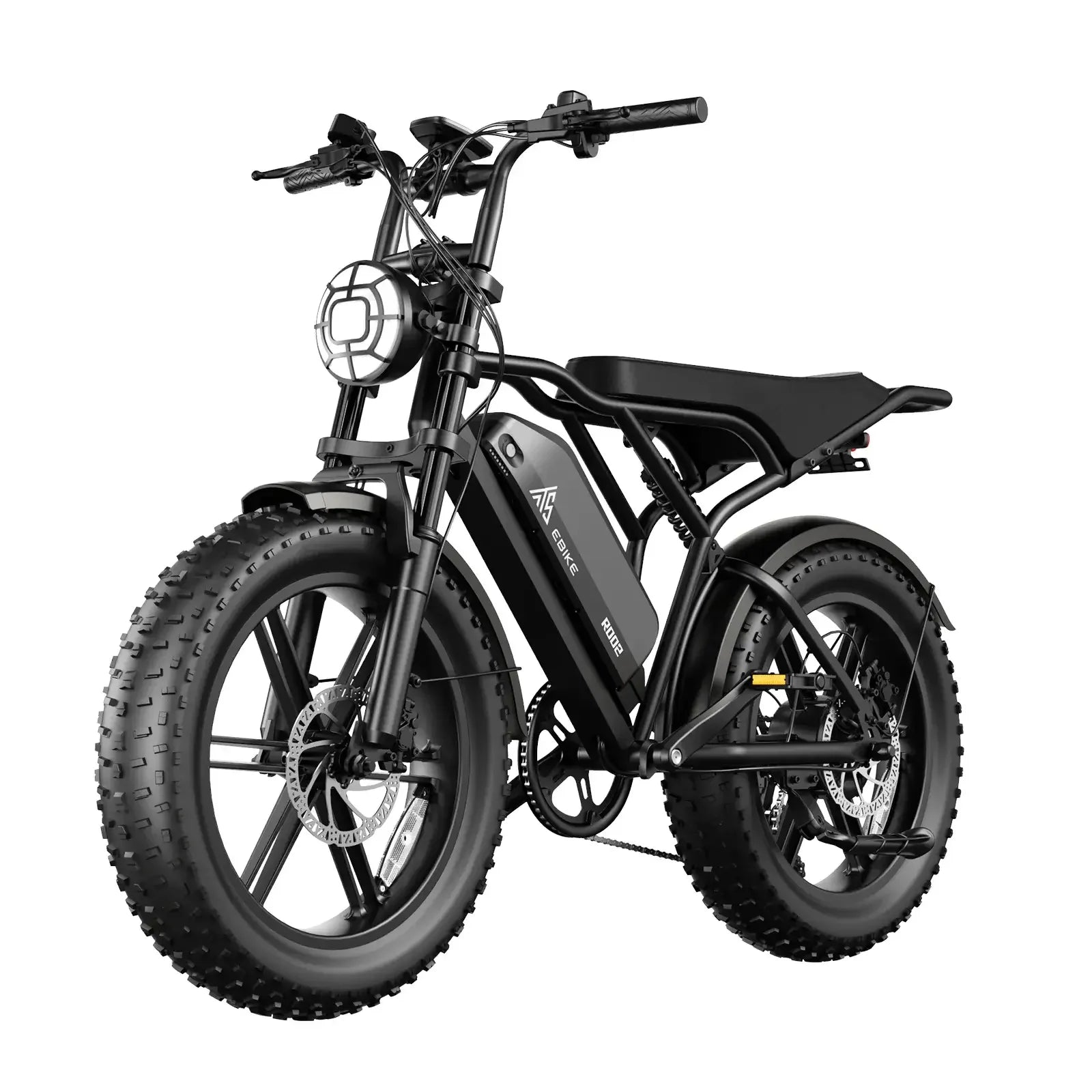
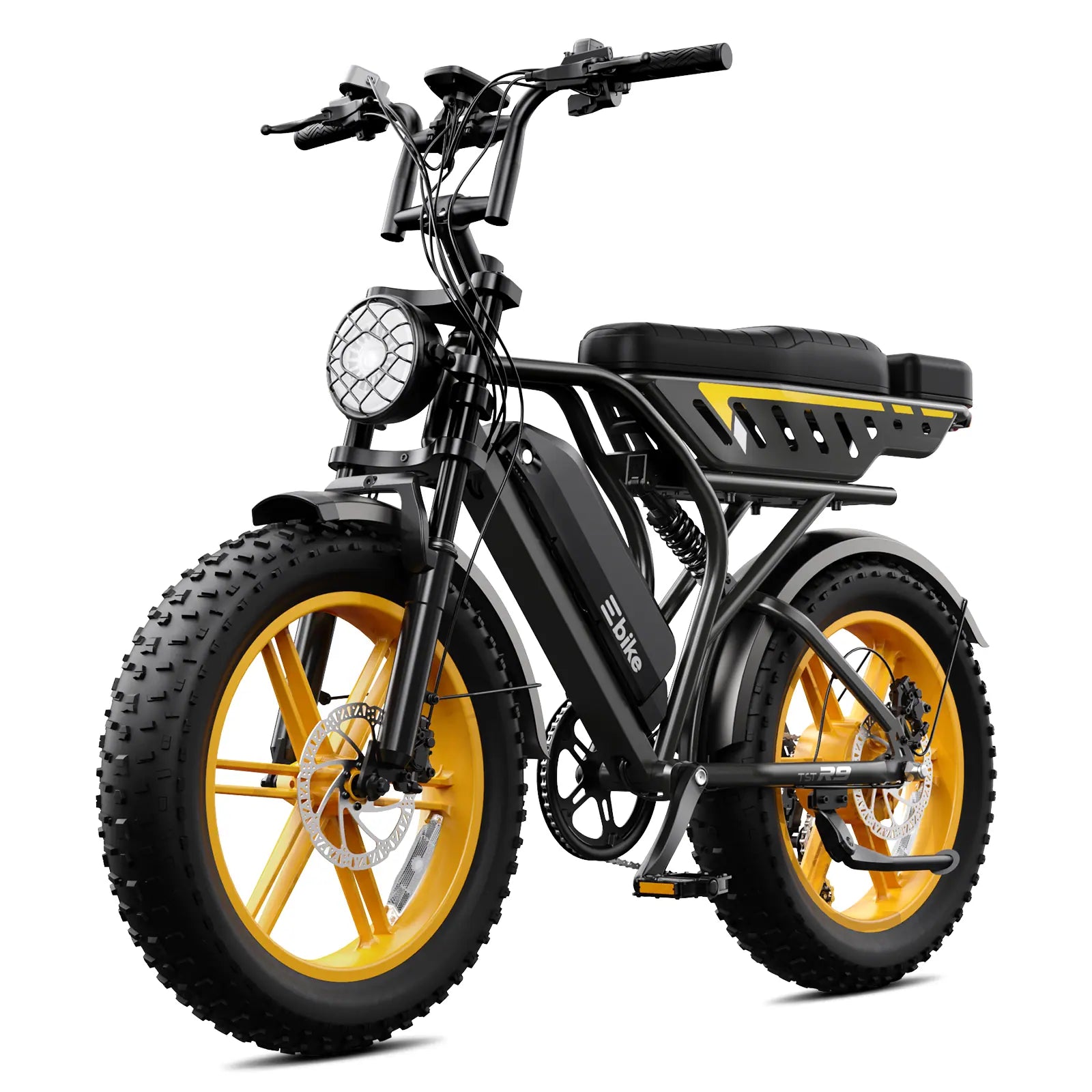
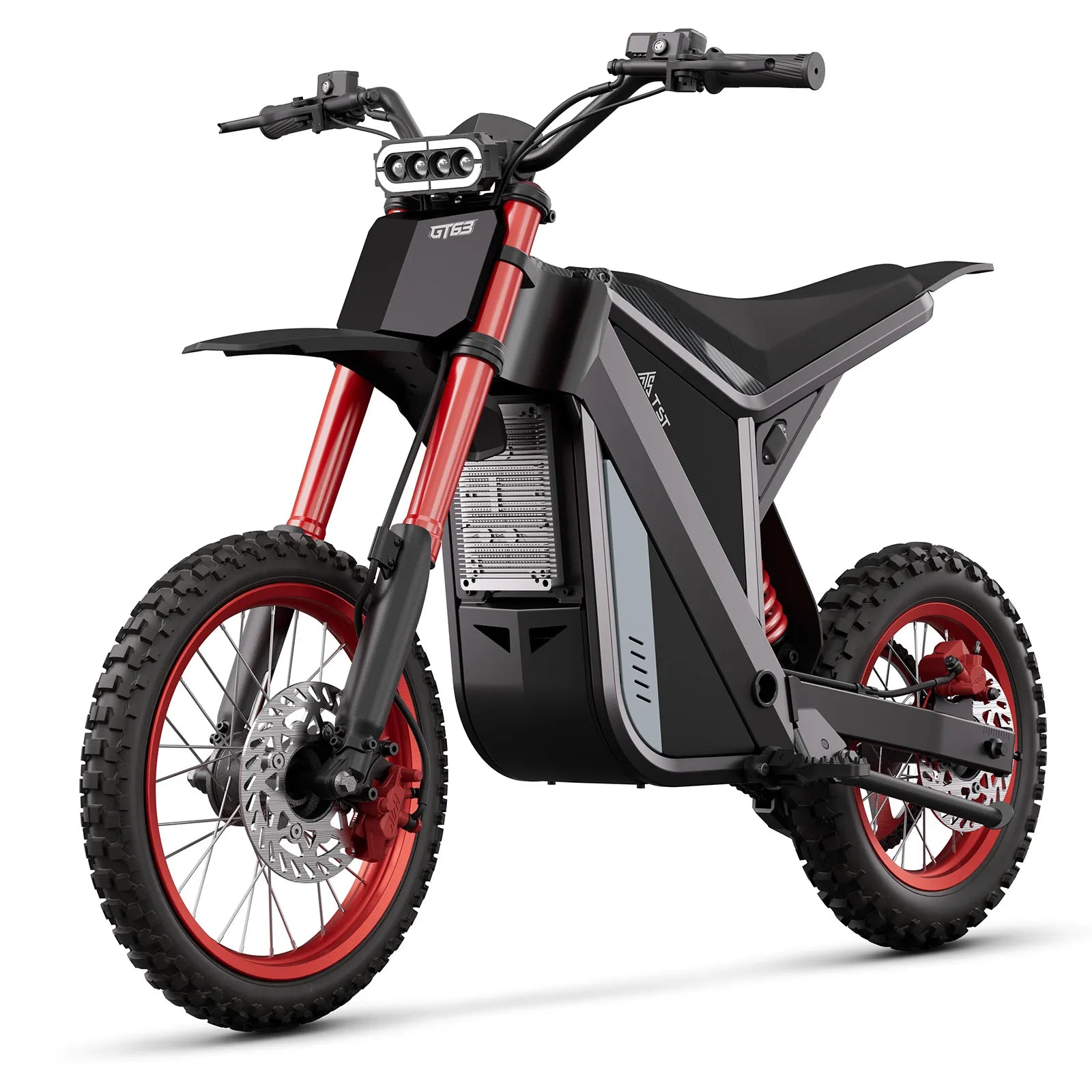
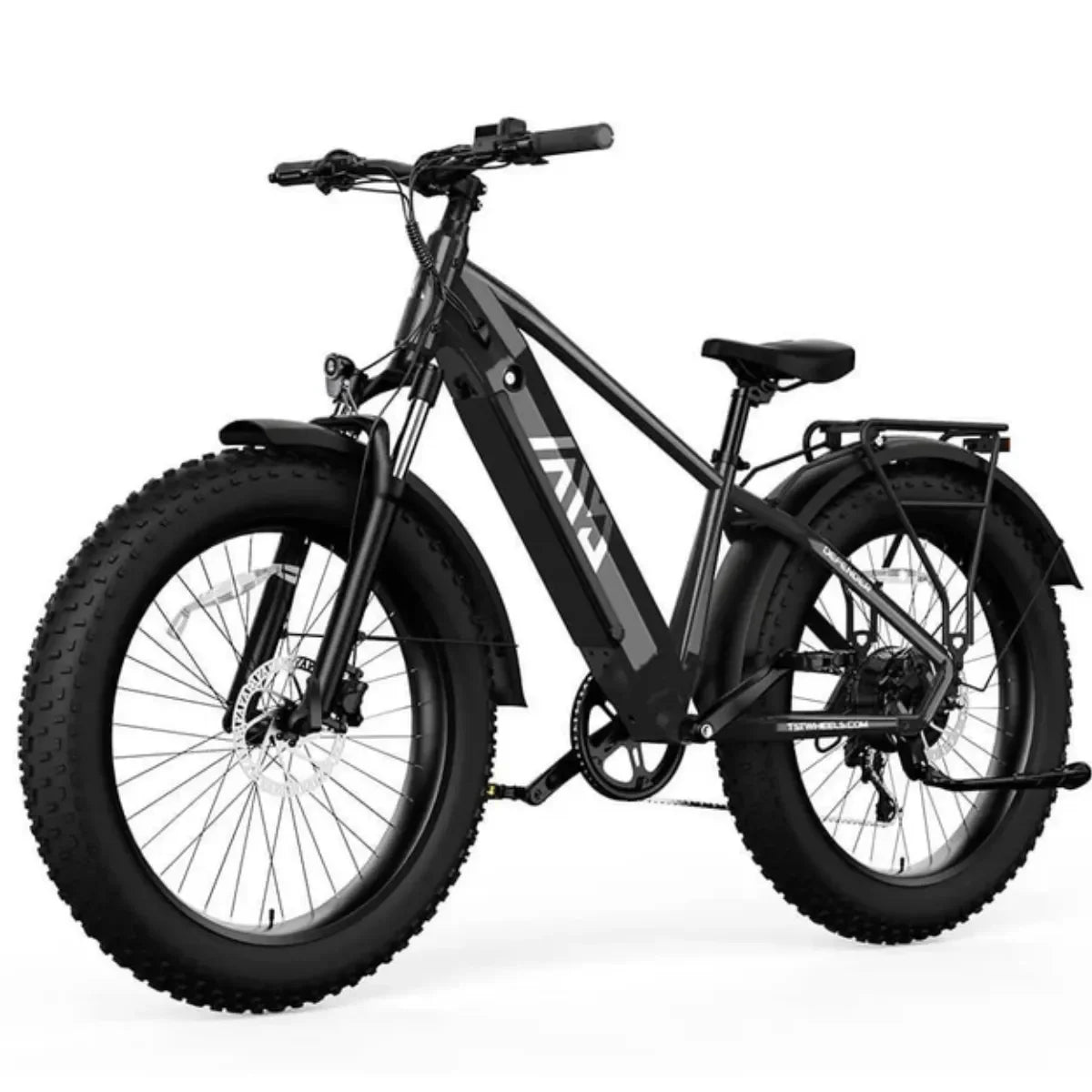
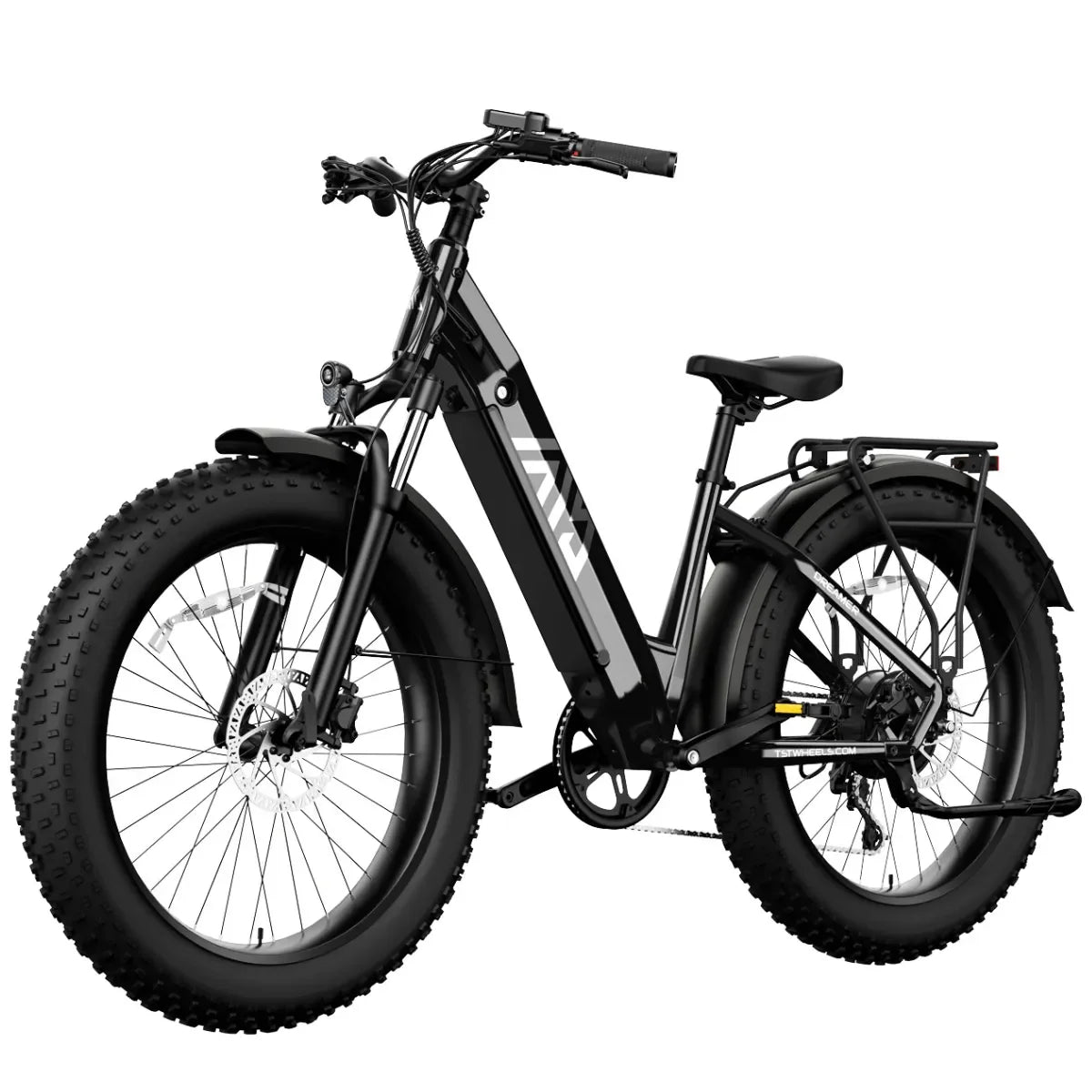
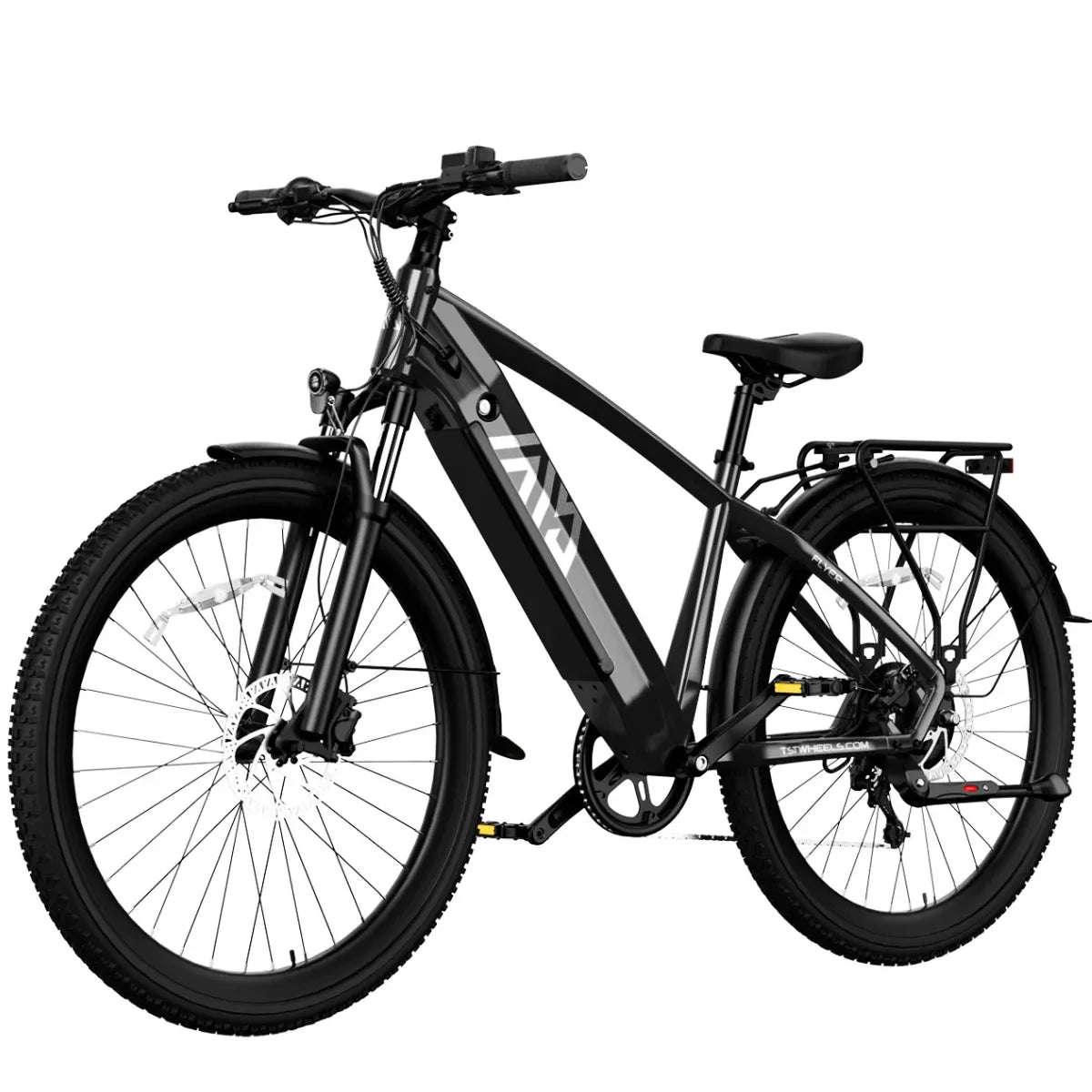
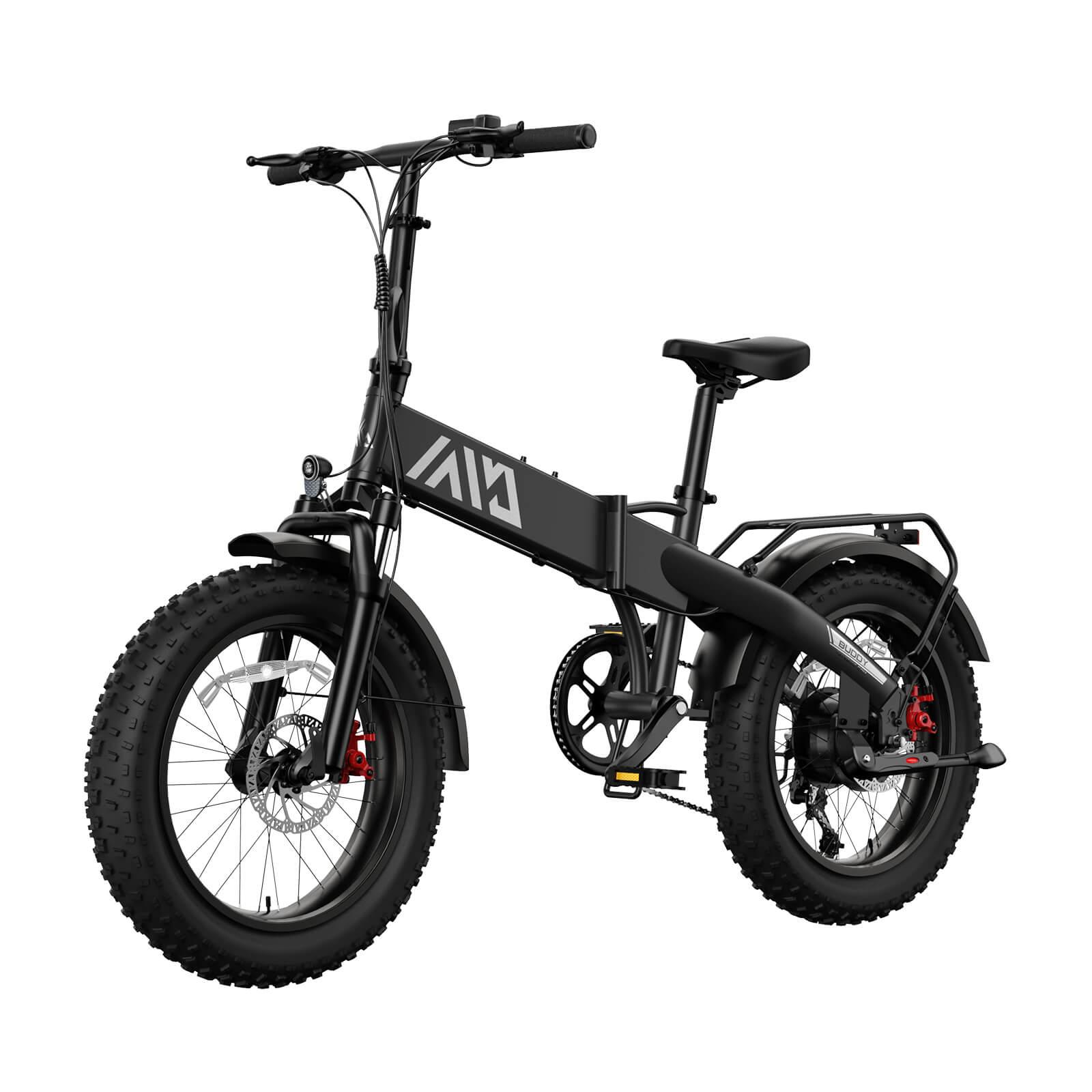
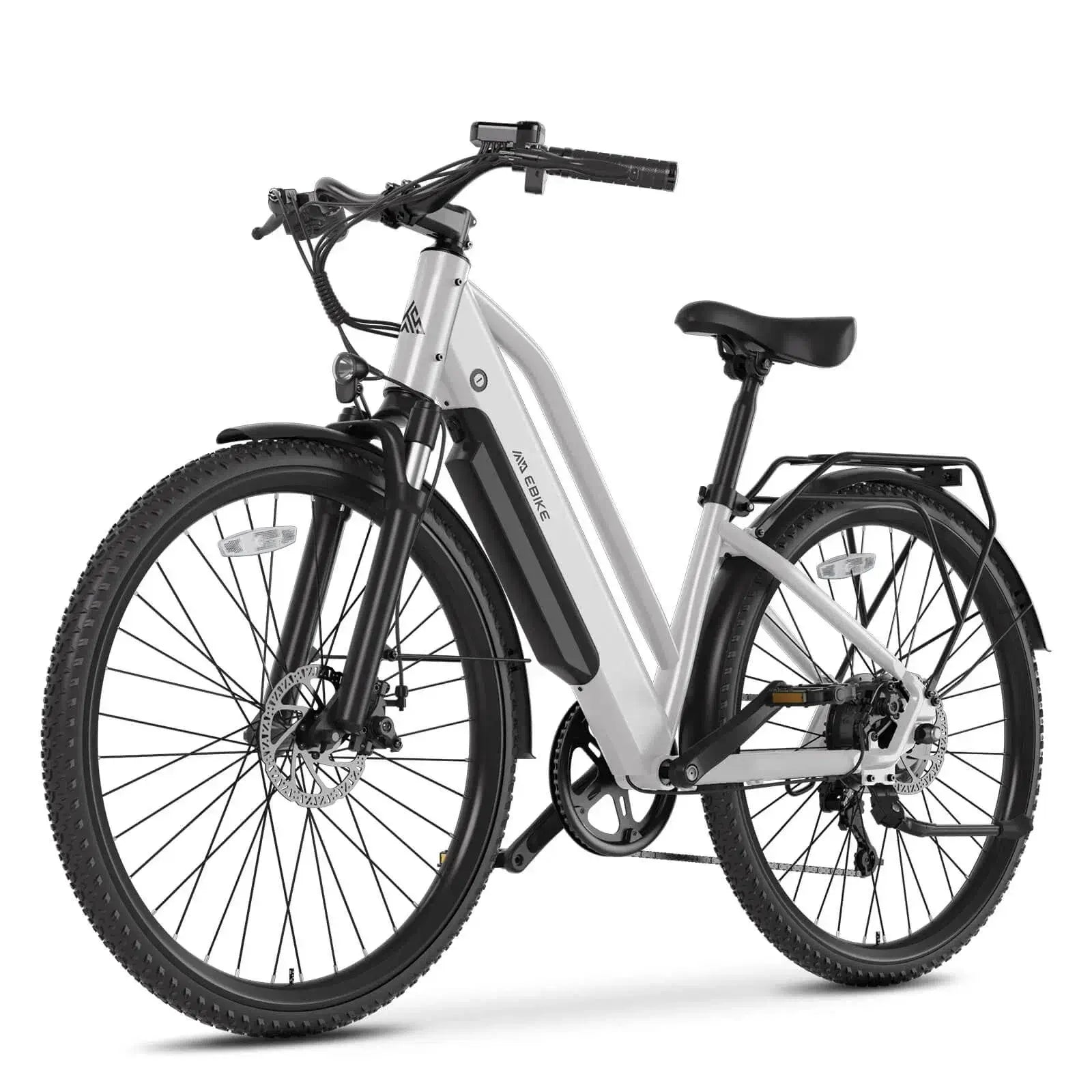
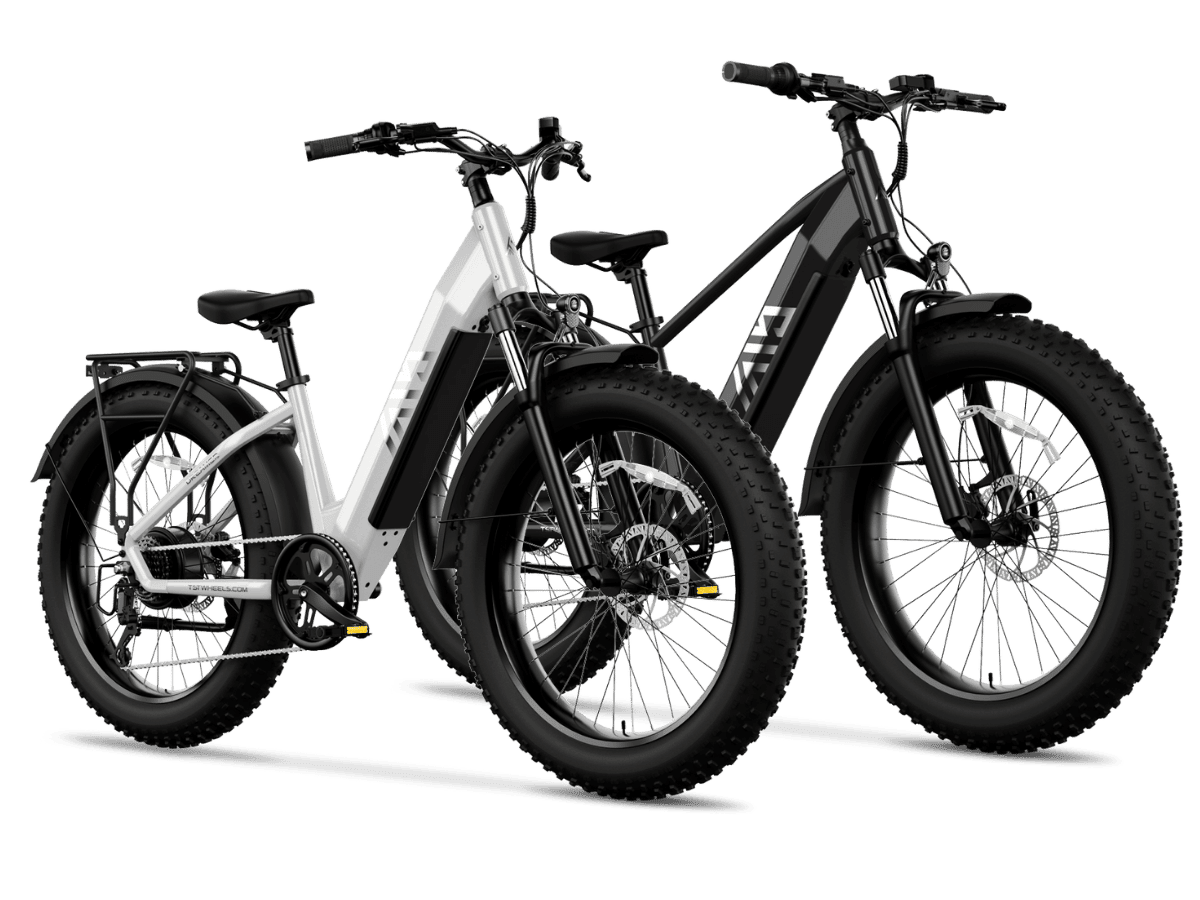
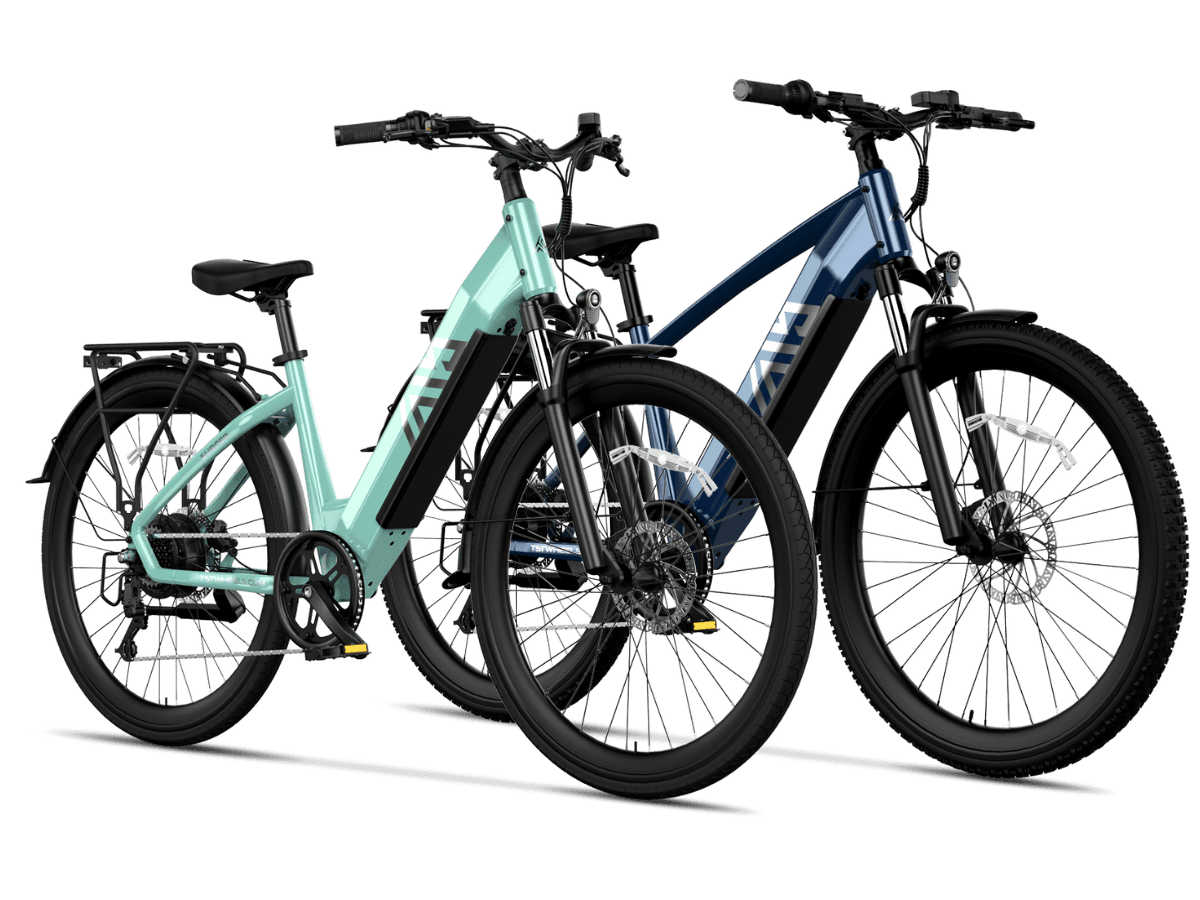
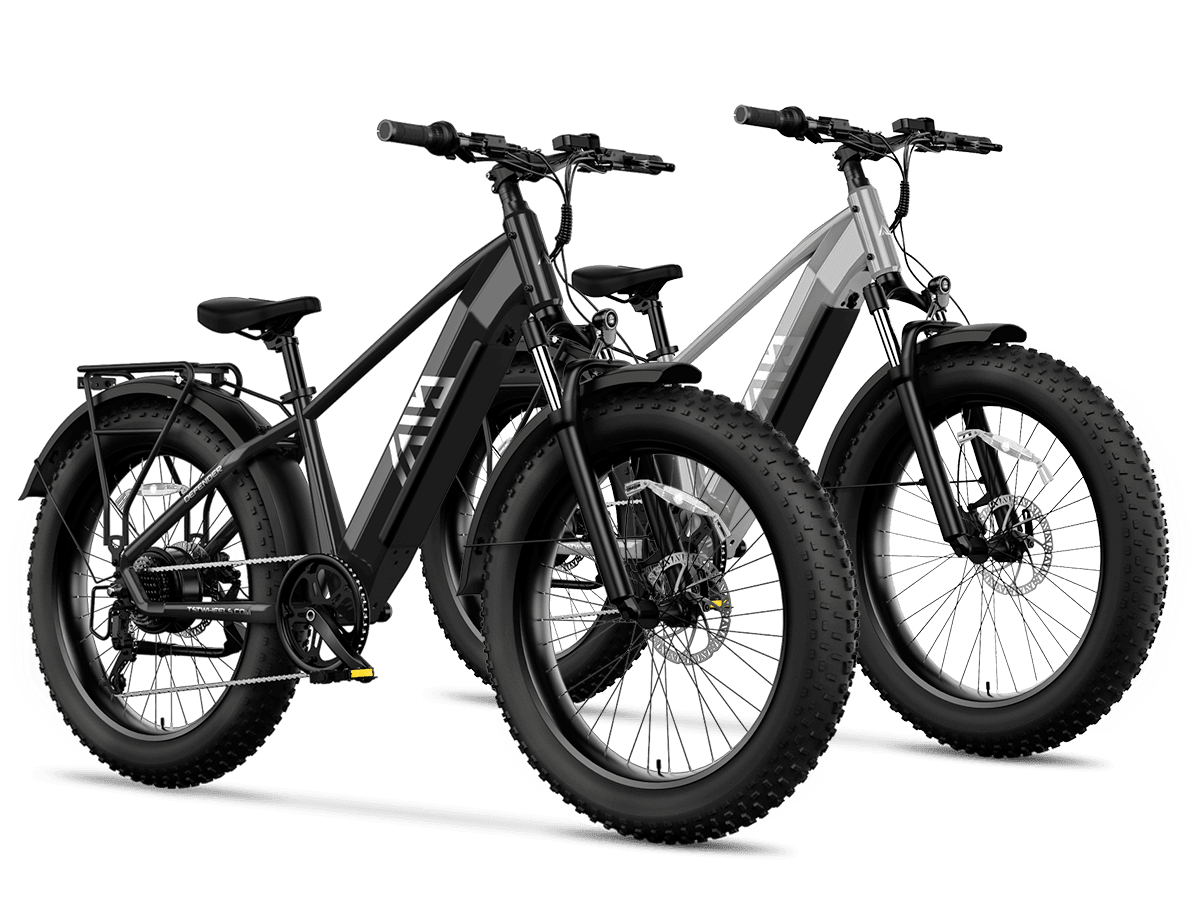
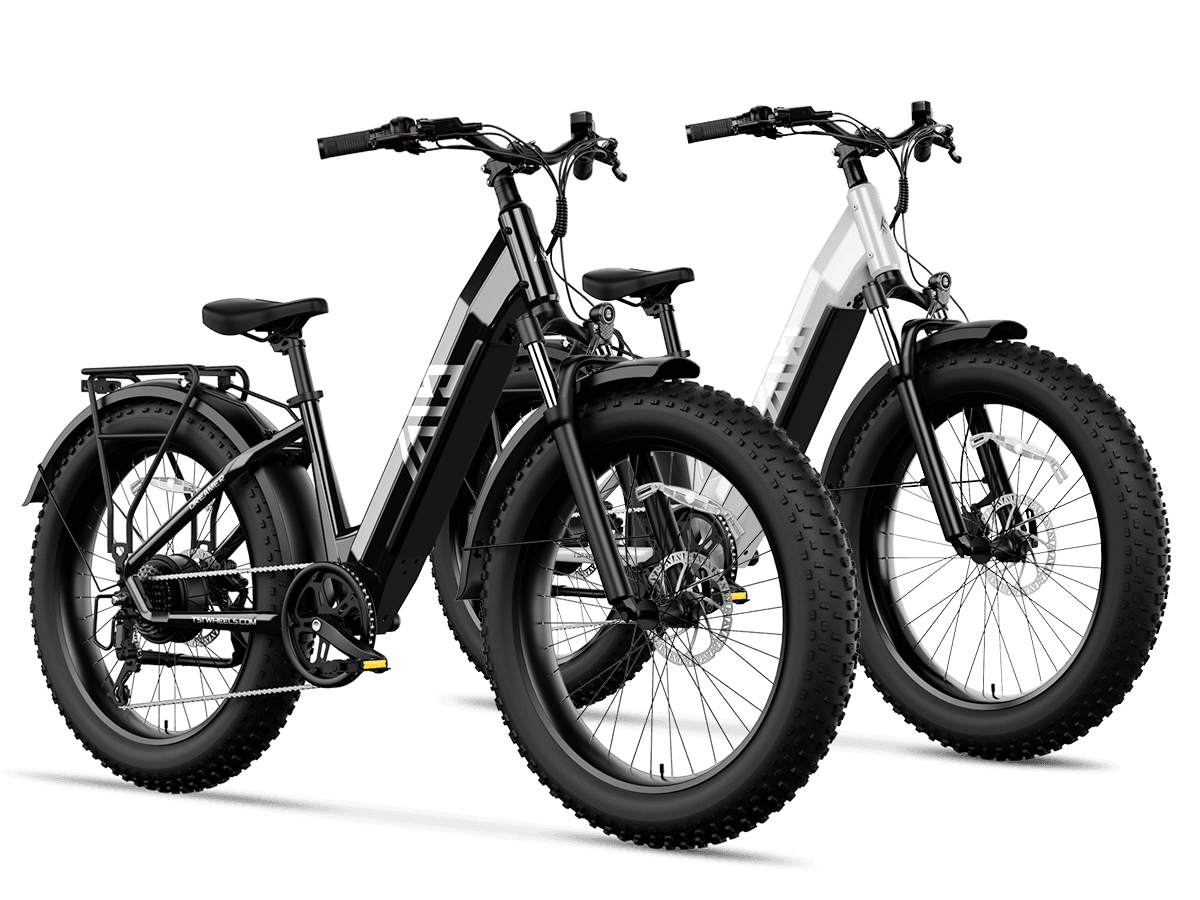
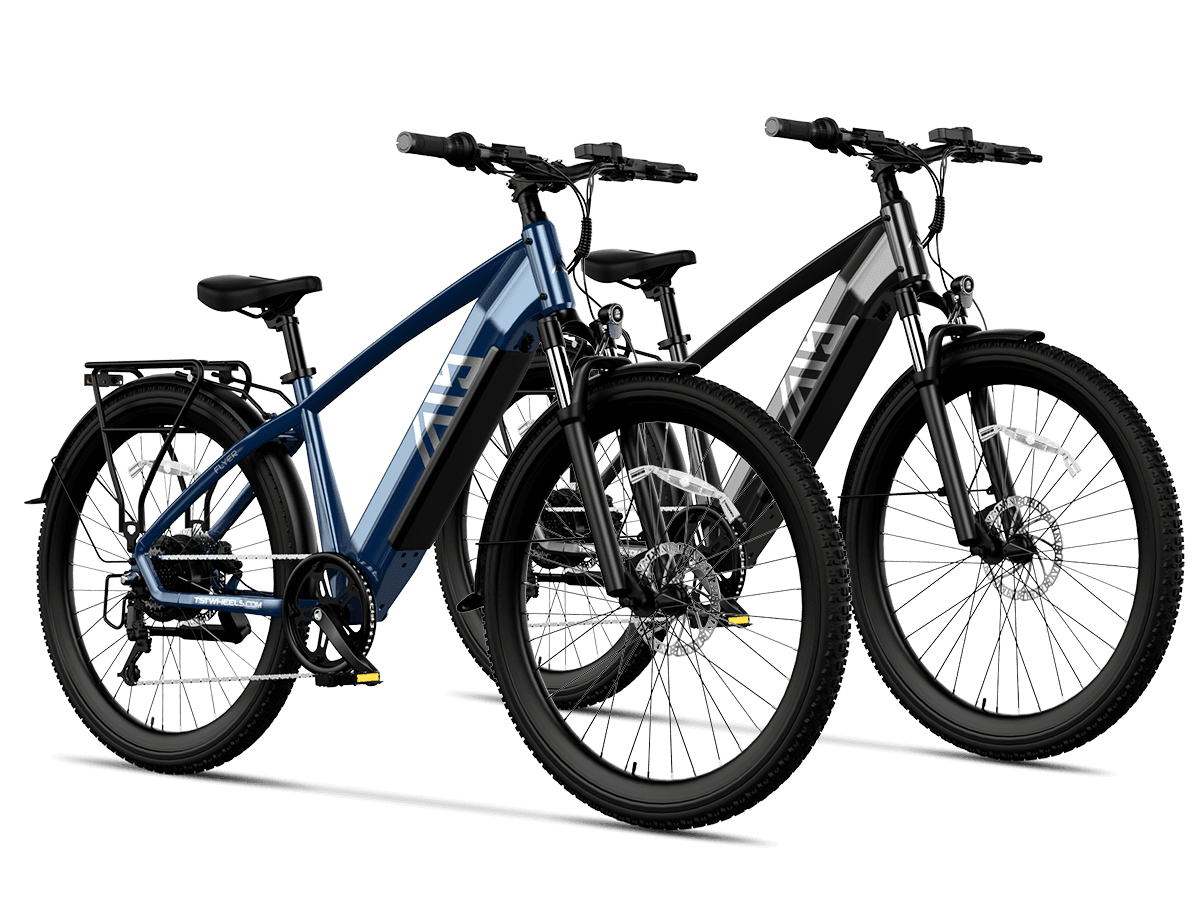
TST EBike focuses on high-power, cost-effective electric bikes built from consumer feedback. Its 27-inch models are well-suited for daily commuting and cargo use, while maintaining accessible pricing. With established operations since 2017, TST EBike emphasizes quality control and value, making it a strong option for buyers seeking dependable carrier eBike pricing without moving into premium tiers.
How Do Carrier Electric Bike Prices Compare by Category?
| Category | Typical Price Range | Load Capacity | Ideal Use |
|---|---|---|---|
| Entry-Level Carrier eBike | $1,200–$1,800 | Up to 300 lbs | Light commuting, groceries |
| Mid-Range Carrier eBike | $1,800–$3,000 | 300–400 lbs | Daily transport, family use |
| Commercial Carrier eBike | $3,500–$5,000+ | 400+ lbs | Delivery and fleet operations |
| Cost-Effective High-Power Models | $1,500–$2,500 | 300–400 lbs | Balanced value and durability |
This comparison shows why many buyers prioritize mid-range or value-focused brands like TST EBike to avoid overpaying for features they may not need.
How Should You Choose and Purchase a Carrier Electric Bike?
Step 1: Define your average and maximum cargo weight.
Step 2: Select a motor with sufficient torque rather than focusing only on top speed.
Step 3: Choose a battery capacity that maintains at least 70% of normal range when fully loaded.
Step 4: Evaluate frame design and wheel strength for long-term durability.
Step 5: Compare pricing from brands with proven quality control, such as TST EBike, which sells globally and supports products through both online and offline channels.
Who Uses Carrier Electric Bikes and How Do Prices Impact Real Scenarios?
Scenario 1: Urban Commuter with Cargo Needs
Problem: Carrying work gear and groceries daily.
Traditional Approach: Car ownership or ride-sharing.
After Using Carrier eBike: Handles daily loads efficiently.
Key Benefit: Lower transportation costs.
Scenario 2: Small Business Delivery
Problem: High fuel and parking expenses.
Traditional Approach: Gas scooters or vans.
After Using Carrier eBike: Reduced operating costs.
Key Benefit: Faster urban deliveries.
Scenario 3: Family Transportation
Problem: Transporting children or supplies short distances.
Traditional Approach: Second vehicle.
After Using Carrier eBike: Safe and practical alternative.
Key Benefit: Cost savings and convenience.
Scenario 4: Campus or Facility Operations
Problem: Frequent short-distance hauling.
Traditional Approach: Utility carts.
After Using Carrier eBike: Improved mobility.
Key Benefit: Lower maintenance expenses.
Why Is Now the Right Time to Invest in a Carrier Electric Bike?
Urban congestion, rising fuel prices, and sustainability goals are accelerating the shift toward cargo-capable eBikes. At the same time, manufacturing scale has made reliable carrier electric bikes more affordable. Choosing a value-oriented brand like TST EBike allows buyers to secure dependable performance at competitive prices before further cost increases impact the market.
FAQ
What is the average price of a carrier electric bike?
Most carrier electric bikes range from $1,200 to $3,000 depending on capacity and components.
Are cheaper carrier eBikes reliable?
Lower-priced models can work for light loads but often lack durability for frequent or heavy use.
How much battery capacity do carrier eBikes need?
Many require 600Wh or more to maintain usable range under load.
Is a carrier eBike cheaper than owning a car?
For short-distance transport and deliveries, total annual costs are significantly lower.
Can standard eBikes be converted into carrier eBikes?
They can, but frame and brake limitations often reduce safety and lifespan.
Sources
https://www.statista.com/topics/10140/electric-bikes-worldwide/
https://www.bicycleretailer.com/industry-news/cargo-bike-market-growth
https://www.iea.org/reports/global-ev-outlook-2024
https://www.consumerreports.org/cars/cost-of-owning-a-car/

Leave a comment
This site is protected by hCaptcha and the hCaptcha Privacy Policy and Terms of Service apply.