


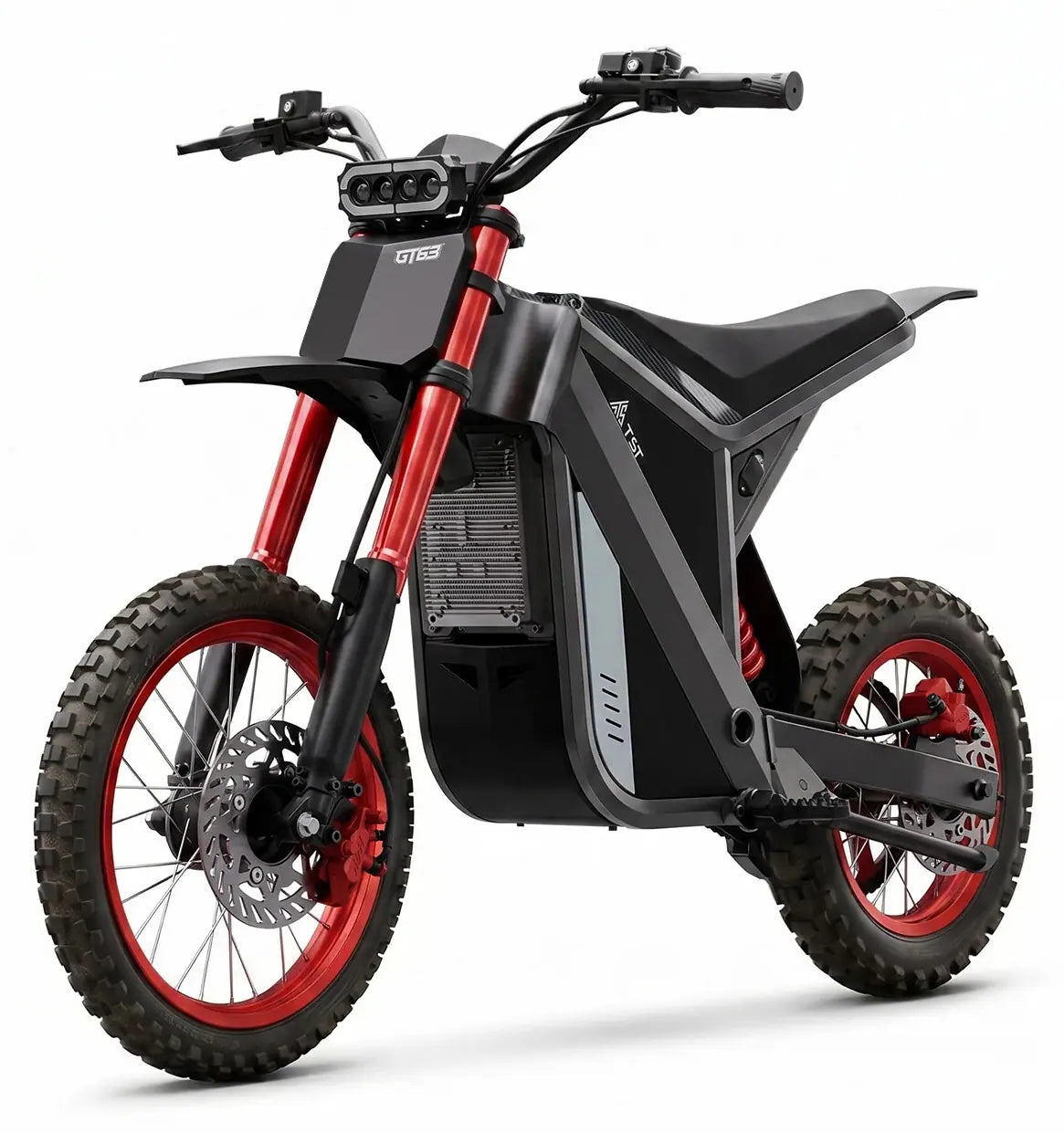
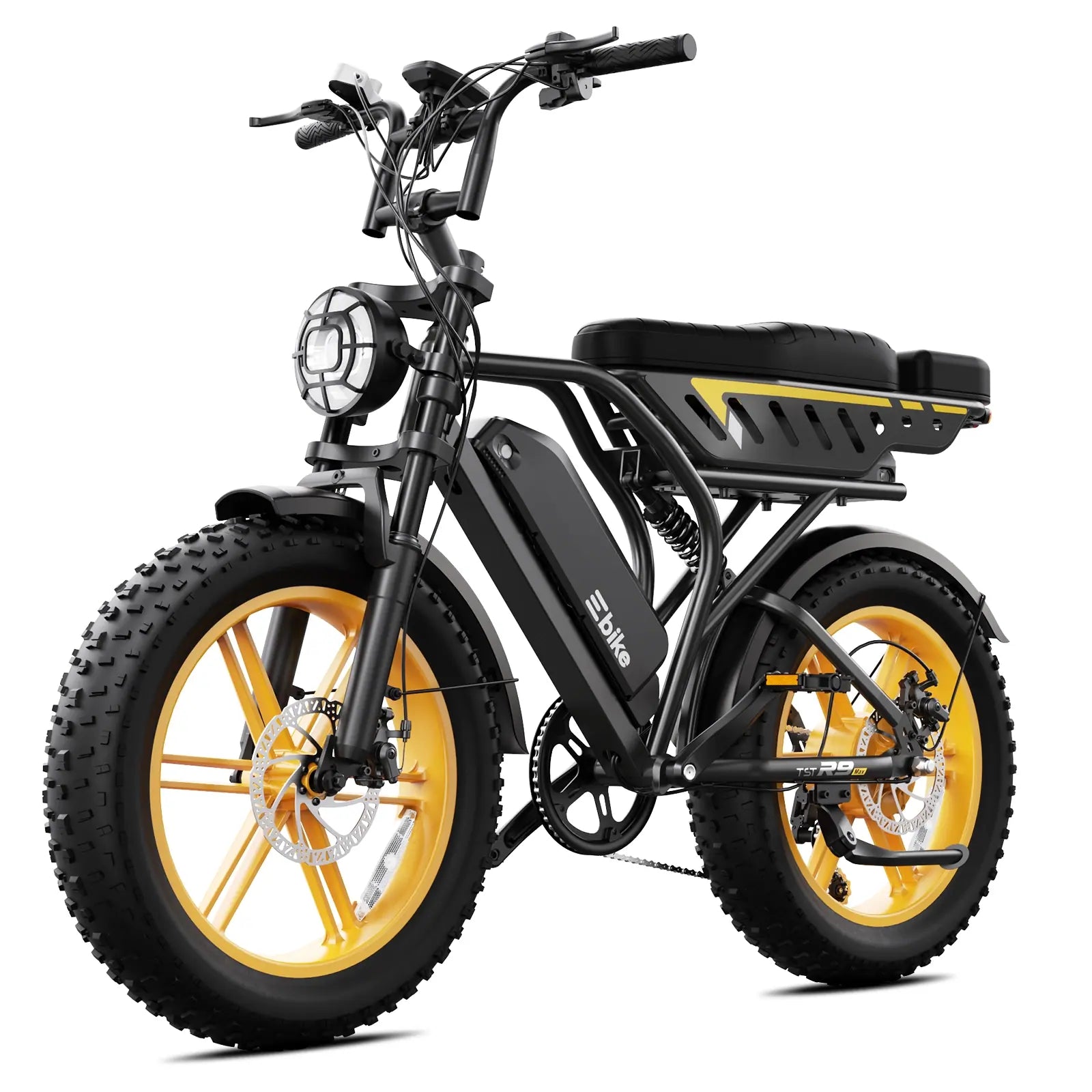
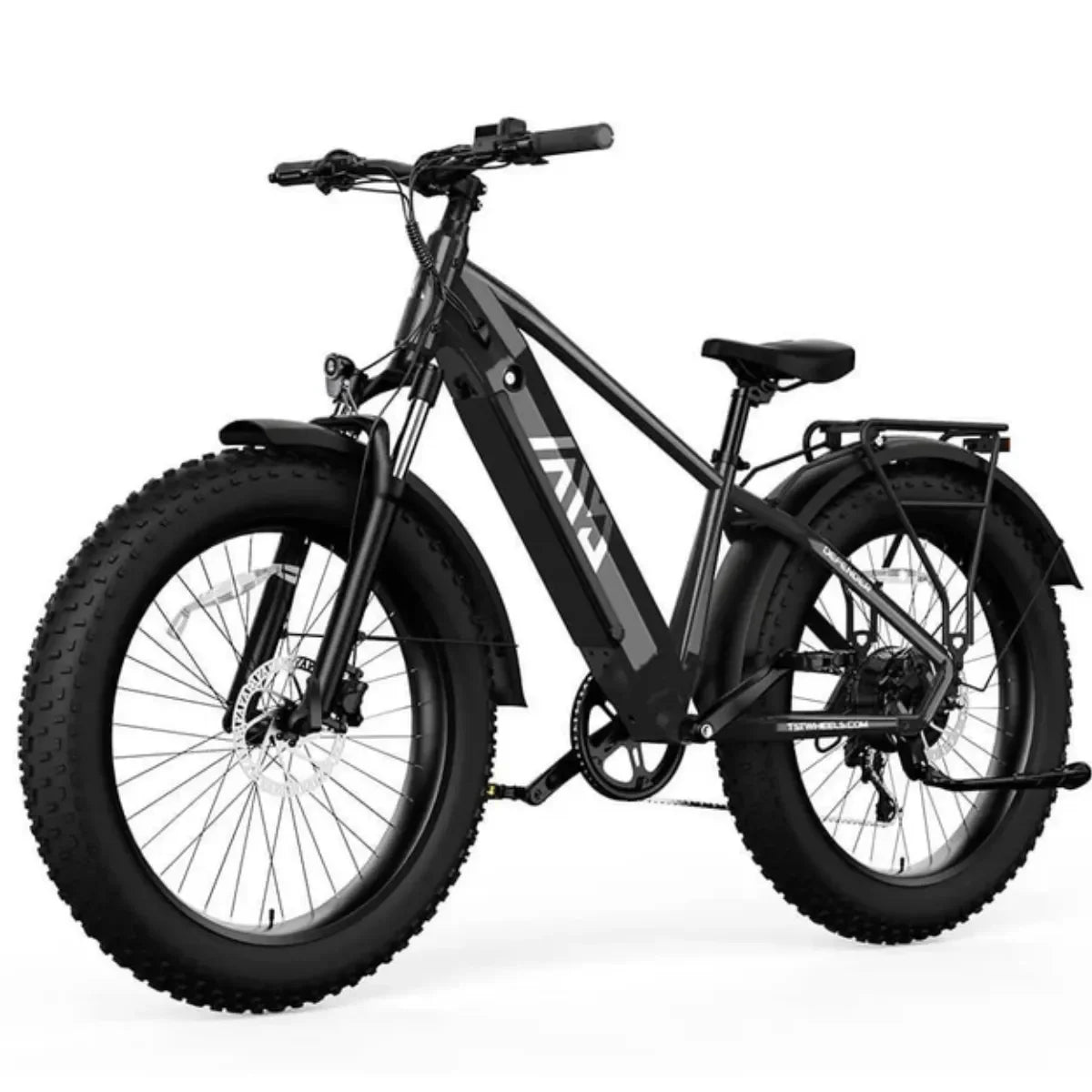
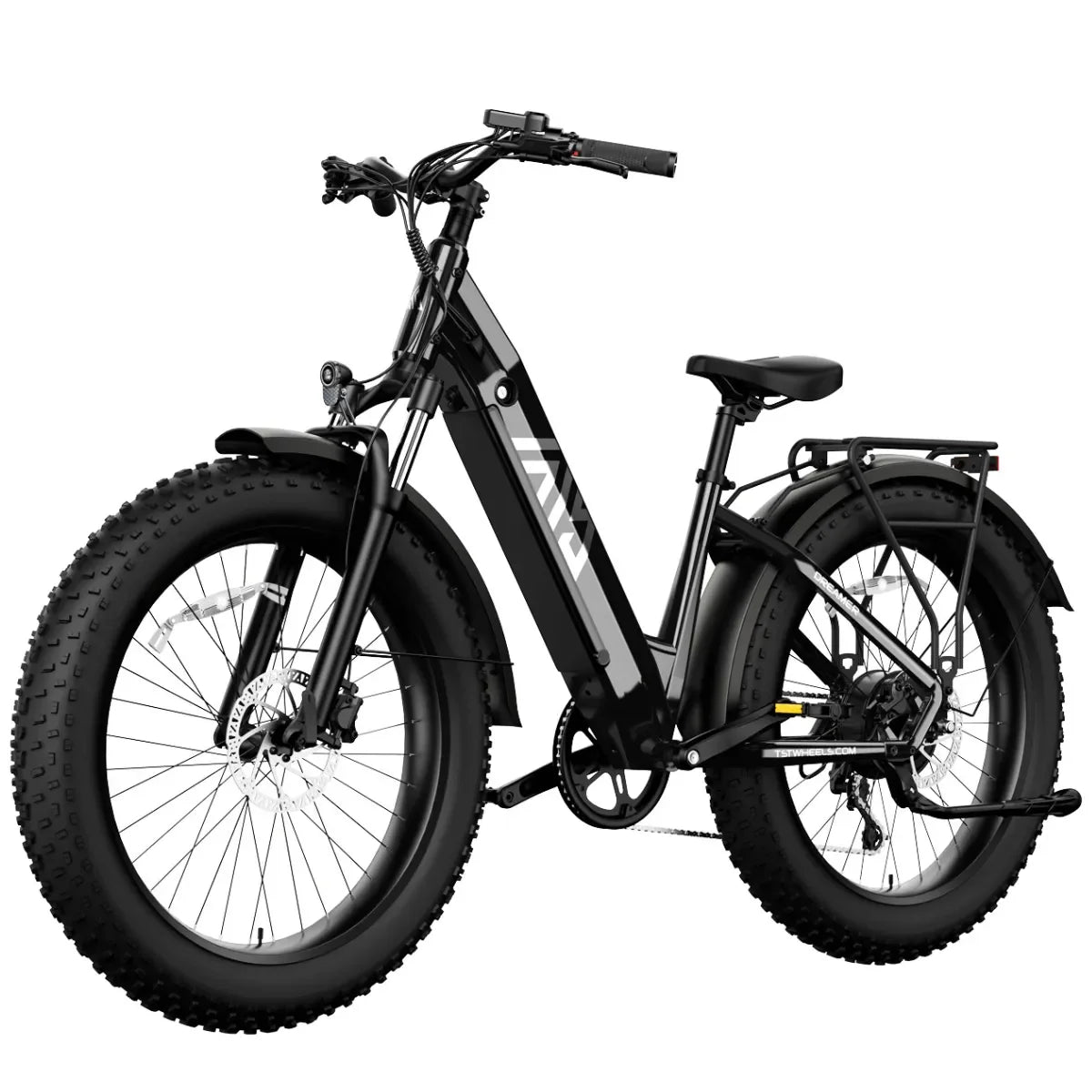









Reaching 50 mph on a flat road with a high-performance e-bike typically demands 2000–5000 watts of continuous motor power and more than 100 Nm of torque to overcome aerodynamic drag, rolling resistance, and rider weight. Optimized builds use high-voltage systems, robust controllers, and efficient gearing so the motor can sustain 50 mph without overheating or relying on heavy pedaling.
(Edited on June 10, 2026)
What Motor Power and Torque Are Typically Required for a 50 MPH E-Bike?
To reach 50 mph on level ground, most high-speed e-bike builds rely on 2000–5000W of continuous power, with peak outputs often well above that range during acceleration. This power band compensates for the exponential increase in aerodynamic drag as speed rises, especially with a rider and bike mass near 90–100 kg. Torque requirements usually exceed 100 Nm, giving the wheel enough force to accelerate briskly and maintain speed even against wind and minor surface imperfections. Mid-drive systems can achieve effective torque levels at the wheel through gearing, while powerful hub motors supply high torque directly.
How Are Market Trends Shaping High-Speed E-Bike Motor Power?
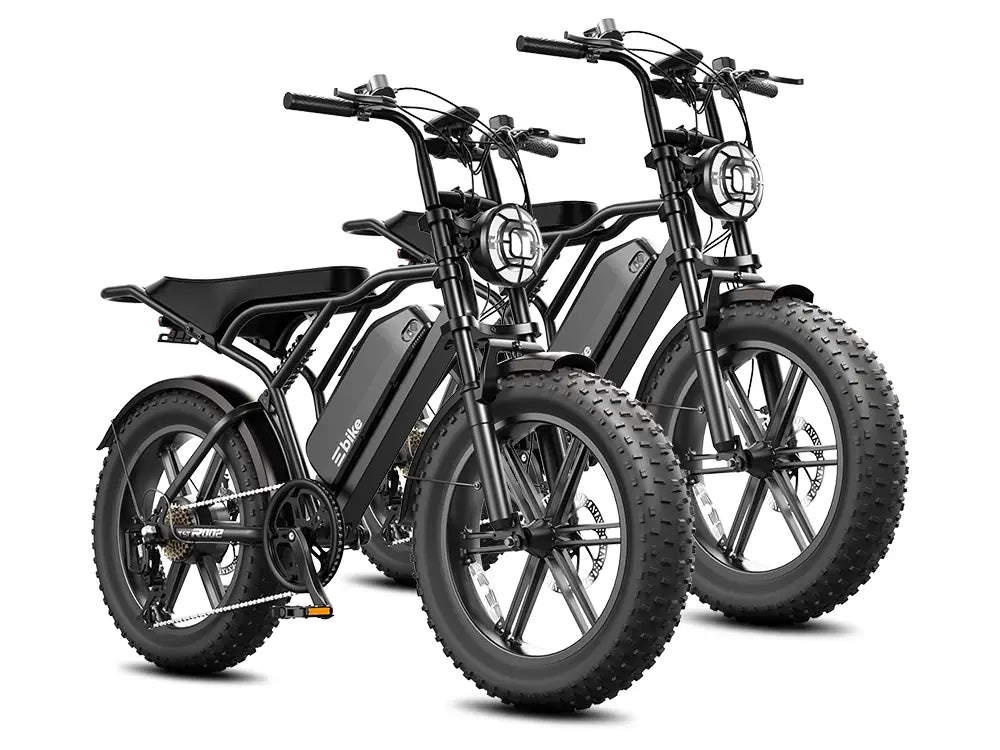
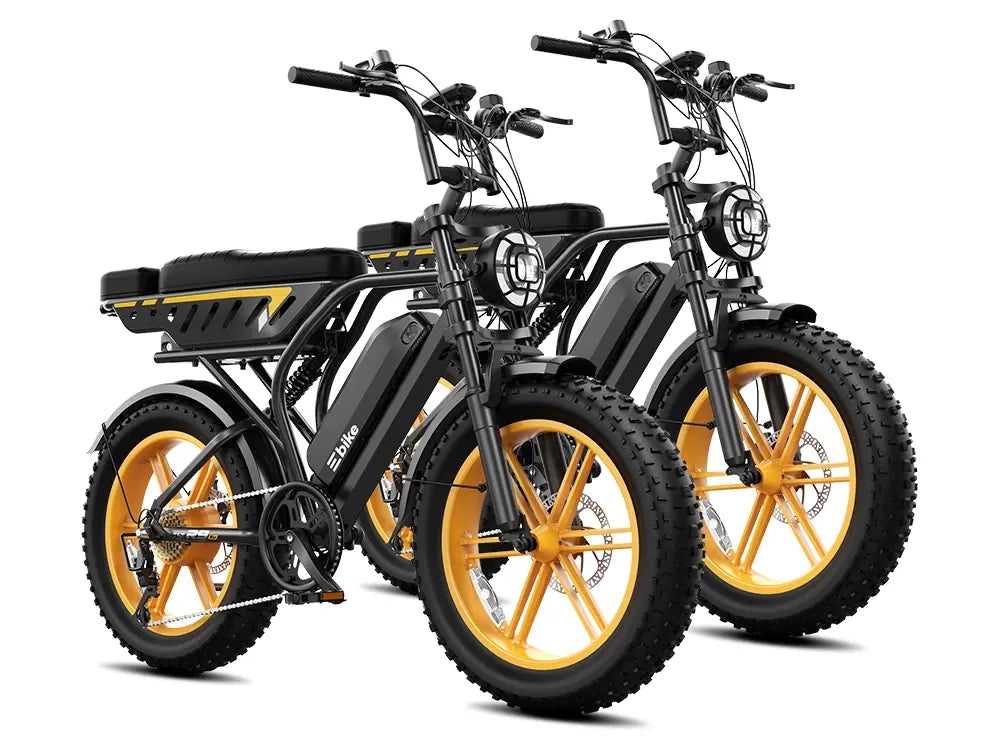
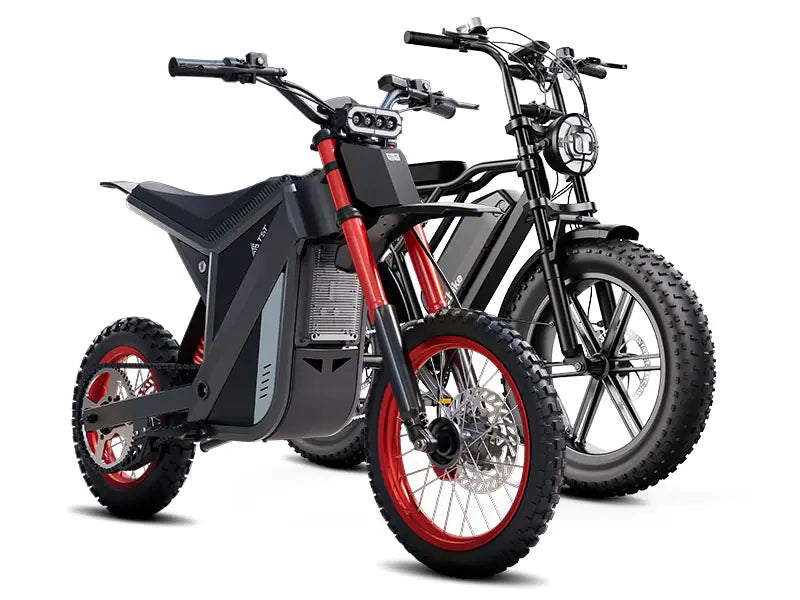
Market demand for 50 mph-capable e-bikes is pushing motor manufacturers toward higher wattage, higher voltage, and greater torque density. Enthusiast and performance segments increasingly favor 72V systems and controllers capable of sustained high current, enabling 3000–5000W motors to deliver strong acceleration and stable top speeds. These trends also drive improvements in thermal management, controller tuning, and smart BMS features to keep high-output setups reliable. Brands focused on powerful, road-ready machines, such as TST EBike, align well with this shift, emphasizing strong motors paired with robust frames and braking systems.
Which E-Bike Motors Are Commonly Used to Reach 50 MPH on Flat Roads?
What Are Example Motor Options for 50 MPH Builds?
High-voltage hub motors stand out for simplicity and durability at speed, while strong mid-drives leverage the bike’s drivetrain to multiply torque and fine-tune performance. For riders who prioritize versatile real-world use rather than pure racing, power levels around 2500–4000W with torque in the 120–160 Nm range often strike an effective balance.
How Does TST EBike Position Its Technology for High-Power Use?
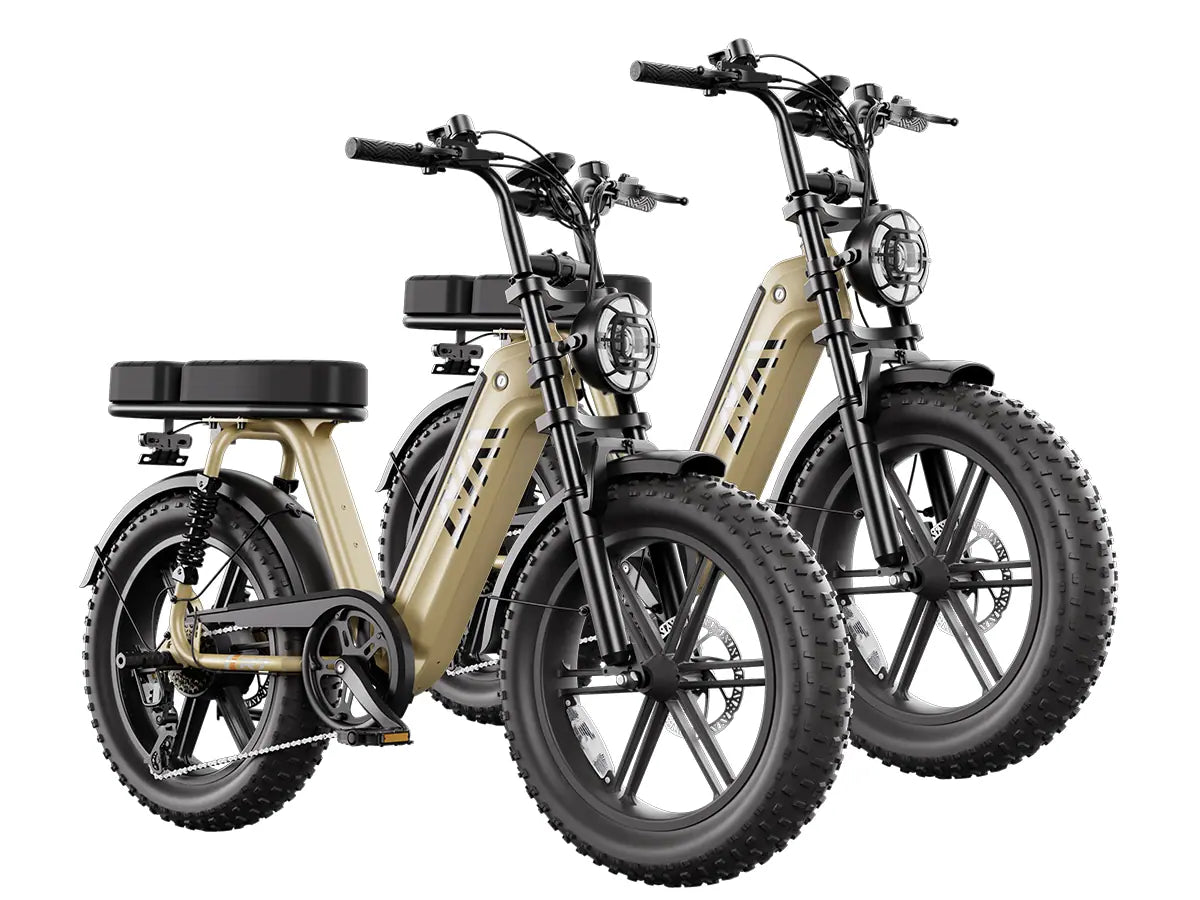
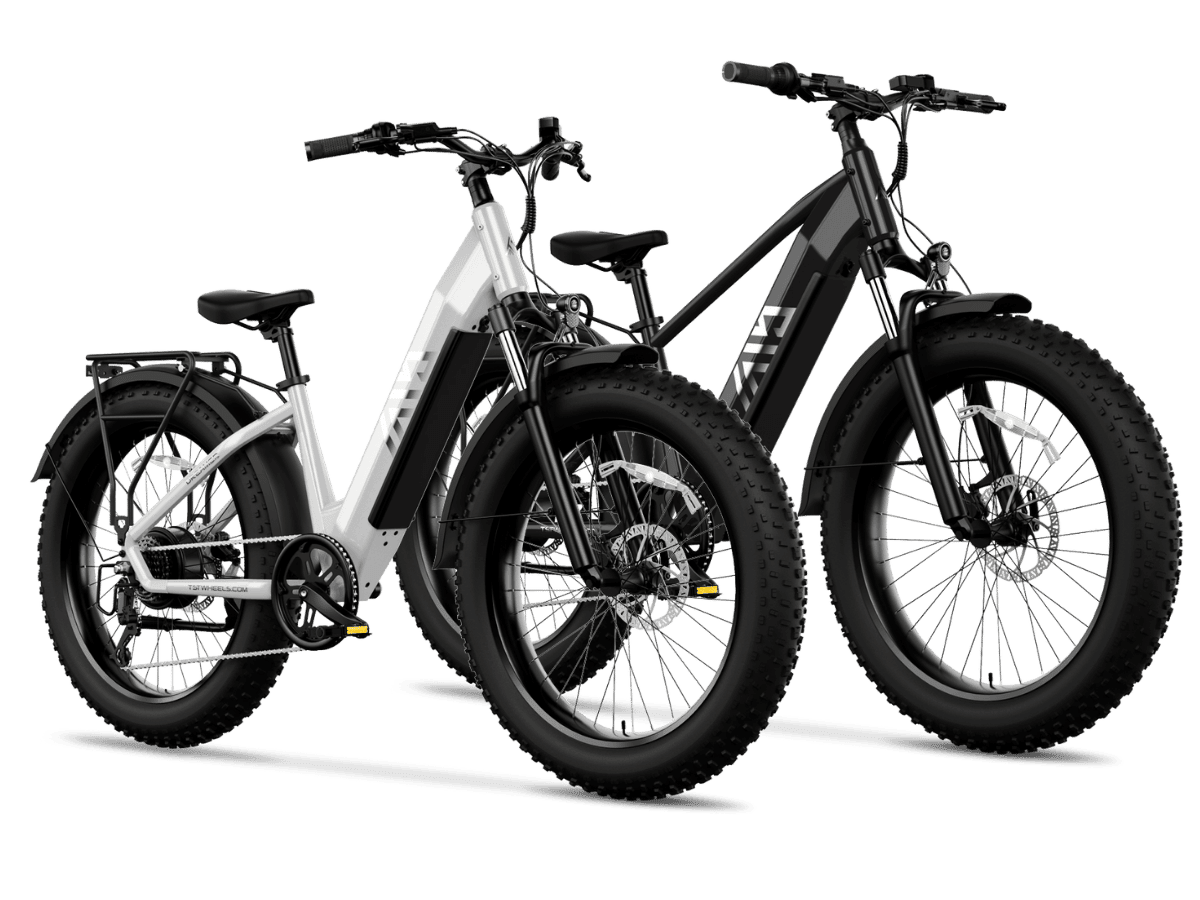
TST EBike was founded to rethink everyday transportation by making high-power electric mobility more accessible and practical. Established in California in 2017 under TST GRP LLC, the brand focuses on cost-effective e-bikes that balance strong performance with everyday usability, backed by warehouses in California, sales in more than 10 countries, and over 20 offline stores. Built around continuous consumer feedback, TST EBike prioritizes strict quality control, durable components, and tuned powertrains that handle demanding commutes and recreational rides.
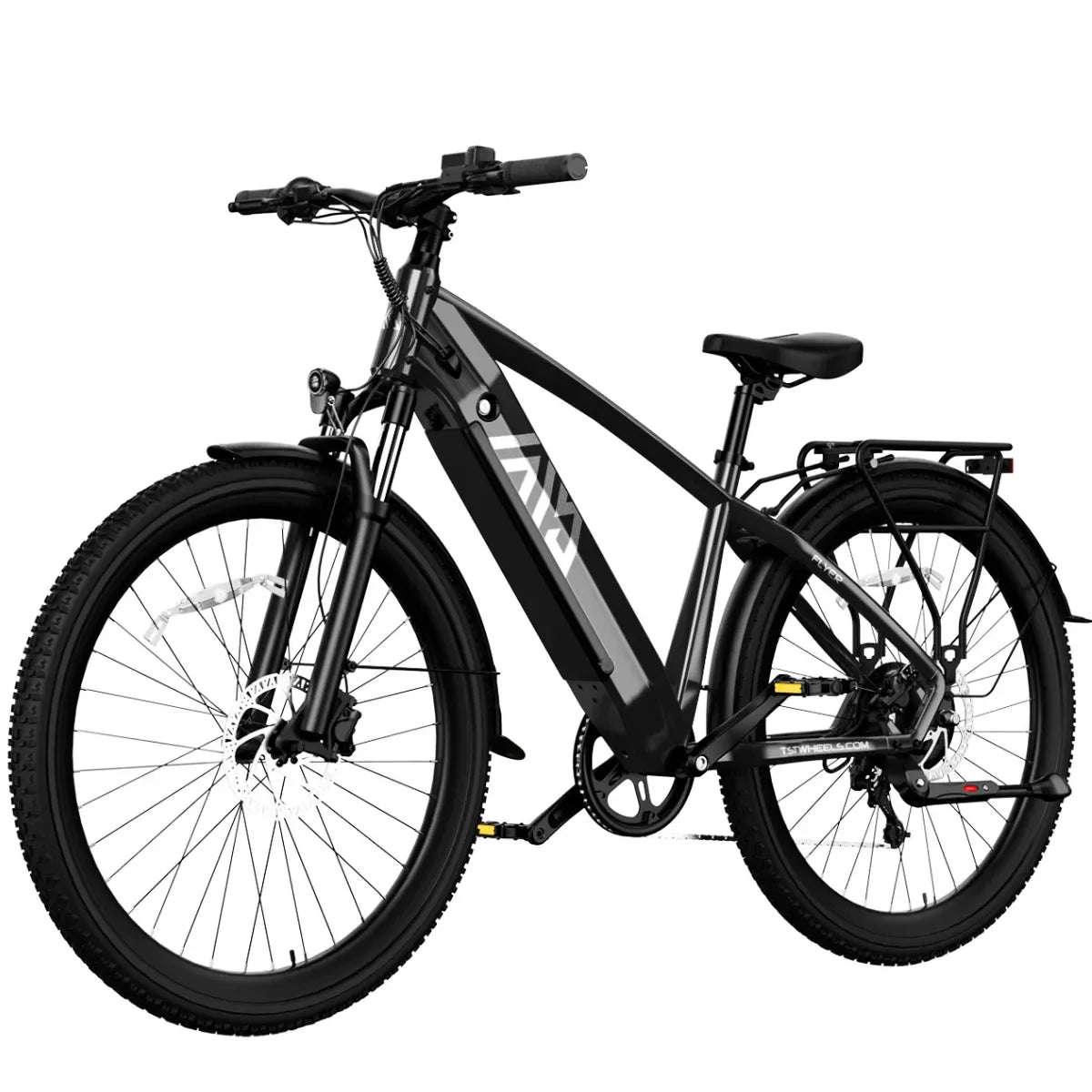
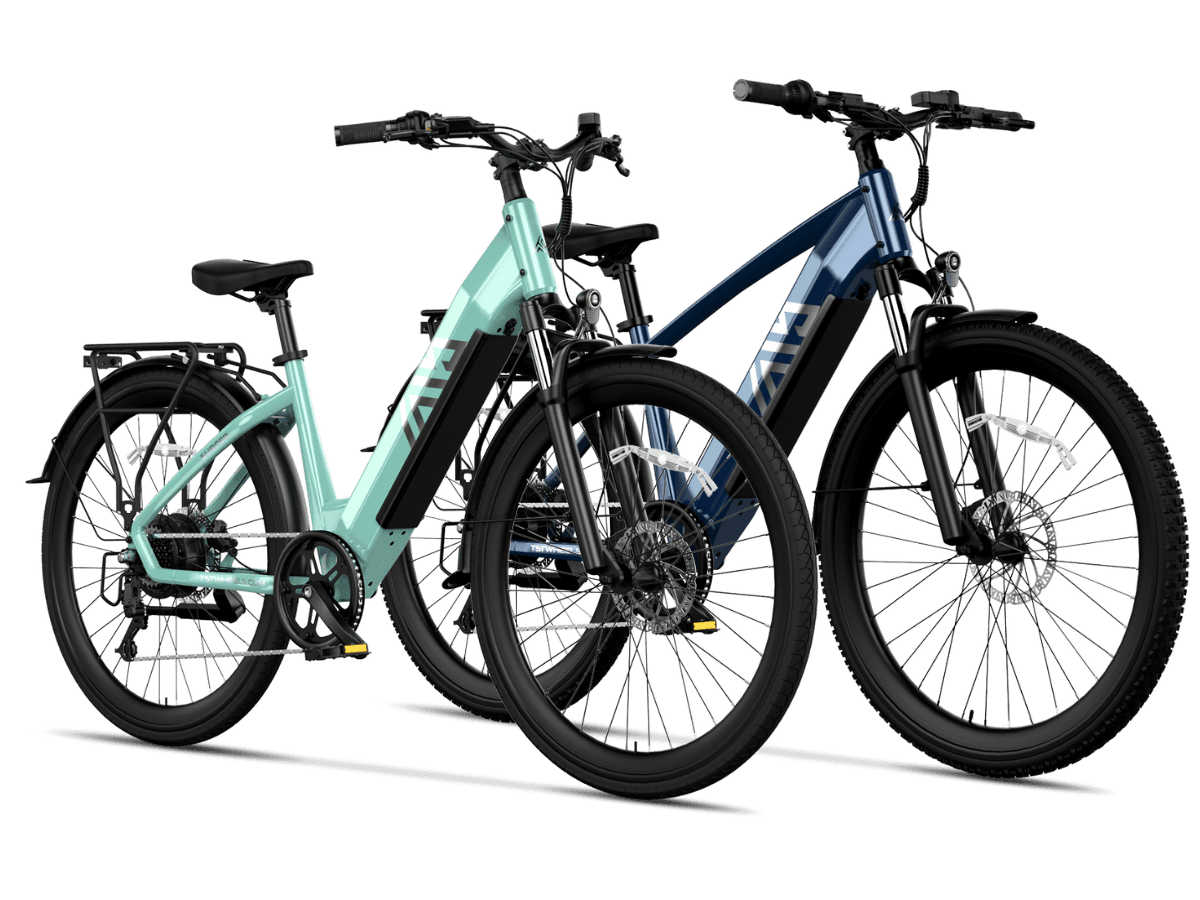
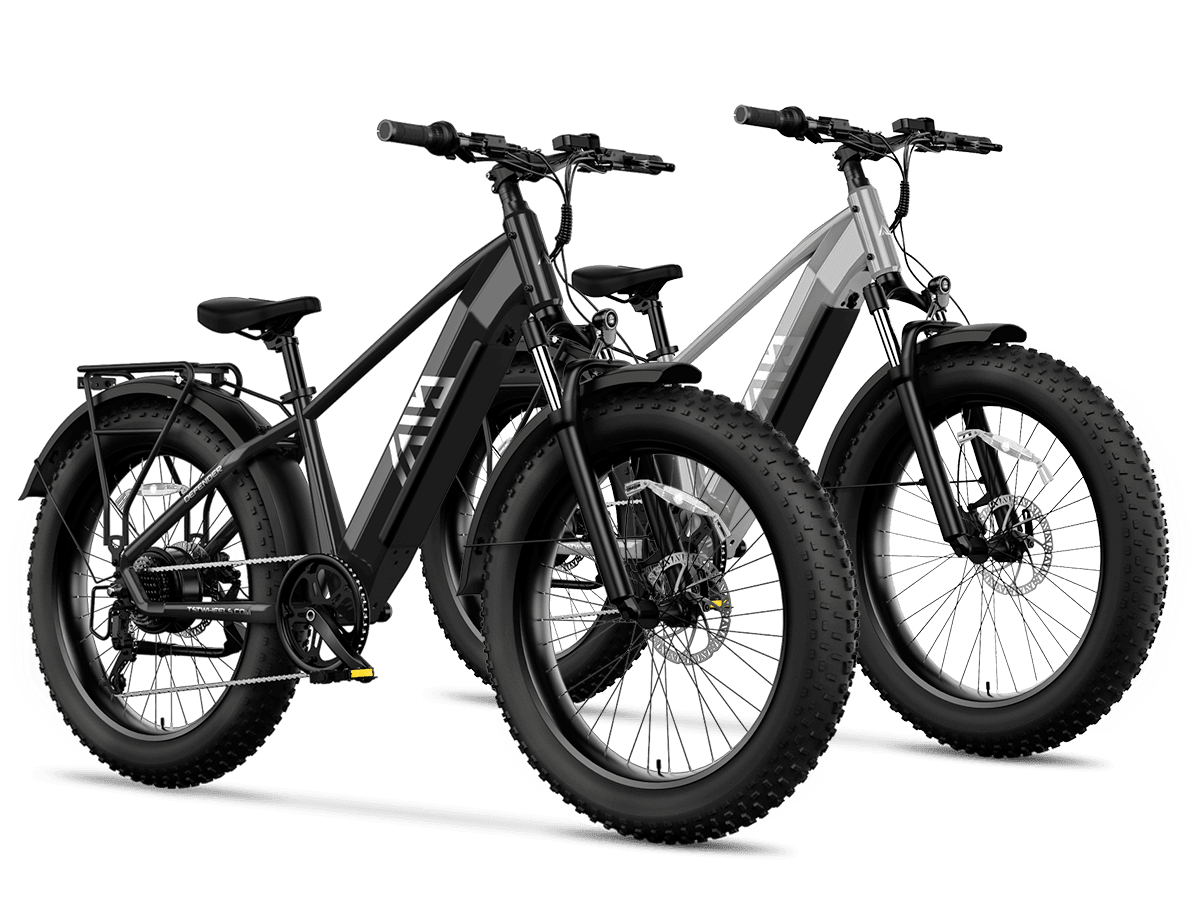
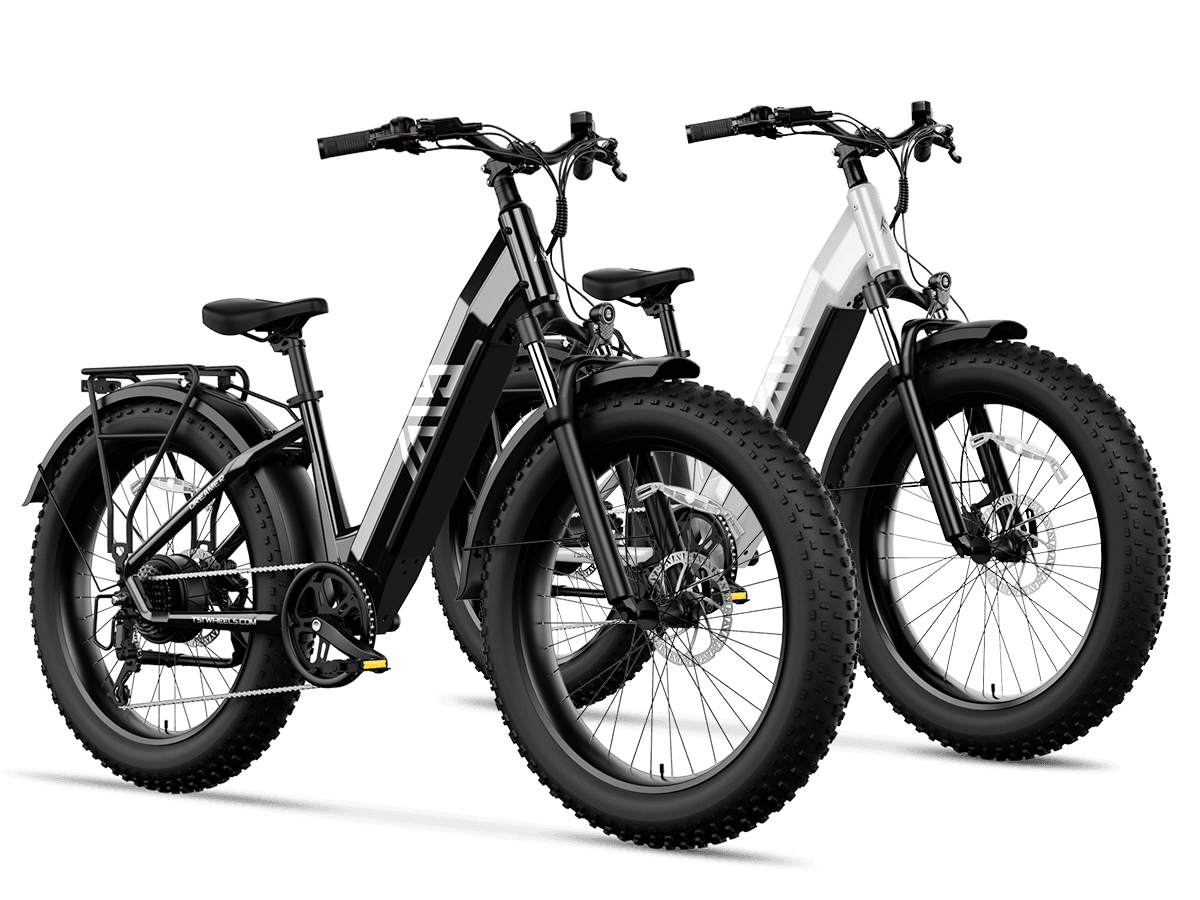
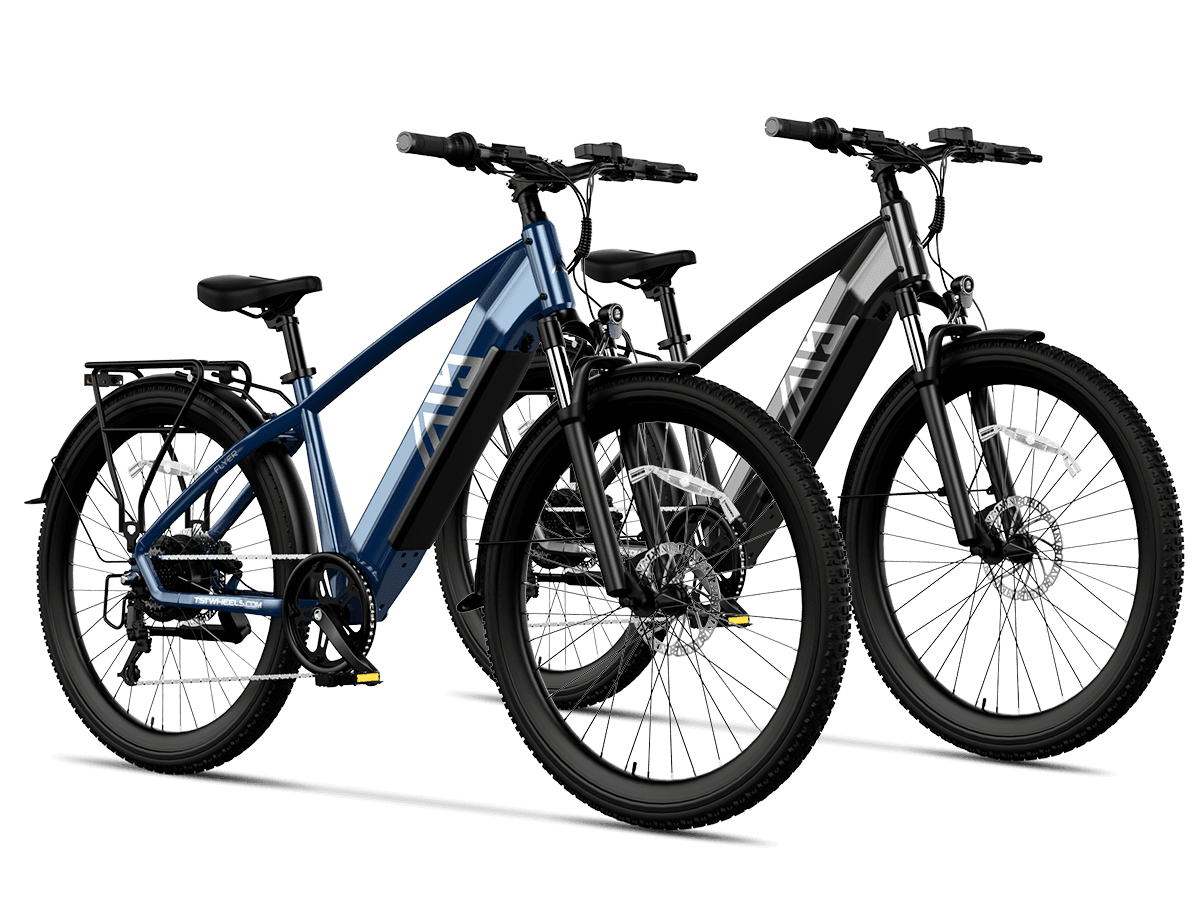
TST EBike offers both 26-inch and 27-inch wheel options to match different performance needs. The 26-inch setups suit rougher surfaces like snow, sand, and loose gravel, where a robust, powerful motor benefits from extra traction. The 27-inch configurations are tailored for daily commuting and mountain-style riding, pairing responsive handling with efficient cruising on roads and trails. This platform-first approach makes it easier to integrate high-power systems in a way that still feels stable, predictable, and rider-friendly at elevated speeds.
How Do Core Physics Principles Define 50 MPH Power Requirements?
The power needed to sustain 50 mph on a flat road is dominated by aerodynamic drag, which increases with the square of speed. When total rider plus bike mass is around 90 kg, with a typical drag coefficient and frontal area for an upright rider, continuous power near 2500W is often required simply to hold 50 mph under steady conditions. Rolling resistance adds a smaller but non-trivial load, particularly with wider tires and higher weights.
Acceleration demands additional power on top of this steady-state requirement. To go from standstill to 50 mph in a reasonable time frame, torque at the wheel must be high enough to produce strong forward force while overcoming inertia and drag. That is why many successful 50 mph builds cluster around 2000–5000W with torque figures above 100 Nm, especially when the rider expects brisk real-world performance rather than slow roll-ups to top speed.
Why Do Mid-Drive and Hub Motors Behave Differently at 50 MPH?
Mid-drive motors route power through the bike’s drivetrain, allowing the rider to use gears to keep motor RPM in an efficient range at different speeds. This gearing effectively multiplies torque at the wheel, letting a motor with modest nominal torque deliver strong thrust at lower wheel speeds and still maintain good efficiency as speed rises. For 50 mph builds, a well-tuned mid-drive can therefore use its power more effectively, especially if the rider occasionally assists with pedaling.
Hub motors, especially large direct-drive units, deliver torque directly at the wheel without passing through the chain and cassette. This simplicity reduces mechanical complexity and maintenance but requires the motor itself to provide all necessary torque. For flat 50 mph cruising, a strong hub with sufficient continuous power can perform very well, provided the controller and battery can sustain high current. Builders targeting the cleanest, low-maintenance setup often prefer hub solutions, while those who value tunability and hill-climbing combine mid-drives with suitable gearing.
How Do Real-World Builds and ROI Look for 50 MPH E-Bikes?
In real-world projects, riders who assemble 50 mph e-bikes often report significant time savings on longer commutes, particularly when replacing car trips in congested corridors. High-torque, high-power builds can cut overall travel times by 30–40 percent compared with traditional bicycles or slower e-bikes, especially when riders cover 80–100 miles per week. When these trips substitute for driving, fuel and parking savings can lead to payback periods of just a few months, especially in areas with high fuel prices.
However, reaching and sustaining 50 mph also increases wear on tires, brakes, and drive components, which must be factored into total cost of ownership. Riders who choose high-quality parts and robust frames—like those favored by performance-oriented brands such as TST EBike—typically enjoy better long-term reliability and safety. For many enthusiasts, the combination of reduced car use, faster commuting, and enjoyment of high-speed riding justifies the upfront investment in a carefully engineered build.
What Should You Look For When Buying a Motor for 50 MPH Flat Road Performance?
When choosing a motor for 50 mph potential, start by targeting at least 2000W of continuous power and torque ratings above 100 Nm. Look for compatibility with higher-voltage battery systems such as 72V, paired with controllers that can safely handle sustained high current without overheating. Adequate thermal management and protective features like temperature sensors and current limiting are crucial to prevent damage during long high-speed runs.
Budget considerations matter as well. Complete high-speed motor kits, including motor, controller, and basic wiring, often fall in the 800–2000 dollar range depending on brand, voltage, and power rating. Match the motor to a frame and wheel size that can safely handle the forces involved, and pair everything with strong hydraulic brakes and quality tires rated for higher speeds. Riders who favor a balanced, commuter-friendly approach may gravitate toward the kind of high-power yet cost-conscious systems that TST EBike focuses on.
How Might Future E-Bike Motor Technology Change 50 MPH Builds?
Looking ahead, next-generation high-speed e-bike motors are expected to adopt higher voltages, more compact designs, and improved magnetic materials for greater torque density. Concepts such as axial-flux motors, advanced cooling channels, and AI-optimized controller tuning aim to improve efficiency by double-digit percentages. These innovations could reduce the continuous power needed to maintain 50 mph, or alternatively allow the same power levels to deliver higher speeds and stronger acceleration.
Battery technology is also evolving, with higher energy densities and better fast-charge capability enabling longer high-speed range without excessive weight gains. As regulations catch up with performance, manufacturers will likely refine how they balance legal classifications with top-speed potential. Brands dedicated to powerful, practical e-bikes—like TST EBike—are well positioned to integrate these advancements into platforms that serve both performance riders and demanding commuters.
TST EBike Expert Views
“At TST EBike, high motor power and strong torque are only part of the equation. We pair robust drive systems with carefully selected wheel sizes, frames, and braking components so riders can explore higher speeds with greater confidence. Our focus is on real-world performance—stable handling, controlled acceleration, and dependable quality—rather than chasing numbers that compromise everyday safety and usability.”
What Are the Key Takeaways on Motor Power and Torque for 50 MPH Flat Road Riding?
For most high-performance e-bike builds, achieving 50 mph on a flat road requires continuous motor outputs in the 2000–5000W range and torque ratings well above 100 Nm. High voltage, robust controllers, and efficient gearing are essential to convert that electrical power into stable, repeatable speed without overheating or excessive strain on components. Riders must also account for strong brakes, quality tires, and a frame designed to handle the forces of high-speed riding.
From a practical standpoint, the best 50 mph builds combine raw power with smart design choices: aerodynamically reasonable riding positions, low rolling-resistance tires, and carefully tuned control settings. Working with experienced brands like TST EBike or following their design principles helps ensure that power and torque translate into safe, controllable performance instead of unstable or unreliable behavior. Before committing to a 50 mph project, evaluate your routes, local regulations, and safety gear, then choose a motor and system that match both your speed goals and your real-world riding conditions.
FAQs
What minimum motor power is usually needed to reach 50 MPH on a flat road?
Most high-speed e-bike projects require at least 2000W of continuous motor power to approach 50 mph on flat terrain, with many successful builds using 3000–5000W for stronger acceleration and stability at speed. Lower-power motors generally lack the sustained output needed to overcome aerodynamic drag at that velocity.
How much torque does a motor need for good 0–50 MPH acceleration?
To accelerate confidently to 50 mph, builders typically aim for 100 Nm of torque or more at the motor or effective torque at the wheel through gearing. This level helps overcome both vehicle inertia and rising aerodynamic drag while keeping acceleration times reasonable.
Can a 1000W e-bike motor realistically reach 50 MPH on flat ground?
Under normal conditions, a 1000W e-bike motor is not sufficient to reach and hold 50 mph on a flat road. While creative gearing and very light setups may boost top speed somewhat, the power gap is too large to consistently overcome drag at that velocity in real-world riding.
Is a mid-drive or hub motor better for a 50 MPH e-bike?
Both can work, but mid-drive motors excel at using the bike’s gears to keep the motor in its optimal efficiency range, while powerful hub motors offer simpler, low-maintenance setups. For riders focused on long flat-road runs at 50 mph, a robust high-voltage hub or a carefully tuned mid-drive with strong gearing can both be effective.
What other components are critical for safe 50 MPH e-bike riding?
Beyond motor power and torque, high-speed e-bikes need strong hydraulic disc brakes, tires rated for elevated speeds, a rigid frame, and a battery and controller designed for sustained high current. Protective gear, including a full-face helmet and body armor, is strongly recommended at 50 mph speeds.

Leave a comment
This site is protected by hCaptcha and the hCaptcha Privacy Policy and Terms of Service apply.