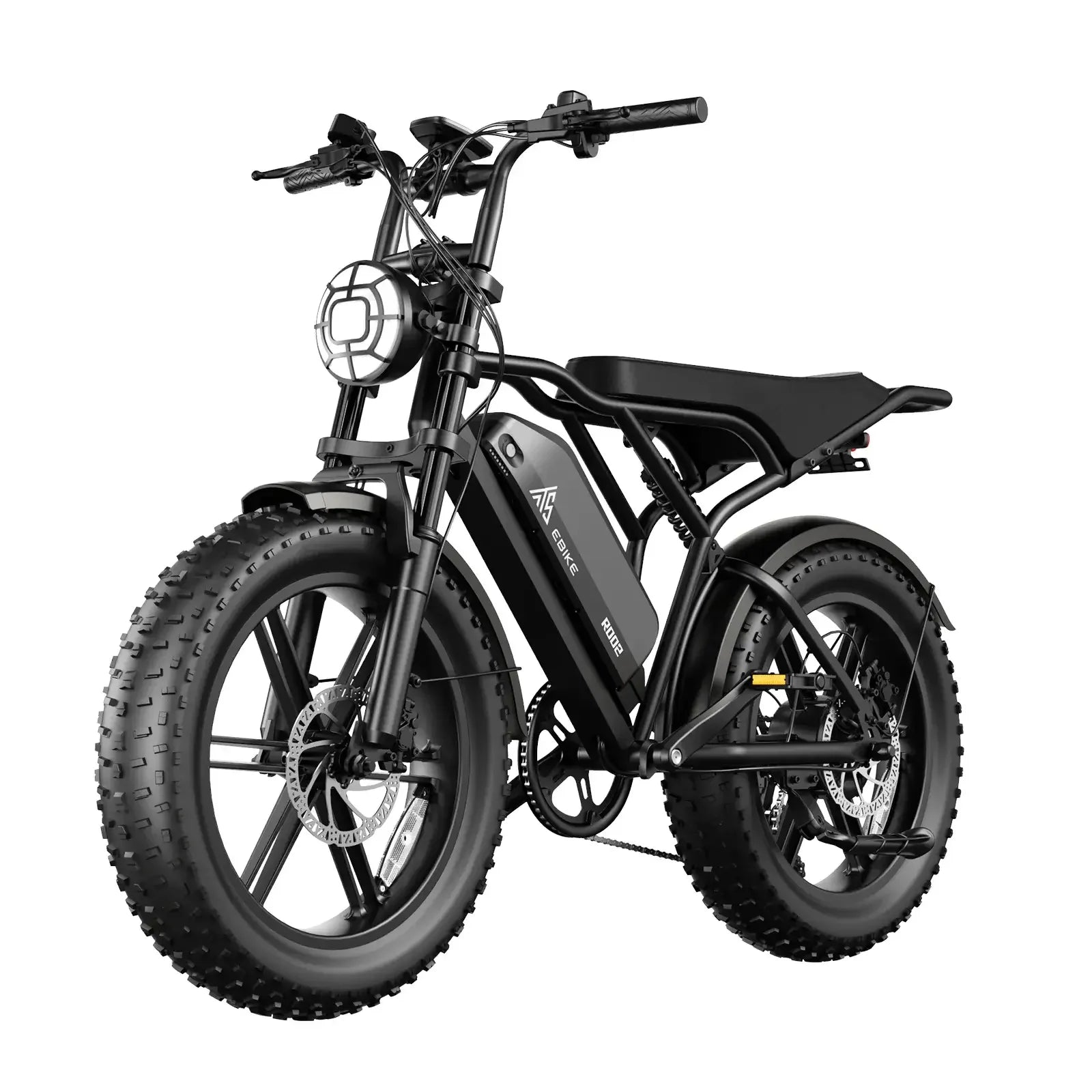

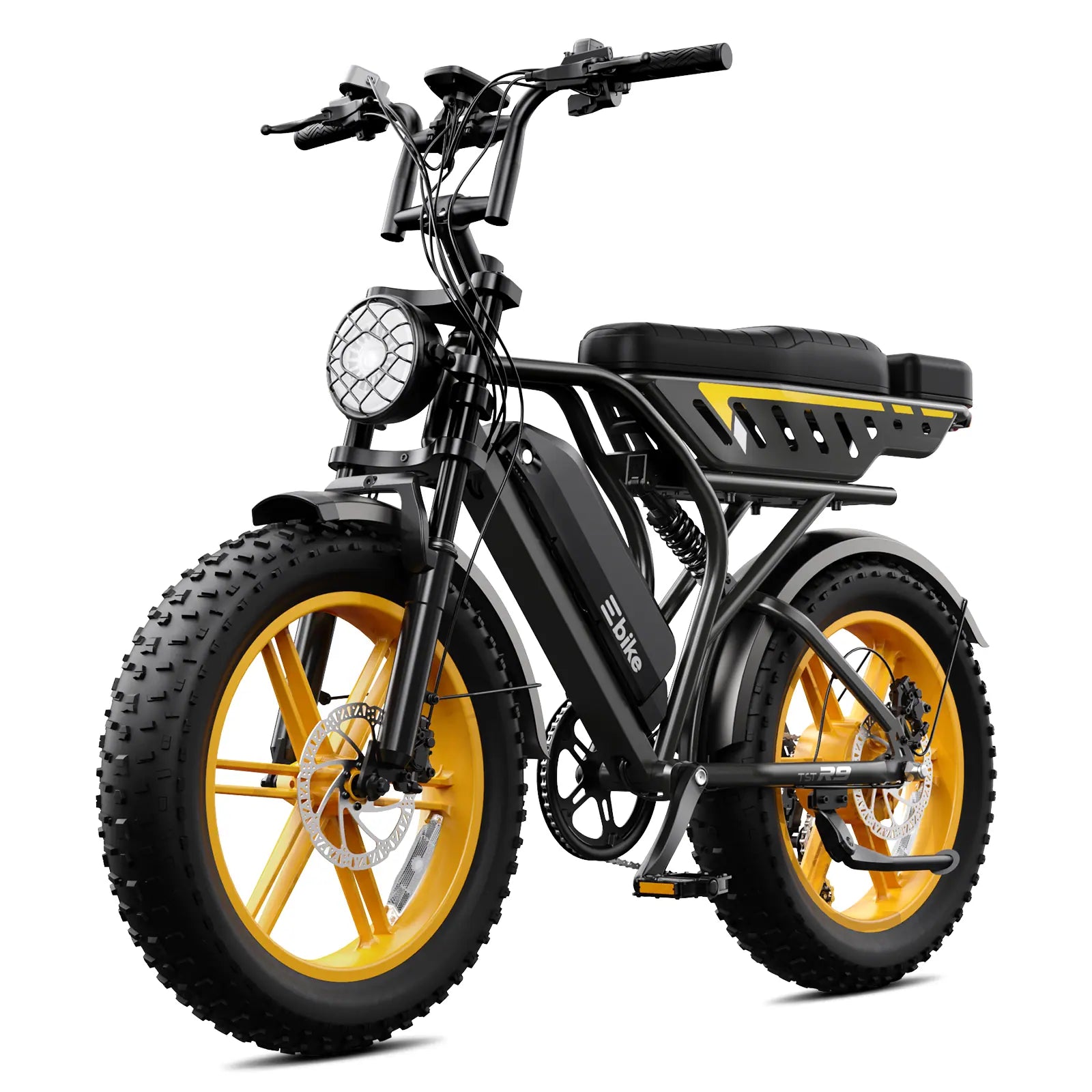

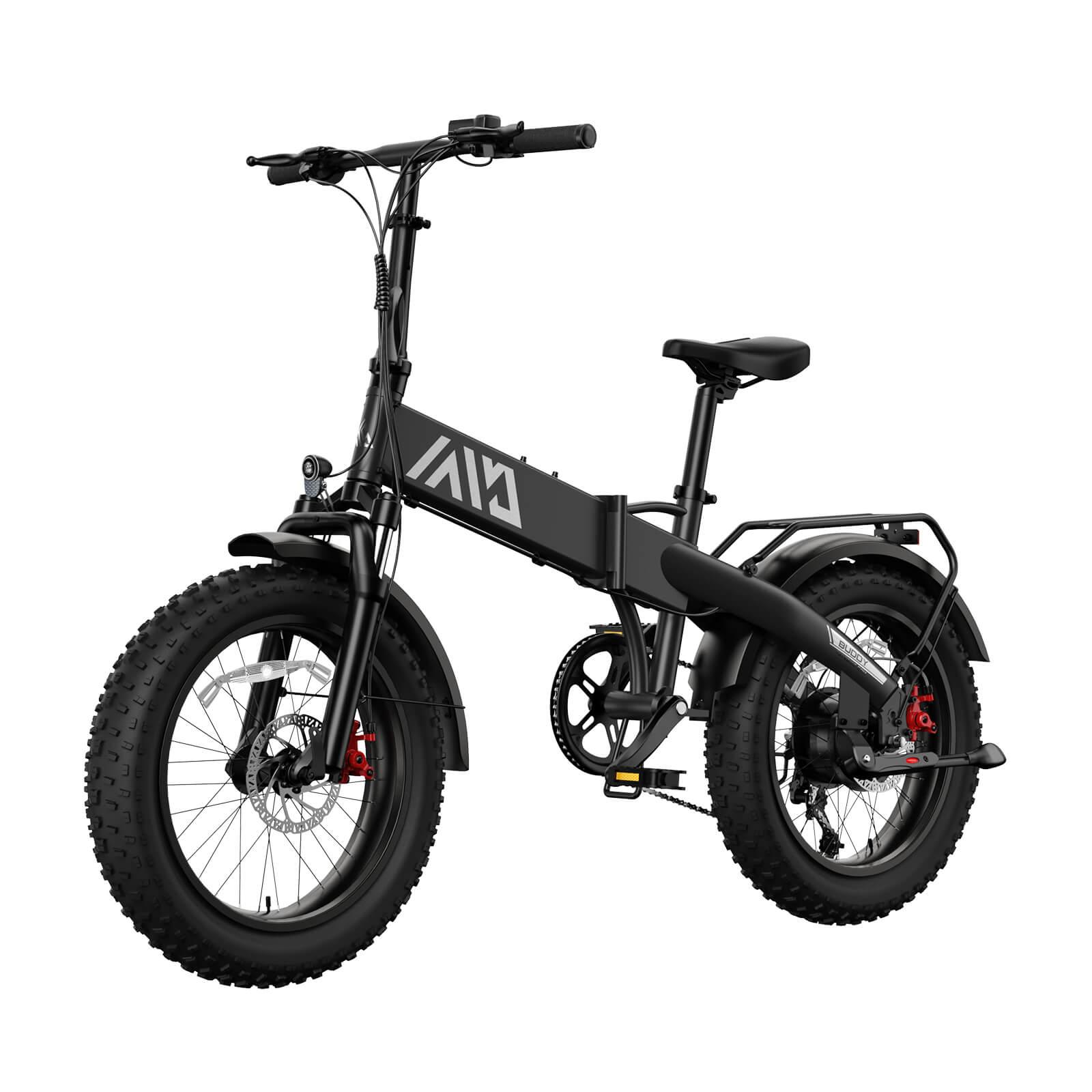

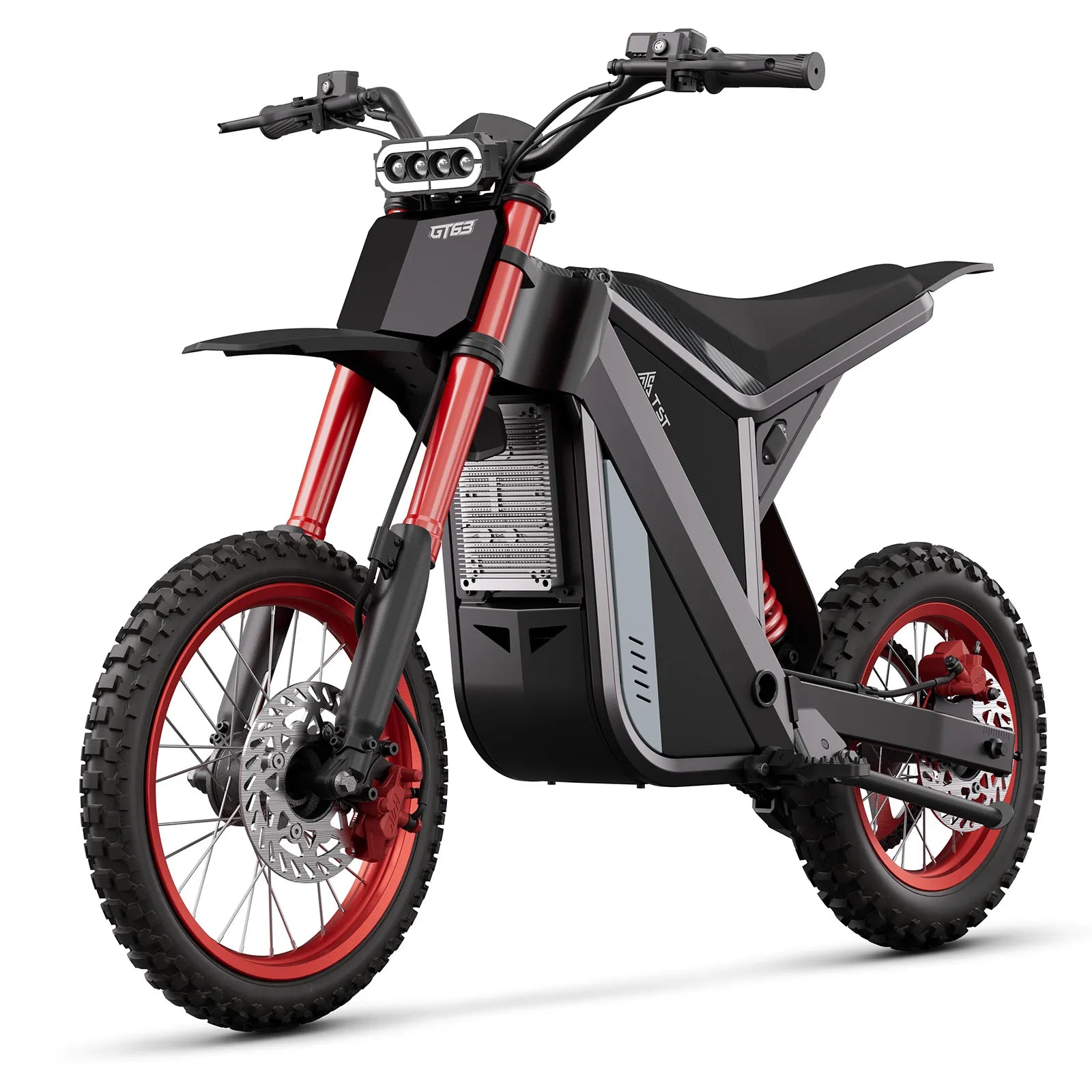
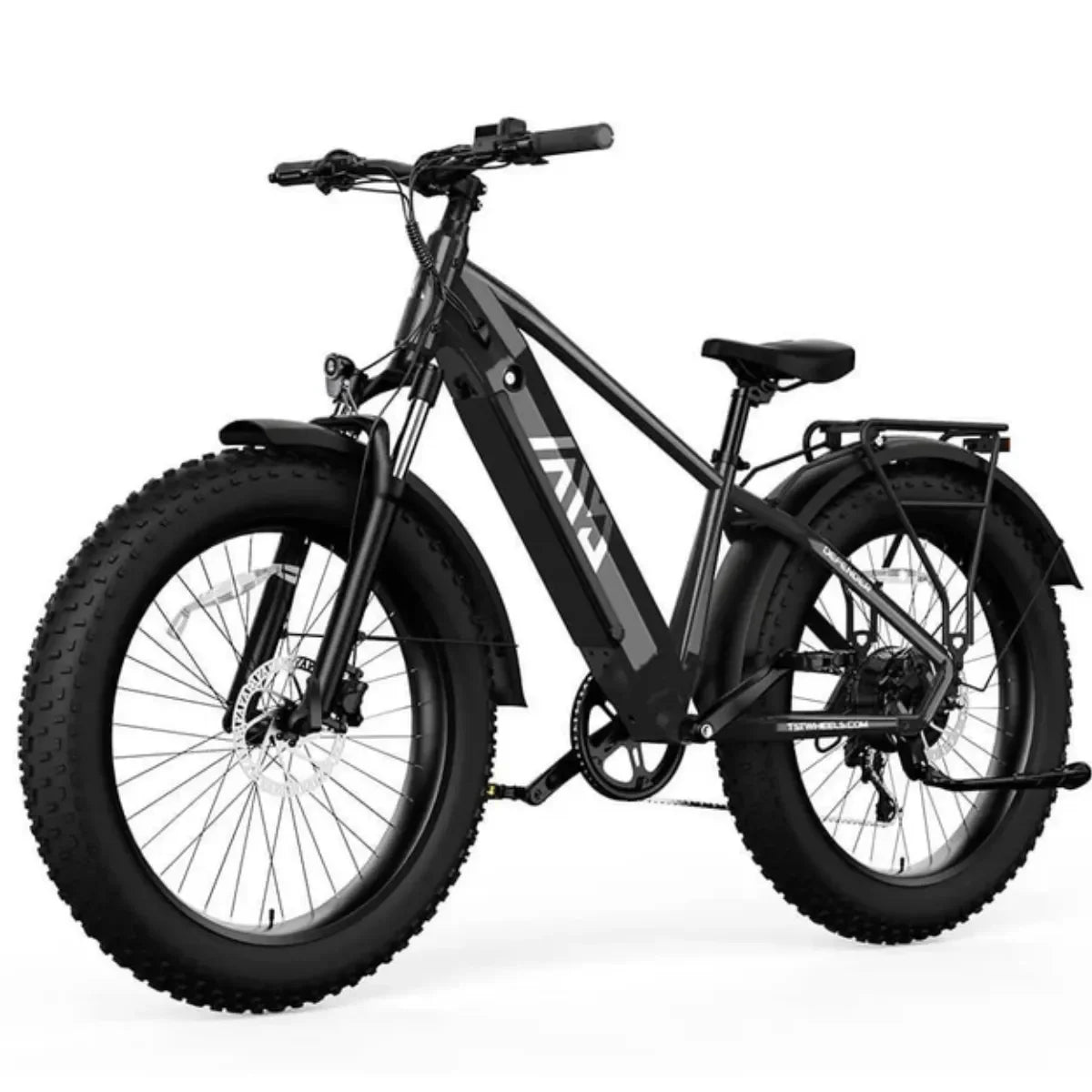
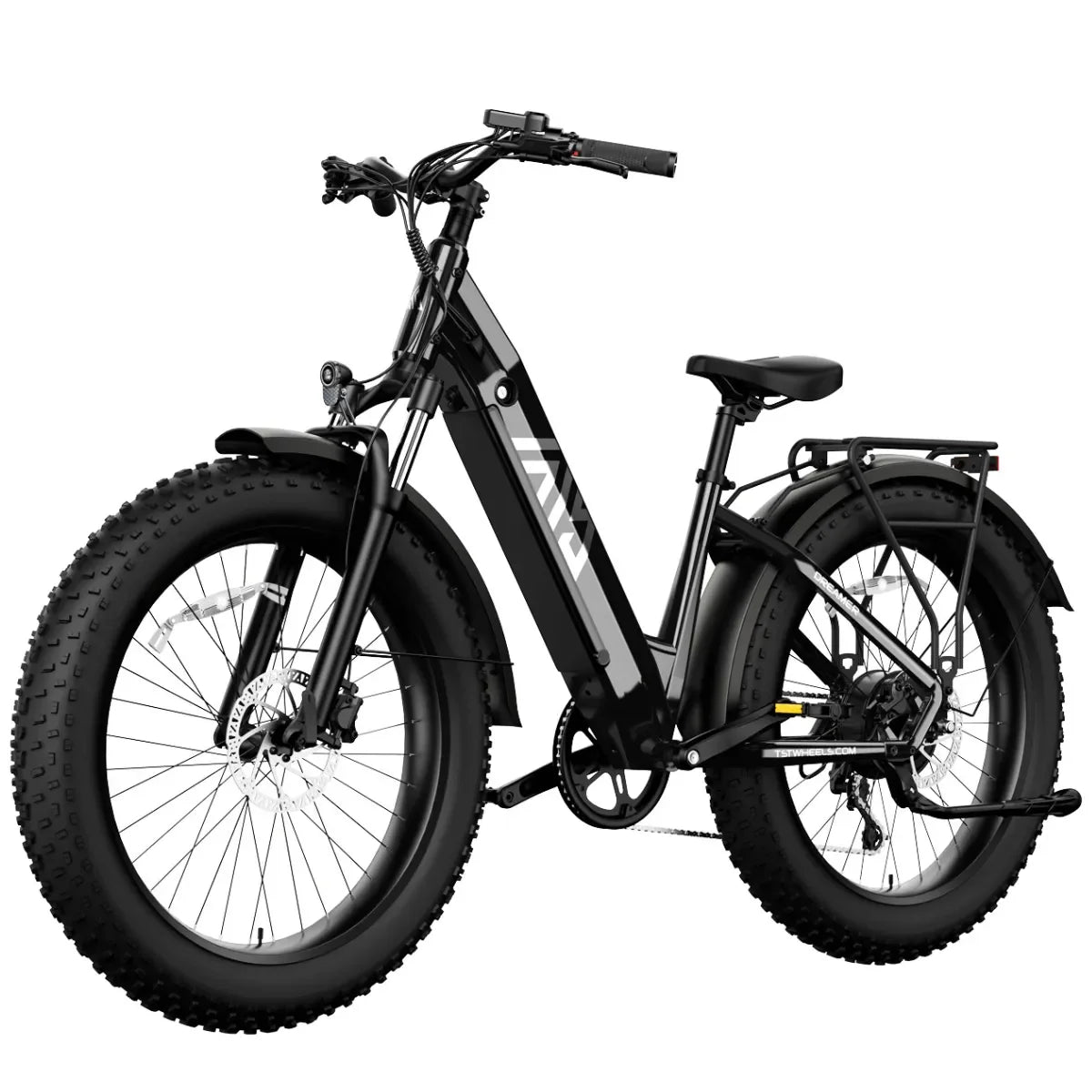

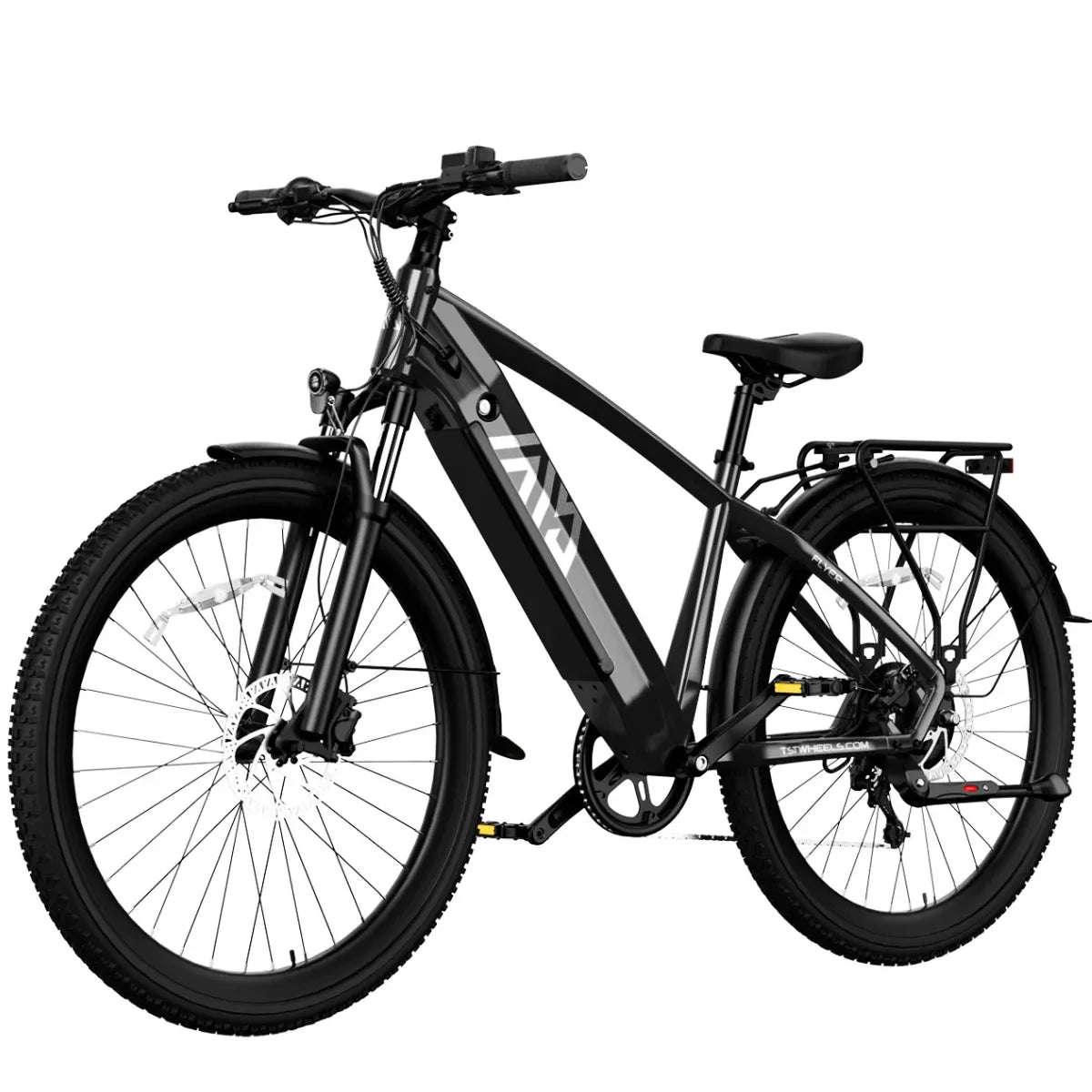

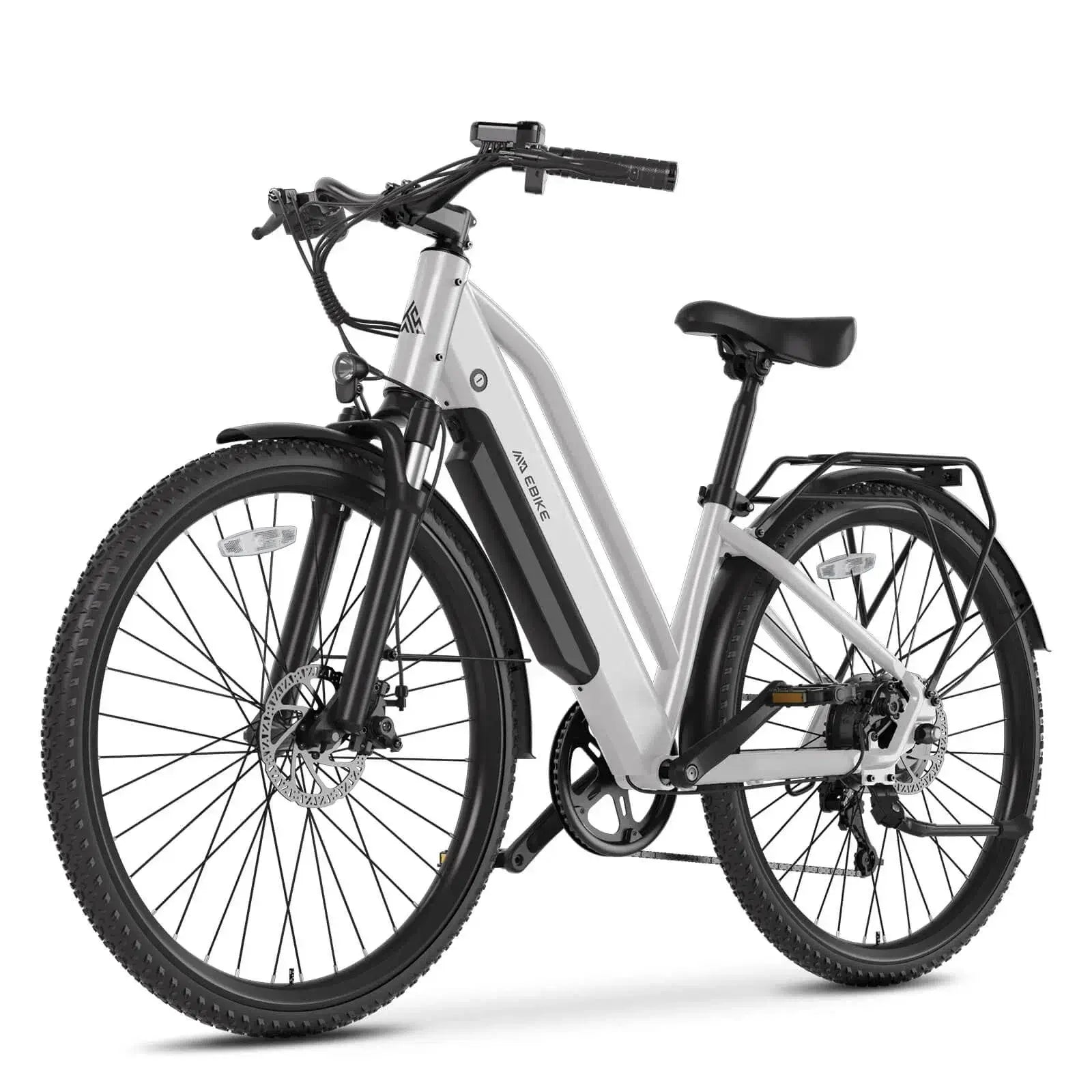








Before a bike ride, perform the ABC check (Air in tires, Brakes working, Chain lubricated), inspect battery charge and display on ebikes, ensure helmet fit and lights function, check frame tightness, plan your route with weather in mind, and pack essentials like water, tools, and phone for a safe, smooth outing.
What is the ABC pre-ride check for bikes and ebikes?
The ABC pre-ride check involves verifying Air (tire pressure), Brakes (smooth stopping power), and Chain (lubrication and tension). This quick inspection ensures basic mechanical safety before every ride.
Tire pressure should match sidewall recommendations—typically 40-60 PSI for ebikes—to prevent flats and improve range. Squeeze brake levers while rolling the bike; they must engage firmly without excessive travel. Wipe and lube the chain if dry, checking for proper tension (about 1/2 inch play). For ebike riders, this foundational step prevents most roadside issues.
How do you check ebike battery and electrical systems before riding?
Check ebike battery charge via the display (aim for 50%+ for planned distance), ensure secure mounting, inspect cables for damage, and test power-on with assist modes functioning smoothly. Verify display readability and throttle/pedal response if equipped.
Ebikes like TST EBike models demand extra attention to battery health—avoid extreme temperatures and full discharges. Confirm lights, horn, and any integrated tech activate. A low battery mid-ride strands riders, especially on high-power systems where assist dramatically affects handling and speed.
Why should you inspect tires and wheels before every bike ride?
Inspect tires for cuts, wear, debris, and proper inflation, plus wheels for trueness, spoke tension, and secure axles. Proper tires prevent punctures, skids, and inefficient rolling that drains ebike batteries faster.
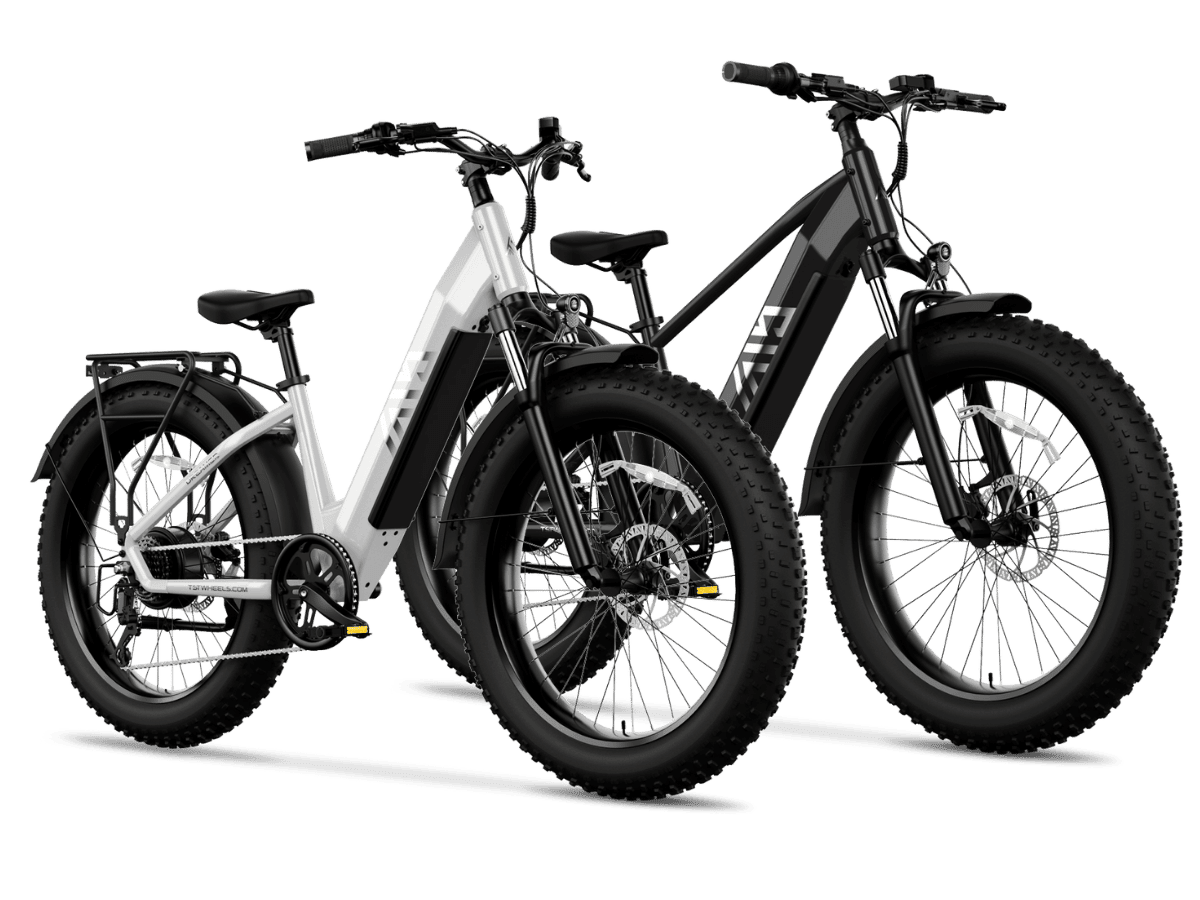
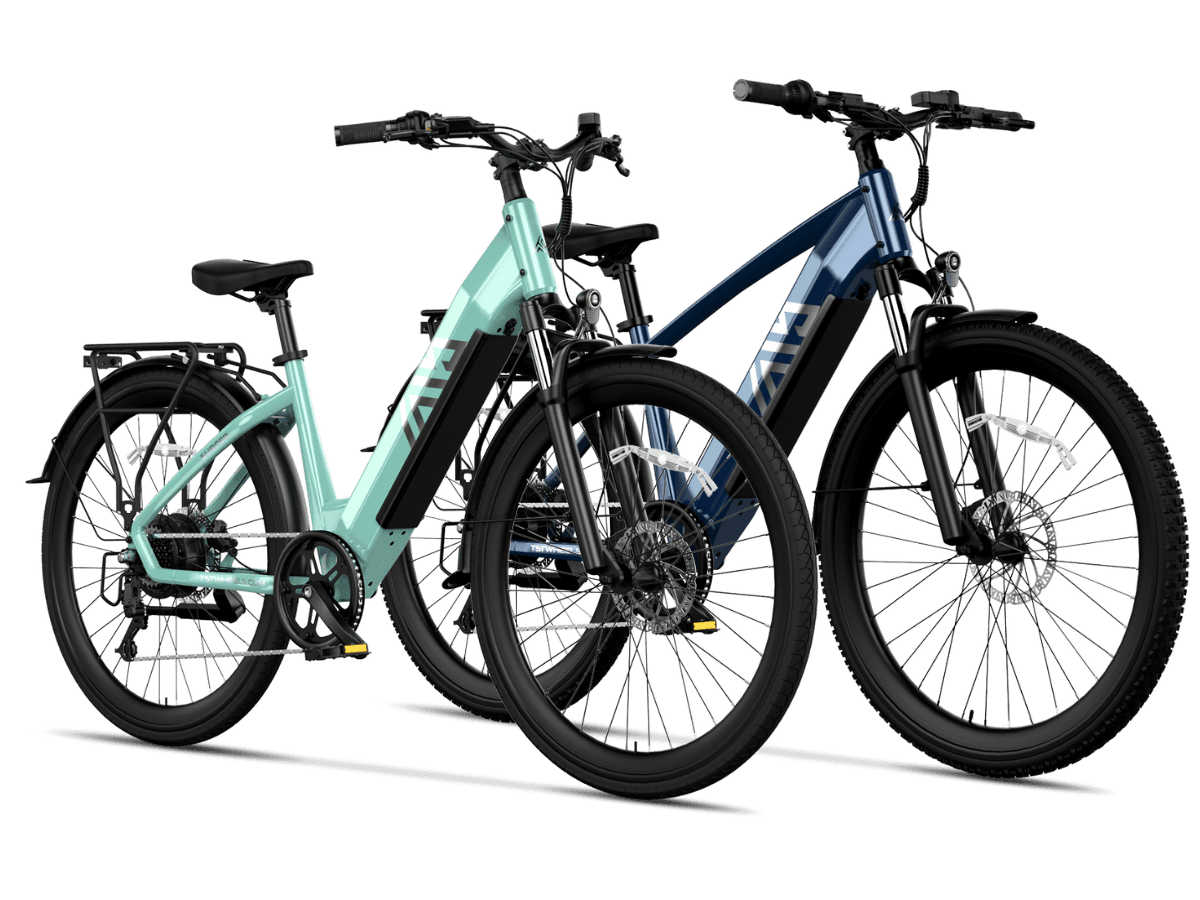
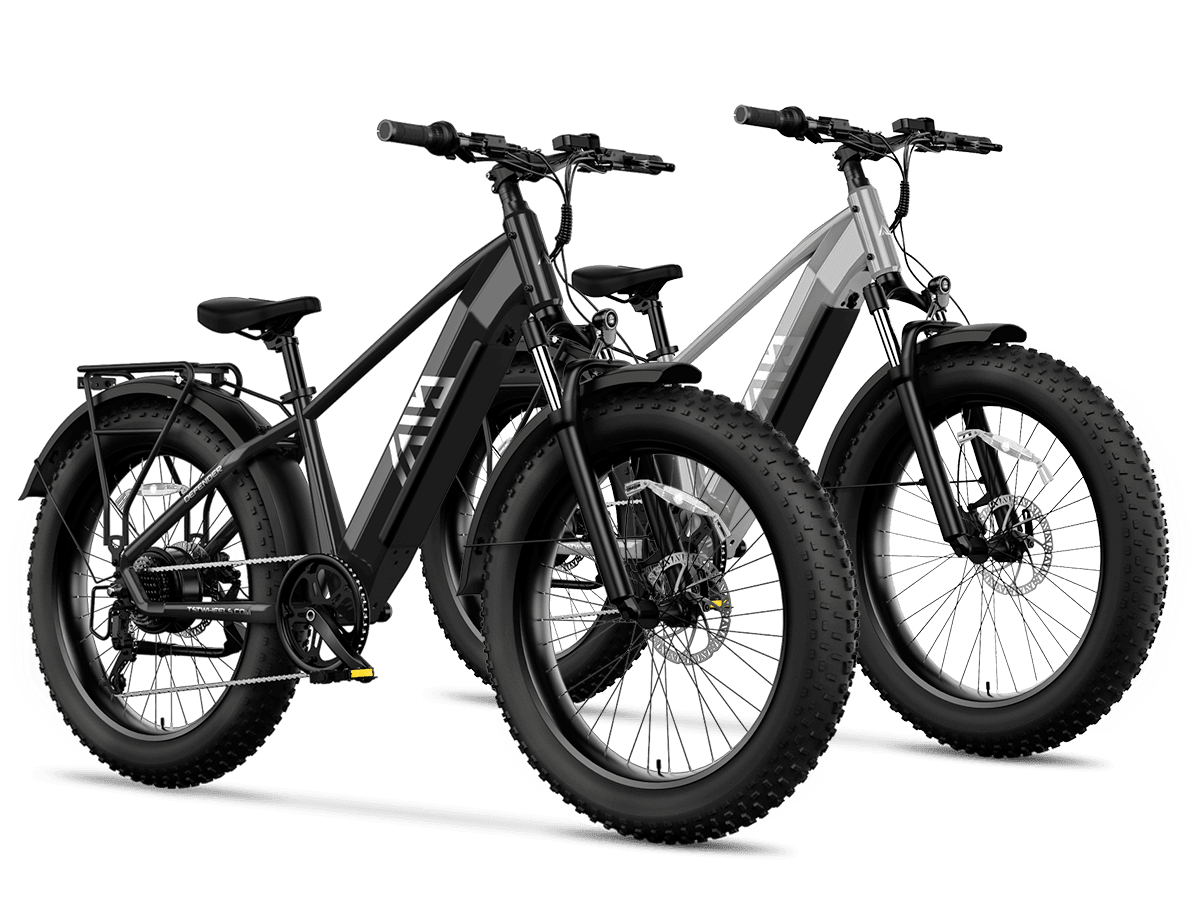
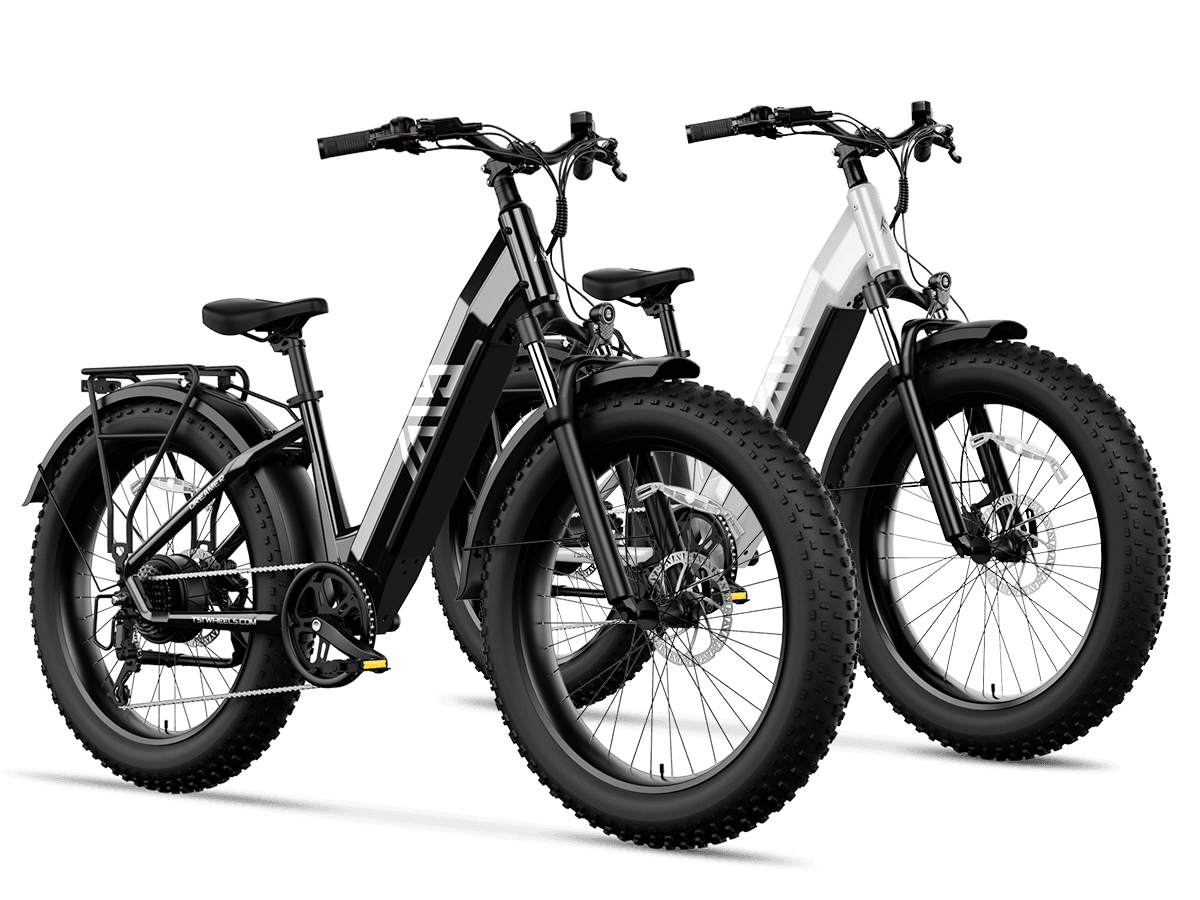
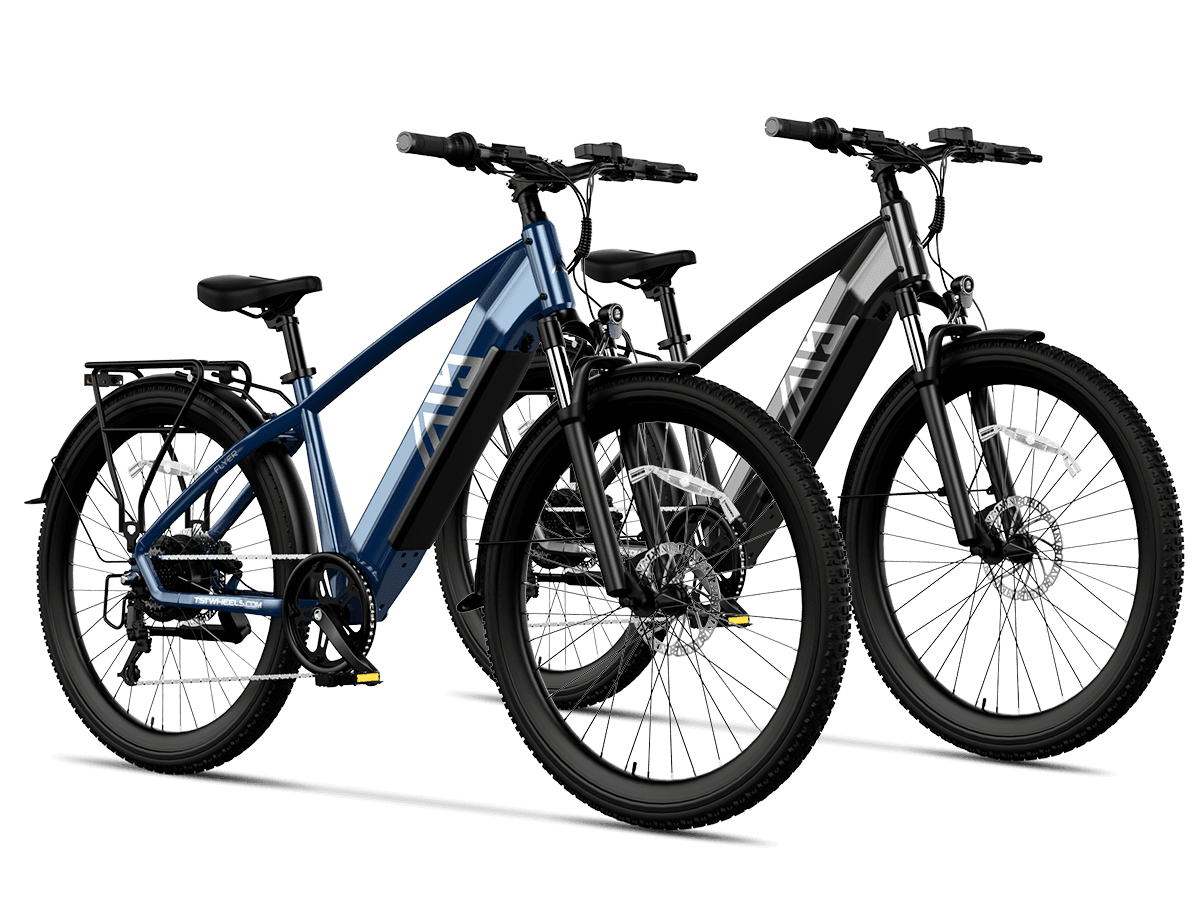
Roll wheels by hand to detect wobbles or grinding bearings. TST EBike 26-inch rough-terrain models need vigilant sidewall checks for snow/sand damage, while 27-inch commuters prioritize smooth treads for pavement efficiency. Rotate tires seasonally for even wear.
Pre-Ride Tire and Wheel Checklist
| Component | What to Check | Ebike-Specific Tip |
|---|---|---|
| Tires | Pressure, cuts, tread depth | Higher PSI for heavier ebike loads |
| Wheels | Trueness, spokes, quick-release | Confirm torque on thru-axles |
| Pressure | Sidewall PSI range | Re-check after 1-2 weeks of use |
What personal safety gear must you verify before a bike ride?
Verify helmet fit (snug, level, straps tight), wear high-viz clothing, secure shoes, and test gloves/fenders for weather. Ebike speeds demand MIPS-rated helmets and reflective gear for visibility.
Adjust helmet so eyebrows are just above the brim; replace after any impact. TST EBike riders on powerful bikes benefit from padded shorts and windproof layers to counter assist-induced speeds. Eye protection shields from bugs, wind, and debris at higher velocities.
How do you test brakes and drivetrain before riding?
Test brakes by squeezing levers firmly while rolling forward—bike must stop straight without pulling. Check drivetrain for chain alignment, derailleur indexing, and pedal security; shift through gears smoothly.
Ebikes amplify braking demands due to weight and speed; inspect pads for wear (replace under 2mm thick). TST EBike high-torque systems stress chains faster—lube weekly and confirm no skipping under load. Test from a standstill too.
Why plan your route and pack essentials before a bike ride?
Plan routes via apps considering traffic, weather, terrain, and ebike range; pack water, snacks, multi-tool, spare tube, pump, phone, ID, and lights. Preparation prevents emergencies and enhances enjoyment.
For TST EBike 27-inch commuters, map charging spots; 26-inch adventurers pack extra batteries for remote trails. Check forecasts—rain means fenders, heat demands hydration. Share your route with someone for safety.
Which frame and components need tightening before riding?
Check handlebars, stem, seatpost, pedals, and rack bolts for tightness using a torque wrench if possible; inspect frame for cracks, especially welds and dropouts. Loose parts cause crashes.
Wiggle components—none should move. Ebikes like TST EBike endure higher stresses from motors; re-torque after 50 miles. Scan suspension for leaks if equipped.
TST EBike Expert Views
"At TST EBike, pre-ride checks form the foundation of safe, reliable riding on our high-power, cost-effective models. Always prioritize ABCs plus battery verification to harness full torque without surprises. Our 26-inch bikes for snow and sand demand rugged tire inspections, while 27-inch commuters thrive with brake and light checks for urban confidence. Built on rider feedback since 2017, these habits extend bike life and maximize enjoyment across terrains." (92 words)
How does weather preparation change your pre-ride routine?
Assess forecasts and adjust: add fenders/lights for rain, layers/gloves for cold, sunscreen/hydration for heat; select studded tires for ice. Weather dictates gear to maintain control.
TST EBike users in variable climates layer waterproofs over base layers. Test gear fit—overdressing causes overheating. Shorten routes in extremes.
Weather-Adjusted Pre-Ride Additions
| Condition | Essential Additions | Why It Matters |
|---|---|---|
| Rain | Fenders, waterproof bags/layers | Prevents slips, keeps components dry |
| Cold | Gloves, booties, balaclava | Maintains grip and dexterity |
| Heat | Hydration pack, light clothing | Prevents dehydration, overheating |
When should you do a full post-ride inspection?
Perform a full post-ride inspection immediately after returning: clean mud/debris, check for damage, re-lube chain, monitor battery temp, and note issues for next prep. Builds habits for reliability.
Ebikes generate heat—let TST EBike batteries cool before charging. Document mileage for maintenance scheduling.
Conclusion: Master Your Pre-Ride Routine for Confident Rides
Master these steps—ABC check, battery test, gear verification, route planning—to eliminate 90% of ride issues. TST EBike owners gain extra from torque-aware inspections. Make it a 5-minute ritual; safer rides follow naturally. Invest in tools and habits for years of trouble-free adventures.
FAQs
How long should a pre-ride check take?
A thorough pre-ride check takes 3-5 minutes, covering ABCs, battery, brakes, tires, and gear for ebike readiness.
Do ebikes need different pre-ride checks than regular bikes?
Yes, ebikes require battery charge/display tests, brake inspections for added weight, and tire pressure for motors, beyond standard ABC checks.
What if I find a problem during pre-ride check?
Fix minor issues like inflation/lube on-site; for brakes, cracks, or electrical faults, skip the ride and service professionally.
Can TST EBike riders skip battery checks?
No—TST EBike high-power models demand full charge verification to safely utilize torque on commutes or trails.
Why wear a helmet every ride?
Helmets reduce head injury risk by 70%; essential at ebike speeds where falls hit harder.

Leave a comment
This site is protected by hCaptcha and the hCaptcha Privacy Policy and Terms of Service apply.