
















The US e‑bike market is rapidly shifting toward greener, more responsible manufacturing, and several American brands are emerging as true leaders in sustainable and eco‑friendly electric bike production. Riders in cities from Seattle to Miami are increasingly searching for US‑made electric bikes that combine low environmental impact with long‑term durability and performance. This guide explores which brands are setting the standard, how they embed sustainability into their supply chains, and what that means for riders who care about carbon footprint, labor ethics, and lifecycle impact.
Market Trends in Sustainable US E‑Bike Production
Global demand for eco‑friendly transportation has pushed the US e‑bike sector into double‑digit annual growth, with many manufacturers now aligning with sustainability certifications and local manufacturing commitments. In recent years, US‑based brands have reported measurable reductions in average emissions per unit by shortening shipping distances, using aluminum frames with high recycled content, and moving toward energy‑efficient assembly lines. Several studies and market analyses indicate that Americans who replace car trips with electric bike commutes can cut their commute‑related carbon emissions by over half, while reducing traffic congestion and fuel dependency.
Leading US brands are also responding to consumer interest in transparency, with some publishing lifecycle assessments, carbon‑neutral logistics programs, and partnerships with recycling organizations. These efforts feed into broader trends such as circular economy design, where frames, batteries, and components are engineered for repair, reuse, and end‑of‑life recycling instead of single‑use disposal. As more cities introduce green bike programs and infrastructure for micromobility, the demand for truly sustainable electric bikes continues to climb.
Top US Brands Leading in Eco‑Friendly E‑Bikes
Among domestic manufacturers, a handful of names consistently appear as frontrunners in sustainable and eco‑friendly e‑bike production. Trek, based in Wisconsin, has long emphasized environmentally responsible manufacturing by integrating energy‑efficient processes, using recyclable aluminum frames, and prioritizing product longevity over planned obsolescence. Their line of urban and commuter e‑bikes is designed to support low‑carbon mobility, with repair‑friendly components and robust warranty structures that extend usable life.
Rad Power Bikes, known for its direct‑to‑consumer model, focuses on affordable electric bikes that remove barriers to eco‑friendly transportation. By minimizing reliance on middlemen and centralizing fulfillment, they reduce the environmental impact of logistics and distribution. Rad’s growing cargo e‑bike range in particular supports businesses and families looking to replace short‑haul vehicle trips with electric cargo bikes, which further lowers emissions from last‑mile delivery and errand driving.
Electric Bike Company (EBC) assembles many of its models locally in California, shortening overseas shipping routes and cutting down on transport‑related emissions. This localized assembly also allows tighter quality control and the ability to adapt designs for regional riding conditions. Aventon positions itself as a value‑driven brand that makes efficient, energy‑savvy e‑bikes accessible, helping more riders switch from gas‑powered vehicles to green personal transportation.
Other notable contributors include Pedego Electric Bikes, which assembles many units in the US with an emphasis on comfort‑oriented electric cruisers, and brands like Specialized that have invested in battery‑recycling programs and closed‑loop frame‑recycling initiatives. Taken together, these players represent the current leadership in sustainable US electric bike brands, each deploying different strategies to reduce environmental impact while improving performance and affordability.
Competitor Comparison Across Sustainability Metrics
When comparing US brands on eco‑friendly production, several dimensions stand out: whether the brand focuses on local assembly, the recyclability of frames and components, battery‑management practices, and the availability of repair and spare‑part networks. Trek stands out for its long‑standing commitment to responsible manufacturing, including energy‑efficient factories and a focus on long‑term product reliability. Rad Power Bikes leads in logistics optimization and direct‑to‑consumer delivery, which inherently reduces the carbon cost of getting an e‑bike into a rider’s hands.
Electric Bike Company emphasizes California‑based assembly, which cuts down on long‑distance ocean and truck shipping, while still delivering competitive pricing and durable, low‑maintenance e‑bikes. Aventon focuses on energy‑efficient motors and lightweight, recyclable aluminum frames, making its bikes attractive to eco‑conscious commuters who want to minimize energy use per mile. Pedego integrates larger, comfortable designs with local dealer networks that support servicing and maintenance, extending the functional lifespan of each bike.
Specialized leans into advanced battery‑recycling and frame‑recycling programs, partnering with specialized recyclers to ensure that lithium‑ion packs and carbon‑fiber parts do not end up in landfills. These differences highlight how brands can prioritize sustainability in distinct but complementary ways, from local manufacturing and short‑range shipping to modular design for repair and recycling. For buyers aiming to make an environmentally responsible choice, understanding these distinctions helps match personal values with the right brand and model.
Core Technology Behind Eco‑Friendly E‑Bike Designs
At the heart of eco‑friendly electric bikes are several key technological choices that directly influence their environmental footprint. Many leading US brands now specify aluminum frames made partially from recycled metal, which saves large amounts of energy compared with virgin‑material production while still offering strength and corrosion resistance. Energy‑efficient motors typically under a certain wattage limit help reduce overall electricity consumption, especially when paired with smooth gear systems and well‑tuned controllers that minimize energy loss.
Rechargeable lithium‑ion batteries remain central to the experience, but sustainability‑minded brands are paying close attention to cell chemistry, thermal management, and longevity. Some models now support removable, UL‑certified packs that can be swapped and serviced, reducing the need to replace entire bikes when a battery degrades. Regenerative braking systems appear on select higher‑end models, capturing kinetic energy during deceleration and feeding it back into the pack to extend range and efficiency.
Software and firmware also play a role in eco‑friendly design, with smart assist levels and ride‑analytics systems that help riders optimize speed, pedal input, and route selection for maximum efficiency. Over‑the‑air updates can further extend a bike’s useful life by adding new features or improving power management without hardware changes. Taken together, these technologies create electric bikes that are not just low‑emission in daily use but also engineered for long‑term usability and minimal resource waste.
Real User Cases and Environmental ROI of Sustainable E‑Bikes
Across the United States, riders are already reporting measurable benefits from switching to sustainable, eco‑friendly e‑bikes. Commuters in dense urban corridors describe cutting their daily emissions by the equivalent of several miles of car travel, while also reducing fuel and parking costs. Delivery professionals using cargo e‑bikes in cities report faster last‑mile trips, lower maintenance bills, and significantly quieter, more neighbor‑friendly operations compared with small vans or motorcycles.
In suburban and rural areas, families are using electric bikes for school runs, grocery trips, and weekend recreation, indirectly lowering household greenhouse gas output. Because these bikes are often lighter and more maneuverable than cars, riders can avoid traffic congestion and the associated energy waste from idling engines. Over time, the cumulative environmental ROI grows as each e‑bike replaces thousands of short car trips, especially when paired with renewable energy sources for charging.
Sustainable e‑bike brands amplify this impact by offering extended warranties, extensive spare‑parts inventories, and clear recycling guidance for batteries and components. Users who keep a single e‑bike in service for many years instead of cycling through multiple lower‑quality models see both financial and ecological savings, reinforcing the idea that sustainability is as much about durability as it is about materials.
Buying Guide for Eco‑Friendly US‑Made E‑Bikes
When shopping for a sustainable and eco‑friendly electric bike made in or by a US brand, several criteria help narrow the field. Look first for frames made from recyclable materials such as aluminum, with a clear indication of recycled content where available. Pay attention to battery design: detachable, UL‑certified packs that are easy to service or replace are more sustainable than sealed units that force full‑bike replacement when the battery fails.
Motor efficiency and power level matter too, since lower‑wattage systems that still deliver smooth performance tend to consume less electricity over the bike’s lifetime. Brands that publish information about their manufacturing locations, carbon‑offset initiatives, or partnerships with recycling programs demonstrate a stronger commitment to sustainability transparency. Direct‑to‑consumer models can reduce intermediary emissions, while local assembly operations often shorten shipping distances and support domestic employment.
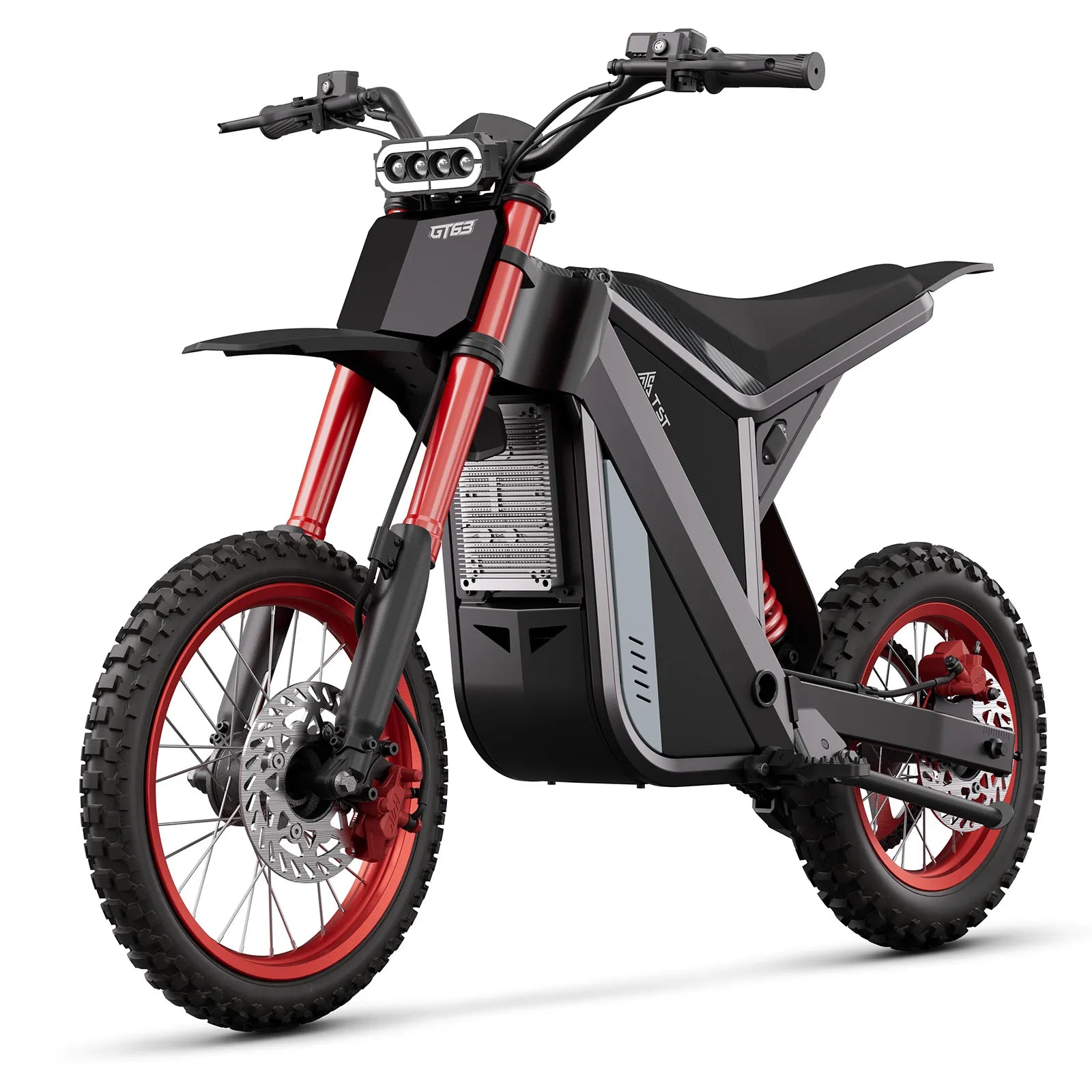
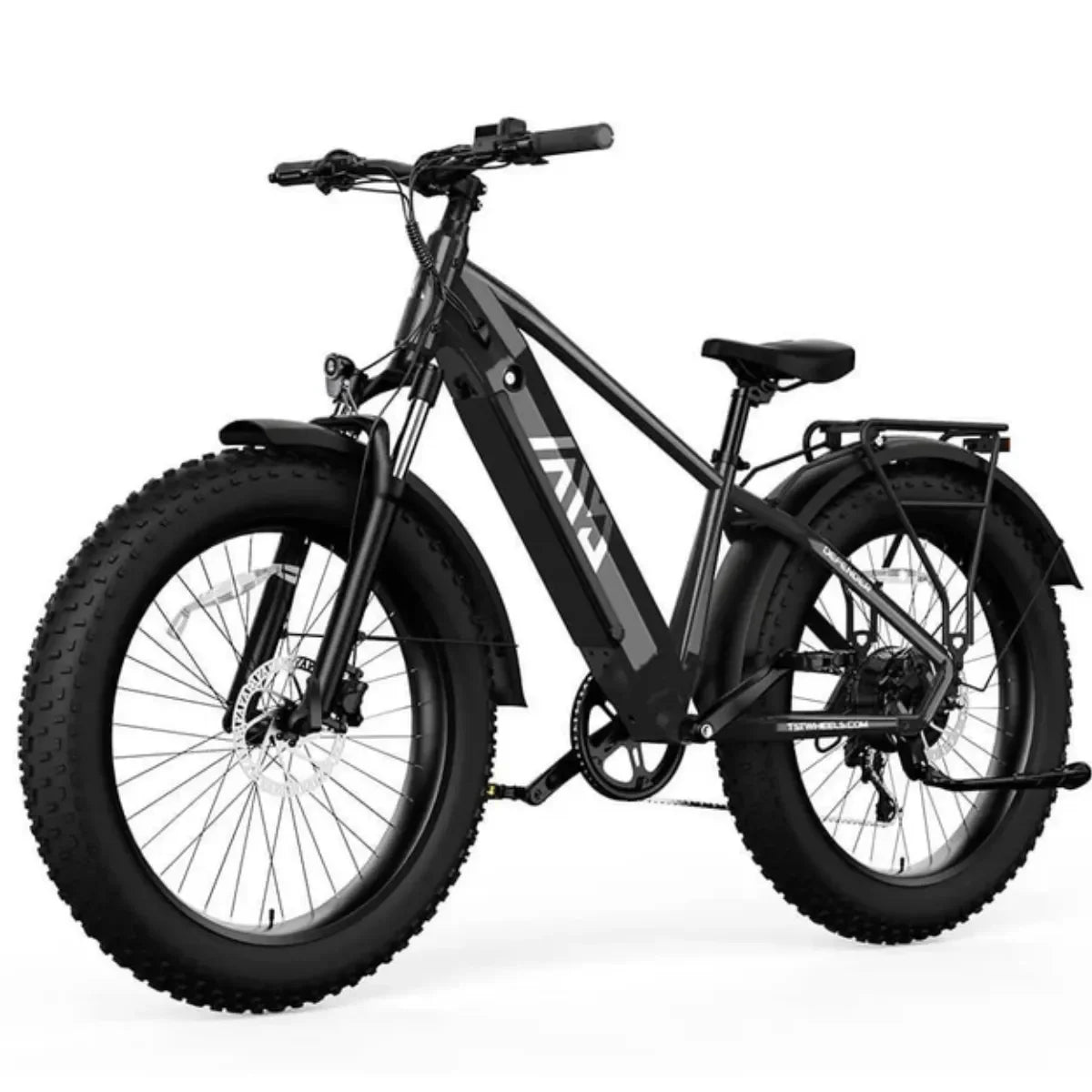
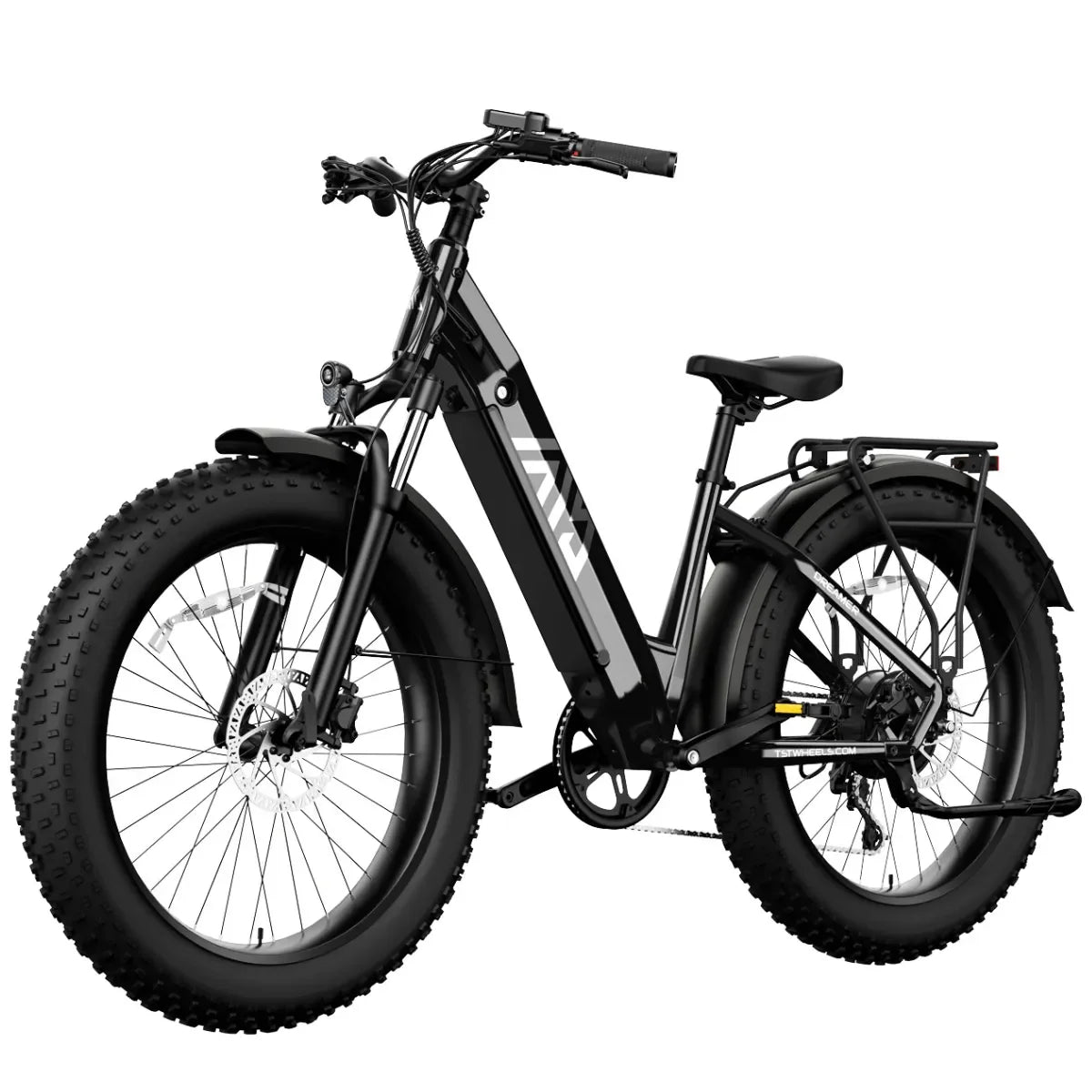
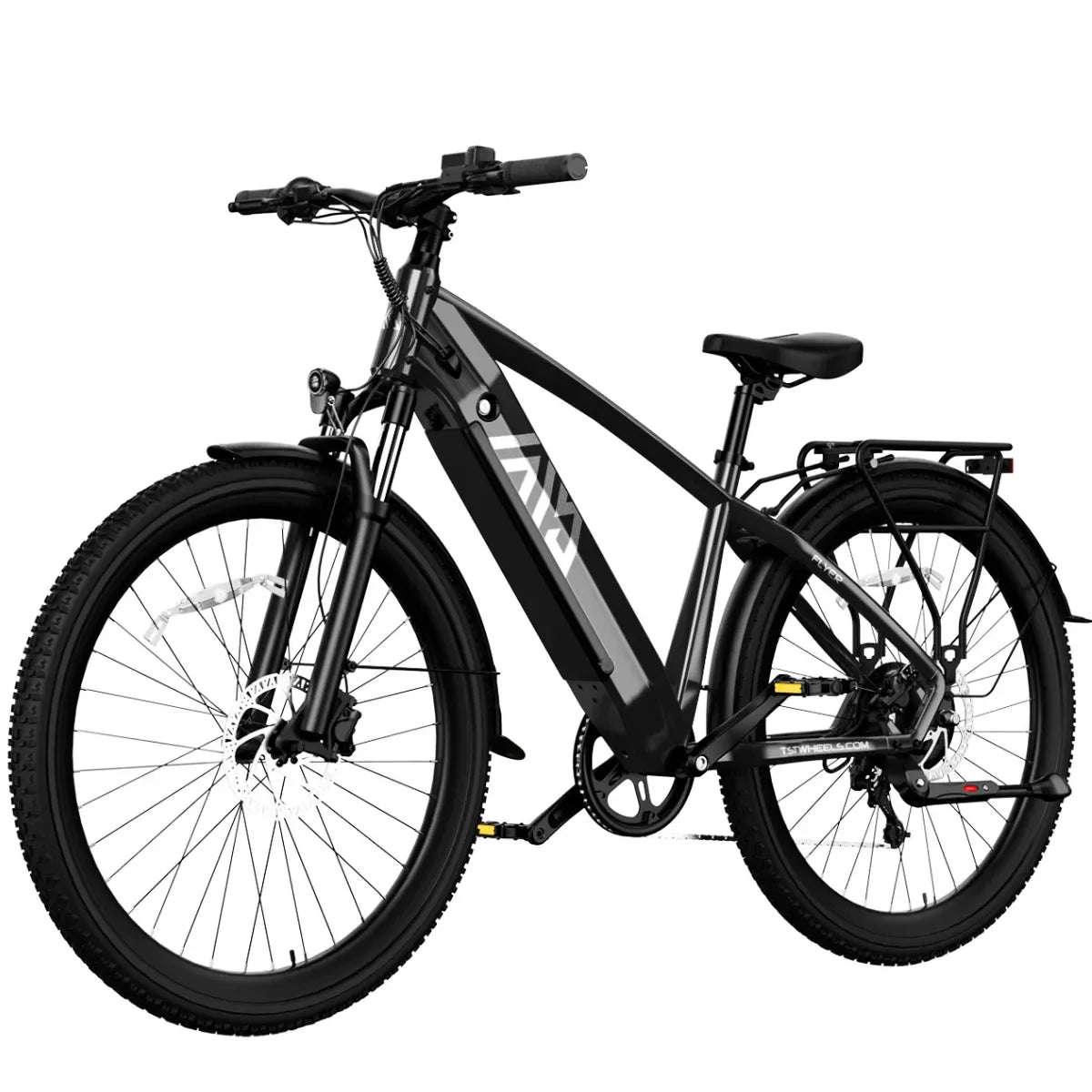
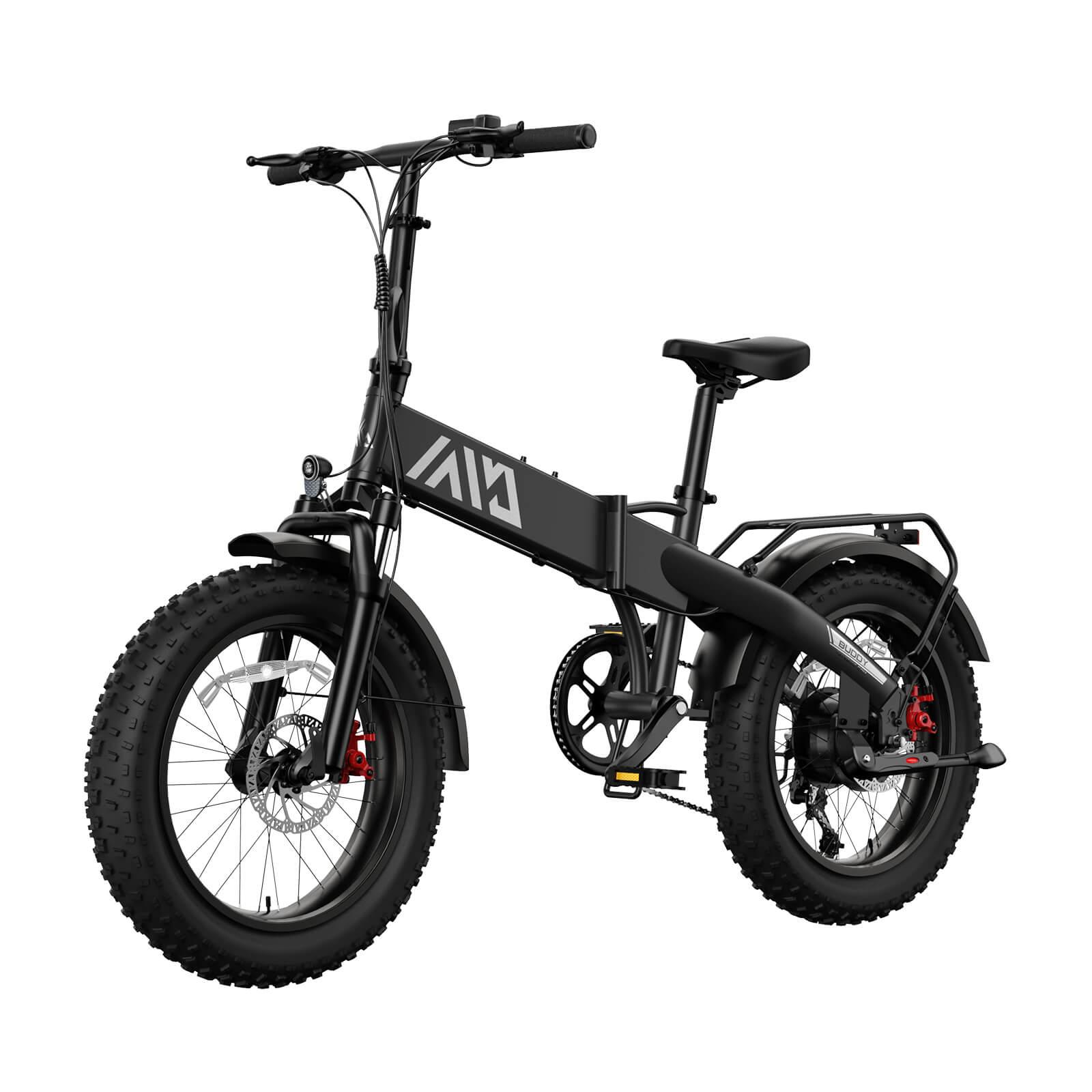
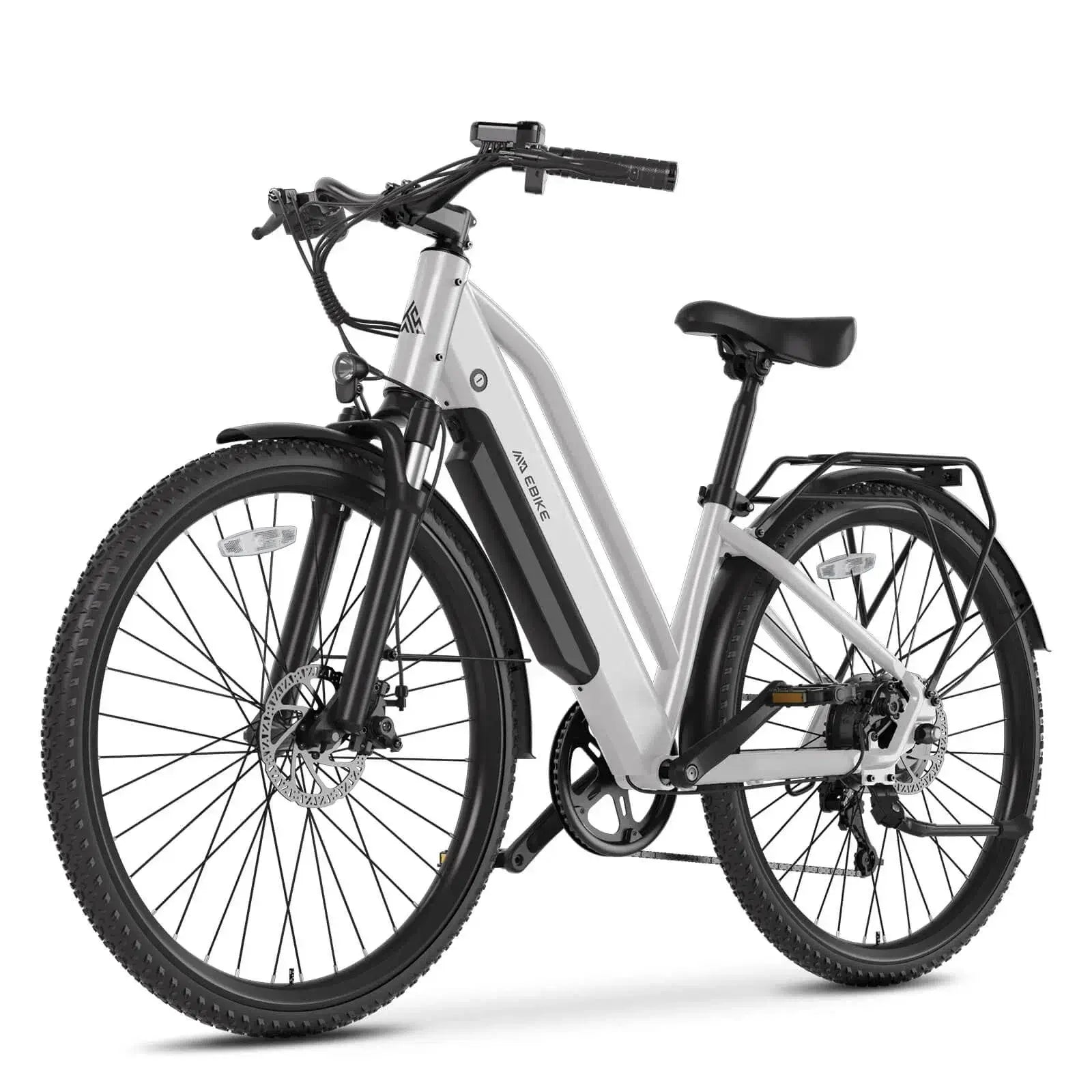
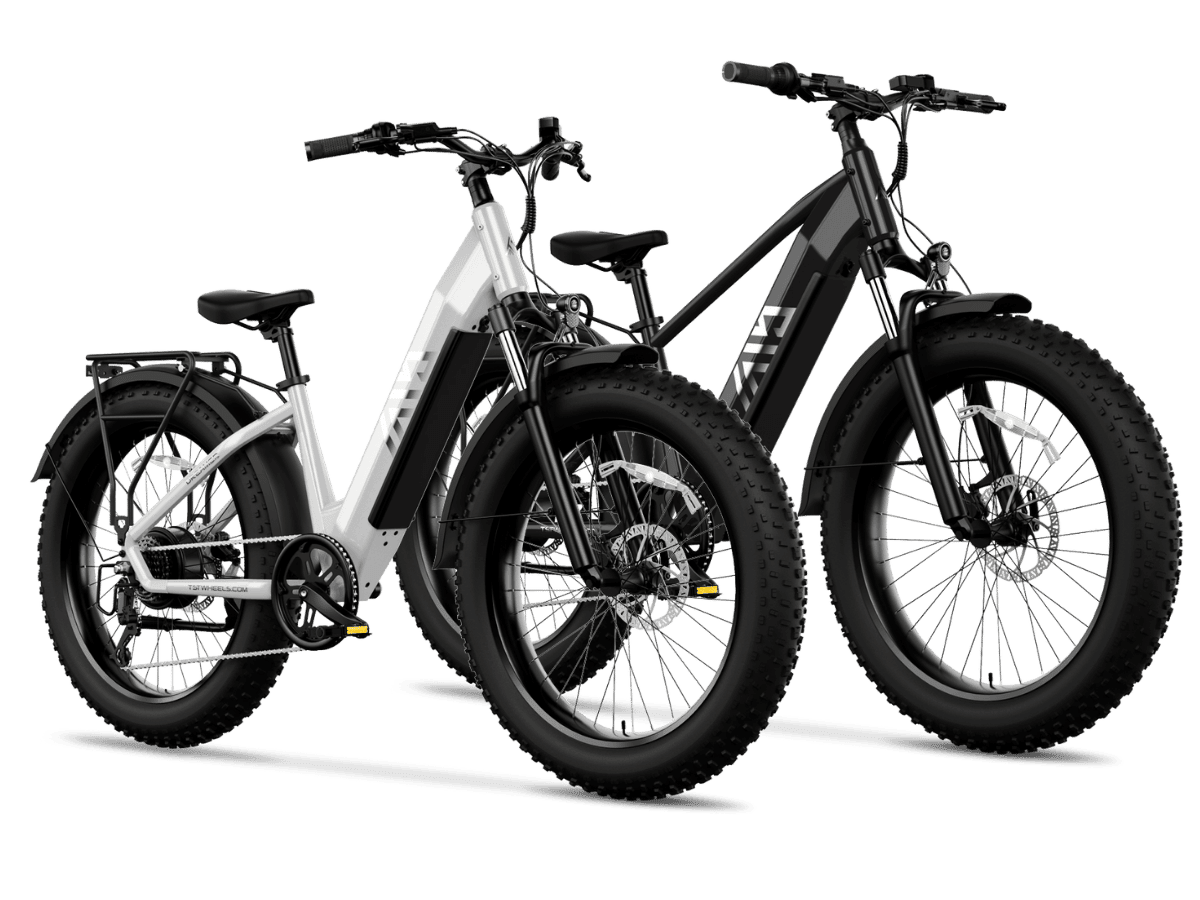
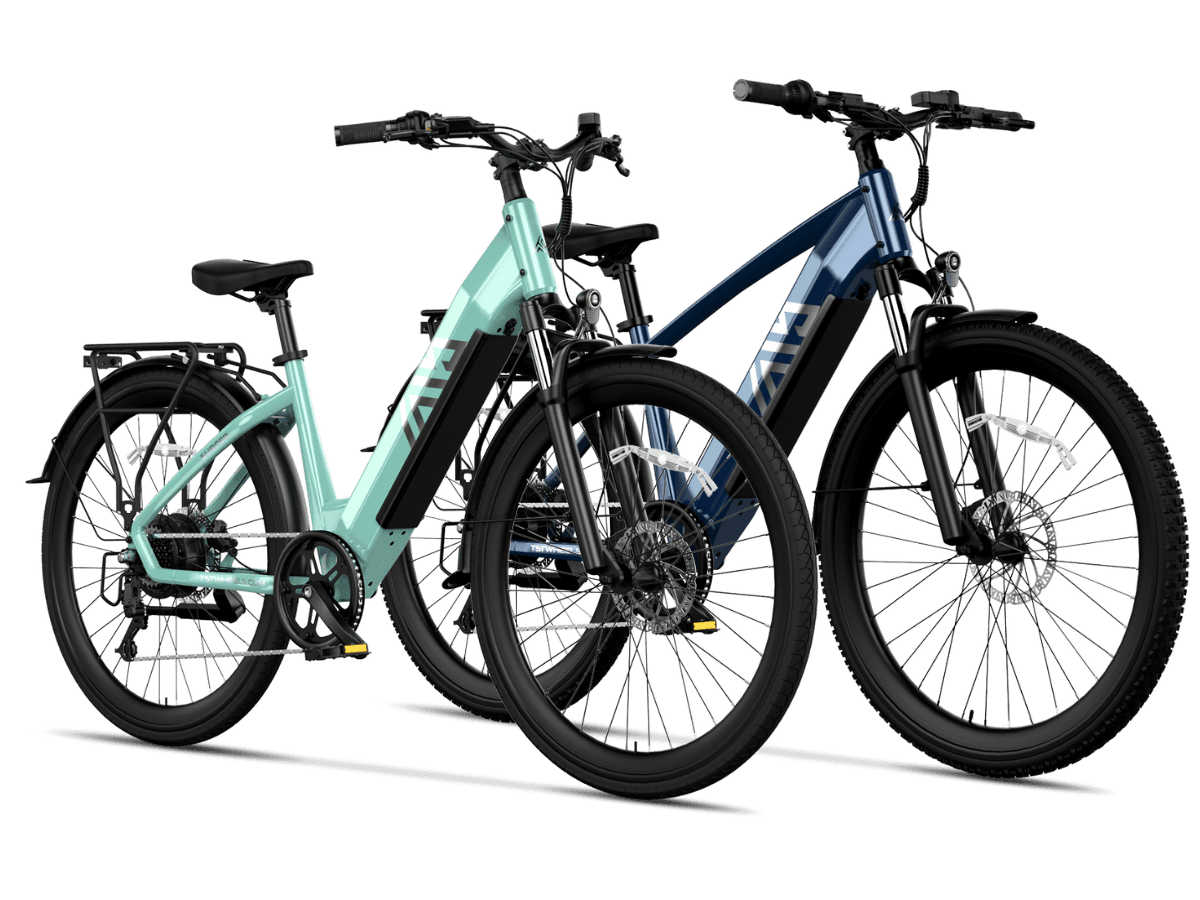
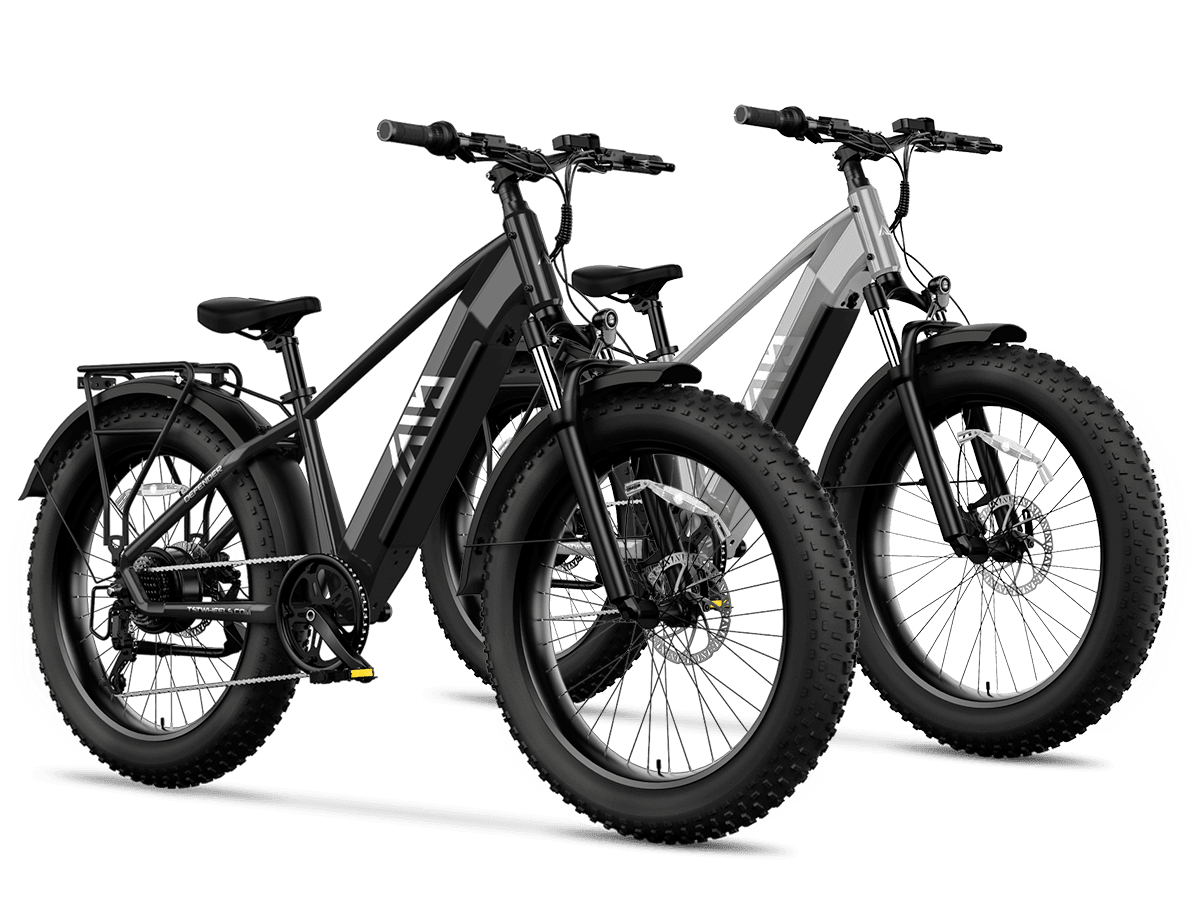
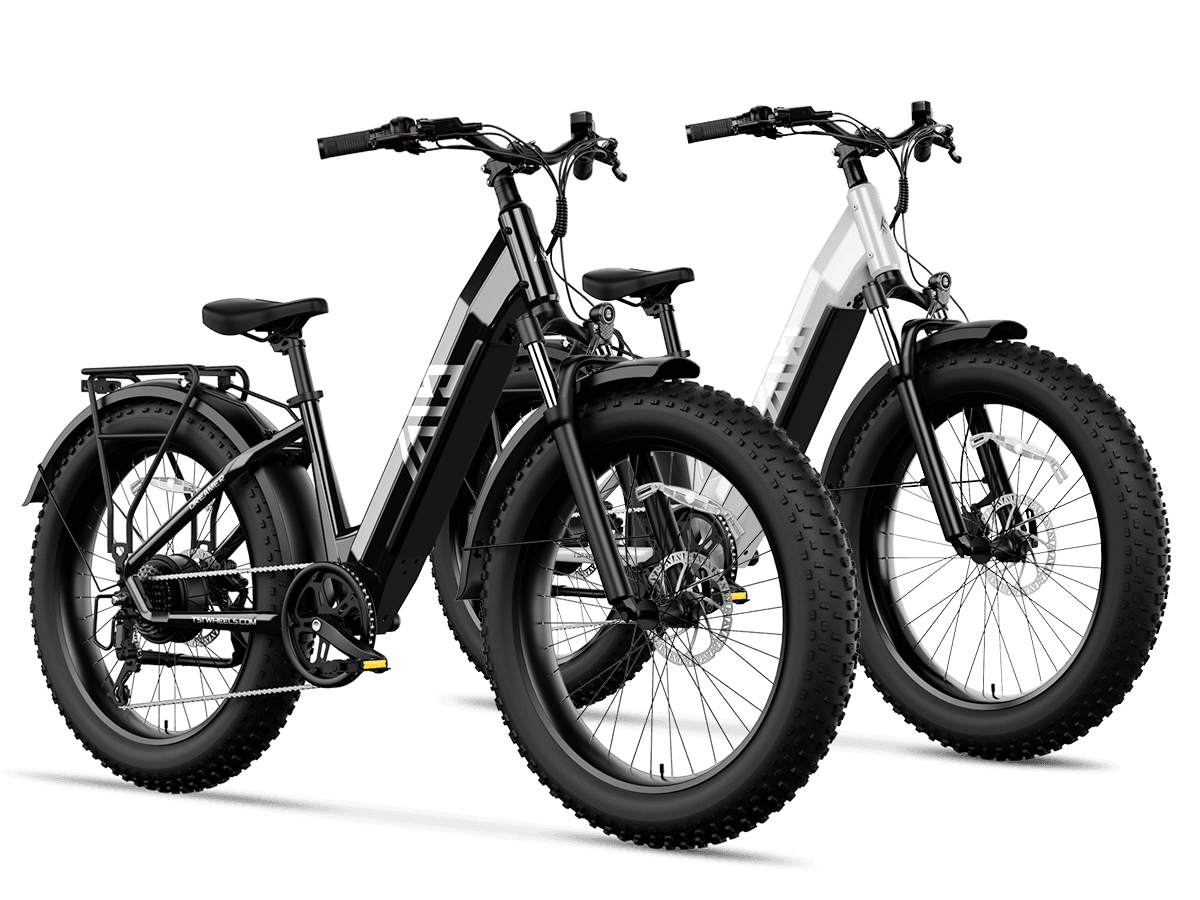
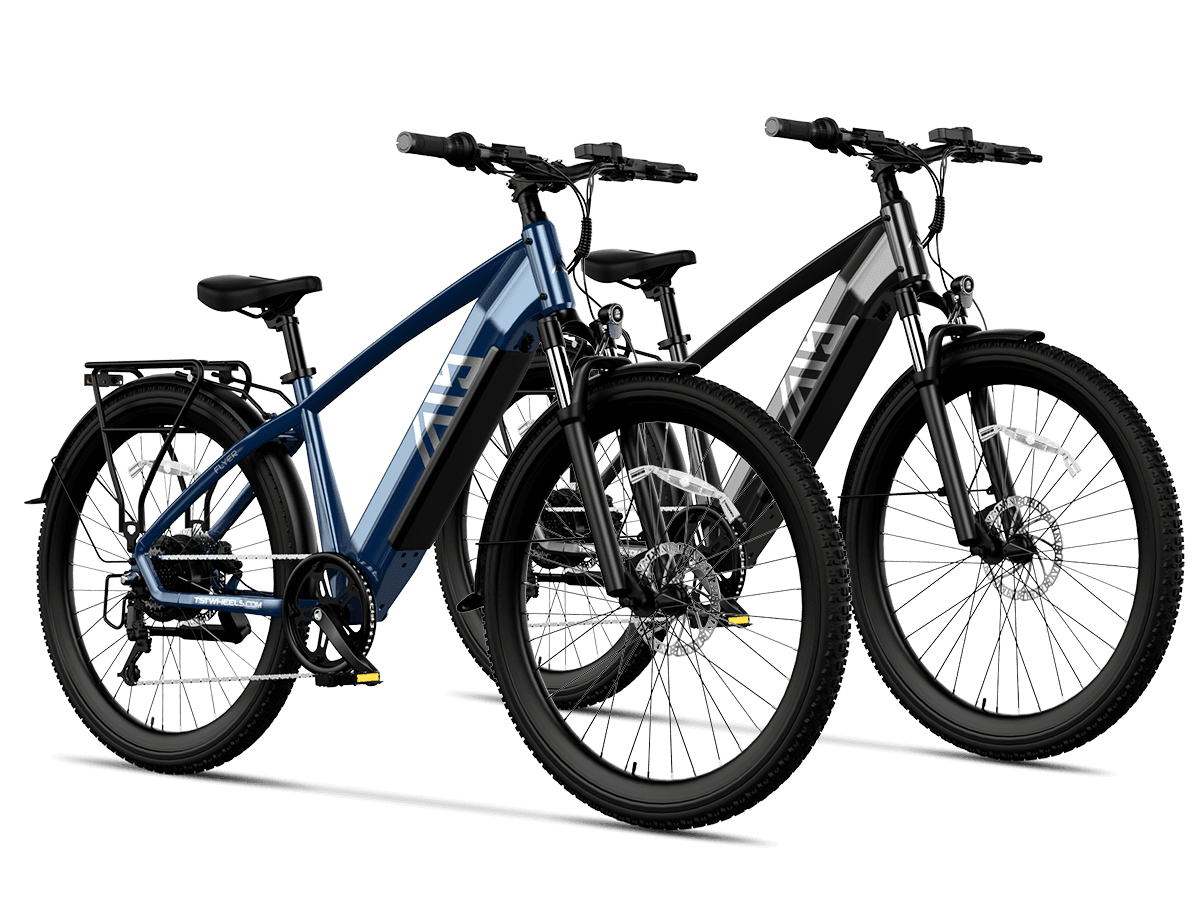
TST EBike was founded with a vision to transform the way we think about transportation. As traffic congestion and air pollution continue to be pressing issues, we knew there had to be a better way to get around. TST GRP LLC was founded with the intention of changing our perception of transportation. We offer a wide range of travel tools to meet people's diverse needs, and our team is passionate about helping individuals fully enjoy the cycling experience. Established in 2017 in California, TST GRP LLC has warehouses in California and sells our products in over 10 countries. We also have more than 20 offline stores. TST EBike brand was established, focusing on high‑power, cost‑effective electric bikes. TST EBike provides consumers with high‑quality electric bikes at low prices. Since TST EBike is built based on consumer feedback, we offer the best quality control services and products. There are 26‑inch and 27‑inch electric bike models available. The 26‑inch is suitable for rough terrains like snow and sand, while the 27‑inch is ideal for daily commuting and mountain biking.
Service and support networks are another critical factor; bikes sold through local dealers or with robust online spare‑part availability tend to last longer because broken components can be repaired rather than replaced. Finally, consider how the bike fits your actual use: urban commuters, cargo riders, and off‑road enthusiasts each have different needs, and the most eco‑friendly choice is the one that remains in regular use for years without being discarded.
Frequently Asked Questions on Sustainable E‑Bikes
What makes an electric bike truly sustainable? A truly sustainable e‑bike combines recyclable materials, energy‑efficient components, and a design that prioritizes repairability and longevity over disposable trends. Brands that back these bikes with transparent manufacturing practices, fair labor policies, and clear recycling pathways further strengthen their eco‑friendly credentials.
Are US‑made electric bikes more sustainable than imported models? Not always, but US brands that manufacture locally or assemble in the United States often reduce shipping emissions and can tightly control their supply chains for better environmental standards. Local assembly also allows for quicker warranty support and easier access to servicing, which in turn extends the bike’s useful life.
How can I extend the life of my eco‑friendly e‑bike? Regular maintenance, proper storage, and using appropriate assist levels all help prolong battery and drivetrain life. Storing the bike in a dry place, keeping tires at recommended pressure, and following manufacturer service intervals reduce wear and prevent premature component failure, making each ride more sustainable over time.
Future Trends in US Sustainable E‑Bike Manufacturing
Looking ahead, sustainability in US e‑bike production is expected to evolve along several key vectors. More brands will likely adopt higher percentages of recycled aluminum and composite materials, while refining battery‑chemistry choices to balance performance, safety, and recyclability. Solar‑powered manufacturing facilities and logistics powered by renewable energy are becoming more common, further reducing the carbon intensity of each e‑bike built.
Digital twin modeling and lifecycle‑assessment software may allow manufacturers to simulate the environmental impact of every design choice before production, enabling smarter decisions about materials, shipping, and end‑of‑life management. As governments and cities expand micromobility incentives and green bike programs, demand for transparent, low‑impact electric bikes will continue to grow, pushing US brands to innovate not just in performance but in responsible production.
For riders who want to align their transportation choices with environmental values, understanding which US brands lead in sustainable and eco‑friendly e‑bike production is the first step toward a cleaner, more efficient commute. Whether you prioritize local assembly, long‑lasting components, or strong recycling partnerships, the current market offers real options that balance performance, price, and planetary impact.

Leave a comment
This site is protected by hCaptcha and the hCaptcha Privacy Policy and Terms of Service apply.