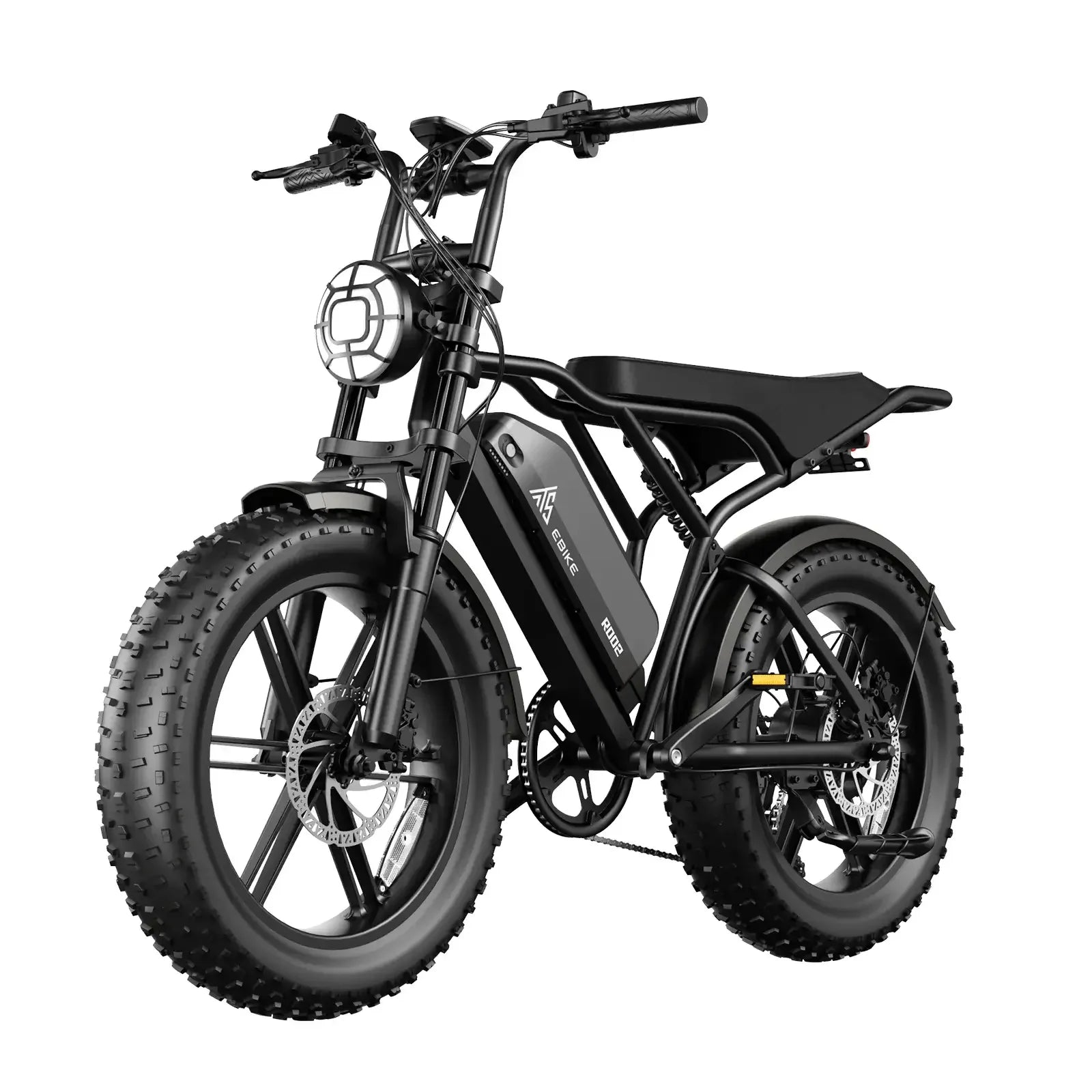

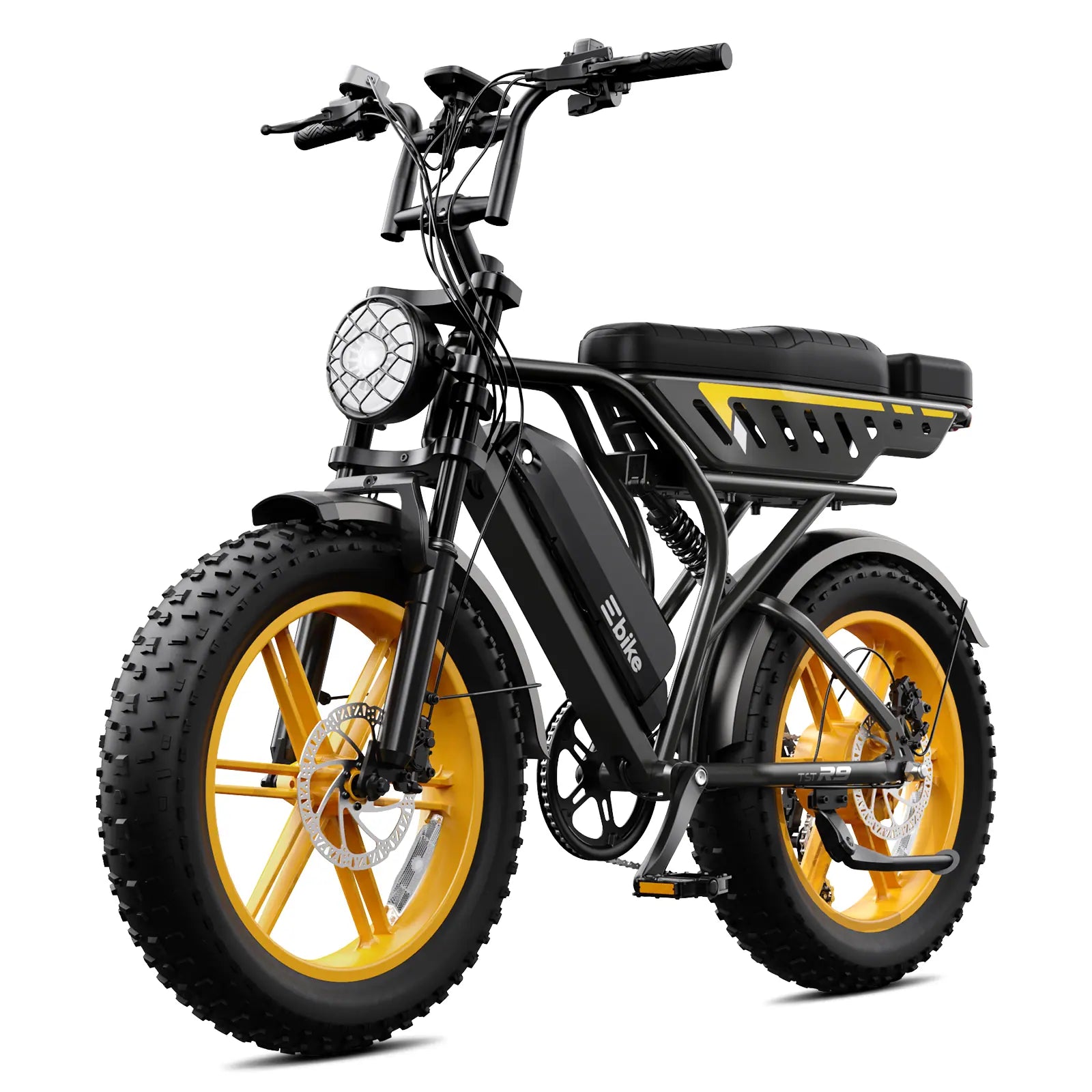

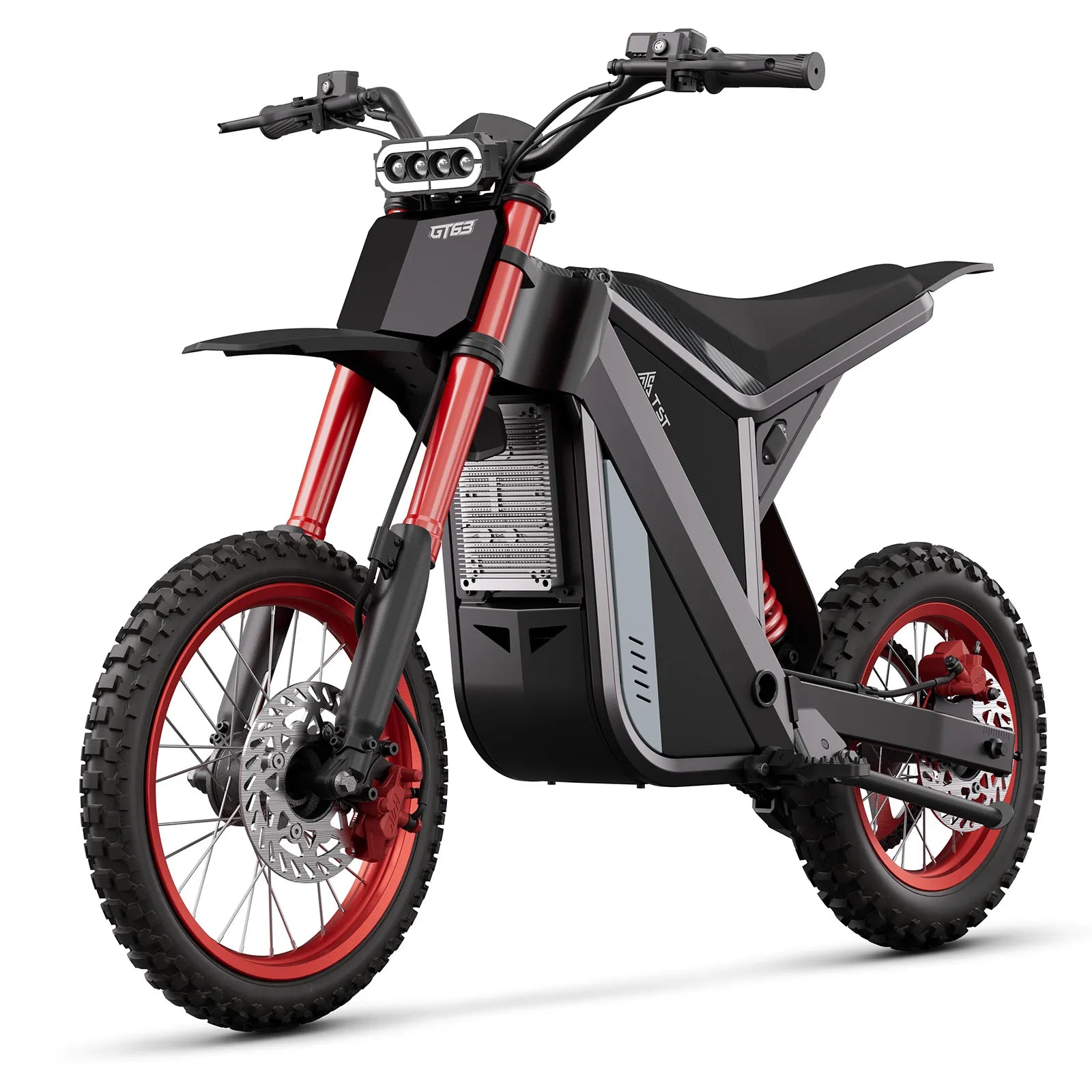
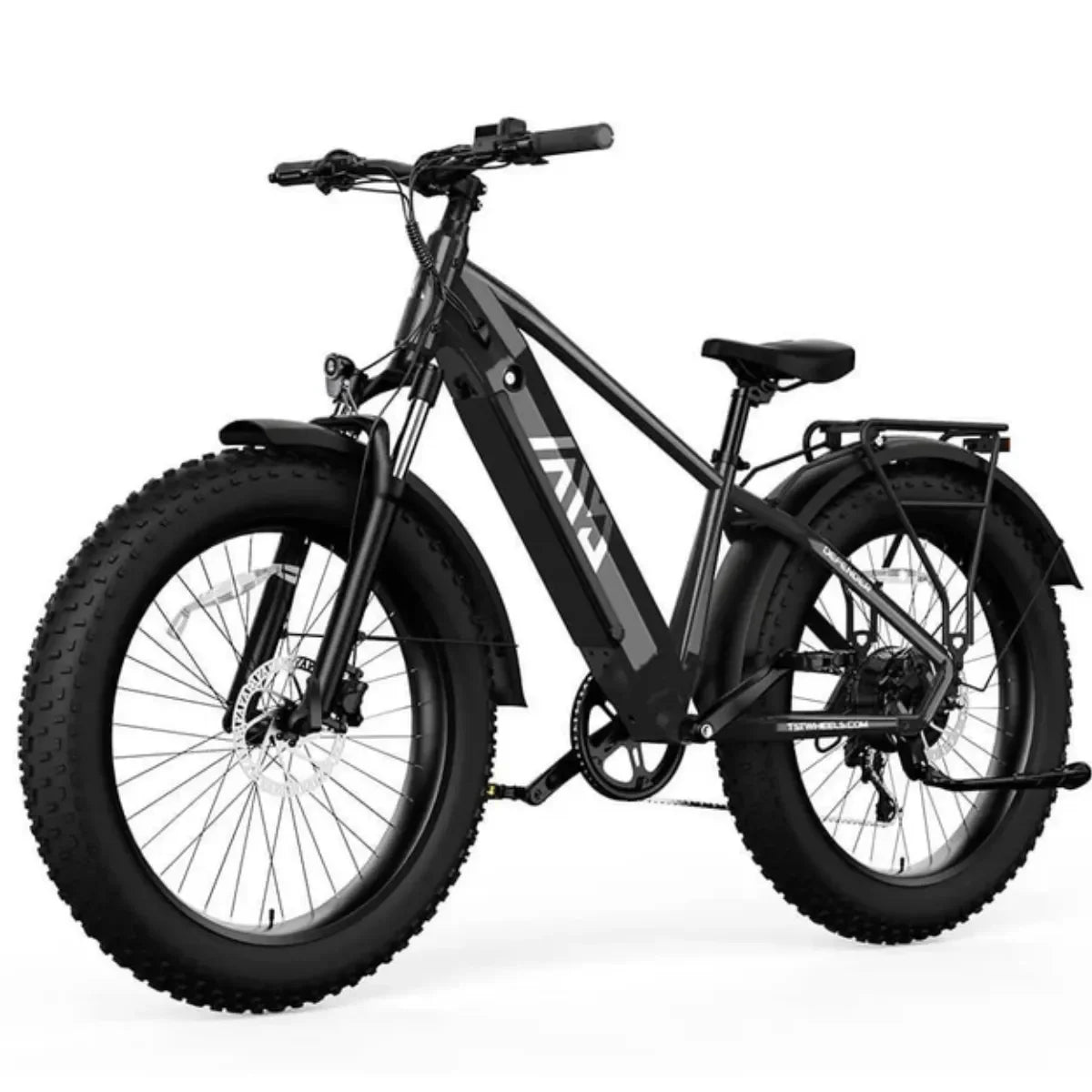
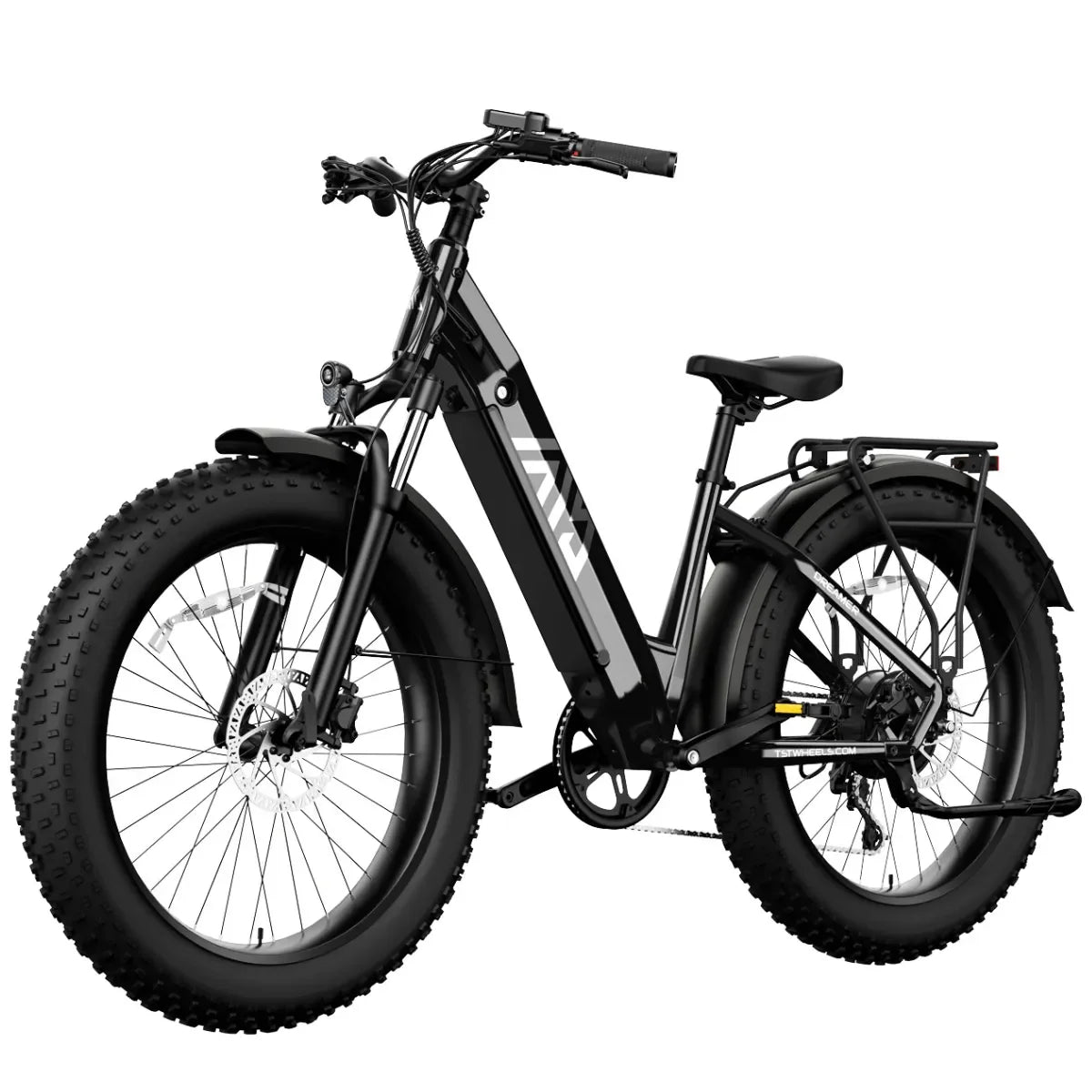

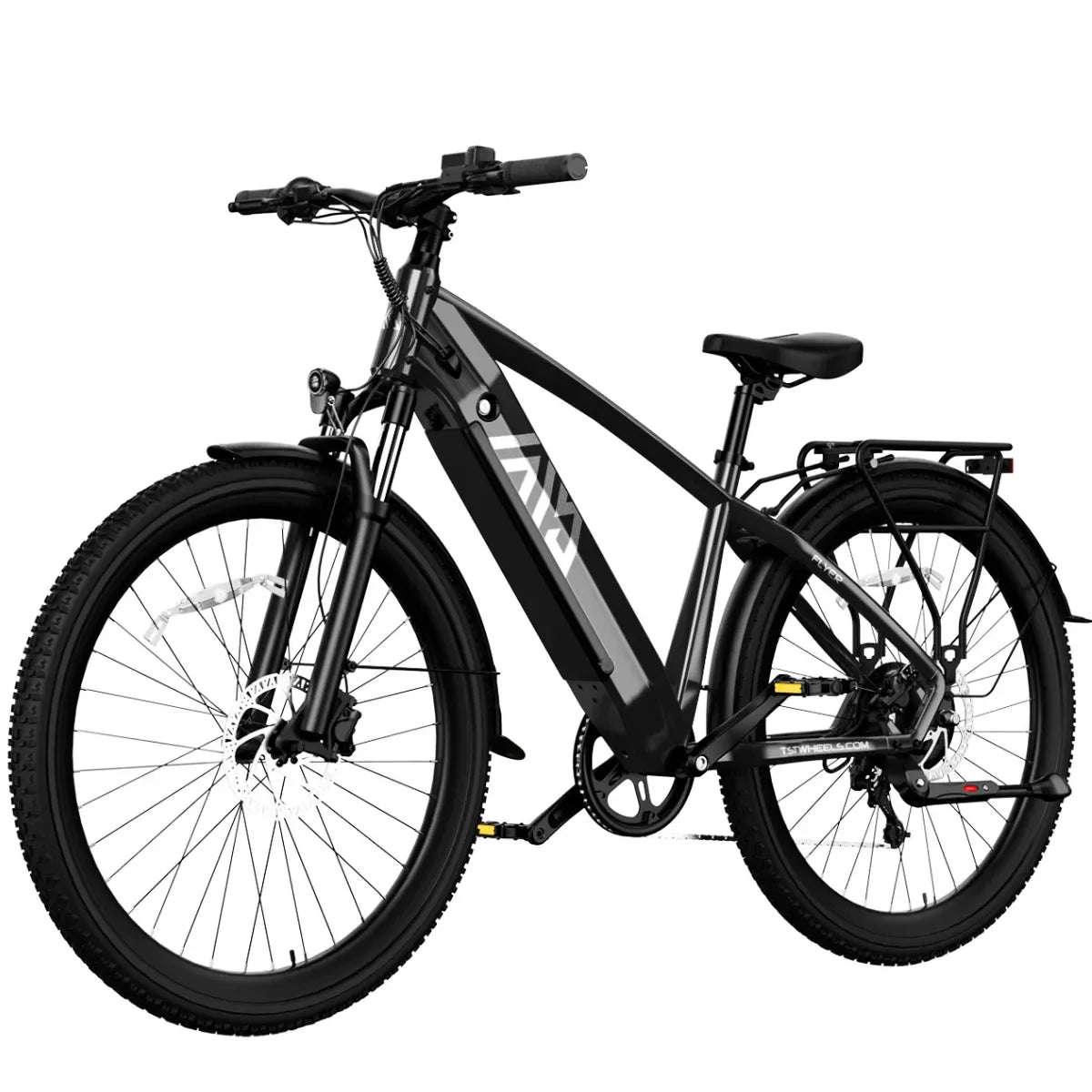
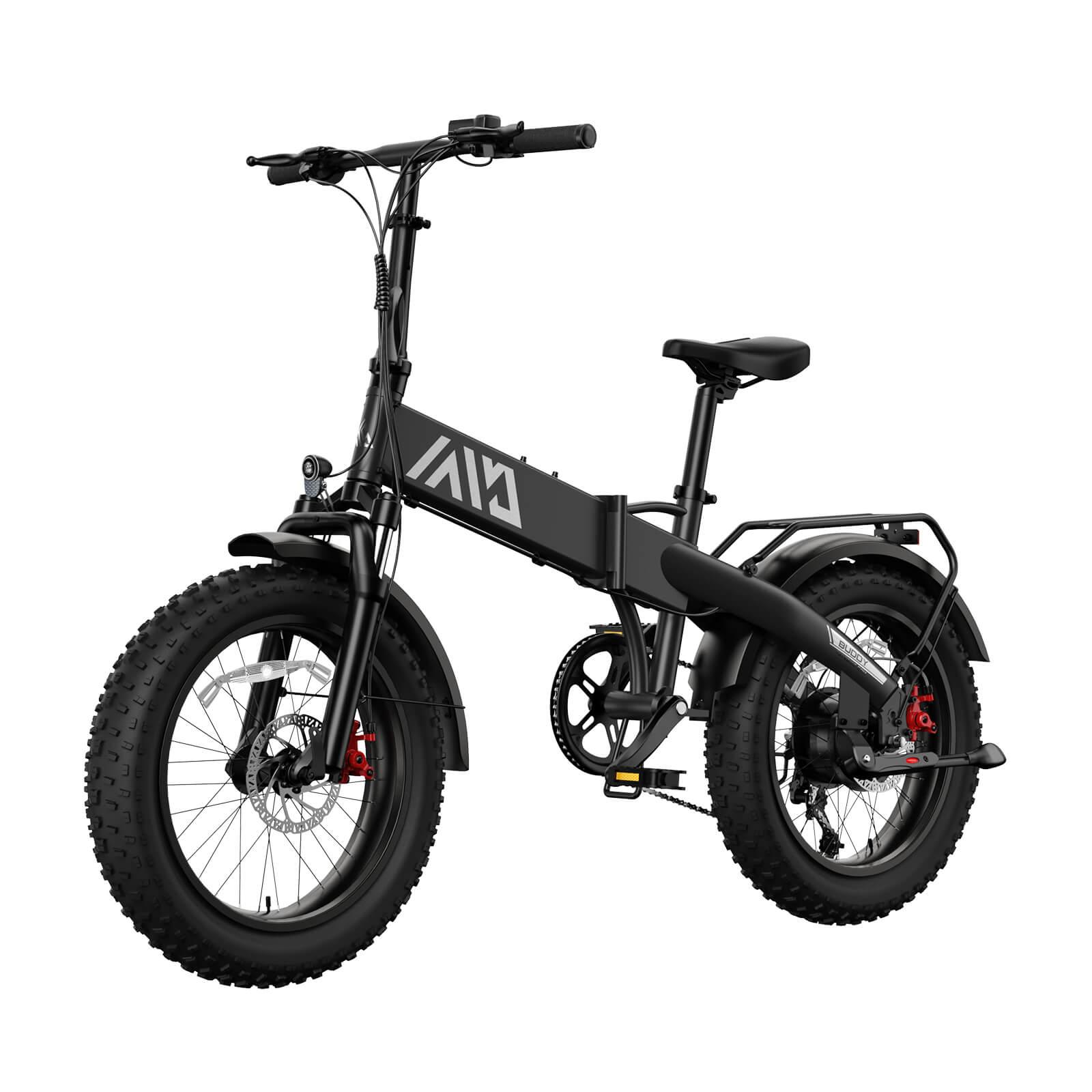

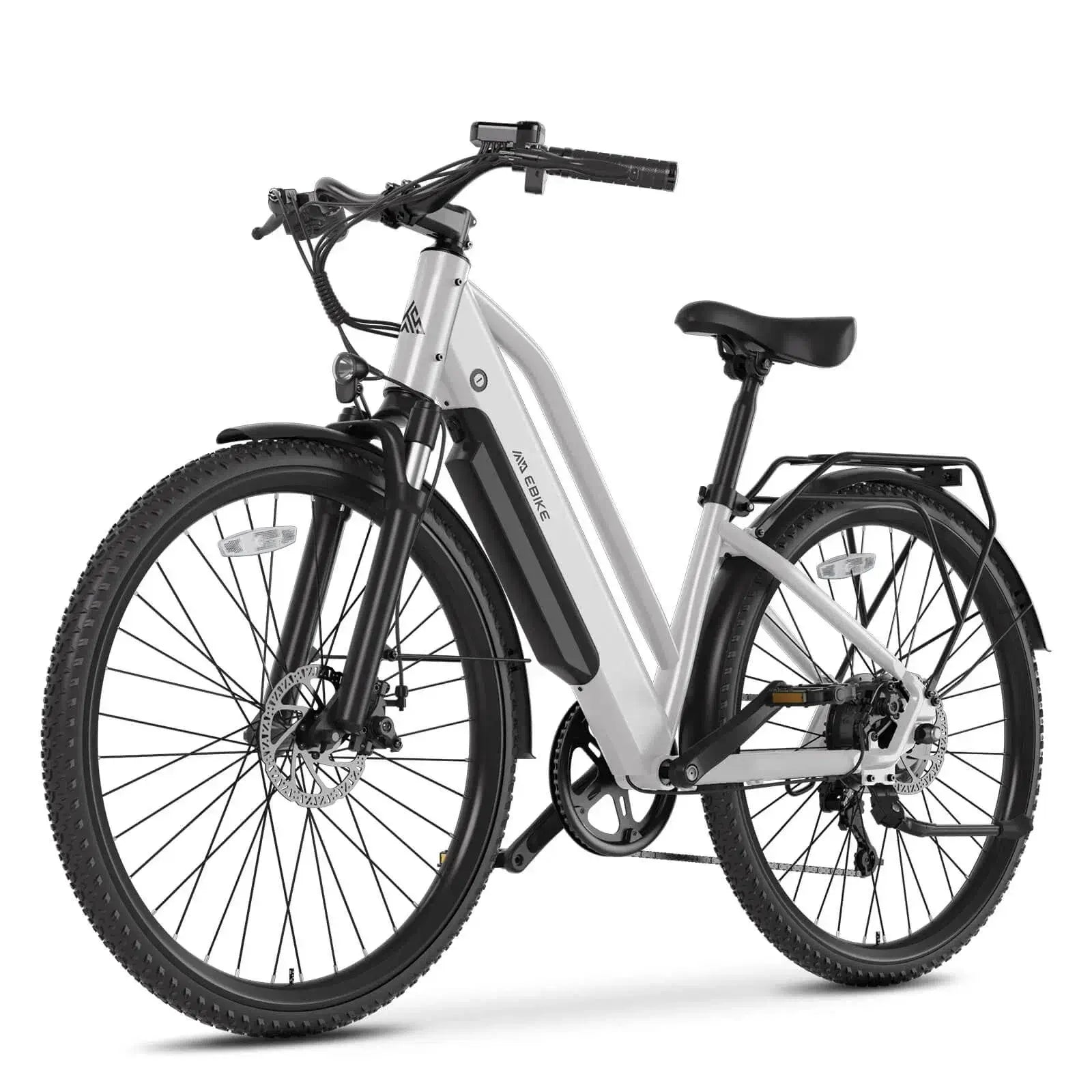







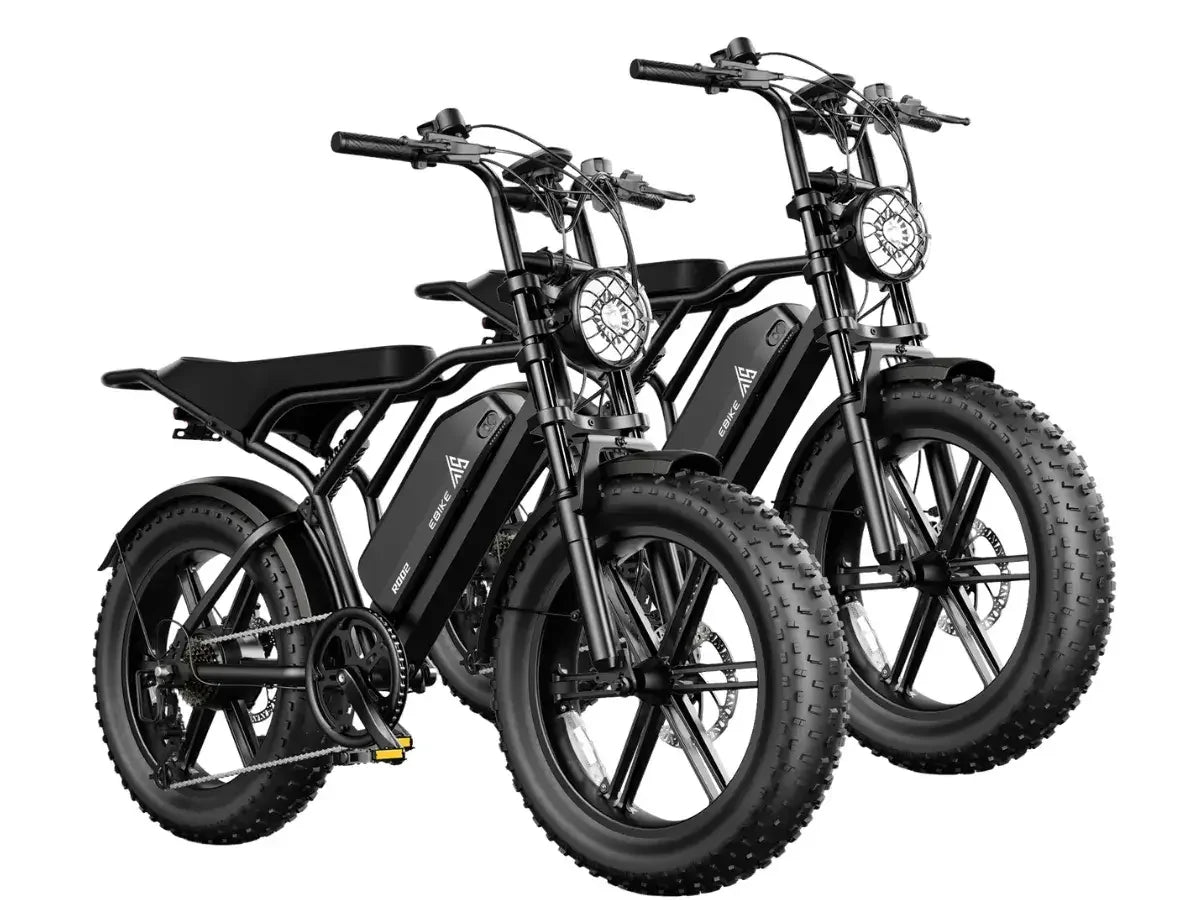
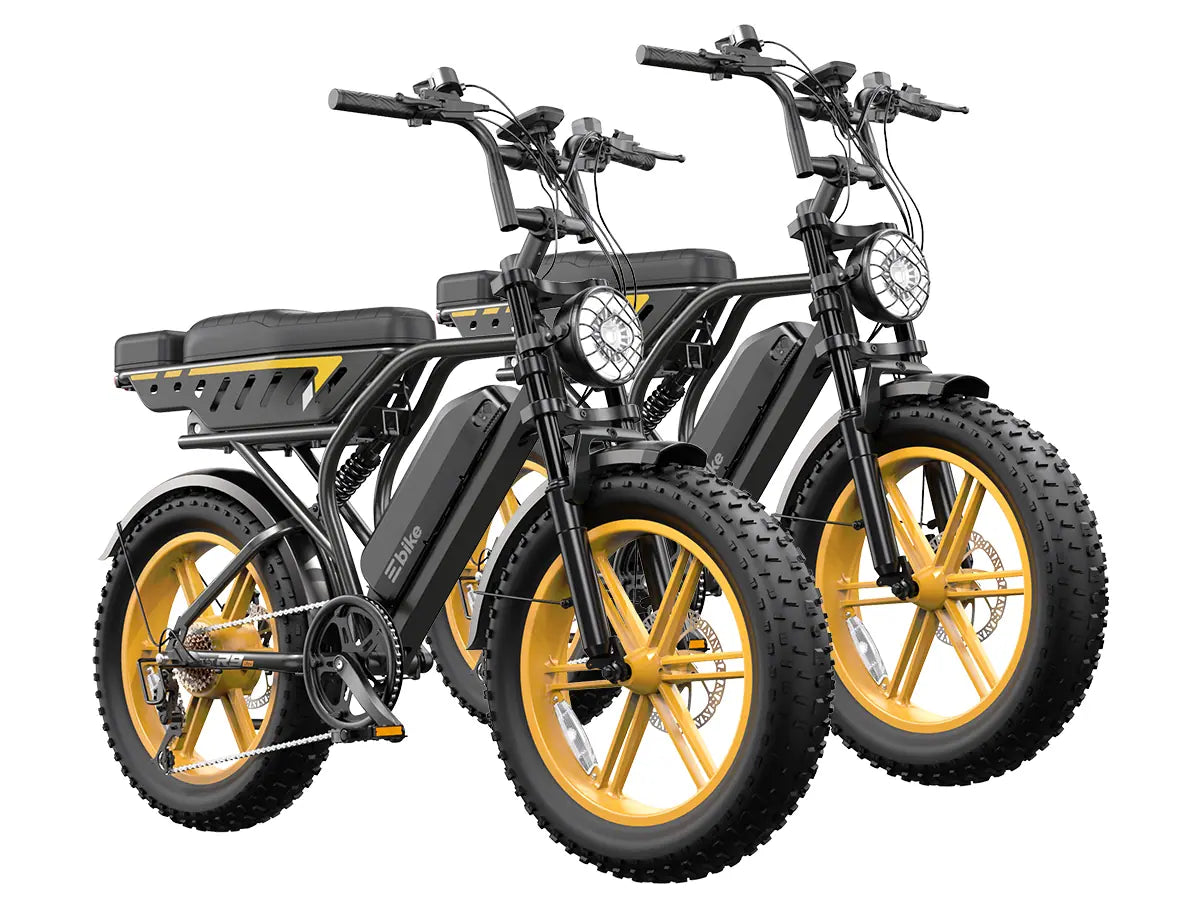

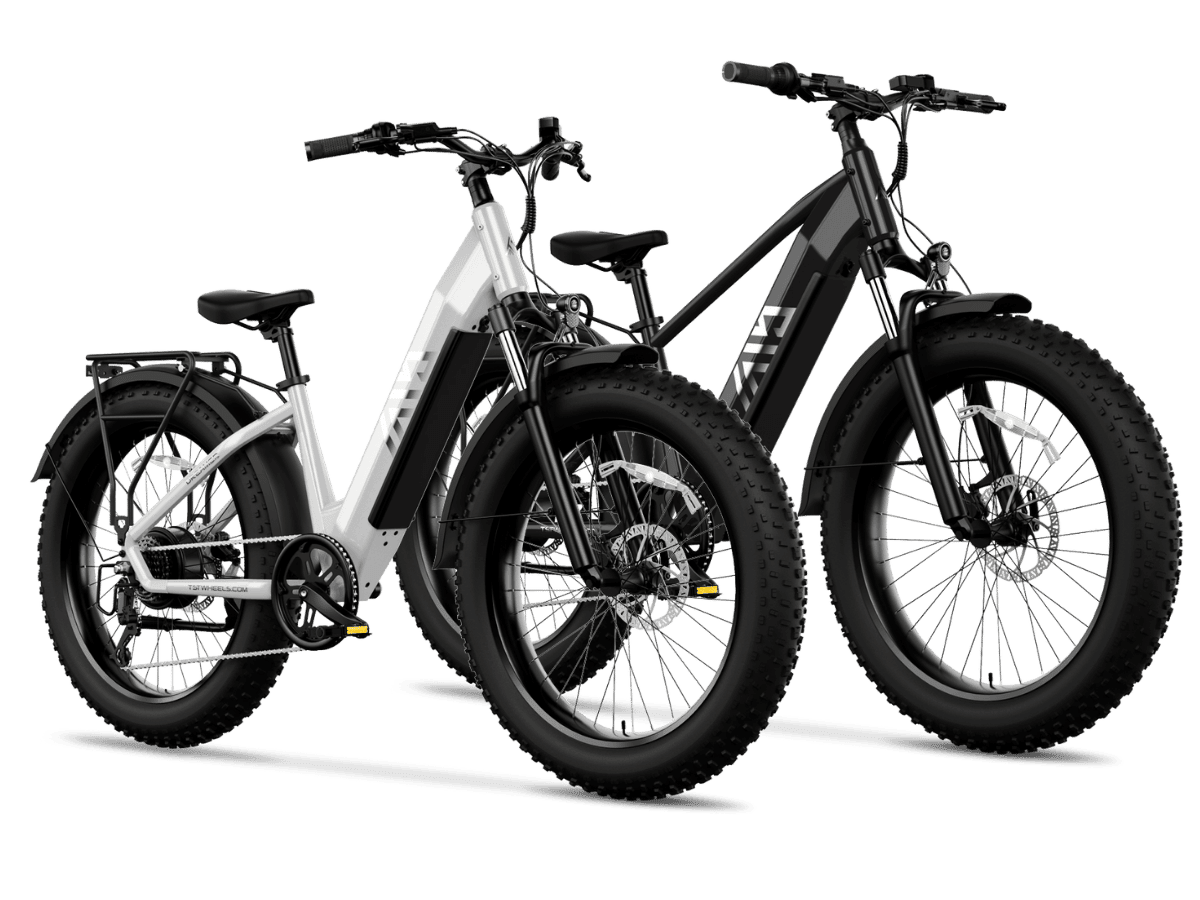
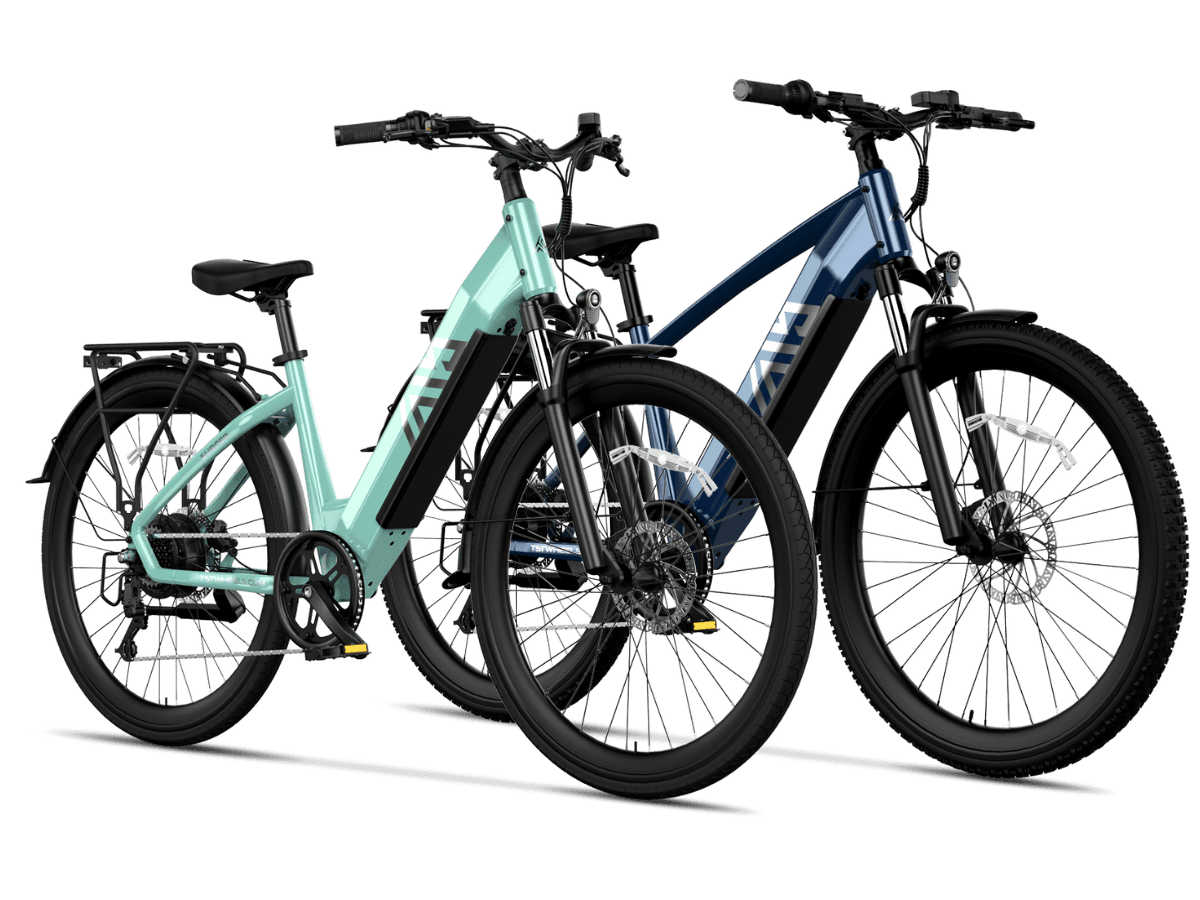
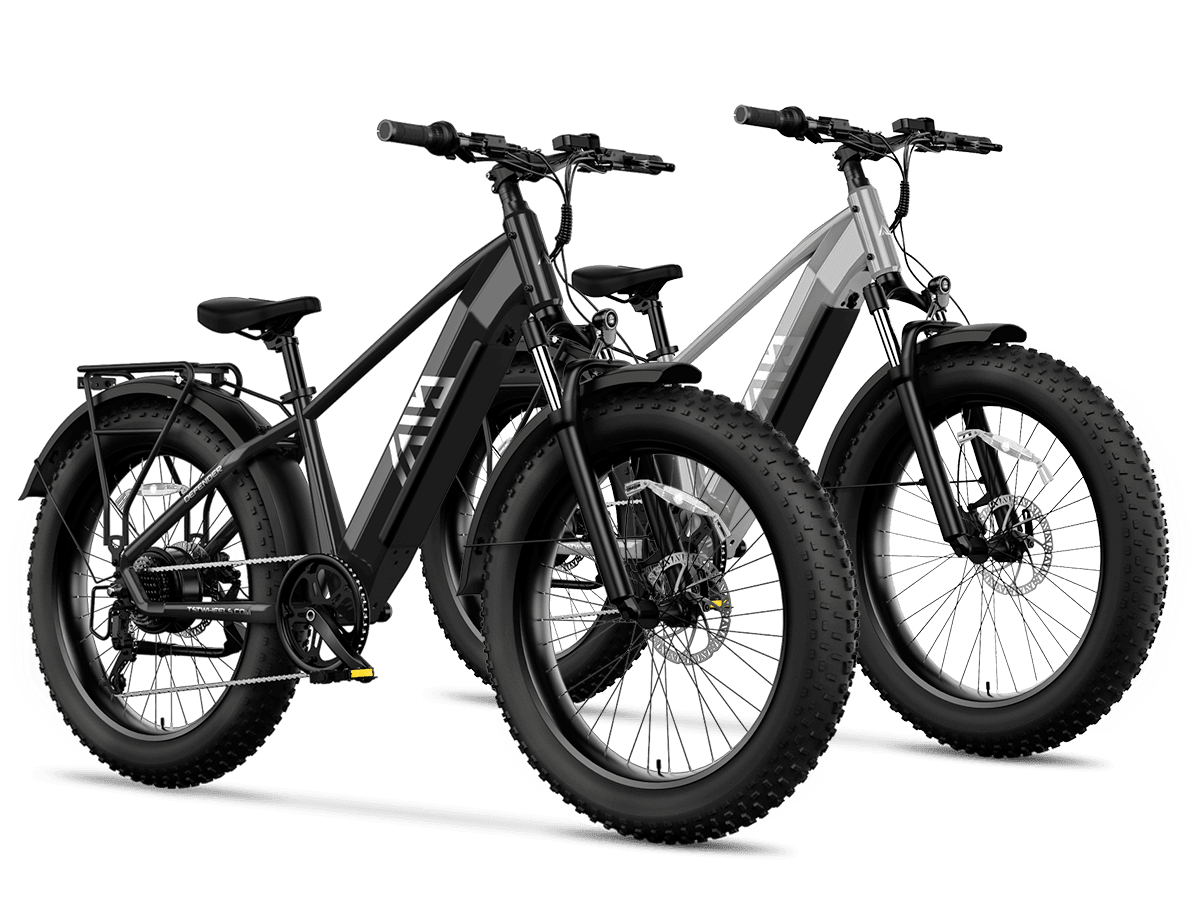
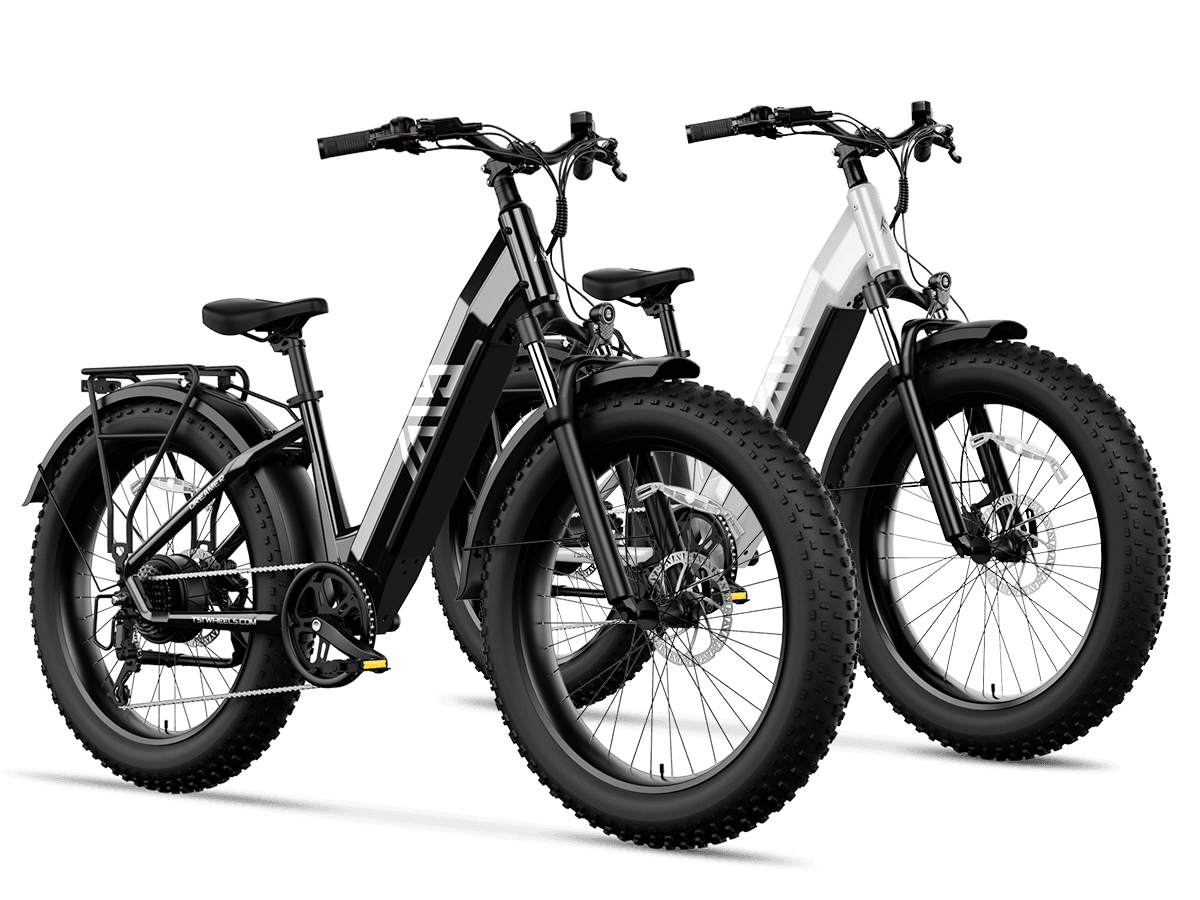

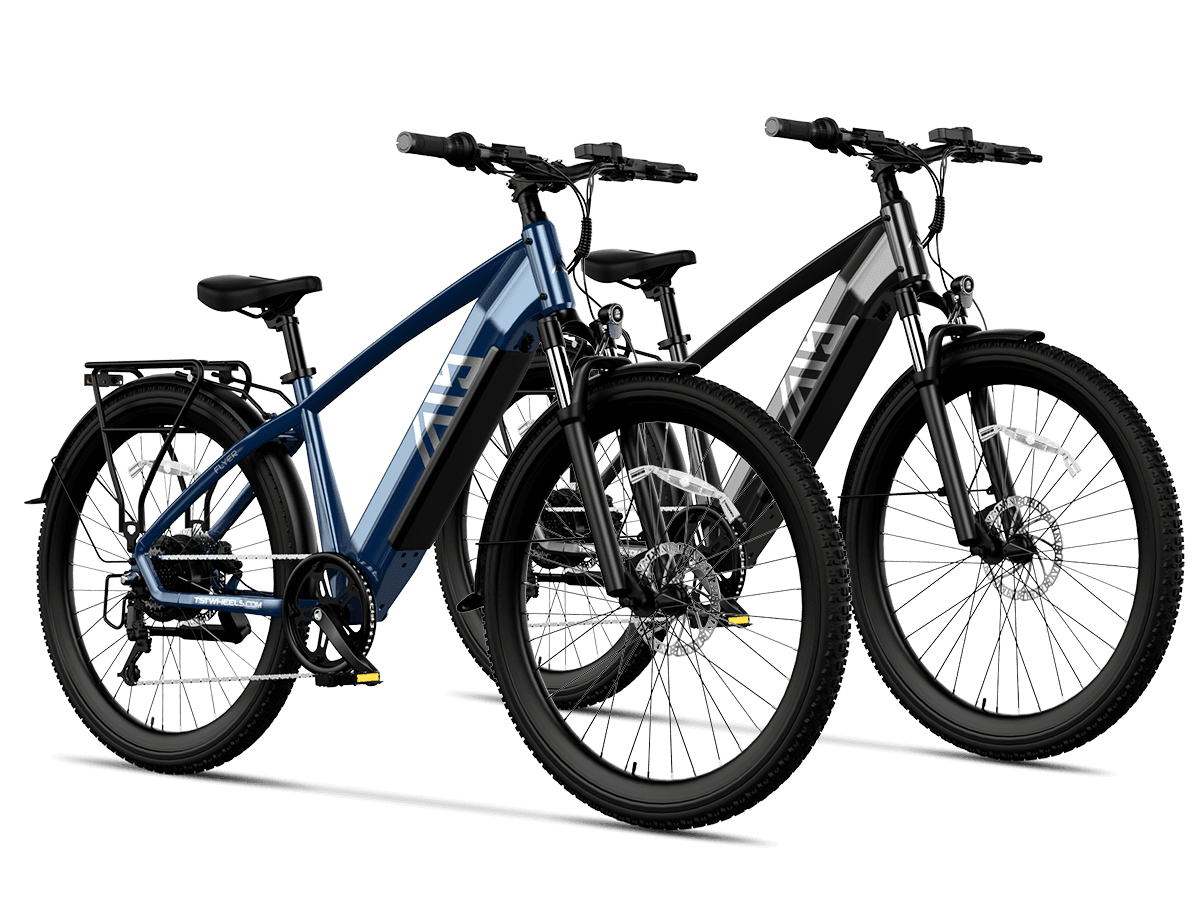
A class 3 ebikes is a pedal‑assist electric bike that provides motor power up to 28 mph, offering faster commuting and hill‑climbing without throttle. These bikes blend regulatory compliance with high-speed capability, ideal for urban riders seeking speed, efficiency, and performance.
What makes a class 3 ebikes different from other classes?
A class 3 ebikes delivers electric assistance only when pedaling and cuts out at 28 mph. It lacks throttle control (or throttle works only up to 20 mph in some areas) and is regulated to 750 W motor power—offering more speed than class 1 and 2 while still fitting bicycle laws.
Chart: eBike Classes Compared
| Class | Pedal Assist | Throttle | Max Speed |
|---|---|---|---|
| Class 1 | Yes | No | 20 mph |
| Class 2 | Yes | Yes | 20 mph |
| Class 3 | Yes | Rarely | 28 mph |
How do class 3 ebikes enhance commuting?
A class 3 ebikes accelerates faster and sustains up to 28 mph, enabling riders to keep pace with urban traffic. It reduces commute times, handles hills with ease, and supports longer distances—delivering an efficient, sweat‑free ride for daily travel.
Class 3 electric bikes make getting to work or school much easier by giving you extra help when pedaling. They let you go as fast as 28 miles per hour, which matches the flow of city cars and cuts down your travel time. No more arriving sweaty or tired—the motor takes over on tough spots like steep hills, so you stay fresh for the day ahead.
These bikes shine for everyday trips because they handle longer routes without running out of power, turning stressful drives into fun, healthy rides. Brands like TST EBike offer strong models with 27-inch wheels perfect for smooth commutes, keeping you ahead of traffic while saving money on gas. Pick one with good brakes and battery life to ride confidently every day.
Which features are key in top class 3 ebikes?
Look for a class 3 ebikes with a robust 500–750 W motor, torque‑sensor pedal‑assist, 48–72 V battery providing 40–60 mile range, hydraulic disc brakes, and integrated speedometer. Optional features like racks, fenders, suspension, and app connectivity increase versatility and commuting comfort.
Chart: Core Features of Class 3 eBikes
| Feature | Typical Spec | Rider Benefit |
|---|---|---|
| Motor Power | 500–750 W | Smooth power delivery |
| Battery Range | 40–60 miles | Long commutes w/o recharge |
| Brake System | Hydraulic discs | Reliable stopping at speed |
| Speedometer | Digital, built‑in | Monitors assist cap at 28 mph |
Where can you legally ride a class 3 ebikes?
A class 3 ebikes is permitted on roads and bike lanes but often restricted from multi‑use trails or parks. Riders typically must be 16+, wear a helmet, and avoid faster paths. Regulations vary by region, so always verify local laws before riding.
How do you maintain and charge a class 3 ebikes?
Maintain your class 3 ebikes by charging with the proper voltage charger (48–72 V), storing battery at 40–60 %, and avoiding extreme temperatures. Regularly check tire pressure, disc-brake health, firmware updates, and tighten bolts to ensure safe performance at speed.
Buying Tips
When investing in a class 3 ebikes, prioritize a 500–750 W torque-sensor motor, 48–72 V battery with 40+ mile range, reliable hydraulic brakes, and essential commuter accessories like fenders and racks. Ensure legal compliance by verifying local riding regulations and opt for brands offering solid logos and a 2‑year warranty.
TST EBike Expert Views
“Class 3 models bring commuter speed and hill‑climbing power in a street‑legal package,” says a TST EBike engineer. “We tailor our e‑bikes to balance 26‑inch snow‑terrain and 27‑inch city platforms, ensuring riders gain performance without sacrificing safety or versatility.”
FAQ
What Makes a Class 3 eBike Different from Other Classes?
A Class 3 eBike typically offers pedal assist up to about 28 mph, often with a more powerful motor and mandatory speedometer, making it faster and more road-focused than Class 1 and 2 models. TST EBike designs Class 3 options ideal for riders who want commuter-level speed and stronger hill-climbing performance.
How Fast Can Class 3 eBikes Really Go Safely?
Most Class 3 eBikes assist up to roughly 28 mph, but safe riding depends on proper gear, road awareness, and braking distance. Riders should wear helmets, follow local speed limits, and practice smooth acceleration and braking. On rough terrain, the 26-inch models TST EBike offers can provide additional stability and control.
Are Class 3 eBikes Street Legal in Your State?
Class 3 eBike legality varies by state, but they are generally treated as bicycles with specific rules: helmet requirements, age limits, and restrictions on certain bike paths. Always check your state and city regulations before riding. Local laws may dictate where you can ride and whether Class 3 models are allowed in multi-use lanes.
Why a Class 3 eBike Might Be the Best Commuting Option?
A Class 3 eBike is excellent for commuting because its higher assisted speed can shorten travel time, reduce sweat, and help you keep up with traffic. With options like 27-inch models for daily commuting and mountain routes, you get efficient rolling, comfort, and enough power to handle hills while replacing short car trips.
Which Class 3 eBikes Are the Best to Buy in 2026?
The best Class 3 eBikes in 2026 balance power, range, comfort, and price. Look for reliable motors, long-lasting batteries, hydraulic brakes, and frames sized for your height. Brands like TST EBike focus on high-power, cost-effective models, giving riders strong performance and solid quality control without a premium price tag.
How Far Can a Class 3 eBike Go on One Charge?
Range for Class 3 eBikes typically depends on battery capacity, rider weight, terrain, and assist level, often spanning from around 25 to 60 miles per charge. Using lower assist modes, maintaining proper tire pressure, and choosing efficient 27-inch wheels for commuting can help you ride farther before recharging.
How Safe Are Class 3 eBikes for Everyday Riders?
Class 3 eBikes are safe for everyday riders when used responsibly: wear a helmet, obey traffic laws, and ride at speeds appropriate for conditions. Their stronger brakes and responsive handling help manage higher speeds. Choosing the right wheel size, like 26-inch for rough terrain or 27-inch for smoother commutes, also boosts stability.
How to Maintain a Class 3 eBike for Long-Term Performance?
To maintain a Class 3 eBike, regularly check tire pressure, clean and lubricate the chain, inspect brake pads, and keep the battery between roughly 20% and 80% charge when possible. Store the bike indoors, avoid deep water, and schedule periodic professional tune-ups so performance, safety, and range stay consistent over years of riding.

Leave a comment
This site is protected by hCaptcha and the hCaptcha Privacy Policy and Terms of Service apply.