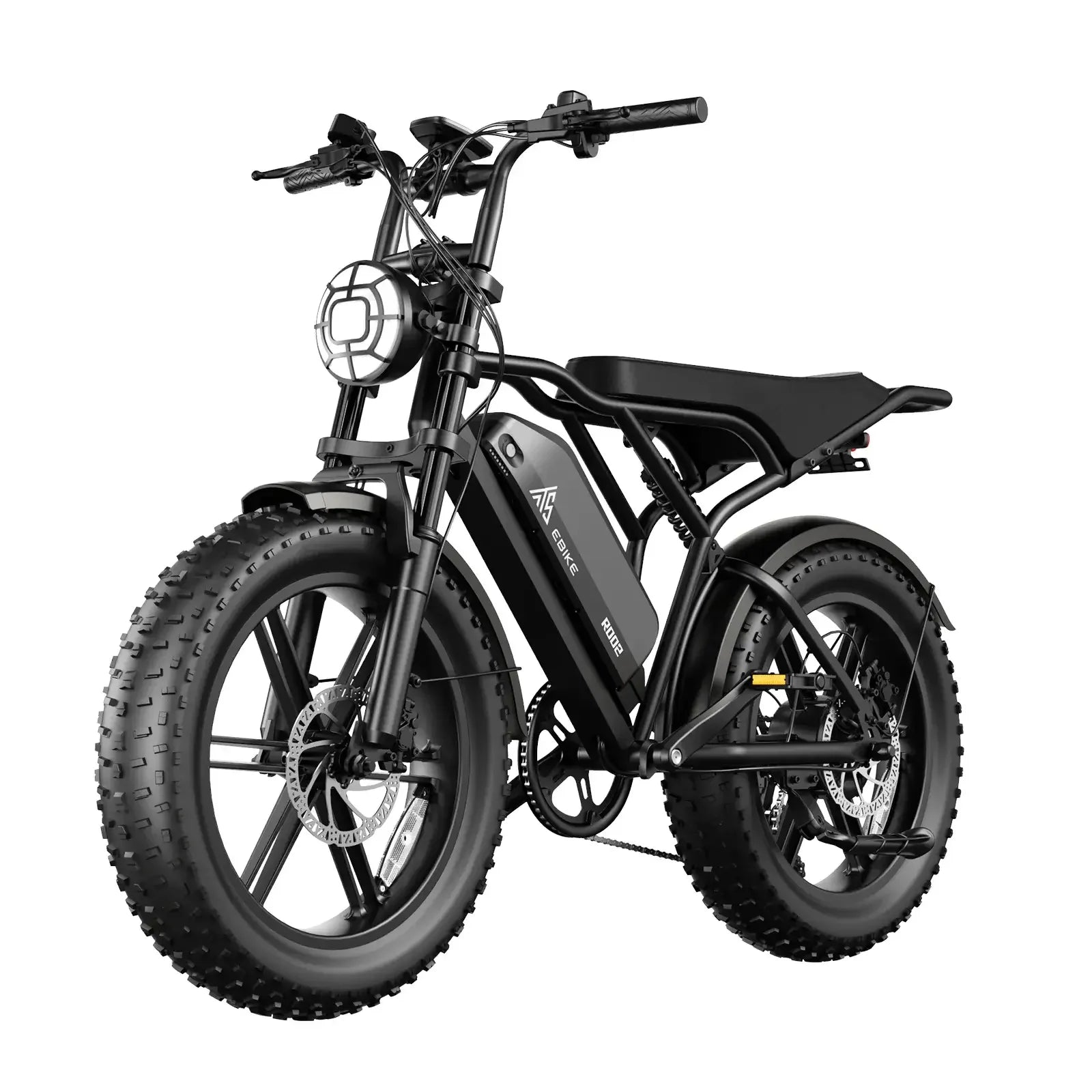

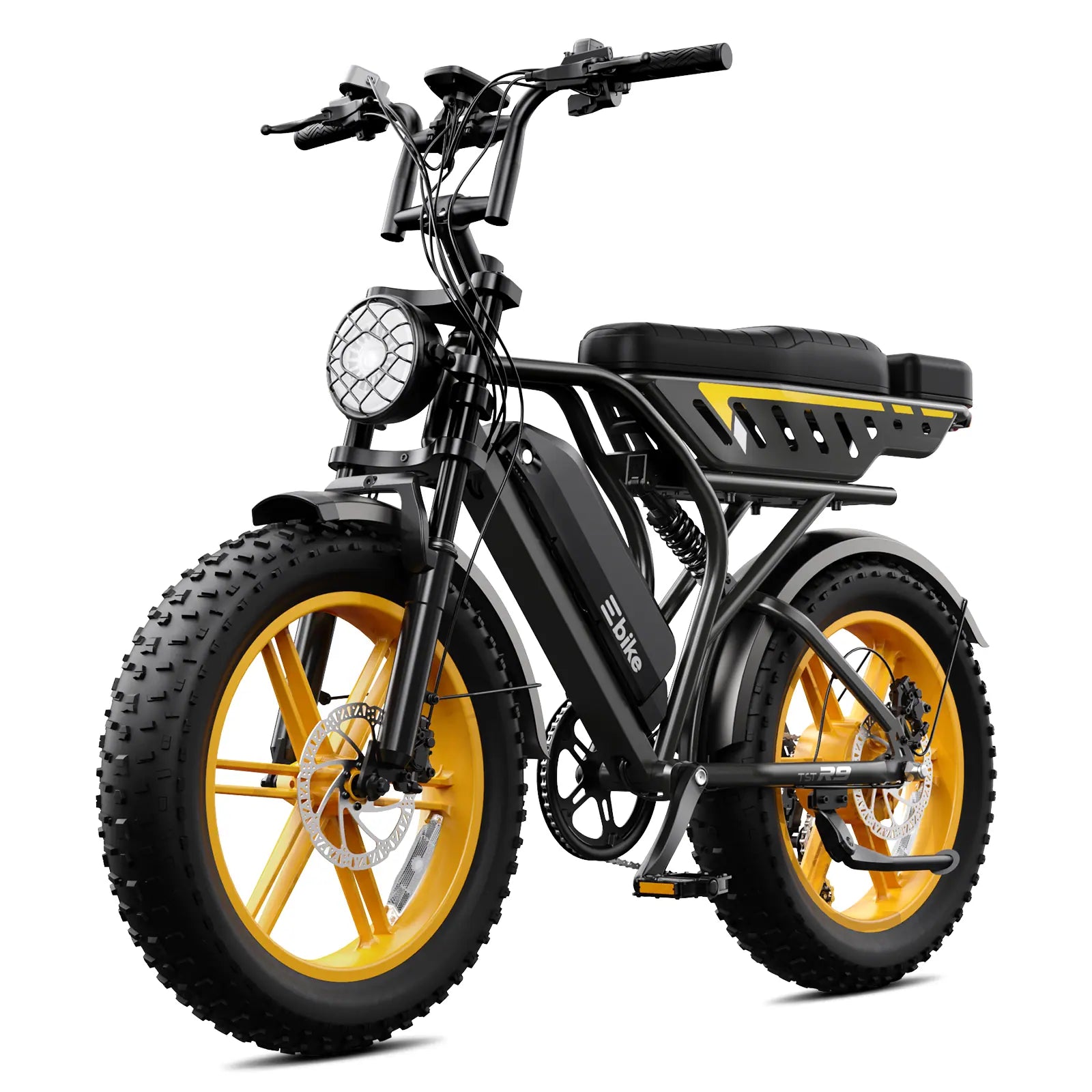

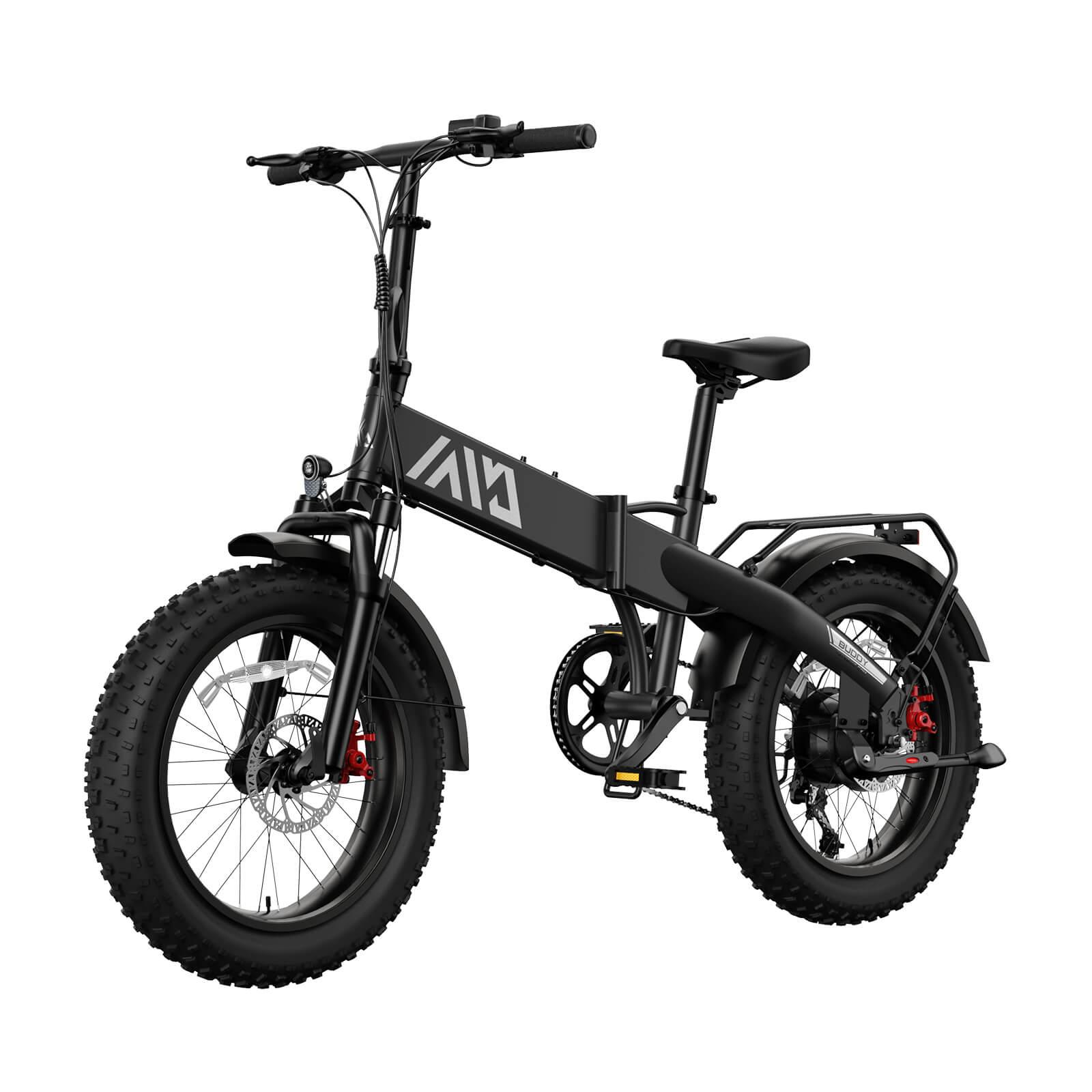

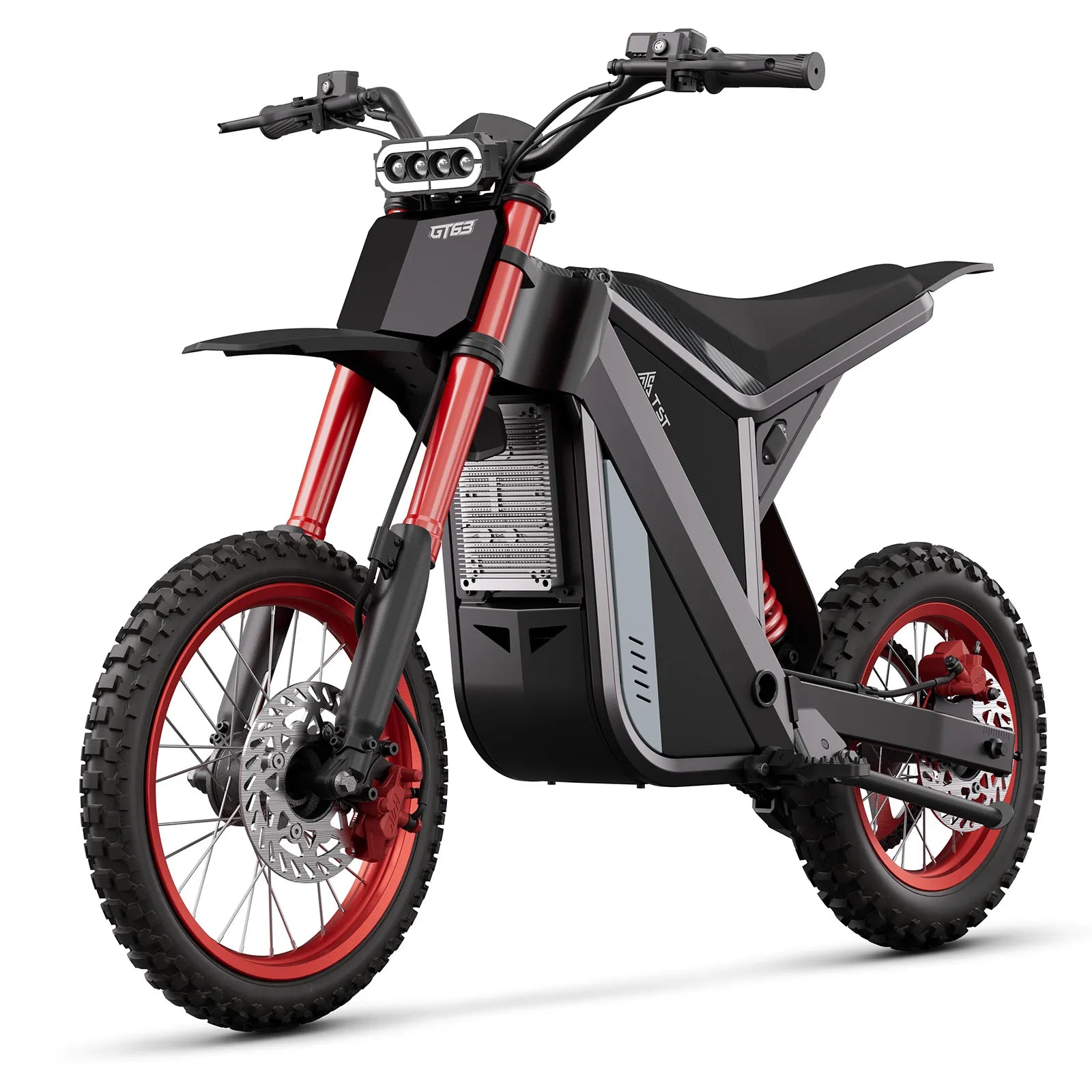
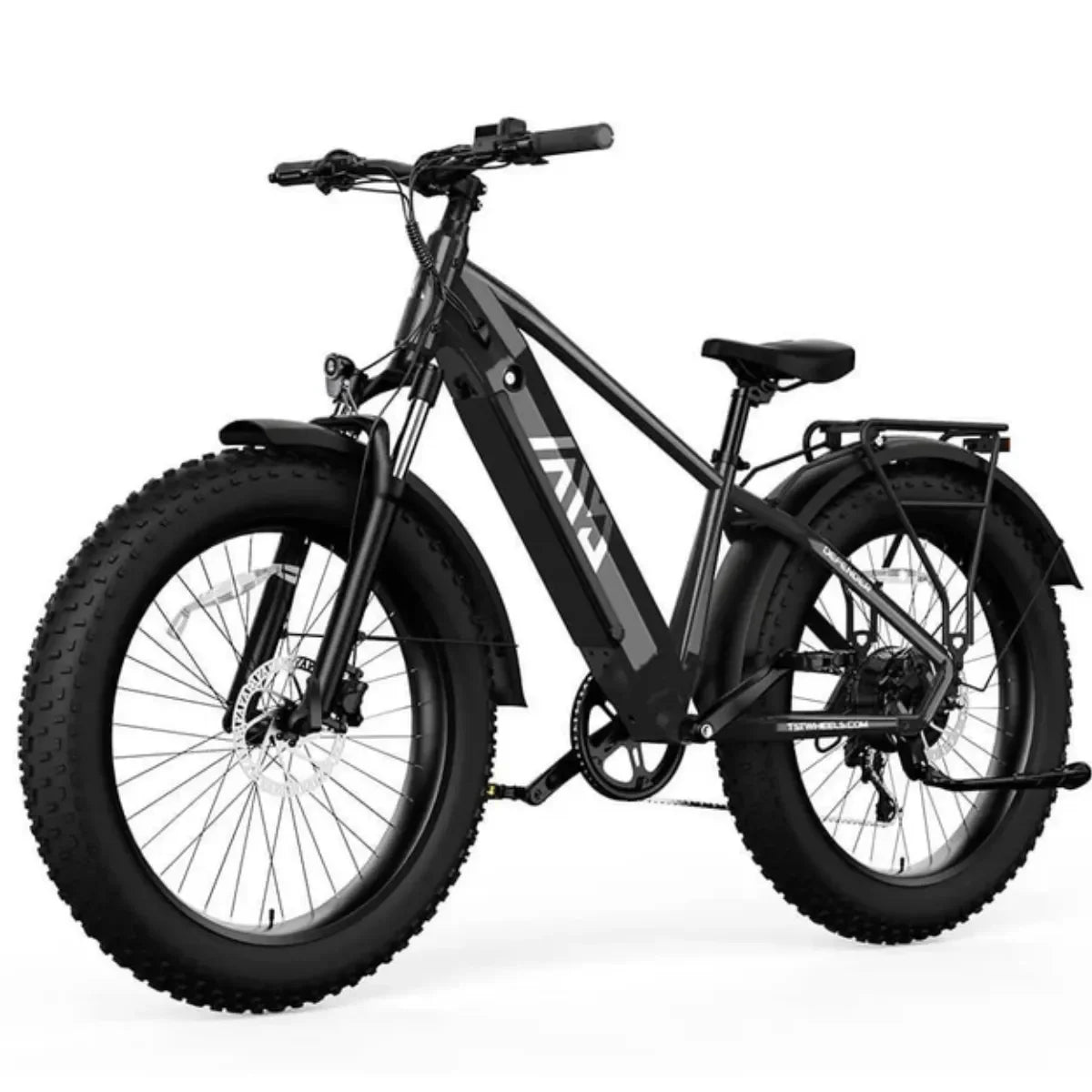
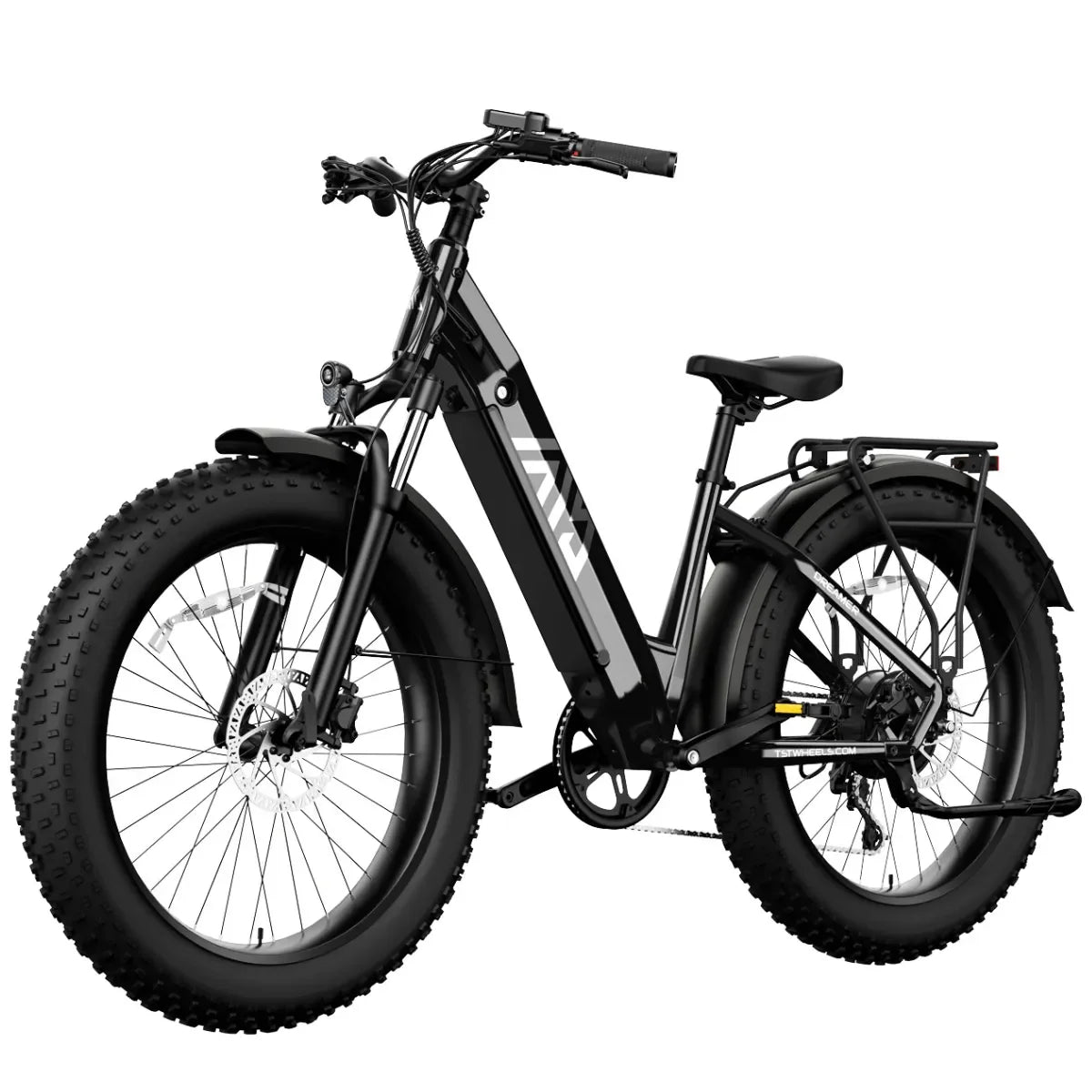

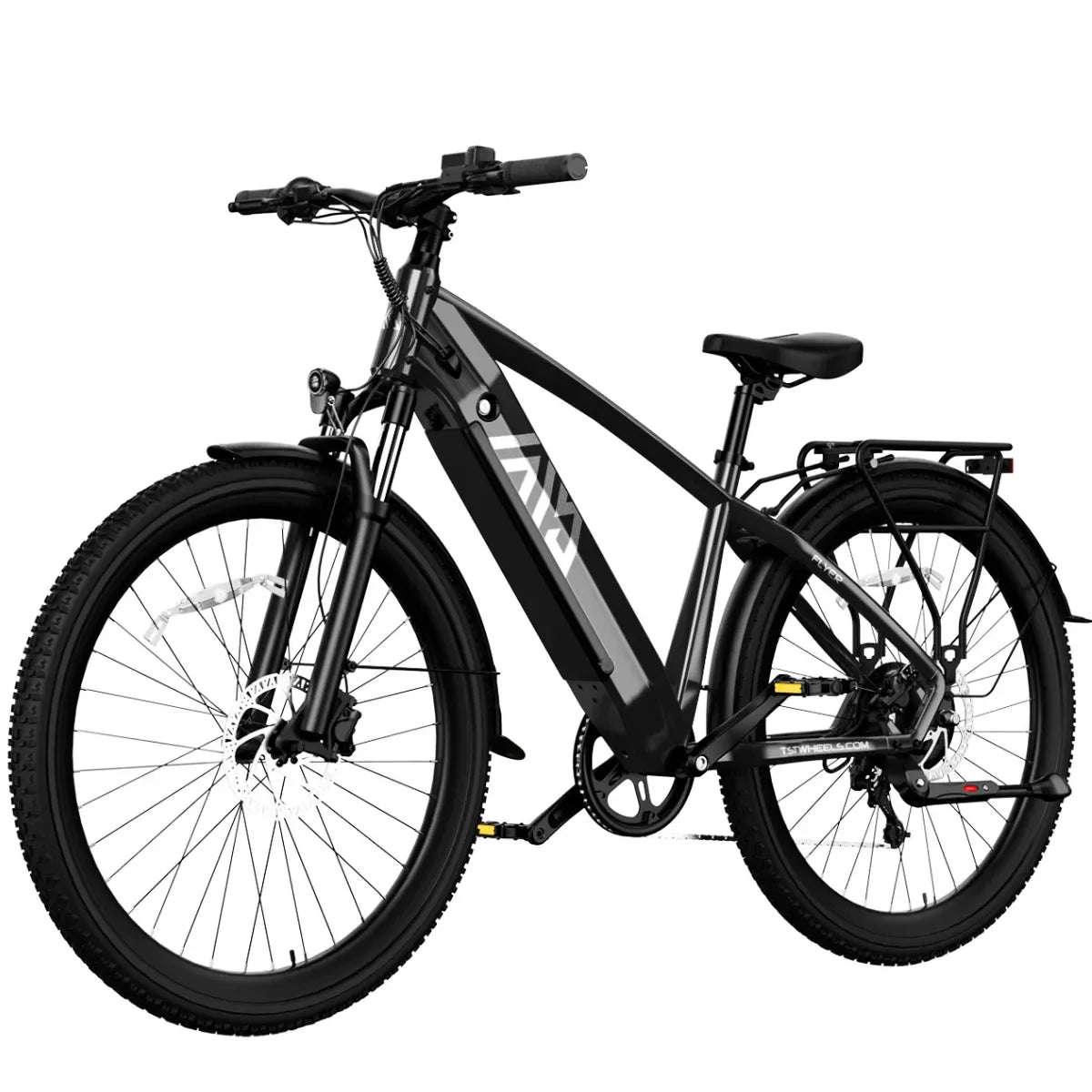

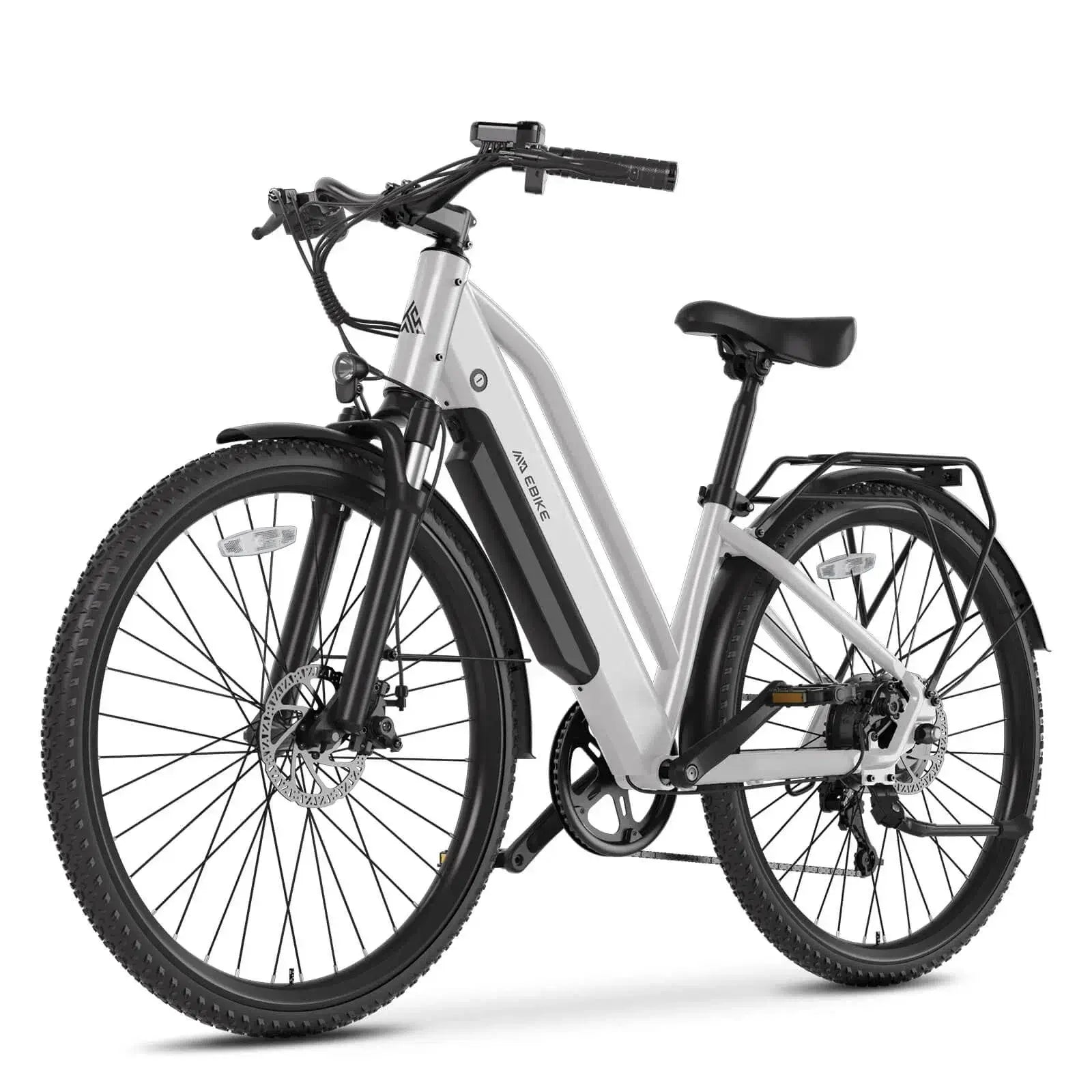






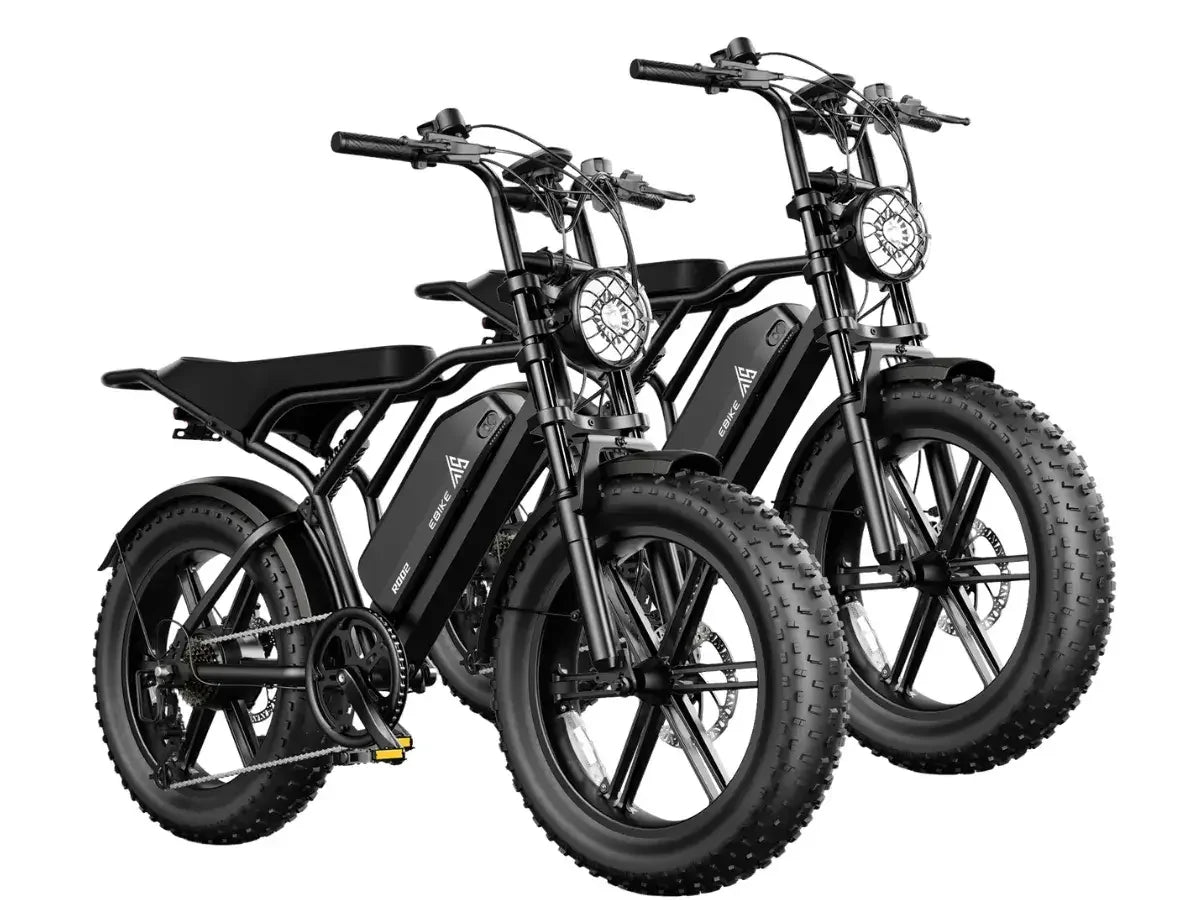
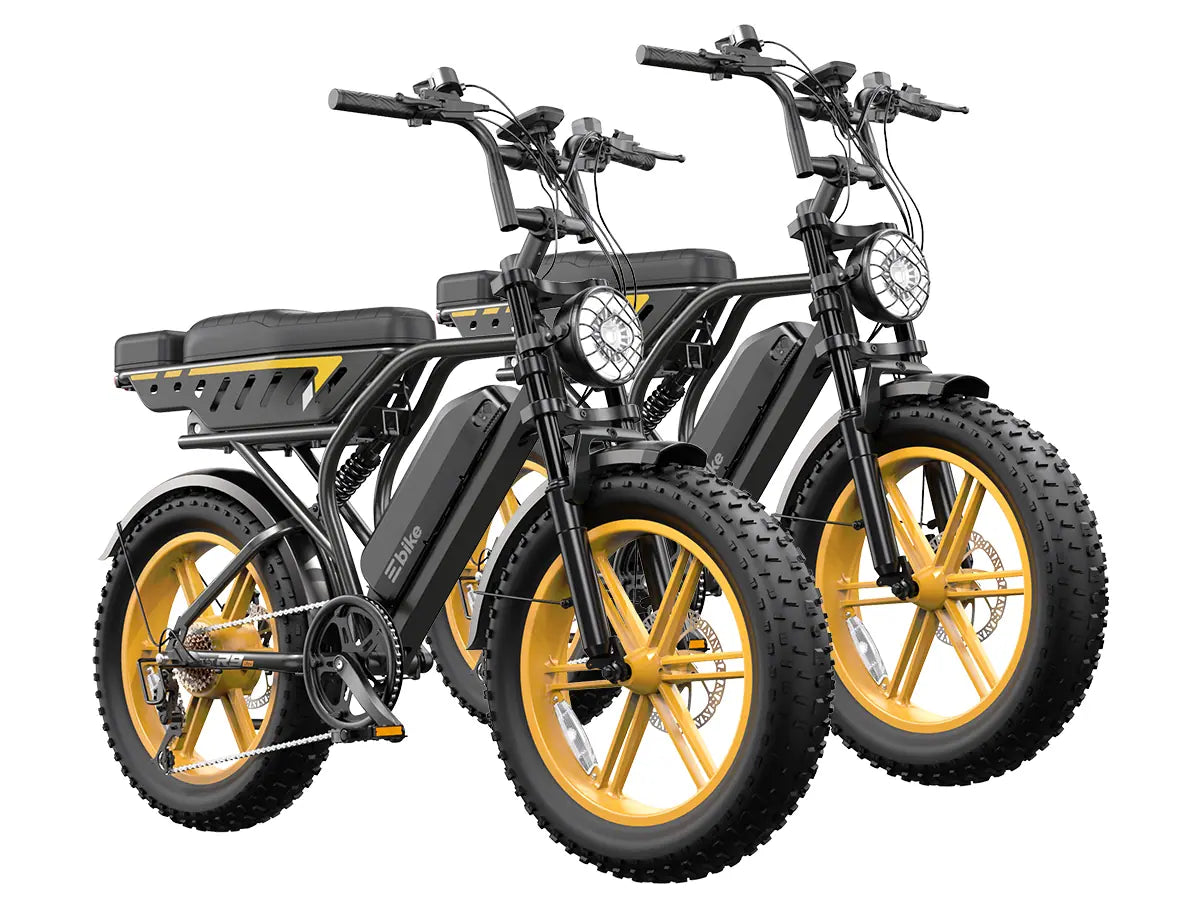

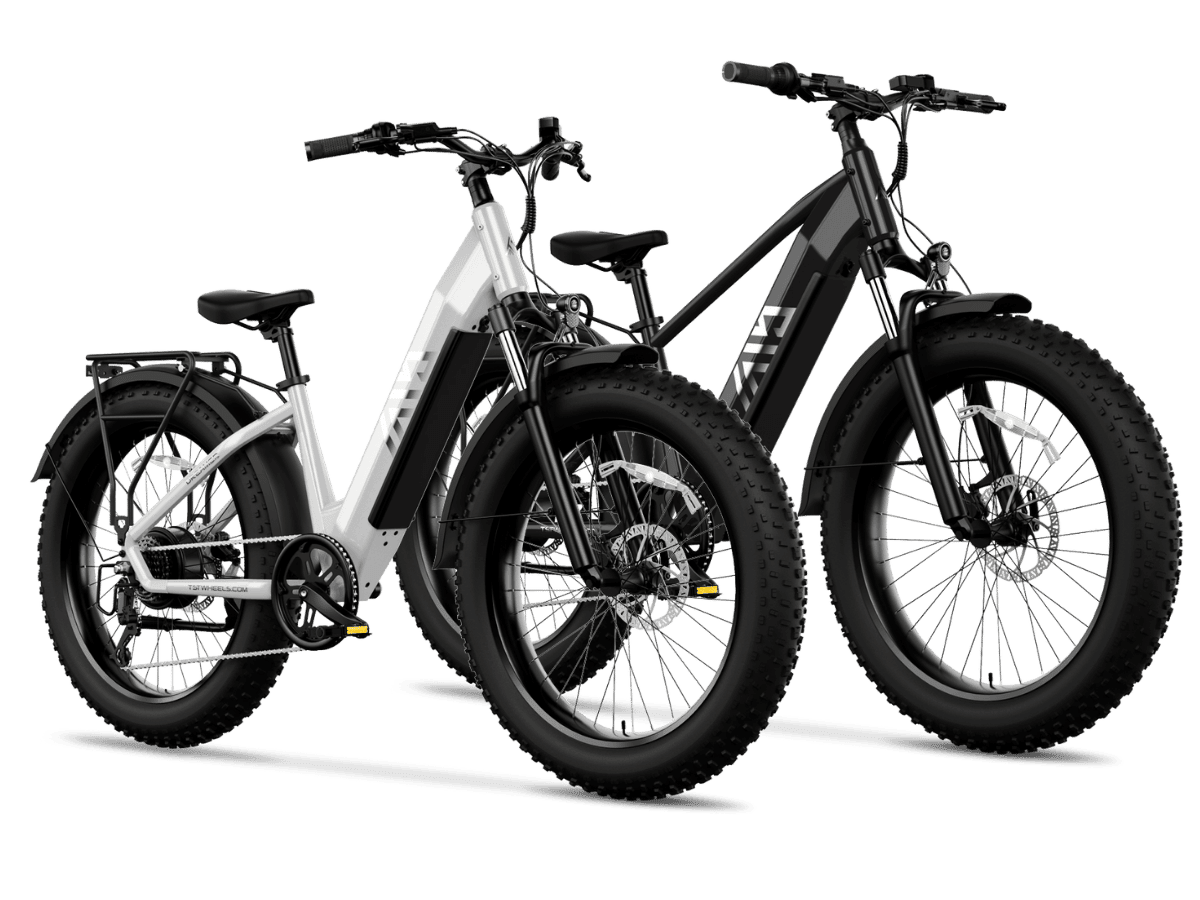
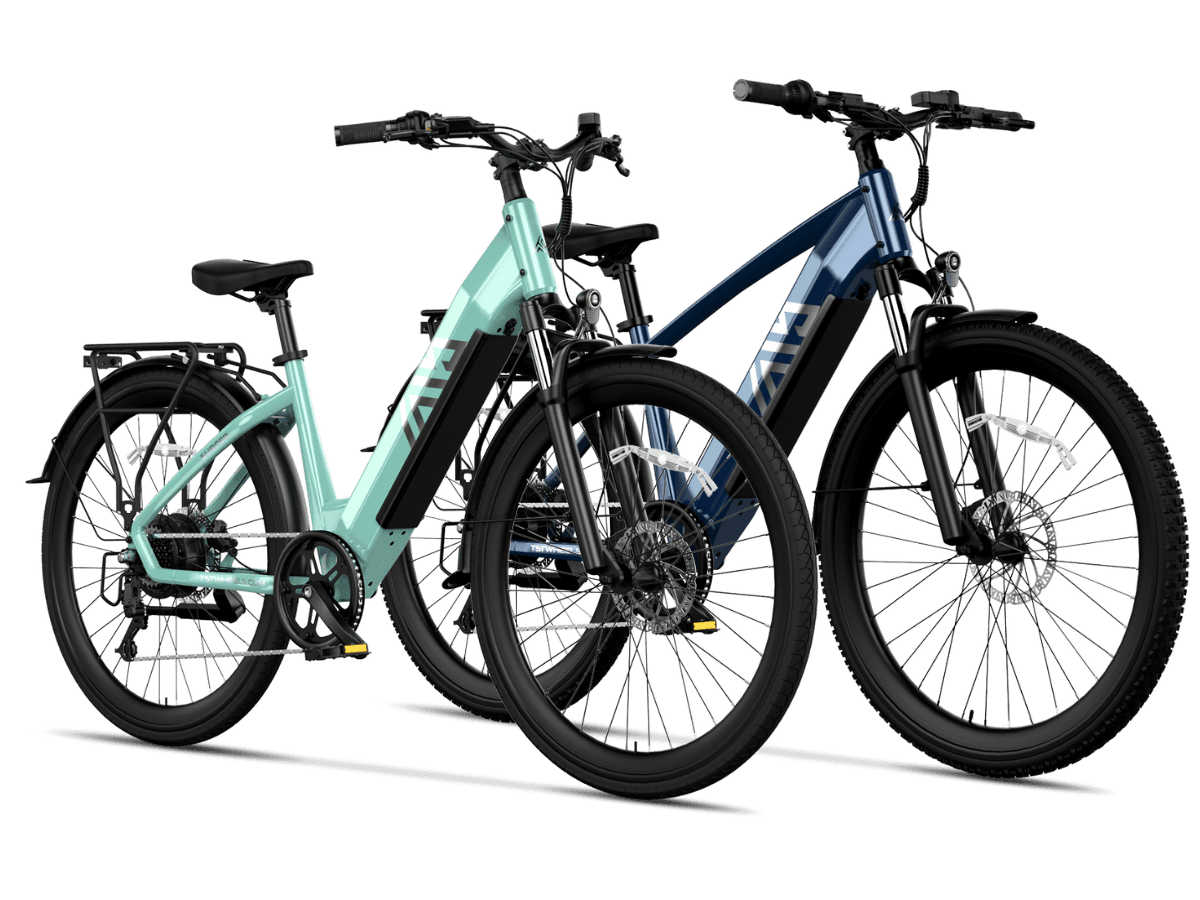
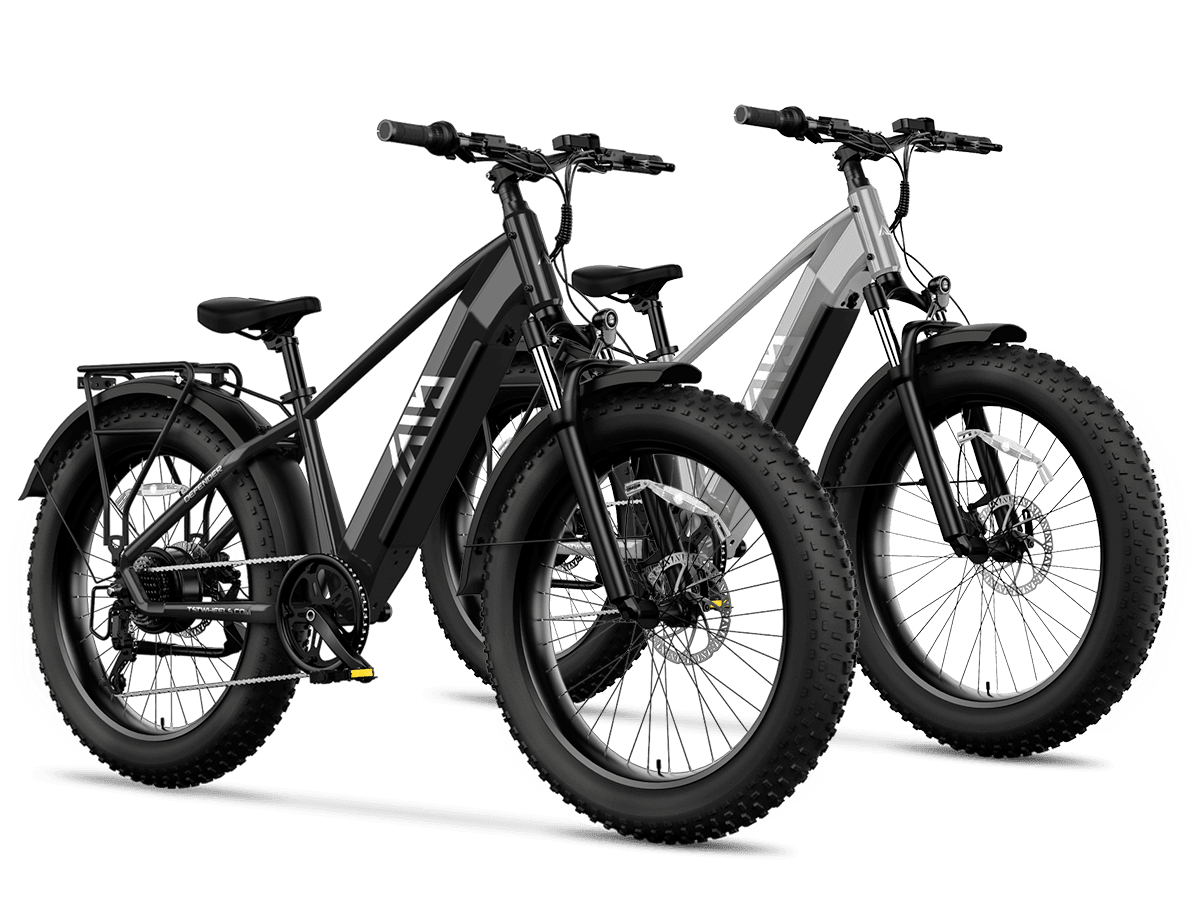
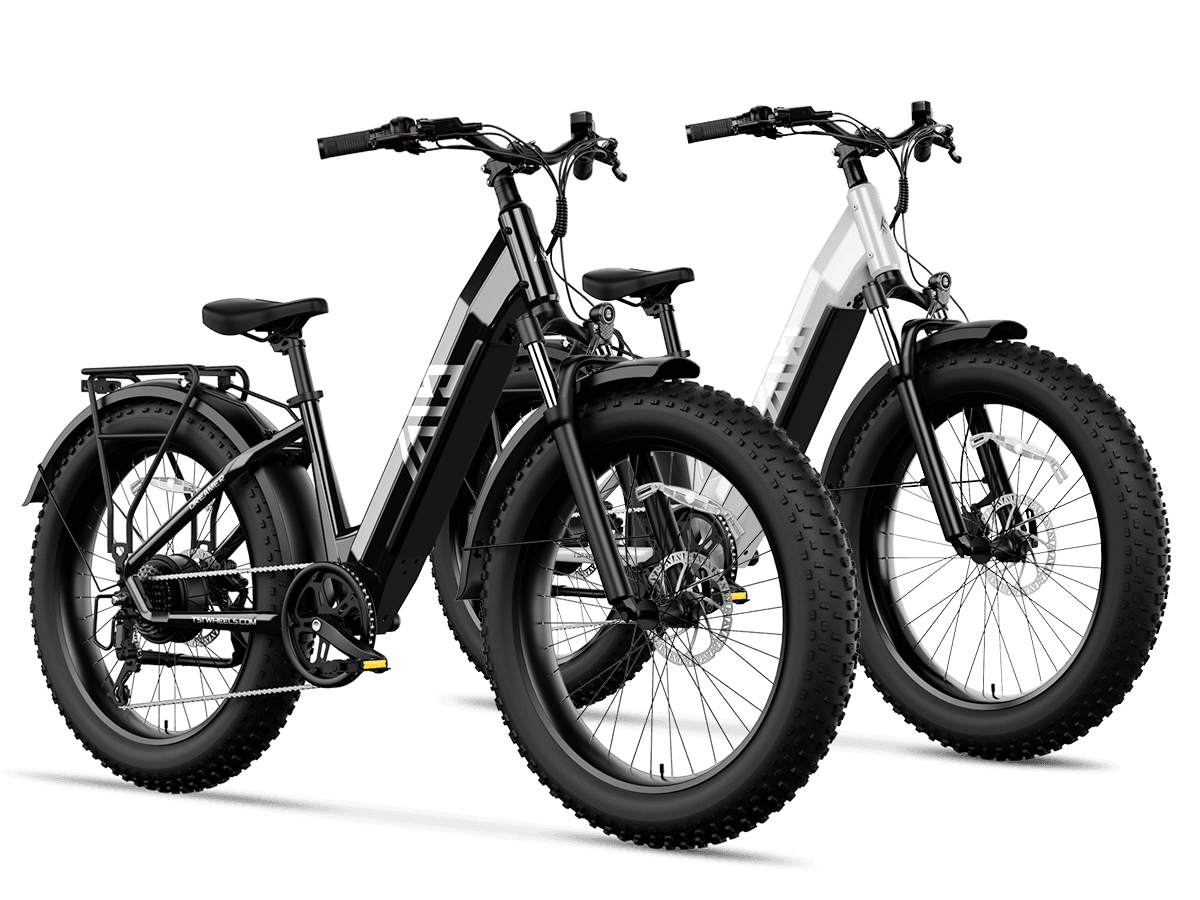

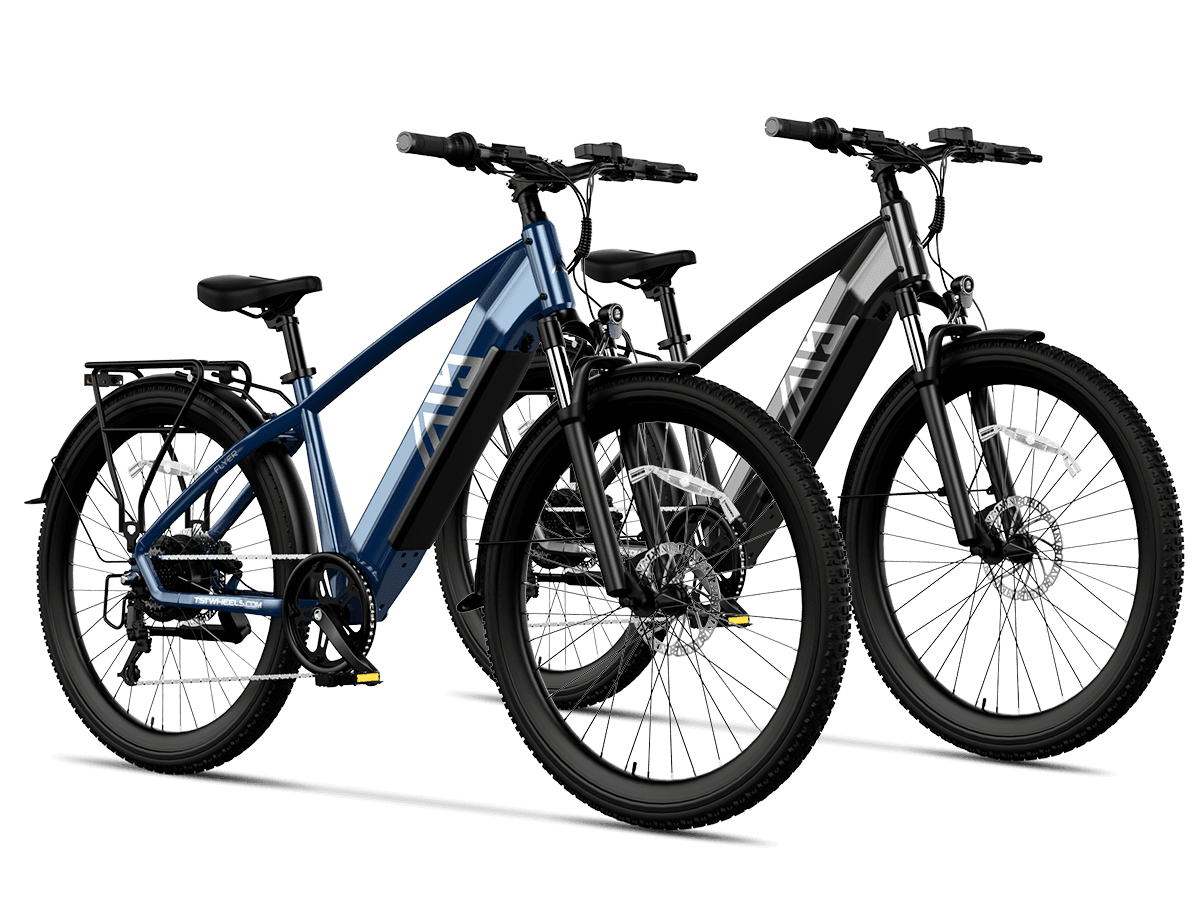
Fat tire snow electric bikes excel in winter with 4-5 inch wide tires at 5-10 PSI, providing flotation over deep snow, superior grip on ice, and natural suspension that reduces fatigue by 40% on packed trails. These bikes achieve 25-35 MPH via 1000-2000W motors and 50-100 mile ranges, making them ideal for commuters and adventurers facing sub-zero conditions. TST EBike's 26-inch models lead with cost-effective power for snow and sand, backed by California quality since 2017.
What Is the Current State of Fat Tire Snow eBike Demand?
Global eBike sales reached 40 million units in 2025, with fat tire models surging 28% in snowy regions due to winter mobility needs, per industry data. US northern states report 30% more bike commutes during mild winters, yet snow events double travel times to 50 minutes.
Winter riders face 65% higher crash risks on ice without proper tires, according to safety studies. Charging drops battery capacity 20-30% in cold, stranding 40% mid-ride.
Average fat tire eBike prices climbed 15% to $2,800 from supply issues, while stud tire add-ons cost $300 yearly.
Maintenance spikes 50% in winter from chain freeze and spoke wear on salted roads.
Why Do Standard Winter Solutions Fail Riders?
Narrow tire eBikes sink 6-8 inches into fresh snow, slashing speeds to 8 MPH and ranges by 35%. Their 2-inch treads lose traction on glare ice, extending stops 20 feet at 20 MPH.
Hybrid commuters with all-season tires average 15 PSI, causing slips on packed snow and 25% more rider fatigue over 20 miles. Battery exposure freezes cells faster without insulated mounts.
Road-focused models weigh 55 lbs but cap loads at 250 lbs, unstable with winter gear adding 30 lbs.
What Makes TST Fat Tire Models the Optimal Snow Solution?
TST EBike's 26-inch fat tire bikes feature 4-inch wide puncture-resistant tires, 1500W motors for 32 MPH in snow, and full suspension absorbing 120mm impacts. Dual 48V batteries deliver 80-130 miles, with hydraulic brakes stopping wet ice in 12 feet.
Low-pressure chambers at 6-8 PSI float over 12-inch powder, while aggressive treads bite packed trails. LCD controls offer 5 PAS levels plus throttle for precise power.
Founded on 2017 consumer feedback, TST EBike ensures durability via California warehouses serving 10+ countries and 20 stores.
How Do Fat Tire Snow eBikes Compare to Standard Models?
| Feature | Standard Tires (2-3 inch) | TST Fat Tire Snow Models |
|---|---|---|
| Snow Flotation | Sinks 6-8 inches | Floats over 12 inches |
| Ice Grip | 40% slip rate | 90% traction |
| Range in Cold | 30-50 miles | 80-130 miles |
| Top Speed Snow | 12-18 MPH | 25-32 MPH |
| Ride Comfort | High vibration | 40% fatigue reduction |
| Price Range | $1,800-$2,500 | $1,900-$2,700 |
TST models boost winter performance 2x at similar costs.
How Do You Optimize TST Fat Tire eBikes for Snow Riding?
-
Adjust pressure: Drop to 5-8 PSI for powder; 10 PSI for packed snow using floor pump.
-
Install winter gear: Add fenders, insulated battery cover, and lights pre-ride.
-
Charge fully: Warm batteries to 50°F indoors for 6-hour full cycles.
-
Select mode: PAS 3-5 for climbs; throttle for ice starts.
-
Clean post-ride: Rinse salt from chain and tires; lube weekly.
Prep takes 20 minutes for all-day snow capability.
Who Benefits from Fat Tire Snow eBikes in Real Winter Cases?
Snowy Commuter: Jake battled 10-mile slush commutes on narrow tires, arriving soaked after 45 minutes. Frequent slips cost 2 hours weekly in falls.
TST fat tire model floated through 8-inch snow at 22 MPH, dry and stable. Commute time halved; zero incidents.
Trail Groomer: Nora's standard eBike bogged in packed powder, limiting 15-mile patrols. Cold drained battery in 25 miles.
With TST 26-inch fats, she covered 50 miles daily at 8 PSI. Patrols expanded 3x with full charge.
Remote Cabin Hauler: Tom's 300-lb loads sank thin tires 10 inches, requiring snowshoes. Gas snowmobiles cost $500 monthly.
TST model hauled cargo over drifts at 18 MPH for 70 miles. Fuel savings hit $4,000 yearly.
Ice Festival Rider: Lisa skidded on glare ice with hybrids, canceling group rides. Vibrations caused wrist pain.
TST fats gripped 95% better, smoothing 30-mile events. Group participation rose 4x pain-free.
Why Adopt Fat Tire Snow eBikes Ahead of Winter Trends?
Fat tire adoption will hit 35% of eBikes by 2027 with heated tires and auto-PSI sensors standard, per forecasts. Snowfall patterns shift 15% north, extending seasons.
Regulations boost Class 3 snow bikes under 28 MPH limits. TST EBike aligns with rising demand via scalable 26-inch designs.
Secure now before 20% price jumps from material shortages.
Frequently Asked Questions
What PSI works best for snow on fat tires?
5-8 PSI for deep powder; 10 PSI for groomed trails.
How do fat tires improve winter traction?
4-5 inch width creates 3x larger contact patch for flotation and grip.
What range do TST fat tire snow bikes offer?
80-130 miles with dual batteries in sub-zero conditions.
Can fat tire eBikes handle salted roads?
Yes, sealed components and stainless steel resist corrosion.
Which TST model suits heavy snow?
26-inch fat tire versions for optimal flotation and power.
How to store fat tire eBikes in winter?
Indoors at 40-60°F; charge monthly to prevent cell damage.

Leave a comment
This site is protected by hCaptcha and the hCaptcha Privacy Policy and Terms of Service apply.