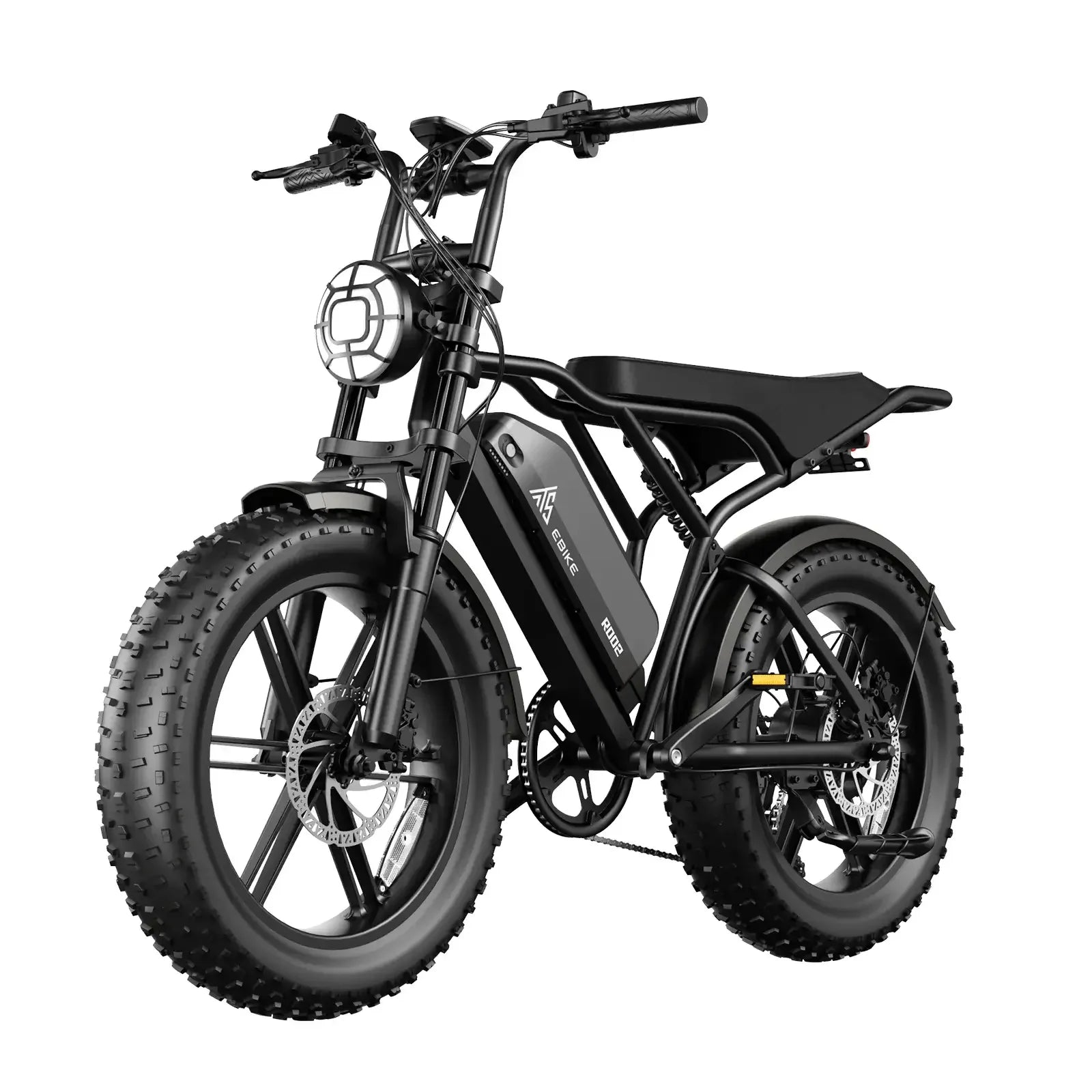

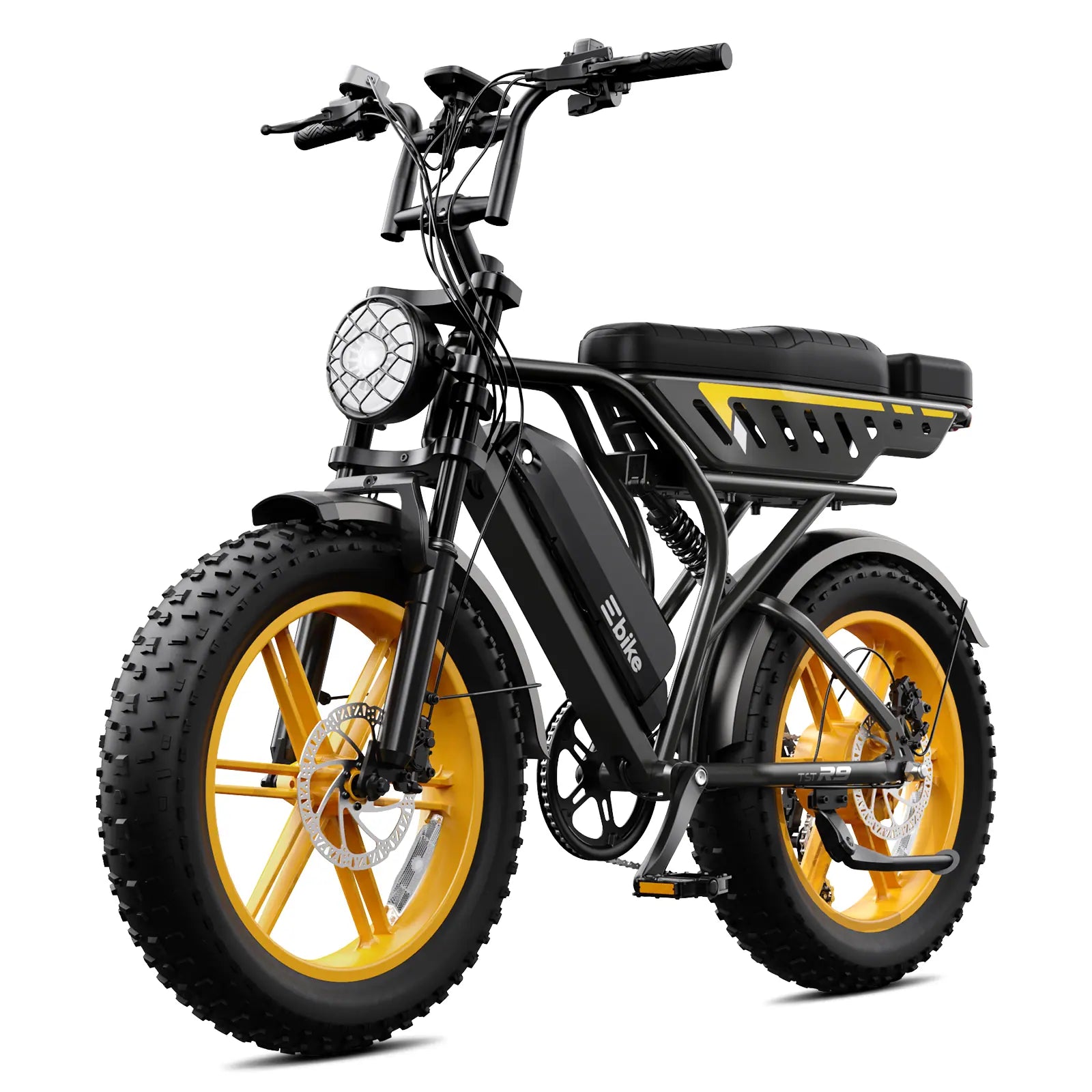

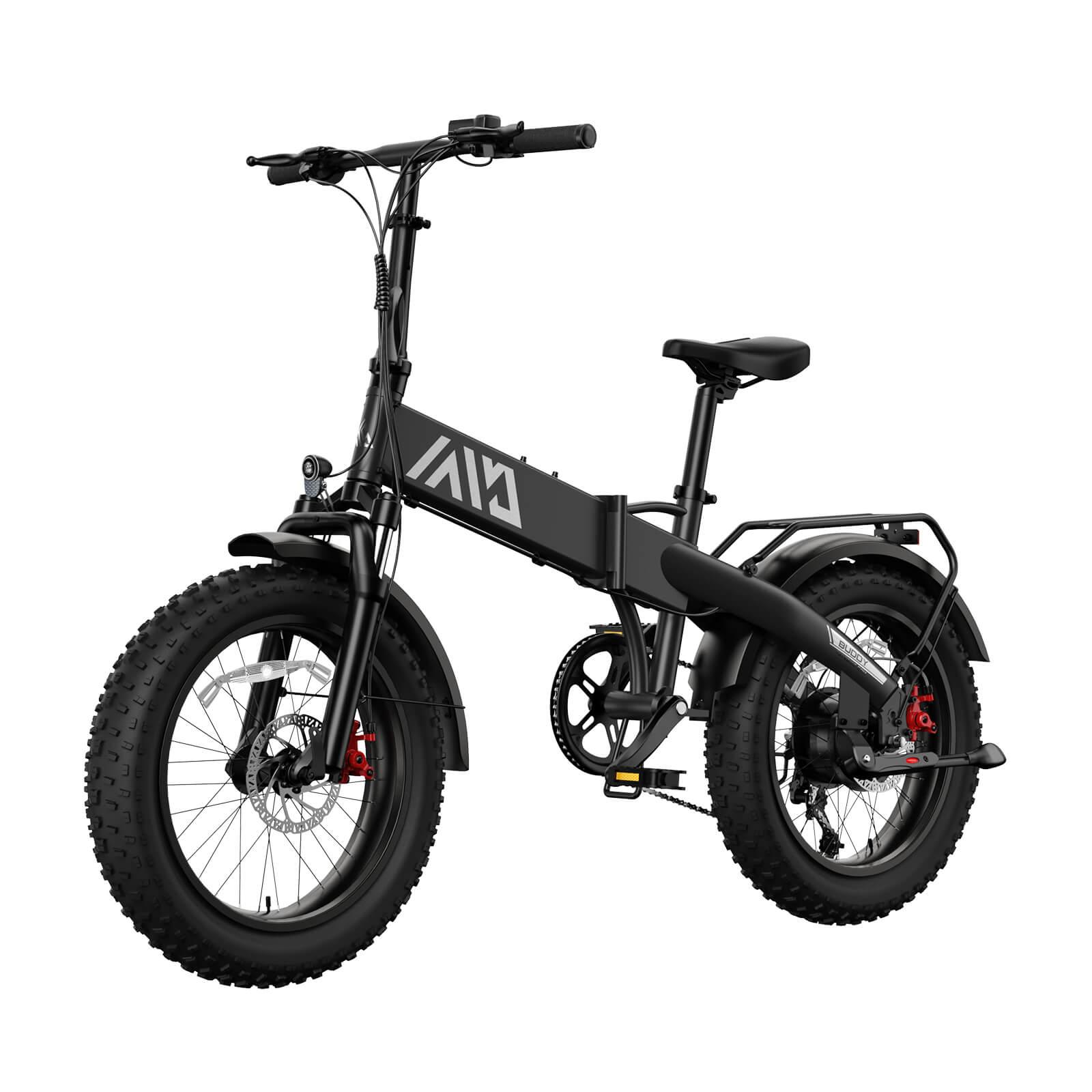

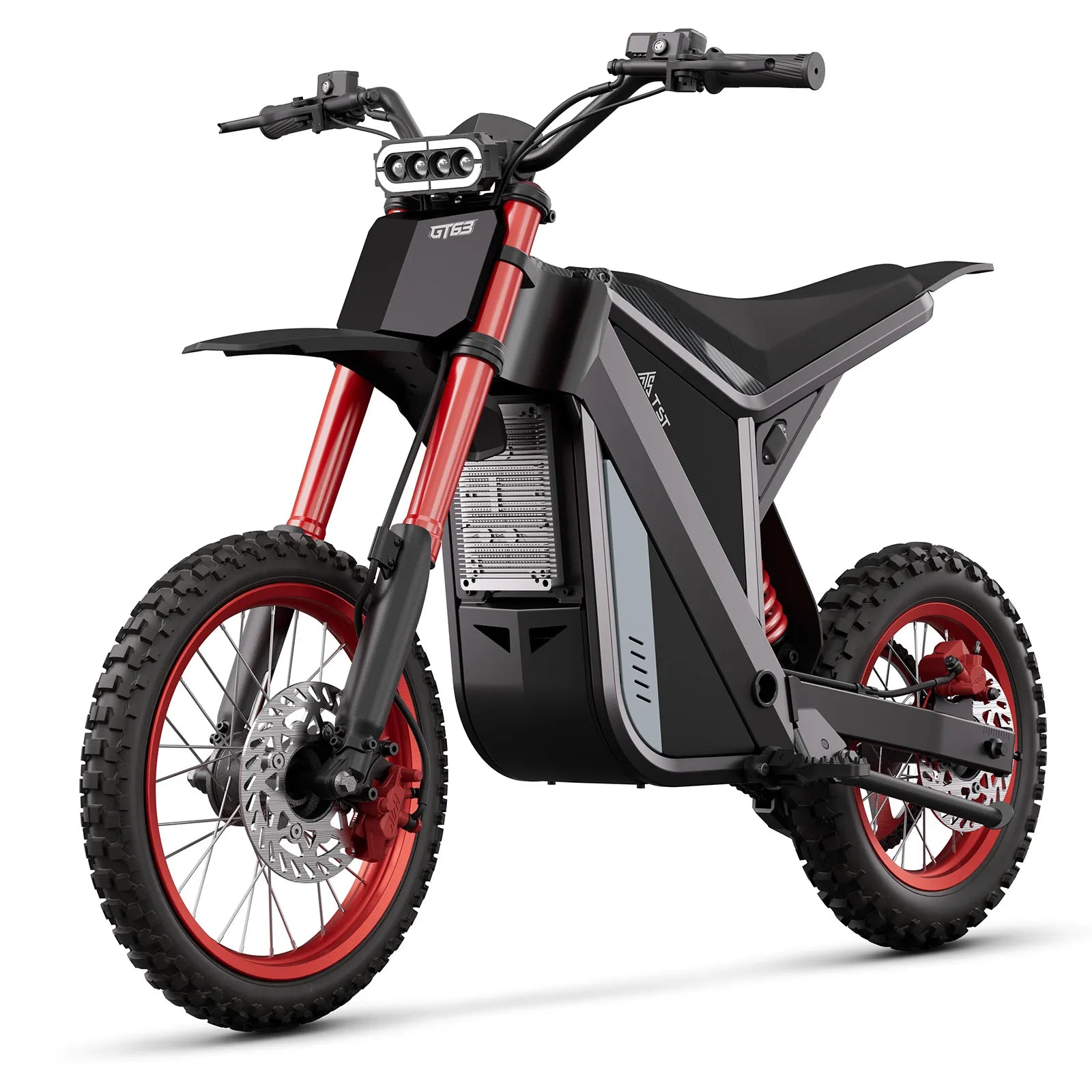
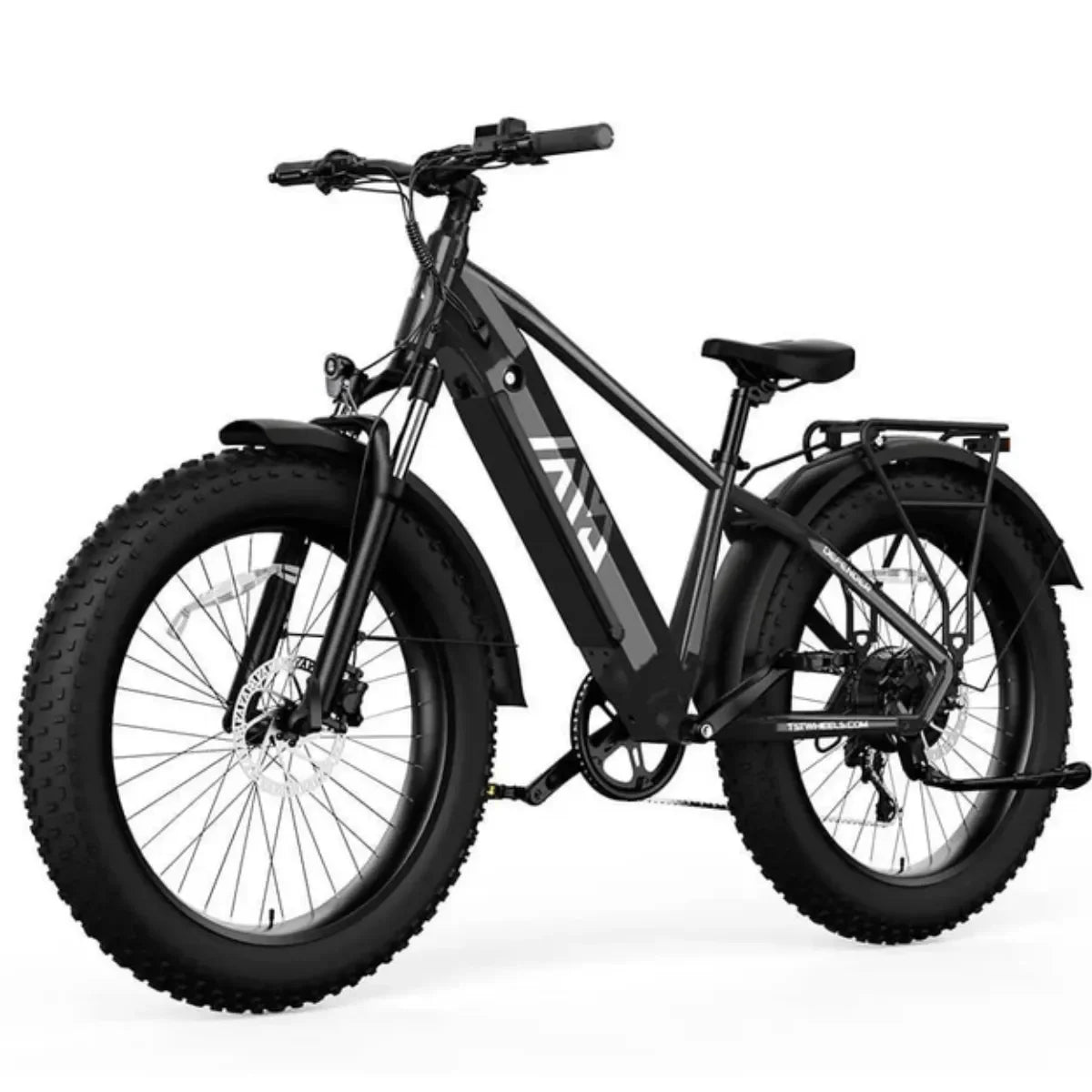
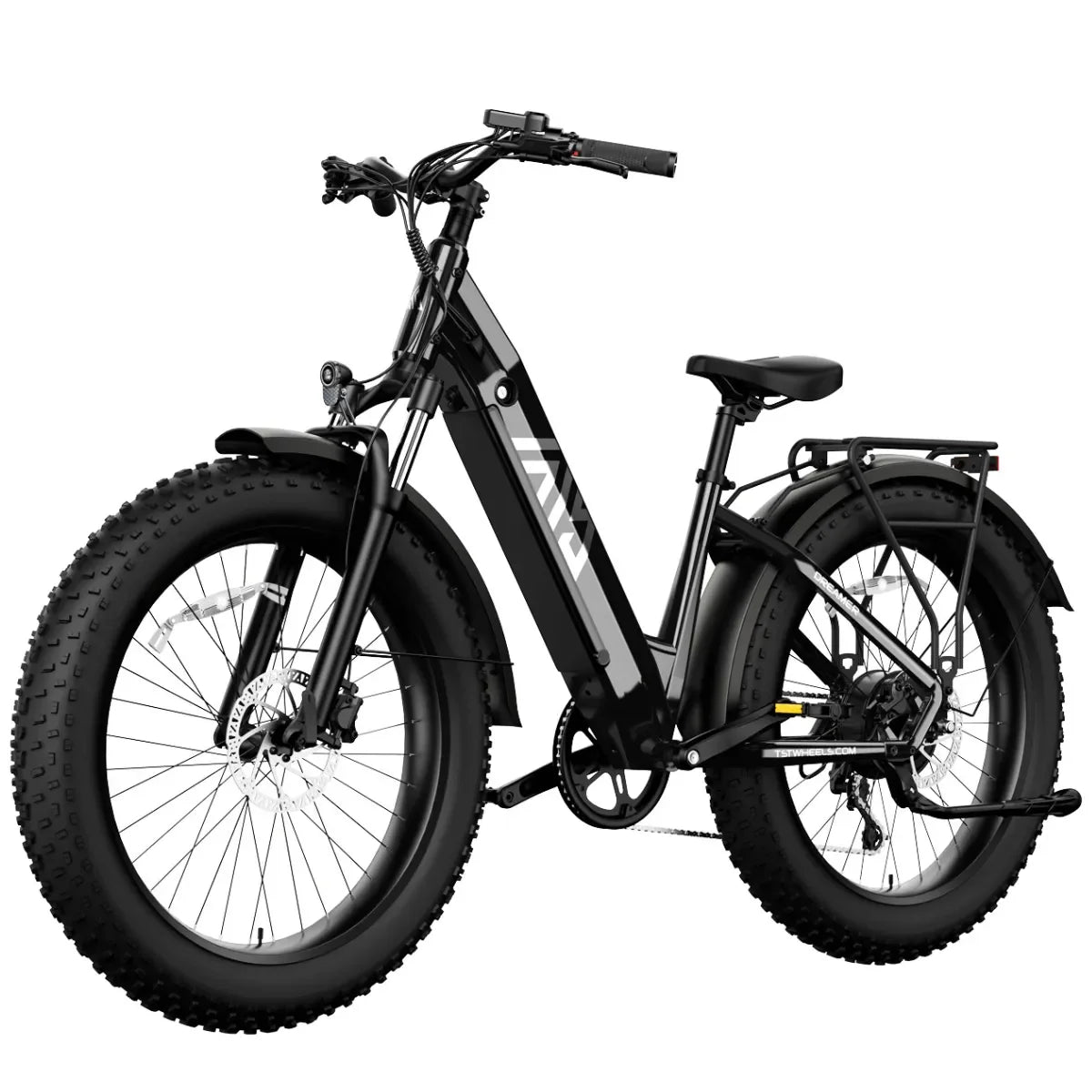

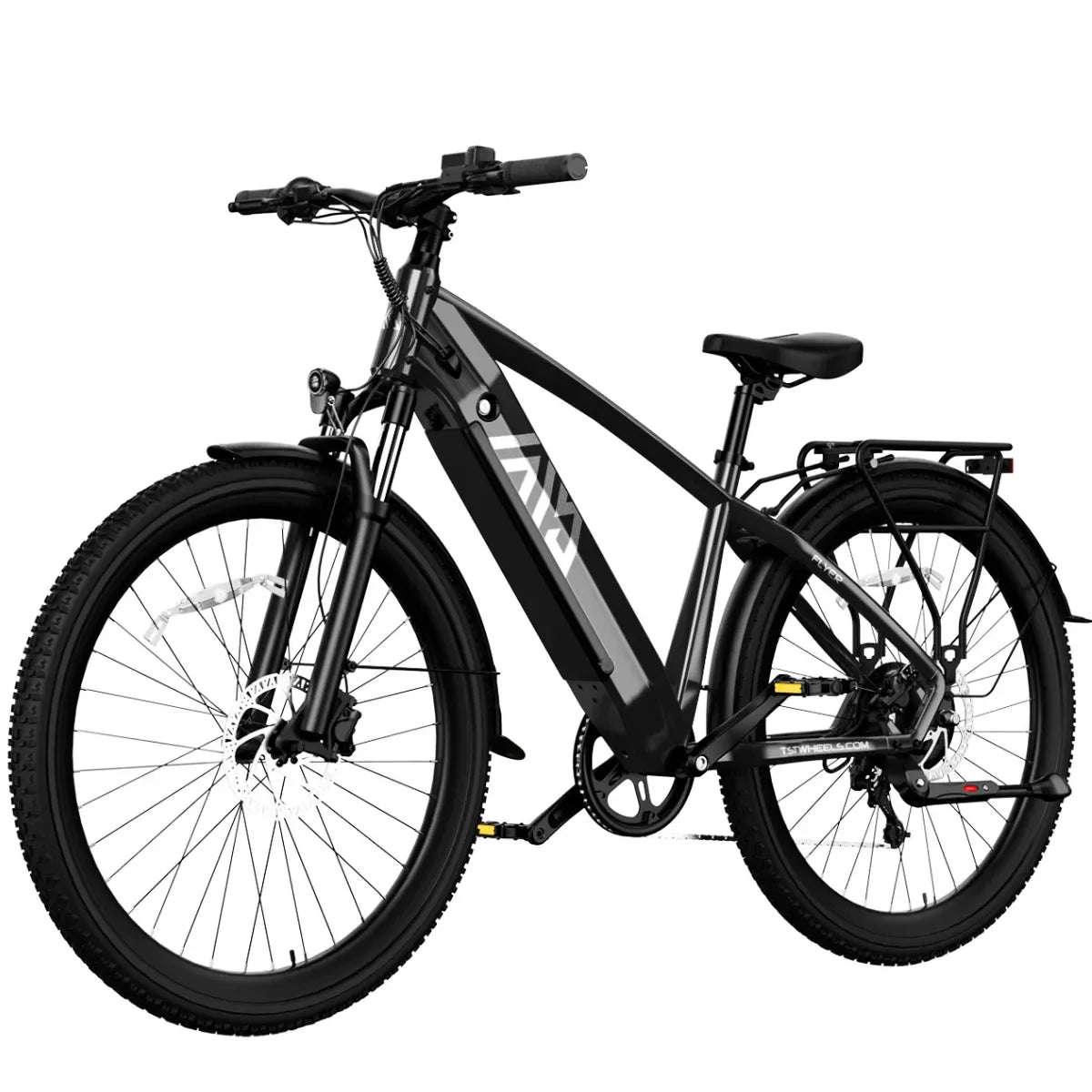

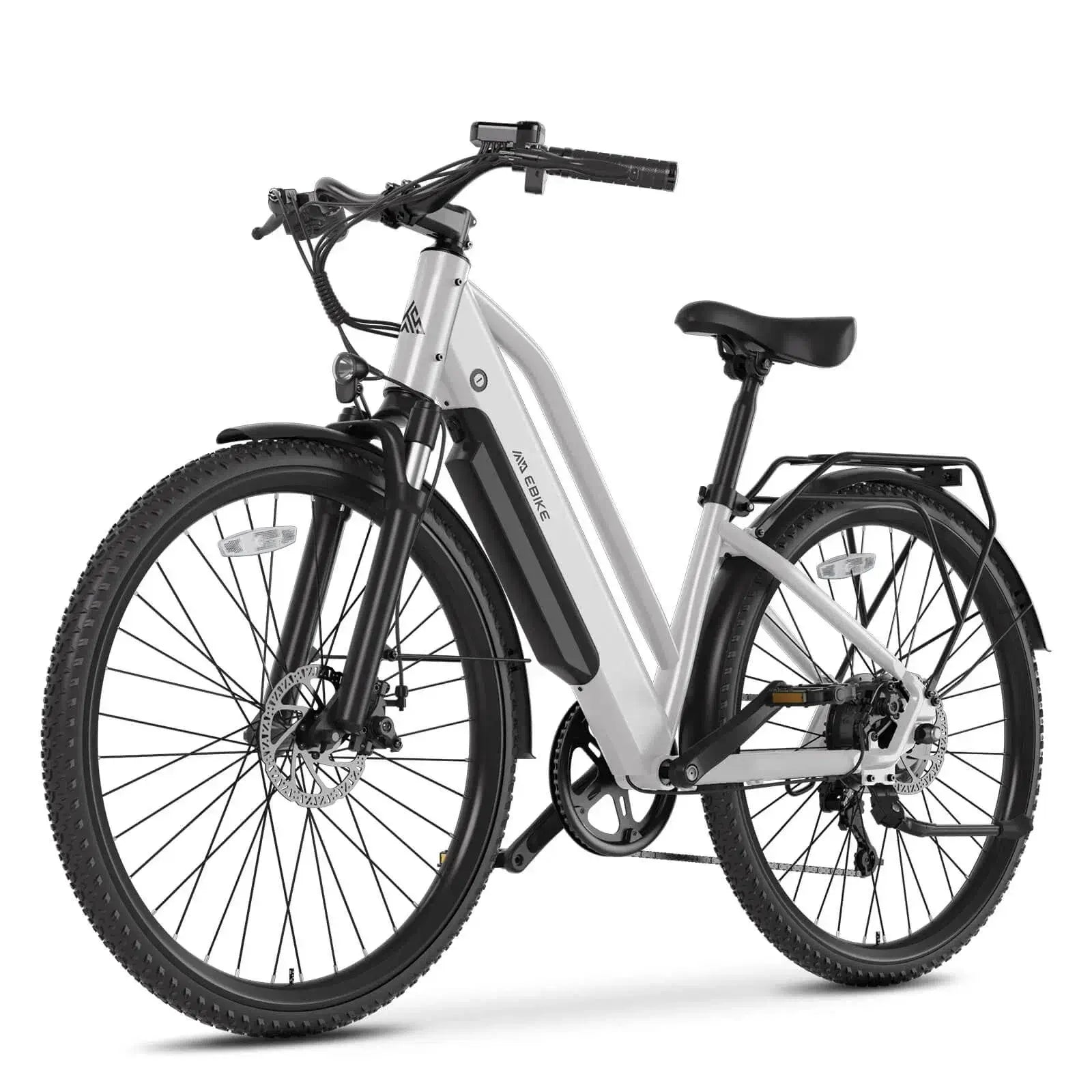






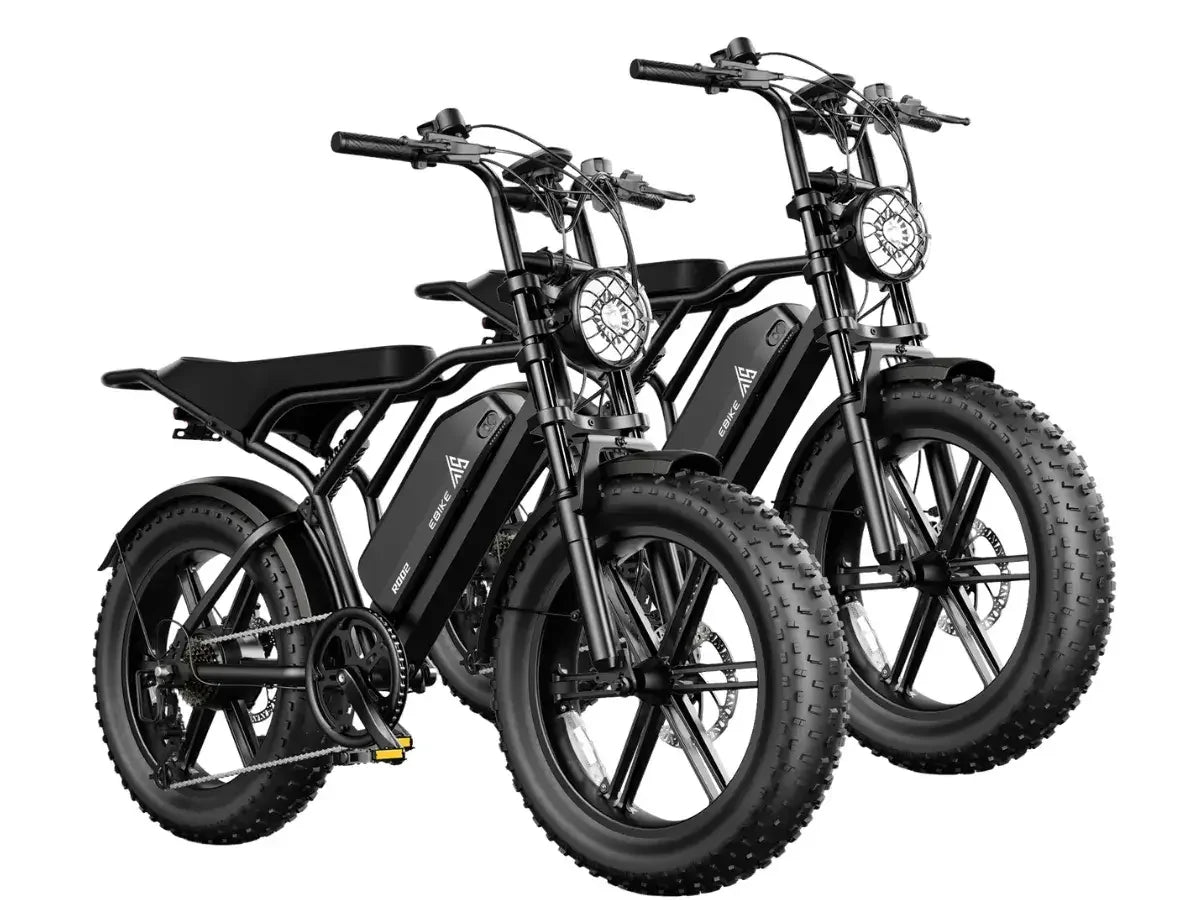
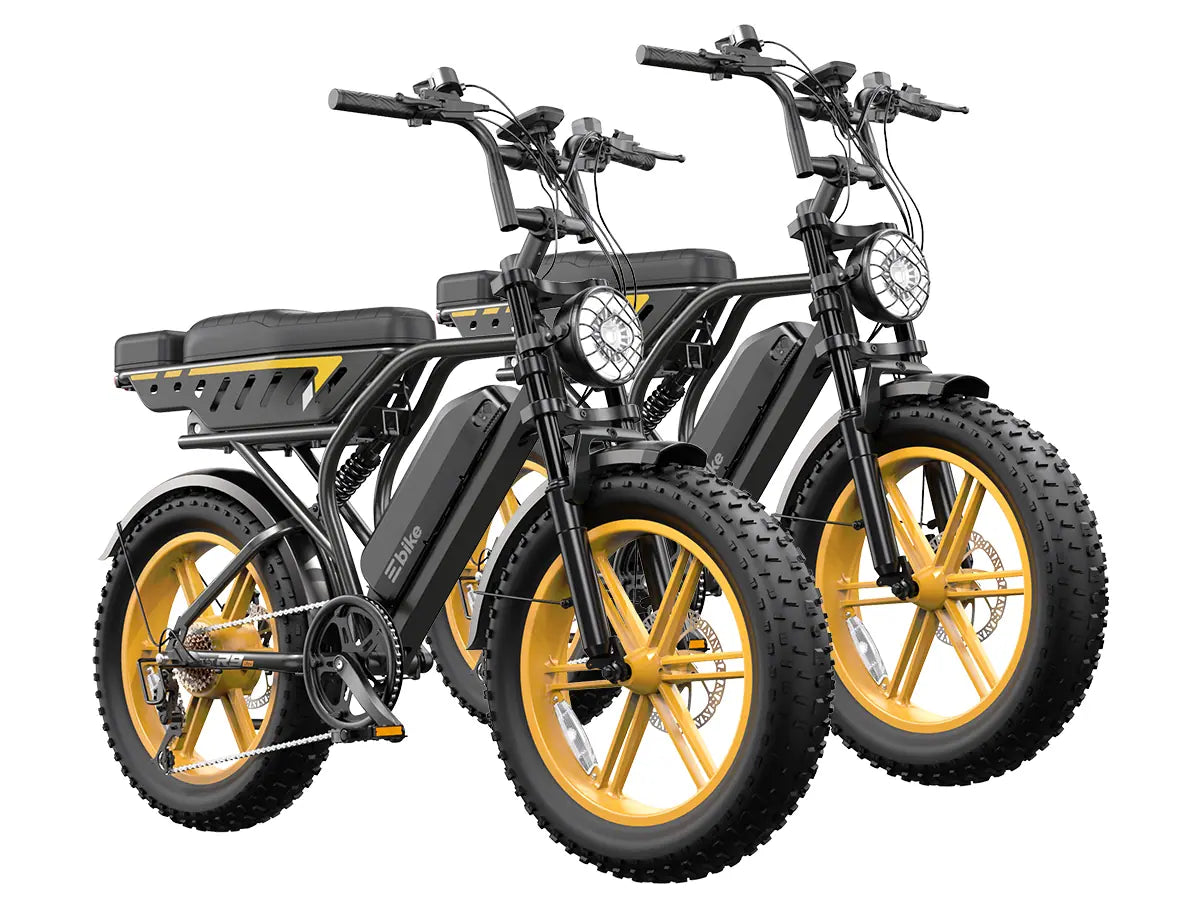

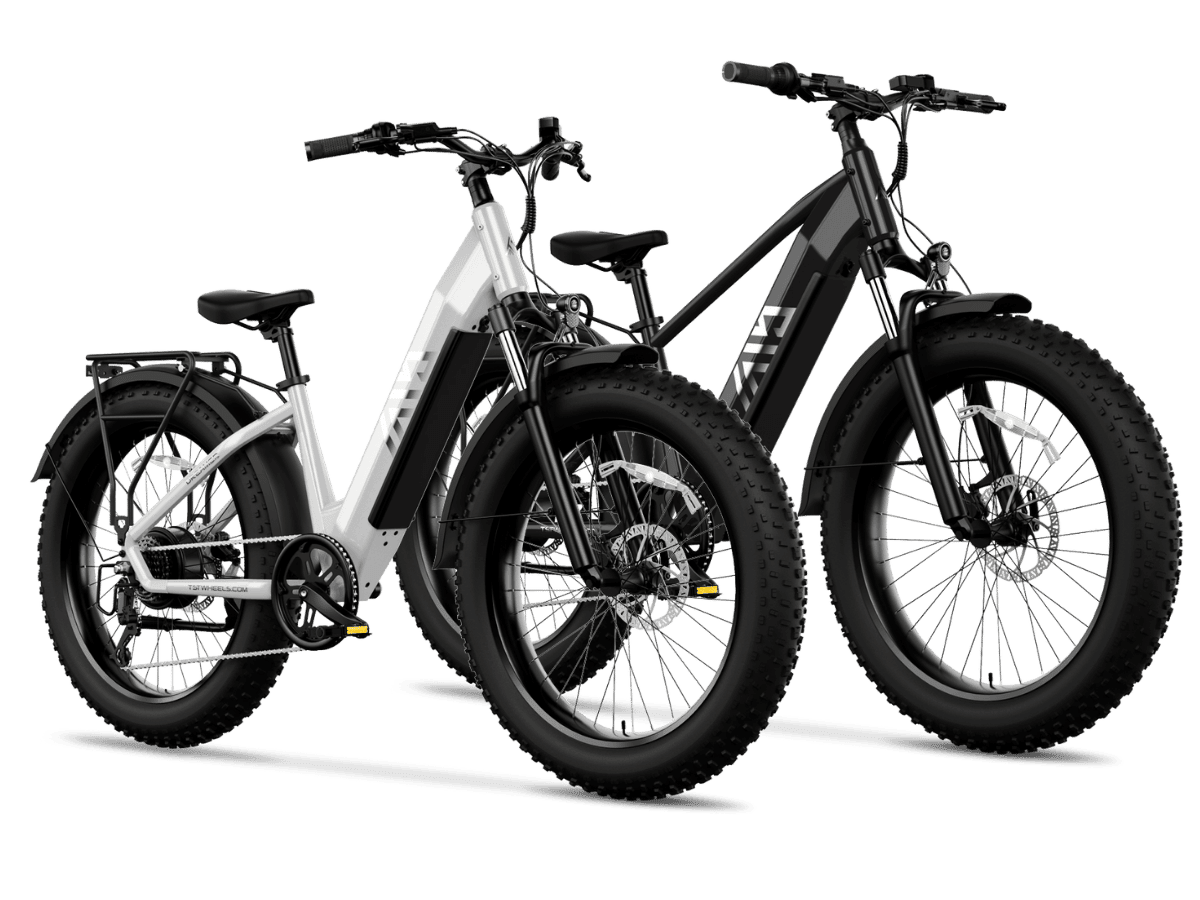
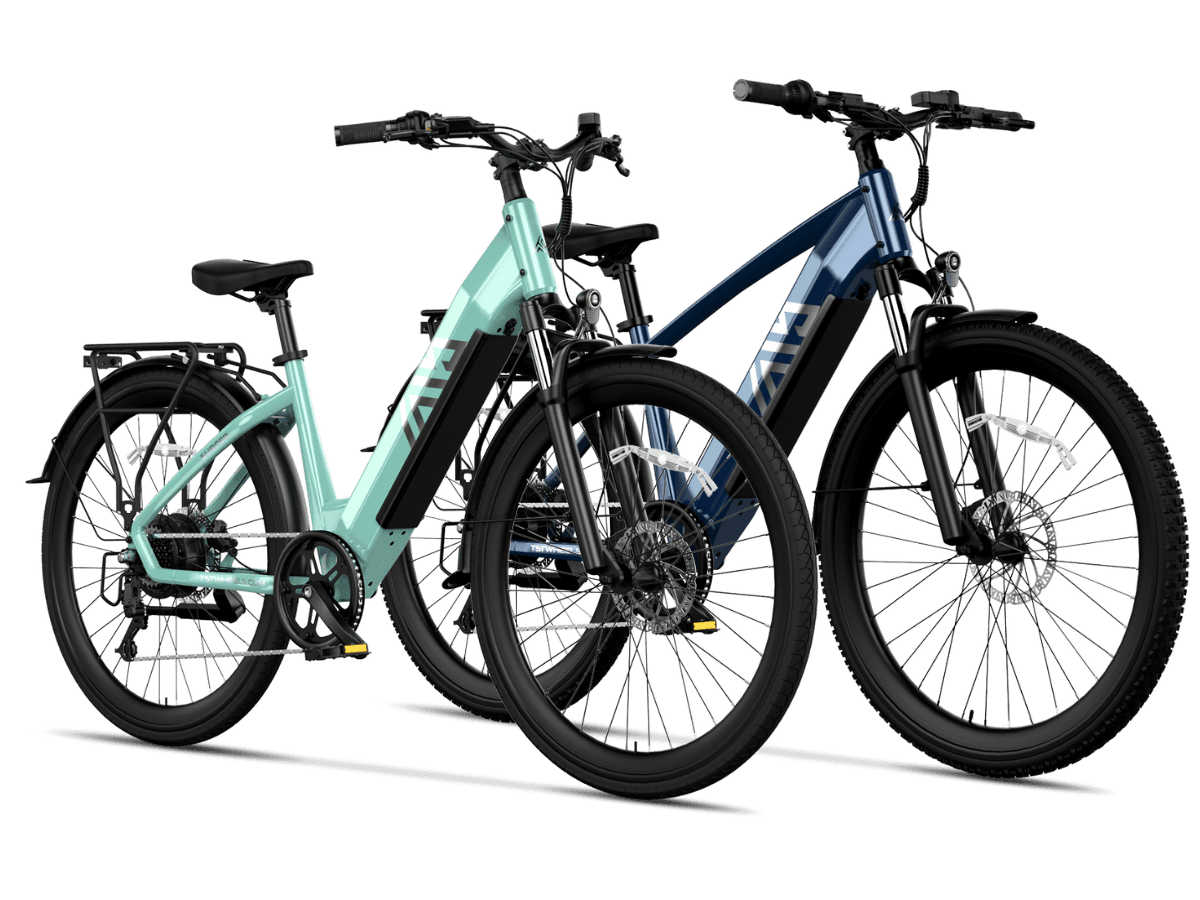
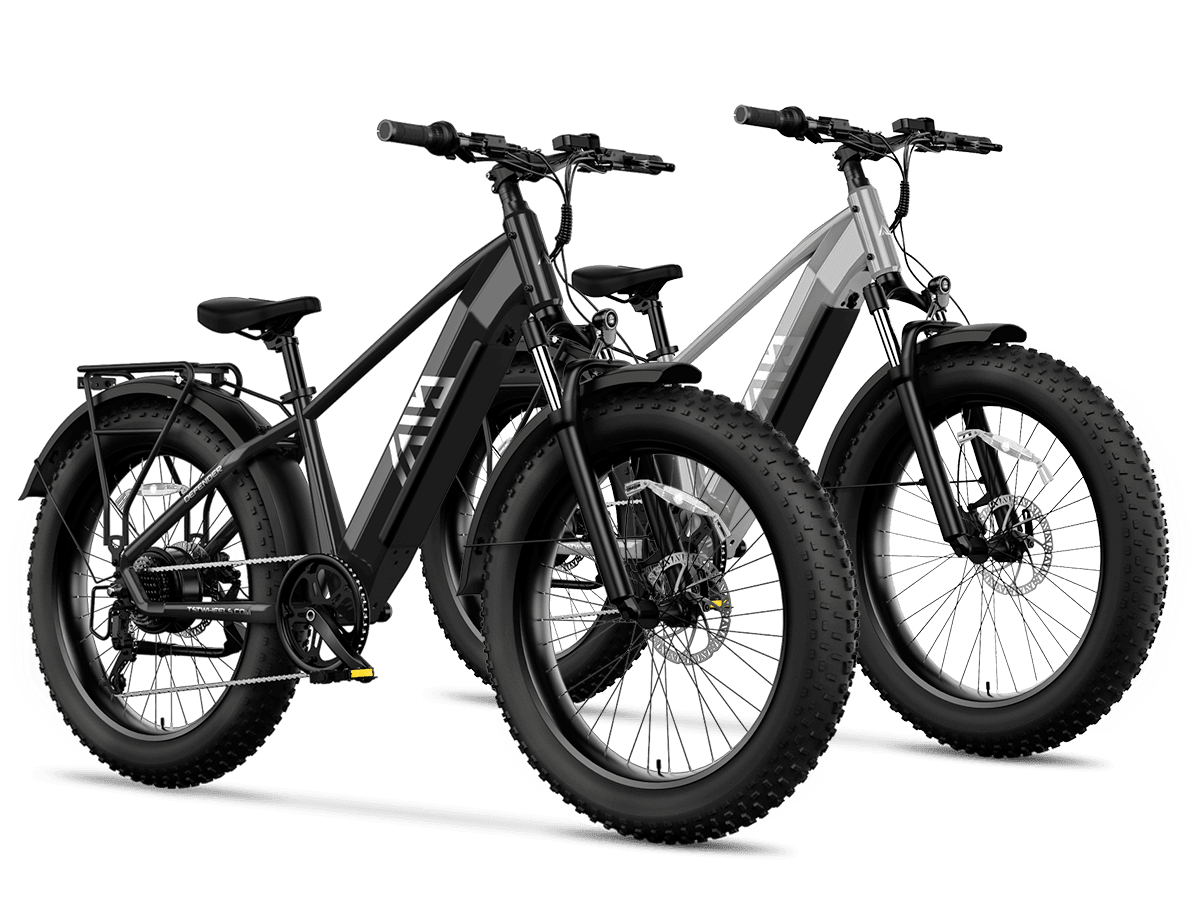
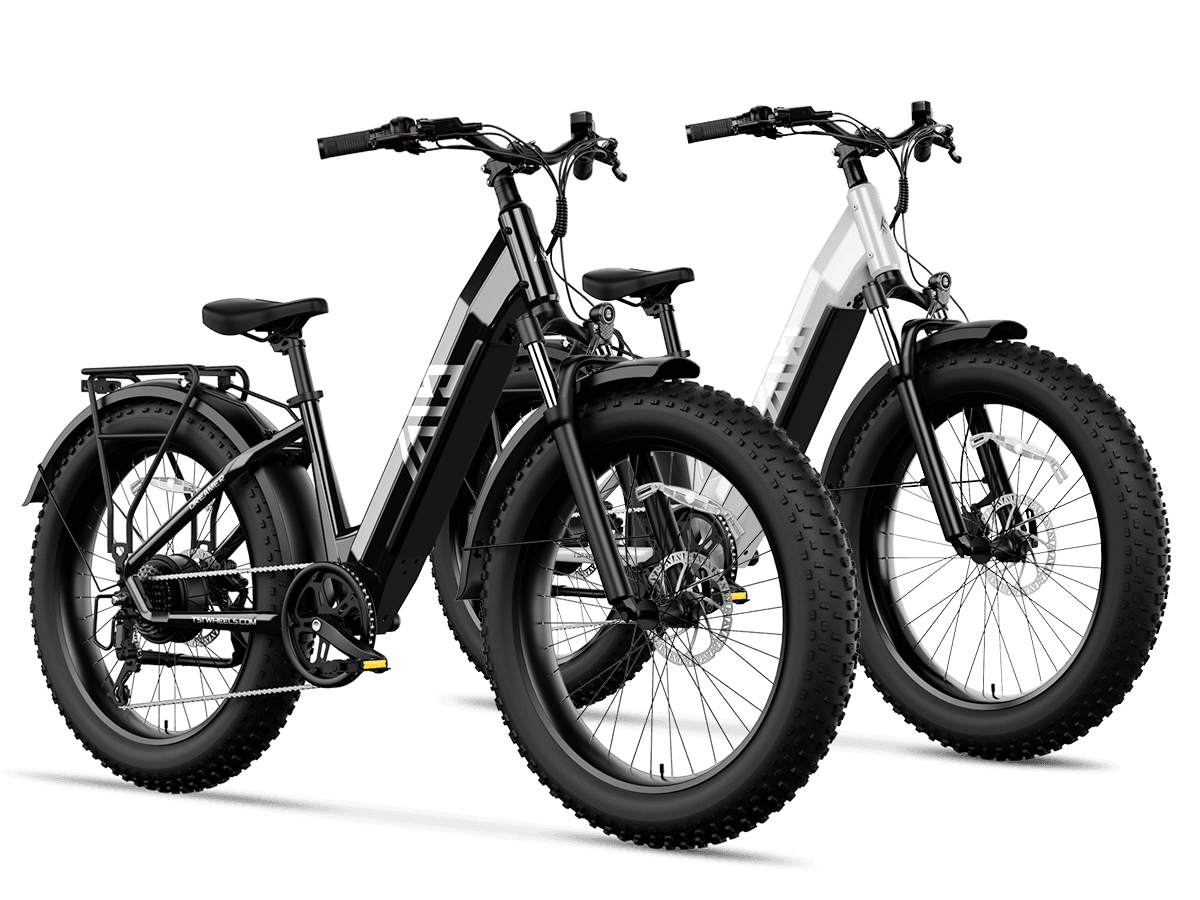

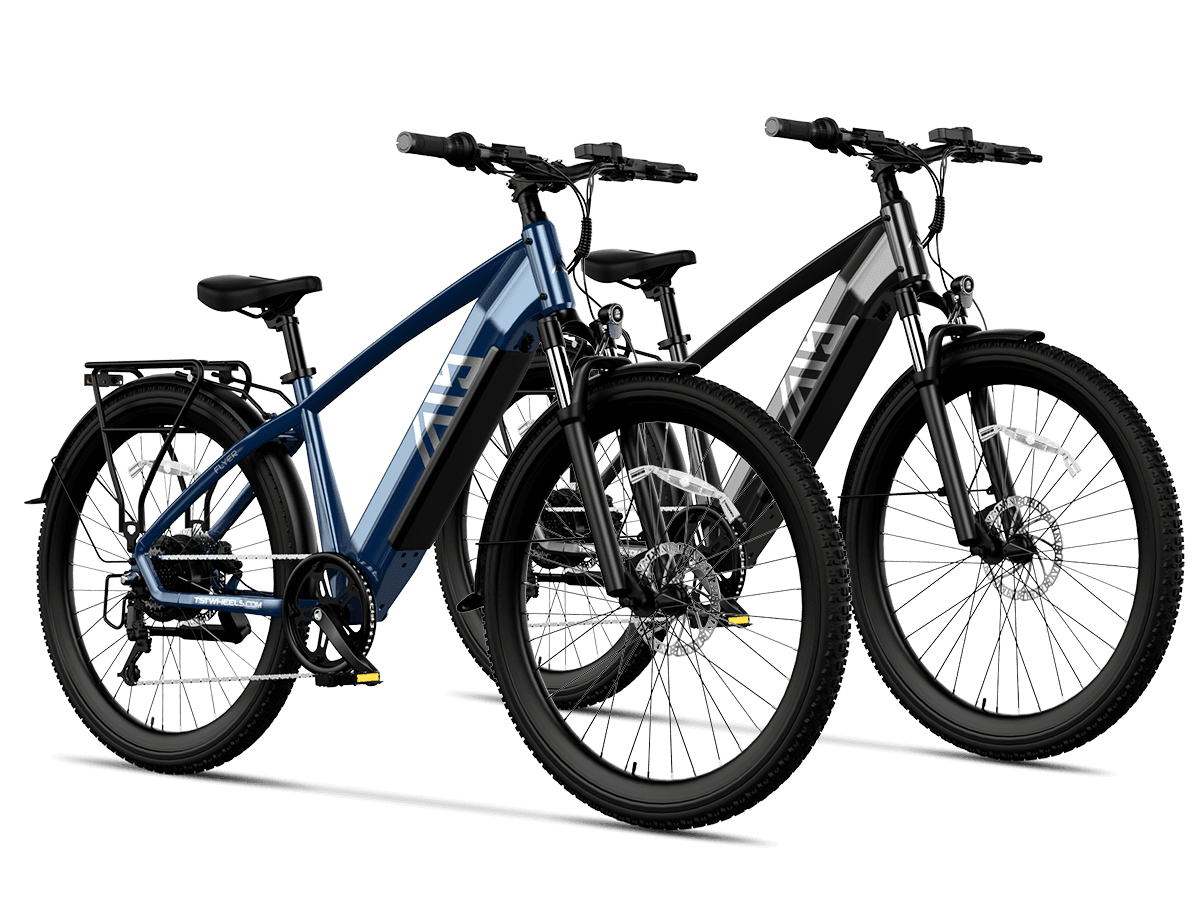
Light electric off-road motorbikes thrive because they match real rider needs: shorter, high-intensity rides, instant torque, low maintenance, and quieter operation. Their lower cost, simpler charging needs, and strong community culture make them more accessible than electric road motorcycles, which face range limits, heavier batteries, higher prices, and infrastructure challenges. This alignment with use case drives rapid growth.
What Makes Electric Off-Road Bikes More Practical Than Road Motorcycles?
Electric off-road bikes fit naturally into shorter rides on trails, tracks, and private land. These use cases demand bursts of power and technical control rather than long-range travel. Instant torque and precise throttle response are perfect for uneven terrain, while quiet operation reduces conflict with landowners and nearby communities. Compared to road motorcycles, the off-road segment avoids the biggest drawbacks of electric commuting: long charging times, heavy battery packs, and the need for fast, widespread infrastructure.
Why Are Consumers Choosing Lightweight Electric Off-Road Models?
Consumers are choosing lightweight electric off-road bikes because they are more affordable, easier to learn, and less intimidating than full-size motorcycles. Many models are priced similarly to entry-level combustion off-road bikes, and their maintenance is simpler: no oil changes, fewer moving parts, and reduced wear on consumables. For new riders, families, and urban adventurers, electric off-road bikes offer an accessible entry point to off-road riding with strong performance and minimal hassle.
How Does the Technology of Electric Off-Road Bikes Align with Rider Behavior?
Off-road riding is often intermittent and intense, not continuous long-distance travel. Electric motors deliver strong low-end torque and consistent power delivery, ideal for technical trails and quick acceleration. Battery capacity is sufficient for typical sessions, and the removable battery concept supports fast swapping or easy charging at home. This means riders can enjoy peak performance without the weight and expense of oversized battery packs required for road touring.
What Role Does Community Culture Play in the Segment’s Growth?
Community culture has become a key driver of adoption. Dedicated online groups, local riding clubs, and organized competitions create momentum by showcasing real-world performance and fun. Electric off-road bikes also fit modern values around sustainability and shared land use. Their quiet operation makes them easier to integrate into mixed-use environments, helping to build acceptance among hikers, landowners, and local authorities.
Which Market Trends Are Fueling the Rise of Electric Off-Road Motorbikes?
Several market trends support this growth:
-
Increasing demand for outdoor recreation and adventure sports
-
A shift toward electric mobility in all vehicle categories
-
Faster innovation cycles among smaller manufacturers
-
Lower production costs for electric powertrains
-
Growing acceptance of electric vehicles among younger riders
This trend is strengthened by the fact that electric off-road bikes do not attempt to replace combustion road bikes but instead create a new, compelling riding experience.
Where Do Electric Road Motorcycles Still Struggle Compared to Off-Road Bikes?
Electric road motorcycles struggle with a challenging set of requirements: long real-world range, fast charging, competitive pricing, and comparable weight and performance to combustion bikes. High-capacity batteries increase weight and cost, and charging infrastructure remains inconsistent in many regions. For riders used to refueling in minutes and riding long distances, the compromises of current electric road models can be significant.
How Can Brands Like TST EBike Capitalize on This Shift?
TST EBike can capitalize on this shift by emphasizing high-power, cost-effective electric bikes that align with real user needs. By focusing on durable frames, powerful motors, and reliable battery systems, TST EBike can support riders seeking off-road performance without premium pricing. Their consumer-driven approach and strong quality control can also build trust and long-term loyalty as the segment expands.
What Are the Key Design Principles Behind Successful Electric Off-Road Bikes?
Successful electric off-road bikes tend to follow a consistent architecture:
| Design Principle | Benefit |
|---|---|
| Lightweight chassis | Better handling and agility |
| Removable battery | Easy charging and swapping |
| High torque motor | Strong acceleration and control |
| Robust suspension | Comfort and durability on rough terrain |
| Simple electronics | Lower maintenance and higher reliability |
How Do Electric Off-Road Bikes Maintain Accessibility?
Accessibility is driven by pricing, ease of use, and reduced regulatory burden. Many electric off-road models are affordable and easy to ride for beginners, while requiring fewer licensing and insurance restrictions in some regions. The simplicity of electric drivetrains also lowers long-term ownership costs. This accessibility encourages new riders to join the community and drives broader adoption.
TST EBike Expert Views
“Electric off-road bikes succeed because they are designed for real-world riding patterns: short, intense, and technical. TST EBike’s approach—high power, strong durability, and cost-effective pricing—matches what riders actually want today. As infrastructure and battery technology improve, off-road models will continue to expand, but the segment’s immediate growth is rooted in practical performance, affordability, and community adoption.”
What Should Consumers Consider Before Buying an Electric Off-Road Bike?
Consumers should consider the following:
-
Intended use (trail riding, competition, or recreational fun)
-
Battery capacity and charging convenience
-
Motor power and torque delivery
-
Suspension quality and frame durability
-
Service support and warranty
-
Overall value relative to off-road combustion alternatives
TST EBike offers a range of options suited for different terrains, including models built for sand and snow, and those optimized for daily riding and mountain trails.
Conclusion
Electric off-road motorbikes thrive because they align with what electric power does best: instant torque, quiet operation, and low maintenance. Their affordability and accessibility make them attractive to new riders and seasoned enthusiasts alike. Meanwhile, electric road motorcycles still face structural barriers like range limitations, heavier batteries, and charging infrastructure gaps. For riders seeking performance and fun without high cost or long-distance constraints, electric off-road bikes represent the most compelling growth segment in modern two-wheeled mobility. TST EBike’s focus on high-power, consumer-driven design positions it strongly within this expanding market.
FAQs
Are electric off-road bikes good for beginners?
Yes. Many models are easier to learn than combustion bikes due to smooth power delivery, lower noise, and simplified controls.
How long does the battery typically last on a ride?
Most riders experience enough range for short sessions, and removable batteries make charging convenient at home.
Can electric off-road bikes be used for commuting?
They can, but they are best suited for off-road and recreational use. For daily commuting, range and road legality should be considered.
Do electric off-road bikes require a lot of maintenance?
No. They generally require less maintenance than combustion bikes because there are fewer moving parts and no oil changes.
Is TST EBike a reliable brand?
TST EBike emphasizes quality control and consumer feedback, offering high-power electric bikes at affordable prices, backed by warehouses and retail support.

Leave a comment
This site is protected by hCaptcha and the hCaptcha Privacy Policy and Terms of Service apply.