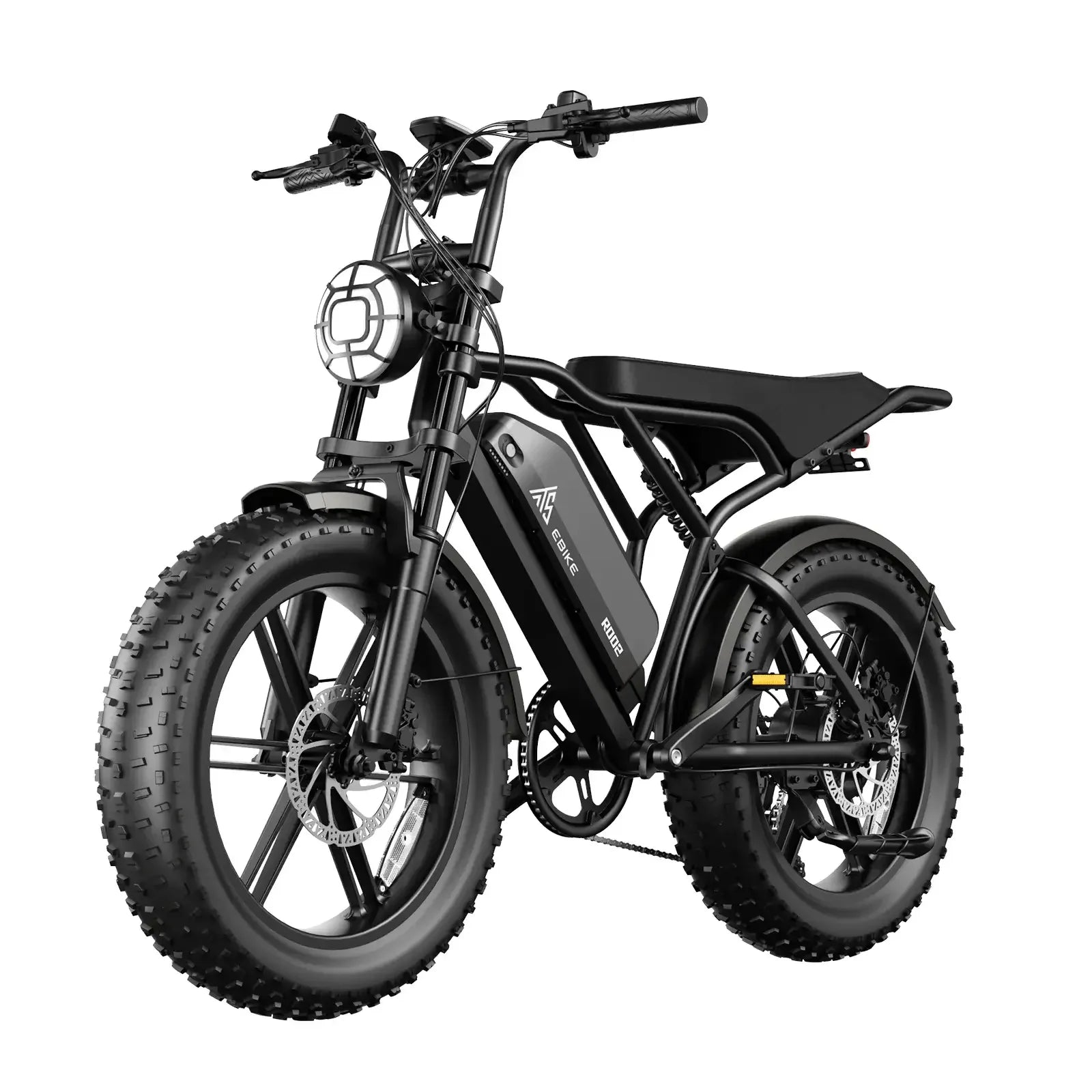

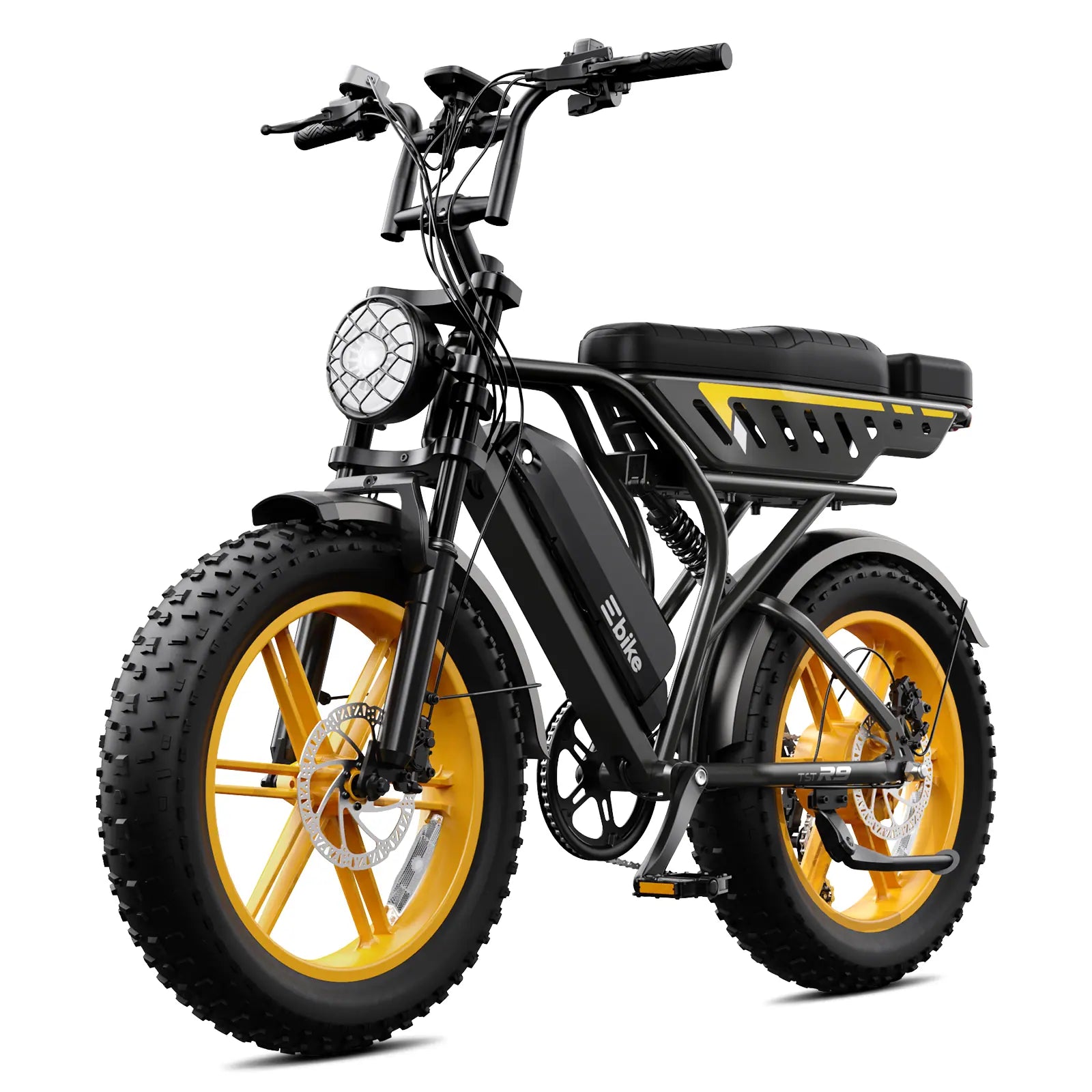

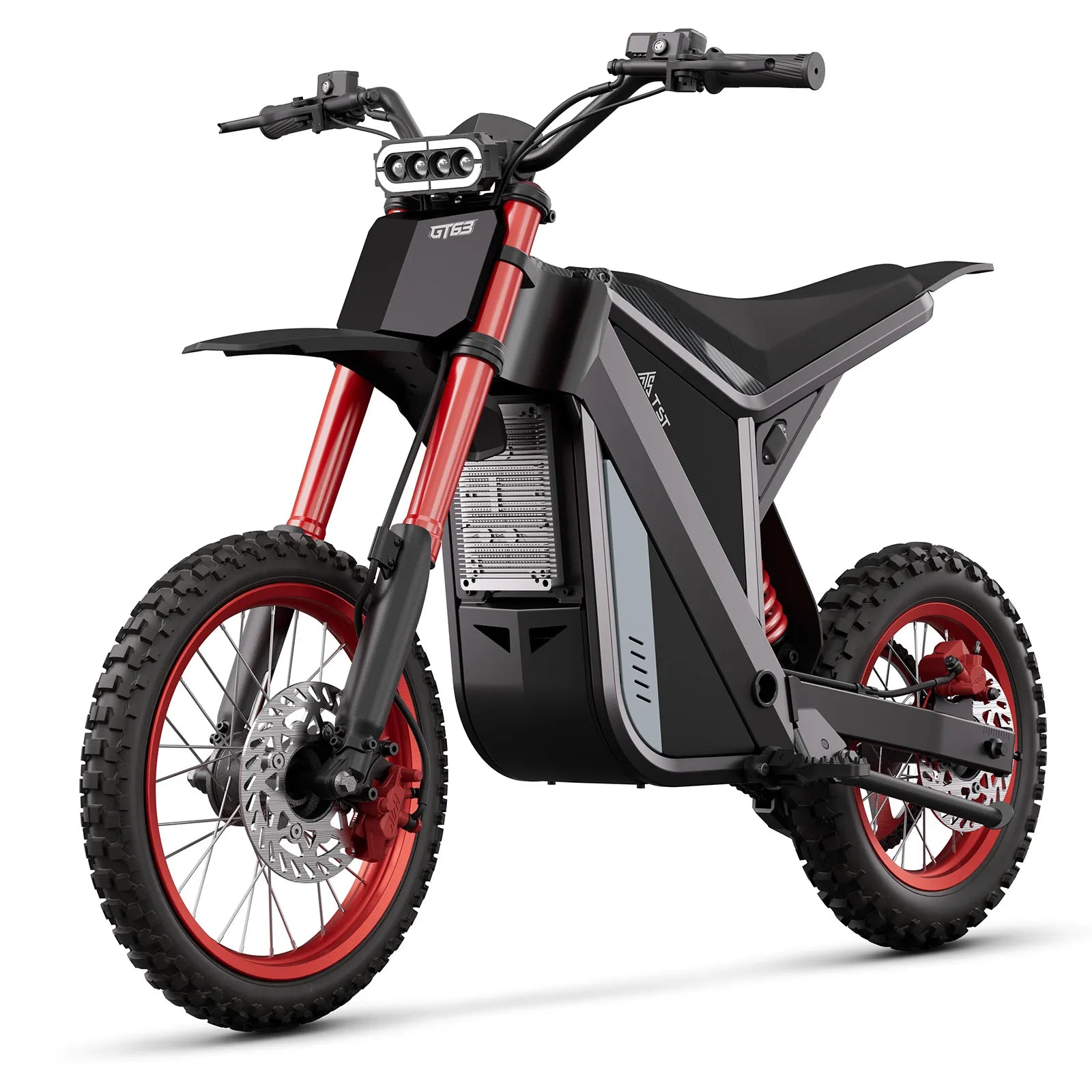
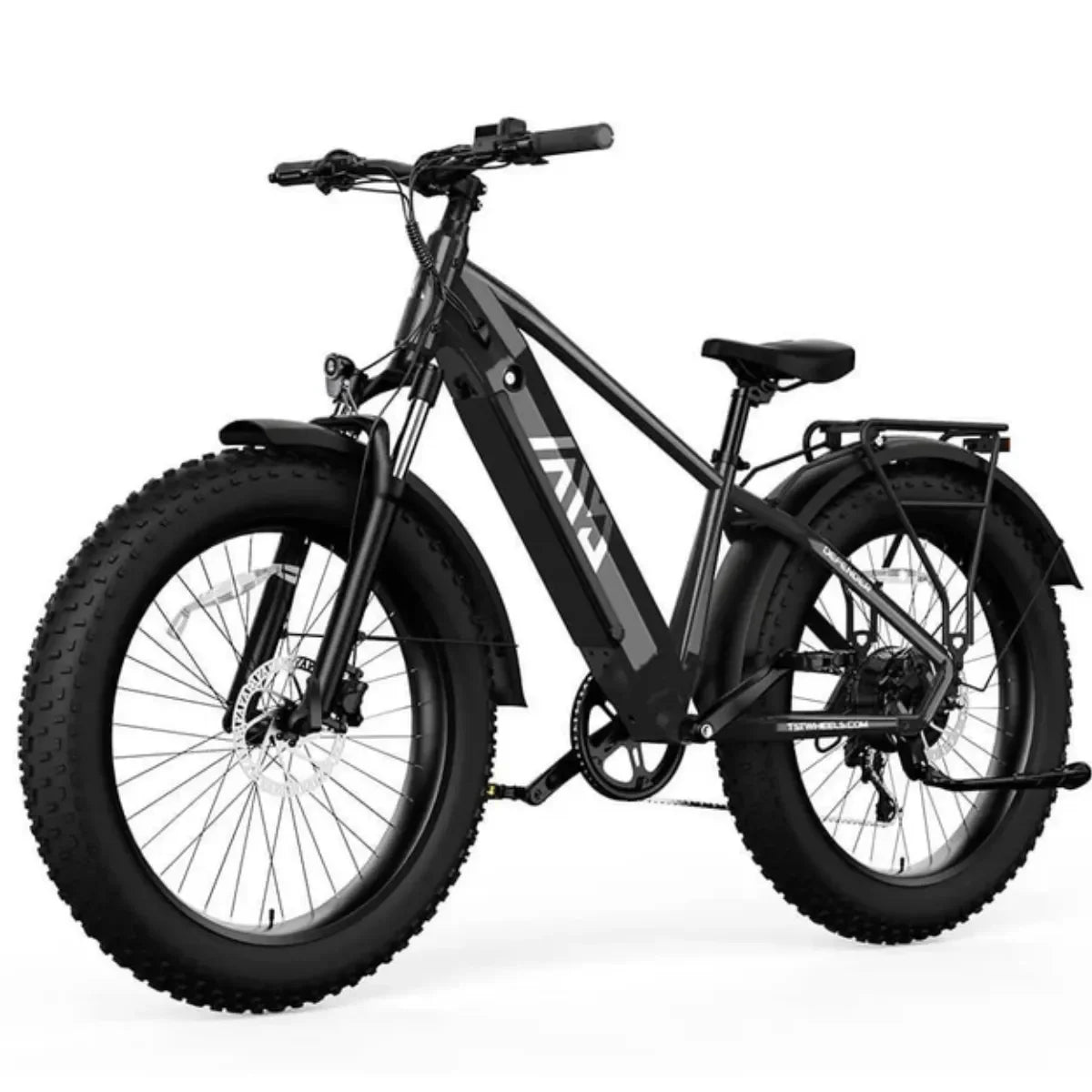
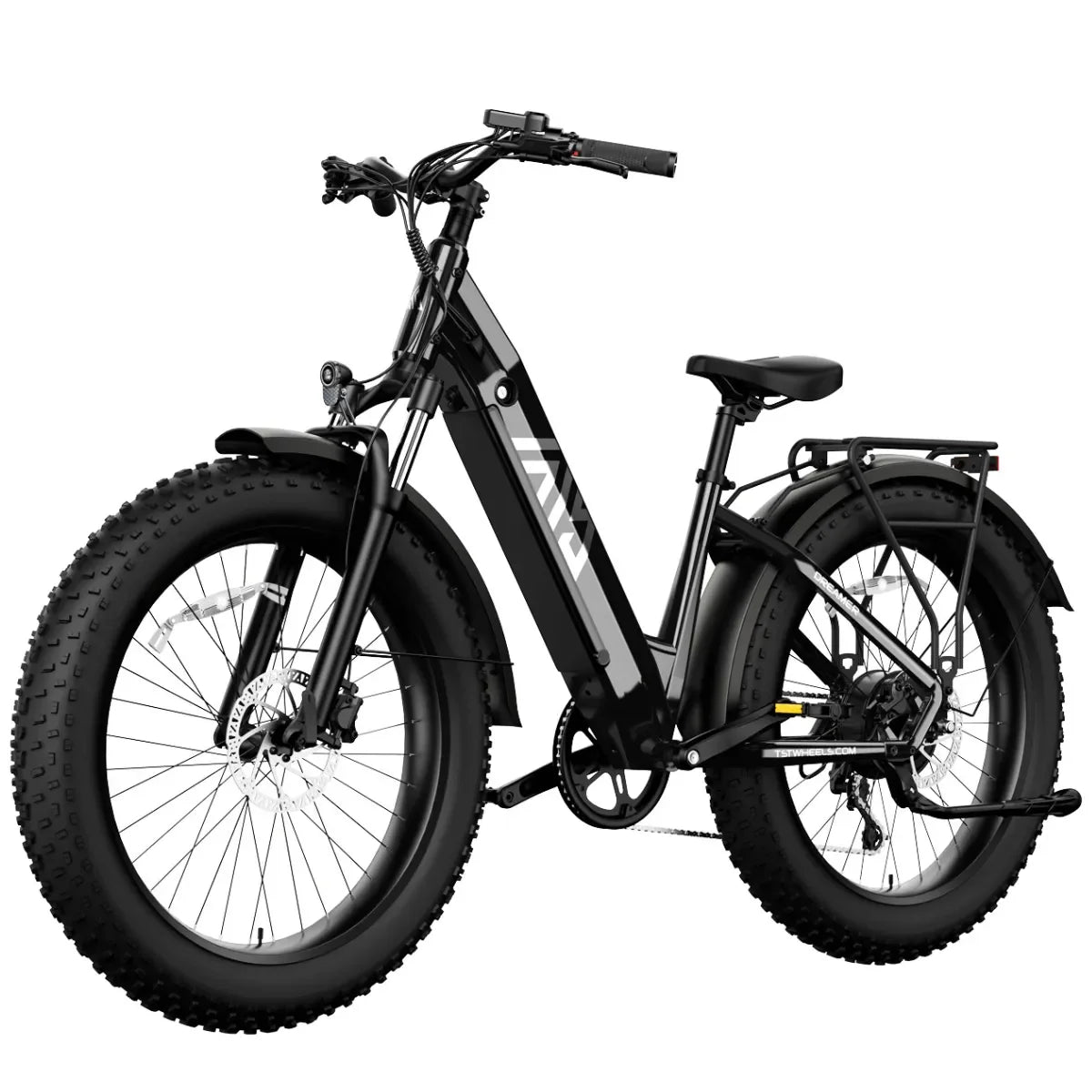

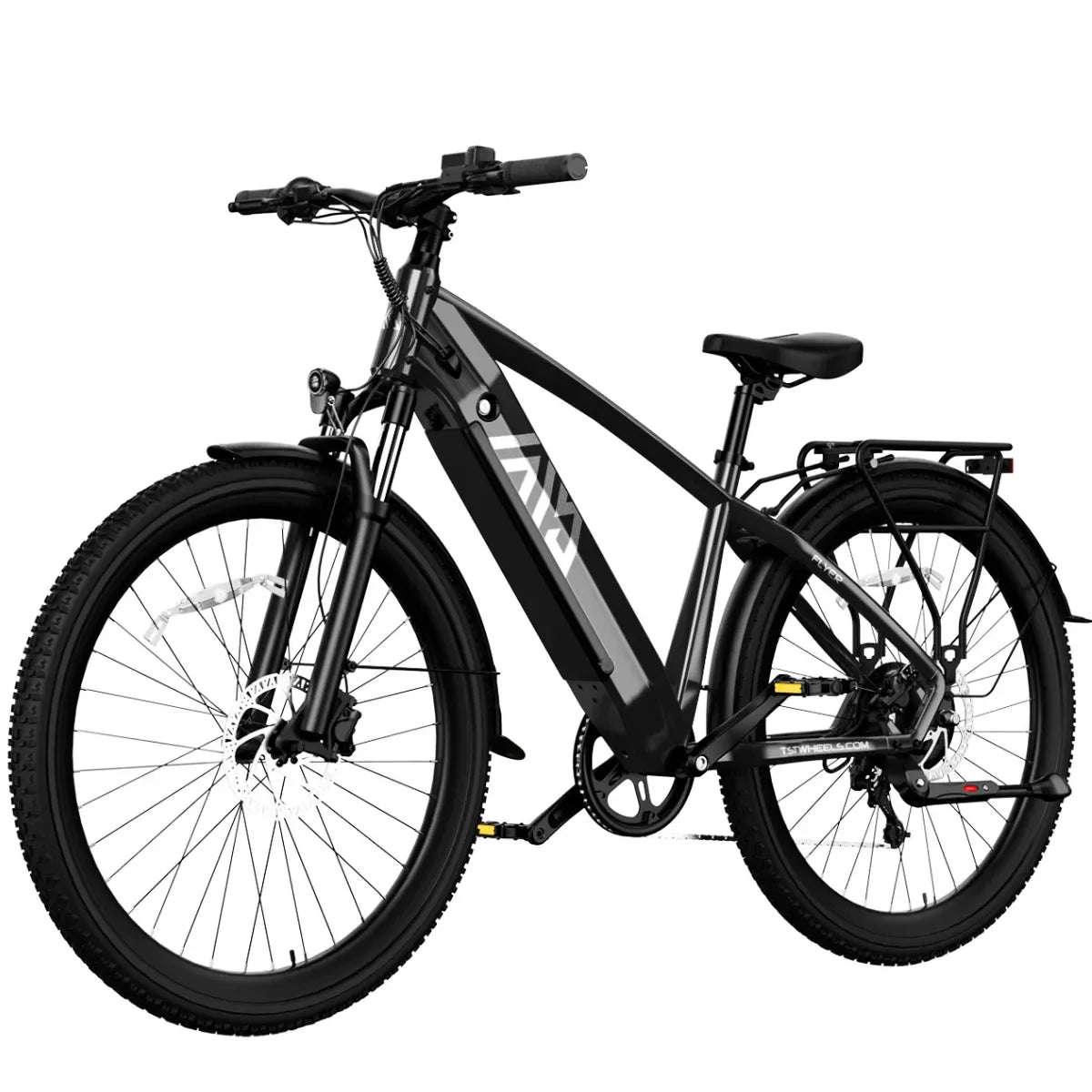
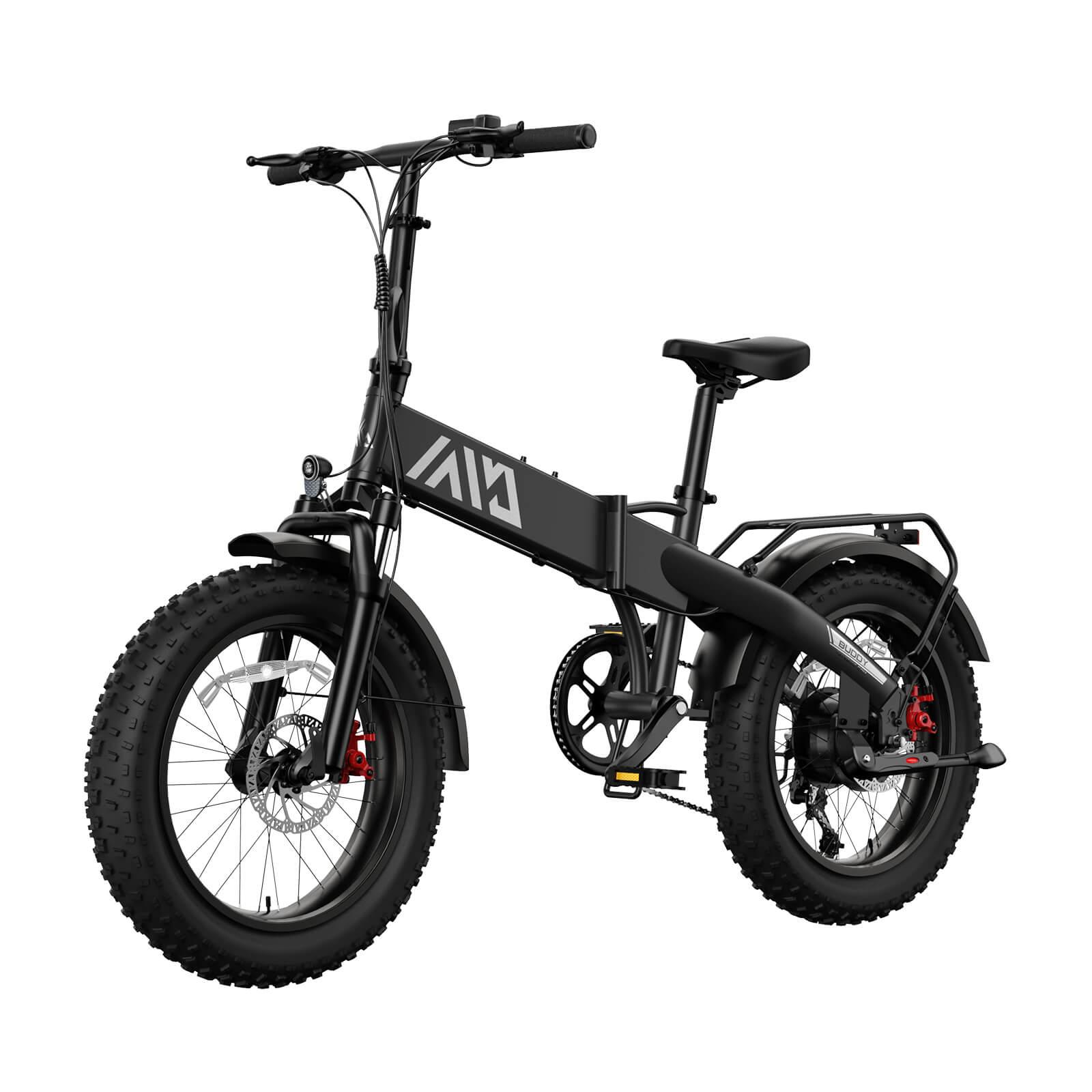

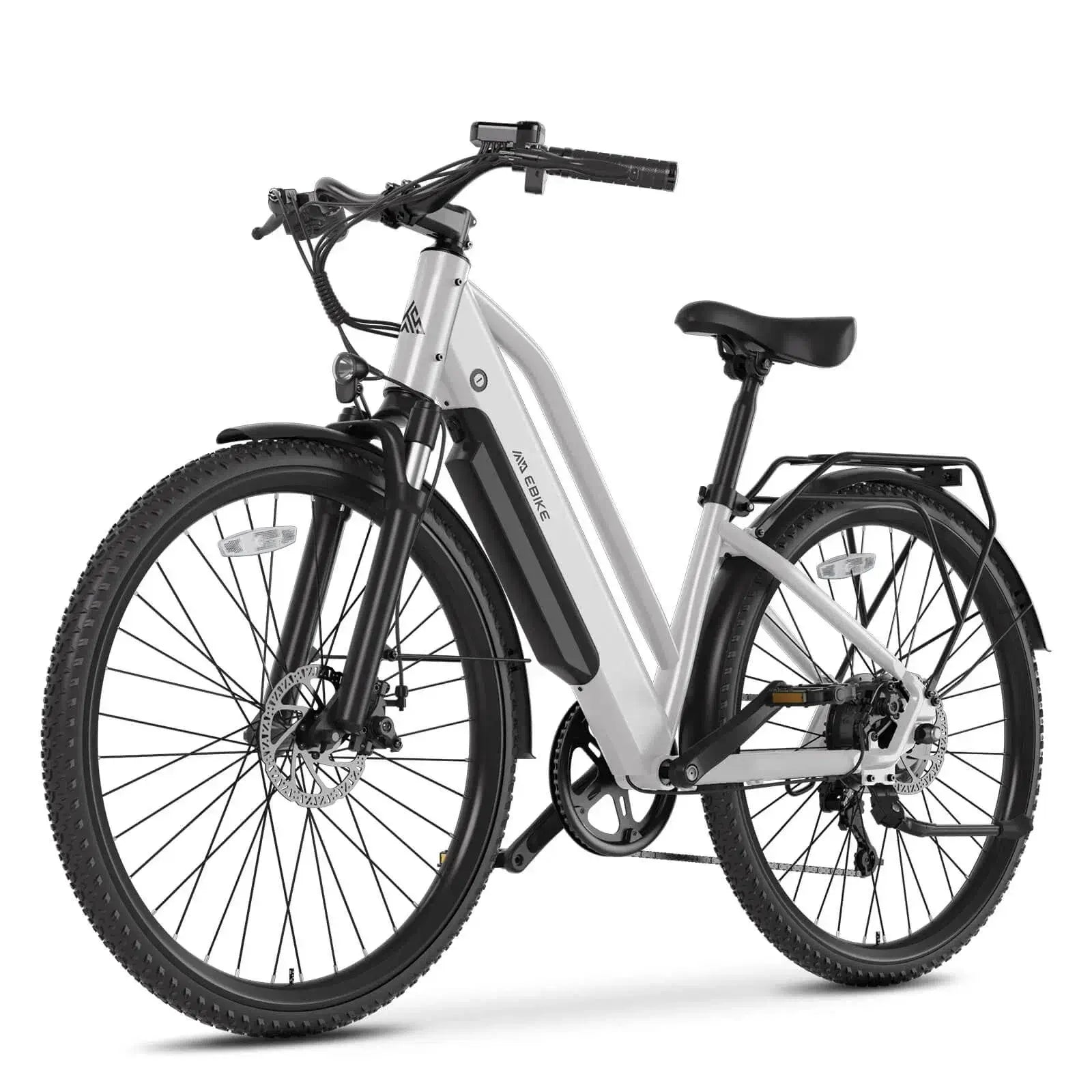







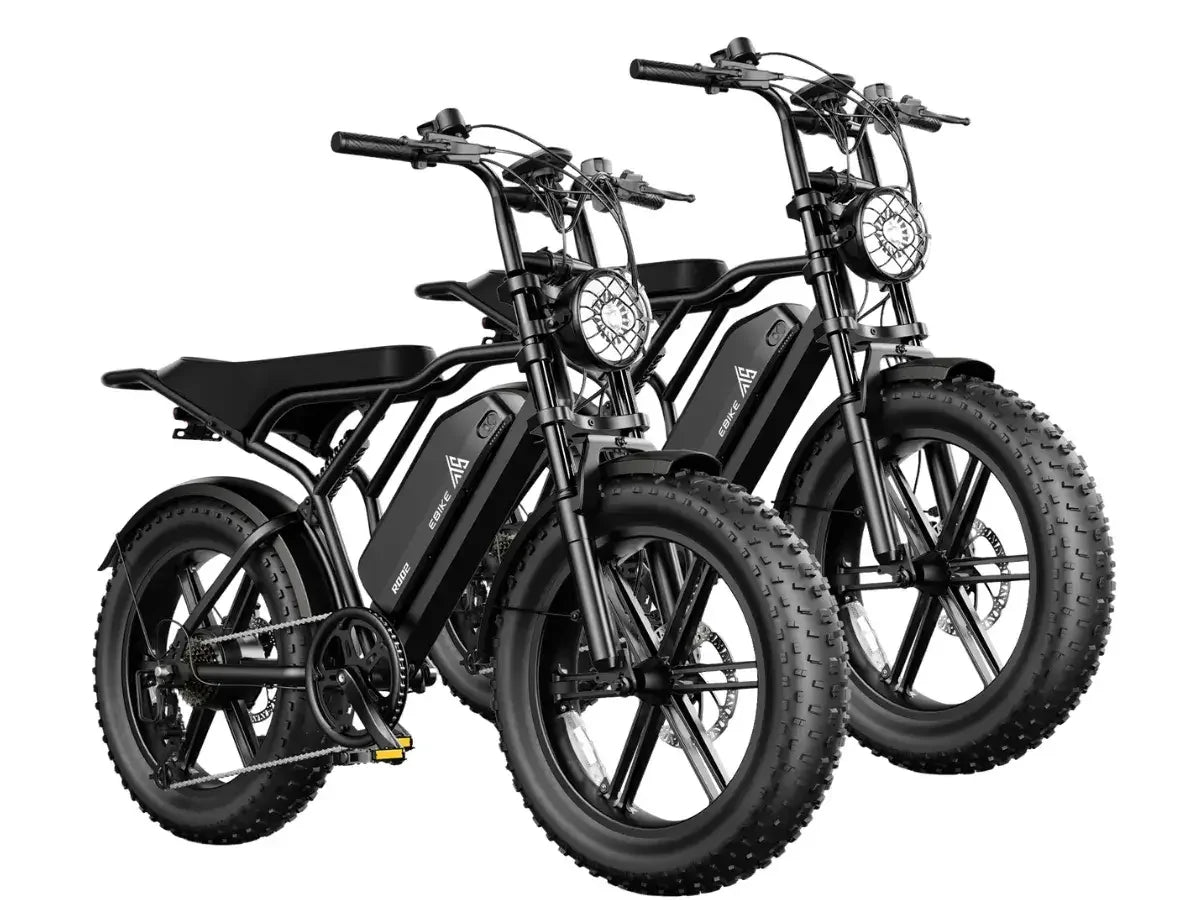
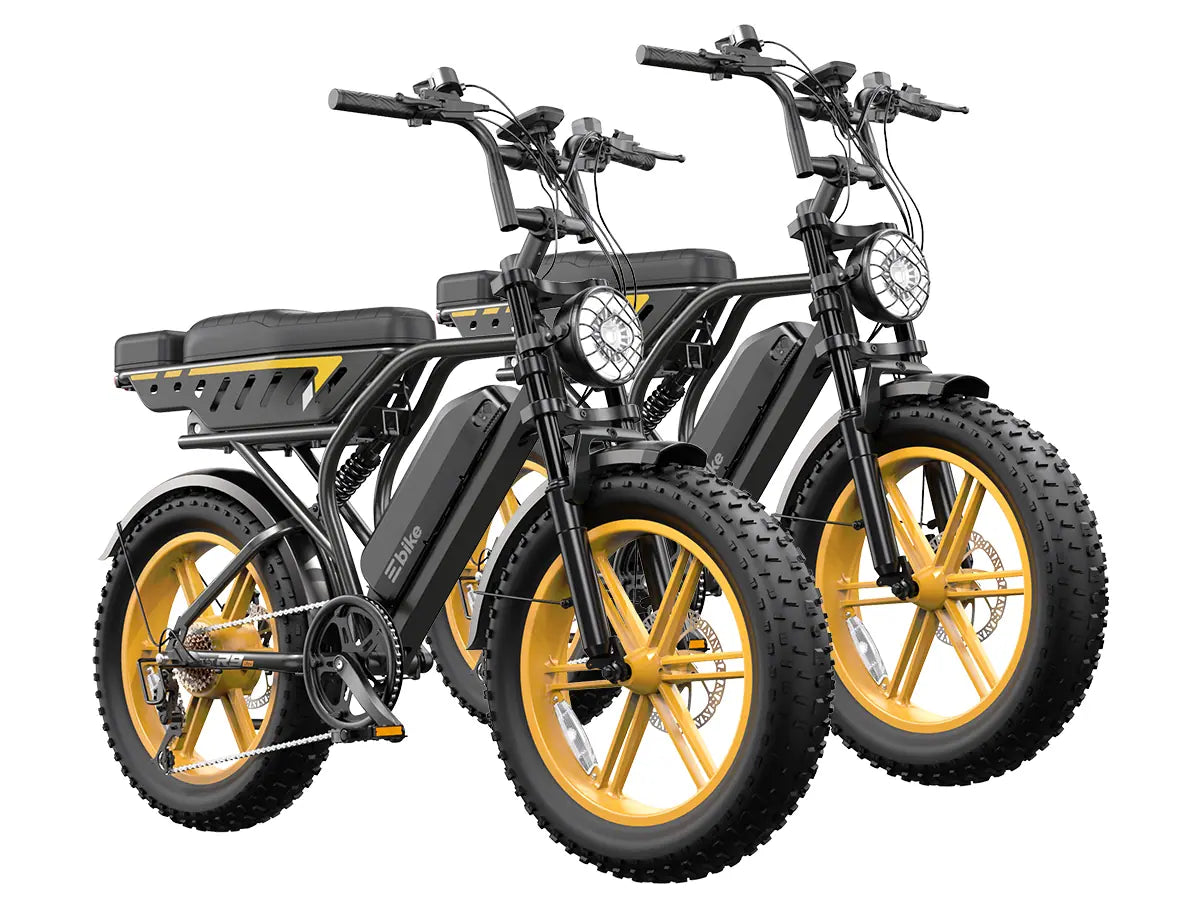

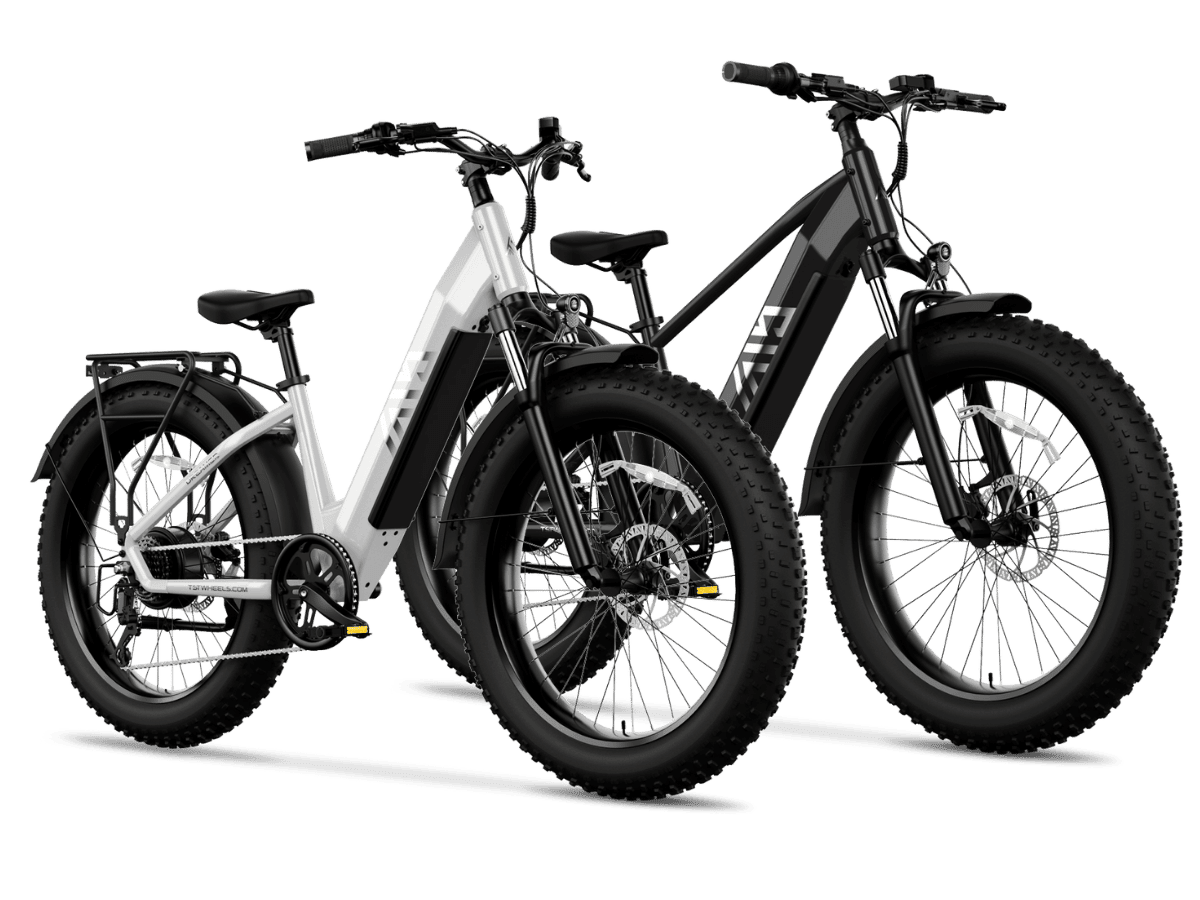
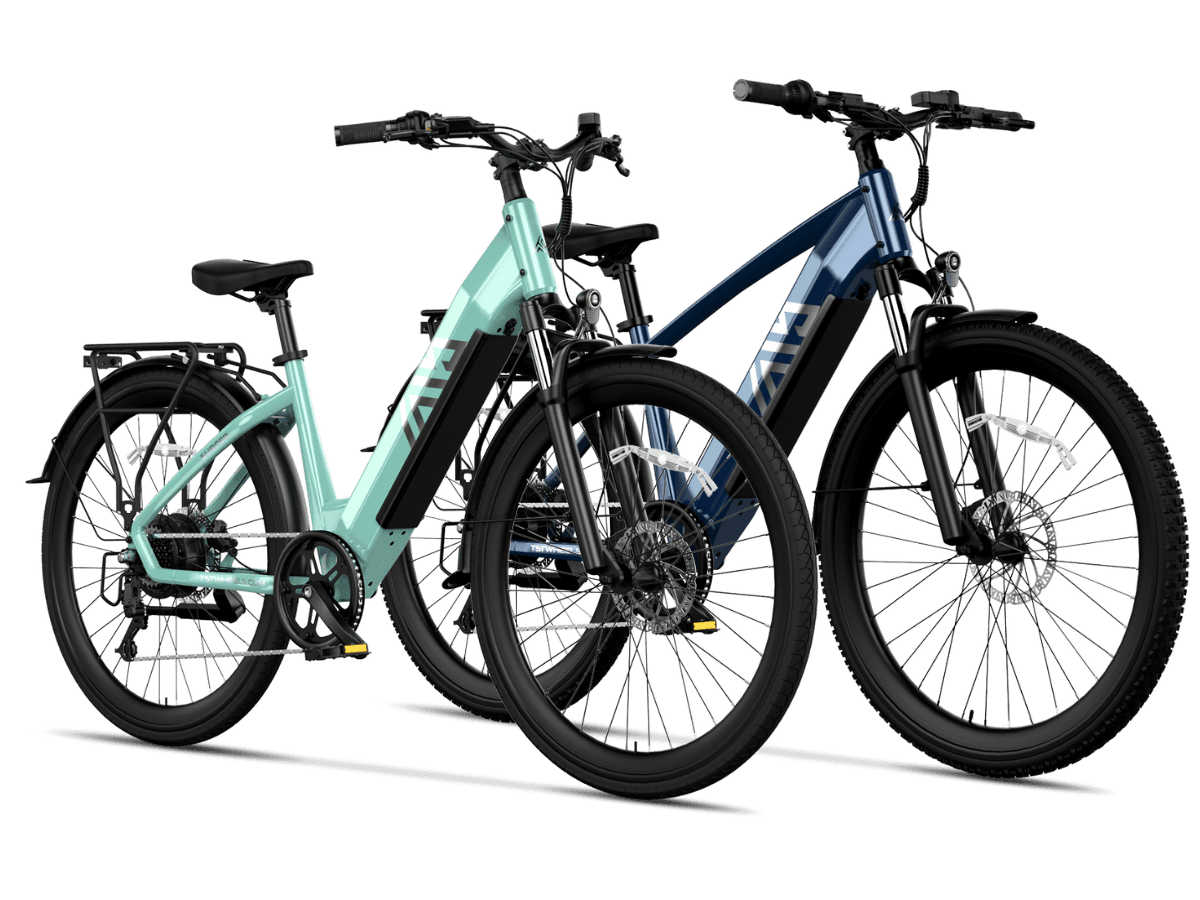
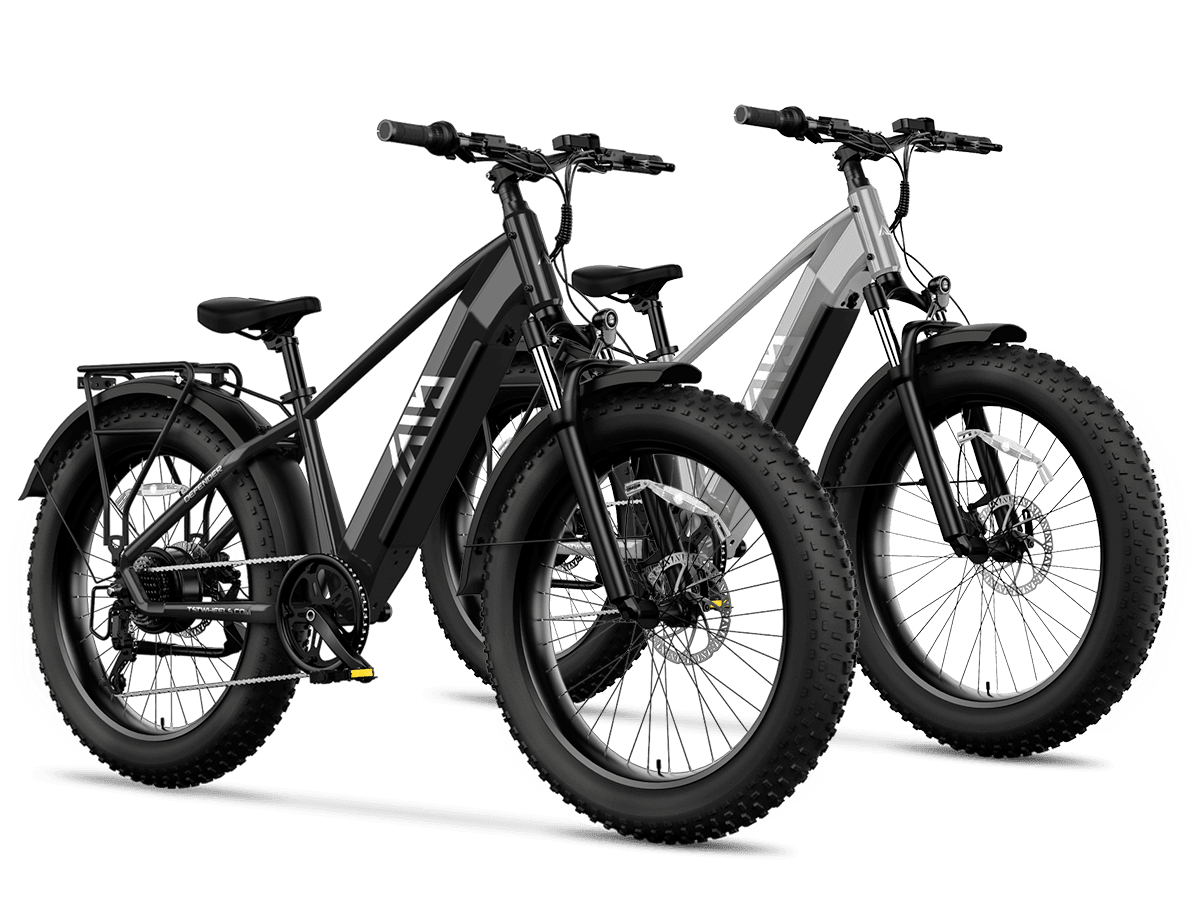
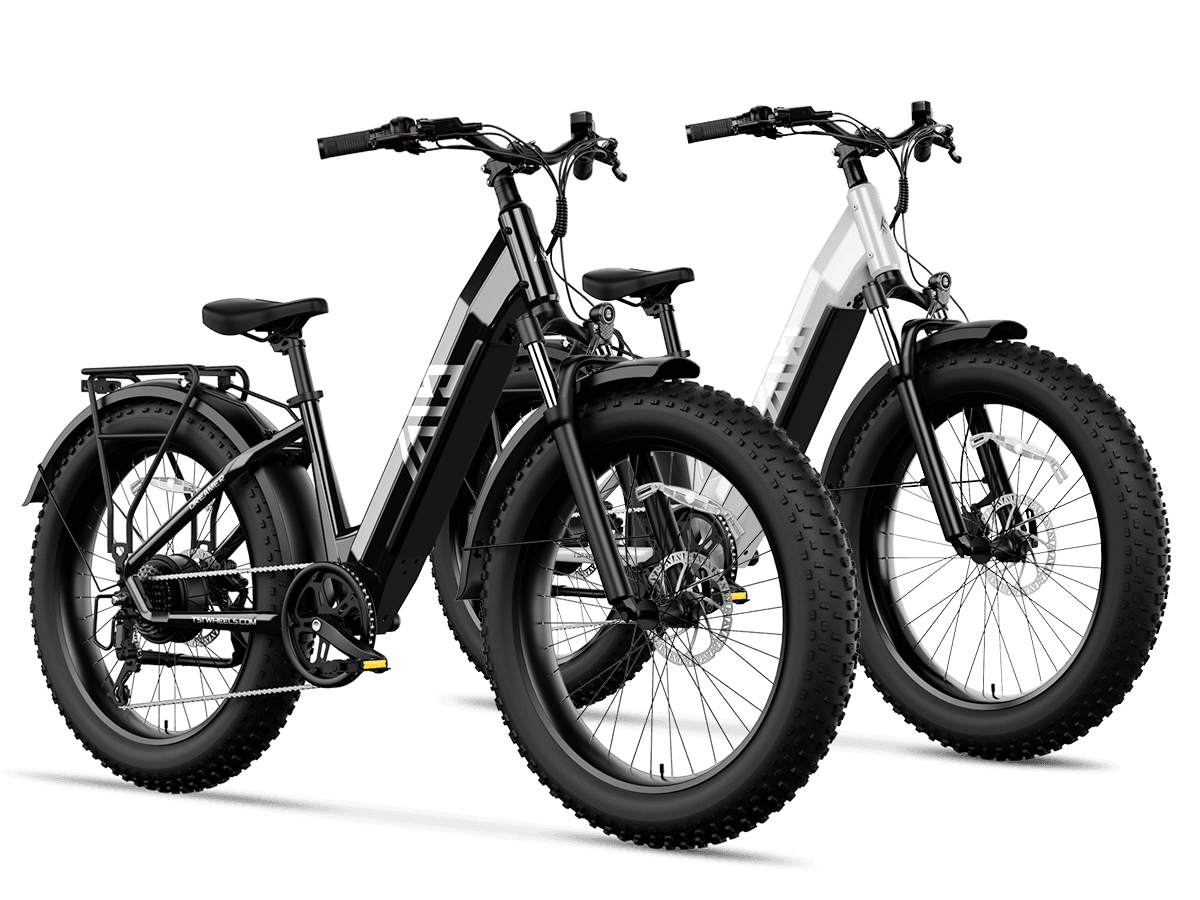

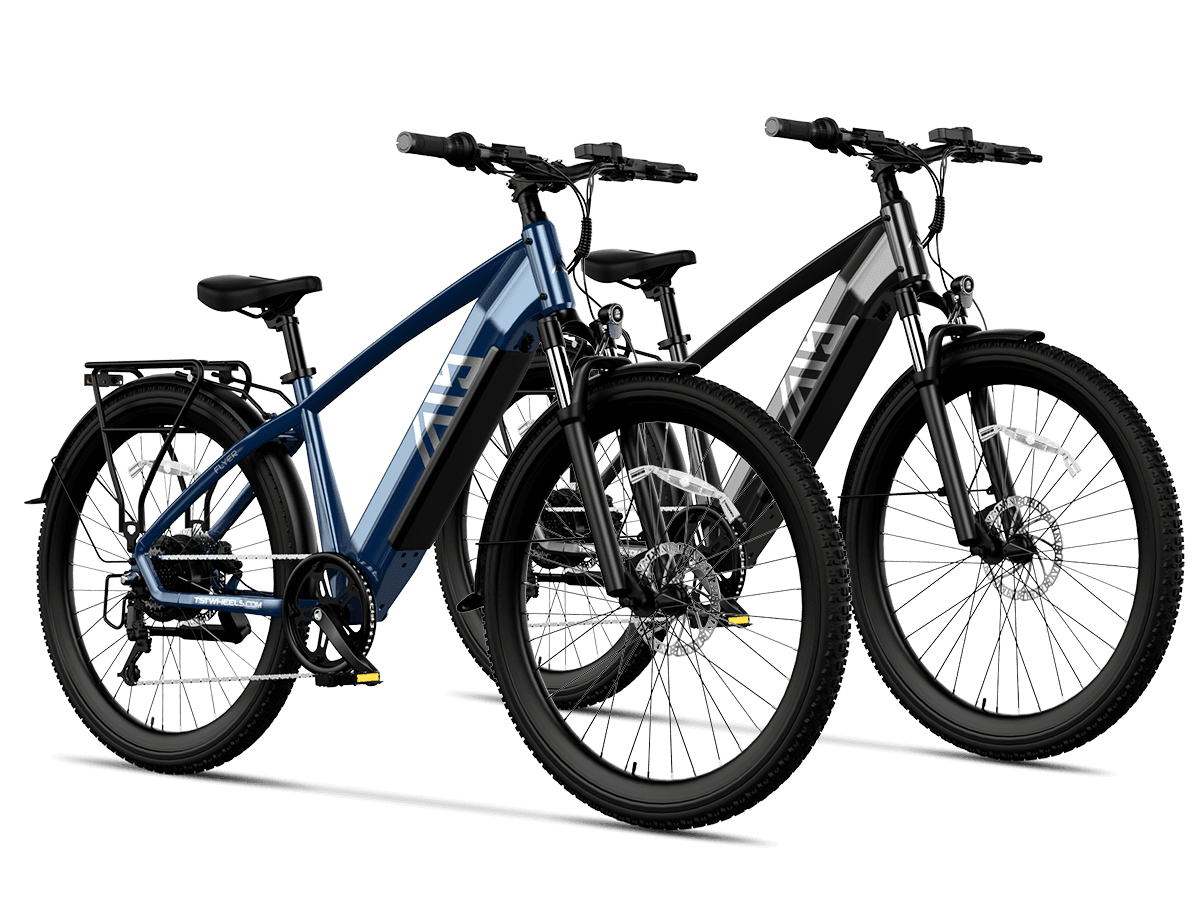
The best beginner moped provides low seat height, automatic transmission, and stable handling with speeds up to 30 mph and a 20-40 mile range. Electric models from TST EBike offer easy throttle control, no gear shifting, and durable frames, making them perfect for urban streets and novice riders seeking safety, comfort, and a practical learning experience.
What makes a moped ideal for beginners?
An ideal beginner moped features a low seat height, automatic CVT transmission, lightweight frame under 250 lbs, and reliable braking. Speed is capped at 30-40 mph to ensure controlled learning. Step-through frames, upright ergonomics, and intuitive controls like thumb throttles on electric models make riding easy. Disc brakes and wide tires increase stability. TST EBike uses consumer feedback to optimize handling and ease of use, while electric variants remove clutch work and fuel concerns, letting beginners focus on balance and traffic awareness.
How do electric mopeds compare to gas for new riders?
Electric mopeds are better suited for beginners due to instant torque, quiet operation, and minimal maintenance. No gears or fuel management simplifies learning, with ranges of 20-40 miles per charge. Gas mopeds provide longer range but require oil checks, refueling, and periodic tune-ups. TST EBike electric models excel in stop-and-go traffic with regenerative braking, eliminating stalling issues common on manual gas mopeds. Many electrics classify as ebikes, skipping registration in several areas, offering safety and convenience for new riders.
Which safety features should beginners prioritize?
Prioritize dual disc brakes, LED lights, mirrors, and low seat height. Hydraulic discs stop reliably from 25 mph, while full lighting enhances visibility. Wide tires and low center of gravity improve stability. Suspension reduces fatigue over bumps. TST EBike incorporates bright LEDs and strong frames for standard safety. Protective gear like helmets, gloves, and jackets is essential for confidence and hazard awareness.
| Feature | Why It Matters for New Riders |
|---|---|
| Dual disc brakes | Quick, confident stops |
| LED head/tail lights | Day/night visibility |
| Low seat height | Flat-footing at stops |
| Wide tires | Stability on uneven roads |
Why choose a moped over a bicycle or scooter for beginners?
Mopeds provide seated comfort, higher speeds, and cargo capacity, surpassing bicycles and kick scooters. They can handle short stretches of highway safely. TST EBike mopeds offer pedal-assist options for legal bike paths, reducing fatigue on commutes. Electric models cut costs versus gas scooters. Enclosed chains and weather protection increase convenience. TST EBike’s 26/27-inch wheels adapt to diverse beginner terrains.
How fast and far can beginner mopeds go?
Beginner mopeds reach top speeds of 25-40 mph with ranges of 20-60 miles depending on power source. Urban use averages 25 mph. Electric models throttle to class-specific speeds, while gas models remain limited for safety. TST EBike batteries support daily errands efficiently. Hills may reduce range by about 20%, so plan routes accordingly.
What license and laws apply to beginner mopeds?
Most gas mopeds require a moped license or motorcycle permit after age 16, with helmet use mandatory. U.S. states vary in registration requirements. Electric mopeds under 750W and 28 mph are often license-free as Class 2 ebikes. TST EBike models comply with common regulations. Insurance is optional but recommended for added security.
Are beginner mopeds easy to maintain?
Yes. Electric mopeds need regular battery charging, tire pressure checks, and brake inspections. Gas mopeds additionally require oil and spark plug maintenance. TST EBike ensures high-quality components, minimizing maintenance concerns. Weekly cleaning and dry storage extend lifespan significantly.
How to learn riding a moped safely as a beginner?
Start in empty areas practicing starts, stops, and turns. Wear protective gear, obey speed limits, and use signals. Gradually progress to quiet streets. Taking formal courses improves confidence, while TST EBike test rides provide practical skill-building. Avoid rush hour until comfortable with controls.
TST EBike Expert Views
"For beginners, a moped must balance power with predictability—low seats, smooth throttles, and robust brakes enhance confidence. TST EBike delivers high-power electric models at competitive prices, with 26-inch wheels for challenging terrain and 27-inch for smooth urban streets. Since 2017, rider feedback shapes designs, and California-based warehousing ensures quality and timely support, making TST EBike a reliable choice for new riders worldwide."
Which wheel sizes work best for beginner mopeds?
26-inch wheels are ideal for rough terrain, while 27-inch wheels perform better on smooth streets. Smaller wheels improve maneuverability. TST EBike’s 26-inch models grip sand and snow effectively, while 27-inch wheels offer efficient urban commuting. Beginners benefit from testing both options.
| Terrain Type | Best Wheel Size | Beginner Benefit |
|---|---|---|
| Rough/Off-road | 26-inch | Traction, shock absorption |
| Urban/Commute | 27-inch | Speed, stability |
| Mixed | Either | Versatile learning |
Can beginners ride mopeds in bad weather?
Yes, with rain gear, good tires, and cautious speeds. Avoid icy conditions. Electric mopeds handle wet conditions better due to sealed components and absence of spark plugs. Slow down and increase following distance to ensure safety. TST EBike’s designs excel in these situations.
Where can beginners ride mopeds legally?
Electric mopeds may use bike lanes, and roads within speed limits. Avoid highways initially. Observe local signage. TST EBike designs comply with typical regulations, offering beginners access to safe riding areas.
When is the best time for beginners to buy a moped?
Spring and summer sales or off-season deals provide optimal pricing. Budget $1,500-3,000 for quality models. Test rides are recommended. TST EBike maintains value year-round with stores and online support.
Conclusion: Key Takeaways for Beginner Moped Riders
Beginner mopeds succeed when focusing on safety, simplicity, and terrain-appropriate features. Choose low seats, disc brakes, and electric models like TST EBike for reliable urban commuting. Match wheel size to terrain, prioritize gear and training, and start slowly. Actionable steps include test rides, verifying local laws, and building confidence gradually, transforming everyday travel efficiently and safely.
FAQs
Do I need a license for a beginner moped?
Gas mopeds usually require a license; electric mopeds under 750W and 28 mph often do not. Check local regulations.
How much does a good beginner moped cost?
Expect $1,500-3,000 for reliable electric or gas models with essential safety features.
Are electric mopeds better for beginners?
Yes. They offer instant power, no gear shifting, low maintenance, and easy handling.
What's the top speed for beginner mopeds?
Typically 25-40 mph, with throttling applied for safe learning.
How do I store my moped in winter?
Keep batteries at 50% charge, store indoors in a dry spot, and cover gas mopeds to protect from elements.

Leave a comment
This site is protected by hCaptcha and the hCaptcha Privacy Policy and Terms of Service apply.