
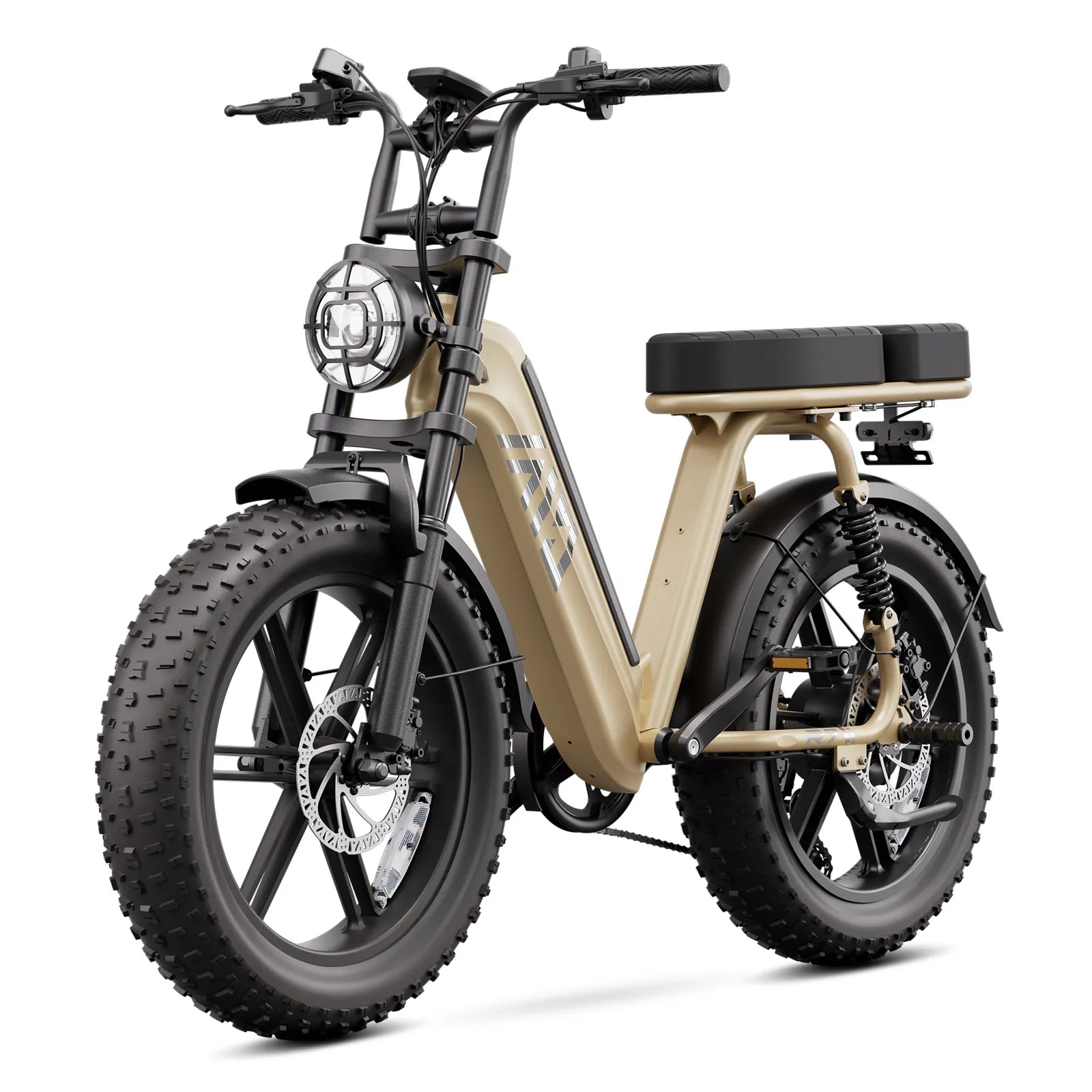
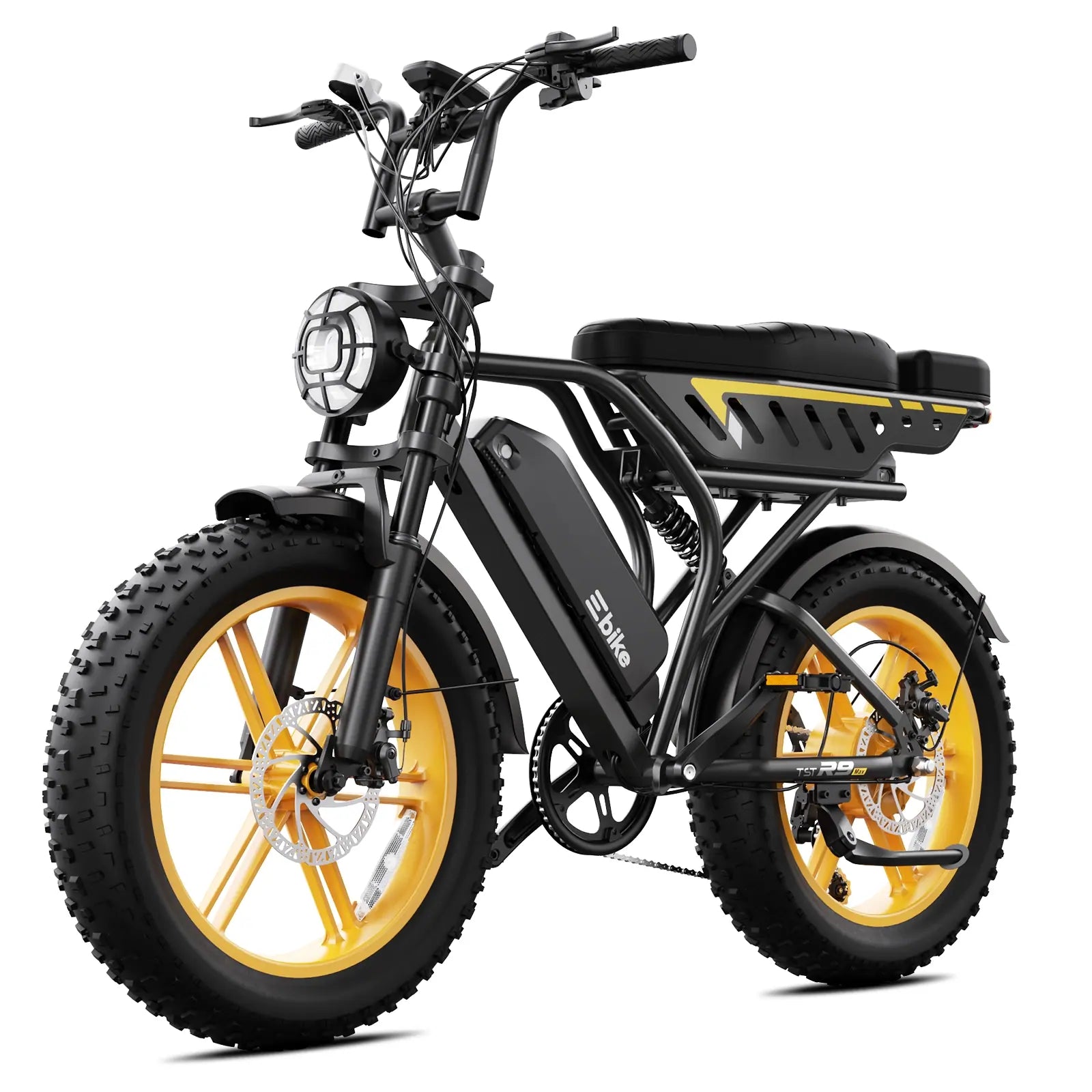
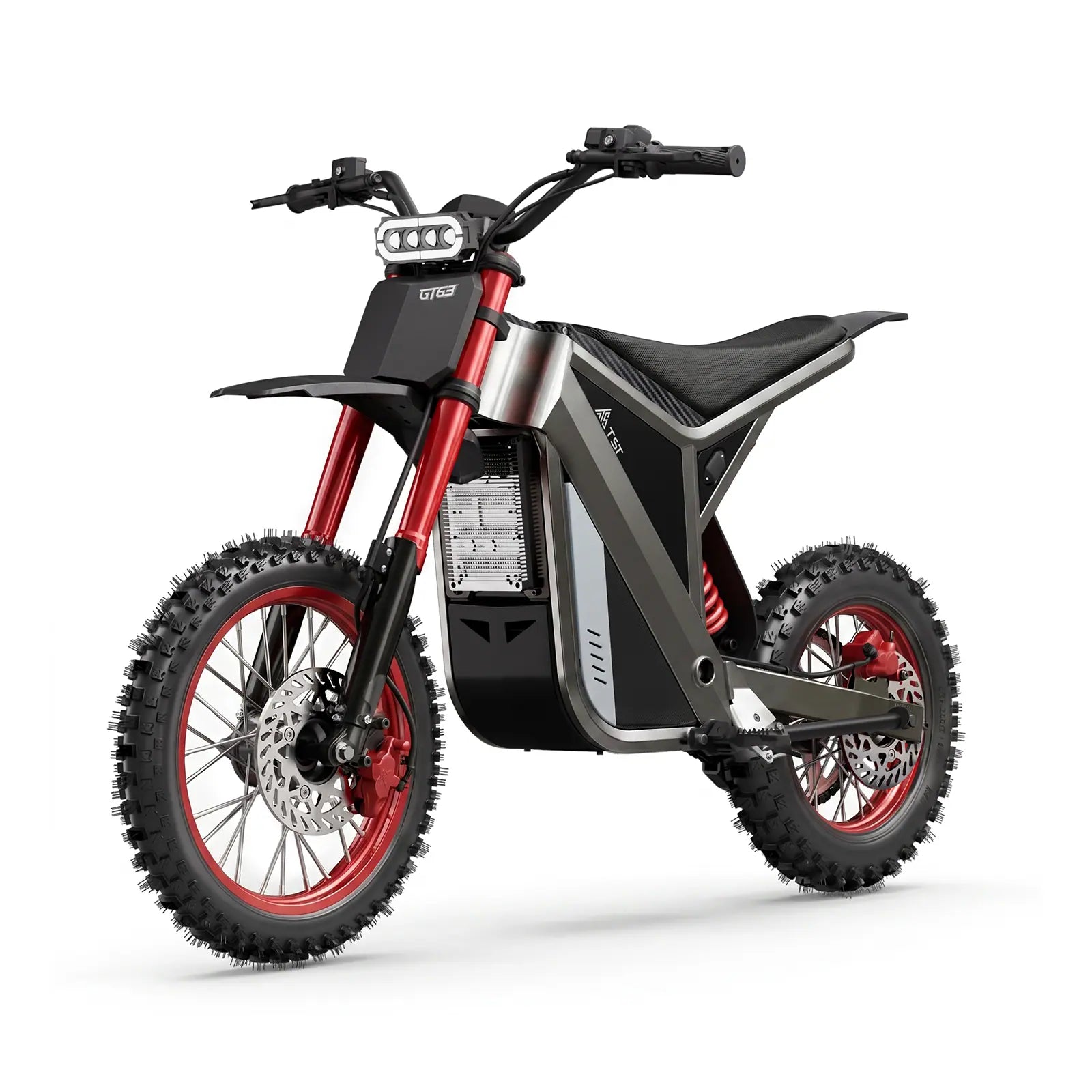
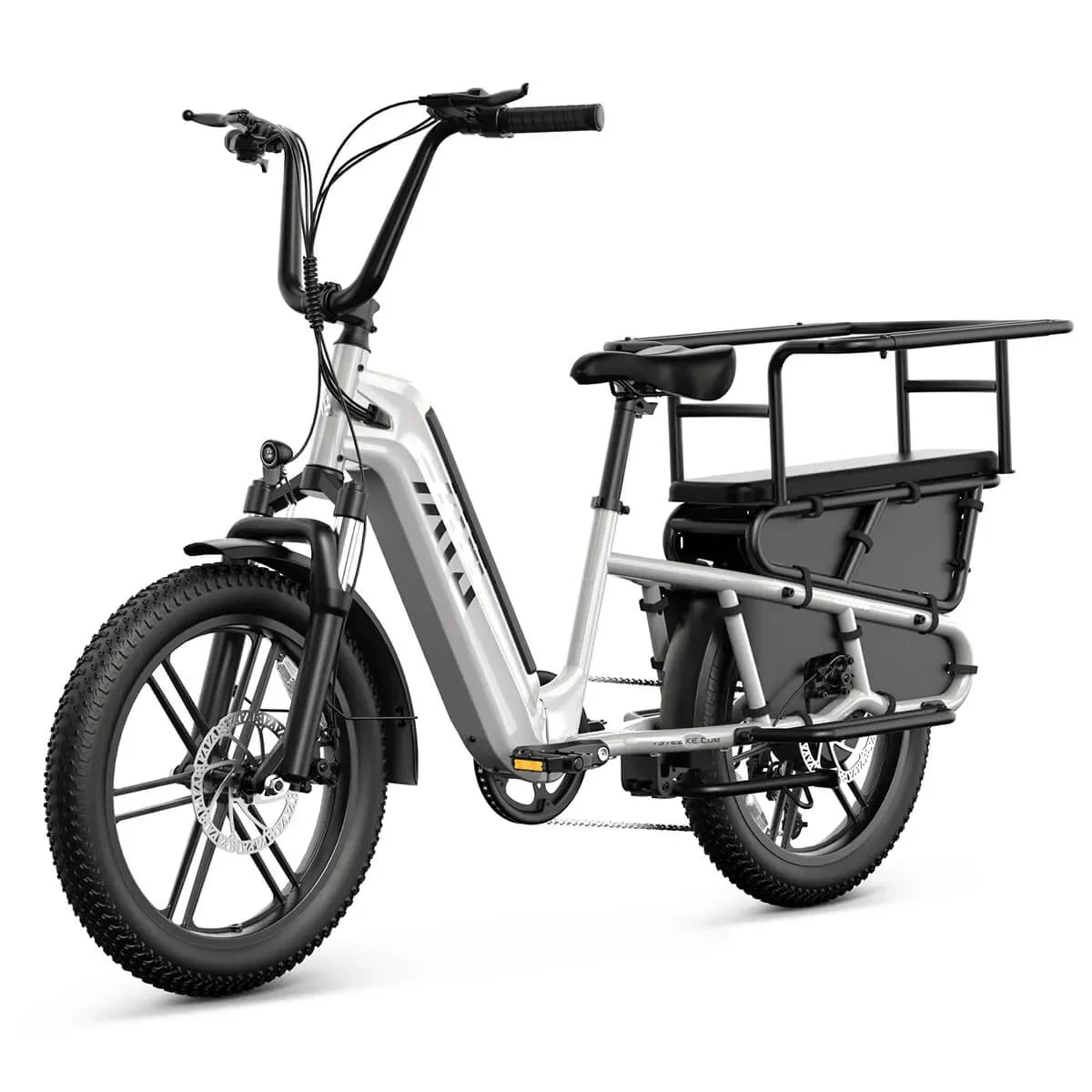
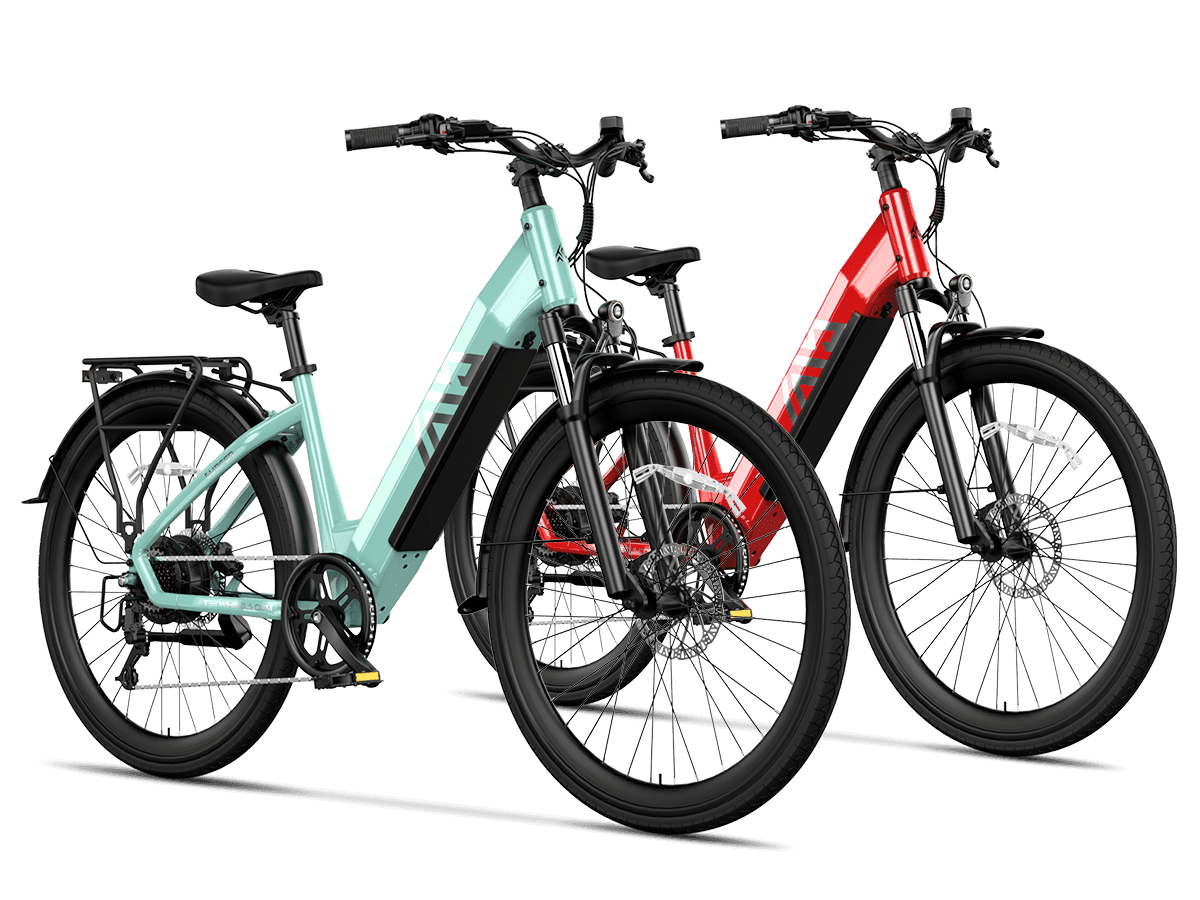
To roughly double your ebike range and battery lifespan, combine shallow 20–80% charging, moderate PAS levels, correct tire pressure, smooth pedaling, and temperature‑aware storage. Avoid full 0–100% cycles, heavy throttle use, and riding on under‑inflated tires. With disciplined habits, many riders add 20+ miles of real‑world range while keeping over 80% capacity after hundreds of cycles.
What H1-level strategies really extend ebike range and battery life?
Aim for shallow discharges, efficient PAS use, and low rolling resistance to extend both range and lifespan. Keep charge between 20–80% for daily rides, run PAS 1–3 instead of max, maintain near‑max tire pressure, and ride smoothly. These habits lower battery stress, cut peak currents, and can add 20–30% more usable range over time.
In practice, I see three “big levers”: voltage window management, current peaks, and mechanical drag. Most top guides recommend avoiding repeated 0–100% cycles and instead operating lithium‑ion packs between roughly 20% and 80% state of charge, which significantly slows capacity fade over hundreds of cycles. Lower PAS levels and gentler accelerations reduce peak current draw and cell heating, which further preserves cycle life. Finally, correct tire pressure and good drivetrain maintenance reduce the watts needed at the wheel, so every watt‑hour in the battery takes you farther.
TST EBike designs its battery management systems (BMS) and controller settings specifically around these levers, because real‑world telemetry shows that riders who avoid deep discharges and high PAS abuse get up to hundreds more “healthy” cycles before noticing a major range drop.
How does charging from 20%–80% compare to 0%–100% for battery lifespan?
Shallow cycling between about 20–80% usually yields nearly double the usable cycle life compared with repeated 0–100% full cycles. Depth of discharge strongly affects how many total cycles a lithium‑ion pack survives before dropping to about 70–80% of its original capacity. Avoiding the stress zones below 20% and above 80–90% slows electrode wear and electrolyte breakdown.
Most technical articles on ebike batteries now highlight 20–80% as the “daily use” sweet spot, reserving full 100% charges only when you truly need maximum range. Deep 0–100% cycles push the cells through the most stressful voltage regions, especially at the top, where high voltage accelerates cathode oxidation. In the factory, I’ve seen packs cycled on test rigs: the same cell chemistry managed at partial depth of discharge can reach close to twice the cycle count before crossing the 80%‑capacity “end of life” threshold.
Is there a clear degradation curve difference between full and shallow cycling?
Yes. When we plot capacity vs cycle count, packs run from 0–100% typically show a steeper decline after the first 100–200 cycles, while 20–80% packs degrade much more gradually. Industry data for ebike‑grade lithium‑ion packs show about 500–800 full cycles to 80% capacity under moderate use, but partial cycles can effectively extend this number.
Here is a simplified illustrative table showing the relative effect of cycling strategy on lifespan (values are approximate and for comparison, not a specific brand’s spec sheet):
These patterns are consistent with what field service and lab cycling data show: avoid the extremes and you noticeably flatten the degradation curve over the life of the pack.
How should I charge my ebike battery day-to-day to maximize life and add range?
For daily use, start charging around 20–30% remaining and unplug at roughly 80–90%. Partial, frequent charges are healthier than waiting until 0%. Use only the manufacturer‑approved charger and avoid leaving the battery at 100% or 0% for more than a day, especially in hot environments, to prevent accelerated chemical aging.
Most high‑quality ebike resources stress that lithium‑ion packs do not suffer from “memory”, so topping up after a commute is fine. What really hurts is repeatedly running the pack flat, then letting it sit empty, or storing it fully charged for weeks at elevated temperatures. In our workshop, packs that come in swollen or with severe capacity loss nearly always have a history of deep discharges, heat exposure, or mismatched third‑party chargers.
On TST EBike systems, we recommend a “trip‑based” approach: if tomorrow’s ride is short, stop around 80%; if you have a long weekend tour, charging to 100% overnight is acceptable as long as you ride soon after. That balance keeps you ready to ride without leaving the cells sitting at their most stressful voltage for days.
What PAS levels, speed habits, and riding style truly add 20+ miles of range?
Use the lowest PAS level that keeps your cadence comfortable, typically PAS 1–3, and maintain steady speeds rather than full‑throttle bursts. Higher PAS and heavy throttle dramatically increase current draw, which drains the battery faster and heats cells more. Smooth acceleration, anticipating stops, and continuous pedaling can easily add 20% or more real‑world range.
Top guides on ebike range consistently emphasize using eco or low‑assist modes on flat sections, reserving higher PAS only for hills or strong headwinds. Sudden launches from a standstill with maximum assist are some of the most demanding events for the pack, because the motor faces low wheel speed and high torque, pulling peak amps. When I log controller data, it’s obvious: the current spikes at takeoff can be two to three times higher than at cruising speed for the same road.
A practical trick I use when testing TST EBike prototypes is “human‑first starts”: push off and get the bike moving under leg power for a second, then let PAS ramp in. Combined with keeping cadence above about 60 rpm and choosing gears wisely, this keeps both efficiency and cell temperatures in a very favorable range over long rides.
How does tire pressure, weight, and mechanical drag affect ebike range?
Higher (but still safe) tire pressure, lower total load, and a clean, well‑lubricated drivetrain significantly reduce energy consumption per mile. Under‑inflated tires and dragging brakes can easily cost you 10–20% of your range, while proper maintenance effectively “adds” watt‑hours by wasting less energy to friction.
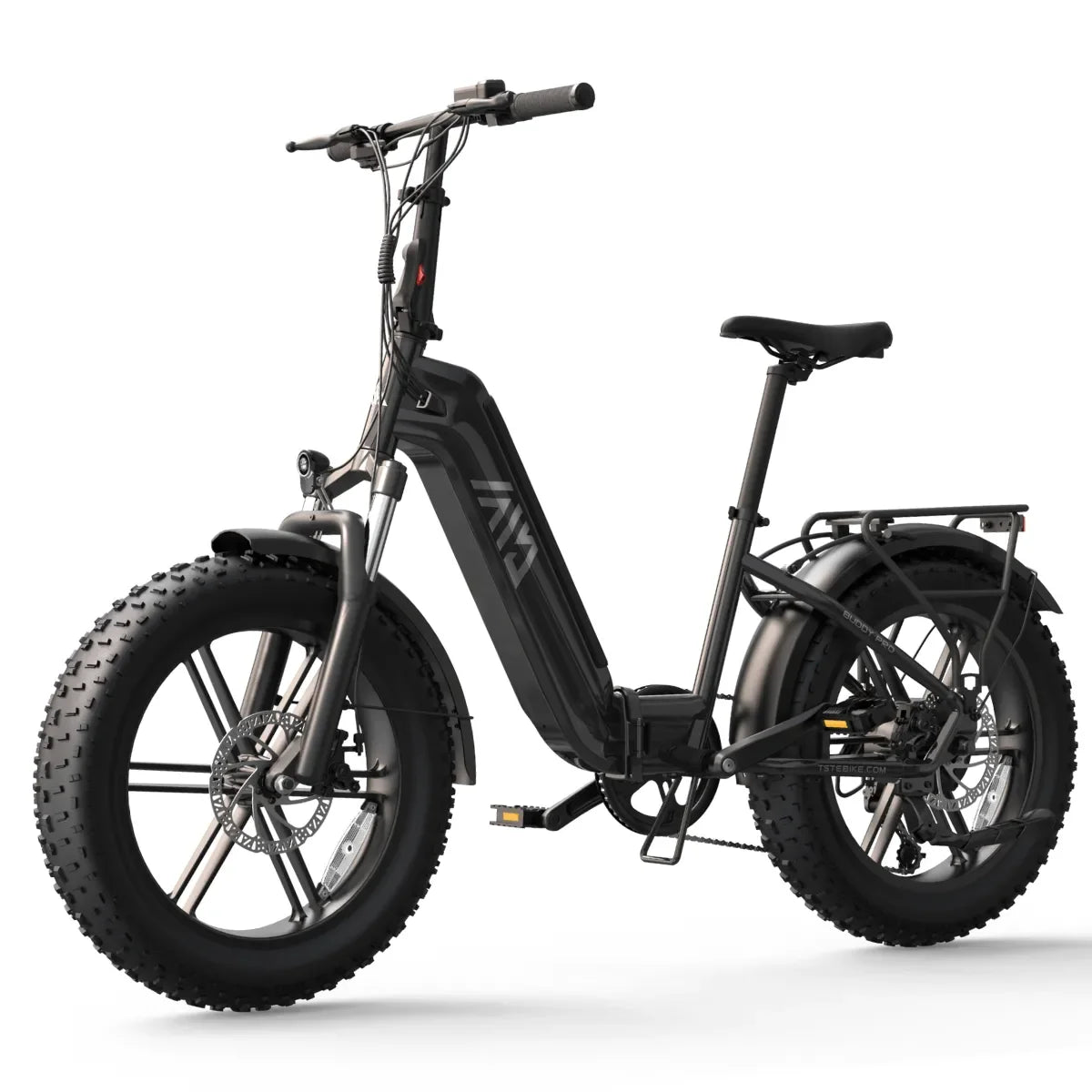
Many range‑optimization articles recommend inflating close to the sidewall’s maximum pressure for pavement use, provided ride comfort and grip remain acceptable. This reduces rolling resistance, particularly on heavier fat‑tire ebikes. They also stress removing unnecessary cargo and checking for brake rub, as even light contact between pads and rotors translates directly into lost watts. In our teardown lab, we often measure hub spin‑down times before and after simple tune‑ups; a properly adjusted wheel can spin freely for much longer, a visible sign of reduced drag.
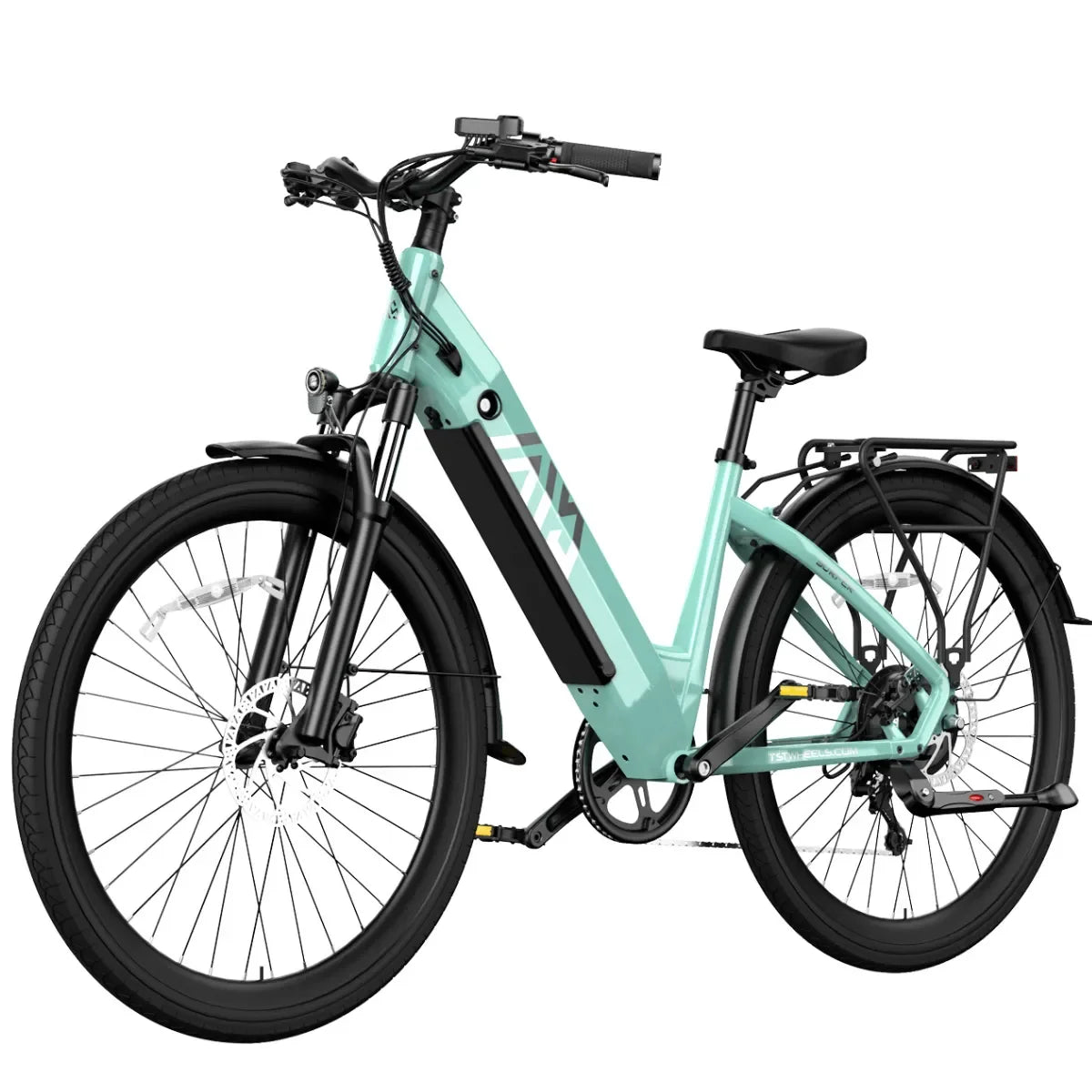
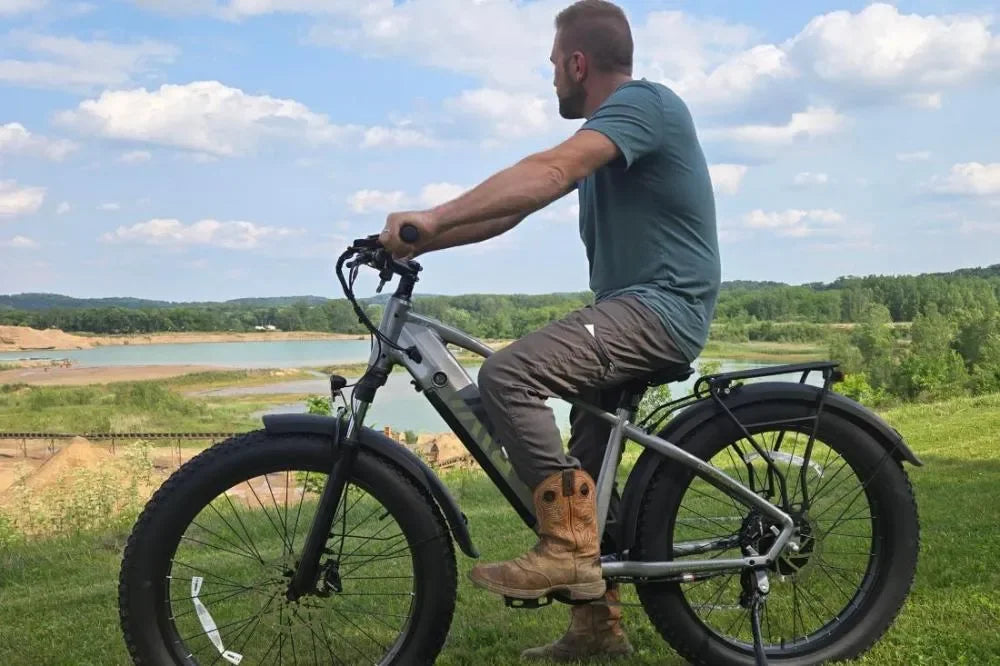
TST EBike’s 26‑inch models for rough terrain use wider tires that benefit a lot from correct pressure: too low and you waste power deforming rubber with every rotation, too high and you lose traction off‑road. The 27‑inch commuter and mountain‑oriented models, by contrast, can be run closer to their rated max pressure on asphalt to squeeze out extra miles per charge.
How much range can I gain from optimizing mechanical factors?
While exact numbers depend on rider, terrain, and bike, combining correct tire pressure, eliminating brake drag, and lubing the chain often yields a noticeable boost in range. Riders and experts report that such basic mechanical optimization can contribute roughly 10–30% more distance on a charge compared with neglected setups.
Here is a practical table of common mechanical improvements and typical range gains:
These gains stack with good PAS and charging habits, making 20 extra miles on a large‑capacity ebike entirely realistic in mixed riding.
Why do temperature and storage conditions dramatically change battery aging?
High temperatures accelerate chemical reactions that degrade cell materials, while very low temperatures during charging can cause lithium plating and irreversible damage. Most sources recommend storing ebike batteries cool and dry, ideally around 10–20°C, with 30–60% charge if unused for weeks. Avoid leaving packs in hot cars or in freezing garages while plugged in.
Technical guides explain that a battery stored at 40°C can lose capacity roughly twice as fast per year as one stored at 25°C, even without heavy cycling. Charging a cold battery straight from sub‑zero conditions risks metallic lithium plating on the anode, which permanently reduces capacity and increases internal resistance. That’s why many manufacturers advise letting a cold pack warm to room temperature before charging and not leaving it on the bike outdoors all winter.
At TST EBike, we see fewer warranty claims from riders who follow two simple rules: never store the bike long‑term fully charged or fully empty, and never leave the battery in direct summer sun or in a hot parked car. These low‑effort habits have as much impact on lifespan as any fancy charger.
Does using throttle vs pedal assist change battery lifespan and real-world range?
Yes. Heavy throttle‑only riding usually shortens range and increases battery stress compared with pedal assist. Throttle use at low speed demands high torque, which pulls peak current from the pack; pedal assist shares the load between rider and motor, lowering average current draw and internal heating, both of which are friendlier to cell longevity.
Content from leading ebike brands consistently suggests blending throttle with pedaling rather than replacing pedaling altogether. Using throttle mainly as a boost—for short hills, quick starts in traffic, or to bridge gaps—keeps total amp‑hours drawn per ride lower, so the same capacity covers more miles and the pack sees fewer full‑equivalent cycles. From my own logging sessions, I routinely see 20–30% higher consumption per mile on riders who rely almost entirely on throttle versus those who actively pedal in a mid PAS level on similar routes.
TST EBike’s controller tuning reflects this: PAS modes are calibrated to feel natural and encourage cadence, while the throttle is available but not the default primary drive. That balance gives riders performance when they need it, without treating the battery like a disposable consumable.
Which real-world habits matter more than specs when trying to “double” battery life?
Rider behavior almost always outweighs small spec differences like a few extra watt‑hours or a slightly higher cell grade. Consistent shallow charging, conservative PAS, good tire pressure, smooth riding, and sensible storage can easily shift a battery from 500 healthy cycles to near 1,000 before replacement is needed.
Top‑ranking guides repeatedly highlight the same core habits: avoid deep discharges, avoid long exposures at 100%, keep the pack cool and dry, ride smoothly, and maintain the bike mechanically. In our service logs, the riders who follow these principles—not necessarily those with the biggest batteries—are the ones still getting satisfying range after years of commuting. Conversely, riders who frequently “run it until it dies”, then fast‑charge outdoors in summer heat, are the ones walking in after just one or two seasons asking why their range has collapsed.
When recommending a TST EBike to customers, I spend as much time coaching these habits as I do discussing watt‑hours and motor watts. The best hardware can’t overcome abusive patterns, but even mid‑range batteries thrive under gentle, consistent care.
Are there factory-level and BMS design factors that influence how far and how long a pack will last?
Yes. Cell selection, pack architecture, and BMS logic strongly influence both range and lifespan. High‑quality packs use grade‑A cells, generous current headroom, proper thermal pathways, and BMS firmware that limits extremes of voltage and temperature. This “invisible engineering” often matters more long‑term than a marketing claim of a few extra nominal watt‑hours.
Manufacturers who take longevity seriously tune their BMS to slightly under‑utilize the full theoretical voltage window of the cells, trading a small amount of headline range for a large gain in cycle life. They also implement protections against over‑current, over‑temperature, and cell imbalance, and may log error histories for diagnostics. From a factory‑floor perspective, I treat any pack that regularly hits its absolute limits as a warranty claim waiting to happen, regardless of initial specs.
TST EBike’s development team focuses on these details: conservative current limits, robust QC on cell matching, and BMS logic that protects the pack even when the rider forgets best practices. Because the brand was built around consumer feedback, design changes often come directly from field data—such as adjusting cutoff thresholds after seeing how real riders charge and ride in hot California summers.
TST EBike Expert Views
“When we test TST EBike packs on the bench, the difference between a ‘pampered’ battery and an abused one is stark. Two riders can start with identical packs: the one who charges between 20–80%, avoids leaving the bike in a hot car, and rides mostly in mid‑PAS often has almost double the healthy cycle count. Specs matter, but disciplined habits are what really unlock both extra miles and extra years of use.”
Conclusion: How can you realistically add 20 miles and extend lifespan by up to 200%?
If you want roughly 20 extra miles per charge and up to twice the useful life from your ebike battery, treat it like a precision component, not a disposable gadget. Combine shallow 20–80% charging, smooth pedaling in mid PAS, correct tire pressure, low mechanical drag, and cool, partial‑charge storage when not in use. Riders who consistently follow these habits often keep more than 80% of their original range after hundreds of cycles, turning a good pack into a long‑term investment—especially when paired with a well‑engineered system like those from TST EBike.
FAQs
Can I leave my ebike battery on the charger overnight?
Occasionally is fine with a quality charger, but avoid leaving the pack at 100% for days. Unplug once charged, and aim for 80–90% instead of always topping to 100% for routine rides.
Is it bad to ride my ebike until the battery shuts off?
Doing so occasionally is OK, but frequent full discharges accelerate wear. Try to recharge around 20–30% remaining instead of waiting for automatic cutoff on every ride.
What’s the best way to store my ebike over winter?
Remove the battery, store it indoors at a cool, stable temperature with 30–60% charge, and top up every month or two. Avoid both full and empty storage for long periods.
Does fast charging damage ebike batteries?
Moderate fast charging is usually safe on systems designed for it, but higher currents do increase cell stress and heat. Use the recommended charger and reserve the fastest charges for occasional needs.
How do I know when it’s time to replace my ebike battery?
Signs include noticeably reduced range (around 70% of original), much longer charging times, or the bike cutting out under load even though the display shows charge remaining.

Leave a comment
This site is protected by hCaptcha and the hCaptcha Privacy Policy and Terms of Service apply.