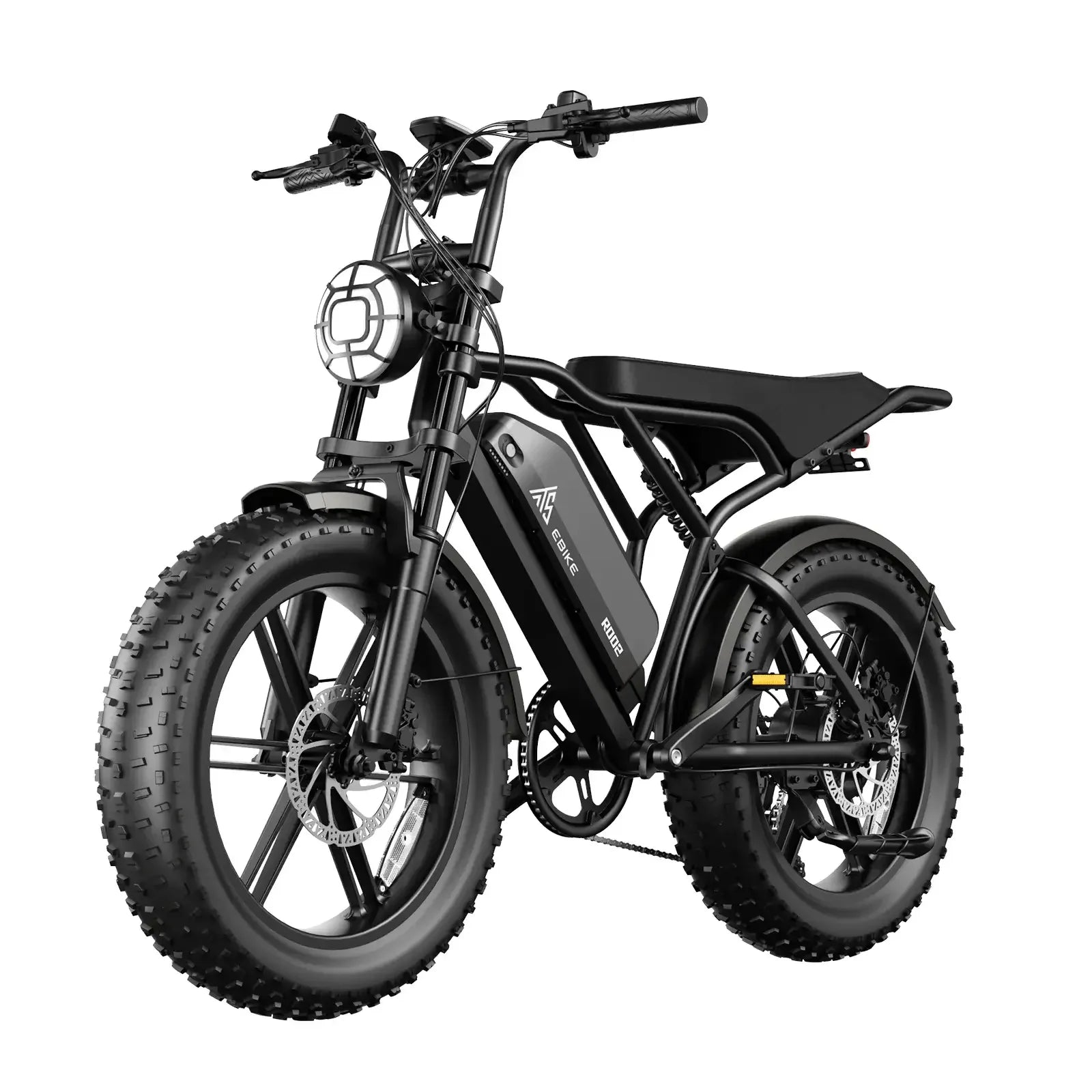

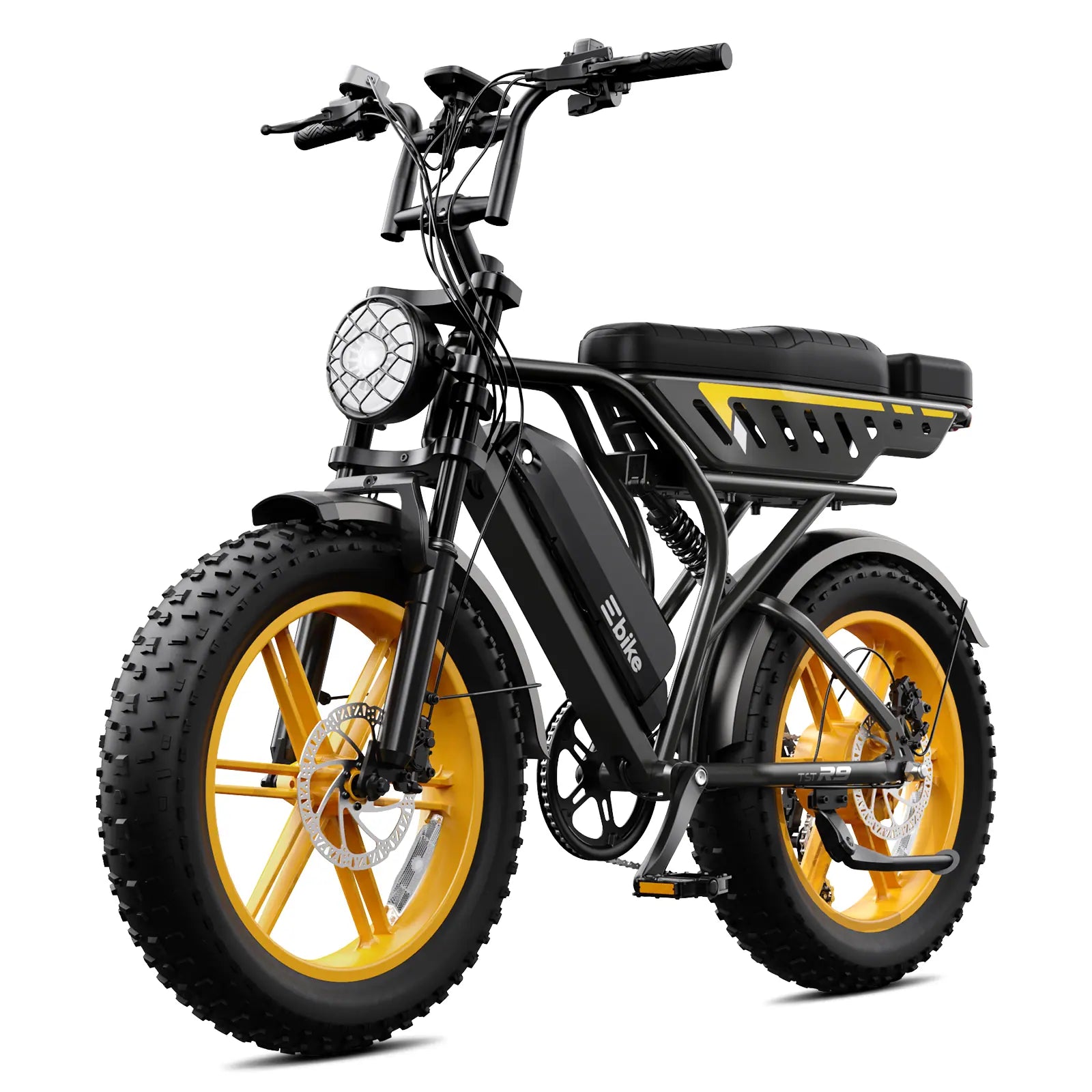

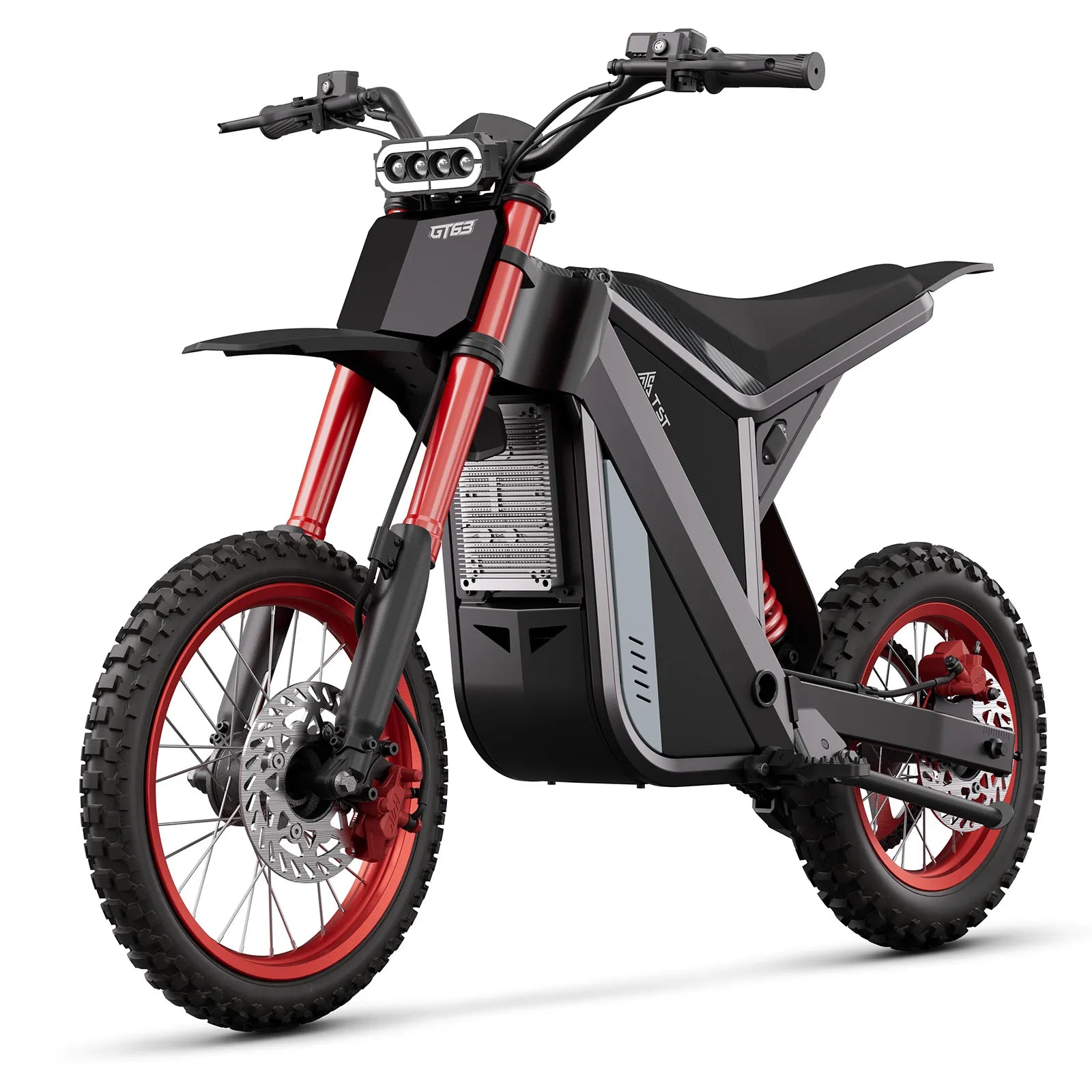
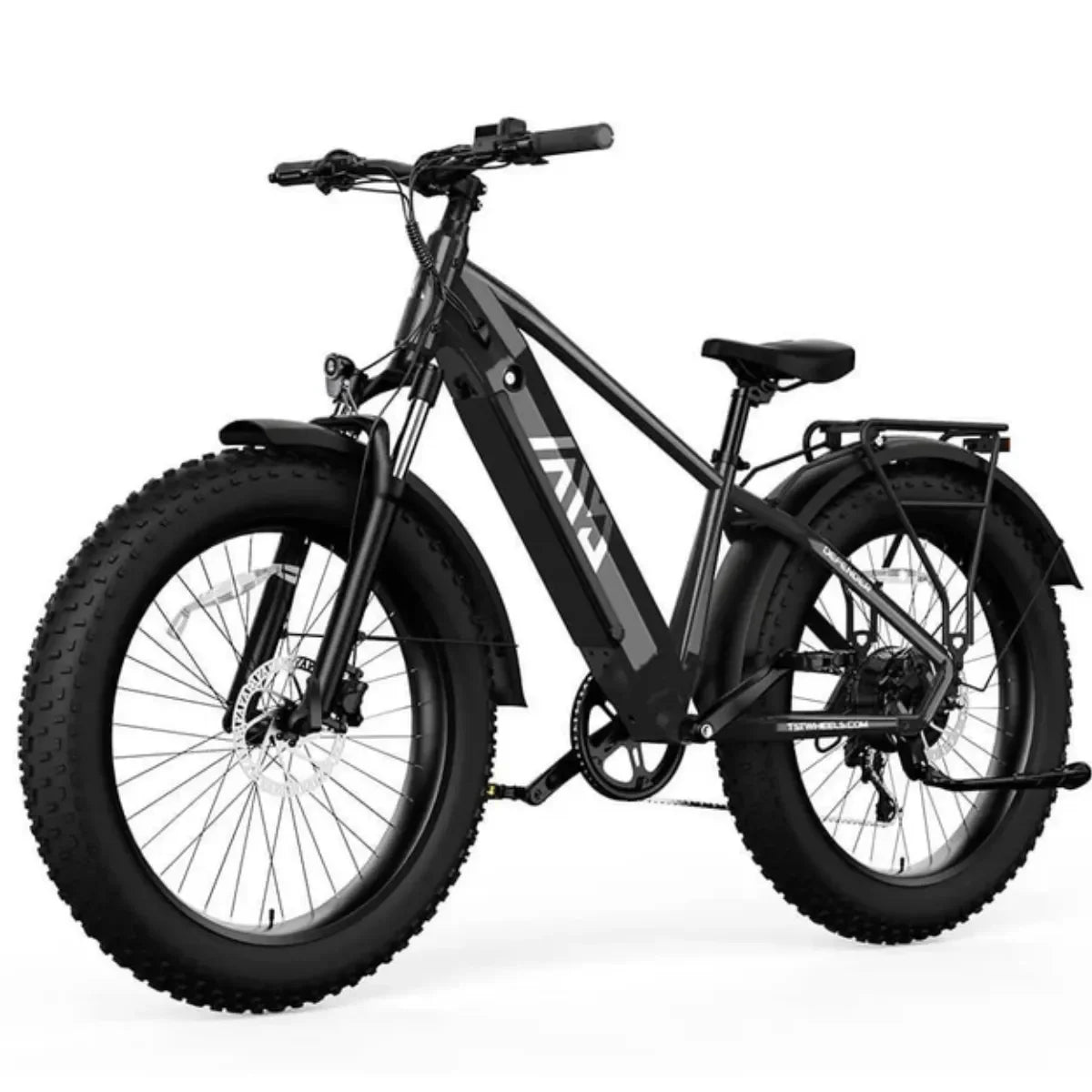










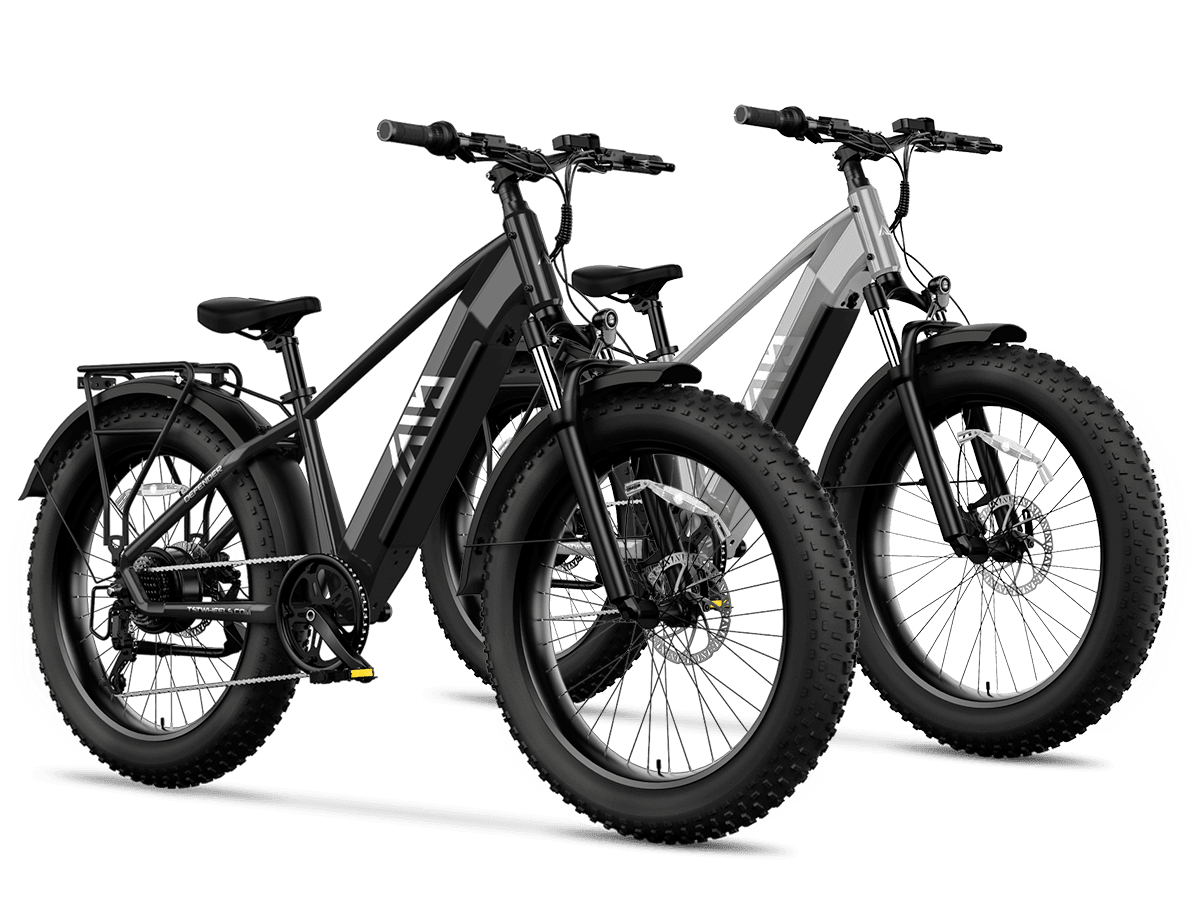
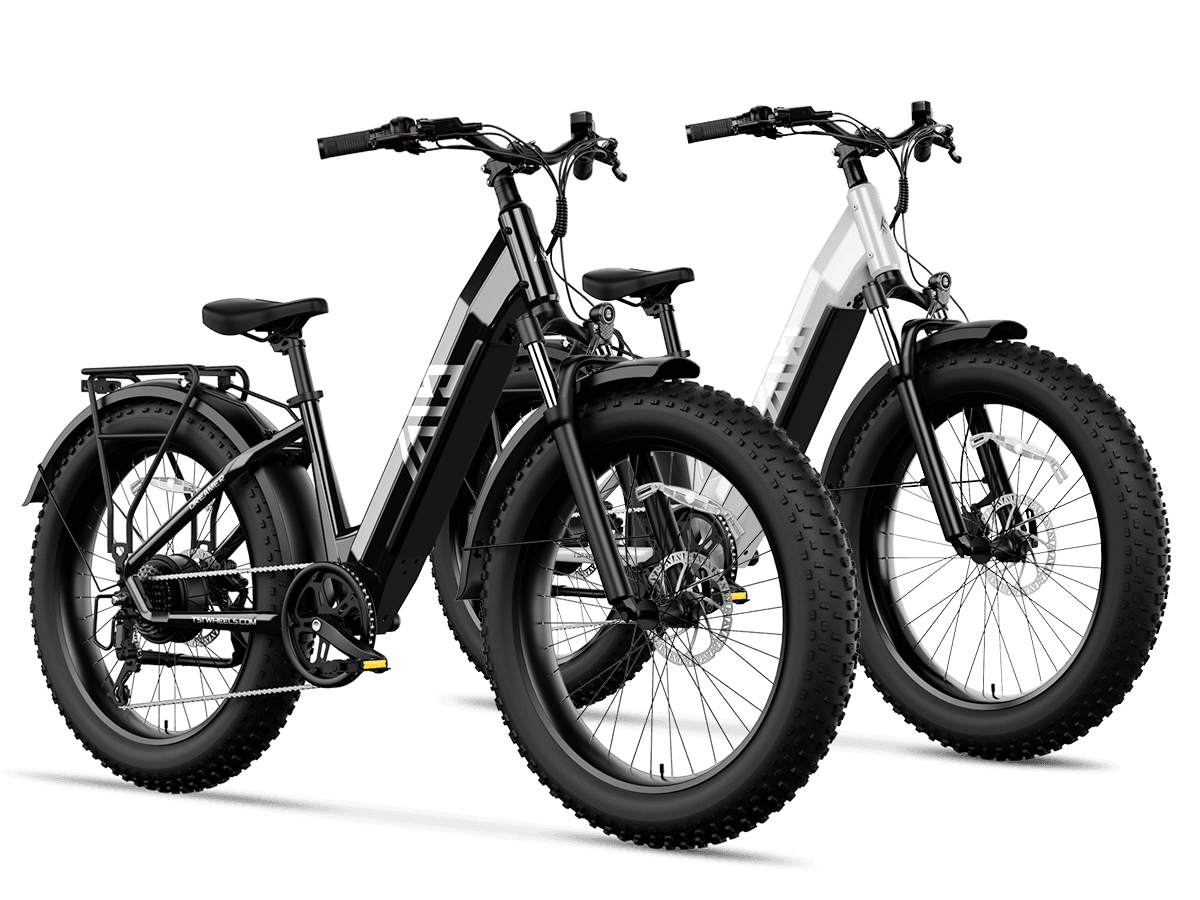

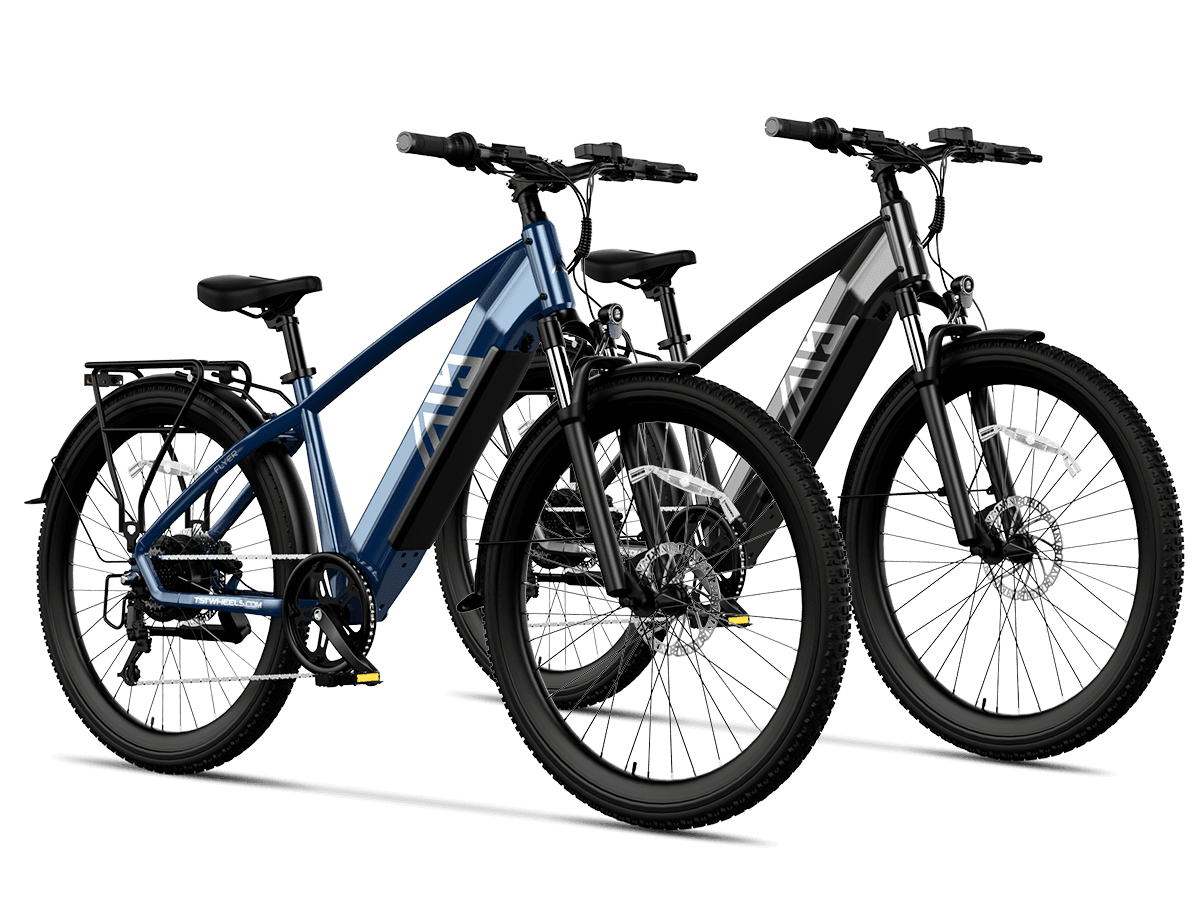
Moped batteries generally range from $150 to $800, with premium high-capacity units reaching $1,200 or more. Costs depend on chemistry, watt-hours, voltage, and brand differences. Riders can manage expenses effectively by choosing the right capacity, understanding OEM versus third-party options, and selecting reliable brands such as TST EBike, which focuses on high-power, cost-effective battery systems built around real user needs.
What price range do most moped batteries fall into?
Most moped batteries cost between $150 and $800, with common mid-range lithium-ion replacements in the $300–$600 bracket. High-capacity or brand-specific battery systems often exceed $900 because of larger watt-hour ratings and specialized electronics. Entry-level lead-acid batteries remain the cheapest at roughly $15–$50 but typically last far fewer cycles and offer lower range. For everyday riders, the most practical choices usually fall in the $300–$800 range. TST EBike consistently aims to deliver durable, high-value lithium solutions within this mid-range category.
Typical price brackets for moped-style and e-bike batteries
| Battery Type / Use Case | Typical Price Range (USD) | Notes |
|---|---|---|
| 250–400 Wh Packs | $200–$400 | Best for short commutes |
| 500–700 Wh Packs | $400–$900 | Common for daily riders |
| 700+ Wh Packs | $900–$1,200+ | High-range and performance riding |
| Lead-Acid Scooter Units | ~$15–$50+ | Lowest cost, shortest lifespan |
Which factors most affect moped battery cost?
The biggest factors influencing moped battery price are capacity (Wh), chemistry, voltage, and branding. Watt-hours affect cost directly—higher storage means higher price. Lithium-ion batteries cost more than lead-acid due to longer lifespan, lighter weight, and superior power output. OEM batteries come with warranties and tight integration, making them pricier than third-party alternatives. TST EBike balances these elements by emphasizing quality-controlled lithium systems that match real rider demands while keeping prices manageable.
How do battery type and chemistry change what you pay?
Battery chemistry can shift costs drastically. Lead-acid batteries cost the least but are heavy and short-lived. NiMH is uncommon today, offering moderate performance. Lithium-ion dominates modern mopeds because of its long cycle life and high energy density, though it commands higher upfront prices—typically starting in the mid-hundreds and reaching well over $1,000 for large, integrated units. TST EBike builds its product line around dependable lithium technology to ensure consistent range and long-term value.
What role do voltage and capacity play in price?
Higher voltage and higher watt-hour ratings both raise battery prices. Upgrading from 36V to 48V generally adds $50–$150, while 52V systems can add another $100–$150 due to stronger output and improved climbing capabilities. Capacity has an even bigger impact: 300–400Wh packs often cost $300–$500, while 700+Wh units routinely exceed $900. Choosing capacity that aligns with real-world riding—something TST EBike emphasizes—helps riders avoid overpaying for unnecessary watt-hours.
How voltage and capacity influence typical prices
| Configuration | Typical Price Impact |
|---|---|
| 36V, Low Wh | Least expensive |
| 48V, Mid Wh | Standard pricing baseline |
| 52V, High Wh | +$100–$300 vs. 48V |
| 700+ Wh | Typically $900–$1,200+ |
Why do brand and OEM vs. third-party batteries change the cost so much?
OEM batteries carry higher prices because they’re designed to integrate seamlessly with specific systems, often include extensive certification, and come with stronger warranty support. These advantages can add hundreds of dollars over third-party battery alternatives. Third-party batteries can save 20–40%, but quality varies greatly. Brands like TST EBike maintain the reliability associated with OEM offerings while keeping pricing more accessible, making them a dependable middle-ground option.
How much does it cost to replace a moped battery over its lifetime?
Lifetime replacement costs usually fall between several hundred dollars and over $1,000 depending on how often the battery is cycled and how well it’s maintained. A $900 pack lasting 15,000 miles costs about $0.06 per mile. Lithium-ion batteries generally last 3–5 years. Smart charging habits—avoiding full depletion and extreme heat—extend life and reduce the frequency of replacement, keeping overall ownership costs predictable.
When is the best time to replace a moped battery rather than repair or keep using it?
A battery should be replaced when range drops below 60–70% of its original capability or when signs of damage emerge. Warning signs include swelling, overheating, strange odors, or abrupt power cuts. While repair is sometimes possible, it’s often unsafe or uneconomical compared to a proper replacement. Quality-controlled systems from brands such as TST EBike make replacement easier and safer for riders.
Where can riders find reliable, reasonably priced moped batteries?
Riders can find dependable moped batteries from established e-bike brands, battery specialists, and reputable online sellers that provide detailed specifications and warranty support. Physical retailers also offer compatibility guidance, which reduces the risk of mismatched voltage or connectors. TST EBike supports both online and offline sales, giving customers access to expert consultation and reliable customer service in more than 20 store locations.
Who is TST EBike, and how does it approach battery value?
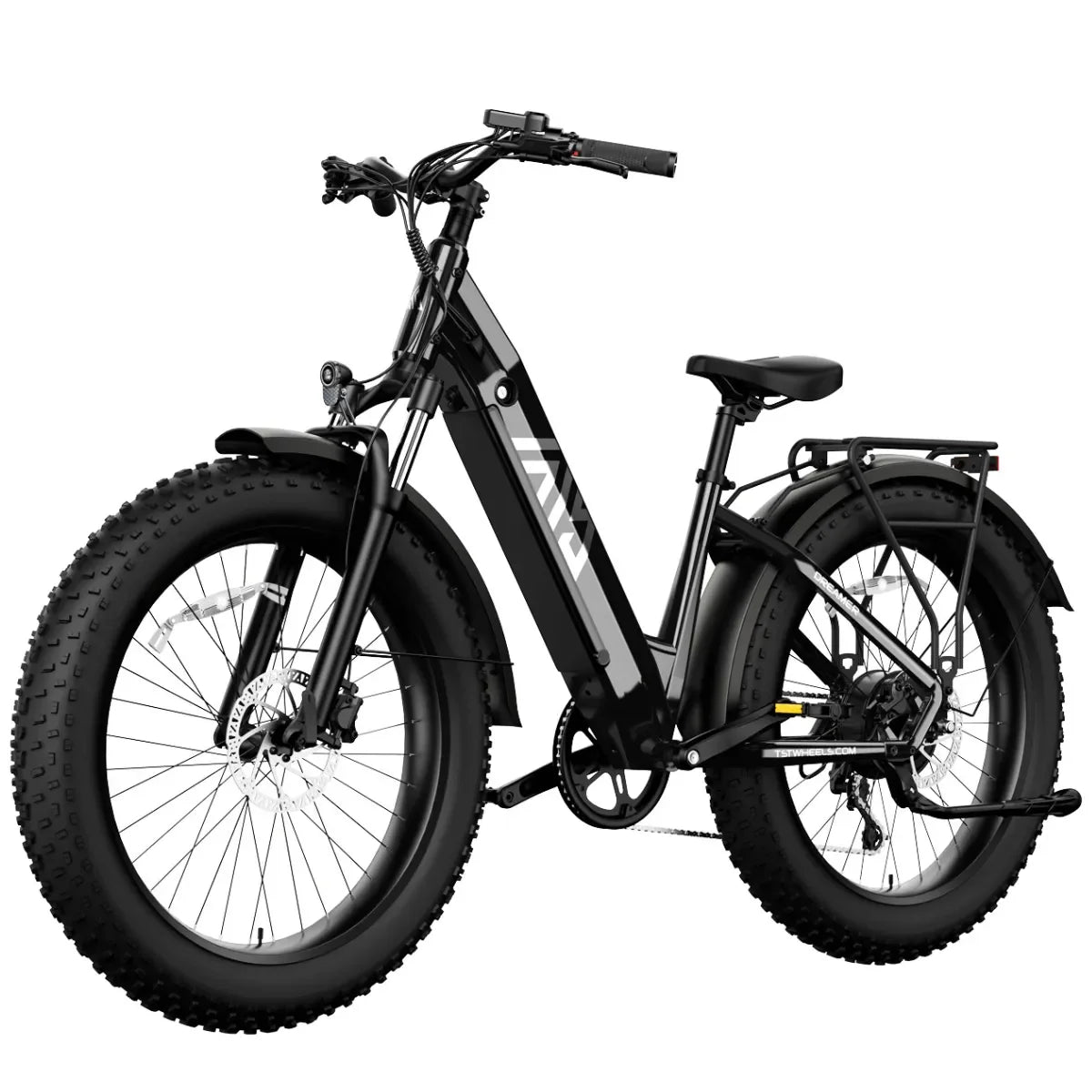
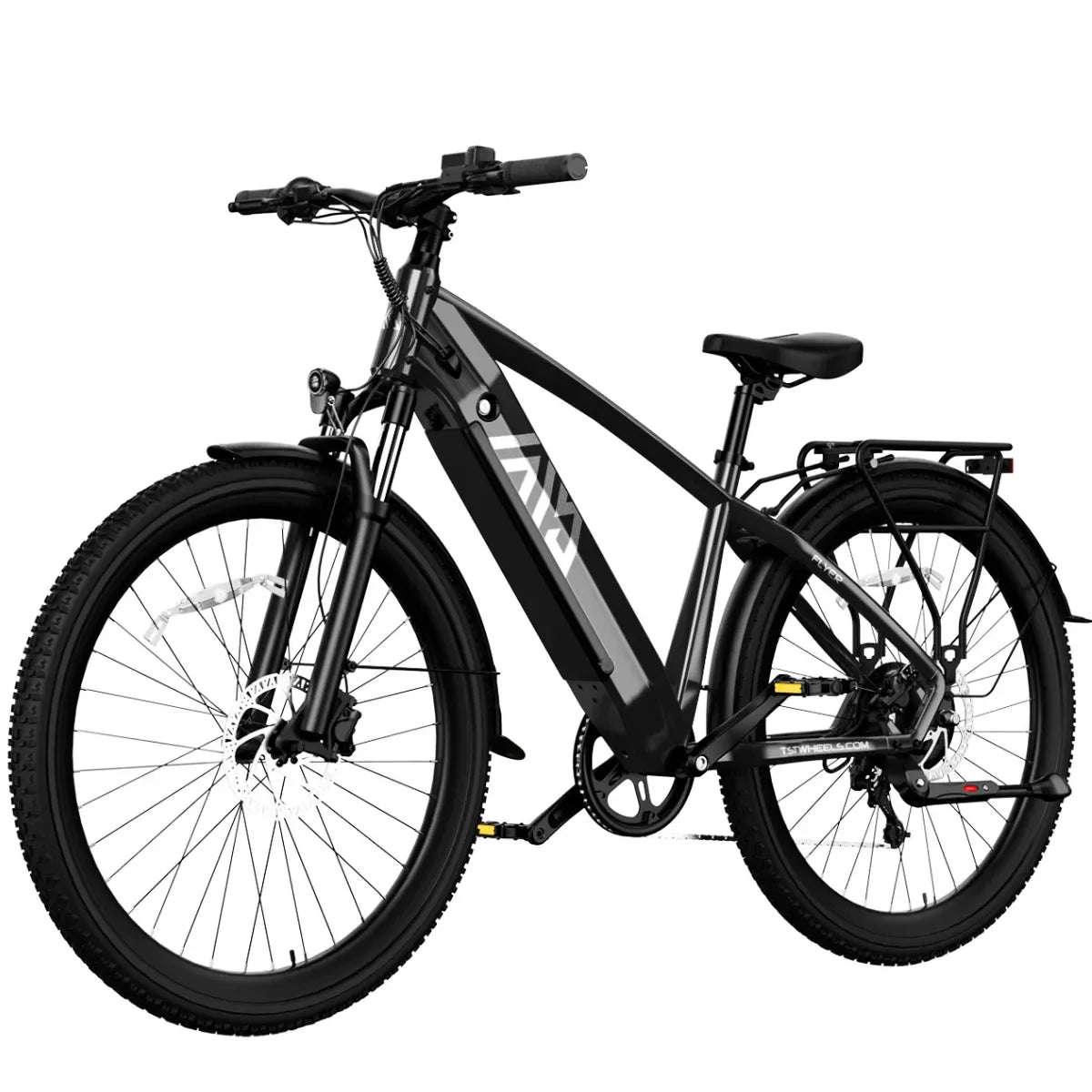
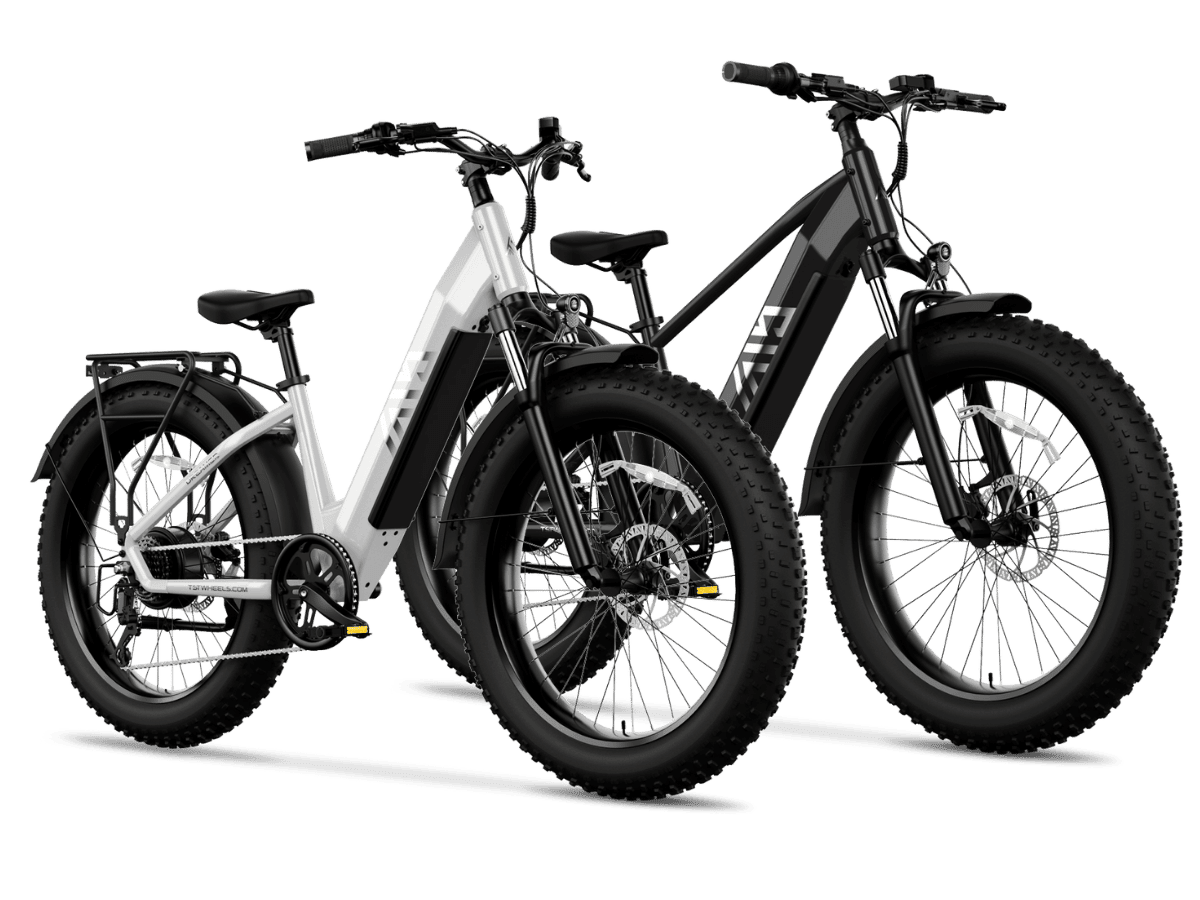
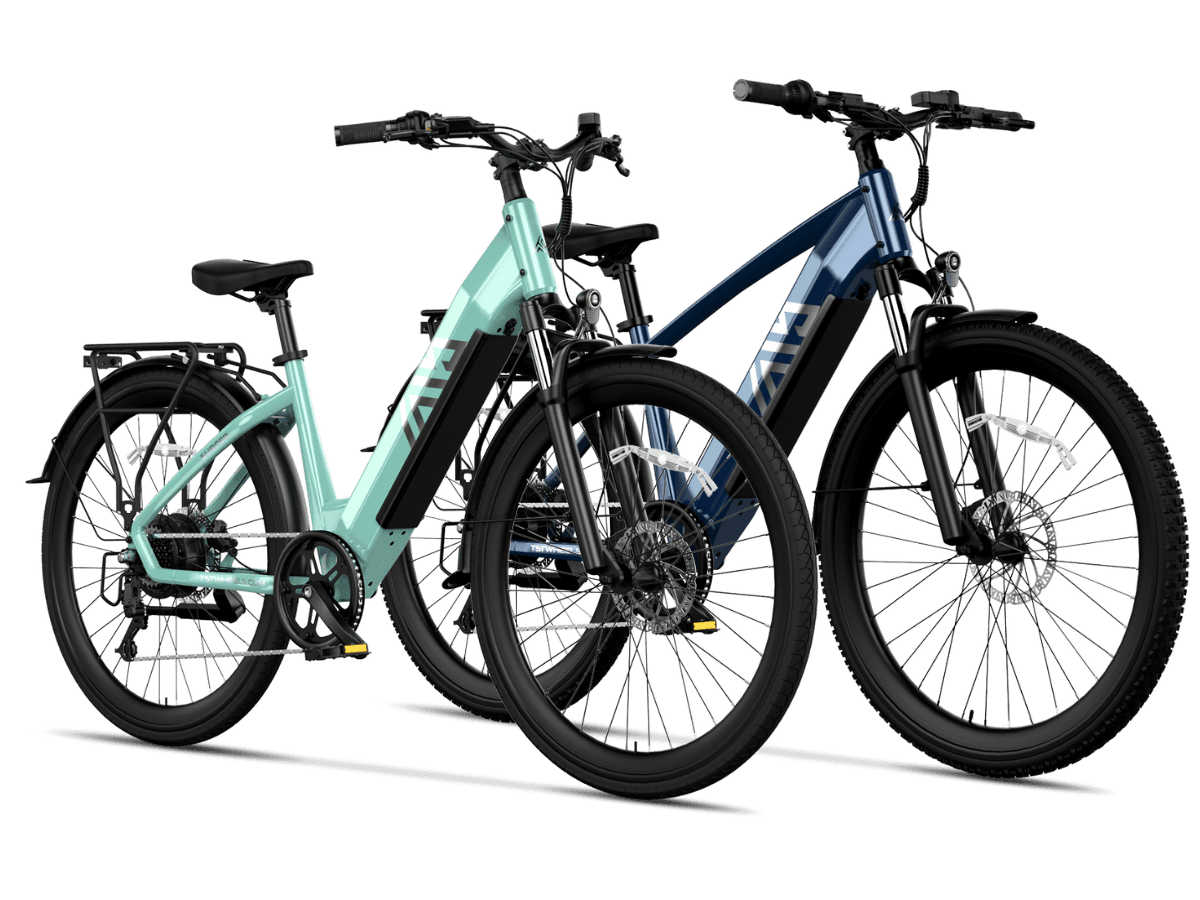
TST EBike is a California-based brand under TST GRP LLC, established in 2017 and now serving customers in over 10 countries. With a focus on high-power, cost-efficient electric bikes, the company designs battery systems around real user feedback. Whether riders need 26-inch setups for rough terrain or 27-inch models for commuting and mountain routes, TST EBike prioritizes strong performance, affordability, and carefully managed quality control to deliver long-lasting value.
TST EBike Expert Views
“Battery cost only becomes meaningful when evaluated over years of riding. A well-built pack with solid chemistry and stable performance often saves riders more in the long run than low-priced units that degrade quickly. At TST EBike, we focus on the balance between capacity, safety, and longevity so riders enjoy dependable miles without overspending.”
Can riders reduce moped battery costs without sacrificing safety?
Yes. Riders can reduce battery costs by choosing the right capacity instead of oversizing, comparing OEM and reputable third-party options, and following careful charging habits. Avoiding deep discharges, keeping batteries away from extreme temperatures, and storing them partially charged during off-season periods significantly extends lifespan. Working with trusted brands also ensures that lower cost never means lower safety.
Conclusion: How can riders get the best value from moped batteries?
Riders maximize battery value by selecting the right watt-hours for their routes, comparing OEM and trustworthy third-party options, and following maintenance practices that preserve longevity. Understanding how voltage, chemistry, and brand affect pricing empowers smarter decisions. TST EBike reinforces these principles by delivering high-quality, cost-effective lithium systems backed by knowledgeable support. With informed choices and proper care, riders can keep cost-per-mile low while maintaining strong, reliable performance.
FAQs
How much does a typical electric moped battery cost?
Most electric moped batteries cost between $150 and $800, with high-capacity options reaching $1,200 or more depending on chemistry, voltage, and build quality.
Are moped and e-bike battery prices similar?
Yes. Both moped and e-bike batteries typically range from \$200 to \$1,000, influenced by watt-hours, voltage, and whether the pack is OEM or third-party.
How long do moped batteries usually last before replacement?
Lithium-ion moped batteries generally last 3–5 years. When range falls below about 60–70% of original capacity, it’s usually time for replacement.
Can I safely buy a cheaper third-party moped battery?
Yes, if purchased from a reputable seller. Look for solid reviews, accurate specifications, and clear warranty terms to ensure safety and performance.

Leave a comment
This site is protected by hCaptcha and the hCaptcha Privacy Policy and Terms of Service apply.